College advancement teams face a fundamental challenge in 2025: alumni giving participation rates have dropped from 18% in 2009 to just 8.5% in 2021, according to the Council for Advancement and Support of Education (CASE). At the same time, higher education institutions report that gifts to American colleges and universities totaled $61.5 billion in fiscal year 2024, a 3% increase from the previous year. This paradox reveals a critical truth: while fewer donors are giving, those who remain engaged are giving more generously than ever before.
The difference between institutions that thrive and those that struggle comes down to one critical factor: strategic donor recognition that drives sustained engagement. Research consistently shows that 63% of donors give multiple times when recognized in a meaningful way, and properly recognized donors demonstrate 25% higher engagement rates and 15-20% larger subsequent gifts compared to those receiving minimal acknowledgment.
This comprehensive guide explores how colleges and universities can use strategic recognition to transform one-time donors into lifelong supporters, increasing both engagement and giving through proven, data-driven approaches.
The Psychology Behind Recognition-Driven Donor Engagement
Before implementing recognition strategies, it’s essential to understand why recognition influences giving behavior so powerfully.
Social Proof and Giving Behavior
When prospective donors see others contributing to your institution, powerful psychological dynamics activate. According to research on philanthropic behavior, donors don’t just give to needs—they give to legacies they want to join. When institutions demonstrate how they honor past contributions, they create compelling visions of how future donors will be celebrated, remembered, and appreciated.
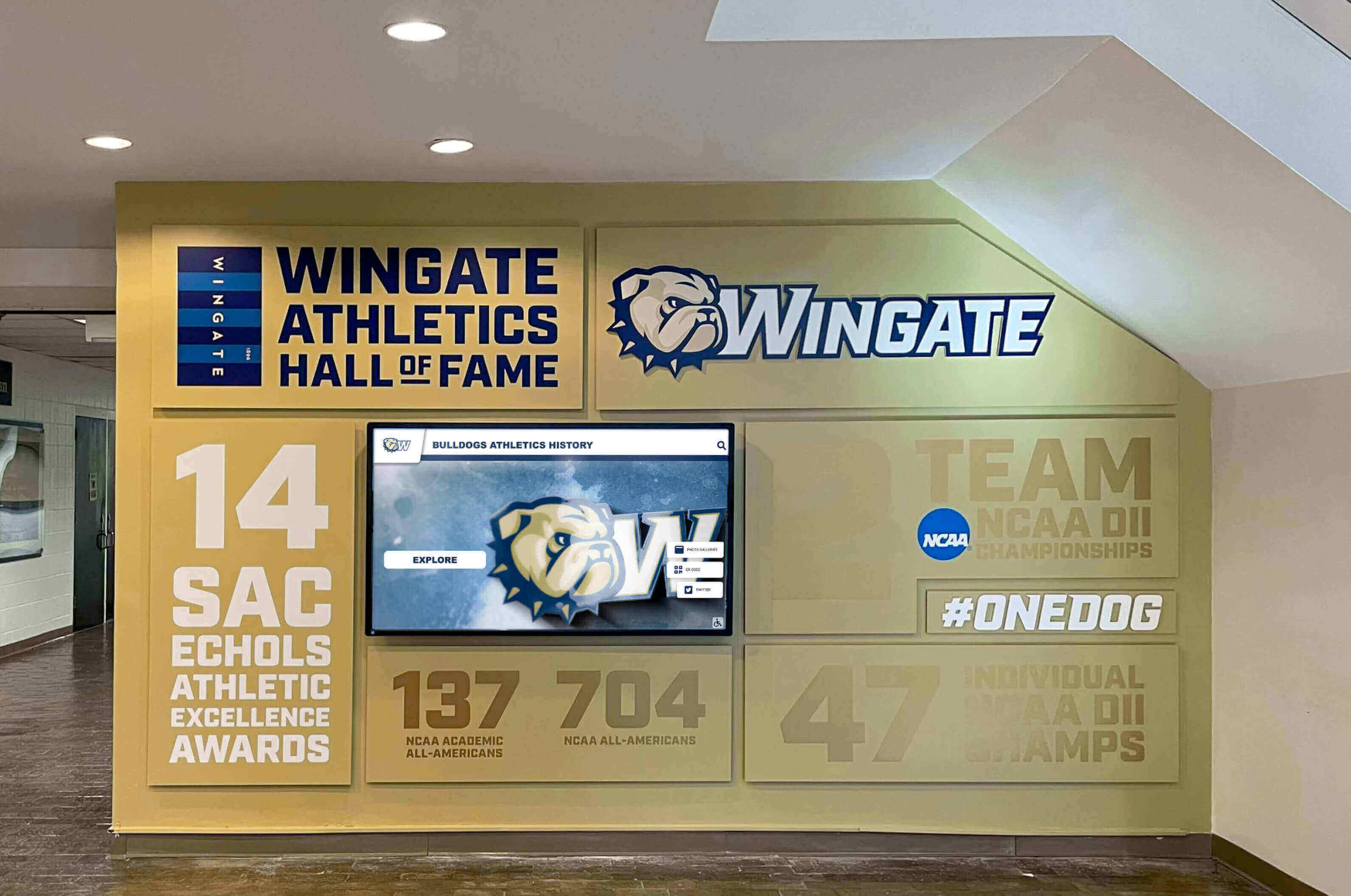
This social proof creates what behavioral economists call “herd behavior” in the most positive sense. Digital recognition displays provide continuous social cues that giving is valued, appreciated, and remembered—all powerful motivators for future contributions.
The Recognition-Engagement Connection
A study by the Association of Fundraising Professionals (AFP) found that 75% of donors expressed a desire for more personalized recognition beyond traditional methods like plaques or certificates. This desire for meaningful acknowledgment directly impacts engagement levels.
Organizations implementing strategic donor recognition programs report several measurable improvements:
- 25% increase in donor engagement compared to traditional recognition methods, according to Nonprofit Source
- 15-25% improvements in donor retention among recognized contributors
- 50% jump in engagement rates when schools implement rotating content on digital recognition displays versus static approaches
- 3.5x longer viewing time with digital displays versus traditional plaques
These numbers reveal a clear truth: recognition isn’t just acknowledgment—it’s a strategic engagement tool that drives measurable results.
The Shift to Digital Donor Recognition in Higher Education
Traditional donor recognition—brass plaques, printed honor rolls, static donor walls—served institutions well for decades. However, these approaches face inherent limitations that constrain both stewardship effectiveness and donor engagement potential.
Limitations of Traditional Recognition
Physical donor walls struggle with several challenges:
- Space constraints that force difficult decisions about which donors receive recognition
- Update timelines requiring 8-12 weeks for new plaques, creating gaps between gifts and acknowledgment
- Limited capacity preventing comprehensive recognition across all giving levels
- Static presentation that fails to engage modern audiences expecting interactive experiences
- No analytics to measure recognition effectiveness or inform optimization
The Digital Recognition Advantage
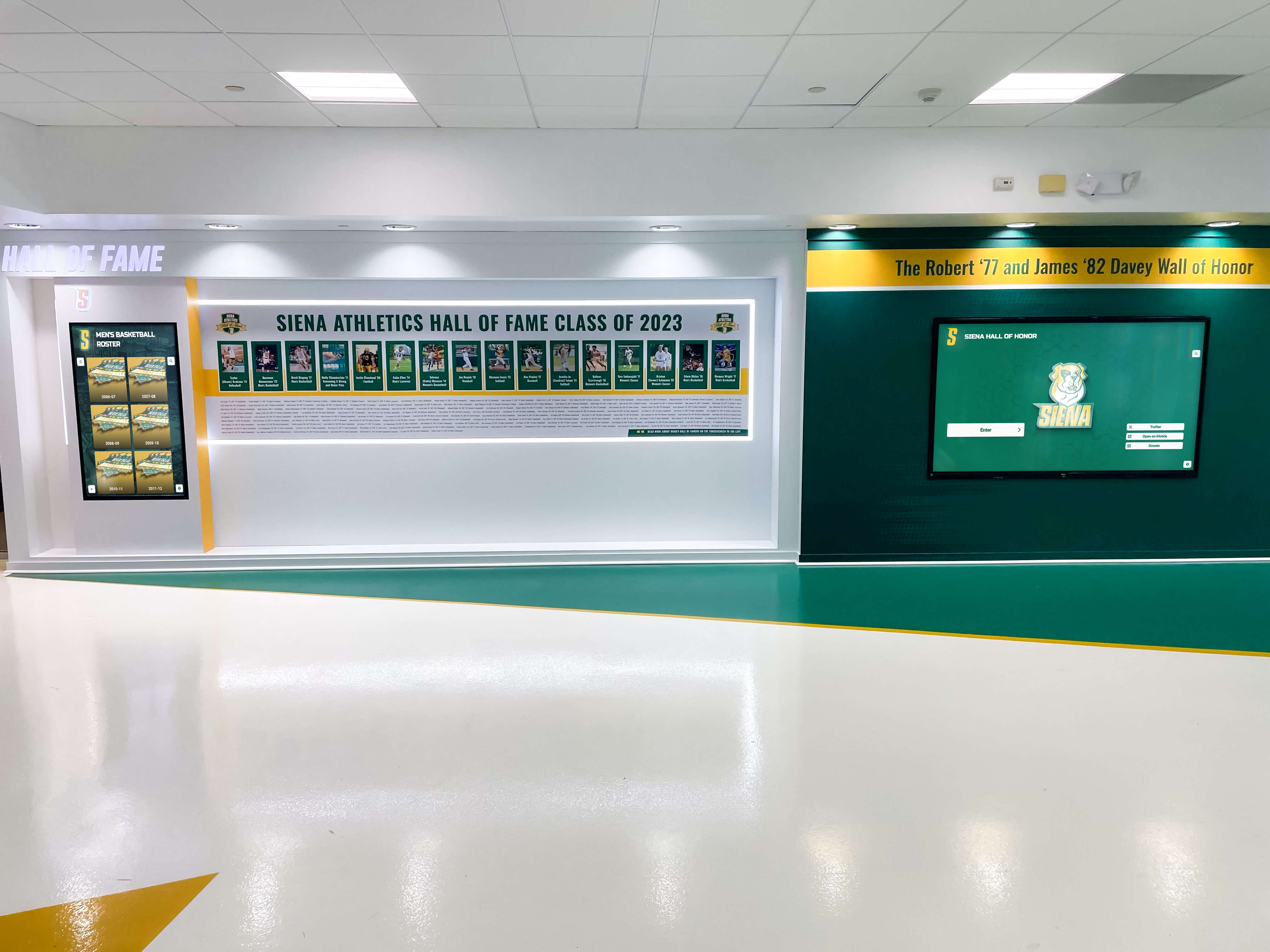
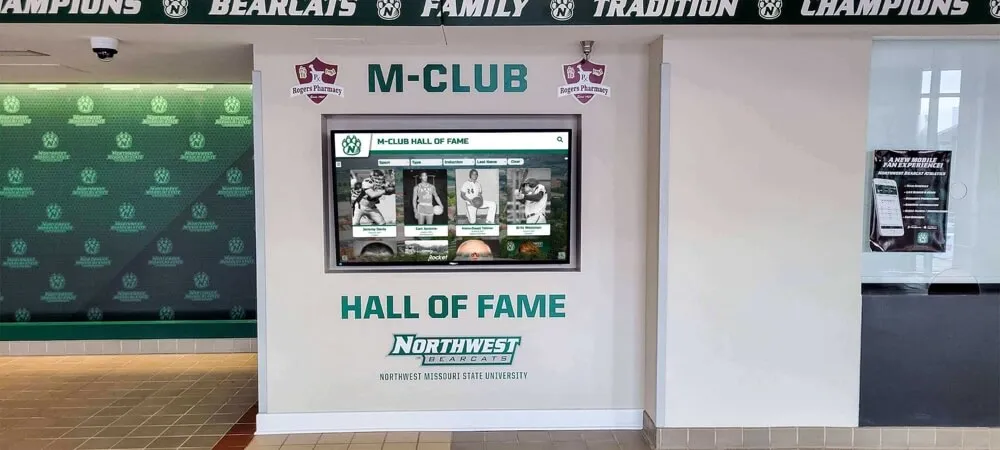
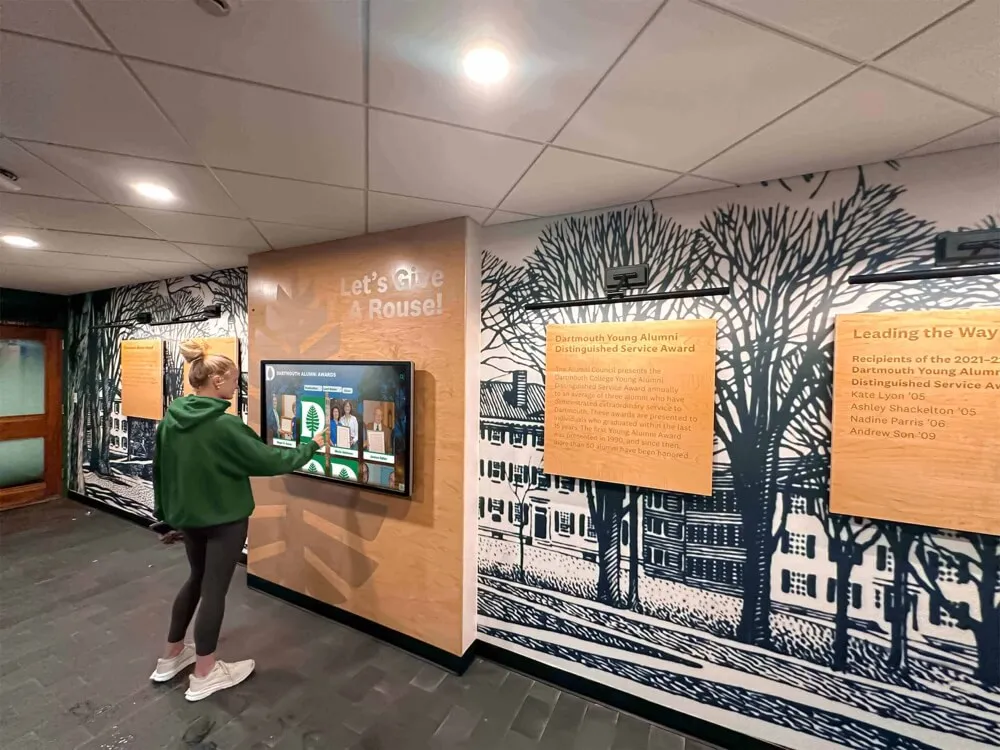
Digital donor recognition systems solve these limitations while creating new opportunities for engagement. Solutions like Rocket Alumni Solutions provide interactive platforms that transform how colleges recognize and engage donors.
Key advantages of digital recognition include:
Unlimited Capacity: Digital platforms accommodate unlimited donors across all giving levels without space constraints. Whether recognizing 50 donors or 5,000, the physical footprint remains constant.
Real-Time Updates: Add new donors within hours of gift processing rather than waiting weeks for plaque production, reinforcing positive giving experiences while gratitude feels fresh.
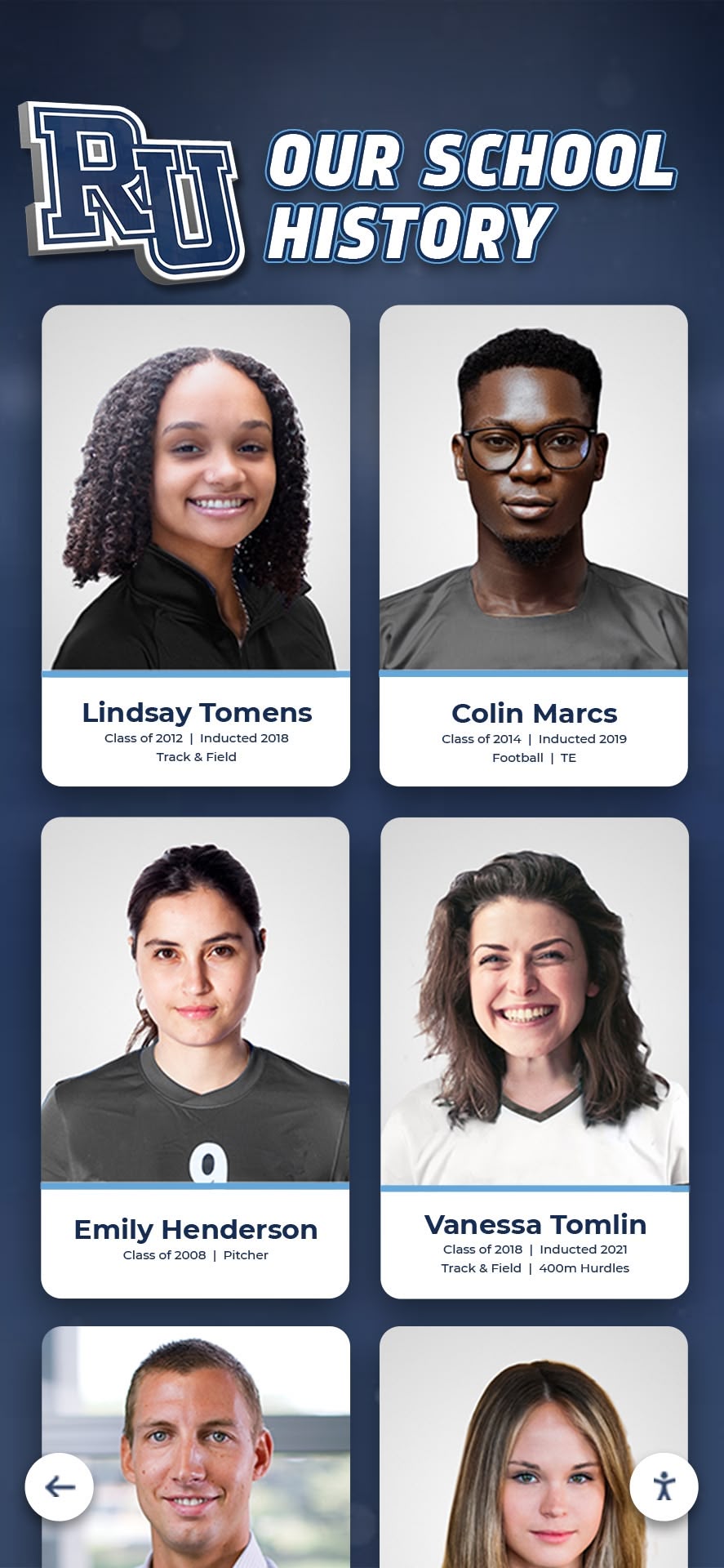
Rich Multimedia Storytelling: Incorporate donor photos, video testimonials, impact stories, and interactive timelines that bring contributions to life in ways static plaques cannot match.
Remote Accessibility: Alumni and donors living far from campus can view recognition through web-based access, maintaining engagement regardless of geographic distance.
Engagement Analytics: Track visitor behavior, content popularity, and engagement patterns—transforming recognition from unmeasurable activities into data-rich programs that inform strategic decisions.
According to research on digital donor walls, interactive displays typically see ROI ratios of 3:1 for newer institutions and 6:1 for established schools, with engagement rates jumping 50% when implementing rotating content versus static displays.
Strategic Recognition Practices That Increase Donor Engagement
Effective donor recognition goes beyond simply listing names—it creates meaningful experiences that strengthen institutional bonds and inspire continued support.
1. Tiered Recognition That Inspires Progression
Create clear recognition tiers that celebrate donors at every level while providing aspirational pathways to higher engagement:
Leadership Recognition ($25,000+)
- Featured placement in digital displays with comprehensive profiles
- Personal video testimonials or donor story features
- Named giving opportunities and program sponsorships
- Legacy society membership with exclusive benefits
Major Donor Recognition ($5,000-$24,999)
- Prominent digital profiles with photos and impact statements
- Recognition at annual donor appreciation events
- Insider access to program updates and facility tours
- Invitations to exclusive networking opportunities
Supporting Donor Recognition ($1,000-$4,999)
- Standard profiles in searchable digital databases
- Inclusion in annual recognition publications
- Access to donor-only content and events
- Annual impact reports showing cumulative gift effects
Friend Recognition ($100-$999)
- Name inclusion in digital honor rolls
- Recognition in institutional communications
- Connection to broader donor community
- Acknowledgment of participation regardless of amount
This tiered structure makes giving level boundaries clear while celebrating donors at every level—a key factor since digital systems eliminate the space constraints that force traditional displays to focus only on top donors.
2. Impact Storytelling That Connects Gifts to Outcomes
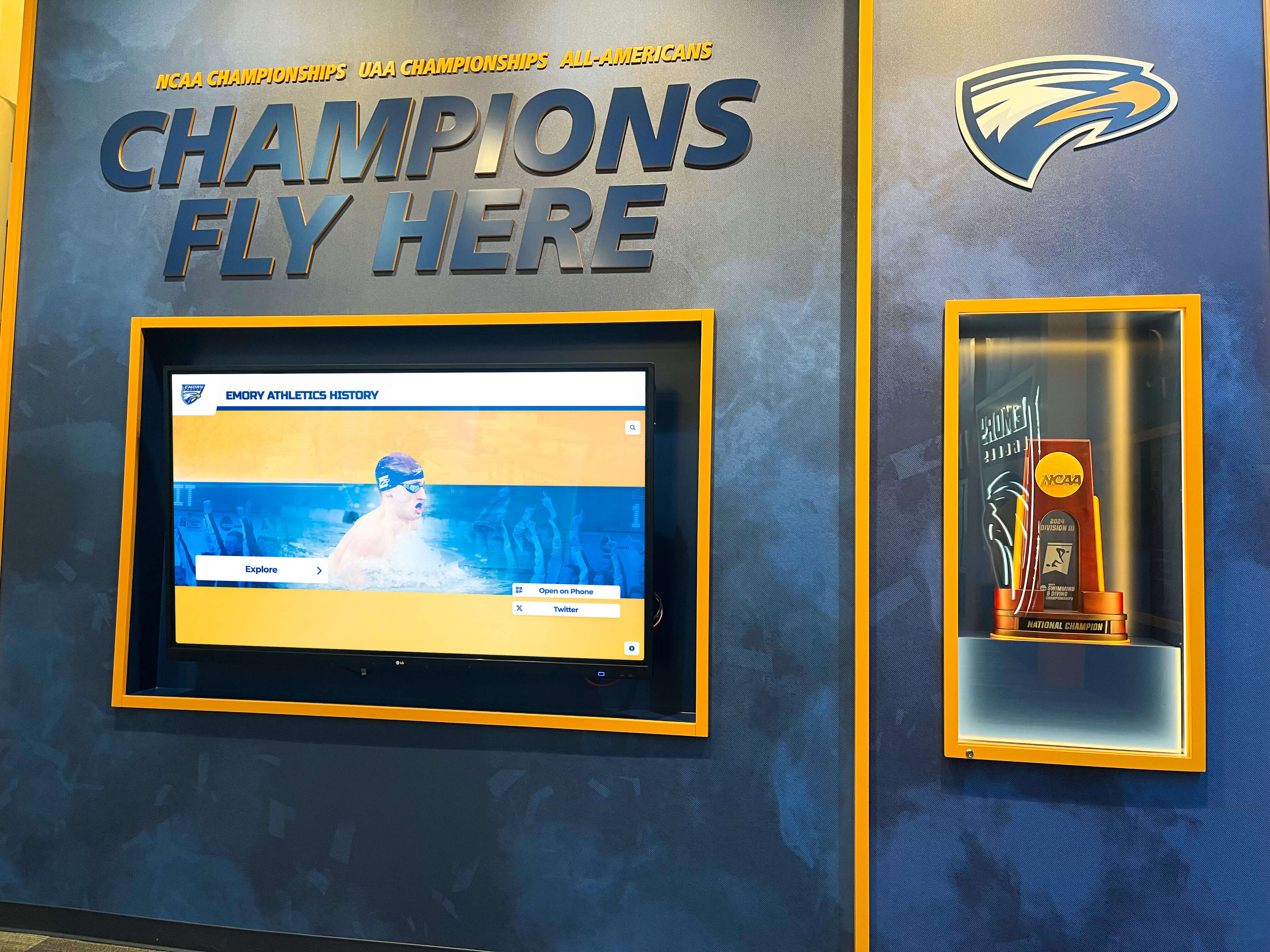
About 42% of donors say that personal stories are the most significant factor in their desire to donate more, according to fundraising research. Digital recognition enables compelling storytelling that brings giving outcomes to life.
Effective impact storytelling includes:
- Scholarship recipient profiles featuring students supported by donor generosity, with academic achievements and graduation outcomes
- Facility transformation stories showing before-and-after imagery of spaces donations enabled
- Program impact metrics demonstrating measurable outcomes like students served, research discoveries, or community benefits
- Beneficiary testimonials providing authentic voices of those helped by donor generosity
- Multi-year impact tracking documenting how gifts create sustained value over time
When donors see the faces of students their scholarships supported or tour facilities their gifts created, the connection between giving and impact becomes viscerally real—strengthening ongoing commitment and increasing likelihood of future giving.
3. Recognition That Demonstrates Stewardship Commitment
Comprehensive recognition of historical donors sends powerful messages about institutional priorities. It demonstrates that your college doesn’t simply cash checks and move on—you remember, celebrate, and honor those who support your mission.
This stewardship commitment directly influences giving decisions. Prospective major donors evaluate stewardship carefully before making significant commitments. They ask explicit and implicit questions: Will my gift be appreciated beyond the initial acknowledgment? Does this institution value its supporters over the long term? How does this college honor its benefactors?
Organizations with visible, comprehensive recognition programs answer these questions affirmatively before they’re even asked—removing psychological barriers to giving and building confidence in institutional stewardship.
4. Recognition Accessibility That Extends Global Reach
Alumni and donors living far from campus represent a significant portion of most institutions’ constituencies. Digital donor recognition displays extend acknowledgment beyond physical locations through web-based access ensuring all donors experience recognition regardless of geographic distance.
This remote accessibility proves especially valuable for institutions with geographically distributed alumni populations where many supporters may never physically return to campus. When donors can access their recognition from anywhere, share it with family and professional networks, and revisit it at will, engagement remains strong despite physical distance.
5. Recognition Events That Celebrate Community
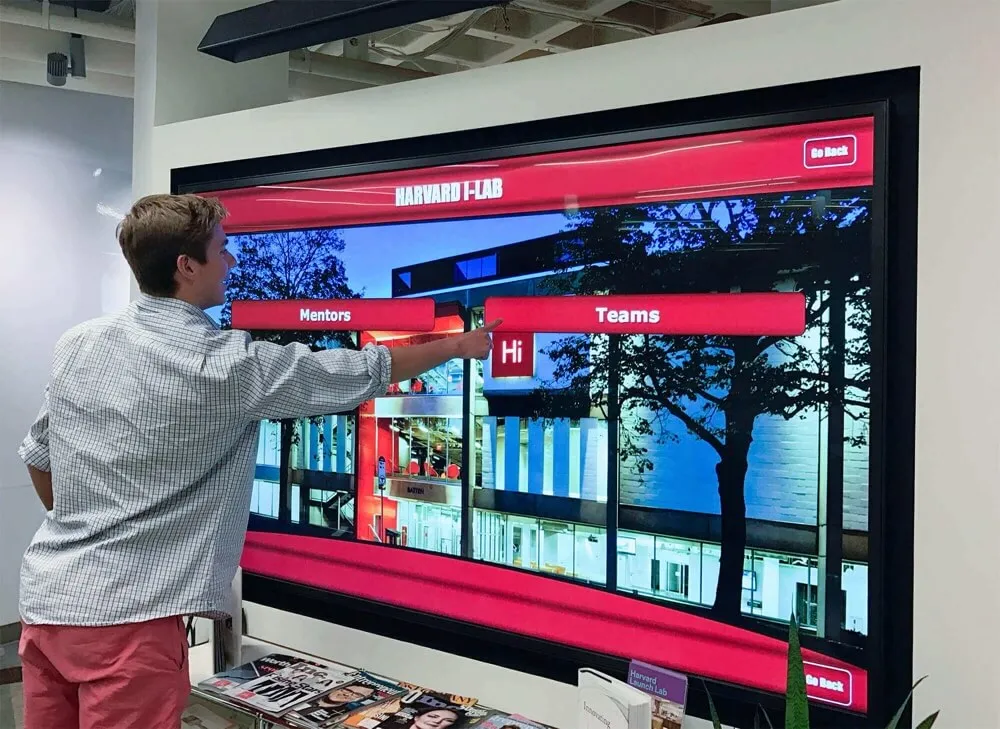
While digital recognition provides continuous acknowledgment, periodic recognition events create special moments that deepen donor connections to institutions and fellow supporters.
Effective recognition events include:
Legacy Celebration Galas: Honor distinguished historical donors while launching campaigns for new giving, featuring profiles of past benefactors alongside opportunities for attendees to join that legacy.
Donor Appreciation Receptions: Create intimate gatherings showcasing program impact through student presentations, faculty research updates, or facility tours demonstrating gift outcomes.
Recognition Wall Unveilings: When implementing new digital displays, create grand unveiling events that honor all donors—historical and contemporary—generating giving momentum while offering naming opportunities within new systems.
Annual Giving Days: Create 24-hour engagement surges combining social media campaigns, challenge matches, and real-time recognition of new gifts, building excitement and community participation.
These events generate multiple engagement touchpoints—from nomination processes through selection, celebration, and ongoing recognition through digital displays and publications.
Implementing Digital Recognition for Maximum Engagement
Successful digital recognition requires strategic implementation that ensures platforms deliver sustained value and measurable results.
Phase 1: Strategic Planning and Goal Setting
Before implementation, define specific, measurable objectives that platforms should advance:
- Increase donor retention among recognized contributors by 15-20%
- Grow annual fund participation among target segments by 12-15%
- Generate 25% increase in major gift conversations with prospects
- Drive 30% improvement in donor satisfaction scores
- Create 500+ monthly social media impressions from recognition sharing
Clear objectives enable measurement and optimization while ensuring platforms directly support strategic advancement priorities.
Phase 2: Technology Selection and Integration
Choose recognition platforms that balance immediate needs with long-term flexibility. Key selection criteria include:
- Unlimited capacity to honor donors across all giving levels
- Intuitive content management for non-technical advancement staff
- Integration capabilities with existing donor databases and CRM systems
- Analytics and reporting providing actionable fundraising insights
- Flexibility to evolve as needs and technology change
Solutions like Rocket Alumni Solutions provide comprehensive platforms purpose-built for educational institution needs, combining powerful functionality with user-friendly operation tailored to advancement team requirements.
Phase 3: Content Development and Launch
Create inaugural recognition content that balances historical and current donors:
- Develop comprehensive profiles for 50-100 major donors representing various eras and giving types
- Include multimedia elements such as photos, quotes, and impact stories making profiles engaging
- Create donor categories and giving societies with clear thresholds
- Design templates enabling efficient ongoing content creation
- Establish editorial standards ensuring consistency and quality
Plan implementation that maximizes both recognition and fundraising impact. Select display locations with high visibility and traffic, coordinate installation with campaign milestones, and prepare communications announcing the new recognition program.
Phase 4: Sustained Operations and Optimization
Initial implementation enthusiasm must give way to sustainable long-term operations:
- Regular content refresh schedules maintaining vitality and providing reasons for repeat engagement
- Clear ownership for platform management and ongoing updates
- Training programs addressing staff turnover and ensuring consistent quality
- Periodic technology updates keeping systems current with donor expectations
- Feedback loops gathering and acting on user input for continuous improvement
Organizations treating platforms as living, evolving resources requiring consistent attention achieve dramatically better long-term results than those viewing recognition as one-time projects.
Measuring Recognition ROI and Impact
Data-driven optimization ensures recognition programs deliver maximum value and continuously improve. Track these critical success metrics:
Donor Behavior Metrics
- Retention rates for recognized versus non-recognized donors (benchmark: 15-25 percentage point improvements)
- Average gift size trends year-over-year (benchmark: 15-20% increases for engaged donors)
- Upgrade conversion rates showing donors moving to higher recognition tiers (benchmark: 8-12% annually)
- Time-to-next-gift intervals comparing recognized versus non-recognized donors
- Major gift success rates for prospects exposed to recognition during cultivation (benchmark: 20-35% increases)
Engagement Analytics
Modern digital recognition platforms provide rich engagement data:
- Total daily interactions and unique visitors establishing baseline engagement
- Average session duration indicating content interest depth (target: 5-8 minutes)
- Pages per session showing exploration breadth (target: 10-15 screens)
- Return visitor rates demonstrating sustained interest
- Content performance revealing which stories resonate most powerfully
ROI Calculation
Organizations implementing digital recognition typically measure ROI through multiple dimensions:
Hard Cost Savings: Eliminated printing and engraving costs (typically $2,000-5,000 annually), reduced installation labor (typically $1,500-3,000 annually), and decreased staff time for recognition updates (typically 80-100 hours annually).
Advancement Outcome Improvements: Most organizations report recognition systems paying for themselves within 18-24 months through enhanced giving patterns alone, before accounting for operational efficiencies and stewardship benefits.
According to research on why honoring the past helps fund the future, 20-percentage-point retention improvements can triple average lifetime donor value, generating returns of $5-$10 for every dollar invested over five-year periods.
Best Practices From Leading College Advancement Programs
Examining how successful institutions leverage recognition provides practical insights for implementation.
Comprehensive Historical Recognition
Leading programs research and profile historical donors spanning institutional history—not just recent contributors. This comprehensive approach demonstrates institutional memory while creating compelling narratives connecting past generosity to current excellence.
By positioning new recognition systems as finally honoring supporters who built current programs, colleges transform recognition projects themselves into fundraising vehicles. Descendants and current community members contribute to recognition initiatives while honoring historical donors who never received permanent acknowledgment.
Integration With Advancement Strategy
The most successful recognition programs treat platforms as integral components of comprehensive stewardship strategies rather than isolated acknowledgment tools. Recognition becomes woven into cultivation conversations, campaign communications, and long-term donor relationship management.
Development officers leverage recognition displays during campus tours and prospect meetings to demonstrate tangibly how organizations celebrate significant contributions. Rather than describing recognition abstractly, fundraisers show prospects exactly how they’ll be honored—removing uncertainties that can slow decision-making.
Donor Preference Management
Sophisticated programs accommodate diverse recognition preferences through comprehensive permission systems. Some supporters eagerly seek public acknowledgment; others prefer anonymity. Digital recognition systems enable this flexibility through permission-based access controls, tiered information disclosure, and customizable presentation respecting individual preferences.
When donors feel respected and heard regarding recognition preferences, trust deepens—increasing likelihood of continued and increased support over time.
Regular Content Evolution
Static content becomes invisible as familiarity breeds inattention. Leading programs implement systematic content refresh schedules maintaining engagement and giving returning visitors reasons to interact repeatedly.
Strategies include monthly rotating donor spotlights, seasonal campaigns aligning with institutional calendars, thematic content collections connecting donors through shared interests, and anniversary recognition honoring milestone years of consecutive giving.
Overcoming Common Implementation Challenges
Advancement teams considering digital recognition often encounter concerns that strategic planning can address:
Budget Considerations
While initial investments appear substantial, several approaches make recognition platforms financially feasible:
- Phased rollouts starting with single displays in high-priority locations
- Donor sponsorship where campaign donors fund recognition systems themselves
- Multi-year operating budget allocations spreading costs across fiscal years
- ROI analysis demonstrating platforms pay for themselves through recovered time and improved outcomes within 2-4 years
Many institutions find that displays pay for themselves through increased giving within 2-3 years—creating positive financial returns before accounting for advancement outcome improvements.
Content Development Capacity
Teams often wonder whether they have capacity to populate and maintain digital platforms. Practical approaches include:
- Phased content addition starting with priority populations
- Student employment engaging undergraduates in content development
- Alumni crowdsourcing inviting profile submissions from constituents
- Existing content repurposing from printed materials and websites
- Template standardization simplifying ongoing additions
Most institutions find that initial setup requires moderate effort during implementation, but ongoing maintenance demands far less time than traditional recognition methods—creating net time savings despite digital content requirements.
Technology Adoption Concerns
Non-technical advancement professionals may worry about system complexity. Modern platforms address these concerns through intuitive interfaces requiring no technical expertise, comprehensive training during implementation, responsive support for troubleshooting, automatic updates requiring no IT involvement, and cloud-based management accessible from any device.
The Future of College Donor Recognition and Engagement
Understanding emerging trends helps organizations position recognition programs for sustained success across changing philanthropic landscapes.
Enhanced Personalization Through AI
Artificial intelligence technologies will enable increasingly sophisticated recognition personalization. Systems may automatically generate compelling donor profile content based on giving histories and biographical information, while predictive analytics identify donors at risk of lapsing who could benefit from enhanced recognition touchpoints.
Deeper Mobile Integration
Mobile-first content creation tools will enable easy updates from smartphones, while progressive web apps provide seamless phone access to all recognition content from anywhere. Push notifications will alert donors about milestone achievements or campaign progress, extending recognition reach dramatically beyond physical display locations.
Transparency and Impact Measurement
Major donors increasingly expect rigorous accountability demonstrating that gifts create intended impacts. Enhanced impact reporting through data analytics, regular communications documenting measurable outcomes, and direct beneficiary connections all satisfy these expectations.
Digital recognition systems incorporating impact dashboards and program connections demonstrate institutional commitment to transparency while honoring major donors through comprehensive storytelling rather than simple name acknowledgment.
Conclusion: Strategic Recognition as Engagement Driver
College donor recognition has evolved from ceremonial acknowledgment into a strategic advancement tool that drives measurable improvements in engagement and giving. The research is clear: properly recognized donors demonstrate 25% higher engagement rates, 15-20% larger subsequent gifts, and significantly improved retention compared to those receiving minimal acknowledgment.
Digital recognition platforms provide the scalability, flexibility, and analytics that modern advancement requires—enabling colleges to honor donors at all levels while creating engagement experiences that inspire continued support. When combined with strategic implementation, compelling storytelling, and sustained content evolution, these systems transform one-time donors into lifelong supporters who increase both their engagement and generosity over time.
For advancement teams ready to modernize recognition programs and enhance fundraising outcomes, solutions like Rocket Alumni Solutions provide comprehensive platforms combining intuitive technology, purpose-built advancement features, and proven best practices. By implementing strategic recognition that genuinely values donors while demonstrating measurable impact, colleges can build the sustained philanthropic support that advances institutional missions for generations to come.
The institutions that thrive in increasingly competitive fundraising environments will be those that most effectively demonstrate to donors that giving isn’t just funding programs—it’s joining a celebrated legacy of community members who create lasting value and receive the recognition that honors their transformational generosity.































