College graduation represents one of life’s most significant milestones—the culmination of years of dedication, late-night study sessions, intellectual growth, and personal transformation. Yet many universities approach graduation celebrations through formulaic ceremonies and standard recognition methods that fail to capture the magnitude of this achievement or create the meaningful memories graduates and families deserve.
As institutions compete for student engagement and alumni connection, graduation celebrations have evolved from mere administrative processings into strategic opportunities for strengthening lifelong relationships. Universities that invest in memorable, personalized graduation experiences create lasting impressions that translate into alumni engagement, philanthropic support, and positive institutional reputation extending far beyond commencement day.
This comprehensive guide explores creative college graduation celebration ideas that transform standard ceremonies into unforgettable experiences graduates will cherish throughout their lives. From innovative recognition displays and interactive technology to personalized celebration elements and post-ceremony engagement strategies, you’ll discover practical approaches that honor individual achievement while celebrating collective success.
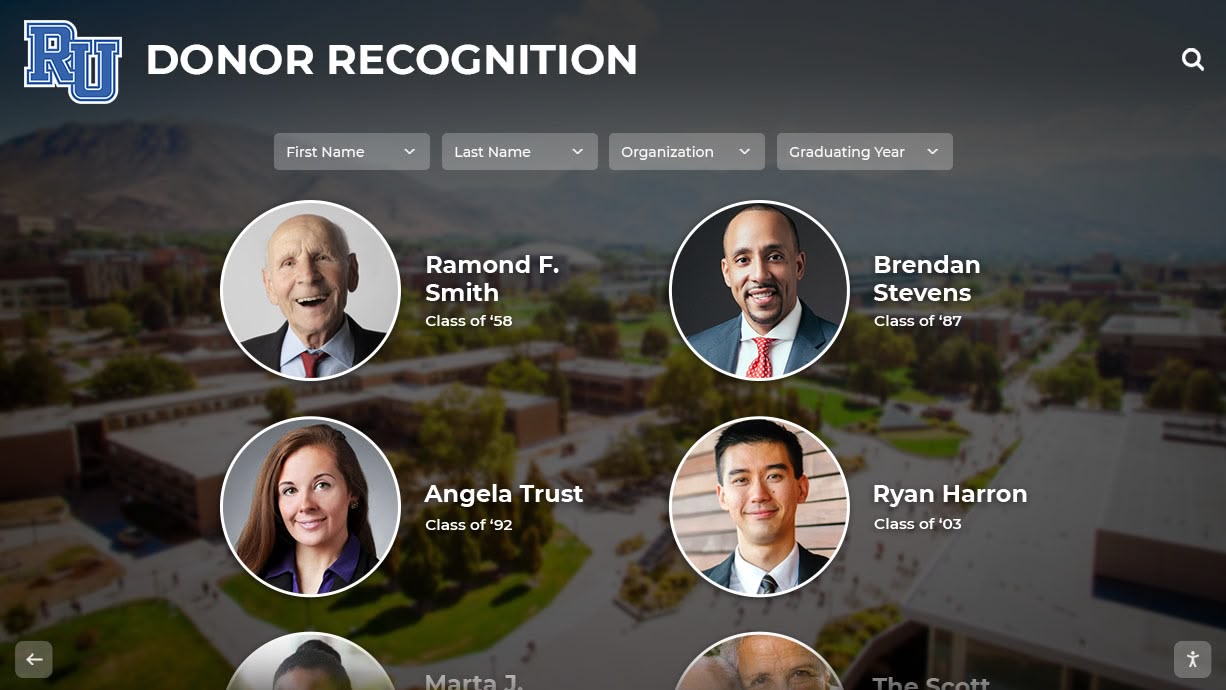
Modern recognition displays create permanent celebration of graduate achievements that inspire future students
Why Traditional Graduation Ceremonies Fall Short
Before exploring innovative celebration ideas, understanding limitations of conventional graduation approaches clarifies why universities increasingly seek enhanced recognition methods. Traditional ceremonies served adequately for decades, but changing student expectations and technological capabilities reveal opportunities for meaningful improvement.
The Conveyor Belt Experience Problem
Standard graduation ceremonies process hundreds or thousands of students through identical experiences—walk across stage, shake hands, receive diploma cover, return to seat. This efficiency-focused approach treats graduation as administrative checkpoint rather than personal celebration of individual journey, growth, and achievement.
For students who invested four or more years developing specialized knowledge, overcoming challenges, and building meaningful relationships, the thirty-second stage crossing feels anticlimactic. Families who traveled significant distances and made substantial financial investments deserve more than watching their graduate become an anonymous face in a massive crowd.
The most memorable graduation celebrations personalize recognition within larger communal contexts, acknowledging individual stories while honoring shared accomplishment. Universities implementing enhanced recognition report significantly higher satisfaction from graduates and families compared to institutions maintaining purely traditional approaches.
Limited Recognition Capacity
Traditional recognition methods—printed programs, brief name announcements, diploma presentations—accommodate only basic information: name, degree, perhaps academic honors. This limited format cannot capture comprehensive student accomplishments: research contributions, leadership roles, community impact, personal growth narratives, or post-graduation plans that complete the educational story.
Many accomplished students graduate without public acknowledgment of achievements defining their college experiences. The student-athlete who balanced rigorous academics with athletic excellence, the researcher who contributed to groundbreaking discoveries, the volunteer who transformed community organizations, the artist whose work enriched campus culture—these remarkable stories remain invisible when recognition accommodates only names and degrees.
Digital recognition solutions like those from Rocket Alumni Solutions enable comprehensive graduate recognition beyond ceremony constraints, showcasing complete achievement profiles accessible to campus communities, families, and future students.
Ephemeral Experiences Without Lasting Impact
Standard graduation ceremonies exist as momentary events—intense emotional experiences that conclude definitively when ceremonies end. Graduates return diplomas to parents, store caps and gowns, and transition immediately into post-graduation life without ongoing connection to celebration moments or graduating communities.
This ephemeral nature misses opportunities for sustained engagement extending graduation celebration beyond single events. Universities investing in permanent recognition infrastructure create ongoing touchpoints maintaining graduate connection while inspiring current students through accessible examples of educational outcomes and alumni success.
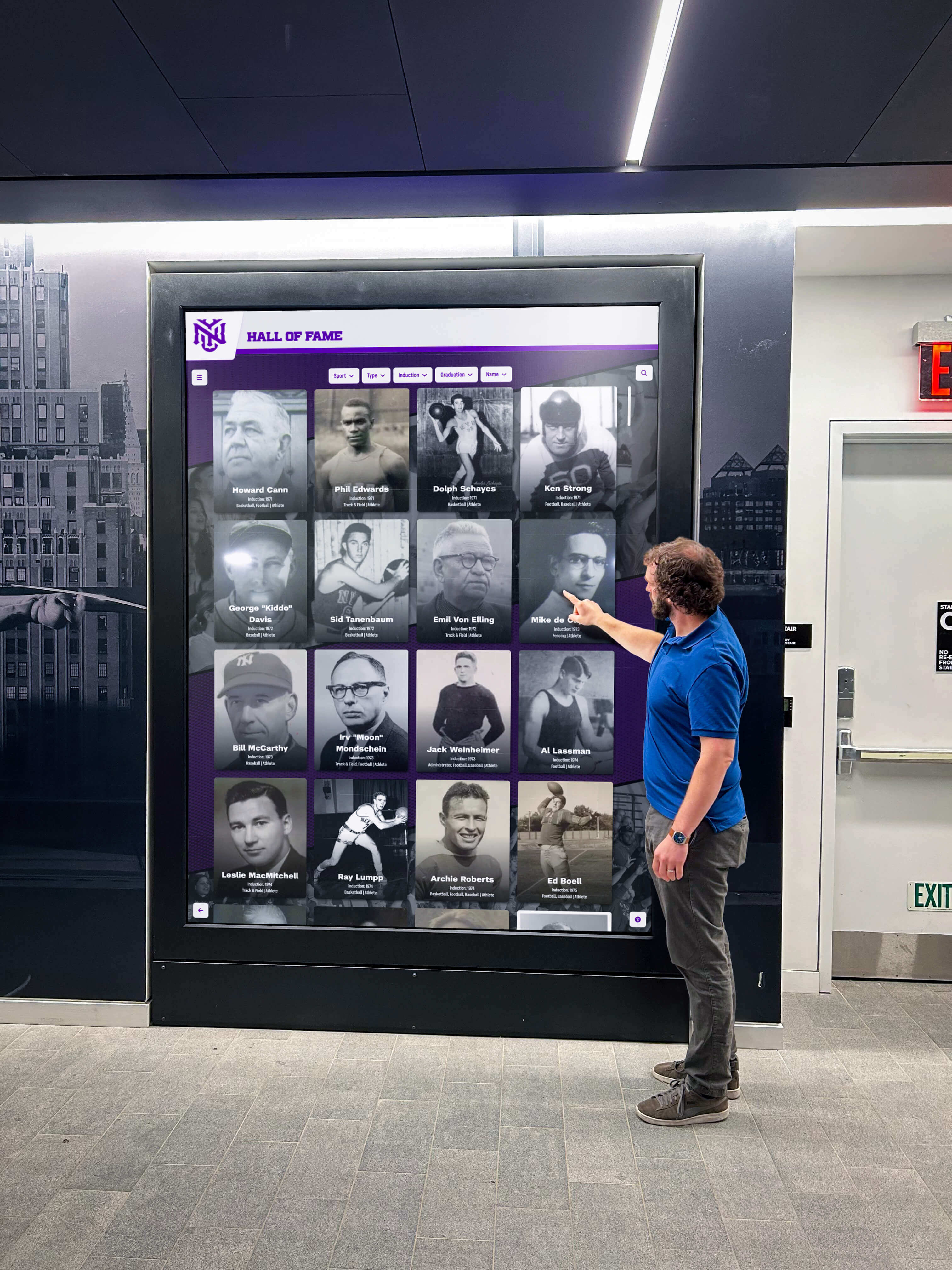
Interactive recognition displays enable graduates to explore peer achievements and share celebration moments digitally
Accessibility Limitations for Dispersed Communities
Physical graduation ceremonies serve only attendees present at specific times and locations. Family members unable to travel, international relatives in distant time zones, friends with scheduling conflicts, and alumni communities scattered globally miss participating in celebration moments no matter how meaningful.
This accessibility limitation proves particularly significant for non-traditional students—working professionals, parents balancing family responsibilities, military service members, or students with disabilities—whose circumstances complicate attendance at standard ceremony schedules. These graduates deserve celebration approaches accommodating diverse circumstances rather than imposing one-size-fits-all requirements.
Hybrid celebration models combining physical ceremonies with digital recognition extend inclusion dramatically. Virtual participation options and digital displays enable remote attendance while creating permanent recognition accessible globally to dispersed communities.
Pre-Graduation Celebration Ideas Building Anticipation
Effective graduation celebrations begin weeks before commencement ceremonies through strategic programming building excitement, strengthening community connections, and honoring achievements before formal recognition events.
Senior Week Programming and Legacy Activities
Dedicated senior weeks preceding graduation create concentrated celebration periods when graduates participate in exclusive programming designed specifically for departing classes. These structured experiences provide meaningful closure while building collective memories within graduating cohorts.
Senior Week Program Elements:
Legacy Project Initiatives: Organize meaningful legacy contributions graduates leave for future students—donated books with personalized inscriptions to campus libraries, commissioned artwork adorning campus spaces, endowed scholarships funded through class giving campaigns, time capsules containing artifacts and messages for future anniversary openings, or planted trees with dedication plaques marking graduating year.
These tangible contributions create lasting physical presences extending graduate connection beyond individual years while providing future classes visible reminders of institutional continuity across generations.
Senior Week Social Events: Plan coordinated social programming bringing graduating classes together for final shared experiences—senior formal dinners in campus dining halls, all-night graduation celebrations in student centers, farewell concerts featuring student performers, senior picnics in meaningful campus locations, or nostalgic revisits to residence halls where freshman-year friendships formed.
These events balance celebration with reflection, creating spaces where graduates process transition emotions while building final memories with communities that shaped their college experiences.
Faculty and Staff Recognition Events: Organize opportunities for graduates to thank faculty members, advisors, coaches, and staff who contributed to their success. Recognition receptions where students present cards or small gifts to mentors create emotional moments honoring relationships transcending transactional educational exchanges.
Consider implementing mentorship networks connecting graduating seniors with underclass students continuing programs or majors, enabling knowledge transfer while building intergenerational community connections that strengthen institutional culture.
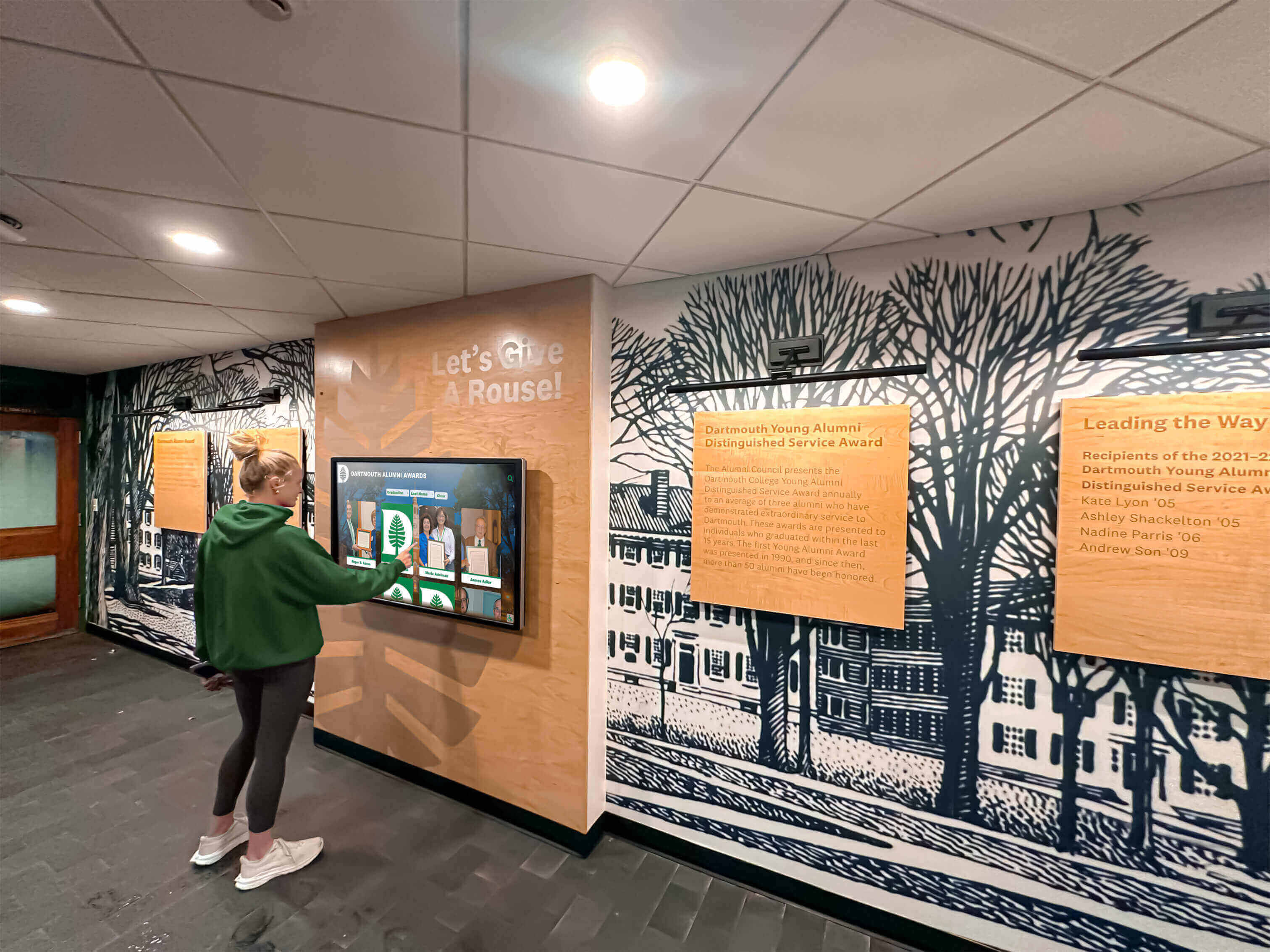
Campus recognition displays serve both celebration during senior activities and ongoing inspiration for continuing students
Personalized Graduate Recognition Campaigns
Pre-graduation periods provide ideal timing for launching comprehensive graduate recognition campaigns celebrating individual achievements while building momentum toward commencement ceremonies.
Digital Recognition Profile Development: Create comprehensive digital profiles for graduating students showcasing complete college journeys—academic accomplishments, research contributions, creative work, athletic achievements, leadership roles, volunteer service, memorable moments, personal reflections on growth, and post-graduation plans or graduate school acceptances.
These rich multimedia profiles transcend what ceremony programs can convey, enabling family, friends, and institutional communities to explore complete graduate stories rather than encountering only names and degrees. Platforms like interactive touchscreen displays in campus lobbies make recognition accessible throughout senior weeks and beyond.
Social Media Spotlight Series: Develop coordinated social media campaigns featuring daily or weekly graduate spotlights leading up to commencement. Profile diverse student achievements, academic disciplines, post-graduation paths, and personal stories illustrating educational transformation.
Encourage graduates to share profiles through personal networks, extending institutional visibility while enabling students to celebrate their accomplishments with broader communities. User-generated content campaigns using dedicated graduation hashtags aggregate celebration moments into collective narratives showcasing class identity.
Senior Awards and Recognition Ceremonies: Organize discipline-specific or achievement-category awards ceremonies during senior weeks, creating opportunities for departments to celebrate outstanding students in intimate settings enabling substantive recognition impossible during massive commencement ceremonies.
These departmental ceremonies often prove more meaningful to students than general commencements because they occur among peers and faculty who intimately understand specialized achievements. Record ceremonies for absent family members while creating content suitable for broader institutional sharing.
Family Engagement Programming
Graduation celebrations serve families as much as students—parents, grandparents, siblings, and extended relatives who supported educational journeys deserve inclusive programming acknowledging their contributions while creating family celebration opportunities beyond watching ceremonies.
Family Weekend Coordinated with Graduation: Schedule family-focused programming the weekend before commencement ceremonies, enabling relatives to visit campus, participate in recognition activities, and celebrate students in less formal contexts than structured ceremonies.
Programming might include campus tours highlighting locations meaningful to students, academic showcases where students present research or creative work to families, faculty reception opportunities for families to meet professors who mentored their students, or interactive displays enabling families to explore graduate achievements and institutional histories.
Family Recognition Opportunities: Create spaces within graduation programming where families receive acknowledgment for supporting educational success. Brief segments during ceremonies recognizing sacrifices families made, cards graduates write to parents read during family receptions, or dedicated social media campaigns celebrating “graduation families” validate family contributions.
Consider implementing family legacy recognition for multi-generational alumni families, creating special designation or recognition for students whose parents, grandparents, or siblings attended the same institutions.
Innovative Commencement Ceremony Enhancements
While traditional ceremony structures provide important ritual frameworks, strategic enhancements create more engaging, personalized, and memorable experiences without requiring complete ceremony redesign.
Personalized Recognition Moments
Standard name announcements accompanied by brief handshakes provide minimal personal recognition. Enhanced approaches acknowledge individual achievement more meaningfully while maintaining ceremony flow.
Achievement Highlight Announcements: Beyond announcing names and degrees, include brief achievement highlights for each graduate—academic honors, thesis titles, post-graduation plans, or notable accomplishments. “Sarah Johnson, Biology major, cum laude, conducted cancer research at Mayo Clinic, beginning medical school at Johns Hopkins” creates richer recognition than name alone.
This enhanced approach requires additional ceremony time but creates substantially more meaningful recognition validating individual journeys. For very large ceremonies, consider providing detailed written profiles in programs while maintaining standard verbal announcements.
Visual Recognition on Large Screens: Install large display screens flanking ceremony stages, showing graduate photos synchronized with stage crossings. When “Michael Chen” is announced, his photo appears on screens enabling audience members, particularly those seated distantly, to see and connect with each graduate personally.
Enhanced versions include brief video clips or photo montages showing graduates throughout college experiences, creating emotional moments celebrating personal growth visible to entire audiences. These visual enhancements accommodate large audiences while creating intimate recognition moments.
Graduate Submitted Recognition Elements: Enable students to submit personal elements incorporated into recognition—chosen quotations displayed on screens, brief “thank you” messages to families or mentors shared during crossings, or selected photos representing meaningful college memories.
This personalization empowers graduates with agency in their recognition while creating variety preventing ceremony monotony. Submissions require advance collection and curation but create substantially more engaging experiences than formulaic uniformity.
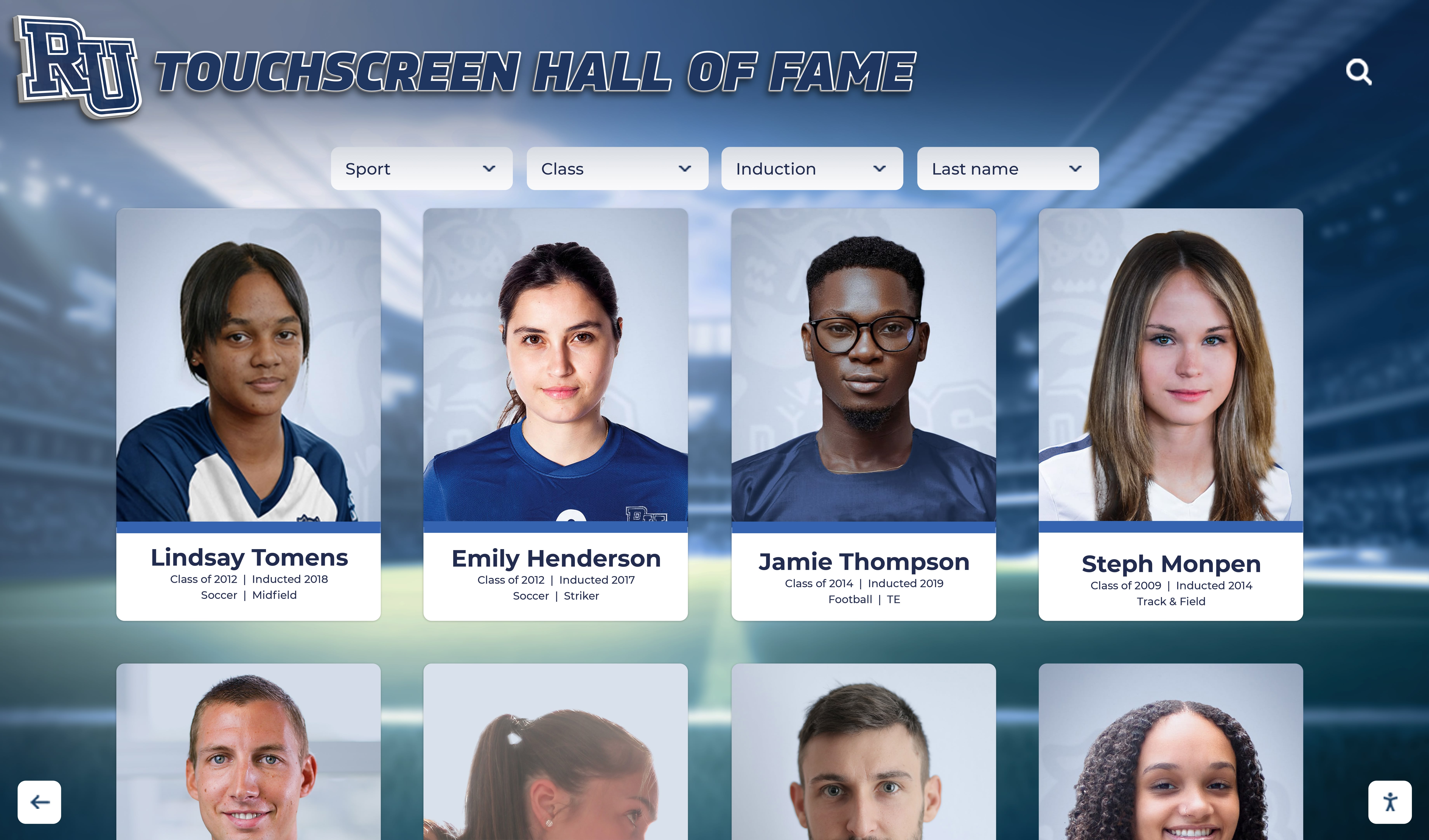
Digital portrait displays create visually engaging recognition accessible during ceremonies and permanently afterward
Technology-Enhanced Ceremony Experiences
Strategic technology integration enhances ceremony experiences without detracting from meaningful human moments or creating distracting gimmicks.
Livestreaming with Multi-Camera Production: Professional livestreaming enables remote participation for family and friends unable to attend physically. Multi-camera production with close-ups of stage crossings, audience reactions, and speaker moments creates broadcast-quality experiences approaching in-person attendance value.
Archive ceremony recordings permanently on institutional websites, creating resources graduates and families revisit for years while providing recruitment tools showcasing vibrant campus communities to prospective students.
Mobile Ceremony Companion Apps: Develop dedicated mobile applications graduates and families use during ceremonies, providing digital programs with graduate bios and photos, real-time ceremony navigation indicating upcoming participants, photo sharing platforms where attendees upload ceremony moments, social media integration aggregating celebration posts using ceremony hashtags, and post-ceremony wayfinding to family meeting locations or celebration venues.
These apps enhance experiences while generating valuable data about ceremony engagement and attendee behavior informing future planning.
Interactive Recognition Kiosks: Position interactive touchscreen kiosks in pre-ceremony gathering areas and post-ceremony celebration spaces, enabling graduates and families to explore comprehensive graduate profiles, search for specific individuals, browse by academic department or achievement category, and share favorite profiles through social media or email.
These installations create engaging activities during waiting periods while providing technology-comfortable alternatives for attendees preferring digital exploration to passive sitting. Permanent installations in campus locations maintain recognition value extending far beyond single ceremony events.
Cultural and Inclusive Ceremony Elements
Graduation ceremonies celebrating diverse student populations should incorporate inclusive recognition honoring varied cultural traditions and backgrounds.
Cultural Recognition Ceremonies: Supplement general commencement with specialized cultural recognition ceremonies celebrating specific communities—Latinx graduation celebrations, Black graduation ceremonies, LGBTQ+ recognition events, international student celebrations, first-generation college student ceremonies, or veteran recognition programs.
These ceremonies create spaces where students celebrate within communities understanding unique challenges and triumphs while honoring cultural traditions that general ceremonies cannot accommodate. Students typically participate in both general commencement and cultural ceremonies, viewing them as complementary rather than competing recognitions.
Indigenous Land Acknowledgments: Begin ceremonies with formal acknowledgments recognizing indigenous peoples on whose traditional lands universities operate, demonstrating institutional commitment to historical awareness and ongoing relationships with native communities.
Multilingual Elements: Incorporate multilingual ceremony elements reflecting campus diversity—program translations, selected announcements in multiple languages, or international student name pronunciations verified for accuracy. These inclusivity gestures validate diverse backgrounds while educating entire communities.
Disability Accessibility Planning: Ensure comprehensive accessibility including sign language interpretation, assistive listening systems, wheelchair-accessible seating and stage arrangements, sensory-friendly spaces for attendees with autism or sensory processing differences, and live captioning of spoken content.
Accessibility planning requires advance coordination but creates inclusive experiences enabling full participation regardless of disability status.
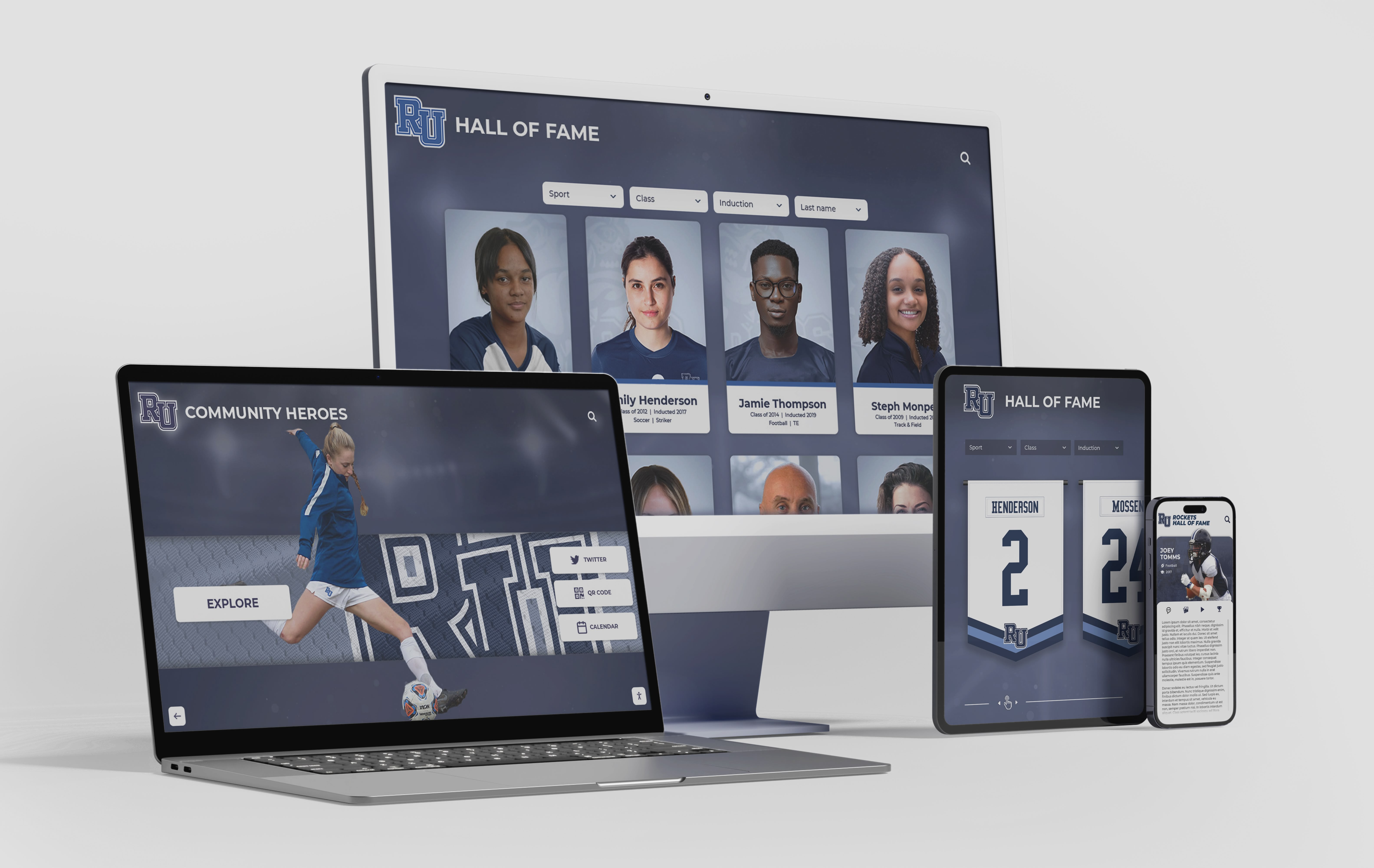
Responsive digital recognition platforms extend celebration across devices enabling access from anywhere
Post-Ceremony Celebration Ideas and Gatherings
Formal ceremonies provide important ritual moments, but post-ceremony celebrations create relaxed environments where graduates, families, and communities connect more personally while continuing recognition in festive contexts.
Coordinated Campus Celebration Venues
Rather than dispersing immediately post-ceremony, organize coordinated celebration venues throughout campus enabling graduates and families to continue festivities in programmed environments.
Departmental Reception Spaces: Establish department-specific reception areas where graduates celebrate with faculty, peers, and families who share disciplinary connections. Engineering graduates gather in engineering buildings, theater majors celebrate in performing arts centers, business students convene at business school facilities.
These focused gatherings create intimate communities within massive graduating classes while providing appropriate venues for specialized celebration and faculty-student-family interaction impossible during large ceremonies.
Interactive Recognition Exhibition Spaces: Create dedicated spaces featuring comprehensive graduate recognition displays—photo walls arranged by residence hall or student organization, achievement showcases highlighting research, creative work, and academic excellence, memory walls where graduates write reflections or advice for future students, and digital interactive displays enabling exploration of graduate profiles and accomplishments.
These installations become natural gathering points where graduates reconnect, families explore student communities, and celebration occurs through recognition discovery rather than structured programming.
Outdoor Festival Celebrations: Weather permitting, organize outdoor festival-style celebrations featuring food vendors or food trucks, live music from student performers, lawn games and activities, photo booth installations with institutional branding and props, information tables for alumni association membership, and casual gathering spaces with seating and shade.
Festival formats accommodate large crowds while creating relaxed atmospheres where natural socializing occurs without rigid structure. These approachable celebrations particularly appeal to young children in families, addressing challenge of keeping kids engaged during lengthy formal ceremonies.
Family-Friendly Post-Graduation Activities
Graduates often arrive with multi-generational families including young children and elderly relatives requiring varied programming accommodating diverse ages and mobility levels.
Campus Scavenger Hunts: Design self-guided or app-based scavenger hunts where families explore meaningful campus locations—residence halls, favorite study spots, notable landmarks, dining facilities, library locations—collecting photos and memories while learning about graduate experiences.
Scavenger elements might include photo challenges recreating iconic campus shots, trivia questions about institutional history, or collection tasks gathering stamps or QR codes at designated locations. These activities engage children while giving graduates opportunities to share meaningful spaces with families.
Legacy Photo Opportunities: Create designated photo locations throughout campus featuring professional photography setups with institutional branding, scenic backgrounds, or meaningful landmarks. Professional photographers at select locations provide complimentary portrait sessions, while less formal spots encourage family selfies and group photos.
Share photo locations through maps distributed at ceremonies or accessible through mobile apps, encouraging campus exploration while creating souvenir images families treasure permanently.
Children’s Activity Zones: Establish supervised activity areas where young children participate in age-appropriate activities while adults attend ceremonies or participate in adult-focused programming. Activities might include graduation-themed crafts, campus mascot appearances, storytelling sessions, or playground access with volunteer supervision.
These family-friendly amenities demonstrate institutional understanding of family realities while enabling fuller participation from parents who might otherwise skip events due to childcare challenges.
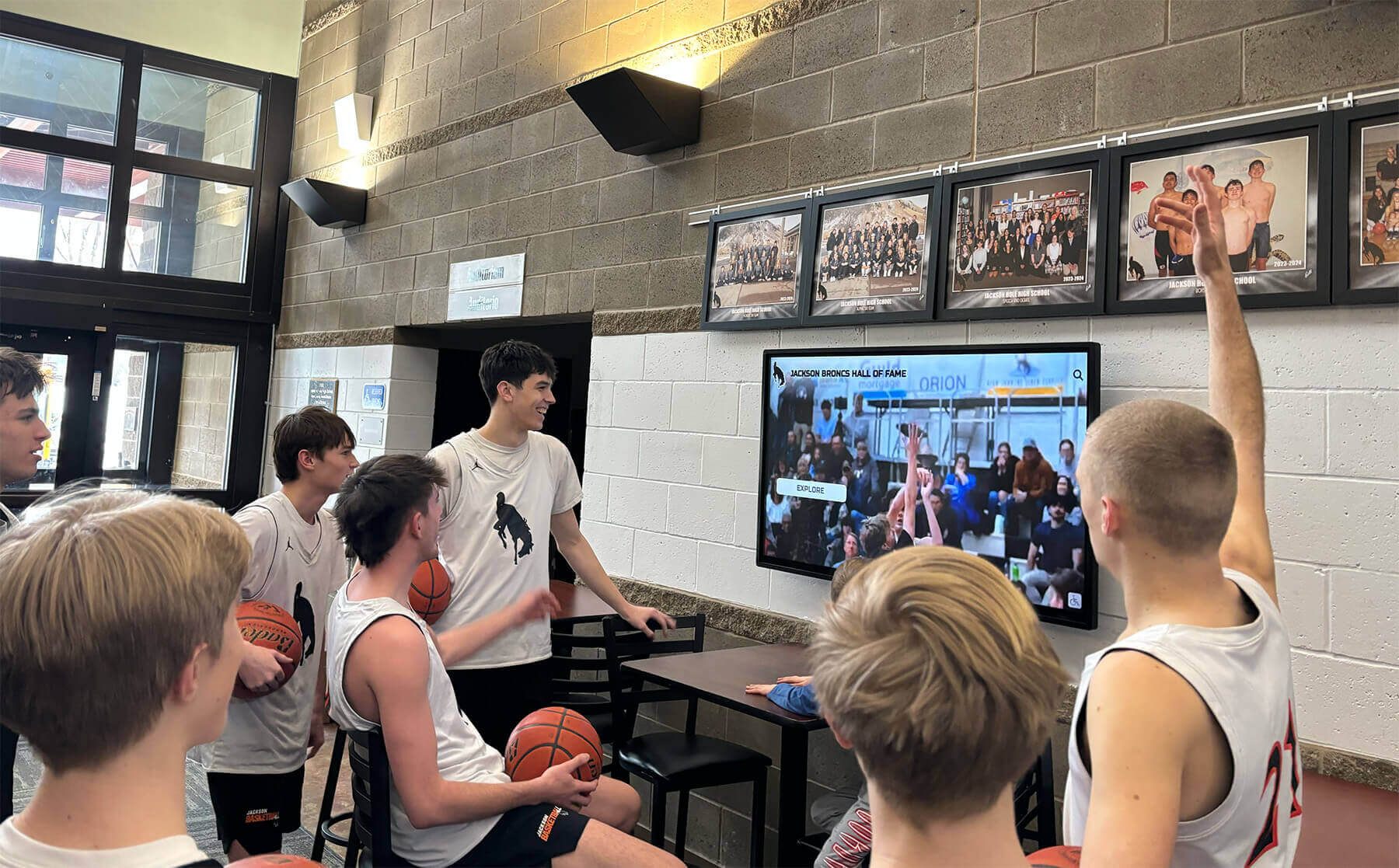
Interactive displays create engaging focal points for post-ceremony celebrations and ongoing campus engagement
Graduate and Alumni Networking Events
Graduation marks transition from student to alumni status, making post-ceremony periods ideal for strengthening alumni connections and facilitating professional networking.
Career Industry Networking Receptions: Organize post-ceremony receptions connecting recent graduates with established alumni working in common industries or career paths. Engineering graduates meet alumni engineers, aspiring teachers connect with education professionals, entrepreneurs gather with business owners.
These structured networking opportunities provide immediate value to new graduates while demonstrating alumni network strength as tangible institutional benefit extending beyond degrees themselves. Alumni mentorship programs formalized during graduation periods create ongoing relationships supporting career development.
Geographic Alumni Chapter Introductions: Connect graduates with regional alumni chapters in locations where they’re relocating post-graduation. Representatives from major metro areas host tables or receptions introducing recent graduates to local alumni communities providing social and professional support networks in new cities.
Graduate School and Advanced Study Connections: For graduates continuing education, facilitate connections with alumni who attended specific graduate programs or professional schools. These peer mentors provide practical advice about transitions, program selection, application processes, and balancing advanced study challenges.
Permanent Recognition Solutions Extending Celebration Impact
While ceremonies and immediate post-graduation events create important momentary celebrations, permanent recognition infrastructure extends impact indefinitely while serving multiple institutional purposes beyond single graduating classes.
Digital Hall of Fame and Graduate Recognition Displays
Comprehensive digital recognition systems create permanent celebration of graduate achievement accessible to campus communities, visiting families, prospective students, and global alumni networks.
Interactive Touchscreen Recognition Installations: Large-format touchscreen displays positioned prominently in campus locations—student centers, libraries, academic buildings, alumni centers—enable exploration of graduate profiles through intuitive search and browsing interfaces.
Users search for specific individuals, filter by graduation year or academic program, browse achievement categories, or discover random profiles, creating engaging recognition experiences where campus communities regularly explore graduate accomplishments. Solutions like Rocket Alumni Solutions’ interactive display platforms provide specialized higher education recognition designed specifically for university contexts rather than generic digital signage repurposed for recognition.
These permanent installations serve multiple audiences simultaneously: graduating students see themselves recognized alongside alumni, current students gain inspiration from accessible success examples, visiting families explore graduate communities, and alumni reconnecting with campuses discover former classmates and program evolution.
Comprehensive Web-Based Recognition Portals: Complement physical displays with web-accessible recognition databases enabling global access to graduate profiles from any internet-connected device. Mobile-responsive digital recognition platforms ensure excellent experiences across desktop computers, tablets, and smartphones.
Web portals extend recognition reach exponentially beyond campus visitors to international alumni, distant family members, professional contacts, and prospective students researching institutions. Social sharing features enable graduates to share profiles through personal networks, distributing recognition virally while marketing institutional quality through authentic graduate outcomes.
Annual Updates and Ongoing Recognition: Unlike static physical plaques requiring expensive updates, digital recognition platforms enable efficient annual additions as new classes graduate. Cloud-based content management systems allow designated staff to add profiles, upload photos, update information, and publish recognition without technical expertise or IT support requirements.
This scalability ensures recognition remains current and comprehensive rather than becoming outdated installations administrators eventually neglect due to update complexity.
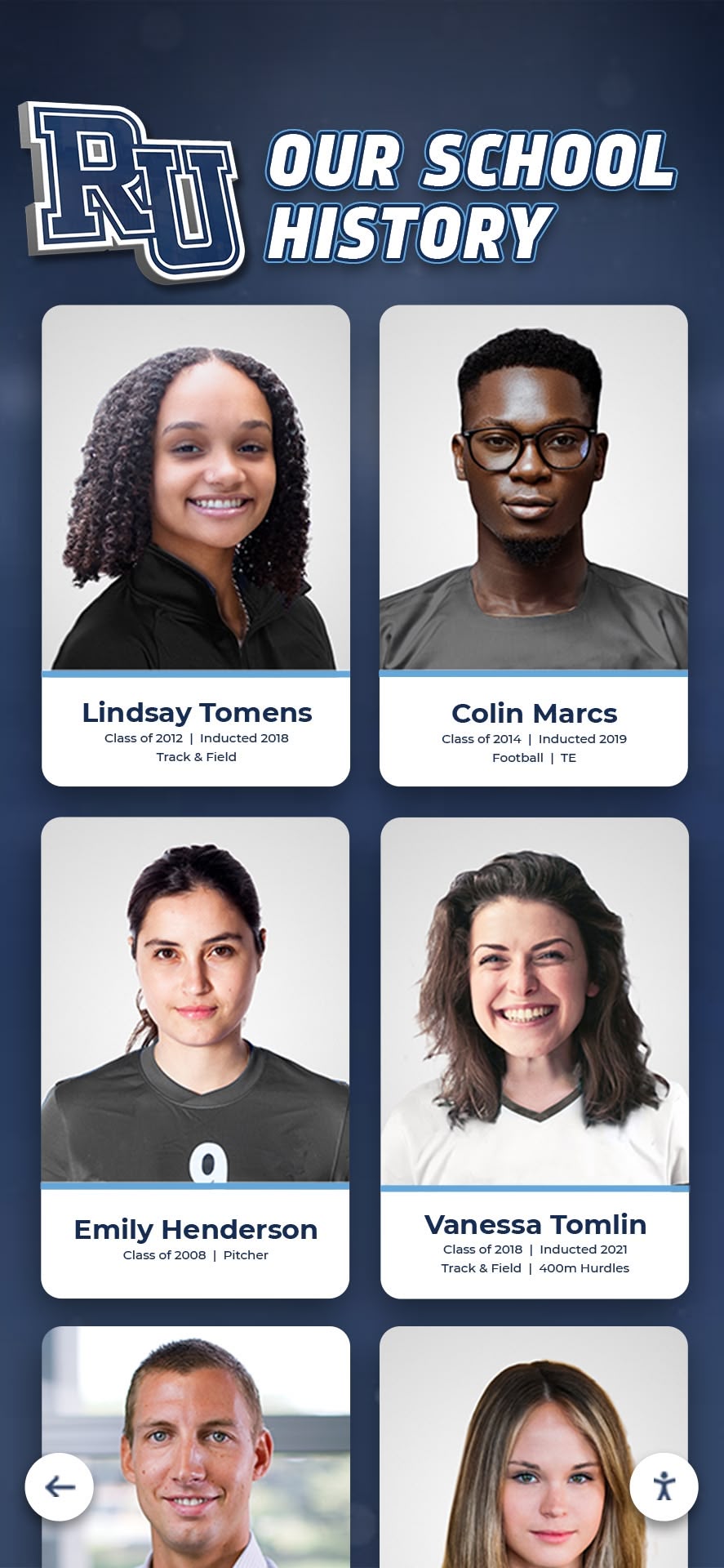
Digital graduate profile displays create visually appealing recognition accessible across physical and digital platforms
Class Composite and Yearbook Innovations
Traditional class composites—formal portrait grids—provided standard graduation recognition for generations but suffered from physical space limitations and static presentation constraining storytelling capability.
Digital Class Composites with Enhanced Profiles: Modern digital class composite presentations transform standard portrait grids into interactive experiences. Touch any graduate portrait to access complete profiles including multiple photos, biographical information, achievement summaries, personal reflections, and post-graduation contact preferences.
This enhanced approach preserves traditional composite familiarity while adding depth impossible with physical boards. Single display screens accommodate entire graduating classes without physical space constraints while enabling rich individual recognition.
Collaborative Digital Yearbooks: Develop collaborative digital yearbook platforms where graduates contribute content beyond formal portraits—favorite campus photos, meaningful memories, advice to future students, gratitude expressions to mentors, funny anecdotes, or personal reflections on growth and transformation.
These crowdsourced yearbooks create richer class narratives than professionally produced volumes could capture while distributing content development work across many contributors. Web-based platforms eliminate printing costs while enabling perpetual access versus physical books eventually lost or damaged.
Video Yearbook Components: Supplement photographic recognition with video elements—graduates recording brief video messages, compiled class video montages showcasing memorable moments, time-lapse transformations showing campus evolution during class years, or video tributes to faculty and staff.
Video content creates emotional engagement photographs alone cannot match while accommodating diverse storytelling preferences among visually oriented versus verbally expressive students.
Legacy Walls and Physical Recognition Elements
While digital recognition provides superior functionality for comprehensive graduate databases, certain physical recognition elements create meaningful symbolic value complementing digital systems.
Graduate Name Walls and Displays: Permanent installations listing graduate names organized by year create tangible physical presence honoring all who completed degrees. Simple plaques or etched glass panels in prominent locations demonstrate institutional commitment to perpetual recognition of educational achievement.
These installations prove particularly meaningful for alumni returning to campus decades post-graduation, finding their names permanently preserved among institutional community across generations.
Achievement Milestone Markers: Recognize specific achievement categories through dedicated physical markers—donor recognition for graduates who establish endowed scholarships, notable achievement honors for distinguished alumni, legacy family recognition for multi-generational institutional connections.
These selective physical recognitions complement rather than replace comprehensive digital databases, acknowledging exceptional contributions warranting permanent symbolic commemoration.
Time Capsule Traditions: Establish graduating class traditions of contributing items to time capsules opened at significant future anniversaries—25th or 50th reunions. Graduating seniors include letters to future selves, predictions about society and technology, artifacts representing current culture, or messages to future students.
Time capsule ceremonies during graduation periods create meaningful ritual moments while building anticipation for future reunion celebrations when capsules open revealing preserved perspectives from decades earlier.
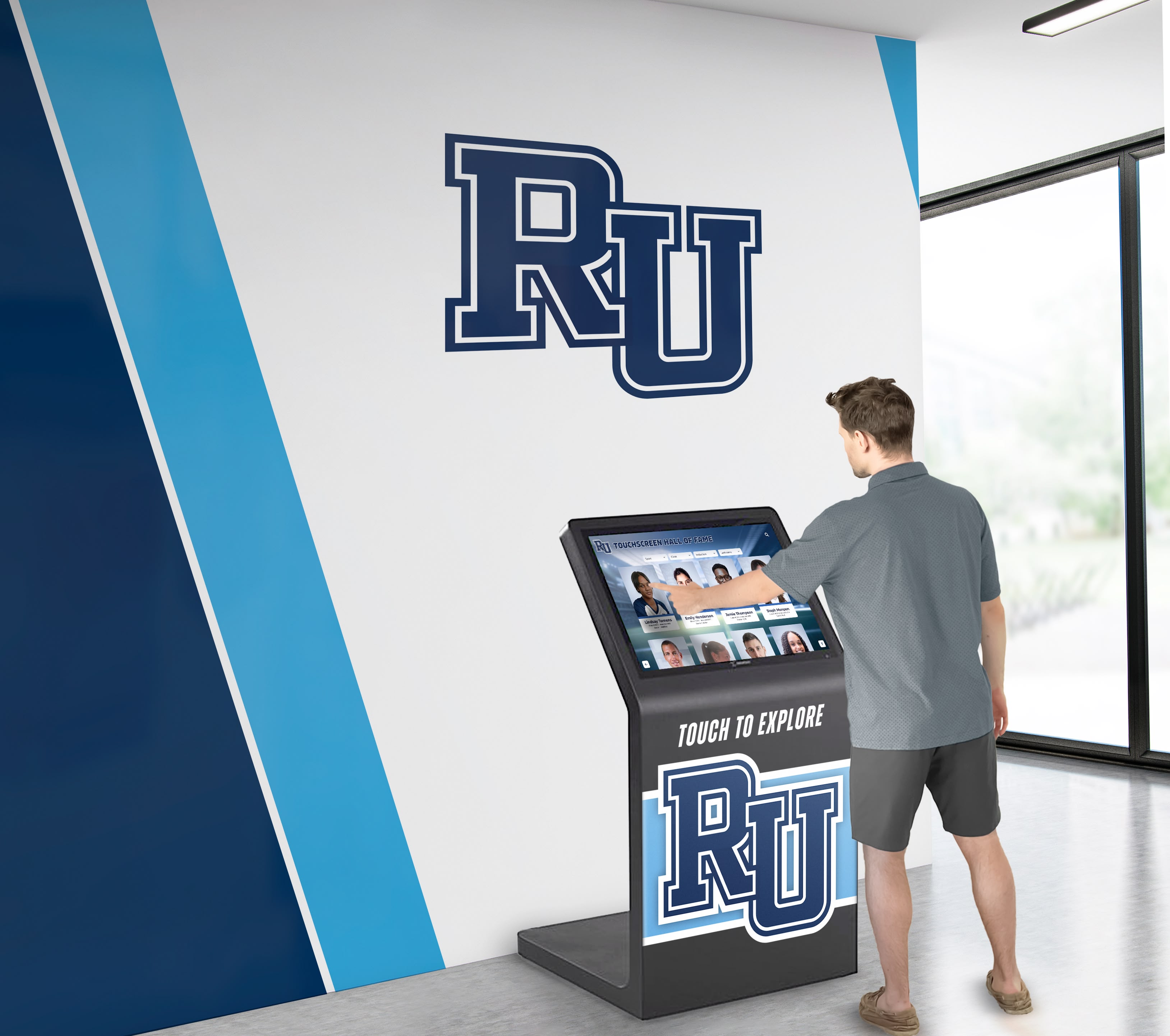
Permanently installed recognition kiosks serve ongoing celebration and alumni engagement beyond graduation events
Budget-Conscious College Graduation Celebration Ideas
Meaningful graduation celebration doesn’t require unlimited resources. Strategic planning and creative alternatives create memorable experiences within constrained budgets.
Low-Cost Recognition and Celebration Strategies
Crowdsourced Recognition Content: Rather than hiring professional photographers or content developers, enlist graduating students themselves to submit photos, write profiles, and contribute recognition content. Student volunteers often welcome opportunities to shape graduation legacy while distributing work across many contributors.
Existing Space Utilization: Leverage existing campus facilities for celebration venues rather than renting external locations. Academic buildings, outdoor quads, dining facilities, and student centers provide appropriate celebration spaces at minimal or no incremental cost.
Alumni Volunteer Involvement: Engage enthusiastic alumni volunteers in graduation programming—event staffing, reception hosting, photography, networking facilitation, or transportation assistance. Alumni often welcome opportunities to give back while universities gain capable volunteers reducing paid staffing requirements.
Phased Technology Implementation: Rather than implementing comprehensive digital recognition infrastructure immediately, develop in phases spreading investment across multiple budget years. Start with web-based recognition portals requiring minimal hardware investment, add physical displays when resources permit, and expand with enhanced features as budget allows.
This phased approach demonstrates value through initial implementations, building support for continued investment while preventing delays awaiting complete funding that may never materialize.
Sponsor and Donor Support: Approach potential sponsors about supporting specific graduation celebration elements—local businesses funding reception refreshments, alumni donors endowing recognition displays, corporate sponsors supporting technology infrastructure in exchange for appropriate acknowledgment.
Even modest sponsorships substantially offset costs while creating community partnership opportunities beyond purely institutional funding.
Free or Low-Cost Celebration Activities
Student Performance Showcases: Feature graduating student performers—musicians, theater students, dancers—providing entertainment for celebration events. Students gain final performance opportunities while universities access talented entertainment without external contractor expenses.
Self-Guided Campus Reflection Walks: Develop self-guided walking tour maps highlighting meaningful campus locations with brief historical notes or reflection prompts. Families explore independently without requiring guided tour staffing while graduates share personal campus stories at significant locations.
Digital Photo Booth Alternatives: Rather than renting professional photo booths, designate scenic campus backdrops with simple signage encouraging family photos. Share designated hashtags enabling social media aggregation creating collective photo galleries without formal infrastructure.
Potluck or Food Truck Celebrations: Rather than expensive catered receptions, organize food truck gatherings where families purchase from local vendors or coordinate department potlucks where families contribute dishes. These alternatives reduce costs while creating casual festive atmospheres.
Volunteer-Led Tours and Presentations: Rather than hiring professional guides, train volunteer student ambassadors or alumni to lead campus tours and present institutional information. Volunteers often provide more authentic perspectives than professional staff while eliminating contractor costs.
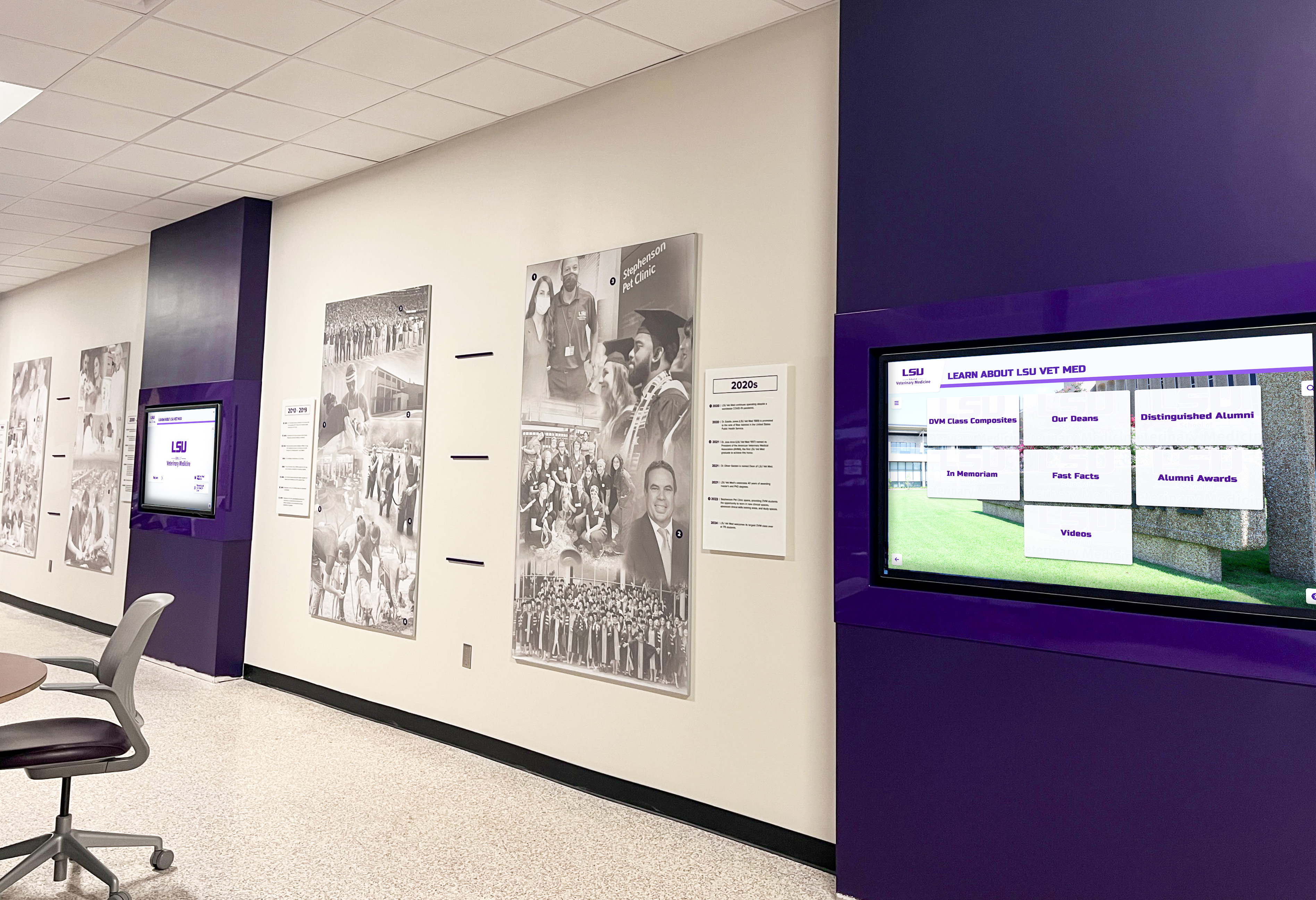
Coordinated recognition displays throughout campus facilities create comprehensive celebration environments
Post-Graduation Engagement Extending Celebration
Graduation celebration should extend beyond single ceremony events into ongoing engagement maintaining graduate connection while supporting successful alumni transitions.
First-Year Alumni Engagement Programming
Recent graduates require specialized support navigating post-graduation transitions while maintaining institutional connections before they’re absorbed into demanding career or graduate school commitments.
New Alumni Transition Resources: Provide targeted resources addressing common recent graduate challenges—career development, financial planning, relocation support, graduate school preparation, or young professional networking. Position institutional alumni offices as ongoing support resources beyond degree conferral.
Regional New Graduate Gatherings: Organize social events in cities where substantial recent graduate populations relocate, creating instant communities in new locations. “First-Year Alumni Happy Hours” in major metros provide low-pressure networking while building geographic alumni chapter engagement.
Class Reunion Planning From Start: Rather than waiting twenty-five years to reconnect classes, establish immediate reunion planning during graduation periods. Designate class reunion committees, set preliminary reunion dates (five or ten years future), and maintain communication channels preventing class fragmentation.
Early planning maintains momentum while graduates remain in contact, rather than attempting to reconnect dispersed alumni who’ve lost touch over decades.
Digital Alumni Community Platforms
Digital platforms maintain graduate connection through accessible engagement opportunities requiring minimal time investment while building community across geographic dispersion.
Dedicated Class Social Media Groups: Establish private social media groups or communities specifically for graduating classes, creating spaces where graduates share life updates, career opportunities, reunion planning, or simple stay-in-touch conversations.
These organic communities often prove more engaging than formal institutional communications because they’re peer-driven rather than administratively managed. Alumni offices can participate without dominating conversations, sharing relevant resources when appropriate.
Alumni Directory and Profile Systems: Maintain comprehensive alumni directory platforms where graduates maintain updated profiles including current contact information, career details, geographic locations, and networking preferences. Enable search functionality helping alumni reconnect with former classmates, identify professionals in common industries, or find fellow alumni in specific locations.
Virtual Event Programming: Host regular virtual alumni events requiring no travel—webinar speaker series featuring distinguished alumni, virtual networking sessions connecting alumni with common interests, online workshops developing professional skills, or casual virtual coffee chats building community through informal conversation.
Virtual programming accommodates diverse schedules and eliminates travel barriers, enabling participation from international alumni, parents with young children, or busy professionals who cannot attend physical events.
Continuing Recognition and Achievement Celebration
Graduation recognition shouldn’t end at degree conferral—ongoing alumni achievement celebration maintains engagement while demonstrating institutional pride in graduate success.
Notable Alumni Achievement Features: Develop regular communication highlighting accomplished alumni—career milestones, entrepreneurial ventures, artistic achievements, community contributions, or professional recognition. These spotlights celebrate individual success while inspiring recent graduates with accessible role models from similar backgrounds.
Alumni Awards and Recognition Programs: Establish formal alumni recognition programs celebrating distinguished achievement, service contributions, or young alumni rising stars. Annual awards ceremonies during homecoming weekends create reunion opportunities while honoring accomplishment deserving permanent institutional recognition.
Class Anniversary Recognition Updates: Coordinate special recognition campaigns around class anniversary years—five, ten, twenty-five, fifty-year milestones—updating graduate profiles, compiling “where are they now” features, and celebrating collective class achievement.
Anniversary campaigns provide natural engagement touchpoints reconnecting dispersed classes while demonstrating continued institutional interest beyond immediate post-graduation period.
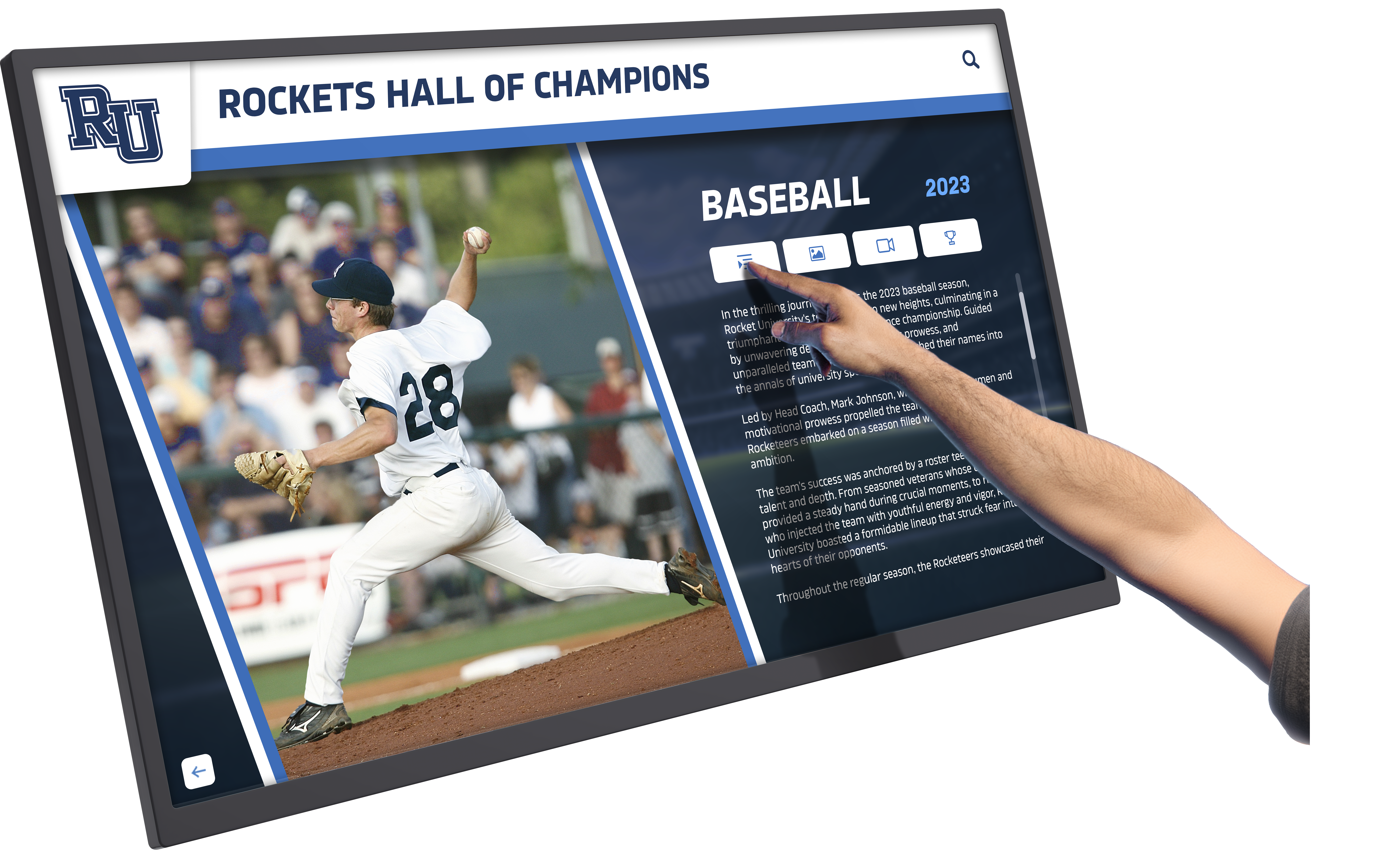
User-friendly touchscreen interfaces make graduate profile exploration intuitive and engaging for all ages
Measuring Graduation Celebration Success and ROI
Universities investing in enhanced graduation celebrations should establish clear success metrics enabling objective evaluation and continuous improvement.
Quantitative Celebration Effectiveness Metrics
Participation Rates: Track ceremony attendance, family participation numbers, post-ceremony event attendance, and recognition platform usage revealing engagement levels across celebration components.
Graduate Satisfaction Scores: Survey recent graduates assessing satisfaction with ceremony experiences, recognition comprehensiveness, celebration quality, and overall graduation program value compared to expectations.
Family Experience Feedback: Gather specific feedback from family members evaluating accessibility, engagement opportunities, information adequacy, and emotional satisfaction with celebration experiences.
Alumni Engagement Correlation: Monitor whether enhanced graduation experiences correlate with early alumni engagement indicators—directory profile completion rates, event attendance, giving participation, volunteer involvement, or social media community engagement.
Digital Recognition Analytics: Track comprehensive usage metrics for digital recognition platforms—unique visitors, session duration, profile views, search queries, social shares, and return visitor rates revealing recognition value and utilization patterns.
Qualitative Impact Indicators
Beyond quantitative metrics, qualitative feedback reveals celebration meaning and emotional impact that statistics alone cannot capture.
Graduate Testimonials: Collect personal stories from graduates describing how recognition or celebration elements made graduation more meaningful, what moments they’ll remember, or how experiences exceeded expectations.
Family Appreciation Messages: Gather feedback from families expressing gratitude for specific accommodation, recognition quality, or celebration elements that honored their graduates appropriately.
Social Media Sentiment Analysis: Review social media posts about graduation experiences, identifying recurring themes in appreciation, criticism, or suggestions while measuring overall sentiment about celebration quality.
Long-Term Impact Stories: Document stories of alumni who cite graduation experiences as influential in maintaining institutional connection, making philanthropic commitments, or encouraging others to attend your institution.
Continuous Improvement Through Data-Informed Planning
Effective celebration planning evolves continuously based on feedback and measured outcomes rather than repeating identical approaches indefinitely.
Annual Celebration Reviews: Dedicate post-graduation planning sessions to comprehensive review—what worked well, what disappointed, what logistical challenges emerged, what feedback patterns appeared, what should change for future years.
Comparative Benchmarking: When possible, learn from peer institutions about graduation celebration innovations and effectiveness indicators. Understanding what drives exceptional results elsewhere provides improvement ideas while contextualizing your own performance.
Stakeholder Advisory Committees: Establish advisory groups including recent graduates, family representatives, alumni, faculty, and staff providing ongoing input about celebration planning and recognition priorities. Diverse perspectives prevent planning myopia while ensuring programming serves varied stakeholder needs.
Progressive Enhancement Philosophy: Approach celebration improvement incrementally, implementing modest enhancements annually rather than attempting occasional massive overhauls. Continuous evolution informed by feedback creates sustained improvement while managing change more effectively than disruptive transformations.
Conclusion: Creating Graduation Celebrations Worth Remembering
College graduation represents extraordinary individual achievement and collective institutional success deserving celebration matching its significance. Traditional ceremony-focused approaches provide important ritual frameworks but often miss opportunities for comprehensive recognition, personalized celebration, and lasting engagement extending beyond single events.
The most memorable graduation experiences combine multiple elements: enhanced ceremonies incorporating technology and personalization while preserving meaningful ritual, pre-graduation programming building anticipation and community, post-ceremony celebrations creating relaxed connection opportunities, permanent recognition infrastructure extending celebration indefinitely, and ongoing alumni engagement maintaining graduate connection through transition periods.
Modern digital recognition platforms transform celebration capabilities by enabling comprehensive graduate recognition beyond ceremony constraints, creating permanent installations inspiring current students while honoring alumni, extending access globally to dispersed communities, and providing scalable solutions accommodating unlimited graduates without physical space limitations.
Whether your institution serves hundreds or tens of thousands of graduates annually, thoughtful celebration planning creates experiences graduates and families treasure permanently while strengthening alumni relationships supporting institutional missions across generations. Solutions like Rocket Alumni Solutions provide higher education-specific platforms combining sophisticated recognition technology with intuitive management, enabling resource-limited institutions to maintain professional graduate celebration honoring achievement while inspiring future students.
Your graduates invested years developing knowledge, skills, character, and relationships transforming their lives and communities. Their achievement deserves recognition approaches reflecting dedication and excellence they demonstrated throughout educational journeys—celebrations creating memories worthy of milestone accomplishments they’ll cherish throughout their lives.
Transform Your Graduation Recognition With Interactive Displays
Discover how comprehensive digital recognition platforms create lasting celebration of graduate achievement while inspiring current students and strengthening alumni engagement. Rocket Alumni Solutions provides specialized higher education recognition designed specifically for universities creating memorable graduation experiences that extend far beyond commencement ceremonies.
Explore Recognition Solutions for Higher EducationGraduation celebrations represent precious opportunities to honor individual accomplishment, strengthen institutional communities, inspire continuing students, and build alumni relationships supporting educational excellence. When universities invest authentic care and strategic creativity into celebration experiences, graduation becomes anticipated highlight generating enthusiasm, gratitude, and pride that sustains engagement supporting institutional missions for generations to come.































