High school athletic programs face an increasingly competitive landscape where student-athletes and families evaluate programs based on professionalism, opportunity, and overall experience. The most successful programs have discovered that creating a collegiate experience for high school athletes isn’t just about better facilities or winning records—it’s about building a comprehensive environment that honors achievement, develops character, and prepares student-athletes for the next level while strengthening community pride and engagement.
Creating this elevated experience requires strategic thinking across multiple dimensions: visual branding that communicates professionalism, digital recognition systems that celebrate achievement, community engagement initiatives that build support, and operational practices that mirror college program standards. When executed thoughtfully, these elements combine to create programs where student-athletes feel valued, parents feel confident in their investment, and communities rally around shared athletic excellence.
This comprehensive guide explores proven strategies for transforming high school athletic programs into collegiate-caliber experiences. Whether you’re an athletic director seeking to elevate your entire program, a head coach building a specific sport’s culture, or a booster club volunteer supporting excellence, you’ll discover actionable frameworks for creating environments where student-athletes thrive on and off the field while building the institutional pride that sustains programs across generations.
Throughout this guide, we’ll examine what defines collegiate-level experiences, how to implement professional branding and recognition systems, strategies for community engagement and sponsorship development, and which technologies enable scalable solutions that grow with your program. You’ll gain insights from successful programs while avoiding common pitfalls that undermine even well-intentioned improvement efforts.
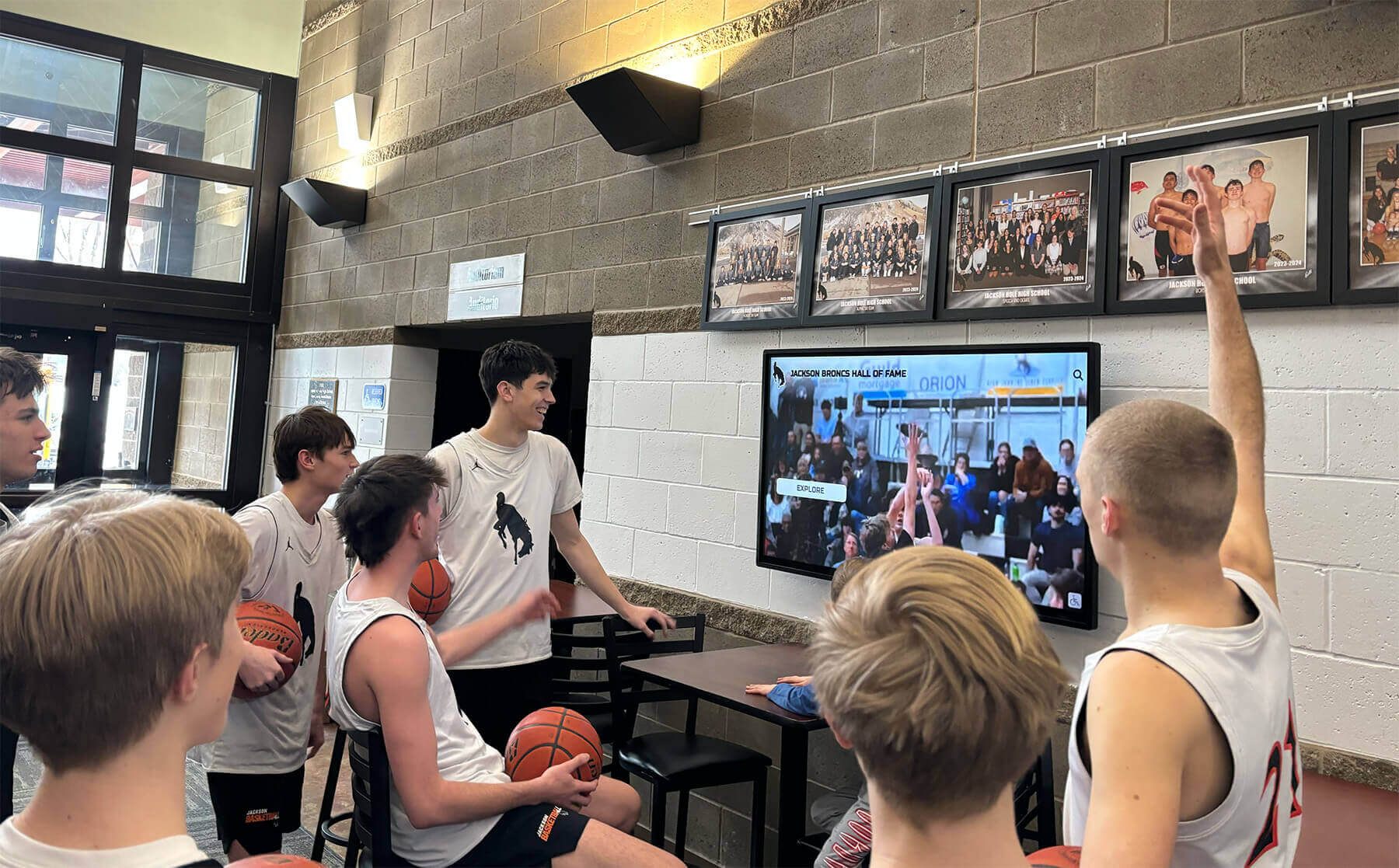
Modern athletic facilities with digital recognition create environments where student-athletes feel valued and inspired
Understanding What “Collegiate Experience” Really Means
The phrase “collegiate experience” encompasses far more than mimicking superficial elements of college athletics. At its core, creating this experience means establishing professional standards, systematic recognition, clear communication, and comprehensive support that prepares student-athletes for competitive excellence while developing life skills that extend beyond sports.
The Strategic Benefits of Elevated Athletic Experiences
Investing in collegiate-level experiences delivers measurable benefits that extend across multiple program dimensions and stakeholder groups.
Student-Athlete Development and Retention: Programs that provide professional experiences attract committed athletes who take their development seriously. When student-athletes experience organization, recognition, and support comparable to college programs, they develop higher expectations for themselves while remaining engaged throughout their high school careers. This retention matters tremendously—programs lose significant investment when talented athletes quit due to frustration with disorganization or feeling undervalued.
Recruiting and Program Growth: Word spreads quickly about programs that operate professionally and honor achievement. Families increasingly research athletic programs when making school choice decisions, particularly in districts with multiple high school options or when considering private schools. Programs known for collegiate-level experiences attract talented incoming freshmen while drawing transfer students from schools with less developed programs. This talent concentration creates competitive advantages while building program depth across all grades.
Community Support and Fundraising: Communities rally around programs that demonstrate professionalism and celebrate achievement visibly. When athletic departments showcase accomplishments through modern digital recognition displays, maintain professional branding, and communicate effectively, they signal that student-athlete development merits investment. This professionalism translates directly to fundraising success as donors, businesses, and booster organizations view contributions as supporting excellence rather than filling operational gaps.
College Recruitment Advantages: College coaches notice programs that prepare athletes for collegiate expectations around time management, academic accountability, strength training protocols, film study habits, and professional conduct. Student-athletes from well-run high school programs transition more smoothly to college athletics, making them attractive recruits. Moreover, professional program presentation—highlight videos, statistics tracking, achievement documentation—provides athletes with materials that showcase their development to college recruiters effectively.
Staff Satisfaction and Retention: Coaches and athletic staff experience higher job satisfaction when working within well-organized systems that provide resources for excellence. Professional environments reduce administrative frustration while enabling coaches to focus on what they’re passionate about—developing athletes and competing successfully. This satisfaction improves staff retention, creating the continuity that builds sustainable program excellence.
Key Characteristics of Collegiate-Level High School Programs
Understanding what distinguishes collegiate-caliber programs helps prioritize improvement investments for maximum impact.
Visual Identity and Professional Branding: College programs maintain consistent visual identities across uniforms, facilities, communications, and digital presence. Logos, colors, typography, and design elements reinforce program identity through repetition and quality execution. High schools creating collegiate experiences establish comprehensive brand guidelines ensuring consistency whether someone encounters the program through a website, social media, facility signage, or printed materials.
Systematic Achievement Recognition: College athletics celebrates accomplishments systematically through hall of fame inductions, record boards, championship banners, and award ceremonies. Recognition isn’t random or forgotten—it’s planned, documented, and displayed prominently. High school programs adopting this approach implement athletic recognition systems that honor individual excellence, team championships, academic achievement, and milestone accomplishments through both physical displays and digital platforms.
Digital-First Communication: Collegiate programs leverage technology for everything from recruiting to fan engagement. They maintain professional websites, active social media presence, digital stats tracking, streaming video, and mobile apps. High schools creating similar experiences adopt digital communication strategies that keep athletes, families, and communities informed while showcasing program achievements to broader audiences.
Performance Support Systems: College athletics provides comprehensive support—strength and conditioning programs, sports medicine services, video analysis, mental skills training, nutrition guidance, and academic tutoring. While resource constraints limit high school replication of all these services, successful programs identify priorities based on athlete needs and available resources, implementing scalable support systems that demonstrate commitment to holistic development.
Structured Development Pathways: Collegiate programs track athlete development systematically through performance metrics, skill progressions, and personal goal setting. High school programs adopting this approach help athletes understand where they stand, what improvement areas matter most, and how their development progresses over time through documented baselines, periodic assessments, and individualized feedback.
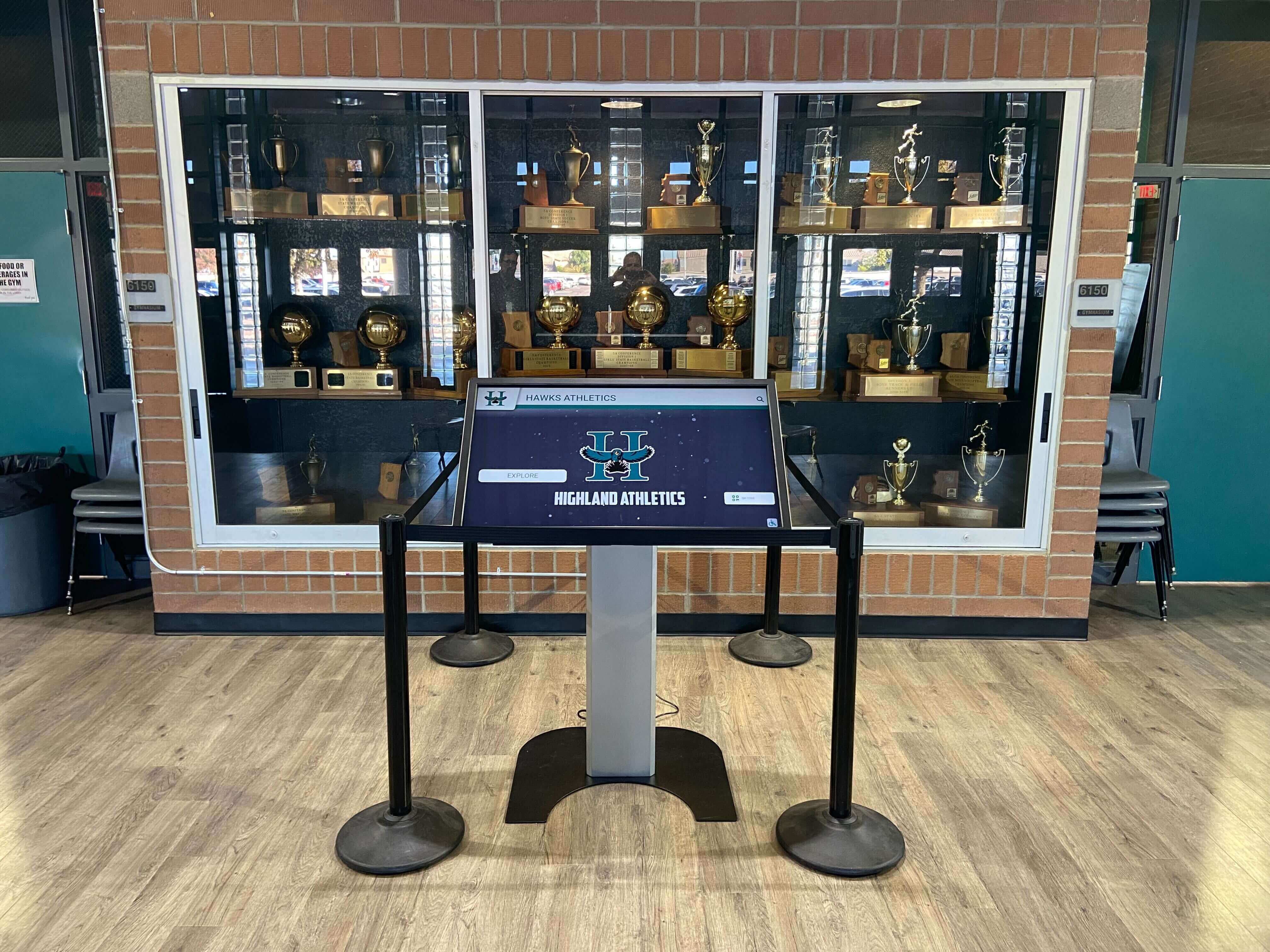
Interactive recognition displays showcase athletic excellence while creating focal points that inspire current and future athletes
Building Professional Athletic Branding and Visual Identity
Strong visual branding creates immediate impressions of professionalism while building the institutional identity that fosters pride among athletes, families, and communities.
Establishing Comprehensive Brand Guidelines
Effective branding starts with documented standards that ensure consistency across all program touchpoints.
Logo Development and Usage Standards: If your program lacks a distinctive athletic mark separate from general school branding, developing one creates identity specific to athletics. This doesn’t mean abandoning school colors or mascots—rather, it means creating athletic department-specific logo variations, typography treatments, and visual elements that distinguish athletic communications and materials. Document proper logo usage including minimum sizes, clear space requirements, approved color combinations, and prohibited alterations to prevent inconsistent application that undermines professional appearance.
Color Palette Standardization: While school colors provide foundation, successful athletic brands often expand these into comprehensive palettes including primary colors, secondary accent colors, and neutral tones for different applications. Specify exact color values—Pantone for print materials, CMYK for general printing, RGB for digital screens, and hex codes for websites—ensuring consistency regardless of medium or vendor.
Typography Systems: Consistent fonts reinforce professional identity. Establish hierarchies specifying which typefaces work for headings, body text, jersey lettering, and promotional materials. Many successful programs combine bold, athletic-feeling display fonts for headlines with clean, readable fonts for information, creating visual interest while maintaining legibility.
Photography and Visual Style: Document preferred photography styles—whether dramatic lighting highlighting athletes in action, bright lifestyle photography showing team camaraderie, or cinematic video treatments showcasing program culture. Style guides help volunteer photographers, student media, and outside vendors capture content that feels cohesive across platforms and materials.
Template Libraries: Create branded templates for common needs—social media graphics, event flyers, media guides, program covers, certificate layouts, and presentation decks. Templates ensure that everyone creating content—coaches, athletic directors, booster volunteers—can produce professional materials without graphic design expertise. Cloud-based access to template libraries through platforms like Canva enables distributed content creation while maintaining brand consistency.
Facility Branding and Environmental Design
Physical spaces communicate volumes about program priorities and professionalism through environmental branding that transforms generic facilities into distinctive athletic homes.
Entrance and Lobby Presence: First impressions matter tremendously. Athletic facility entrances and lobbies provide opportunities for impactful branding through large-format signage, team photographs, championship banners and recognition displays, and environmental graphics that communicate identity and celebrate achievement. These spaces should feel distinctly different from generic hallways—designed intentionally to inspire pride among athletes while impressing visitors including college recruiters and community members.
Locker Room Environment: Locker rooms represent sacred athletic spaces where teams build culture and prepare mentally. Professional locker room branding includes team mottos, value statements, motivational messages, player nameplate systems, and recognition of program legends. When athletes walk into professionally designed spaces that honor tradition while celebrating current rosters, they internalize that they’re part of something significant.
Competition Venue Branding: Gymnasiums, fields, and stadiums benefit from consistent visual identity through banners, floor decals, end zone designs, backstop padding, scorer’s table wraps, and digital display integration. Coordinate branding elements to create cohesive game day atmospheres that elevate competition while providing impressive backdrops for recruiting visits and community events.
Training Area and Weight Room: Strength and conditioning spaces often receive minimal design attention despite athletes spending significant time in these environments. Branded wall graphics featuring motivational messaging, program records, training principles, and achievement recognition transform utilitarian spaces into inspiring environments that reinforce culture during every workout.
Hallway and Common Space Recognition: Extend athletic presence beyond dedicated facilities into school hallways through trophy cases, achievement displays, and recognition installations. Interactive touchscreen displays in high-traffic areas showcase comprehensive athletic history while engaging students, staff, and visitors with searchable athlete profiles, team records, and championship documentation.
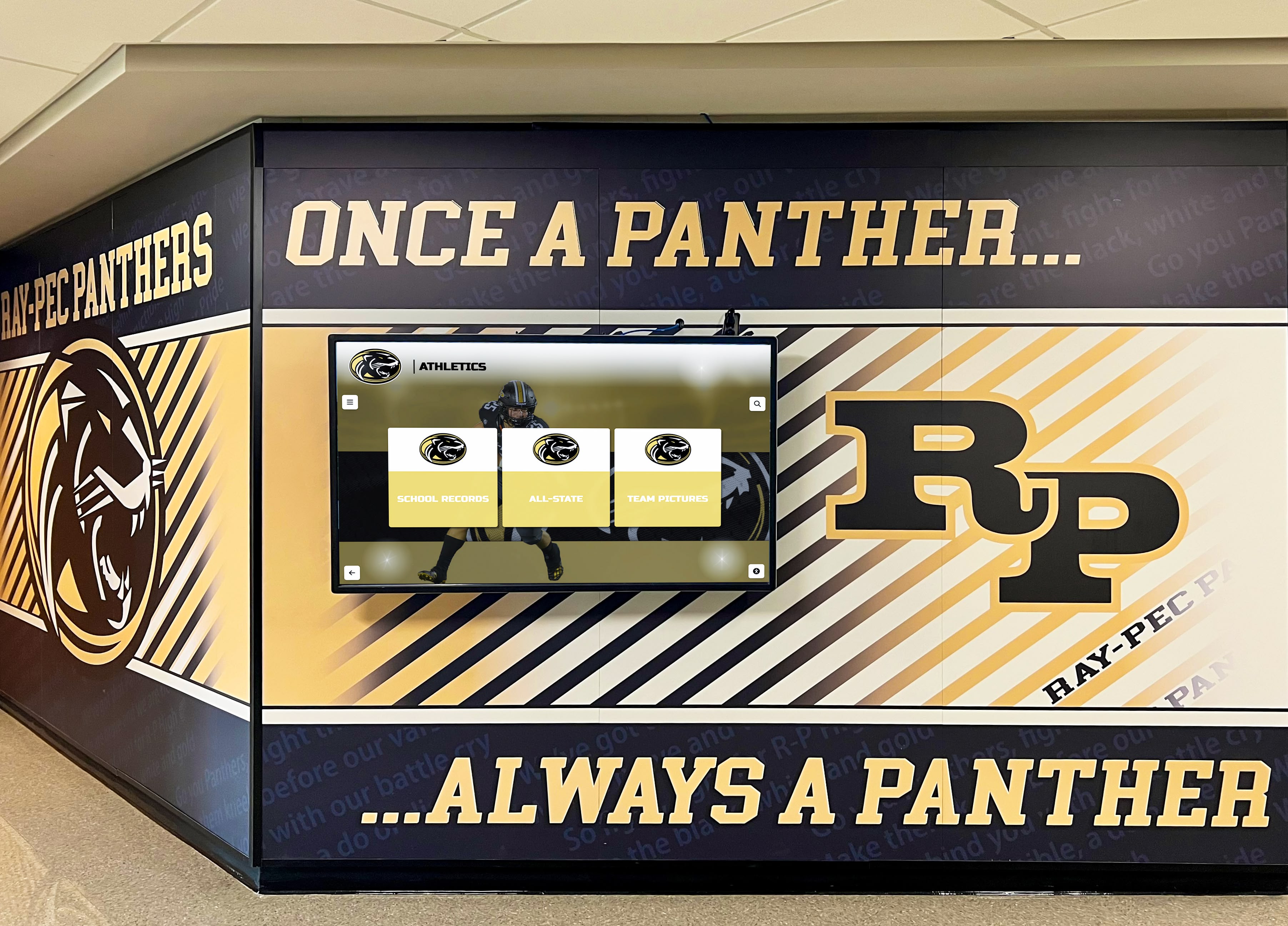
Hallway recognition installations extend athletic identity throughout campus while celebrating program history
Implementing Modern Digital Recognition Systems
Digital technology revolutionizes how high school athletic programs recognize achievement, moving beyond static plaques and limited physical space to create dynamic, comprehensive recognition that engages communities while preparing for future growth.
The Limitations of Traditional Recognition Methods
Before exploring digital solutions, understanding traditional approach limitations clarifies why technology matters:
Physical Space Constraints: Wall-mounted plaques, trophy cases, and printed banners consume finite space. Programs face difficult decisions about which achievements merit recognition when space limitations force exclusions. As programs grow and history accumulates, these constraints worsen until valuable recognition materials end up in storage rather than display.
Update Complexity and Cost: Adding to traditional recognition requires physical modifications—new plaques manufactured, installed, and coordinated with existing displays. These processes take weeks or months while incurring fabrication and installation costs that make frequent updates prohibitively expensive. Many programs recognize only major achievements because updating traditional displays for incremental accomplishments proves impractical.
Limited Information Capacity: Physical plaques accommodate minimal information—typically names, years, and basic achievements. Rich stories, career statistics, photographs, and context that make recognition meaningful get lost due to space constraints. Visitors see names without understanding the achievements they represent or the individuals being honored.
Engagement Tracking Impossibility: Traditional recognition provides no data about who views displays, which achievements generate interest, or how recognition impacts program engagement. Athletic departments make recognition investments without understanding their effectiveness or return.
Accessibility Limitations: Physical displays serve only those who visit facilities in person. Athletes who’ve graduated, families who’ve relocated, and community members who cannot attend events miss recognition entirely unless they happen to visit campus.
Digital Recognition Solutions for High School Athletics
Modern digital recognition platforms address these limitations while creating engagement opportunities impossible with traditional approaches.
Interactive Touchscreen Displays: Commercial-grade touchscreen installations transform recognition from passive viewing into interactive exploration. Visitors search athlete databases by name, sport, year, or achievement type, discovering comprehensive profiles featuring photos, statistics, career highlights, and personal stories. These systems accommodate unlimited profiles while enabling instant updates as new achievements occur—adding National College Signing Day commitments, championship results, or academic honors requires minutes rather than weeks.
Multimedia Recognition Content: Digital platforms support rich media impossible with static displays—video highlights, interview clips, photo galleries, document scans, news articles, and social media integration. This multimedia approach transforms recognition from simple name acknowledgment into compelling storytelling that inspires current athletes while engaging broader audiences. When eighth graders touring your school see not just names but video highlights and personal stories of recent graduates competing in college, recruiting impact magnifies significantly.
Searchable Historical Archives: Comprehensive databases enable discovery across decades of athletic history. Community members search for specific names or browse graduation years, finding teammates and reliving memories. These archives preserve institutional knowledge that might otherwise disappear as staff retire or records get lost. Solutions like Rocket Alumni Solutions provide platforms specifically designed for educational athletics, making historical preservation and access straightforward.
Real-Time Updates and Recognition: The ability to update recognition immediately transforms how programs honor achievement. Win a state championship Friday night? Update digital displays Saturday morning. Student-athlete signs with college? Add profile and announcement instantly. This timeliness demonstrates responsiveness while keeping recognition current and relevant.
Analytics and Engagement Insights: Digital platforms track usage patterns revealing which athletes generate most interest, which sports get explored frequently, what times of day see peak engagement, and how long visitors interact with content. These insights inform content strategy while demonstrating recognition program value to administrators and funding sources through quantifiable engagement data.
Remote Access and Social Sharing: Web-based recognition platforms extend visibility beyond campus, allowing alumni to explore current rosters, families to share athlete profiles, and college coaches to review program accomplishments remotely. Social media integration enables one-click sharing that amplifies recognition across networks, creating viral engagement when graduates share their inclusion with personal connections.

Interactive touchscreen technology enables intuitive exploration of comprehensive athletic achievement databases
Implementing Digital Recognition: Practical Considerations
Successful digital recognition requires planning beyond simply purchasing technology.
Content Development Strategy: Building comprehensive athlete databases represents significant initial work. Successful implementations typically begin with recent years (past 5-10 years) where information remains readily available, then systematically add historical content over time through yearbook research, archive digitization, and alumni outreach. Assign specific responsibilities ensuring content development stays on track rather than becoming indefinite projects that never complete.
Photography and Media Collection: Quality content requires quality media. Establish systematic photo and video collection processes ensuring that every season generates professional content suitable for recognition. Designate team photographers, coordinate with yearbook staff, engage student media programs, and create submission processes where athletes and families can contribute personal photos. Build organized media libraries categorized by sport, season, and athlete name for efficient future retrieval.
Athlete Biography and Story Development: Beyond statistics, compelling recognition shares personal stories—how athletes overcame obstacles, what sports taught them, where they’re headed after graduation, and what advice they’d share with younger athletes. Develop interview templates and questions that generate consistent biographical content across all profiles. Consider involving journalism students or English classes in biography writing as authentic learning experiences that serve dual purposes.
Location and Placement Strategy: Touchscreen displays merit high-traffic locations where interaction naturally occurs—main athletic facility entrances, gymnasium lobbies, school commons areas, or athletic director office corridors. Consider viewing angles, lighting conditions, accessibility compliance, and available power and network connectivity when selecting installation locations. Multi-display implementations might place sport-specific content in relevant facilities—basketball achievements near gymnasium, football history near stadium entrance—while maintaining comprehensive displays in central locations.
Maintenance and Update Protocols: Establish clear responsibility for regular content updates, technical maintenance, and ongoing content development. Assign specific individuals with defined update schedules—end of each sport season, monthly recognition additions, weekly spotlight features. Cloud-based content management enables distributed updates, allowing coaches to submit content for their sports while athletic directors maintain editorial oversight and approval before publication.
Creating Professional Communication and Marketing
Collegiate-caliber communication keeps athletes, families, and communities engaged while building the program visibility that attracts support and participation.
Multi-Channel Communication Strategy
Effective athletic communication reaches audiences through diverse channels matching how different stakeholders prefer receiving information.
Professional Athletic Websites: Dedicated athletic department websites separate from general school sites create destinations specifically for sports content. Comprehensive sites include team schedules, rosters with athlete profiles, coaching staff biographies, live statistics and scores, photo galleries, news articles, record books, and achievement recognition. Mobile-optimized responsive design ensures excellent experiences whether accessed via desktop computers, tablets, or smartphones.
Social Media Presence: Active presence across platforms where your community engages—typically Instagram, Twitter/X, and Facebook—keeps programs visible daily. Successful athletic social media balances game highlights, athlete spotlights, behind-the-scenes content, motivational messaging, community engagement, and achievement recognition. Consistent posting schedules, professional content quality, and authentic voice build followers while amplifying program accomplishments. Consider platform-specific strategies—Instagram for visual storytelling and athlete features, Twitter for real-time game updates and quick hitters, Facebook for longer community narratives and event promotion.
Email and Text Communication: Direct communication channels ensure critical information reaches intended audiences reliably. Segment lists by sport, grade level, or role (athletes vs. parents vs. general community) enabling targeted messaging that respects recipients’ time by sharing only relevant content. Automate recurring communications—weekly schedule updates, monthly newsletters, seasonal registration reminders—while reserving direct messages for time-sensitive information requiring immediate attention.
Video Content and Streaming: Video consumption dominates digital media, making it essential for modern athletic programs. Game livestreaming extends participation to family members who cannot attend in person while creating permanent archives. Highlight packages showcase achievements to broader audiences. Interview content humanizes athletes beyond statistics. Equipment needs have become increasingly accessible—many successful programs produce professional-quality content using smartphones, affordable cameras, and cloud-based editing tools rather than requiring broadcast-level equipment investments.
Digital Signage and Display Integration: Digital displays throughout athletic facilities and school buildings provide dynamic communication channels for schedules, scores, announcements, achievement recognition, and motivational content. Cloud-based management enables remote content updates across multiple displays simultaneously. Integration with recognition platforms creates seamless experiences where championship results flow automatically to both recognition archives and facilities displays without redundant manual updates.
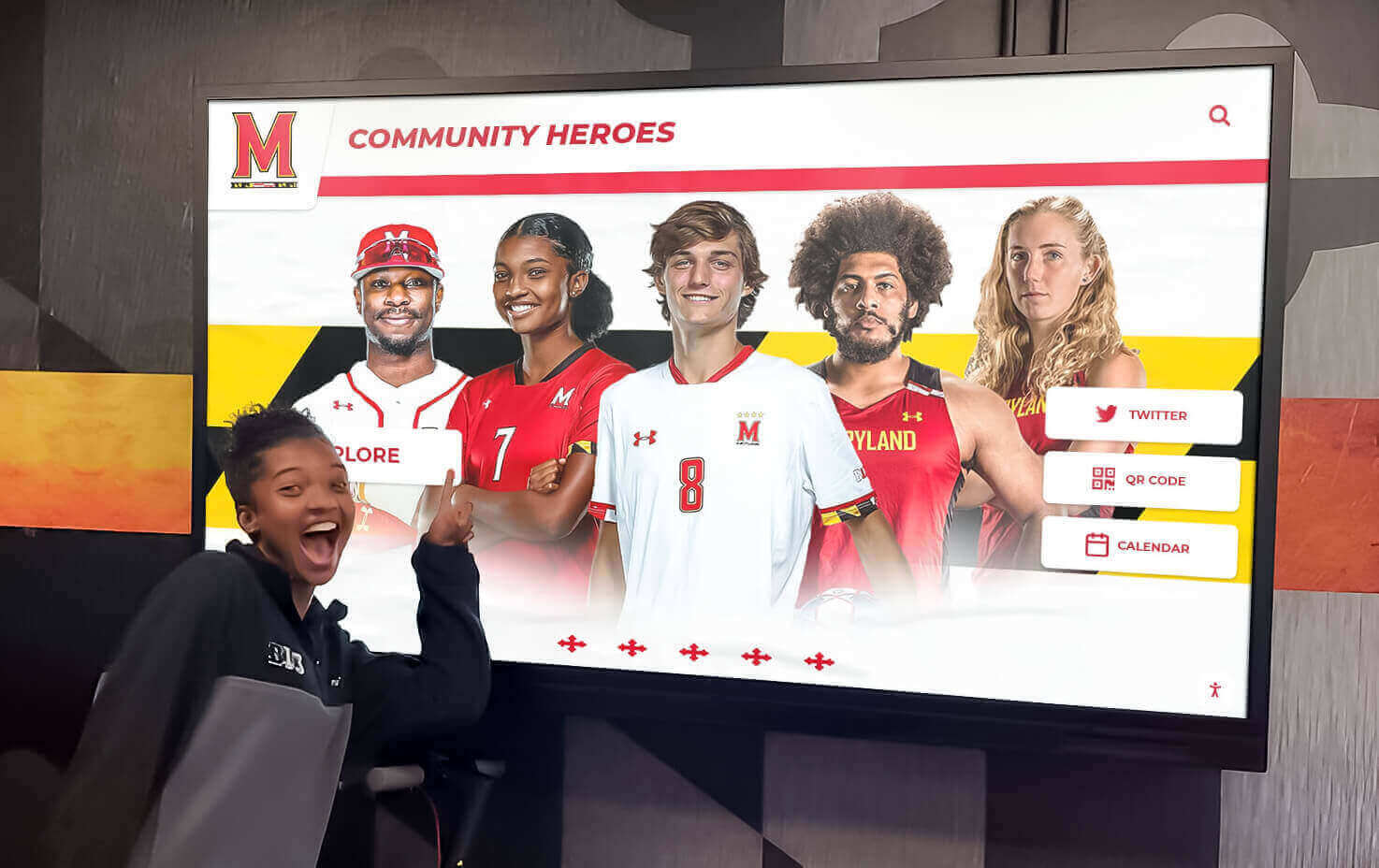
Digital displays enable dynamic communication that keeps athletic information current while celebrating ongoing achievements
Content Strategy and Storytelling
Strategic content creation builds program narrative while celebrating individual and team achievements that strengthen community connections.
Athlete Spotlight Series: Regular athlete features—whether weekly, bi-weekly, or monthly—ensure all participants receive recognition beyond game statistics. Spotlight questions might explore why athletes chose their sport, what they’ve learned through competition, who influenced their development, what goals drive them, how they balance academics and athletics, and what advice they’d share with younger athletes. These stories humanize programs while providing shareable content that families eagerly distribute through personal networks.
Season Preview and Recap Content: Pre-season previews build anticipation through roster introductions, schedule highlights, coaching perspectives, and program goals. Post-season recaps celebrate accomplishments, recognize individual achievement, share statistics and records, acknowledge senior contributions, and preview off-season development priorities. This narrative arc creates story continuity that extends beyond individual games into comprehensive seasonal narratives.
Behind-the-Scenes Access: Content showcasing what happens beyond game competition—practices, team bonding activities, off-season training, community service, academic achievement, college commitment ceremonies—provides unique access that builds investment while demonstrating program values extend beyond scoreboard results. These authentic glimpses create emotional connections between communities and athletes that casual game attendance alone cannot generate.
Alumni and Tradition Content: Feature accomplished program alumni, historical achievements, program milestones, and tradition explanations that educate new community members while honoring legacy. These connections between past and present demonstrate that current athletes participate in something larger than themselves—they join continuous excellence spanning generations.
Achievement Milestones and Records: Celebrate when athletes reach significant milestones—1,000 career points, school records broken, all-conference selections, college commitments, academic honors. These celebrations acknowledge excellence while inspiring younger athletes to pursue similar achievements. Maintain public record books documenting top performances across statistical categories, creating transparent competition that motivates pursuit of distinguished placement.
Building Community Support and Sponsorship Programs
Sustainable athletic excellence requires financial support beyond school budgets. Strategic community engagement generates resources that fund program enhancements impossible through institutional budgets alone.
Developing Booster Organizations and Support Networks
Organized volunteer support multiplies athletic department capacity through fundraising, event coordination, facility improvements, and community outreach.
Structured Booster Club Formation: Effective booster organizations establish legal structures (typically 501(c)(3) nonprofit status), defined leadership roles, transparent financial management, documented bylaws, and clear communication between boosters and school administration. This formalization creates sustainable operations that transcend individual volunteer tenure while ensuring financial accountability and legal compliance. Professional structure attracts broader participation from community members who might hesitate joining informal organizations lacking clear governance.
Multi-Tier Membership Programs: Booster memberships ranging from basic annual supporters through elite benefactors enable participation at various commitment levels. Tiered recognition—bronze, silver, gold, platinum—associated with giving levels creates aspirational progression while providing tangible acknowledgment through donor recognition displays, exclusive event access, preferred parking, or logo placement on promotional materials. Clear benefit articulation at each level helps potential supporters understand what their contributions fund and what recognition they’ll receive.
Fundraising Event Calendars: Successful booster organizations maintain annual event calendars creating predictable fundraising rhythms that community members anticipate. Common events include golf tournaments, athletic banquets, auction nights, fun runs, youth clinics, alumni games, and corporate sponsorship programs. Event diversification prevents donor fatigue while appealing to different supporter preferences—some prefer golf tournaments, others attend auction galas, and additional groups support through direct sponsorship without event attendance.
Communication and Transparency: Regular booster communication about fundraising progress, fund allocation, completed projects, and upcoming priorities builds trust while demonstrating impact. Quarterly financial summaries, annual reports, website updates, and social media sharing create transparency that encourages continued support. When community members see exactly how contributions enhance programs—new uniforms purchased, facilities upgraded, equipment acquired—they understand giving creates tangible improvements rather than disappearing into unaccountable budgets.
Corporate and Community Sponsorship Development
Business partnerships provide substantial funding while creating mutually beneficial relationships between athletic programs and local commerce.
Sponsorship Opportunity Inventory: Document all potential sponsorship assets your program offers—facility naming rights, scoreboard logos, banner placement, program advertising, social media recognition, website presence, event title sponsorship, seasonal team sponsorships, and recognition display sponsorship. Organize these into tiered packages at various price points enabling businesses to participate at levels matching their marketing budgets and community investment priorities.
Professional Sponsorship Materials: Create polished presentation materials showcasing sponsorship opportunities, audience reach, demographic information, visibility examples, and recognition formats. Include data about game attendance, social media followers, website traffic, and community engagement demonstrating value businesses receive through athletic sponsorship. Professional presentation signals that partnerships will be managed seriously with benefits delivered reliably.
Recognition and Benefit Fulfillment: Honor commitments to sponsors meticulously through visible logo placement, social media acknowledgment, program recognition, and any exclusive benefits promised during sponsorship sales. Designate specific individuals responsible for sponsor relations, ensuring no sponsor feels neglected or forgotten after payment clears. Consider mid-season check-ins thanking sponsors and sharing engagement metrics demonstrating their visibility within your community.
Multi-Year Relationship Development: View sponsors as long-term partners rather than transactional annual sales. Build relationships through facility tours, athlete recognition events, leadership introductions, and consistent communication that extends beyond renewal season. Multi-year commitments provide revenue stability while reducing annual sales cycles. Many successful programs offer modest discounts for extended commitments, securing funding certainty that enables long-term planning.
Business Networking and Advisory Boards: Engage successful business sponsors in athletic program advisory roles providing strategic guidance, professional connections, and community advocacy. These relationships extend beyond sponsorship checks into mentorship for student-athletes, career networking, facility project management expertise, and institutional advancement that benefits far more than just athletics.
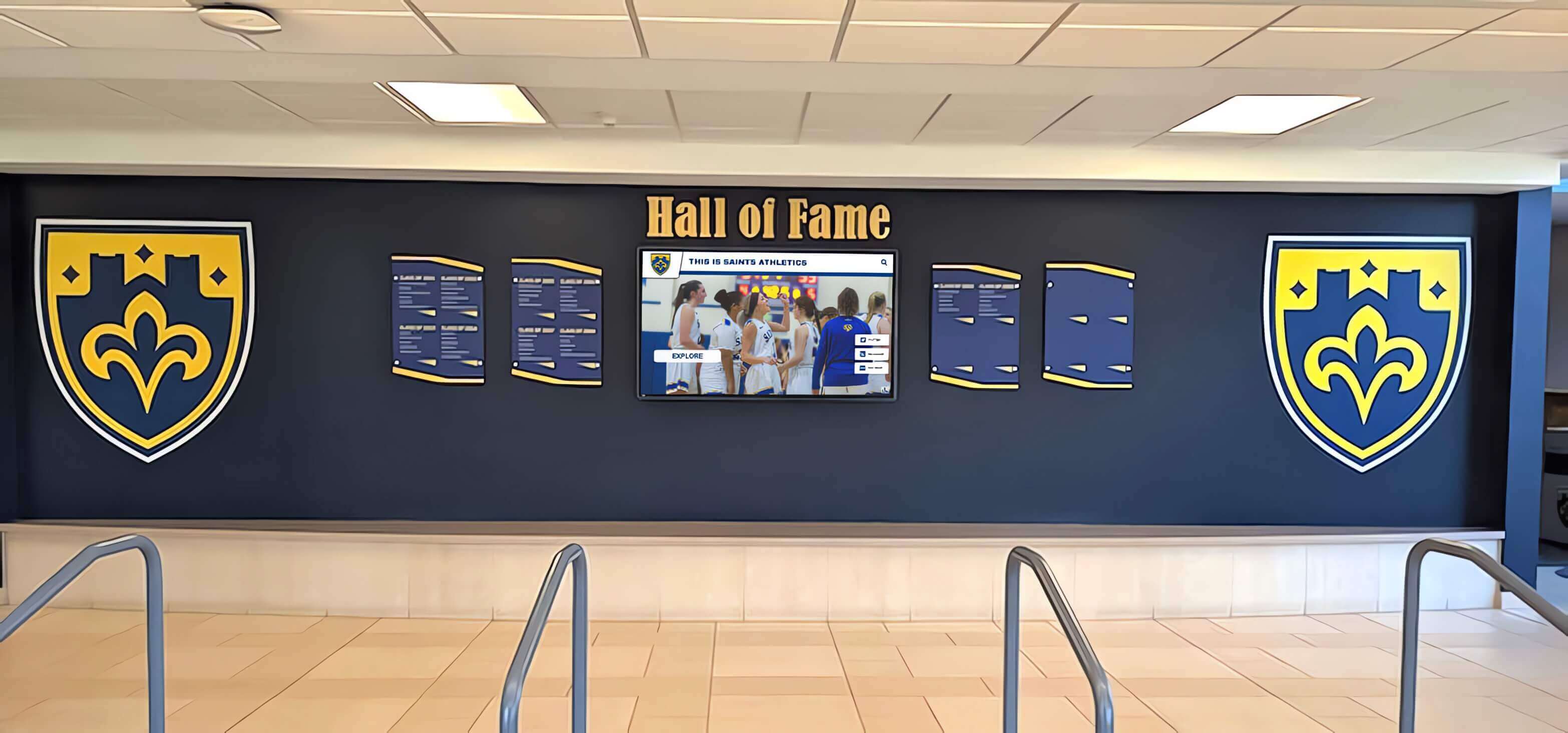
Recognition displays can integrate sponsor acknowledgment alongside athlete achievement, creating partnership value
Providing Holistic Support for Student-Athlete Development
Collegiate athletic experiences extend beyond game competition into comprehensive support systems addressing physical development, mental skills, academic success, and personal growth.
Strength, Conditioning, and Sports Medicine
Physical preparation determines competitive success while reducing injury risk and teaching lifelong fitness habits.
Structured Strength and Conditioning Programs: Professional programs implement systematic training designed by certified strength coaches rather than leaving conditioning to individual coach preferences. Periodized training cycles coordinate with competitive seasons—building foundational strength during off-season, maintaining fitness during competition, and providing recovery between seasons. When possible, hire certified strength and conditioning specialists (CSCS) who understand age-appropriate training, injury prevention, movement pattern development, and progressive overload principles. Where budget constraints prohibit full-time specialists, consider part-time hires, consultant relationships, or partnerships with local colleges that might provide interns or graduate assistants seeking experience.
Athletic Training and Injury Prevention: Access to certified athletic trainers (ATC) dramatically improves injury management, rehabilitation quality, and return-to-play decisions. Athletic trainers provide pre-participation physicals, injury evaluation, treatment, rehabilitation, emergency care, and health education. Schools lacking full-time athletic trainers should explore options including shared trainers covering multiple schools, contracted services from local sports medicine providers, or partnerships with healthcare organizations providing athletic training coverage in exchange for community service visibility and patient development.
Sports Science and Performance Tracking: Technology enables data-driven performance optimization through wearable sensors tracking workload, GPS movement analysis, force plate jump testing, heart rate variability monitoring, and video biomechanical analysis. While professional-level sports science remains expensive, consumer-level technologies provide valuable insights at accessible price points. Track basic performance metrics—strength testing, speed timing, conditioning benchmarks—establishing baselines and monitoring improvement throughout athlete development.
Academic Support and Life Skills Development
Athletic success matters little if academic failure prevents college opportunities or post-athletic career success.
Study Hall and Tutoring Programs: Mandatory study halls for student-athletes, particularly those struggling academically, create structured homework time with access to academic support. Coordinate with school counseling departments identifying athletes needing intervention before eligibility becomes jeopardized. Consider recruiting National Honor Society volunteers, retired teachers, or college students as tutors providing subject-specific assistance. Position academic achievement as integral to athletic success rather than competing priority—college recruitment requires academic qualifications regardless of athletic talent.
Time Management and Organizational Skills: Explicitly teach scheduling, prioritization, goal-setting, and organizational systems that enable success managing athletic, academic, social, and family commitments. Many student-athletes struggle not from lack of intelligence but from insufficient organizational skills managing complex demands. Provide planners, calendar training, time-blocking instruction, and accountability systems that develop self-management capabilities transferring beyond high school.
College Recruitment Preparation: Guide student-athletes through recruitment processes including highlight video creation, recruiting profile development, college coach communication, unofficial visit preparation, official visit evaluation, scholarship negotiation, and commitment decision-making. Many families navigate recruitment without guidance, making suboptimal decisions due to incomplete information. Systematic preparation levels this playing field while maximizing opportunities for all interested athletes regardless of family sophistication.
Leadership and Character Development: Athletics provides unparalleled opportunities for leadership development, resilience building, teamwork lessons, and character formation. Create intentional programming around these developmental benefits rather than assuming they naturally occur through competition alone. Captains’ councils, community service requirements, mentorship programs pairing upperclassmen with freshmen, and explicit values instruction transform athletics from purely competitive endeavors into comprehensive educational experiences.
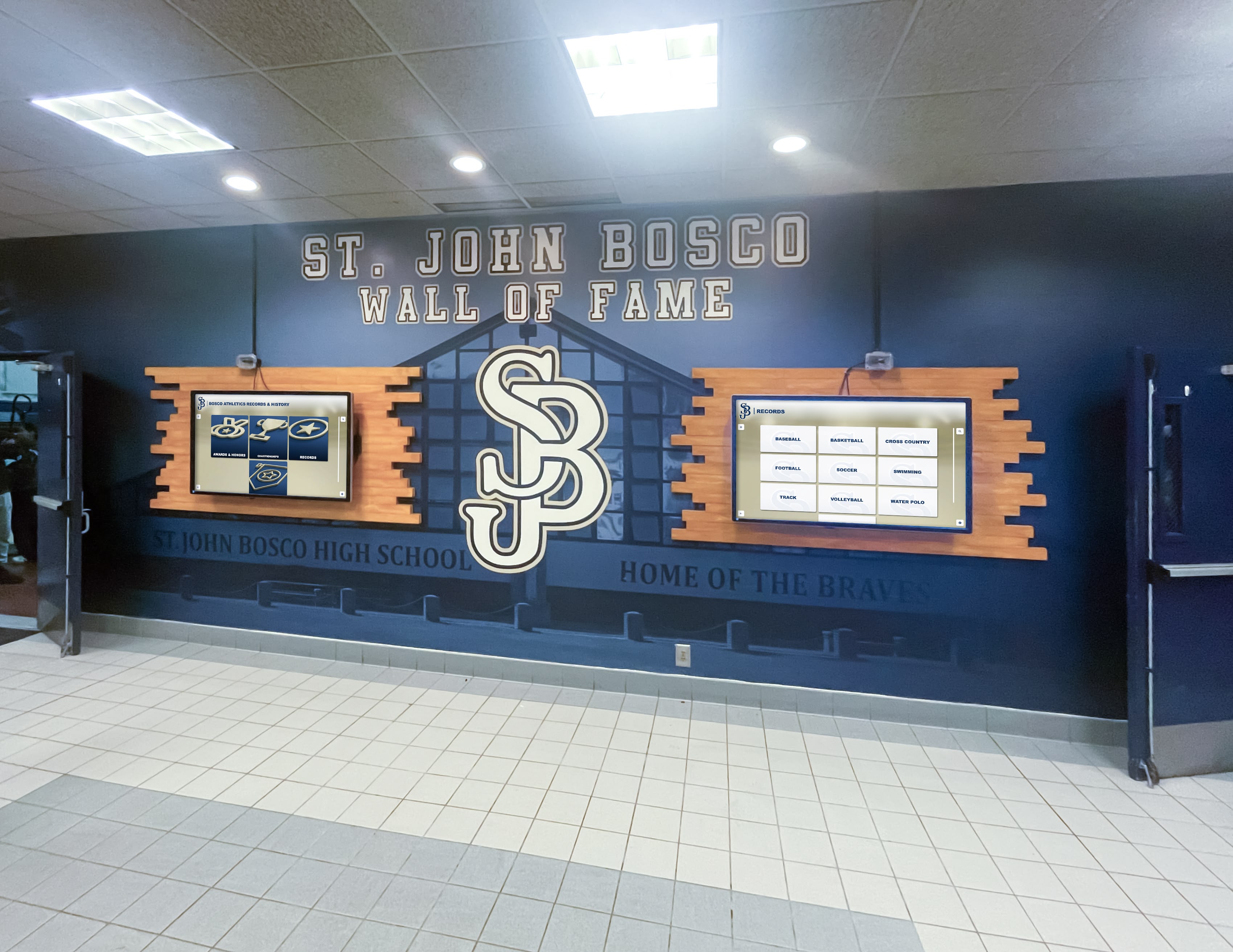
Professional installations demonstrate program commitment to excellence while creating environments that inspire achievement
Leveraging Technology and Modern Solutions
Technology platforms enable high school programs to operate with collegiate efficiency without requiring equivalent budgets or staffing.
Comprehensive Athletic Management Platforms
Modern software solutions integrate multiple program functions into unified systems that streamline operations while improving communication.
Schedule and Registration Management: Centralized platforms manage master athletic calendars, practice schedules, facility reservations, game scheduling, official assignments, transportation coordination, and season registrations. Cloud-based systems enable coaches, administrators, and families to access current schedules from any device while automated notifications alert stakeholders to schedule changes. Registration integration processes participation forms, medical clearances, insurance documentation, and payment collection, eliminating paper-based systems that create administrative burden and compliance risk.
Statistics and Record Keeping: Dedicated athletic statistics platforms track comprehensive performance data, maintain historical records, generate reports, and publish statistics publicly through web integration. Systematic tracking creates transparency about performance leaders, record progression, and achievement milestones that both motivate athletes and provide recognition opportunities. Historical data preservation ensures institutional knowledge survives staff transitions while enabling long-term trend analysis revealing program strengths and development areas.
Video Analysis and Film Exchange: Cloud-based video platforms enable film breakdown, play tagging, opponent scouting, highlight compilation, and college recruiting package creation. Coaches analyze performance systematically rather than relying on memory or limited note-taking. Athletes receive specific visual feedback demonstrating exactly what adjustments improve performance. College recruitment benefits tremendously from professional highlight packages showcasing athletes effectively rather than expecting recruiters to watch hours of unedited game footage.
Digital Recognition and Engagement Solutions
Purpose-built recognition platforms designed specifically for educational athletics provide turnkey solutions for comprehensive achievement celebration.
Touchscreen Display Systems: Solutions like Rocket Alumni Solutions provide commercial-grade hardware, cloud-based content management, pre-designed templates, and ongoing support specifically for athletic recognition. Rather than repurposing generic digital signage requiring custom development, purpose-built platforms provide intuitive interfaces that non-technical athletic staff manage independently without IT department dependency. Professional installation, content migration assistance, training, and responsive support ensure successful implementations rather than technology purchases that sit unused due to complexity or lack of expertise.
Mobile-Optimized Recognition Websites: Companion web platforms extend recognition beyond campus through responsive sites accessible globally. Athletes share profiles via social media, families explore accomplishments remotely, and college coaches review program achievements when evaluating recruits. Social sharing integration amplifies recognition across personal networks, creating organic marketing impossible through institutional channels alone.
Content Management and Workflow Tools: Cloud-based administration enables distributed content development where coaches submit athlete profiles, team records, and achievement updates through web interfaces while athletic directors maintain editorial control approving content before publication. This distributed workflow accelerates content development without overwhelming single administrators while maintaining consistency and accuracy through approval processes.
Analytics and Engagement Measurement: Built-in analytics reveal which content generates interest, when facilities experience peak engagement, what search terms visitors use, how long interactions last, and which sports receive most attention. These insights inform content priorities while demonstrating recognition program value through quantifiable engagement metrics that justify technology investment to administrators and funding sources.
Implementation Planning: Getting Started
Creating collegiate-level experiences requires systematic planning that prioritizes high-impact initiatives while building sustainable programs within budget and capacity constraints.
Assessment and Priority Setting
Current State Analysis: Begin by honestly evaluating your program’s current state across key dimensions—branding consistency, recognition systems, facility presentation, communication effectiveness, technology utilization, community engagement, and support systems. Identify specific gaps between current reality and desired collegiate-level standards. This baseline assessment prevents wasting resources on lower-priority improvements while missing critical deficiencies.
Stakeholder Input Collection: Survey coaches, athletes, parents, administrators, and community supporters gathering perspectives about program strengths, improvement priorities, and support willingness. Often these groups identify different priorities—coaches might emphasize training equipment while parents prioritize communication and recognition. Understanding multiple viewpoints enables balanced planning addressing various constituent needs.
Resource Inventory: Catalog available resources including budget allocation, volunteer capacity, facility assets, technology infrastructure, and staff expertise. Realistic resource assessment prevents planning initiatives that exceed available capacity. Identify potential funding sources for strategic priorities including budget reallocation, booster support, corporate sponsorship, grant opportunities, and district capital improvements.
Phased Priority Setting: Given finite resources, prioritize initiatives delivering maximum impact relative to investment. Consider implementing phases focusing initial efforts on highest-visibility, highest-impact improvements that demonstrate momentum while generating support for subsequent phases. Common first-phase priorities include professional branding standardization, digital recognition system implementation, and enhanced communication channels since these create visible improvements affecting all stakeholders.
Building Support and Securing Resources
Leadership Buy-In: Successful transformation requires support from principals, superintendents, and school boards who control resources and establish priorities. Develop compelling cases demonstrating how collegiate-level athletic experiences advance institutional goals around student engagement, community relations, enrollment attraction, and educational outcomes. Present comparable program examples, return-on-investment projections, and pilot program proposals that reduce perceived risk while proving concepts before requesting comprehensive commitments.
Community Engagement: Share improvement plans with parent groups, booster organizations, and community stakeholders soliciting input and support. Many improvement initiatives attract community funding when framed as enhancing student-athlete experiences and program competitiveness. Consider naming opportunities, recognition sponsorships, and partnership arrangements that enable community members to support specific initiatives aligned with their interests or business objectives.
Phased Funding Strategy: Major program transformations rarely secure full funding immediately. Develop multi-year financial plans phasing implementations as resources become available. Begin with core elements delivering broad benefit, then expand incrementally as demonstrated success generates additional support. Consider creative funding including donor-funded technology, alumni contributions toward recognition systems, corporate partnerships covering communication platforms, and booster organization investments in facility improvements.
Measuring Success and Continuous Improvement
Effective programs demonstrate impact through quantifiable metrics and qualitative feedback that inform continuous refinement.
Key Performance Indicators
Participation and Retention Metrics: Track athlete participation rates across all sports, retention year-over-year, and program attrition reasons. Improved experiences should increase participation, particularly in sports that historically struggle attracting athletes. Exit interviews with athletes who quit provide invaluable feedback about program weaknesses requiring attention.
Academic Performance: Monitor team GPAs, eligibility maintenance rates, college attendance percentages, and scholarship awards. Athletic programs should enhance rather than detract from academic success. Demonstrable academic achievement validates that your program balances competitive excellence with educational priorities.
Competitive Success: While wins and championships shouldn’t be sole success measures, competitive performance provides objective external validation. Track conference standings, playoff qualification, championship advancement, and improvement trends across multiple seasons. Sustainable success rather than isolated championship years demonstrates program health.
Community Engagement: Measure game attendance, social media following and engagement, website traffic, booster membership, sponsorship revenue, and volunteer participation. Growing community investment demonstrates that improved experiences create value extending beyond athletes themselves into broader institutional benefits.
Recognition Program Usage: For digital recognition systems, analyze display interactions, website traffic, profile views, social shares, and search patterns revealing community engagement with athletic history and achievement. These metrics validate that recognition investments create meaningful impact rather than becoming ignored installations.
College Placement and Recruitment: Track college athletic participation rates, scholarship awards, level of competition (DI, DII, DIII, NAIA, JUCO), and recruiter contact frequency. Programs that effectively prepare athletes for college recruitment should demonstrate increasing college athletic placement as reputation builds.
Stakeholder Feedback and Continuous Improvement
Regular Surveys: Annual surveys of athletes, parents, coaches, and community members provide qualitative feedback complementing quantitative metrics. Ask about satisfaction levels, perceived strengths, improvement priorities, and specific suggestions. Consistent survey methodology enables year-over-year comparison revealing whether satisfaction trends positively.
Focus Groups and Advisory Committees: Periodic small-group discussions with representative stakeholders provide deeper insights than anonymous surveys. These conversations reveal nuanced concerns, generate innovative solutions, and build investment through inclusive decision-making that respects community input.
Competitive Benchmarking: Compare your program against conference competitors, district programs, and aspirational models identifying gaps and opportunities. Attend other programs’ facilities, review their communications, and study their approaches, adapting successful elements to your context. Competitive intelligence prevents complacency while providing concrete improvement targets.
Regular Review and Planning Cycles: Schedule annual strategic planning sessions evaluating progress toward goals, analyzing performance data, incorporating stakeholder feedback, and establishing next year’s priorities. This discipline prevents programs from drifting without clear direction while ensuring improvement efforts remain coordinated rather than becoming scattered initiatives lacking coherent vision.
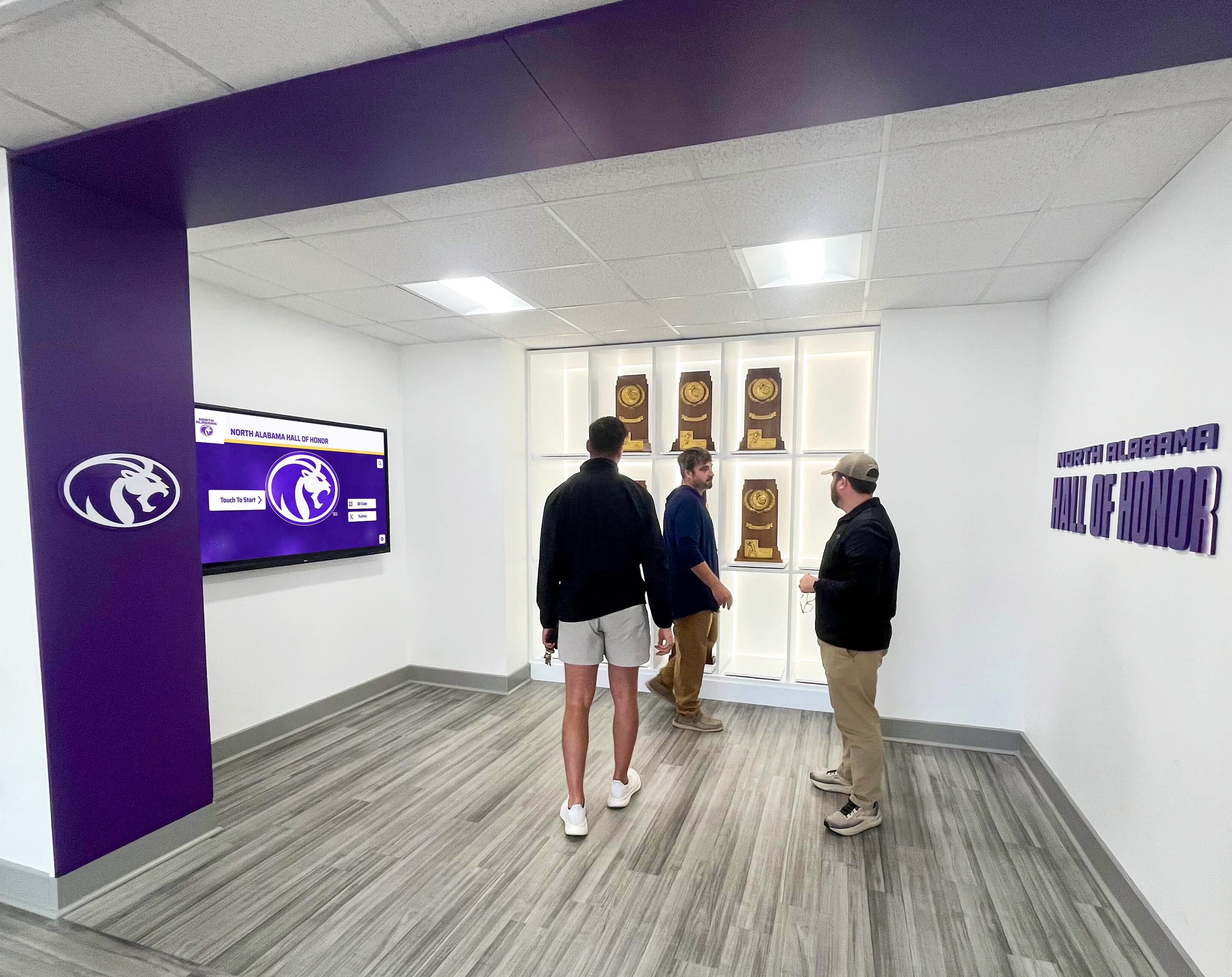
Comprehensive recognition creates destinations that bring communities together in celebration of shared athletic excellence
Conclusion: Building Excellence That Lasts
Creating collegiate-level experiences for high school athletes represents strategic investment in program sustainability, competitive excellence, and comprehensive student-athlete development. The most successful programs recognize that excellence extends beyond winning records into professional operations, visible recognition, effective communication, and holistic support that prepares young people for success in athletics, academics, and life beyond sports.
Modern technology eliminates many barriers that historically prevented high school programs from operating with collegiate professionalism. Digital recognition platforms provide unlimited achievement celebration without physical space constraints or update complexity. Communication tools enable professional marketing and engagement without requiring large staff. Athletic management software streamlines operations that once consumed administrative hours. These technologies democratize excellence, enabling programs with modest budgets to deliver experiences that rival well-funded competitors.
Yet technology alone never suffices—it merely enables strategic programming delivered with authentic commitment to student-athlete development and community building. Successful transformations require leadership vision, stakeholder engagement, sustainable funding, systematic implementation, and continuous improvement based on performance feedback. These elements combine with appropriate technology creating programs where athletes feel valued, families feel confident, communities feel pride, and everyone connected to your program shares in collective success.
For athletic programs ready to elevate experiences while building recognition systems that celebrate achievement comprehensively, solutions like Rocket Alumni Solutions provide proven platforms specifically designed for educational athletics. From strategic planning through ongoing optimization, the right technology partner transforms aspirations into reality, creating collegiate-caliber programs that inspire excellence across generations of student-athletes.
Creating exceptional athletic experiences isn’t about mimicking everything colleges do—it’s about adapting collegiate best practices to high school contexts in ways that honor achievement, develop character, strengthen communities, and prepare student-athletes for whatever futures they pursue. When programs commit to this comprehensive excellence, everyone benefits—athletes develop more fully, families engage more deeply, communities support more generously, and institutions build athletic traditions that distinguish them for decades to come.
Ready to Create a Collegiate Experience for Your Student-Athletes?
Discover how Rocket Alumni Solutions can help you build comprehensive athletic recognition programs that celebrate achievements, strengthen program identity, and create the professional environment that attracts talented athletes and community support through interactive digital technology designed specifically for high school athletics.
Book a Demo






























