Transform Alumni Recognition into Lasting Legacy
Every educational institution and organization has graduates and former members who've achieved remarkable success—leaders who've shaped industries, innovators who've changed communities, and individuals who've made lasting impacts in their fields. Creating an alumni hall of fame provides a meaningful way to honor these achievements while strengthening institutional pride, inspiring current members, and building a powerful legacy of excellence that spans generations.
An alumni hall of fame serves as more than a list of distinguished names. When thoughtfully designed and strategically implemented, it becomes a dynamic engagement tool that connects past achievement with present community and future aspirations. Whether you’re starting from scratch or modernizing an existing recognition program, the process requires careful planning across selection criteria, display design, funding strategies, and long-term sustainability.
This comprehensive guide walks you through every step of creating an alumni hall of fame that delivers lasting value. From establishing fair selection processes to choosing between traditional and digital display options, you’ll discover proven strategies used by leading institutions to create recognition programs that honor excellence while strengthening community bonds for decades to come.

A well-designed alumni hall of fame creates a focal point for celebrating institutional excellence and inspiring future generations
Why Create an Alumni Hall of Fame? Strategic Benefits Beyond Recognition
Before diving into the logistics of creating a hall of fame, understanding the strategic benefits helps align your program with broader institutional goals and secure stakeholder support.
Strengthening Alumni Engagement and Connection
Alumni who receive recognition for their achievements develop stronger emotional bonds with their alma maters. This validated connection often translates into increased engagement through multiple channels—higher event attendance, more active volunteer participation, expanded mentorship involvement, and enhanced philanthropic support.
Recognition programs create natural touchpoints for ongoing dialogue. Induction ceremonies, profile updates, anniversary celebrations, and reunion integrations all provide meaningful reasons to re-engage alumni who may have drifted away from active institutional involvement. These touchpoints prove particularly valuable for development teams working to identify, cultivate, and steward major gift prospects.
Inspiring Current Students and Members
Few motivational tools compare to the power of seeing someone who walked similar paths achieve extraordinary success. When current students discover that graduates from their institution went on to become industry leaders, renowned researchers, accomplished artists, or influential public servants, abstract career possibilities become tangible realities backed by concrete examples.
Alumni recognition walls serve as perpetual career counseling resources. Students exploring professional paths can discover alumni working in fields they’re considering, learning about the journeys, challenges, and opportunities these graduates encountered. These real-world examples complement formal advising while providing authentic voices from people who faced similar decisions and uncertainties.

Alumni halls of fame inspire current students by showcasing the possibilities that education creates
Building Institutional Brand and Reputation
A hall of fame communicates institutional quality to multiple audiences. Prospective students and families evaluating educational options see tangible evidence of graduate success, addressing natural questions about return on investment and career outcomes. This social proof becomes particularly powerful during campus tours when visitors encounter displays showcasing distinguished alumni.
Alumni themselves benefit from association with institutions that celebrate excellence publicly. When graduates see fellow alumni achieving remarkable things, their own affiliation becomes more valuable professionally and personally. This collective pride generates organic word-of-mouth promotion far more credible than traditional marketing efforts.
Preserving Institutional History and Legacy
Beyond honoring individuals, halls of fame document organizational evolution and preserve institutional memory. These recognition programs create archives showing who participated, when they graduated, what they accomplished, and how they contributed to their fields and communities over time.
For organizations with long histories, recognition programs become valuable historical resources. Researchers, journalists, and community members can explore how the institution influenced various professions, industries, and social movements through the leaders it prepared. Digitizing yearbooks and historical records as part of hall of fame development preserves these institutional legacies for future generations.
Phase 1: Planning Your Alumni Hall of Fame Program
Successful recognition programs begin with thoughtful planning that addresses multiple stakeholder perspectives, diverse objectives, and long-term sustainability considerations.
Forming a Planning Committee
Establish a diverse planning committee representing various constituencies and perspectives:
Essential Stakeholders to Include:
- Administrative leadership providing strategic direction
- Alumni association representatives understanding graduate interests
- Advancement professionals connecting recognition to fundraising
- Faculty or staff offering institutional perspective
- Current students providing emerging generation viewpoints
- Communications experts ensuring effective promotion
- Historical archivists contributing institutional memory
Committee Responsibilities:
- Defining recognition vision and objectives
- Establishing selection categories and criteria
- Determining budget parameters and funding sources
- Choosing between display options (traditional vs. digital)
- Creating nomination and selection processes
- Developing launch strategies and timelines
- Planning for long-term program sustainability
Committee diversity prevents narrow perspectives from dominating decisions while ensuring the program serves multiple stakeholder needs. Plan for 6-12 months of committee work before launch, though timelines vary based on program complexity and available resources.

Inclusive planning committees ensure recognition programs serve diverse stakeholder needs and perspectives
Defining Recognition Categories
Most successful halls of fame recognize achievements across multiple categories rather than limiting recognition to single types of success. This inclusive approach ensures diverse forms of excellence receive appropriate acknowledgment while preventing perceptions that certain achievements matter more than others.
Common Recognition Categories:
Professional Achievement and Leadership: Alumni who’ve attained executive positions, pioneered innovations, built successful enterprises, or made significant contributions to their industries through career excellence and professional impact.
Academic and Research Excellence: Graduates who’ve become distinguished scholars, influential researchers, renowned faculty members, or educational leaders advancing knowledge and learning in their fields.
Public Service and Civic Leadership: Alumni serving communities through elected office, military service, nonprofit leadership, humanitarian work, or other contributions to societal wellbeing beyond personal achievement.
Arts, Culture, and Creative Achievement: Graduates excelling in visual arts, performing arts, literature, music, film, journalism, or other creative fields through professional success or cultural impact.
Athletic and Sports Excellence: Former athletes competing professionally, achieving Olympic distinction, coaching successfully, or serving as sports administrators. Many institutions maintain separate athletic recognition alongside broader alumni halls of fame.
Entrepreneurship and Innovation: Alumni who’ve founded companies, developed groundbreaking products, disrupted industries, or created significant economic impact through entrepreneurial ventures.
Community Impact and Philanthropy: Graduates whose work addresses major social challenges, advances human rights, improves public health, or creates meaningful positive change through charitable giving or volunteer leadership.
Balanced representation across categories prevents recognition from skewing toward high-profile professions while overlooking equally valuable contributions in less visible fields. Some institutions create separate selection committees for different categories, ensuring appropriate expertise evaluates achievements.
Establishing Selection Criteria
Clear, objective criteria ensure fair evaluation while maintaining program credibility and community confidence:
Fundamental Selection Standards:
- Achievement Magnitude: Significance of accomplishments relative to field or profession—local impact, regional distinction, national recognition, or international prominence
- Career Longevity: Sustained success over time rather than early promise, typically requiring minimum years since graduation (10-15 years common)
- Professional Recognition: Awards, honors, peer recognition, or other external validation of achievement and impact
- Institutional Connection: Relationship to alma mater demonstrated through degree completion, program participation, or meaningful institutional engagement
- Ethical Conduct: Professional and personal integrity with no significant controversies that would reflect poorly on the institution
- Inspiration Value: Potential to motivate current students and exemplify institutional values through achievement narrative and personal journey
Document these criteria explicitly in published materials so nominators understand evaluation standards. Transparency builds community confidence while helping potential nominators self-select appropriate candidates.
Phase 2: Developing Nomination and Selection Processes
Fair, transparent processes ensure credibility while managing community expectations around this prestigious recognition.
Creating Accessible Nomination Procedures
Broaden participation by making nomination processes straightforward and accessible to multiple constituencies:
Nomination Requirements:
Information to Collect:
- Complete nominee contact information
- Graduation year and degree/program details
- Comprehensive biographical summary
- Detailed achievement documentation
- Professional career highlights and timeline
- Awards, honors, and recognitions received
- Community service and civic contributions
- High-quality photographs for display
- Letters of support from those familiar with impact
- Nominee’s connection to institution
Nomination Sources:
- Alumni self-nominations (with appropriate humility guidance)
- Fellow alumni recommendations
- Faculty and staff suggestions
- Current student nominations
- Community member submissions
- Development officer identifications
- Previous selection committee suggestions
- Historical research discoveries
Online nomination forms simplify submission and collection while creating searchable databases for committee review. Establish clear annual deadlines creating predictable rhythms—many institutions open nominations in fall for spring induction ceremonies.

Structured selection processes ensure fair evaluation and maintain program credibility
Structuring Selection Committees
Selection committees should represent diverse perspectives while possessing appropriate expertise to evaluate achievements across different fields:
Committee Composition Best Practices:
- Size: 7-12 members providing diverse perspectives without becoming unwieldy for productive discussion
- Representation: Balance across administration, faculty, alumni, students, and external community members
- Expertise: Include individuals with knowledge of various professional fields and achievement types
- Terms: Staggered 3-4 year terms ensuring continuity while preventing stagnation
- Leadership: Rotating chair responsibilities creating fresh perspectives and shared ownership
- Diversity: Intentional representation across gender, ethnicity, generation, geography, and professional backgrounds
Establish clear conflict-of-interest policies addressing committee members’ relationships with nominees. Members should recuse themselves from discussions involving close personal connections, though this shouldn’t preclude them from sharing factual information the committee might not otherwise possess.
Conducting Fair Evaluations
Systematic evaluation processes ensure consistent, objective assessment:
Review Best Practices:
- Initial Screening: Staff or committee subset reviews submissions for completeness and basic eligibility, removing nominations lacking required information or clearly not meeting criteria
- Category Assignment: Organize qualified nominations into appropriate achievement categories for specialized evaluation
- Detailed Review: Committee members receive complete nomination packets well in advance, allowing thorough individual assessment before collective discussion
- Scoring Systems: Many committees use standardized rubrics assigning numerical scores across evaluation criteria, creating objective comparison basis
- Collective Discussion: Committee meets to discuss finalists, share perspectives, identify additional needed information, and debate relative merits
- Final Selection: Vote on inductees, typically requiring supermajority consensus (two-thirds common) ensuring broad agreement rather than contentious bare-majority decisions
- Communication: Notify selected inductees and unsuccessful nominees professionally, providing constructive feedback when appropriate
Document decision rationale without creating permanent records of potentially sensitive committee discussions. Annual selection typically yields 3-10 inductees depending on nomination volume, program maturity, and available recognition capacity.
Phase 3: Choosing Display Options and Design Approaches
The physical or digital form your hall of fame takes significantly impacts long-term value, ongoing costs, and community engagement.
Traditional Physical Display Approaches
Physical recognition carries inherent permanence and tangible presence that many institutions value:
Individual Plaque Systems:
Wall-mounted plaques featuring inductee names, graduation years, and achievement summaries represent the most traditional approach. Advantages include timeless aesthetic, incremental additions without redesign, familiar format, and relatively straightforward installation. However, plaques offer limited information capacity, consume physical space that eventually fills, require fabrication delays for additions, and create static presentations with minimal engagement beyond brief viewing.
Budget expectations: $100-400 per plaque plus initial header signage ($1,500-3,000) and annual maintenance ($200-500).
Photo Gallery Walls:
Framed photograph arrangements in organized grid patterns create immediate visual impact while accommodating larger numbers compared to detailed plaques. Photo galleries excel at creating presence, though they share space limitations and provide even less detailed achievement information than plaques.
Display Cases:
Custom cabinets allow institutions to showcase three-dimensional artifacts alongside alumni information—awards, publications, patents, medals, or other tangible evidence of accomplishment. Physical artifacts create powerful emotional connections, though cases require more space and regular maintenance while naturally limiting recognition capacity.

Traditional physical displays provide classic aesthetic and tangible permanence
Modern Digital Recognition Solutions
Digital technology has transformed alumni recognition, addressing many traditional limitations while creating enhanced engagement opportunities:
Interactive Touchscreen Displays:
Touchscreen hall of fame systems combine commercial-grade displays with specialized software platforms, enabling institutions to create comprehensive, interactive recognition experiences. These systems function like large tablets mounted on walls or integrated into kiosks, allowing visitors to explore alumni profiles through intuitive touch interactions.
Key Advantages of Digital Recognition
- Unlimited Capacity: Single touchscreen showcases thousands of alumni without spatial constraints or difficult decisions about removing older recognition
- Rich Multimedia Content: Incorporate photos, videos, audio interviews, document scans, and interactive elements bringing achievement stories to life
- Powerful Search and Navigation: Visitors instantly locate specific graduates, filter by decade or achievement category, and discover connections between alumni
- Remote Content Management: Update profiles, add inductees, and enhance content from any internet-connected device without requiring technical expertise
- Web Accessibility: Extend recognition beyond physical campus through online access allowing alumni worldwide to explore the hall of fame
- Data and Analytics: Track engagement patterns, understand which profiles generate most interest, and demonstrate program impact through usage metrics
- Cost Efficiency: Eliminate per-inductee costs that physical plaques incur while reducing ongoing maintenance expenses
- Accessibility Features: Support screen readers, text magnification, multiple languages, and other accommodations ensuring inclusive access
Solutions like Rocket Alumni Solutions’ digital recognition systems provide purpose-built platforms designed specifically for educational and organizational alumni recognition, offering features generic content systems cannot match.
Investment expectations: $8,000-25,000 for comprehensive system (hardware, software, installation, training) with minimal ongoing costs ($0-1,200 annually) and zero per-inductee expenses.

Digital touchscreen displays offer unlimited capacity and interactive engagement impossible with traditional approaches
Hybrid Recognition Strategies
Many institutions implement combined approaches leveraging strengths of both traditional and digital recognition:
Featured Physical with Digital Depth: Showcase select most distinguished alumni through traditional plaques or displays in prominent locations while maintaining comprehensive digital database accessible via nearby touchscreens or web platforms. This approach provides tangible recognition for flagship honorees while ensuring all deserving alumni receive acknowledgment.
QR Code Enhanced Displays: Install traditional plaques or photo galleries with QR codes linking to comprehensive digital profiles accessible via smartphone. Visitors appreciate physical display presence while accessing detailed content when interested in specific alumni.
Multi-Location Distribution: Create category-specific displays distributed throughout campus—athletic recognition in gymnasium, academic achievement in library, arts excellence in performing arts center—rather than centralizing all recognition in single location.
Phase 4: Creating Compelling Content That Engages
Technology and displays enable recognition, but compelling content drives meaningful engagement. Investment in content quality separates displays that become beloved institutional assets from those that languish unused.
Gathering Alumni Information Systematically
Comprehensive profiles require systematic information collection across multiple sources:
Research Strategies:
Direct Alumni Engagement:
Contact living alumni directly requesting biographical updates, photographs, career highlights, and personal reflections on institutional experience. Most inductees enthusiastically provide requested materials, appreciating opportunities to influence how achievements are presented.
Provide templates or questionnaires ensuring consistency while making submissions straightforward. Enable ongoing profile updates allowing alumni to submit career milestones, awards, or changed information as lives evolve.
Additional Information Sources:
- Alumni association databases and communication archives
- Professional networking sites (LinkedIn, etc.)
- Company websites and biographical pages
- News articles and press releases
- Award announcements and industry publications
- Historical yearbooks and institutional archives
- Family connections for deceased alumni
- Public records and achievement documentation
Digital asset management systems help organize photos, documents, videos, and other content efficiently, particularly for institutions managing large alumni populations.

Professional content development transforms basic biographical data into compelling achievement narratives
Crafting Achievement Narratives That Inspire
Well-written biographical content balances factual achievement documentation with engaging storytelling that reveals the humans behind accomplishments:
Essential Profile Elements:
- Full name and graduation year/program details
- Professional career summary and current position
- Significant achievements and major accomplishments
- Educational background beyond initial degree
- Awards, honors, and professional recognitions
- Community service and civic contributions
- Connection to institution and formative experiences
- Personal quotes or reflections on success journey
- High-quality photographs from multiple life stages
Writing Best Practices:
Focus on transformation narratives showing how education or institutional experience influenced trajectories. Profiles explaining how specific courses, mentors, experiences, or relationships shaped career directions resonate powerfully with current students evaluating institutional value.
Highlight obstacles overcome and challenges navigated. Stories of first-generation graduates succeeding despite limited resources, career-changers pursuing new paths mid-life, or professionals recovering from setbacks create relatability that purely triumphant narratives cannot.
Use specific, concrete details rather than vague generalities. Instead of “successful entrepreneur,” describe the company founded, products developed, markets served, jobs created, or innovations introduced. Specificity makes achievement tangible and believable rather than abstract.
Integrating Multimedia Content
Digital halls of fame enable rich multimedia elements significantly enhancing engagement beyond text-based profiles:
Video Content: Short clips (2-5 minutes) featuring alumni discussing careers, sharing advice, or reflecting on how institutional experience influenced success create powerful personal connections. Professional production isn’t essential—authentic, well-lit smartphone videos often resonate more than overly polished productions.
Audio Elements: Voice recordings preserve alumni stories, particularly valuable for historical figures or those with compelling personal narratives about unexpected success paths or overcoming significant obstacles.
Document Digitization: Scan diplomas, awards, letters, newspaper clippings, and historical documents providing authentic evidence of achievement and adding historical depth to profiles.
Photo Galleries: Multiple images showing alumni throughout different life stages—from student photos to current professional headshots to action shots of their work—create visual narratives documenting journeys from student to distinguished graduate.
Interactive platforms like those from Rocket Alumni Solutions make incorporating multimedia straightforward through user-friendly upload interfaces requiring no technical expertise.
Phase 5: Budgeting and Funding Your Hall of Fame
Realistic financial planning ensures sustainable recognition programs serving institutions effectively within available resources.
Understanding Total Investment
Hall of fame costs span initial acquisition and installation through years of ongoing operation:
| Cost Category | Traditional Physical | Digital Interactive |
|---|---|---|
| Initial Setup | $5,000-35,000 | $8,000-25,000 |
| Per-Inductee Costs | $100-500 each | $0 (unlimited) |
| Annual Maintenance | $500-2,000 | $0-1,200 |
| Content Updates | High staff time + materials | Low staff time, no materials |
| 10-Year Total (50 inductees) | $35,000-60,000 | $12,000-30,000 |
While digital systems carry higher initial costs, elimination of per-inductee expenses creates significant long-term financial advantages for institutions with growing alumni populations. The ROI of digital recognition typically becomes apparent within 3-5 years for active programs.

Modern recognition systems provide long-term value through unlimited capacity and reduced ongoing costs
Developing Funding Strategies
Successful institutions fund recognition programs through diverse revenue sources:
Alumni Fundraising Campaigns: Dedicated initiatives specifically for hall of fame creation often generate strong support from graduates eager to honor institutional legacy. Campaigns clearly articulating recognition vision typically achieve goals when managed strategically. Position the hall of fame as investment in inspiring future generations while celebrating past excellence.
Naming Opportunities and Sponsorships: Individual or corporate sponsors fund entire displays or specific components in exchange for appropriate recognition. Offer naming rights for the overall hall of fame, specific categories, individual display components, or digital platform elements creating win-win scenarios.
Phased Implementation: Rather than attempting comprehensive installation immediately, phase projects over multiple years—starting with initial inductee cohort and expanding annually as funding becomes available. Digital systems particularly support phased approaches since software accommodates growth without hardware modifications.
Grant Applications: Educational foundations, community organizations, and corporate giving programs often support projects enhancing institutional culture, student engagement, or community connection. Frame hall of fame grants around measurable objectives—inspiring student achievement, preserving institutional history, strengthening alumni engagement.
Endowment Creation: Some institutions establish endowments specifically for hall of fame maintenance and growth, ensuring perpetual funding for annual inductions, content updates, and eventual technology refresh without competing with operational budgets.
Phase 6: Launching and Promoting Your Hall of Fame
Strategic launch maximizes community awareness while establishing strong foundation for ongoing engagement.
Planning Unveiling Events
Coordinate launches with high-visibility occasions maximizing attendance and media coverage:
Timing Strategies:
- Homecoming Weekends: Large alumni attendance and existing festive atmosphere
- Major Athletic Events: Captive audiences and school spirit context
- Anniversary Celebrations: Natural time for reflection on institutional history
- Graduation Ceremonies: Powerful message to new alumni about future recognition
- Donor Recognition Events: Appropriate audience appreciating achievement celebration
Event Programming:
Ceremony Elements:
- Formal unveiling or ribbon-cutting by institutional leaders
- Recognition of planning committee and major donors
- Individual acknowledgment of initial inductees present
- Brief remarks from featured alumni sharing experiences
- Interactive demonstrations showing how to explore displays
- Reception allowing guests to explore recognition thoroughly
- Media availability for interviews and photography
Promotional Activities:
- Press releases to local and alumni media
- Social media campaigns building anticipation
- Email announcements to alumni communities
- Website feature stories and homepage placement
- Video tours showcasing recognition displays
- Integration into campus tours and orientations
- Signage directing visitors to hall of fame location
Feature inducted alumni at launch events when possible. Personal appearances by honorees add significance while providing networking opportunities for attendees and profile subjects.
Creating Sustained Visibility
Initial launch enthusiasm predictably wanes without sustained promotion establishing recognition programs as enduring institutional priorities:
Ongoing Visibility Practices:
- Featured Alumni Spotlights: Regular communications highlighting different honorees monthly through newsletters, social media, and website rotations
- Event Integration: Prominently feature displays during reunions, tours, recruitment events, and gatherings with physical or digital accessibility
- Annual Induction Ceremonies: Create signature recurring events celebrating new honorees while generating fresh communications content and media coverage
- Social Media Calendars: Schedule consistent recognition-focused posts maintaining program awareness across platforms
- Website Prominence: Ensure hall of fame appears in main navigation with dedicated section rather than buried deep in site architecture
- Student Programming: Integrate recognition into orientation, career services, mentorship programs, and academic courses creating regular exposure
Phase 7: Maintaining Long-Term Program Success
Sustainable halls of fame require ongoing management, regular content updates, and continuous improvement based on engagement data and community feedback.
Establishing Annual Operating Rhythms
Predictable cycles create community anticipation while ensuring consistent recognition:
Recommended Annual Timeline:
- September-November: Open nominations with clear deadlines and published criteria
- December-February: Selection committee reviews nominations, conducts research, and makes induction decisions
- March-April: Announce new inductees, develop content, gather materials, and plan ceremony
- May-June: Host induction ceremony, update displays, launch promotional campaigns
- July-August: Assess program effectiveness, gather feedback, plan next cycle improvements
This predictable rhythm creates sustainable processes that don’t overwhelm staff while ensuring recognition remains consistent institutional priority.
Managing Content Updates Effectively
Keeping recognition current requires ongoing attention with significantly different effort depending on display type:
For Physical Displays:
- Budget annually for fabricating and installing new plaques or photos
- Schedule regular cleaning preventing deterioration or damage
- Plan periodic refreshes updating outdated design elements
- Address space constraints as displays approach capacity
- Coordinate vendor scheduling for additions and maintenance
For Digital Systems:
Cloud-based content management platforms enable instant updates without physical modifications. Administrators can add new inductees, update biographical information as alumni achieve new milestones, incorporate additional multimedia content, correct errors or outdated information, and enhance existing profiles—all remotely from any internet-connected device requiring no technical expertise.
Modern platforms feature intuitive interfaces allowing designated staff to manage content independently without ongoing vendor dependency for routine updates.
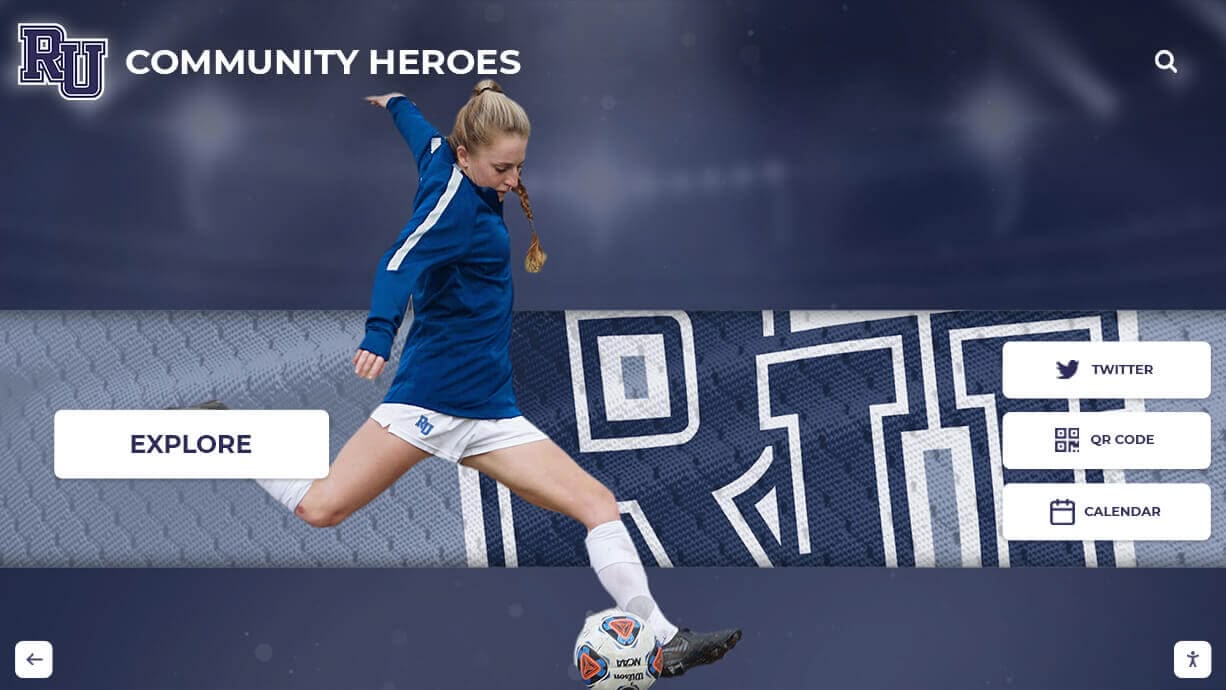
Intuitive content management systems enable non-technical staff to maintain recognition programs efficiently
Measuring Impact and Demonstrating Value
Quantitative and qualitative assessment demonstrates program value while identifying improvement opportunities:
Key Metrics to Track:
Engagement Indicators:
- Physical display interaction volume (observation or sensors)
- Digital display session duration and profile views
- Web platform traffic and search patterns
- Social media engagement and sharing
- Return visitor rates showing sustained interest
Community Impact:
- Alumni giving participation changes following recognition
- Event attendance at inductions and alumni programs
- Nomination submission volume and quality
- Student feedback on inspiration and career exploration
- Media coverage and public awareness
Operational Efficiency:
- Staff time required for content management
- Cost per inductee recognized
- Update frequency maintaining current information
- Response time addressing content issues
Regular impact assessment demonstrates program value to administrators while revealing opportunities for content enhancement, navigation optimization, and strategic refinement. Digital systems provide detailed analytics impossible with traditional displays, enabling data-driven continuous improvement.
Overcoming Common Implementation Challenges
Institutions creating halls of fame encounter predictable obstacles requiring proactive strategies:
Managing Selection Controversy
Recognition decisions inevitably generate disagreement and occasionally controversy. Minimize friction through:
- Clear Published Criteria: Objective standards applied consistently across all nominees
- Diverse Selection Committees: Multiple perspectives preventing narrow favoritism
- Transparent Processes: Published procedures building community confidence
- Confidential Deliberations: Private discussions allowing candid evaluation without public posturing
- Professional Communication: Respectful notification of unsuccessful nominees with appropriate gratitude for participation
Accept that not everyone will agree with every decision. Fair, consistent processes build credibility over time even when specific choices generate questions.
Addressing Historical Gaps
Many institutions lack comprehensive records for earlier graduates, creating uneven historical representation. Address gaps through:
- Dedicated research projects mining archives and historical sources
- Partnerships with historical societies and libraries
- Volunteer researcher recruitment from alumni communities
- Oral history initiatives capturing oldest living alumni memories
- Phased historical inclusion starting with most documented eras
When complete information isn’t available, include historical alumni with verified details while noting that community members with additional information are encouraged to contribute. Digital systems make updating profiles straightforward as new information surfaces.
Ensuring Ongoing Sustainability
Programs that begin with enthusiasm sometimes fade due to resource constraints or changing priorities. Ensure sustainability through:
- Endowed Funding: Long-term financial resources dedicated to recognition program operation
- Distributed Responsibilities: Multiple trained administrators preventing dependence on single individuals
- Institutional Integration: Embedding recognition into advancement, alumni relations, and communications priorities rather than treating as standalone project
- Regular Assessment: Annual reviews demonstrating value and identifying needed adjustments
- Leadership Succession: Transition planning ensuring continuity despite staff or leadership changes
Special Considerations for Different Organization Types
While core principles apply broadly, specific contexts require adaptations:
High Schools and Secondary Institutions
High school alumni halls of fame often emphasize local and regional impact alongside national achievement, feature strong athletic components reflecting sports’ importance in secondary education, integrate with reunion planning creating natural induction timing, and may face budget constraints requiring creative funding approaches or phased implementation.
Smaller graduating classes mean more selective criteria or longer timeframes between inductions. Some high schools induct 2-3 alumni annually rather than larger cohorts typical at universities.
Colleges and Universities
Higher education halls of fame commonly maintain separate athletic and general alumni recognition, organize by academic school or college within larger universities, coordinate with major fundraising campaigns and capital projects, integrate with alumni weekend programming and reunion schedules, and leverage larger development operations for funding and promotional support.
Universities may create college-specific or department-specific recognition in addition to institution-wide halls of fame, ensuring specialized achievement receives appropriate acknowledgment within relevant communities.
Professional and Trade Organizations
Association halls of fame typically focus on career contribution to the profession or industry, may induct members rather than just formal graduates, coordinate recognition with annual conferences and conventions, and use recognition to reinforce professional standards and aspirational excellence within fields.
Membership organizations often receive corporate sponsorships more readily than educational institutions, providing additional funding options for recognition programs.

Recognition programs adapted to institutional context while maintaining excellence in honoring achievement
The Future of Alumni Recognition: Emerging Trends
Recognition technology and practices continue evolving, creating new possibilities for engagement and storytelling:
Enhanced Personalization
Artificial intelligence enables personalized content recommendations suggesting “you might also enjoy” profiles based on viewing patterns. Visitors exploring entrepreneurs see other business founders; those viewing particular graduation decades discover classmates.
Augmented Reality Integration
Smartphone apps using AR allow visitors to point devices at physical displays, unlocking additional digital content layers—videos, documents, 3D visualizations—that overlay physical environments. AR bridges traditional and digital recognition, honoring existing physical investments while adding interactive enhancement.
Virtual and Remote Access
VR technology enables immersive virtual halls of fame accessible globally. Remote alumni explore recognition galleries as if physically present, particularly valuable for geographically distributed communities unable to visit campuses regularly.
Social Integration
Deeper social media integration extends recognition impact through live feeds showing current alumni activities, direct messaging facilitating alumni-to-alumni networking, and user-generated recognition where community members celebrate peer achievements supplementing institutional programs.
Ready to Create Your Alumni Hall of Fame?
Transform alumni recognition into powerful engagement tool celebrating achievement while strengthening institutional bonds. Rocket Alumni Solutions specializes in comprehensive recognition systems combining traditional permanence with modern digital capabilities designed specifically for educational institutions and organizations.
Explore Recognition SolutionsConclusion: Building Lasting Legacy Through Thoughtful Recognition
Creating an alumni hall of fame represents significant institutional investment—financially, operationally, and reputationally. When executed thoughtfully with strategic planning, fair processes, compelling content, and sustainable management, recognition programs deliver profound returns across multiple dimensions.
Successful halls of fame inspire current students by showcasing achievement possibilities, strengthen alumni engagement through meaningful recognition and connection opportunities, enhance institutional reputation by demonstrating graduate success and organizational quality, preserve institutional history by documenting who participated and what they accomplished, and create community pride through shared celebration of collective excellence spanning generations.
The choice between traditional physical displays and modern digital recognition systems depends on institutional priorities, budget parameters, space availability, and long-term vision. While physical recognition offers timeless aesthetic and tangible presence, digital solutions provide unlimited capacity, rich multimedia storytelling, web accessibility, simplified content management, and long-term cost advantages particularly compelling for growing institutions.
Regardless of display approach, the critical success factors remain consistent: establish fair, transparent selection processes building community confidence; create compelling content that engages emotions and tells authentic achievement stories; plan sustainable operations ensuring programs remain relevant decades after launch; and integrate recognition into broader institutional priorities rather than treating as isolated projects.
For organizations ready to create or modernize alumni recognition programs, solutions from providers like Rocket Alumni Solutions offer particularly compelling advantages through purpose-built platforms designed specifically for recognition needs. These specialized systems eliminate the compromises required when adapting generic tools while providing comprehensive implementation support ensuring successful deployment.
The graduates who’ve achieved remarkable success after their institutional experiences deserve recognition honoring their accomplishments while inspiring future generations. Thoughtful, well-executed alumni halls of fame ensure those success stories continue strengthening communities for decades to come—transforming individual achievement into collective inspiration that defines organizational excellence and institutional legacy.






















