Career and Technical Education (CTE) programs prepare students for high-demand careers while providing pathways to economic mobility and workforce readiness. Yet despite serving nearly 85% of high school graduates who earn at least one CTE credit, these programs often struggle with visibility challenges that academic and athletic programs rarely face. CTE achievements—industry certifications, competition victories, technical project excellence, and career placement success—frequently go unrecognized in schools where hallway displays traditionally celebrate only academic honors and sports championships.
CTE program digital touchscreen displays transform how schools recognize career technical education by creating dedicated, dynamic platforms that showcase student accomplishments, highlight industry partnerships, demonstrate program value, and build pride around technical skill development. These interactive systems overcome space limitations of traditional trophy cases while providing engaging experiences that connect current students, prospective families, industry partners, and community stakeholders with the exceptional work happening in CTE programs.
In February 2025, the U.S. Department of Education reaffirmed its commitment to Career and Technical Education during the annual CTE Month, emphasizing renewed funding and national priority. As CTE programs expand and evolve to meet 21st-century workforce demands, the need for modern recognition systems that match the sophistication of technical training itself becomes increasingly critical.
This comprehensive guide explores how CTE programs can implement digital touchscreen displays that honor technical excellence, demonstrate program outcomes, strengthen industry connections, and position career education as the prestigious pathway it deserves to be in educational communities.
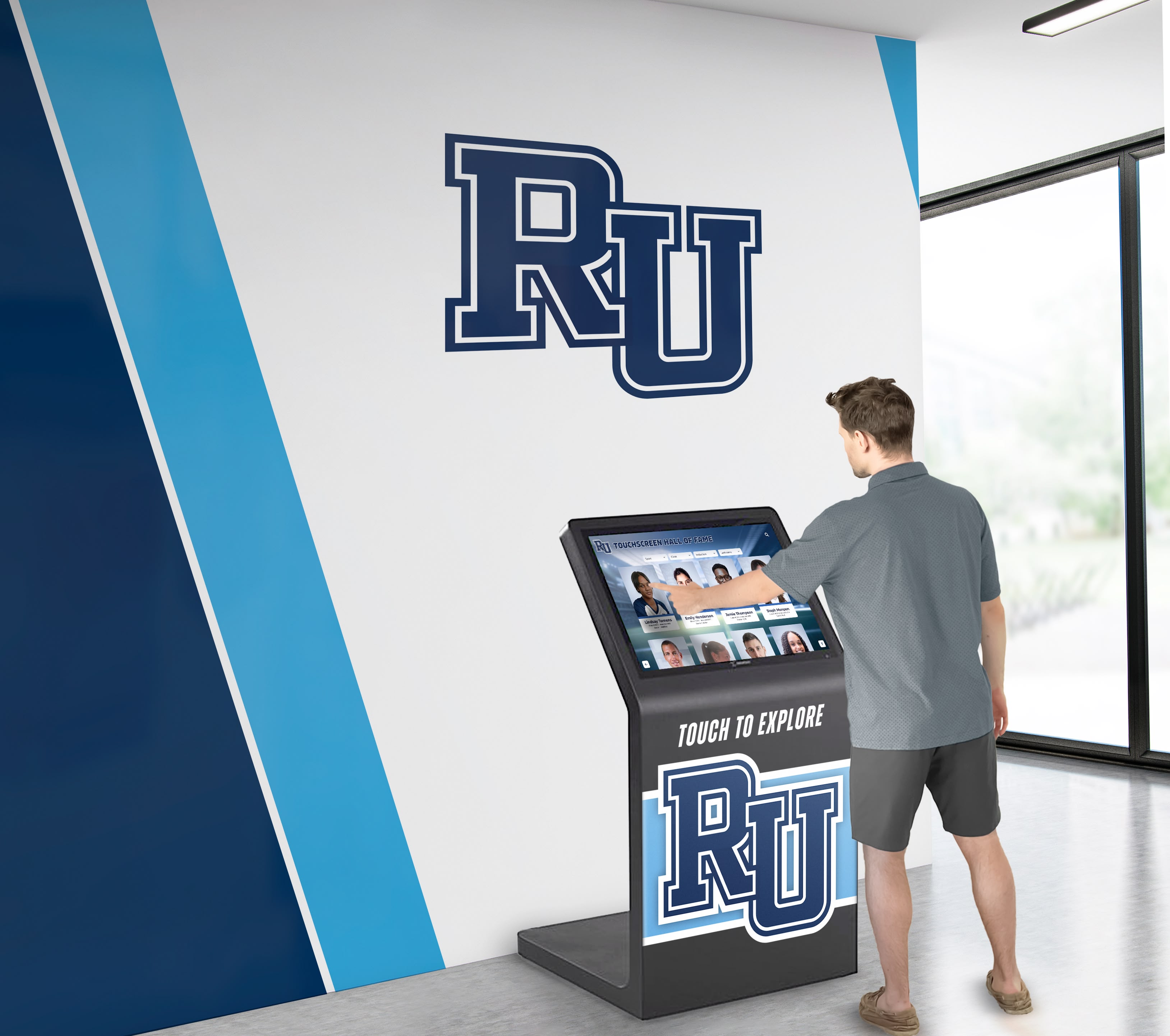
Modern touchscreen displays create professional, engaging platforms for showcasing CTE program achievements and student success
Understanding the Recognition Gap in Career Technical Education
Career and Technical Education faces unique visibility challenges that undermine program prestige, student recruitment, and community understanding of CTE value. Addressing these challenges requires understanding why traditional recognition approaches fall short for technical education contexts.
The CTE Visibility Challenge
Despite serving the vast majority of students and producing measurable career outcomes, CTE programs often occupy secondary status in school recognition hierarchies. Several factors contribute to this visibility gap:
Limited Physical Recognition Space: Traditional trophy cases and hallway bulletin boards prioritize academic honor rolls and athletic championships, leaving minimal room for CTE accomplishments. When space becomes scarce, career education recognition typically gets relegated to CTE department hallways rather than prominent school entrance areas where most stakeholders see displays.
Complex Achievement Types: CTE accomplishments resist simple categorization compared to straightforward academic GPA rankings or athletic win-loss records. Industry certifications, technical competition placements, work-based learning achievements, project portfolio excellence, and career placement success require more context and explanation than traditional recognition formats accommodate effectively.
Misconceptions About Career Education: Lingering stigmas position CTE as lesser alternatives to college preparatory academic tracks despite evidence showing CTE students achieve higher graduation rates and comparable college enrollment while developing marketable skills. Limited visibility of CTE excellence reinforces rather than challenges these outdated perceptions.
Administrative Burden: Updating static displays with constantly evolving certifications, new competition results, updated career placements, and graduating senior information creates administrative work that busy CTE instructors struggle to maintain alongside teaching responsibilities. Recognition that requires extensive manual updating often becomes outdated, further diminishing program visibility.
Storytelling Limitations: The most compelling CTE achievements involve complex projects, technical mastery, real-world problem-solving, and career readiness—narratives difficult to convey through name plaques and static photos alone. Without rich context explaining what achievements represent and why they matter, CTE recognition fails to inspire or educate audiences.
Why CTE Recognition Matters for Programs and Students
Systematic recognition of career technical education creates tangible benefits extending throughout educational communities and beyond school walls.
Student Recruitment and Retention: Prominent CTE recognition attracts middle school students exploring high school pathways by demonstrating technical education prestige and opportunity. When prospective students see compelling displays celebrating technical excellence, they envision themselves achieving similar recognition, making CTE program enrollment more aspirational. Current students remain engaged when their accomplishments receive visibility comparable to academic and athletic achievements.
Industry Partnership Strengthening: Business and industry partners investing in CTE programs through equipment donations, mentorship, internships, and advisory roles want visible connection to programs they support. Digital displays can feature industry partnerships, highlight employer relationships, and demonstrate how business engagement contributes to student success, encouraging continued and expanded partnership investment.
Community Understanding of CTE Value: Families, community members, and education stakeholders often lack understanding of modern CTE programs and career opportunities technical education creates. Recognition displays educating audiences about diverse CTE pathways, industry certifications, career prospects, and student achievements build community support and challenge outdated perceptions positioning career education as inferior to college preparatory academics.
Student Pride and Identity: Recognition validates student investment in technical skill development while building positive identity around career education pathways. CTE students should feel the same pride about welding certifications, construction project excellence, or healthcare clinical achievements that academic students feel about honor roll or athletes experience with championship recognition. Visible celebration of technical accomplishment builds this pride.
Program Advocacy and Funding: School boards, administrators, and policymakers making funding decisions respond to visible evidence of program value and student success. Compelling recognition demonstrating CTE outcomes supports program expansion, equipment purchases, and staffing decisions by making abstract program benefits concrete and tangible through student achievement stories.
According to research from the American Institutes for Research, career and technical education has statistically significant positive impacts on high school achievement, completion, employability skills, and college readiness. Yet without visibility for these outcomes, CTE programs struggle to receive recognition proportional to their impact on student success and workforce preparation.

Interactive displays invite exploration and engagement that static recognition cannot achieve
Benefits of Digital Touchscreen Displays for CTE Programs
Digital interactive displays address CTE recognition challenges in ways traditional static approaches cannot, creating comprehensive platforms that showcase career technical education appropriately.
Unlimited Recognition Capacity
Physical trophy cases and bulletin boards force painful choices about which achievements deserve limited display space. Digital systems eliminate these constraints through virtually unlimited recognition capacity.
Showcase All Pathways and Students: CTE programs typically span numerous career clusters—construction, healthcare, information technology, culinary arts, automotive technology, manufacturing, and more. Digital displays accommodate unlimited career pathways simultaneously without choosing between them due to space limitations. Every program area receives equal platform for celebrating student excellence.
Comprehensive Achievement Coverage: Beyond naming honor students, digital platforms tell complete stories about technical accomplishments through detailed certification listings documenting industry credentials earned, competition results across local, state, and national levels, project portfolios showcasing student work with photos and descriptions, work-based learning experiences including internships and apprenticeships, career placement information demonstrating employment success, and technical skill progressions documenting mastery journeys. This comprehensive coverage impossible with static displays provides context making achievements meaningful to diverse audiences.
Historical Archives: Digital systems preserve decades of CTE history without displacing current recognition to make space for new inductees. Students and families can explore program evolution, discover notable alumni who launched careers through technical education, and connect current achievements to institutional traditions. This historical depth builds program legacy while honoring past excellence alongside contemporary success.
Rich Multimedia Storytelling Capabilities
The most compelling CTE achievements involve complex technical projects, hands-on skill demonstration, and real-world problem-solving that text and static photos struggle to convey. Multimedia digital platforms tell these stories effectively.
Photo Galleries Showcasing Technical Work: High-resolution image galleries demonstrate student project quality, technical facility excellence, and hands-on learning experiences. Prospective students and families see actual student work rather than abstract program descriptions, providing concrete understanding of learning opportunities and achievement expectations.
Video Content Demonstrating Skills: Short video clips show students demonstrating technical skills, explaining projects in their own words, reflecting on learning experiences, and discussing career aspirations. Video brings CTE recognition to life in ways static displays cannot, creating emotional connections and authentic insights into student experiences. These videos serve recruitment, program advocacy, and community education simultaneously.
Project Documentation and Portfolios: Digital platforms accommodate detailed project documentation including design processes, technical specifications, problem-solving approaches, and final outcomes. For CTE programs where learning happens through applied projects, portfolio-style presentation showcases educational rigor and technical complexity that simple name listings obscure.
Career Pathway Information: Interactive displays can include comprehensive information about career pathways, typical career progressions, earning potential, industry outlook, and skills required for success. This educational content positions CTE achievement within broader career context, helping students and families understand how technical education connects to meaningful career opportunities.
Industry Partnership Recognition: Displays featuring industry partners, highlighting business support, and demonstrating employer engagement strengthen partnership relationships while educating community about business investment in technical education. Recognition of industry contributions encourages continued support while demonstrating program connections to actual workforce needs.
Explore how interactive recognition displays create storytelling opportunities that traditional formats cannot match.
Administrative Efficiency Through Cloud Management
CTE instructors juggling teaching, program management, industry coordination, and competition preparation rarely have time for extensive manual recognition updates. Cloud-based management systems solve this administrative challenge.
Remote Content Updates: Update displays from any internet-connected device without requiring physical access to installation locations. CTE directors can add new certifications during planning periods, update competition results from home after weekend events, or modify content during summer break—all without visiting display locations or coordinating with facilities staff.
Intuitive Drag-and-Drop Interfaces: Purpose-built CTE recognition platforms require no technical expertise or design skills. Administrative staff and instructors can add student profiles, upload photos and videos, update achievement information, and schedule featured content through simple interfaces comparable to social media posting rather than complex website editing.
Template Systems Ensuring Consistency: Professional templates maintain visual consistency across all content while accommodating customization for different pathways, achievement types, and student profiles. Templates ensure quality presentation without requiring graphic design expertise from busy CTE staff managing content.
Scheduled Publishing and Automation: Prepare recognition content in advance and schedule automatic publishing for ceremonies, events, or end-of-year celebrations. Automation reduces last-minute work while ensuring timely recognition coordination with program milestones.
Collaboration and Approval Workflows: Multi-user systems enable team collaboration where instructors create content, department heads review submissions, and administrators approve final publication. Workflow features ensure quality control while distributing content creation across appropriate staff rather than burdening single individuals.
Schools report 80-90% reduction in time spent maintaining recognition after transitioning from static displays to digital management platforms—hours reclaimed for instruction and student interaction rather than administrative work.
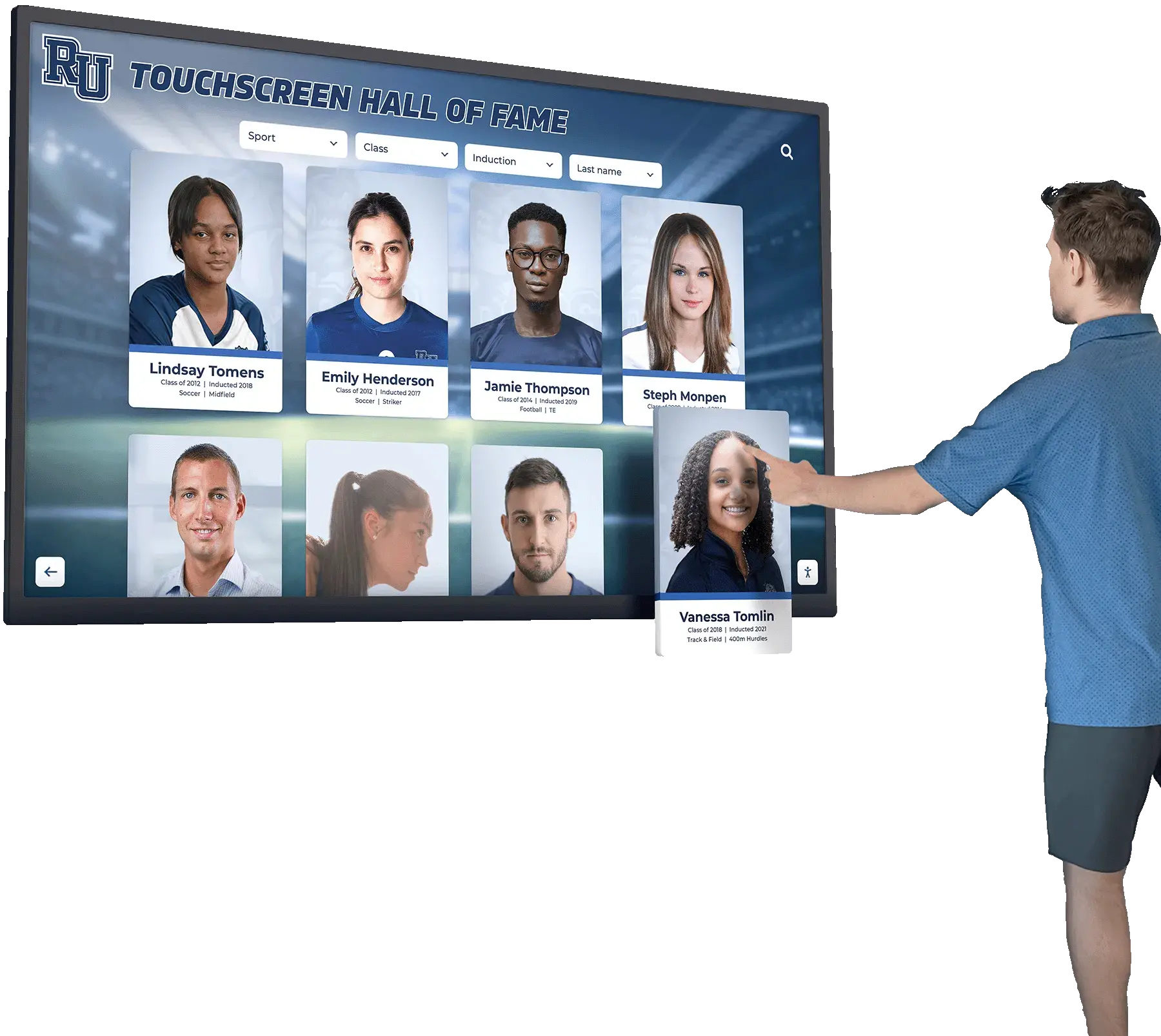
Self-service interactive exploration engages students and families without requiring staff facilitation
Engaging Interactive Experiences for Multiple Audiences
Static displays provide passive viewing experiences where audiences glance at fixed content before moving on. Interactive touchscreens create active engagement encouraging deeper exploration and extended interaction.
Self-Directed Exploration: Intuitive touch navigation allows students, families, industry partners, and visitors to independently explore content at their own pace without staff assistance or explanation. Users can search for specific students, filter by career pathways, explore program information, review competition history, and discover content matching their interests through simple, familiar touchscreen interactions.
Search and Discovery Features: Powerful search enables finding specific individuals instantly—prospective students researching programs can locate alumni who pursued similar interests, families can find their students quickly during events, and industry partners can review students in relevant technical areas. Search transforms static directories into interactive databases.
Social Sharing Integration: Students can share their recognition profiles via social media, email, or text directly from displays or associated mobile websites. This social amplification extends recognition reach beyond physical campus locations to online networks where families celebrate and prospective students discover program opportunities.
Analytics Revealing Engagement: Backend analytics show which content attracts most attention, how long users interact with displays, what search terms people use, and which career pathways generate greatest interest. These insights guide content development, inform program decisions, and demonstrate recognition value through measurable engagement data.
24/7 Mobile Access: Web-based systems extend beyond physical displays to provide mobile access from anywhere, anytime. Students can explore CTE recognition from home, alumni can revisit their achievements years later, and prospective families can research programs before visiting campus. This extended access magnifies recognition impact far beyond hallway installations.
Research from Education Northwest confirms that high-quality CTE programs improve student outcomes across multiple dimensions. Digital recognition systems help communicate these outcomes while celebrating individual and program success in ways that traditional approaches cannot achieve.
Professional Presentation Enhancing Program Prestige
Presentation quality matters for CTE recognition because it signals program value and educational rigor. Digital displays provide professional aesthetics that elevate technical education visibility and prestige.
Polished Visual Design: Purpose-built recognition platforms offer sophisticated visual design that matches professional standards students will encounter in career environments. Clean layouts, professional typography, consistent branding, and high-quality multimedia presentation demonstrate program quality and educational excellence.
School Branding Integration: Displays incorporate school colors, logos, mascots, and visual identity seamlessly, creating cohesive recognition systems that reinforce institutional brand while celebrating CTE excellence. Strong branding signals that career technical education belongs alongside other recognized programs as central to school identity and mission.
Dynamic Content Rotation: When not actively touched, displays cycle through featured content, recent achievements, upcoming events, and program highlights that attract attention and invite interaction. This dynamic presentation contrasts with static bulletin boards that become invisible background once initial novelty fades.
Professional Hardware Presentation: Commercial-grade touchscreen kiosks with sleek enclosures, tempered glass surfaces, and secure mounting create impressive physical presence in hallways and program spaces. Hardware quality communicates program importance while providing durability appropriate for high-traffic educational environments.
Consistent Multi-Location Coordination: Districts implementing displays across multiple schools or buildings maintain visual and content consistency through centralized management, creating coordinated recognition systems that present unified CTE identity while accommodating local program customization.
Learn more about professional digital recognition systems that enhance program visibility and prestige.
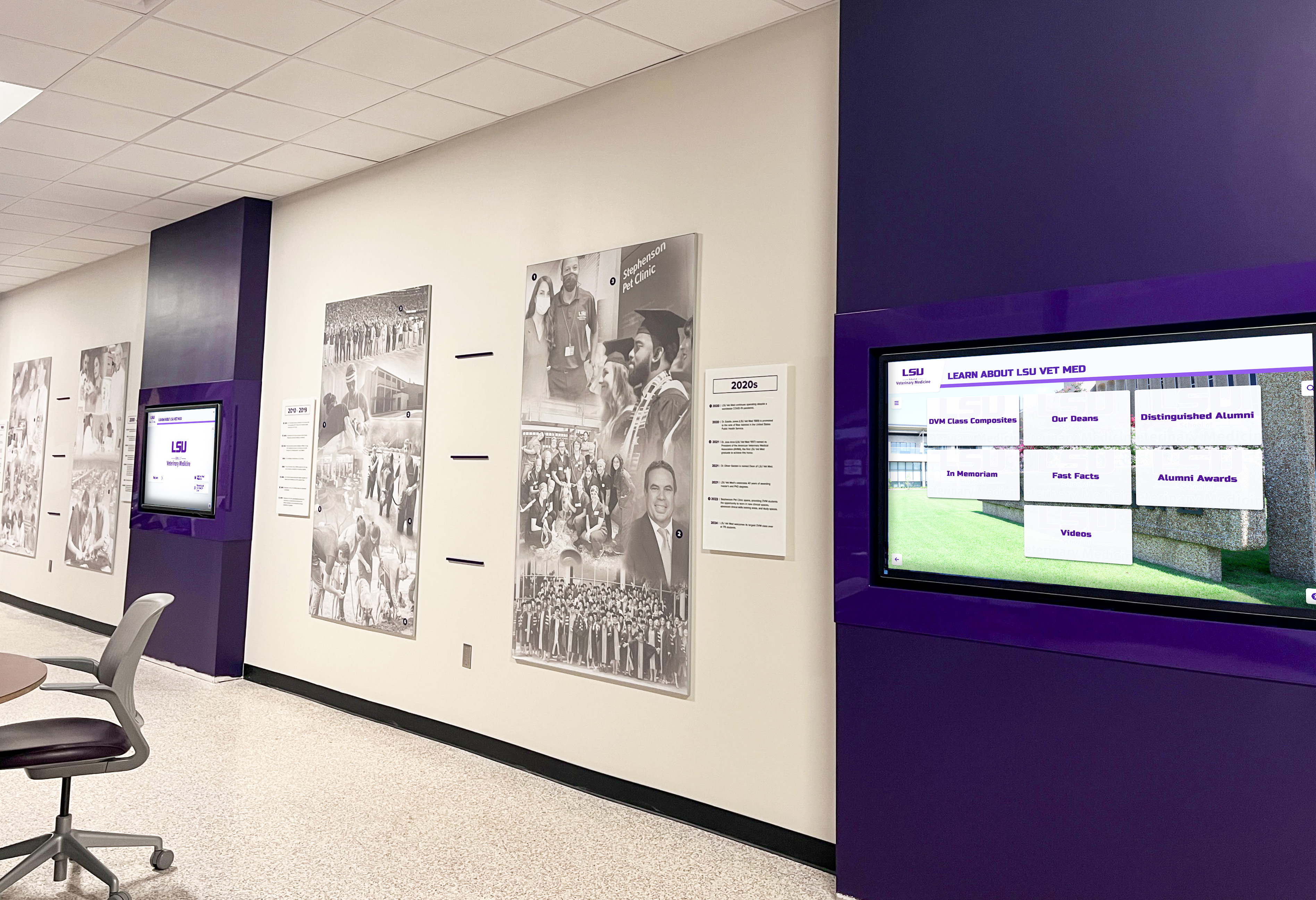
Professional installations in educational facilities demonstrate program investment and institutional commitment
Essential Features for CTE Recognition Display Systems
Not all digital display systems suit career technical education recognition equally well. Effective CTE platforms require specific capabilities addressing technical education’s unique recognition needs.
Career Pathway Organization and Filtering
CTE programs span diverse career clusters requiring organizational structures that help users navigate content relevant to their interests.
Pathway-Based Content Structure: Organize recognition by career clusters, technical programs, or industry sectors enabling focused exploration. Prospective students interested in healthcare can filter displays to show only health sciences achievements, while those exploring information technology can focus on IT pathways without sorting through unrelated construction or culinary content.
Cross-Pathway Student Recognition: Many students earn achievements across multiple pathways—an information technology student might also complete business certifications, or a healthcare student might achieve recognition in leadership programs. Systems should accommodate cross-pathway recognition while maintaining pathway-focused organization for browsing and discovery.
Program Information Integration: Beyond individual student recognition, displays should feature comprehensive program information including pathway descriptions, certification opportunities, industry partnerships, course sequences, career prospects, and admission requirements. This educational content serves recruitment and community education alongside student celebration.
Historical Pathway Evolution: Document how technical programs have evolved, tracking curriculum changes, new certifications, emerging technologies, and industry partnership development. This historical perspective demonstrates program responsiveness to workforce needs while honoring program legacy and tradition.
Industry Certification Tracking and Display
Industry-recognized credentials represent crucial CTE achievements requiring prominent, detailed recognition.
Comprehensive Certification Libraries: Systems should accommodate unlimited certification types across diverse industries including national certifications like OSHA, NCCER, ASE, and Microsoft, state-level credentials specific to regulatory requirements, industry-specific certifications for specialized technical fields, and apprenticeship documentation tracking formal career preparation. As new certifications emerge and industry standards evolve, platforms must easily expand to recognize additional credentials without system limitations.
Credential Detail and Context: Simply listing certification names provides insufficient context for audiences unfamiliar with technical fields. Effective displays include certification descriptions explaining credential significance, difficulty levels distinguishing entry certifications from advanced credentials, industry value demonstrating employment relevance, and prerequisite pathways showing certification progressions. This context helps families, community members, and even students from other programs understand achievement significance.
Stackable Credential Visualization: Many CTE pathways involve stackable credentials where initial certifications build toward advanced credentials and ultimately degrees or licensure. Visual representations showing credential stacks, career lattices, and qualification progressions help students understand long-term pathway possibilities while demonstrating sophisticated program planning and industry alignment.
Employer Recognition Integration: When possible, include employer testimonials or partnership statements recognizing specific certifications’ value to hiring decisions. This employer validation demonstrates credential marketplace value while strengthening industry partnership relationships.
Discover how academic recognition programs create systematic approaches to celebrating diverse achievement types that can be adapted for CTE contexts.
Competition Achievement Recognition
Technical skill competitions provide high-visibility achievement opportunities requiring comprehensive recognition capabilities.
Multi-Level Competition Coverage: CTE students compete at local, regional, state, and national levels through organizations like SkillsUSA, DECA, FBLA, HOSA, FFA, and TSA. Recognition systems should document achievements across all competition levels, tracking progression from preliminary events through championship competitions, maintaining historical records of competition participation and placement, and featuring team achievements alongside individual recognition.
Event-Specific Achievement Context: Competition events vary dramatically in technical difficulty, participant pool size, and skill requirements. Displays should explain specific competitions, describe technical skills demonstrated, and provide context helping audiences understand achievement significance. A national welding championship represents different accomplishment than local drafting competition—both deserve recognition with appropriate context.
Media-Rich Competition Documentation: Photos and videos from competition events bring achievements to life—students demonstrating skills, teams collaborating under pressure, award ceremonies celebrating success. This visual documentation creates emotional connections while demonstrating actual technical competency rather than abstract achievement listings.
Repeat Recognition and Achievement Progression: Many exceptional CTE students achieve repeated competition success across multiple years, events, and skill areas. Systems should track these comprehensive achievement careers, highlighting progression from novice participation through championship performance, documenting breadth across multiple technical areas, and celebrating sustained excellence throughout high school careers.
Work-Based Learning and Career Placement Features
Real-world workplace experiences and career success represent CTE program ultimate objectives requiring robust recognition capabilities.
Internship and Apprenticeship Recognition: Document student work-based learning through internship host companies and placement locations, apprenticeship registration and progression milestones, work hour accumulation toward completion requirements, employer evaluations and workplace competencies, and transition to permanent employment when applicable. This documentation demonstrates program connection to actual careers while honoring student workplace achievement.
Career Placement Tracking: Graduating senior outcomes provide crucial program value evidence that displays should prominently feature through employment placements by industry and employer, continuing education enrollment in technical colleges, military service entering technical career fields, entrepreneurship and business ownership launches, and earning potential appropriate to privacy considerations. Systematic career placement recognition demonstrates program effectiveness while inspiring current students and informing prospective families about career opportunities.
Alumni Career Progression Stories: Following graduates into careers provides powerful recognition content demonstrating long-term program value. Alumni profiles featuring career advancement stories, technical leadership achievement, entrepreneurial success, and community impact position CTE programs as launching points for meaningful careers rather than educational endpoints. These alumni connections support mentorship, industry partnerships, and student inspiration simultaneously.
Employer Partner Recognition: Feature businesses and industry partners providing work-based learning opportunities, equipment and material donations, mentorship and guest instruction, and career placement hiring. This recognition honors partner contributions while strengthening relationships crucial to program quality and student opportunity.
Learn about comprehensive recognition approaches that can be adapted to showcase diverse CTE achievements.
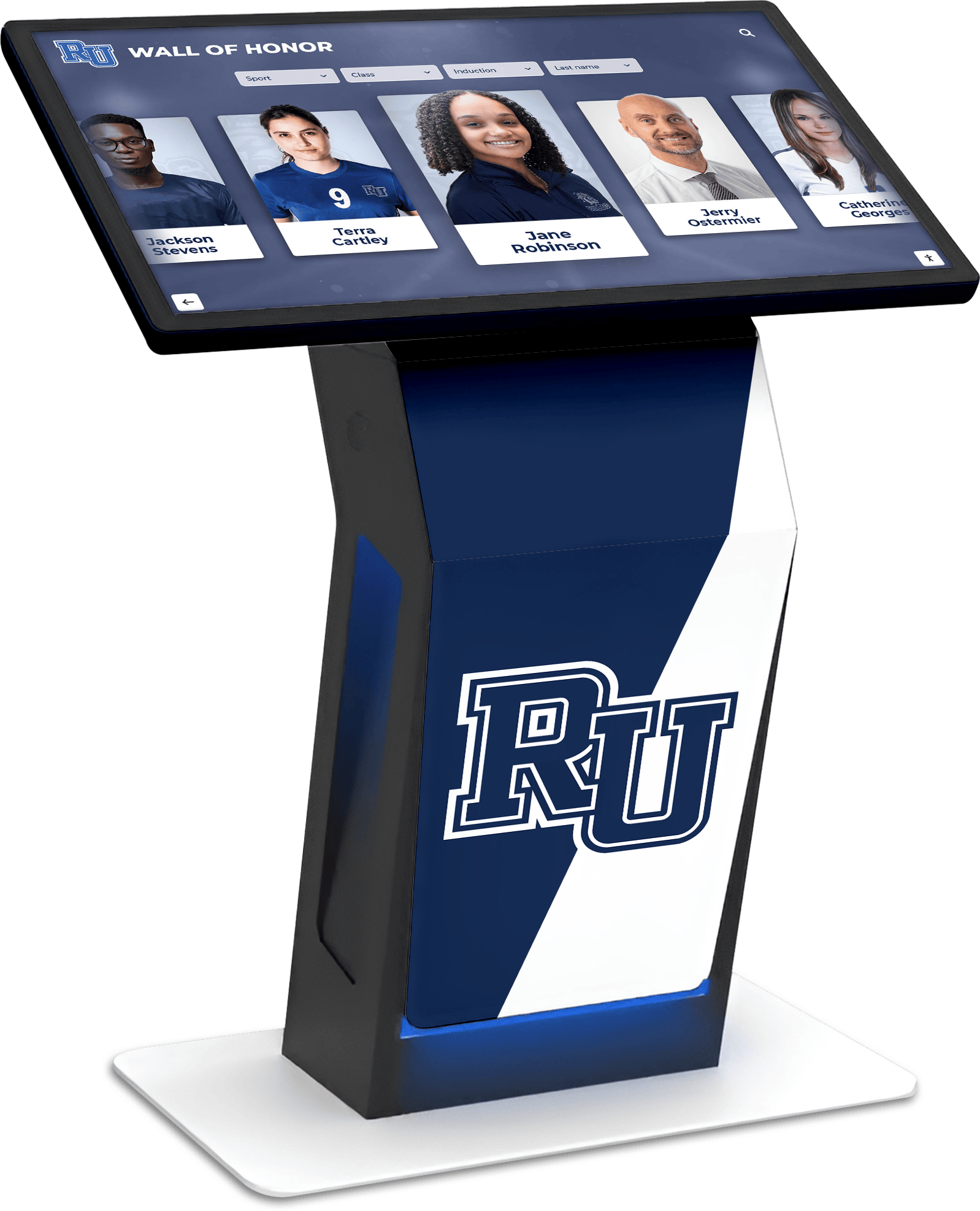
Purpose-built recognition kiosks provide professional presentation and intuitive interaction for educational environments
Technical Project Portfolio Capabilities
Applied learning through technical projects represents CTE education core—recognition systems must showcase student work effectively.
Photo Documentation Libraries: High-resolution photo galleries should document projects throughout development stages including initial designs and planning, construction or development processes, finished products or completed implementations, and students demonstrating or explaining their work. Progressive documentation shows learning processes and technical problem-solving rather than just final outcomes.
Project Description and Technical Detail: Comprehensive project information should include design challenges and constraints addressed, technical skills demonstrated and developed, tools, technologies, and processes utilized, academic integration connecting technical work to core subjects, and community impact or real-world application when relevant. This detail educates audiences about technical rigor while honoring project complexity.
Video Project Demonstrations: Video content showing projects in action, students explaining technical aspects, problem-solving discussions during development, and finished project functionality creates compelling content that static images alone cannot achieve. These videos serve program marketing, parent education, and student reflection simultaneously.
Multi-Year Portfolio Development: Following individual student project progression across multiple years documents skill development and increasing technical sophistication. These longitudinal portfolios demonstrate learning growth while creating comprehensive records students can reference for college applications, job interviews, or personal reflection.
Group Project and Collaboration Recognition: Many CTE projects involve teams demonstrating workplace collaboration skills. Recognition systems should accommodate team projects while crediting individual contributors, document collaboration processes and role assignments, highlight successful teamwork and leadership, and connect collaborative skills to workplace readiness expectations.
Explore digital showcase platforms designed for presenting student work and project-based learning achievements.
Strategic Implementation for CTE Display Success
Technology alone does not guarantee recognition success—strategic planning, thoughtful implementation, and sustainable content practices determine whether displays create lasting value or become expensive installations students ignore.
Optimal Placement Within Educational Facilities
Display location significantly impacts visibility, usage, and recognition effectiveness.
CTE Department Entrances: Natural locations include main entrances to career technical education buildings or wings where students, families, and visitors first encounter programs. These threshold locations create immediate impression of program professionalism and student achievement while serving CTE community directly.
School Main Lobbies: Positioning CTE recognition in primary school entrance areas alongside academic and athletic displays signals that career technical education deserves equal prominence and prestige. Main lobby placement maximizes visibility across entire school community while challenging stigmas that position CTE as secondary to other programs.
Cafeteria and Common Areas: High-traffic locations where students naturally gather provide extended exposure to recognition content. Students passing through daily become familiar with achievements and program opportunities while casual exploration during free time increases engagement and discovery.
Career Center Locations: Schools with dedicated career centers or college/career counseling offices should position CTE recognition prominently in these spaces where students actively explore post-secondary options. Placement in career planning contexts connects CTE achievements to broader career preparation conversations.
Industry Partner Meeting Spaces: Facilities hosting business and industry advisory committees, partnership meetings, or employer recruitment events should feature CTE recognition prominently. Displays demonstrate program quality to industry stakeholders while facilitating partnership conversations about student talent and workforce preparation.
Multiple Strategic Locations: Larger schools or districts benefit from coordinated multi-location installations creating comprehensive recognition systems. CTE building displays provide program-specific detail while main lobby installations ensure school-wide visibility and community awareness.
Learn about strategic display placement for maximizing engagement and community impact.
Content Strategy Development for Sustainability
Successful recognition requires sustainable content practices ensuring displays remain current, compelling, and valuable over time.
Content Governance Structure: Establish clear responsibility assignments for content management including designated content managers with appropriate access, department or pathway-level content contributors, approval workflows ensuring quality before publication, update schedules maintaining current information, and backup personnel ensuring continuity during absences or transitions.
Student Involvement in Content Creation: Engage CTE students in recognition content development as authentic learning experiences through media production classes creating photo and video content, graphic design programs developing visual assets, business and marketing students writing achievement narratives, information technology students managing technical aspects, and work-based learning credit for content development work. Student involvement reduces staff burden while creating relevant career skill application.
Achievement Documentation Processes: Systematic achievement tracking ensures recognition content availability through standardized forms collecting achievement information, photo and video capture at competitions and events, instructor reporting procedures for certifications and placements, student self-reporting mechanisms for work-based learning, and centralized documentation systems consolidating information from multiple sources.
Content Quality Standards: Professional consistency requires quality guidelines including photo resolution specifications and composition standards, video length recommendations and production guidelines, text style guides ensuring consistent voice and formatting, biographical information requirements and templates, and review processes verifying accuracy before publication.
Historical Content Digitization: Transform legacy recognition materials into digital content through scanning archived photos and documents, interviewing notable alumni about careers and experiences, researching historical program development and achievement records, documenting facility and equipment evolution, and preserving instructor and program founder legacies before institutional knowledge disappears.
Discover digital transformation approaches for preserving institutional history while celebrating current achievement.
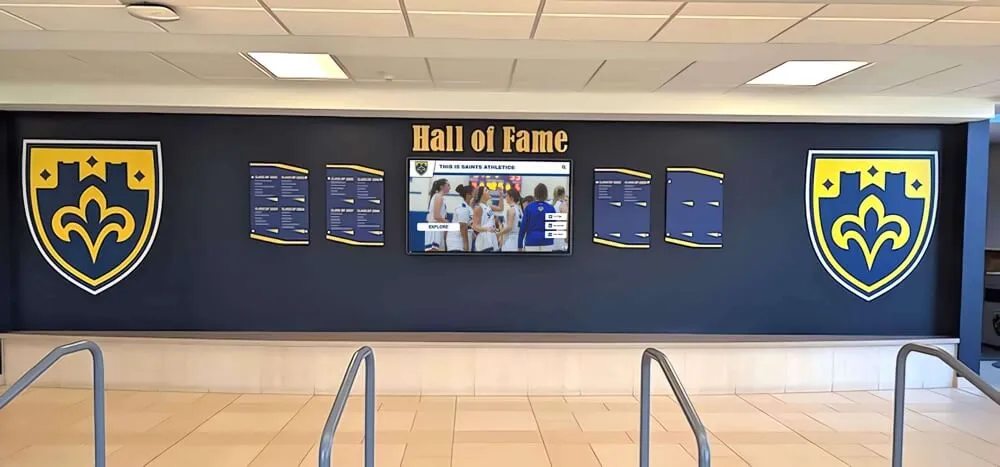
Comprehensive recognition systems integrate historical achievements with current excellence
Launch Strategy and Community Introduction
Thoughtful rollout maximizes adoption while building excitement around new recognition capabilities.
Pre-Launch Content Development: Populate systems with substantial content before public launch including current student achievements and certifications, recent competition results and project portfolios, historical program highlights and notable alumni, comprehensive pathway information and program descriptions, and industry partnership recognition and employer connections. Launching with rich content demonstrates system value immediately rather than expecting interest in empty or sparse displays.
Stakeholder Introduction and Training: Systematic training ensures appropriate audiences understand and can utilize new recognition resources through CTE instructor training on content management and updating, administrative staff orientation on system capabilities and maintenance, student ambassadors who can explain and demonstrate displays, industry partner presentations at advisory meetings, and parent information sessions or communications explaining recognition access.
Launch Event and Celebration: Formal introduction events generate excitement and initial engagement through ribbon-cutting ceremonies with student, staff, and industry participation, recognition ceremonies highlighting featured students during launch, media coverage through local news and school communications, social media campaigns sharing content and encouraging exploration, and community open houses inviting stakeholder interaction with new systems.
Multi-Channel Communication Campaign: Systematic communication ensures awareness across diverse audiences including website announcements and dedicated recognition landing pages, social media content showcasing featured achievements, newsletter and bulletin features explaining access and content, email campaigns targeting specific stakeholder groups, and press releases to community media covering education.
Sustained Promotion Beyond Initial Launch: Recognition value grows through continued promotion rather than single announcements through regular featured student highlights in communications, monthly recognition ceremonies coordinated with display updates, classroom integration where instructors reference and demonstrate systems, recruitment event showcases during prospective student visits, and seasonal campaigns celebrating year-end achievements and graduating seniors.
Assessment and Continuous Improvement
Regular evaluation ensures recognition systems achieve intended goals while identifying enhancement opportunities.
Quantitative Engagement Metrics: Analytics provide objective usage measurement including unique users and total interactions, session duration showing engagement depth, search queries revealing student and content interest, content view counts identifying popular material, mobile versus physical display access patterns, and geographic reach when web access extends beyond local community.
Qualitative Stakeholder Feedback: Systematic feedback collection reveals perceived value and improvement opportunities through student surveys about awareness and impact on program pride, parent questionnaires assessing information value and career understanding, instructor perspectives on administrative efficiency and content management, industry partner feedback on program visibility and talent awareness, and administrator assessment of recruitment and advocacy value.
Program Outcome Correlation: Connection between recognition and program results provides ultimate value assessment including CTE enrollment trends following implementation, program completion rates and certification achievement, competition participation and performance changes, work-based learning and career placement patterns, and community perception shifts regarding technical education.
Competitive Benchmarking: Comparison with peer institutions provides context for recognition effectiveness through peer school CTE recognition approaches and technologies, industry best practices in technical education marketing, awards program recognition received for innovation, student recruitment comparisons with competing programs, and employment outcome tracking versus similar institutions.
Iterative Enhancement Planning: Continuous improvement cycles maintain recognition relevance and effectiveness through quarterly content audits identifying gaps and opportunities, annual technology assessments evaluating hardware and software currency, stakeholder feedback integration into content strategy revisions, feature enhancement requests prioritization and implementation, and long-term replacement planning ensuring sustainable investment.
Learn about measuring recognition program effectiveness through comprehensive assessment approaches.
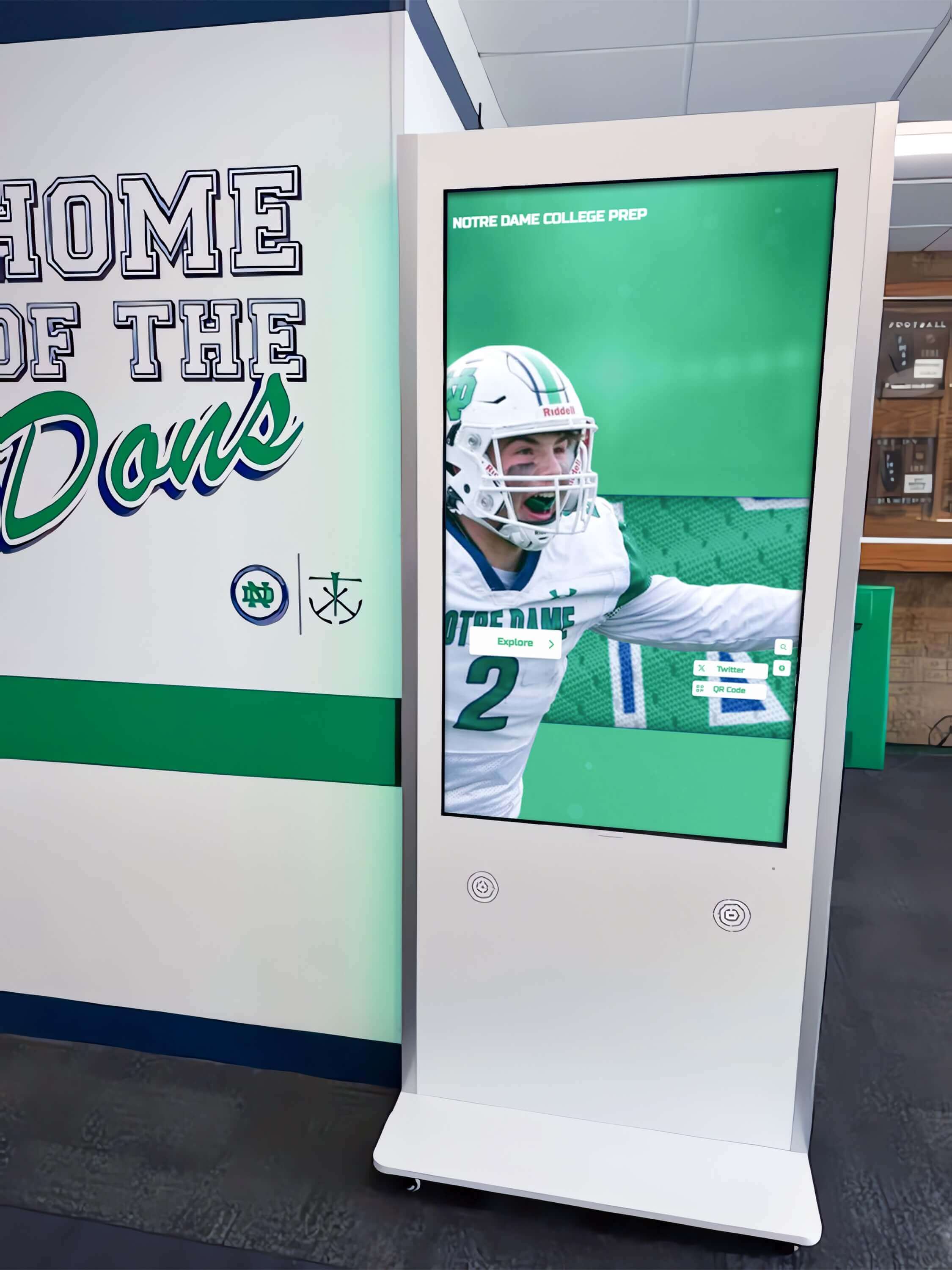
Professional installations demonstrate institutional investment in program excellence and student celebration
Overcoming Common CTE Recognition Challenges
Career technical education programs encounter specific obstacles when implementing recognition systems—understanding and addressing these challenges proactively ensures successful outcomes.
Limited Budget and Resource Constraints
Many CTE programs operate with tight budgets prioritizing equipment, materials, and supplies over recognition technology.
Strategic Funding Approaches: Multiple funding sources can support recognition investments beyond operating budgets including Perkins grant funds supporting program improvement and visibility, facility improvement budgets for hallway and common area enhancements, booster and foundation support from career education advocates, industry partner sponsorships from businesses supporting technical education, and grant opportunities from workforce development organizations and economic development agencies.
Phased Implementation Plans: Comprehensive recognition systems can develop incrementally through initial single-display installation in highest-visibility location, content development using existing materials before hardware expansion, proven success demonstration supporting subsequent funding requests, additional display additions as resources become available, and feature expansion over time rather than requiring complete implementation immediately.
Return on Investment Framing: Position recognition as strategic investment with measurable returns through increased student enrollment generating per-pupil funding, enhanced industry partnerships providing equipment and placement, improved career outcomes demonstrating program effectiveness, competitive advantage in student recruitment versus other districts, and community support building for programs demonstrating visible value.
Maintaining Current Content with Busy Staff
CTE instructors face intense demands juggling teaching, program coordination, industry relationships, and competition supervision—recognition maintenance often becomes lower priority than immediate instructional needs.
Simplified Content Management Systems: User-friendly platforms reduce administrative burden through intuitive interfaces requiring no technical training, mobile accessibility enabling updates from any device location, template systems ensuring quality without design expertise, bulk upload tools for processing multiple students simultaneously, and scheduled publishing automating content release for planned events.
Distributed Content Responsibility: Spreading content creation across multiple contributors prevents individual burnout through pathway-specific content managers dividing work by program area, student assistants supporting photo, video, and data entry work, administrative support handling routine updates and maintenance, department chair oversight ensuring quality and consistency, and clear accountability systems with defined expectations and deadlines.
Learn about sustainable content management strategies that maintain recognition quality without overwhelming busy staff.
Connecting CTE Recognition to Career Opportunities
Recognition celebrating past achievement provides limited value unless it inspires future student success and clearly connects technical education to career opportunity.
Career Pathway Integration: Embed comprehensive career information within recognition content including typical career progressions starting from entry-level through advancement, earning potential appropriate to experience and credential levels, industry outlook and workforce demand projections, required skills and continuing education expectations, and related career options within broader occupational clusters.
Alumni Career Progression Stories: Following graduates into careers provides powerful inspiration and practical guidance through career journeys from high school program through current positions, challenges overcome and lessons learned during career development, how technical education foundation enabled opportunity and advancement, advice for current students considering similar pathways, and ongoing connection to programs through mentorship and partnership.
Employer Connection Features: Recognition systems should highlight industry partnerships providing opportunities through companies offering internships and work-based learning, employers hiring program graduates and providing career placements, business partners supporting programs through advisory roles or resources, success stories of student-employer connections, and visible pathways from classroom to career.
Learn how student recognition increases future success by connecting current achievement to long-term opportunity.
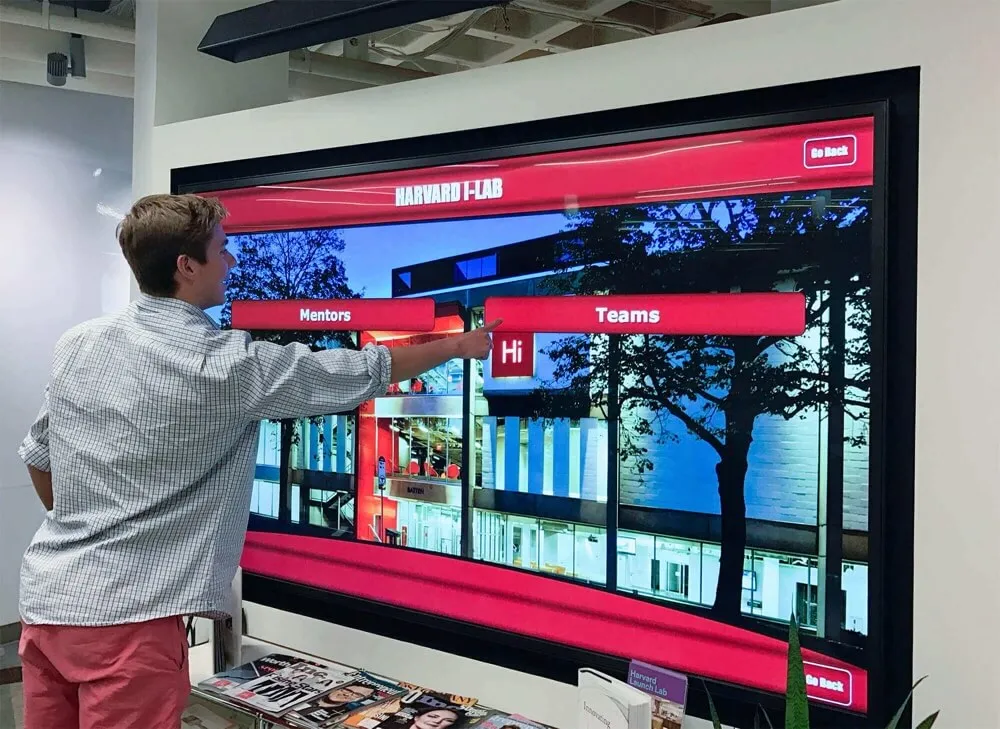
Interactive systems provide comprehensive information connecting achievement to career pathways and opportunities
How Rocket Alumni Solutions Serves CTE Program Recognition Needs
Career and Technical Education programs require specialized recognition platforms that understand technical education contexts and address unique needs that general-purpose digital signage cannot adequately serve.
Purpose-Built CTE Recognition Capabilities: Rocket Alumni Solutions provides comprehensive platforms specifically designed for educational recognition including unlimited capacity accommodating all students across diverse pathways, rich multimedia support for photos, videos, and project portfolios, career pathway organization with flexible filtering and navigation, industry certification libraries documenting credentials and stackable pathways, competition achievement tracking across all levels and organizations, work-based learning and career placement recognition, alumni career progression and success stories, and industry partnership features highlighting business engagement.
Intuitive Content Management for Busy Instructors: Cloud-based management systems respect instructor time constraints through no-code interfaces requiring zero technical expertise, mobile accessibility enabling updates from anywhere anytime, professional templates ensuring quality without design skills, bulk import tools for processing existing achievement records, scheduled publishing automating content release coordination, and comprehensive support including training, documentation, and responsive assistance.
Engagement Analytics and Program Advocacy: Data demonstrating recognition value supports program advocacy through usage metrics showing engagement frequency and duration, content popularity revealing student and community interests, search analytics identifying pathway and career exploration patterns, geographic reach when mobile access extends community awareness, and trend analysis tracking recognition impact over time.
Comprehensive Multi-Platform Access: Recognition extends beyond physical displays through mobile web access providing 24/7 exploration from anywhere, social sharing integration enabling achievement amplification, recruiting event utilization during prospective family visits, community awareness reaching stakeholders beyond campus, and alumni connection maintaining lifelong program relationships.
Sustainable Long-Term Partnership: Recognition systems represent multi-year investments requiring ongoing support through regular platform updates and feature enhancements, responsive technical support for questions and issues, content strategy consultation optimizing recognition effectiveness, training and professional development as staff changes, and proven reliability serving hundreds of educational institutions nationally.
Schools implementing Rocket’s purpose-built CTE recognition platforms report significant improvement in program visibility, student pride, industry partnership strength, enrollment growth, and community understanding of career technical education value—outcomes extending far beyond simple achievement display.
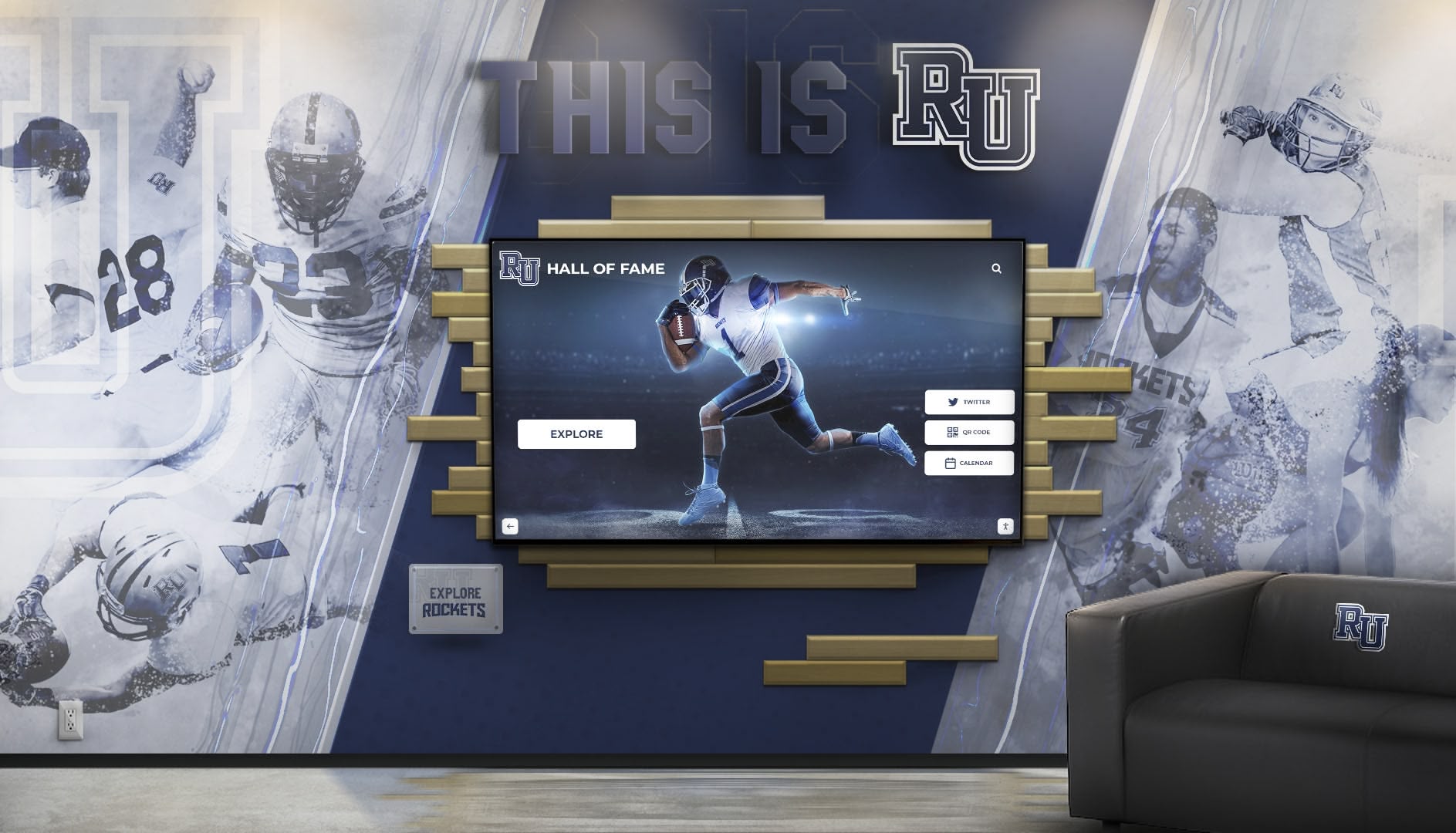
Professional recognition systems elevate program visibility while celebrating student excellence and building community pride
Conclusion: Elevating CTE Programs Through Modern Recognition
Career and Technical Education deserves recognition systems matching the sophistication, rigor, and value of technical education itself. As CTE programs expand to meet workforce demands and serve nearly every high school graduate, the need for modern recognition approaches that honor technical excellence, demonstrate program outcomes, and position career education as prestigious pathway grows increasingly urgent.
Traditional trophy cases and bulletin boards cannot adequately showcase the breadth of CTE achievement, tell compelling stories about technical mastery and career readiness, or provide the administrative efficiency busy programs require. Digital touchscreen displays specifically designed for career technical education overcome these limitations through unlimited recognition capacity, rich multimedia storytelling, engaging interactive exploration, professional presentation quality, and sustainable content management appropriate for demanding program contexts.
According to the U.S. Department of Education, career and technical education represents national priority deserving renewed commitment and investment. Schools implementing modern recognition systems for CTE programs demonstrate this commitment visibly while creating tangible benefits including increased student recruitment and enrollment, strengthened industry partnerships and work-based learning, enhanced community understanding of technical education value, improved student pride and program identity, and powerful advocacy tools demonstrating program effectiveness.
Research from the CTE Research Network confirms that career technical education produces statistically significant positive impacts on high school achievement, completion, employability skills, and college readiness. When schools celebrate these outcomes through compelling recognition systems, they challenge outdated perceptions, inspire current students, inform prospective families, and build sustainable support for programs transforming lives and strengthening regional workforce development.
Whether your CTE program serves 50 students or 500, spans three career pathways or fifteen, focuses on traditional trades or emerging technical fields, modern recognition systems provide scalable, sustainable platforms for celebrating achievement and building the visibility career technical education deserves.
Transform Your CTE Program Recognition
Discover how Rocket Alumni Solutions can help your career technical education programs implement comprehensive digital recognition systems that celebrate student excellence, demonstrate program value, and build sustainable community support.
Schedule Your Free ConsultationReady to elevate your CTE program recognition? Explore how purpose-built platforms can transform career technical education visibility while honoring the exceptional achievements happening in your programs every day. Your students’ technical excellence deserves celebration equal to any other accomplishment—modern recognition systems make that celebration possible at scale appropriate to program needs and institutional resources.
Learn more about comprehensive student recognition approaches and digital recognition systems that serve diverse educational contexts and institutional needs.































