Schools pulse with life throughout each academic year—from opening day celebrations to championship victories, from daily classroom moments to once-in-a-lifetime milestones, from decades of institutional history to profiles of the individuals who shaped educational excellence. Yet most schools struggle to capture and present these multifaceted stories in ways that engage current students, honor alumni, preserve institutional memory, and market effectively to prospective families.
Traditional recognition methods limit storytelling to static displays. Physical trophy cases overflow with aging awards. Framed photos fade and gather dust. Historical records sit forgotten in storage rooms. “About Us” profiles reduce accomplished individuals to brief plaques that fail to convey their full impact and humanity. Meanwhile, prospective families evaluating schools seek evidence of active community, strong traditions, and proven excellence—information scattered across disconnected sources rather than presented cohesively.
Modern digital displays change how schools tell their complete stories through dynamic photo galleries documenting events throughout each school year, interactive timeline layouts tracking institutional history across decades, comprehensive About Us profiles diving into the people behind achievements, and integrated platforms combining recognition, preservation, and marketing in unified systems. This comprehensive approach commemorates school legacy while serving as a practical marketing tool attracting prospective students by showing what makes your institution special.
Why “Day in the Life” Storytelling Matters
Before exploring specific implementation strategies, understanding why comprehensive school storytelling delivers value across multiple institutional priorities helps frame the investment.
Creating Emotional Connections Through Visual Narratives
Photo galleries documenting school life create emotional resonance that text alone cannot match. When prospective families tour campuses, static brochures and verbal descriptions fail to convey the energy, warmth, and community spirit that define exceptional schools. Interactive displays presenting authentic moments—students engaged in learning, athletes celebrating victories, artists performing, classmates collaborating—provide tangible evidence of educational quality and community culture.
Current students benefit equally from seeing themselves reflected in school storytelling. Recognition through photo galleries validates participation and achievement while building individual connections to larger institutional narratives. Students who see their contributions celebrated develop stronger school pride and deeper sense of belonging.
Alumni engagement increases dramatically when schools present comprehensive visual documentation of institutional history. Graduates exploring photo galleries from their own eras reconnect emotionally with formative experiences, strengthening lifelong bonds with alma maters and increasing willingness to support schools through volunteering, mentorship, and philanthropy.
Preserving Institutional History Through Timeline Displays
Displaying school history systematically prevents the loss of institutional memory that occurs when materials deteriorate, longtime staff retire, and records scatter across disconnected systems. Timeline layouts organizing decades of school evolution provide accessible archives that inform current decision-making, inspire present-day excellence, and connect new community members to traditions and values.
Schools approaching significant anniversaries—50th, 75th, or 100th celebrations—discover timeline displays serve dual purposes: honoring heritage during anniversary events while creating permanent historical resources that extend value far beyond single celebrations.
Humanizing Achievement Through About Us Profiles
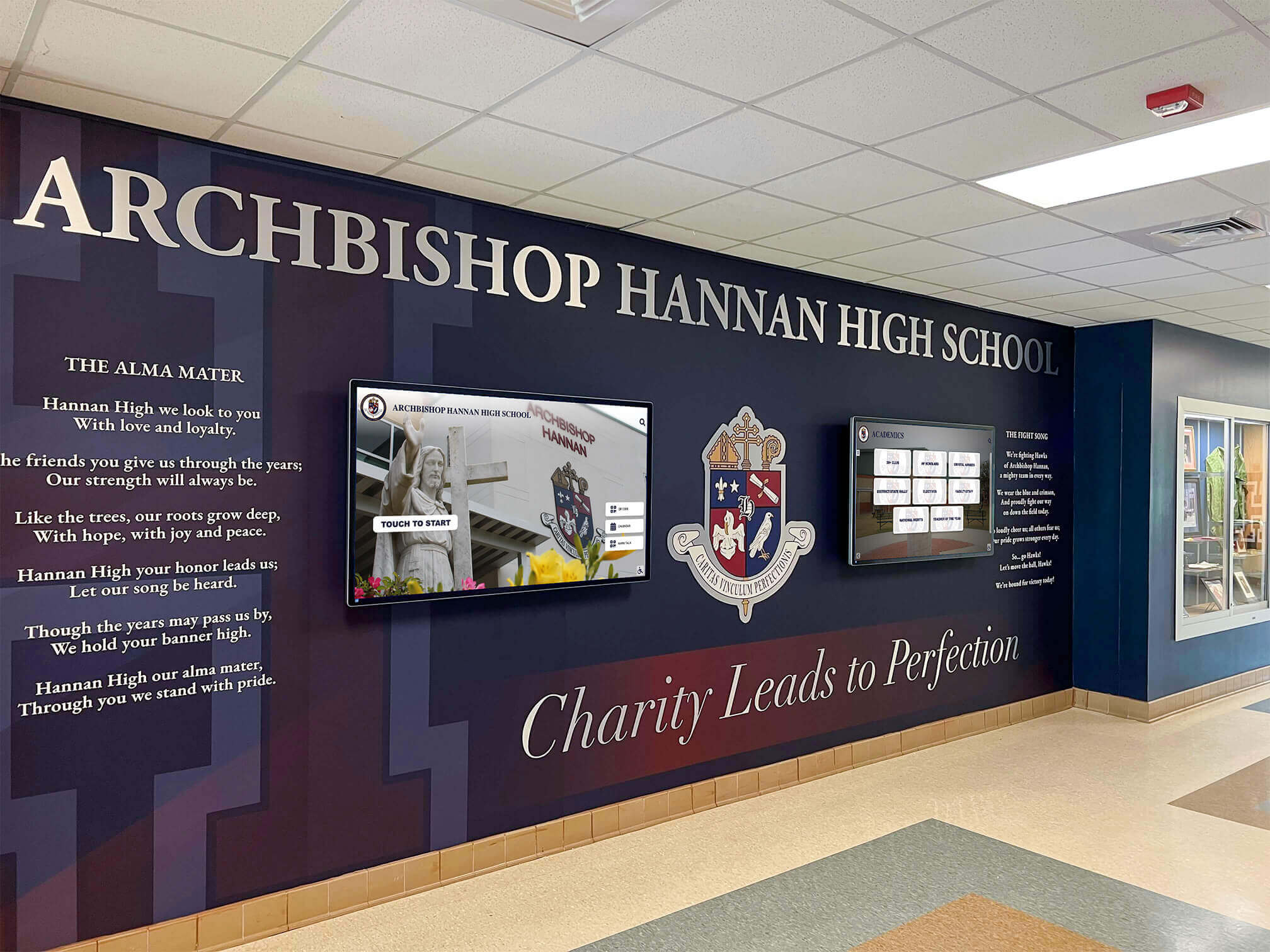
Numbers and titles provide basic achievement documentation, but comprehensive profiles reveal the human stories behind accomplishments. About Us sections featuring detailed biographical information, personal quotes, career journeys, and impact narratives transform abstract recognition into compelling stories that inspire current students and demonstrate institutional quality to prospective families.
When schools profile distinguished alumni, prospective students gain concrete understanding of educational outcomes—not just college acceptance rates but actual career paths, life accomplishments, and community impact. When profiles highlight current faculty and staff, families evaluating schools understand the expertise, dedication, and personal qualities that define educational excellence at your institution.
Marketing Benefits of Comprehensive Recognition Displays
Forward-thinking schools recognize that digital recognition displays serve important marketing functions beyond recognition alone. During campus tours, admission directors use interactive displays to present institutional strengths, demonstrate community culture, highlight recent achievements, and provide tangible evidence of claims made in marketing materials.
Digital storytelling platforms enable content reuse across marketing channels. Photos displayed on campus kiosks also populate websites, social media, newsletters, and recruitment materials—maximizing return on documentation investment while ensuring consistent messaging across platforms.
Schools investing in comprehensive digital storytelling report measurable marketing benefits including increased tour-to-enrollment conversion rates, stronger yield on accepted students, enhanced reputation in competitive markets, and improved ability to attract high-quality faculty and staff who value community-focused institutions.
Building Dynamic Photo Gallery Displays for School Events
Photo galleries serve as visual diaries documenting school life throughout academic years—from major celebrations to everyday moments that collectively define educational experiences.
Annual Event Documentation Strategies
Comprehensive photo galleries require systematic documentation approaches ensuring all significant events receive appropriate coverage. Effective annual documentation includes back-to-school activities capturing first-day excitement, homecoming festivities documenting traditions and community spirit, athletic events across all sports and competition levels, performing arts showcases including concerts, plays, and exhibitions, academic recognition ceremonies celebrating scholarship and achievement, community service projects highlighting student civic engagement, and graduation ceremonies commemorating educational milestones.
Schools implementing systematic documentation assign clear responsibilities ensuring no significant events lack coverage. Some schools recruit student photography clubs, creating authentic peer perspectives while developing student skills. Others engage parent volunteers who appreciate opportunities to contribute while attending events. Many schools combine approaches—professional photographers for major ceremonies, student photographers for informal moments, and parent volunteers for extracurricular activities.
Organizing Photo Galleries for Easy Navigation
Photo collections containing thousands of images require organizational structures enabling visitors to quickly locate content matching their interests. Effective photo gallery platforms organize content by academic year separating each school year into distinct collections, event type categorizing athletics, academics, arts, and activities separately, month or season enabling chronological browsing, sport or activity allowing focused exploration of specific programs, and grade level helping students find relevant content.
Interactive touchscreen displays allow visitors to filter photo galleries based on multiple criteria simultaneously—viewing only basketball photos from the 2023-2024 season, for example, or exploring all arts-related events from a particular month. This flexibility ensures that photo galleries serve diverse audiences from alumni seeking nostalgic connections to prospective families evaluating program offerings.
Technical Considerations for Photo Display Quality
Photo galleries only succeed when images display beautifully. Poor-quality photography or improper display configurations undermine recognition value and create negative impressions. Quality photo galleries require high-resolution source images maintaining clarity on large displays, proper color calibration ensuring accurate reproduction, appropriate file formats balancing quality and loading speed, responsive sizing adapting to various screen dimensions, and fast loading times maintaining smooth user experiences.
Solutions like Rocket Alumni Solutions specifically address these technical requirements through platforms optimized for educational photo galleries, providing intuitive upload interfaces for non-technical administrators, automatic image processing ensuring display optimization, cloud-based storage accommodating unlimited photo collections, and professional presentation templates maintaining consistent quality.
Seasonal Gallery Updates and Featured Content
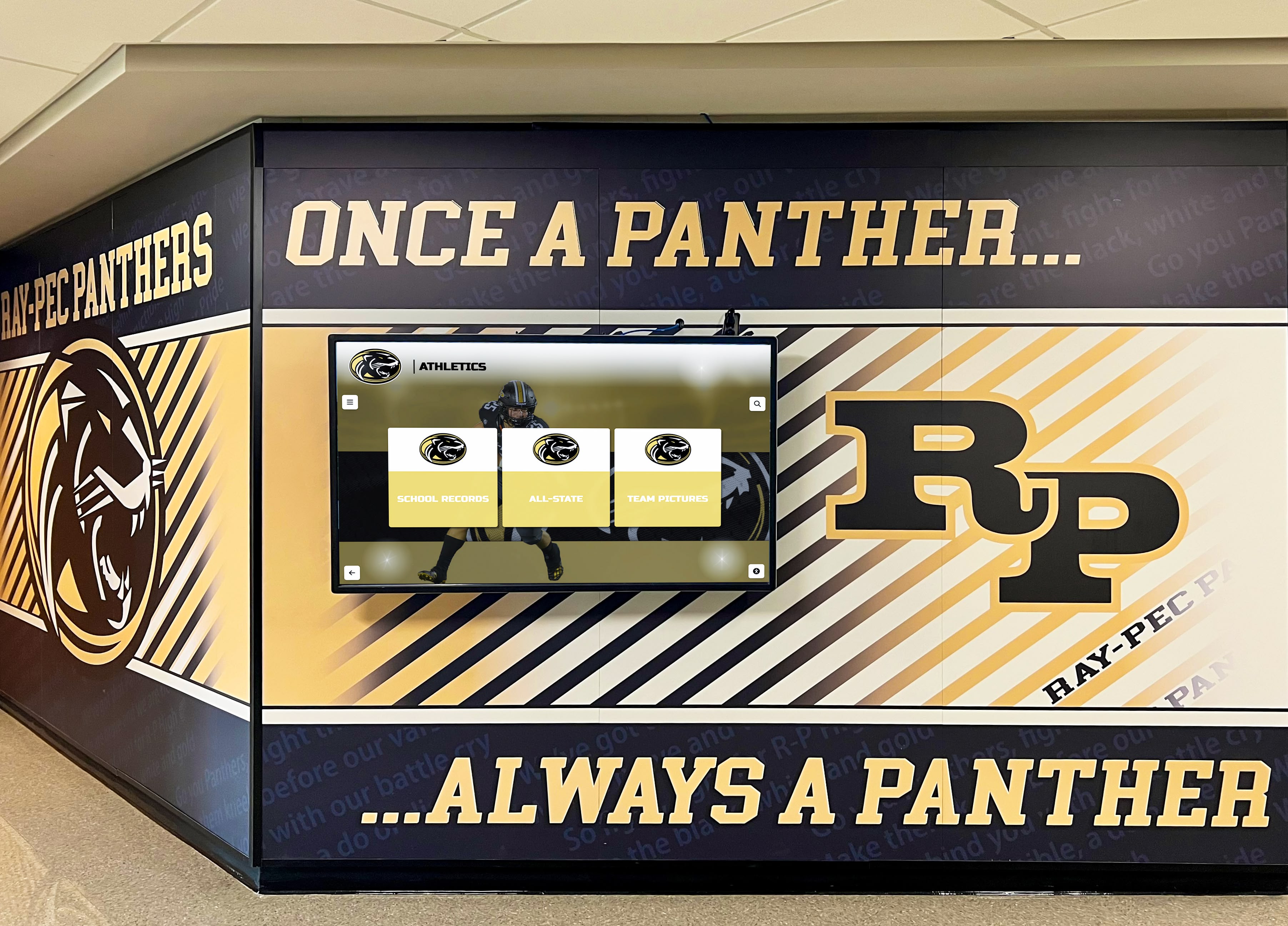
Static photo galleries quickly become stale. Maintaining relevance requires regular updates highlighting current activities and seasonal priorities. Effective update strategies include monthly featured galleries spotlighting recent events, seasonal rotations emphasizing athletics during fall sports seasons or arts during performance periods, holiday-themed content celebrating seasonal traditions, and countdown displays building excitement for upcoming major events.
Many schools configure digital displays to automatically rotate through recent photo additions, ensuring lobbies and hallways always reflect current school life rather than displaying outdated content that suggests inactive programs or poor maintenance.
Privacy Considerations and Permission Management
Photo galleries featuring students require careful attention to privacy policies and parental permissions. Responsible photo gallery programs establish clear photo release policies documented in enrollment agreements, implement permission management systems tracking which students may appear in public displays, provide opt-out mechanisms respecting family preferences, and follow school board policies regarding student identification and image use.
Digital display platforms should integrate permission management, automatically filtering photo galleries to display only images containing students whose families granted appropriate permissions. This automation prevents accidental policy violations while reducing administrative burden.
Creating Interactive Timeline Layouts for Institutional History
Timeline displays organize decades of school history into accessible narratives that honor heritage, provide institutional memory, and connect current community members to larger educational legacies.
Determining Timeline Scope and Organization
Effective timeline displays begin with strategic decisions about scope and structure. Comprehensive timelines document from founding through present day, creating complete institutional narratives. Focused timelines highlight specific aspects like athletic championships, facility development, or academic program evolution.
Organizational approaches include chronological progression moving sequentially through decades, thematic organization grouping related developments regardless of timing, milestone focus highlighting critical moments that shaped institutional direction, and hybrid structures combining chronological frameworks with thematic deep-dives.
Schools implementing historical timeline displays discover that comprehensive approaches deliver greatest value—visitors appreciate both overview chronological browsing and detailed thematic exploration of specific areas matching personal interests.
Content Types for Rich Historical Storytelling
Compelling timeline displays incorporate diverse content types that bring history to life beyond simple date listings. Essential content includes archival photographs showing facilities, students, staff, and events from each era, facility documentation tracking campus evolution through construction and renovation, leadership profiles recognizing principals, superintendents, and board members who shaped institutional direction, milestone achievements documenting championships, accreditations, awards, and recognitions, program development tracking when academic offerings, athletic programs, or activities launched, and community context explaining how broader educational, social, or economic changes influenced institutional evolution.
Digital archives for schools provide infrastructure for organizing these diverse content types into cohesive narratives accessible through interactive timeline interfaces.
Interactive Features Enhancing Timeline Engagement
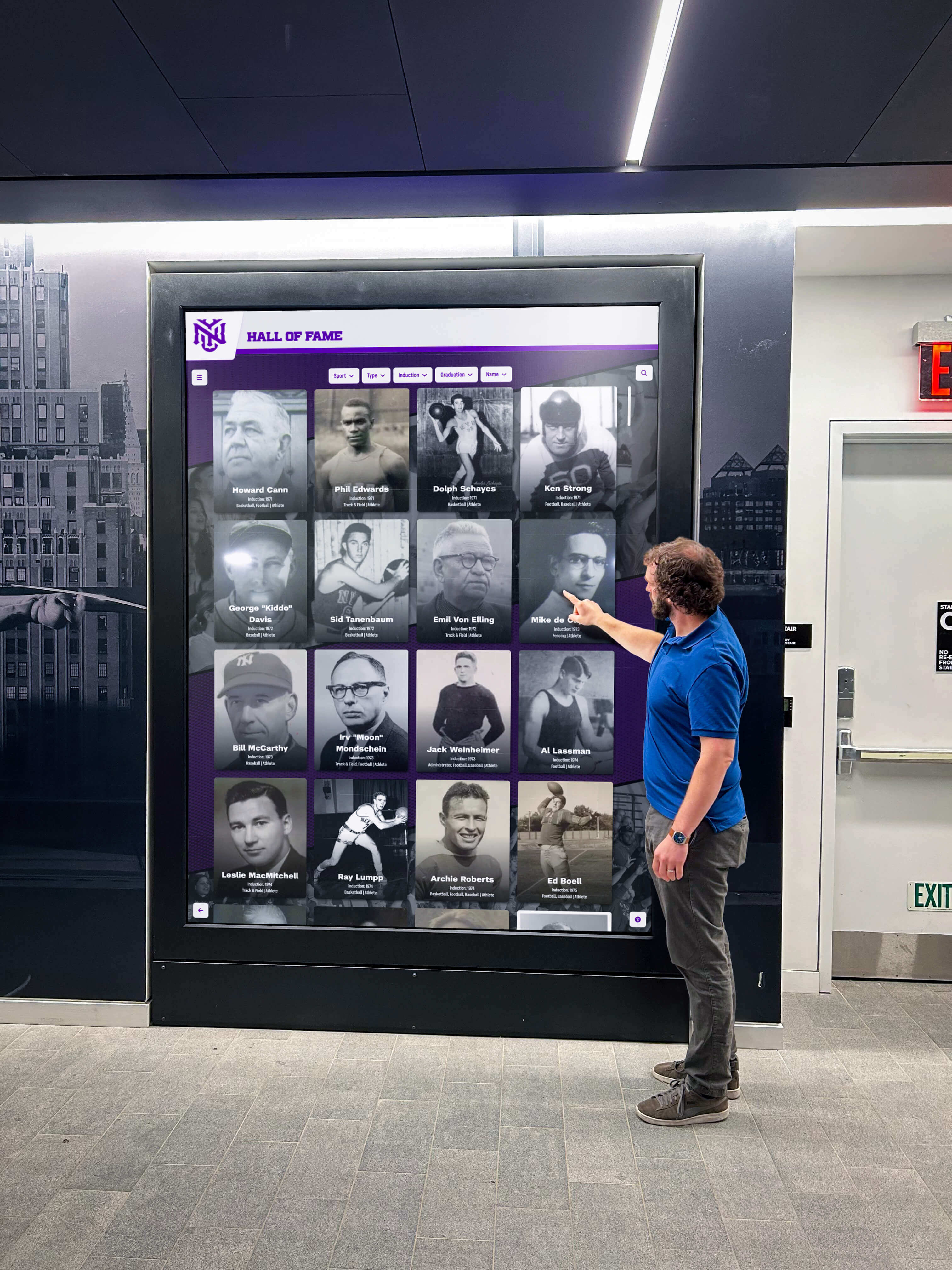
Interactive timeline displays create engagement that static historical exhibits cannot match. Valuable interactive features include touchscreen navigation enabling intuitive exploration across decades, search functionality allowing visitors to quickly locate specific years, people, or events, zoom capabilities providing both overview timelines and detailed period examination, comparison views showing institutional changes across multiple eras simultaneously, and social sharing enabling alumni to share discoveries with classmates and family.
Research on museum and educational displays indicates that interactive elements increase visitor engagement duration by 300-400% compared to passive viewing. Schools implementing interactive timeline displays report similar results—visitors who previously spent less than a minute glancing at traditional historical boards now engage for 5-10 minutes exploring comprehensive digital timelines.
Incorporating Oral History and Personal Narratives
Dates and facts document what happened, but oral histories and personal narratives reveal why events mattered and how they shaped institutional culture. Timeline displays with expanded content incorporate interview excerpts from longtime faculty, staff, and administrators, alumni reflections on important school experiences, community member perspectives on institutional impact, and historical newspaper coverage providing contemporary context.
These personal elements transform institutional timelines from dry historical records into compelling stories that emotionally engage current community members and help prospective families understand institutional character and values.
Timeline Display Placement for Maximum Impact
Timeline displays achieve greatest value when strategically located in high-visibility, high-traffic areas. Optimal placements include main entrance lobbies welcoming all visitors, library or media centers supporting educational research, administrative office areas where prospective families interact with staff, alumni gathering spaces encouraging nostalgia and connection, and main hallways connecting major building sections.
Many schools install timeline displays near admission offices, recognizing their marketing value during prospective family tours. Admission directors report that interactive historical displays provide tangible evidence of institutional quality, tradition, and community values that verbal descriptions alone cannot convey.
Developing Comprehensive About Us Profile Systems
About Us profiles transform abstract recognition into human stories that inspire current students, engage alumni, demonstrate institutional quality to prospective families, and create comprehensive documentation of individuals who shaped school excellence.
Categories for Comprehensive Profile Coverage
Effective About Us systems recognize diverse contributors across multiple categories. Essential profile categories include distinguished alumni showcasing career accomplishments and life achievements, athletic hall of fame inductees honoring exceptional athletic careers, current and retired faculty celebrating teaching excellence and dedication, administrative leaders recognizing those who shaped institutional direction, significant donors acknowledging philanthropic support, and community partners honoring external individuals who contributed to school success.
Inclusive recognition programs also profile current students through student of the month programs, academic scholarship recipients, arts achievement awards, and leadership position holders—creating aspirational models for younger students while validating current achievement.
Essential Content Elements for Compelling Profiles
Profile depth determines whether recognition feels meaningful or perfunctory. Comprehensive profiles incorporate high-quality portrait photographs capturing personality and professionalism, biographical narratives explaining career journeys and life accomplishments, achievement documentation detailing specific honors, awards, and milestones, personal quotes sharing values, reflections, or advice, impact descriptions explaining how individuals influenced others or institutions, and career timeline tracking professional progression and major accomplishments.
For alumni profiles, additional valuable content includes graduation year and degree information, extracurricular involvement during school years, notable achievements since graduation, current professional roles, community service and volunteer engagement, and family connections when multiple generations attended.
Faculty and staff profiles benefit from content highlighting educational background and credentials, years of service and roles held, teaching philosophy or professional approach, notable achievements or recognitions received, current responsibilities and programs led, and student impact stories when appropriate and permitted.
Search and Discovery Features for Profile Navigation
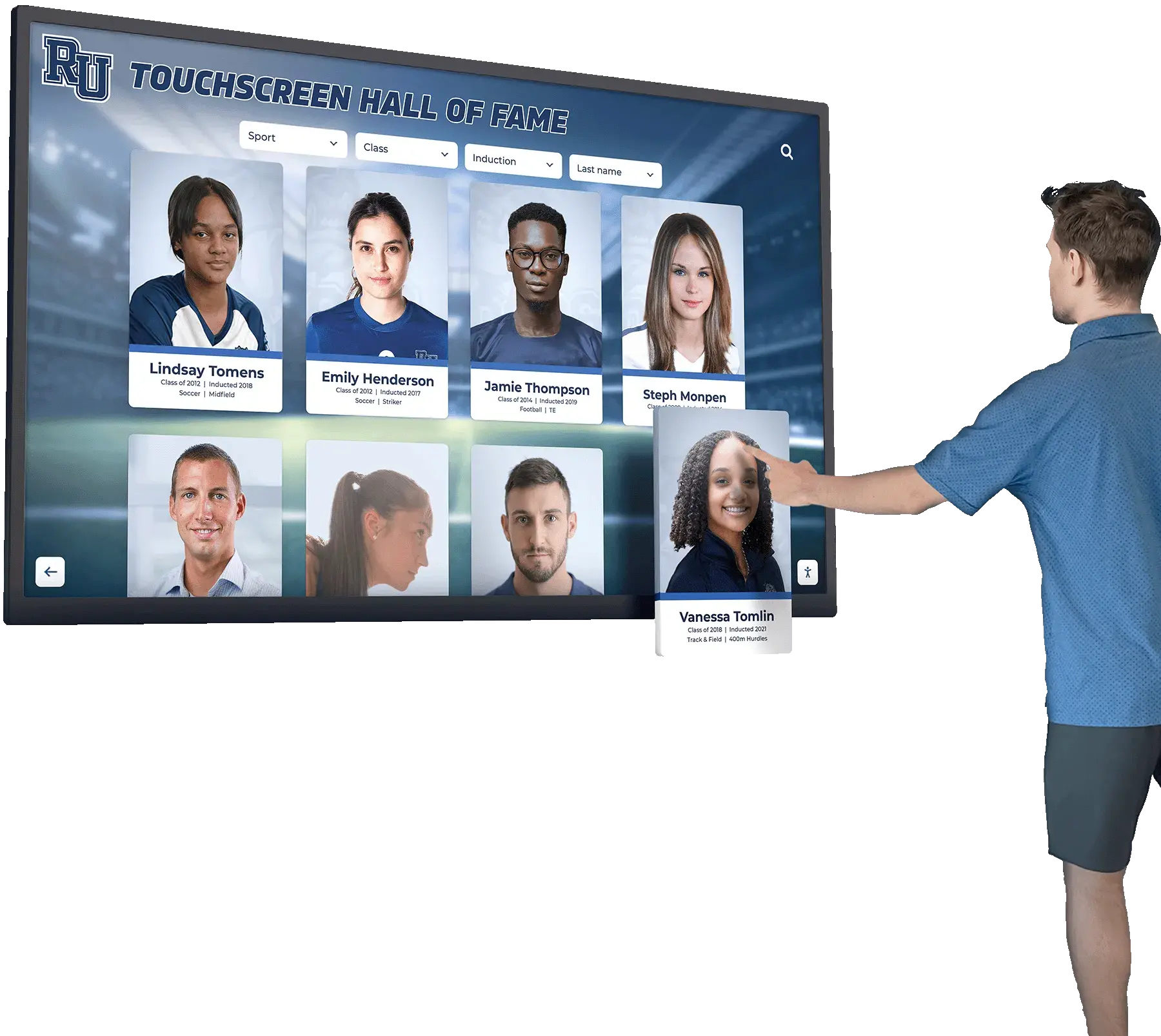
Profile collections containing hundreds or thousands of individuals require sophisticated navigation enabling visitors to find relevant content efficiently. Essential search and discovery features include name search allowing direct lookup of specific individuals, category filtering separating alumni, faculty, athletes, and other recognition types, decade or graduation year browsing, achievement or award type filtering, sport or activity categorization, and keyword search locating profiles mentioning specific topics.
Interactive displays enabling intuitive exploration encourage discovery beyond directed searching. Visitors browsing athletic profiles might discover distinguished alumni from the same graduating class, or those exploring faculty profiles might find former teachers who became notable alumni—connections that create richer community understanding.
Video Integration for Enhanced Storytelling
While text and photos provide foundation for comprehensive profiles, video content creates deeper engagement and emotional connection. Video profile additions include acceptance speech excerpts from induction ceremonies, interview segments where honorees share personal reflections, highlight reels documenting athletic or artistic performances, event footage showing community celebrations, and testimonials from colleagues, students, or community members.
Modern digital display platforms support smooth video integration, enabling profiles to combine text, photos, and video content in cohesive presentations. Solutions like Rocket Alumni Solutions provide video hosting, playback optimization, and straightforward content management for administrators without video production expertise.
Profile Updates and Ongoing Engagement
Profile systems deliver greatest value when treated as living documentation rather than static recognition. Ongoing profile management includes adding new honorees as recognition programs continue, updating existing profiles as individuals achieve new milestones, incorporating anniversary recognition for past inductees, featuring rotating highlighted profiles on home screens, and collecting updated information through alumni surveys or crowdsourcing.
This ongoing engagement transforms profile systems from one-time recognition into continuous community connection platforms that maintain relevance year after year.
Integrating Galleries, Timelines, and Profiles into Unified Platforms
The most effective school storytelling combines photo galleries, historical timelines, and About Us profiles into integrated systems that create comprehensive institutional narratives rather than disconnected recognition silos.
Benefits of Unified Digital Display Platforms
Integrated platforms provide advantages that separate systems cannot match. Unified management interfaces enable administrators to update all content types through single portals rather than learning multiple systems. Consistent design language ensures professional appearance across all recognition categories. Shared infrastructure reduces total technology costs compared to multiple independent systems. Cross-content connections allow visitors to navigate easily between related galleries, timelines, and profiles.
For example, visitors viewing historical timelines might click championship year entries to access photo galleries from those seasons, or browse athlete profiles to understand who led teams to success. These connections create richer storytelling than isolated content enables.
Rocket Alumni Solutions: Purpose-Built School Storytelling Platform
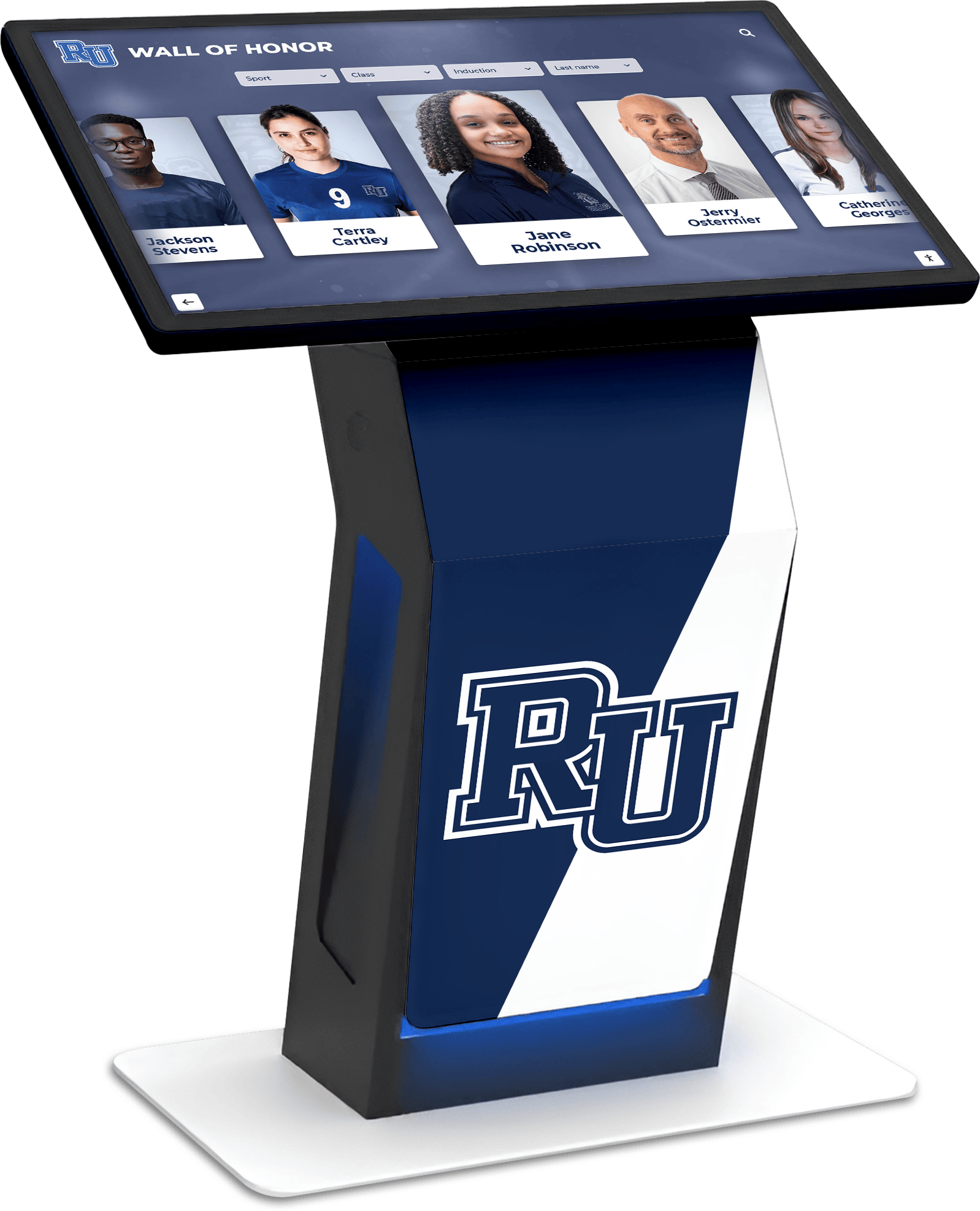
Solutions like Rocket Alumni Solutions specifically serve educational institutions requiring comprehensive recognition and storytelling capabilities. Purpose-built platforms provide photo gallery management with unlimited storage and automatic optimization, interactive timeline builders enabling chronological and thematic organization, profile systems supporting diverse recognition categories, touchscreen display software designed for straightforward navigation, web integration providing consistent experiences across physical displays and online access, content management interfaces designed for non-technical administrators, and professional design templates maintaining institutional branding.
Schools implementing Rocket Alumni Solutions report significant advantages over generic digital signage or custom-built solutions including faster implementation with proven templates and workflows, lower total cost through shared platform development, superior user experience refined across thousands of installations, dedicated support from recognition specialists understanding educational needs, and continuous improvements adding new capabilities without additional licensing costs.
Hardware Considerations for Physical Display Installations
Digital storytelling requires quality hardware matching software capabilities. Essential hardware components include commercial-grade touchscreen displays rated for continuous operation, appropriate screen sizes for viewing distances and space constraints, mounting solutions ensuring stability and accessibility, network connectivity supporting content updates and analytics, and backup power protecting against display interruption.
Schools typically install displays in multiple locations throughout campuses—main lobbies, athletic facilities, libraries, and administrative areas—creating consistent storytelling presence across institutional spaces. Multi-display implementations require centralized content management enabling efficient updates across all locations simultaneously.
Web and Mobile Access Extending Campus Storytelling
While physical campus displays serve current students and campus visitors, web and mobile access extend storytelling to distributed communities including alumni living globally, prospective families researching schools remotely, community members unable to visit campus frequently, and extended family interested in student activities and achievements.
Responsive platforms adapt smoothly to desktop computers, tablets, and smartphones, ensuring consistent experiences regardless of access method. Social sharing features enable community members to easily distribute content through email, Facebook, Instagram, and other channels—amplifying institutional storytelling reach far beyond physical campuses.
Implementation Planning for Successful Day in the Life Displays
Schools ready to implement comprehensive storytelling displays benefit from systematic planning approaches that ensure successful outcomes rather than false starts or abandoned initiatives.
Assessing Current Content and Documentation Practices
Implementation begins with honest assessment of existing content assets and documentation practices. Key assessment questions include what photo collections currently exist and their organization, what historical materials and archives are accessible, which About Us profiles exist and their format, how current documentation practices capture ongoing events, what technology infrastructure currently supports content display, and what resources are available for content development and system management.
This assessment reveals starting points, identifies gaps requiring attention, and helps scope realistic initial implementations versus aspirational long-term visions.
Defining Goals and Success Metrics
Clear objectives guide implementation decisions and enable progress measurement. Common goals include preserving institutional history before materials deteriorate or knowledge disappears, improving alumni engagement through accessible historical content and recognition, building student pride through visible achievement celebration, supporting recruitment through evidence of active community and proven excellence, creating marketing content reusable across multiple channels, and establishing sustainable documentation practices preventing future gaps.
Success metrics might include number of historical items digitized, photo gallery views and interaction duration, profile completeness across recognition categories, alumni engagement indicators like website visits or event attendance, prospective family feedback during admission process, and social media sharing of recognition content.
Phased Implementation Approaches
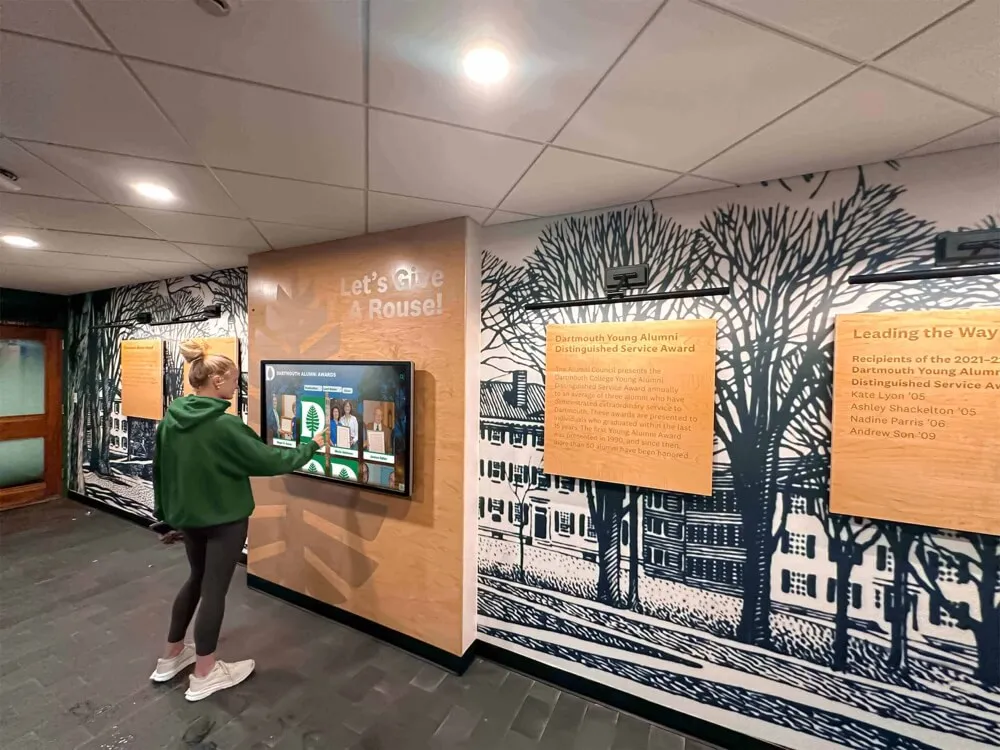
Comprehensive day in the life storytelling can feel overwhelming when viewed as single massive project. Phased approaches make implementation manageable while delivering incremental value. Effective phased plans begin with pilot displays in single high-visibility locations demonstrating concept before campus-wide expansion. Initial content focuses on highest-priority categories like recent photo galleries or most distinguished alumni profiles. Technical implementation starts with proven platforms requiring minimal customization. Content development spreads across multiple years rather than attempting complete historical coverage immediately.
This incremental approach allows schools to learn, adjust, and refine before committing to complete implementations—reducing risk while building internal expertise and stakeholder confidence.
Building Sustainable Content Management Practices
Technology investments fail without sustainable content management practices ensuring regular updates and ongoing maintenance. Sustainable practices include assigned responsibilities designating specific individuals for photo documentation, profile development, historical content, and system administration. Annual documentation cycles establishing regular rhythms for content capture and updates. Quality standards ensuring consistent professionalism across all content types. Training programs preparing multiple staff members to manage systems. And backup procedures protecting against content loss or system failures.
Schools treating digital storytelling as ongoing programs rather than one-time projects achieve dramatically better long-term results and returns on technology investments.
Maximizing Marketing Value From Recognition Displays
While comprehensive storytelling serves recognition and preservation purposes, strategic schools also maximize marketing benefits throughout admission and recruitment processes.
Integrating Displays into Campus Tours
Admission tours represent prime opportunities to showcase institutional strengths through interactive displays. Tour script integration includes planned stops at recognition displays in lobbies or key hallways, specific stories highlighting tour stops with relevant displays, interactive demonstrations inviting prospective families to explore content, and student testimonials explaining how recognition displays impact campus culture.
Admission directors report that interactive displays provide tangible evidence supporting verbal claims about community culture, achievement expectations, and institutional values. Prospective families appreciate concrete examples rather than promotional language alone.
Leveraging Content Across Digital Marketing Channels
Content developed for campus displays serves multiple marketing purposes beyond physical installations. Strategic content reuse includes website integration featuring galleries, timelines, and profiles, social media content sharing highlights and individual features, newsletter stories celebrating recent recognitions, recruitment materials incorporating compelling images and stories, and email campaigns targeting specific audiences with relevant content.
This content multiplication maximizes return on documentation investment while ensuring consistent messaging across all marketing channels.
Demonstrating Results to Prospective Families
Data-driven families evaluating schools appreciate concrete evidence of institutional quality. Recognition displays provide demonstrable proof including specific achievement numbers and records, named individuals exemplifying success outcomes, visual documentation of program quality and breadth, historical evidence of sustained excellence, and alumni career trajectories showing long-term educational impact.
These concrete elements prove more persuasive than general marketing claims that prospective families hear from every school they consider.
Maintaining Long-Term Program Success
Initial implementation represents only the beginning of successful day in the life storytelling programs. Long-term success requires ongoing commitment and continuous improvement.
Regular Content Updates and Seasonal Refreshes
Stale content undermines storytelling value and creates negative impressions. Effective programs establish regular update schedules including weekly photo gallery additions during active school seasons, monthly featured profile rotations highlighting different individuals, quarterly timeline content additions documenting recent milestones, and annual comprehensive reviews ensuring accuracy and completeness.
Automated features like “new content” highlights draw attention to recent additions, encouraging repeated engagement from community members who return regularly to discover what’s new.
Community Engagement and Crowdsourcing
Community members possess valuable content that enriches institutional storytelling. Effective programs actively solicit historical photographs from alumni and families, memories and stories providing context for archival materials, suggestions for profile candidates deserving recognition, and current event documentation from parents attending activities.
This crowdsourcing creates community investment in storytelling programs while dramatically expanding available content beyond what schools could gather independently.
Measuring Impact and Demonstrating Value
Sustained institutional support requires demonstrating program value through concrete metrics. Valuable measurements include display interaction analytics showing engagement levels, web and mobile access statistics revealing digital reach, admission feedback connecting displays to enrollment decisions, alumni engagement indicators tracking connection impact, and content production metrics documenting growth.
Regular reporting highlighting these metrics maintains awareness of storytelling program value while justifying continued resource investment.
Conclusion: Comprehensive Storytelling Creates Lasting Institutional Value
Schools are more than buildings, classes, and test scores. They are active communities where thousands of individuals create millions of meaningful moments throughout each academic year and across generations of institutional history. Capturing and presenting these multifaceted stories through dynamic photo galleries, interactive timelines, and comprehensive About Us profiles changes how schools honor achievement, preserve memory, inspire current students, engage alumni, and market to prospective families.
Modern digital platforms from providers like Rocket Alumni Solutions make comprehensive storytelling achievable for schools of all sizes. Purpose-built tools designed specifically for educational institutions provide intuitive content management, professional presentation, flexible organization, and proven reliability that generic alternatives cannot match. When schools invest in complete storytelling systems combining recognition, preservation, and marketing functions, they create platforms delivering value across multiple institutional priorities rather than single-purpose displays with limited utility.
The question isn’t whether comprehensive day in the life storytelling delivers value—the evidence across thousands of school implementations confirms dramatic benefits. The question is whether your school will capture and present its unique story before additional memories fade, materials deteriorate, and marketing opportunities pass to competitors who better showcase their institutional strengths.
Your school’s story deserves to be told comprehensively, preserved permanently, and presented beautifully. Begin building your day in the life storytelling platform today, ensuring that current achievements receive proper celebration, historical legacies remain accessible to future generations, and prospective families understand what makes your educational community truly special.
Book a demo to discover how Rocket Alumni Solutions provides comprehensive platforms for photo galleries, historical timelines, and About Us profiles that commemorate your school’s legacy while serving as effective marketing tools for attracting prospective students and engaging your entire educational community.































