Every educational institution carries forward the legacies of alumni who have passed away—graduates whose lives, achievements, and contributions continue to inspire and shape their communities long after they’re gone. A deceased alumni wall of honor represents more than a memorial; it creates a living tribute that celebrates extraordinary lives, preserves institutional history, honors service and sacrifice, and connects current students with the achievements of those who came before them.
Traditional memorial approaches—simple plaques, memorial books, or forgotten lists—often fail to capture the full scope of lives well-lived. Today’s schools, universities, and organizations seek more meaningful ways to honor deceased alumni that tell complete stories, engage current community members, and create lasting tributes worthy of remarkable legacies. Modern memorial recognition combines the dignity and permanence of traditional approaches with dynamic capabilities that bring memories to life and keep legacies accessible for generations.
The challenge extends beyond simple remembrance. Educational institutions must balance honoring the deceased respectfully while cele
brating achievements authentically, maintaining accurate historical records while making information accessible to those who never knew honorees personally, and creating memorials that inspire current students rather than simply documenting the past. These objectives require thoughtful planning, sensitive implementation, and often technology solutions that traditional memorial methods cannot provide.
This comprehensive guide explores how deceased alumni walls of honor transform memorial recognition. You’ll discover strategic approaches to planning memorial programs, sensitive methods for honoring diverse contributions, modern solutions that preserve legacies meaningfully, and proven practices for creating memorials that serve educational and inspirational purposes while maintaining the dignity that remembrance demands.
Understanding Deceased Alumni Walls of Honor
A deceased alumni wall of honor serves as a dedicated memorial space recognizing graduates who have passed away, particularly those whose lives exemplified service, achievement, character, or contributions deserving special institutional recognition. These displays honor specific categories of deceased alumni including military service members who made the ultimate sacrifice, distinguished alumni whose careers or contributions brought honor to institutions, young alumni whose promising lives ended tragically early, and alumni who demonstrated exceptional character or community service throughout their lives.
The Unique Purpose of Memorial Recognition
Memorial walls serve distinct purposes that differentiate them from general alumni recognition programs celebrating living graduates.
Preserving Institutional Memory and History: Educational institutions possess unique responsibility for preserving the stories of community members whose contributions shaped institutional character. Deceased alumni walls ensure these legacies don’t fade with passing years but remain accessible to students, faculty, and community members who never personally knew honorees. This preservation function becomes increasingly important as decades pass and living memory of significant alumni diminishes.
Honoring Service and Sacrifice: Many deceased alumni walls specifically recognize military service members who died in combat or veterans who served with distinction. These memorial walls acknowledge the ultimate sacrifice made by those who served their countries while attending or after graduating from institutions. According to data from veterans organizations, proper recognition of military service significantly impacts how institutions demonstrate gratitude while educating current students about service, sacrifice, and civic responsibility.
Providing Comfort and Connection for Families: For families of deceased alumni, institutional memorialization provides meaningful recognition that honors loved ones’ lives and achievements. Knowing that institutions remember and celebrate graduates’ contributions offers solace to grieving families while maintaining connections between families and alma maters. This memorial function strengthens relationships with alumni families who often become dedicated supporters of institutions that meaningfully honor their loved ones.
Creating Educational and Inspirational Examples: Beyond memorial functions, deceased alumni walls serve educational purposes by introducing current students to inspiring life stories from graduates who exemplified values institutions seek to instill. These biographical narratives demonstrate how education enabled meaningful lives, illustrate diverse paths to significance, and provide role models whose achievements inspire current students to pursue excellence in their own ways.
Strengthening Institutional Identity: Memorializing distinguished deceased alumni reinforces institutional identity by celebrating the types of lives and achievements that reflect institutional values. Whether honoring military service, professional excellence, community contribution, or personal character, these memorials communicate what institutions value and hope to cultivate in current and future students.
Planning Your Deceased Alumni Wall of Honor
Successful memorial walls require thoughtful planning that addresses selection criteria, memorial categories, family involvement, and long-term sustainability while maintaining appropriate sensitivity throughout implementation.
Defining Memorial Recognition Categories
Clear categories ensure memorial walls appropriately honor different types of distinguished deceased alumni while maintaining focus and coherence.
Military Service and Sacrifice: Many institutions create dedicated sections or entire walls honoring alumni who served in military branches and particularly those who died in combat or as a result of their service. These military memorial walls typically include service branch, rank, unit, theater of operation, dates of service, circumstances of death when appropriate, military honors and decorations, and biographical information about educational experiences and post-graduation paths to military service.
Military memorial walls serve educational functions by introducing students to concepts of service, duty, and sacrifice while honoring those who gave their lives in service. As outlined in guidance on preserving school history through digital recognition, military memorials represent important aspects of institutional history connecting schools to broader national narratives.
Distinguished Alumni Whose Lives Ended Prematurely: Some deceased alumni walls honor graduates whose remarkable achievements or promising trajectories ended too soon through illness, accident, or other untimely circumstances. These memorials celebrate lives that made significant impacts despite shortened duration, demonstrating that significance isn’t measured solely by longevity. Such memorials particularly resonate with younger alumni who may have known honorees personally or identify with life stages when tragedies occurred.
Alumni of Historical Significance: Historical figures who graduated from institutions decades or centuries ago deserve recognition preserving their legacies for current generations. These memorials document how alumni shaped professions, communities, or broader society, creating tangible connections between contemporary students and historical alumni whose achievements may feel distant without biographical context bringing their stories to life.
Character and Service Exemplars: Not all deceased alumni worthy of memorial recognition achieved fame or distinction through professional accomplishments. Some lived quietly exemplary lives demonstrating exceptional character, dedicated service to communities, or values reflecting institutional missions. These memorials honor alumni whose significance lies in how they lived rather than what they achieved publicly, demonstrating that meaningful lives take many forms.
Establishing Selection Criteria and Processes
Transparent selection processes ensure memorial walls maintain credibility while honoring appropriate alumni respectfully and consistently.
Eligibility Requirements: Common criteria include minimum time period following death before memorial consideration (typically 1-2 years allowing appropriate grieving and perspective), documented evidence of achievements or contributions deserving recognition, connection to institution beyond simple graduation (significant contributions during student years or afterward), and for military memorials, verification of service and circumstances through official military records.
Nomination and Selection Procedures: Memorial wall nominations typically come from family members proposing deceased alumni for recognition, classmates or friends nominating distinguished peers, institutional staff identifying historically significant alumni, or systematic research by archives or alumni relations staff. Selection committees evaluate nominations against established criteria while maintaining sensitivity to family perspectives and memorial appropriateness.
Family Involvement and Consent: Unlike living alumni recognition where subjects control information sharing, deceased alumni memorial recognition requires family consultation and consent. Respectful processes contact families requesting permission for memorial inclusion, invite family input on biographical information and photographs, honor family privacy preferences regarding sensitive personal information, and maintain ongoing family communication about memorial program developments. This family involvement demonstrates respect while ensuring families feel memorials honor loved ones appropriately.
Determining Physical and Digital Memorial Approaches
Modern deceased alumni walls increasingly combine traditional physical memorials with digital capabilities that enable richer storytelling and broader accessibility.
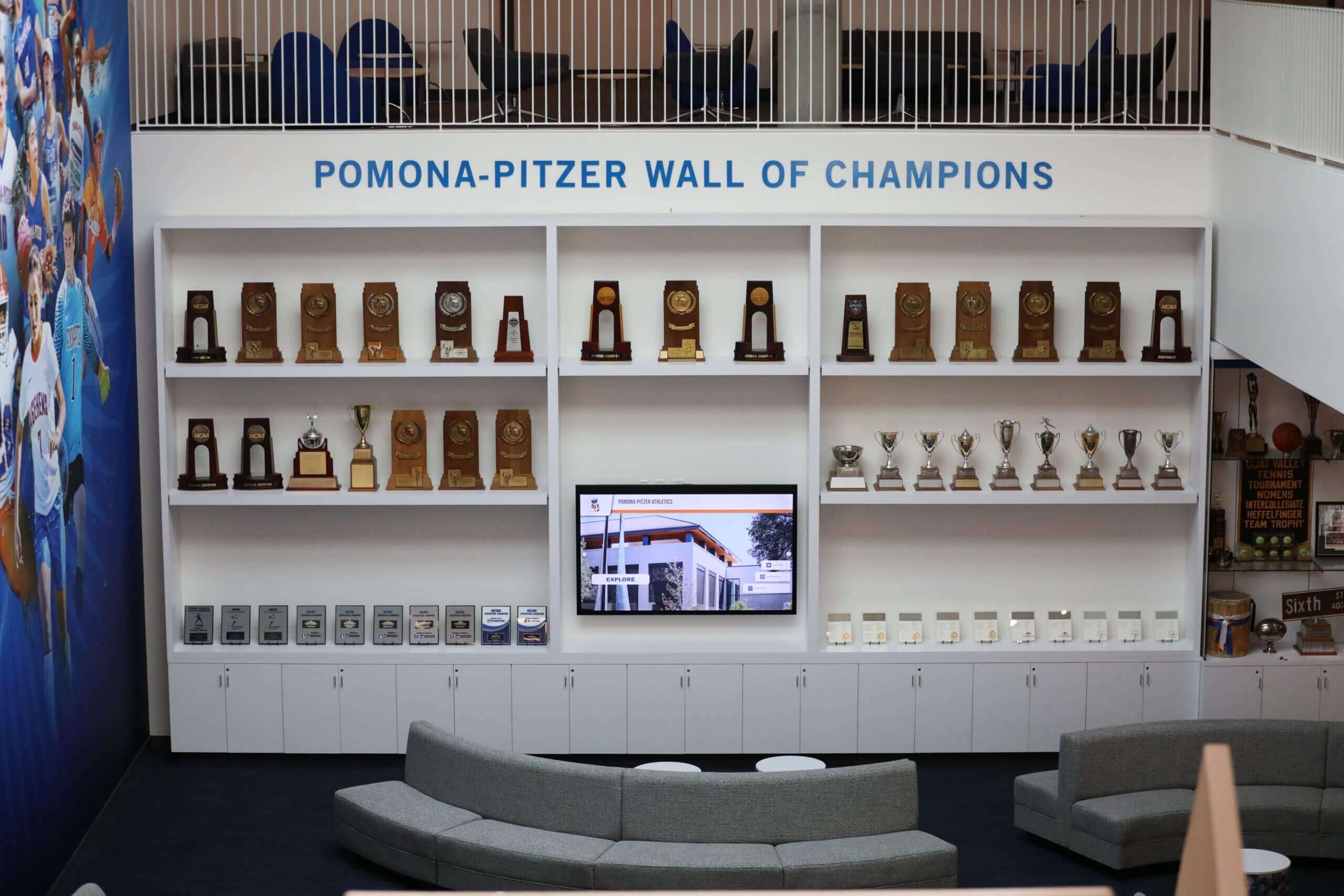
Traditional Physical Memorial Elements: Engraved plaques or panels, memorial books or registries, dedicated memorial rooms or spaces, memorial gardens or outdoor installations, and memorial scholarship plaques listing honored alumni all provide tangible, permanent memorial presence on campuses. Physical memorials create sacred spaces for reflection and remembrance while providing focal points for memorial ceremonies and gatherings.
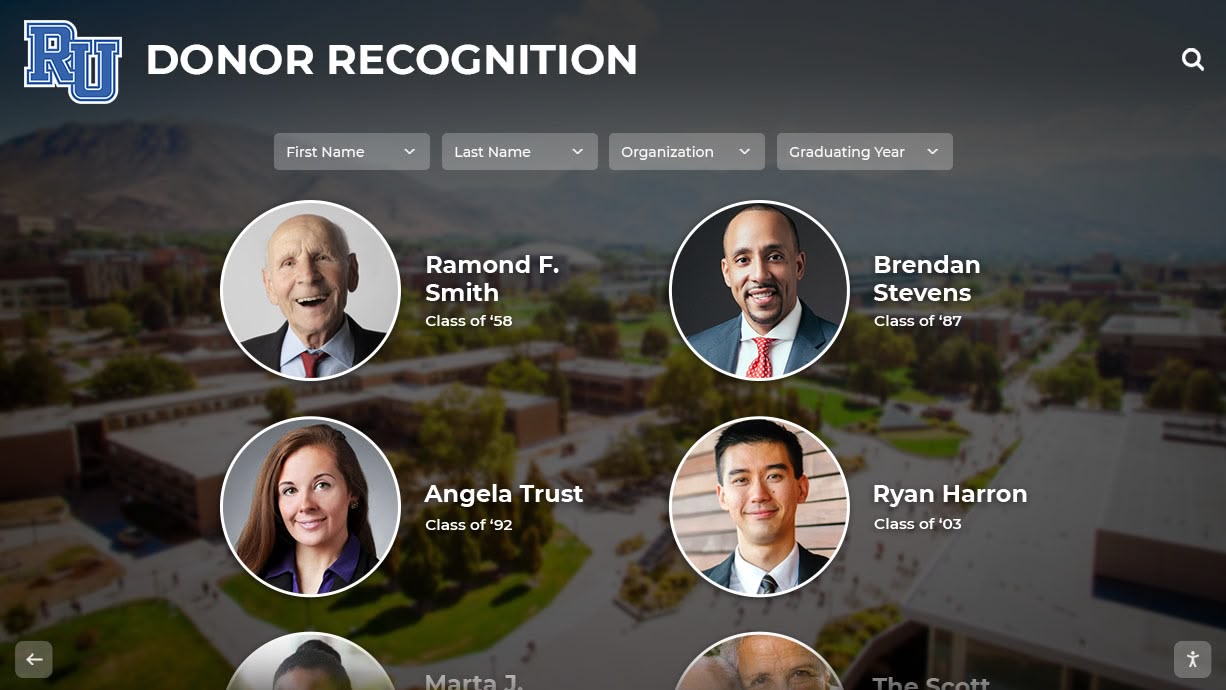
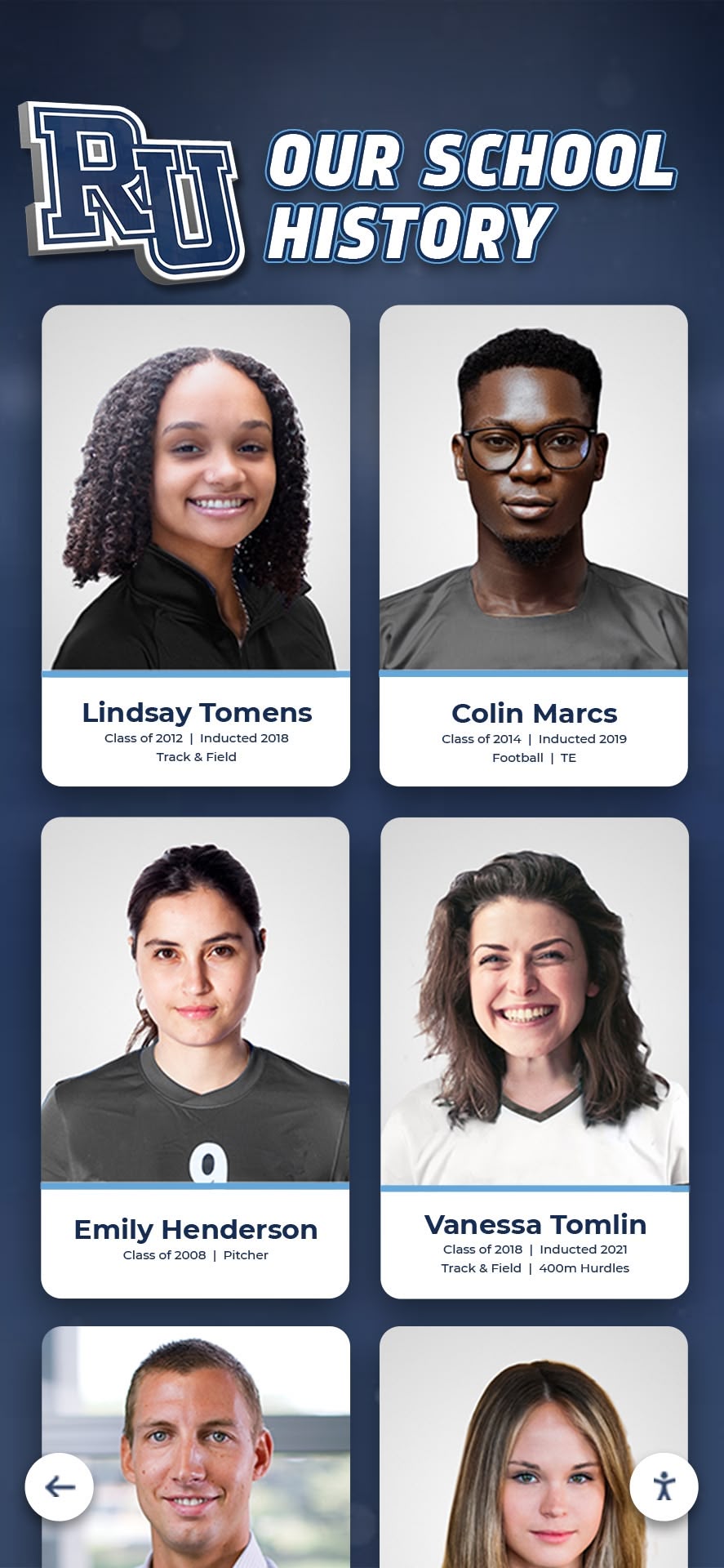
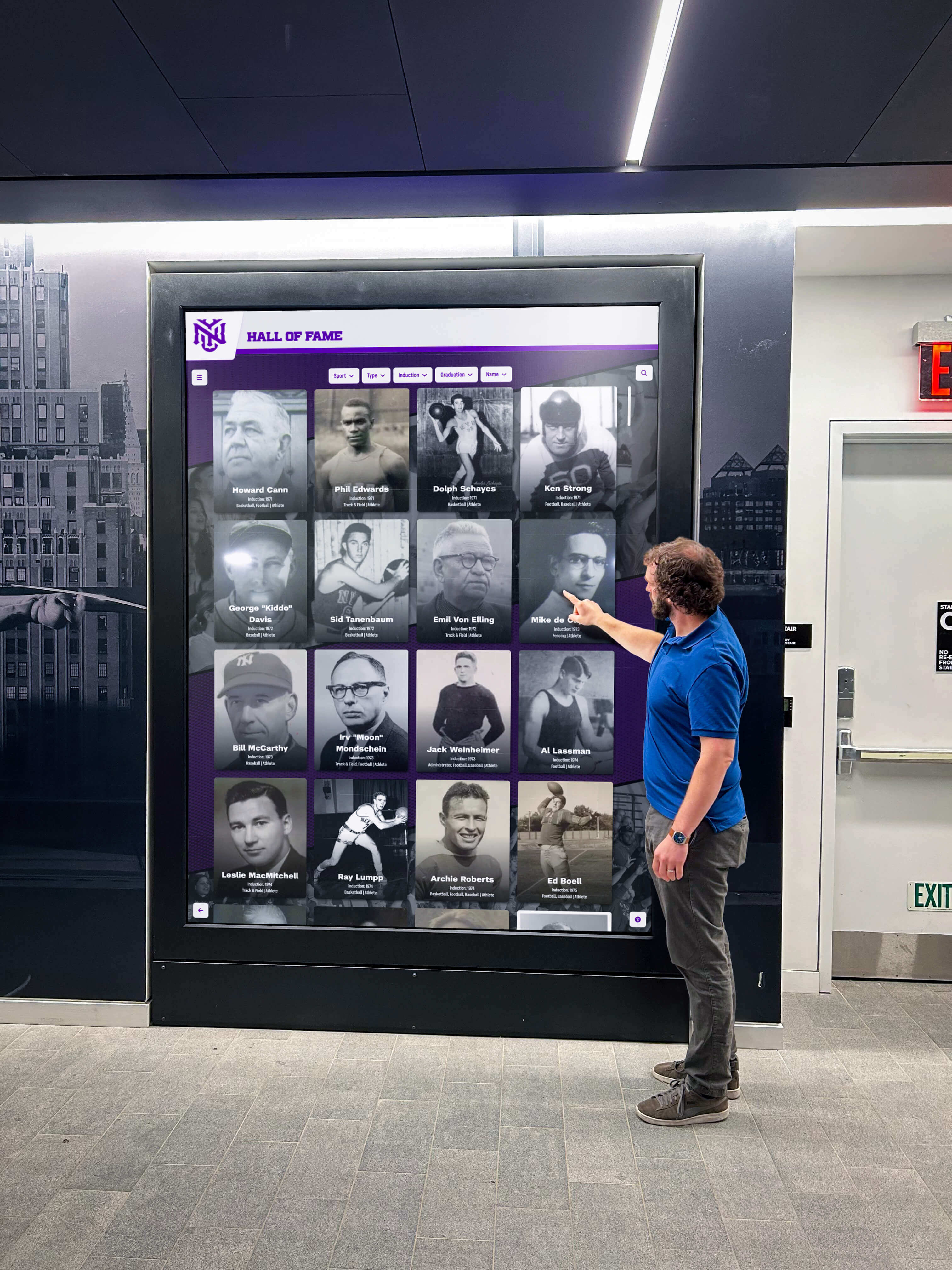
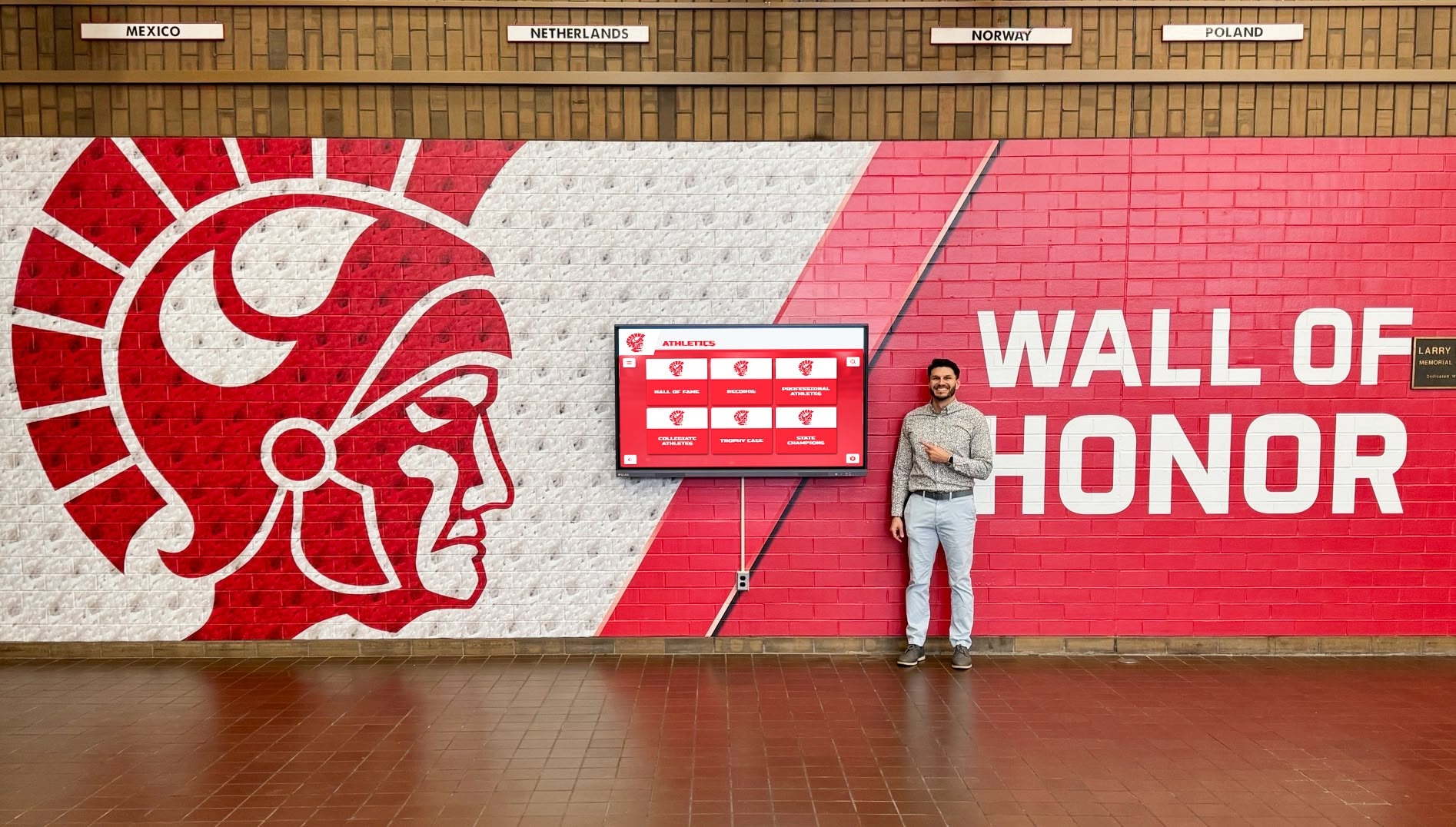
Digital Memorial Capabilities: Solutions like Rocket Alumni Solutions enable comprehensive digital memorials that complement or replace traditional physical displays through unlimited biographical space for complete life stories, multimedia integration including photographs across life stages and video tributes, family contribution features enabling ongoing story enrichment, searchable databases allowing discovery by name or service details, and global accessibility for families and classmates unable to visit physical locations.
Hybrid Memorial Approaches: Many institutions implement hybrid strategies combining traditional physical memorial elements for on-campus presence with comprehensive digital platforms enabling detailed storytelling and remote access. This approach honors traditional memorial dignity while leveraging technology for richer narratives and broader family engagement.
Creating Meaningful Memorial Content
The quality of biographical content determines whether memorial walls simply list names or truly celebrate lives by telling complete, authentic stories that honor deceased alumni appropriately.
Developing Comprehensive Memorial Profiles
Effective memorial profiles balance factual biographical information with personal narratives that reveal character, values, and life significance.
Essential Memorial Profile Elements: Comprehensive profiles include full name and maiden name when applicable, graduation year and degree information, birth and death dates, military service details when relevant, professional career summary, significant achievements and contributions, family information when appropriate, student involvement and campus experiences, community service and civic engagement, personal characteristics and values exemplified, circumstances of death when family approves sharing, and legacy through children, students mentored, or causes supported.
Sensitive Storytelling Approaches: Memorial narratives require sensitivity balancing celebration with solemnity. Focus on life achievements and contributions rather than circumstances of death unless military or heroic sacrifice makes death circumstances central to memorial significance. Consult families regarding appropriate biographical details, particularly around sensitive personal information or death circumstances. Celebrate character and values as much as achievements, recognizing that significance takes many forms beyond professional success.
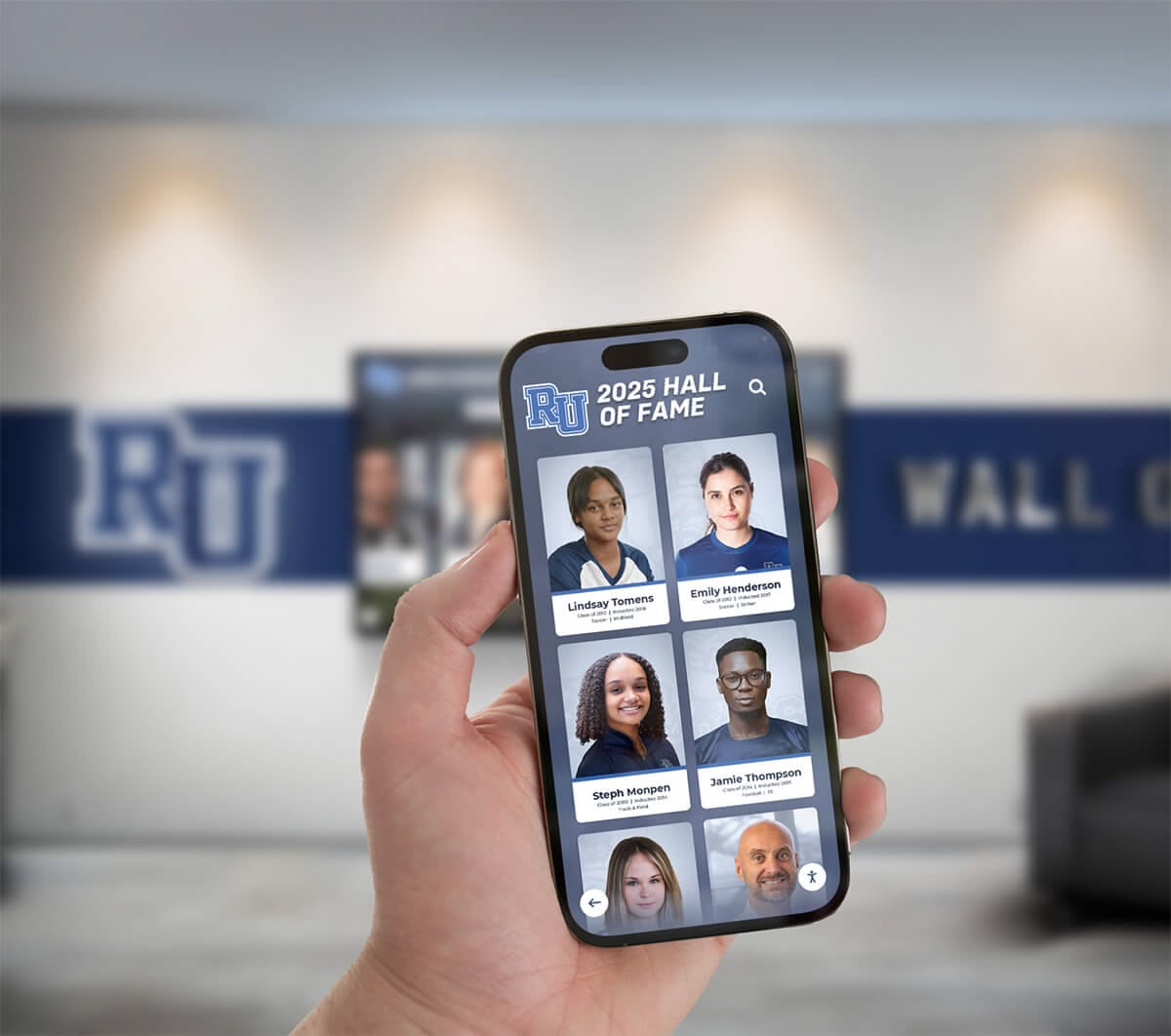
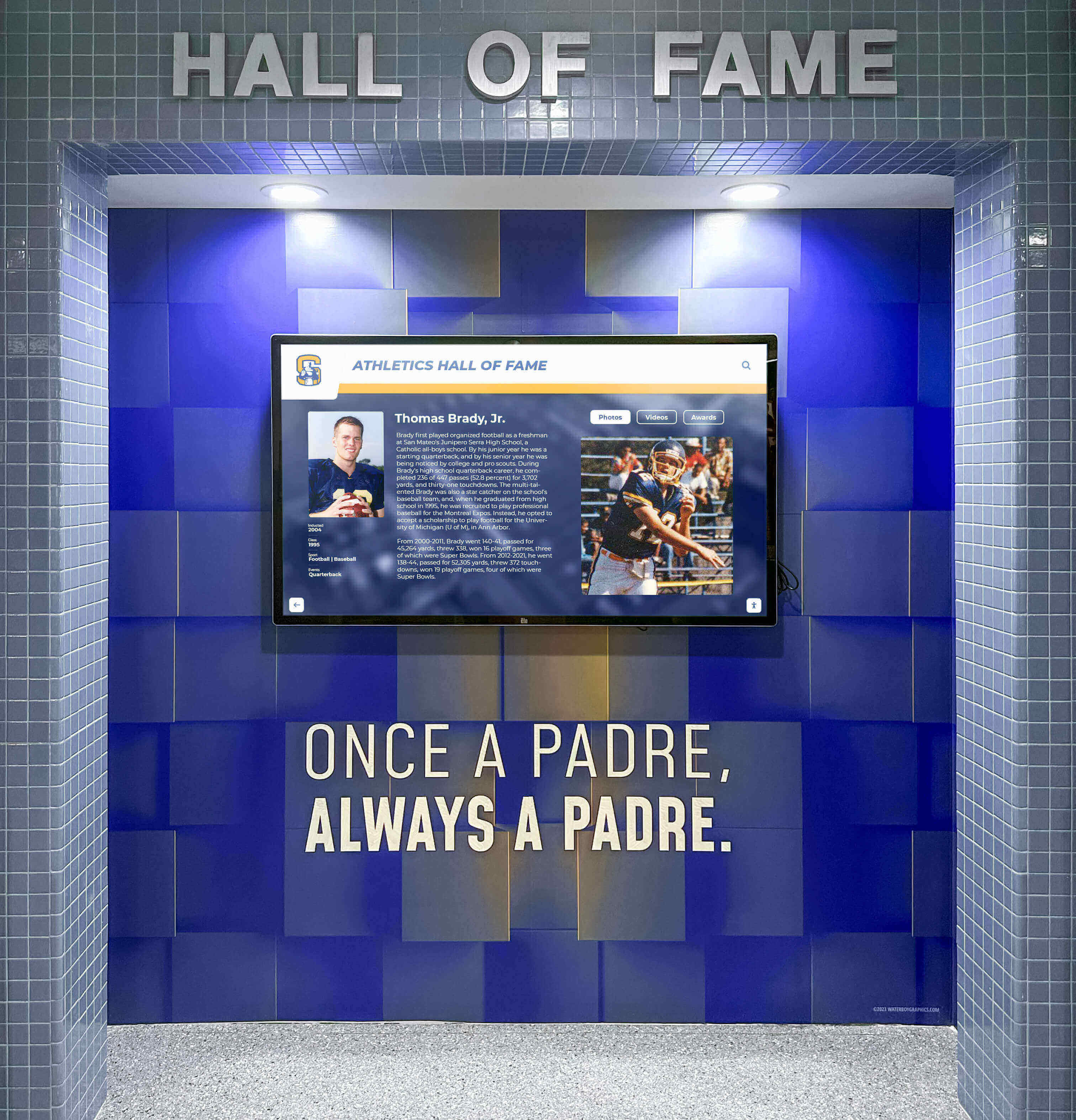
Multimedia Memorial Integration: Digital memorial platforms enable rich multimedia content including photographs from student years through later life stages, video tributes from family members or classmates, scanned documents such as diplomas or military records, audio recordings of speeches or interviews when available, and newspaper articles or publications documenting achievements. These multimedia elements create engaging memorial experiences that bring deceased alumni to life for visitors who never knew them personally.
As discussed in resources on how to showcase student achievement, compelling biographical storytelling combines factual information with personal narratives that help audiences connect with subjects emotionally—principles equally applicable to memorial recognition.
Collecting Memorial Information
Comprehensive memorial profiles require systematic information gathering from multiple sources to create complete, accurate biographical narratives.
Family as Primary Sources: Families provide irreplaceable perspectives on deceased alumni including personal photographs spanning life stages, biographical details about careers and achievements, personal qualities and character examples, stories illustrating values and contributions, and consent for information sharing and memorial inclusion.
Institutional Records and Archives: School records contain valuable information including academic transcripts and honors, student activity participation, athletic records and team membership, student government or leadership roles, graduation ceremony participation, and archived photographs from yearbooks or school publications. These institutional sources provide factual foundations for memorial profiles.
Public Records and Published Sources: For distinguished alumni, public sources offer documented achievement information including professional biographies, published obituaries, newspaper articles, military service records, patents or publications, and business or organizational records. These sources provide verifiable information about professional accomplishments and public contributions.
Classmate and Peer Contributions: Alumni who knew deceased honorees offer personal perspectives including shared experiences and memories, character observations and anecdotes, professional collaboration or friendship stories, and context about institutional climate during honorees’ student years. These peer perspectives humanize memorial profiles beyond bare factual summaries.
Implementation Strategies for Deceased Alumni Memorials
Successful deceased alumni walls require sensitive implementation that honors memories appropriately while creating sustainable programs serving educational and memorial purposes long-term.
Physical Installation Considerations
For institutions implementing physical memorial walls, thoughtful design and placement ensure appropriate dignity and accessibility.
Location Selection: Memorial walls require locations balancing visibility with appropriate solemnity. High-traffic areas ensure current students encounter memorials regularly, connecting them with alumni legacies. However, locations should enable reflection rather than merely casual passing—spaces where visitors can pause respectfully. Common locations include main building lobbies or corridors, chapel or spiritual life center spaces, library memorial rooms or alcoves, student center remembrance areas, and athletic facilities for military or athletic memorials.
Design and Materials: Memorial wall design should reflect institutional character while maintaining dignity appropriate for remembrance. Traditional materials like bronze plaques, engraved stone or marble panels, wooden memorial boards with brass nameplates, and glass memorial walls with etched names all create permanent, dignified installations. Design elements should facilitate additions as new deceased alumni merit recognition without requiring complete reinstallation.
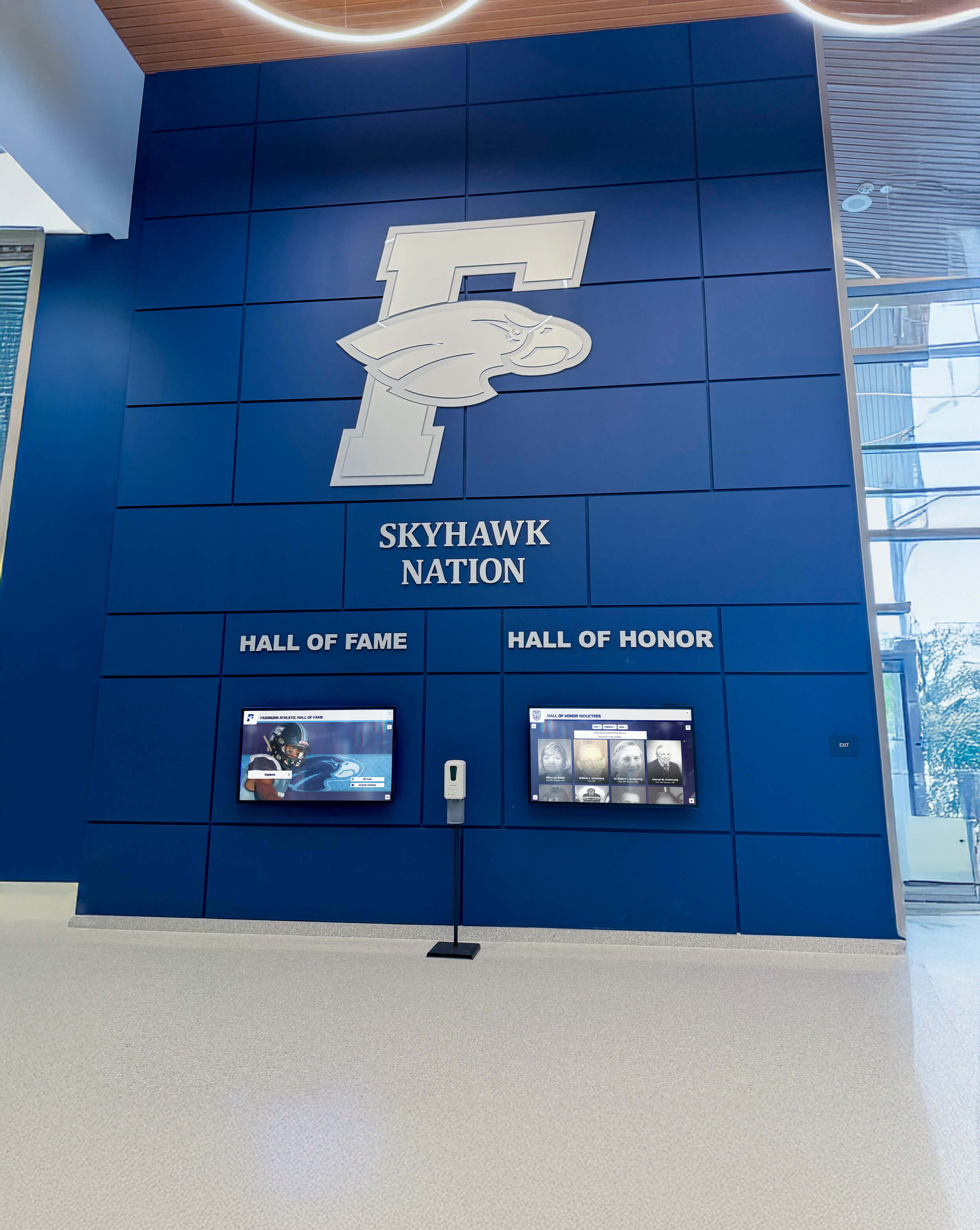
Accessibility and Inclusivity: Memorial walls must be physically accessible to all visitors including appropriate mounting heights for wheelchair users, adequate lighting for reading memorial information, clear pathways allowing respectful approach, and seating for extended viewing or reflection. These accessibility considerations ensure all community members can engage with memorials meaningfully regardless of physical ability.
Digital Memorial Platform Implementation
Digital memorial systems provide capabilities that enhance traditional approaches or serve as primary memorial platforms when physical installations aren’t feasible.
Platform Selection Criteria: Purpose-built memorial recognition platforms designed for educational institutions offer features generic systems lack including appropriate memorial aesthetic and tone, family contribution capabilities, military service recognition templates, integration with existing alumni databases, privacy controls respecting family preferences, and permanent archival security ensuring memorials endure.
Content Migration and Initial Population: Implementing digital memorials requires systematic content development including digitizing existing physical memorial information, researching and writing initial biographical profiles, collecting and scanning historical photographs, contacting families for consent and content contributions, and organizing content into intuitive memorial categories. This initial content development represents significant investment but creates foundations for sustainable long-term memorial programs.
Family Access and Contribution Features: Digital platforms should enable family members to claim profiles of deceased relatives, contribute additional photographs and biographical information, share memories and tributes, and update information as new details emerge. This ongoing family engagement keeps memorial content growing richer over time while strengthening institutional-family relationships.
As outlined in guidance on alumni recognition programs, comprehensive recognition systems balance institutional oversight with community contribution—principles equally applicable to memorial recognition enabling family participation while maintaining appropriate editorial control.
Memorial Dedication Ceremonies and Events
Formal memorial dedications provide opportunities for community gathering, family recognition, and public acknowledgment of deceased alumni legacies.
Initial Memorial Dedication: New deceased alumni wall unveilings warrant ceremonial dedications including remarks from institutional leadership, family representative participation, military honors for service member memorials, musical or artistic tributes, and reception opportunities for families and community members. These dedication ceremonies provide closure for families while introducing broader communities to memorial significance.
Annual Memorial Observances: Ongoing memorial events maintain visibility and significance including Memorial Day or Veterans Day observances for military memorials, annual remembrance ceremonies honoring all deceased alumni, anniversary recognitions for significant historical alumni, and scholarship presentation ceremonies when memorial funds support student scholarships. Regular memorial events prevent memorials from becoming invisible background elements as years pass.
Integration with Reunions and Alumni Events: Memorial walls should feature prominently during reunion weekends for classes including deceased members, homecoming weekend remembrance ceremonies, alumni award banquets acknowledging posthumous recognition, and campaign events honoring memorial fund contributors. These integrations connect memorial recognition with broader alumni engagement while ensuring deceased alumni remain central to institutional community consciousness.
Special Considerations for Military Memorial Walls
Military service memorials require particular sensitivity and adherence to protocols ensuring appropriate honor for those who served and sacrificed.
Military Memorial Categories and Information
Military deceased alumni walls typically organize honorees by conflict or service era including World War I service and sacrifice, World War II veterans and casualties, Korean War service members, Vietnam War veterans, Gulf War era service, Iraq and Afghanistan conflicts, and peacetime military service deaths. This chronological organization provides historical context while enabling visitors to locate specific service members by conflict.
Essential military memorial information includes full name and rank, military service branch, unit or division, dates of service, theater of operation, date and location of death, circumstances when appropriate, military honors and decorations, and hometown and family information when available. Accuracy in military information demonstrates respect while serving historical documentation purposes.
Verification and Military Records
Unlike general alumni recognition where achievement verification may be less rigorous, military memorials demand documented proof of service and circumstances. Official military records from the National Archives, Defense Department databases, or service branch records provide authoritative verification. This documentation requirement ensures memorial credibility while preventing inadvertent inclusion of unverified claims.
Military Memorial Traditions and Protocols
Military memorial walls should incorporate appropriate traditions and symbols including service branch insignia, medal and ribbon representations, military organization colors, memorial flame or eternal light elements, and flag presentation protocols. These traditional elements demonstrate respect for military service while educating civilian audiences about military culture and sacrifice.
Resources on honoring community accomplishments provide frameworks for memorial recognition that celebrate service while educating audiences—principles particularly relevant for military memorial walls serving educational purposes alongside remembrance functions.
Technology Solutions for Modern Memorial Walls
Digital platforms transform memorial recognition by enabling comprehensive storytelling, remote accessibility, and perpetual expansion impossible with traditional physical memorials alone.
Unlimited Capacity and Historical Preservation
Physical memorial walls face inherent space limitations forcing difficult decisions about which deceased alumni receive recognition. Digital platforms eliminate these constraints, enabling institutions to memorialize all deceased alumni deserving recognition regardless of numbers. This unlimited capacity proves particularly valuable for institutions with long histories and large alumni populations where physical memorials simply cannot accommodate comprehensive recognition.
Rich Multimedia Storytelling
Digital memorial platforms enable biographical depth impossible with engraved plaques including comprehensive life narratives documenting careers and achievements, photo galleries showing progression from student years through distinguished careers, video tributes from family members sharing personal memories, scanned documents including diplomas or military records, and audio recordings when available. These multimedia elements transform memorial listings into engaging biographical experiences that truly celebrate complete lives.
Global Accessibility for Families
Physical memorials restrict access to those able to visit campuses—a significant limitation for families living far from institutions or unable to travel. Digital memorial walls accessible via web platforms enable families anywhere globally to visit memorials whenever they wish, share memorial pages with extended family and friends, contribute additional content enriching profiles, and maintain ongoing connections with institutions honoring loved ones. This accessibility particularly benefits military families often stationed far from alumni institutions.
Search and Discovery Capabilities
Digital platforms provide search functionality enabling visitors to find specific deceased alumni by name, graduation year, military service era, or other criteria. This searchability proves invaluable during research, reunion planning, or when families seek information about deceased relatives. Traditional physical memorials require visitors to scan entire lists hoping to spot names—an inefficient process that digital search eliminates.
Integrating Memorial Recognition with Broader Alumni Engagement
Deceased alumni walls serve purposes beyond simple memorialization when thoughtfully integrated with comprehensive alumni engagement strategies.
Memorial Scholarships and Living Legacies
Many institutions establish scholarship funds honoring deceased alumni, creating living legacies that directly benefit current students. Memorial walls can prominently feature scholarship programs funded in honorees’ names, connect memorial profiles to current scholarship recipients benefiting from funds, document impact of memorial scholarships on student success, and provide mechanisms for family and friends to contribute to memorial funds. These scholarship connections transform memorials from backward-looking remembrance into forward-looking support for current students pursuing educations in honorees’ legacies.
Connecting Students with Alumni Legacies
Memorial walls serve educational purposes by introducing current students to inspiring alumni stories demonstrating how education enabled meaningful lives and contributions. Integration strategies include campus tour stops at memorial walls with guide commentary, first-year orientation programs introducing institutional values through alumni examples, service-learning projects researching deceased alumni and sharing stories, and annual memorial programs attended by students learning about sacrifice and service.
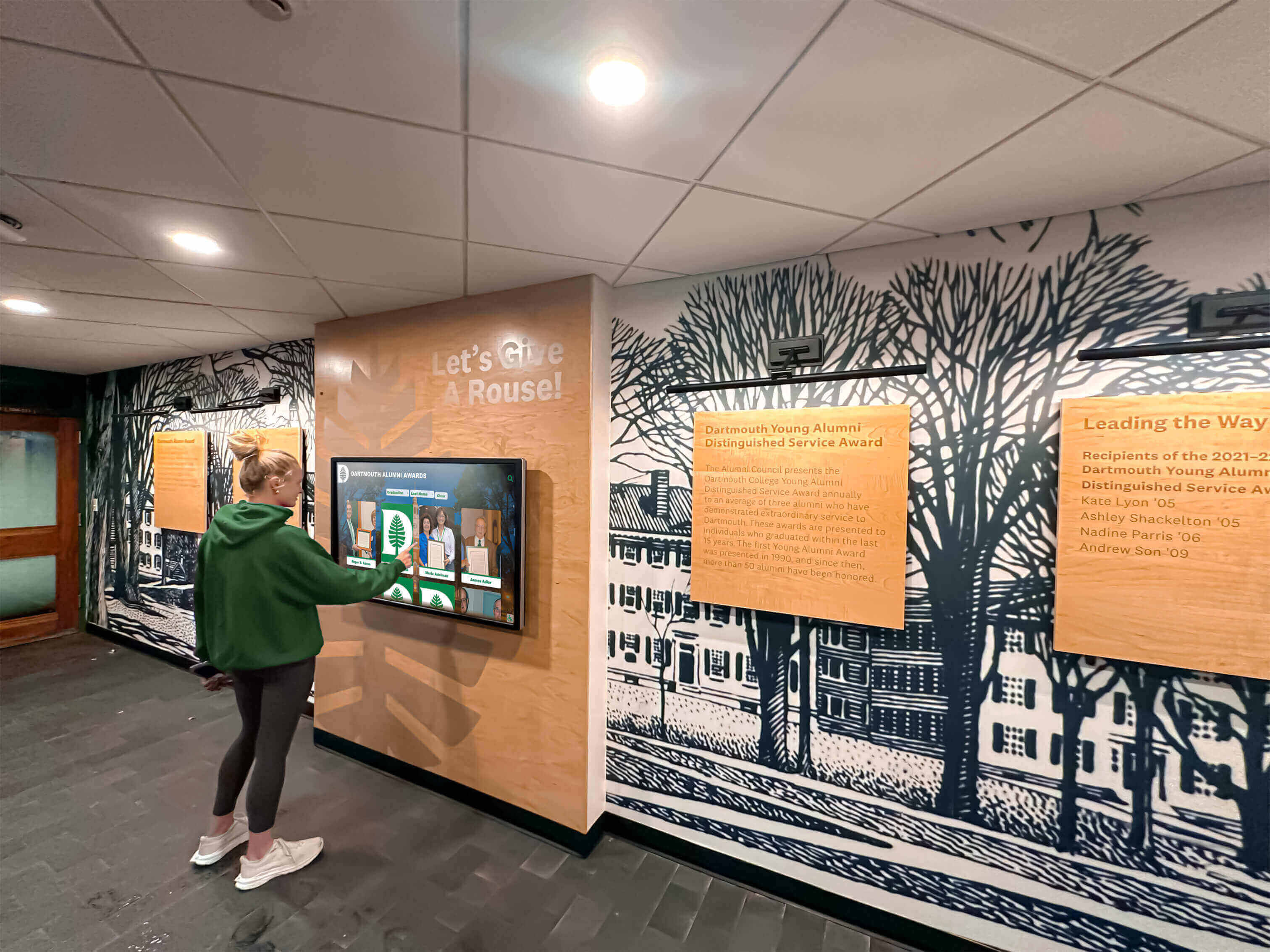
These educational integrations ensure memorial walls serve institutional missions by instilling values, inspiring current students, and connecting generations through shared institutional identity.
Advancement and Development Connections
Memorial walls support advancement objectives by strengthening relationships with families of deceased alumni who often become dedicated institutional supporters, providing recognition for major donors whose contributions receive posthumous acknowledgment, demonstrating institutional gratitude in tangible ways that resonate with living donors, and creating vehicles for memorial giving honoring deceased classmates or family members.
Guidance on how digital displays inspire alumni giving demonstrates how recognition programs including memorial walls influence philanthropic behavior—families seeing loved ones honored meaningfully often respond with financial support ensuring memorials endure while supporting broader institutional needs.
Measuring Memorial Program Success and Impact
Unlike living alumni engagement programs where metrics like networking activity or event attendance indicate success, memorial wall effectiveness requires different assessment approaches.
Family Satisfaction and Engagement
Primary indicators of memorial program success include family satisfaction with how loved ones are honored, family participation in contributing content and memories, family attendance at memorial events and dedications, family financial support through memorial gifts, and family recommendations bringing other families to institutional attention. Systematic family feedback through surveys or conversations provides qualitative evidence about memorial program meaningfulness.
Student and Community Awareness
Memorial walls fail if community members remain unaware of their existence or significance. Success indicators include student awareness of memorial locations and purposes, faculty integration of memorials into educational programming, visitor traffic to physical or digital memorial platforms, social media engagement with memorial content, and media coverage of memorial dedications or observances. These awareness metrics demonstrate whether memorials achieve visibility warranting investment.
Historical Preservation and Accessibility
Memorial walls serve archival functions preserving institutional history. Success metrics include comprehensiveness of biographical information documented, quality of multimedia content collected and preserved, long-term digital security ensuring permanent accessibility, searchability and discoverability of memorial content, and integration with institutional archives and historical collections.

Sustained Memorial Program Vitality
Long-term memorial program success requires ongoing attention preventing memorials from becoming forgotten installations. Indicators include regular addition of newly deceased alumni, annual memorial event attendance, memorial content updates and enhancements, volunteer or committee engagement maintaining programs, and institutional budget allocations ensuring sustainability. These metrics reveal whether memorial programs remain vibrant institutional priorities or slowly fade through benign neglect.
Common Challenges and Solutions
Institutions implementing deceased alumni memorial walls encounter predictable obstacles that proven strategies address effectively.
Challenge: Limited Historical Information
Many historical deceased alumni lack comprehensive biographical information, creating sparse memorial profiles that fail to adequately celebrate lives.
Solutions: Accept minimal initial profiles documenting available information while implementing systematic enrichment processes, engage volunteer researchers including students, classmates, or local historians, leverage genealogical resources and online databases, issue public appeals for family contact and content contribution, and gradually enhance profiles as additional information surfaces. Memorial programs should evolve over decades as information emerges rather than waiting for complete information before launching.
Challenge: Sensitive Family Situations
Some deceased alumni have complicated family situations involving estrangement, disputed legacies, or privacy concerns requiring careful navigation.
Solutions: Establish clear policies requiring family consent for memorial inclusion, honor family privacy preferences even when public information exists, mediate respectfully when family members disagree about memorial appropriateness, provide options for anonymous or limited memorialization when full recognition isn’t appropriate, and document decision-making rationales supporting consistent, defensible policies.
Challenge: Maintaining Appropriate Tone
Memorial walls require dignified, respectful tone avoiding maudlin sentimentality while still celebrating lives meaningfully.
Solutions: Develop editorial guidelines ensuring consistent appropriate tone, train content developers in sensitive memorial writing, review memorial content through multiple perspectives before publication, consult families regarding tone appropriateness for individual profiles, and study well-executed memorial programs from peer institutions as models.
Challenge: Technical Sustainability
Digital memorial platforms require long-term technical maintenance ensuring content remains accessible perpetually.
Solutions: Select established vendors with track records supporting long-term client relationships, negotiate contracts ensuring multi-decade support and data preservation, implement regular content backups with off-site redundancy, budget annually for platform maintenance and hosting, and plan for eventual platform migrations as technologies evolve. Permanent digital preservation requires ongoing investment similar to physical memorial maintenance.
Conclusion: Creating Enduring Tributes Through Thoughtful Memorial Recognition
Deceased alumni walls of honor represent sacred institutional responsibilities—opportunities to preserve legacies, comfort families, educate students, and maintain connections between past and present. When implemented thoughtfully with appropriate sensitivity, memorial recognition programs honor those who’ve passed while serving educational purposes that benefit living community members.
The most effective memorial programs combine traditional memorial dignity with modern capabilities enabling comprehensive storytelling and broad accessibility. Physical memorials provide tangible campus presence creating spaces for reflection and remembrance. Digital platforms enable rich biographical content, family contribution, and global access impossible with physical installations alone. Hybrid approaches leveraging both physical and digital elements often prove most effective, honoring tradition while embracing capabilities that modern technology enables.
Ready to Honor Your Deceased Alumni Appropriately?
Discover how modern memorial recognition solutions can help you preserve legacies, comfort families, and create meaningful tributes that serve educational purposes for generations.
Success requires viewing memorial walls as ongoing institutional commitments rather than one-time projects. Regular additions of newly deceased alumni, annual memorial observances, continuous content enrichment, and sustained family engagement ensure memorial programs remain vital rather than fading into invisible background installations.
For institutions ready to create or enhance deceased alumni memorials, solutions like Rocket Alumni Solutions provide specialized platforms designed specifically for memorial recognition, combining appropriate dignity with technological capabilities that enable comprehensive biographical storytelling, family contribution features, military service recognition templates, and permanent digital preservation ensuring legacies endure perpetually.
Every deceased alumnus represents a life deserving appropriate remembrance. Every family deserves comfort knowing institutions honor loved ones meaningfully. Every current student benefits from inspiring examples of lives well-lived by those who walked the same paths before them. Thoughtfully implemented deceased alumni walls of honor fulfill these purposes, creating enduring tributes that honor the past while serving present and future generations.
When memorial recognition combines respectful dignity with comprehensive storytelling, remote accessibility, and sustained institutional commitment, deceased alumni walls transcend simple memorialization becoming living tributes that preserve legacies, comfort families, inspire students, and strengthen institutional communities across generations. These enduring memorials represent some of the most meaningful ways educational institutions honor those whose lives shaped institutional character and whose memories deserve preservation for perpetuity.































