Developing college history timelines transforms scattered institutional memories into cohesive narratives that honor the past while inspiring current and future generations. Universities and colleges accumulate remarkable stories across decades or centuries—distinguished faculty who shaped disciplines, pioneering research that transformed knowledge, champion athletic teams, groundbreaking programs, influential alumni, architectural evolution, and cultural shifts that collectively define institutional identity. Yet many institutions struggle to make this rich heritage accessible, with historical materials languishing in storage, milestones forgotten, and powerful stories untold.
Effective college history timelines do more than document dates and events—they create engaging experiences that strengthen institutional pride, support alumni engagement, enhance recruitment efforts, and preserve irreplaceable historical knowledge before it disappears with retiring faculty and aging alumni.
This comprehensive guide explores evidence-based strategies for developing college history timelines that serve diverse institutional needs, from initial research and content development through digital implementation and ongoing maintenance, helping colleges create living historical resources that connect past excellence with present achievement and future aspiration.
Every college and university possesses a unique story worth preserving and celebrating. Whether your institution traces its founding to the 19th century or the past few decades, the achievements, traditions, challenges overcome, and contributions made deserve recognition that honors historical significance while remaining relevant to contemporary audiences.
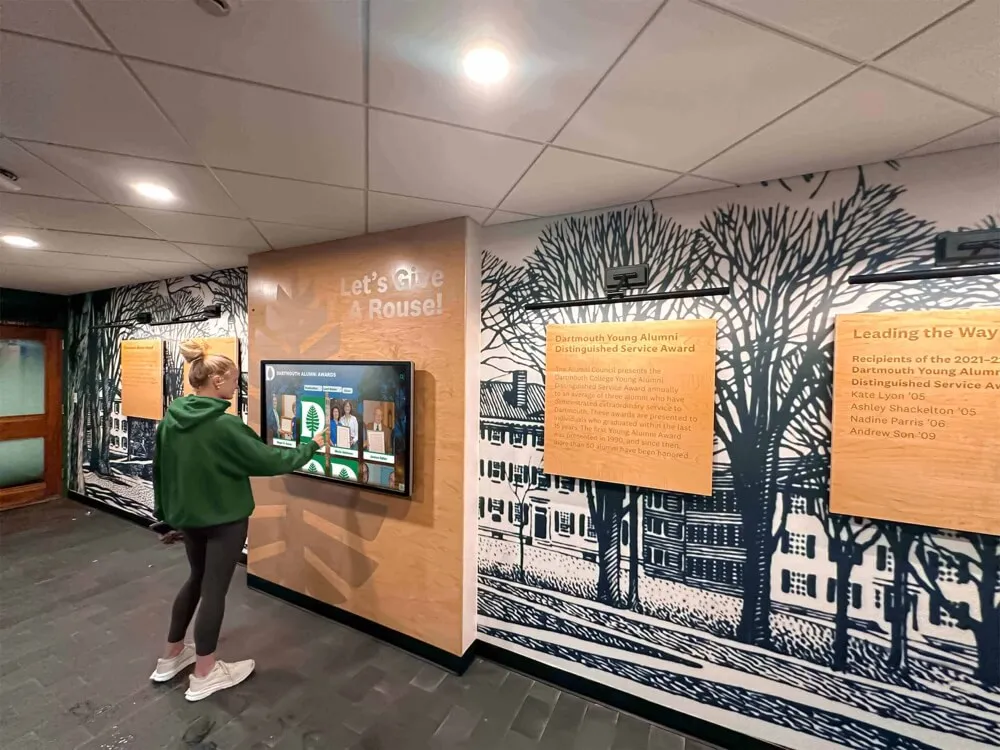
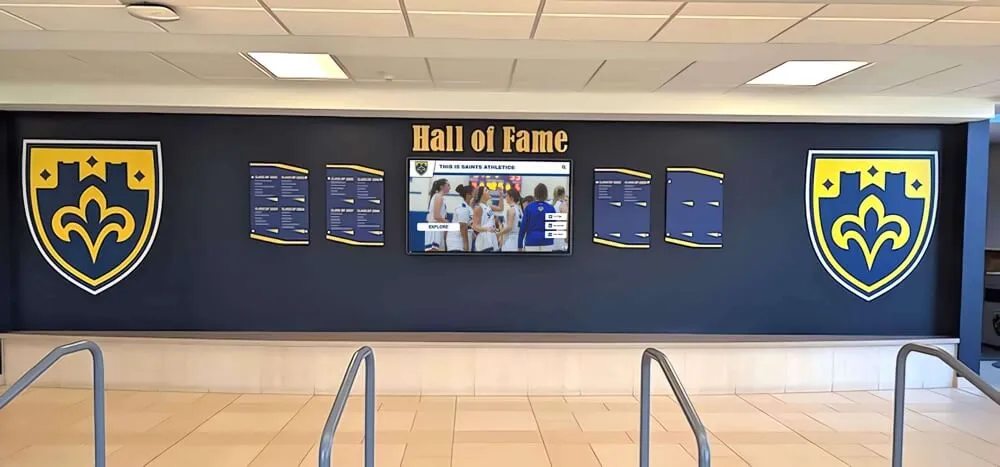
Interactive timeline displays make college history accessible while celebrating institutional heritage in high-traffic campus locations
Why Developing College History Timelines Matters Strategically
Understanding the strategic value of comprehensive history timelines helps justify investment while shaping implementation approaches that maximize institutional impact.
Building Institutional Identity and Campus Culture
College history timelines create powerful psychological connections between students, faculty, alumni, and the broader institutional community. Research in organizational psychology consistently demonstrates that individuals who understand their organization’s history develop stronger identification with institutional values and greater commitment to collective success.
For Students: Understanding college history transforms campuses from temporary educational settings into communities with meaning extending far beyond individual enrollment. Students who grasp institutional heritage develop stronger sense of belonging—knowing that previous generations faced similar challenges, pursued diverse passions, or overcame significant obstacles provides perspective and inspiration impossible to replicate through orientation presentations or campus tours alone.
According to educational research published in the Journal of Higher Education, students reporting strong institutional identification show higher persistence rates, greater academic engagement, and increased likelihood of becoming active alumni—outcomes directly supporting core institutional missions.
For Faculty and Staff: Institutional history provides context informing better decision-making while strengthening commitment to educational mission. Understanding how academic programs evolved, which initiatives succeeded or faced challenges, and how the institution navigated previous transitions offers valuable perspective that purely contemporary focus cannot provide.
Historical awareness also facilitates leadership transitions, enabling new administrators, board members, or faculty to integrate more quickly into institutional culture while making decisions reflecting historical context and community values rather than imposing external models that may conflict with established traditions.
Strengthening Alumni Engagement and Philanthropic Support
Alumni who see their experiences honored within broader institutional narratives maintain stronger lifelong connections—emotional bonds translating directly to higher reunion attendance, increased volunteer participation, sustained engagement with institutional programming, and greater philanthropic support for institutional initiatives.
Visible college history serves as tangible recognition that individual experiences and contributions mattered—validation that strengthens institutional bonds particularly for alumni who may not have received individual honors during their college years yet contributed meaningfully to campus community, participated in groundbreaking programs, or represented important demographic firsts.
Development professionals consistently report that heritage displays and comprehensive timelines create natural cultivation opportunities during campus visits, reunion events, and donor meetings. When prospective donors encounter sophisticated historical presentations demonstrating institutional stability, tradition of excellence, and sustained commitment to educational values, they receive concrete evidence that their support will strengthen institutions with proven track records of educational impact worthy of investment.
Data from the Council for Advancement and Support of Education (CASE) indicates that institutions with strong heritage programs report measurably higher alumni participation rates in both philanthropic giving and volunteer programs compared to institutions without visible historical documentation.
Enhancing Recruitment and Institutional Reputation
Colleges and universities with well-preserved, accessible historical narratives build stronger reputations among prospective students, families, peer institutions, and broader communities. Historical timelines demonstrate institutional maturity, educational continuity, and commitment to excellence across generations—qualities many families prioritize when selecting colleges.
Families touring campuses during recruitment processes form impressions based on multiple factors including facility quality, academic reputation, student interactions, and institutional messaging. Sophisticated heritage displays and comprehensive timelines communicate powerful messages about organizational values, sustained achievement, and campus culture that simple marketing materials cannot replicate.
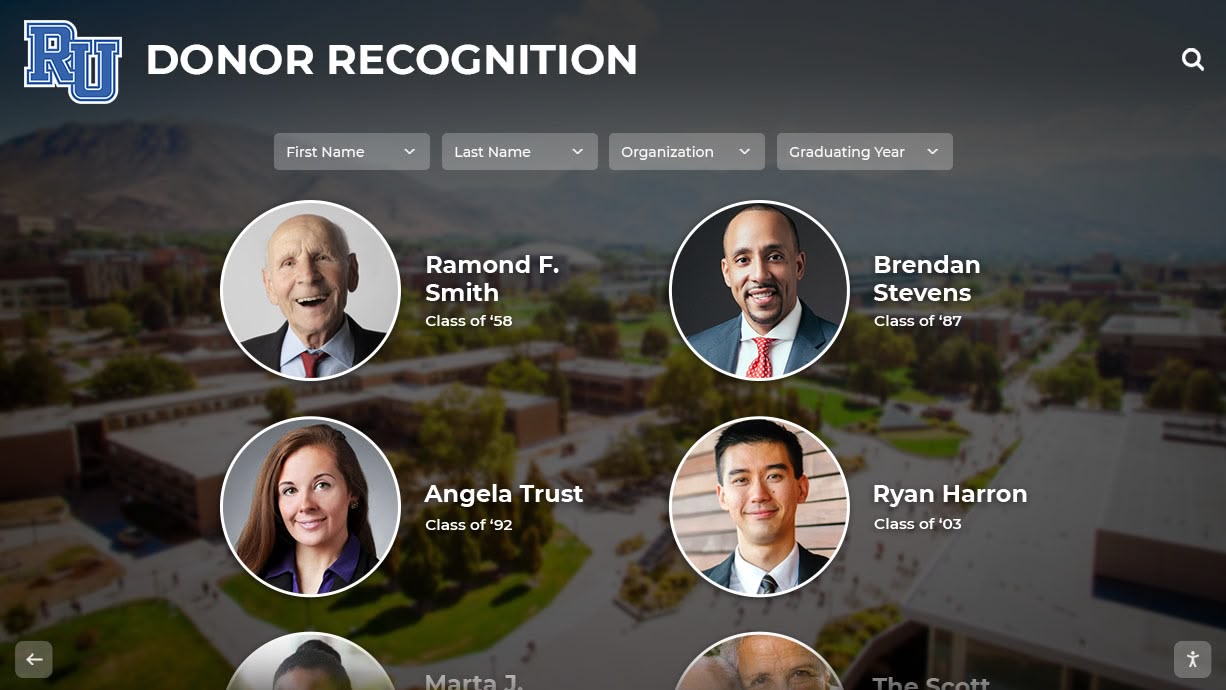
Heritage displays demonstrate institutional stability and tradition—factors influencing enrollment decisions and donor cultivation
Prospective students increasingly research institutional histories online before visiting campuses, seeking evidence of academic quality, cultural fit, and institutional values alignment. Comprehensive digital timelines accessible through institutional websites enable this research while positioning colleges favorably relative to competitors lacking accessible historical documentation.
Preserving Institutional Knowledge Before Permanent Loss
Colleges face urgent preservation challenges as institutional memory fades with retiring faculty, aging alumni, and staff turnover. Each passing year makes historical research more difficult as firsthand witnesses and participants age without documentation. Alumni from 1960s-1990s eras possess irreplaceable knowledge now at risk of permanent loss.
Physical historical materials deteriorate despite best preservation efforts—photographs fade, documents yellow and become brittle, newspaper clippings disintegrate, and trophies lose legibility. Digital formats provide redundancy protecting against disasters while making materials searchable and accessible.
Staff turnover erases informal institutional knowledge never formally documented—understanding of why certain traditions exist, how programs developed, what challenges previous initiatives faced, or which approaches proved most effective. This tacit knowledge disappears unless systematically captured through oral histories, documentation projects, and comprehensive timeline development.
Effective timeline development serves dual purposes: showcasing heritage while simultaneously protecting it through digitization, proper archival practices, and systematic organization ensuring future accessibility.
Essential Research and Content Development Strategies
Successful timeline projects require systematic approaches balancing thoroughness with sustainable resource allocation while gathering materials from diverse sources.
Phase 1: Comprehensive Archival Assessment and Inventory
Begin timeline development by thoroughly understanding what historical materials exist and where they’re located:
Institutional Archives Inventory
Survey all institutional archives including library special collections, administrative office files, athletic department records, academic departmental materials, alumni association holdings, and development office historical files. Create systematic inventories documenting:
- Yearbook collections and date ranges
- Photograph collections and organization systems
- Official documents and correspondence
- Audio/visual materials including films, recordings, and oral histories
- Artifacts, trophies, and three-dimensional objects
- Digital materials and born-digital archives
- Gaps in collections representing potential research priorities
Many colleges discover significant archival gaps during assessment—certain decades may lack comprehensive yearbook holdings, early administrative records may never have been properly archived, or historical photographs exist in personal collections rather than institutional repositories.
External Source Identification
Historical information exists beyond institutional walls. Research local and state historical societies, local newspaper archives (particularly important for smaller colleges serving specific communities), state archives and government records, specialized collections at peer institutions, and online genealogy and historical databases.
According to the Society of American Archivists, external sources frequently contain information institutions never preserved—newspaper accounts of significant events, governmental records documenting institutional formation or accreditation, historical society holdings related to founding families or early leaders, or photographs donated by community members.
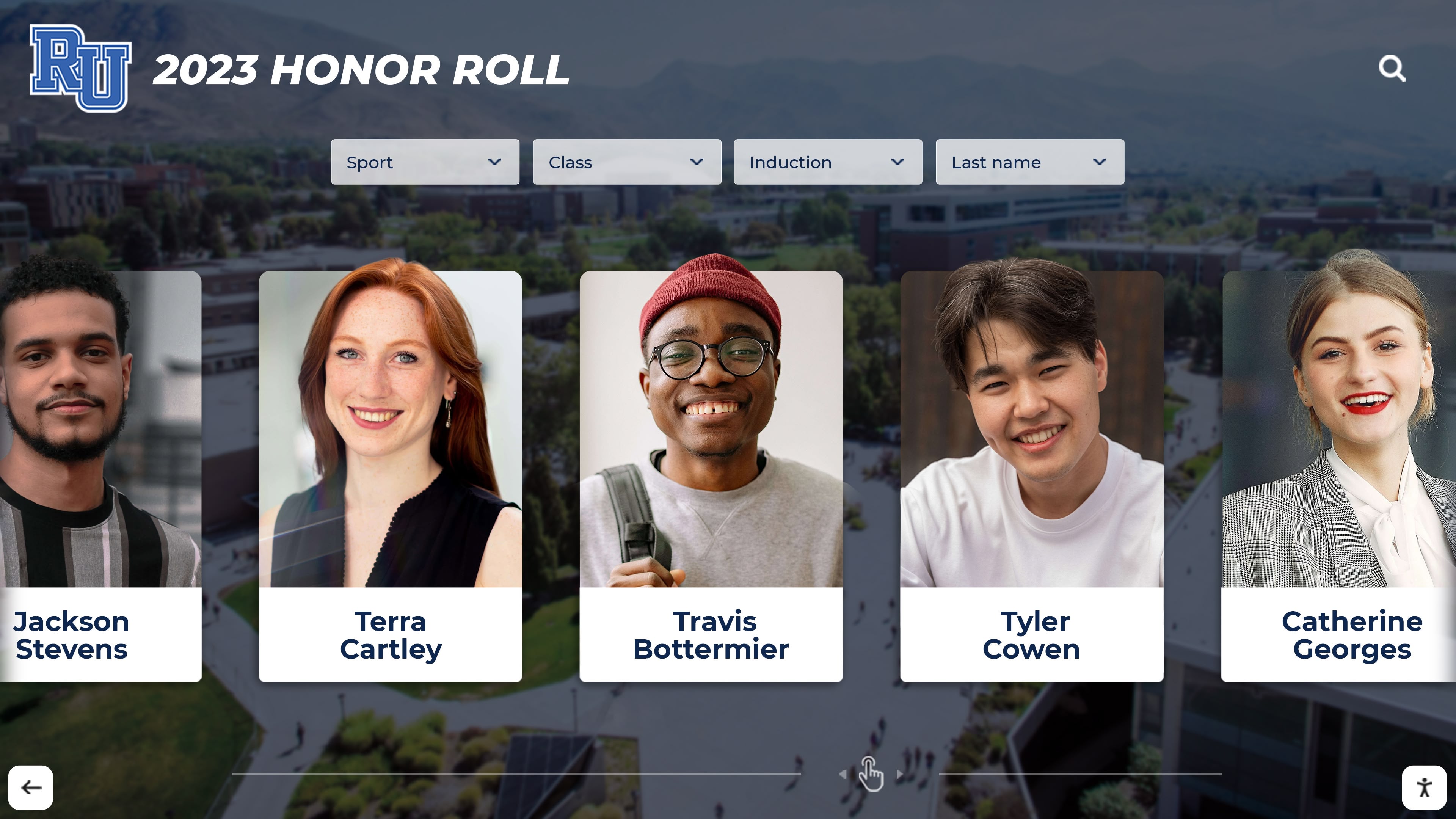
Professional digitization creates accessible archives while protecting fragile original materials from handling damage
Stakeholder Interview Planning
Identify individuals possessing critical institutional memory worth capturing through oral histories:
- Long-serving faculty approaching retirement who witnessed decades of institutional evolution
- Distinguished alumni from various eras representing diverse experiences and perspectives
- Former administrators and presidents who led during significant transitions
- Community partners who observed institutional development from external perspectives
- Founding or early faculty/staff family members who possess inherited knowledge
- Retired coaches, activity advisors, and student life professionals
Systematic oral history projects capture perspectives and contextual information never documented in official records while providing engaging multimedia content enriching timeline presentations.
Phase 2: Timeline Framework Design and Organization
Strategic organizational frameworks ensure coherent presentations serving multiple audience needs rather than confusing information dumps:
Chronological Structure Options
Select appropriate temporal organization matching institutional history length and complexity:
- Decade-Based Organization: Works well for institutions spanning 50-150 years, creating manageable segments highlighting each era’s distinctive character
- Era-Based Organization: Groups related periods reflecting institutional development stages (founding/establishment, growth, modernization, contemporary)
- Presidential/Leadership Tenures: Organizes around administrative leaders who shaped institutional direction
- Hybrid Approaches: Combines chronological progression with thematic overlays enabling multiple navigation pathways
The National Endowment for the Humanities suggests decade-based frameworks for most institutional histories, as they align with how people naturally understand time while preventing overly granular or excessively broad presentations.
Content Category Development
Comprehensive timelines incorporate diverse achievement types ensuring inclusive representation:
- Academic Excellence: Program founding, curricular innovation, research breakthroughs, accreditation achievements, distinguished faculty hires, academic partnerships
- Distinguished Alumni: Professional achievements, public service contributions, entrepreneurial success, creative accomplishments, academic and research distinction
- Athletic Heritage: Championship teams, record-breaking performances, coaching milestones, facility development, athlete professional success
- Performing and Visual Arts: Notable productions, exhibitions, competition successes, distinguished arts faculty, performing spaces development
- Facilities and Infrastructure: Building construction and renovation, campus master planning milestones, architectural significance, technology infrastructure advancement
- Research and Scholarship: Major research initiatives, grant achievements, research center founding, scholarly innovations, partnerships and collaborations
- Community Engagement: Service initiatives, community partnerships, corporate sponsorship and local supporter recognition, regional economic impact
- Cultural and Social Evolution: Diversity milestones, student life evolution, tradition development, significant policy changes, cultural shifts
Balanced category representation prevents athletic or any single achievement type from dominating while demonstrating comprehensive institutional excellence across multiple dimensions.
Inclusion Criteria and Selection Standards
Establish clear criteria determining what merits timeline inclusion ensuring consistency and managing scope:
- Significance thresholds appropriate to institutional size and history length
- Balance between elite achievements and representative experiences
- Diversity requirements ensuring various demographic groups see representation
- Evidence standards requiring verification before inclusion
- Geographic scope for alumni achievement recognition
- Recency guidelines for living alumni (commonly 5-10+ years post-graduation)
Transparent criteria facilitate stakeholder discussions about timeline scope while preventing accusations of bias or favoritism when specific achievements receive or don’t receive inclusion.
Phase 3: Content Creation and Verification
Transform raw historical information into polished, accurate timeline entries:
Historical Research and Fact-Checking
Timeline credibility depends on accuracy requiring systematic verification:
- Cross-reference dates, names, and details across multiple sources
- Confirm alumni names, graduation years, and biographical details
- Verify achievement claims through contemporaneous documentation
- Consult subject matter experts for specialized topics
- Document sources enabling future verification and citation
- Note uncertainty when definitive information cannot be confirmed
- Establish correction processes for identified errors
The American Historical Association emphasizes that institutional histories carry special responsibility for accuracy since they often become authoritative records future researchers consult. Multiple-source verification prevents perpetuating errors while demonstrating scholarly rigor.
Narrative Writing and Storytelling
Effective timeline entries balance factual accuracy with engaging presentation:
- Provide historical context explaining why events mattered
- Include human interest elements making abstract achievements relatable
- Connect individual moments to broader institutional developments
- Use accessible language avoiding unnecessary jargon
- Vary entry length based on significance and available information
- Incorporate quotations from primary sources when available
- Address challenging historical moments honestly with appropriate context
According to research in public history, narrative approaches engaging emotional responses alongside intellectual understanding create deeper connections with historical material than purely factual presentations.
Multimedia Content Development
Rich media creates immersive timeline experiences impossible with text alone:
- High-resolution photograph scanning preserving image quality for large displays
- Historical document digitization making primary sources accessible
- Oral history video recordings capturing personal perspectives
- Historical footage integration when available
- Interactive maps showing campus evolution or geographic connections
- Infographics visualizing enrollment growth, program expansion, or achievement trends
- Audio recordings of significant speeches, performances, or cultural moments
Solutions like Rocket Alumni Solutions provide platforms specifically designed for multimedia timeline presentation, combining user-friendly content management with engaging displays that make institutional history accessible and compelling for diverse audiences.

Interactive touchscreens allow visitors to explore college history through familiar swipe, tap, and search interfaces
Modern Digital Timeline Implementation Approaches
Contemporary technology transforms timeline capabilities while addressing traditional display limitations that constrained previous preservation efforts.
Interactive Touchscreen Timeline Displays
Large-format touchscreen installations bring comprehensive historical content to high-traffic campus locations where students, visitors, alumni, and community members encounter institutional heritage daily:
Unlimited Content Capacity
Digital platforms eliminate the fundamental space constraint plaguing traditional physical displays. Single installations can showcase thousands of individuals, teams, events, and historical moments across all institutional eras without forcing difficult selections about what deserves recognition versus what must be excluded due to physical space limitations.
This unlimited capacity proves particularly valuable for institutions with histories spanning many decades or centuries. Rather than featuring only the most prominent individuals or most significant events within limited trophy case or wall space, comprehensive digital timelines enable inclusive historical preservation ensuring diverse achievements and contributions receive appropriate recognition.
Intuitive Navigation and Exploration
Modern touchscreen systems support active exploration impossible with static displays:
- Chronological Scrolling: Users swipe through decades moving forward or backward through institutional history
- Powerful Search: Find specific individuals, teams, years, or events within massive historical databases instantly
- Category Filtering: View only athletic achievements, academic honors, facility milestones, or other specific types
- Related Content Linking: Click individual profiles accessing team memberships, view championship teams finding athlete profiles, or select specific years displaying all documented achievements from that period
- Zoom and Detail: Examine high-resolution historical photographs, documents, and artifacts in detail
- Featured Content: Curated highlights guide casual browsers to particularly significant or engaging entries
Analytics from institutions implementing digital recognition displays demonstrate that visitors spend 7-12 minutes actively exploring interactive timeline content compared to 30-60 seconds viewing static traditional plaques—engagement depth creating significantly stronger connections with institutional heritage.
Rich Multimedia Integration
Digital timelines incorporate diverse media creating immersive experiences:
- High-resolution historical photograph galleries spanning all eras
- Video oral histories featuring distinguished alumni, longtime faculty, or significant events
- Historical footage from championships, commencements, significant moments
- Scanned historical documents including newspapers, programs, correspondence
- Audio recordings of speeches, performances, or cultural moments
- Interactive campus maps showing facility evolution across decades
- Animated data visualizations demonstrating enrollment growth, program expansion, or achievement trends
This multimedia richness brings history to life in ways traditional plaques or printed materials cannot match, creating emotional connections that strengthen institutional attachment.
Simple Remote Content Management
Cloud-based management platforms eliminate administrative burdens associated with traditional display updates. Designated staff can add new content, correct information, rotate featured individuals, or create special historical exhibits remotely from any internet-connected device without requiring technical expertise or physical hardware access.
Ease of management ensures timeline content remains current. Colleges can immediately incorporate recent milestones, add newly discovered historical materials, or make corrections when community members identify errors. Low friction for updates means recognition displays stay fresh and comprehensive rather than becoming static and outdated.
Integrated displays blend architectural heritage with modern interactive technology for maximum impact
Web-Based Timeline Platforms and Online Archives
Digital timelines accessible through institutional websites extend heritage engagement beyond physical campus boundaries, enabling worldwide access 24/7:
Global Accessibility
Online platforms eliminate geographic and temporal barriers enabling alumni relocated across continents to explore institutional history from their homes. Prospective students research college heritage before visiting campus. Community historians access materials without traveling to physical archives during limited hours. Faculty incorporate institutional history into courses without logistical barriers.
This expanded accessibility dramatically increases heritage engagement. Institutions report 15-30 times more timeline interactions through online platforms compared to physical display visitors—reaching community members who would never access traditional campus-only presentations but eagerly explore digital collections from personal devices.
Social Sharing and Viral Distribution
Web-based timelines enable content sharing exponentially extending institutional visibility:
- One-click sharing of specific timeline entries to Facebook, Twitter, LinkedIn, or other platforms
- Direct URL links to particular individuals, teams, or events for email sharing
- Embed codes enabling timeline content integration into other websites or blogs
- Alumni sharing personal timeline appearances with friends and family
- Social engagement generating impressions far exceeding institutional communication reach
According to research on social media in higher education, user-generated content sharing from personal networks carries significantly greater credibility and engagement than institutional marketing communications, making timeline social sharing particularly valuable for recruitment, reputation, and alumni cultivation.
Crowdsourced Content Contribution
Online platforms can enable community members to actively participate in heritage preservation through user-friendly submission tools:
- Alumni upload historical photographs from personal collections
- Community members share memories related to specific events or eras
- Graduates provide corrections to existing biographical information
- Faculty contribute research materials or program history documentation
- Former staff share institutional knowledge never formally recorded
These collaborative features create richer historical documentation than any single institutional effort could achieve while strengthening community engagement and ownership of heritage preservation efforts.
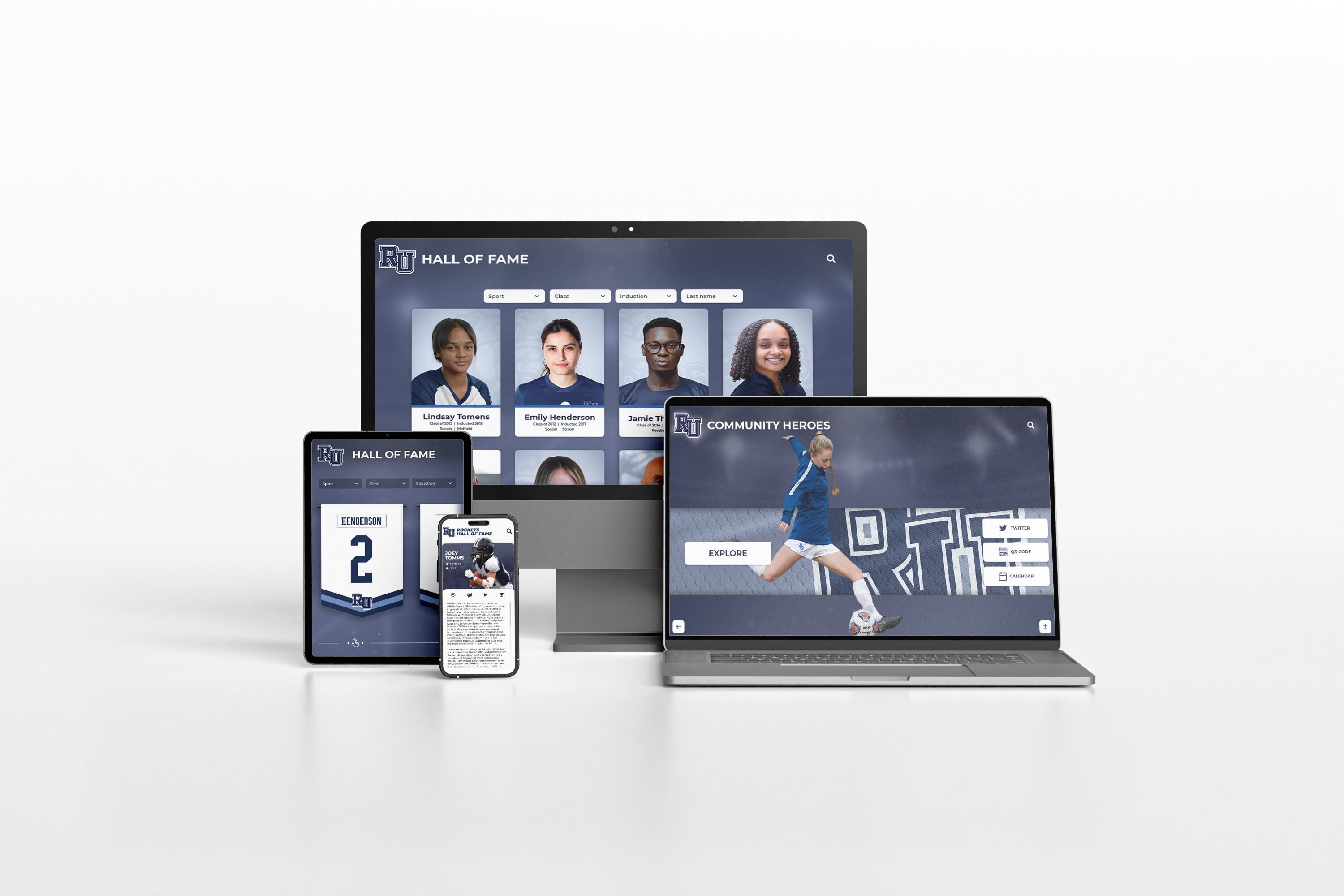
Mobile-responsive timeline platforms ensure optimal experiences on smartphones, tablets, and computers
Hybrid Approaches Combining Physical and Digital Elements
Most effective implementations integrate multiple presentation methods leveraging strengths of both traditional and modern approaches:
QR Code-Enhanced Physical Displays
Physical exhibits featuring QR codes linking to comprehensive online content combine tangible presence with digital depth:
- Trophy cases with codes accessing championship game highlights, team rosters, and season documentation
- Historical photograph displays linking to full galleries and contextual information
- Timeline murals connecting to detailed narratives, multimedia, and related content
- Building plaques linking to construction histories, architectural significance, and evolution documentation
- Minimal cost adding substantial value to existing physical installations
Digital Screens Integrated with Artifacts
Physical artifacts displayed alongside digital storytelling combine authenticity with contextual richness:
- Trophy cases with adjacent touchscreens providing searchable achievement databases
- Historical exhibit spaces featuring artifacts plus digital timelines and narratives
- Athletic facilities integrating physical championships with digital record boards and historical timelines
- Libraries combining special collections artifacts with digital research access
- Campus landmarks with interpretive screens explaining historical significance
These hybrid approaches leverage authenticity and emotional power of physical artifacts while adding search capabilities, comprehensive information, and multimedia richness only digital platforms provide.
Specialized Timeline Applications for Diverse Institutional Needs
While comprehensive institutional timelines serve general audiences, specialized applications address specific stakeholder needs or programmatic focuses:
Academic Program and Department Histories
Individual academic units benefit from focused historical documentation:
Department Founding and Evolution
- Establishment dates and founding faculty who built programs
- Curriculum development showing how offerings evolved
- Program expansions responding to disciplinary advances or student demand
- Accreditation achievements and external recognitions
- Significant curricular innovations or pedagogical approaches developed
Distinguished Faculty Recognition
- Pioneering scholars who established research programs
- Teaching excellence award recipients and beloved educators
- Faculty achieving national or international recognition
- Research milestone achievements and grant successes
- Faculty who assumed leadership roles or broader professional prominence
Alumni Professional Success by Field
- Graduates achieving distinction in specific disciplines
- Career pathways common among program alumni
- Alumni contributions to academic fields or professional practice
- Graduate school and professional program placement success
- Notable employers or career sectors where alumni concentrate
According to the American Council on Education, program-specific histories strengthen departmental identity while supporting recruitment by demonstrating sustained program excellence and successful graduate outcomes.
Athletic Program and Sports Tradition Documentation
Comprehensive athletic heritage timelines honor competitive excellence across all sports:
Championship History
- Conference championship teams with season records and key achievements
- State or national tournament appearances and success
- Individual athlete championships and records
- Coaching milestone achievements including career victories and tenure recognitions
- Rivalry history and memorable competitions defining program identity
Record Progression and Evolution
- Individual and team records with dates and athletes
- Record progression over time showing program development
- Statistical achievements and milestone performances
- Facility records demonstrating home field advantages
- Historical context for current records and achievements
Program Development
- Sport introduction dates expanding athletic offerings
- Facility construction and improvement timelines
- Title IX implementation expanding women’s athletics
- Conference affiliations and competitive level changes
- Training, equipment, and program resource evolution
Learn more about comprehensive approaches to displaying school athletic history that honor sports traditions while engaging current athletes and building program pride.
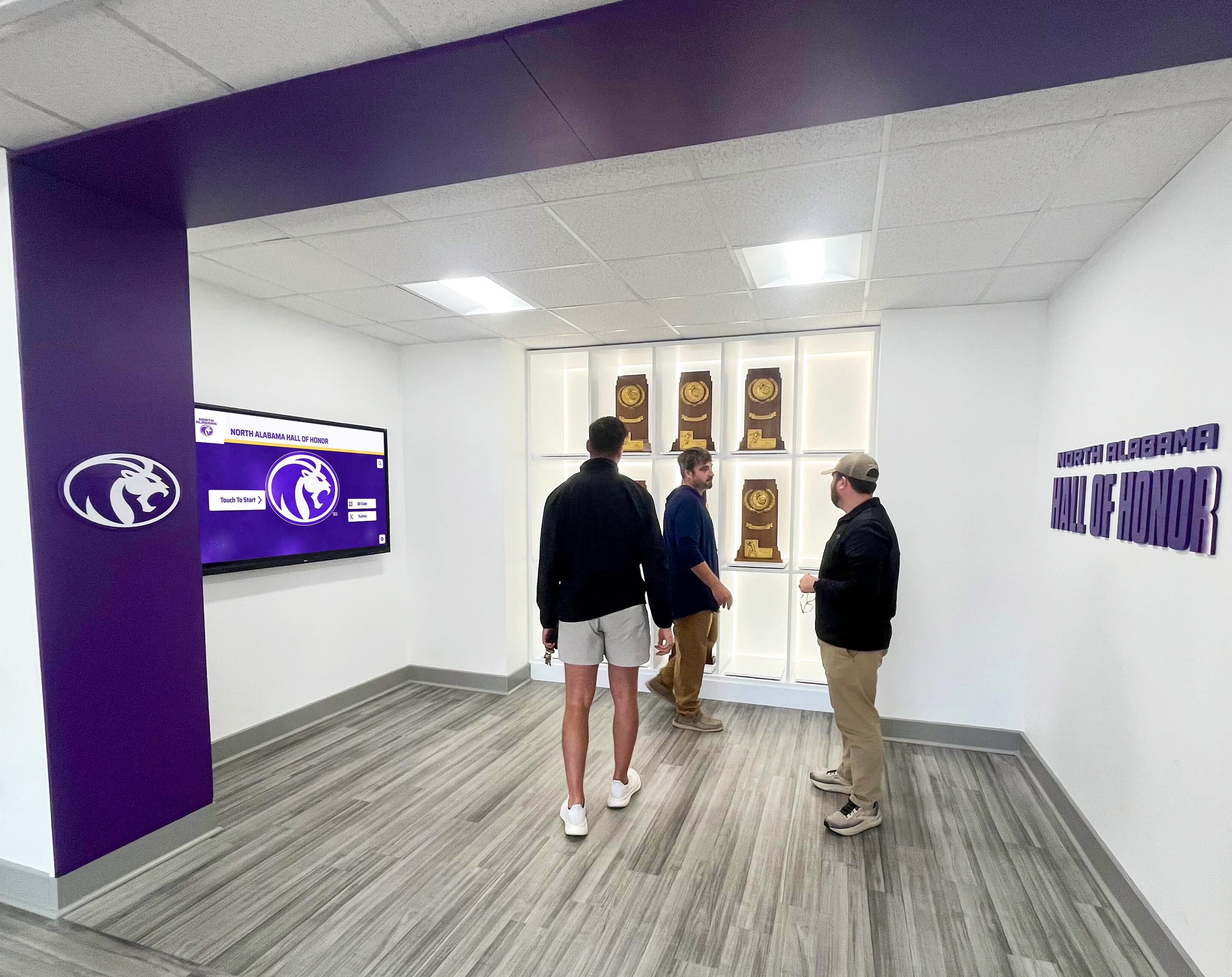
Comprehensive athletic timelines document championships, records, and coaching legacies across all sports
Research and Innovation Timeline Documentation
Research universities benefit from systematic innovation documentation:
Major Research Initiatives
- Significant research projects and their outcomes
- Research center and institute founding
- Major grant awards and funding milestones
- Collaborative research partnerships and consortia
- Technology transfer and commercialization successes
Faculty Research Achievements
- Faculty receiving major awards or honors
- Significant publications and scholarly contributions
- Patent awards and innovation recognition
- Research leading to policy changes or practical applications
- Scholars achieving national or international prominence
Graduate Student and Postdoc Accomplishments
- Dissertation research producing significant impact
- Student and postdoc research awards and recognitions
- Career placements of program graduates
- Student research leading to publications or presentations
- Training program outcomes and alumni success
Diversity, Equity, and Inclusion Milestone Documentation
Contemporary institutions increasingly recognize importance of documenting DEI evolution honestly:
Institutional Integration History
- First students from previously excluded groups
- Policy changes expanding access and opportunity
- Significant demographic milestones in enrollment or faculty
- Responses to civil rights movements and social change
- Cultural center founding and identity-based program development
Multicultural Achievement Recognition
- Distinguished alumni from diverse backgrounds
- Cultural organizations and their contributions
- Heritage month programming and education initiatives
- International student and scholar contributions
- First-generation student success stories and support programs
According to research published by the Association of American Colleges and Universities, comprehensive and honest historical documentation of institutional diversity journeys—including acknowledging past exclusions alongside celebrating progress—strengthens institutional credibility while demonstrating ongoing commitment to equity and inclusion.
Sustainable Timeline Management and Continuous Enhancement
Initial timeline development represents only the beginning—systematic maintenance ensures displays remain accurate, current, and engaging across decades:
Establishing Clear Content Management Responsibilities
Designated Timeline Coordinators
Assign specific staff members with explicit timeline maintenance responsibilities rather than treating it as additional work anyone might address:
- Primary coordinator responsible for overall timeline content and strategy
- Department or unit liaisons contributing specialized content
- Backup coverage ensuring continuity during absences or transitions
- Clear escalation procedures for questions, challenges, or policy decisions
- Documented responsibilities in position descriptions formalizing expectations
Update Workflow Development
Create streamlined processes for incorporating new content and corrections:
- Annual comprehensive review cycles updating biographical information and adding recent milestones
- Real-time processes for significant achievements meriting immediate recognition
- Alumni submission review workflows evaluating community-contributed content
- Correction procedures addressing identified errors promptly
- Approval requirements balancing quality control with administrative efficiency
Training and Succession Planning
Ensure multiple individuals can manage timeline systems:
- Comprehensive training documentation for content management platforms
- Regular training refreshers for infrequently used features
- Cross-training multiple staff members preventing single points of failure
- Succession planning anticipating staff transitions
- Vendor support agreements providing technical assistance when needed
Quality Control and Historical Accuracy Standards
Timeline credibility requires systematic accuracy verification:
Fact-Checking Protocols
- Multiple source verification for all factual claims
- Alumni consultation confirming biographical details before publication
- Cross-referencing yearbooks, newspapers, official records, and external sources
- Dating verification ensuring precision in temporal claims
- Attribution documentation sourcing historical information enabling verification
Regular Content Audits
- Systematic reviews identifying outdated information requiring updates
- Broken link checks ensuring external references remain functional
- Image quality assessments confirming appropriate resolution and presentation
- Balance evaluations ensuring equitable representation across demographics and achievement types
- Accessibility testing confirming compliance with ADA requirements
Community Feedback Integration
- Simple submission processes enabling error reporting or additional information
- Acknowledgment systems thanking contributors and providing status updates
- Response protocols addressing sensitive corrections or controversial claims
- Transparency about correction procedures building community trust
- Regular communication about major timeline enhancements or additions
Continuous Enhancement and Technology Evolution
Successful timelines grow and improve continuously rather than becoming static after initial implementation:
Phased Content Expansion
- Priority identification for underrepresented eras or achievement categories
- Systematic gap-filling as resources permit
- Special projects coinciding with anniversaries or milestones
- Thematic expansions exploring particular topics in depth
- Crowdsourcing campaigns targeting specific content needs
Technology Upgrade Planning
- Hardware refresh cycles as displays age (typically 5-7 years)
- Software updates incorporating new features and capabilities
- Platform migrations if current systems become obsolete
- Emerging technology evaluation (AR/VR, AI, advanced analytics)
- Budget forecasting for ongoing technology investment
Analytics-Informed Improvement
- Usage data analysis identifying popular content and engagement patterns
- Search query review revealing what information visitors seek
- Geographic data showing where timeline audiences originate
- Session duration tracking measuring engagement depth
- A/B testing for presentation approaches and interface designs
According to research in digital humanities, successful institutional timeline projects treat implementation as beginning continuous evolution rather than completing finite projects, enabling timelines to incorporate new historical understanding, technological capabilities, and community needs across decades.
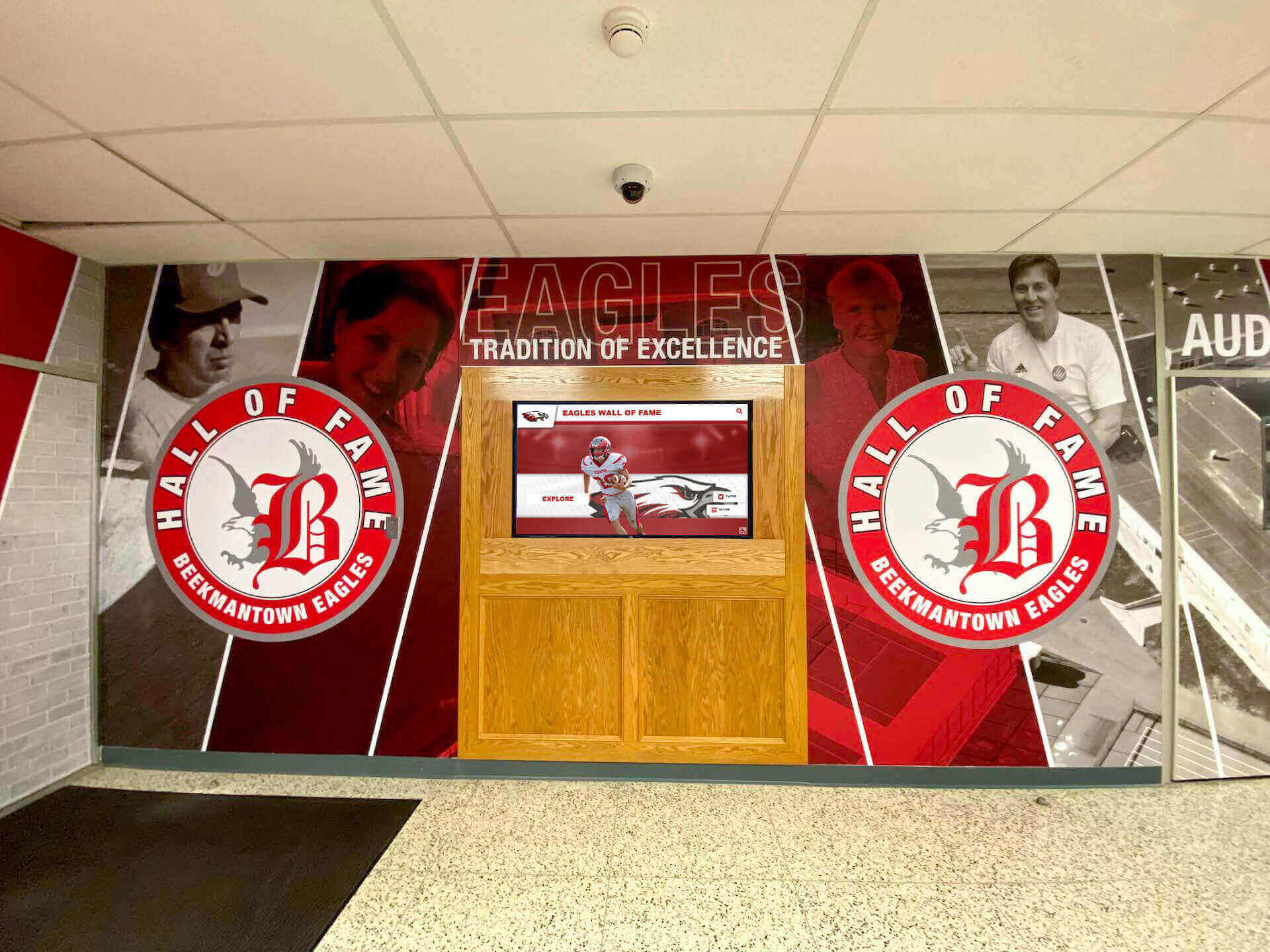
Strategic placement in main entrances ensures maximum visibility for timeline displays celebrating institutional heritage
Measuring Timeline Impact and Demonstrating Value
Regular assessment ensures timeline investments achieve intended goals while providing accountability demonstrating return on investment:
Quantitative Engagement Metrics
Digital Platform Analytics
For online and touchscreen timelines, track:
- Unique visitor counts showing total reach
- Pageviews and interaction frequency indicating engagement levels
- Average session duration revealing depth of engagement
- Search queries demonstrating what information interests visitors
- Most-viewed content identifying particularly compelling entries
- Geographic distribution showing where audiences originate
- Device types revealing how people access content
Physical Display Metrics
For on-campus installations:
- Foot traffic analysis near timeline locations
- Interaction observation studies documenting engagement behaviors
- Tour incorporation frequency during admissions or alumni programming
- Event utilization as focal points during reunions or celebrations
- Photography frequency indicating memorable impact
Qualitative Impact Assessment
Beyond numbers, successful timelines demonstrate meaningful qualitative impacts:
Stakeholder Testimonials
- Student reflections about institutional pride and belonging
- Alumni stories about reconnection through timeline discovery
- Faculty perspectives about educational value for courses or programs
- Donor comments during cultivation conversations
- Prospective student and family feedback during campus visits
Cultural Indicators
- References to timeline content in campus conversations and culture
- Timeline integration into orientation and onboarding programs
- Faculty curricular integration using timeline as teaching resource
- Media coverage highlighting timeline projects or discoveries
- Award nominations or recognitions for heritage preservation work
Advancement Outcomes
While attributing causation proves difficult, development professionals can track:
- Donor comments relating historical connection to giving motivation
- Reunion attendance changes correlated with timeline launches
- Alumni engagement participation rates before and after implementation
- Gift officer reports about timeline use in cultivation strategies
- Heritage-motivated gift designations supporting historical preservation
According to the Council for Advancement and Support of Education, institutions with strong heritage programs and accessible historical resources report measurably higher alumni engagement across multiple dimensions, suggesting timelines contribute to broader institutional advancement goals beyond standalone historical projects.
Conclusion: From Historical Documentation to Living Institutional Memory
Developing comprehensive college history timelines represents far more than archival projects or public relations initiatives—these efforts create living institutional memory systems that honor past achievement while strengthening present community and inspiring future excellence. When colleges systematically document their histories through accessible timeline formats, they demonstrate that every contribution matters, every achievement remains valued, and every participant in campus community belongs to something larger than themselves.
The strategies explored in this guide provide frameworks specifically designed for higher education institutions seeking timeline approaches balancing comprehensive historical documentation with engaging presentation, honoring tradition while remaining relevant to contemporary audiences, and leveraging appropriate technology without abandoning valuable physical artifacts or traditional storytelling methods.
Transform Your College History into an Engaging Interactive Timeline
Discover how digital timeline solutions can help your institution preserve heritage, engage stakeholders, and celebrate educational excellence across generations through intuitive interactive displays and comprehensive web platforms.
Schedule Your Free ConsultationWhether documenting founding histories from the 19th century, preserving mid-century transformation stories, or recognizing contemporary achievements from recent decades, the principles outlined provide comprehensive approaches for creating timelines serving diverse audiences across generations. Institutions can implement phased strategies matching available resources while building toward comprehensive historical documentation that honors past excellence while inspiring continued achievement.
Digital platforms like those offered by Rocket Alumni Solutions make comprehensive timeline implementation achievable through user-friendly content management systems, engaging interactive displays, unlimited capacity for historical content, and professional support ensuring successful long-term outcomes. These solutions enable even resource-limited colleges to maintain sophisticated timeline systems that preserve institutional heritage while building positive, motivating culture where all community members connect meaningfully with educational legacy.
Every college has a story worth preserving. Every milestone deserves recognition. Every student, educator, alumnus, and community member contributes to institutional development in ways meriting acknowledgment within broader historical narratives. When colleges commit to developing comprehensive history timelines, they demonstrate that every contribution matters, every achievement remains valued, and every participant belongs to continuing traditions spanning generations and extending into unlimited futures.
Start documenting your college history timeline today. Your current students will discover their place within larger institutional narratives. Your alumni will find renewed connection through visible recognition of their contributions and era. Your community will take pride in documented excellence across generations. And future community members will benefit from institutional memory preserved and celebrated for their discovery, learning, and inspiration.































