
Reimagining Alumni Recognition for the Digital Age
The way we honor and celebrate alumni achievements has fundamentally changed. Traditional trophy cases and static plaques are giving way to digital alumni hall of fame experiences that transform recognition from passive viewing into active engagement. These interactive systems combine cutting-edge touchscreen technology with compelling storytelling, creating immersive experiences that connect generations, inspire students, and strengthen institutional communities in ways physical displays never could.
The digital alumni hall of fame experience represents a paradigm shift in how educational institutions and organizations showcase achievement. Rather than limiting recognition to what fits on walls or in cases, digital platforms create unlimited space for comprehensive profiles enriched with photos, videos, career narratives, and interactive elements that bring alumni stories to life. Visitors don’t just read about achievements—they explore, discover connections, and engage with institutional history through intuitive touchscreen interfaces that feel natural in today’s technology-driven world.
This comprehensive guide explores every dimension of creating exceptional digital alumni hall of fame experiences. From understanding what makes these systems engaging to implementing features that maximize interaction, measuring impact, and integrating recognition into broader institutional strategies, you’ll discover how modern technology transforms alumni recognition from ceremonial obligation into powerful community-building asset.

Modern digital hall of fame experiences transform how communities discover and celebrate alumni achievements
What Defines an Exceptional Digital Alumni Hall of Fame Experience?
Understanding the elements that distinguish truly engaging digital recognition systems helps institutions create experiences that captivate visitors rather than replicate traditional displays in digital format.
Intuitive Navigation That Invites Exploration
The most successful digital alumni halls of fame feature navigation systems so intuitive that first-time users require no instruction. Touch interactions mirror familiar smartphone and tablet gestures—swiping through profiles, pinching to zoom photos, tapping to navigate categories, and scrolling through timelines. This familiarity eliminates learning curves that create friction in user experiences.
Effective navigation includes multiple discovery paths accommodating different visitor intentions. Someone looking for a specific graduate uses powerful search functionality locating individuals by name, graduation year, location, or achievement. Others prefer browsing through categories—professional fields, decades, geographic regions, or types of accomplishment. Visual timelines allow chronological exploration showing how institutional influence evolved across generations.
Interactive hall of fame systems designed with user experience at their core create experiences that feel effortless, encouraging extended engagement rather than brief glances typical of static displays.
Rich Multimedia Content That Tells Complete Stories
Digital platforms transform alumni recognition from name-and-date listings into comprehensive biographical narratives that reveal the humans behind achievements. High-resolution photographs capture multiple life stages—from graduation portraits to current professional headshots to action shots showing alumni in their element. Video interviews feature graduates reflecting on their journeys, sharing advice for current students, and describing how institutional experiences shaped their trajectories.
Content Elements That Enhance Engagement:
- Professional video interviews with alumni (2-5 minutes)
- Photo galleries showing journey from student to distinguished graduate
- Audio recordings capturing personal reflections and stories
- Digitized historical documents and newspaper articles
- Career timeline visualizations showing progression
- Maps showing where alumni have made impact globally
- Infographics illustrating achievements and contributions
- Social media integration showing current activities
Storytelling Approaches That Resonate:
- Transformation narratives showing growth and development
- Obstacle-overcome stories demonstrating resilience
- Inspiration sources explaining what motivated success
- Institutional connection descriptions showing lasting influence
- Advice for current students from experienced alumni
- Surprise revelations humanizing accomplished individuals
- Community impact stories beyond professional achievement
- Connection webs showing relationships between alumni
These multimedia elements create emotional connections that text-only profiles cannot match. Visitors don’t just learn facts—they experience journeys, understand challenges, and feel inspired by authentic voices sharing real experiences.

Multimedia storytelling brings alumni achievements to life through video, photos, and interactive content
Personalized Discovery That Reveals Meaningful Connections
Advanced digital hall of fame systems enable personalized exploration paths where each visitor creates unique experiences based on their interests and connections. Alumni exploring the system discover classmates, teammates, and acquaintances they haven’t thought about in decades. Current students find graduates working in fields they’re considering, providing real-world career examples and potential mentorship connections.
Intelligent filtering allows visitors to narrow recognition by virtually unlimited criteria—graduation decade, academic major, geographic location, professional field, achievement type, or community involvement area. This functionality transforms general browsing into targeted discovery that reveals personally relevant information rather than requiring visitors to wade through everything.
Social features enhance discovery by highlighting popular profiles, showing recently viewed alumni, and suggesting “you might also enjoy” recommendations based on viewing patterns. These elements create serendipitous encounters where visitors discover fascinating alumni they would never have specifically searched for, expanding their understanding of institutional impact beyond familiar names.
Accessibility Features That Include All Visitors
Exceptional digital experiences ensure recognition remains accessible to everyone regardless of ability. Digital wall of fame accessibility includes physical considerations like ADA-compliant mounting heights and clearance space, along with digital accommodations ensuring inclusive access for visitors with diverse needs.
Comprehensive Accessibility Features
- Visual Accommodations: High-contrast viewing modes, text magnification options, screen reader compatibility, and alternative text for all images
- Auditory Support: Closed captioning for video content, visual alternatives for audio information, and volume control options
- Motor Skill Considerations: Adjustable interaction timers, large touch targets, alternative input methods, and simplified navigation modes
- Cognitive Accommodations: Clear information hierarchy, consistent navigation patterns, guided exploration modes, and reduced distraction options
- Language Options: Multilingual interface support and translation capabilities for diverse communities
- Mobile Accessibility: Responsive web design ensuring full functionality on personal devices for visitors with specific accessibility tools
These features demonstrate institutional commitment to inclusive excellence while ensuring recognition reaches entire communities rather than just those without accessibility needs.
Core Components of Engaging Digital Hall of Fame Experiences
Creating compelling recognition systems requires thoughtful integration of hardware, software, content, and design elements working harmoniously to deliver seamless experiences.
Commercial-Grade Hardware Built for Continuous Operation
Unlike consumer displays designed for occasional home use, digital hall of fame hardware must withstand thousands of interactions weekly while operating continuously for years. Commercial-grade touchscreens feature:
Display Specifications:
- Commercial LCD or LED panels rated for 16-24 hour daily operation
- Industrial-grade touchscreen overlays supporting 60,000+ touch point lifetime
- Anti-glare coatings ensuring visibility in various lighting conditions
- High brightness (400-700 nits) maintaining clarity in daylight environments
- Rugged construction surviving public space use
Installation Configurations:
- Wall-mounted slim profile installations maximizing space efficiency
- Freestanding kiosk designs for high-traffic areas without wall space
- Multi-screen video walls creating dramatic visual impact
- Outdoor-rated enclosures for exterior installations
- ADA-compliant mounting ensuring appropriate access
Display sizes typically range from 43" for individual kiosks to 75"+ for large installations or multi-screen configurations. Choosing appropriate screen sizes depends on viewing distances, content detail, and space constraints.

Commercial-grade hardware ensures reliable operation for engaging digital recognition experiences
Purpose-Built Software Designed for Recognition
While generic content management systems offer flexibility, purpose-built platforms designed specifically for alumni recognition displays provide features and workflows that generic tools cannot match:
Recognition-Specific Capabilities:
- Pre-designed templates optimized for biographical profiles
- Intuitive taxonomy supporting multiple recognition categories
- Powerful search and filtering tailored to alumni discovery
- Automated content scheduling for rotating featured profiles
- Social sharing integration extending recognition beyond physical displays
- Privacy controls managing sensitive information appropriately
- Version history tracking changes over time
- Role-based permissions ensuring appropriate access levels
Content Management Advantages:
Modern platforms feature cloud-based administration enabling content updates from any internet-connected device. Non-technical staff can add new inductees, update existing profiles, upload photos and videos, schedule future content, and modify layouts—all through intuitive drag-and-drop interfaces requiring no coding knowledge.
Bulk import capabilities allow institutions to digitize historical records efficiently, uploading hundreds or thousands of legacy profiles simultaneously rather than entering them individually. This functionality proves particularly valuable when transitioning from traditional physical displays to comprehensive digital systems.
Solutions like Rocket Alumni Solutions provide purpose-built platforms specifically designed for educational recognition needs, offering features and support that generic systems cannot provide.
Compelling Visual Design That Reflects Institutional Identity
Digital hall of fame design should feel like natural extensions of institutional brand rather than generic templates that could belong to any organization. Effective design incorporates:
Brand Integration Elements:
- Institutional color schemes and typography
- Logo and seal incorporation in appropriate contexts
- Campus photography and familiar visual references
- Design language consistent with website and publications
- Custom graphics and icons reflecting organizational personality
User Interface Considerations:
- Clear visual hierarchy directing attention appropriately
- Sufficient white space preventing overwhelming density
- Consistent navigation patterns throughout all sections
- Readability optimized for various viewing distances
- Animation and transitions enhancing rather than distracting
Professional design distinguishes polished institutional recognition from amateur digital signage, creating experiences that reflect organizational quality and attention to detail.
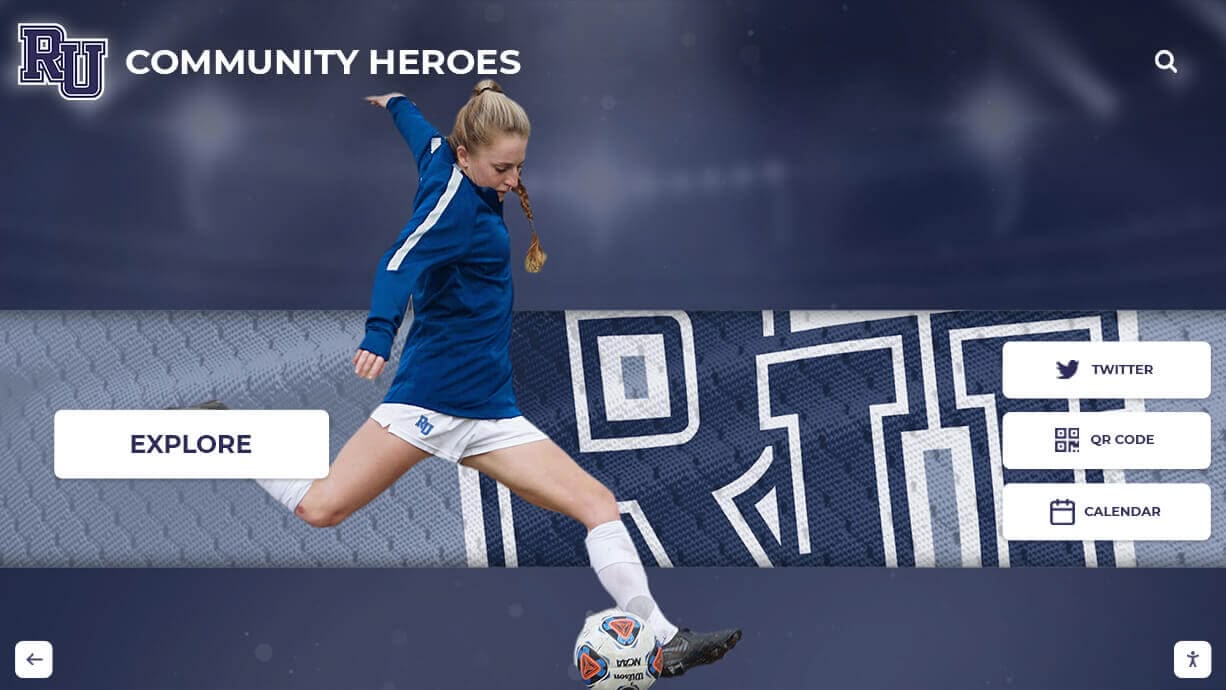
Professional design creates engaging experiences that reflect institutional brand and quality
Creating Content That Captivates and Inspires
Technology enables compelling experiences, but content quality determines whether visitors engage deeply or move on quickly. Exceptional alumni profiles balance comprehensive information with engaging storytelling.
Developing Rich Biographical Profiles
Transform basic biographical data into narratives that reveal complete journeys:
Essential Profile Components:
Factual Information:
- Full name and preferred name
- Graduation year and degree details
- Current professional position
- Career timeline and progression
- Educational background beyond initial degree
- Awards, honors, and recognition received
- Community involvement and service
- Professional affiliations and leadership roles
Narrative Elements:
- Personal journey from student to distinguished graduate
- Formative institutional experiences and influences
- Obstacles overcome and challenges navigated
- Career turning points and pivotal decisions
- Current work description and daily realities
- Advice for current students and emerging professionals
- Institutional connections maintained over time
- Future goals and ongoing aspirations
Writing quality separates forgettable profiles from memorable ones. Use specific, concrete details rather than vague generalities. Instead of “successful entrepreneur,” describe the company founded, problems solved, markets served, and impact created. Specificity makes achievement tangible and believable.
Integrating Multimedia That Enhances Understanding
Video content creates powerful emotional connections impossible with text alone. Short interviews (2-5 minutes optimal) featuring alumni discussing their careers, sharing advice, or reflecting on institutional influence provide authentic voices that resonate with current students considering similar paths.
Video Content Best Practices:
- Keep segments focused on specific topics rather than attempting comprehensive coverage
- Professional production isn’t essential—authentic, well-lit smartphone videos often resonate more than overly polished content
- Include multiple segments allowing visitors to choose topics they find most interesting
- Add closed captions ensuring accessibility and enabling viewing in sound-sensitive environments
- Archive complete interviews for future content repurposing and historical preservation
Photo galleries showing alumni throughout different life stages—from student photos to graduation day to current professional settings—create visual narratives documenting transformation from student to accomplished graduate. Multiple images humanize subjects while providing variety that single profile pictures cannot.
Historical document digitization adds depth and authenticity. Scanned diplomas, newspaper clippings, award certificates, handwritten letters, and original research papers provide tangible evidence of achievement while creating connections to institutional history that resonate emotionally.

Historical content integration creates rich narratives connecting past achievements with present celebration
Maintaining Content Currency Through Ongoing Updates
Static content grows stale rapidly, diminishing engagement and reducing recognition value. Sustainable hall of fame experiences require processes ensuring profiles remain current:
Update Strategies:
- Annual Profile Reviews: Systematic cycle contacting living alumni requesting career updates, new achievements, or changed information
- Achievement Monitoring: Track alumni receiving awards, promotions, or recognition that merit profile updates
- Alumni Submission Portals: Enable graduates to submit updates independently when they achieve new milestones
- Social Media Monitoring: Appropriate tracking of alumni accounts identifying newsworthy developments
- News Aggregation: Set up alerts for alumni names appearing in media coverage
- Reunion Opportunities: Use reunion events to gather updated information and new photographs
- Scheduled Content Rotation: Feature different profiles prominently on rotating basis maintaining fresh first impressions
Modern content management systems make updates straightforward, enabling designated staff to maintain currency without extensive time investments typical of physical display modifications.
Maximizing Engagement Through Strategic Implementation
Hardware and content create potential, but strategic implementation determines whether digital halls of fame become beloved institutional assets or underutilized installations.
Optimal Placement for Maximum Visibility
Location significantly impacts engagement frequency and audience reach. Ideal placements feature:
Location Characteristics:
- High foot traffic from diverse constituencies (students, alumni, visitors, community members)
- Appropriate dwell time allowing extended interaction rather than rushed passing
- Comfortable viewing environment with appropriate lighting and minimal glare
- Sufficient space for multiple simultaneous users without crowding
- Proximity to related attractions (trophy cases, historical displays, donor recognition)
- Accessibility from main campus routes and during guided tours
- Visibility from distance attracting attention from passersby
Common high-value locations include main building entrances and lobbies, athletic facility corridors, library common areas, student center gathering spaces, alumni center reception areas, and administrative building public areas.
Consider creating multiple recognition displays in different locations featuring category-specific content rather than centralizing all recognition in single location. Athletic achievements in gymnasium, academic excellence in library, arts recognition in performing arts center, and comprehensive coverage in main administrative building distribute recognition throughout campus while serving audiences in contextually relevant locations.

Strategic placement in high-traffic areas maximizes engagement and community visibility
Integrating Web Access for Global Reach
Physical displays limit engagement to campus visitors, but web accessibility extends recognition globally, dramatically expanding impact and engagement opportunities. Alumni engagement through interactive displays multiplies when recognition becomes accessible anywhere, anytime.
Web Platform Advantages:
- Geographic Independence: Alumni anywhere in the world explore recognition without visiting campus physically
- Permanent Accessibility: 24/7 availability rather than limited to building hours and campus access
- Social Sharing Integration: One-click sharing of individual profiles to social media platforms amplifying recognition reach
- Email Notification Campaigns: Alert alumni when new inductees from their class or cohort are recognized
- Event Integration: Feature hall of fame prominently during virtual events, online fundraising campaigns, and digital communications
- Search Engine Discovery: Alumni searching for classmates or institutions may discover hall of fame through web searches
- Mobile Optimization: Responsive design ensures perfect functionality on smartphones and tablets used for most web browsing
- Analytics and Insights: Track which profiles generate most interest, when alumni engage, and what content resonates
Data from institutions with both physical and web access typically shows 60-75% of total engagement occurs through web platforms, with geographically distant alumni particularly active users. This extended reach transforms recognition from campus-only experience into global engagement tool.
Promoting Discovery Through Strategic Marketing
Even exceptional experiences require active promotion ensuring target audiences know they exist and understand their value:
Launch Promotion Strategies:
- Unveiling Events: Coordinate launches with homecoming, major athletic events, or anniversary celebrations maximizing attendance
- Press Coverage: Engage local media and alumni publications for feature stories about recognition program
- Social Media Campaigns: Multi-week campaigns building anticipation, highlighting featured alumni, and encouraging exploration
- Email Announcements: Targeted communications to all alumni announcing availability with direct access links
- Website Prominence: Feature hall of fame prominently on homepage and main navigation rather than burying in site architecture
- Campus Tour Integration: Incorporate physical displays into admissions tours and new student orientations
- Signage and Wayfinding: Install directional signage ensuring visitors can locate physical installations
Sustained Visibility Tactics:
Recognition programs require ongoing promotion maintaining awareness beyond initial launches:
- Monthly featured alumni spotlights in newsletters and social media
- Annual induction ceremonies creating recurring promotional opportunities
- Integration into reunion programming and alumni event invitations
- Student orientation sessions introducing new students to institutional legacy
- Faculty mentions during appropriate class discussions
- Development team utilization during donor cultivation and stewardship
- Community event promotion highlighting recognition program availability
Sustained promotion establishes halls of fame as enduring institutional priorities rather than temporary initiatives that fade after initial enthusiasm wanes.

Launch events and sustained promotion build awareness and drive ongoing engagement
Measuring Impact and Demonstrating Value
Quantitative and qualitative assessment demonstrates program value to stakeholders while identifying opportunities for continuous improvement.
Key Performance Indicators for Digital Recognition
Track metrics that reveal both engagement levels and broader institutional impact:
Engagement Metrics:
- Physical Display Interactions: Session counts, average duration, profiles viewed per session, return visitor rates
- Web Platform Analytics: Unique visitors, page views, session duration, bounce rates, device types, geographic distribution
- Search Patterns: Most frequently searched names, popular filter combinations, discovery pathways through content
- Content Performance: Most viewed profiles, highest engagement content types (video vs. text), sharing frequency
- Time-Based Patterns: Peak usage times, seasonal variations, event-driven spikes
Impact Indicators:
Beyond raw engagement numbers, assess broader institutional effects:
- Alumni Giving Changes: Participation rates and average gift sizes before and after recognition
- Event Attendance: Reunion participation and alumni program engagement trends
- Nomination Volume: Number and quality of hall of fame nominations submitted annually
- Student Impact: Survey data on career inspiration and institutional pride
- Media Mentions: Press coverage frequency and sentiment regarding recognition program
- Community Awareness: Recognition and reputation assessments in constituent surveys
Modern platforms provide detailed analytics dashboards making measuring digital hall of fame success straightforward through automated reporting and visualization tools.
Calculating Return on Investment
Demonstrate financial value by comparing costs against measurable benefits:
Cost Components:
- Initial hardware and software acquisition
- Installation and implementation services
- Content development for initial population
- Staff time for ongoing content management
- Annual software licensing or maintenance
- Periodic hardware refresh (typically 6-8 year cycles)
Quantifiable Benefits:
- Space Efficiency: Square footage freed from physical displays repurposed for revenue-generating activities
- Administrative Efficiency: Staff time saved on recognition program management compared to traditional approaches
- Print Cost Elimination: Reduction in physical plaque, frame, and engraving expenses
- Alumni Engagement Lift: Increased giving, volunteer participation, and event attendance attributable to recognition
- Marketing Value: Equivalent advertising value of media coverage and social media impressions generated
- Recruitment Impact: Prospective student conversions influenced by demonstrated graduate success
Most institutions implementing comprehensive digital recognition systems document positive ROI within 3-5 years when accounting for both direct cost savings and engagement-driven benefits.
Overcoming Common Implementation Challenges
Institutions creating digital hall of fame experiences encounter predictable obstacles requiring proactive strategies:
Addressing Technology Resistance
Some stakeholders prefer traditional approaches, viewing digital recognition as impersonal or inappropriate. Address concerns through:
- Demonstration Experiences: Arrange visits to institutions with successful implementations or provide hands-on interaction with demo systems
- Hybrid Approaches: Combine select traditional elements with comprehensive digital systems honoring preferences while expanding capacity
- Stakeholder Involvement: Include skeptics in planning committees ensuring their concerns are heard and addressed appropriately
- Success Stories: Share data and testimonials from similar institutions documenting positive outcomes and community responses
Resistance typically diminishes when stakeholders experience well-designed systems firsthand rather than imagining generic digital signage.
Managing Content Development Workload
Creating comprehensive profiles for hundreds or thousands of alumni feels overwhelming. Manage workload through:
Phased Implementation:
- Launch with carefully curated initial cohort (50-100 profiles) demonstrating quality over attempting complete historical coverage immediately
- Expand systematically over 2-3 years as resources allow and processes mature
- Prioritize most distinguished alumni and recent inductees for initial phases
Distributed Responsibility:
- Assign profile development to advancement staff, communications teams, student workers, or volunteer alumni
- Develop clear templates and style guides ensuring consistency despite multiple contributors
- Implement quality review processes catching errors before publication
Alumni Contributions:
- Create submission portals allowing alumni to provide information directly rather than staff researching everything
- Request specific materials (biography, photos, videos) rather than vague “send what you have” requests
- Build ongoing update processes into alumni engagement strategies rather than treating as one-time effort
Ensuring Long-Term Sustainability
Programs beginning with enthusiasm sometimes fade due to resource constraints or changing priorities. Ensure sustainability through:
- Institutional Integration: Embed recognition program management into permanent job descriptions rather than treating as temporary project
- Endowed Funding: Establish dedicated endowments for ongoing operation and eventual hardware replacement
- Training Documentation: Create comprehensive guides enabling smooth transitions when staff changes occur
- Annual Assessment: Regular reviews documenting value and identifying needed adjustments
- Stakeholder Engagement: Maintain active advisory committees providing ongoing strategic guidance and community connection

Sustainable implementation ensures recognition programs deliver value for decades, not just initial years
Future Trends Shaping Digital Recognition Experiences
Recognition technology continues evolving rapidly, creating new engagement possibilities institutions should monitor:
Artificial Intelligence and Personalization
AI enables increasingly sophisticated personalization matching content to individual visitor interests. Systems can recommend profiles based on viewing patterns, highlight connections between visitors and featured alumni through shared characteristics, generate automated biography summaries from source materials, and identify content gaps suggesting needed profile enhancements.
Augmented Reality Integration
AR technology allows smartphone apps to unlock additional digital content layers when pointed at physical spaces. Visitors can discover virtual displays in hallways that appear empty, see historical photos overlaid on current campus locations, and access comprehensive digital profiles by scanning physical plaques or photos. AR bridges traditional and modern recognition approaches.
Voice Interaction and Accessibility
Voice-controlled navigation through alumni profiles enables hands-free exploration particularly valuable for accessibility. Natural language queries like “show me alumni working in healthcare” or “find graduates from the 1980s” simplify discovery compared to menu-based navigation.
Virtual Reality Campus Experiences
VR creates immersive digital school tours where prospective students and distant alumni explore recognition galleries as if physically present. This technology proves particularly valuable for institutions with geographically distributed constituencies unable to visit regularly.
Social Connection Platforms
Enhanced integration between recognition systems and networking platforms enables direct alumni-to-alumni connection facilitated through hall of fame discovery. Current students finding alumni in fields they’re exploring can initiate mentorship conversations directly through integrated messaging, transforming recognition from passive showcase into active networking tool.
Ready to Transform Your Alumni Recognition Experience?
Discover how Rocket Alumni Solutions creates engaging digital hall of fame experiences that honor achievement while strengthening community connections through interactive technology designed specifically for educational institutions.
Explore Digital Recognition SolutionsSpecial Considerations for Different Institution Types
While core principles apply broadly, different institutional contexts require specific adaptations:
K-12 Schools and High Schools
High school alumni hall of fame displays often emphasize local and regional impact alongside national achievement, feature strong athletic components reflecting sports’ importance in secondary education, integrate with reunion planning for natural induction timing, and face tighter budget constraints requiring creative funding approaches.
Smaller graduating classes mean fewer potential inductees, leading some high schools to recognize 2-4 alumni annually rather than larger cohorts. Digital systems prove particularly valuable for secondary institutions because unlimited capacity ensures every deserving graduate eventually receives recognition despite limited annual additions.
Colleges and Universities
Higher education institutions commonly maintain separate athletic and general alumni recognition programs, organize by academic school or college within larger universities, coordinate with major fundraising campaigns leveraging recognition as cultivation tool, integrate with alumni weekend programming and reunion schedules, and access larger development operations for funding and promotional support.
Universities may create college-specific or department-specific recognition supplementing institution-wide halls of fame, ensuring specialized achievement receives appropriate acknowledgment within relevant communities while maintaining comprehensive university-wide celebration.
Professional Organizations and Associations
Association halls of fame typically focus on career contribution to the profession or industry rather than just educational credentials, may recognize members who didn’t necessarily complete formal education programs, coordinate recognition with annual conferences creating natural ceremonial opportunities, and often secure corporate sponsorships more readily than educational institutions.
Membership organizations frequently use recognition programs to reinforce professional standards and aspirational excellence within fields, positioning hall of fame as pinnacle achievement motivating career-long excellence.
Conclusion: Creating Digital Experiences That Connect and Inspire
The shift from traditional physical displays to interactive digital alumni hall of fame experiences represents more than technological upgrade—it’s fundamental transformation in how institutions honor achievement while strengthening community bonds. Digital recognition eliminates spatial constraints that forced difficult choices about what to display and what to hide away. Multimedia capabilities enable storytelling that reveals complete journeys rather than reducing accomplished lives to engraved name plates. Web accessibility extends recognition globally, transforming campus-only displays into engagement tools reaching alumni anywhere in the world.
Most importantly, digital experiences transform recognition from passive observance into active discovery. Visitors don’t just view predetermined sequences—they explore based on their interests, uncover unexpected connections, and engage with content in personally meaningful ways impossible with static physical displays.
Creating exceptional digital alumni hall of fame experiences requires thoughtful attention to user experience design, compelling content development, strategic implementation, sustained promotion, and ongoing management. Institutions that invest appropriately in these dimensions create recognition programs delivering profound returns across multiple objectives—inspiring current students through tangible examples of possibility, engaging alumni through meaningful acknowledgment of achievement, strengthening institutional reputation through demonstration of graduate success, preserving organizational history for future generations, and building community pride through collective celebration of shared excellence.
For organizations ready to create or modernize alumni recognition programs, solutions from specialized providers like Rocket Alumni Solutions offer purpose-built platforms designed specifically for recognition needs. These specialized systems eliminate compromises required when adapting generic tools while providing comprehensive implementation support ensuring successful deployment.
The digital alumni hall of fame experience represents the future of institutional recognition—honoring individual achievement while creating community connections that strengthen institutions for generations to come. By embracing interactive technology thoughtfully and strategically, schools and organizations transform recognition from ceremonial obligation into powerful tool for inspiration, engagement, and lasting legacy celebration.























