Every school, college, and university possesses irreplaceable historical treasures—decades of yearbooks documenting student life, photographs capturing defining moments, athletic records chronicling championships, academic achievements spanning generations, and institutional documents telling the story of organizational evolution. Yet countless educational institutions struggle with a critical challenge: these precious materials sit in storage rooms, deteriorate in filing cabinets, or remain accessible only to those who physically visit campus.
Digital archives for schools, colleges, and universities transform scattered historical collections into organized, accessible, and engaging resources that serve students, alumni, researchers, and communities. This comprehensive guide explores implementation strategies, technology platforms, preservation best practices, and practical steps educational institutions can take to digitize their heritage while creating interactive systems that bring history to life for contemporary audiences.
The transition from physical archives to digital systems represents far more than simply scanning old documents. Modern educational digital archives combine preservation technology, content management platforms, interactive displays, and engagement tools that make institutional history discoverable, shareable, and valuable for multiple stakeholders—from genealogists researching family histories to alumni reconnecting with memories to advancement offices strengthening donor relationships through historical storytelling.

Interactive digital archives transform static collections into dynamic community resources
Understanding the Digital Archive Landscape for Educational Institutions
Educational institutions face unique archival challenges distinct from corporate or government records management. Schools accumulate diverse materials—yearbooks, student newspapers, athletic programs, commencement bulletins, administrative records, photographs, and memorabilia—that collectively tell institutional stories while serving varied constituencies with different access needs and usage expectations.
The Current State of Educational Archives
Most schools, colleges, and universities maintain historical materials through inconsistent systems developed organically over decades:
Physical Storage Limitations
Traditional archival approaches create significant constraints:
- Yearbooks and publications occupy valuable storage space that grows annually
- Photographs and documents deteriorate despite best preservation efforts
- Access requires physical presence, limiting usage to campus visitors
- Organization systems vary by department or administrator
- Duplicate materials exist across multiple locations without coordination
- Climate control and preservation require ongoing facility investments
- Fire, flood, or other disasters threaten irreplaceable materials
According to EdTech Magazine, universities increasingly recognize these limitations, with many now transitioning historical collections to cloud-based digital systems that eliminate physical infrastructure concerns while improving accessibility.
Accessibility Challenges
Physical archives create barriers to usage:
- Alumni living distant from campus cannot easily access materials
- Researchers must schedule visits during limited hours
- Browsing physical collections requires time-intensive manual searching
- Fragile materials need protective handling that slows access
- Sharing discoveries involves photographing or copying documents
- No search capabilities exist beyond manual browsing or card catalogs
Digital archives eliminate these constraints, making materials instantly accessible to anyone with internet connectivity regardless of geographic location or time zone.
Organizational Inconsistencies
Many institutions struggle with systematic organization:
- Different departments maintain separate collections using varied systems
- Metadata standards differ across materials and timeframes
- Naming conventions lack consistency
- Cross-referencing related materials proves difficult
- Historical context gets lost as knowledgeable staff retire
- New administrators struggle to understand existing organization
Comprehensive digital archive platforms establish consistent organizational frameworks ensuring all materials follow unified classification systems that facilitate discovery and preserve institutional knowledge.
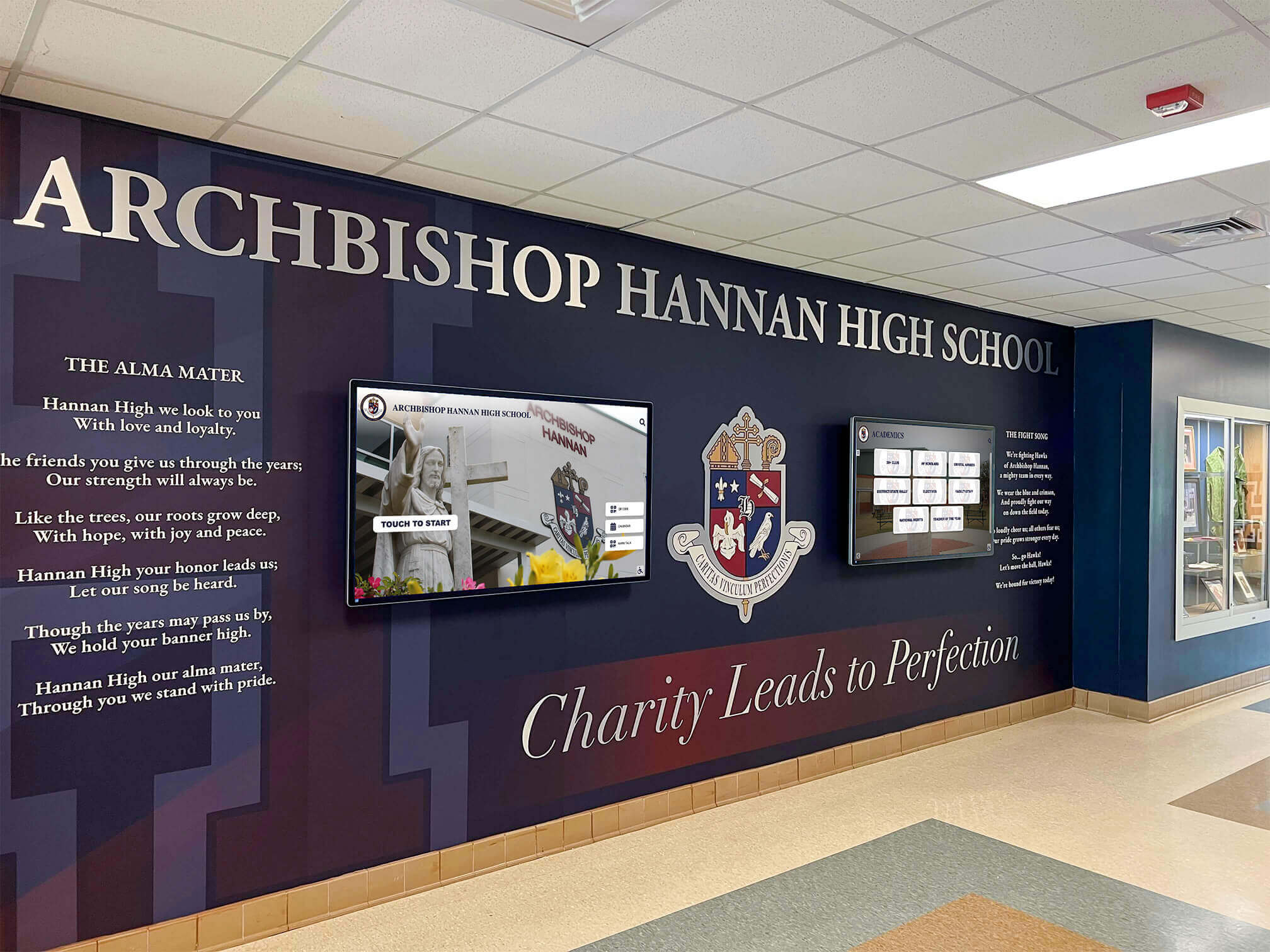
Systematic digital organization transforms chaotic collections into coherent institutional narratives
The Growing Value of Educational Digital Archives
Multiple trends increase the importance of accessible institutional archives:
Alumni Engagement Imperative
Educational institutions recognize alumni relationships extend throughout lifetimes:
- Digital archives enable alumni to reconnect with school memories regardless of location
- Shared historical content strengthens emotional connections to institutions
- Nostalgic engagement supports advancement goals and giving campaigns
- Alumni recognition programs leverage historical archives to celebrate graduate achievements
- Class reunion planning benefits from accessible yearbooks and photographs
Research indicates that alumni who regularly engage with institutional content, including historical archives, demonstrate significantly higher giving rates and volunteer participation compared to those with minimal connection.
Genealogical and Historical Research Demand
Yearbooks and school records serve increasingly important roles beyond institutional purposes:
- Genealogists seek school photographs and records for family history research
- Local historical societies document community evolution through educational institutions
- Journalists research historical context for contemporary stories
- Academic researchers study educational history and social development
- Veterans organizations locate service members through school records
- Adoption searches and family reunification efforts utilize yearbook photography
According to Advantage Archives, digitized yearbooks have become valuable resources for genealogists, local historical preservation societies, media outlets, and cultural organizations of all sizes.
Institutional Memory Preservation
Organizations lose valuable knowledge as experienced personnel retire:
- Historical timelines document institutional evolution and decision-making context
- Archival materials preserve traditions, policies, and cultural elements
- Facility documentation shows campus development over decades
- Administrative records provide precedents for current challenges
- Athletics and academic achievements establish legacy and pride
Digital archives ensure institutional memory survives personnel transitions, creating permanent organizational knowledge bases that inform strategic planning and maintain cultural continuity.
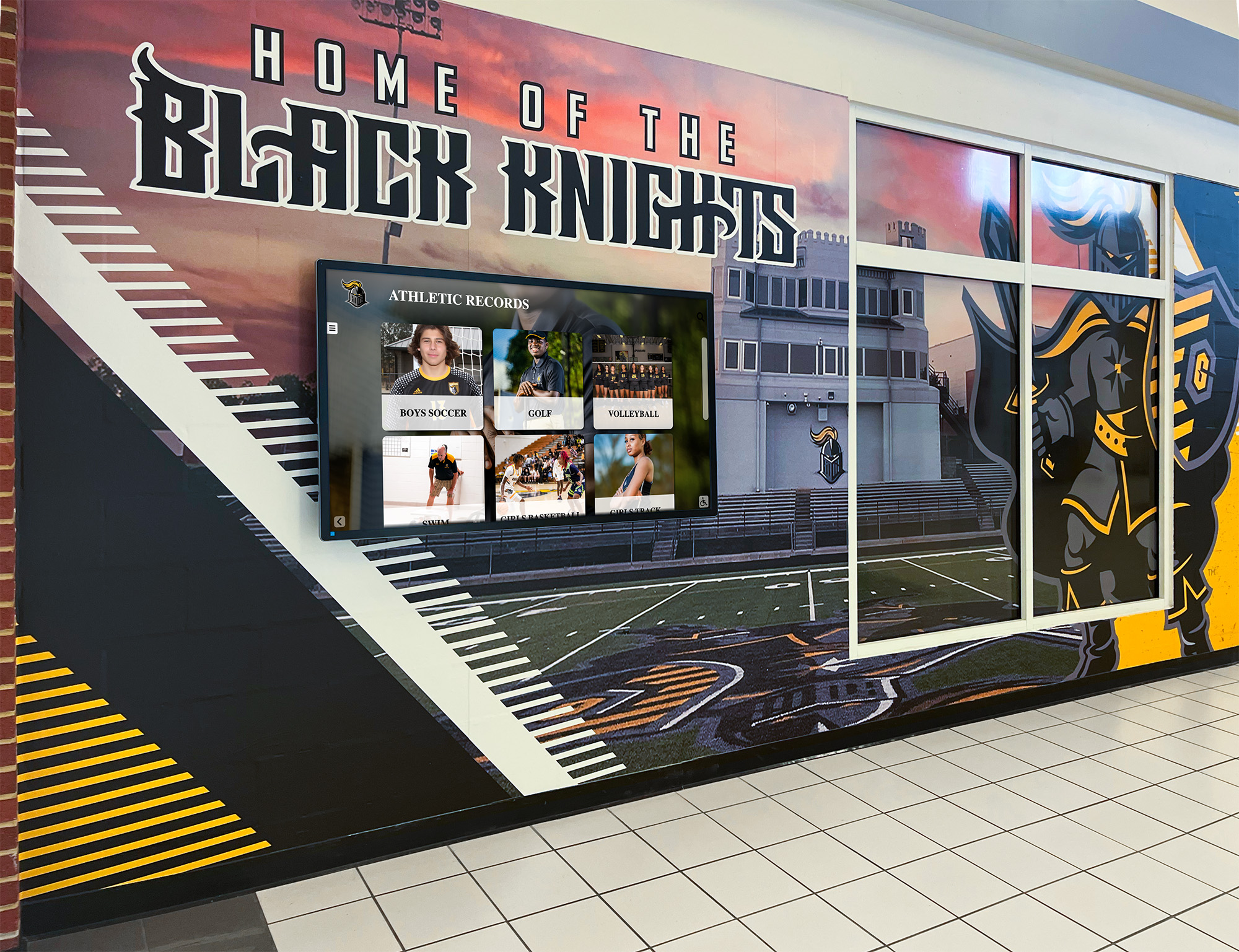
Comprehensive archives ensure valuable institutional knowledge survives personnel transitions
Core Benefits of Digital Archive Systems for Educational Institutions
Modern digital archive platforms deliver measurable advantages justifying implementation investments:
Permanent Preservation and Protection
Digital archiving fundamentally addresses deterioration challenges:
Material Longevity
Physical materials inevitably degrade:
- Paper yellows, becomes brittle, and tears with handling
- Photographs fade and deteriorate from light exposure
- Binding adhesives fail causing yearbook pages to separate
- Newsprint becomes increasingly fragile over decades
- Environmental factors accelerate deterioration despite climate control
Digital formats eliminate physical degradation. Files stored with appropriate redundancy and migration protocols last indefinitely without quality loss. According to Pagefreezer, digital archiving protects valuable historical records from physical deterioration while ensuring permanent preservation.
Disaster Recovery
Physical collections remain vulnerable:
- Fire can destroy irreplaceable materials within minutes
- Water damage from floods or plumbing failures ruins paper documents
- Theft or vandalism permanently removes materials
- Natural disasters threaten entire archives
- Single-location storage creates single points of failure
Digital archives with cloud storage and geographic redundancy ensure materials survive any local disaster. Multiple backup locations mean institutional history remains secure regardless of campus incidents.
Usage Without Wear
Traditional archives face impossible tradeoffs between access and preservation:
- Frequent handling accelerates deterioration of popular materials
- Fragile items require restricted access despite high research value
- Reproductions protect originals but sacrifice quality
- Archives must balance preservation with accessibility missions
Digital systems eliminate this conflict—unlimited users can simultaneously access materials without any degradation, democratizing access while ensuring perfect preservation.
Universal Accessibility and Discovery
Digital platforms transform who can use archives and how they find information:
Geographic Independence
Physical archives limit usage to campus visitors:
- Alumni relocated worldwide cannot access materials
- Researchers must travel to institutions regardless of distance
- Student projects require physical campus presence for archival research
- Community members face access barriers without campus connections
Digital archives enable worldwide access through any internet-connected device, dramatically expanding usage and impact. Historical photos and archives become accessible to global audiences rather than campus-only resources.
Powerful Search Capabilities
Manual browsing creates discovery barriers:
- Finding specific individuals in physical yearbooks requires examining every page
- Locating documents about particular events means checking multiple sources
- Cross-referencing related materials demands extensive time and knowledge
- Researchers might miss relevant materials due to unexpected classifications
Modern digital archives incorporate optical character recognition (OCR) making all text searchable. Users instantly locate every mention of individuals, events, or topics across decades of materials that would require weeks to manually search.
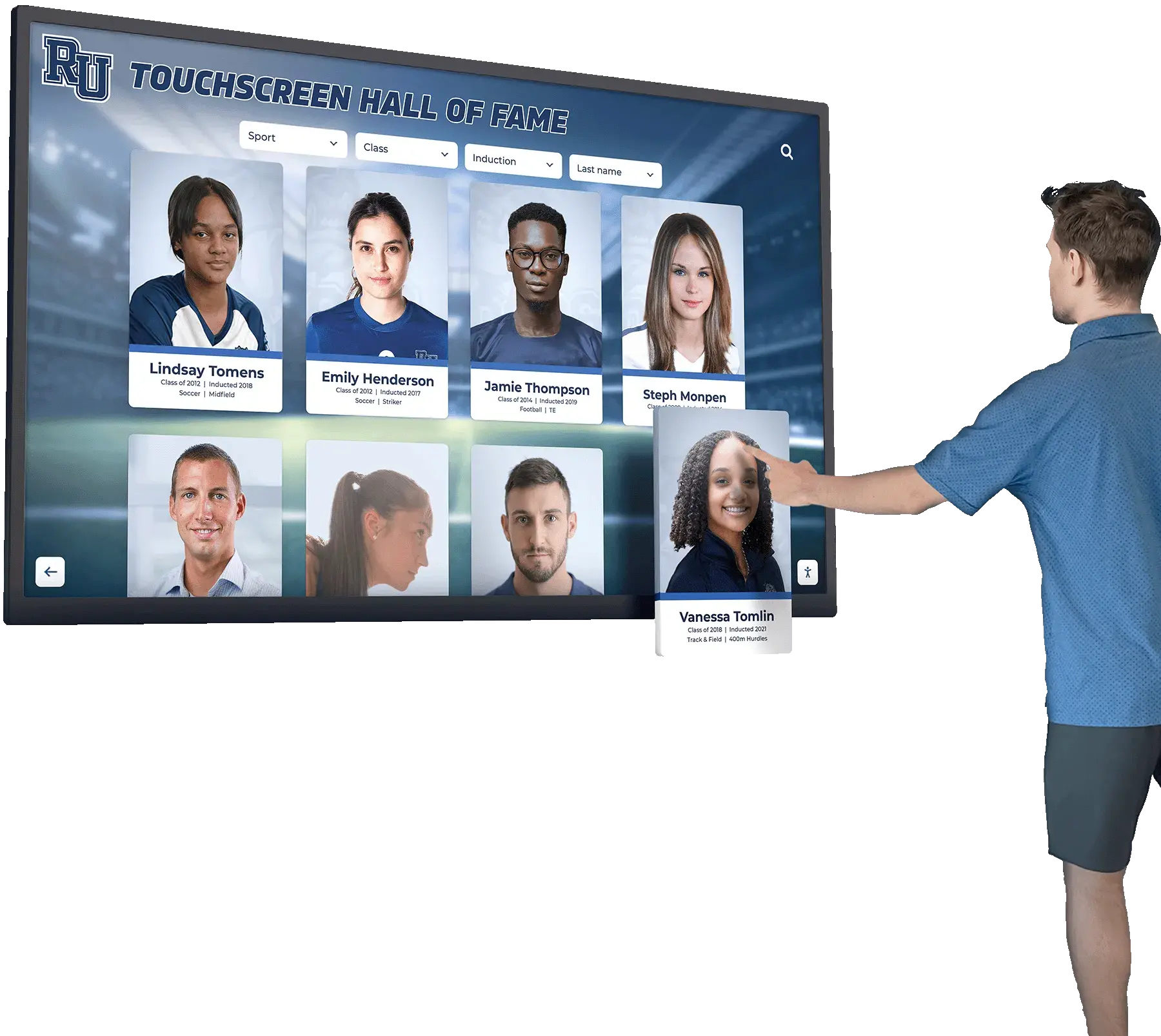
Powerful search tools enable users to instantly locate specific content across decades of materials
Enhanced Discovery Features
Beyond basic search, advanced systems provide:
- Faceted filtering by year, category, person, or event
- Related content recommendations connecting associated materials
- Timeline navigation showing historical progression chronologically
- Visual browsing through thumbnail galleries
- Tag-based exploration grouping thematically related items
- Saved searches for repeated queries
- Social sharing enabling users to highlight discoveries
These features create serendipitous discovery experiences where users encounter unexpected connections and materials they wouldn’t have found through targeted searching alone.
Space Reclamation and Operational Efficiency
Digital transformation delivers tangible operational benefits:
Physical Space Recovery
Archives consume valuable real estate:
- Yearbook collections occupy hundreds of linear feet of shelving
- Photograph storage requires climate-controlled cabinet space
- Document filing systems fill entire rooms
- Growing collections demand ongoing space allocation
- Premium campus space could serve higher-value purposes
According to digital document management research, universities using digital systems dramatically reduce physical storage requirements, freeing valuable space for classrooms, offices, or other institutional priorities.
Administrative Time Savings
Physical archive management demands significant staff time:
- Retrieving materials for users requires manual location and delivery
- Refiling returned items maintains organizational systems
- Answering reference questions needs specialized knowledge
- Maintaining environmental controls requires monitoring
- Organizing new acquisitions follows labor-intensive processes
- Creating finding aids involves substantial manual effort
Digital systems automate many administrative tasks. Self-service access eliminates retrieval and refiling. Automated organization and metadata generation accelerate processing. Staff focus shifts from managing physical materials to enhancing digital content and supporting sophisticated user needs.
Reduced Operating Costs
Long-term digital archives often cost less than physical systems:
- No climate control infrastructure investments or ongoing utility expenses
- Eliminated shelving, filing cabinets, and storage furniture purchases
- Reduced facility square footage dedicated to storage
- Minimized physical handling supplies and preservation materials
- Decreased staff time devoted to manual processes
- Lower risk of catastrophic loss and associated replacement costs
While digital implementation requires initial investment, total cost of ownership analysis shows many institutions achieve break-even within 3-5 years when accounting for eliminated ongoing costs and operational efficiencies.
Essential Components of Educational Digital Archive Systems
Comprehensive digital archives require multiple integrated technologies:
Digitization Technology and Workflows
Converting physical materials to digital formats represents the foundational step:
Scanning Equipment Options
Different materials require appropriate digitization methods:
Flatbed Scanners - Suitable for loose photographs, documents, and single pages. High-quality models produce 600+ DPI resolution preserving fine details. Best for smaller projects or ongoing incremental digitization.
Book Scanners - Specialized equipment designed for bound volumes like yearbooks. V-shaped cradles support books without damaging spines. Some models capture both pages simultaneously accelerating throughput. Essential for large yearbook collections.
Large Format Scanners - Handle oversize materials like architectural drawings, posters, or newspaper pages. Educational institutions with facilities documentation, athletic banners, or historical newspapers benefit from large format capabilities.
Camera-Based Systems - Professional photography setups with controlled lighting produce high-quality images. Particularly useful for three-dimensional objects, artifacts, or fragile materials requiring minimal handling.
According to yearbook digitization specialists, non-destructive digitization processes using split tables or v-cradles carefully support yearbooks while capturing entire pages without damaging bindings.
Quality Standards and Specifications
Preservation-quality digitization requires appropriate parameters:
- Resolution: 300-600 DPI for text documents, 600+ DPI for photographs
- Color Depth: 24-bit color for photographs, 8-bit grayscale for text
- File Formats: TIFF for archival masters, JPEG or PDF for access copies
- Metadata Standards: Dublin Core, EAD, or institutional schemas
- OCR Processing: Full-text recognition enabling searchability
- Quality Control: Visual inspection and verification protocols
Quality digitization creates usable digital assets that serve diverse purposes
In-House Versus Outsourced Digitization
Institutions choose different approaches based on resources:
In-House Digitization
- Lower per-item costs for large ongoing projects
- Complete control over quality and workflow
- Flexible scheduling around institutional needs
- Requires equipment investment and trained staff
- Best for institutions with dedicated archival personnel
Professional Digitization Services
- Specialized equipment and experienced personnel
- Faster completion of large-scale projects
- No equipment investment required
- Higher per-item costs but predictable budgeting
- Ideal for one-time projects or institutions without technical infrastructure
Many schools successfully combine approaches—outsourcing large initial backlogs while maintaining in-house capacity for ongoing additions and special materials.
Digital Asset Management Platforms
Organizing and managing digitized materials requires robust software:
Core DAM Capabilities for Educational Archives
Effective platforms provide:
- Hierarchical Organization: Nested collections mirroring institutional structure
- Flexible Metadata: Custom fields capturing education-specific information (graduation year, sport, department, event)
- Advanced Search: Boolean logic, filters, and full-text searching
- Access Controls: Permission levels for public, student, alumni, and staff access
- Batch Processing: Efficient handling of large-scale uploads and edits
- Integration APIs: Connections to student information systems, websites, and other platforms
- Preservation Tools: Format migration, checksum verification, and redundant storage
- Usage Analytics: Tracking which materials receive most interest
According to digital asset management research, DAM systems help educational institutions organize collections, preserve and archive assets, ensure security, manage usage rights, and improve operational efficiency.
Popular Educational Archive Platforms
Several platforms serve educational institutions:
CONTENTdm - Widely adopted by academic libraries, providing OCLC integration and specialized features for educational archives. Used by hundreds of universities worldwide for digital collections management.
ArchivesSpace - Open-source archival management system enabling metadata management, intellectual and physical control over collections, and patron access. Particularly popular among research institutions.
Omeka - Free, open-source platform designed specifically for digital archives and exhibitions. Strong academic community provides extensive documentation and support.
SocialArchive - Purpose-built platform specifically for educational institutions combining digital archiving with community engagement features. Designed specifically for schools and universities rather than general-purpose archives.
Rocket Alumni Solutions - Specialized platform focusing on educational recognition and historical preservation with interactive displays, web portals, and intuitive content management designed for non-technical school administrators.
Interactive Display Systems
Modern archives extend beyond online databases to physical campus installations:
Touchscreen Recognition Displays
Interactive touchscreen systems bring archives into high-traffic campus locations:
- Commercial-grade displays designed for continuous operation
- Intuitive touch interfaces familiar from consumer devices
- Integration with archival databases for dynamic content
- Customizable interfaces matching institutional branding
- Analytics tracking usage patterns and popular content
- ADA-compliant mounting and accessibility features
Strategic placement in main entrances, athletic facilities, alumni centers, or libraries ensures casual discovery by students, visitors, and community members who might never specifically seek archival materials online.
Web-Based Archive Portals
Public-facing websites provide global access:
- Responsive design for desktop, tablet, and mobile devices
- Advanced search and browsing interfaces
- Social sharing enabling users to highlight discoveries
- Digital yearbook access for alumni
- Embedding capabilities for integration into main institutional websites
- Email capture for advancement office engagement
- Analytics showing usage patterns and demographics
Solutions like Rocket Alumni Solutions integrate physical displays with web portals and content management systems specifically designed for educational institutions, enabling schools to manage historical content once while deploying it across multiple channels.
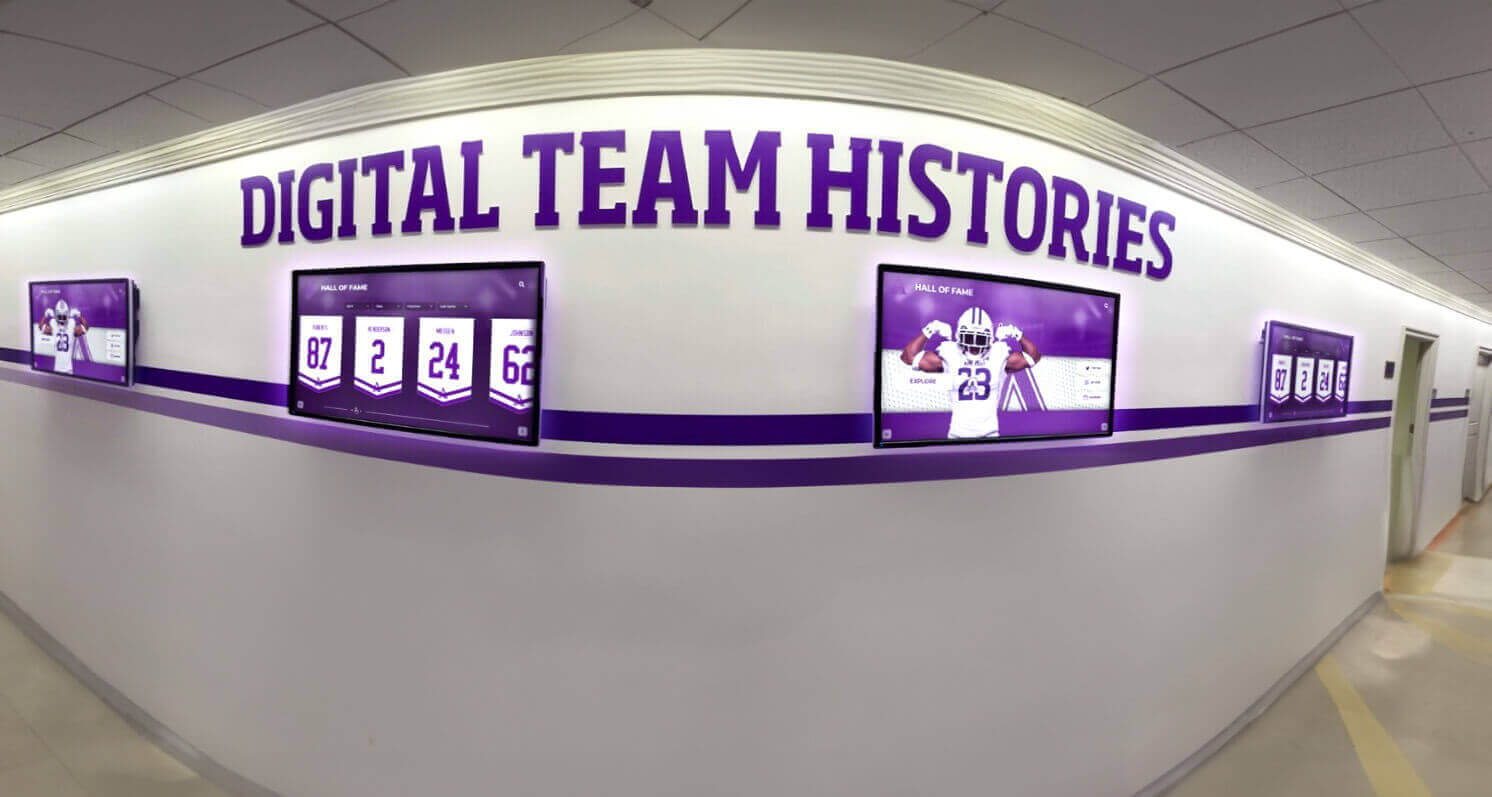
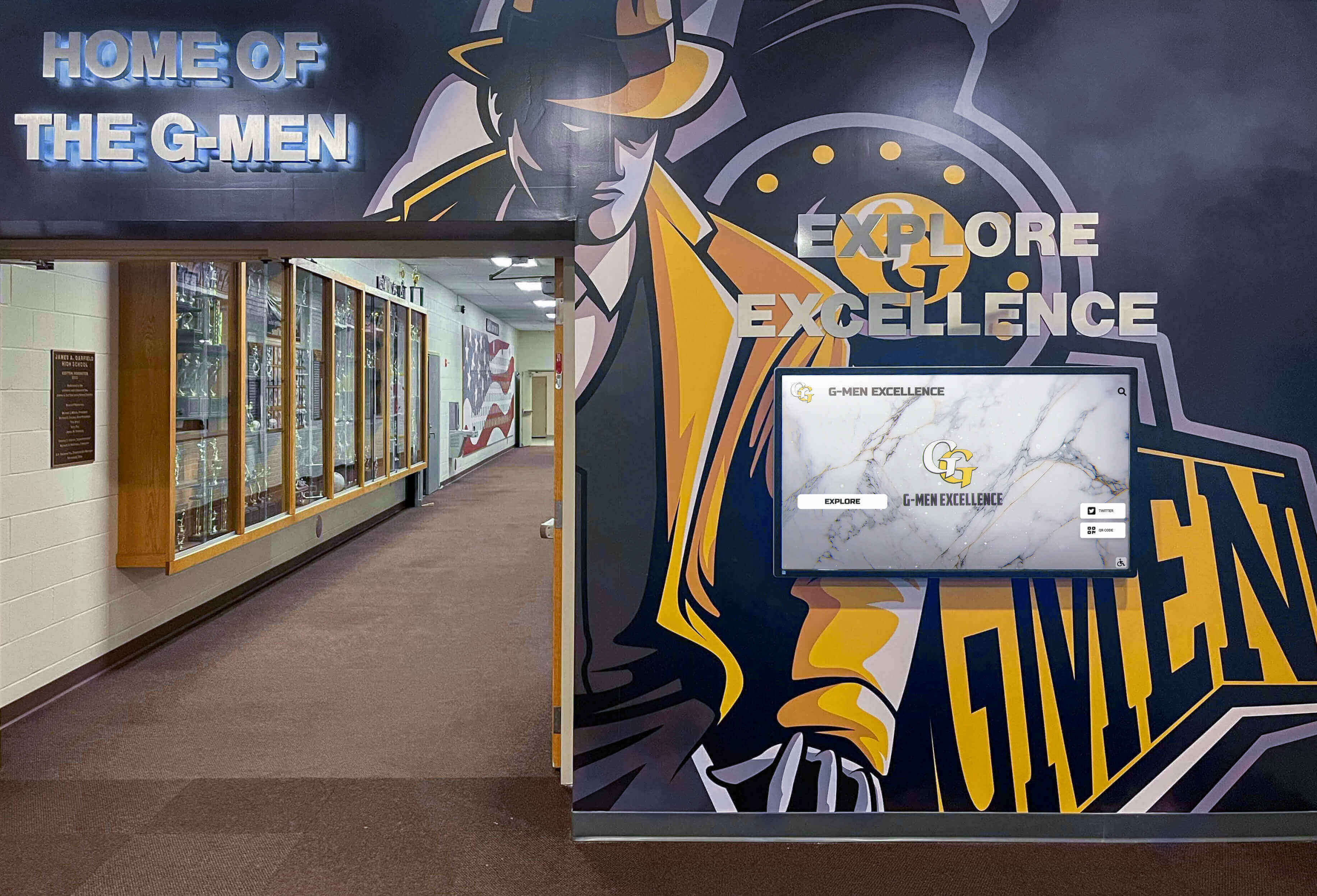
Physical displays in strategic locations create discovery opportunities beyond online research
Implementation Strategies: Building Your Digital Archive Program
Successful digital archive initiatives require strategic planning:
Phased Implementation Approaches
Attempting comprehensive digitization before launch creates overwhelming projects that stall:
Phase 1: High-Value Priority Content (Months 1-4)
- Recent yearbooks (last 5-10 years) seeing highest usage demand
- Significant historical milestones (founding documents, major anniversaries, transformative events)
- Popular photograph collections frequently requested
- Athletic championship documentation
- Distinguished alumni and hall of fame inductees
This phase delivers immediate value demonstrating platform capabilities while building internal expertise with manageable scope.
Phase 2: Systematic Collection Expansion (Months 5-12)
- Complete yearbook series working backward from recent volumes
- Chronological expansion of photograph collections
- Student newspaper archives for significant years
- Athletic program documentation
- Academic department histories
- Administrative records of historical significance
Second-phase expansion creates substantial archives supporting meaningful community engagement while maintaining momentum.
Phase 3: Comprehensive Historical Depth (Months 13-36)
- Complete yearbook digitization to earliest available volumes
- Exhaustive photograph collection processing
- Specialized collections (theater programs, concert recordings, architectural drawings)
- Oral history projects capturing institutional memory
- Community contribution integration
- Enhanced metadata and cross-referencing
Long-term completion happens gradually without preventing immediate platform launch and community value.
Phase 4: Enhancement and Ongoing Operations (Ongoing)
- Annual addition of current yearbooks and materials
- Metadata enrichment improving discoverability
- Thematic collection curation connecting related content
- Feature development leveraging usage analytics
- Community engagement programs soliciting contributions
- Interactive timeline development organizing materials chronologically
Continuous improvement maintains platform vitality and ensures archives remain living resources rather than static one-time projects.
Content Sourcing and Verification Protocols
Comprehensive archives require materials from diverse sources:
Primary Institutional Sources
Begin with existing organizational collections:
- Library archives and special collections
- Athletic department trophy cases and record books
- Admissions office historical photographs
- Alumni office databases and publications
- Development office donor records
- Facilities management architectural documentation
- Academic departments maintaining specialized collections
- Student activities offices with organization records
Systematic inventory of institutional holdings provides foundation content while identifying gaps requiring additional sourcing.
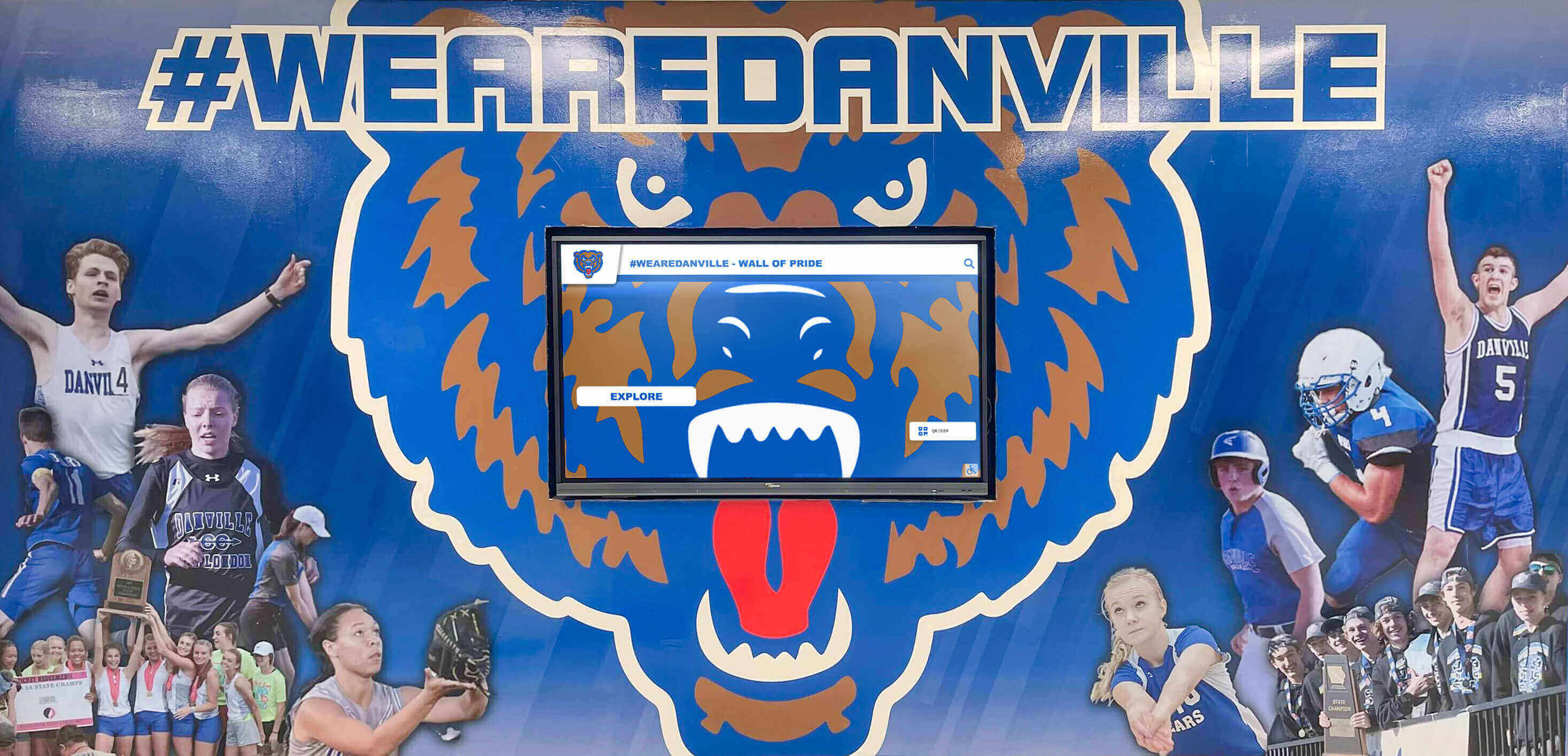
Systematic sourcing from multiple origins creates complete institutional narratives
Community Contributions
Extend beyond institutional materials:
- Alumni photograph donations supplementing official collections
- Former staff sharing institutional memory and context
- Family collections documenting student experiences
- Local historical societies preserving community educational history
- Reunion committees organizing class-specific materials
- Student projects researching and documenting particular topics
Community engagement accelerates content development while strengthening sense of ownership and connection that increases long-term platform success.
Verification and Quality Standards
Historical credibility requires rigorous protocols:
- Multiple source confirmation for disputed or uncertain information
- Original documentation review rather than secondary sources
- Expert consultation with long-serving personnel, historians, or archivists
- Transparent uncertainty notation when definitive sources unavailable
- Source citation documenting information origins
- Correction processes addressing errors identified after publication
- Community feedback mechanisms enabling ongoing accuracy improvement
Programs implementing academic recognition systems understand accuracy represents the foundation of credibility—once communities lose trust in historical information, recovering confidence becomes extremely difficult.
Staff Training and Organizational Structure
Technology success depends on human adoption:
Building Archive Management Teams
Successful programs typically involve:
- Archive Director: Overall strategic direction and stakeholder coordination
- Technical Administrator: Platform management, troubleshooting, and integration maintenance
- Content Specialists: Digitization, metadata creation, and quality control
- Subject Experts: Athletics, academics, alumni, and institutional history providing domain knowledge
- Student Workers: Scanning, data entry, and basic processing under supervision
- Volunteer Coordinators: Managing alumni and community contributions
Distributed responsibility prevents archive management from becoming one person’s overwhelming burden while leveraging diverse institutional expertise.
Comprehensive Training Programs
Ensure confident platform usage:
- Initial orientation covering system architecture and workflows
- Role-specific training tailored to different staff responsibilities
- Hands-on practice sessions with test content
- Reference documentation and video tutorials
- Advanced workshops on specialized features
- Regular refresher sessions as staff changes or platforms evolve
- One-on-one coaching for staff requiring additional support
Many institutions find inadequate training represents the primary reason archive platforms fail to gain traction despite significant technology investments.
Sustainable Maintenance Workflows
Ongoing success requires systematic processes:
- Regular scanning schedules for new materials
- Consistent metadata standards and quality checkpoints
- Routine content review and enhancement
- User feedback monitoring and responsiveness
- Analytics review informing content priorities
- System updates and security maintenance
- Backup verification and disaster recovery testing
Building archives into regular institutional workflows rather than treating them as one-time projects ensures long-term vibrancy and value.
Measuring Digital Archive Success and Impact
Demonstrate platform value through meaningful metrics:
Quantitative Usage Indicators
Track concrete engagement data:
Access Analytics
- Total page views and unique visitors over time
- Search queries revealing what users seek
- Most-accessed content showing community interests
- Geographic distribution of users
- Peak usage times and seasonal patterns
- Download counts for materials
- Social sharing volume indicating content resonance
- Return visitor rates demonstrating sustained interest
Modern platforms provide comprehensive analytics enabling data-driven content strategy and continuous improvement.
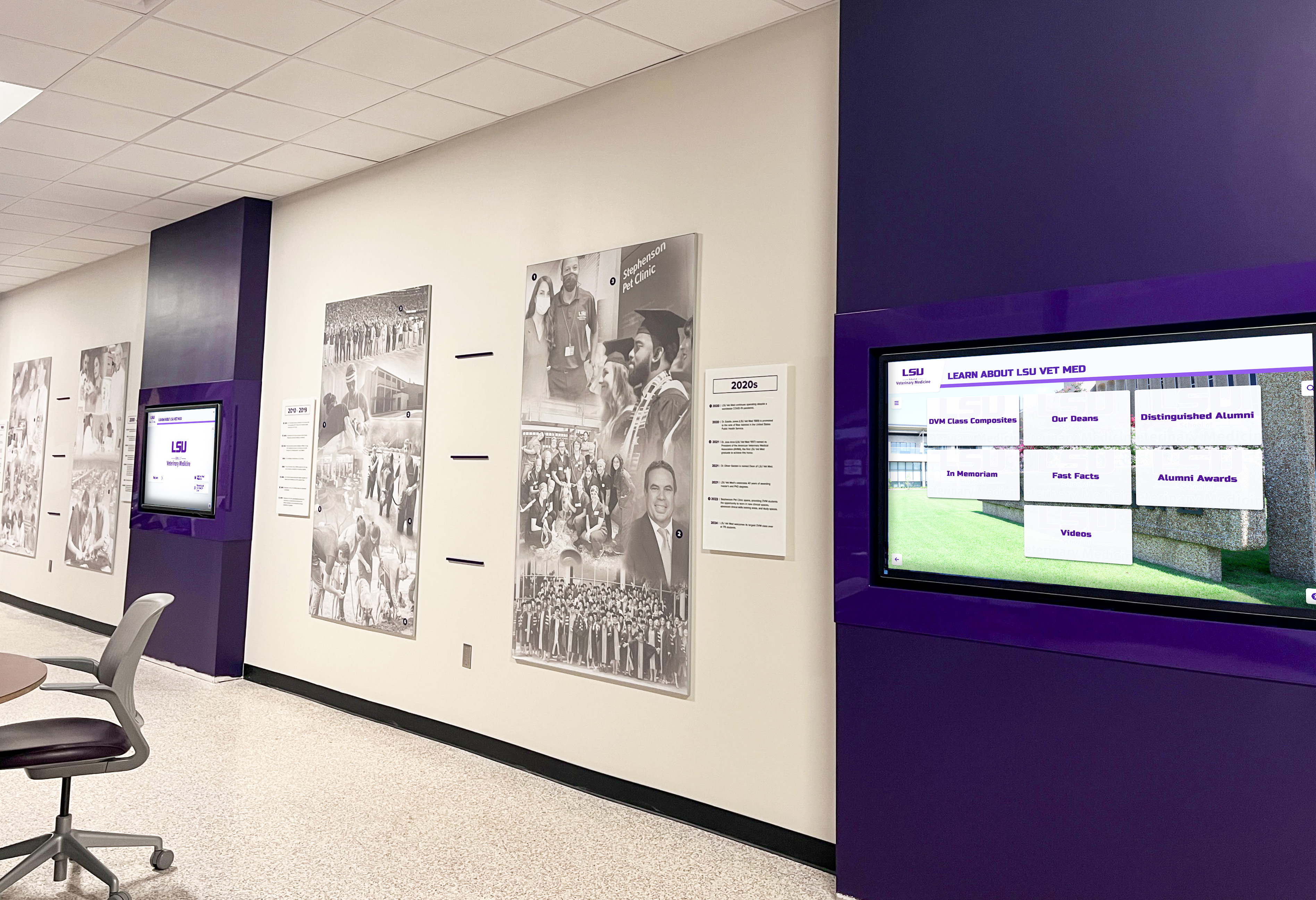
Data-driven insights enable continuous enhancement of archive platforms
Institutional Impact Metrics
Connect archives to broader goals:
- Alumni engagement rates (event attendance, giving participation)
- Media mentions citing archival materials
- Research projects utilizing collections
- Educational uses in courses or student assignments
- Advancement office integration in campaigns
- Admission office usage in recruitment presentations
- Community partnership development
The most successful archive initiatives strengthen multiple institutional priorities simultaneously rather than functioning as isolated systems disconnected from strategic objectives.
Qualitative Feedback Collection
Numbers alone miss important dimensions:
Stakeholder Testimonials
Gather perspective through:
- Alumni surveys assessing usage and satisfaction
- Student feedback on educational applications
- Faculty responses about research support
- Staff experiences with archive management
- Community member reactions to discoveries
- Media and external researcher testimonials
- Donor connections between recognition and giving decisions
Systematic feedback reveals whether platforms achieve intended goals beyond simple usage metrics.
Story Collection
Document meaningful impacts:
- Alumni reconnections facilitated by discoveries
- Family history breakthroughs using yearbooks
- Institutional knowledge preserved through archives
- Student projects enriched by primary sources
- Traditions maintained through historical documentation
- Community history preserved through educational records
Compelling narratives demonstrate archive value in human terms that resonate with stakeholders and justify continued investment.
Cost Considerations and Budgeting for Digital Archives
Understanding full investment requirements enables realistic planning:
Initial Implementation Investments
Comprehensive programs require upfront costs:
Technology Infrastructure
- Digitization equipment ($3,000-15,000 depending on volume and quality requirements)
- Digital asset management platform licensing ($5,000-25,000 initial setup)
- Interactive display hardware if desired ($5,000-15,000 per installation)
- Storage infrastructure (cloud or on-premise depending on approach)
- Network bandwidth upgrades if needed for large files
- Backup and disaster recovery systems
Services and Personnel
- Professional digitization services if outsourcing ($1-5 per page depending on material and quality)
- Platform implementation and customization ($5,000-20,000)
- Metadata creation and quality control ($20-50 per hour for skilled personnel)
- Staff training programs ($2,000-8,000 depending on scope)
- Project management coordination
- Content strategy consultation
Total initial investments typically range from $25,000-100,000 for comprehensive programs depending on collection size, quality requirements, and implementation approach. Smaller focused initiatives can begin at $10,000-20,000.
Ongoing Operational Costs
Long-term success requires sustained funding:
Annual Platform Expenses
- Software licensing or subscription fees ($3,000-12,000 annually)
- Cloud storage and bandwidth ($1,000-5,000 annually for large collections)
- Technical support and platform updates (often bundled in licensing)
- Display hardware maintenance and warranties ($500-2,000 per display)
- Security and backup services
Content Management Operations
- Staff time for ongoing content additions (5-20 hours monthly)
- Additional digitization as new materials acquired
- Metadata enhancement and quality improvement
- Community engagement and contribution management
- User support and question responses
- Analytics review and strategic adjustments
Many institutions successfully integrate archive management into existing positions rather than requiring dedicated new personnel, particularly after initial implementation completes.
Return on Investment Considerations
While archives require investment, they deliver measurable value:
Direct Financial Returns
- Increased alumni giving attributable to stronger engagement (difficult to isolate precisely but potentially substantial)
- Research service revenue if charging for specialized access
- Reproduction rights licensing for commercial uses
- Reduced costs of managing physical collections
- Space reclamation value for freed storage areas
- Administrative time savings from self-service access
Strategic Institutional Value
- Enhanced recruitment competitiveness through professional historical presentation
- Strengthened alumni relationships supporting advancement objectives
- Preserved institutional knowledge preventing costly information loss
- Improved public reputation and community standing
- Protected investments in historical materials
- Foundation for future initiatives building on historical content
- Donor recognition integration supporting fundraising campaigns
These strategic benefits, while difficult to quantify precisely, often represent the most significant value justifying archive investments for mission-driven educational institutions.
Emerging Trends and Future Directions
Understanding evolving capabilities informs strategic planning:
Artificial Intelligence Integration
AI capabilities increasingly enhance archive platforms:
Automated Processing
- OCR converting printed text to searchable digital formats
- Facial recognition identifying individuals across multiple photographs
- Auto-tagging suggesting appropriate classifications based on content analysis
- Duplicate detection preventing redundant digitization
- Quality assessment flagging issues requiring human review
- Handwriting recognition for historical manuscripts
- Translation services making materials accessible across languages
According to recent technology research, AI dramatically reduces manual work required for comprehensive digitization, making previously impractical projects feasible within reasonable resource constraints.
Enhanced Discovery
- Natural language search understanding conversational queries
- Personalized recommendations based on viewing patterns
- Semantic understanding connecting conceptually related content
- Predictive search auto-completing queries
- Chatbot interfaces answering historical questions
- Trend analysis identifying significant patterns
These capabilities make extensive archives more accessible and engaging, particularly for younger users accustomed to sophisticated consumer technology.
Immersive Technology Applications
Emerging display technologies create new presentation opportunities:
Augmented Reality Integration
- Smartphone overlays adding historical context to campus locations
- Virtual historical figures or artifacts appearing in contemporary spaces
- Interactive timelines projected onto physical surfaces
- Campus evolution visualization showing facility changes over decades
- Before-and-after comparisons through mobile devices
- Scavenger hunts guiding discovery through historical materials
While still emerging, AR represents compelling future direction for institutions seeking innovative engagement approaches.
Virtual Reality Experiences
- 360-degree video capturing historical events and spaces
- Recreated historical facilities allowing virtual exploration
- Virtual museums organizing artifacts in explorable digital spaces
- Remote campus tours incorporating historical context
- Interactive historical recreations bringing significant moments to life
VR remains relatively uncommon currently but represents logical evolution as technology becomes more accessible and affordable.
Conclusion: Preserving Educational Legacy Through Digital Archives
Every school, college, and university accumulates meaningful history deserving preservation—yearbooks documenting student generations, photographs capturing defining moments, records chronicling institutional evolution, and countless materials telling unique organizational stories. Yet traditional physical archives struggle with fundamental limitations: materials deteriorate despite best efforts, storage capacity constrains what institutions can maintain accessible, and geographic barriers prevent most stakeholders from engaging with institutional heritage.
Digital archives for schools, colleges, and universities address these limitations comprehensively. Modern platforms eliminate physical storage constraints while ensuring permanent preservation through cloud-based redundancy. Universal internet accessibility enables worldwide engagement from alumni, researchers, and community members regardless of location. Interactive displays transform passive viewing into active exploration through searchable databases, multimedia storytelling, and personalized discovery. Intuitive management systems empower non-technical staff to maintain current collections without specialized expertise.
Successful implementation requires strategic planning rather than simply purchasing technology. Phased rollouts deliver immediate value while building toward comprehensive collections. Systematic content sourcing combines institutional materials with community contributions. Rigorous verification protocols ensure historical accuracy and credibility. Thorough training prepares staff for confident ongoing management. Continuous improvement based on analytics and feedback ensures archives remain vibrant living resources rather than static one-time projects.
Ready to Transform Your Institutional Archives?
Discover how Rocket Alumni Solutions creates comprehensive digital archive systems combining yearbook preservation, historical timelines, interactive recognition displays, and intuitive management platforms specifically designed for educational institutions.
Schedule Your Free ConsultationThe institutions that thrive in coming decades will be those that effectively preserve and leverage their unique histories—strengthening alumni connections, supporting advancement objectives, inspiring current students, serving researchers, and maintaining organizational memory that informs strategic decisions. Digital archive technology, implementation expertise, and proven strategies exist today to transform scattered historical collections into organized, accessible, engaging resources that serve diverse institutional goals.
Explore comprehensive school history software options comparing different platforms and approaches, discover yearbook digitization best practices ensuring quality preservation, learn about interactive historical display strategies that bring archives into daily campus life, or review digital preservation standards protecting irreplaceable materials for future generations. The time to preserve your institutional legacy is now—before more materials deteriorate, knowledgeable personnel retire, or opportunities to strengthen community connections through historical engagement pass unexploited.
Sources:
- EdTech Magazine - Universities Harness the Cloud for Digital Archives
- Advantage Archives - Creating an Online Digital Archive for Your School
- Pagefreezer - Digital Archiving for Schools
- MediaValet - Benefits of Digital Asset Management for Higher Education
- Folderit - Electronic Document Management System for Universities































