Class officers represent the essential leadership structure within high school student government, filling positions including presidents, vice presidents, secretaries, treasurers, and representatives who guide their peers through academic years filled with events, initiatives, and community building. These elected student leaders shoulder responsibilities ranging from organizing homecoming activities and fundraising campaigns to representing student voices in administrative discussions and managing substantial budgets—all while maintaining their own academic performance and extracurricular commitments.
Yet despite the significant time investment and leadership development these positions require, many high schools struggle to recognize class officers with visibility matching their contributions. Recognition often defaults to brief mentions during morning announcements, temporary bulletin boards that quickly become outdated, or yearbook pages seen by limited audiences. The daily inspiration that prominent officer recognition could provide—motivating younger students to pursue leadership roles, documenting governance evolution, and demonstrating institutional commitment to student voice—remains unrealized when achievements receive insufficient ongoing celebration.
This comprehensive guide explores how digital showcases transform class officer recognition, creating permanent, engaging tributes that honor student leaders appropriately, inspire democratic participation, and preserve institutional governance history for generations while supporting the civic education goals essential to preparing informed, engaged citizens.
Effective class officer recognition serves purposes extending beyond individual acknowledgment. It validates the democratic processes through which students practice self-governance, celebrates the significant time commitment leadership requires, documents institutional traditions connecting current students with historical patterns, provides college application content demonstrating verified leadership experience, and builds school cultures where student government participation receives acknowledgment equal to athletic and academic achievement throughout educational communities.
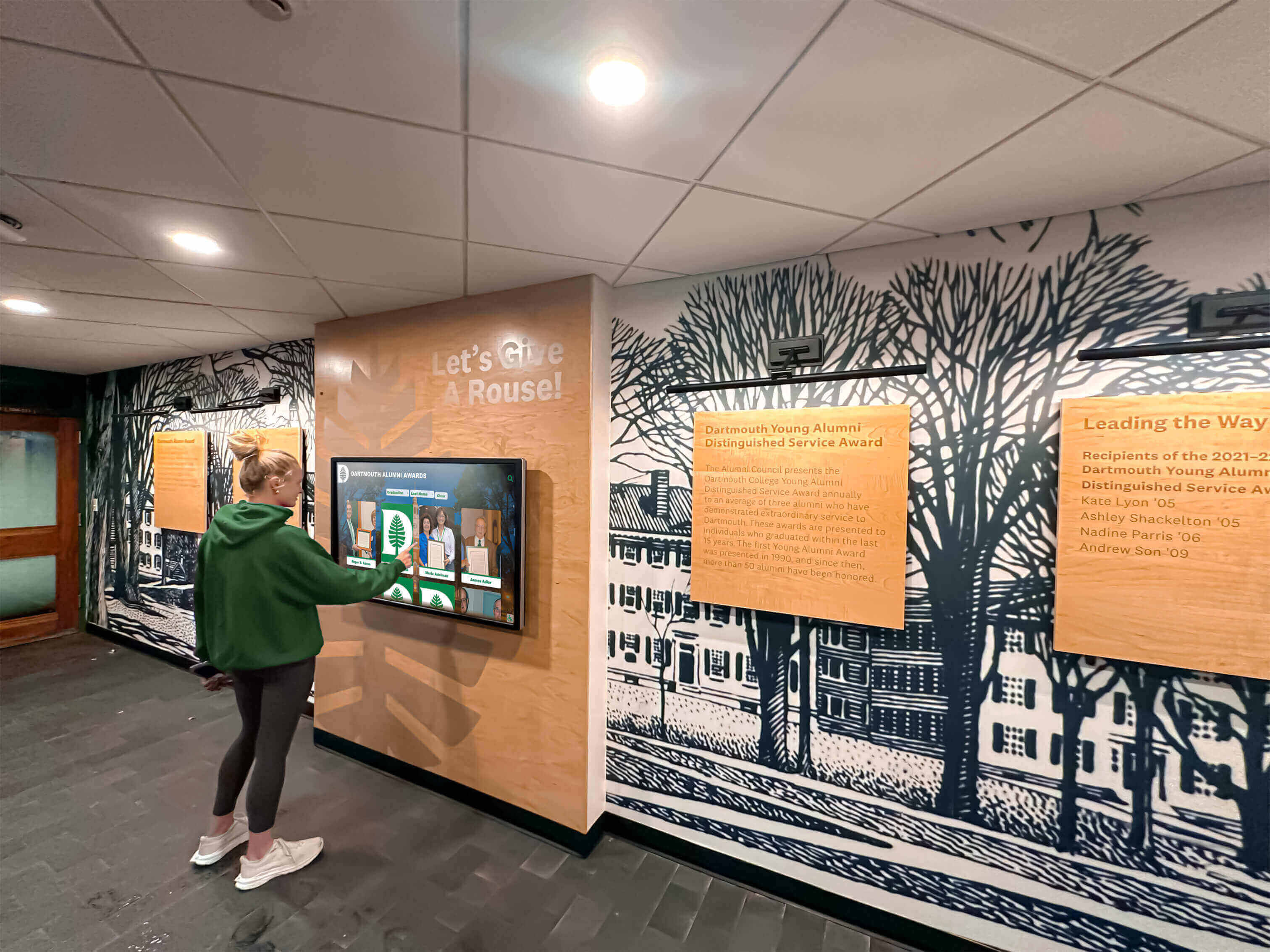
Interactive digital showcases enable students to explore class officer history and connect with democratic leadership traditions
Understanding Class Officer Roles Across High Schools
High schools structure student government through varying organizational models, each requiring recognition approaches tailored to specific leadership hierarchies and responsibilities that reflect institutional priorities and student population sizes.
Common Class Officer Structures
Different schools organize class officers through distinct frameworks affecting recognition strategies:
Four-Year Grade-Level Officers Schools maintaining separate officer teams for each grade (freshman, sophomore, junior, senior):
- Complete officer slate for each grade typically including president, vice president, secretary, and treasurer
- Grade-specific responsibilities focused on class unity, events, and fundraising
- Progressive leadership development as students advance through grades
- Senior class officers hold heightened responsibility for graduation activities, prom, and legacy projects
- Natural leadership pipeline as students observe older peers and aspire to similar roles
Combined School-Wide and Grade-Level Structure Hybrid models balancing school-wide leadership with grade representation:
- Student body president and executive board overseeing school-wide initiatives
- Grade-level presidents coordinating class-specific activities
- Cabinet positions addressing specialized areas including spirit, communications, service
- Clear hierarchy distinguishing school-wide versus grade-level authority
- Collaborative decision-making between executive leadership and class representatives
Representative Council Model Democratic structures emphasizing broad student participation:
- Class representatives from homerooms or advisory groups
- Executive officers elected from representative body
- Committee-based organization addressing specific initiative areas
- Broader participation enabling more students to develop leadership skills
- Rotation opportunities allowing leadership experience across student population
Understanding your school’s specific officer structure enables recognition systems that accurately reflect roles, celebrate appropriate authority levels, and honor both individual contributions and collaborative governance requiring teamwork across diverse positions.
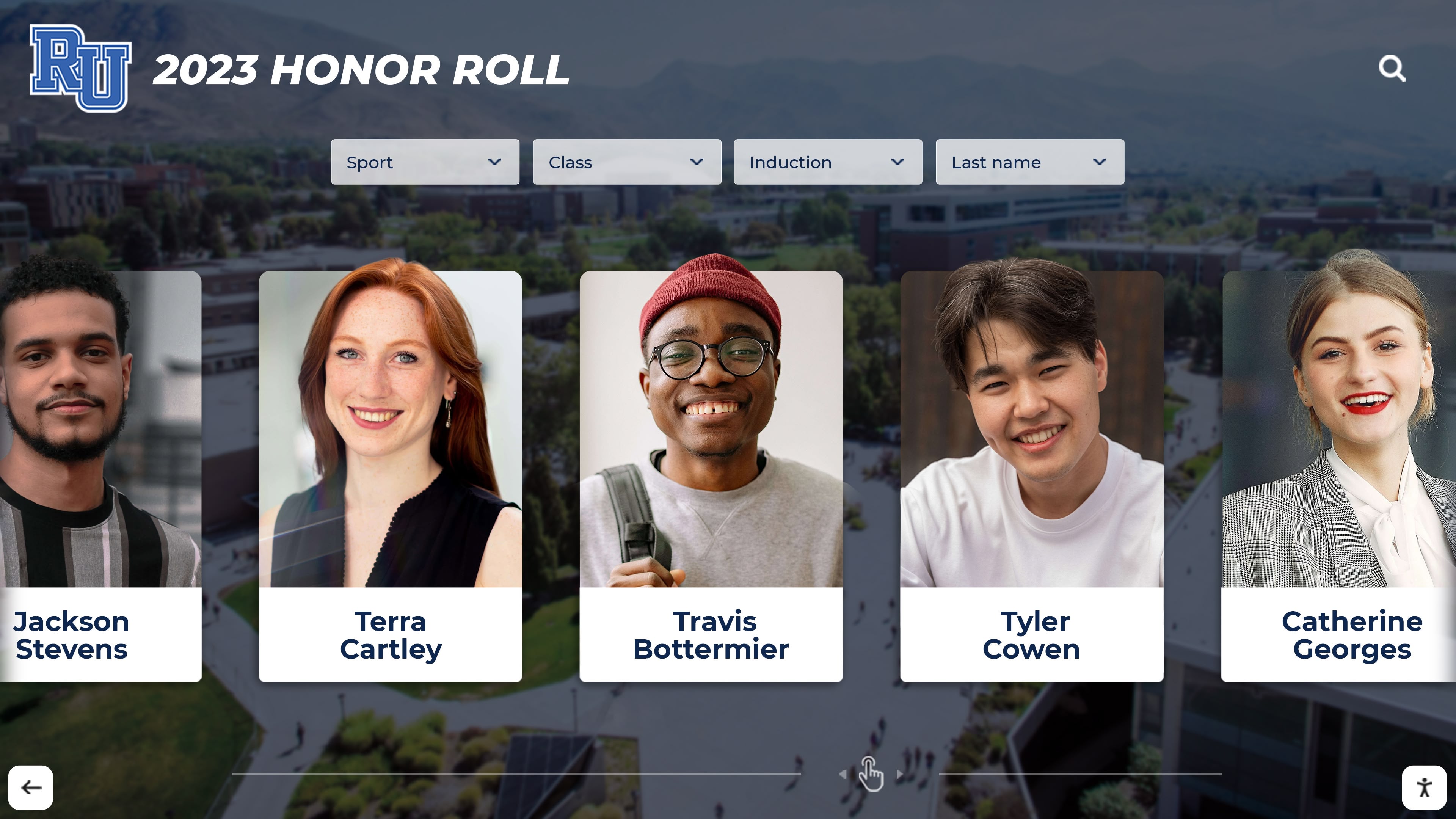
Detailed profiles celebrate specific responsibilities and achievements of individual class officers
Key Class Officer Positions and Responsibilities
Effective recognition requires understanding what officers actually do throughout their terms:
Class Presidents: Chief Executive Leadership
Class presidents serve as primary spokespersons and coordinators for their grades, filling roles including:
- Leading student council meetings using parliamentary procedure
- Representing class perspectives in discussions with administration
- Coordinating event planning for dances, spirit weeks, and celebrations
- Managing officer teams and delegating responsibilities appropriately
- Building class unity and promoting participation in activities
- Serving as public face of their class at school functions
Vice Presidents: Supporting Leadership and Succession Planning
Vice presidents provide essential backup and specialized leadership:
- Assuming presidential duties during absences or transitions
- Managing specific portfolio areas including spirit, communications, or service
- Supporting event execution through logistics coordination
- Mentoring class representatives and committee members
- Preparing for potential presidential succession in following years
- Providing second perspective in executive decision-making
Secretaries: Documentation and Communication
Secretaries maintain records essential for governance continuity:
- Recording meeting minutes documenting decisions and actions
- Maintaining attendance records for officer meetings
- Managing communications including emails and announcements
- Preserving institutional memory through organized record systems
- Creating meeting agendas in coordination with presidents
- Archiving historical documents for future reference
Treasurers: Financial Management and Accountability
Treasurers oversee class budgets requiring detailed financial skills:
- Tracking income from fundraisers, ticket sales, and activities
- Managing expenditures within approved budgets
- Preparing financial reports for advisors and administration
- Ensuring proper procedures for handling school funds
- Planning fundraising initiatives meeting revenue goals
- Maintaining transparent financial records building trust
Class Representatives and Senators
Representative positions enable broader student participation:
- Gathering constituent feedback from peers about issues and preferences
- Communicating student government decisions to classmates
- Voting on proposals during council meetings
- Serving on committees addressing specific initiatives
- Ensuring diverse perspectives inform decision-making
- Building connections between student government and broader student body
These varied responsibilities demonstrate that class officer service involves substantial commitment, diverse skill development, and meaningful contribution to school community—accomplishments deserving recognition systems that honor leadership comprehensively rather than treating positions as mere titles conferring prestige without documenting actual work performed.
Learn about comprehensive recognition approaches in student leadership programs that celebrate executive teams and representatives.
Traditional Class Officer Recognition Limitations
Understanding constraints inherent to traditional approaches helps schools appreciate digital showcase advantages while avoiding common mistakes limiting recognition effectiveness and long-term sustainability.
Physical Space Constraints and Difficult Choices
Schools using traditional plaques, trophy cases, or wall displays face inevitable capacity limitations forcing problematic decisions about whose service receives permanent visibility:
Limited Recognition Capacity Physical displays accommodate finite numbers:
- Typical trophy case or wall space fits 50-100 names maximum
- Schools with 20-30 officers annually exhaust capacity within 2-4 years
- Difficult decisions about which graduation years or positions merit permanent display
- Newer officers displace historical leaders as space fills
- No ability to expand recognition without expensive renovation projects
Rotation Systems Erasing History Some schools remove old officer recognition to add current leaders:
- Previous officers’ achievements disappear from campus visibility
- Alumni lose connection to their leadership recognition
- Historical institutional memory erases rather than builds
- Message that recent service matters more than past contributions
- Missed opportunities to show leadership evolution across decades
Selective Recognition Creating Inequity Space limitations may lead to tiered acknowledgment:
- Only presidents or senior class officers receive permanent recognition
- Representatives and committee members excluded despite significant contributions
- Early graduation years unrecognized when schools implement recognition systems
- Implicit message that some positions or years matter less than others
- Demotivation when students realize their service won’t receive lasting honor
These capacity constraints fundamentally limit traditional recognition effectiveness, forcing schools to choose between comprehensive but temporary acknowledgment or permanent but highly selective honor that excludes most deserving student leaders from lasting visibility throughout school communities.
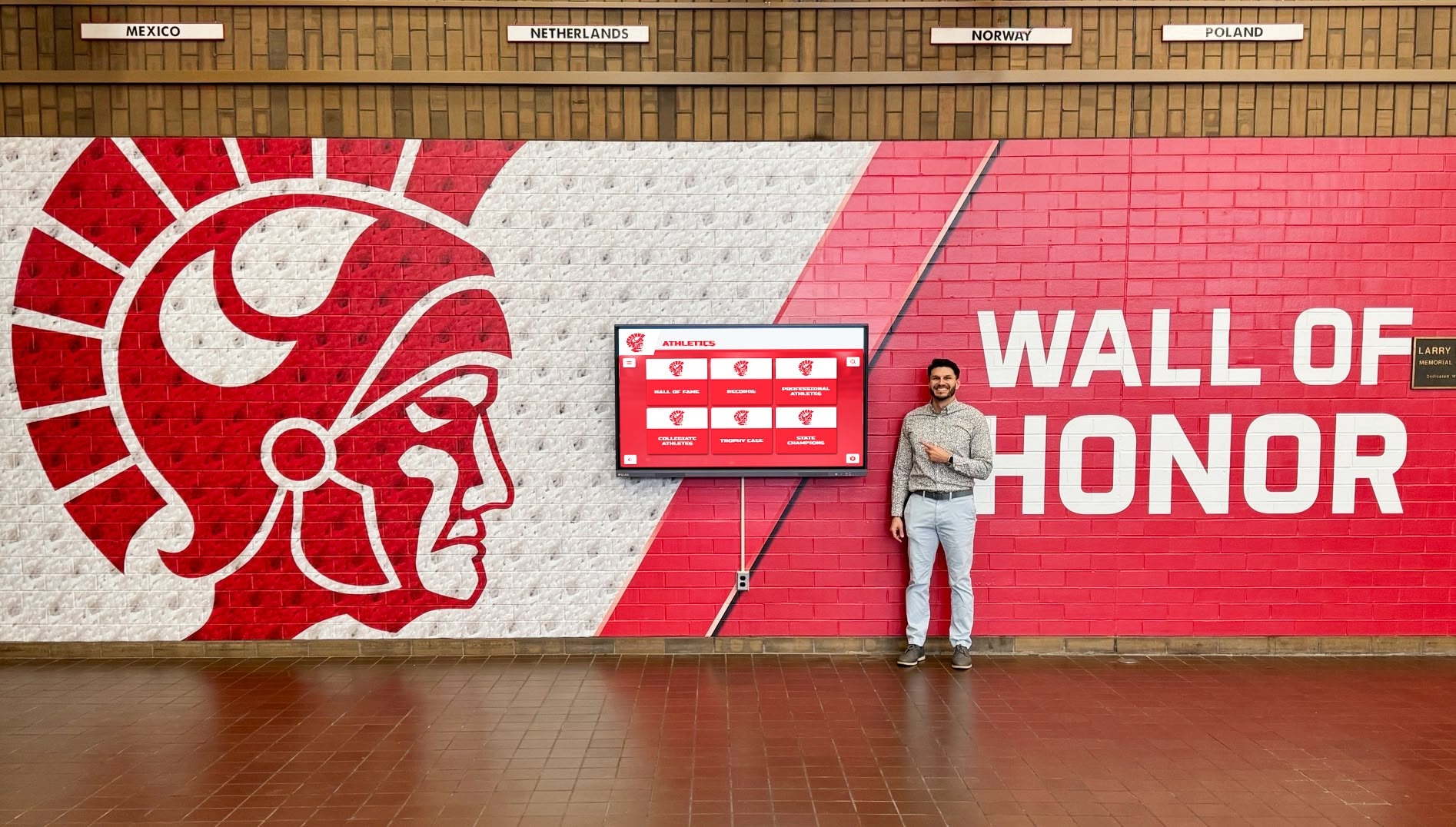
Digital displays eliminate space constraints while providing engaging exploration experiences
Static Information Failing to Engage Contemporary Students
Traditional recognition using engraved plaques, printed lists, or mounted photos provides minimal information and zero interaction opportunities that contemporary students accustomed to rich digital experiences find unengaging:
Limited Content Depth Physical displays typically include only:
- Officer names with position titles
- Service years or graduation dates
- Perhaps small photograph if space allows
- No context about accomplishments, initiatives, or leadership impact
- No guidance helping current students understand how to pursue similar roles
No Interactive Exploration Static displays offer passive viewing only:
- Students cannot search for specific officers or years
- No filtering by position type or accomplishment category
- Unable to view related content or leadership connections
- No engagement tracking showing community interest levels
- Missing opportunities to tell compelling leadership stories
Maintenance Challenges Keeping physical recognition current requires ongoing effort:
- Annual plaques require ordering, engraving, and installation
- Photo displays need printing, mounting, and physical updating
- Errors or changes require expensive replacement
- Damaged or faded displays create poor impressions
- Responsibility often falls between multiple staff members causing delays
These limitations result in recognition that students walk past without noticing, families cannot access during campus visits, and alumni cannot revisit after graduation—missing opportunities to inspire future leadership while appropriately honoring past and current officers for their substantial contributions to school community and governance culture.
Digital Showcase Solutions for Class Officer Recognition
Digital recognition platforms transform class officer celebration through capabilities traditional approaches cannot match, creating engaging experiences that honor leaders appropriately while inspiring future democratic participation throughout school communities.
Unlimited Recognition Capacity Honoring All Officers
Digital showcases eliminate physical space constraints that force difficult decisions about whose leadership merits permanent visibility:
Complete Historical Archives Solutions like Rocket Alumni Solutions enable recognition of every class officer from school founding forward:
- No need to remove historical officers to accommodate current leaders
- Complete institutional governance documentation across decades
- Equal recognition for all positions from presidents to representatives
- Preservation of student government evolution and tradition
- Ability to showcase hundreds or thousands of leaders without capacity concerns
Comprehensive Multi-Dimensional Organization Digital platforms support diverse navigation approaches:
- Browse chronologically showing leadership succession year by year
- Filter by specific positions (presidents only, treasurers, all freshman officers)
- Search by name helping alumni and families find specific individuals
- View by graduation year for reunion planning and class connections
- Explore by initiative or accomplishment type
- Discover related officers who served together or on specific committees
Future Scalability Without Infrastructure Investment Growing recognition programs require no physical expansion:
- Add unlimited new officers annually as classes graduate
- Accommodate expanding student government structures without concern
- Include new positions as governance models evolve
- Scale seamlessly as school populations grow
- Support pilot programs and experimental leadership roles
This unlimited capacity fundamentally transforms recognition strategy from selective acknowledgment to comprehensive celebration ensuring every deserving officer receives appropriate honor regardless of when they served, which position they held, or how many other leaders share graduation years.
Discover approaches for student achievement showcases that celebrate diverse accomplishments.
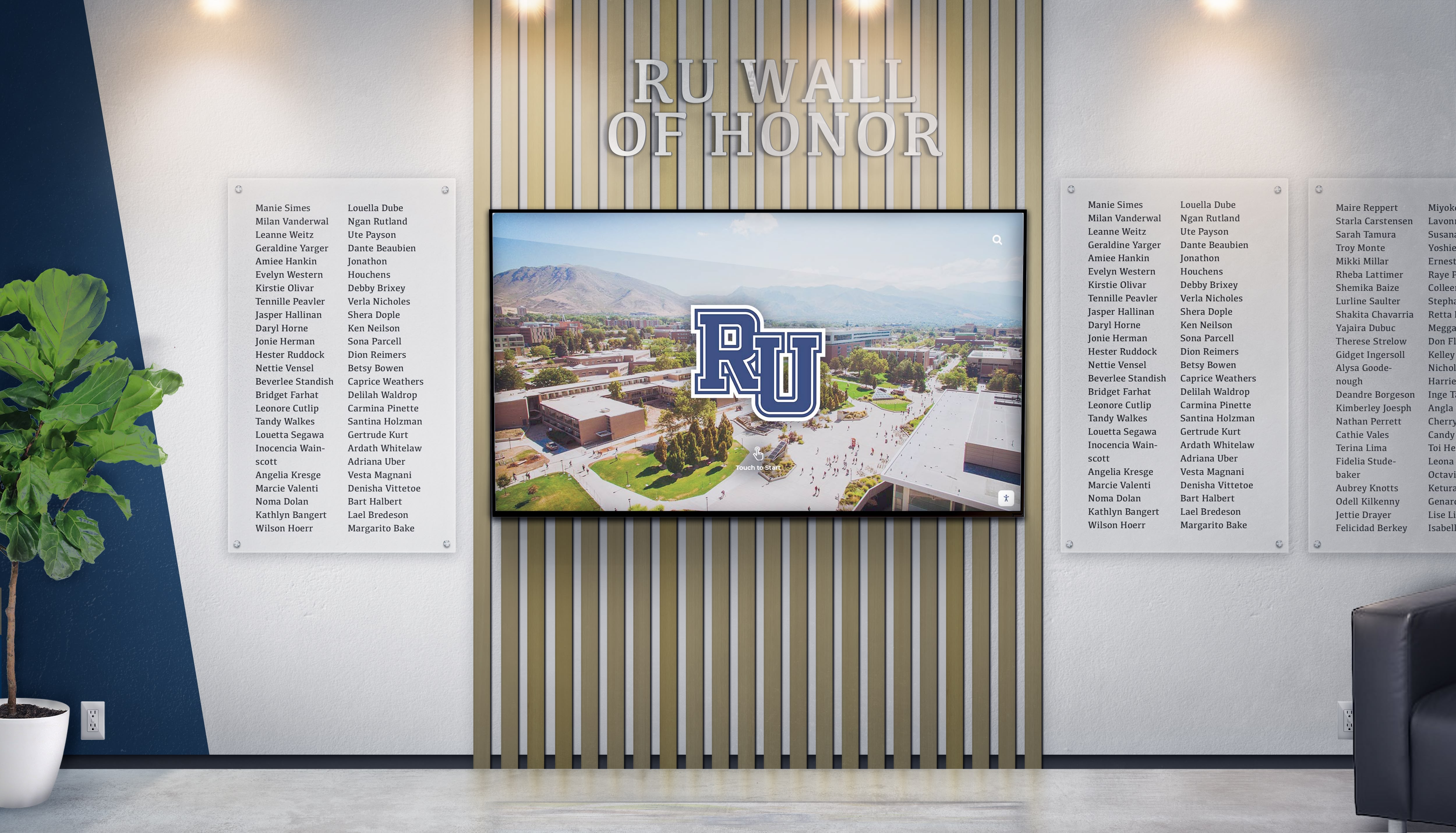
Digital systems combine unlimited content capacity with engaging presentation formats
Rich Multimedia Officer Profiles
Digital showcases transform recognition from simple name listings into compelling leadership stories that honor officers comprehensively while inspiring peers through detailed narratives, professional imagery, and interactive content impossible with static displays:
Professional Photography and Visual Content High-quality imagery creates personal connections:
- Individual officer portraits in professional or candid settings
- Leadership team photos showing collaborative governance
- Event documentation capturing officers in action at activities they organized
- Initiative moments showing the tangible results of officer work
- Historical comparisons connecting current officers with predecessors
Comprehensive Achievement Narratives Detailed descriptions honoring specific contributions:
Rather than “Sarah Chen - Senior Class President 2024,” comprehensive recognition explains actual accomplishments: “Sarah Chen served as Senior Class President during 2023-2024, leading a 12-member officer team through the school’s most successful fundraising year, generating $15,000 for class activities through innovative campaigns including the first-ever outdoor movie night. Sarah facilitated monthly meetings using parliamentary procedure, represented senior perspectives in administrative discussions about parking policies, and coordinated homecoming week activities that achieved 87% student participation. Her leadership style emphasized inclusive decision-making and transparent communication, earning recognition from both peers and faculty. Sarah attended Stanford University, where her student government experience influenced her political science studies.”
Leadership Initiative Documentation Context showing what officers actually accomplished:
- Fundraising totals and specific campaign descriptions
- Event attendance figures and participant feedback
- Policy changes influenced by student government advocacy
- Service projects organized and community impact achieved
- School culture improvements attributed to officer initiatives
- Challenges overcome and lessons learned during terms
Advice and Mentorship Content Current officers provide guidance for future leaders:
Including brief statements from officers about their experiences: “Class officer service taught me that leadership requires listening more than speaking. My advice: start attending student council meetings as a freshman, volunteer for committees to learn how things work, and don’t be afraid to run for office even if you’re nervous. The skills you’ll develop—public speaking, budget management, event planning—will benefit you forever.”
These rich profiles create recognition that educates while it honors, showing current students clear pathways to leadership roles while celebrating the substantial work officers contribute to vibrant, student-centered school communities.
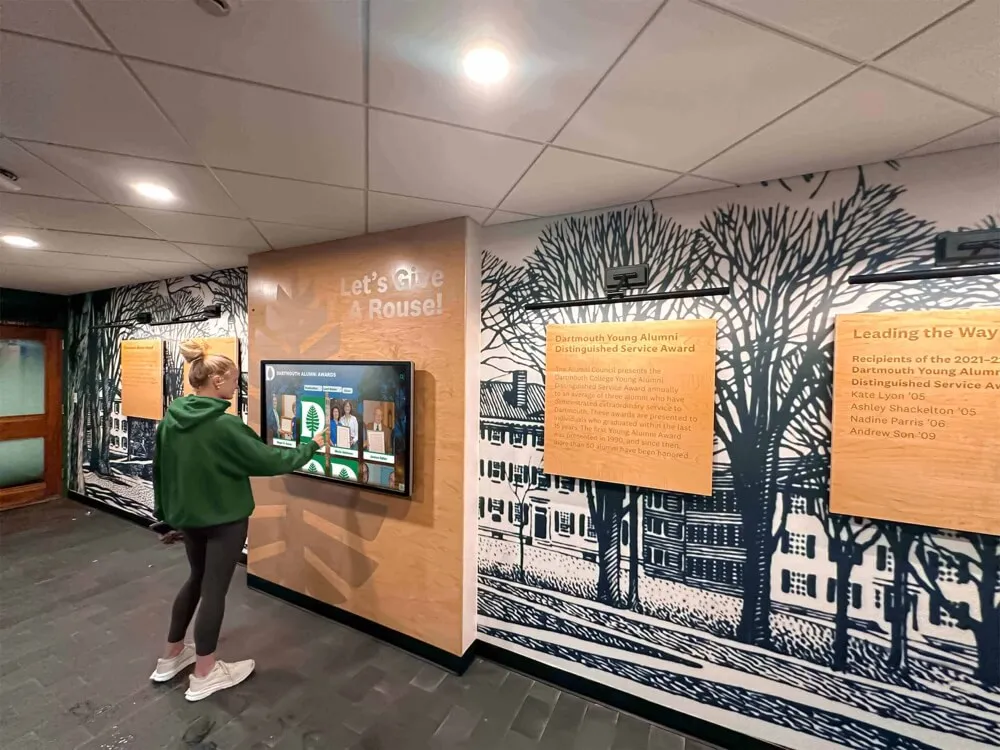
Strategic placement in high-traffic hallways maximizes recognition visibility and engagement
Interactive Features Engaging Digital-Native Students
Modern touchscreen systems create engagement opportunities impossible with static displays, transforming officer recognition from passive viewing into active exploration:
Intuitive Search and Filtering Finding specific officers or exploring categories:
- Name search helping alumni and families locate particular individuals
- Position filtering showing all presidents, secretaries, or representatives
- Year browsing enabling class reunion planning and connections
- Initiative tagging connecting officers who worked on similar projects
- Accomplishment sorting highlighting specific achievement types
Detailed Interactive Profile Views Comprehensive information accessible through touch:
- Full-screen individual officer pages with complete narratives
- Photo galleries showing progression through officer terms
- Video messages from officers reflecting on their experiences (when available)
- Linked content connecting officers who served together
- Timeline visualizations showing student government evolution
Student Government History Exploration Institutional context enriching individual recognition:
- School governance structure explanations and evolution
- Founding stories about student government establishment
- Statistical overviews showing participation trends across decades
- Notable alumni officers and their subsequent achievements
- Signature initiatives and traditions documented chronologically
Inspiration for Future Officer Candidates Educational content supporting democratic participation:
- Clear explanation of officer positions and responsibilities
- Election procedures and qualification requirements
- Timeline showing when to run for different positions
- Examples of successful campaign approaches
- Testimonials from current officers about their experiences
- Benefits of student government participation for college applications
These interactive features transform digital showcases from simple recognition displays into comprehensive platforms that honor past leadership, celebrate current officers, inspire future candidates, and educate entire school communities about the value of student government participation in developing civic competencies essential for democratic societies.
Learn about high school student recognition across achievement categories.
Implementing Digital Showcases for Class Officers
Successful implementation requires systematic planning addressing content development, technology selection, integration with existing governance activities, and ongoing management ensuring recognition remains current and meaningful across years of operation.
Planning Phase: Assessment and Goal Setting
Evaluate Current Recognition Practices Begin with clear understanding of existing approaches:
- Document how class officers currently receive recognition
- Identify gaps between current practices and ideal acknowledgment
- Survey students, families, and staff about recognition priorities
- Review available budget and resource allocations
- Assess physical spaces suitable for recognition display placement
- Analyze student government structure and typical officer counts annually
Define Recognition Scope and Objectives Establish clear program goals:
- Determine whether to include only current officers or comprehensive historical recognition
- Identify which positions merit inclusion (executive officers only vs. all representatives)
- Set standards for content completeness including photography and narrative requirements
- Establish update schedules for adding new officers after annual elections
- Define success metrics including engagement levels and participation trends
- Connect recognition goals to civic education and school culture objectives
Gather Historical Officer Information Compile complete leadership records:
- Research class officers from school founding or earliest available records
- Review yearbooks, school archives, and historical documents
- Interview long-time advisors and administrators about governance evolution
- Contact alumni officers for photographs and accomplishment information
- Verify accuracy of historical records through multiple source triangulation
- Organize information systematically for efficient content development
Thorough planning prevents common implementation mistakes while establishing foundations for recognition programs that genuinely motivate students, strengthen democratic school culture, and honor class officers appropriately for their significant contributions to governance, community building, and institutional tradition.
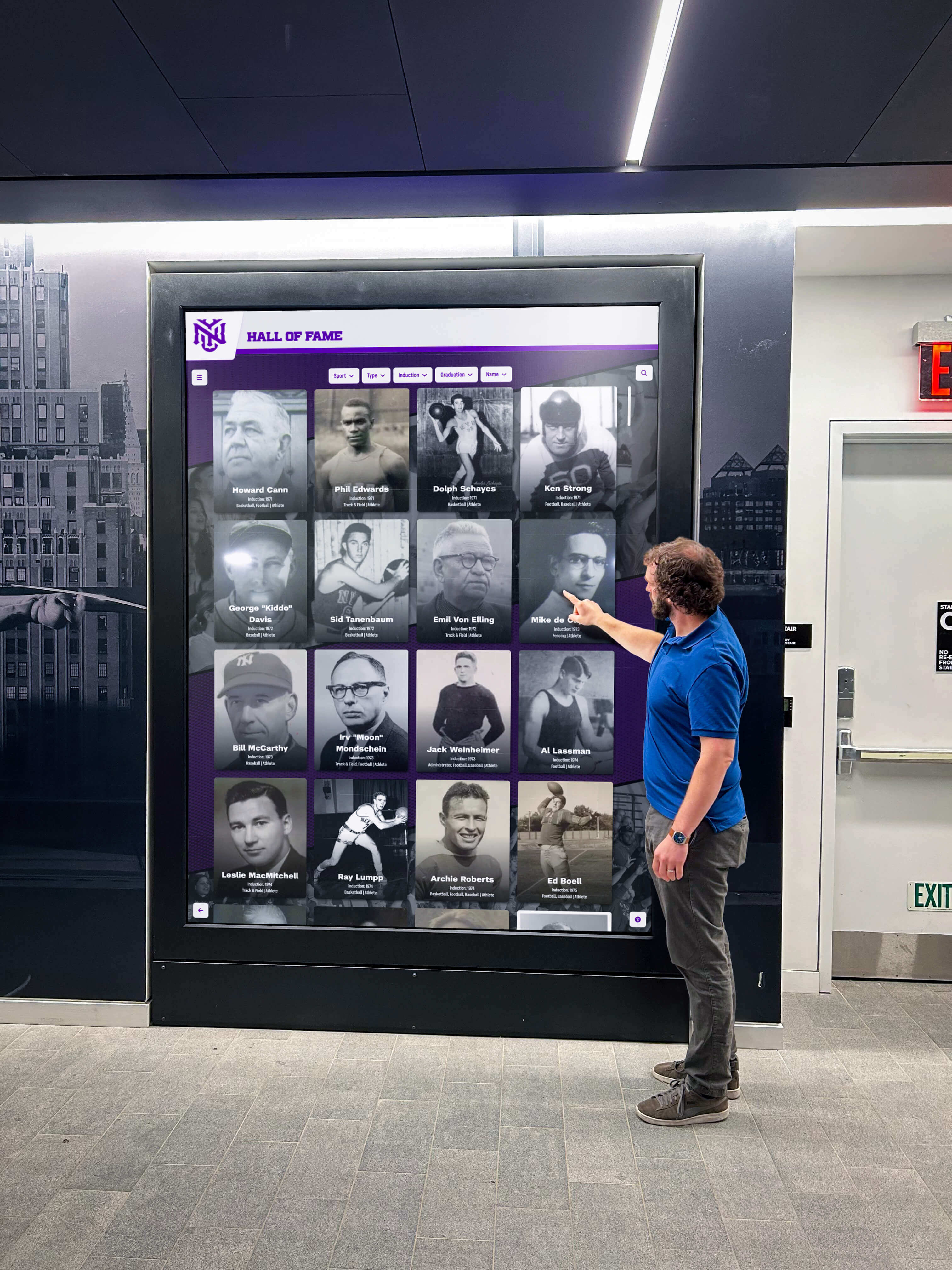
Lobby placement ensures recognition visibility for families and prospective students during campus visits
Technology Selection and Display Configuration
Schools implementing digital showcases should carefully evaluate solution options considering hardware capabilities, software functionality, and purpose-built recognition platforms versus generic digital signage adapted for leadership acknowledgment:
Hardware Considerations for Officer Displays
Commercial-grade touchscreen displays ranging from 43 to 75 inches depending on viewing location, available space, and budget considerations. Mounting options include wall-mounted installations in prominent hallways, freestanding floor kiosks in lobbies or commons areas, or protective enclosures in high-traffic locations requiring additional durability. Reliable network connectivity with wired ethernet strongly preferred for stability and security. Adequate electrical power with surge protection preventing damage from fluctuations.
Purpose-Built Recognition Software Platforms
Solutions like Rocket Alumni Solutions provide features optimized specifically for student recognition:
- Intuitive content management requiring no technical expertise
- Templates designed for officer profiles ensuring consistent formatting
- Automatic organization by position type, graduation year, and accomplishments
- Search and filtering helping visitors find specific officers quickly
- Web and mobile extensions enabling access beyond physical displays
- Analytics tracking engagement levels and popular content
- Regular platform updates adding features addressing educational needs
- Dedicated support teams understanding student government contexts
Strategic Display Placement Location significantly impacts recognition effectiveness:
- Main hallway locations with high student traffic throughout school days
- Lobby or commons areas where families visit during campus tours
- Near student government meeting spaces or offices
- Adjacent to other recognition displays integrating with school culture
- Accessible locations complying with ADA requirements
- Protected from weather extremes and physical damage risks
Technology choices determine recognition program long-term success, making evaluation of purpose-built educational platforms versus generic alternatives essential for achieving engagement goals, maintaining content quality, and ensuring sustainable operations across years of evolving leadership and changing staff responsibilities.
Content Development and Officer Profiles
Quality content determines recognition program impact, making investment in thorough, accurate, engaging development essential for showcases that truly honor officers while inspiring underclassmen effectively:
Photography Standards for Professional Presentation
- High-resolution images suitable for large screen display without pixelation
- Consistent lighting and composition creating professional aesthetic
- Authentic expressions capturing genuine personality rather than forced poses
- Appropriate backgrounds ensuring focus remains on officers being honored
- Mix of formal portraits and candid leadership moments
Writing Compelling Officer Narratives
Effective descriptions move beyond generic acknowledgment to tell specific leadership stories:
Generic recognition: “Michael Rodriguez - Junior Class Treasurer 2024”
Meaningful recognition: “Michael Rodriguez served as Junior Class Treasurer during 2023-2024, managing a $7,500 annual budget and coordinating fundraising initiatives that exceeded revenue goals by 30%. Michael implemented digital payment tracking systems improving transparency and reducing reconciliation time by half. He collaborated with class officers on the successful spring carnival fundraiser, managed vendor contracts for junior prom, and provided detailed financial reports at monthly meetings. Teachers noted Michael’s exceptional attention to detail and integrity in handling class funds. His treasurer experience influenced his decision to pursue business administration at the University of Illinois.”
Achievement Documentation and Initiative Details
Context showing actual officer contributions:
- Specific event attendance figures and participation rates
- Fundraising campaign descriptions and financial outcomes
- Policy proposals presented to administration and results
- Service projects organized and community impact achieved
- Challenges faced during terms and creative solutions implemented
- Legacy initiatives continuing beyond officer terms
Balancing Individual and Team Recognition
Class officers function as collaborative teams:
- Emphasize collective accomplishments alongside individual contributions
- Credit full officer teams for major initiatives and events
- Acknowledge specialized skills each position contributes
- Highlight productive working relationships between officers
- Model collaborative leadership values through recognition approaches
Well-developed content creates recognition that educates while it honors, demonstrates respect for officer service, inspires future leadership candidates, and preserves institutional memory connecting current students with decades of democratic governance tradition throughout school communities.
Explore student mentorship recognition for peer leadership programs.
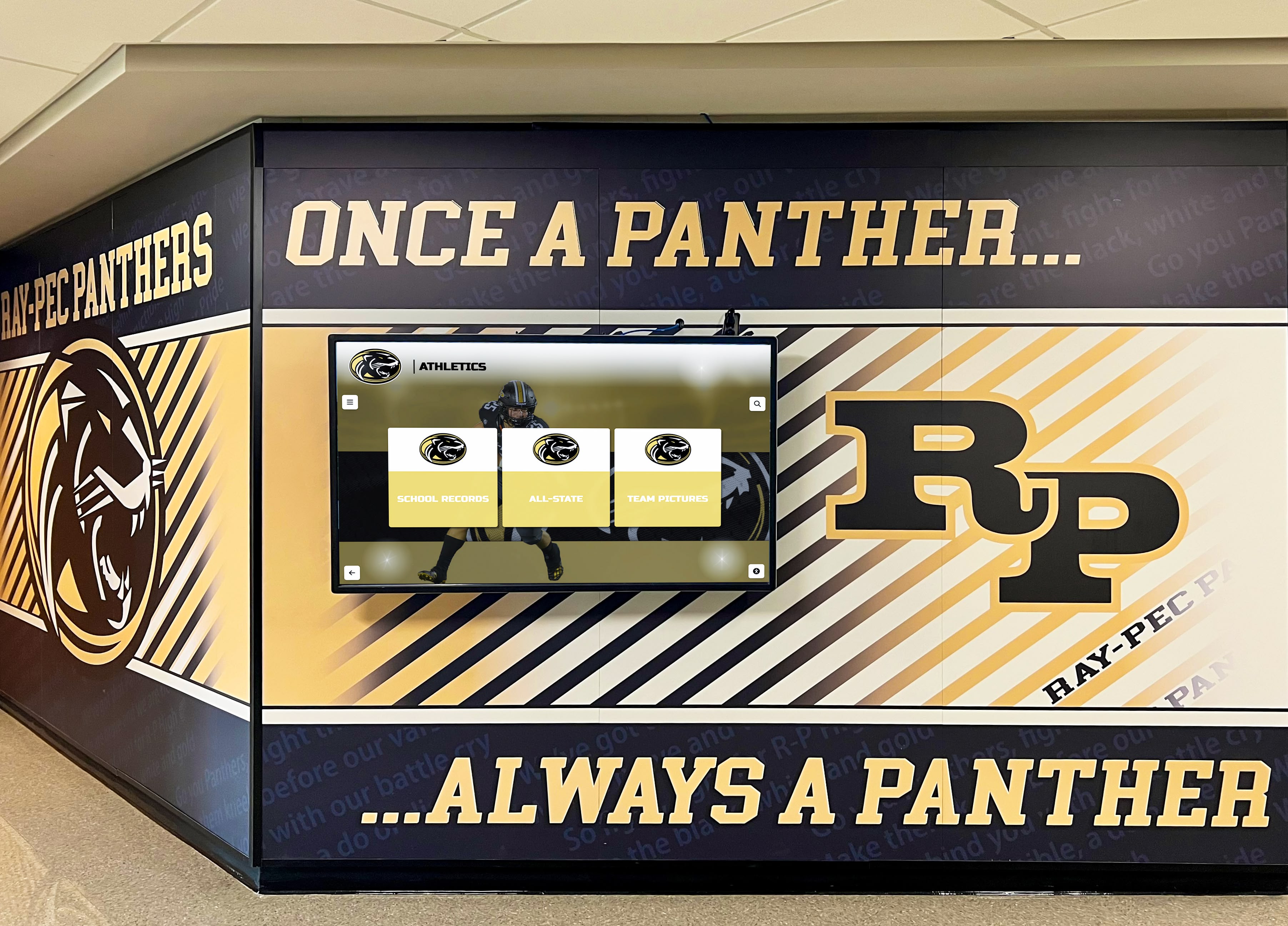
Integrated displays complement existing school branding while providing modern recognition capabilities
Best Practices for Sustainable Officer Recognition
Beyond technology and initial implementation, certain approaches maximize program effectiveness while ensuring recognition remains meaningful, equitable, and sustainable across years of operation:
Annual Recognition Updates and Officer Transitions
Timely acknowledgment demonstrates genuine institutional pride in officer service:
Immediate Recognition Following Elections
- Photograph newly elected officers within days of results announcement
- Develop profile narratives while campaign platforms and goals remain fresh
- Update digital showcases within one week of elections demonstrating priority
- Share recognition through school communications creating community celebration
- Provide officers with links to their profiles for college applications
End-of-Year Achievement Documentation
Capture accomplishments before institutional memory fades:
- Photograph major events and initiatives during school year
- Collect achievement metrics including fundraising totals and participation rates
- Gather testimonials from advisors, administrators, and peers
- Document challenges overcome and lessons learned
- Add college destination information as officers commit to universities
Transition Ceremonies and Recognition Events
Formal occasions celebrating officer service:
- End-of-year banquets recognizing outgoing officers
- Digital showcase unveilings for newly elected leaders
- Installation ceremonies marking leadership transitions
- Awards for outstanding officer contributions
- Alumni officer appearances building mentorship connections
Summer Preparation and System Maintenance
Ready recognition for new school year:
- Review all content ensuring accuracy and currency
- Test display hardware and software functionality
- Train new advisors on content management procedures
- Plan recognition for incoming freshman class officers
- Budget for year’s program needs and potential expansions
Prompt, thorough updates maintain recognition program credibility while demonstrating that officer service receives institutional acknowledgment comparable to athletic championships and academic honors that often receive more immediate and visible celebration throughout school communities.
Integration with Civic Education and Democratic Learning
Class officer recognition should connect explicitly to civic education goals, helping students understand governance participation as preparation for citizenship extending far beyond high school:
Democratic Process Documentation
Preserve learning opportunities through recognition:
- Election procedures and campaign requirements
- Constitutional amendments and governance reforms
- Voting participation rates and civic engagement trends
- Debate formats and candidate forum procedures
- Peaceful leadership transitions modeling democratic norms
Connecting Officer Service to Citizenship
Recognition emphasizing broader civic implications:
- Representative democracy and constituent service principles
- Public speaking and persuasion in democratic contexts
- Coalition building and compromise in governance
- Ethical leadership and integrity in public service
- Community organizing and collective action
- Policy development and advocacy processes
Using Recognition for Civics Curriculum
Educational applications of officer showcases:
- Government classes studying student governance structures
- Research assignments exploring leadership evolution
- Comparative analysis of different officer roles
- Case studies examining specific initiatives or controversies
- Interview projects connecting students with alumni officers
Building Political Efficacy Through Visibility
Recognition demonstrating that student voice matters:
- Visible evidence that students influence school decisions
- Documentation of student-led improvements and policy changes
- Celebration of officers making tangible community impact
- Inspiration for future civic participation beyond school
- Validation that leadership effort produces meaningful results
This integration elevates officer recognition beyond simple acknowledgment to become active tool supporting civic education goals essential for preparing informed, engaged citizens capable of democratic participation throughout their lives in communities requiring active, ethical leadership addressing complex challenges.
Learn about teacher recognition programs that complement student leadership acknowledgment.
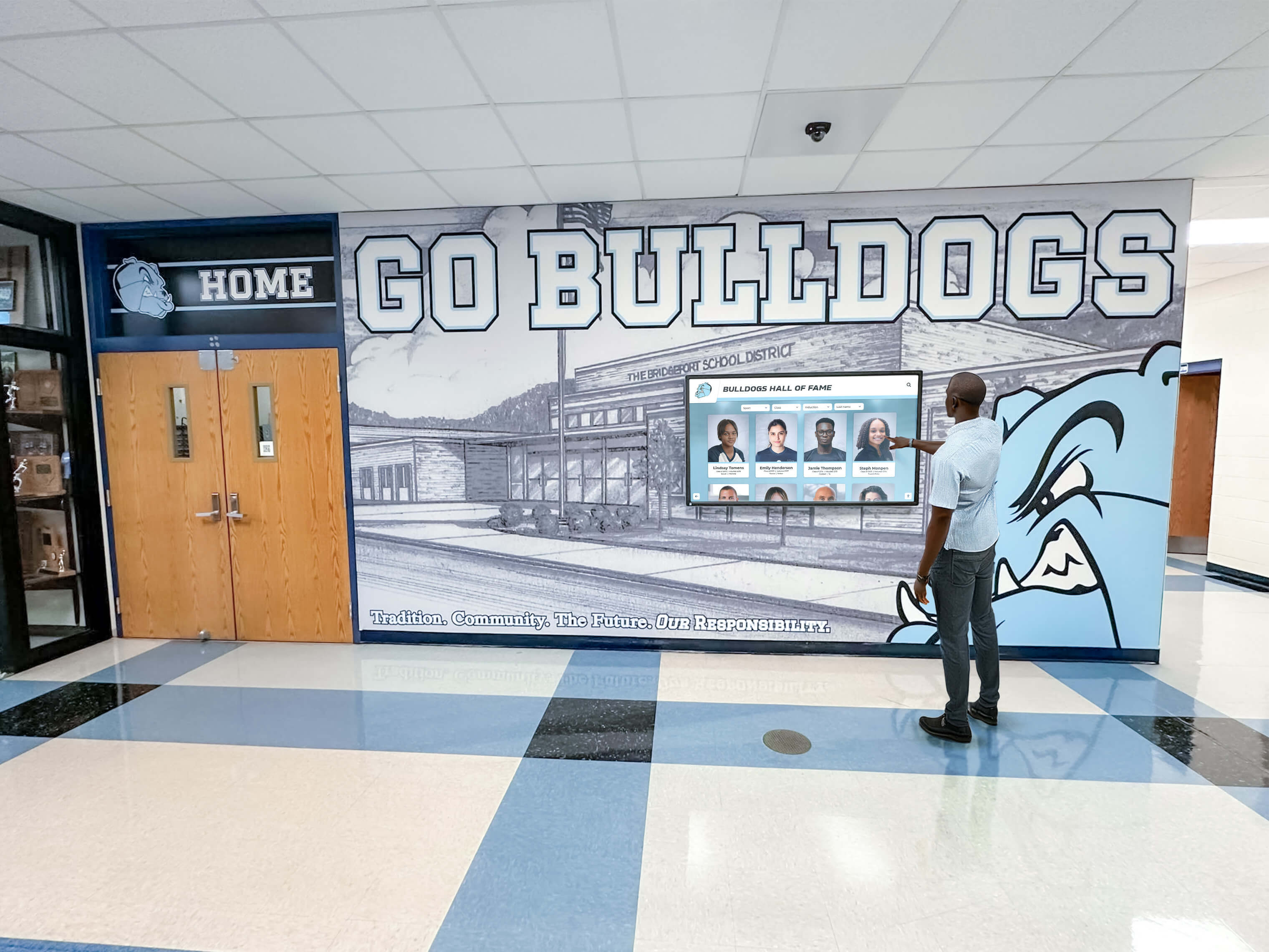
Intuitive touchscreen interfaces encourage exploration and make finding specific officers simple
Ensuring Equitable Access and Inclusive Recognition
Recognition programs should celebrate authentic officer service while ensuring election processes remain accessible to all qualified students regardless of background circumstances:
Equity Considerations in Officer Elections
- Ensure all students understand election procedures and timelines clearly
- Provide campaign support including materials and guidance for candidates lacking resources
- Offer leadership training accessible to all interested students
- Create pathways to student government through committees and representative positions
- Train faculty advisors on equitable evaluation preventing unconscious bias
- Monitor officer demographics ensuring diverse student representation
Inclusive Recognition Presentation
- Celebrate all officers equally regardless of popularity or prominence
- Highlight diverse pathways to leadership across varied interests and backgrounds
- Feature officers reflecting full school demographic diversity
- Document initiatives serving diverse communities and causes
- Ensure recognition content is culturally responsive and respectful
- Make digital showcases physically accessible to all community members
Supporting Officer Success Throughout Terms
- Provide ongoing training in meeting facilitation and parliamentary procedure
- Connect officers with mentors and alumni sharing similar backgrounds
- Offer regular feedback helping officers develop leadership skills
- Support collaborative team dynamics preventing individual isolation
- Facilitate meaningful initiative opportunities showing tangible impact
- Maintain officer connection through graduation and into alumni status
Schools should regularly assess student government participation rates across populations, taking proactive action when analysis reveals disparities requiring targeted outreach, election process refinements, or support improvements ensuring all capable students can access officer opportunities regardless of background circumstances that should never determine leadership potential.
Measuring Digital Showcase Program Effectiveness
Systematic assessment ensures recognition programs achieve intended goals while identifying improvement opportunities based on evidence rather than assumptions:
Quantitative Impact Metrics
Recognition Completeness
- Percentage of verified officers included in showcases (target: 100%)
- Profile completeness including photos and comprehensive narratives
- Historical coverage depth showing institutional tradition across decades
- Update timeliness measuring delay between elections and display additions
Student Government Participation Trends
- Officer candidate numbers showing interest levels over time
- Election voting participation rates demonstrating civic engagement
- Diversity of officers compared to overall student demographics
- Officer retention through graduation and continued leadership involvement
Digital Showcase Engagement Indicators
- Display interaction rates and average session duration
- Most-viewed officer profiles and popular content categories
- Web platform usage statistics showing community interest
- Social media engagement with officer recognition content
- Alumni access patterns and reunion-driven traffic
College Outcomes Demonstrating Value
- University admission success rates for officers versus non-officers
- Leadership scholarship awards and financial aid amounts
- College persistence rates showing preparation effectiveness
- Career trajectories showing long-term leadership development
These metrics provide objective evidence of program value while identifying specific areas requiring improvement or expansion to maximize recognition effectiveness and demonstrate return on investment in comprehensive class officer celebration throughout school communities.
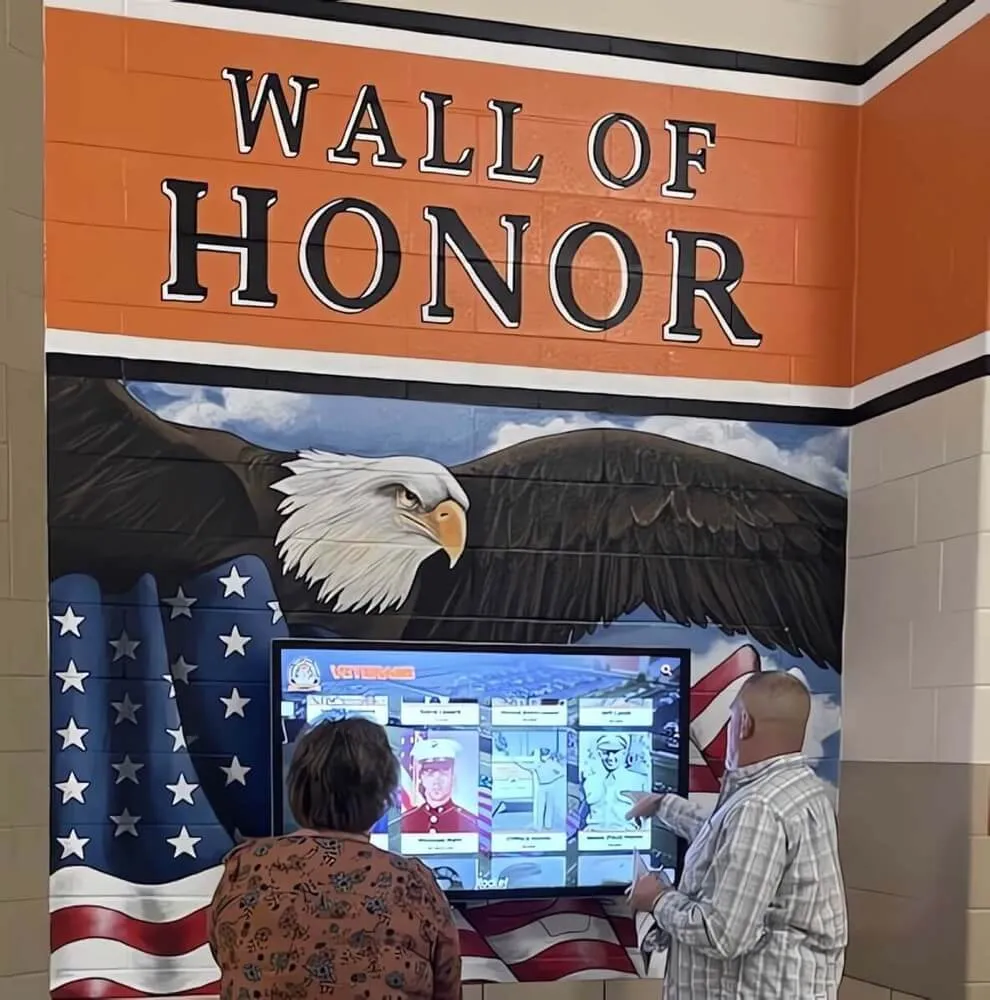
Prominent placement demonstrates institutional commitment to student leadership and democratic participation
Qualitative Assessment and Cultural Impact
Stakeholder Feedback Collection
- Student surveys about recognition awareness and motivational impact
- Officer satisfaction with how recognition honors their service
- Family perception of program quality and visibility
- Alumni perspective on recognition’s influence on their development
- Faculty observations about student motivation and culture shifts
- Community perception of institutional commitment to student voice
Cultural Indicators of Program Success
- Observed increases in officer candidate numbers and election competitiveness
- Student pride in government service rather than viewing it as resume padding
- Underclassmen actively seeking guidance about running for office
- Community conversations celebrating student leadership alongside athletics
- Prospective family interest in strong student government programs
- Alumni engagement maintained through officer recognition connections
Continuous Improvement Process
- Annual program review with advisors and school leadership
- Regular content audits ensuring accuracy, relevance, and quality
- Technology assessment maintaining contemporary functionality
- Benchmark comparison with peer institutions identifying innovations
- Budget allocation ensuring sustainable operations and enhancements
Regular assessment enables continuous improvement ensuring recognition programs remain meaningful and impactful while justifying resource investment through demonstrated positive outcomes for officers, school culture, and broader educational communities preparing students for active, informed citizenship.
Supporting College Applications Through Officer Recognition
Digital showcases provide valuable college application support that officers can utilize during competitive admission processes:
Documentation for College Applications
Verified Leadership Credentials
- Elected position titles with specific terms served
- Achievement documentation with evidence and metrics
- Faculty advisor verification supporting recommendation letters
- Detailed contribution descriptions for application essays
- Quantifiable impact demonstrating tangible results
- Official recognition certificates or letters
Competitive Distinction
Officer service offers unique positioning:
- Demonstration of peer respect through democratic election
- Evidence of sustained commitment across academic terms
- Proof of organizational and communication capabilities
- Documentation of budget management and financial responsibility
- Distinctive activities list differentiation from generic volunteering
- Leadership narrative for personal statements and interviews
Transferable Skill Documentation
Officer experience builds essential competencies:
- Public speaking and presentation skills
- Meeting facilitation and parliamentary procedure knowledge
- Budget management and financial oversight experience
- Project coordination and deadline management abilities
- Conflict resolution and consensus building practice
- Team leadership and effective delegation capabilities
Digital recognition systems provide easily accessible documentation supporting college applications while creating shareable content for student portfolios, scholarship competitions, and personal branding throughout the admission process and beyond high school graduation.
Explore academic recognition displays that complement leadership acknowledgment.
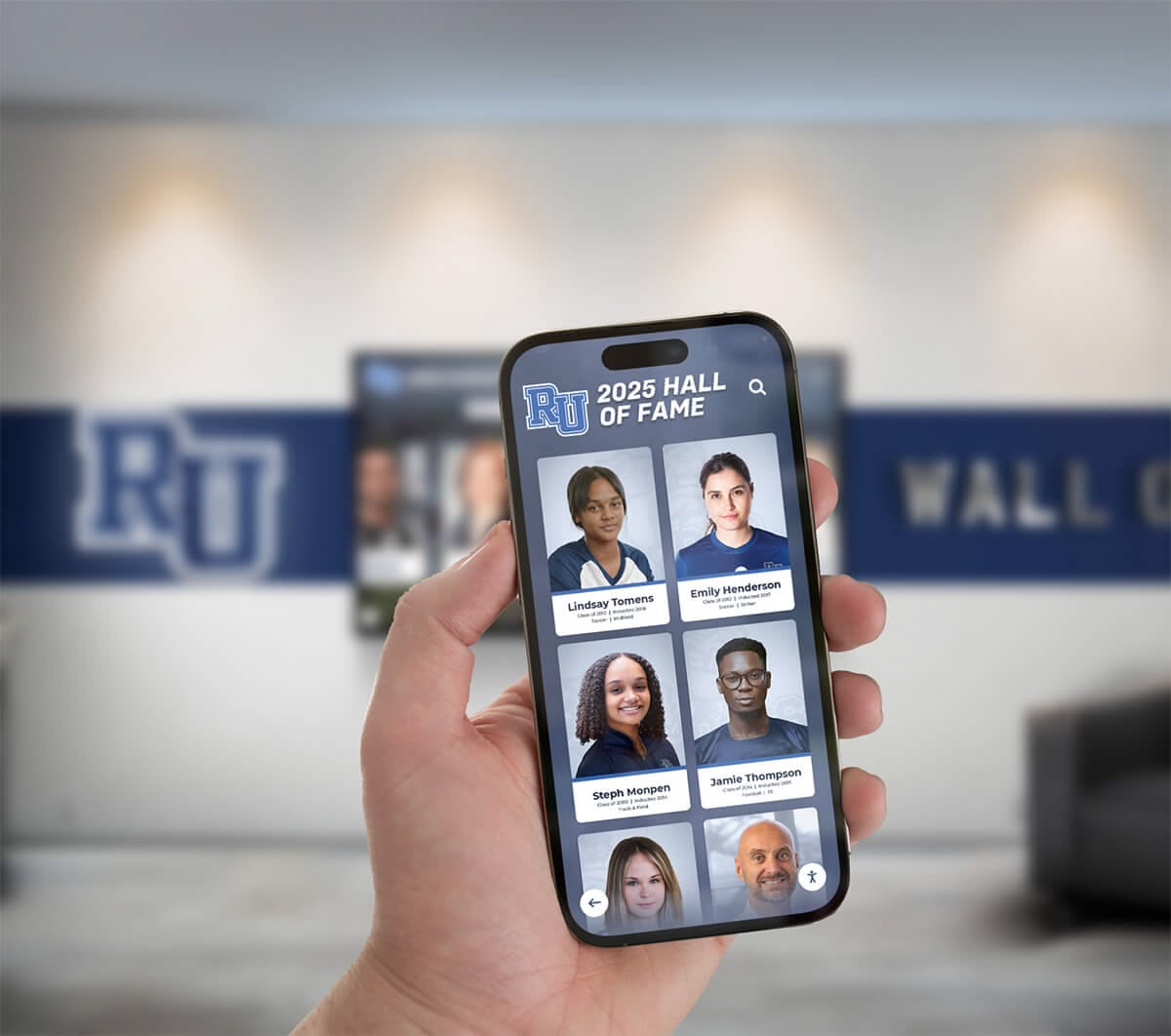
Mobile-optimized showcases enable officers to access their recognition documentation anytime for college applications
Special Considerations for Class Officer Recognition
Student government-specific factors require particular attention in showcase design and implementation:
Balancing Historical and Current Officer Recognition
Effective programs honor past leadership while celebrating present service:
Historical Context Enriching Current Recognition
- Timeline visualizations showing officer succession across decades
- Connections between current initiatives and historical traditions
- Notable alumni officers and their subsequent achievements
- Governance structure evolution reflecting institutional development
- Founding stories about student government establishment
Ensuring Current Officers Receive Prominence
- Featured sections highlighting current academic year leadership
- Real-time updates documenting ongoing initiatives and events
- Photo galleries from recent activities and accomplishments
- Direct links to current officer contact information
- Integration with school communications and social media
Alumni Engagement Through Recognition
Recognition creates ongoing connection opportunities:
- Alumni officer profiles updated with career information
- Reunion event integration featuring historical showcases
- Mentorship programs connecting past and present leaders
- Guest speaker opportunities for accomplished alumni officers
- Career networking through officer alumni databases
Recognizing Non-Officer Student Government Contributors
Comprehensive recognition extends beyond elected positions:
Committee Members and Representatives
- Homeroom or advisory representatives serving communication roles
- Committee members leading specific initiative areas
- Volunteer coordinators mobilizing student participation
- Event planning team members executing major activities
Faculty Advisors and Staff Support
- Teacher advisors providing guidance and institutional knowledge
- Administrative liaisons facilitating school partnerships
- Parent volunteers supporting major events
- Community partners enabling service projects
Recognition systems acknowledging complete governance structures demonstrate that effective student leadership involves collaborative teams rather than individual figureheads, while honoring diverse contribution types that make student government successful in creating vibrant, student-centered school communities.
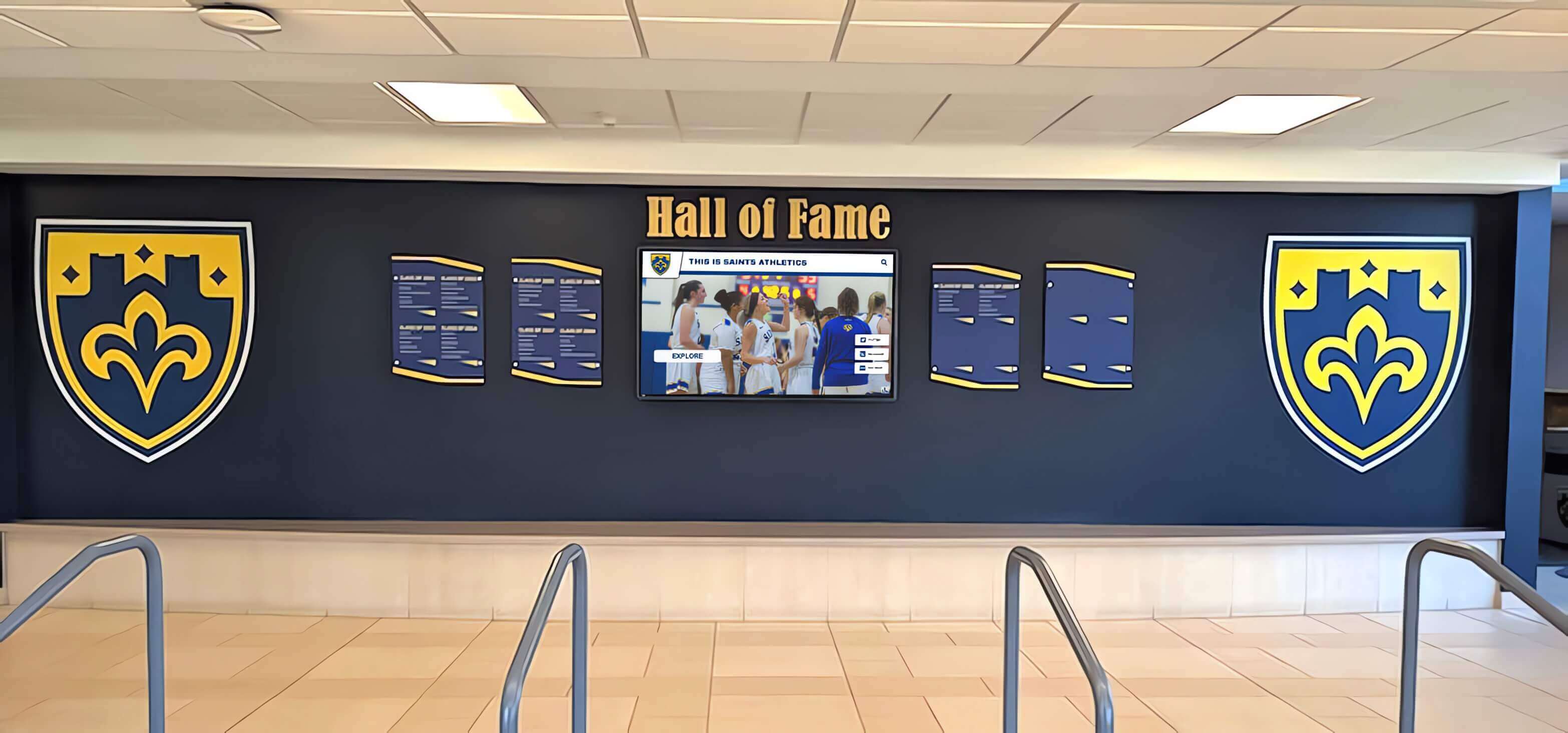
Comprehensive recognition displays celebrate complete leadership ecosystems beyond elected officers alone
Conclusion: Honoring Class Officer Leadership Legacy
Class officers provide essential leadership creating democratic school communities where student voice matters, peer representation thrives, and young people practice self-governance preparing them for active citizenship throughout their lives. These elected student leaders organize events that build school spirit, represent constituent interests in discussions with administration, manage substantial budgets requiring financial responsibility, and develop civic competencies extending far beyond high school graduation into college success and professional achievement.
Effective recognition systems honor these multifaceted contributions through approaches that celebrate leadership comprehensively, preserve governance history and tradition, inspire future democratic participation, and demonstrate institutional commitment to student voice and civic education as core educational priorities rather than peripheral activities receiving minimal acknowledgment compared to athletic and academic achievements.
Transform Your Class Officer Recognition Program
Discover how modern digital showcases can help you celebrate every class officer's leadership contributions while building lasting democratic traditions and inspiring future student government participation.
Explore Recognition SolutionsFrom traditional trophy case plaques documenting officer names to modern digital showcases providing unlimited recognition capacity, interactive exploration, and comprehensive achievement narratives, multiple options exist matching different resources and institutional priorities. The strategies explored in this guide provide frameworks for building recognition systems that honor class officer leadership while remaining sustainable, equitable, and aligned with civic education goals essential for preparing informed, engaged citizens.
Whether implementing new officer recognition programs or enhancing existing approaches, combining systematic planning with modern showcase technology creates celebration systems that genuinely motivate students, strengthen school culture around democratic participation, and honor the remarkable contributions your class officers demonstrate through their dedication to governance, community building, and student advocacy—leadership that shapes daily school life while developing essential competencies supporting college success and lifelong civic engagement.
Your class officers dedicate countless hours building democratic communities that enrich school culture and develop vital civic competencies. They deserve recognition equal to any other student achievement while serving as inspiration for future generations discovering the power of student voice, democratic participation, and community organizing. Start where you are with recognition you can implement immediately, then systematically expand to create comprehensive approaches your student leaders deserve. Every officer whose leadership receives meaningful acknowledgment understands their contributions mattered, their legacy continues, and their example inspires others to step forward and lead.
Ready to begin? Explore comprehensive recognition approaches that celebrate all dimensions of student leadership including the essential democratic engagement flourishing in your school’s student government programs.































