History often feels distant in traditional education—static textbooks, fading photographs in dusty archives, and dates memorized for tests only to be forgotten. Yet the past holds powerful stories that shaped our present and inform our future. Today’s digital tools transform historical learning from passive memorization into active exploration, making centuries-old events feel immediate and relevant through interactive technologies, immersive experiences, and accessible archives.
Educational institutions, museums, historical societies, and cultural organizations now leverage sophisticated digital platforms to preserve heritage while creating engaging experiences that captivate modern audiences. From AI-powered personalization to touchscreen exploration interfaces, from virtual reality historical recreations to searchable multimedia archives, technology has revolutionized how we discover, understand, and connect with the past.
The challenge facing history educators and cultural institutions isn’t whether the past deserves attention—compelling stories, significant achievements, and transformative moments exist throughout human history. The question is how to make historical content accessible and engaging for generations raised on interactive digital experiences. Static displays and text-heavy presentations struggle to capture attention in an era of smartphones, streaming media, and instant information access.
Digital tools address this challenge by transforming historical content from distant abstraction into tangible, explorable, and personally relevant experiences. Interactive displays invite physical engagement. Searchable archives enable personalized discovery. Virtual reality recreations create immersive understanding impossible through traditional methods. Multimedia storytelling brings historical figures to life through their own words and contemporary accounts.
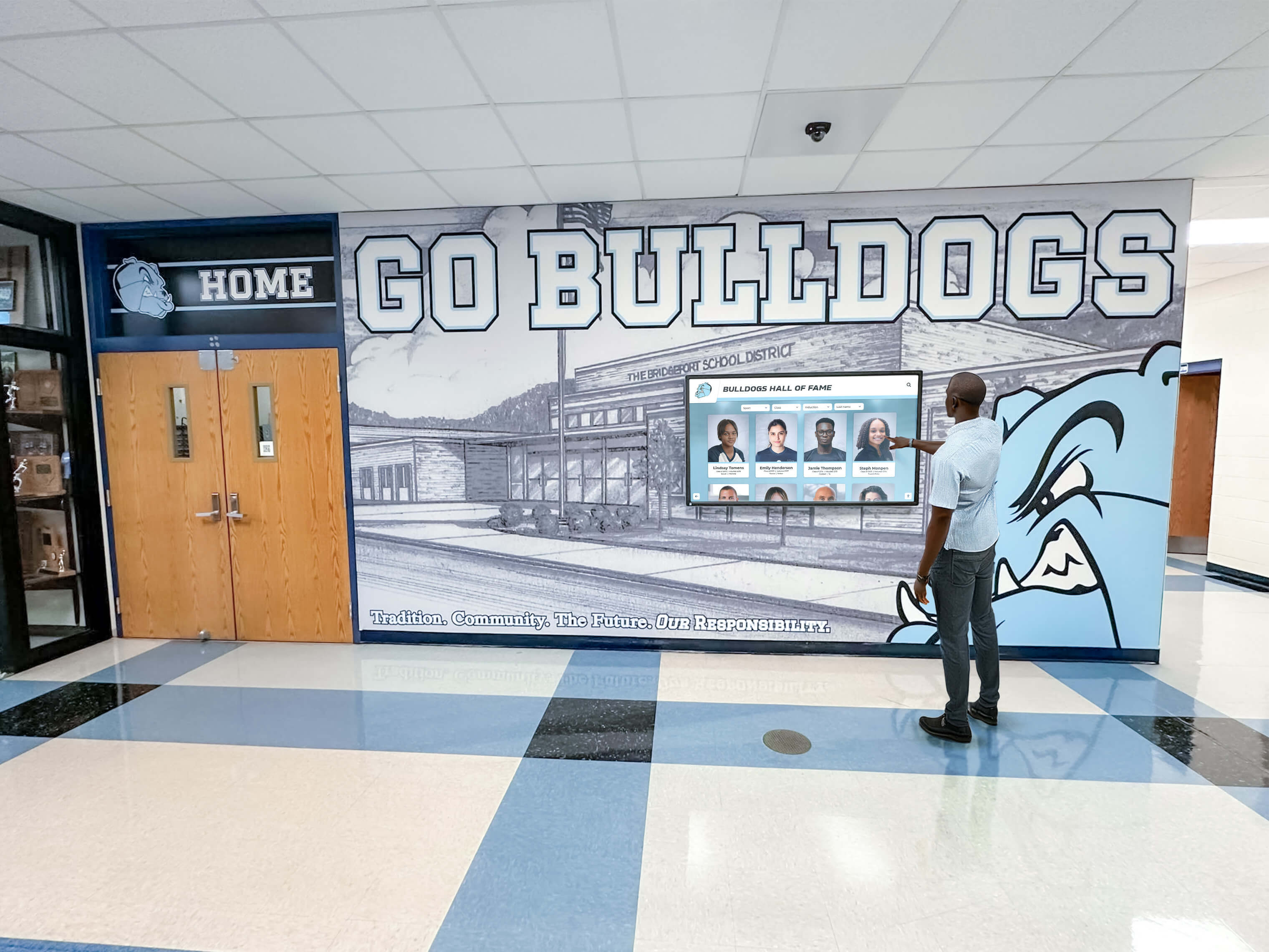
Interactive technology creates hands-on historical exploration experiences for all ages
Interactive Display Technologies Revolutionizing Historical Presentation
Traditional historical displays—plaques with limited text, glass-encased artifacts, static photographs—provide passive viewing experiences where visitors glance briefly before moving on. Interactive digital displays fundamentally transform this dynamic by inviting active exploration and personalized discovery.
Touchscreen Interactive Displays for Physical Spaces
Commercial-grade touchscreen systems installed in museums, schools, libraries, and historical sites create exploration stations where visitors actively navigate historical content rather than passively viewing predetermined information.
Core Capabilities of Interactive Historical Displays
Modern touchscreen systems provide comprehensive features for historical presentation:
- Intuitive touch navigation enabling users of all ages to explore content through familiar swipe, tap, and pinch gestures learned from smartphones and tablets
- Searchable databases allowing visitors to instantly locate specific individuals, events, years, or topics within massive historical collections
- Multimedia integration incorporating photographs, video footage, audio recordings, historical documents, and interactive timelines within unified experiences
- Layered information architecture presenting overview content immediately while enabling deeper exploration for interested visitors
- Multiple language support making historical content accessible to diverse audiences through translation capabilities
- Accessibility features including screen reader support, adjustable text sizes, and alternative navigation methods ensuring inclusive access
- Analytics tracking revealing which content generates most interest and how visitors navigate historical information
Solutions like those from Rocket Alumni Solutions specialize in creating interactive touchscreen displays specifically designed for educational institutions and cultural organizations, transforming how communities engage with local history and institutional heritage.
Implementation Benefits for Institutions
Organizations implementing interactive historical displays report significant advantages:
Physical space limitations disappear—digital systems accommodate unlimited historical content impossible to display in traditional physical exhibits. Schools with overflowing trophy cases and museums with vast collections in storage suddenly make complete archives accessible to visitors.
Update flexibility increases dramatically compared to static displays requiring physical fabrication and installation. Adding new historical content, correcting information, or creating special exhibits becomes as simple as cloud-based content management rather than expensive physical modifications.
Engagement depth improves substantially. According to museum research, visitors typically spend 30-60 seconds viewing traditional displays but average 5-10 minutes actively exploring interactive digital exhibits, creating significantly deeper connections with historical content.
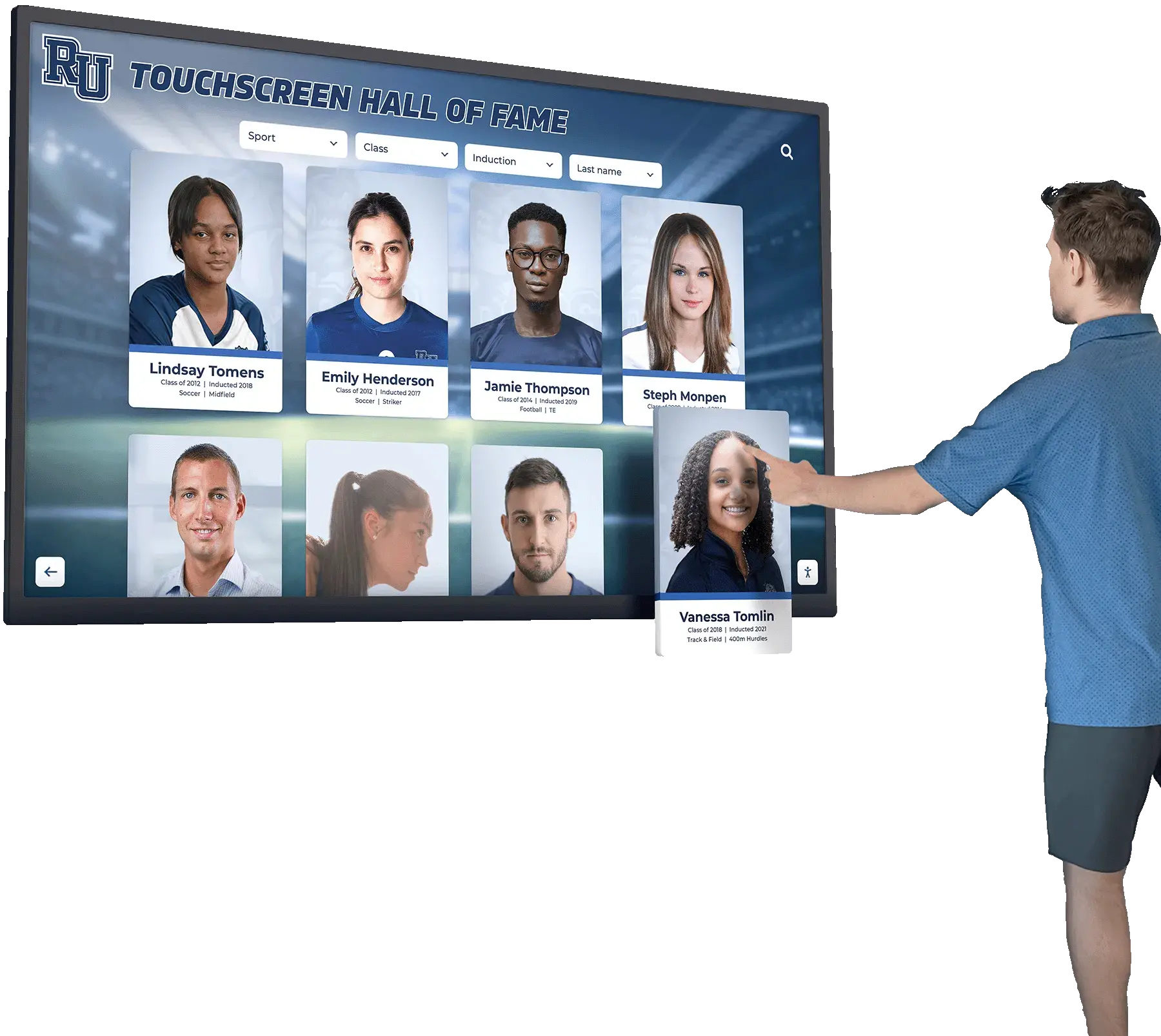
Interactive displays enable personalized historical discovery journeys
Digital Signage and Dynamic Historical Displays
Beyond interactive touchscreens, digital signage systems display rotating historical content in high-traffic areas, keeping institutional heritage visible throughout facilities.
Digital displays in school hallways, museum corridors, or public building lobbies can showcase historical photos, achievement highlights, timeline events, or notable individuals on rotating schedules. Unlike static displays that become invisible through familiarity, regularly changing digital content maintains attention and enables showcasing far more historical material than physical space would accommodate.
Content management systems enable scheduling specific historical content for relevant dates—displaying founding anniversary information during that week, highlighting notable alumni during reunion seasons, or featuring seasonal historical events as their anniversaries approach. This contextual presentation makes historical content feel current and relevant rather than distant and abstract.
Comprehensive Digital Archive Platforms
While interactive displays transform physical space engagement, comprehensive digital archive platforms make historical collections accessible worldwide through online portals, searchable databases, and collaborative documentation systems.
Digitization and Digital Preservation
Converting physical historical materials to digital formats serves dual purposes: ensuring long-term preservation while creating accessible resources for research, education, and community engagement.
Essential Digitization Components
Comprehensive digital archive programs include:
High-Resolution Scanning: Professional scanning equipment captures photographs, documents, yearbooks, newspapers, and publications at resolutions ensuring clarity even when displayed on large screens or zoomed for detail examination. Many institutions scan historical materials at 600 DPI or higher, creating archival-quality digital copies exceeding what most usage requires but future-proofing collections as display technology improves.
Metadata and Cataloging: Digital files without proper organization become nearly useless within large collections. Systematic metadata tagging—identifying dates, individuals, locations, events, subjects, and other relevant information—transforms scattered digital files into searchable, discoverable archives. According to digital archiving best practices, consistent metadata standards represent the difference between accessible archives and digital storage that remains as inaccessible as boxes in basements.
Searchable Text Recognition: Optical character recognition (OCR) technology converts printed text within scanned documents, yearbooks, and newspapers into searchable digital text. Visitors can search for specific names across decades of yearbooks, locate historical newspaper references to particular events, or find mentions of individuals within administrative records—capabilities impossible with physical archives requiring manual page-by-page review.
For schools and institutions seeking to preserve historical materials, comprehensive digitization programs provide systematic approaches to converting decades or centuries of physical collections into accessible digital archives.

Digitization preserves irreplaceable historical materials while enabling universal access
Web-Based Historical Portals
Online archive portals extend historical content access beyond physical location limitations, enabling anyone with internet connectivity to explore institutional history, conduct research, or discover personal connections to organizations.
Core Portal Features for Historical Engagement
Effective web-based historical platforms provide:
Advanced Search Functionality: Users should find specific information through keyword searches, faceted filtering by date ranges or categories, Boolean logic for complex queries, and fuzzy matching accommodating spelling variations. Historical research becomes practical when visitors can instantly locate specific individuals, events, or topics within collections containing thousands or tens of thousands of items.
Browse and Discovery Options: Beyond targeted searching, portals should enable exploration through chronological timelines, category browsing, featured content highlights, and related content suggestions. Many visitors don’t arrive seeking specific information but discover fascinating historical connections through serendipitous browsing.
User Contribution Systems: The most comprehensive historical archives result from collaborative documentation where community members contribute photographs, stories, corrections, and additional context to official institutional records. Built-in submission forms, moderation workflows, and attribution systems enable crowdsourced historical enrichment while maintaining quality standards.
Social Integration: Share functionality allowing users to post historical photos, profiles, or achievement stories to personal social media extends historical content reach dramatically. Alumni discovering photographs of themselves or classmates naturally share discoveries with personal networks, creating engagement and awareness impossible through institutional channels alone.
For organizations developing comprehensive online historical presence, platforms like those from Rocket Alumni Solutions provide integrated systems combining archival digitization, interactive displays, and web portals specifically designed for educational and cultural institutions.
Immersive Technologies: VR, AR, and 3D Historical Experiences
While interactive displays and digital archives improve access to historical content, immersive technologies create entirely new categories of historical experience impossible through traditional methods.
Virtual Reality Historical Recreations
VR technology enables visitors to virtually experience historical settings, events, and environments through computer-generated three-dimensional recreations explored using VR headsets.
Educational Applications of VR History
Virtual reality brings historical content to life through:
Historical Site Recreations: Students can virtually walk through ancient Rome at its height, explore Renaissance Florence, or experience Civil War battlefields as they appeared historically. Archaeological sites destroyed by time or conflict exist perfectly preserved in virtual space—organizations have created VR experiences reconstructing UNESCO-recognized monuments in Syria, Iraq, and Afghanistan destroyed by war, ensuring these cultural treasures remain accessible despite physical loss.
Historical Event Simulations: Platforms like Mission US create immersive historical games where students play fictional characters experiencing real historical periods, making difficult moral and strategic decisions reflecting authentic historical dilemmas. These experiential learning environments create emotional understanding impossible through reading about historical events.
Immersive Historical Storytelling: The National Archives Museum, which opened a new interactive space in October 2025, showcases how institutions are incorporating immersive experiences that allow visitors to engage with historical documents and narratives in unprecedented ways. As the first museum on the National Mall featuring AI-powered personalized experiences, it demonstrates the cutting edge of historical presentation technology.
Augmented Reality Historical Overlays
While VR creates completely virtual environments, augmented reality overlays digital historical content onto physical spaces through smartphone or tablet screens, connecting historical information directly to real-world locations.
AR Applications for Historical Sites
Educational institutions and historical organizations implement AR through:
Campus Historical Walking Tours: Visitors point smartphones at campus buildings to see historical photographs of those locations, architectural evolution timelines, or stories about significant events occurring there. Physical spaces gain historical context invisible to the naked eye but immediately accessible through AR interfaces.
Museum Artifact Enhancement: Visitors examining physical artifacts can view AR overlays showing how objects were originally used, displaying related historical context, or presenting 3D models revealing internal structures or missing pieces. Static museum displays gain dynamic interactive layers without altering physical exhibits.
Historical Marker Evolution: Traditional bronze historical plaques contain minimal information limited by physical space. AR-enabled markers accessed through QR codes or AR apps provide unlimited additional content—photographs, video testimonials, detailed historical accounts, and related stories—while maintaining simple physical presence.
For schools seeking to create engaging historical timeline displays that blend physical and digital experiences, AR technology offers compelling possibilities for connecting campus locations with institutional heritage.
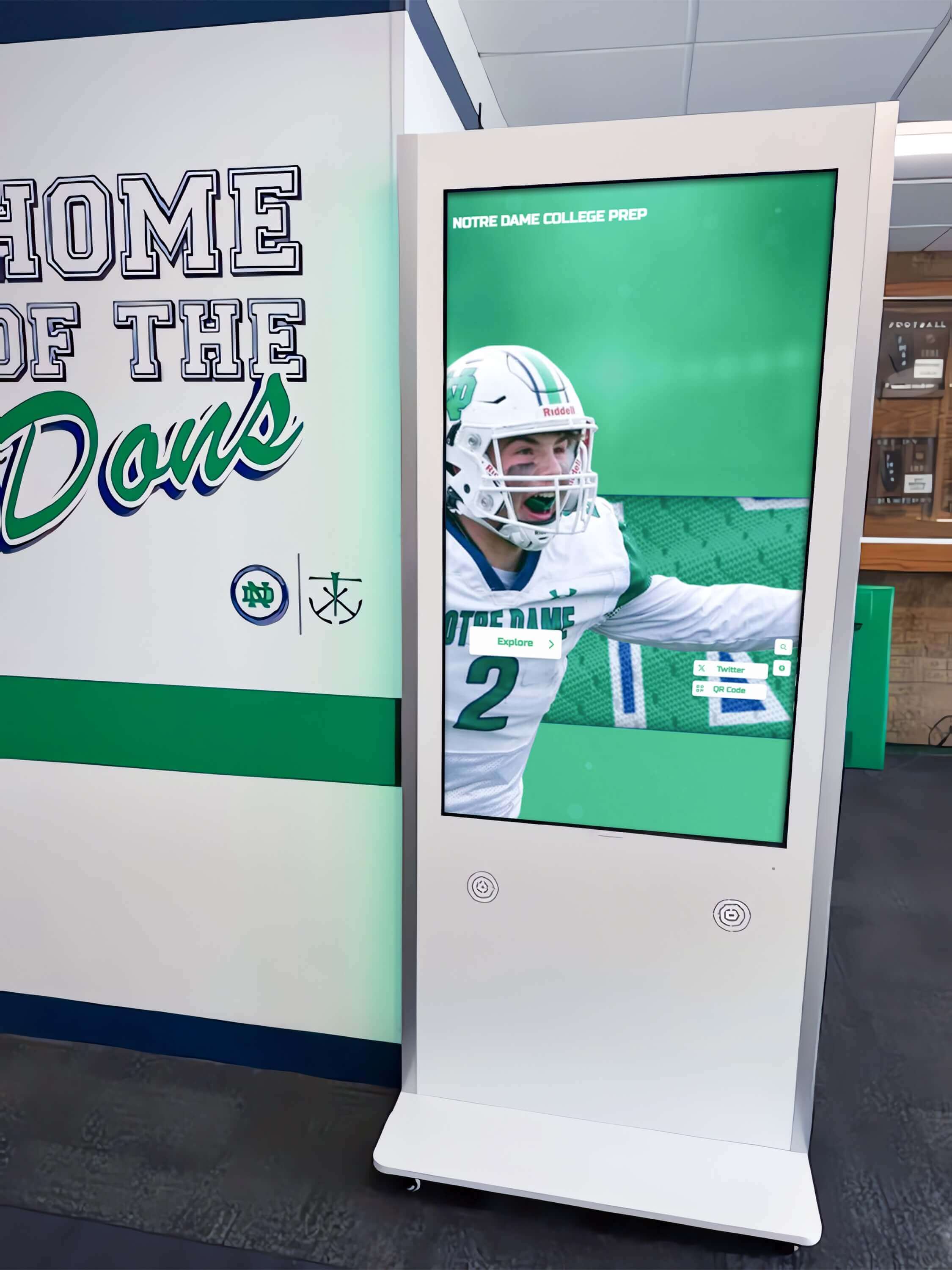
Advanced display technologies make institutional history accessible and engaging
Educational Gaming and Interactive Historical Learning
Traditional history education often emphasizes memorization of dates and facts disconnected from meaningful context. Educational games transform historical learning into active problem-solving and decision-making that builds genuine understanding.
Historical Simulation Games
Platforms specifically designed for history education create immersive gaming experiences where students make authentic historical decisions and experience realistic consequences.
Leading Educational History Games
Several platforms have proven particularly effective:
Minecraft Education Edition: Minecraft’s educational version includes lessons where students reconstruct UNESCO-recognized monuments, rebuild the Titanic’s interior, and learn about pyramid construction through hands-on virtual building. Students develop understanding of historical architecture, engineering challenges, and cultural significance through creative reconstruction.
iCivics: Founded by former Supreme Court Justice Sandra Day O’Connor, iCivics provides free educational games teaching civics and government. Games like “Do I Have a Right?” allow students to run virtual civil rights law firms, learning constitutional principles through experiential gameplay rather than textbook reading.
Mission US: Complete with voice acting and animated cutscenes, Mission US games have students play fictional children from real American historical eras, making difficult moral and strategic decisions reflecting authentic historical dilemmas. This first-person perspective builds empathetic understanding of historical experiences impossible through traditional third-person historical accounts.
Gamification of Historical Content
Beyond dedicated educational games, gamification techniques make exploring historical archives and institutional heritage more engaging through achievement systems, discovery challenges, and competitive elements.
Schools implementing digital recognition systems can incorporate gamification encouraging students to explore institutional history through scavenger hunts, trivia challenges based on historical content, achievement badges for discovering specific historical items, and leaderboards recognizing historical knowledge development.
AI-Powered Personalization and Interactive Historical Experiences
Artificial intelligence increasingly enables personalized historical experiences impossible through traditional one-size-fits-all presentations.
AI-Generated Historical Visualizations
AI image generation creates historical visualizations addressing gaps in photographic records, particularly for periods predating photography.
Teachers use AI-generated images to drive critical thinking by having students analyze which aspects of AI-generated historical scenes appear accurate versus fantastical based on historical research. This develops both historical knowledge and digital literacy recognizing AI capabilities and limitations.
Personalized Museum Experiences
The National Archives Museum’s new space, opening October 23, 2025, represents the first National Mall museum featuring AI-powered personalized experiences. With two million records pre-loaded into digital kiosks, visitors receive customized recommendations based on interests, previous interactions, and stated preferences—similar to how streaming services recommend content but applied to historical materials.
Intelligent Historical Research Assistants
AI-powered chatbots and virtual guides answer visitor questions about historical content conversationally, making vast historical databases accessible through natural language rather than requiring specific search terms or database navigation skills.
These intelligent systems can explain historical context, connect related historical events across different time periods, answer follow-up questions based on previous interactions, and recommend relevant historical content based on stated interests—creating guided historical exploration experiences previously requiring human expert docents.
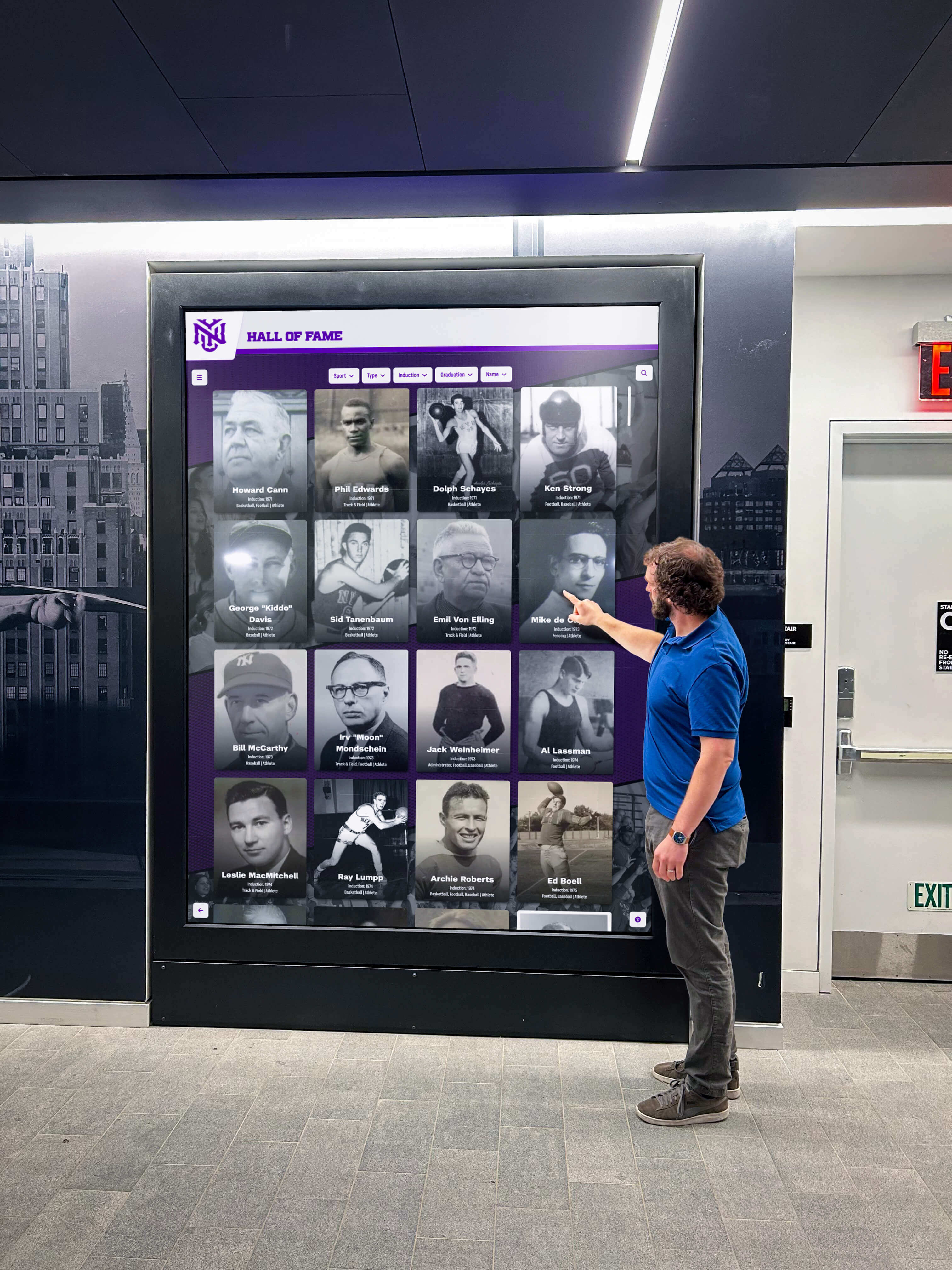
AI technology makes massive historical collections intuitively accessible
Multimedia Historical Storytelling Platforms
Beyond displaying historical information, contemporary digital tools enable rich multimedia storytelling that brings historical figures and events to life through their own words, contemporary accounts, and layered contextual information.
Interactive Timeline Platforms
Timeline tools organize historical information chronologically while enabling deep exploration of specific periods, events, or individuals.
Google Arts & Culture features interactive storytelling designed to make learning about history an adventure, allowing users to navigate through timelines and narratives weaving together different events and figures. The platform combines museum collections, historical photographs, and contextual information into compelling visual presentations.
Historiana, created by EuroClio, provides interactive timelines, lesson plans, and multimedia content specifically designed for history education, fostering dynamic and participative learning environments through ICT tools that help students develop historical enquiry skills.
For schools and institutions creating institutional historical timelines, specialized platforms enable sophisticated chronological presentations connecting decades or centuries of evolution, achievement, and tradition.
Oral History and Documentary Video Integration
Historical understanding deepens tremendously when supplementing written records and photographs with audio recordings and video documentation capturing voices, mannerisms, and personal reflections impossible to convey through text alone.
Comprehensive historical platforms incorporate:
Video Oral Histories: Recorded interviews with individuals who experienced significant historical periods, participated in notable events, or witnessed institutional evolution provide irreplaceable firsthand perspectives. These recordings become increasingly valuable as interviewees age, capturing knowledge that would otherwise disappear.
Historical Footage Integration: Archival film and video from historical events—championship games, institutional celebrations, significant ceremonies—create visceral connections to historical moments. Seeing historical events unfold in motion creates engagement impossible through still photographs alone.
Contemporary Documentary Production: Many institutions create documentary films exploring historical topics through combination of archival materials, present-day interviews, expert commentary, and narrative storytelling. These productions serve both as standalone historical content and as introductory material drawing viewers into deeper archive exploration.
Comprehensive Institutional History Management Systems
While individual tools address specific aspects of historical presentation, comprehensive platforms integrate multiple capabilities into unified systems designed specifically for educational institutions, cultural organizations, and historical societies.
All-in-One Heritage Platforms
Modern institutional history solutions combine content management, interactive display control, web portal publishing, and analytics within single cloud-based systems accessible to non-technical staff.
Core System Components
Comprehensive platforms typically include:
Centralized Content Management: Browser-based dashboards where authorized staff create, organize, and publish historical content without requiring technical expertise. Form-driven entry, drag-and-drop media upload, and intuitive workflows make historical documentation accessible to historians and archivists rather than requiring IT specialists.
Multi-Channel Distribution: Content entered once automatically appears across multiple presentation channels—interactive touchscreen displays on campus, web-based portals accessible worldwide, mobile apps for on-the-go access, and embedded widgets within existing institutional websites. This multi-channel approach maximizes historical content visibility without requiring duplicate content management.
Search and Discovery Tools: Robust search functionality across entire historical collections enables visitors to locate specific individuals, events, years, or topics within databases containing thousands or tens of thousands of items. Faceted filtering, Boolean operators, and relevance ranking ensure findability even within massive archives.
Analytics and Engagement Tracking: Built-in analytics reveal which historical content generates most interest, how visitors navigate archives, what search terms people use, and engagement patterns over time. This data-driven insight enables continuous improvement of historical presentation strategies.
Solutions like Rocket Alumni Solutions provide specialized platforms combining these capabilities specifically for educational institutions, understanding how schools organize historical information and structure athletic recognition, academic achievement, and institutional heritage programs.
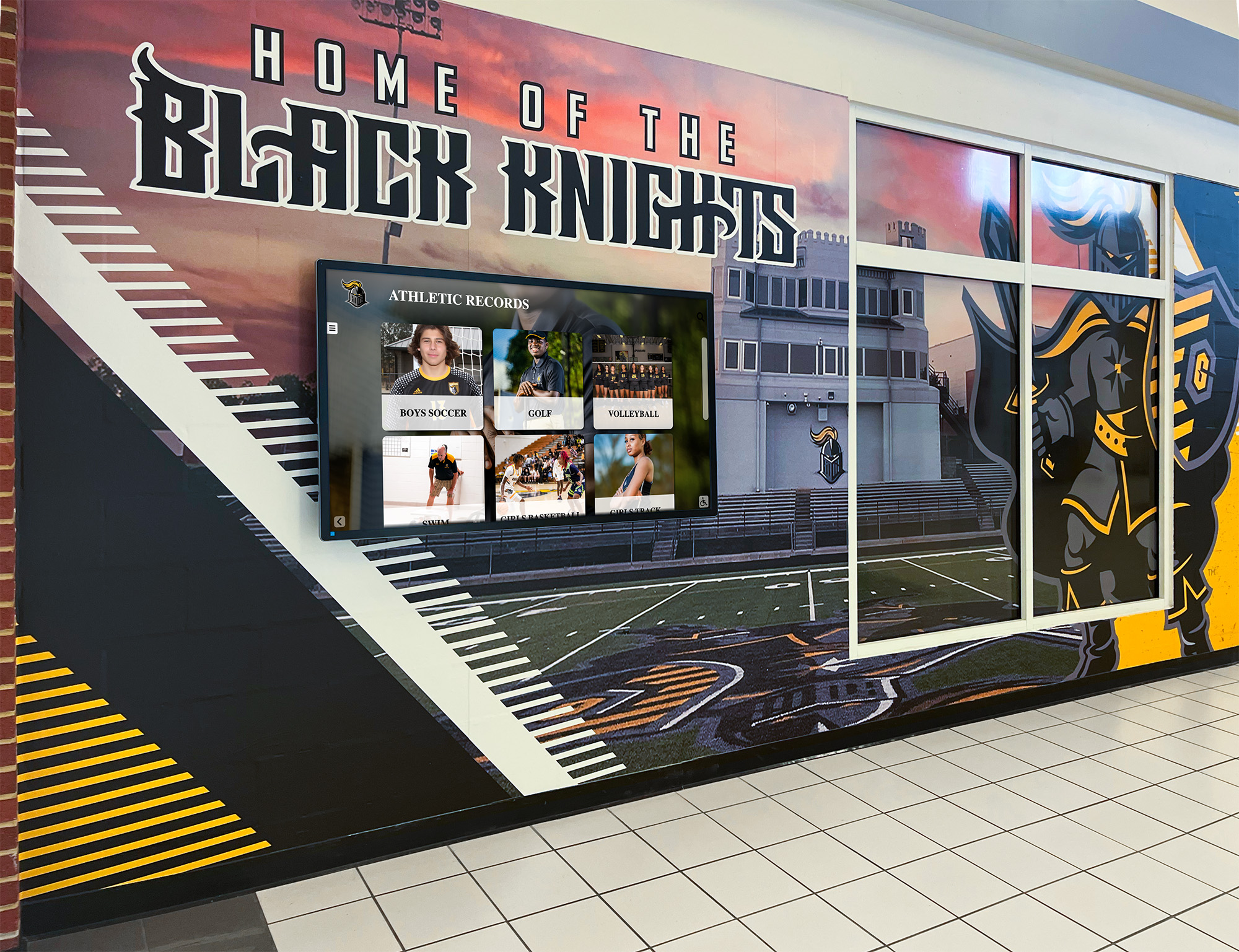
Comprehensive platforms unify historical content management and presentation
Cloud-Based Accessibility and Remote Management
Contemporary historical platforms leverage cloud infrastructure enabling remote content management, automatic backups, seamless updates, and universal accessibility impossible with locally-installed software or physically-managed displays.
Cloud Platform Advantages
Cloud-based historical systems provide:
Remote Content Updates: Staff update historical displays from any internet-connected device without requiring physical hardware access. A development officer traveling for alumni engagement can immediately add newly-donated photographs to online archives. Athletic directors can update record displays from home after evening games. This flexibility ensures historical content remains current without logistical barriers.
Automatic Backups and Disaster Recovery: Cloud storage automatically replicates historical content across multiple geographic locations, ensuring preservation even if local disasters destroy physical facilities. Many institutions learned painful lessons about backup importance after floods, fires, or equipment failures destroyed irreplaceable materials—cloud systems eliminate these risks.
Instant Software Updates: Cloud platforms receive feature improvements, security patches, and performance enhancements automatically without requiring manual software installation or system downtime. Institutions benefit from continuous improvement without IT burden.
Scalable Storage: Cloud infrastructure accommodates growing historical collections without capacity planning or hardware purchases. Whether an archive contains hundreds or hundreds of thousands of items, cloud platforms scale seamlessly to accommodate unlimited growth.
Implementation Strategies for Digital Historical Tools
Selecting appropriate digital tools represents only the beginning—successful implementation requires strategic planning, realistic resource allocation, and sustainable operational approaches.
Assessment and Planning Phase
Organizations should begin digital history initiatives with comprehensive assessment of current state, clear vision of desired outcomes, and realistic evaluation of available resources.
Critical Planning Questions
Effective planning addresses:
- What historical materials currently exist and in what condition?
- Which audiences should historical content serve (students, alumni, researchers, general public)?
- What institutional goals should historical initiatives support (education, fundraising, recruitment, community engagement)?
- What staff resources are available for initial implementation and ongoing management?
- What budget constraints or funding sources exist for technology and content development?
- What technical infrastructure and expertise currently exists?
- What timeline expectations exist for implementation and results?
Clear answers to these questions prevent pursuing sophisticated platforms exceeding actual needs or selecting limited tools inadequate for institutional ambitions.
Phased Implementation Approaches
Attempting to digitize complete institutional histories, implement comprehensive interactive systems, and launch full-featured web portals simultaneously creates overwhelming projects that stall or fail. Phased approaches deliver incremental value while building toward comprehensive solutions.
Recommended Implementation Sequence
Phase 1: Foundation and Quick Wins (Months 1-3)
- Select and implement core technology platform
- Digitize most significant or most requested historical materials
- Create basic interactive display or web portal with initial content
- Train key staff on content management
- Launch publicly with limited but compelling initial offerings
This phase demonstrates value quickly, builds organizational confidence, and creates momentum for continued investment.
Phase 2: Content Expansion (Months 4-12)
- Systematically expand historical content coverage
- Add additional features or presentation channels
- Incorporate user contribution systems enabling community submissions
- Refine approaches based on engagement analytics and user feedback
- Develop sustainable content update workflows
Second-phase expansion builds substantial historical archives supporting meaningful community engagement while establishing sustainable operational rhythms.
Phase 3: Enhancement and Integration (Year 2+)
- Enhance existing content with additional multimedia, context, and depth
- Integrate historical systems with other institutional technology platforms
- Implement advanced features like AR, gamification, or AI personalization
- Expand to additional physical display locations or specialized portal features
- Optimize based on accumulated usage data and stakeholder feedback
Long-term continuous improvement maintains platform vitality and maximizes return on technology investments.
For institutions planning comprehensive historical preservation programs, realistic phased approaches ensure sustainable success rather than overwhelming initial projects that never complete.
Staff Training and Change Management
Technology success depends on human adoption. Comprehensive training and thoughtful change management ensure staff confidently manage historical platforms rather than feeling overwhelmed by new systems.
Effective Training Components
Successful implementations provide:
Role-Specific Training: Different staff members need different skills—content creators need publishing workflows, administrators need user management, and leadership needs analytics interpretation. Targeted training addresses specific needs rather than overwhelming everyone with complete system capabilities.
Hands-On Practice: Learning by doing proves far more effective than passive demonstrations. Sandbox environments where staff experiment without risk build confidence that encourages ongoing engagement rather than technology avoidance.
Documentation and Resources: Written guides, video tutorials, and quick-reference materials support independent learning and serve as ongoing resources when questions arise after initial training.
Ongoing Support: Accessible technical support addressing questions, troubleshooting issues, and providing best practice guidance ensures staff feel supported rather than abandoned after initial implementation.
Measuring Success and Demonstrating Value
Organizations implementing digital historical tools should establish clear success metrics demonstrating value to stakeholders and informing continuous improvement.
Quantitative Engagement Metrics
Concrete usage statistics provide objective evidence of community engagement with historical content:
Display and Portal Analytics
- Total visitor interactions and unique users over time
- Average session duration indicating engagement depth
- Most-viewed content revealing community interests
- Search queries showing what information visitors seek
- Navigation pathways revealing how users explore content
- Geographic distribution showing reach beyond local community
These metrics demonstrate whether historical investments achieve intended engagement goals and reveal opportunities for content or feature optimization.
Qualitative Impact Assessment
Beyond quantitative metrics, qualitative feedback reveals whether digital historical tools achieve meaningful outcomes:
Stakeholder Testimonials: Collect and document community responses—alumni rediscovering their own history, students gaining appreciation for institutional traditions, researchers finding valuable primary sources, or donors feeling appropriately recognized for contributions.
Educational Outcomes: Assess whether students demonstrate deeper historical understanding, increased institutional pride, or stronger connections to educational mission through engagement with digital historical resources.
Advancement Results: Track whether enhanced historical access correlates with improved alumni engagement metrics, increased giving, stronger recruitment outcomes, or enhanced community reputation.
Media and Recognition: Document external recognition of historical programs through media coverage, professional awards, peer institution interest, or community acknowledgment.
For schools implementing interactive recognition systems that combine historical preservation with achievement celebration, both quantitative analytics and qualitative feedback demonstrate multi-faceted value across institutional priorities.
Selecting the Right Digital History Tools
No single platform serves all organizations equally well. Systematic evaluation ensures optimal fit between institutional needs and technology capabilities.
Key Selection Criteria
Ease of Use: Can non-technical staff confidently manage content, or does the platform require specialized IT expertise? Systems requiring ongoing technical intervention create unsustainable operational burdens for most institutions.
Scalability: Does the platform accommodate both current needs and future growth? Solutions that work well for initial implementations but can’t expand as archives grow force expensive migrations later.
Integration Capabilities: Can the platform connect with existing institutional systems—student information databases, alumni management software, website platforms, or communication tools? Integration eliminates duplicate data entry and extends historical content reach.
Content Flexibility: Does the system accommodate diverse historical content types—photographs, documents, videos, audio recordings, 3D models, interactive timelines, and future formats not yet invented? Flexible platforms remain valuable as content types evolve.
Mobile Optimization: Do web portals function properly on smartphones and tablets, or are they designed only for desktop computers? Mobile access proves essential given how many users primarily access content through phones.
Analytics and Reporting: Does the platform provide meaningful insight into how communities engage with historical content? Data-driven decision making requires robust analytics impossible with systems lacking usage visibility.
Support and Training: What implementation assistance, training resources, and ongoing technical support does the vendor provide? Platforms with excellent features but inadequate support often fail due to adoption challenges.
Total Cost of Ownership: What are complete costs including initial licensing, implementation services, hardware if required, annual subscriptions, training, and ongoing support over expected platform lifetime (typically 5-10 years)? Lowest initial cost rarely represents best overall value.
Vendor Evaluation Best Practices
Organizations should:
Request Live Demonstrations: See actual platform capabilities rather than marketing materials, interacting directly with demonstration systems to assess usability and functionality.
Check References: Speak with similar organizations already using platforms being considered, asking about implementation experiences, ongoing satisfaction, vendor responsiveness, and unexpected challenges or benefits.
Review Case Studies: Examine how other institutions have successfully implemented platforms, noting achieved outcomes and learning from their implementation approaches.
Understand Service Models: Clarify what’s included in base pricing versus additional services, support response times and channels, training provisions, and long-term relationship expectations.
Consider Future Roadmap: Ask vendors about planned features and future development direction, ensuring platforms will continue evolving rather than stagnating after purchase.
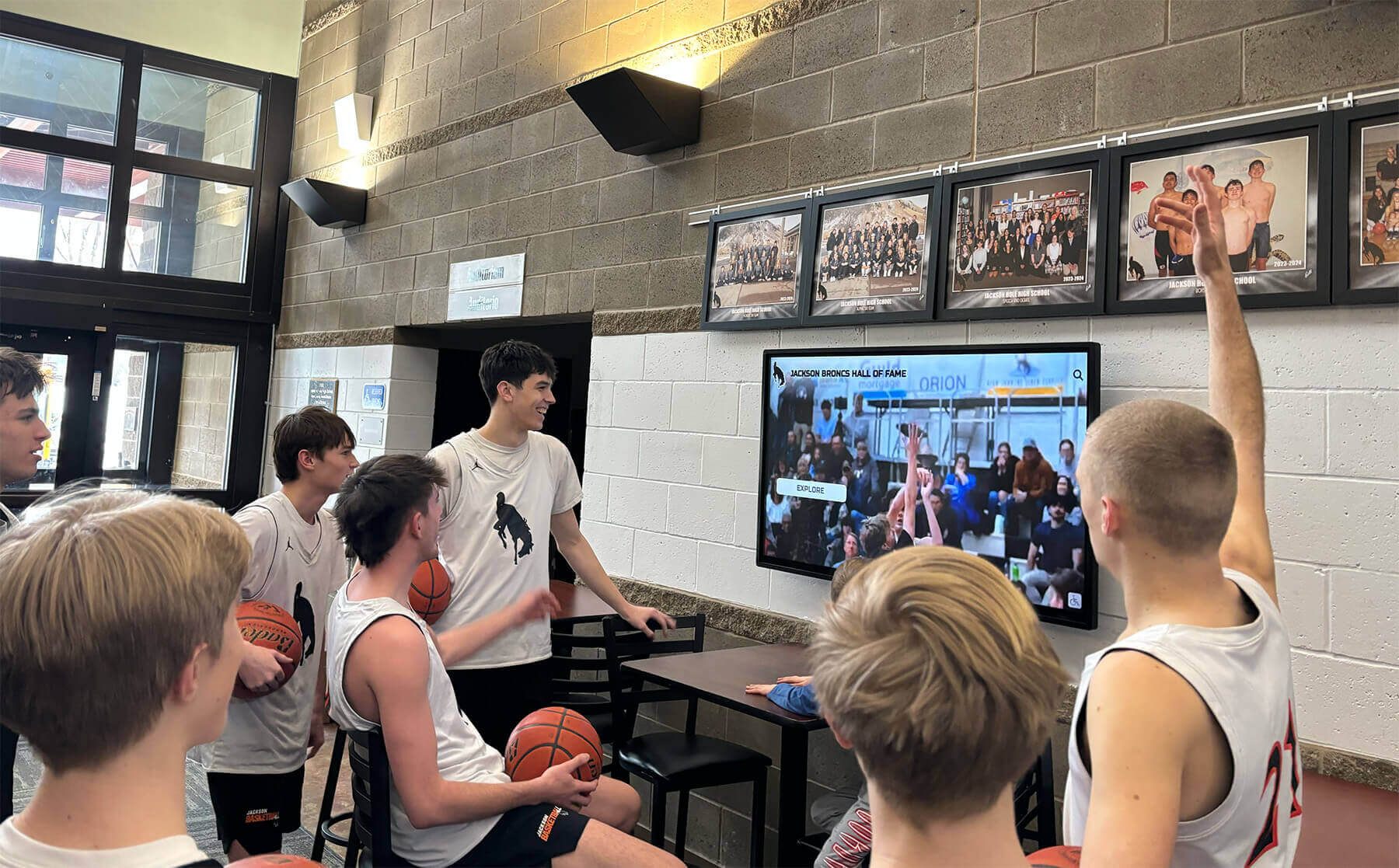
Strategic selection of digital tools determines long-term success of historical initiatives
The Future of Digital Historical Tools
Emerging technologies promise even more compelling historical experiences in coming years.
Advanced AI Applications
Artificial intelligence will increasingly enable:
Automated Historical Research: AI systems analyze vast historical databases, identifying patterns, connections, and insights humans might miss across millions of documents and records.
Natural Language Historical Access: Conversational interfaces allow anyone to explore historical archives through simple questions rather than requiring database expertise or complex search syntax.
Predictive Content Recommendations: AI learns individual preferences and suggests relevant historical content based on previous interactions, creating personalized discovery experiences.
Automated Content Tagging: Machine learning automatically tags historical photographs, identifies individuals through facial recognition, transcribes handwritten documents, and organizes content systematically—dramatically reducing manual archival work.
Immersive Technology Advancement
VR and AR technologies will become increasingly sophisticated and accessible:
Photorealistic Historical Recreations: Advanced graphics and scanning technologies will enable incredibly detailed virtual recreations of historical spaces, artifacts, and environments based on archaeological evidence and historical records.
Haptic Historical Experiences: Tactile feedback systems will allow users to virtually touch and manipulate historical artifacts, feeling textures, weights, and physical properties in addition to seeing them.
Mixed Reality Historical Overlay: Future AR systems will seamlessly blend historical content with physical environments, making the line between past and present nearly invisible.
Blockchain and Digital Preservation
Blockchain technology offers promising applications for historical preservation:
Authenticated Digital Archives: Blockchain-based systems create tamper-proof records ensuring digital historical materials remain authentic and unaltered over decades or centuries.
Decentralized Preservation: Distributed storage systems ensure historical content survives even if individual institutions cease to exist, protecting cultural heritage against institutional failure.
Provenance Tracking: Blockchain enables complete tracking of historical artifact ownership, lending history, and chain of custody—valuable for museums, collectors, and researchers.
Conclusion: Making History Live Through Digital Innovation
History isn’t abstract information distant from contemporary life—it’s the accumulated experience, achievement, and wisdom of those who came before us, providing context for understanding our present and guidance for shaping our future. Digital tools transform history from passive text in books to active exploration that engages modern audiences raised on interactive technology.
The best digital history tools share common characteristics: they make historical content easily accessible rather than locked away in physical archives, they invite active exploration rather than passive viewing, they accommodate diverse learning styles through multimedia presentation, they enable personalized discovery journeys rather than forcing everyone through identical experiences, and they preserve irreplaceable materials while extending access to unlimited audiences worldwide.
Educational institutions implementing comprehensive digital recognition systems create platforms serving multiple purposes simultaneously—preserving institutional heritage, celebrating achievement, engaging alumni communities, inspiring current students, and supporting advancement goals. Museums and cultural organizations leveraging interactive displays, virtual experiences, and online portals make historical collections relevant and engaging for audiences otherwise uninterested in traditional historical presentation.
The digital tools available today enable historical experiences previously impossible—walking through ancient cities as they appeared at their height, searching decades of institutional archives in seconds, exploring personal connections to historical events through customized discovery paths, and experiencing historical moments through immersive recreations. Organizations that thoughtfully implement appropriate digital tools transform history from distant abstraction into tangible, explorable, personally relevant experiences that captivate contemporary audiences.
Ready to Bring Your Institutional History to Life?
Discover how Rocket Alumni Solutions creates comprehensive digital history systems combining interactive touchscreen displays, searchable online archives, and intuitive content management specifically designed for schools, universities, museums, and cultural organizations. Transform your historical preservation from static displays to engaging experiences that connect past excellence with present community.
Explore Digital History SolutionsThe question facing institutions isn’t whether their history deserves preservation—every organization accumulates meaningful stories, significant achievements, and defining moments worth documenting. The question is whether that history will remain locked in dusty archives accessible only to dedicated researchers or transformed into engaging digital experiences that inspire current communities, connect distant alumni, and ensure legacies remain alive and relevant for generations to come.
Contemporary digital tools provide unprecedented capabilities for historical preservation and presentation. Interactive displays installed in educational facilities invite physical engagement with historical content. Cloud-based archives make collections accessible worldwide regardless of geographic distance. Immersive technologies create experiential understanding impossible through traditional methods. Comprehensive platforms unify these capabilities into sustainable systems designed specifically for institutional history management.
Organizations investing in digital history tools today build foundations ensuring their unique stories remain accessible, engaging, and relevant throughout an increasingly digital future. The technology exists, the implementation expertise is available, and the engagement benefits prove transformative for institutions prioritizing heritage preservation alongside contemporary mission. The time to act is now—before additional historical knowledge disappears, before another generation loses connection with institutional identity, and before opportunities to transform history from forgotten past to living inspiration slip away permanently.
Sources
- 7 Digital Tools That Help Bring History to Life | Edutopia
- 10 Engaging Interactive History Learning Tools for 2025 | Strikingly
- National Archives Museum Opens Immersive Signature Exhibit | National Archives
- All New National Archives Museum to Open on October 23, 2025 | National Archives
- Interactive Displays: The New Frontier in Museum Exhibits | Bluewater Technologies
- Enriching history education through ICT | European School Education Platform































