Walk into any school and you'll see trophy cases—glass-fronted displays showcasing athletic championships, academic awards, and student achievements. But these traditional cases face a critical problem: they run out of space. Digital trophy cases solve this fundamental limitation while transforming recognition into engaging, interactive experiences that honor every achievement comprehensively.
Traditional trophy cases force impossible choices. Which championships deserve display? Which awards get stored away? As decades of trophies accumulate, athletic directors face the frustrating reality that most achievements never receive the public recognition they deserve—not because they lack significance, but simply because physical space runs out.
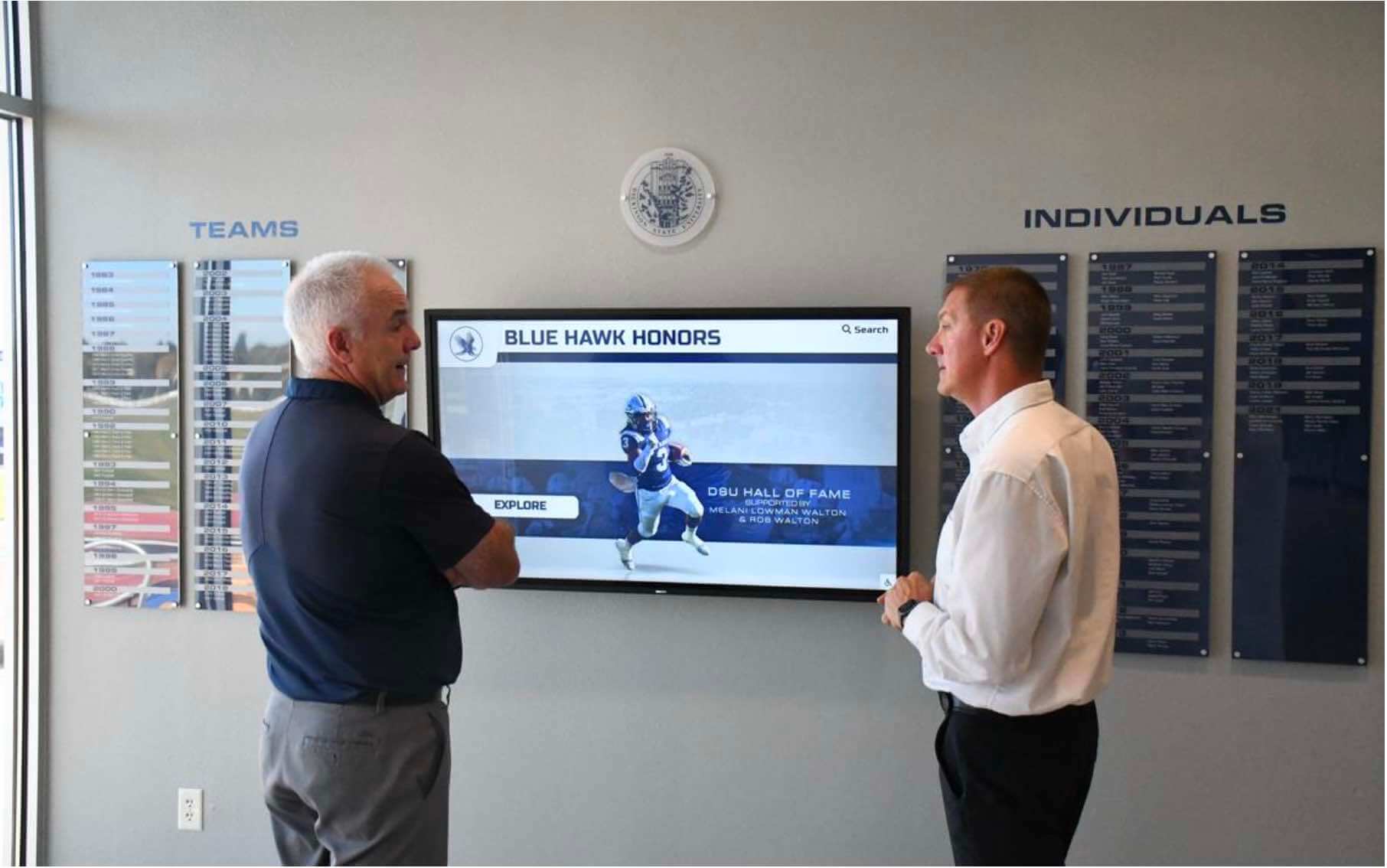
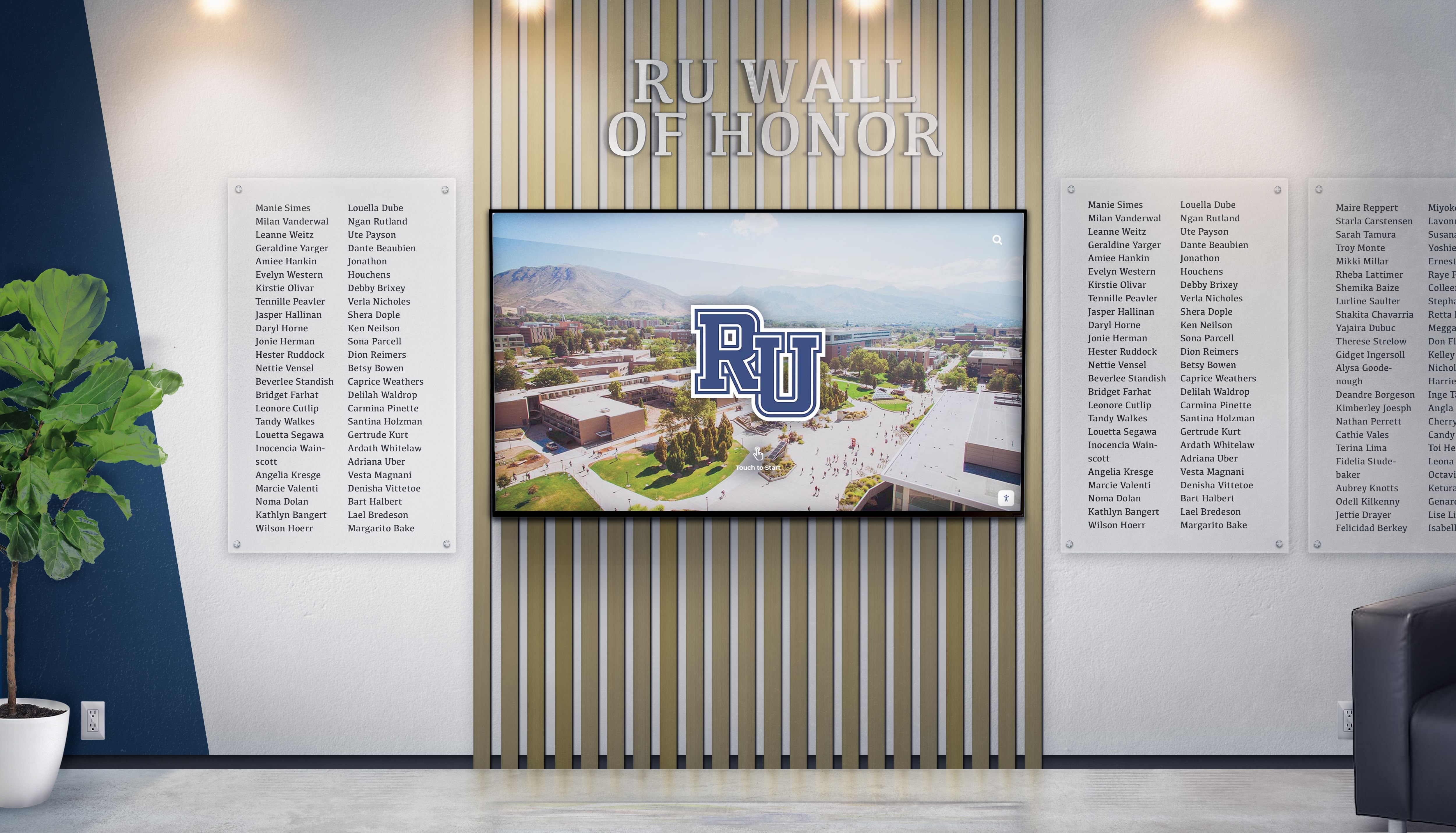
Solutions like Rocket Alumni Solutions provide purpose-built digital trophy case platforms that eliminate space constraints entirely. A single touchscreen display can showcase thousands of trophies with rich multimedia content, searchable databases, and interactive features that traditional glass cases simply cannot match.
The Trophy Case Space Crisis: Why Schools Are Making the Switch
Every successful athletic program generates more trophies than physical cases can hold. A typical high school with 15-20 sports earns 30-60 trophies annually from conference championships, tournament victories, and individual honors. Over just 20 years, that’s 600-1,200 trophies—requiring 15-30 large trophy cases if each holds approximately 40 awards.
The Hidden Cost of Limited Space
Impossible Recognition Decisions
Athletic directors must choose which achievements deserve visibility and which get relegated to storage closets. Recent championships push older accomplishments aside. Discontinued sports lose recognition entirely. Record-breaking performances disappear once newer athletes surpass those marks.
Zero Value from Stored Trophies
Every trophy sitting in storage provides zero recognition value. These awards honored student-athletes during championship celebrations, but their ongoing inspirational value vanishes once they disappear from view. Current athletes never see the full scope of program excellence.
Schools invest $2,000-$5,000 annually on trophies and plaques. When most recognition items provide value only during initial award ceremonies before moving to storage, schools waste both money and motivation opportunities. Digital trophy displays ensure every achievement maintains lasting visibility and impact.

What Makes Digital Trophy Cases Different from Traditional Displays
Digital trophy cases replace or supplement physical trophy cases with interactive touchscreen systems that showcase unlimited achievements through high-resolution images, detailed statistics, video highlights, and engaging multimedia presentations.
Core Technology Components
Commercial-Grade Display Hardware
Modern digital trophy cases utilize commercial touchscreen displays ranging from 43 to 75 inches. These aren’t consumer TVs—they’re engineered for continuous public operation, featuring enhanced durability, higher brightness suitable for well-lit hallways, and 50,000-70,000 hour lifespans (approximately 6-8 years of continuous use).
Multi-touch capacitive technology provides tablet-like responsiveness that feels natural to modern users. Visitors can swipe, pinch, zoom, and tap to explore content intuitively. This interactivity transforms passive viewing into active engagement.
Purpose-Built Content Management Software
Cloud-based platforms enable authorized staff to manage content from any internet-connected device—office computers, home laptops, or smartphones. Athletic directors can photograph new trophies and upload them immediately rather than waiting for physical access to trophy cases.
Template-based content creation ensures consistent professional appearance across all entries. Schools select from pre-designed layouts optimized for trophy recognition, team championships, individual athlete profiles, and coaching achievements.
Powerful Search and Interactive Navigation
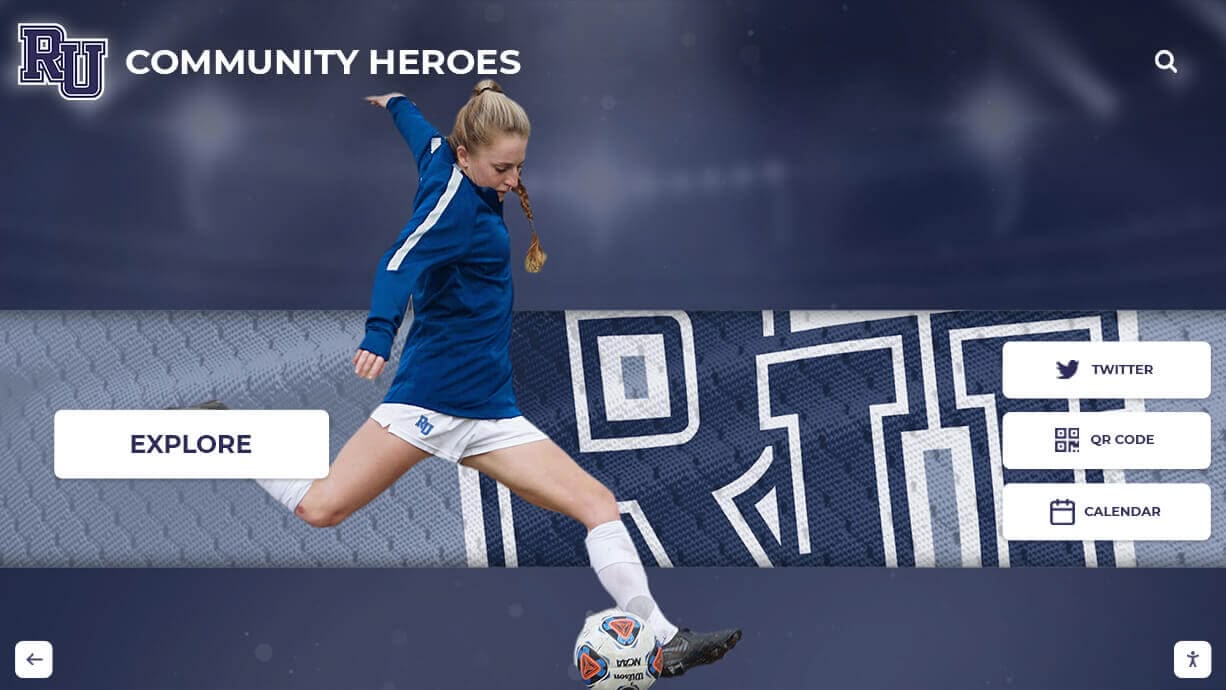
Digital platforms transform static displays into interactive research tools. Visitors can:
- Search by athlete names, years, sports, or achievement types
- Browse championships chronologically by decade or season
- Filter by achievement level (state, conference, individual records)
- View detailed trophy information and statistics instantly
- Watch championship game highlights and celebration videos
- Explore comprehensive program histories spanning decades
This searchability creates personal connections impossible with traditional cases. Alumni can find every trophy they earned within seconds. Parents can locate all their children’s achievements across multiple sports and years.
Unlimited Recognition Capacity Changes Everything
The most immediate benefit addresses the core problem traditional trophy cases face: unlimited capacity. A single 55-inch touchscreen can showcase detailed profiles for thousands of trophies—content that would require 20-30 traditional cases to display physically.
This capacity transformation fundamentally changes recognition strategy. Instead of asking “Which trophies deserve limited display space?” schools ask “How do we best organize and present our complete achievement history?”

Every Achievement Recognized
- All championship teams across all sports
- Individual records and athletic milestones
- Conference, regional, and state honors
- Coaching achievements and career milestones
- Historical trophies from every era
- Academic and arts achievements alongside athletic recognition
Schools implementing digital trophy cases report displaying 5-10 times more achievements than previous physical displays allowed. Every sport receives appropriate celebration. Every championship matters. Individual achievements across all programs gain visibility that space limitations previously prevented.
Key Benefits: Why Schools Are Embracing Digital Trophy Cases
Rich Multimedia Storytelling Beyond Static Displays
Physical trophies tell limited stories—typically just engraved names, dates, and achievement descriptions. Digital trophy cases expand these narratives through multiple media formats that create emotional connections.
Championship Team Profiles Include:
- Complete team rosters with individual athlete profiles
- Season highlights and memorable game moments
- Coach profiles and championship strategies
- Championship game details and statistics
- Video highlights capturing critical moments
- Photos documenting the journey to victory
Individual Achievement Recognition Features:
- Athlete biographies and career highlights
- Record-setting performance details with context
- Competition significance and historical comparisons
- Post-graduation achievement updates
- Personal quotes and reflections
- Related records and program traditions
This multimedia depth transforms recognition from simple acknowledgment into compelling storytelling that engages visitors emotionally and intellectually.

Dramatic Increase in Visitor Engagement
Traditional trophy cases operate as passive displays—visitors glance briefly while passing. Digital trophy cases create active engagement experiences that captivate attention and encourage extended exploration.
Schools implementing interactive trophy displays report:
- 4-7 minutes average interaction time (vs. 30-60 seconds for traditional cases)
- 10x longer average viewing times compared to physical displays
- Personal discovery patterns with visitors searching for familiar names
- Social sharing extending recognition reach beyond campus
- Repeat visitors returning to explore different content
This extended interaction time translates to deeper appreciation and stronger emotional connections with achievement recognition. Students show teammates their accomplishments, search for older siblings or relatives, and discover program traditions they never knew existed.
Operational Efficiency and Administrative Time Savings
Beyond improved recognition capabilities, digital trophy cases deliver practical operational benefits that appeal to administrators managing budgets and staff resources.
Simplified Content Updates
Adding new achievements to digital displays requires 10-15 minutes instead of hours:
- Photograph the trophy with a smartphone
- Log into cloud-based content management
- Create achievement entry using templates
- Upload photos and enter details
- Publish updates instantly to displays
Compare this to hours required for traditional updates involving unlocking cases, physically rearranging trophies, creating identification labels, and reassembling displays.
Reduced Maintenance Requirements
Physical trophy cases require regular glass cleaning, lock repairs, lighting replacement, and shelf adjustment. Trophies themselves tarnish, plaques fade, and physical items deteriorate over time.
Digital displays require minimal maintenance—primarily periodic screen cleaning comparable to computer monitors. Schools report 85-90% reductions in administrative time spent on recognition program maintenance.

Long-term Cost Benefits
While digital trophy cases require larger upfront investments, comprehensive cost analysis reveals favorable long-term economics. Schools avoid recurring expenses including:
- New trophy case purchases as collections grow ($2,000-$5,000 per case)
- Physical trophy and plaque production for items that never fit in displays
- Professional installation labor for case modifications ($100-$300 per update)
- Replacement of damaged or deteriorated physical display elements
These avoided costs accumulate over 10-15 year time horizons, often offsetting initial digital system investments while providing vastly superior recognition capabilities.
Enhanced Alumni Engagement and Connection
Physical trophy cases reach only visitors who physically walk past displays. Digital recognition systems extend reach dramatically through web accessibility and social media integration.
Remote Access Features:
- Alumni worldwide explore achievements through web browsers
- One-click sharing to Facebook, Instagram, and other platforms
- Profile update submissions from alumni about career achievements
- Mobile optimization for smartphone and tablet viewing
- QR code integration for easy access from personal devices
Schools report that 67% of alumni view digital recognition within 30 days of launch. Social sharing generates 5-8x more impressions than standard institutional posts. This extended access dramatically increases engagement metrics while strengthening alumni connections that support broader advancement goals.
Implementation Strategies: From Planning to Launch
Successful digital trophy case implementations follow systematic approaches addressing planning, content development, technology selection, and ongoing management.
Phase 1: Assessment and Planning
Trophy Collection Inventory
Document everything currently in trophy cases, storage areas, athletic offices, and other locations. Photograph existing displays to establish baselines. Count trophies by sport, type, and era to understand collection scope. This inventory reveals the scale of content digitization required and identifies achievements currently lacking recognition due to space constraints.
Stakeholder Engagement
Involve key constituencies early in planning:
- Athletic directors define recognition priorities and operational requirements
- Coaches provide sport-specific insights and historical knowledge
- Alumni associations contribute perspectives on historical achievements
- Technology staff assess infrastructure requirements
- Administration establishes budget parameters
- Facilities managers coordinate installation planning
This engagement builds support and ensures implementations reflect diverse perspectives rather than single viewpoints.

Goal Definition
Establish clear objectives beyond “solve space problems”:
- Provide comprehensive recognition for all sports equally
- Create engaging experiences inspiring current students
- Preserve institutional memory and athletic program history
- Support recruiting by showcasing program excellence
- Strengthen alumni connections through accessible recognition
- Demonstrate institutional values around recognizing diverse excellence
Clear goals guide subsequent decisions about technology selection, content priorities, and success measurement approaches.
Phase 2: Content Development Strategy
Quality content determines digital trophy case effectiveness. Poor content execution undermines even excellent hardware and software investments.
Photography Standards
Establish consistent approaches ensuring professional appearance:
- High-resolution images (minimum 1920x1080 for featured content)
- Consistent lighting and neutral backgrounds
- Multiple angles showing trophy design and engraving details
- Clean, polished trophies free from dust and fingerprints
- Scale references when helpful for understanding sizes
Many schools hire professional photographers for initial comprehensive documentation, then train athletic staff in maintaining standards for ongoing additions.
Content Organization Frameworks
Structure information systematically to ensure findability:
- By Sport: Football, basketball, volleyball, etc.
- By Time Period: Decade, year, or season organization
- By Achievement Level: National, state, regional, conference, institutional
- By Individual or Team: Personal profiles and team accomplishment pages
Consistent metadata tagging enables sophisticated search and filtering. Each trophy entry should include sport, year, achievement type, participant names, coaches, and relevant keywords.
Phased Content Development
Most schools implement content incrementally:
- Phase 1: Recent championships (past 5-10 years), major achievements, active sports
- Phase 2: Comprehensive coverage of all active sports programs
- Phase 3: Historical content working systematically backward through school history
This phased approach allows earlier launches that demonstrate value rather than delaying implementations until every historical trophy receives documentation.

Phase 3: Technology Selection
Display Hardware Considerations
Screen size depends on viewing distance and location characteristics:
- 43-50 inches: Intimate locations like athletic offices
- 55-65 inches: Hallway installations with 6-12 foot viewing distances
- 70-75 inches: Large lobby spaces with greater distances
Mounting configurations affect aesthetics and accessibility:
- Wall-mounted: Clean modern appearance, saves floor space
- Freestanding kiosks: Placement flexibility, easier accessibility compliance
- Custom enclosures: Protective solutions for high-contact environments
Software Platform Requirements
Purpose-built recognition platforms offer significant advantages over generic digital signage software:
- Pre-designed templates optimized for trophy recognition
- Intuitive content management requiring no technical expertise
- Built-in search and navigation for recognition content
- Mobile-responsive designs across display sizes
- Ongoing platform updates without additional development costs
- Dedicated support from teams understanding school needs
Infrastructure Requirements
Network connectivity needs vary by implementation:
- Wired Ethernet provides most stable connectivity
- Robust WiFi networks offer acceptable alternatives
- Power over Ethernet (PoE) simplifies installations
Standard 120V outlets provide sufficient electrical power. Consider surge protection or uninterruptible power supplies (UPS) to protect equipment investments from power quality issues.
Real-World Costs and Return on Investment
Schools evaluating digital trophy cases naturally focus on financial considerations. Comprehensive cost analysis examines both initial investments and long-term operational expenses.
Initial Investment Components
Hardware Costs:
- Commercial touchscreen displays: $2,500-$7,000 (depending on size)
- Wall mounts or kiosk enclosures: $300-$2,500 (based on configuration)
- Media player computers: $400-$800 (mini-PC sufficient)
- Installation labor: $500-$2,000 (depending on complexity)
Total hardware investment: $5,000-$15,000 per display installation
Software and Services:
- Platform licensing: $1,200-$5,000 annually (depending on features)
- Initial content development: $2,000-$8,000 (photography and data entry)
- Training and onboarding: Often included with platform licensing
First-year combined investment: $8,000-$25,000 for single-display implementations
Multi-display networks benefit from economies of scale in software licensing and content development.
Long-term Operational Costs
Annual Ongoing Expenses:
- Software licensing: $1,200-$5,000 (covers hosting, updates, support)
- Content updates: Minimal beyond staff time (1-3 hours monthly)
- Electricity: $30-$60 annually per display
- Maintenance: Primarily screen cleaning (minimal cost)
Annual operational costs: $1,500-$6,000 typically
Comparative Cost Analysis
Traditional trophy case installations cost $2,000-$10,000 per case initially. Schools with substantial collections requiring 5-10 cases invest $10,000-$50,000+ in traditional infrastructure.
Traditional cases also generate ongoing costs:
- New case purchases every 3-5 years ($2,000-$5,000)
- Plaque and trophy production ($50-$200 per item)
- Professional installation labor ($100-$300 per update)
- Physical maintenance and repairs (ongoing staff time)
When accounting for these recurring expenses over 10-15 year timeframes, digital trophy case investments often prove cost-competitive with traditional approaches while providing superior recognition capacity and engagement.
Most schools achieve break-even within 3-5 years while gaining capabilities traditional trophy cases can never provide.
Funding Strategies That Work
Schools successfully fund digital trophy cases through:
- Capital improvement budgets: Utilizing existing facility improvement funds
- Booster club support: Athletic booster fundraising and donations
- Alumni giving campaigns: Targeted campaigns highlighting improved recognition
- Corporate sponsorships: Local business partnerships with on-screen recognition
- Educational technology grants: Technology improvement funding programs
- Phased implementation: Spreading costs over multiple budget cycles
Addressing Common Questions and Concerns
“What Happens to Physical Trophies?”
Digital trophy cases don’t require eliminating physical awards. Most schools implement hybrid approaches:
Selective Physical Display: Maintain showcase items in traditional cases—perhaps one prestigious case displaying state championship trophies, retired jerseys, and historically significant awards.
Trophy Return Programs: Offer athletes and teams opportunities to claim trophies they earned. Many athletes appreciate receiving physical trophies while knowing comprehensive digital recognition remains accessible.
Archival Storage: Store physically significant trophies using proper archival techniques ensuring long-term preservation. Digital documentation provides public accessibility while physical items remain protected.
The key message: digital systems enhance rather than replace recognition by making ALL achievements visible rather than selecting only those fitting limited physical space.
“Will Students Actually Use Touchscreen Displays?”
Experience consistently shows well-designed interactive displays attract substantial engagement. Strategic placement in high-traffic areas ensures regular exposure. Personal relevance drives usage—students naturally seek their own team photos, search for friends, and explore sports they follow.
Analytics from installed systems reveal:
- Average interaction duration: 4-8 minutes per session
- Daily user sessions: 30-100+ (depending on school size)
- Search queries: 15-50+ daily indicating active information seeking
- Repeat users: 25-40% suggesting ongoing interest
Schools report observing students regularly clustered around displays during passing periods, showing each other content and exploring together.

“What About Technology Reliability?”
Commercial-grade displays designed for public installations provide excellent reliability:
- Touchscreens rated for 50,000-70,000 hours (5-8 years of 24/7 use)
- Extended warranties provide coverage for component failures
- Cloud-based platforms eliminate most technical maintenance
- Software updates deploy automatically without IT involvement
- Content remains accessible through browser interfaces
Compare this to physical trophy cases requiring glass cleaning, lock repairs, lighting replacement, and physical damage repairs. Most ongoing maintenance involves screen cleaning—comparable to glass case cleaning but often less frequent.
“How Much Staff Time Does Content Management Require?”
Initial content development represents the largest time investment—potentially 60-100 hours for comprehensive trophy collection documentation. However, this one-time effort creates lasting value and can be distributed across multiple staff members or student volunteers.
Ongoing content management requires minimal time:
- Adding new championship trophies: 15-20 minutes per entry
- Updating athlete profiles or statistics: 5-10 minutes per edit
- Monthly content reviews and refreshes: 1-2 hours
These requirements typically prove substantially less burdensome than traditional trophy case maintenance involving physical access, rearrangement, and installation—tasks that often get deferred because of time requirements and inconvenience.
Creative Applications Beyond Traditional Recognition
Schools discovering digital trophy case flexibility find creative applications beyond standard championship recognition.
Multi-Sport Athlete Recognition
Digital platforms excel at highlighting athletes competing in multiple sports:
- Athletic versatility across seasons
- Complete career statistics and achievements
- Leadership development across programs
- Post-graduation outcomes and college athletics
This recognition celebrates well-rounded athletes while encouraging multi-sport participation that research shows reduces injury risk and improves long-term athletic development.
Coaching Legacy Preservation
Successful coaches build program legacies spanning decades. Digital systems enable comprehensive coaching recognition including:
- Championship trophies won under specific coaches
- Career win-loss records and statistical milestones
- Photos and videos across coaching tenures
- Coaching philosophy statements and reflections
- Connection documentation from past coaches to current programs
This recognition honors those who built program foundations while helping current athletes understand program values and traditions.
Historical Context and Program Evolution
Digital displays enable rich historical storytelling showing how programs evolved:
- Timeline views of championship eras and program development
- Uniform and equipment evolution through historical photos
- Facility improvements and expansion documentation
- Community support and attendance growth records
This context helps current athletes appreciate program heritage while educating communities about institutional athletic traditions.

Future Trends: Where Digital Trophy Cases Are Heading
Digital trophy case technology continues evolving with emerging capabilities that will further enhance recognition effectiveness.
Artificial Intelligence Integration
AI capabilities will enable more sophisticated content management:
- Automated content creation: AI-assisted tools generating achievement narratives from structured data
- Personalized recognition: Systems recognizing individual viewers and surfacing personally relevant content
- Natural language search: Conversational queries like “Show me all basketball championships from the 1990s”
- Content recommendations: Suggesting related achievements based on viewing patterns
Augmented Reality Features
AR technology may extend digital trophy recognition beyond screens:
- Physical trophy augmentation: Pointing smartphones at showcase trophies to see overlaid digital content—video highlights, statistics, interviews
- Virtual trophy rooms: AR applications creating immersive displays viewable anywhere
Enhanced Social Integration
Social connectivity will extend recognition reach:
- Automated sharing: Systems suggesting shareable content formats optimized for various platforms
- Community collaboration: Verified members contributing memories and photos through moderated workflows
- Live event integration: Real-time updates during championship games and award ceremonies
Conclusion: Honoring Every Achievement Comprehensively
Athletic programs generate hundreds of trophies over decades—each representing student dedication, coaching excellence, and memorable competitive moments. When space limitations force most trophies into storage, recognition value disappears despite significant achievement importance.
Digital trophy cases restore comprehensive recognition by making every trophy accessible, every championship visible, and every athlete’s contribution acknowledged. They transform cluttered cases and overflowing storage into organized, engaging showcases preserving institutional history while inspiring current athletes to add their own chapters to ongoing excellence stories.
Whether dealing with overflowing trophy cases, forgotten achievements in storage, or simply seeking better ways to celebrate athletic success, digital trophy cases provide practical, engaging solutions. They honor past comprehensively, celebrate present immediately, and inspire future achievements through accessible, interactive recognition serving entire school communities.
The transition from physical limitations to digital possibilities represents more than technology upgrade—it represents commitment to recognizing every athlete’s achievement, preserving every moment of excellence, and ensuring decades of dedication and success remain visible and valued for generations to come.
Ready to Transform Your Trophy Recognition?
Discover how digital trophy cases can honor every achievement while reducing costs and administrative burdens. Explore comprehensive platforms specifically designed for school recognition needs.
Explore Digital Trophy Case Solutions






















