Preserving School Memories in the Digital Age
For generations, yearbooks have served as treasured archives of school memories—capturing faces, documenting achievements, and preserving moments that define educational experiences. Yet traditional printed yearbooks face fundamental limitations in our connected digital world. They sit on shelves gathering dust, become damaged over time, remain inaccessible to alumni living far from home, and capture only static snapshots of dynamic lives. Digital yearbooks represent a fundamental evolution in how schools preserve and share memories, transforming printed pages into interactive, accessible, living archives that grow and evolve alongside the communities they document.
Schools implementing digital yearbook solutions report dramatic increases in engagement, accessibility, and long-term memory preservation compared to traditional printed books. Students interact with content for significantly longer periods, alumni access memories from anywhere in the world, families share moments across social networks, and institutions build comprehensive historical archives that would be impossible with physical media alone.
This comprehensive guide explores how digital yearbooks work, the specific advantages they provide over traditional formats, implementation strategies for schools of all sizes, and how these systems create lasting value for students, families, and alumni communities.
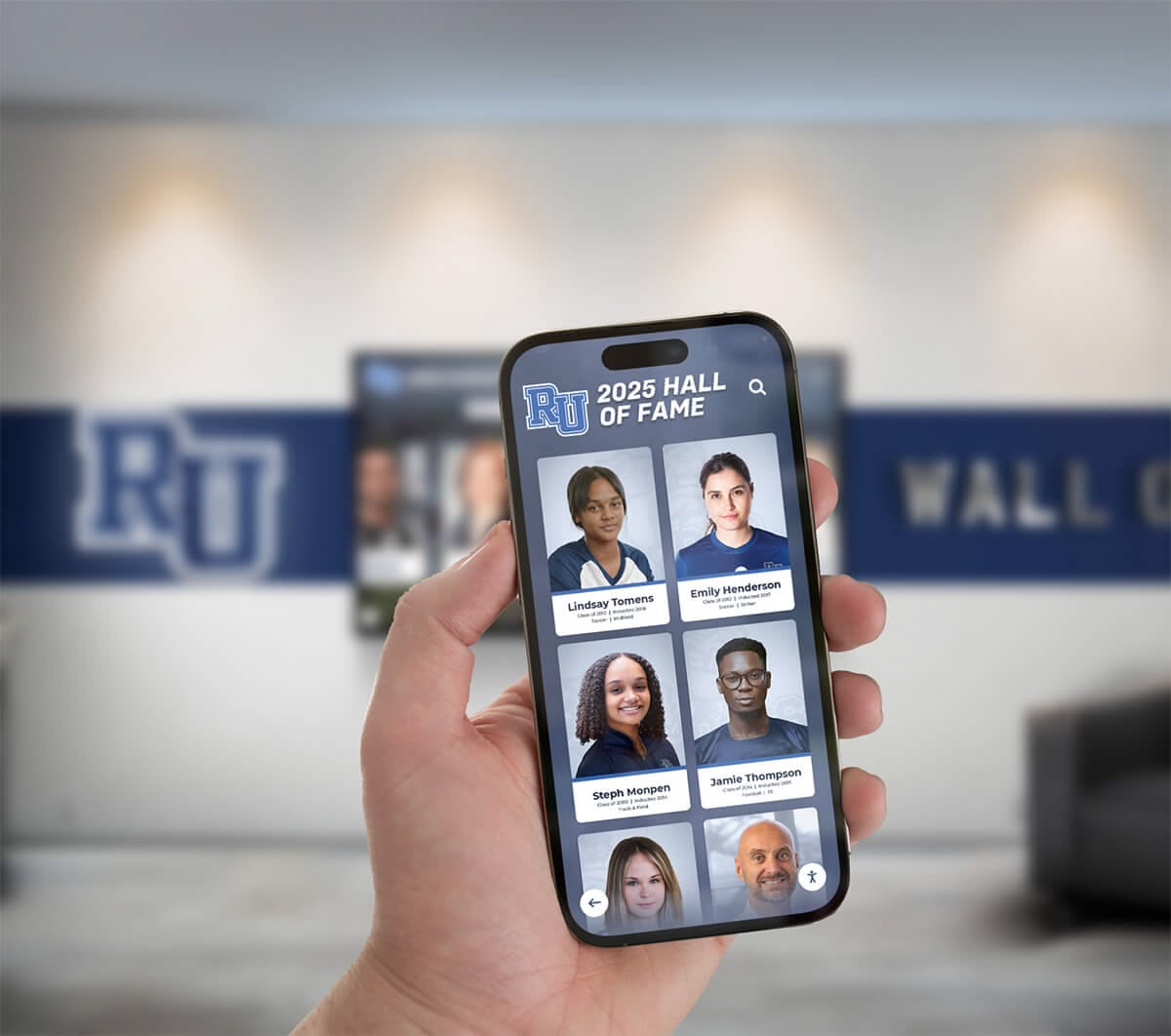
Digital yearbooks provide instant access to school memories from any device, anywhere in the world
What Are Digital Yearbooks?
Digital yearbooks are interactive, web-based platforms that capture and present school memories through multimedia content accessible on computers, tablets, and smartphones. Unlike traditional printed yearbooks limited to static photos and text on paper pages, digital yearbooks incorporate videos, audio recordings, interactive timelines, searchable databases, social sharing capabilities, and continuous updates throughout the school year and beyond.
Modern digital yearbook systems typically include several core components:
Interactive Display Platforms: Touchscreen kiosks installed in school lobbies, hallways, or common areas where students, staff, and visitors can browse yearbook content hands-on. These displays create engaging focal points that celebrate student achievement and school history in high-traffic locations.
Web-Based Access Portals: Online platforms accessible from any internet-connected device, allowing students, families, and alumni to explore yearbook content remotely. This global accessibility extends the reach of school memories far beyond physical campus boundaries.
Multimedia Content Libraries: Comprehensive collections of photos, videos, audio recordings, documents, and other digital assets that together create rich narratives about school life, student achievements, and institutional history.
Content Management Systems: User-friendly administrative interfaces that enable teachers, yearbook advisors, and school staff to add, edit, organize, and publish content without requiring technical expertise.
Social Integration Features: Built-in sharing capabilities allowing students and families to post favorite memories, achievements, and photos to social media platforms, amplifying school visibility and community engagement.
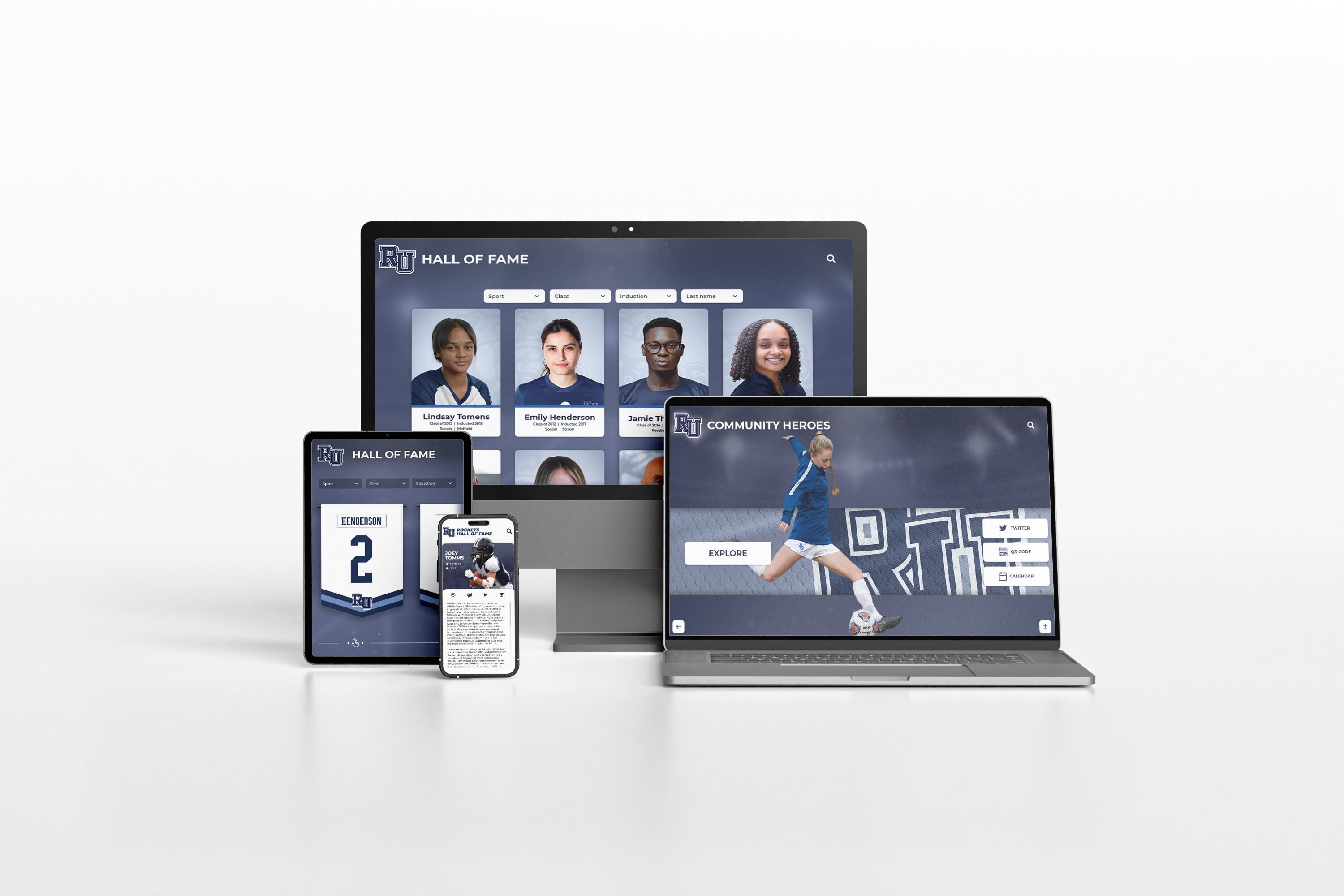
Responsive design ensures yearbook content displays perfectly on any device from desktop to smartphone
Key Advantages of Digital Yearbooks Over Traditional Print
While printed yearbooks hold nostalgic appeal, digital formats provide measurable advantages across accessibility, engagement, preservation, and cost-effectiveness dimensions.
Global Accessibility and Remote Access
Perhaps the most transformative benefit of digital yearbooks is accessibility that transcends geographic boundaries. Traditional printed yearbooks require physical possession—students must carry them, store them at home, and have them nearby to reference. When families move, students graduate, or alumni relocate internationally, physical yearbooks often remain in storage or get lost.
Digital yearbook platforms eliminate these accessibility barriers entirely. Students can browse their yearbook from dorm rooms during college years. Alumni living abroad can revisit school memories during moments of nostalgia. Parents can share graduation photos with extended family members across the country. Military families who relocate frequently maintain consistent access to school memories regardless of geographic location.
This accessibility proves particularly valuable for alumni engagement programs seeking to maintain connections with graduates who’ve dispersed globally after graduation. Alumni can explore their yearbook years or decades later, reconnect with former classmates through social platforms, and maintain emotional connections to their alma maters that printed yearbooks cannot facilitate from storage boxes.
Rich Multimedia Storytelling
Traditional yearbooks capture school life through still photographs and limited text captions. Digital yearbooks expand storytelling capabilities dramatically through multimedia integration.
Video Content: Short video clips documenting sporting events, theatrical performances, science fair projects, or senior speeches bring moments to life in ways static photos cannot. Seeing a championship-winning play unfold, hearing valedictorian speeches, or watching drama club performances creates emotional connections and preserves memories more completely than frozen photographs.
Audio Recordings: Voice recordings of principal addresses, choir performances, poetry readings, or student interviews add auditory dimensions to visual memories. Years later, hearing a teacher’s voice or a class song triggers powerful nostalgic responses that visual media alone cannot create.
Interactive Timelines: Digital formats allow chronological organization showing how school years progressed—tracking seasons, documenting event sequences, and creating narrative arcs throughout academic years. Students can explore timelines discovering how homecoming week unfolded or how the robotics team progressed through competitions.
Photo Galleries: While printed yearbooks include dozens or perhaps hundreds of photos constrained by page counts and printing costs, digital yearbooks can host thousands of images. This expanded capacity ensures more students appear in photos, more events receive documentation, and more memories get preserved without difficult exclusion decisions.
Solutions like those from Rocket Alumni Solutions make integrating diverse multimedia content straightforward through user-friendly upload interfaces requiring no technical expertise beyond basic file management.
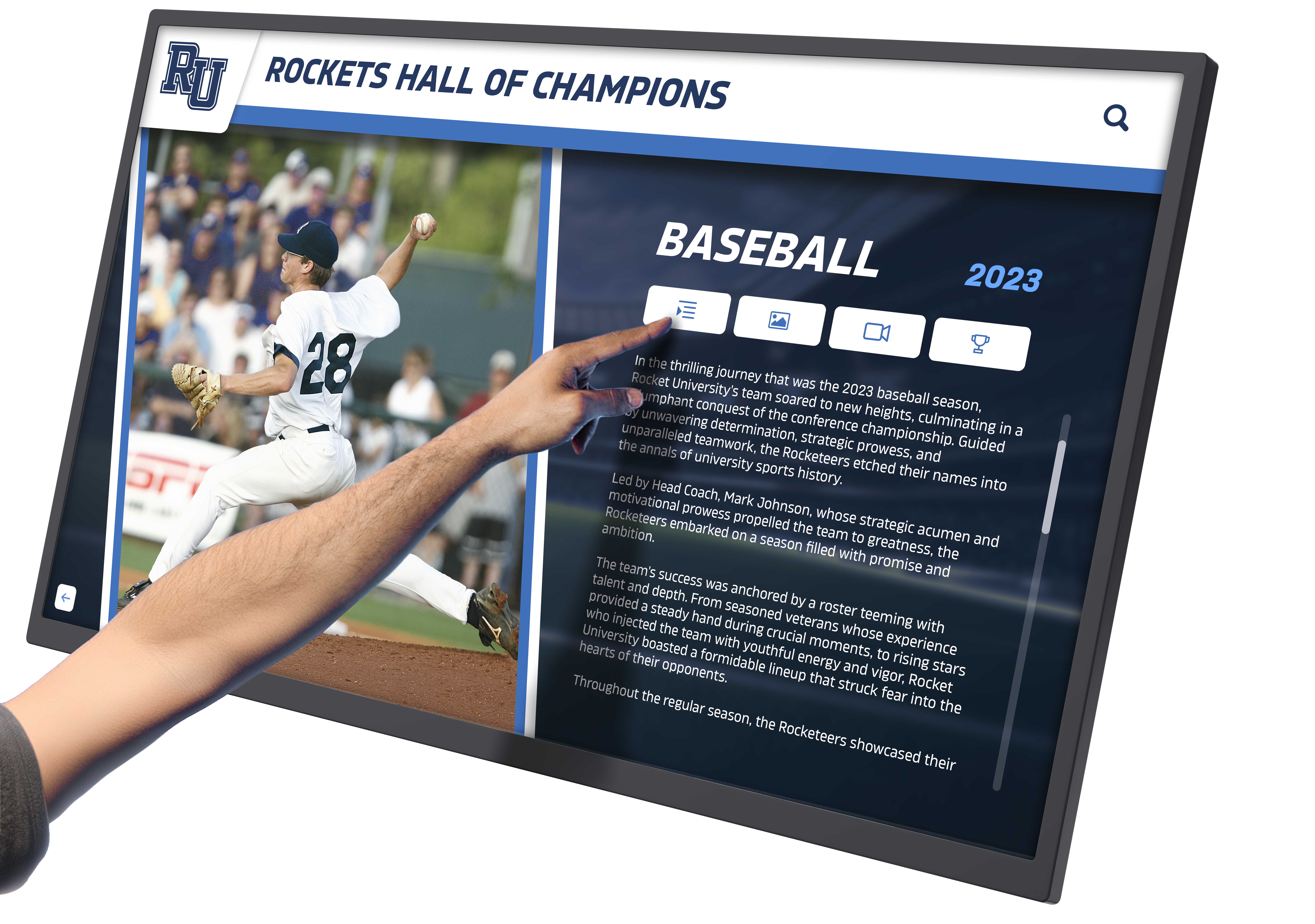
Interactive displays bring student achievements to life with photos, videos, and detailed profiles
Searchable and Discoverable Content
Finding specific students, events, or memories in traditional printed yearbooks requires manually flipping through pages—an inefficient process that often leads to overlooked content. Digital yearbooks implement powerful search and filtering capabilities that transform content discovery.
Name-Based Search: Parents can instantly locate all photos featuring their child rather than scrutinizing every page. Alumni searching for former classmates simply type names rather than reviewing hundreds of senior portraits. Teachers finding former students for recommendation letters access complete profiles in seconds.
Category and Tag Filtering: Users can browse all basketball photos, view every theater production, or explore academic award recipients through category filters. This thematic organization reveals patterns and creates curated viewing experiences impossible with linear printed formats.
Keyword and Text Search: Full-text search capabilities allow finding specific events, locations, quotes, or descriptions mentioned anywhere in yearbook content. Searching for “homecoming” surfaces all related photos, videos, and text across the entire yearbook.
Graduation Year and Class Filters: Alumni exploring reunion planning can view their specific class year exclusively. Parents with multiple children can filter by graduation year reviewing each child’s individual school experience.
These discovery tools dramatically increase engagement duration. While students might spend 15-20 minutes browsing a printed yearbook once or twice after initial receipt, digital yearbook analytics show average session durations of 25-40 minutes with many users returning multiple times throughout the year to explore additional content.
Continuous Updates and Living Archives
Traditional yearbooks capture finite time periods—typically single academic years—with content finalized months before year-end due to printing deadlines. This static nature means spring events receive minimal coverage, senior activities occurring after deadlines get excluded, and yearbook content never changes once printed.
Digital yearbooks function as living archives that grow and evolve continuously. Schools can update content throughout academic years adding new photos, videos, and achievements as they occur. Summer achievements, college acceptance announcements, and post-graduation updates can be added keeping yearbook content current rather than frozen in past moments.
This continuous updating capability proves particularly valuable for academic recognition programs tracking student achievements across multiple years. Digital platforms can show how individual students progressed from freshmen through senior years, documenting cumulative achievements, evolving interests, and personal growth trajectories that single-year snapshots cannot capture.
Alumni can return years later to add “where are they now” updates, share career accomplishments, or upload reunion photos extending yearbook narratives beyond graduation dates. This ongoing evolution creates comprehensive biographical records rather than single moments frozen in time.
Traditional vs. Digital Yearbooks: Key Comparisons
Traditional Printed Yearbooks:
- Static content captured at single point in time
- Physical storage required, space constraints
- Accessibility limited to yearbook owners
- Production costs: $35-$75 per book typical
- Distribution timeline: 6-8 months from content deadline
- Damaged or lost copies cannot be replaced
- Limited to still photos and text
- No searchability beyond manual page flipping
- Cannot update or correct errors after printing
Digital Yearbook Platforms:
- Living archives updated continuously
- Cloud storage, unlimited capacity
- Global accessibility from any device
- Annual licensing: $2,000-$8,000 institutional
- Real-time publishing as content is created
- Content permanently accessible, never lost
- Multimedia integration: video, audio, interactive elements
- Advanced search, filtering, and discovery tools
- Easy updates, corrections, and additions anytime
Cost-Effectiveness and Budget Considerations
While initial implementation costs for digital yearbook systems may exceed single-year printed yearbook budgets, comprehensive financial analysis reveals long-term cost advantages for digital formats.
Traditional printed yearbooks involve recurring annual costs that compound over time: printing expenses typically range $35-$75 per book depending on page count and quality, distribution and shipping fees add $3-$8 per book for schools with dispersed student populations, and unsold inventory represents sunk costs when overestimating demand. For a school with 400 students ordering yearbooks, annual printed yearbook programs typically cost $15,000-$30,000.
Digital yearbook platforms typically involve lower annual licensing fees ranging $2,000-$8,000 for comprehensive systems with unlimited users and content storage. After initial implementation investment (which may include touchscreen hardware for in-school displays at $6,000-$12,000), ongoing costs remain predictable and generally decrease on a per-student basis as enrollment grows.
Additional financial benefits include reduced storage requirements eliminating needs for climate-controlled archive spaces, administrative time savings from streamlined content management compared to traditional yearbook production workflows, and sustainability benefits aligning with institutional environmental initiatives reducing paper consumption and shipping environmental impacts.
Many schools implement hybrid approaches maintaining printed yearbook traditions while adding digital platforms that expand accessibility and capabilities. This balanced approach honors tradition while embracing technological advantages.
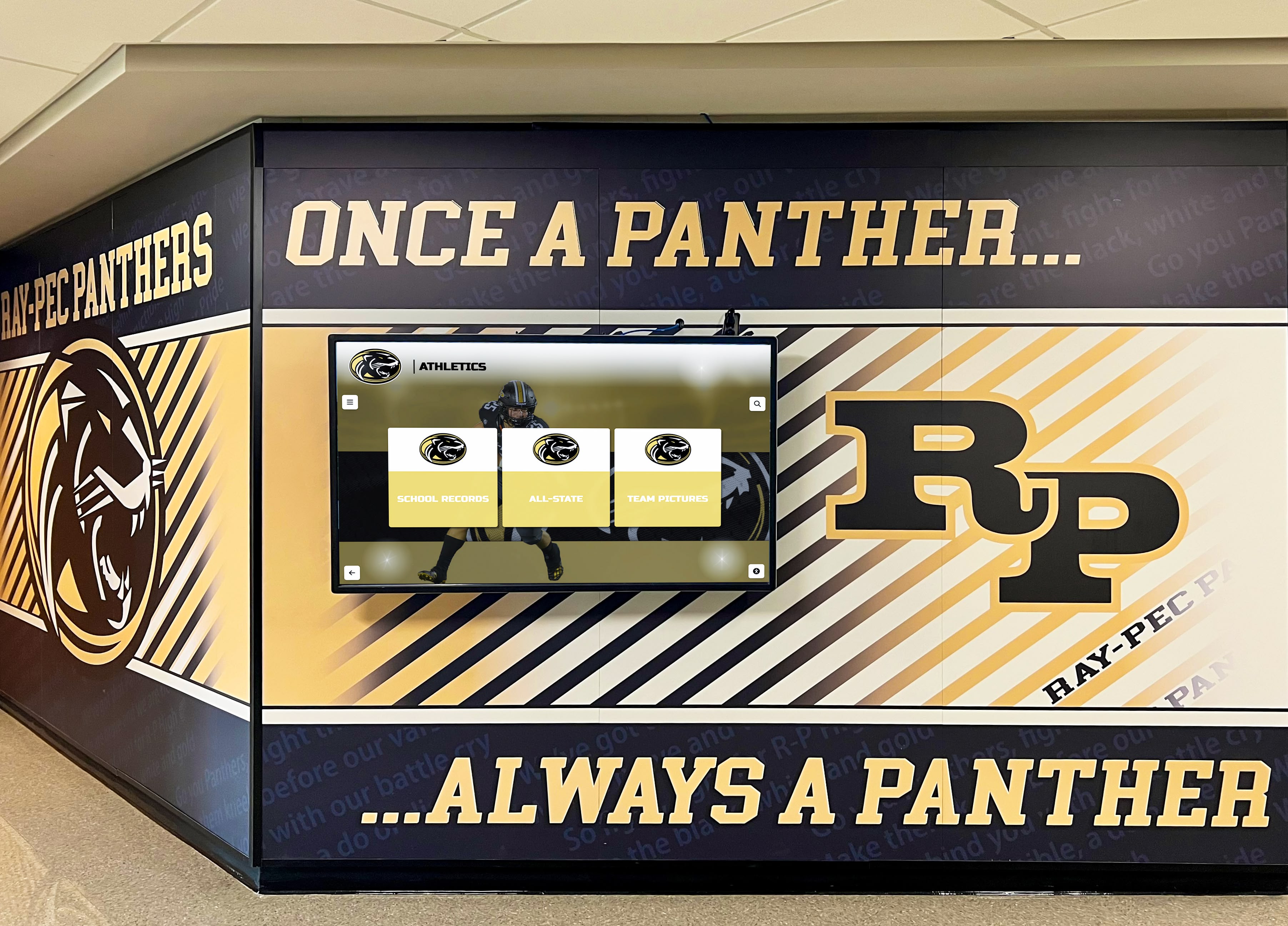
Strategic placement of digital yearbook displays in high-traffic areas ensures maximum visibility and engagement
Essential Features of Effective Digital Yearbook Systems
Not all digital yearbook platforms provide equal capabilities. Schools evaluating options should assess systems against key functional requirements.
Intuitive Content Management Interfaces
The most sophisticated digital yearbook platform delivers no value if yearbook advisors and administrators cannot easily add and organize content. Effective content management systems feature drag-and-drop interfaces for photo placement and organization, batch upload capabilities allowing hundreds of photos to be added simultaneously with automated organization, WYSIWYG editing tools showing exactly how content will appear to end users, and template libraries providing professional layouts without requiring design expertise.
Administrative complexity represents a common failure point for digital yearbook initiatives. Systems requiring specialized technical skills, extensive training periods, or IT department involvement for routine updates often see declining usage as initial implementation enthusiasm fades. The most successful platforms prioritize non-technical user experiences enabling English teachers, yearbook sponsors, or student editors to manage content independently.
Multi-Device Responsive Design
Students, families, and alumni access yearbook content across diverse devices—school computer labs, home laptops, tablets, and smartphones. Digital yearbook platforms must deliver excellent experiences regardless of screen size or device type.
Responsive design automatically adjusts layout, navigation, image sizing, and interaction methods based on device characteristics. Touch gestures work intuitively on phones and tablets. Text remains readable without excessive zooming. Navigation stays accessible through thumb-friendly button placement. Video playback adapts to connection speeds and screen dimensions.
Mobile optimization proves particularly critical since many first encounters with digital yearbook content occur through social media links opened on smartphones. If mobile experiences prove frustrating due to poor responsive design, users abandon exploration before experiencing platform capabilities.
Robust Search and Filtering Capabilities
Content discovery determines whether digital yearbooks become regularly used resources or rarely visited websites. Comprehensive search functionality should include full-text search across all content including captions, names, quotes, and descriptions, name-based search with auto-complete suggestions for quick student location, categorical filtering by sports, clubs, events, academic departments, and graduation years, and tag-based browsing enabling thematic exploration across yearbook sections.
Advanced implementations incorporate facial recognition technology enabling users to click any person in group photos and view all other photos containing that individual—functionality impossible with traditional printed yearbooks but tremendously valuable for parents, students, and alumni exploring content.
Privacy Controls and Permission Management
Student privacy represents paramount concerns for school administrators, particularly regarding image usage, personal information display, and content accessibility. Digital yearbook systems must include granular privacy controls allowing schools to manage these sensitive issues appropriately.
Essential privacy features include permission-based photo inclusion requiring parental consent before student images appear publicly, restricted access options limiting content visibility to verified school community members versus public viewing, individual profile privacy settings allowing students and families to control information display, and compliance with educational privacy regulations including FERPA requirements and state-specific student privacy laws.
Schools should thoroughly understand platform privacy policies, data storage practices, and export/deletion capabilities before committing to specific vendors.
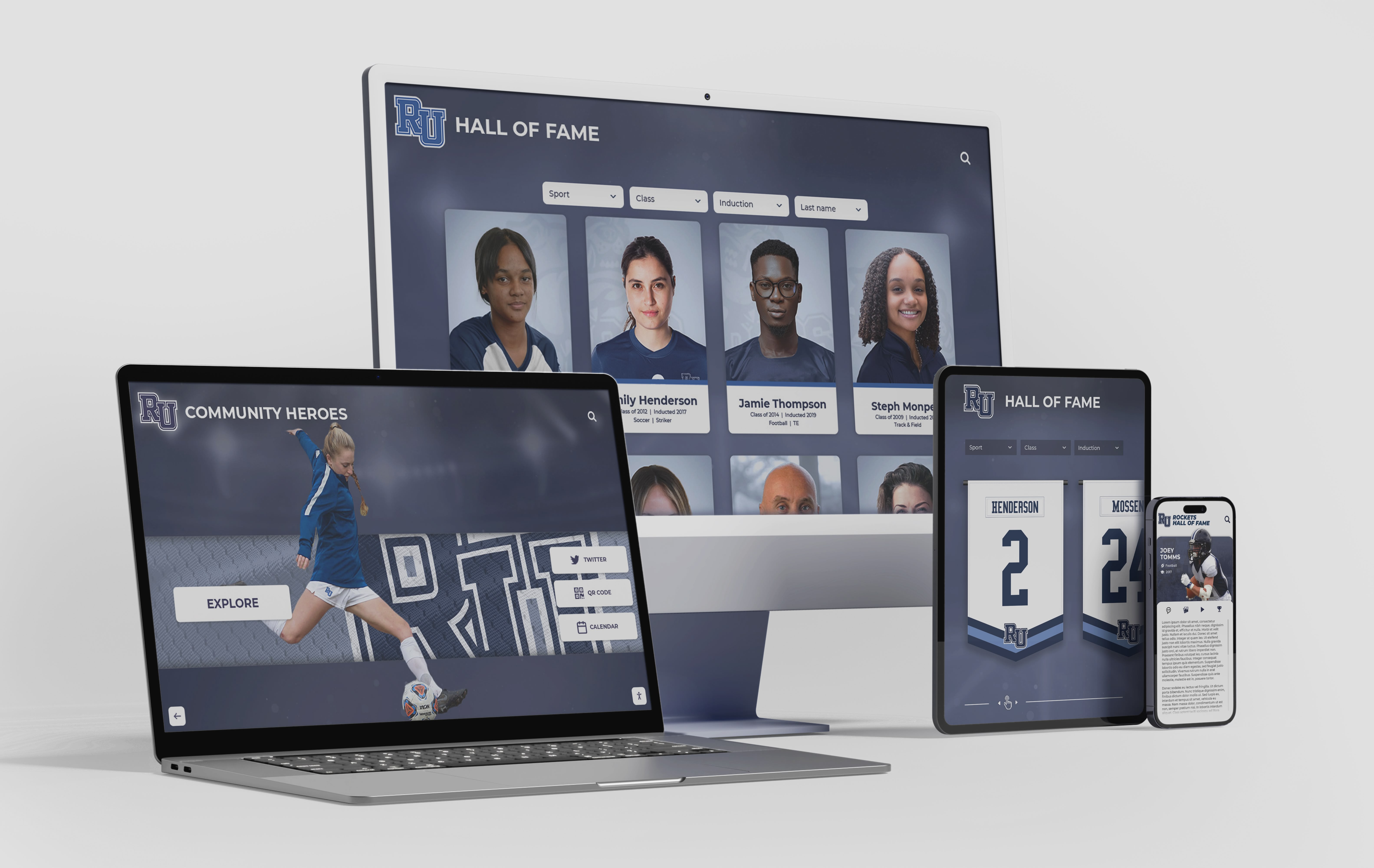
Comprehensive digital yearbook systems work seamlessly across desktop, tablet, and mobile platforms
Social Sharing and Network Integration
One of digital yearbooks’ most powerful capabilities is social network amplification extending reach beyond immediate school communities. Built-in sharing features allow students and families to post favorite memories, achievements, and photos directly to Facebook, Instagram, Twitter, LinkedIn, and other platforms with single clicks.
This social integration creates multiple benefits. Content shared by students and families represents authentic testimonials carrying more credibility than official school marketing. Alumni sharing yearbook memories often reconnect with former classmates who see posts, triggering renewed engagement. Social sharing exponentially extends institutional visibility reaching hundreds or thousands of connections who might never visit school websites directly.
Effective implementations make sharing effortless through one-click sharing buttons integrated throughout platforms, pre-formatted sharing text including relevant hashtags and school mentions, and mobile-optimized sharing workflows recognizing that most social media interaction occurs on smartphones.
Strategic Implementation for Schools
Successfully implementing digital yearbook systems requires careful planning, appropriate resource allocation, and strategic rollout approaches.
Assessing Institutional Needs and Goals
Different schools have different priorities for digital yearbook implementations depending on community demographics, existing traditions, and strategic objectives. Before evaluating specific platforms, schools should clarify several key questions.
Primary Users and Audiences: Who will primarily use the digital yearbook? Current students seeking daily engagement? Parents wanting to follow school activities? Alumni maintaining long-term connections? Different user priorities influence feature selection and platform design.
Content Scope and Historical Integration: Will the digital yearbook focus solely on current academic years, or is there interest in digitizing historical archives creating comprehensive institutional memory repositories? Schools digitizing historical yearbooks create remarkable resources but require additional planning for scanning, organization, and metadata creation.
Physical Display Integration: Will touchscreen kiosks be installed on campus for in-person browsing? If so, where should they be located for maximum visibility and usage? What display sizes and configurations best suit available spaces?
Administrative Resources: Who will manage content updates and ongoing maintenance? Is there existing yearbook staff, or will responsibilities be assigned to other personnel? How much time can administrators realistically dedicate to yearbook management?
Budget Parameters: What financial resources are available for initial implementation and ongoing annual costs? Are there potential funding sources such as booster clubs, alumni associations, or technology budgets that could support implementation?
Clear answers to these questions enable more focused platform evaluation and appropriate vendor selection.
Selecting the Right Digital Yearbook Platform
The digital yearbook market includes numerous vendors offering varying capabilities, pricing models, and specializations. Schools should evaluate platforms systematically against key criteria.
Ease of Use: Request demonstrations showing actual content management workflows. Can non-technical staff add photos, create layouts, and publish content independently? How long does typical training require? Are ongoing technical support and resources provided?
Feature Completeness: Does the platform include all required capabilities—multimedia support, search functionality, mobile optimization, social sharing, privacy controls? Are there additional features your school might value such as e-commerce integration for fundraising or API connections to student information systems?
Scalability: Can the system accommodate growth in content volume, user numbers, and feature needs over multiple years? Are there storage limits, user caps, or feature tiers that might require expensive upgrades?
Total Cost of Ownership: Beyond initial implementation costs, what are ongoing annual fees? Are there per-user charges, storage costs, or feature-based pricing tiers? What expenses might arise over 5-10 year timeframes?
Support and Training: What implementation support is included? How responsive is technical support when issues arise? Are there user communities, knowledge bases, or regular training webinars for ongoing skill development?
Data Portability: Can yearbook content be exported if you later change platforms? Who owns the data and digital assets? What happens to content if the vendor goes out of business?
Solutions like those from Rocket Alumni Solutions address these considerations through comprehensive platforms combining intuitive content management, robust features, transparent pricing, and extensive implementation support designed specifically for educational institutions.
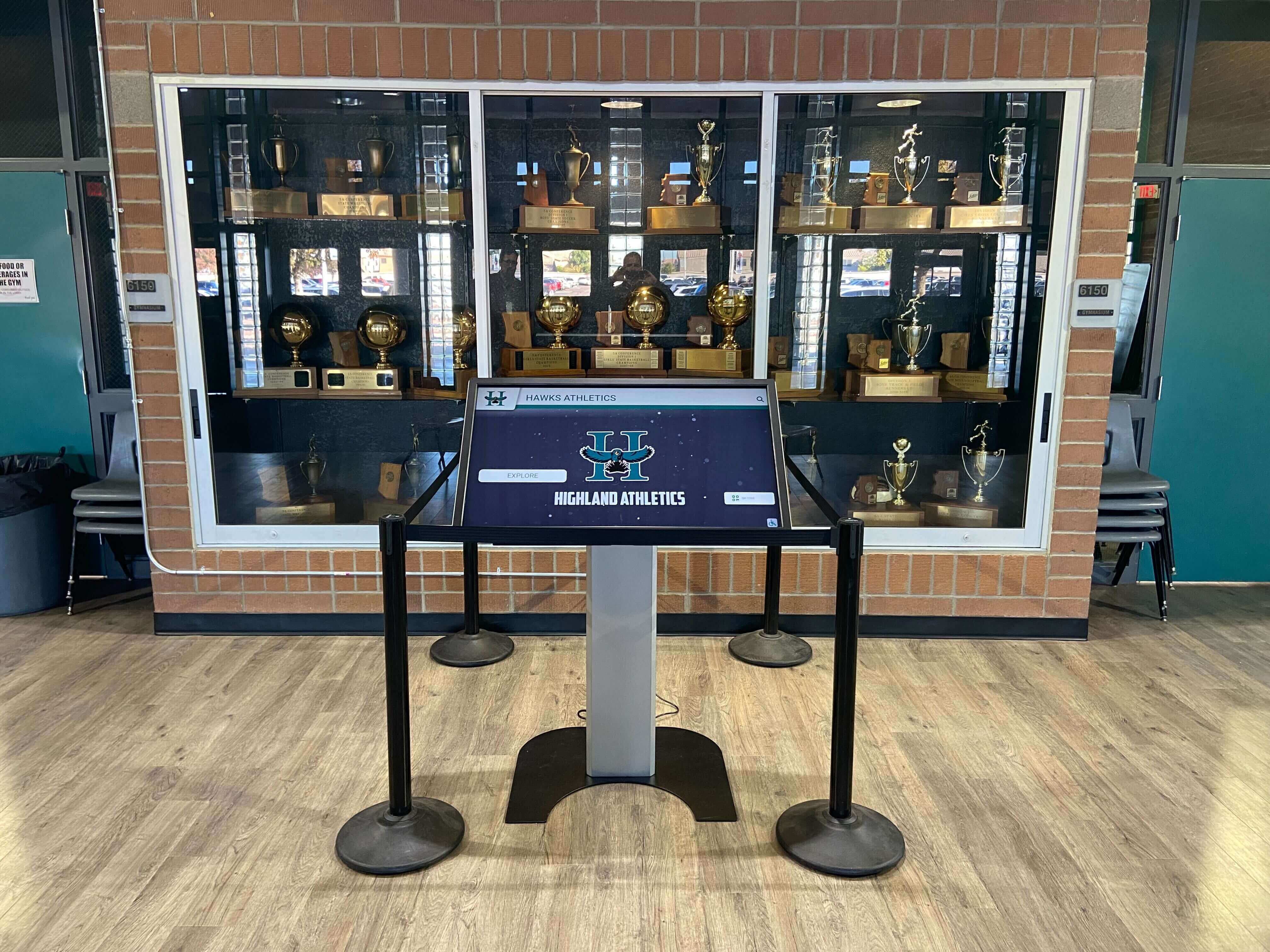
Strategic kiosk placement near trophy cases and recognition areas creates natural browsing opportunities
Content Development and Migration Strategies
Once platforms are selected, schools face the substantial task of populating systems with content. Effective strategies balance comprehensiveness with realistic resource constraints.
Phased Content Implementation: Rather than attempting comprehensive historical digitization immediately, many schools begin with current academic year content establishing regular workflows and building administrative competency. Historical content can be added incrementally over subsequent years as time permits.
Student Involvement and Service Learning: Engaging students in digital yearbook creation through yearbook classes, technology courses, or service learning projects provides valuable educational experiences while distributing content development workload. Students gain practical skills in photography, videography, writing, and digital content management.
Volunteer Recruitment: Alumni associations, parent groups, and community volunteers often enthusiastically support yearbook digitization projects. Organized volunteer teams can scan historical yearbooks, input biographical data, and quality-check content under staff supervision.
Professional Digitization Services: For schools with extensive historical archives requiring rapid digitization, professional scanning services specializing in yearbook and document digitization can accelerate timelines significantly. While involving additional costs, professional services ensure consistent quality and save substantial administrative time.
Ongoing Content Plans: Successful digital yearbooks require ongoing attention rather than annual bursts of activity before printing deadlines. Establishing regular content workflows—weekly photo uploads, monthly feature updates, or event-based additions—maintains platform currency and engagement.
Launch Strategy and Community Engagement
Simply activating a digital yearbook platform doesn’t ensure adoption. Strategic launches create awareness, generate excitement, and establish engagement patterns continuing long-term.
Pre-Launch Anticipation: Announce upcoming digital yearbooks through multiple communication channels weeks before official launch. Email newsletters to families, social media teasers, student announcements, and website banners build anticipation. Consider countdown campaigns highlighting specific features or content previews.
High-Visibility Unveiling Events: Schedule official launches during high-attendance occasions—homecoming weekends, open houses, back-to-school nights, or major school celebrations. Public unveiling ceremonies with administrators, student leaders, and community members generate initial enthusiasm and media coverage.
Incentivized Early Exploration: Consider contests encouraging initial engagement—prizes for first visitors to find specific content, recognition for most social shares, or acknowledgment for students submitting the most photos. These incentives drive early adoption establishing usage patterns.
Persistent Multi-Channel Promotion: Continue promoting digital yearbooks consistently throughout academic years through regular social media features highlighting interesting content, newsletter sections spotlighting recently added material, website homepage prominents maintaining visibility, and integration into school events including reunion planning and alumni gatherings.
Ambassador Programs: Recruit enthusiastic students, parents, and alumni as digital yearbook ambassadors promoting platforms within their networks, demonstrating features to others, and providing peer support for new users.
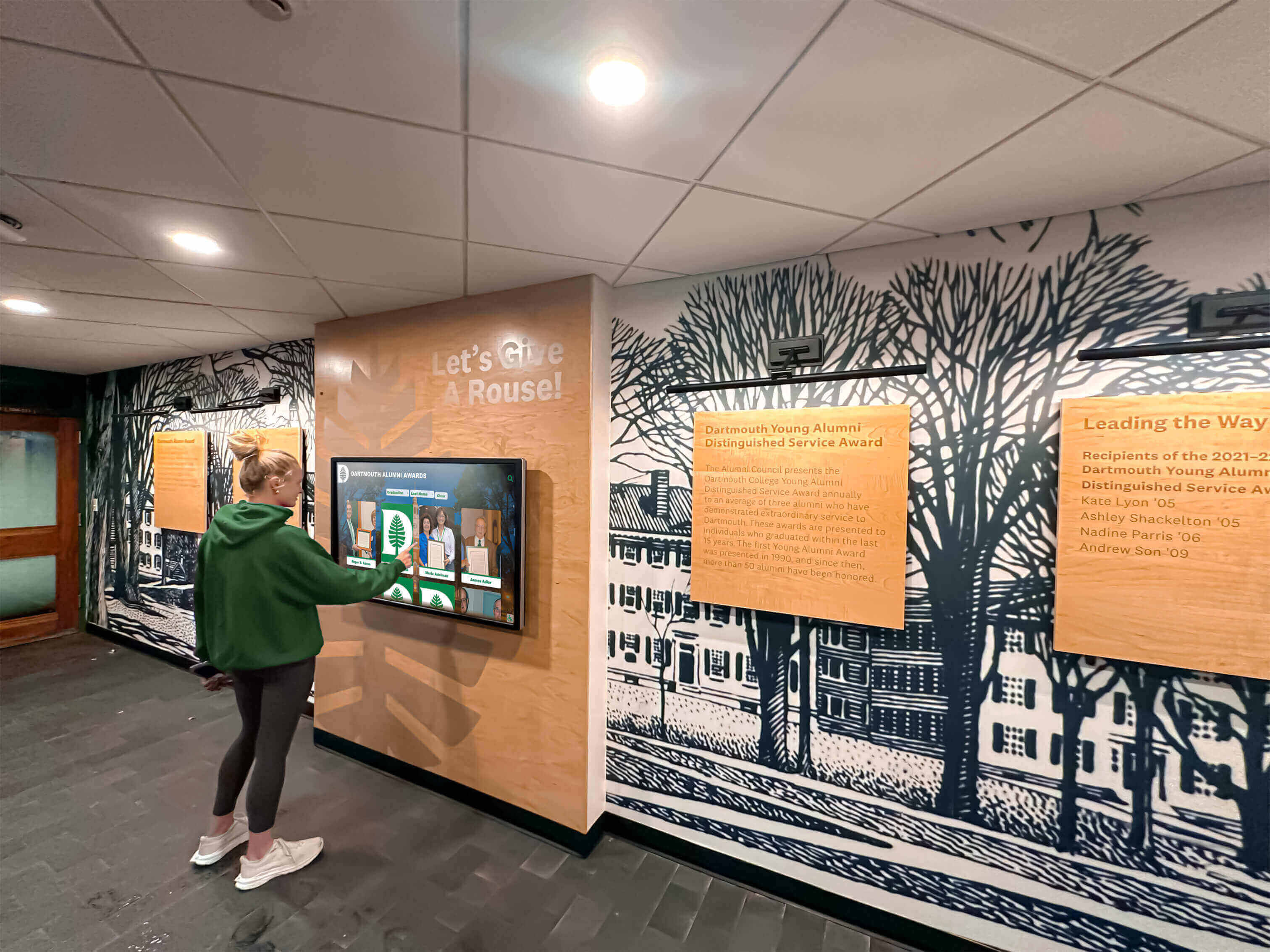
Student engagement increases dramatically when yearbook content is easily accessible and interactive
Digital Yearbooks for Different Educational Levels
Digital yearbook implementations vary across elementary, middle, and high school contexts reflecting different developmental stages, community needs, and institutional priorities.
Elementary School Digital Yearbooks
Elementary implementations typically emphasize parent engagement over student self-service since younger students may lack consistent personal device access or independent browsing capabilities. Key considerations include simplified navigation designed for younger users and families, heavy emphasis on class photos, field trips, and school-wide events, privacy controls particularly important given younger student ages, and parent-focused access rather than student-led exploration.
Elementary digital yearbooks often integrate closely with school recognition programs highlighting academic achievements, character awards, and student of the month recognitions creating comprehensive documentation of early educational experiences.
Middle School Digital Yearbooks
Middle school implementations balance parent access with growing student independence as adolescents develop personal identity and social awareness. Considerations include increased student involvement in content creation and curation, greater emphasis on extracurricular activities, sports, and clubs, social features enabling appropriate student interaction and content sharing, and content moderation ensuring appropriate material given middle school social dynamics.
Middle school digital yearbooks can play valuable roles in school community building helping students develop school pride and institutional connection during formative adolescent years.
High School Digital Yearbooks
High school implementations typically offer the most sophisticated features reflecting students’ technological fluency and approaching independence. Features include comprehensive athletics, arts, and activities coverage, senior recognition including college destinations and post-graduation plans, student-generated content including personal reflections and surveys, robust social sharing as students maintain networks beyond graduation, and alumni engagement features beginning to connect current students with recent graduates.
High school digital yearbooks serve as foundations for long-term alumni engagement platforms extending relationships far beyond graduation dates.
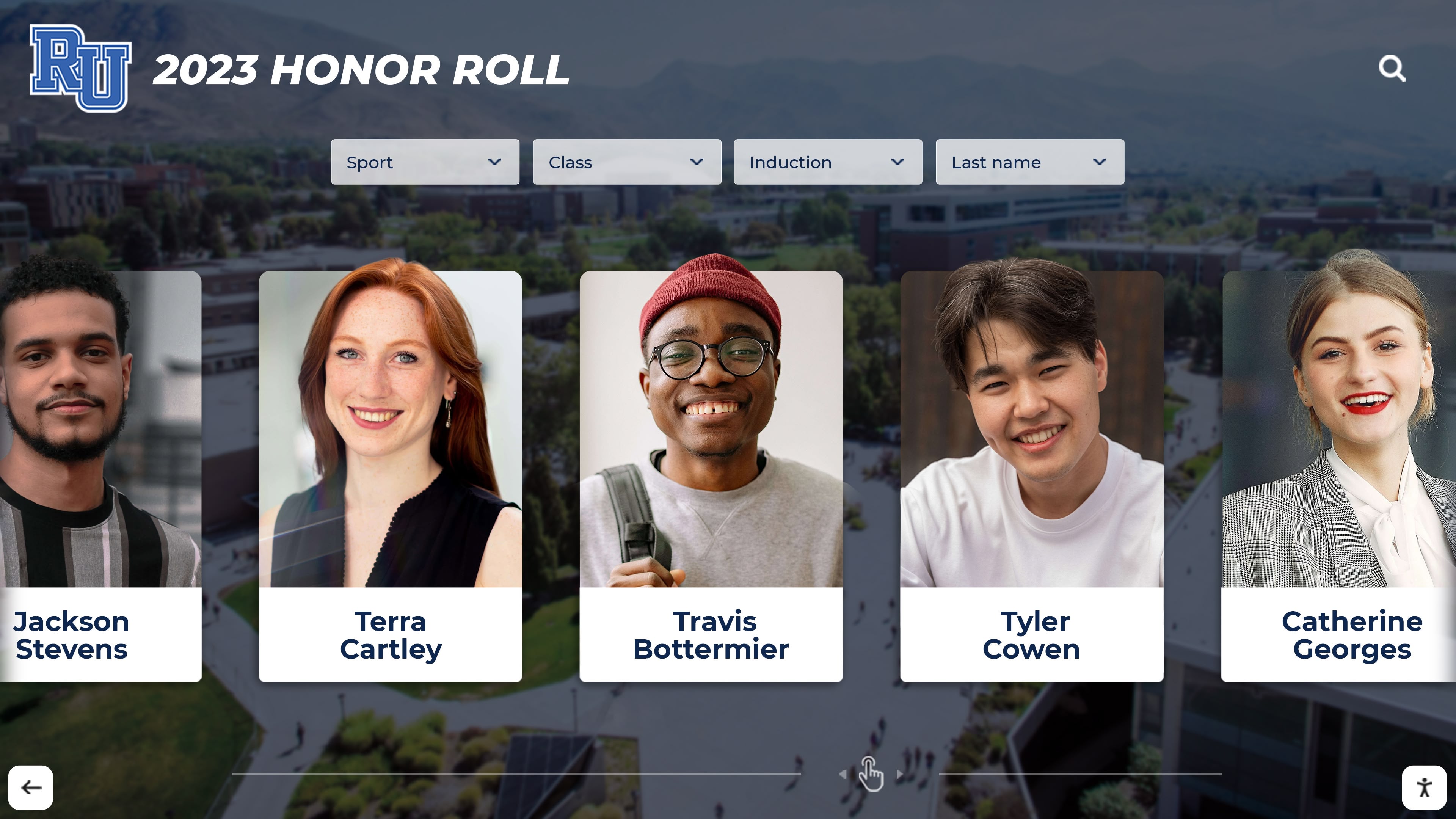
Professional portrait cards integrate seamlessly with yearbook content creating cohesive recognition systems
Integrating Digital Yearbooks With Broader Recognition Programs
The most effective digital yearbook implementations integrate with comprehensive institutional recognition ecosystems rather than functioning as isolated systems.
Athletic Recognition Integration
Digital yearbooks naturally complement athletic recognition programs documenting team rosters, season highlights, individual achievements, and championship celebrations. Integration possibilities include direct links from yearbook team photos to detailed athletic record boards, video highlights from key games and matches embedded within yearbook content, athlete profiles combining yearbook biographies with comprehensive statistical records, and senior night recognition ceremonies documented in yearbook and athletic hall of fame systems.
Academic Excellence Documentation
Beyond athletics, digital yearbooks effectively showcase academic achievements creating well-rounded institutional narratives. Integration opportunities include honor roll and academic award recipients featured prominently, National Honor Society inductees recognized with detailed profiles, science fair, debate competition, and academic contest winners documented with project descriptions, and scholarship recipients acknowledged with college destinations and academic plans.
Arts and Activities Recognition
Comprehensive yearbooks document diverse talent and participation across school communities through theater production photo galleries and performance videos, musical concert recordings and performer spotlights, visual arts exhibitions showcasing student creative work, club activities and leadership positions documenting student involvement, and community service projects highlighting student impact beyond campus.
Donor and Alumni Recognition
Digital yearbook platforms can integrate with development and advancement initiatives creating unified recognition ecosystems. Possibilities include alumni spotlights featuring distinguished graduates within digital yearbook contexts, donor recognition acknowledging contributors supporting yearbook and technology initiatives, legacy families showcasing multi-generational school connections, and reunion documentation incorporating reunion event photos into historical yearbook archives.

Comprehensive recognition systems integrate physical displays with digital yearbook content creating cohesive experiences
Measuring Digital Yearbook Success and Engagement
Demonstrating digital yearbook program value requires establishing metrics, collecting data, and analyzing engagement patterns.
Quantitative Engagement Metrics
Digital platforms provide comprehensive analytics impossible with printed yearbooks:
Usage Volume Indicators:
- Total visits and unique visitors over specific periods
- Session duration averages showing engagement depth
- Pages/content items viewed per session
- Return visitor rates indicating ongoing interest
- Geographic distribution of remote users
- Peak usage times identifying engagement patterns
Content Interaction Data:
- Most viewed photos, videos, and profiles
- Search terms used revealing content interests
- Social shares by platform and content type
- Download activity for available content
- Comments or reactions submitted by users
Technical Performance Metrics:
- Device types used for access
- Browser and operating system distribution
- Page load times and performance issues
- Error rates or broken links requiring attention
- Mobile versus desktop usage patterns
These analytics enable administrators to identify most engaging content types for future focus, understand which promotional channels drive traffic most effectively, optimize content organization based on actual usage patterns, and demonstrate concrete engagement metrics to leadership and stakeholders.
Qualitative Feedback and Satisfaction
Beyond quantitative data, qualitative feedback provides valuable insights about user experiences, perceived value, and improvement opportunities. Collection methods include user surveys asking specific questions about satisfaction, usability, and desired features, focus groups with students, parents, and alumni exploring experiences in depth, comment and suggestion systems enabling ongoing user input, and social media monitoring tracking public comments and discussions about yearbook platforms.
Questions should probe satisfaction with content variety and quality, ease of finding specific people or events, technical performance and reliability, mobile experience quality, and perceived value compared to traditional printed yearbooks.
Return on Investment Analysis
Demonstrating financial value helps sustain ongoing support and budget allocations. ROI calculations should consider several factors:
Cost Comparisons: Total cost of digital platform implementations versus equivalent printed yearbook programs over multi-year periods accounting for all direct and indirect expenses.
Time Savings: Administrative hours saved through streamlined digital workflows compared to traditional yearbook production measured and translated to dollar equivalents.
Extended Reach: Number of additional users accessing digital yearbooks compared to typical printed yearbook purchase rates demonstrating expanded engagement per dollar invested.
Fundraising Integration: Donations or sponsorships attracted through digital yearbook platforms or associated recognition programs.
Alumni Engagement Correlation: Increased alumni participation rates, event attendance, or giving potentially linked to improved memory preservation and institutional connection.
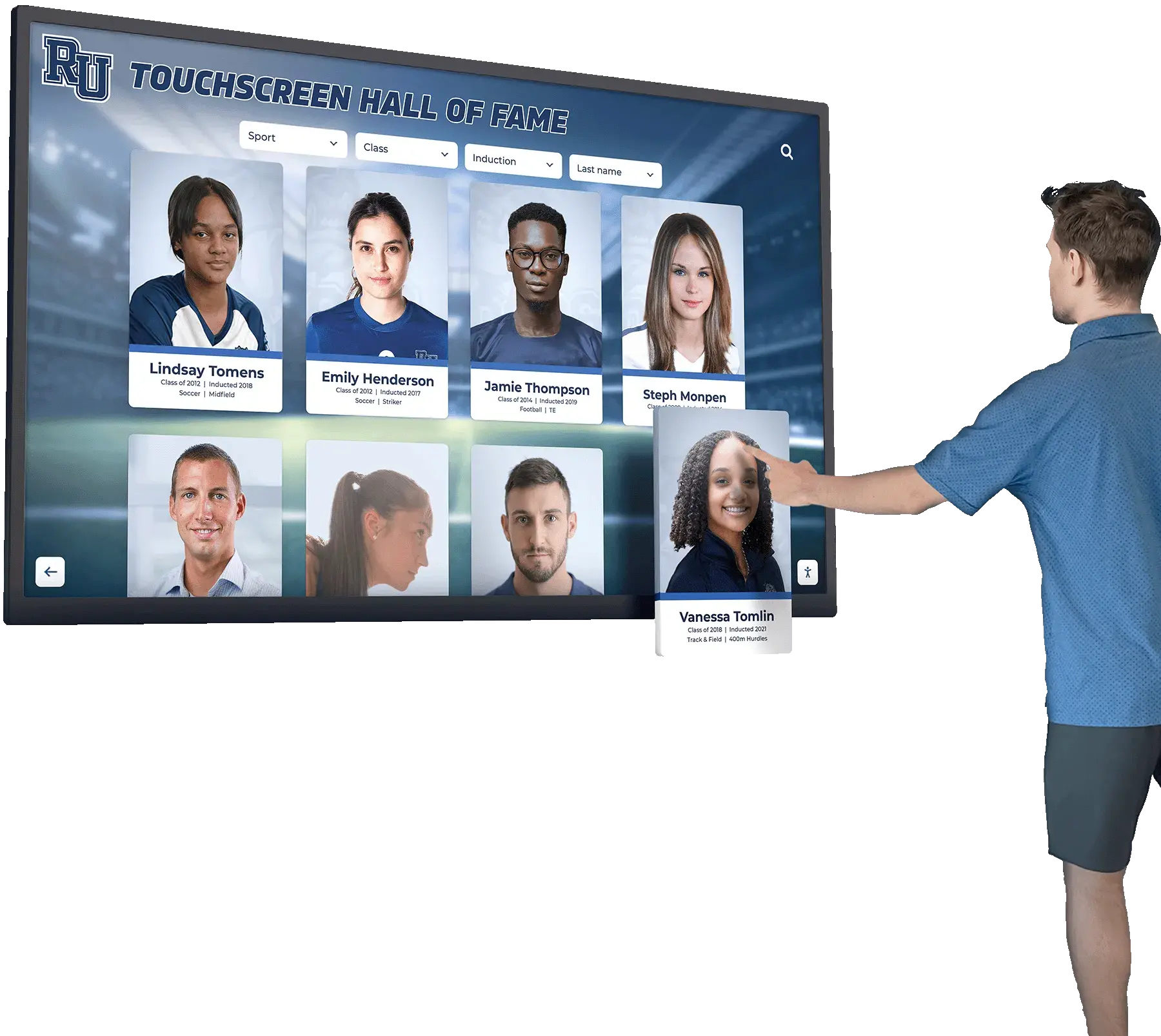
Digital platforms enable alumni to revisit school memories and maintain connections years after graduation
Common Implementation Challenges and Solutions
Schools implementing digital yearbooks frequently encounter predictable obstacles. Proactive planning addresses these challenges effectively.
Budget Constraints and Funding
Digital yearbook implementation costs—particularly when including touchscreen hardware—can exceed available budgets creating adoption barriers.
Phased Implementation: Rather than comprehensive deployment immediately, begin with web-based platforms only, adding physical touchscreen displays in subsequent years as budget permits. Many schools implement core functionality in year one, then expand features and physical installations gradually.
Alternative Funding Sources: Explore funding beyond general operating budgets including booster club support, alumni association contributions, parent organization fundraising, technology bond measures, and grant opportunities from education foundations or technology initiatives.
Sponsorship Programs: Create sponsorship opportunities allowing businesses, alumni, or families to fund specific yearbook features, content sections, or physical displays in exchange for appropriate recognition.
Cost Offset Through Print Reduction: If maintaining printed yearbooks alongside digital systems, consider reduced print quantities focusing on keepsake editions for seniors while making comprehensive content available digitally to broader communities.
Administrative Time and Resource Limitations
Content management requires ongoing time commitment that can overwhelm small administrative teams particularly during busy academic calendars.
Student Involvement Programs: Structure yearbook courses, photography classes, journalism programs, or service learning opportunities around digital yearbook content creation. Students gain valuable skills while distributing workload across participants.
Volunteer Coordination: Organize parent volunteers, community members, or student clubs to assist with specific tasks such as photo captioning, historical content research, or quality control review under staff supervision.
Batch Processing and Automation: Leverage platform features enabling batch photo uploads, automated organization, and template-based layouts reducing manual effort for routine tasks.
Realistic Content Scope: Focus on quality over comprehensiveness especially during initial years. Better to thoroughly document priority content areas than attempt surface coverage of everything resulting in incomplete or low-quality implementation.
Technical Concerns and IT Support
Schools sometimes express concerns about technical complexity or IT department burden particularly at institutions with limited technology staff.
Modern cloud-based platforms minimize IT requirements through browser-based management requiring no local software installation, automatic updates and maintenance handled by vendors, secure cloud hosting eliminating server management needs, and minimal integration requirements with existing school systems typically limited to optional data imports.
Most implementations require only network connectivity for physical displays, basic wall mounting which vendors typically handle, user account creation in cloud platforms which administrators manage independently, and occasional technical support access for unusual issues or questions.
Solutions like those from Rocket Alumni Solutions are specifically designed for non-technical school administrators requiring minimal IT involvement for ongoing operations.
Adoption and Engagement Challenges
Simply launching platforms doesn’t guarantee usage. Some implementations see disappointing engagement when schools underestimate ongoing promotional needs.
Persistent Multi-Channel Marketing: Maintain consistent yearbook visibility through regular social media features, newsletter inclusions, website homepage prominents, and integration into school events rather than relying solely on launch announcements.
Content Freshness: Regularly add new content maintaining reasons for repeat visits. Stale platforms with infrequent updates see declining engagement as initial interest fades.
Feature Education: Many users explore limited platform capabilities unaware of advanced features like search, filtering, or sharing unless explicitly shown. Regular tips, tutorials, and feature spotlights through communications channels increase utilization of full capabilities.
Incentive Programs: Consider ongoing contests, challenges, or recognition for active users maintaining engagement momentum beyond initial launch periods.
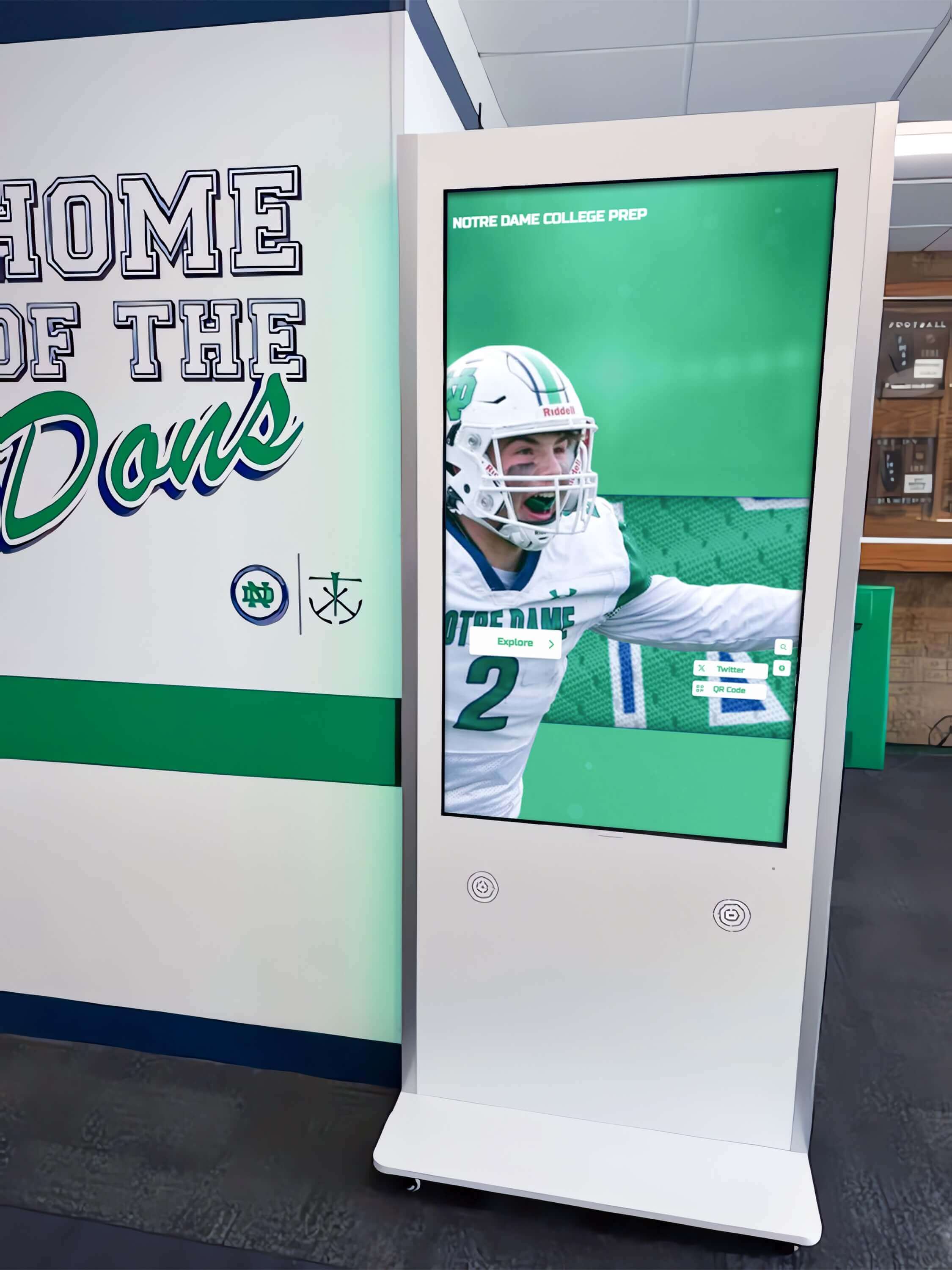
High-traffic hallway placements ensure yearbook content receives consistent visibility and usage
Future Trends in Digital Yearbook Technology
Digital yearbook platforms continue evolving as emerging technologies create additional capabilities and engagement opportunities.
Artificial Intelligence and Automated Organization
AI technologies increasingly assist with yearbook content management through automated photo tagging identifying people, locations, and activities, smart content organization suggesting optimal layouts and groupings, facial recognition enabling click-on-face navigation to find all photos containing specific individuals, and automated caption generation suggesting descriptions based on image analysis reducing manual text entry.
These AI capabilities significantly reduce administrative workload while improving content discoverability and user experience quality.
Augmented Reality Integration
AR technologies create immersive yearbook experiences blending physical and digital worlds. Emerging applications include printed yearbook pages triggering AR overlays displaying additional digital content when viewed through smartphones, campus location-based AR revealing historical photos and yearbook content when pointing devices at specific school locations, and AR photo booths at school events automatically linking physical prints to comprehensive digital collections.
Enhanced Social and Collaboration Features
Future platforms may incorporate more sophisticated social capabilities enabling direct messaging between alumni through yearbook platforms, collaborative memory creation allowing multiple users to contribute to shared collections, crowd-sourced historical content where alumni submit and verify historical school information, and integrated reunion planning tools coordinating class gatherings through yearbook platforms.
Blockchain and Digital Ownership
Blockchain technologies may enable verified digital credentials where yearbook entries and achievements become permanent verifiable records, NFT-based digital collectibles creating unique commemorative items from yearbook content, and decentralized storage ensuring permanent preservation regardless of platform provider longevity.
Virtual and Metaverse Integration
As virtual environments mature, yearbook content may populate virtual school campuses where avatars explore 3D yearbook displays, virtual reunions in metaverse spaces featuring comprehensive yearbook archives, and immersive historical recreations bringing past school eras to life through yearbook-sourced content.
Conclusion: Preserving Memories for the Digital Generation
Digital yearbooks represent fundamental evolution in how educational institutions preserve memories, recognize achievements, and maintain community connections. Traditional printed yearbooks served their purpose admirably for generations, but today’s connected, mobile, multimedia world demands memory preservation approaches reflecting how students, families, and alumni actually live and communicate.
The most effective digital yearbook implementations recognize that technology enables engagement but doesn’t create it automatically. Success requires compelling content telling authentic stories, intuitive platforms accessible across devices, strategic promotion building awareness and encouraging exploration, ongoing maintenance keeping content current and relevant, and measurement systems demonstrating value guiding continuous improvement.
For schools seeking to strengthen community connections, increase alumni engagement, provide accessible memory preservation, and honor achievements in ways resonating with contemporary audiences, digital yearbook platforms provide proven solutions with measurable returns.
The transition from printed pages to interactive digital archives creates opportunities impossible with traditional approaches—global accessibility including international families and distant alumni, rich multimedia storytelling creating emotional connections beyond static photos, social amplification extending reach exponentially through network effects, continuous updating maintaining currency throughout and beyond academic years, comprehensive search enabling instant content discovery, and permanent preservation protecting memories from physical degradation or loss.
School memories matter because they shape identity, build community, and create lasting connections extending far beyond graduation dates. Digital yearbooks honor those memories while adapting preservation methods to the connected digital world in which today’s students, families, and alumni live their lives.
Ready to Transform Your School Yearbook?
Discover how digital yearbook solutions can preserve memories, engage communities, and create lasting value for your school. Rocket Alumni Solutions specializes in comprehensive digital recognition and memory preservation platforms designed specifically for educational institutions.
Explore Digital Yearbook SolutionsWhether you’re launching a new digital yearbook program, modernizing existing memory preservation systems, or seeking to increase engagement with current platforms, solutions combining intuitive touchscreen hardware, cloud-based content management, multimedia integration, and responsive web access create yearbook experiences worthy of your school community and the memories you’re preserving for generations to come.































