For generations, varsity letters have represented the pinnacle of high school and collegiate athletic achievement. The tradition of earning a letter and proudly displaying it on a letterman jacket creates lasting memories and tangible symbols of dedication, skill, and perseverance. Yet as athletic programs grow and decades of achievements accumulate, schools face challenging limitations with traditional varsity letter recognition displays—overcrowded trophy cases, outdated plaques, and physical space constraints that force difficult decisions about which achievements remain visible.
The evolution toward digitizing varsity letters solves these capacity challenges while preserving the honor and tradition these awards represent. Schools implementing modern digital recognition displays report dramatically increased engagement, unlimited recognition capacity, and enhanced storytelling capabilities that static displays simply cannot provide. Rather than replacing the tradition of varsity letters, digital solutions amplify their impact while ensuring every letter winner receives appropriate, permanent recognition regardless of when they earned their achievement.
This comprehensive guide explores everything athletic directors, coaches, and administrators need to know about digitizing varsity letters—from understanding the benefits and technology options through implementation planning, content development, and measuring success. Whether you’re replacing outdated recognition systems, expanding capacity for growing programs, or simply seeking to honor your letter winners more comprehensively, digital solutions provide powerful platforms that celebrate athletic excellence while respecting the traditions that make varsity letters meaningful.
Solutions like Rocket Alumni Solutions provide purpose-built platforms specifically designed for athletic recognition, enabling schools to showcase unlimited letter winners through interactive displays featuring photos, statistics, athletic achievements, and compelling narratives that traditional letter boards cannot accommodate. When schools implement comprehensive digital recognition systems, they create dynamic celebration experiences that honor past excellence while motivating current athletes to pursue their own varsity letter legacies.

Understanding the Tradition of Varsity Letters
Before exploring how to digitize varsity letters effectively, understanding the rich tradition these awards represent provides essential context for why preservation through modern technology matters tremendously.
The History and Significance of Varsity Letters
The varsity letter tradition traces its origins to Harvard University in 1865, when the baseball team’s manager purchased monogrammed handkerchiefs for the team’s best players. This simple recognition evolved over subsequent decades into the familiar chenille letter patches that became standard athletic awards across American high schools and colleges throughout the early 20th century.
The tradition reached its cultural peak in the 1950s and 1960s when letterman jackets became ubiquitous symbols of athletic achievement and school pride. Wearing a varsity jacket signified membership in an elite group—athletes who had demonstrated exceptional skill, dedication, and commitment to their teams and schools. The visual impact of letter jackets created instant recognition and social status, motivating countless students to pursue athletic excellence.
Modern Varsity Letter Significance
While fashion trends have evolved and fewer athletes wear traditional letterman jackets daily, varsity letters maintain tremendous significance as athletic achievements deserving comprehensive recognition. Letter criteria typically require sustained participation across full seasons, meeting performance standards, demonstrating sportsmanship, and contributing to team success—accomplishments that warrant celebration extending beyond simple certificate presentations.
Schools that maintain visible, comprehensive varsity letter recognition report several important benefits including enhanced school pride and athletic culture, increased motivation as underclassmen pursue letters their predecessors earned, strengthened alumni connections as graduates revisit their achievements, and recruitment advantages demonstrating program tradition and excellence.
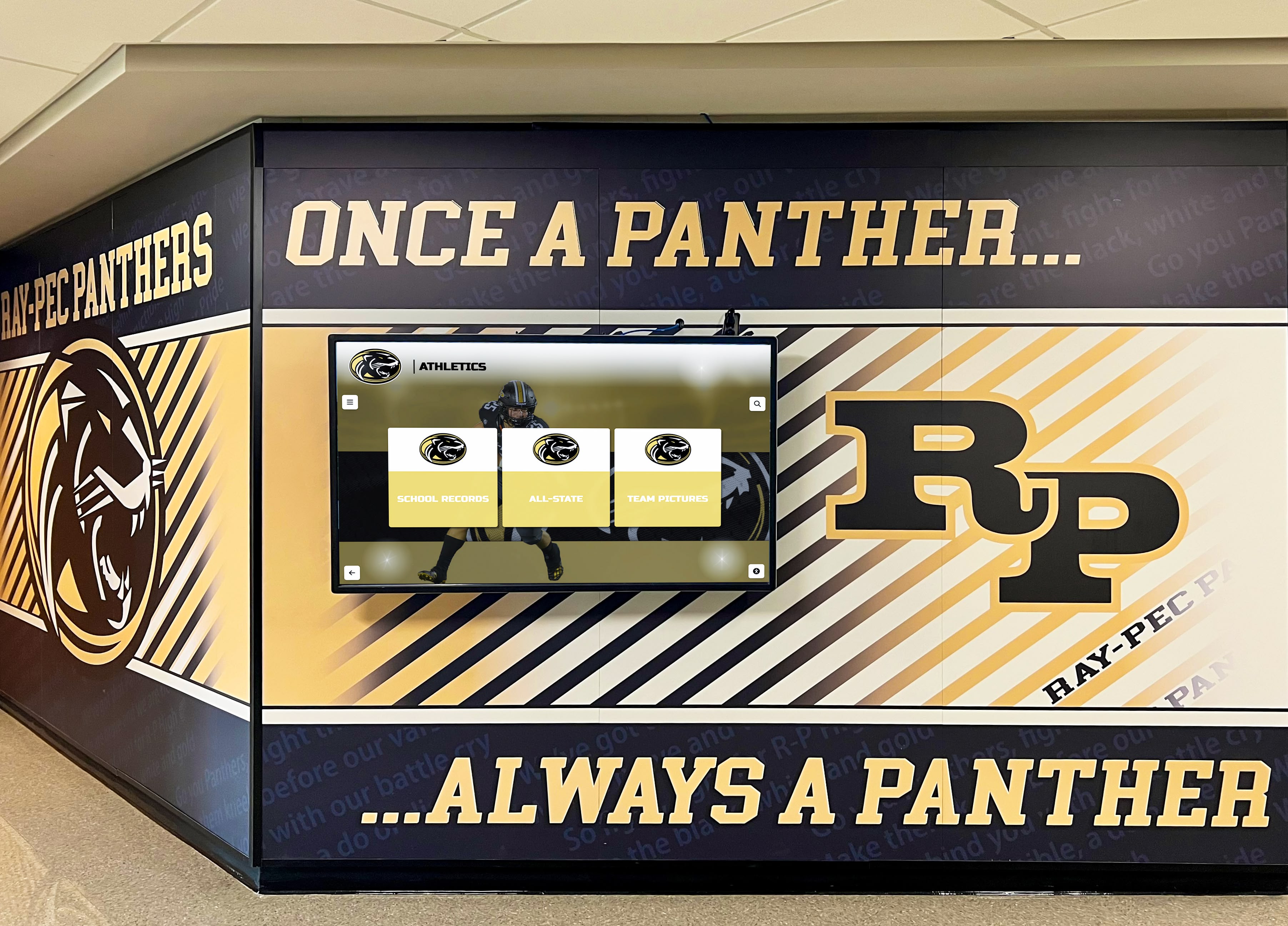
Traditional Varsity Letter Recognition Methods
Understanding common approaches to varsity letter recognition helps identify limitations that digital solutions address effectively.
Letter Boards and Plaques
Many schools maintain dedicated letter boards listing names of letter winners organized by sport and year. These boards typically feature engraved plates or vinyl lettering mounted in hallways or athletic facilities. While providing permanent recognition, letter boards face severe space constraints that limit how many years of letter winners can be displayed simultaneously. As decades pass, older letter winners often get removed to accommodate recent athletes—effectively erasing recognition for athletes who contributed to program foundations.
Trophy Case Displays
Some programs display representative letterman jackets or letter patches in trophy cases alongside team awards and championship trophies. These displays create visual interest but typically showcase only select examples rather than comprehensive documentation of all letter recipients. Space limitations mean most letter winners receive no physical recognition beyond their personal letter awards.
Yearbook Documentation
Yearbooks traditionally served as primary permanent records documenting letter winners through team photos and activity listings. While providing historical documentation, yearbooks offer limited accessibility—requiring physical archive access rather than convenient exploration. Schools seeking to honor letter winners decades later often struggle to locate complete yearbook collections documenting their athletic histories comprehensively.
Award Ceremonies and Certificates
Annual letter award ceremonies celebrate current recipients through presentations, speeches, and certificate distribution. These meaningful events honor achievement but provide only temporary recognition moments rather than lasting visible celebration. Families attend ceremonies, athletes receive awards, but systematic ongoing recognition often proves limited or nonexistent.
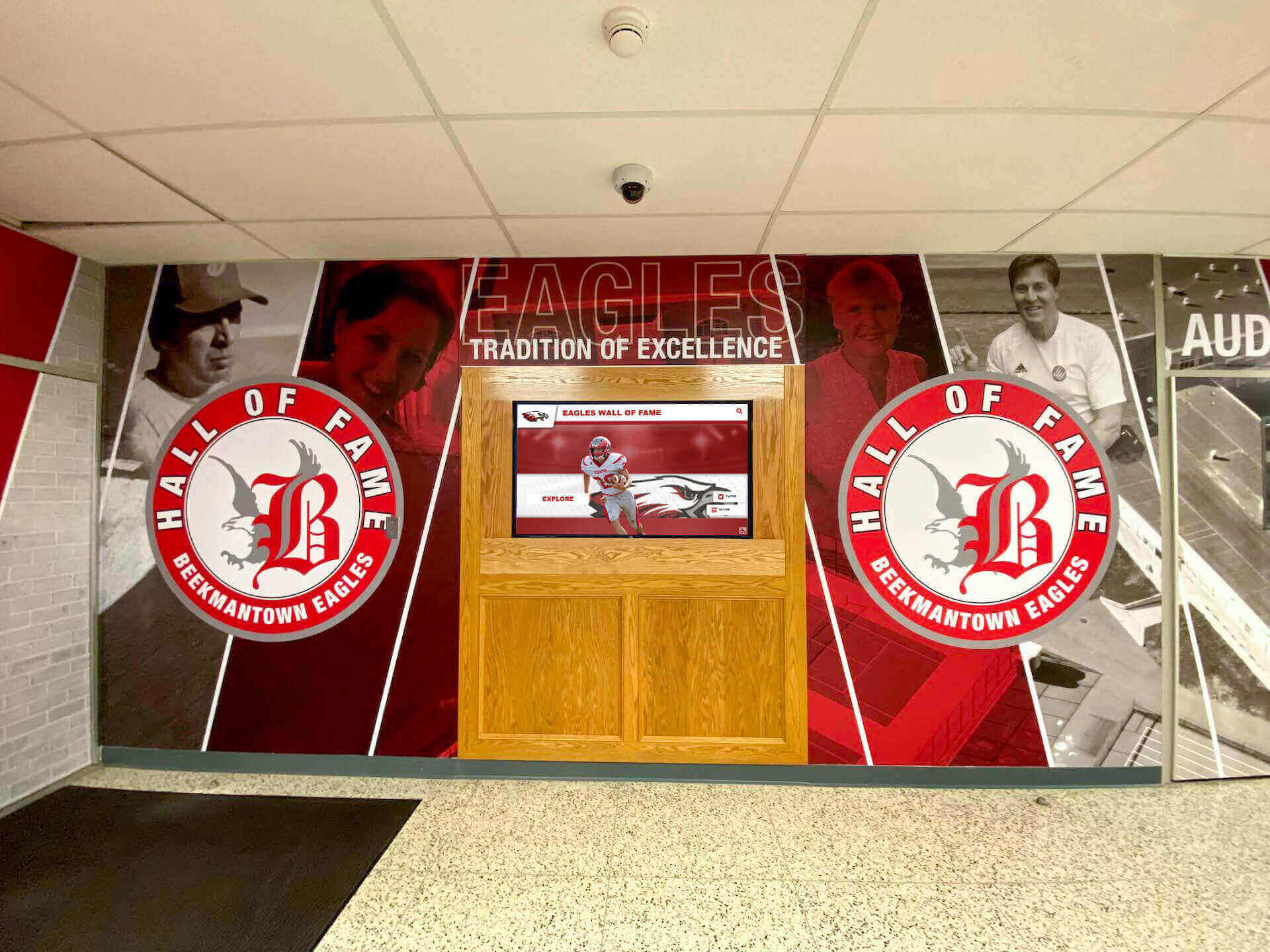
Why Schools Should Digitize Varsity Letters
Understanding specific advantages digital recognition provides helps administrators evaluate whether transitioning from traditional methods aligns with institutional goals and challenges.
Solving the Recognition Capacity Crisis
Physical space limitations represent the most common varsity letter recognition challenge schools face. As programs accumulate decades of letter winners across multiple sports, traditional displays inevitably fill completely.
The Capacity Dilemma
A typical high school might have 15-20 varsity sports programs, each awarding 20-40 letters annually. Over just ten years, this generates 3,000-8,000 letter winners. Traditional letter boards measuring 4’ x 8’ might accommodate 200-300 names—less than 10% of just a decade’s letter recipients, to say nothing of comprehensive historical recognition spanning 50+ years of program history.
This capacity limitation forces impossible choices. Should schools recognize only recent winners, effectively erasing decades of athletic tradition? Should they rotate displays periodically, meaning most letter winners receive no visibility most of the time? Should they remove older recognition to accommodate newer athletes, offending alumni who earned letters establishing program foundations?
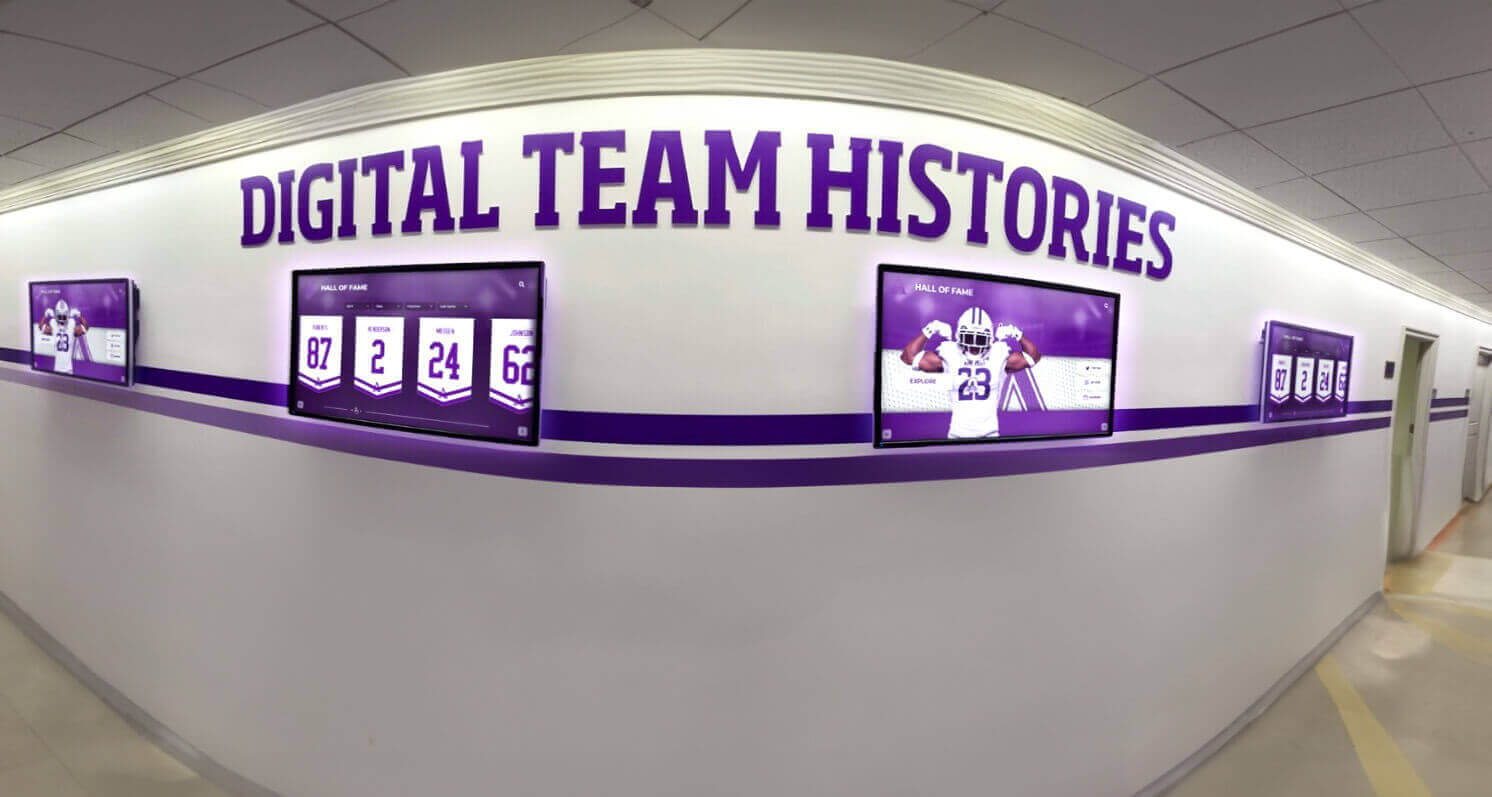
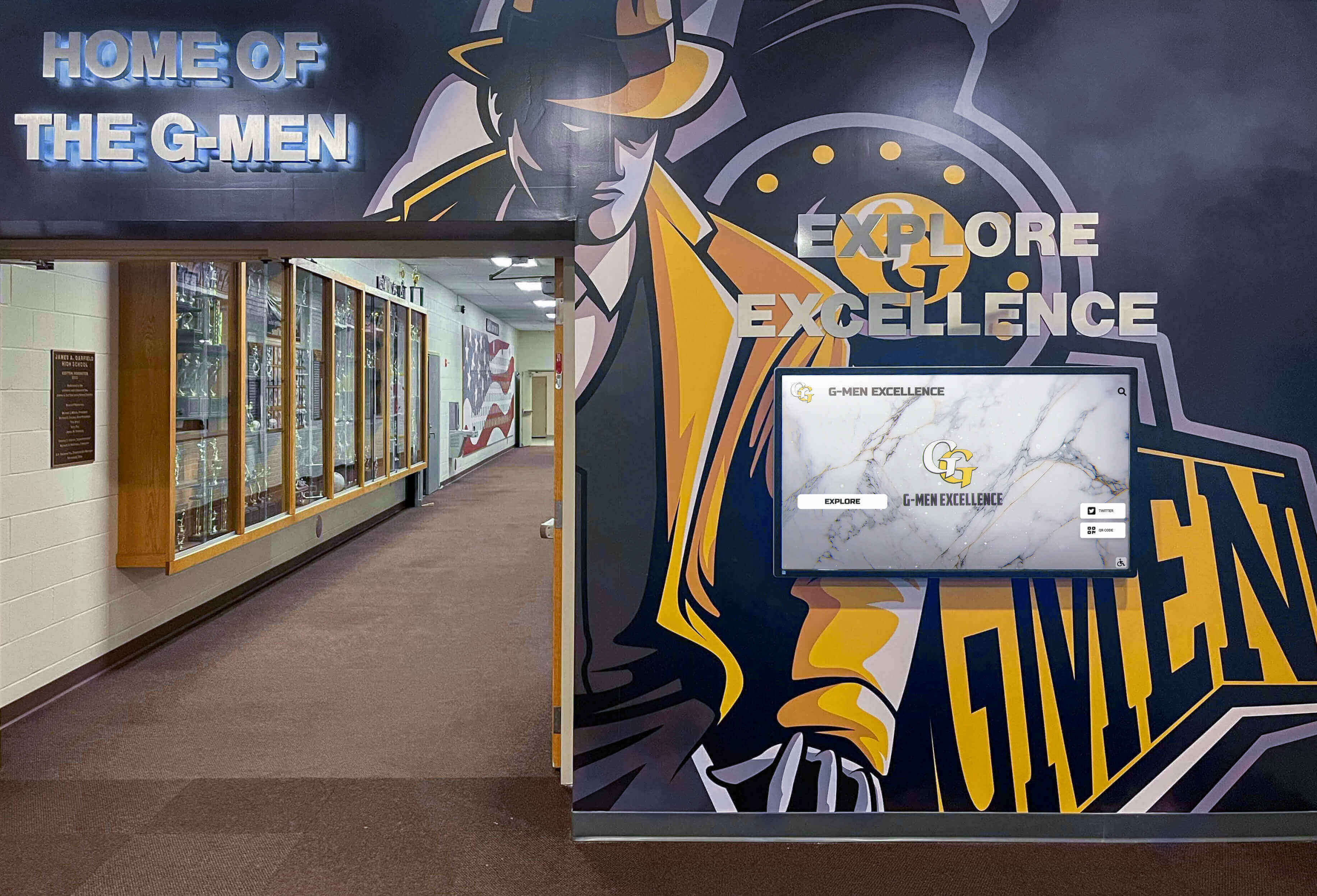
Digital displays eliminate this impossible choice entirely. A single 55-inch touchscreen can showcase detailed profiles for thousands of letter winners spanning complete program histories without forcing prioritization based on available wall space. Schools implementing digital recognition report they can finally honor every deserving athlete across all sports and time periods without compromise.
Unlimited Recognition Without Space Constraints
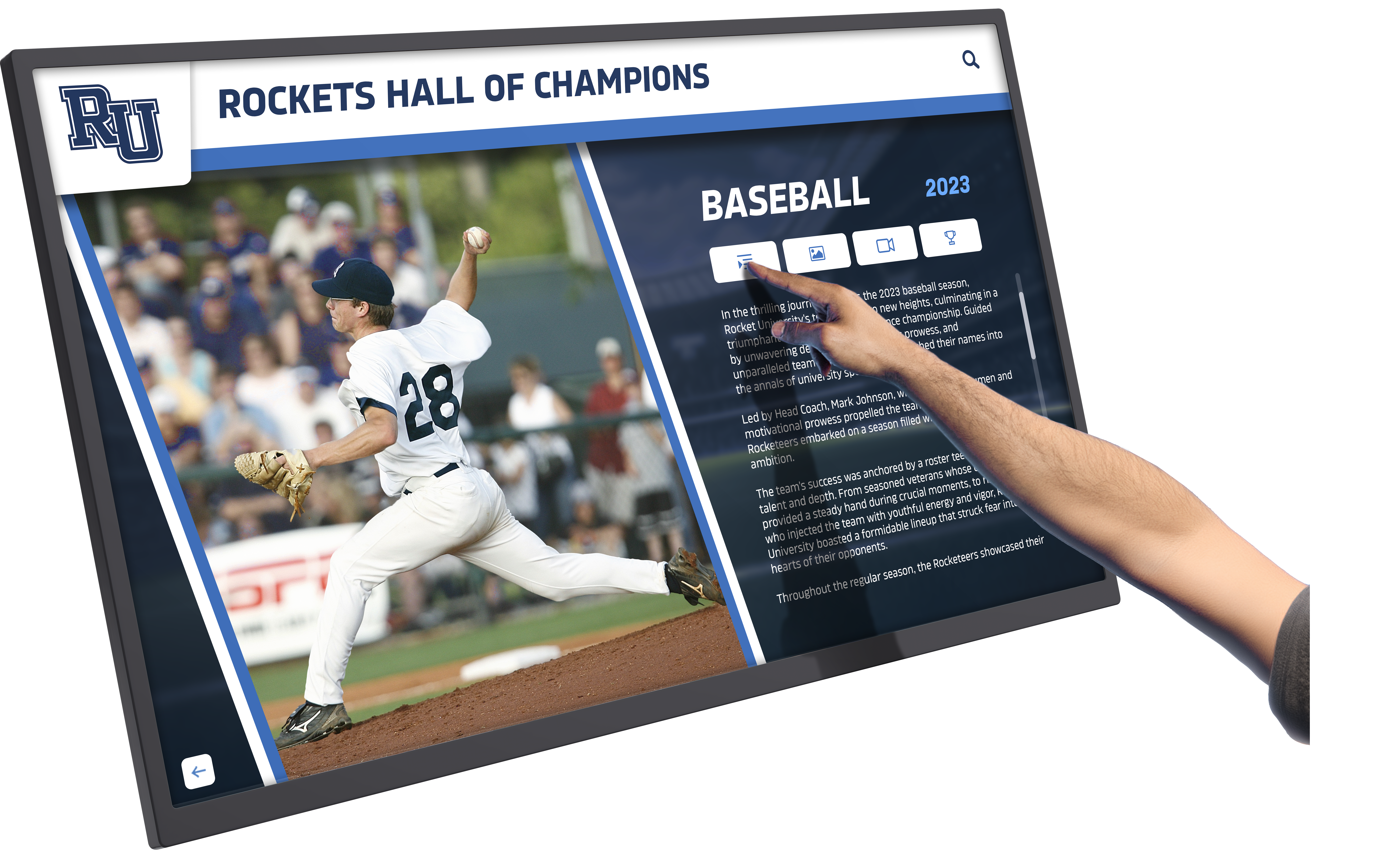
Beyond basic capacity, digital platforms enable recognition depth impossible through traditional letter boards. When schools digitize varsity letters effectively, they can include comprehensive athlete profiles with multiple action photographs from playing careers, complete statistics across all seasons, position and year information, team captaincy and leadership roles, academic honors and all-conference selections, post-graduation college athletics participation, and personal narratives describing athletic experiences and program impact.
This depth transforms simple name listings into comprehensive celebrations of athletic journeys, providing recognition substance that appropriately honors the dedication letter winners demonstrated earning their achievements.
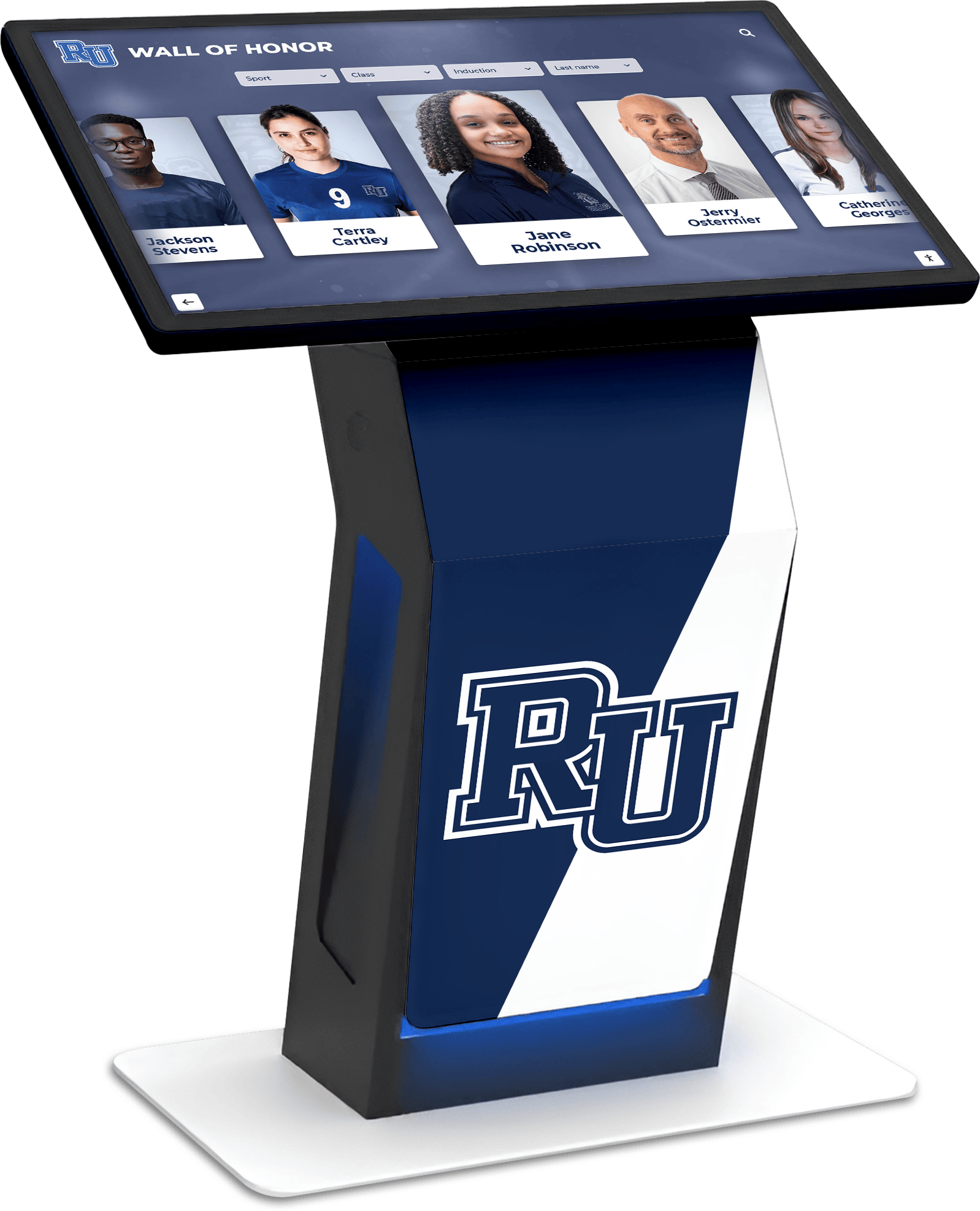
Enhanced Storytelling Through Multimedia Content
Traditional letter boards list names. Digital recognition platforms enable comprehensive storytelling through multimedia content that brings athletic achievements to life.
Photo Galleries and Action Shots
Letter winners deserve recognition beyond text listings. Digital displays accommodate multiple photographs showing athletes competing in their sports including game action captures demonstrating athletic ability, team photos preserving squad memories, award ceremony images documenting letter presentations, individual portraits suitable for formal recognition, and historical photographs connecting past athletic traditions to present programs.
High-quality imagery creates emotional connections that text-only displays cannot generate. Families exploring digital recognition displays spend significantly more time viewing photo-rich content compared to simple name listings, creating meaningful engagement with athletic tradition and excellence.
Video Highlights and Testimonials
For recent letter winners, video content provides powerful recognition enhancement including season highlight reels preserving memorable athletic moments, championship game footage documenting team success, athlete testimonials describing program impact, coach interviews explaining letter winners’ contributions, and skill demonstration videos showcasing athletic excellence.
Schools implementing comprehensive digital storytelling for athletic programs report dramatically increased engagement with recognition content as video elements transform passive viewing into active exploration that visitors find compelling and memorable.
Statistical Documentation and Records
Athletes achieving letter status through exceptional performance deserve statistical recognition documenting their accomplishments. Digital platforms accommodate comprehensive statistical presentation including career statistics across all seasons, single-season and single-game achievements, school records established or approached, all-conference and all-state selections, statistical comparisons contextualizing achievements, and progression showing improvement across athletic careers.
Statistical depth provides recognition nuance celebrating diverse contributions—from high-scoring offensive players to defensive specialists whose impact extends beyond basic statistics. This balanced approach ensures all letter winners receive appropriate acknowledgment for their specific contributions to team success.
Interactive Exploration and Search Capabilities
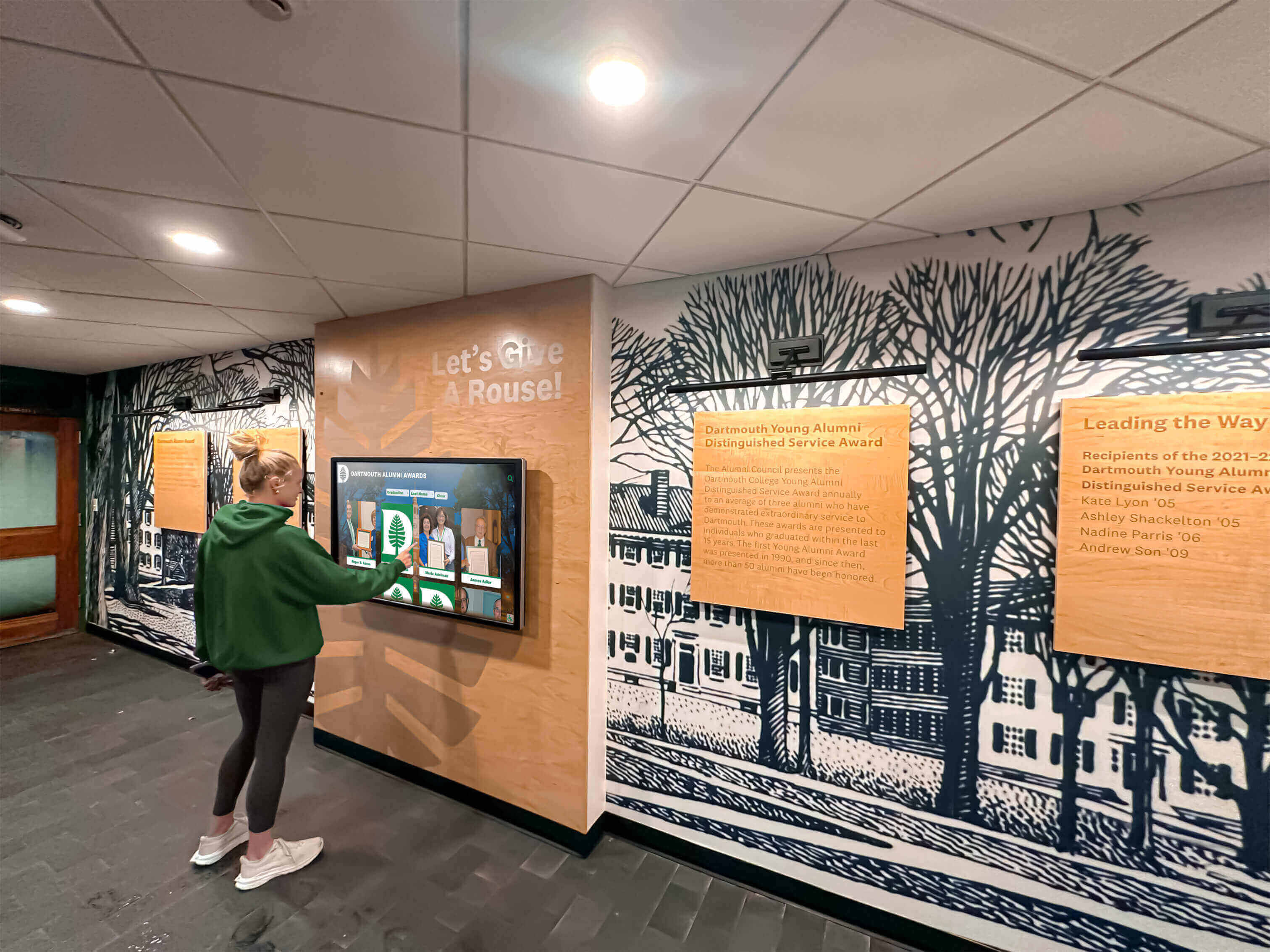
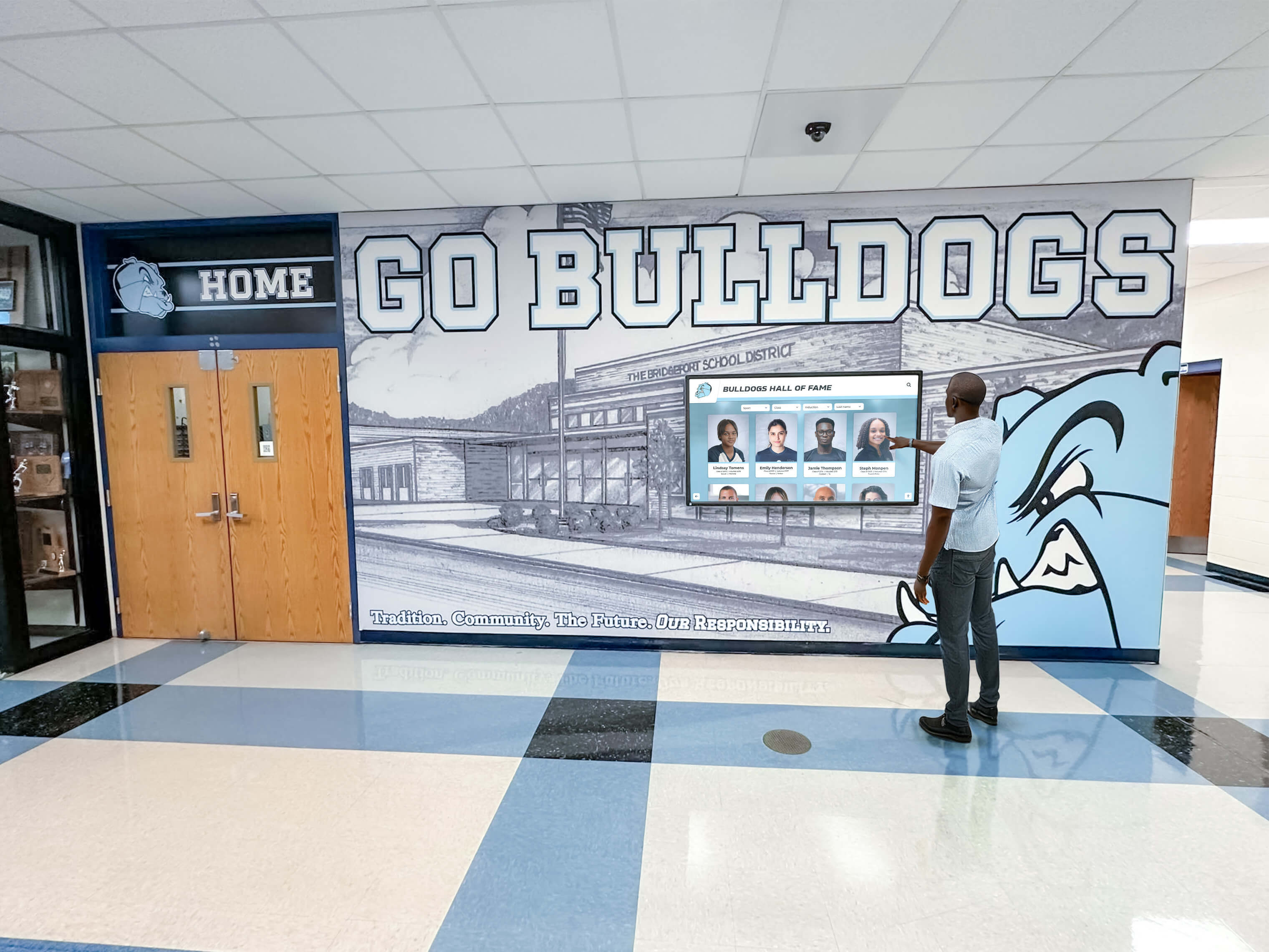
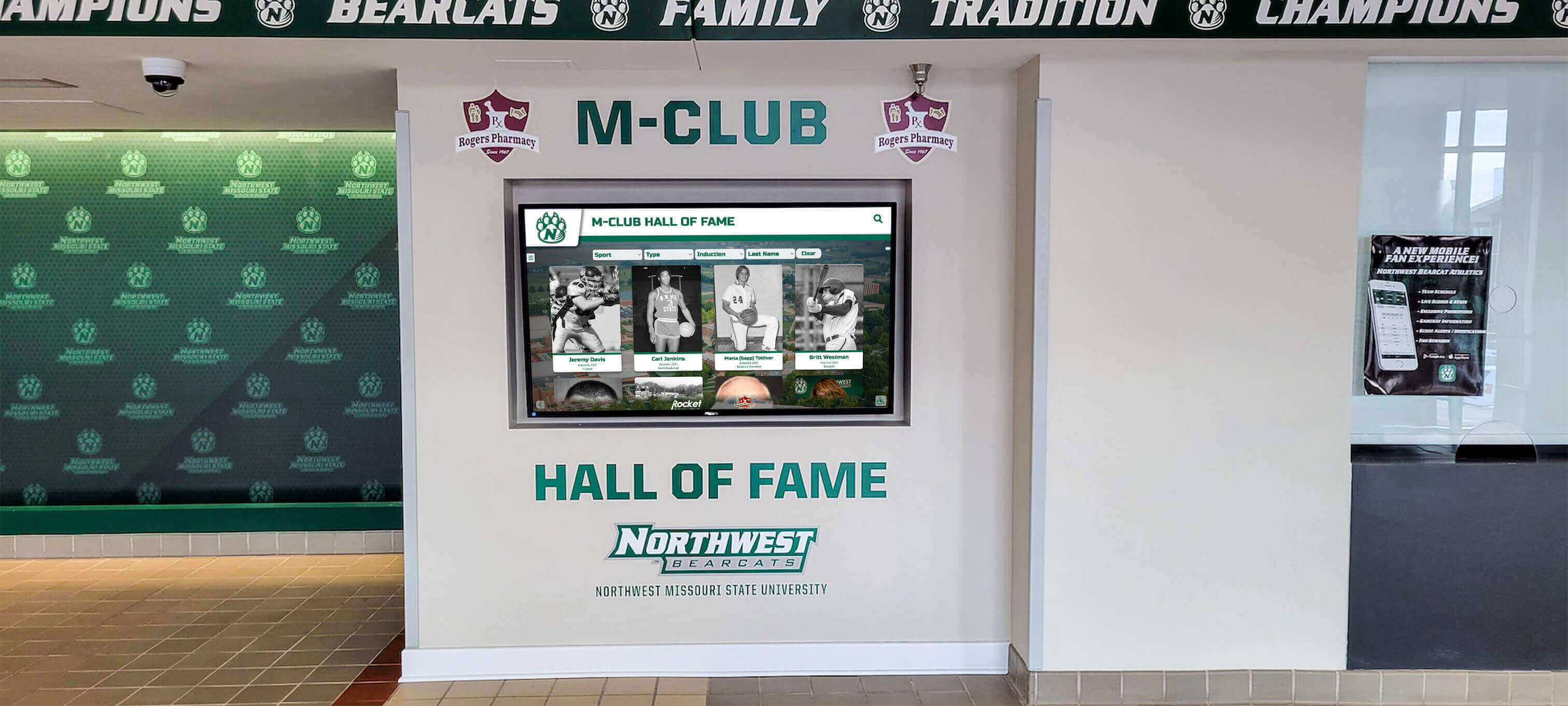
Static letter boards require physical browsing—visitors scan lists searching for specific names or time periods. Digital recognition systems provide powerful interactive capabilities including name search enabling instant location of specific letter winners, sport-specific filtering allowing exploration by athletic program, year-based organization enabling chronological browsing, position and category filtering for specialized searches, and related content connections linking teammates and era contemporaries.
These search capabilities make recognition accessible rather than overwhelming. Alumni visiting campus decades after graduation can quickly find their names and teammates. Parents during facility tours can locate older family members who preceded their children in programs. Prospective recruits can explore program traditions and letter winner legacies that demonstrate athletic excellence spanning generations.
Approaches to academic recognition programs demonstrate how intuitive search and filtering enhance recognition accessibility across diverse audiences.
Extended Reach Through Web Integration
Traditional physical displays serve only visitors physically present in athletic facilities. Digital varsity letter recognition typically extends beyond campus through web-based companion platforms enabling online letter winner directories accessible from anywhere, social sharing integration allowing athletes to celebrate achievements, searchable databases supporting distant family exploration, alumni engagement tools maintaining lifelong connections, and recruitment showcases demonstrating program tradition and development.
This extended reach significantly amplifies recognition impact. Rather than serving only thousands passing displays annually, online platforms reach tens of thousands maintaining connection regardless of geographic location. Schools report enhanced alumni engagement as graduates who never visit campus physically can still explore letter winner recognition celebrating their achievements and program contributions.

Planning Your Varsity Letter Digitization Project
Successfully digitizing varsity letters requires systematic planning addressing technology selection, content development, installation, and ongoing maintenance.
Initial Assessment and Goal Setting
Implementation begins with clear understanding of recognition objectives and stakeholder needs driving display development.
Defining Recognition Scope
Determine which athletes merit recognition including which sports receive coverage (all varsity programs vs. select sports), what time period receives documentation (recent years vs. complete program history), which letter criteria apply (varsity letters only vs. junior varsity and freshman recognition), what achievement levels warrant inclusion, and how varsity letter recognition integrates with broader athletic recognition programs.
Clear scope prevents unrealistic expectations while ensuring important achievements receive appropriate inclusion. Schools with limited historical documentation might start with recent decades while committing to gradual historical expansion as research uncovers additional information.
Stakeholder Input and Alignment
Engage key stakeholders in planning ensuring recognition serves intended audiences effectively including current athletes and coaching staff, prospective recruits and families, athletic department administrators, letter winner alumni and booster organizations, school leadership and board members, and facilities management and technology personnel.
Input from diverse perspectives prevents overlooking important recognition elements while building support for implementation investment and ongoing maintenance commitment.
Technology Selection and Vendor Evaluation
Choosing appropriate display technology and software platforms determines long-term satisfaction, usability, and recognition effectiveness.
Hardware Considerations
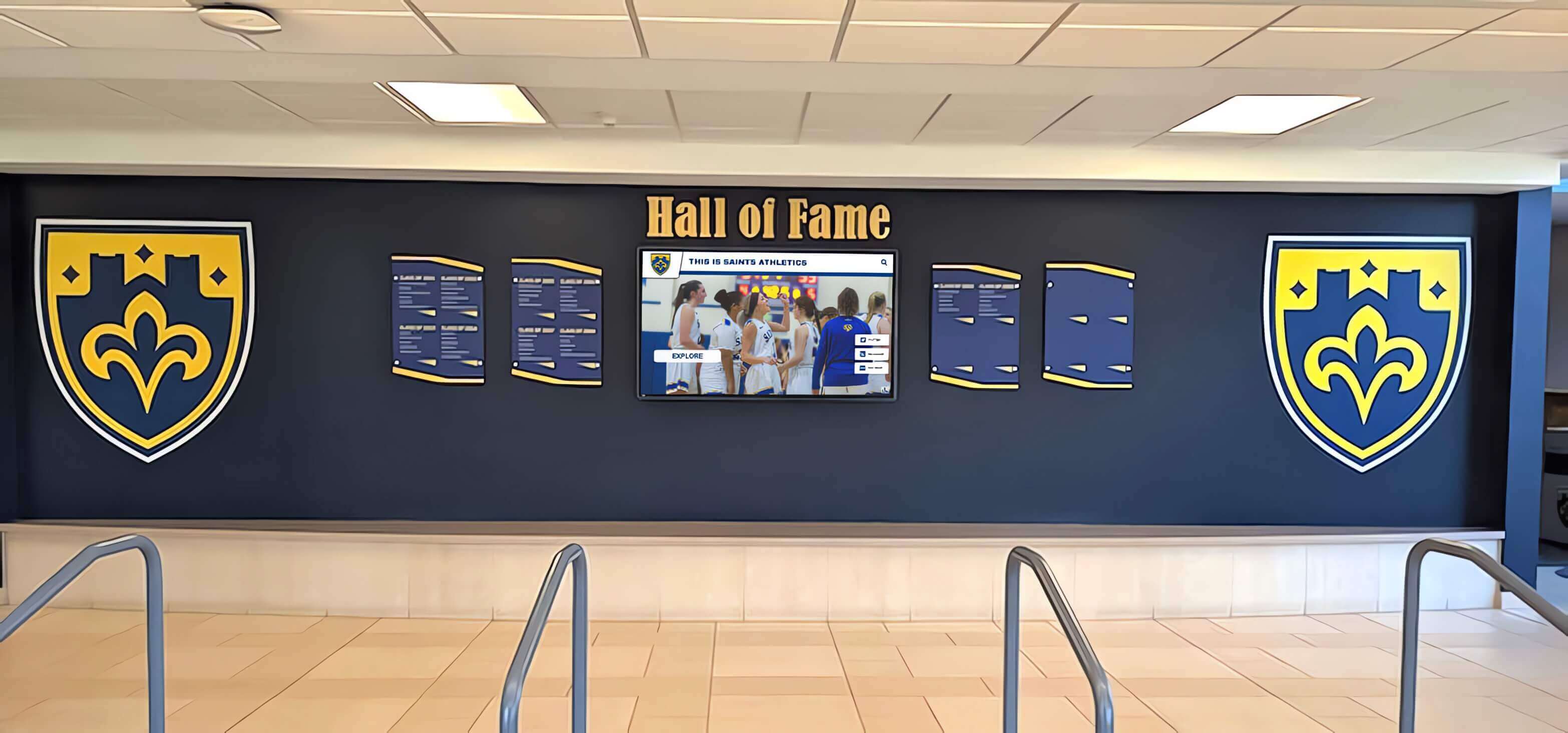
Evaluate commercial-grade displays meeting athletic facility requirements including appropriate screen sizes for viewing distances and space availability, touchscreen interactivity enabling hands-on exploration, commercial specifications rated for continuous operation, environmental protection for varying temperature and humidity conditions, vandal-resistant construction for public spaces, and reliable network connectivity for content updates and management.
Consumer televisions prove inadequate for continuous commercial operation despite lower upfront costs. Commercial displays designed for 16-24 hour daily operation provide reliability essential for recognition installations requiring consistent performance over 7-10 year equipment lifespans.
Software Platform Requirements
Essential software capabilities for digitizing varsity letters include intuitive content management accessible to athletic staff without technical backgrounds, cloud-based access enabling remote updates from any device, comprehensive multimedia support for photos, videos, and rich content, interactive features including robust search and filtering, mobile and web accessibility extending recognition beyond physical displays, and analytics tracking engagement patterns and popular content.
Purpose-built platforms like Rocket Alumni Solutions provide specialized features designed specifically for athletic recognition, offering superior results compared to generic digital signage software adapted for letter winner display purposes.
Installation Location and Placement
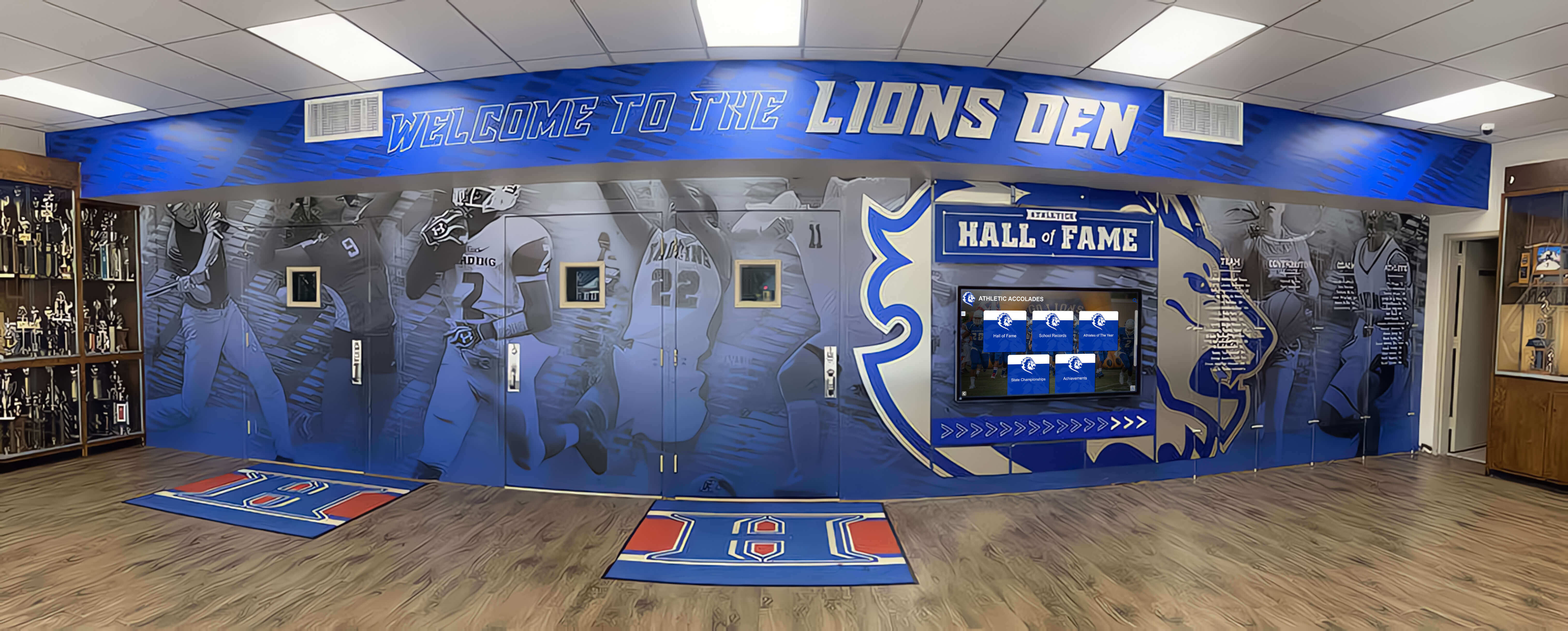
Strategic display placement ensures maximum visibility and engagement including athletic facility main entrances and lobbies, hallways connecting locker rooms to competition spaces, weight rooms and training facilities where athletes spend significant time, main school building entrances integrating athletics visibility, and alumni gathering areas during events and reunions.
Position displays where foot traffic naturally flows, ensuring varsity letter recognition becomes impossible to miss for anyone entering athletic spaces. Consider sightlines, lighting conditions, accessibility, and integration with existing architectural features when determining optimal placement.
Historical Research and Data Compilation
Creating comprehensive letter winner recognition requires extensive documentation gathering and organization before content development begins.
Identifying Letter Winner Records
Locate historical letter winner information through multiple source types including athletic department archives and award records, yearbooks documenting teams and letter recipients, newspaper archives covering local sports, alumni association records and correspondence, coach notebooks and personal records, state athletic association recognition documentation, and interviews with longtime coaches, athletic directors, and community members.
This research proves time-consuming but essential for accuracy and completeness. Schools implementing varsity letter digitization typically discover documentation gaps requiring creative research approaches filling missing information for comprehensive historical coverage.
Organizing and Verifying Information
Create systematic databases organizing letter winner information including athlete full names and graduation years, sports and positions played, years letters were earned, team accomplishments during letter-earning seasons, individual awards and recognitions received, captain and leadership designations, and post-graduation athletic participation and achievements.
Establish verification processes ensuring accuracy including multiple source confirmation for historical information, alumni outreach requesting corrections and additional details, cross-referencing across yearbooks and newspaper archives, and documented correction procedures when errors are identified.
Accuracy matters tremendously for varsity letter recognition. Errors undermine credibility while offending letter winners whose achievements deserve appropriate acknowledgment. Systematic verification processes demonstrate commitment to honoring athletes correctly.
Content Development and Profile Creation
Transform compiled letter winner information into engaging recognition content celebrating athletic achievements comprehensively.
Writing Letter Winner Profiles
Develop compelling narratives beyond simple statistics including biographical information providing context, sport-specific achievement summaries highlighting contributions, statistical documentation when available, team accomplishment descriptions showing program impact, leadership and character recognition acknowledging intangible contributions, and post-graduation updates connecting athletics to life success.
Establish writing guidelines ensuring consistent, appropriate tone across all profiles. Develop templates accelerating content creation while maintaining quality standards. Consider engaging volunteer support including alumni who can research historical periods, student workers handling data entry, and athletic program alumni contributing memories and context.
Photography Collection and Preparation
Gather visual content enhancing recognition presentation including action photography from competition, team photos documenting squads, individual portraits for formal recognition, award ceremony images preserving special moments, and historical photographs connecting past to present.
Establish technical standards ensuring consistency including minimum resolution requirements (typically 1920x1080 for primary images), aspect ratio guidelines matching display formats, color correction for consistent appearance across photos from different eras, and file format specifications (usually JPEG or PNG) optimizing display performance without excessive file sizes.
Approaches to athletic recognition displays demonstrate effective photo selection and presentation strategies that engage visitors meaningfully.
Implementation Best Practices for Digitizing Varsity Letters
Learning from successful implementations helps schools avoid common pitfalls while maximizing recognition impact and long-term sustainability.
Phased Content Development and Launch
Rather than delaying launch until all historical content is complete, implement strategic phased approaches managing workload while demonstrating value quickly.
Phase One: Recent Recognition (Years 1-3)
Begin with letter winners from the most recent 1-3 years, creating comprehensive profiles with available photos, statistics, and information. This initial phase demonstrates system capabilities while building momentum and generating excitement about expanded historical coverage coming in subsequent phases.
Recent content typically requires minimal research since information remains readily accessible through current records, recent yearbooks, and digital photography archives. Initial launch with quality recent content proves more effective than indefinitely delaying while researching decades of historical information.
Phase Two: Recent Decade Expansion (Years 4-10)
Expand coverage backward incorporating letter winners from the previous decade. This timeframe typically benefits from available digital photographs, accessible yearbooks, and reachable alumni who can verify information and provide additional details.
This phase builds recognition depth while maintaining manageable research scope. Most schools can document 10 years of letter winners through systematic effort over 3-6 months without overwhelming staff capacity.
Phase Three: Complete Historical Documentation
Continue expanding backward documenting complete program history across all sports. This comprehensive phase requires more extensive research as documentation becomes less accessible, photographs transition from digital to physical archives, and direct alumni contact proves more difficult.
Accept that historical documentation will contain gaps where information simply doesn’t exist. Perfect comprehensive coverage proves impossible for programs spanning 50+ years, but honoring as many letter winners as documentation allows demonstrates commitment to celebrating athletic tradition appropriately.
Balancing Sports Coverage and Recognition Equity
Ensure all athletic programs receive appropriate representation preventing perception that certain sports matter more than others.
Even-Handed Multi-Sport Recognition
Digitizing varsity letters creates opportunities for comprehensive multi-sport recognition including major sports historically receiving significant recognition, emerging sports building traditions deserving celebration, Olympic sports sometimes overlooked in traditional displays, girls’ and boys’ programs receiving equitable treatment, and specialized programs like adapted athletics and club sports.
Comprehensive coverage demonstrates institutional commitment to celebrating all athletic excellence rather than privileging specific programs. This inclusive approach strengthens overall athletic culture while honoring diverse contributions across complete athletic departments.
Position-Balanced Recognition
Within sports, ensure recognition celebrates all position contributions including offensive stars and high scorers, defensive specialists and role players, position-specific excellence for specialized roles, team leaders regardless of statistical prominence, and character and sportsmanship recognition beyond pure performance metrics.
Balanced recognition prevents perception that programs only value certain athletes while ignoring equally essential contributors. All letter winners deserve appropriate celebration regardless of position or statistical prominence.
Strategies for women’s soccer all-star recognition demonstrate balanced approaches celebrating diverse contributions effectively.
Maintaining Recognition Currency and Accuracy
Outdated or inaccurate recognition undermines credibility and diminishes value regardless of how impressive displays initially appeared.
Seasonal Update Processes
Establish systematic procedures for adding new letter winners promptly including end-of-season letter award identification, content development timelines and responsibilities, photography collection from current season, profile writing and information entry, quality review before publication, and scheduled update deployment during off-season periods.
Prompt updates demonstrate that recognition remains living program element rather than static historical documentation. Current athletes seeing immediate recognition of their letter awards receive powerful motivation while understanding program values celebrating achievement appropriately.
Correction and Enhancement Protocols
Implement responsive procedures addressing recognition accuracy including alumni feedback mechanisms requesting corrections, documented review processes evaluating suggested changes, authorization requirements before implementing corrections, transparent communication about accuracy standards, and regular content audits ensuring quality maintenance.
Mistakes inevitably occur in comprehensive historical documentation. Established correction processes demonstrate commitment to accuracy while maintaining community trust in recognition credibility.
Measuring Success and Impact
Comprehensive evaluation demonstrates recognition program value while identifying improvement opportunities enhancing visitor experiences and institutional benefits.
Engagement Analytics and Usage Metrics
Digital platforms provide detailed usage data revealing how visitors interact with varsity letter recognition including unique visitor counts establishing reach and visibility, average session duration indicating engagement depth (benchmark: 5-8 minutes suggests meaningful exploration), content views per session showing exploration breadth, search patterns revealing what visitors seek most frequently, and popular content analysis identifying most-viewed letter winners and sports.
These metrics inform content strategy by identifying sports generating most interest, specific eras attracting attention, features visitors use versus those ignored, optimal content depth balancing detail with accessibility, and opportunities for enhanced content development.
Qualitative Stakeholder Feedback
Beyond analytics, stakeholder perspectives provide improvement insights through athlete and coach feedback about recognition experiences, alumni reactions when revisiting their letter winner status, family responses during campus visits and events, prospective recruit impressions during facility tours, and community member observations about athletic tradition visibility.
Assessment Questions
Does recognition appropriately honor letter winners across all sports and eras? Is content accurate, complete, and appropriately presented? Are interfaces intuitive and accessible to diverse users? How does recognition impact athletic culture, school pride, and recruitment effectiveness?
Institutional Impact Assessment
Digitizing varsity letters ultimately serves broader athletic department and institutional objectives through measurable impacts including enhanced school and athletic program pride, increased current athlete motivation pursuing letter status, strengthened alumni engagement and giving to athletics, improved recruitment outcomes as programs demonstrate tradition, operational efficiency through reduced administrative burden, and comprehensive coverage ensuring every letter winner receives recognition.
Regular assessment enables continuous improvement ensuring recognition programs deliver maximum value while appropriately celebrating every athlete’s letter-earning achievements across all programs and time periods.
Resources examining athletic wall of honor approaches provide additional guidance on success measurement and impact assessment.
Cost Considerations and Funding Strategies
Understanding recognition investment requirements enables realistic budgeting while identifying funding sources making projects financially feasible.
Digital Recognition Investment Components
Comprehensive varsity letter digitization involves several cost elements including commercial display hardware ($3,500-$8,000 per screen depending on size and specifications), content management platform setup and licensing ($2,500-$6,000 initially, $1,500-$4,000 annually for software subscriptions), professional installation and configuration ($1,500-$4,000 depending on complexity), initial content development and migration ($2,000-$6,000 for professional services or substantial volunteer time investment), mounting solutions and enclosures ($500-$3,000 for wall mounts, kiosks, or custom installations), and staff training and documentation ($500-$1,500 for initial training and ongoing support).
While digital systems involve higher initial investment than simple painted letter boards, they provide unlimited capacity, comprehensive multimedia recognition, interactive engagement, web accessibility, and dramatically reduced ongoing update costs—delivering substantially greater value despite higher absolute costs.
Funding Source Identification
Athletic recognition projects often require creative funding since operating budgets rarely accommodate major capital investments. Potential funding sources include athletic booster clubs supporting team programs and facilities, letter winner alumni donations from athletes whose achievements receive recognition, capital campaign inclusion within broader fundraising initiatives, corporate sponsorships from businesses supporting school athletics, memorial gifts honoring specific coaches or legendary athletes, and grant opportunities supporting innovative educational technology implementations.
Present digitization projects emphasizing how displays celebrate tradition, honor athlete achievement, strengthen current athlete motivation, enhance recruitment effectiveness, and demonstrate institutional commitment to athletics excellence. These compelling benefits often generate enthusiastic support from various funding sources.
Conclusion: Honoring Letter Winners Through Modern Recognition
Varsity letters represent cherished athletic traditions deserving recognition approaches matching the dedication and excellence these achievements signify. Digitizing varsity letters solves capacity limitations while preserving and amplifying the honor these awards represent—unlimited recognition accommodating every letter winner across all sports and decades, rich multimedia content telling complete athletic stories beyond simple name listings, interactive exploration engaging visitors meaningfully with tradition and excellence, web accessibility extending recognition to alumni regardless of location, and sustainable long-term operation proving cost-effective across typical 10-15 year system lifespans.
Effective varsity letter digitization accomplishes multiple essential objectives simultaneously. It validates athletic achievement through visible institutional investment demonstrating programs value every letter winner. It creates motivating culture where current athletes see predecessors’ excellence and pursue their own letter-winning journeys. It strengthens alumni connections by preserving and celebrating achievements decades after graduation. It enhances recruitment by demonstrating program tradition and development quality. It increases operational efficiency by eliminating ongoing plaque orders and installation coordination.
Schools implementing comprehensive digital varsity letter recognition report numerous benefits including enhanced athlete motivation and pride in earning letters, strengthened program tradition and culture, improved alumni engagement and athletic giving, more effective recruitment conversations with prospective families, dramatic reductions in recognition program administrative burden, and sustainable recognition systems accommodating unlimited future growth without space constraints.
Ready to Transform Your Varsity Letter Recognition?
Discover how Rocket Alumni Solutions provides comprehensive digital display platforms specifically designed for athletic recognition and varsity letter celebration, enabling unlimited recognition capacity, engaging multimedia presentation, and intuitive content management that athletic staff can confidently maintain. Honor every letter winner while inspiring future athletic excellence through recognition that matches achievement.
Schedule Your Free ConsultationWhether celebrating recent letter winners, documenting decades of athletic tradition, honoring program legends, or preserving complete athletic histories, digitizing varsity letters enables schools to celebrate excellence comprehensively while building championship cultures where dedication receives lasting acknowledgment. Your letter winners—past achievements, present pursuits, and future possibilities—deserve recognition matching their contributions to athletic tradition, and modern digital solutions make this comprehensive celebration both practical and affordable.
Start transforming varsity letter recognition today. Your athletes, coaches, alumni, and community deserve displays honoring athletic excellence appropriately while demonstrating institutional commitment to celebrating achievement through visible, meaningful recognition. Explore how solutions like Rocket Alumni Solutions can help you create recognition systems that inspire, engage, and celebrate varsity letter excellence for generations to come.
For additional insights on related athletic recognition topics, explore resources on digital wall of honor plaques, comprehensive athletic recognition programs, and finding school sports records that demonstrate how digital platforms elevate athletic celebration while honoring traditions that make programs special.































