Every year, countless irreplaceable veteran artifacts disappear from American history—uniforms deteriorating in attics, medals lost during estate transitions, letters yellowing in forgotten boxes, photographs fading beyond recognition. Schools, VFW posts, American Legion chapters, and military museums struggle with a heartbreaking dilemma: physical artifacts require careful storage, climate control, and conservation expertise that many organizations cannot sustain long-term, yet these items represent irreplaceable connections to service members’ sacrifices and experiences that deserve permanent preservation.
The transformation toward digitizing veteran artifacts solves this preservation crisis while creating unprecedented access to military heritage. Organizations implementing comprehensive digitization programs report they can finally honor service comprehensively—protecting fragile artifacts from continued deterioration while making them accessible to researchers, families, and communities worldwide through interactive digital platforms that tell complete service stories in ways static trophy cases never could.
This comprehensive guide explores everything institutions need to know about digitizing veteran artifacts—from understanding why digital preservation matters through selection criteria, scanning technologies, metadata development, interactive display implementation, and creating sustainable programs that honor service for generations to come. Whether you’re preserving a single veteran’s collection, digitizing an entire military museum’s holdings, or creating school-based recognition programs celebrating alumni who served, digital solutions provide powerful platforms that protect heritage while ensuring service legacies remain accessible and meaningful.
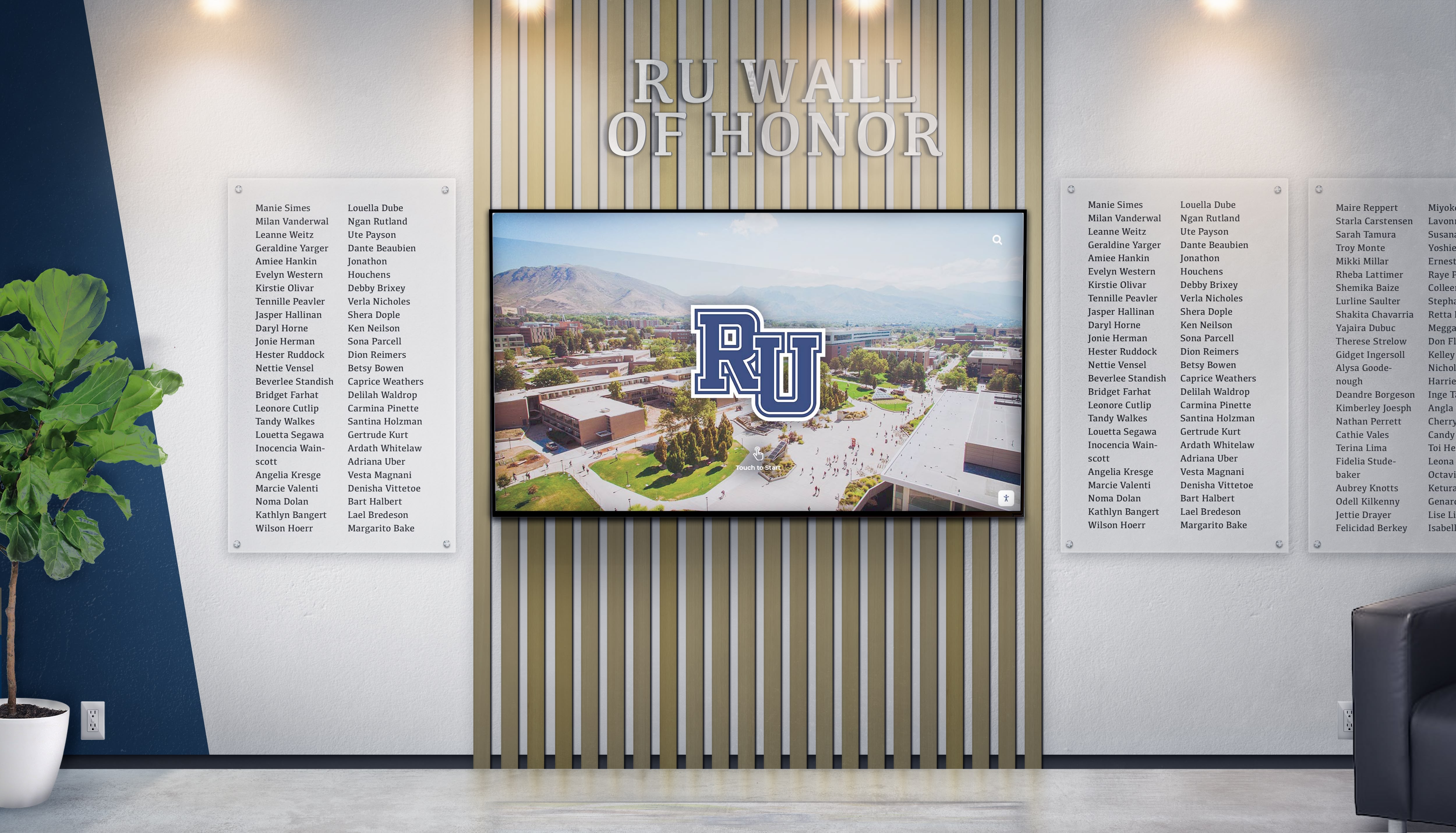
Solutions like Rocket Alumni Solutions provide purpose-built platforms specifically designed for military artifact recognition and storytelling, enabling organizations to showcase unlimited veterans and their artifacts through interactive displays featuring high-resolution imagery, comprehensive narratives, searchable databases, and compelling multimedia presentations that traditional trophy case displays cannot accommodate. When institutions implement comprehensive digitization systems, they create dynamic preservation experiences that protect artifacts while educating future generations about sacrifice, service, and the personal stories behind every medal, uniform, and letter home.
Understanding the Importance of Veteran Artifact Preservation
Before exploring digitization methodologies, understanding why veteran artifact preservation matters establishes essential context for protecting military heritage effectively.
The Historical Value of Military Memorabilia
Veteran artifacts represent tangible connections to military service that transcend abstract historical narratives. Unlike textbook descriptions of conflicts or statistical casualty counts, personal artifacts humanize service through individual experiences that help communities understand the human dimensions of military commitment.
Uniforms and Equipment
Military uniforms document technological evolution, branch distinctions, rank progression, and period-specific details that historians value tremendously. A World War II Army Air Corps uniform with patches, insignia, and theater-specific modifications tells stories about specific units, campaigns, and individual service experiences that generic historical accounts cannot convey.
Equipment items—canteens, mess kits, field gear, tools—provide insights into daily military life that photographs alone cannot capture. These mundane objects connected to survival, routine, and endurance during service remind viewers that military experience involved not just dramatic battles but sustained months or years of daily challenges requiring resilience and adaptation.
Medals, Decorations, and Citations
Military awards represent formal recognition of exceptional service, valor, sacrifice, or achievement. Each medal category—from campaign ribbons documenting theater participation through Bronze Stars recognizing heroic service to Purple Hearts honoring combat wounds—carries specific meaning within military recognition systems that educate civilians about achievement hierarchies and sacrifice levels.
Citations and award narratives accompanying medals provide context explaining why specific service members received recognition. These documents preserve stories of particular actions, leadership demonstrations, or sustained excellence that formal recognition acknowledged, preventing heroism from fading into anonymous lists of medal recipients without understanding what recipients actually did earning their honors.
Photographs and Personal Documents
Service photographs capture individuals at specific moments—boot camp graduation, deployment departure, combat zone downtime, homecoming return, retirement ceremonies—documenting transformations that military service created. Families treasure these images as personal mementos, while historians value them as primary source evidence about military life conditions, diversity within forces, and human experiences behind strategic histories.
Letters, diaries, military orders, and discharge papers preserve first-person accounts and official documentation that provide irreplaceable research material. According to the National Archives, the agency holds more than 2 million cubic feet of military personnel and medical records, with ongoing digitization efforts recognizing these documents’ importance for both individual families and historical scholarship.
The Deterioration Crisis Facing Physical Artifacts
Despite their historical importance, physical artifacts face inevitable deterioration that threatens permanent loss without intervention.
Environmental Degradation
Textiles, paper, photographs, and metal objects all deteriorate progressively when exposed to typical environmental conditions. According to the American Library Association’s preservation guidelines, military items face specific vulnerabilities including paper documents suffering acid deterioration, textiles experiencing fiber breakdown, photographs fading from light exposure and chemical instability, leather items cracking and degrading, and metal objects tarnishing or corroding.
Most families and community organizations lack climate-controlled storage maintaining consistent temperature and humidity levels preventing accelerated degradation. Artifacts stored in basements experience humidity fluctuations promoting mold growth. Attic storage subjects items to temperature extremes causing expansion and contraction damage. Even displayed items deteriorate from light exposure, airborne pollutants, and handling.
Loss Through Transitions
Estate transitions represent critical vulnerability points when artifacts frequently disappear. Adult children cleaning parents’ homes after death often cannot distinguish historically significant items from general belongings, resulting in disposals or donations where provenance and context get lost. Military memorabilia appears regularly at estate sales, antique shops, and even trash heaps because families didn’t recognize significance or know appropriate preservation organizations.
According to discussions with military archivists, thousands of valuable veteran collections disappear annually during estate transitions simply because no systems existed connecting families with preservation resources before dispersal occurred. Once artifacts enter commercial markets or disposal streams, reuniting them with veterans’ biographical contexts becomes nearly impossible.
Storage Capacity Limitations
Even organizations committed to preservation face space constraints limiting what they can accept. VFW posts, American Legion chapters, and local military museums accumulate artifacts faster than display or storage capacity allows. These limitations force painful decisions about rejecting donations from families wanting deceased veterans’ items preserved, or accepting materials without adequate storage leading to continued deterioration.
Physical artifact preservation requires real estate, climate control, conservation expertise, cataloging resources, and security—substantial ongoing investments many smaller organizations cannot sustain at scales matching community military heritage.

Why Organizations Should Digitize Veteran Artifacts
Understanding specific advantages digital preservation provides helps organizations evaluate whether artifact digitization aligns with heritage conservation goals.
Permanent Preservation Without Physical Deterioration
The most compelling advantage digitizing veteran artifacts provides involves preventing further physical deterioration while creating permanent digital archives immune to environmental damage.
Stopping the Deterioration Clock
High-resolution digital capture creates preservation-quality records documenting artifacts’ current condition before additional deterioration occurs. Once digitized, these records remain permanently accessible regardless of whether physical objects survive. Organizations implementing digitization programs essentially create insurance policies against artifact loss—even if physical items eventually deteriorate beyond recovery, digital records preserve their appearance, text content, and visual details for perpetuity.
The National Endowment for the Humanities has funded numerous military history digitization projects recognizing that creating high-quality digital surrogates protects cultural heritage while dramatically expanding research access beyond scholars who can physically visit specific repositories.
Redundant Storage Prevents Total Loss
Physical artifacts exist as single items vulnerable to disasters. Fire, flood, theft, or accidental destruction can eliminate unique objects permanently. Digital preservation with redundant storage across multiple geographic locations ensures veteran heritage survives even if original artifacts are lost. Cloud-based storage provides automatic replication preventing single-point failures that could erase heritage permanently.
Schools implementing digital wall of honor plaques report peace of mind knowing veteran recognition remains accessible even if physical facilities experience disasters that would destroy traditional trophy cases and physical displays.
Unlimited Access Without Handling Damage
Digitization democratizes access to veteran artifacts while eliminating handling damage that exhibition and research access inevitably create.
Global Accessibility
Physical artifacts can only be viewed by people able to visit specific locations during operating hours. Digitized collections become accessible worldwide, enabling descendants living across the country or internationally to explore ancestors’ service artifacts they could never view in person. Researchers access materials without travel expenses or scheduling coordination. Classroom teachers integrate primary source artifacts into lessons without field trip logistics.
This expanded access particularly benefits military families who moved frequently during service and may not live near communities where veterans originally resided. Adult children researching parents’ wartime experiences can explore digitized artifacts regardless of geographic distance separating them from physical collections.
Preservation Through Non-Handling
Every time physical artifacts get handled—for exhibition, research, or viewing—they experience microtrauma accelerating deterioration. Paper documents develop oils from skin contact. Textiles experience fiber stress from manipulation. Photographs sustain surface damage. Reducing handling through digital access extends physical artifacts’ survival while maintaining accessibility for legitimate research and education needs.
Museums implementing comprehensive digital preservation strategies report they can provide unlimited public access to collections through digital platforms while restricting physical handling to conservation-justified situations only.
Enhanced Educational Value Through Context and Storytelling
Digital platforms enable organizations to present artifacts within rich contextual frameworks that isolated physical displays cannot provide, dramatically enhancing educational impact.
Comprehensive Biographical Integration
Physical trophy cases might display a veteran’s uniform and medals with a brief name plate, but space constraints prevent detailed biographical information explaining who the person was, why they served, what campaigns they participated in, what their service meant to them personally, or how military experience shaped subsequent civilian life.
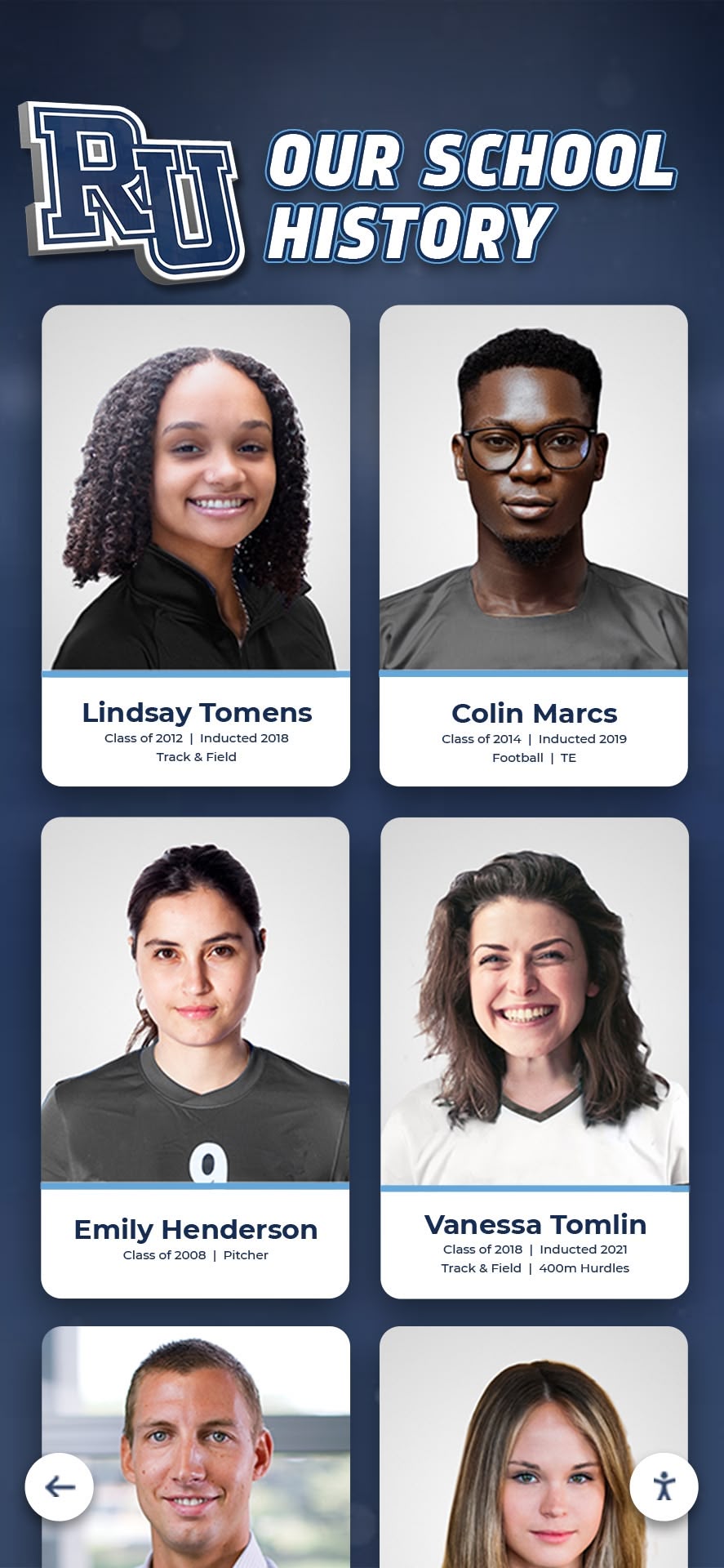
Digital platforms accommodate unlimited biographical content alongside artifact imagery—complete service timelines, deployment maps, oral history transcripts, letters home, family photographs, and post-service accomplishments. This comprehensive approach transforms artifact viewing from passive observation into engaging storytelling that creates emotional connections between viewers and veterans’ actual experiences.
Educational approaches to displaying school history demonstrate how rich contextualization transforms recognition from simple documentation into meaningful engagement that inspires current students while honoring historical contributions.
Multimedia Enhancement
Digital platforms support video oral histories, audio recordings, interactive timelines, geographic mapping of deployments, and animated explanations of military campaigns providing context for specific artifacts. This multimedia richness engages diverse learning styles—visual learners benefit from photographs and maps, auditory learners connect with recorded testimonials, and kinesthetic learners appreciate interactive exploration features.
Schools implementing comprehensive veterans day military recognition report that video testimonials from veterans discussing service experiences generate dramatically deeper student engagement than static displays alone ever achieved.
Searchable Discovery
Physical collections require visitors to browse sequentially through available displays hoping to encounter relevant items. Digital databases enable keyword searching, filtering by conflict period, military branch, artifact type, or any other metadata category. This search functionality proves invaluable for researchers seeking specific information, families looking for particular ancestors, or educators searching for artifacts appropriate for specific lesson plans.
Planning Your Veteran Artifact Digitization Project
Successful digitization requires systematic planning addressing artifact selection, technology choices, metadata standards, and sustainable implementation.
Artifact Selection and Prioritization
Most organizations cannot digitize entire collections simultaneously, necessitating strategic prioritization ensuring most valuable or vulnerable items receive attention first.
Condition-Based Prioritization
Items experiencing active deterioration should receive highest priority since delays may result in information loss before digitization occurs. Fragile paper documents with acid deterioration, fading photographs approaching illegibility, or textile items showing fiber breakdown require immediate attention before condition degrades further preventing quality digital capture.
Conservation assessments identifying most vulnerable items guide digitization scheduling ensuring critical preservation happens before deterioration advances beyond recovery points.
Historical Significance Assessment
Artifacts with exceptional historical importance—items documenting underrepresented service populations, materials related to significant military events, collections with unusual completeness, or objects with exceptional educational value—merit prioritization even when physical condition remains stable.
Community Value Consideration
Items with strong local connections often generate greatest community engagement. Veterans who remained in local areas after service, service members who participated in community activities, or families maintaining ongoing relationships with organizations typically generate more interest than artifacts from veterans without local connection histories.
Prioritizing locally significant materials builds community support for digitization programs while honoring veterans who contributed to community identity beyond military service alone.
Technology Selection for Different Artifact Types
Different artifact categories require appropriate scanning technologies producing quality digital surrogates suitable for preservation and exhibition purposes.
Document and Photograph Scanning
Flatbed scanners with professional-grade specifications provide appropriate capture for most paper-based materials:
- Minimum 600 DPI resolution for archival preservation
- True optical scanning rather than interpolated resolution
- Color depth supporting accurate reproduction
- Document feeder capabilities for multi-page materials
- Large format scanning beds accommodating oversize documents
For particularly fragile or valuable photographs, planetary scanners that capture images from above without physical contact provide maximum protection during digitization.
Three-Dimensional Object Photography
Uniforms, equipment, medals, and other three-dimensional artifacts require different capture approaches:
Structured Photography
Professional photography with controlled lighting, neutral backgrounds, and multiple angles documents three-dimensional objects effectively. Specifications should include high-resolution cameras (20+ megapixels), consistent lighting eliminating shadows and hot spots, color calibration targets ensuring accurate color reproduction, multiple views from different angles, and detail shots capturing important features, markings, or damage.
360-Degree Interactive Viewing
Advanced digitization projects may implement 360-degree capture enabling viewers to rotate objects virtually examining all sides, zooming to see fine details, and experiencing artifacts almost as if handling physical items. While requiring more sophisticated equipment and processing, this approach provides exceptional educational value particularly for complex objects where single photographs cannot capture all significant features.
Photogrammetry and 3D Modeling
For exceptional artifacts, photogrammetry techniques using multiple photographs from different angles can create three-dimensional digital models that viewers can manipulate, rotate, and examine from any perspective. While time-intensive, 3D modeling preserves spatial information impossible to capture through conventional photography, supporting potential future applications like virtual reality exhibitions or precise replica fabrication.
Metadata Development and Documentation Standards
High-quality digitization requires comprehensive metadata ensuring digital artifacts remain findable, understandable, and useful for diverse purposes.
Core Metadata Fields
Every digitized artifact should include standardized information:
Object Identification
- Unique identifier number for cataloging
- Object name/title
- Physical description (dimensions, materials, condition)
- Quantity (for collections)
Veteran Association
- Service member’s full name (including maiden names)
- Birth and death dates when known
- Military branch and service dates
- Rank at separation
- Units served with
- Deployments and campaigns
Provenance Documentation
- Donation source and date
- Chain of custody information
- Family connections to veteran
- Related artifacts or collections
- Accession numbers
Historical Context
- Time period or conflict
- Geographic locations relevant to use
- Purpose or function of artifact
- Significance or notable features
- Conservation history
Technical Information
- Date digitized
- Scanning equipment and settings
- File formats and resolutions
- Copyright and usage restrictions
- Related digital files
Enhanced Description Fields
Beyond core metadata, rich descriptions transform catalog records into engaging narratives:
- Historical context explaining artifact’s role or significance
- Personal stories connecting artifacts to specific experiences
- Research findings about artifact history or veteran’s service
- Connections to other artifacts, veterans, or events
- Quotations from letters, diaries, or oral histories
- Transcriptions of text visible on artifacts
This descriptive richness enables search engines to index content comprehensively while providing visitors with meaningful context rather than bare catalog entries.
Implementation Best Practices for Digitizing Veteran Collections
Proven strategies ensure efficient digitization workflows producing quality results while respecting artifacts and veteran legacies.
Handling Protocols Protecting Artifacts
Even during digitization, proper handling remains essential for artifact preservation.
Environmental Preparation
Create controlled workspaces for digitization:
- Clean, dust-free areas preventing contamination
- Stable surfaces preventing accidental drops
- Adequate lighting for visual inspection
- Climate-controlled environments minimizing temperature and humidity fluctuations
- Restricted access preventing unauthorized handling
Proper Handling Techniques
Train all staff and volunteers in appropriate artifact handling:
- Clean, dry hands or cotton gloves for fragile items
- Supporting entire artifact weight rather than grabbing edges
- Minimal manipulation necessary for capture
- Proper positioning to avoid stress or damage
- Using appropriate tools (padded supports, book cradles, etc.)
- Never eating, drinking, or smoking around artifacts
Documentation of Condition
Photograph artifacts before, during, and after digitization documenting existing condition and any handling impacts. This documentation provides baseline records supporting conservation planning while protecting organizations against damage claims.
Quality Control and Verification Processes
Systematic quality control ensures digital surrogates meet preservation standards and accurately represent physical artifacts.
Image Quality Verification
Review all digital captures checking:
- Resolution meets minimum archival standards
- Focus remains sharp across entire image
- Color accuracy represents artifacts faithfully
- Lighting appears even without shadows or glare
- File formats follow institutional standards
- Text and markings remain legible
Metadata Accuracy Checking
Verify all catalog records ensuring:
- Veteran names match authoritative sources
- Dates align with official records
- Descriptions accurately represent artifacts
- Connections between related items are correct
- Terminology follows standard vocabularies
- Transcriptions match original documents exactly
Veteran and Family Review
When possible, share digitized artifacts with veterans or family members for verification. They may identify inaccuracies, provide additional context, or offer personal stories enriching documentation. This collaborative approach ensures accuracy while building relationships supporting ongoing collection development.
Resources on honoring deceased faculty and community members provide frameworks for respectful family engagement applicable to veteran artifact projects.
Creating Accessible Digital Collections
Digitization only achieves value when digital artifacts become accessible to intended audiences through intuitive, engaging platforms.
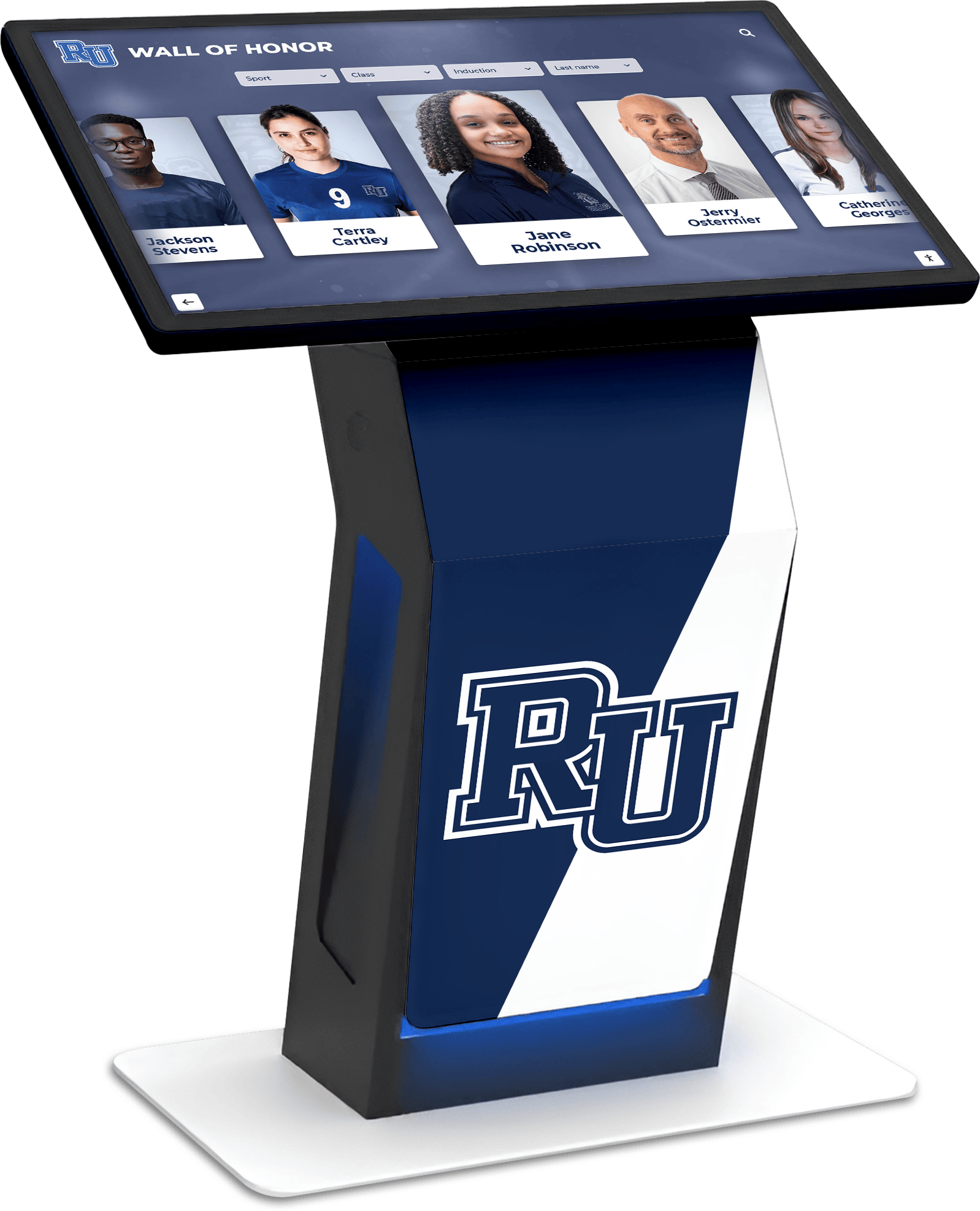
Interactive Touchscreen Displays
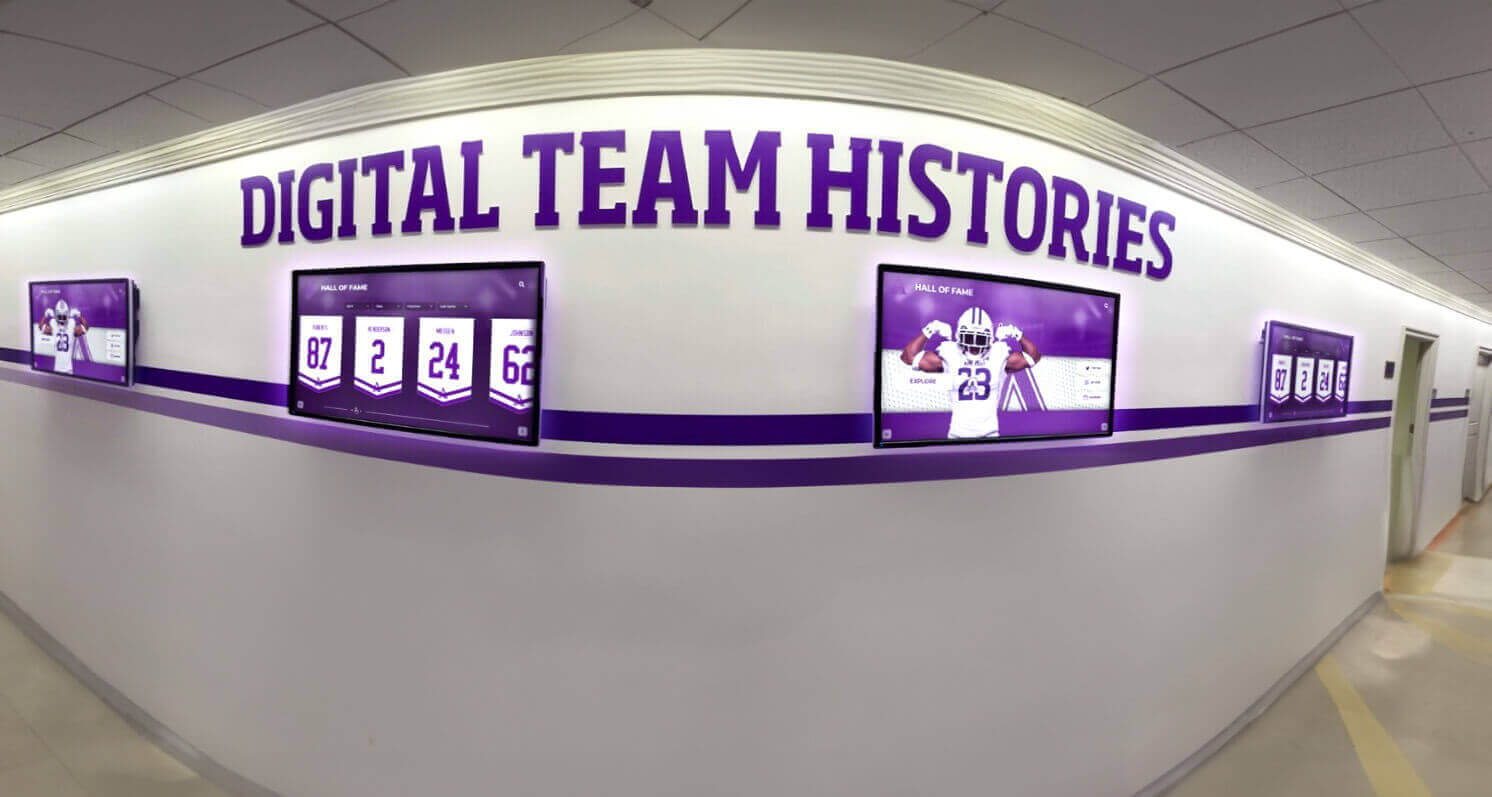
For physical locations, interactive touchscreen systems provide engaging access to digitized collections:
Intuitive Navigation
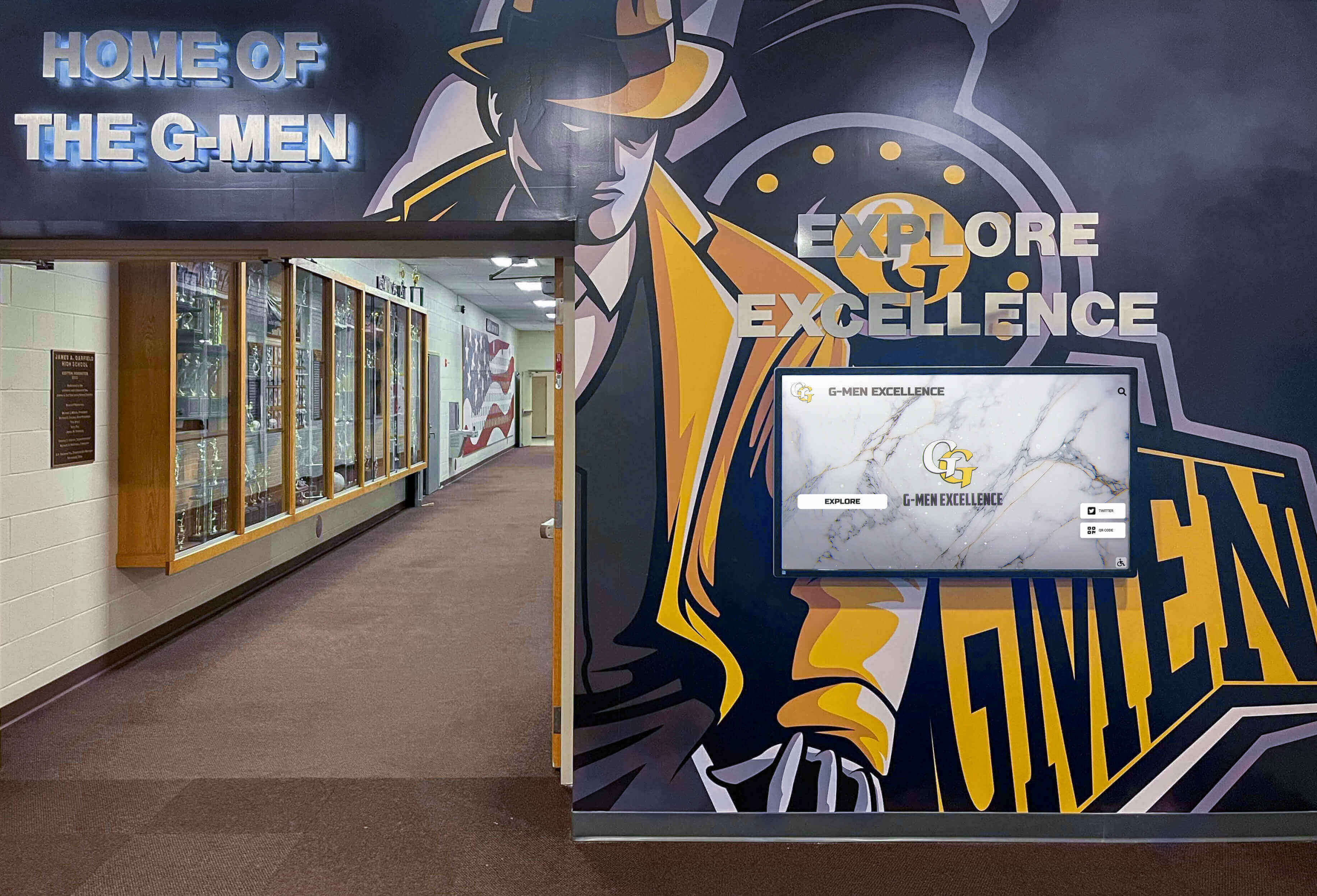
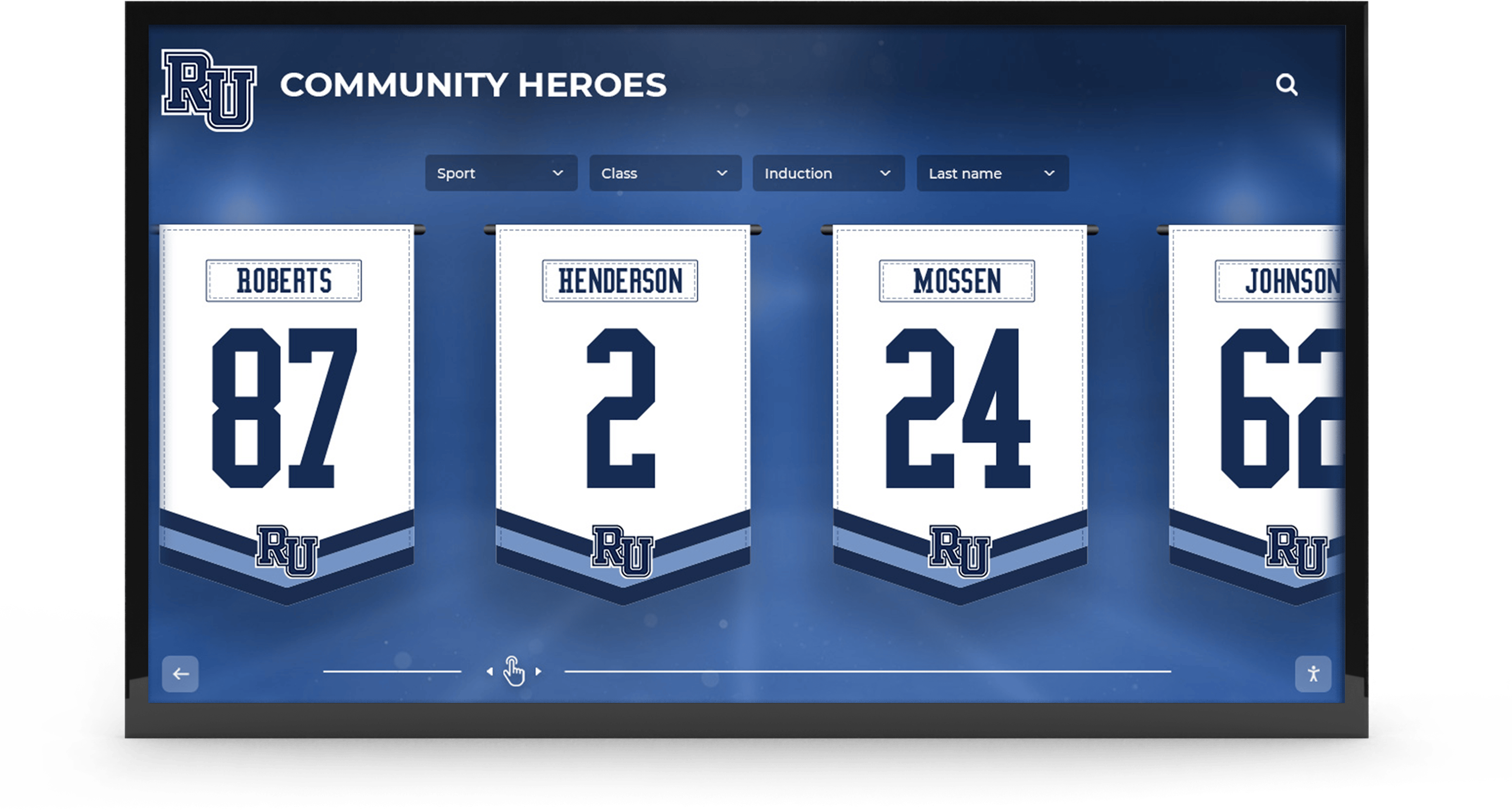
Design user interfaces enabling visitors to explore collections through multiple pathways—browsing by veteran name, searching by conflict period, filtering by military branch, exploring by artifact type, or discovering through thematic exhibitions highlighting specific topics or time periods.
Rich Multimedia Presentation
Integrate multiple content types within single displays—high-resolution artifact images with zoom capability, biographical narratives about veterans, historical context about conflicts and campaigns, video oral histories when available, interactive timelines showing service progression, and geographic maps illustrating deployment locations.
Solutions like Rocket Alumni Solutions provide purpose-built platforms specifically designed for military heritage presentation, offering specialized features addressing veteran artifact display needs that generic digital signage cannot match.
Web-Based Access
Extend access beyond physical installations through web-based collection portals:
Global Availability
Online databases enable worldwide access to digitized collections. Researchers anywhere can explore materials without travel. Families separated from local communities by distance or military service can view ancestors’ artifacts. Educators access primary sources for classroom integration regardless of institutional proximity.
Social Sharing
Enable visitors to share specific artifacts or veteran profiles through social media platforms. Each share extends collection visibility while honoring individual veterans through personal networks, creating organic promotion generating interest far beyond institutional audiences.
Mobile Optimization
Ensure web platforms function seamlessly on smartphones and tablets. Mobile access proves particularly important for younger audiences and allows casual exploration during commutes or downtime rather than requiring dedicated computer sessions.
Educational Programming Leveraging Digitized Artifacts
Digitized collections support diverse educational applications that static physical displays cannot accommodate.
Classroom Integration Across Subject Areas
Digital artifact access enables curriculum integration across multiple disciplines.
History and Social Studies
Primary source materials provide exceptional teaching resources:
- Document analysis exercises examining letters, orders, or military records
- Artifact-based research projects investigating specific conflicts or units
- Comparative studies exploring how military technology evolved across periods
- Oral history analysis from digitized veteran testimonials
- Timeline creation projects documenting veterans’ service progressions
Approaches to academic recognition programs demonstrate how digital resources support diverse learning objectives across curricula.
English and Language Arts
Veteran artifacts inspire writing and analytical skill development:
- Biographical essay composition based on artifact research
- Creative writing from veterans’ perspectives using artifacts as prompts
- Letter analysis examining communication styles and emotional content
- Narrative construction from fragmented historical evidence
- Presentation skill development sharing research findings
Arts and Design
Visual materials support creative exploration:
- Artistic interpretation projects inspired by historical photographs
- Design analysis examining military insignia, medals, and decorations
- Documentary film creation about specific veterans or conflicts
- Digital exhibition curation selecting and presenting artifacts thematically
- Preservation poster creation advocating heritage conservation
STEM Applications
Even technical curricula connect to military heritage:
- Materials science examining textile preservation challenges
- Computer science developing database and search interfaces
- Engineering analysis of equipment design and functionality
- Statistics analyzing military service patterns and demographics
- Technology assessment comparing historical and modern communication methods
Community Engagement and Public Programming
Digitized collections support public programs engaging broader community audiences.
Virtual Exhibitions
Online exhibitions curated around themes provide accessible public programs:
- “Local Heroes: Veterans from Our Community”
- “Women in Military Service: Breaking Barriers”
- “From Battlefield to Home: Veteran Transitions”
- “The Evolution of Military Equipment Across Conflicts”
- “Letters Home: Voices from the Front Lines”
Virtual exhibitions require minimal resources compared to physical installations while reaching dramatically larger audiences globally.
Commemorative Events
Veterans Day, Memorial Day, and military branch anniversary programming gain depth through digitized collections:
- Featured veteran profiles highlighting specific service members
- Artifact reveals unveiling recently digitized materials
- Researcher presentations sharing discoveries from collection study
- Family participation events where descendants share stories
- Educational workshops teaching heritage research skills
Genealogy and Family History Support
Digital collections support descendants researching family military history:
- Searchable databases helping families locate ancestors’ artifacts
- Research guides explaining how to interpret military documents
- Expert consultations helping families understand service contexts
- Digitization services for families’ personal artifacts
- Story collection projects documenting family military traditions
Resources on recognizing famous alumni provide frameworks adaptable for highlighting distinguished veterans from specific communities or institutions.
Preserving Oral Histories Alongside Physical Artifacts
While physical artifacts preserve tangible evidence, oral histories capture personal dimensions that objects alone cannot convey.
Planning Veteran Interview Projects
Systematic oral history collection creates irreplaceable resources complementing artifact digitization.
Interview Preparation
Successful oral history projects require thoughtful preparation:
Narrator Recruitment
Identify veterans willing to share experiences through personal outreach, community organization partnerships, social media appeals, referrals from other participants, and event recruitment at veteran gatherings.
Emphasize that all service experiences matter—not just combat veterans but support personnel, stateside service, peacetime deployments, and short-term enlistments all contribute valuable perspectives to military heritage preservation.
Pre-Interview Research
Before interviews, research narrators’ service periods, units, and conflict contexts. This preparation enables informed follow-up questions while demonstrating respect for veterans’ experiences. Review related artifacts from collections when available, creating opportunities to discuss specific items during interviews.
Technical Setup
Use quality recording equipment capturing clear audio:
- Directional microphones reducing background noise
- Digital recording devices with backup recording redundancy
- Video cameras when visual documentation adds value
- Test recordings verifying quality before interviews begin
- Quiet interview locations minimizing interruptions
Consent and Release Forms
Obtain signed releases granting permission for recording, archiving, and public access. Explain how materials will be used and preserved. Discuss any restrictions narrators wish to place on particularly sensitive information.
Interview Techniques for Veterans
Skilled interviewing techniques encourage veterans to share meaningful reflections rather than basic chronological recitations.
Opening Comfortably
Begin with straightforward biographical questions establishing comfort:
- Where did you grow up?
- What was your family like?
- What were you doing before military service?
- Why did you decide to join?
- What branch did you choose and why?
These gentle opening questions help narrators relax before addressing more complex or emotional topics.
Open-Ended Questions
Favor questions encouraging detailed responses rather than yes/no answers:
- “What was basic training like for you?”
- “Can you describe a typical day during your deployment?”
- “How did your military experience change you?”
Avoid leading questions suggesting preferred responses. Let narrators guide conversations toward topics they consider important.
Following Tangents Productively
When narrators mention interesting details, pursue them with follow-up questions even if departing from planned interview structures. Often the most valuable content emerges from spontaneous tangents rather than predetermined question lists.
Handling Difficult Topics Sensitively
Combat, casualties, trauma, and other difficult topics require particular sensitivity. Never pressure veterans to discuss experiences they prefer not sharing. Watch for signs of distress and offer breaks when needed. Respect that some experiences remain too painful for recounting.
Processing and Integrating Oral Histories
Once recorded, oral histories require processing before becoming fully accessible.
Transcription
Transcribe audio recordings creating text versions supporting research and accessibility:
- Professional transcription services for quality and speed
- Time-coded transcripts synchronizing text with audio
- Verbatim transcription capturing exactly what was said
- Light editing only for obvious speech errors when approved
- Speaker identification in multi-person recordings
Indexing and Metadata
Create detailed metadata enabling discovery:
- Narrator biographical information
- Interview date, location, and interviewer
- Service branch, period, and conflicts discussed
- Topics covered (e.g., basic training, specific battles, homecoming)
- Geographic locations mentioned
- Related artifacts in collections
- Timestamp indexes for major topics
Integration with Artifact Collections
Link oral histories to relevant artifacts within digital collections. When veterans discuss specific equipment, uniforms, or medals, connect those discussion segments to artifact images enabling viewers to examine items while hearing veterans’ perspectives about them.
Approaches to trophy digital preservation demonstrate integration strategies connecting physical objects with narrative content.
Building Sustainable Digitization Programs
Initial digitization projects represent beginnings rather than endpoints. Sustainable programs require ongoing commitment to collection growth, technology maintenance, and community engagement.
Developing Volunteer Programs
Many organizations lack staff capacity for comprehensive digitization, making volunteer programs essential.
Volunteer Recruitment
Build volunteer teams through targeted outreach:
- Veterans organizations seeking meaningful service projects
- Genealogy societies interested in local military history
- Retired professionals offering relevant expertise
- Student groups fulfilling service learning requirements
- Museum studies programs seeking practicum experiences
- History enthusiasts passionate about preservation
Training and Supervision
Provide systematic training ensuring quality work:
- Artifact handling protocols preventing damage
- Scanning equipment operation for consistent quality
- Metadata entry standards ensuring completeness
- Quality control procedures catching errors
- Software systems for database management
- Regular supervision maintaining standards
Recognition and Retention
Sustain volunteer engagement through:
- Regular appreciation events acknowledging contributions
- Progress reports showing collective impact
- Credit in digital collections acknowledging work
- Skill development opportunities through advanced training
- Social connections among volunteer teams
- Meaningful work directly serving veterans
Technology Sustainability Planning
Digital systems require ongoing maintenance preventing technical obsolescence from erasing preservation investments.
File Format Standardization
Use widely-adopted, non-proprietary file formats maximizing long-term accessibility:
- TIFF for archival-quality images
- JPEG for access copies optimizing web performance
- PDF/A for document preservation
- WAV for uncompressed audio
- MP4 for video using standard codecs
Avoid proprietary formats requiring specific software that may become unavailable as technology evolves.
Backup and Redundancy
Implement comprehensive backup strategies preventing data loss:
- Local backup storage on institutional servers
- Cloud backup with geographic redundancy
- Offline backup on external drives stored separately
- Regular backup verification testing recovery procedures
- Documentation enabling backup restoration after disasters
Migration Planning
Technology inevitably changes. Plan for systematic file migration ensuring accessibility as formats evolve:
- Regular format assessment monitoring obsolescence risks
- Scheduled migration updating files to current standards
- Quality verification after migrations confirming integrity
- Documentation tracking all migrations and modifications
- Budget allocation supporting ongoing technology maintenance
Funding Sustainable Operations
Digitization programs require ongoing financial support beyond initial project grants.
Diverse Funding Sources
Build financial sustainability through multiple revenue streams:
- Memorial gift programs where families fund digitization honoring deceased veterans
- Grant funding from military heritage foundations
- Corporate sponsorships from businesses supporting veterans
- Individual donor campaigns emphasizing preservation importance
- Fee-for-service digitization for private collections
- Educational program fees generating operational revenue
Cost Recovery Strategies
While free public access remains important, some services can generate revenue:
- High-resolution image licensing for publications
- Reproduction services creating artifact prints
- Premium research services providing expert consultation
- Educational workshop fees teaching heritage research skills
- Facility rental for events in spaces featuring digital collections
Endowment Development
Major gifts creating preservation endowments provide long-term financial stability:
- Named endowments honoring major donors or distinguished veterans
- Planned giving programs encouraging legacy gifts
- Capital campaigns establishing permanent funding
- Investment strategies generating ongoing operational support
Conclusion: Honoring Service Through Digital Preservation
Veteran artifacts represent irreplaceable connections to military service that transcend generations—uniforms documenting technological evolution, medals honoring valor and sacrifice, letters preserving first-person accounts of conflict and separation, photographs capturing transformations military service created, and equipment evidencing daily realities of military life. These artifacts deserve preservation ensuring future generations can understand service dimensions that abstract historical accounts cannot convey.
Digitizing veteran artifacts solves the preservation crisis facing physical collections—stopping deterioration through high-quality digital capture, providing unlimited access without handling damage, enabling rich storytelling through comprehensive contextualization, supporting diverse educational applications across curricula, and creating searchable databases connecting families with ancestors’ service records. Organizations implementing comprehensive digitization programs finally can preserve military heritage permanently while expanding access dramatically beyond small populations able to visit physical repositories.
Effective digitization accomplishes multiple essential objectives simultaneously. It validates service through institutional investment demonstrating that sacrifices matter enough to preserve carefully. It creates educational resources helping students understand military experience personally. It strengthens family connections by preserving ancestors’ service evidence. It supports scholarly research providing primary sources for military history studies. It builds community pride by documenting local service traditions spanning generations.
Schools, museums, veterans organizations, and communities implementing comprehensive veteran artifact digitization report numerous benefits including protected heritage immune to continued deterioration, expanded access serving global audiences, enhanced educational programming leveraging primary sources, strengthened relationships with veterans and military families, increased organizational visibility through digital presence, and sustainable systems accommodating unlimited collection growth without storage constraints.
Ready to Preserve Your Veteran Artifacts Digitally?
Discover how Rocket Alumni Solutions provides comprehensive digital platforms specifically designed for military heritage preservation, enabling unlimited artifact documentation, engaging multimedia presentation, and intuitive content management that preserves service legacies for generations. Honor veterans through preservation that protects artifacts while making their stories accessible worldwide.
Schedule Your Free ConsultationWhether preserving individual veterans’ collections, digitizing institutional military museums, documenting school alumni military service, or creating community heritage programs, comprehensive digitization enables organizations to protect artifacts while celebrating service appropriately. Your veterans—their sacrifices, experiences, and legacies—deserve recognition and preservation matching their contributions to national defense, and modern digital solutions make this comprehensive honoring both practical and sustainable.
Start preserving veteran heritage today. Your artifacts, veterans, families, and community deserve systems protecting military history appropriately while demonstrating ongoing commitment to remembering service through visible, meaningful preservation. Explore how solutions like Rocket Alumni Solutions can help you create preservation programs that honor service, protect artifacts, and educate future generations about the personal dimensions of military commitment for decades to come.
For additional insights on related military recognition topics, explore resources on digitizing varsity letters and athletic awards, comprehensive school history displays, trophy and memorabilia preservation, and creating alumni gathering areas that integrate military heritage recognition with broader institutional history celebration.































