School performing arts programs cultivate creativity, discipline, and self-expression while producing remarkable student achievements that deserve comprehensive documentation and celebration. From theatrical productions and musical performances to dance recitals and talent showcases, performing arts accomplishments represent dedication, artistic growth, and collaborative excellence that often disappear after final curtain calls unless deliberately preserved through thoughtful documentation strategies.
Traditional approaches to arts recognition—performance programs filed away, temporary hallway displays, and brief announcements—fail to capture the full scope of creative achievement or provide lasting visibility that inspires future artists. Modern digital recognition solutions transform how schools document performing arts, creating permanent, accessible archives that celebrate student creativity while building vibrant arts cultures where excellence thrives across generations.
Whether your school features established arts programs spanning decades or emerging creative initiatives building foundations, understanding effective documentation strategies ensures that student artistic achievements receive recognition equal to athletic and academic accomplishments while creating resources that enhance arts education, strengthen community engagement, and demonstrate institutional commitment to comprehensive student development.
The Essential Role of Performing Arts Documentation
Documenting school performing arts serves multiple critical functions beyond simple record-keeping, creating lasting value for students, programs, and entire school communities.
Honoring Student Creative Achievement
Performing arts achievements represent extraordinary dedication and skill development that deserve recognition comparable to athletic championships or academic honors. Students who excel in theater, music, dance, or other creative disciplines invest countless hours in rehearsals, practice sessions, skill refinement, and collaborative preparation that culminate in performances witnessed by limited audiences before vanishing unless deliberately preserved.
Comprehensive documentation honors this dedication by creating permanent records of creative accomplishments, providing tangible evidence of artistic growth, celebrating both individual excellence and ensemble collaboration, acknowledging behind-the-scenes contributions from technical crews, and demonstrating institutional commitment to valuing diverse forms of student achievement.
When schools document performing arts comprehensively, students understand that creative excellence receives recognition equal to other achievement domains, influencing participation decisions, sustained engagement, and long-term appreciation for arts education’s value in personal development.
Preserving Institutional Arts History
Schools with thriving performing arts programs accumulate rich creative histories spanning decades—legendary productions, exceptional student artists, innovative directors, and evolutionary program development. Without systematic documentation, these histories fade as graduates move forward, staff retires, and institutional memory weakens.
Digital documentation preserves arts program legacies through searchable archives accessible to current students and future generations, historical records documenting program evolution and notable achievements, comprehensive production histories showing artistic range and ambition, recognition of influential arts educators who shaped programs, and permanent celebration of distinguished alumni artists whose school experiences launched creative careers.
These historical archives provide invaluable educational resources while building program prestige and demonstrating sustained excellence that attracts prospective students and strengthens community support for continued arts investment.
Building Vibrant Arts Culture
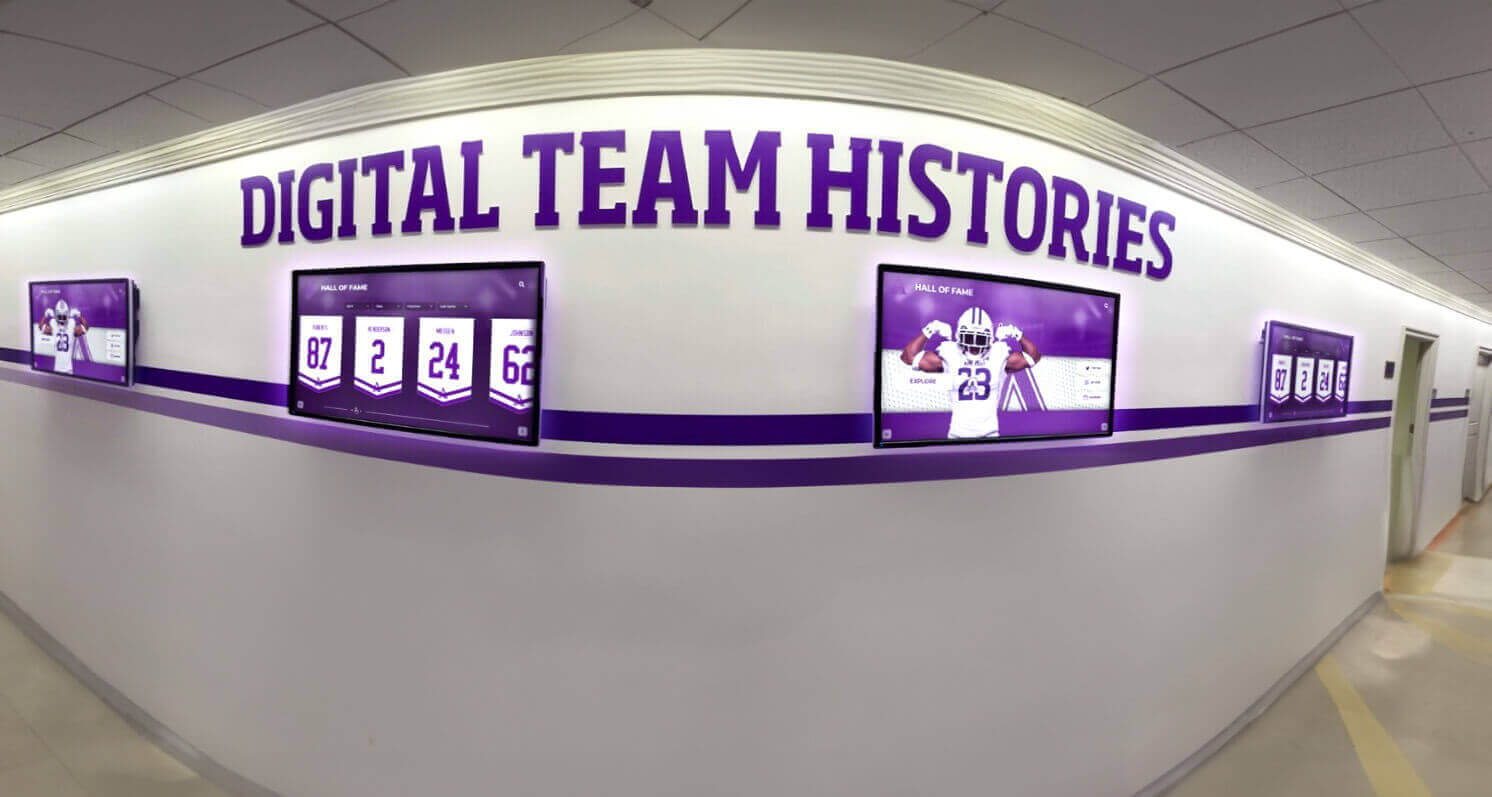
Visible performing arts recognition creates self-reinforcing cultures where creative excellence becomes expected institutional tradition rather than occasional occurrence. When current students regularly encounter documentation celebrating previous performances, distinguished alumni artists, program achievements, and diverse creative accomplishments, several cultural effects emerge including normalized creative participation across broad student populations, elevated program prestige within school communities, strengthened student aspirations toward artistic excellence, enhanced recruitment of talented prospective students, and increased community appreciation for arts program value.
Solutions like Rocket Alumni Solutions enable schools to create permanent digital recognition displays that transform performing arts from ephemeral experiences into lasting institutional assets that inspire excellence while celebrating creative achievement as fundamental to educational mission.
Supporting Continued Arts Education
Well-documented performing arts achievements serve practical educational purposes beyond recognition. Video recordings of past performances provide instructional resources where current students study previous interpretations, technical choices, staging decisions, and performance quality standards. Production documentation reveals backstage processes including set construction, costume creation, lighting design, and technical theater elements that educate aspiring technical crew members.
Historical performance archives demonstrate artistic growth trajectories where students see development from beginning through advanced levels, inspiring continued participation while illustrating that excellence emerges through sustained practice rather than innate talent alone. Comprehensive arts documentation thus enhances educational effectiveness while honoring achievement.
Understanding Performing Arts Documentation Challenges
Before examining solutions, recognizing the unique challenges of documenting performing arts helps schools develop strategies addressing specific obstacles that traditional recognition approaches cannot overcome.
The Ephemeral Nature of Performance
Unlike athletic competitions producing definitive scores or academic achievements measured by grades, performing arts create experiences existing only in performance moments before vanishing. A stunning theatrical performance, moving choral concert, or captivating dance recital occurs once—sometimes multiple show runs—then lives only in memory unless deliberately captured through comprehensive documentation.
Traditional documentation methods prove inadequate for preserving performance essence. Printed programs list cast and crew but cannot convey emotional power, technical execution, or collaborative achievement. Still photographs capture isolated moments but miss narrative flow, character development, and performance arc. Brief video clips recorded on smartphones provide fragments but lack production quality or comprehensive coverage.
This ephemeral quality makes performing arts documentation particularly critical yet technically challenging, requiring systematic approaches that capture not just that performances occurred but what made them special, memorable, and worthy of lasting recognition.
Documenting Diverse Creative Disciplines
Comprehensive performing arts documentation must address remarkably varied disciplines, each with distinct documentation needs and presentation requirements. Theater productions require actor recognition, technical crew acknowledgment, production team celebration, and performance preservation through video. Musical programs span concert bands, orchestras, choral groups, jazz ensembles, and individual soloists—each deserving appropriate recognition formats.
Dance programs encompass multiple styles from classical ballet through contemporary forms, with performance documentation needing to capture movement, choreography, and technical execution. Talent showcases feature diverse acts including vocal performance, instrumental solos, comedy, spoken word, and multidisciplinary presentations requiring flexible documentation approaches.
Digital arts and music showcase solutions provide platforms specifically designed to accommodate this diversity through customizable templates, multimedia support, and flexible content structures that honor all creative disciplines appropriately within unified recognition systems.
Balancing Recognition Across Contributors
Performing arts success requires collaborative contributions from diverse participants. Stage performers receive audience attention and often dominate recognition, yet productions depend equally on technical crews operating lights and sound, scenic designers and construction teams building sets, costume designers and creation teams, stage managers coordinating complex logistics, music directors and accompanists, choreographers designing movement, and publicity teams promoting events.
Equitable documentation celebrates complete creative teams rather than privileging performers over equally essential contributors. Comprehensive approaches ensure technical theater receives recognition equal to stage performance, behind-the-scenes roles gain visibility alongside starring parts, ensemble contributions receive acknowledgment beyond principal performers, student leadership in production roles gets celebrated, and volunteer parent and community support obtains appropriate recognition.
When schools document performing arts comprehensively across all contributor categories, participation broadens as students understand that multiple pathways to recognition exist beyond traditional performing roles, attracting diverse talents and building stronger programs.
Essential Components of Comprehensive Arts Documentation
Effective performing arts documentation systems incorporate multiple content types and recognition strategies ensuring complete, engaging celebration of creative achievement.
Professional Video Documentation
High-quality video recording transforms ephemeral performances into permanent archives accessible to future students, families, and communities. Professional video documentation includes complete performance recordings capturing full artistic experiences from opening to finale, highlight reels showcasing impressive moments or technical achievements for promotional use, multi-camera coverage providing varied perspectives and close-ups, professionally mixed audio capturing musical nuances and vocal performances, and backstage footage revealing rehearsal processes and preparation.
Schools should invest in quality recording equipment or engage professional videography services for major productions. While smartphone recordings serve immediate family needs, professional documentation demonstrates that arts achievements deserve production value equal to athletic event coverage while creating archives serving educational purposes for future performing arts students studying previous work.
Many schools partner with local videographers, leverage parent volunteer expertise, or develop student media programs creating win-win arrangements where performing arts receive professional documentation while students gain real-world production experience.
Comprehensive Photography Archives
Multi-faceted photo documentation captures performance essence through varied perspectives including performance action photography from dress rehearsals and shows, backstage preparation and costume photography documenting transformation processes, technical theater elements showing lighting effects and scenic designs, candid rehearsal photography revealing creative development, formal cast portraits capturing characters and costumes, and audience engagement photography demonstrating community response.
Professional or skilled amateur photographers should capture performances from multiple angles during dress rehearsals when photography doesn’t disturb audience experience. Comprehensive photo archives provide visual richness impossible through single images while creating recognition opportunities featuring different students across varied photographs.
Digital recognition platforms accommodate unlimited photography, eliminating space constraints that limit physical displays to select images while ensuring all participants receive visual representation within archives celebrating complete productions and performances.
Detailed Performance Information
Beyond visual documentation, comprehensive performance records include essential contextual information making archives meaningful and searchable. Complete documentation captures production details including performance titles, dates, and venues, full cast rosters with role identification, complete crew lists acknowledging all technical contributors, production team leadership including directors and designers, performance statistics like audience attendance, and historical context placing productions within program traditions.
Enhanced documentation adds director statements explaining artistic vision and production concepts, student reflections sharing personal performance experiences, technical achievement highlights celebrating stagecraft excellence, rehearsal process documentation showing artistic development, and awards or recognition received from competitions or festivals.
This layered information transforms simple acknowledgment into rich storytelling that honors achievement comprehensively while providing educational value for students studying previous productions and learning from documented creative processes.
Individual Artist Profiles
Beyond production-level documentation, recognizing individual student artists through comprehensive profiles celebrates personal achievement while providing inspirational models. Effective artist profiles include biographical information and performance history, portfolio documentation of roles performed across years, artistic statements expressing creative philosophies and goals, recognition of awards, scholarships, and competitive achievements, post-graduation updates tracking continued artistic pursuits, and multimedia content including video performance excerpts and interviews.
For student musicians, comparable profiles document ensemble participation across years, solo and featured performance history, competition results and honors, private study and music theory achievements, and college audition outcomes or music scholarship awards. Student recognition programs that celebrate performing arts achievement alongside athletic and academic accomplishments create balanced institutional cultures valuing comprehensive student development.
Individual profiles honor students as complete artists rather than reducing them to single performances while documenting growth trajectories inspiring current students to pursue sustained arts engagement throughout school careers.
Modern Digital Solutions for Arts Documentation
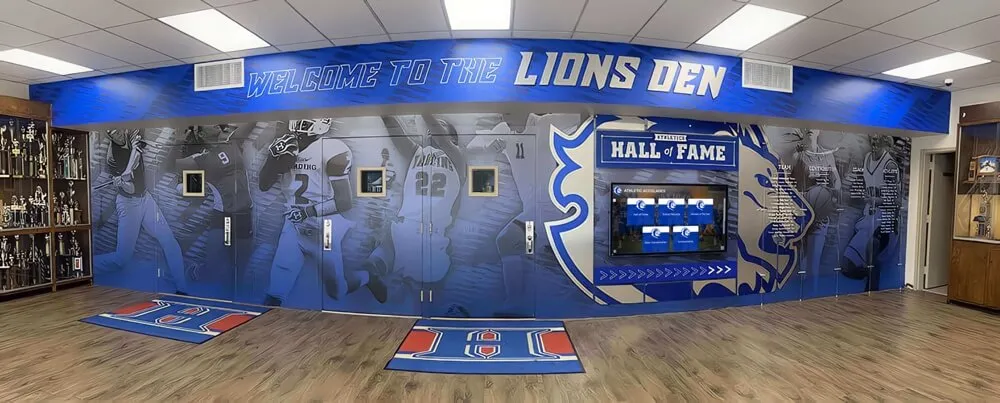
Technology transforms performing arts documentation from limited physical displays into comprehensive, accessible archives enhancing recognition effectiveness while providing practical benefits impossible through traditional methods.
Interactive Touchscreen Display Capabilities
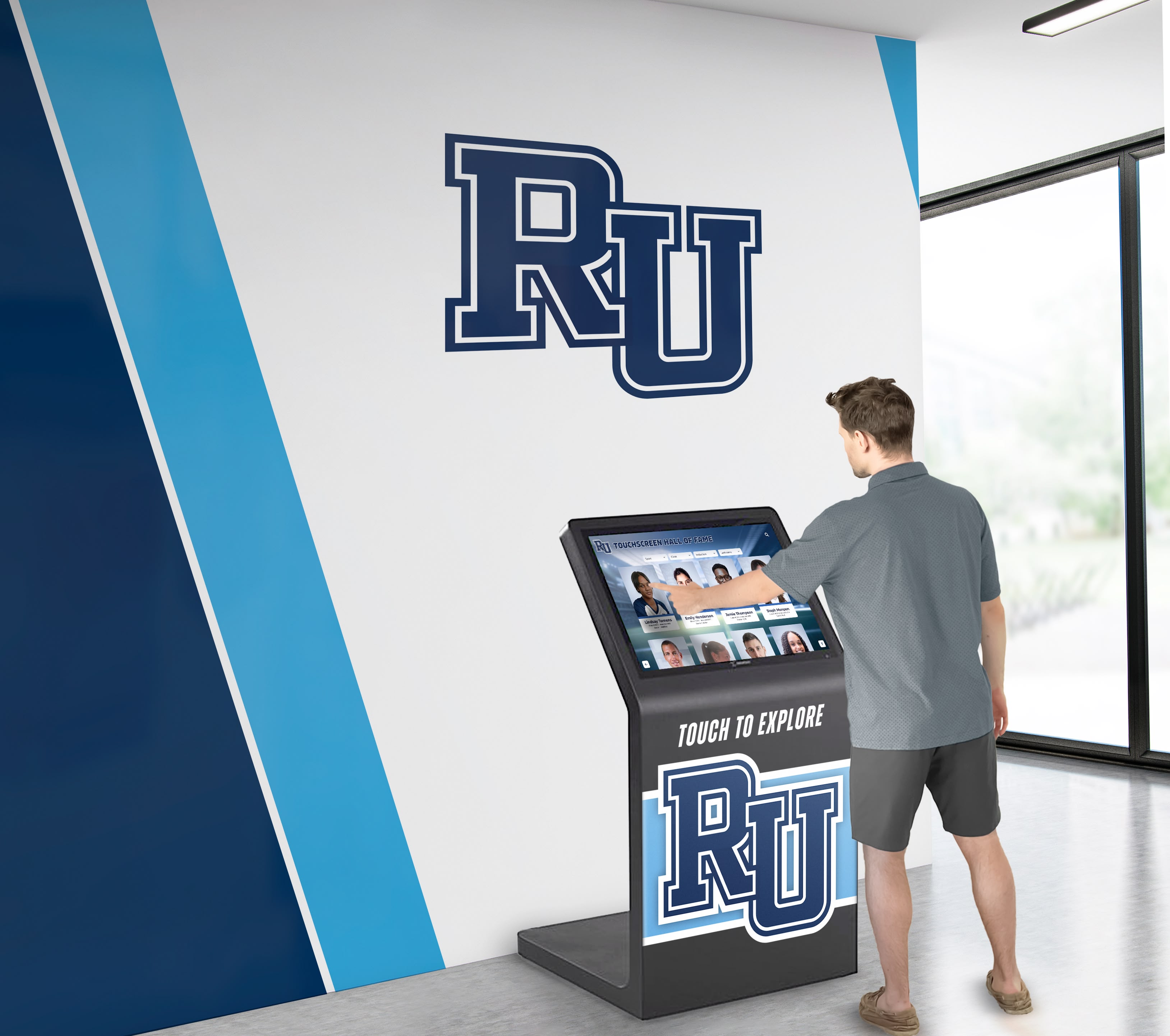
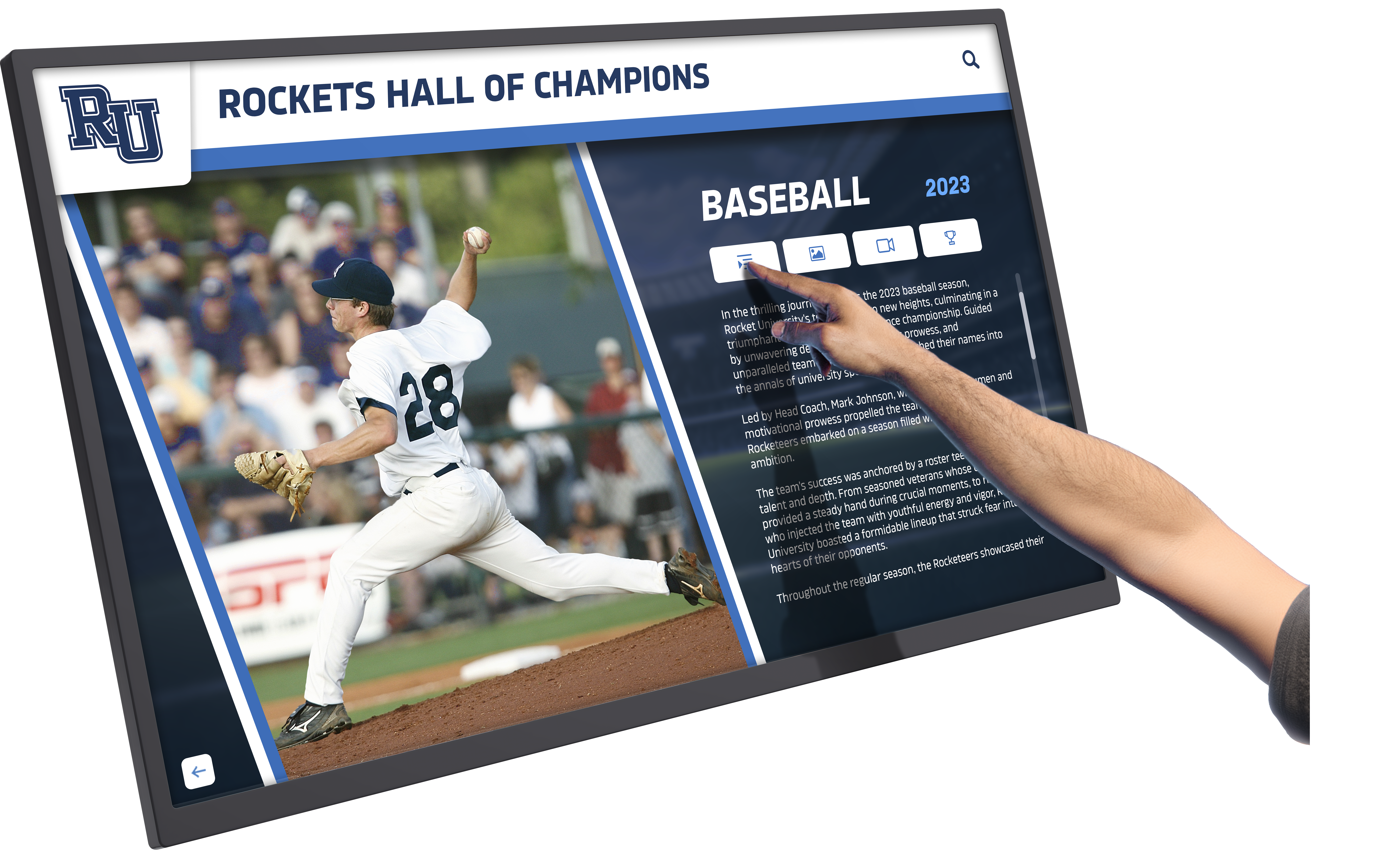
Digital recognition displays provide dynamic platforms for performing arts celebration with advantages addressing every traditional limitation. Interactive systems offer unlimited documentation capacity accommodating all performances and productions without space constraints, rich multimedia integration including videos, photo galleries, and audio recordings, instant content updates allowing recognition immediately after performances, searchable databases enabling visitors to find specific shows, students, or productions, and web accessibility extending recognition beyond physical campus displays.
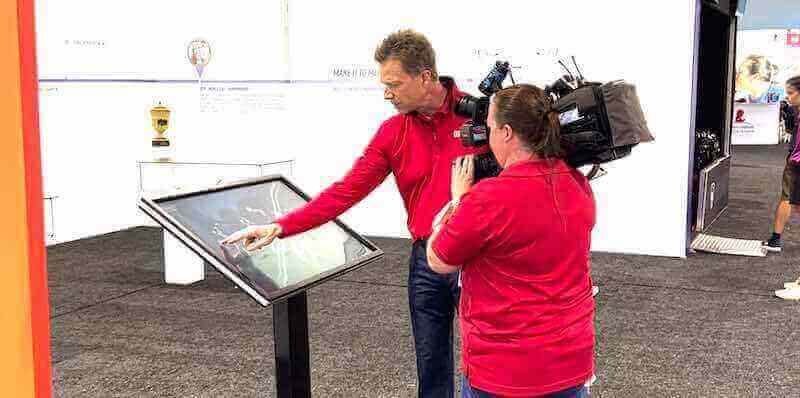
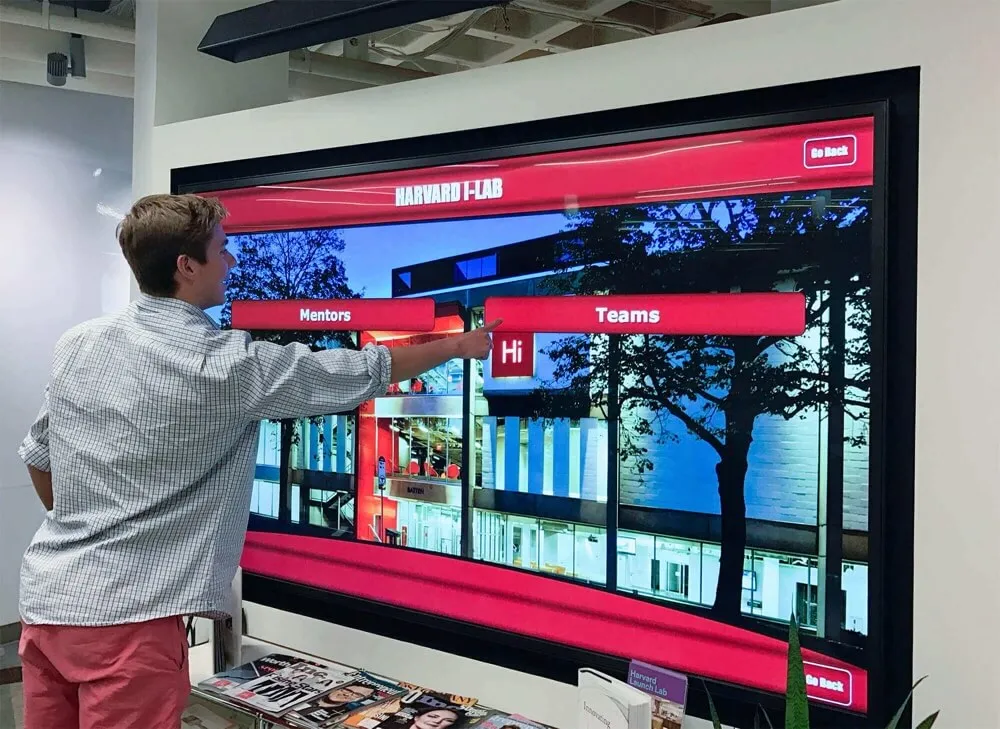
Touchscreen interfaces invite active engagement where students, families, and visitors can explore performance archives at their own pace, search for personal connections, watch video excerpts, and discover creative work spanning program history. This interactivity creates significantly stronger engagement than passive physical displays, with visitors spending extended time exploring content and making emotional connections to creative achievements.
Solutions like Rocket Alumni Solutions offer purpose-built platforms specifically designed for educational recognition with templates accommodating performing arts documentation needs, intuitive content management requiring no technical expertise, commercial-grade hardware suitable for high-traffic school environments, and responsive designs ensuring content displays properly across all screen sizes.
Cloud-Based Content Management
Modern recognition systems feature user-friendly management platforms enabling arts faculty to update performing arts content easily without requiring technical skills or IT support. Cloud-based systems provide browser-based interfaces accessible from any device enabling updates from offices, homes, or mobile devices, simple upload processes for photos and videos, template-driven content creation ensuring consistency, scheduled publishing allowing content preparation in advance, and collaborative access permitting multiple staff members to contribute.
Arts directors, theater teachers, music instructors, and administrative staff can add performance documentation immediately after productions conclude while community excitement remains high, ensuring prompt recognition that maximizes motivational impact. Remote management capability means staff need not access physical display locations or coordinate with technology departments, dramatically reducing administrative friction and encouraging regular content updates.
Role-based permissions control who can publish, edit, or review content while version history provides safety nets enabling restoration if mistakes occur. These management capabilities ensure performing arts documentation remains current and comprehensive despite staff time constraints and competing responsibilities.
Permanent Web-Accessible Archives
Digital performing arts recognition extends far beyond physical campus displays through web platforms making creative work accessible globally to alumni, extended families, prospective students, and community members unable to attend live performances. Web accessibility provides multiple benefits including alumni access to school arts content from anywhere worldwide, family sharing of student achievements with extended relatives, prospective student research during school selection processes, community appreciation for arts program quality and breadth, and social media integration enabling instant sharing to personal networks.
When students share performing arts recognition through social platforms, these posts extend institutional visibility to hundreds or thousands of connections while celebrating individual accomplishment through contemporary communication channels. Web-accessible performing arts archives thus serve recruitment, community relations, and alumni engagement purposes while honoring student achievement.
High school reunion planning increasingly incorporates digital archives that allow alumni to revisit their performing arts experiences from school years, strengthening emotional connections to institutions while demonstrating sustained program excellence across generations.
Strategic Implementation of Arts Documentation Programs
Schools ready to enhance performing arts documentation should follow systematic approaches ensuring comprehensive coverage, sustainable operations, and maximum community impact.
Establishing Documentation Standards
Successful programs begin by establishing clear quality standards and consistent processes. Documentation standards should specify minimum video resolution and audio quality for performance recordings, photography standards regarding lighting, composition, and resolution, required content elements for each performance type, metadata requirements enabling effective searching and filtering, and file format specifications ensuring compatibility and longevity.
Quality standards prevent substandard content from diminishing overall program credibility while ensuring professional presentation that honors student achievement appropriately. Standards need not require Hollywood production values but should reflect institutional respect for performing arts through competent, consistent documentation meeting educational and archival purposes.
Many schools develop documentation checklists used for each production, ensuring systematic information collection including cast and crew lists, production photos, video recording, program materials, and contextual information that complete archives require.
Creating Sustainable Documentation Workflows
Long-term success requires establishing efficient processes that continue despite staff transitions and time pressures. Sustainable workflows include designated documentation responsibilities assigned to specific staff or students, scheduled photography and videography sessions integrated into production timelines, content collection templates simplifying information gathering, efficient editing processes balancing quality with practical time constraints, and regular upload schedules maintaining current archives.
Many successful programs engage student media classes or clubs in documentation roles, creating win-win arrangements where performing arts receive comprehensive coverage while student journalists and videographers gain authentic learning experiences. Parent volunteers with professional photography or videography skills often willingly contribute if schools systematically recruit and coordinate these resources.
Technical theater students can photograph set construction, costume creation, and backstage processes, distributing workload while ensuring comprehensive documentation beyond performance nights. Distributed documentation responsibility prevents overwhelming individual staff members while building broader program investment.
Phased Content Development
Schools with extensive performing arts histories should implement documentation incrementally rather than attempting comprehensive historical coverage immediately. Practical phased approaches begin with current academic year productions documented thoroughly as Phase 1, establishing baseline content and testing workflows. Phase 2 addresses recent historical content from previous 3-5 years, providing depth while capturing material from currently enrolled students’ experiences.
Phase 3 systematically adds significant historical productions that define program traditions—legendary shows, distinguished student performers, or program milestones. Phase 4 continues historical documentation working backward through program history as time and resources permit. This phased implementation allows earlier launches demonstrating value and building stakeholder support while distributing substantial documentation workload across extended periods.
Schools should prioritize documenting major annual productions like musicals, plays, and concerts while adding smaller performances, recitals, and showcases as capacity permits. Starting comprehensively with flagship productions builds momentum and demonstrates capability before expanding to complete coverage.
Promoting Arts Documentation Programs
Even excellent documentation requires strategic promotion ensuring target audiences discover and engage with performing arts archives. Effective promotion strategies include launch announcements through school communications and assemblies, family notifications via email and social media highlighting new content, lobby displays during performances directing audiences to explore archives, classroom integration where arts teachers reference documentation as educational resources, and social media features spotting recently added performances or distinguished alumni artists.
Sustained promotion maintains visibility rather than launching with initial enthusiasm that gradually fades. Regular features highlighting archived performances, throwback showcases from program history, and anniversary recognition of landmark productions keep archives active and relevant while encouraging regular community engagement.
When prospective families tour schools, prominently featuring performing arts documentation demonstrates program quality and institutional commitment to arts education, creating differentiation in competitive enrollment environments where comprehensive arts programs increasingly influence family school selection decisions.
Celebrating Diverse Performing Arts Disciplines
Comprehensive documentation honors all creative disciplines within performing arts programs through recognition approaches suited to particular artistic characteristics.
Theater and Drama Recognition
Theatrical documentation must celebrate complete production teams beyond stage performers including full cast lists with detailed character identification, technical theater crews acknowledging lighting, sound, scenic, and properties teams, costume design and construction recognition, stage management and coordination teams, directorial vision and production leadership, dramaturgy and script work when applicable, and student choreography for movement-intensive productions.
Production documentation should capture performance video demonstrating acting quality and production values, rehearsal process showing artistic development, technical theater elements highlighting stagecraft achievement, director and cast reflections explaining creative choices, and audience response indicating community impact. This comprehensive approach demonstrates that successful theater requires collaborative excellence across diverse specialized roles, encouraging broad participation rather than narrow focus on starring performers.
Many successful programs create specific recognition categories for technical theater excellence, ensuring students pursuing backstage interests receive acknowledgment equal to those choosing performance paths. Balanced recognition attracts diverse student talents while building well-rounded programs capable of mounting ambitious productions requiring sophisticated technical execution.
Music Program Documentation
Musical achievement recognition addresses both ensemble excellence and individual accomplishment across varied program offerings. Comprehensive music documentation includes complete ensemble rosters for each performance group across concert bands, orchestras, choruses, and jazz ensembles, concert performance documentation with video and professionally recorded audio, repertoire lists demonstrating musical breadth and challenge levels, competition and festival results with ratings and awards, featured soloist recognition highlighting individual performance opportunities, and music theory and composition achievements celebrating creative work.
Individual musician recognition within ensemble contexts acknowledges section leadership and principal chair positions, honor band and all-state ensemble selections, applied lesson study showing commitment to private instruction, rating achievements at solo and ensemble competitions, and music scholarship or conservatory admission outcomes. Balanced recognition celebrates collaborative ensemble music-making while honoring individual excellence and dedication that contribute to collective achievement.
Student awards recognition programs adapted for performing arts contexts ensure comprehensive celebration across varied creative disciplines with consistent institutional support and professional presentation quality.
Dance and Movement Arts
Dance program documentation captures performance artistry while celebrating diverse styles and choreographic creativity. Comprehensive dance recognition includes performance video with quality capturing movement, line, and technique, choreographer acknowledgment for both student and faculty-created works, dancer recognition across classical, contemporary, jazz, and cultural traditions, competition results from dance festivals and adjudications, technique class progression documenting skill development, and collaborative performances with music or theater programs.
Dance documentation presents unique videography challenges requiring camera positions, angles, and lighting that properly capture movement vocabulary, spatial patterns, and ensemble formations. Schools should engage videographers experienced with dance documentation or train student media teams in dance-specific recording techniques ensuring resulting archives serve both recognition and educational purposes.
Student choreographers deserve recognition comparable to student directors in theater or student composers in music programs, celebrating creative leadership and original artistic work that demonstrates advanced artistic development beyond performance execution.
Multidisciplinary Arts Programs
Many schools feature performing arts initiatives crossing traditional discipline boundaries including musical theater combining performance, music, and dance, arts festivals showcasing diverse student talents, integrated arts projects connecting visual and performing arts, community performances engaging professional artists, and arts education outreach where students teach younger learners.
These multidisciplinary programs require flexible documentation approaches acknowledging varied contributions while celebrating collaborative creative work. Digital platforms accommodate this complexity through customizable content structures, multiple contributor categories, and rich multimedia presentation impossible through rigid physical recognition formats.
Building Arts Culture Through Strategic Recognition
Beyond documenting individual performances, strategic recognition programs intentionally cultivate vibrant arts cultures where creative excellence represents expected institutional tradition.
Visible Arts History Throughout Facilities
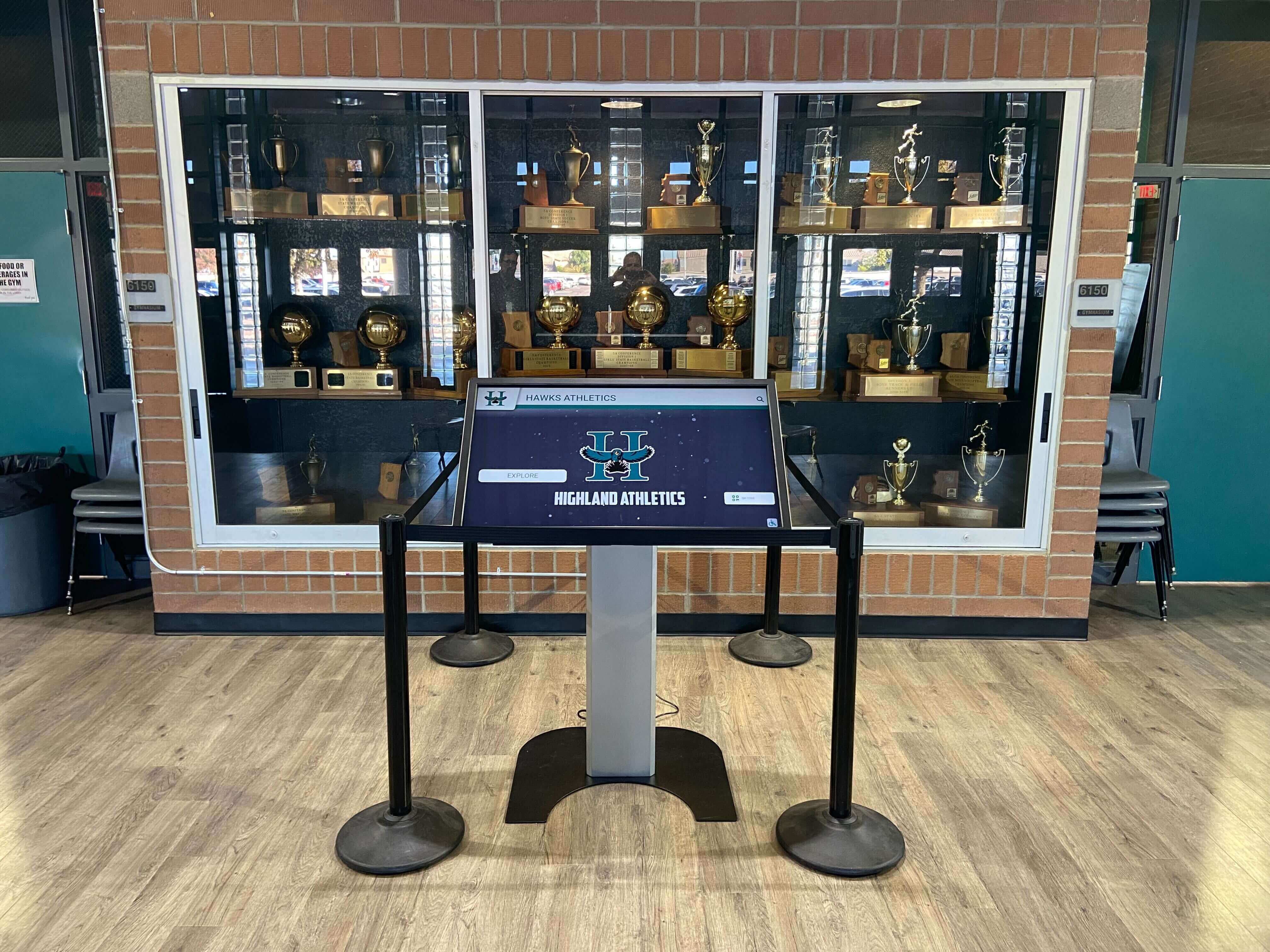
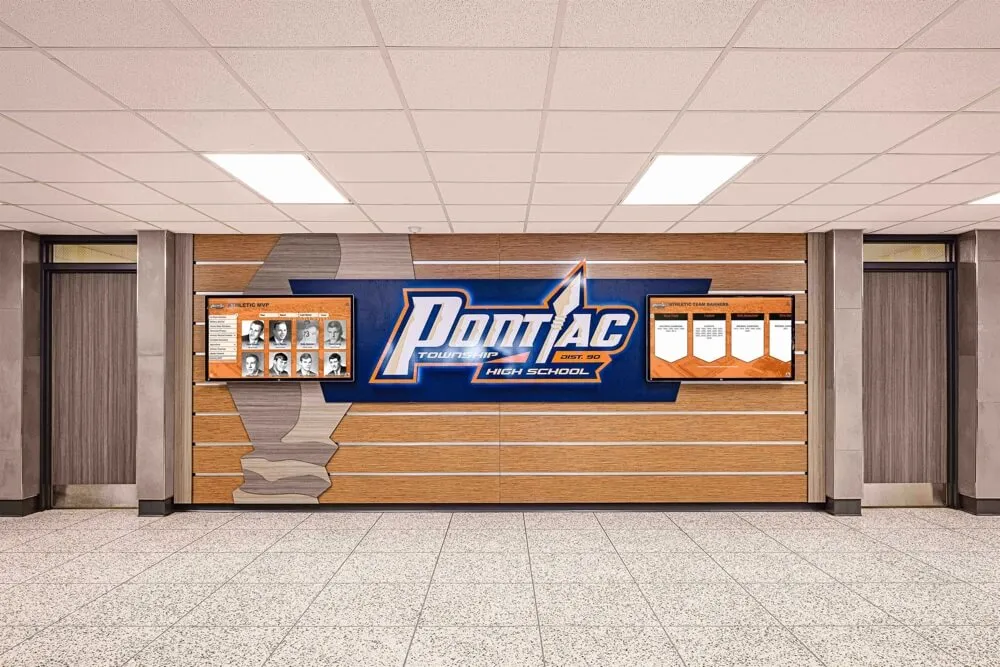
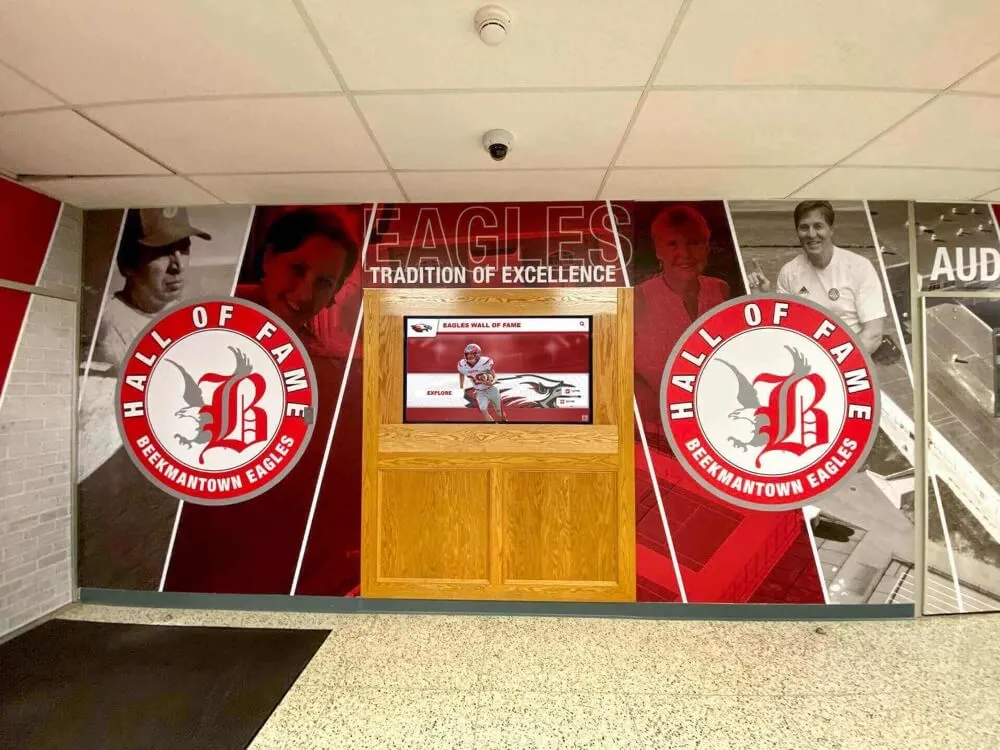
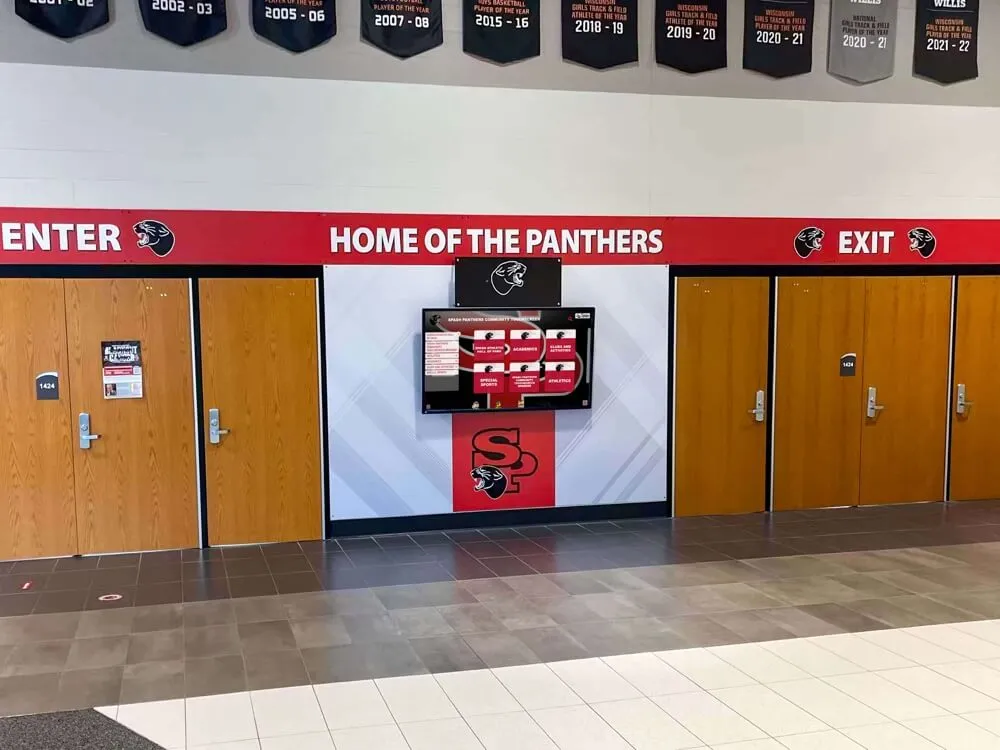
Making performing arts history prominently visible creates constant reminders that creative excellence defines institutional identity. Strategic display placement includes performing arts center lobbies welcoming audiences to events, music and theater wing hallways where students attend classes and rehearsals, main building entrances demonstrating arts value to all visitors, cafeteria and commons areas providing universal student exposure, and athletic facilities demonstrating equal recognition across achievement domains.
Distributed placement ensures performing arts recognition reaches diverse audiences while celebrating creative achievement throughout campuses rather than isolating recognition in specialized facilities. When prospective families tour schools, visible performing arts recognition across varied locations demonstrates genuine institutional commitment rather than superficial arts support.
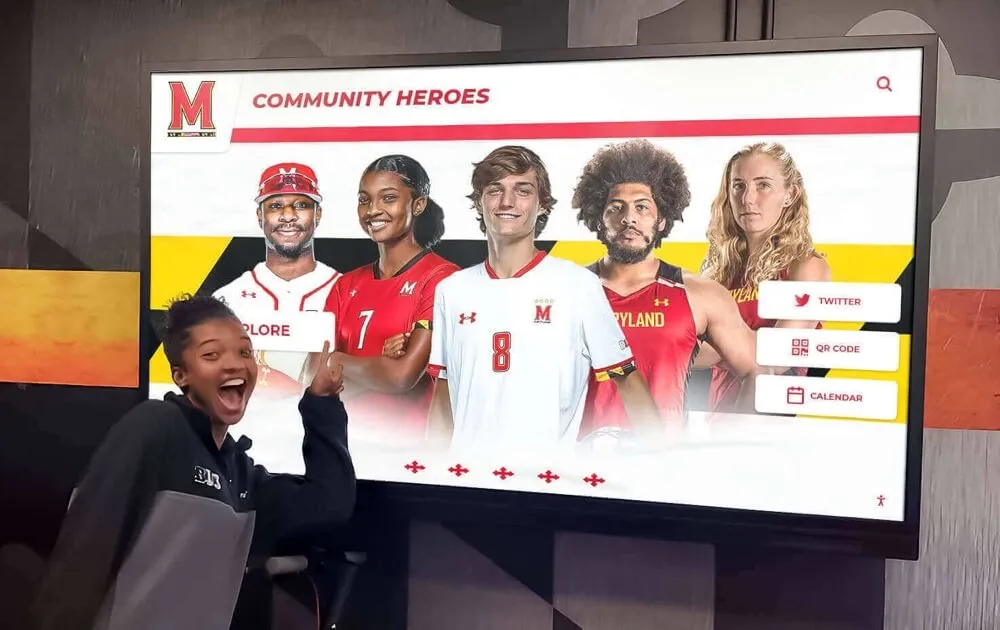
Digital displays in high-traffic locations serve dual purposes as recognition honoring past achievement while attracting current student interest and participation. Students regularly encountering impressive performing arts archives featuring accomplished alumni, distinguished productions, and diverse creative excellence understand that arts represent core institutional values worthy of personal investment.
Celebrating Program Milestones and Traditions
Long-established performing arts programs accumulate significant traditions and milestones deserving commemoration including program founding anniversaries, landmark production anniversaries for shows regularly revived, distinguished arts educator recognition honoring influential teachers and directors, facility dedication or renovation celebrations, and millennial participation milestones when total student involvement reaches significant thresholds.
Milestone recognition strengthens program identity while creating marketing opportunities and community celebration that attract support. Anniversary productions, reunion performances bringing alumni back to participate with current students, and retrospective showcases highlighting program evolution across decades generate enthusiasm while demonstrating sustained excellence that builds program prestige.
Digital archives facilitate milestone celebration by preserving historical material accessible for anniversary programming, enabling comparison of production approaches across decades, and documenting program evolution demonstrating growth while honoring foundational traditions.
Connecting Current Students with Alumni Artists
Featuring distinguished arts alumni creates inspirational connections while demonstrating that school performing arts experiences launch meaningful creative careers and lifelong artistic engagement. Alumni artist profiles should include high school performing arts achievements and involvement, current professional artistic pursuits or creative careers, educational pathways through conservatories or arts colleges, notable professional accomplishments and recognition, and reflections on how school arts experiences influenced development.
These profiles provide aspirational examples while demonstrating tangible outcomes of comprehensive arts education. Students seeing alumni who pursued professional theater, music performance, arts education, or maintained artistic engagement alongside other careers understand that arts skills provide value extending far beyond school years.
Schools should organize alumni return events including attendance at current productions with backstage meet-and-greets, masterclass sessions where professional alumni share expertise, panel discussions about creative careers and artistic pathways, and collaborative performances featuring current students alongside returning alumni. These connections create mentorship relationships while strengthening alumni engagement with current programs.
Measuring Arts Documentation Program Impact
Successful programs establish assessment frameworks demonstrating value while identifying improvement opportunities that enhance effectiveness.
Quantitative Success Indicators
Measurable metrics reveal program performance including documentation coverage percentages showing what proportion of performances receive comprehensive documentation, student participation rates in performing arts programs tracking enrollment trends, digital display engagement analytics measuring interaction frequency and duration, web platform traffic demonstrating remote access and audience breadth, social media sharing statistics indicating content resonance, and prospective student inquiries about arts programs during admissions processes.
Growing participation rates following documentation implementation suggest that visible recognition successfully attracts student interest while demonstrating program quality. Engagement analytics reveal which content types resonate most strongly, informing future documentation priorities and presentation approaches.
Many schools track performing arts participation as percentage of student body, comparing trends before and after implementing comprehensive documentation programs. Correlation between enhanced recognition and increased participation validates investment while justifying continued resources for documentation excellence.
Qualitative Impact Assessment
Non-numerical insights complement quantitative metrics through student artist surveys about recognition value and motivation, family feedback regarding documentation quality and accessibility, arts faculty perspectives on program culture changes, alumni artist reflections on recognition meaning, and community responses to performing arts quality and visibility.
Student feedback proves particularly valuable for understanding whether recognition influences artistic motivation, program participation decisions, pride in creative work, or aspirations for continued artistic development. Direct student input reveals recognition’s most important outcome—impact on student experiences and artistic identity formation.
Focus groups with current performing arts students, graduated alumni artists, and families invested in arts programs provide rich qualitative data revealing how documentation contributes to comprehensive educational experiences while identifying enhancement opportunities that make programs more valuable.
Long-Term Cultural Indicators
True documentation program success manifests across years through sustained performing arts participation and engagement, elevated program prestige and community recognition, increased competitive success at festivals and adjudications, growing alumni involvement and program support, and strengthened institutional identity around comprehensive education including robust arts.
Schools implementing comprehensive performing arts documentation consistently report cultural shifts where creative achievement receives respect equal to athletic and academic accomplishments, participation broadens across diverse student populations, program ambition increases as infrastructure supports documentation, and community support strengthens through increased visibility and appreciation.
These long-term impacts justify documentation investment while creating self-reinforcing excellence cycles where recognition attracts participation, participation builds program strength, strength enables ambitious programming, and ambitious programming generates impressive achievements deserving comprehensive documentation and celebration.
Conclusion: Transforming Performing Arts Recognition for Lasting Impact
Comprehensive performing arts documentation transforms how schools celebrate creative achievement, preserve artistic legacies, and build vibrant cultures where excellence thrives. By replacing ephemeral performances with permanent accessible archives, limited physical displays with unlimited digital capacity, and brief recognition with rich multimedia storytelling, schools create performing arts programs where student creativity receives honor deserving of extraordinary dedication required for artistic achievement.
Modern digital recognition platforms provide capabilities that fundamentally enhance documentation effectiveness including unlimited recognition capacity eliminating space constraints, professional multimedia presentation honoring achievement appropriately, instant content updates ensuring prompt recognition, interactive engagement creating emotional connections, permanent web accessibility extending visibility globally, and intuitive management enabling non-technical staff to maintain archives.
Successful implementation requires establishing documentation standards and sustainable workflows, developing content systematically through phased approaches, promoting archives ensuring community awareness and engagement, and celebrating all creative disciplines through appropriate recognition formats. Schools that invest strategically in performing arts documentation report transformative impacts on program culture, student participation, community support, and institutional identity.
Your student artists, musicians, actors, dancers, and creative contributors deserve recognition that preserves their accomplishments permanently, inspires current students pursuing artistic excellence, demonstrates institutional commitment to comprehensive education, and honors the remarkable dedication that creative achievement represents. Digital documentation solutions provide tools needed to deliver this comprehensive celebration while creating resources serving educational, cultural, and community engagement purposes far beyond simple recognition.
Celebrate Your Performing Arts Excellence
Discover how Rocket Alumni Solutions can help you create comprehensive performing arts documentation that honors student creativity while building lasting archives inspiring future generations.
Schedule Your Free ConsultationReady to transform how your school documents and celebrates performing arts achievement? Explore modern recognition platforms designed specifically for educational performing arts programs, combining professional presentation with practical management capabilities that make comprehensive documentation achievable within typical school resources and time constraints.































