Sending a thoughtful donor acknowledgement letter isn’t just good manners—it’s one of the most powerful tools in your fundraising toolkit. Research consistently shows that donors who receive prompt, personalized acknowledgement are 4 times more likely to give again compared to those who receive generic or delayed recognition. Yet many schools, universities, and nonprofits struggle with creating acknowledgement letters that feel genuine, arrive promptly, and inspire continued partnership.
The stakes are higher than many realize. With donor retention rates hovering around 43% across nonprofits—and first-time donor retention often below 25%—the way you acknowledge contributions directly impacts your organization’s financial sustainability. A well-crafted acknowledgement letter costs pennies but can influence giving decisions worth thousands of dollars over a donor’s lifetime.
This comprehensive guide provides proven donor acknowledgement letter templates, timing strategies, personalization techniques, and best practices specifically designed for educational institutions, athletic departments, booster clubs, and nonprofit organizations seeking to build lasting relationships with their supporters.
The difference between a forgettable acknowledgement and one that inspires continued generosity often comes down to understanding what donors truly want from recognition: genuine gratitude, clear impact demonstration, and personal connection to your mission.
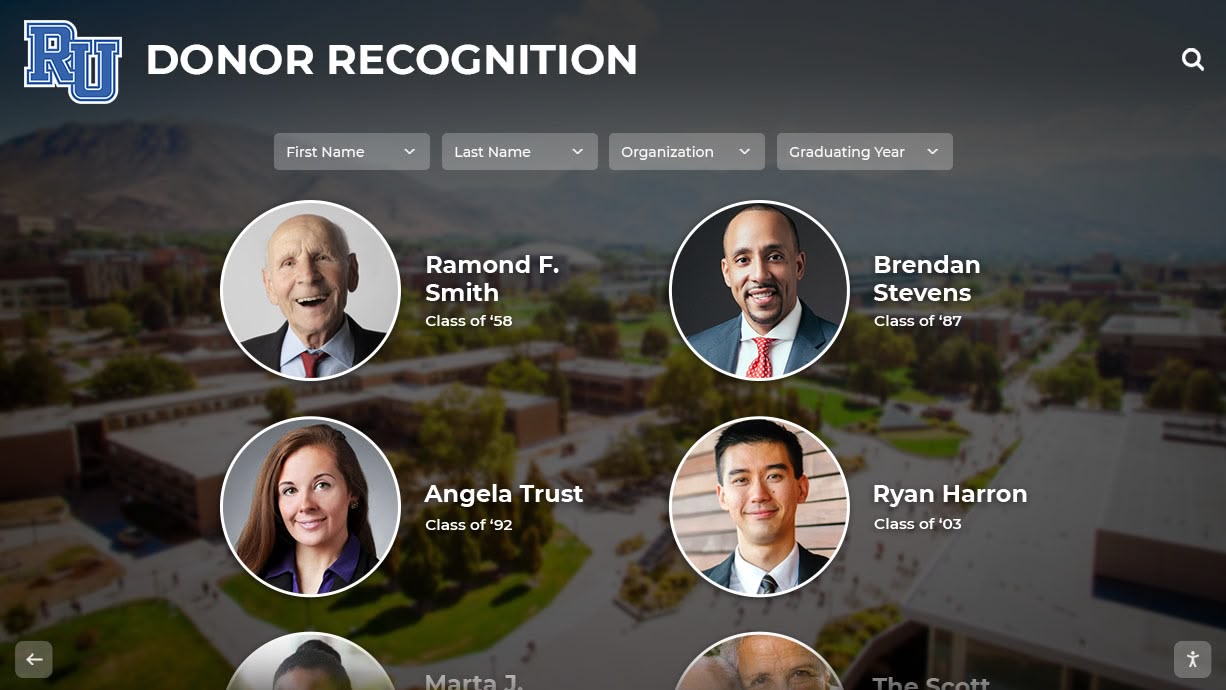
Effective donor acknowledgement combines written appreciation with visible recognition that celebrates contributions
Why Donor Acknowledgement Letters Matter
Before diving into templates, understanding the strategic importance of acknowledgement letters helps organizations prioritize this critical stewardship activity.
The Retention Impact
Donor retention directly affects organizational sustainability, and acknowledgement plays a pivotal role:
Acknowledgement Timing and Retention Correlation
- Donors receiving acknowledgement within 48 hours retain at 65-70% versus 30-35% for those waiting 2+ weeks
- Personalized letters (mentioning specific gift purpose) increase second-gift probability by 35-40%
- Multi-touchpoint acknowledgement (letter + email + personal call) boosts major donor retention to 75-80%
- First-time donor acknowledgement quality predicts 5-year giving trajectory
These statistics underscore a simple truth: the acknowledgement letter represents your first stewardship interaction after securing support. Executing this touchpoint well sets the foundation for long-term philanthropic partnership.
Legal Requirements and Tax Compliance
Beyond relationship building, donor acknowledgement letters fulfill essential legal obligations:
IRS Requirements for Charitable Contributions
- Donations of $250+ require written acknowledgement for tax deductibility
- Letters must include organization name, donation amount (or description if non-cash), date received, and statement about goods/services provided
- Acknowledgements must be issued by January 31 for previous year’s gifts or before donor files taxes
- Failure to provide proper documentation can result in donors losing tax deductions, damaging trust
Understanding these legal requirements ensures your acknowledgement letters protect both your organization and your donors while fulfilling stewardship objectives.
The Psychology of Gratitude
Effective acknowledgement letters tap into fundamental psychological principles that drive continued giving:
Why Donors Want Acknowledgement
- Validation: Confirmation their gift matters and was received
- Impact Understanding: Evidence their contribution creates tangible outcomes
- Connection: Emotional bond with beneficiaries and mission
- Recognition: Public or private appreciation matching their preferences
- Respect: Treatment as valued partners rather than transaction sources
Acknowledgement letters that address these psychological needs create environments where donors feel compelled to continue supporting your mission.
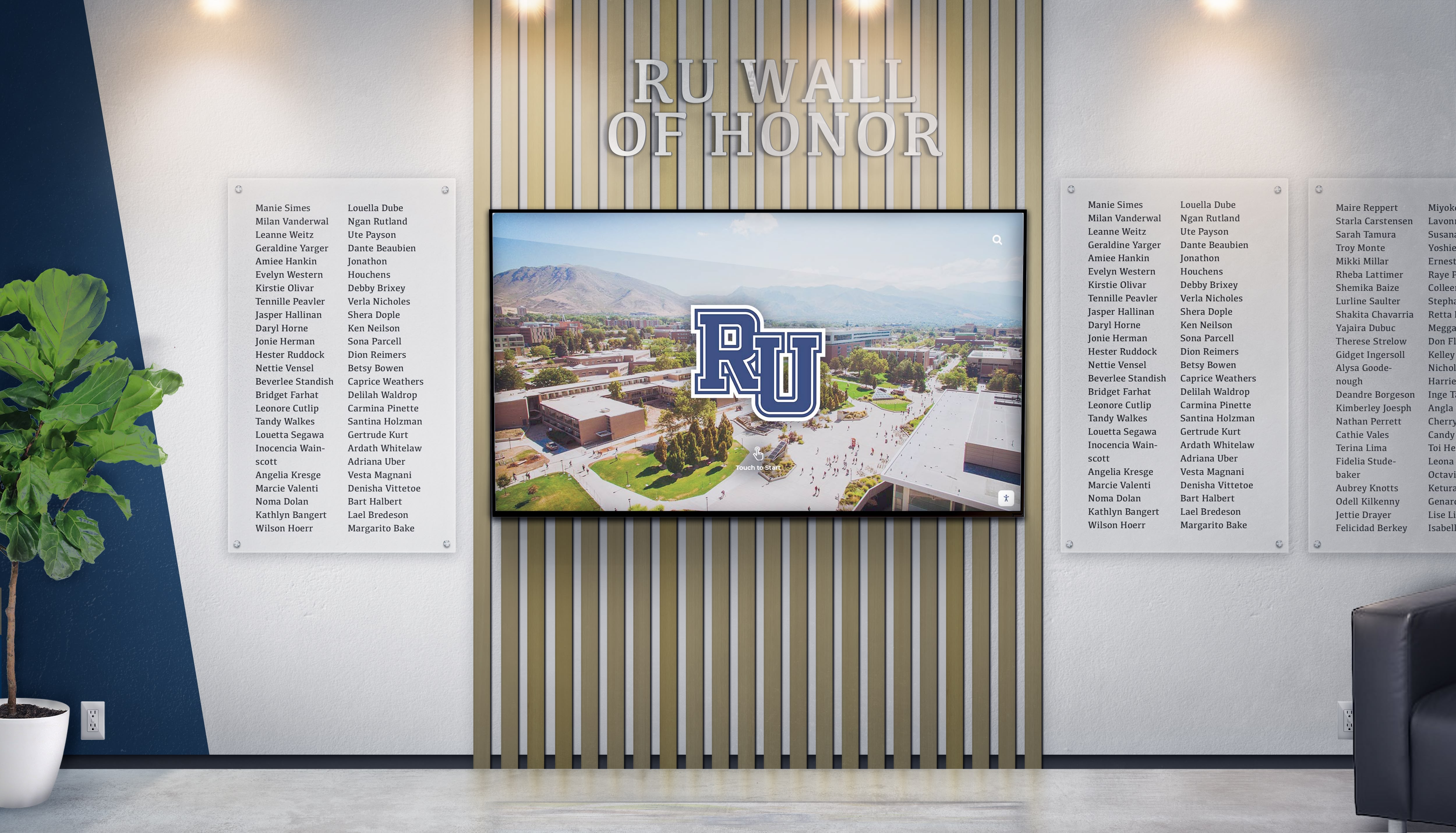
Written acknowledgement works alongside [visible donor recognition displays](https://digitalyearbook.org/blog/donor-recognition-wall-ideas-honoring-those-who-give-back/?utm_source=organic&utm_medium=seo-auto&utm_content=touchwall&utm_campaign=donor-acknowledgement-letter&utm_term=seo) to create comprehensive appreciation programs
Essential Elements of Every Donor Acknowledgement Letter
Regardless of gift size, donation purpose, or donor history, certain elements must appear in every acknowledgement letter to ensure effectiveness and compliance.
Required Legal Components
Start by ensuring every acknowledgement letter includes these mandatory elements:
Tax-Deductible Acknowledgement Essentials
- Organization Legal Name: Full legal name as registered with IRS, not just DBA or common names
- Tax-Exempt Status Statement: “Your donation is tax-deductible to the extent allowed by law” or similar language
- Donation Amount: Specific dollar figure for cash gifts, or detailed description for in-kind contributions
- Date Received: When organization received contribution, not when donor sent it
- Goods/Services Statement: Declaration that no goods or services were provided, or description and value if they were
- EIN (Optional but Recommended): Tax identification number helping donors file accurately
These elements protect donor tax deductions while ensuring your organization maintains proper documentation for audits.
Personalization Components That Matter
Beyond legal requirements, these personalization elements transform perfunctory acknowledgements into relationship-building tools:
Meaningful Personalization Strategies
- Correct Name and Preferred Title: Use donor’s preferred name format (not “Dear Friend”)
- Specific Gift Reference: Mention exact program, scholarship, or initiative their gift supports
- Previous Giving Acknowledgement: Reference giving history showing you remember their support
- Impact Connection: Connect their specific gift to tangible outcomes
- Personal Signature: Real signature from appropriate leadership level (not stamped or auto-signed)
- Handwritten Note Addition: Even brief P.S. dramatically increases letter impact
Research from fundraising effectiveness studies demonstrates that letters including just 3-4 of these personalization elements increase donor retention by 25-30% compared to generic acknowledgements.
Timing and Delivery Method
When and how you deliver acknowledgement significantly impacts effectiveness:
Optimal Acknowledgement Timeline
- Immediate Automated Receipt (within minutes): Automated email confirming gift received, with formal letter to follow
- Official Acknowledgement Letter (within 48-72 hours): Formal letter including all legal requirements and personalization
- Follow-Up Impact Update (30-60 days): Communication showing what their gift accomplished
- Anniversary Recognition (annual): Acknowledgement of giving anniversary or cumulative support milestone
Delivery Method Considerations
- Mailed Letters: Traditional approach preferred by older donors and major gift acknowledgements
- Email Acknowledgements: Faster delivery appreciated by younger donors, though may feel less personal for major gifts
- Hybrid Approach: Immediate email receipt followed by mailed personalized letter for gifts above specific threshold
- Phone Call Addition: Personal call from leadership for major gifts, supplementing written acknowledgement
Many organizations adopt tiered approaches, using email for gifts under $100, mailed letters for $100-$5,000, and mailed letters plus personal calls for gifts exceeding $5,000.

Modern acknowledgement strategies combine traditional letters with [digital recognition solutions](https://digital-trophy-case.com/blog/digital-donor-walls-interactive-recognition-guide/?utm_source=organic&utm_medium=seo-auto&utm_content=touchwall&utm_campaign=donor-acknowledgement-letter&utm_term=seo) that provide year-round visibility
Donor Acknowledgement Letter Templates by Giving Level
Different gift levels warrant acknowledgement letters with varying degrees of personalization, detail, and leadership involvement. These templates provide starting points adaptable to your organization’s voice and specific circumstances.
Template 1: First-Time Donor ($25-$250)
This template welcomes new supporters while encouraging continued engagement:
[Organization Letterhead]
[Date]
[Donor Name] [Address] [City, State ZIP]
Dear [Donor First Name],
Thank you for your generous gift of $[Amount] to [Organization Name]. Your support as a first-time donor means more to us than we can adequately express—you’ve joined a community of [Number] supporters making [School/Organization Mission] possible.
Your contribution will directly support [specific program or initiative], helping us [concrete outcome: “provide new equipment for our volleyball team,” “award scholarships to deserving students,” “enhance our athletic recognition programs”]. Gifts like yours enable us to [mission-related impact] for the students and families we serve.
On behalf of everyone at [Organization], thank you for believing in our mission and choosing to invest in our community. We’re honored to count you among our supporters.
[Organization Name] is a 501(c)(3) nonprofit organization (EIN: [XX-XXXXXXX]). No goods or services were provided in exchange for your donation, making your contribution fully tax-deductible to the extent allowed by law.
We look forward to keeping you updated on the difference your generosity makes. Thank you again for your support.
With sincere appreciation,
[Signature]
[Name] [Title] [Organization Name]
P.S. — [Handwritten note: “Your first gift to our program is so appreciated. Thank you for joining our team!”]
Template Notes: This letter establishes welcoming tone, clearly states tax deductibility, and ends with handwritten personalization. Keep language warm while maintaining professionalism appropriate for educational settings.
Template 2: Annual Fund Donor ($250-$1,000)
This template acknowledges sustained support while demonstrating cumulative impact:
[Organization Letterhead]
[Date]
[Donor Name] [Address] [City, State ZIP]
Dear [Donor First Name],
Thank you for your recent contribution of $[Amount] to [Specific Fund/Program Name]. Your continued generosity—now totaling $[Cumulative Total] over [Number] years—demonstrates remarkable commitment to [Organization Mission].
This year, your investment helps us [specific outcome tied to their gift: “recognize outstanding student achievement through our expanding digital recognition programs,” “support three student-athletes through our scholarship fund,” “maintain our athletic facilities at championship-caliber standards”].
Last year, donors like you enabled us to [quantifiable achievement: “award $50,000 in scholarships,” “host 12 recognition events celebrating student accomplishments,” “upgrade our trophy displays to include digital interactive experiences”]. Your partnership makes these accomplishments possible.
[Organization Name] is a tax-exempt organization under section 501(c)(3) of the Internal Revenue Code (EIN: [XX-XXXXXXX]). This letter serves as receipt for your tax-deductible contribution. No goods or services were provided in exchange for your donation.
Your ongoing support means everything to our students, families, and entire [School/Organization] community. Thank you for your continued belief in our mission.
With gratitude,
[Signature]
[Name] [Title] [Organization Name]
P.S. — [Handwritten: “Thank you for [Number] years of loyalty to our program. Your consistency inspires us!”]
Template Notes: This version acknowledges giving history, includes cumulative total to reinforce donor’s long-term impact, and provides specific outcomes their contributions enable.
Template 3: Major Gift Donor ($1,000-$10,000)
This template provides detailed impact information and higher-level leadership acknowledgement:
[Organization Letterhead]
[Date]
[Donor Name] [Address] [City, State ZIP]
Dear [Donor First Name and Last Name],
On behalf of [Organization Name], I want to personally thank you for your extraordinary gift of $[Amount] to [Specific Initiative/Program]. Your generosity places you among our most valued supporters, and we’re deeply grateful for your investment in [mission/students/program].
Your leadership-level contribution directly enables [detailed specific impact: “the complete renovation of our athletic recognition displays, which will showcase 50 years of championship history and inspire future generations of student-athletes,” “endowed scholarship support for three deserving students annually,” “the creation of our new digital donor recognition wall celebrating supporters like you who make excellence possible”].
As we discussed [if applicable: reference to previous conversation], [specific detail about project or initiative they funded]. We’re honored that you chose to support this critical aspect of our mission, and we’re committed to excellent stewardship of your investment.
I’ve enclosed [impact materials: annual report, project update, photos] showing how gifts like yours transform our ability to serve our community. We’ll continue updating you throughout the year as your contribution creates visible impact.
This letter acknowledges your tax-deductible contribution to [Organization Name], a 501(c)(3) organization (EIN: [XX-XXXXXXX]). No goods or services were provided in exchange for your donation.
Thank you again for your remarkable generosity and partnership. We look forward to celebrating the outcomes your gift makes possible.
With deepest appreciation,
[Signature]
[Executive Director/President/Head of School] [Title] [Organization Name]
P.S. — [Handwritten: “Your commitment to [specific cause] inspires our entire team. Thank you for making this transformation possible!”]
Template Notes: Major gifts warrant acknowledgement from senior leadership, detailed impact descriptions, and reference to enclosed materials providing additional context. Consider following with personal phone call within one week.
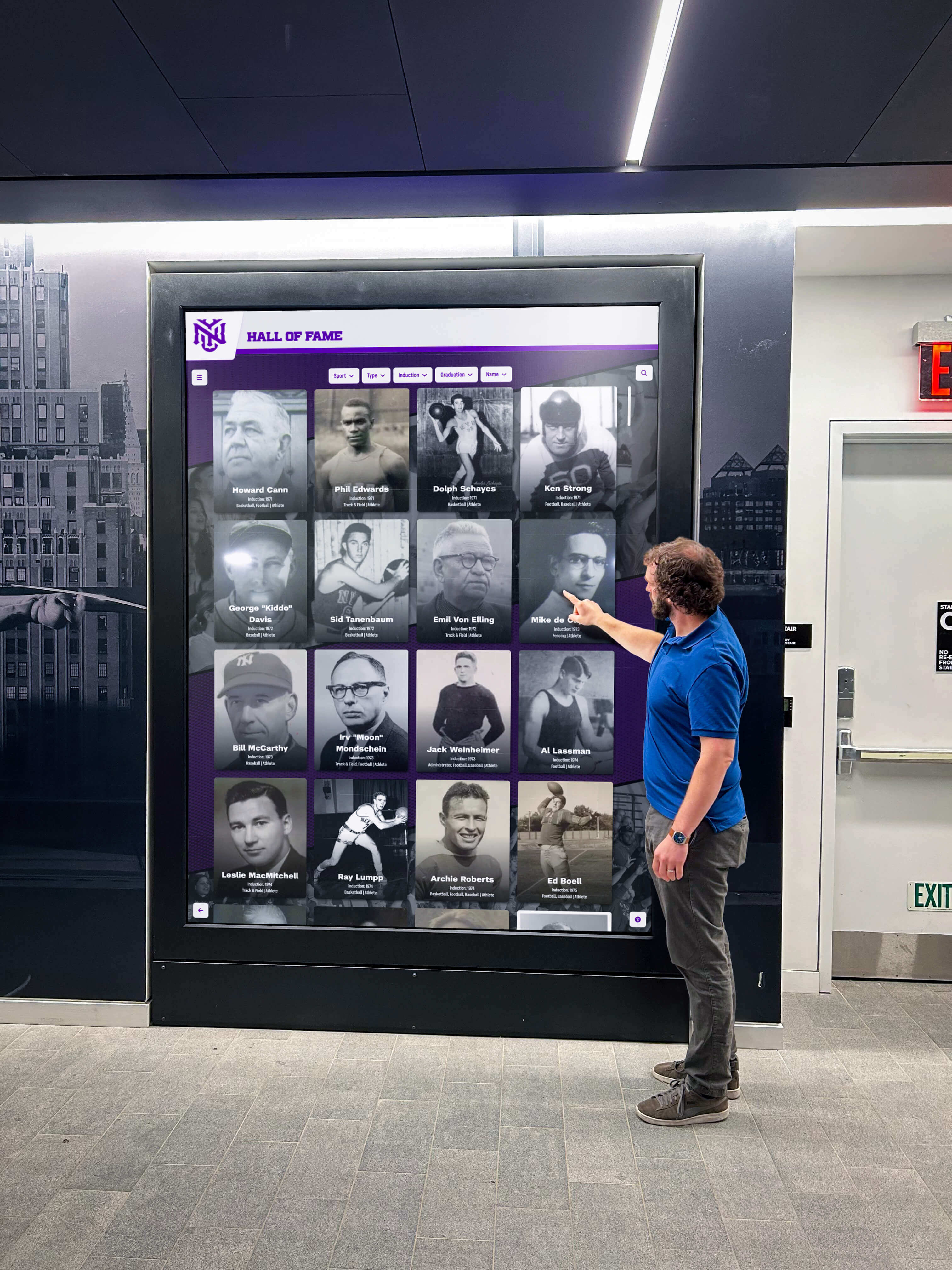
Many organizations complement acknowledgement letters with [permanent donor recognition displays](https://digitalrecordboard.com/blog/major-gift-giving-recognition-strategies/?utm_source=organic&utm_medium=seo-auto&utm_content=touchwall&utm_campaign=donor-acknowledgement-letter&utm_term=seo) providing ongoing visibility for major contributors
Template 4: Leadership/Transformational Gift ($10,000+)
This template provides highest-level personal acknowledgement with detailed stewardship plan preview:
[Organization Letterhead with Personal Contact Information]
[Date]
[Donor Name] [Address] [City, State ZIP]
Dear [Donor First Name and Last Name],
Your transformational gift of $[Amount] to [Organization/Campaign/Initiative Name] represents one of the most significant contributions in our organization’s history. [Spouse names if applicable: “Jan and I”] are profoundly grateful for your extraordinary generosity and the confidence you’ve demonstrated in our mission.
The [Specific Named Opportunity if applicable: “Smith Family Athletic Excellence Fund,” “Leadership Society”] you’ve established will create lasting impact for generations of [students/athletes/participants]. Your vision for [specific outcome they’re funding] aligns perfectly with our strategic priorities and enables us to [detailed transformation description].
Over the coming months, we look forward to working with you on [specific next steps: “finalizing the design of your recognition display,” “selecting scholarship recipients,” “unveiling your named space at our dedication ceremony”]. I’m personally committed to ensuring your philanthropic investment achieves the outcomes we discussed and that you feel deeply connected to the impact you’re creating.
I will contact you next week to schedule a time for us to [next engagement step: “visit campus and see the project underway,” “meet the scholarship recipients you’re supporting,” “review progress on the recognition installation”]. Additionally, you’ll receive quarterly updates detailing how your gift continues creating transformational impact.
This letter serves as acknowledgement of your tax-deductible contribution to [Organization Name], a 501(c)(3) organization (EIN: [XX-XXXXXXX]). No goods or services were provided in exchange for your donation.
Thank you for your visionary leadership and partnership. We’re honored to steward this gift and excited to share the remarkable outcomes it will generate.
With profound gratitude,
[Signature]
[President/Head of School/Executive Director] [Title] [Organization Name] [Personal Phone] | [Email]
P.S. — [Handwritten: “Your belief in our mission and students moves me deeply. I’m personally committed to ensuring your gift creates the lasting legacy you envision.”]
Template Notes: Leadership gifts require acknowledgement from the most senior leader, outline specific stewardship plan, mention upcoming personal engagement, and include direct contact information. Always follow with personal phone call same day or next business day.
Template 5: In-Kind Donation
This template appropriately acknowledges non-cash contributions while meeting IRS requirements:
[Organization Letterhead]
[Date]
[Donor Name] [Address] [City, State ZIP]
Dear [Donor First Name],
Thank you for your generous in-kind donation to [Organization Name] received on [Date]. Your contribution of [detailed description of items] supports [specific program or purpose] and helps us [mission-related impact].
Your donation included the following items:
- [Detailed description of item 1]
- [Detailed description of item 2]
- [Detailed description of item 3]
These items will be used to [specific purpose: “outfit our athletic teams with essential equipment,” “enhance our facilities,” “support our annual fundraising auction”]. Your generosity enables us to allocate financial resources to other critical needs while maintaining program excellence.
[Organization Name] is a 501(c)(3) nonprofit organization (EIN: [XX-XXXXXXX]). This letter acknowledges receipt of your in-kind contribution. Per IRS regulations, we cannot assign a value to your donation—you should consult with your tax advisor regarding the appropriate valuation for tax deduction purposes. No goods or services were provided in exchange for your donation.
Thank you again for supporting [Organization Name] through your thoughtful in-kind contribution.
With appreciation,
[Signature]
[Name] [Title] [Organization Name]
Template Notes: In-kind acknowledgements require detailed item descriptions but organizations cannot provide valuations—donors must obtain independent appraisals. For items valued over $5,000, donors need qualified appraisals and Form 8283.

Beyond individual letters, organizations create lasting appreciation through [permanent recognition installations](https://touchhalloffame.us/blog/high-school-alumni-hall-of-fame-displays/?utm_source=organic&utm_medium=seo-auto&utm_content=touchwall&utm_campaign=donor-acknowledgement-letter&utm_term=seo) celebrating all contributors
Specialized Donor Acknowledgement Scenarios
Certain giving situations require adapted acknowledgement approaches beyond standard templates.
Acknowledging Memorial and Tribute Gifts
When donors give in memory or honor of someone, sensitivity and appropriate notification protocols become essential:
Memorial Gift Acknowledgement Approach
- Send Donor Acknowledgement: Thank donor for making gift in memory of [deceased name]
- Notify Family: Send separate letter to honoree’s family notifying them of gift (without disclosing amount unless donor authorizes)
- Include Both Letters: Provide donor with copy of notification sent to family
- Offer Memorial Recognition: Mention opportunity for permanent recognition if available
Sample Memorial Gift Acknowledgement Excerpt: “Thank you for your thoughtful contribution of $[Amount] made in loving memory of [Name]. Your gift honors [his/her] legacy while supporting [specific program]. We have separately notified [his/her] family of your generous tribute, and I’ve enclosed a copy of that notification for your records.”
Booster Club and Parent Organization Donations
Booster clubs and parent organizations require acknowledgement approaches that recognize both individual donors and collective group contributions:
Booster Organization Acknowledgement Strategy
- Individual Membership Donations: Send personal acknowledgement to each member donor with appropriate tax documentation
- Group Fundraising Proceeds: Thank organization leadership while listing individual contributors if practical
- Equipment/Project Funding: Acknowledge specific items funded and explain how student-athletes benefit
- Recognition Opportunities: Mention donor recognition displays or sponsor acknowledgement where group contributions receive visibility
Corporate Sponsorship Acknowledgements
Corporate sponsors require acknowledgements addressing both business and philanthropic motivations:
Corporate Acknowledgement Additions
- Business Recognition: Thank specific contact person while copying organizational leadership
- Impact on Company Values: Connect gift to corporate social responsibility or community investment priorities
- Visibility Delivered: Describe recognition provided (signage, program listings, digital displays)
- Employee Connection: Mention employee/alumni connections to your institution if applicable
- Renewal Discussion: Reference future partnership opportunities and recognition level options
Corporate acknowledgements often blend into sponsorship fulfillment communications, with formal tax documentation separate from marketing deliverables.
Anonymous Gift Acknowledgements
Some donors prefer anonymity, requiring adapted acknowledgement approaches:
Anonymous Donor Acknowledgement Protocol
- Private Acknowledgement: Send letter to donor at known address with “confidential” marking
- Respect Anonymity Preferences: Clarify whether anonymity applies to staff, public, or both
- Offer Recognition Options: Describe ways to recognize impact without identifying donor
- Maintain Donor Records: Internally track donor identity while respecting public anonymity
- Tax Documentation: Provide required documentation regardless of public anonymity preference
Even anonymous donors need acknowledgement letters meeting IRS requirements—anonymity affects only public recognition, not private stewardship communications.
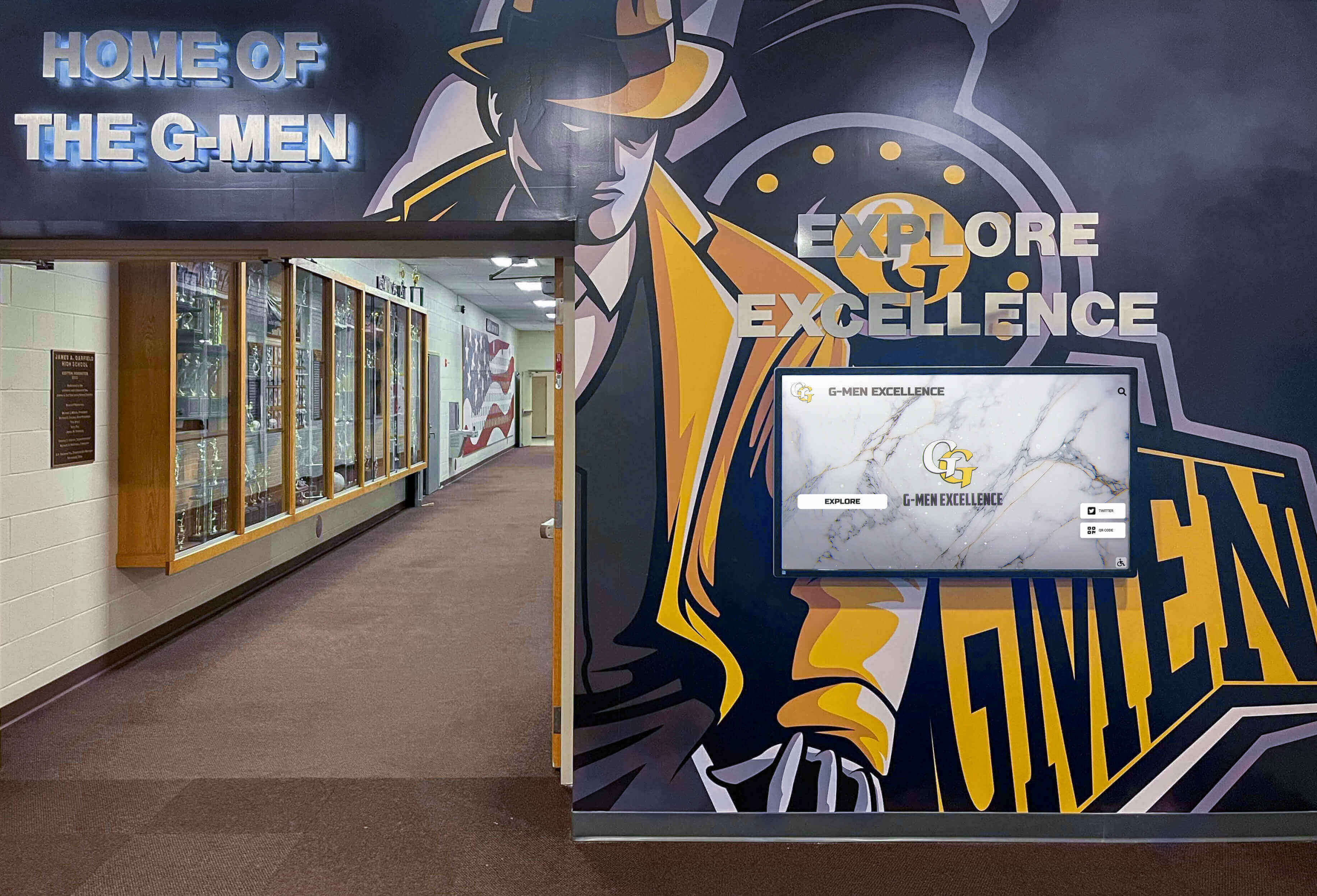
Comprehensive donor appreciation programs combine personal letters with [visible recognition programs](https://best-touchscreen.com/blog/student-recognition-awards-40-categories-ceremony-ideas/?utm_source=organic&utm_medium=seo-auto&utm_content=touchwall&utm_campaign=donor-acknowledgement-letter&utm_term=seo) celebrating all forms of support
Personalization Strategies That Strengthen Donor Relationships
Generic acknowledgement letters fulfill legal requirements but miss opportunities to deepen donor relationships. These proven personalization strategies transform perfunctory letters into meaningful communications.
Storytelling and Impact Demonstration
Donors want to understand how their gifts create tangible outcomes. Effective acknowledgement letters include:
Impact Storytelling Elements
- Specific Beneficiary Examples: “Your scholarship supports Maria Rodriguez, a first-generation college student majoring in engineering”
- Quantifiable Outcomes: “Gifts like yours enabled us to award 47 scholarships totaling $185,000 this year”
- Before/After Comparisons: “Thanks to donors like you, our athletic recognition displays now showcase 75 years of championship history”
- Student/Beneficiary Voices: Include brief quotes from students benefiting from donor support
- Photo Inclusion: Attach or link to photos showing programs/students donor’s gift supports
Research demonstrates that acknowledgement letters including specific impact stories increase donor retention by 30-40% compared to generic thank-you messages.
Variable Personalization Based on Donor Data
Leverage your donor database to customize acknowledgements beyond basic name insertion:
Data-Driven Personalization Opportunities
- Giving History Reference: “Your support over the past 8 years totaling $12,500 has…”
- Connection Mention: “As a 1985 graduate, you understand firsthand how…”
- Past Engagement: “Thank you for attending our donor recognition event last spring”
- Specific Interest: “Your consistent support for our athletic programs demonstrates…”
- Anniversary Recognition: “This marks 10 years of continuous support—a remarkable milestone”
Modern donor management systems can generate personalized letter content automatically based on database fields, allowing mass customization that maintains personal touches.
Multi-Modal Acknowledgement Approaches
Single-letter acknowledgements represent minimum stewardship. Comprehensive donor appreciation includes multiple touchpoints:
Layered Acknowledgement Strategy
- Immediate Automated Email (within minutes): “We received your gift and are grateful”
- Formal Acknowledgement Letter (within 48 hours): Personalized letter with all required elements
- Leadership Phone Call (within 1 week for major gifts): Personal call from appropriate leader
- Donor Newsletter Feature (quarterly): Public recognition in donor communications
- Annual Impact Report (yearly): Comprehensive accounting of how donor support created outcomes
- Anniversary Recognition (ongoing): Acknowledgement of giving milestones and cumulative impact
Organizations implementing multi-touchpoint acknowledgement systems report 50-60% higher donor retention compared to single-letter approaches.
Handwritten Elements and Personal Touches
Despite digital communication prevalence, handwritten elements dramatically increase acknowledgement letter effectiveness:
High-Impact Handwritten Additions
- Signature in Blue Ink: Real signature signals personal attention (never use stamps or printed signatures for major gifts)
- Handwritten P.S.: Brief handwritten postscript adds 25-30% to perceived personalization
- Margin Notes: Short handwritten note in margin (“So grateful for your support!”)
- Note Card Inclusion: Separate handwritten card accompanying formal letter
- Envelope Hand-Addressing: Hand-addressed envelopes increase open rates by 15-20%
For major gifts ($5,000+), entirely handwritten notes from senior leaders create powerful differentiation from standard acknowledgements.
Common Donor Acknowledgement Letter Mistakes to Avoid
Even well-intentioned organizations make acknowledgement errors that undermine donor relationships and retention. Avoid these frequent pitfalls:
Timing and Delivery Failures
Critical Timing Mistakes
- Delayed Acknowledgement: Waiting weeks or months to acknowledge gifts signals indifference
- Missed End-of-Year Deadline: Failing to provide year-end tax documentation by January 31
- Inconsistent Timing: Acknowledging some gifts immediately while others wait weeks
- Forgetting Follow-Up: Sending initial acknowledgement but never updating donors on impact
Solution: Implement systematic acknowledgement workflows ensuring every gift receives prompt recognition with documented timelines by gift level.
Legal and Compliance Errors
Dangerous Legal Mistakes
- Missing Required Elements: Omitting EIN, date, amount, or goods/services statement
- Incorrect Valuations: Providing values for in-kind gifts (donor responsibility)
- Wrong Entity Name: Using informal name rather than legal registered name
- Inadequate Documentation: Insufficient detail for gifts over $250
Solution: Create acknowledgement letter templates pre-approved by legal counsel including all required IRS elements. Review annually as regulations change.
Personalization and Tone Problems
Relationship-Damaging Mistakes
- Wrong Names: Misspelling donor names or using incorrect titles
- Generic Language: “Dear Friend” salutations or completely templated content
- Immediate Ask: Including solicitation in acknowledgement letter
- Overly Formal Tone: Stiff language lacking genuine warmth
- Missing Signature: Unsigned letters or obvious stamped signatures
Solution: Implement quality control reviews checking name accuracy, ensuring personalization elements appear, and requiring real signatures appropriate to gift level.
Recognition Preference Violations
Privacy and Preference Violations
- Publicizing Anonymous Gifts: Recognizing donors who requested anonymity
- Wrong Recognition Level: Public recognition inappropriate for donor’s comfort level
- Ignoring “No Contact” Requests: Continuing mail/phone contact after opt-out
- Sharing Donation Amounts: Publishing specific gift amounts without permission
- Inappropriate Disclosure: Discussing donors with third parties without authorization
Solution: Maintain clear donor preference records in database including anonymity wishes, contact preferences, and recognition comfort levels. Train staff on confidentiality protocols.

Organizations implementing [comprehensive recognition programs](https://digitalwarming.net/blog/scholarship-award-ceremony-planning-guide/?utm_source=organic&utm_medium=seo-auto&utm_content=touchwall&utm_campaign=donor-acknowledgement-letter&utm_term=seo) combine thoughtful written acknowledgement with visible public appreciation
Building Systematic Donor Acknowledgement Programs
Individual letters matter, but sustainable donor stewardship requires systematic approaches ensuring consistency regardless of staff turnover or organizational growth.
Creating Acknowledgement Workflows by Gift Level
Develop documented procedures specifying acknowledgement requirements for each gift range:
Sample Acknowledgement Workflow Structure
Gifts Under $100
- Automated email acknowledgement (immediate)
- Annual donor newsletter inclusion (quarterly)
- Total processing time: Less than 24 hours
Gifts $100-$499
- Automated email acknowledgement (immediate)
- Personalized acknowledgement letter with program connection (within 48 hours)
- Inclusion in annual donor report
- Total processing time: 48 hours
Gifts $500-$2,499
- Automated email acknowledgement (immediate)
- Personalized letter from development director with specific impact detail (within 48 hours)
- Handwritten P.S. from appropriate leader
- Inclusion in donor recognition displays
- Follow-up impact update (60 days)
- Total processing time: 48 hours + 60-day follow-up
Gifts $2,500-$9,999
- Automated email acknowledgement (immediate)
- Personalized letter from executive leadership (within 48 hours)
- Personal phone call from development director (within 1 week)
- Recognition on donor displays and publications
- Quarterly impact updates
- Annual personal meeting or event invitation
- Total processing time: 48 hours + ongoing stewardship
Gifts $10,000+
- Automated email acknowledgement (immediate)
- Personalized letter from president/head (within 24 hours)
- Personal phone call from president/head (same or next business day)
- Custom stewardship plan development
- Named recognition opportunities discussion
- Quarterly personal updates from senior leadership
- Annual face-to-face stewardship visit
- Total processing time: 24 hours + comprehensive ongoing stewardship
Document these workflows clearly, train staff thoroughly, and implement systems ensuring compliance regardless of busy periods.
Technology and Automation Tools
Donor management technology dramatically improves acknowledgement consistency and efficiency:
Donor Management System Essential Features
- Automated Acknowledgement Triggers: System-generated emails immediately upon gift processing
- Letter Template Management: Pre-approved templates automatically pulling donor data
- Workflow Assignment: Automatic routing of acknowledgement tasks to appropriate staff
- Deadline Tracking: Alerts when acknowledgements approach due dates
- Personalization Field Integration: Automatic insertion of donor-specific information
- Reporting Dashboards: Tracking acknowledgement completion rates and timeliness
Popular donor management platforms for schools and nonprofits include Blackbaud Raiser’s Edge, DonorPerfect, Bloomerang, Little Green Light, and CiviCRM.
Staff Training and Quality Control
Even excellent templates and systems fail without proper staff training and quality assurance:
Acknowledgement Program Training Components
- Legal Requirements: Annual training on IRS documentation rules
- System Processes: Hands-on training with donor management platform workflows
- Personalization Expectations: Examples of effective versus generic acknowledgements
- Writing Guidelines: Style guide for acknowledgement correspondence
- Error Prevention: Common mistakes and quality control procedures
- Donor Confidentiality: Privacy protocols and information security
Quality Control Procedures
- Review Before Sending: Second set of eyes on all acknowledgements over specified threshold
- Random Sampling: Periodic review of lower-level acknowledgements for quality
- Donor Feedback: Surveys asking donors about acknowledgement experience
- Turnaround Time Monitoring: Dashboard tracking acknowledgement speed by gift level
- Annual Program Audit: Comprehensive review of acknowledgement effectiveness and compliance
Integrating Acknowledgement Letters with Broader Recognition Programs
Donor acknowledgement letters represent one component of comprehensive donor recognition strategies. The most effective programs integrate written acknowledgements with visible, ongoing recognition.
Combining Personal Thanks with Public Recognition
Donors value both private gratitude and appropriate public acknowledgement:
Integrated Recognition Approach
- Private Acknowledgement: Personal letters and calls providing intimate gratitude
- Donor Walls and Displays: Physical recognition in institutional spaces
- Digital Recognition Systems: Interactive displays showcasing donors and impact
- Publication Recognition: Listings in annual reports, programs, and newsletters
- Event Acknowledgement: Recognition at public events and ceremonies
- Naming Opportunities: Permanent recognition through named spaces or programs
Many schools and organizations implement digital donor recognition walls complementing personal acknowledgement letters with year-round visibility that reinforces appreciation and inspires additional giving.
Recognition Program Benefits Beyond Acknowledgement Letters
While acknowledgement letters fulfill immediate stewardship needs, comprehensive recognition programs provide ongoing benefits:
Long-Term Recognition Program Value
- Continuous Visibility: Physical and digital displays provide constant donor appreciation
- Social Proof: Public recognition inspires new donors seeing community support
- Legacy Building: Permanent recognition creates multi-generational family giving
- Fundraising Tool: Recognition levels incentivize giving growth and major gift discussions
- Institutional Culture: Visible donor appreciation demonstrates values and priorities
Organizations implementing robust recognition programs alongside strong acknowledgement practices report donor retention rates 20-30 percentage points higher than organizations relying solely on acknowledgement letters.
Planning Recognition Programs During Capital Campaigns
Major fundraising initiatives require coordinated acknowledgement and recognition strategies:
Campaign Recognition Planning
- Recognition Level Structure: Define giving societies and associated benefits early
- Naming Opportunities Matrix: Document available naming opportunities at each gift level
- Physical Recognition Timeline: Plan donor wall or display installation concurrent with campaign
- Digital Recognition Integration: Consider interactive displays allowing easy updates as campaign progresses
- Campaign-Specific Acknowledgement: Develop special acknowledgement language for campaign gifts
School fundraising campaigns benefit from comprehensive planning that coordinates immediate acknowledgement with long-term recognition fulfillment.

Modern recognition systems provide ongoing donor appreciation beyond initial acknowledgement letters
Measuring Acknowledgement Letter Effectiveness
Strategic organizations track acknowledgement program performance to identify improvement opportunities and demonstrate program value.
Key Metrics to Monitor
Track these essential indicators of acknowledgement program effectiveness:
Operational Efficiency Metrics
- Average Acknowledgement Turnaround Time: Days between gift receipt and letter mailing
- Acknowledgement Completion Rate: Percentage of gifts receiving timely acknowledgement
- Personalization Score: Rating of acknowledgement personalization quality
- Error Rate: Frequency of mistakes in donor names, amounts, or legal language
- Staff Time Per Acknowledgement: Labor investment required per gift level
Relationship Impact Metrics
- Donor Retention Rate: Percentage of donors giving again (compare acknowledged versus delayed acknowledgement)
- Second Gift Rate: First-time donors making second gift (strongly influenced by acknowledgement quality)
- Average Days to Second Gift: Time between first and second gifts (shorter indicates strong acknowledgement)
- Donor Lifetime Value Growth: Increase in average donor lifetime contributions
- Donor Satisfaction Scores: Survey responses about acknowledgement experience
Comparative Analysis
- Compare retention rates for donors receiving acknowledgement within 48 hours versus those waiting longer
- Analyze second-gift rates for donors receiving personalized versus generic acknowledgements
- Track lifetime value differences between donors receiving multi-touchpoint versus single-touchpoint acknowledgement
This data reveals which acknowledgement strategies most effectively drive retention and relationship development.
Donor Feedback and Continuous Improvement
Systematically gather donor input on acknowledgement experiences:
Donor Feedback Collection Methods
- Annual Donor Survey: Include questions about acknowledgement satisfaction
- Post-Gift Follow-Up: Email survey 30 days after first gift asking about experience
- Focus Groups: Convene small donor groups discussing acknowledgement preferences
- Exit Interviews: When donors lapse, ask if acknowledgement affected decision
- Comment Tracking: Document donor comments about acknowledgements received
Use this feedback to refine templates, adjust timing, improve personalization, and address systemic issues donors identify.
ROI of Acknowledgement Program Investment
Calculate acknowledgement program return on investment to justify resource allocation:
Acknowledgement Program ROI Calculation
Investment Costs:
- Staff time (hours × salary rates)
- Printing and postage
- Donor management software
- Template design and development
- Training and quality control
Return Measures:
- Retained donor gift value (compared to replacement cost of lapsed donors)
- Increased gift size from retained donors
- Upgraded gifts from improved stewardship
- Reduced donor acquisition spending
- Staff efficiency gains from systematization
Organizations implementing comprehensive acknowledgement programs typically see 300-500% ROI within 2-3 years through improved retention and gift growth.
Conclusion: Building Lasting Relationships Through Thoughtful Acknowledgement
Donor acknowledgement letters serve dual purposes: fulfilling immediate legal and ethical obligations while laying foundations for long-term philanthropic partnerships. The difference between perfunctory acknowledgement and relationship-building stewardship often determines whether donors give once or become lifelong supporters.
Excellence in donor acknowledgement requires commitment to prompt timing, meaningful personalization, legal compliance, and systematic implementation. Organizations excelling in these areas build loyal donor communities that sustain mission for generations.
The most successful programs recognize that acknowledgement letters work best when integrated with comprehensive recognition strategies providing ongoing visibility and appreciation. Written thanks open relationships, while visible recognition programs maintain and deepen them through continuous stewardship touchpoints.
Whether you’re acknowledging first-time $25 gifts or transformational $100,000 commitments, the fundamental principle remains constant: donors who feel genuinely appreciated, understand their impact, and maintain emotional connections to your mission will continue supporting your work. Excellent acknowledgement letters make these outcomes possible.
Enhance Your Donor Recognition Beyond the Letter
While thoughtful acknowledgement letters build relationships, comprehensive donor recognition programs create lasting appreciation that inspires continued generosity. Schools, universities, and nonprofits nationwide partner with Rocket Alumni Solutions to implement dynamic digital donor recognition displays that complement personal stewardship with year-round visibility.
Our interactive touchscreen systems showcase donor contributions alongside program impact, creating engaging experiences that honor supporters while inspiring additional giving. From individual donor profiles to campaign progress tracking to recognition society displays, our flexible platforms adapt as your donor community grows—all managed through our cloud-based system requiring no technical expertise.
Frequently Asked Questions
How long should a donor acknowledgement letter be?
Donor acknowledgement letter length should vary based on gift size and donor relationship. For gifts under $250, a single-page letter (300-400 words) provides appropriate acknowledgement including all required legal elements and personal gratitude. Gifts of $250-$1,000 warrant 1-1.5 pages (400-600 words) with additional detail about impact and donor history. Major gifts above $1,000 justify 1.5-2 pages (600-800 words) including detailed impact description, stewardship plan preview, and personalized content reflecting the donor’s specific interests and connection to your organization. Regardless of length, every letter must include required IRS documentation elements: organization name and EIN, gift amount or description, date received, and goods/services statement. Focus on quality over length—a brief, highly personalized letter creates stronger impact than lengthy generic correspondence.
When exactly should donor acknowledgement letters be sent?
IRS regulations require tax-deductible gift acknowledgements reach donors by January 31 for previous year’s contributions, or before they file taxes—whichever comes first. However, relationship-building best practices demand much faster timelines. Research consistently demonstrates that acknowledgement within 48 hours significantly increases donor retention compared to delayed recognition. Implement tiered acknowledgement timing: automated email receipts within minutes confirming gift received, followed by formal acknowledgement letters within 48-72 hours for most gifts, and within 24 hours for major gifts. For gifts received in December, ensure acknowledgement letters mail before year-end rather than waiting until January. The practical answer: as quickly as possible while maintaining personalization quality—donors who wait weeks for acknowledgement often don’t give again.
Do I need to send acknowledgement letters for recurring monthly donations?
Yes, but acknowledgement frequency can differ from one-time gifts. For monthly recurring donors, send comprehensive annual acknowledgement letters summarizing their total yearly contributions (required for tax purposes if annual total exceeds $250), along with periodic impact updates rather than separate letters for each monthly gift. Many organizations send quarterly thank-you notes to monthly donors highlighting recent impact alongside formal annual tax documentation. Automated email receipts for each monthly charge provide transaction confirmation while reducing administrative burden. When recurring donors first enroll, send a personal acknowledgement letter welcoming them to the program and explaining how their sustained support creates impact. Also acknowledge donors personally if they increase monthly giving amounts or reach cumulative giving milestones. Balance stewardship with avoiding acknowledgement fatigue from excessive communication.
What should I do if I discover an error in a donor acknowledgement letter already sent?
Address acknowledgement errors immediately upon discovery to maintain donor trust and ensure accurate tax documentation. For minor errors (typos in body text not affecting legal elements), send a brief personal note apologizing for the error with corrected information. For significant errors affecting legal compliance—incorrect gift amount, wrong date, missing required statement, or wrong donor name—immediately send corrected acknowledgement letter with cover note explaining the correction and asking donors to discard the previous version for tax purposes. If the error could affect the donor’s tax deduction (wrong amount, missing legal language, incorrect date), consult with legal counsel before sending correction to ensure language protects both donor and organization. Document error correction in donor records and implement quality control procedures preventing similar mistakes. For major donors, consider following written correction with personal phone call expressing apology and ensuring they have accurate documentation.
Can I include fundraising appeals in donor acknowledgement letters?
No—never include additional solicitations in acknowledgement letters. This practice fundamentally undermines the purpose of acknowledgement and creates negative donor experiences. Acknowledgement letters should express gratitude, demonstrate impact, and provide required tax documentation without requesting additional support. Including fundraising appeals in thank-you letters signals to donors that you view them as transaction sources rather than valued partners, often causing them to disengage entirely. The acknowledgement letter begins the stewardship cycle; additional solicitations come later through separate communications after appropriate cultivation activities. The sole exception involves mentioning planned giving or legacy society opportunities (not asking for specific gifts) in major donor acknowledgements where such conversations align with donor interests previously expressed. For all other situations, keep acknowledgement letters focused exclusively on gratitude and relationship building. Separate your thank-you correspondence completely from fundraising solicitations to maintain donor trust and maximize retention.
How should schools handle acknowledgement for donations made by parents of current students?
Parent donor acknowledgements require careful navigation between appreciation and avoiding implied quid pro quo. Send standard acknowledgement letters to parent donors thanking them for support and providing required tax documentation, while clearly stating that no goods or services (including student admission, grades, or special treatment) were provided in exchange for the donation. Make explicit in acknowledgement language that gifts are voluntary and don’t influence student experiences: “Your contribution supports [school program] for all students. No goods, services, or special consideration for your student were provided in exchange for your donation.” This language protects both the school’s nonprofit status and the donor’s tax deduction. Acknowledge parent gifts at the same recognition level as any donor giving equivalent amounts—no special treatment, but also no reduced recognition. Many schools implement formal policies stating that donations don’t influence admission, financial aid, grade determination, or participation opportunities, referenced in parent acknowledgement letters. Treat parent donors exactly as you would any supporter: with genuine gratitude for voluntary philanthropic support of educational mission.
Should acknowledgement letters be signed by the same person for all gift levels?
No—acknowledgement letter signers should align with gift levels and organizational hierarchy. This tiered approach demonstrates appropriate respect for major gifts while remaining sustainable for high-volume smaller gifts. Standard practice includes: gifts under $500 signed by development director or annual fund coordinator; gifts $500-$2,500 signed by development director with handwritten P.S. from program leader; gifts $2,500-$10,000 signed by executive director, president, or head of school; gifts above $10,000 signed by board chair and president jointly or solely by president. Always use real signatures in blue ink—never stamps or printed signatures for gifts over $100. For major gifts ($10,000+), consider adding a handwritten cover note from the signer accompanying the formal letter. The signer should reflect organizational status: first-time $50 donors don’t expect presidential acknowledgement, while $25,000 leadership gift donors deserve senior leader recognition. Document appropriate signers by gift range in your acknowledgement workflow policies to ensure consistency and train staff accordingly.
How do I acknowledge donors who give to multiple programs or funds?
For donors contributing to multiple programs in a single transaction, include all designations in one comprehensive acknowledgement letter rather than sending separate letters for each fund. List each fund, designation, and amount clearly with subtotals, then provide the total contribution figure for tax purposes. Connect each designation to specific impact when possible: “Your $500 to the athletic department supports equipment purchases, while your $300 to the scholarship fund helps deserving students access our programs.” For donors making multiple separate gifts throughout the year to different programs, acknowledge each gift individually when received (within standard timeframes), then send year-end summary acknowledgement listing all contributions with total annual giving for tax documentation. Some donors give regularly to the same multiple programs—consider personalized acknowledgement language recognizing their consistent multi-program support: “Your ongoing support for both our athletics and fine arts programs demonstrates remarkable commitment to comprehensive student development.” Ensure your donor database tracks multi-program giving to inform personalization and avoid the appearance that you don’t recognize their broad support.
Additional Resources
Organizations seeking to strengthen their comprehensive donor recognition strategies beyond acknowledgement letters may find value in these specialized resources:
- Digital Donor Wall Planning Guide - Comprehensive planning resource for implementing permanent donor recognition displays
- Employee Recognition Programs - Strategies for building appreciation cultures applicable to donor recognition
- Annual Event Planning for Recognition Programs - Event management guidance for donor appreciation gatherings
These complementary resources provide frameworks and strategies supporting the comprehensive acknowledgement and recognition programs detailed throughout this guide, helping organizations create integrated approaches that honor donor generosity through multiple meaningful touchpoints.































