Donor recognition represents far more than polite gratitude—it’s a strategic cornerstone of sustainable fundraising that directly impacts retention rates, gift growth, and long-term philanthropic relationships. Yet many organizations struggle with recognition that feels meaningful, maintains donor engagement beyond the initial thank-you, and inspires continued generosity.
The challenge is substantial: donor retention rates have fallen to historic lows, with only 43% of first-time donors making a second gift. Meanwhile, the cost of acquiring new donors continues to rise, making retention through effective recognition not just courteous, but financially essential. Organizations with robust donor recognition programs report 40-60% higher retention rates, and recognized donors increase average gift sizes by 25-35%.
This comprehensive guide explores evidence-based strategies for designing and implementing donor recognition programs that honor generosity, strengthen relationships, and inspire continued philanthropic partnership across educational institutions, nonprofits, and organizations of all sizes.
Effective donor recognition extends beyond transactional acknowledgment to create systematic approaches that make donors feel genuinely valued, demonstrate tangible impact, and build emotional connections with your mission. When implemented thoughtfully, recognition transforms one-time contributors into lifelong philanthropic partners.
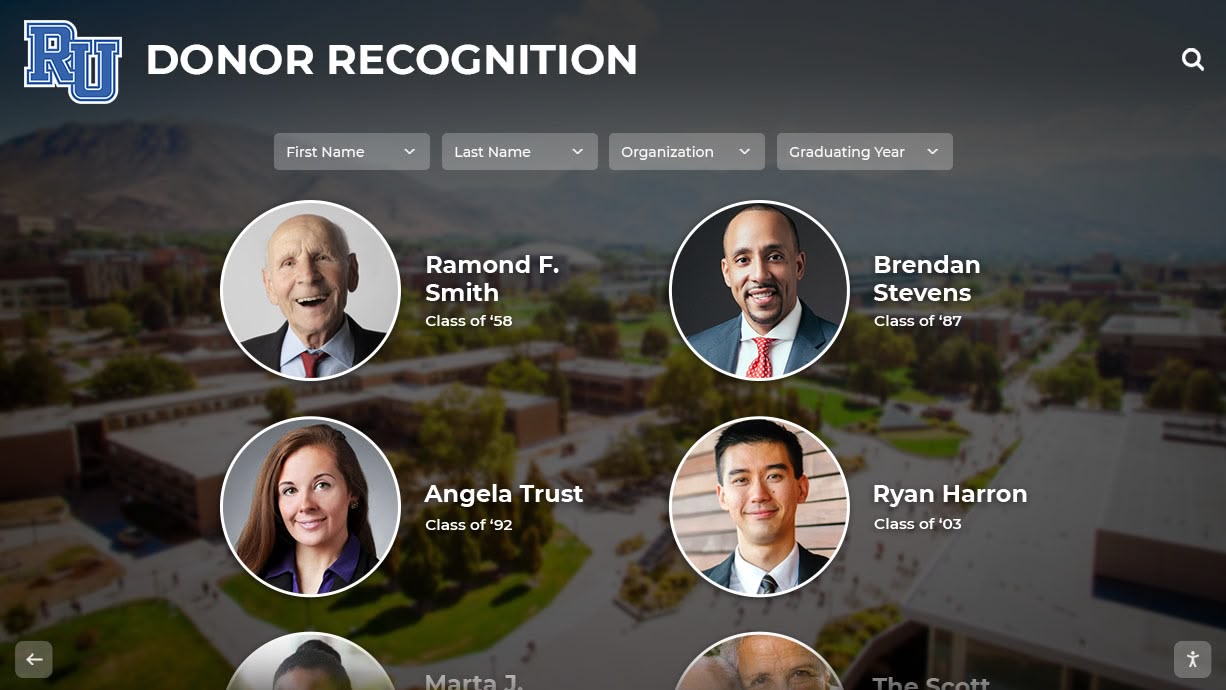
Modern donor recognition systems celebrate contributors while creating engaging experiences that inspire future generosity
The Strategic Importance of Donor Recognition
Understanding why donor recognition matters helps organizations prioritize resources and design programs that maximize retention and relationship building.
The Donor Retention Crisis
Recent data reveals concerning trends in donor behavior that make recognition more critical than ever:
Declining Retention Rates
- Overall donor retention averages just 45%, according to fundraising research organizations
- First-time donor retention has fallen below 20% at many organizations
- Multi-year donors show significantly higher retention when receiving consistent recognition
- Organizations in the top quartile for recognition effectiveness retain donors at 2-3x the industry average
Rising Acquisition Costs
- Acquiring new donors costs 5-7 times more than retaining existing contributors
- Marketing and outreach expenses continue increasing as donor acquisition becomes more competitive
- Lifetime value calculations demonstrate that multi-year donors contribute 10-20x their initial gift
- Recognition programs show positive ROI within 12-18 months through improved retention
These trends make strategic donor recognition a financial imperative, not simply a courtesy. Organizations that excel at recognition create sustainable funding models built on loyal donor communities rather than constant acquisition efforts.
Psychology of Philanthropic Giving
Understanding what motivates continued giving helps design recognition that resonates:
Donor Motivation Research Research from the fundraising effectiveness project demonstrates that donors continue supporting organizations where they feel:
- Valued and Appreciated: Personal recognition creates emotional connections
- Impactful: Understanding specific outcomes their gifts enabled
- Connected: Part of a larger community working toward shared goals
- Respected: Honored according to their preferences and comfort levels
- Informed: Updated regularly about organizational progress and needs
Recognition programs that address these psychological factors create environments where donors want to continue their philanthropic partnership.
Business Case for Strategic Recognition
Beyond courtesy, effective recognition delivers measurable organizational benefits:
Financial Impact
- Recognized donors give 25-35% more on average than unrecognized contributors
- Recognition program participants renew at rates 40-60% higher than non-participants
- Planned giving discussions increase 3-4x among consistently recognized donors
- Major gift prospects emerge from well-recognized mid-level donor populations
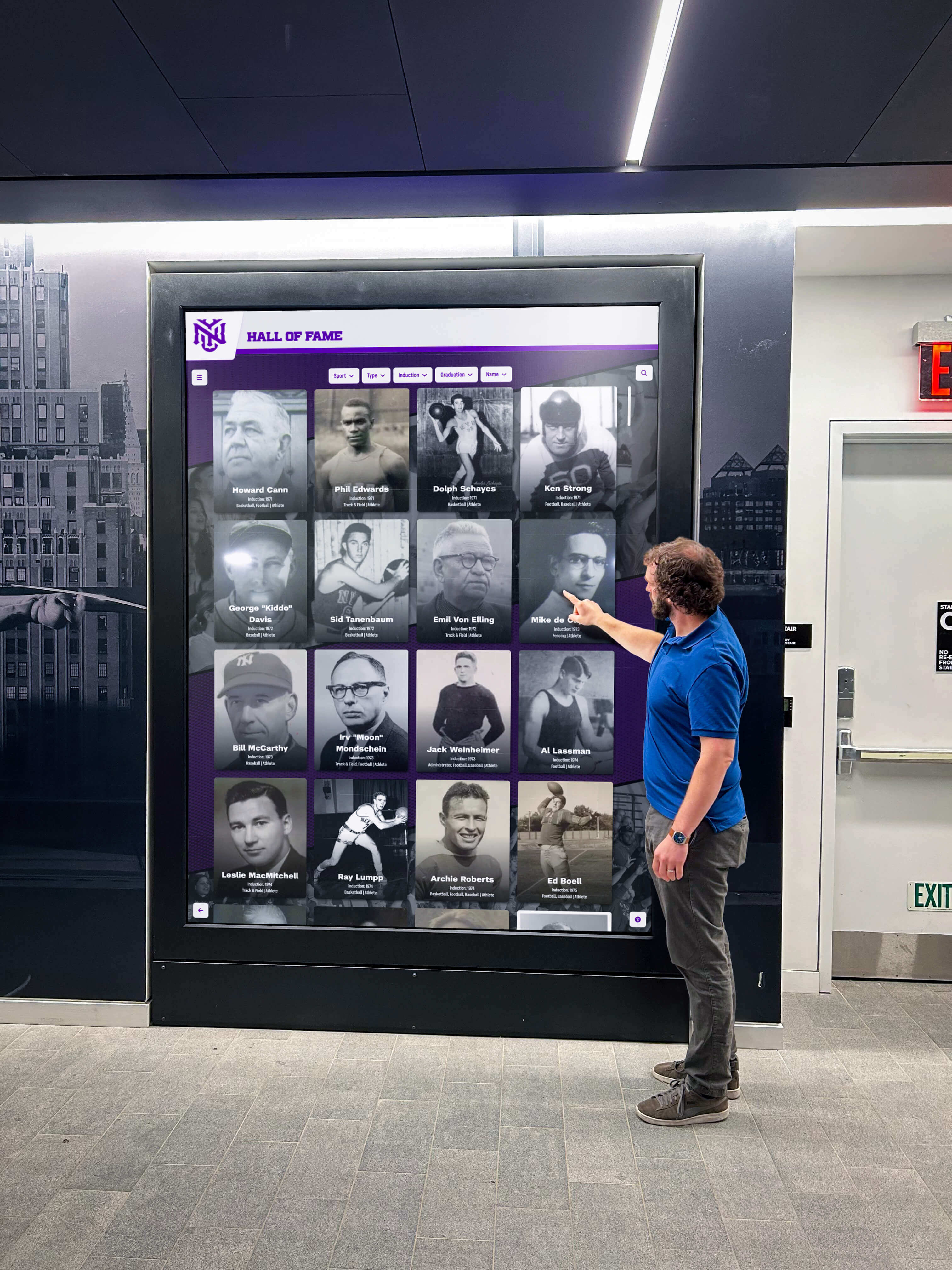
Interactive displays invite exploration and create memorable experiences for donors and visitors
Relationship Development
- Systematic recognition creates natural touchpoints throughout the donor lifecycle
- Recognition events provide opportunities for meaningful personal engagement
- Visible donor appreciation attracts new contributors who want similar acknowledgment
- Recognition programs facilitate peer-to-peer fundraising through social proof
These benefits make donor recognition one of the highest-ROI investments in development operations.
Core Components of Effective Donor Recognition Programs
Successful donor recognition programs share essential characteristics that maximize impact and donor satisfaction.
Prompt and Personal Acknowledgment
Speed and personalization form the foundation of effective recognition:
Timing Best Practices
- Send initial acknowledgment within 24-48 hours of gift receipt
- Provide tax documentation within required legal timeframes (immediately for gifts over $250)
- Follow up with personalized recognition within 7-10 days
- Create special milestone acknowledgments (first gift, gift anniversaries, cumulative totals)
- Implement automated systems ensuring no gift goes unacknowledged
Research consistently shows that donors who receive acknowledgment within 48 hours are significantly more likely to give again compared to those who wait weeks for recognition.
Personalization Strategies Generic form letters undermine recognition effectiveness. Implement these personalization approaches:
- Address donors by name (using their preferred name format)
- Reference specific gift amounts, designations, and purposes
- Connect contributions to tangible outcomes and impact
- Mention previous giving history showing you remember their support
- Include handwritten notes from leadership, students, or program beneficiaries
- Customize content based on donor interests and engagement history
Even small personalization details—a handwritten P.S., specific program reference, or acknowledgment of attending an event—dramatically increase recognition effectiveness.
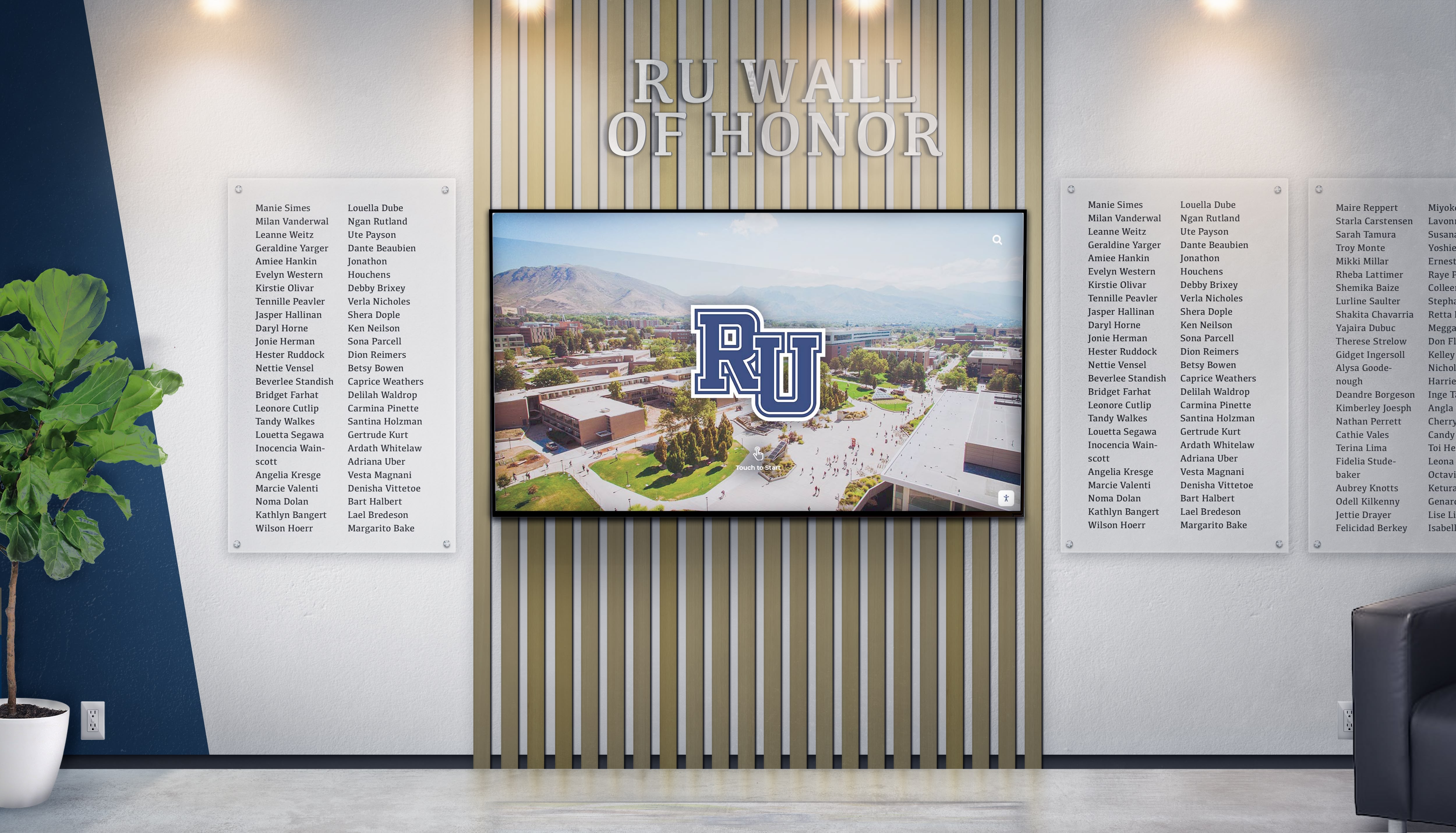
Integrated recognition systems combine digital innovation with traditional elements for comprehensive donor appreciation
Multi-Tiered Recognition Structures
Creating recognition levels ensures appropriate acknowledgment at different gift scales while encouraging giving growth:
Giving Society Development Establish named recognition levels that:
- Create aspirational targets encouraging donors to increase gifts
- Provide distinct benefits at each level maintaining exclusivity
- Use inspiring names connecting to mission and institutional identity
- Set thresholds that align with organizational funding needs
- Offer lifetime giving recognition alongside annual categories
Common Recognition Tiers Educational institutions and nonprofits commonly structure giving societies as:
- Pinnacle Level ($100,000+): Highest honor with personal stewardship, major naming opportunities, and exclusive engagement
- Leadership Level ($50,000-$99,999): Significant recognition through digital donor walls, leadership council membership, and priority access
- Major Gift Level ($25,000-$49,999): Recognition events, published acknowledgment, and meaningful engagement opportunities
- Patron Level ($10,000-$24,999): Named recognition, special communications, and insider access
- Supporter Level ($5,000-$9,999): Public acknowledgment and inclusion in recognition displays
- Friend Level ($1,000-$4,999): Entry-level recognition society with basic benefits
Organizations should adapt these thresholds to their donor base and fundraising environment. The key is creating enough differentiation between levels to motivate advancement while maintaining meaning at each tier.
Public Recognition Displays
Visible recognition demonstrates appreciation while inspiring others through social proof:
Traditional Recognition Approaches Physical recognition displays have served organizations for decades:
- Engraved plaques listing donors by giving level
- Named spaces and buildings acknowledging major gifts
- Brick campaigns creating participatory recognition opportunities
- Recognition walls in high-traffic campus or facility locations
- Annual reports and publications listing contributors
While traditional approaches remain valuable, they face inherent limitations: finite space requiring removal of historical donors, inability to share detailed stories, static content requiring expensive updates, and accessibility only for on-site visitors.
Digital Recognition Innovation Modern digital recognition displays address traditional limitations while enhancing donor appreciation:
Solutions like Rocket Alumni Solutions transform donor recognition through interactive displays that:
- Showcase unlimited donors across all giving levels without space constraints
- Enable searching, filtering, and exploring donor contributions
- Display rich multimedia content including photos, videos, and impact stories
- Update remotely through cloud-based content management requiring no physical changes
- Extend recognition reach through web accessibility enabling global viewing
- Track engagement analytics demonstrating recognition program effectiveness
Organizations implementing digital recognition displays report higher donor satisfaction, increased giving society enrollment, and enhanced institutional prestige.
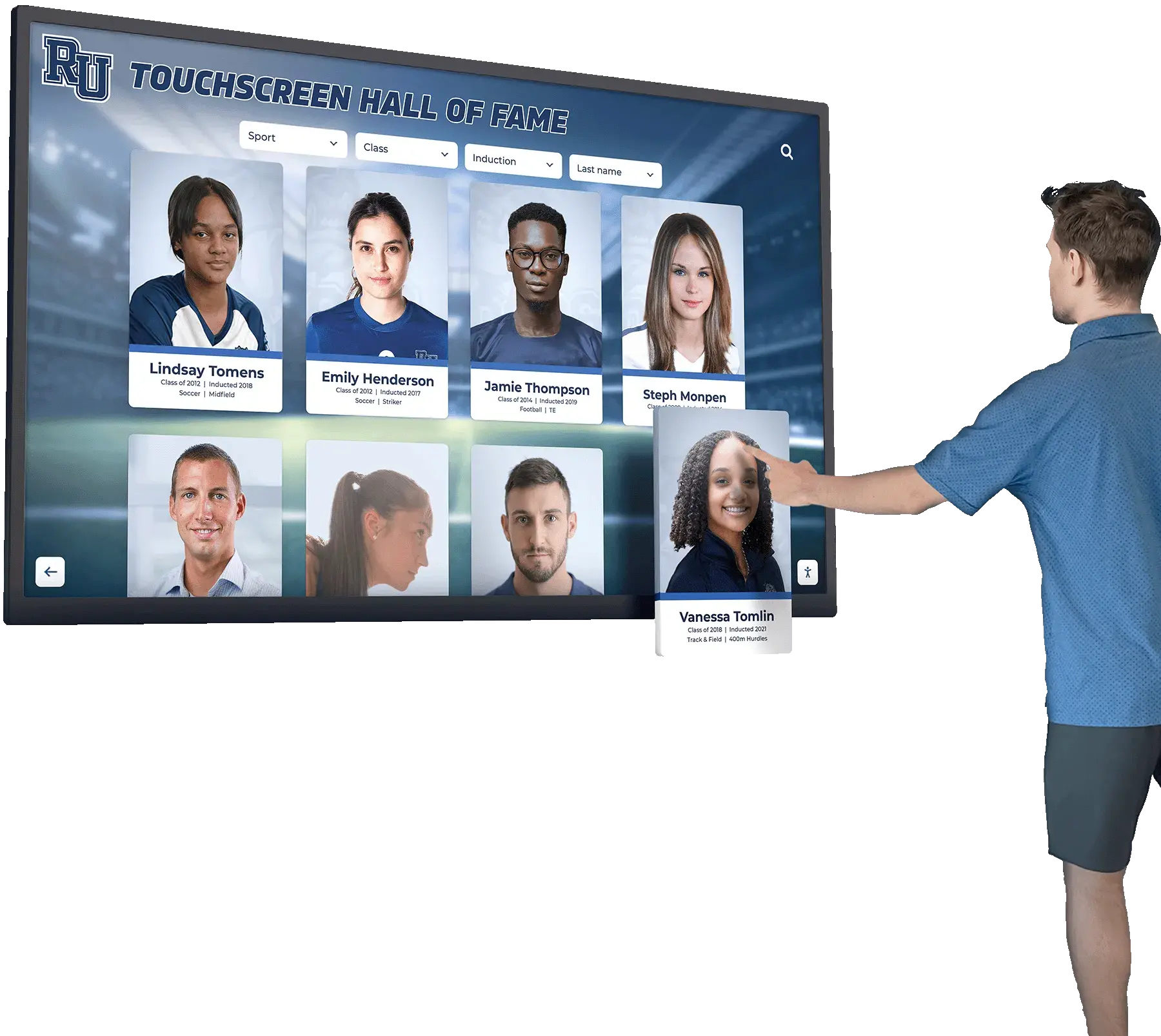
Touchscreen interfaces make exploring donor contributions engaging and accessible
Hybrid Recognition Models Many organizations find optimal results combining digital innovation with traditional elements:
- Physical donor walls anchoring recognition spaces with digital displays providing unlimited capacity
- Named spaces complemented by digital displays explaining donor impact
- Traditional plaques for pinnacle donors alongside digital recognition for broader participation
- Recognition events featuring digital presentations of donor contributions
This hybrid approach honors tradition while embracing innovation’s practical benefits.
Donor Recognition Across Different Gift Types
Different contribution types require specialized recognition approaches that appropriately honor each giving method.
Annual Fund Recognition
Regular, repeatable gifts form organizational funding foundations and deserve systematic recognition:
Consistent Acknowledgment Systems
- Automated receipts immediately upon gift processing
- Quarterly stewardship communications updating donors on fund impact
- Annual recognition events celebrating cumulative contributions
- Milestone recognition for giving anniversaries (5, 10, 20+ years)
- Special acknowledgment for donors increasing gift amounts
Learn more about comprehensive recognition in corporate recognition programs that can inform annual fund strategies.
Participation Recognition Beyond gift amounts, recognize participation rates creating community:
- Class participation challenges with published results
- Departmental giving competitions with recognition for winning units
- First-time donor celebrations welcoming new supporters
- 100% participation recognition for groups, classes, or teams
- Consecutive year giving streaks acknowledged and celebrated
This participation-focused recognition encourages broad-based support beyond major gifts.
Major Gift Recognition
Transformational gifts require proportional recognition reflecting their significance:
Personalized Stewardship Plans Create individualized recognition plans for major donors including:
- Personal visits from leadership expressing gratitude
- Exclusive briefings on organizational progress and challenges
- Opportunities to meet beneficiaries and see programs firsthand
- Invitation to advisory councils providing strategic input
- Custom impact reports documenting specific outcomes their gift enabled
Naming Opportunities Physical spaces, programs, or initiatives named for major donors provide lasting recognition:
- Buildings, wings, or facility spaces bearing donor names
- Endowed faculty positions named for contributors
- Scholarship programs carrying donor or family names
- Academic programs, centers, or initiatives named in recognition
- Recognition gardens, courtyards, or outdoor spaces
Naming recognition creates lasting institutional presence while honoring transformational generosity. Establish clear naming policies addressing gift thresholds, duration of recognition, and processes for memorializing or revising named spaces.
Planned Giving Recognition
Legacy commitments deserve immediate recognition despite deferred benefit:
Heritage Society Development Create special recognition for donors including your organization in estate plans:
- Distinct heritage society name honoring legacy commitments
- Annual recognition events exclusively for planned giving donors
- Published acknowledgment in institutional communications
- Recognition displays including planned giving alongside current donors
- Personalized stewardship maintaining engagement until gift maturity
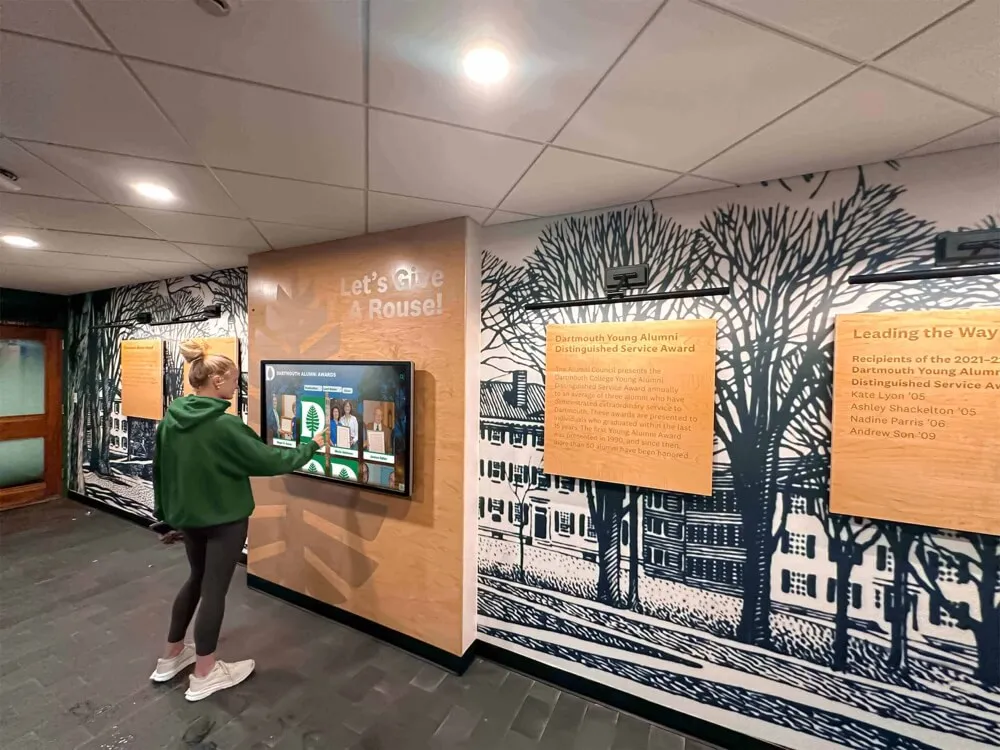
Strategic placement of recognition displays in high-traffic areas maximizes visibility and donor appreciation
Balancing Present and Future Recognize planned gifts immediately rather than waiting for bequest maturity:
- Include planned giving donors in current recognition displays
- Acknowledge legacy commitments at recognition events
- Feature planned giving profiles in publications and communications
- Provide annual updates reinforcing appreciation for commitment
- Create opportunities for legacy donors to inspire peer commitments
This immediate recognition maintains engagement with planned giving donors while demonstrating that you value their future commitment now.
In-Kind Contribution Recognition
Non-monetary gifts require thoughtful acknowledgment approaches:
Valuation and Documentation
- Work with donors to establish appropriate valuations for tax purposes
- Provide detailed receipts describing contributions for IRS requirements
- Acknowledge specific items or services contributed
- Document how in-kind gifts advance organizational mission
- Recognize both monetary value and practical impact
Public Acknowledgment
- Include in-kind donors in recognition displays alongside monetary contributors
- Describe specific contributions in published recognition
- Feature in-kind support in impact communications
- Recognize volunteer time and professional expertise contributed
- Create special categories honoring non-monetary support
Organizations should establish clear policies for what types of in-kind contributions qualify for recognition, valuation methodologies, and appropriate acknowledgment levels.
Recognition Best Practices for Educational Institutions
Schools, universities, and educational organizations face unique recognition opportunities and challenges.
K-12 School Donor Recognition
Elementary and secondary schools build donor communities while balancing educational environment appropriateness:
Parent and Community Donor Programs
- Annual fund participation programs encouraging family giving
- Classroom enhancement fund recognition for parents supporting specific programs
- Capital campaign recognition for facility improvement contributors
- Scholarship fund donor appreciation for access and equity supporters
- Athletic and arts program booster recognition
Explore comprehensive approaches in alumni welcome area ideas applicable to donor spaces.
Student-Centered Recognition Approaches
- Display donor recognition in administrative areas rather than student spaces
- Focus messaging on community support and program enhancement
- Avoid creating comparative awareness among students about family giving
- Emphasize collective community support over individual contributor prominence
- Include age-appropriate explanations of philanthropy and community support
K-12 institutions must balance visible donor appreciation with sensitivity to diverse family financial circumstances.
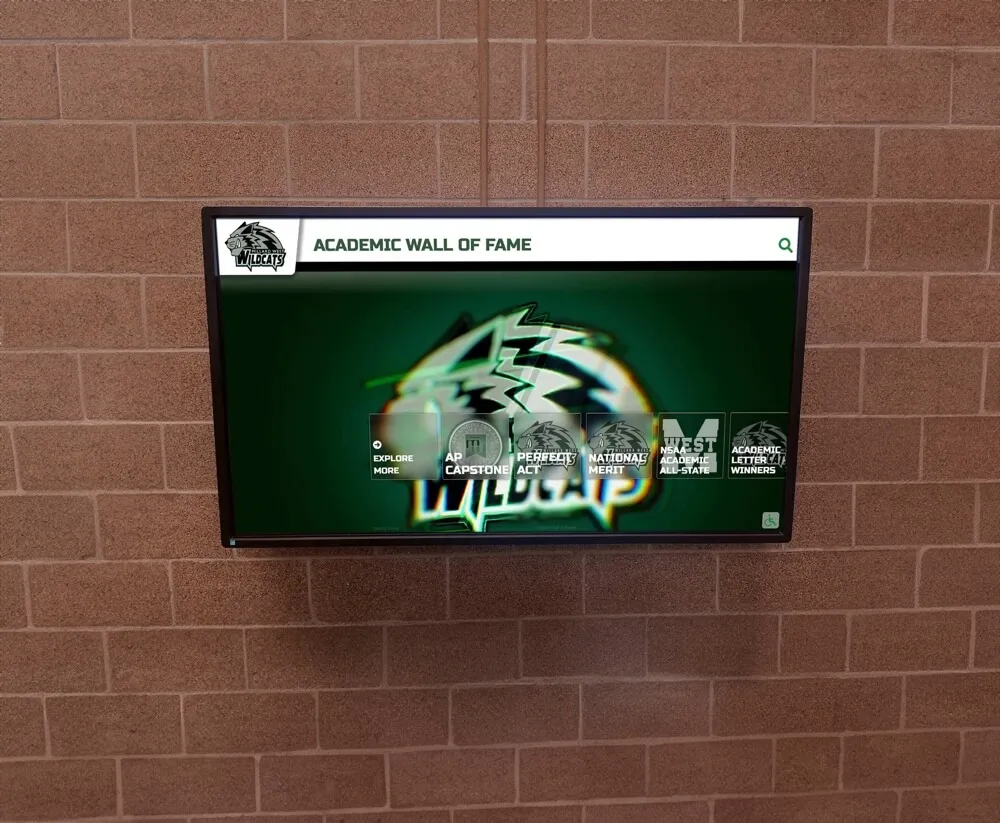
School recognition displays celebrate community support while maintaining appropriate focus on student achievement
University and College Recognition
Higher education institutions implement comprehensive, multi-constituency recognition programs:
Alumni Giving Recognition
- Class giving participation competitions with published standings
- Reunion giving campaigns with milestone recognition
- Young alumni programs establishing early giving habits
- Loyalty recognition for consecutive years of support
- Legacy family recognition across generations
Athletics Donor Recognition Athletic programs represent significant fundraising priorities requiring dedicated recognition:
- Premium seating tied to athletic fund contribution levels
- Facility naming opportunities for major athletic donors
- Digital displays in athletic venues showcasing support
- Gameday recognition experiences for contributors
- Championship sponsor recognition for program success supporters
Learn about athletic recognition in athletic history display approaches.
Academic Program Support
- Dean’s council recognition for school or college supporters
- Departmental giving societies acknowledging program-specific contributions
- Faculty chair and professorship naming recognition
- Research support acknowledgment connecting donors to discoveries
- Student success program recognition for scholarship and support services contributors
Universities benefit from creating multiple recognition entry points matching diverse donor interests across athletics, academics, student life, and institutional priorities.
Modern Donor Recognition Technology Solutions
Technology transforms donor recognition from static acknowledgment to dynamic engagement platforms.
Interactive Digital Recognition Systems
Modern touchscreen displays revolutionize donor recognition by:
Unlimited Recognition Capacity
- Single display showcases thousands of donors across all giving levels
- No need to remove historical donors when adding new contributors
- Comprehensive archives preserving institutional philanthropic history
- Equal display capacity for all contribution types and designations
Enhanced Storytelling Capabilities Digital systems enable rich donor recognition beyond names and amounts:
- Donor profiles sharing personal connections to your mission
- Impact videos demonstrating specific outcomes gifts enabled
- Photo galleries showcasing programs and facilities donors supported
- Interactive timelines connecting donors to institutional history
- Searchable databases enabling visitors to find specific contributors
Remote Management Efficiency Cloud-based content management eliminates physical update requirements:
- Update recognition content from any internet-connected device
- Schedule content publication for specific dates and events
- Bulk import historical donor data for comprehensive digitization
- Role-based permissions enabling appropriate staff access
- Automated backup and version control protecting recognition data
Organizations report 80-90% reduction in administrative time maintaining donor recognition after implementing digital systems.
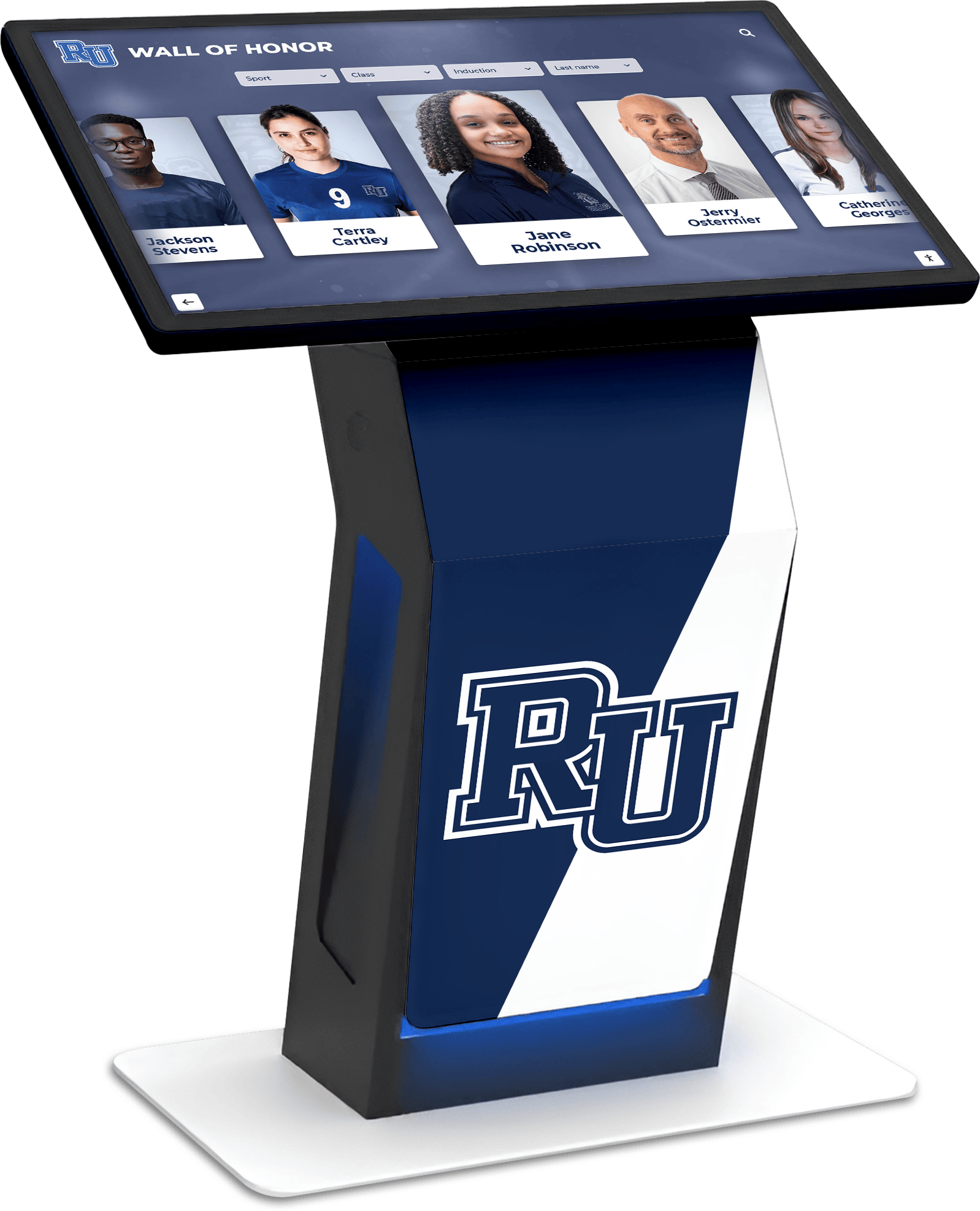
Modern recognition systems integrate hardware, software, and content management for comprehensive donor appreciation
Web-Based Recognition Extensions
Donor recognition should extend beyond physical campus to engage supporters globally:
Online Donor Directories Web-accessible recognition platforms:
- Enable donors anywhere to view their recognition and explore peer support
- Facilitate social sharing of donor profiles and contributions
- Provide mobile-optimized viewing across all devices
- Integrate with organizational websites maintaining brand consistency
- Track engagement analytics demonstrating recognition reach
Virtual Recognition Events Hybrid and online recognition programs expand participation:
- Livestreamed recognition ceremonies reaching global audiences
- Virtual donor appreciation events reducing attendance barriers
- Online donor spotlights in regular email communications
- Social media recognition campaigns celebrating support
- Video testimonials from leadership and beneficiaries
This extended reach ensures all donors receive visibility regardless of geographic location or ability to attend in-person events.
Recognition Program Analytics
Data-driven insights optimize recognition effectiveness:
Engagement Tracking Modern recognition systems provide analytics including:
- Display interaction rates and session duration
- Most-viewed donor profiles and content
- Search terms revealing visitor interests
- Peak usage times informing content strategy
- Geographic distribution of online recognition viewers
Retention Correlation Connect recognition participation to giving behavior:
- Compare retention rates between recognized and unrecognized donors
- Track gift growth among recognition program participants
- Analyze correlation between recognition touchpoints and renewal
- Identify most effective recognition approaches by donor segment
- Calculate recognition program ROI through retention improvement
Regular assessment enables continuous improvement ensuring recognition programs maximize donor satisfaction and retention.
Building Inclusive and Equitable Recognition
Effective programs ensure all donors feel appropriately valued regardless of gift capacity.
Recognizing Donors at All Levels
Avoid recognition programs that create have/have-not dynamics:
Accessible Recognition Thresholds
- Create giving society entry levels appropriate for diverse economic circumstances
- Recognize cumulative lifetime giving alongside annual contributions
- Offer time-based recognition honoring years of consistent support
- Acknowledge volunteer contributions alongside monetary gifts
- Celebrate participation and loyalty beyond absolute gift amounts
Research shows that donors who feel appropriately recognized at modest giving levels are significantly more likely to increase support over time compared to those who perceive recognition as reserved for major donors only.
Proportional Recognition Principles
- Provide recognition appropriate to gift size without creating inadequacy feelings at lower levels
- Ensure entry-level recognition feels meaningful and appreciated
- Create visible differences between recognition tiers without diminishing modest contributions
- Balance aspiration encouragement with gratitude for current support
- Avoid language suggesting modest gifts matter less than major donations
The goal is inspiring donors to increase giving because they want enhanced recognition, not because current acknowledgment feels insufficient.
Respecting Donor Preferences
Recognition should honor individual comfort levels and preferences:
Anonymous Giving Options
- Provide clear processes for donors preferring anonymous recognition
- Respect anonymity while ensuring internal stewardship continues
- Offer flexible approaches (anonymous publicly but acknowledged privately)
- Create neutral recognition language (“Anonymous Donor”) maintaining display consistency
- Train staff on appropriate anonymous donor management
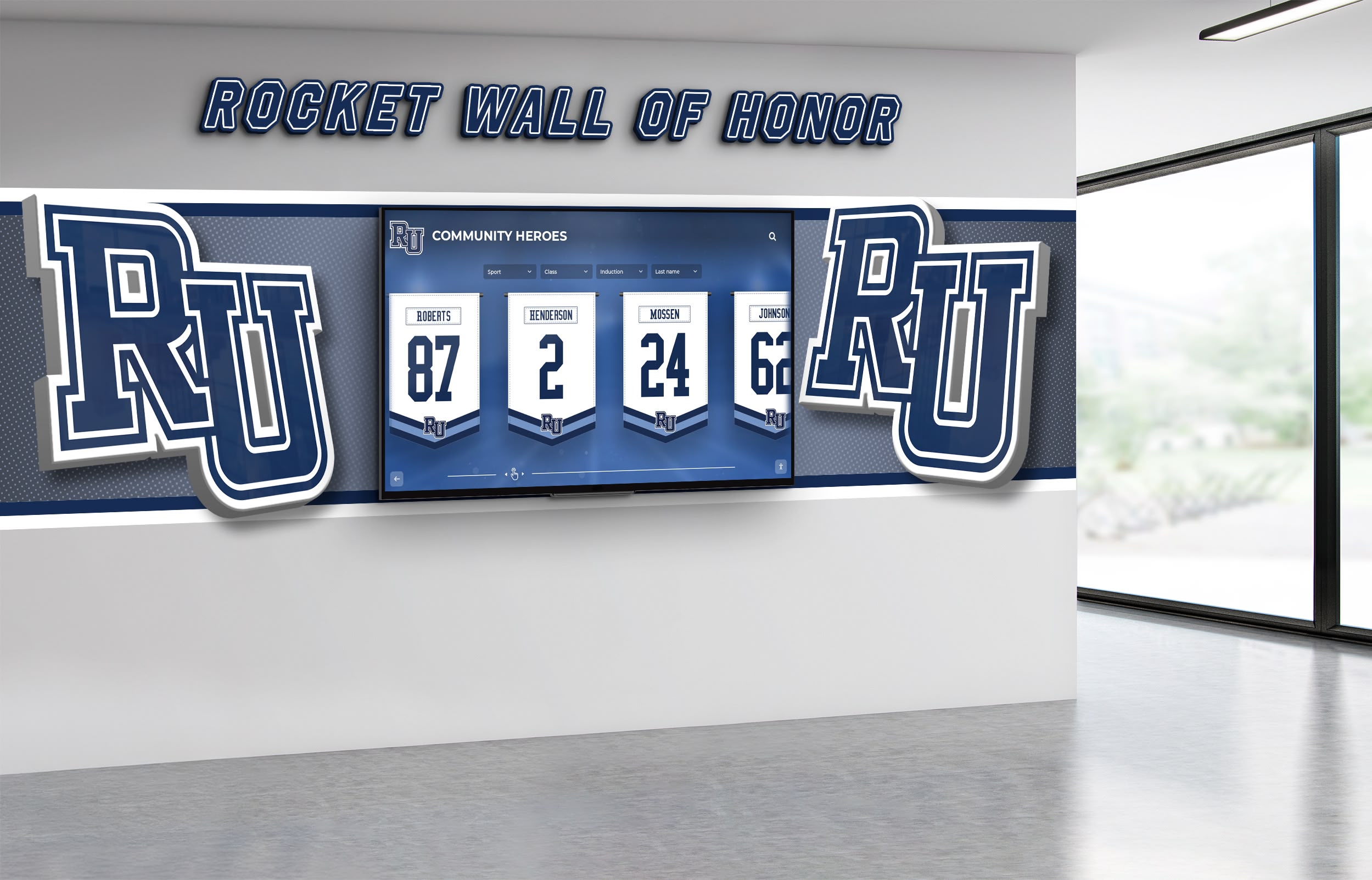
Modern recognition systems accommodate diverse donor preferences from prominent visibility to private acknowledgment
Recognition Customization Different donors prefer different recognition approaches:
- Survey donors about recognition preferences during gift processing
- Offer opt-out options for public recognition
- Provide alternative recognition for those declining public acknowledgment
- Respect cultural and personal values affecting recognition comfort
- Create flexible systems accommodating diverse preferences
This donor-centric approach ensures recognition honors preferences rather than imposing institutional assumptions about desired acknowledgment.
Cultural Sensitivity in Recognition
Recognition programs should reflect cultural awareness and inclusivity:
Diverse Representation
- Ensure recognition displays showcase diverse donor communities
- Feature donors from varied backgrounds in spotlights and profiles
- Use inclusive imagery and language in recognition materials
- Celebrate different types of support valued across cultures
- Recognize affinity group giving highlighting community philanthropy
Accessibility Considerations Recognition should be accessible to all community members:
- ADA-compliant display placement and mounting heights
- Screen reader compatibility for visually impaired visitors
- Multilingual recognition options for diverse communities
- Mobile access for those unable to visit physical recognition spaces
- Alternative format recognition for print materials
These inclusive practices demonstrate that your institution values all donors and community members equally.
Implementing and Managing Donor Recognition Programs
Successful recognition requires systematic planning, clear policies, and sustainable management.
Program Design and Planning
Needs Assessment
- Audit current recognition programs identifying gaps and opportunities
- Survey donors about recognition preferences and satisfaction
- Review industry best practices from comparable organizations
- Analyze donor retention data correlating with recognition effectiveness
- Assess available resources, budget, and infrastructure
Policy Development Create clear recognition policies addressing:
- Giving thresholds for each recognition level
- Benefits and privileges associated with each tier
- Processes for updating recognition displays and materials
- Anonymous and memorial gift handling procedures
- Naming opportunity guidelines and approval processes
- Recognition duration and revision policies
Written policies ensure consistent, fair recognition administration while preventing misunderstandings.
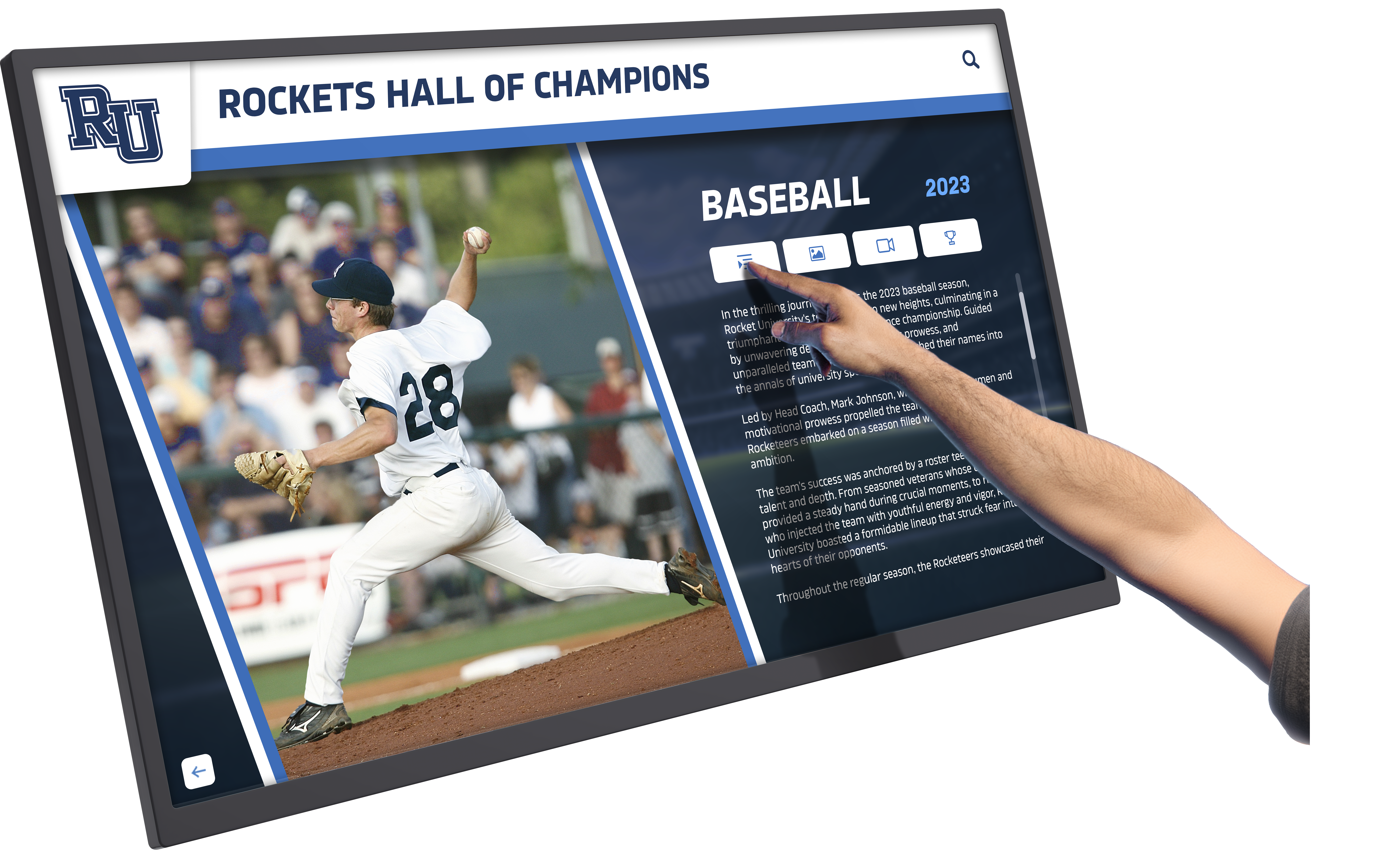
Successful implementation combines technology, content, and thoughtful design creating engaging donor experiences
Technology Selection and Implementation
When implementing digital recognition systems:
Vendor Evaluation
- Assess hardware quality and commercial-grade durability
- Evaluate content management system usability for non-technical staff
- Review customization capabilities matching your brand identity
- Examine integration options with fundraising databases
- Investigate vendor support, training, and maintenance offerings
Organizations should consider comprehensive solutions like Rocket Alumni Solutions that provide integrated hardware, software, content management, and ongoing support ensuring recognition program success.
Implementation Planning
- Select optimal display locations maximizing visibility and engagement
- Plan content structure organizing donors logically and intuitively
- Digitize historical donor records for comprehensive archives
- Train staff on content management and system operation
- Develop launch communications promoting new recognition programs
Phased implementation allows testing and refinement before full-scale launch.
Ongoing Program Management
Maintenance Requirements
- Assign clear staff responsibilities for recognition program management
- Establish regular update schedules ensuring currency
- Create donor communication processes when recognition changes
- Budget for system maintenance, content updates, and enhancements
- Conduct annual recognition audits verifying accuracy
Continuous Improvement
- Gather donor feedback on recognition effectiveness and satisfaction
- Track retention metrics among recognized donors
- Monitor engagement analytics for digital recognition platforms
- Benchmark against peer institutions and industry standards
- Adjust recognition programs based on assessment data
Regular evaluation ensures recognition programs remain effective, relevant, and aligned with donor expectations.
Donor Recognition Communication Strategies
Recognition impact depends on strategic, multi-channel communication ensuring donors know they’re appreciated.
Integrated Communication Approaches
Acknowledgment Communication Sequence Implement systematic touchpoints following gift receipt:
- Immediate Confirmation (24 hours): Automated email confirming gift receipt
- Formal Acknowledgment (48-72 hours): Official tax receipt and appreciation letter
- Personalized Thank You (7-10 days): Customized communication from leadership
- Impact Update (30-60 days): Information about how gift is being used
- Recognition Notification (quarterly): Updates about inclusion in recognition displays or events
- Anniversary Recognition (annually): Acknowledgment of giving anniversary and cumulative support
This multi-touchpoint sequence creates numerous opportunities to reinforce appreciation and demonstrate impact.
Publication Recognition Regular communications should feature donor appreciation:
- Annual reports listing contributors by recognition level
- Newsletter spotlights profiling individual donors
- Social media features celebrating recent support
- Website donor directories providing public acknowledgment
- Email campaigns updating donors on program success
Consistent visibility demonstrates that donor recognition is ongoing, not just immediate post-gift courtesy.
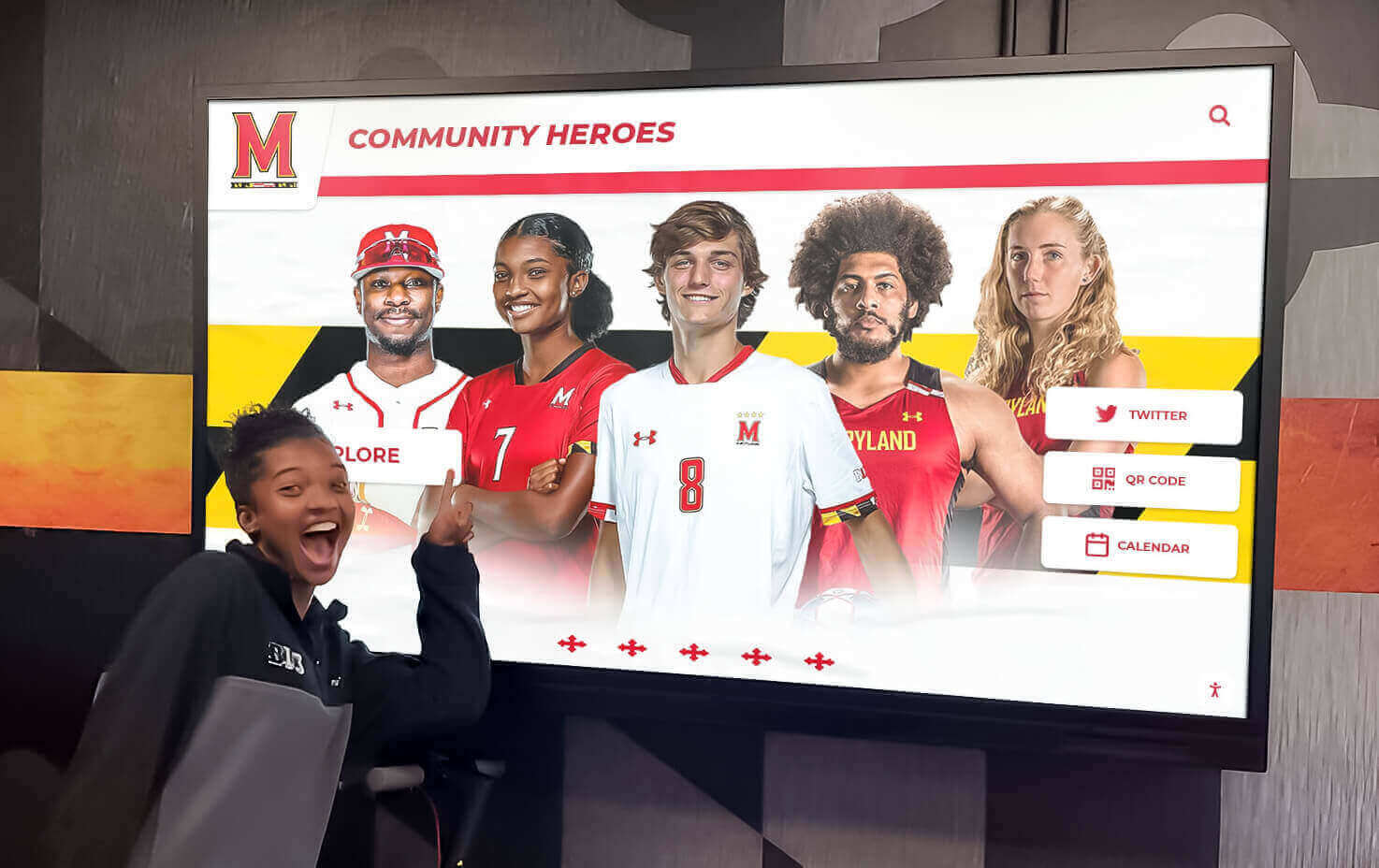
Multi-channel communication ensures donors see their recognition across various platforms and touchpoints
Recognition Events
In-person gatherings create memorable donor appreciation experiences:
Annual Recognition Celebrations
- Formal events honoring all giving society members
- Leadership remarks emphasizing donor impact
- Beneficiary testimonials creating emotional connections
- Exclusive program previews or facility tours
- Social opportunities enabling peer connection
Milestone Recognition
- Special events for giving anniversaries (25, 50+ years)
- Major campaign victory celebrations
- Facility dedications and naming ceremonies
- Legacy society induction ceremonies
- Scholarship recipient meetings with donors
These personal interactions complement published recognition creating deeper emotional bonds.
Measuring Donor Recognition Success
Regular assessment ensures programs achieve intended goals and justify resource investment.
Quantitative Metrics
Retention and Growth Indicators
- Donor retention rates overall and by recognition program participation
- Average gift size comparing recognized versus unrecognized donors
- Giving society enrollment trends over time
- Gift frequency among recognition program participants
- Lapsed donor reactivation rates through recognition outreach
Engagement Measures
- Recognition event attendance rates
- Digital display interaction analytics
- Online donor directory usage statistics
- Social media engagement with recognition content
- Donor survey participation rates
Financial ROI Calculations
- Recognition program costs versus incremental retention value
- Administrative efficiency improvements through technology adoption
- Gift growth attributed to recognition program participation
- Planned giving inquiries generated through legacy recognition
- Major gift pipeline development from mid-level recognition
Qualitative Assessment
Donor Feedback
- Satisfaction surveys measuring recognition program effectiveness
- Focus groups exploring donor appreciation experiences
- Individual conversations during stewardship visits
- Testimonials and stories from recognized donors
- Suggestions for recognition program improvements
Peer Benchmarking
- Compare recognition approaches with similar organizations
- Industry best practice adoption
- Recognition program innovation exploration
- Sector trend monitoring
- Professional association engagement and learning
Regular assessment enables continuous improvement ensuring recognition remains meaningful and impactful.
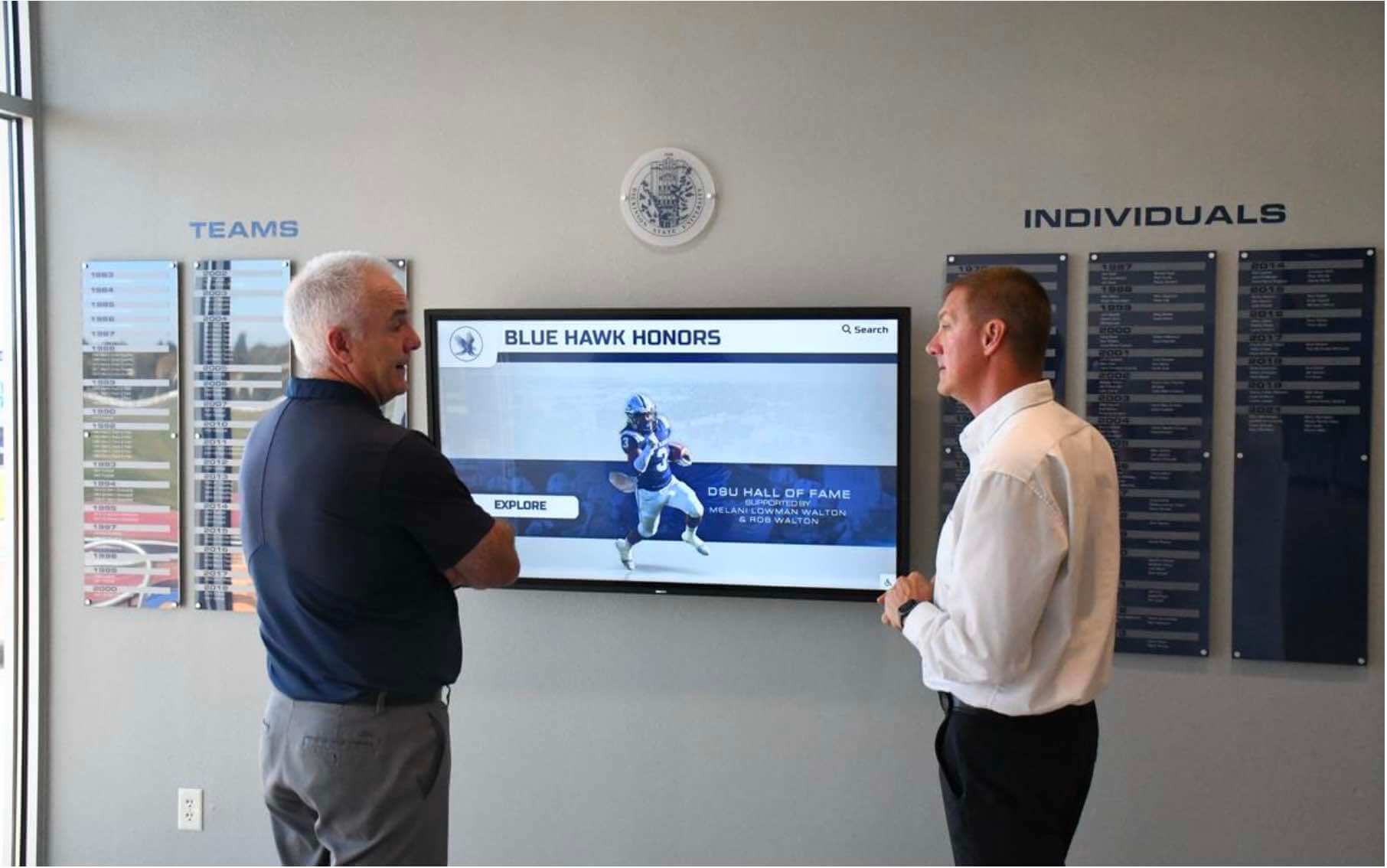
Successful recognition programs create community and pride among donors who see themselves as part of something larger
Special Donor Recognition Considerations
Unique situations require adapted recognition approaches maintaining appropriateness and sensitivity.
Memorial and Tribute Recognition
Gifts made in memory or honor of others need special acknowledgment:
Honoree Recognition
- Acknowledge both the donor making the gift and the person being honored
- Notify honoree families about memorial gifts received
- Create special memorial recognition sections in displays
- Maintain sensitivity appropriate to remembrance context
- Offer perpetual recognition for memorial gifts above certain thresholds
Tribute Gift Communication
- Send acknowledgment cards to honored individuals or families
- Provide donors with confirmation their tribute gift was acknowledged
- Respect privacy preferences regarding tribute notification
- Create opportunities for memorial gift donors to share stories
- Offer memorial gift options in regular fundraising appeals
Corporate and Foundation Recognition
Institutional funders require distinct recognition approaches:
Corporate Donor Acknowledgment
- Feature corporate logos and branding in recognition displays
- Acknowledge corporate matching gift programs enabling employee donations
- Recognize corporate sponsorships of programs and events
- Create corporate partner categories in recognition structures
- Provide visibility benefiting corporate community relations goals
Foundation Recognition
- Acknowledge foundation support in required formats
- Provide impact reports documenting grant outcomes
- Feature foundation logos with required attribution language
- Recognize foundation support in publications reaching foundation stakeholders
- Maintain relationships with foundation staff beyond formal requirements
Institutional donors often have specific recognition requirements outlined in grant agreements. Ensure your recognition approach meets these contractual obligations.
Capital Campaign Recognition
Major fundraising initiatives require comprehensive recognition strategies:
Campaign-Specific Recognition
- Create distinct campaign giving societies with special benefits
- Install campaign-specific recognition displays or sections
- Provide campaign pledge fulfillment recognition as gifts complete
- Celebrate campaign milestones with donor acknowledgment
- Transition campaign recognition to permanent institutional recognition upon completion
Multi-Year Pledge Recognition
- Recognize pledge commitments immediately, not just upon completion
- Update recognition as pledge payments process
- Maintain engagement throughout pledge payment period
- Acknowledge early pledge completion or increased commitments
- Handle pledge modifications with sensitivity and appropriate recognition adjustments
Campaign recognition should inspire ongoing participation while honoring those making the campaign’s success possible.
Conclusion: Building Lasting Relationships Through Strategic Recognition
Effective donor recognition programs represent strategic investments in relationship building that directly impact fundraising sustainability, donor retention, and long-term philanthropic partnerships. When organizations systematically honor generosity across multiple dimensions—from prompt personal acknowledgment to visible public recognition—they create environments where donors feel genuinely valued and inspired to continue supporting missions they care about.
The strategies explored in this guide provide comprehensive frameworks for building recognition systems that honor all donors appropriately while remaining sustainable, data-driven, and aligned with institutional values. From digital recognition displays that eliminate space constraints to multi-tiered programs ensuring recognition at all giving levels, these approaches transform donor acknowledgment from transactional courtesy to strategic relationship cultivation.
Transform Your Donor Recognition Program
Discover how modern digital recognition solutions can help you celebrate every donor's generosity and build lasting philanthropic relationships.
Explore Recognition SolutionsThe declining donor retention crisis makes strategic recognition more critical than ever. Organizations that excel at honoring supporters create loyal donor communities generating sustainable funding rather than constantly replacing lapsed contributors. With retention rates directly correlating to recognition effectiveness, investing in comprehensive appreciation programs delivers measurable ROI through improved lifetime donor value.
Technology has transformed what’s possible in donor recognition. Digital displays offering unlimited capacity, rich storytelling, and remote management overcome traditional recognition limitations while creating engaging experiences that inspire future generosity. Web accessibility extends recognition reach globally, ensuring all donors receive visibility regardless of location. These innovations make comprehensive recognition achievable for organizations of all sizes.
Building effective recognition requires moving beyond limiting assumptions about donor preferences and expectations. Not all donors want prominent visibility—respect those preferring private acknowledgment. Not all meaningful recognition requires expensive displays—heartfelt personal thanks from beneficiaries can be more impactful than elaborate public acknowledgment. The key is implementing donor-centric approaches that honor individual preferences while systematically ensuring no supporter goes unrecognized.
Start where you are with recognition improvements you can implement immediately, then systematically expand to create comprehensive approaches your donors deserve. Review your acknowledgment timing and personalization. Audit who receives public recognition and who gets overlooked. Assess whether your recognition creates inclusive appreciation across all giving levels or reserves meaningful acknowledgment for major donors only.
Every donor who receives meaningful recognition develops stronger connection to your mission and greater likelihood of continued support. With thoughtful planning, appropriate technology, and consistent implementation, you can create recognition systems that honor every contribution while building the positive, motivating donor community where philanthropy thrives and your mission advances.
Your donors’ generosity deserves celebration equal to its importance. Transform your recognition program from necessary acknowledgment to strategic relationship building that inspires continued partnership and creates sustainable funding for your mission.
Ready to begin? Explore donor wall transformation approaches or learn more about digital honor walls that can enhance your recognition program.































