Booster clubs face the challenge of honoring hundreds of contributors—from season ticket holders giving $100 annually to major donors funding facility improvements—with limited wall space, tight volunteer bandwidth, and modest budgets. Traditional recognition plaques quickly consume available space, require expensive updates when donor information changes, and often become dated within a few seasons as new contributors join the program.
The gap between donor expectations and practical recognition capabilities creates real consequences. Donors who don’t see their names recognized may not renew their support. Volunteers spend countless hours managing plaque orders, coordinating installations, and tracking down misspelled names or outdated information. Athletic directors field complaints about recognition inconsistencies while development committees struggle to justify additional plaque expenditures when budgets are already stretched thin.
This implementation guide provides booster club leaders with practical specifications for building donor recognition displays that accommodate growing contributor lists, simplify volunteer workload, and strengthen donor relationships. The detailed requirements, budget frameworks, and proven approaches outlined here enable booster organizations to establish sustainable recognition programs that honor every contributor appropriately.
Donor recognition displays for booster clubs transform static acknowledgment into flexible, updateable systems that grow with your program. When properly implemented, these displays eliminate space constraints that limit recognition capacity, reduce long-term administrative burden on volunteer committees, and create engaging experiences that strengthen connections between donors and the programs they support.
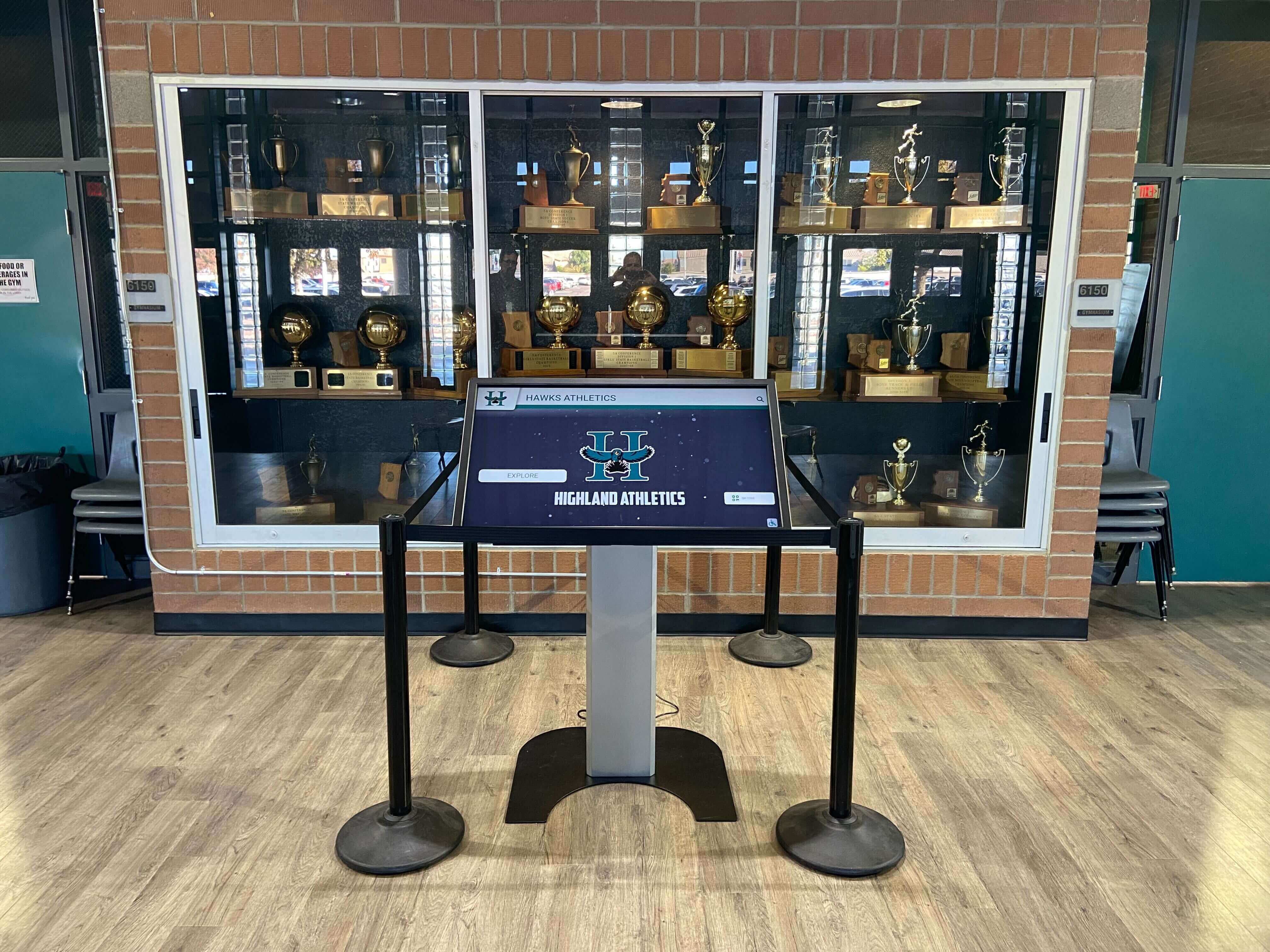
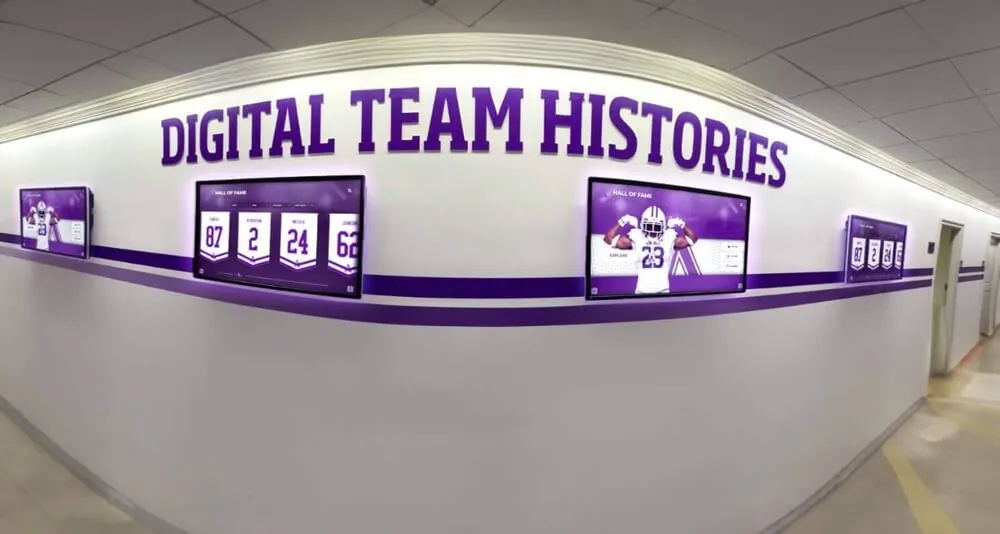
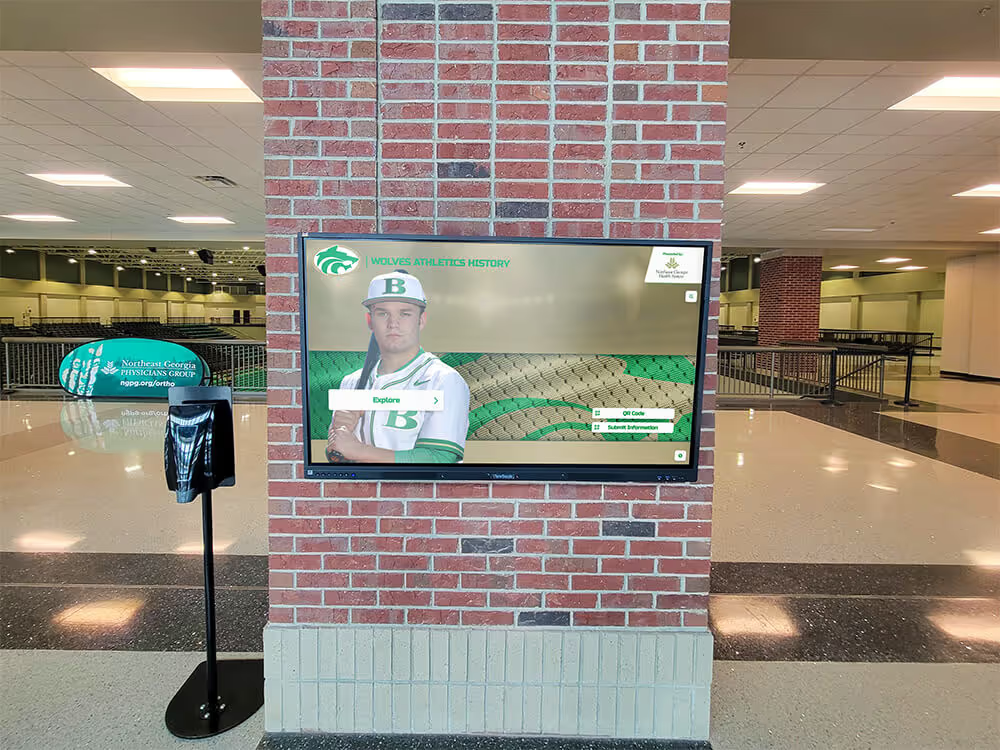
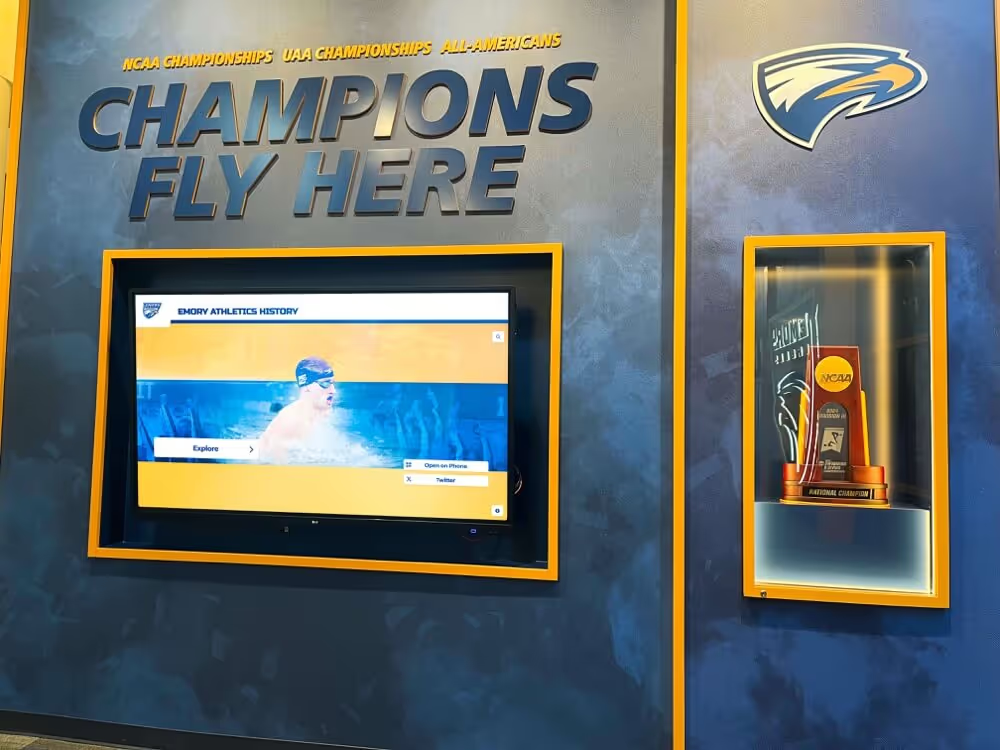
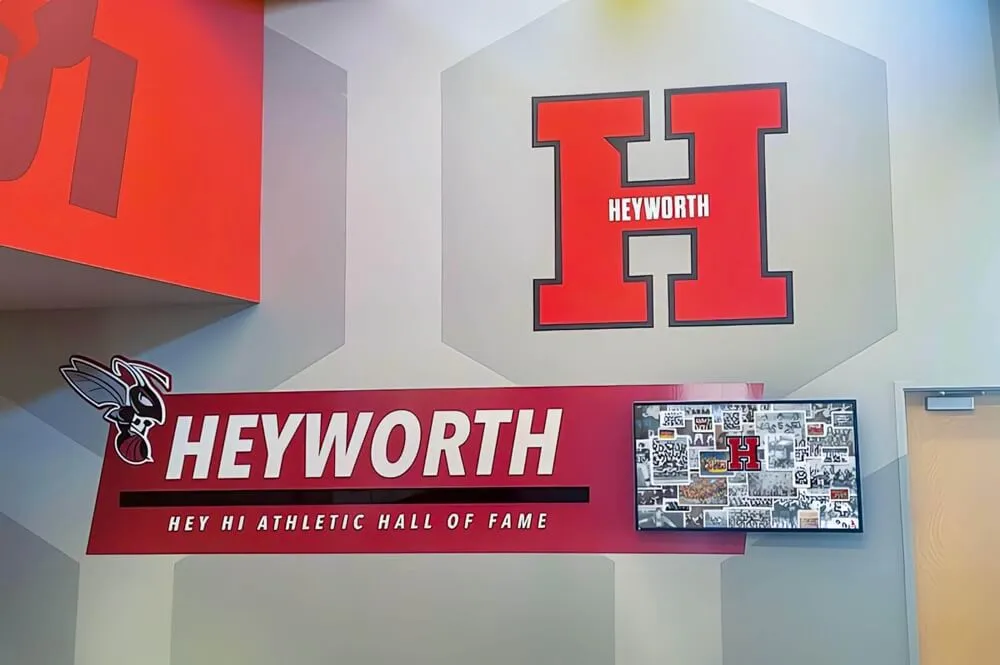
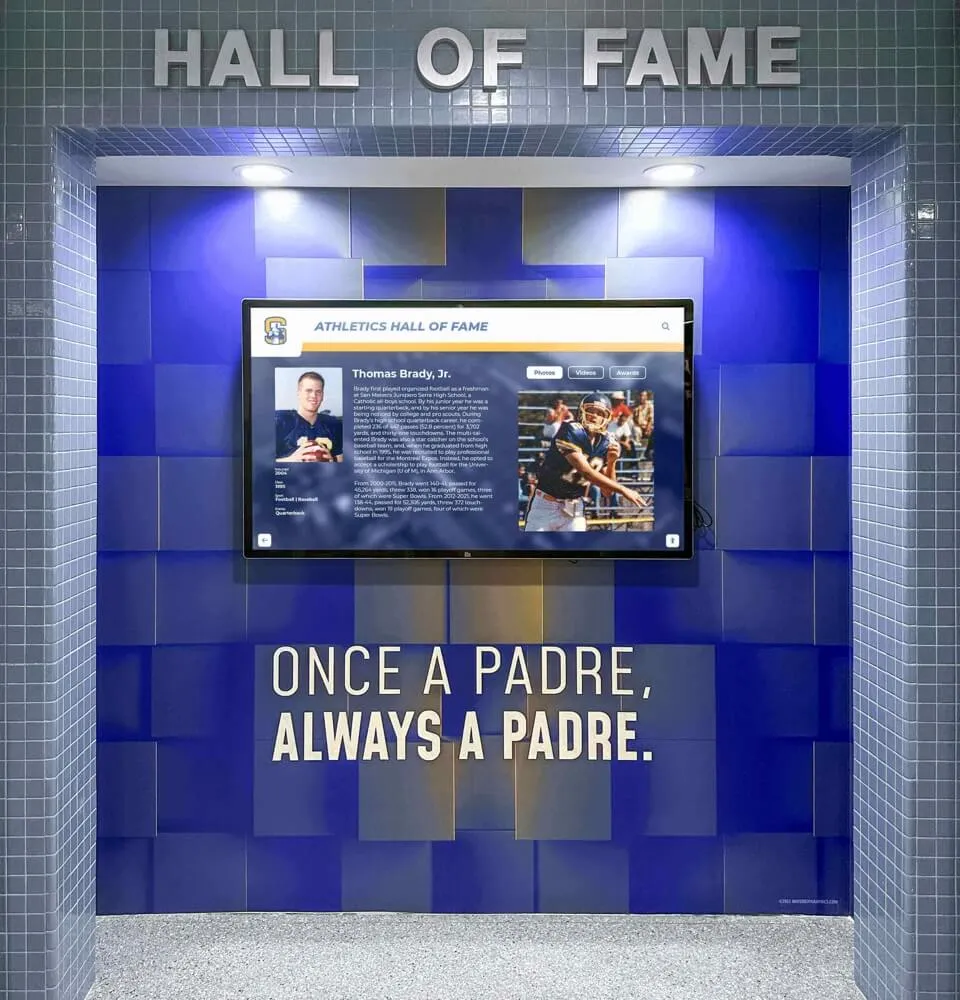
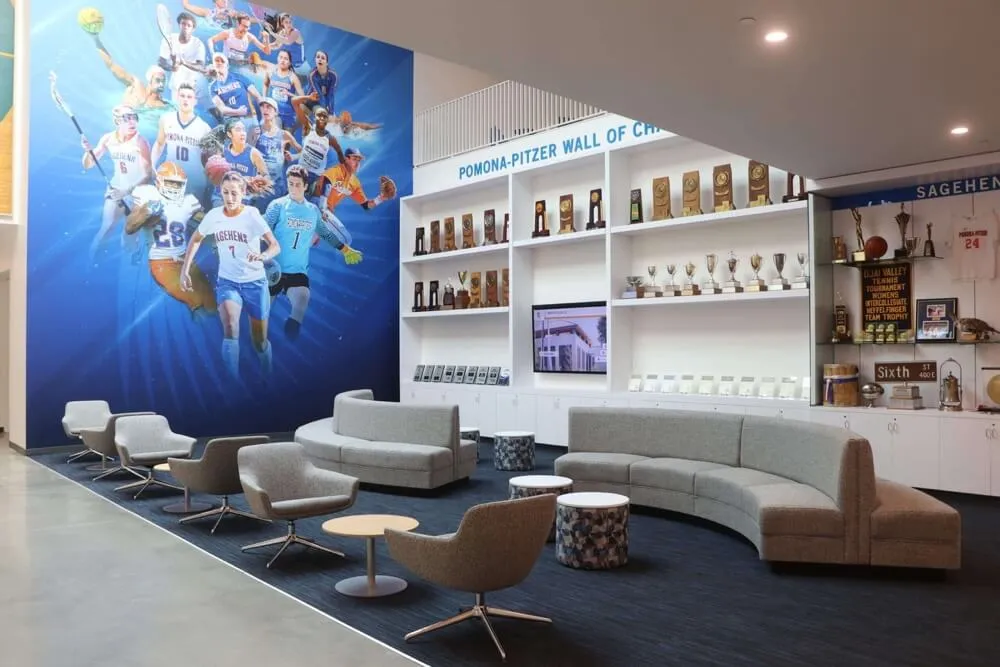
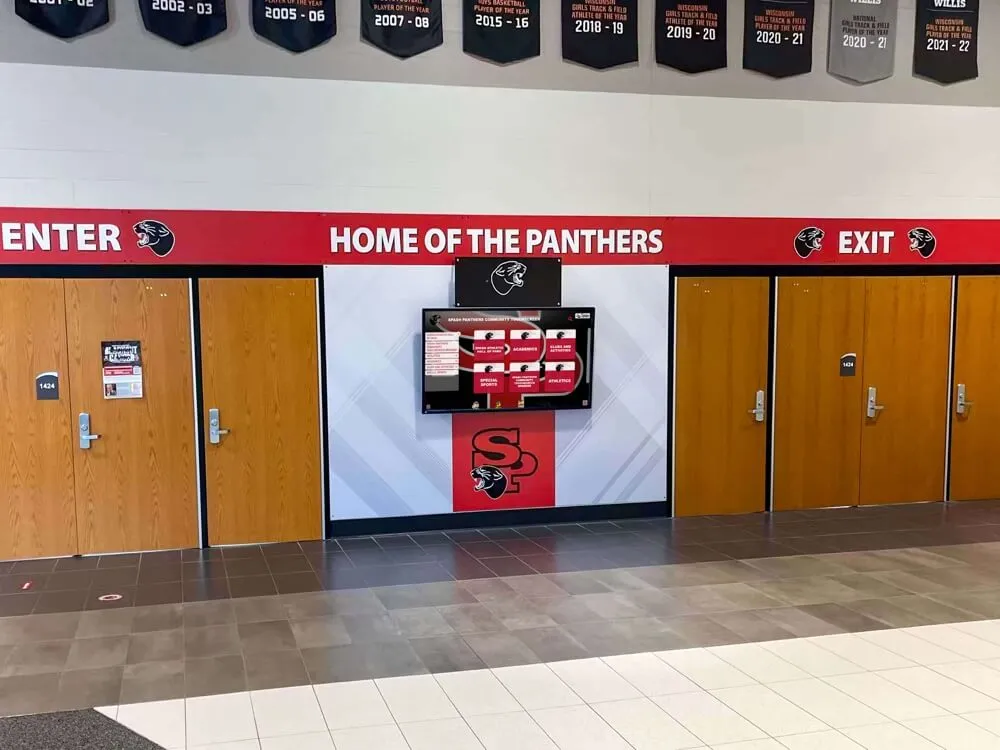
Modern recognition displays integrate with existing trophy cases and athletic spaces to create comprehensive acknowledgment of contributions
Understanding Booster Club Recognition Needs
Before selecting specific display types or technology solutions, booster club leaders must understand the unique recognition requirements that distinguish booster organizations from other fundraising groups.
Distinctive Booster Club Recognition Challenges
Booster clubs operate with characteristics that create specific recognition requirements:
Volunteer-Led Operations
- Committee members with full-time jobs managing recognition during evenings and weekends
- Annual board turnover requiring simple systems that new volunteers can learn quickly
- Limited technical expertise among typical booster club leadership
- Recognition decisions made by committee rather than single administrator
- Maintenance must not require specialized knowledge or extensive time commitments
Diverse Donor Categories
- Annual membership dues ($25-$500) forming the base funding layer
- Business sponsorships ($500-$5,000) supporting specific programs or seasons
- Major gifts ($5,000+) funding facility improvements or equipment purchases
- In-kind donations including services, equipment, or volunteer time
- Alumni contributors who may have graduated decades ago
- Community members without direct student connections
Budget Constraints
- Operating budgets already allocated to programs, equipment, and student support
- Recognition expenditures competing with direct program funding
- Board reluctance to invest in “administrative” systems versus student-facing programs
- Multi-year planning required for larger recognition investments
- Need for clear ROI justification to member base
Physical Environment Limitations
- Shared spaces with school district controlling wall modifications
- High-traffic areas prone to damage or vandalism
- Limited electrical access in many athletic facilities
- Temperature and humidity variations in gyms and field houses
- Multiple recognition locations across different facilities
These factors require booster club recognition displays to meet higher standards for simplicity, durability, and cost-effectiveness than systems designed for professionally-staffed development offices with larger budgets.
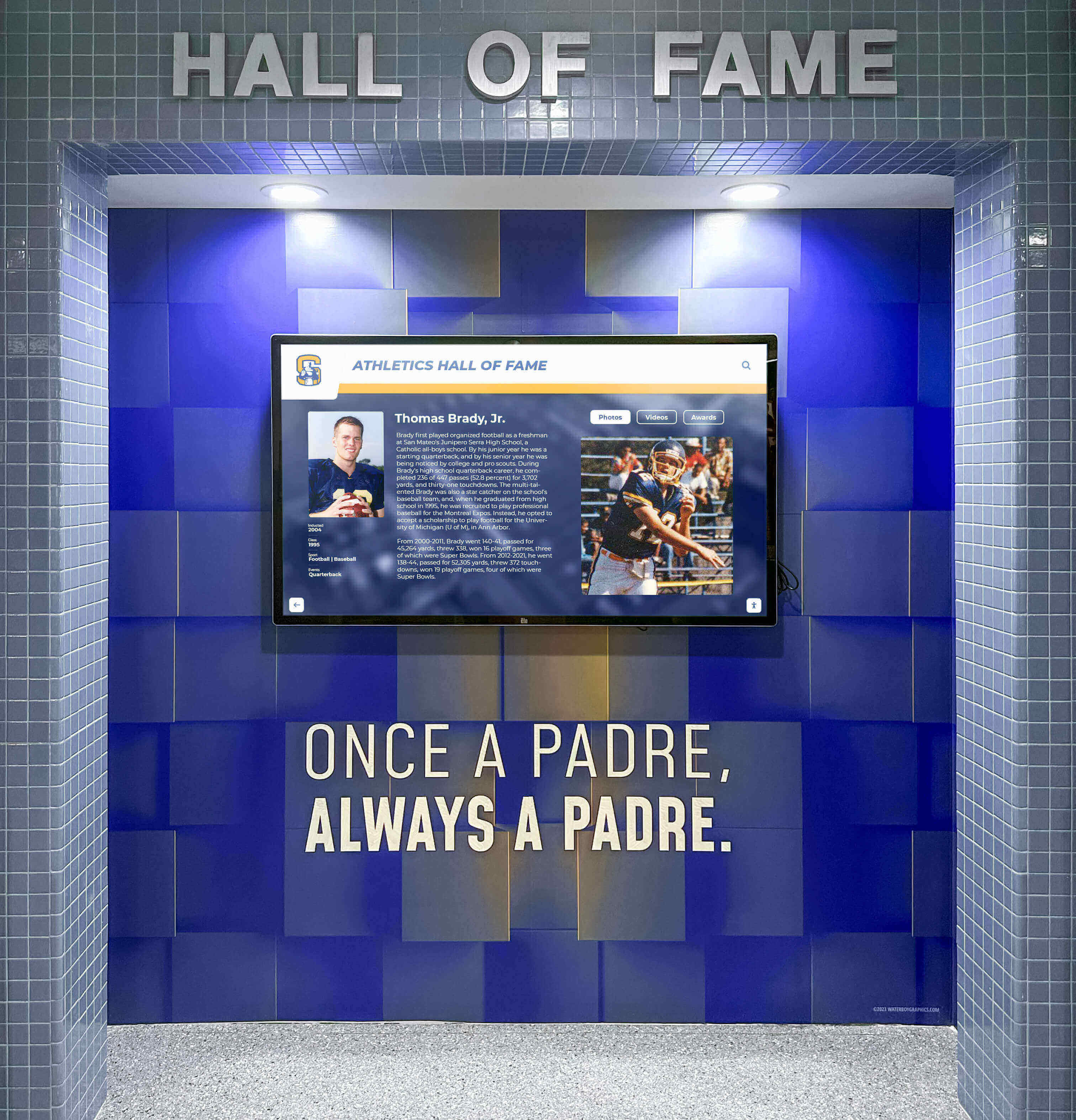
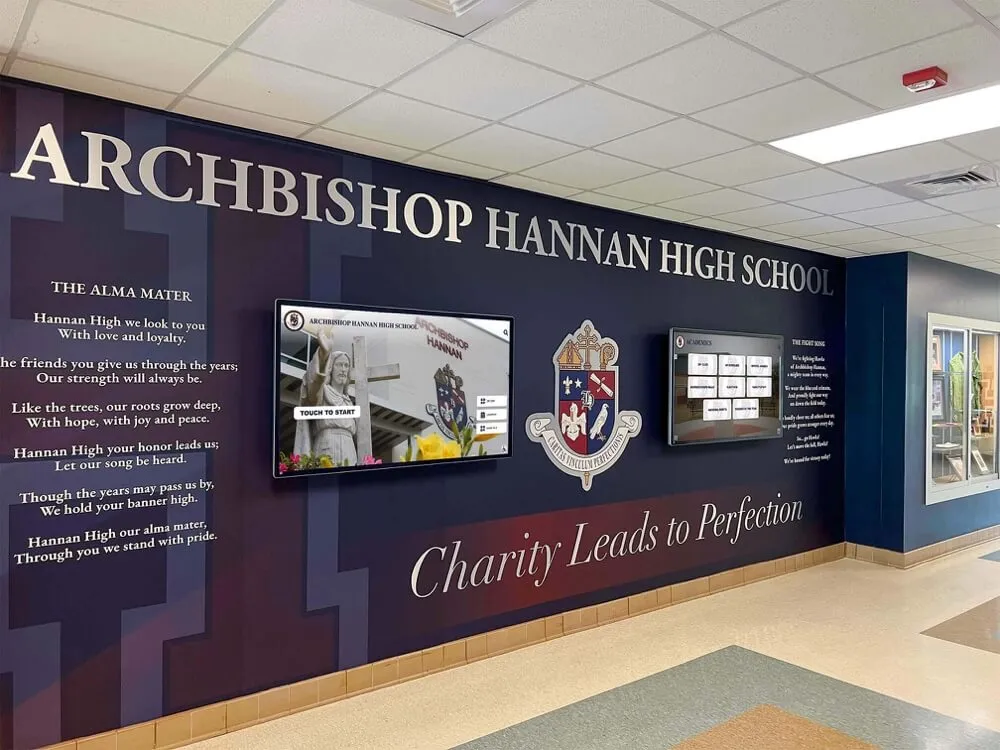
Booster club displays must withstand high-traffic athletic facility environments while remaining accessible to volunteer administrators
Essential Recognition Display Requirements
Effective booster club donor recognition displays must satisfy these core requirements:
Capacity and Scalability
- Accommodate 100-500+ donors depending on program size and history
- Add new donors without space limitations or physical modifications
- Display multiple recognition categories and giving levels simultaneously
- Archive historical donors while prioritizing current contributors
- Expand recognition capacity as fundraising programs grow
Administrative Simplicity
- Update content without technical expertise or specialized training
- Add new donors in 5-10 minutes per profile
- Preview changes before publication to catch errors
- Access administrative functions from home or office rather than requiring on-site presence
- Maintain consistency across multiple volunteers managing updates
Cost Sustainability
- Initial investment fitting within typical booster club capital budgets
- Ongoing costs lower than traditional plaque replacement cycles
- Maintenance requirements manageable by volunteers or facility staff
- Minimal professional service dependencies reducing recurring expenses
- Clear cost comparison showing savings versus traditional approaches
Durability and Reliability
- Operate reliably in athletic facility environments with temperature variations
- Withstand high-traffic areas without frequent maintenance interventions
- Function continuously during games, events, and peak visibility times
- Resist damage from contact or environmental factors
- Minimize downtime affecting recognition visibility
Donor Experience Quality
- Professional appearance reflecting positively on the booster organization
- Easy navigation enabling visitors to find specific donors quickly
- Recognition information clearly visible from typical viewing distances
- Consistent brand identity with school colors and athletic department aesthetics
- Engaging presentation encouraging donors to explore recognition
Solutions like Rocket Alumni Solutions specifically address booster club requirements with systems designed for volunteer administration, athletic facility environments, and modest budgets while maintaining the professional quality that donors expect.
Traditional vs. Digital Recognition Approaches
Booster clubs evaluating recognition options must understand the practical differences between traditional plaques and digital displays:
Traditional Plaque Limitations
- Fixed capacity requiring additional wall space as donor lists grow
- Update costs of $50-$150 per new plaque plate
- Installation labor and coordination for each addition
- Misspellings or errors requiring complete plaque replacement
- Space constraints limiting recognition to major donors only
- Static presentation offering no additional donor information
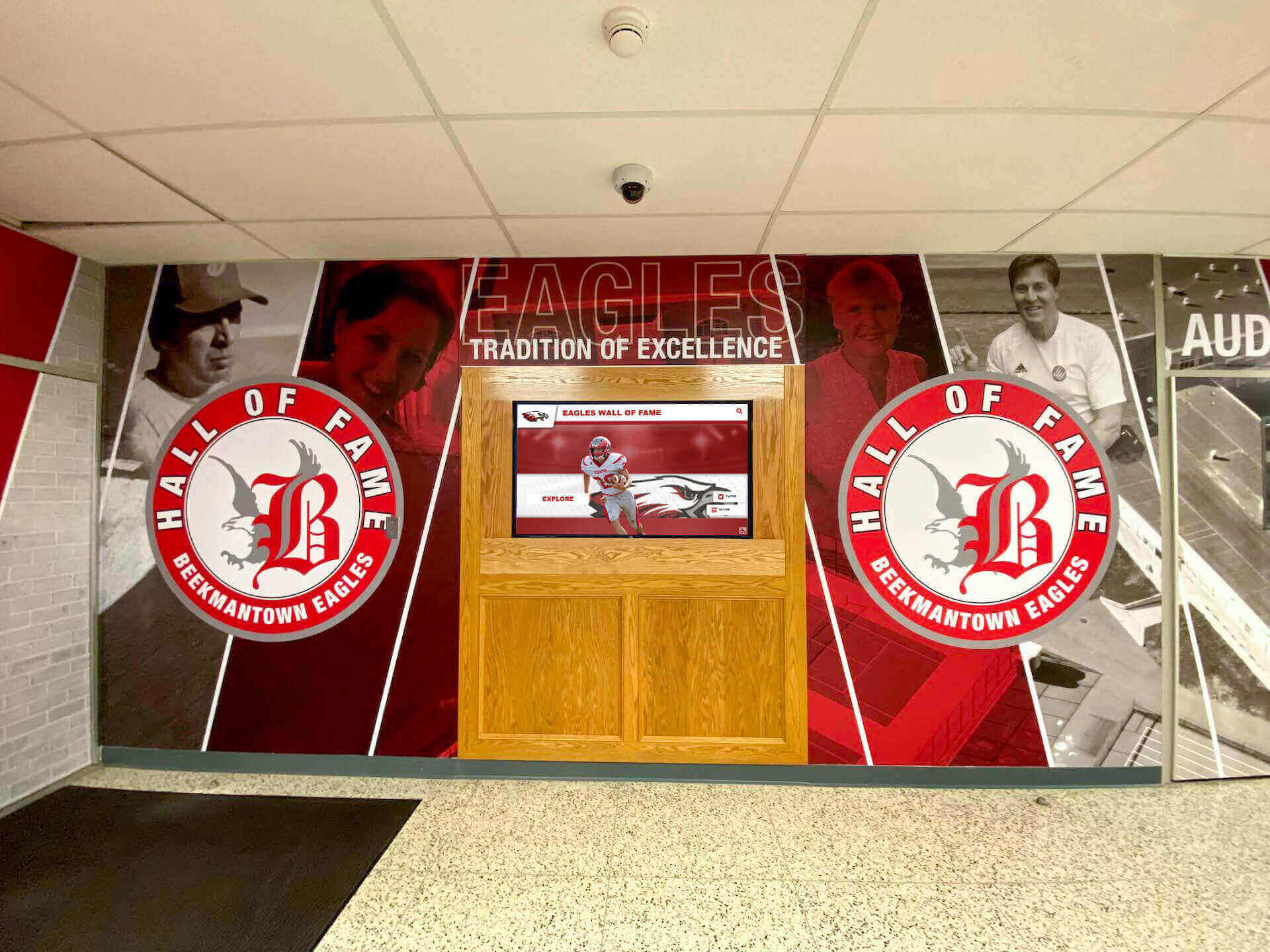
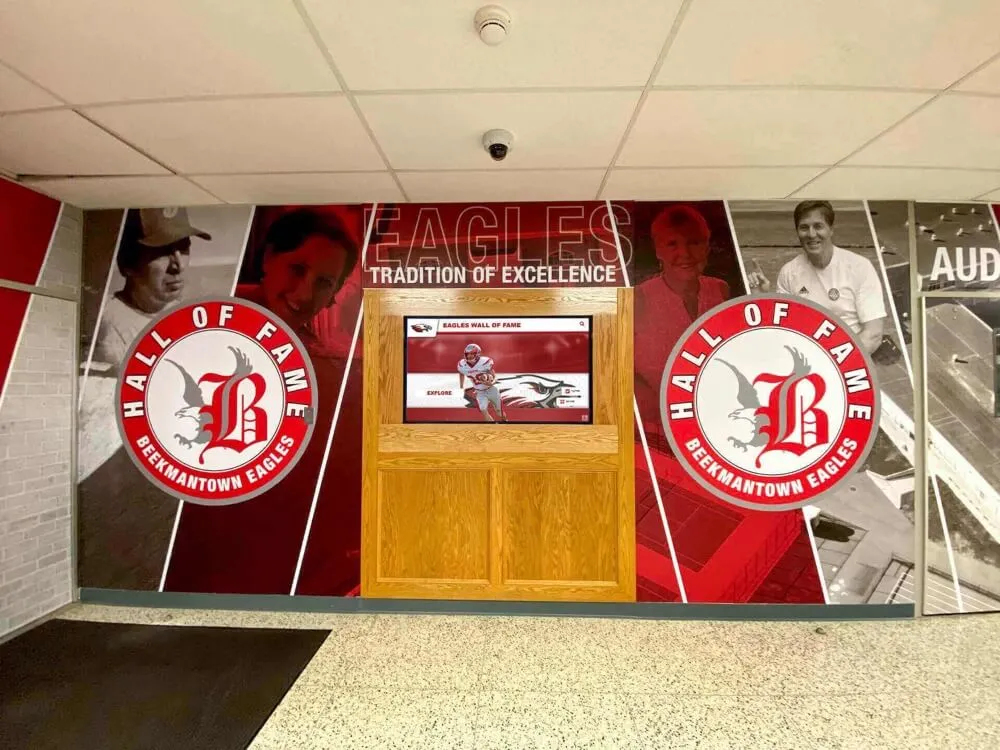
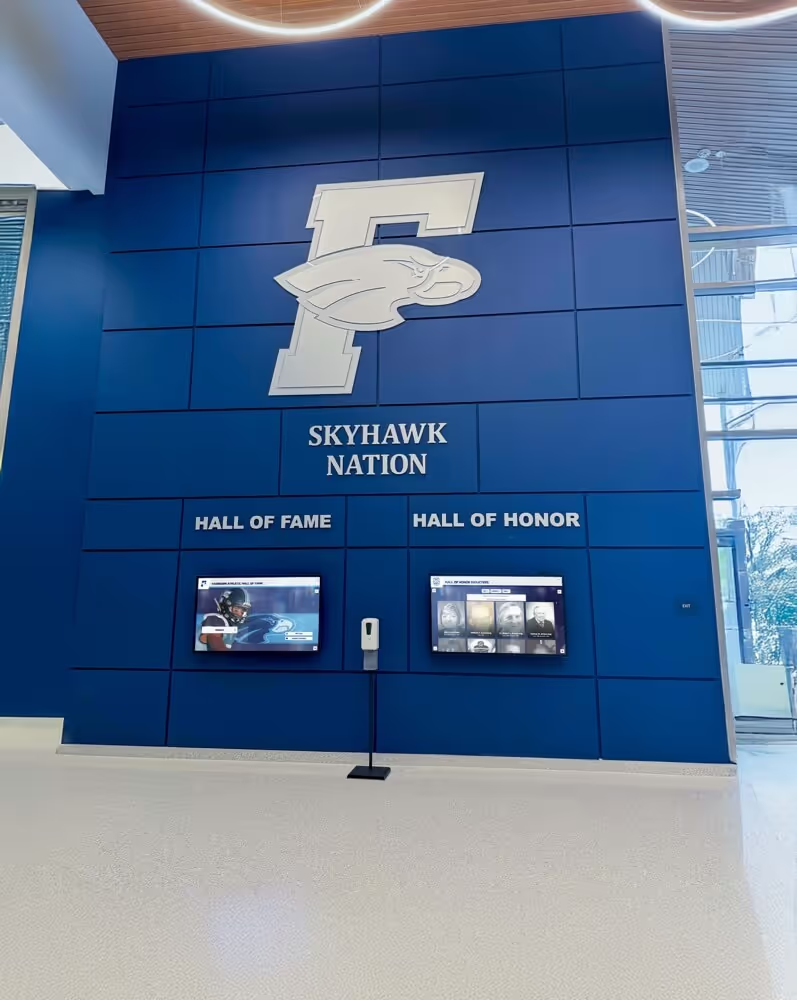
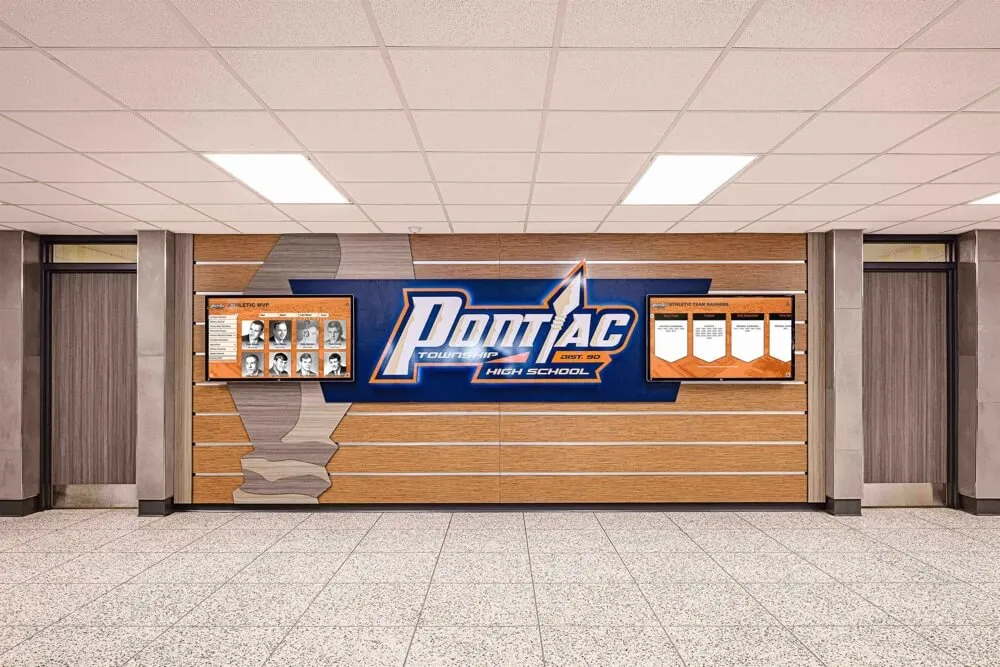
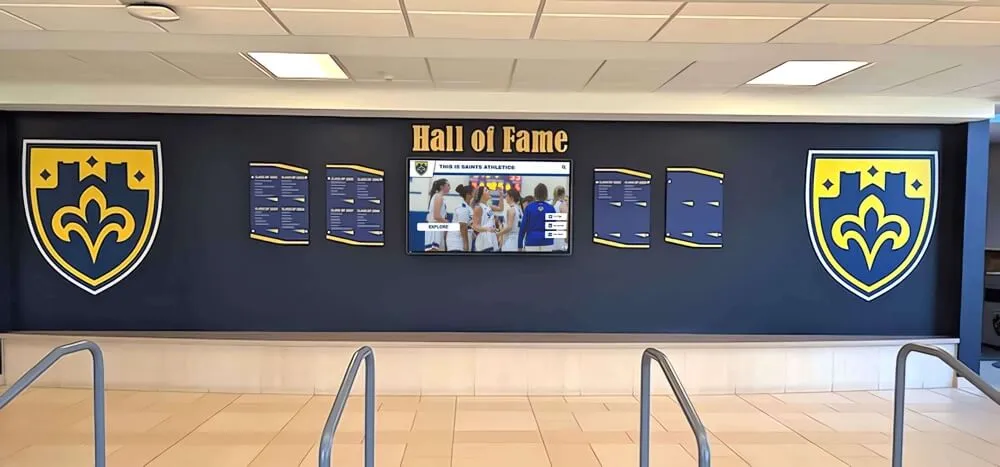
Strategic placement in main lobbies and high-traffic corridors maximizes donor recognition visibility
Digital Display Advantages
- Unlimited recognition capacity accommodating program growth
- Zero marginal cost to add new donors after initial investment
- Instant corrections to errors or updated information
- Categorical organization showing all giving levels appropriately
- Enhanced storytelling through photos and expanded profiles
- Search capabilities helping visitors find specific donors quickly
Hybrid Recognition Strategies
Many booster clubs implement hybrid approaches combining traditional and digital elements:
- Digital displays for comprehensive donor recognition across all giving levels
- Premium plaques for major naming gifts and facility sponsors
- Traditional awards for hall of fame inductees and special honors
- Digital systems for annual membership and operational support recognition
This strategy allocates expensive permanent recognition to transformational gifts while providing appropriate acknowledgment for all supporters through cost-effective digital platforms. Organizations implementing donor recognition programs commonly find hybrid approaches satisfy diverse stakeholder expectations while managing recognition budgets effectively.
Planning Your Booster Club Recognition Display
Successful recognition display implementation begins with thorough planning addressing budget, location, content, and administrative requirements before purchasing any hardware.
Budget Development and Cost Planning
Realistic budget planning prevents mid-project surprises and enables appropriate fundraising or capital allocation.
Complete System Cost Components
Initial investment requirements:
- Display hardware (screen, media player, mounting): $3,500-$12,000
- Content management software licensing: $0-$2,500 initial setup
- Professional installation and configuration: $800-$2,500
- Initial content development and data entry: $500-$2,000
- Training and documentation for volunteers: $200-$800
- Contingency for unexpected requirements: 10-15% of total budget
Total initial investment range: $5,000-$20,000 with most booster clubs budgeting $8,000-$12,000 for complete turnkey implementations including professional installation and volunteer training.
Ongoing Annual Costs
Software and maintenance:
- Content management system subscription: $600-$2,400 annually
- Extended warranty or support agreement: $400-$1,200 annually
- Electricity consumption: $75-$150 annually
- Periodic professional cleaning: $100-$200 annually
- Content updates (volunteer time, typically 6-12 hours annually)
Total annual costs: $1,200-$4,000 with most organizations budgeting $1,500-$2,500 annually for comprehensive maintenance and support.
Budget Comparison: Digital vs. Traditional Recognition
Five-year cost analysis for booster club recognizing 200 donors:
Traditional plaque approach:
- Initial installation: 40 plaques @ $125 each = $5,000
- Annual additions: 20 new donors @ $100 each = $2,000 per year
- Five-year traditional cost: $15,000
Digital recognition approach:
- Initial investment: $10,000
- Annual maintenance: $2,000 per year
- Five-year digital cost: $20,000
The digital approach costs $5,000 more over five years but accommodates 300+ donors versus 140 with plaques, provides instant updates, enables corrections without replacement costs, and extends recognition through web accessibility. The cost differential narrows significantly in years 6-8 as digital systems continue operating with only maintenance costs while plaque additions continue indefinitely.
Funding Strategies for Initial Investment
Booster clubs typically fund recognition displays through:
- Dedicated capital fundraising campaigns among current donors
- Corporate sponsorships from local businesses
- Memorial or honorary gift opportunities
- Capital allocation from existing reserves
- Multi-year payment plans spreading costs across budget cycles
- Grant applications to athletic booster foundations
Many organizations find that presenting the recognition display as a permanent memorial opportunity generates sufficient interest among major donors to fully fund implementation while honoring the contributing donor appropriately.
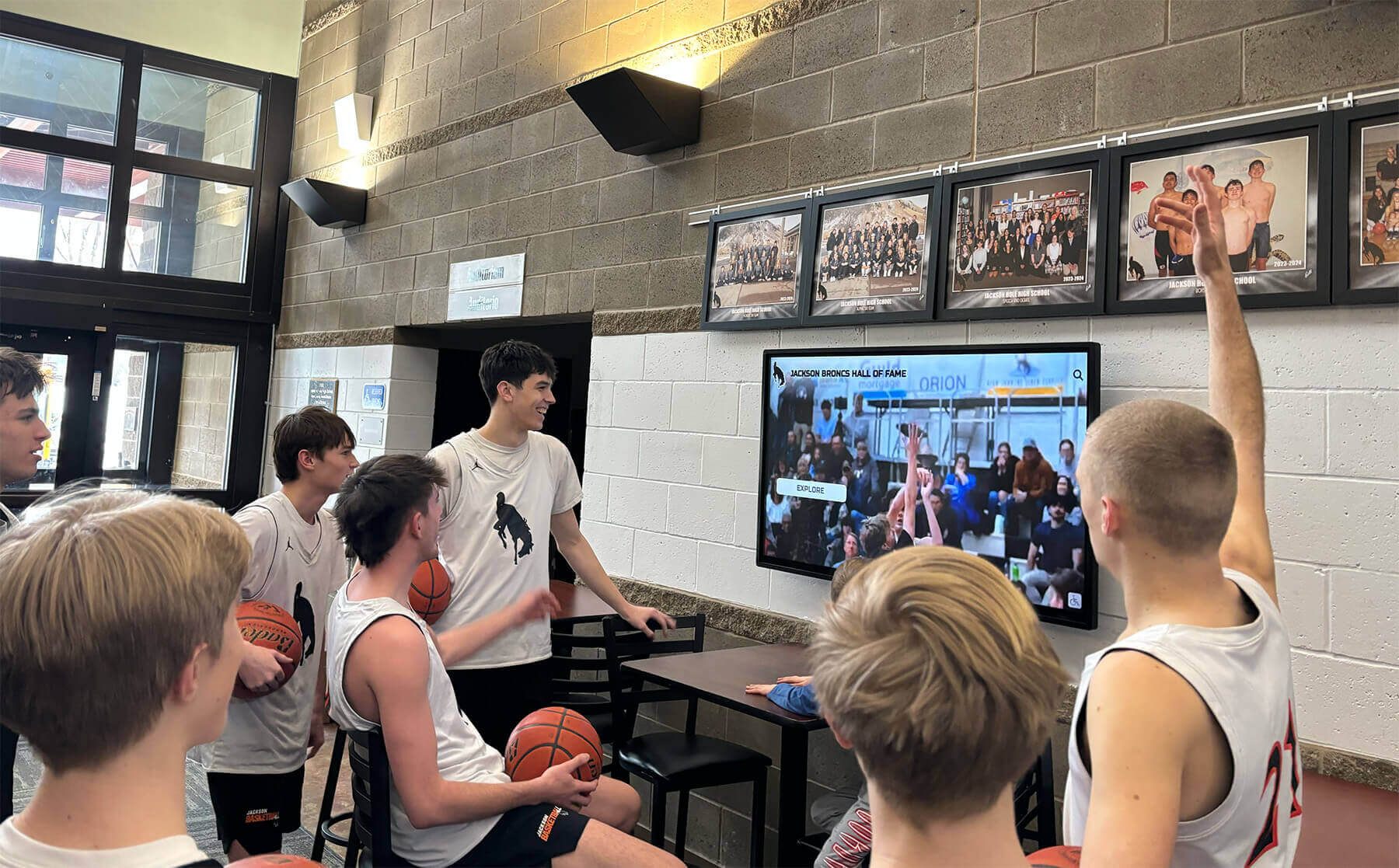
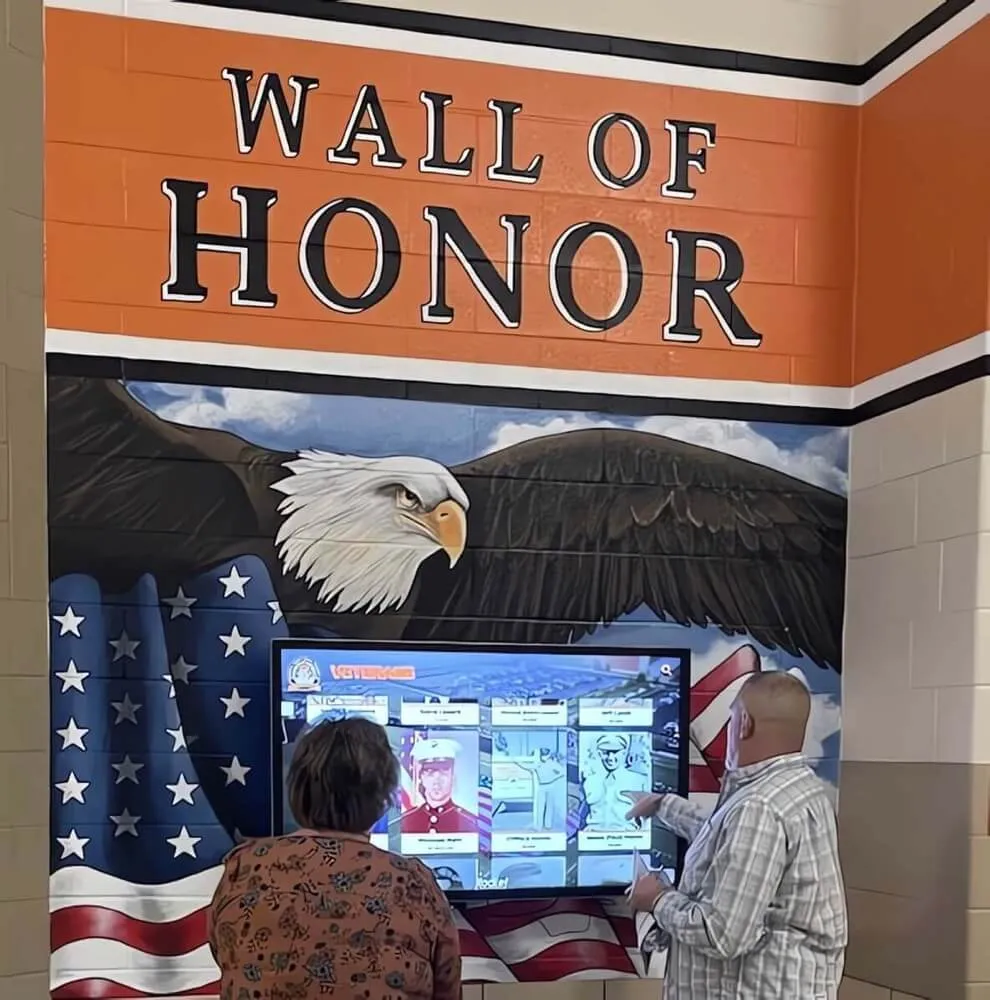
Recognition displays serve dual purposes acknowledging donors while creating engaging spaces for students and families
Location Selection and Site Requirements
Physical placement significantly impacts recognition visibility, technical feasibility, and donor engagement.
Optimal Placement Locations
Priority installation locations for booster club recognition:
Athletic Facility Main Entrances
- High traffic during games and events ensuring maximum visibility
- Natural gathering points where families congregate
- Psychological association between donor support and facility access
- Typically includes adequate electrical and network infrastructure
- Weather-protected environments supporting reliable operation
Gymnasium Lobbies or Concourses
- Central locations serving multiple sports and activities
- Extended viewing opportunities during practices and competitions
- Sufficient space for visitors to stop and explore recognition
- Connection between donor support and athletic programs served
- Often includes trophy cases and other recognition creating cohesive recognition zones
Athletic Department Offices or Team Rooms
- Visible to athletes reinforcing donor support connection
- Accessible to visiting recruits and their families
- Protected environments minimizing damage risk
- Convenient for volunteer administrators updating content
- Appropriate for secondary recognition locations supplementing primary displays
Field House or Stadium Concession Areas
- Captive audiences during events providing extended viewing time
- Association between refreshment purchases and program support
- Large open spaces accommodating multiple display configurations
- High-energy environments where recognition contributes to atmosphere
- Revenue-generating spaces reinforcing fundraising importance
Avoid locations with limited traffic, poor visibility, extreme temperature variations, or inadequate infrastructure requiring expensive modifications. Organizations implementing athletic recognition programs should prioritize placement where recognition reinforces program identity and donor impact.
Site Assessment Requirements
Before finalizing location, document these specifications:
Physical environment:
- Available wall space dimensions and mounting surface composition
- Clearances ensuring ADA compliance (48" clear floor space minimum)
- Ambient lighting conditions and glare sources requiring mitigation
- Traffic flow patterns and viewing approach angles
- Existing décor and architectural features affecting design coordination
Technical infrastructure:
- Electrical outlet locations and circuit capacity
- Network connectivity options (ethernet strongly preferred over WiFi)
- Distance from network switches or access points
- Environmental controls maintaining appropriate operating temperatures
- Security considerations preventing theft or vandalism
Facility policies:
- School district approval requirements for installations
- Restrictions on wall penetrations or modifications
- Insurance and liability considerations
- Access requirements for installation and maintenance
- Coordination with facility maintenance schedules
Comprehensive site assessment prevents discovering obstacles after purchasing equipment and enables accurate installation planning and timeline development.
Content Planning and Organizational Structure
Recognition effectiveness depends on thoughtful content organization that helps visitors navigate donor information efficiently while honoring all contributors appropriately.
Donor Categorization Strategies
Booster clubs typically organize recognition using these structures:
Giving Level Categories
- Championship Circle: $5,000+ annual or cumulative
- Varsity Club: $2,500-$4,999 annual or cumulative
- Team Supporter: $1,000-$2,499 annual or cumulative
- Program Friend: $500-$999 annual or cumulative
- Booster Member: $100-$499 annual or cumulative
Recognition Time Periods
- Current year donors receiving prominent homepage placement
- Multi-year consecutive donors recognized for sustained support
- Lifetime cumulative giving showing total program contributions
- Historical donors maintaining permanent recognition
- Legacy supporters acknowledged posthumously
Program or Sport Designations
- Sport-specific support (football, basketball, volleyball, etc.)
- Program area support (athletic training, facilities, equipment)
- Scholarship funding designated for specific purposes
- Facility naming rights for major construction gifts
- General operating support sustaining all programs
Donor Type Classifications
- Individual and family donors
- Business and corporate sponsors
- Alumni contributors
- Community supporters
- Memorial and honorary gifts
Most booster clubs implement hybrid categorization using giving levels as primary organization with secondary filters for programs, years, or donor types enabling visitors to explore recognition from multiple perspectives.
Essential Information Elements
Donor profiles should include:
Minimum required information:
- Donor name (individual, family, or business)
- Recognition category or giving level
- Years of support or contribution date
- Honored individual name (for memorial gifts)
- Geographic location (optional but appreciated)
Enhanced profile information:
- Donor photo or business logo
- Brief message or testimonial about support motivation
- Student-athlete connections (children, grandchildren)
- Athletic program history or personal involvement
- Social media links or contact information (with permission)
Organizations managing interactive digital displays find that enhanced profiles create more engaging recognition experiences encouraging extended exploration and stronger donor connections to programs supported.
Content Collection Workflows
Establish systematic processes for gathering donor information:
New donor profile creation:
- Receive contribution notification from treasurer or membership coordinator
- Send standardized email requesting recognition information and photo
- Verify preferred name format and any special designations
- Confirm recognition category based on contribution level
- Enter profile through content management system
- Preview recognition appearance before publishing
- Notify donor when recognition is live with link to view
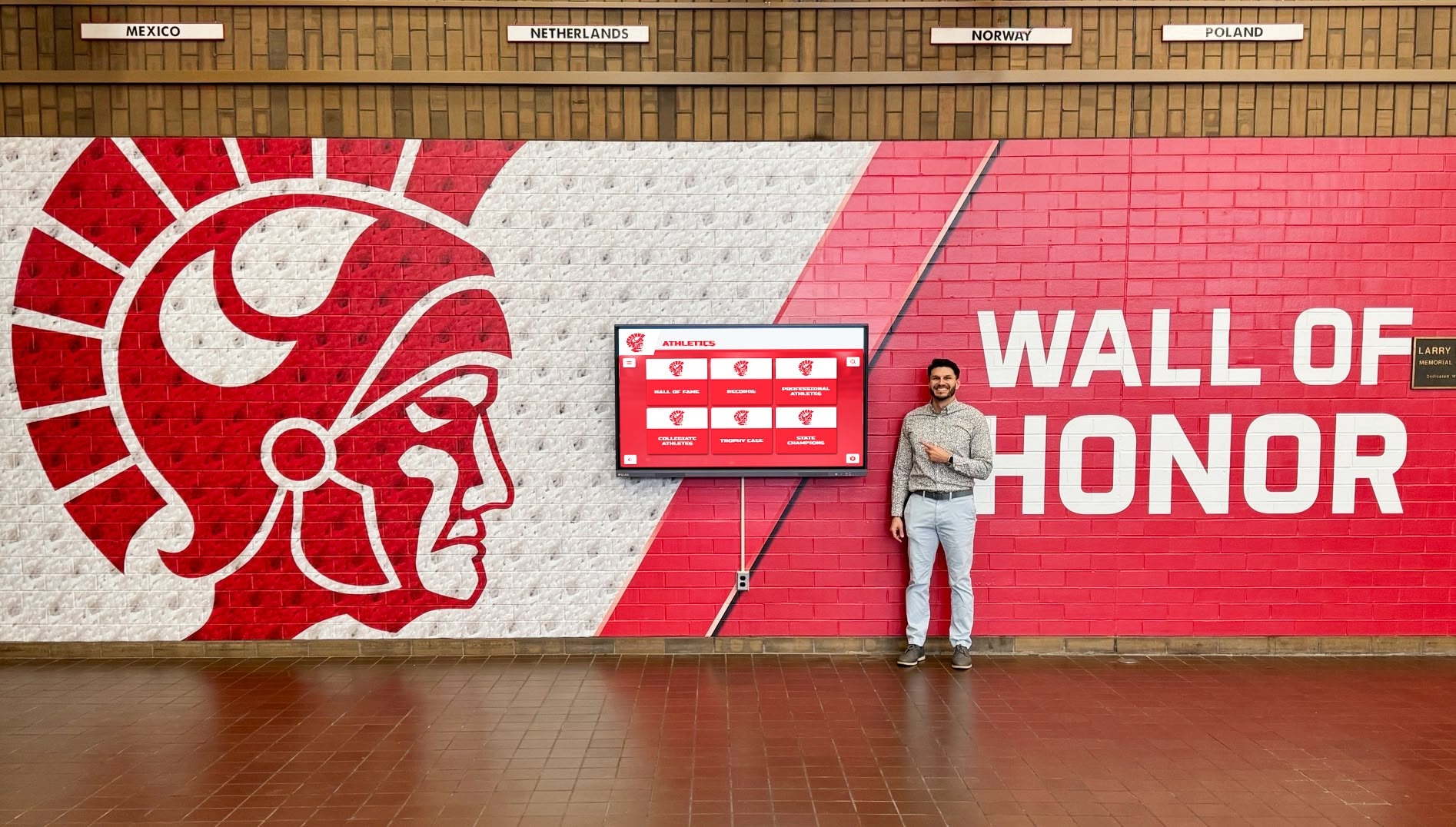
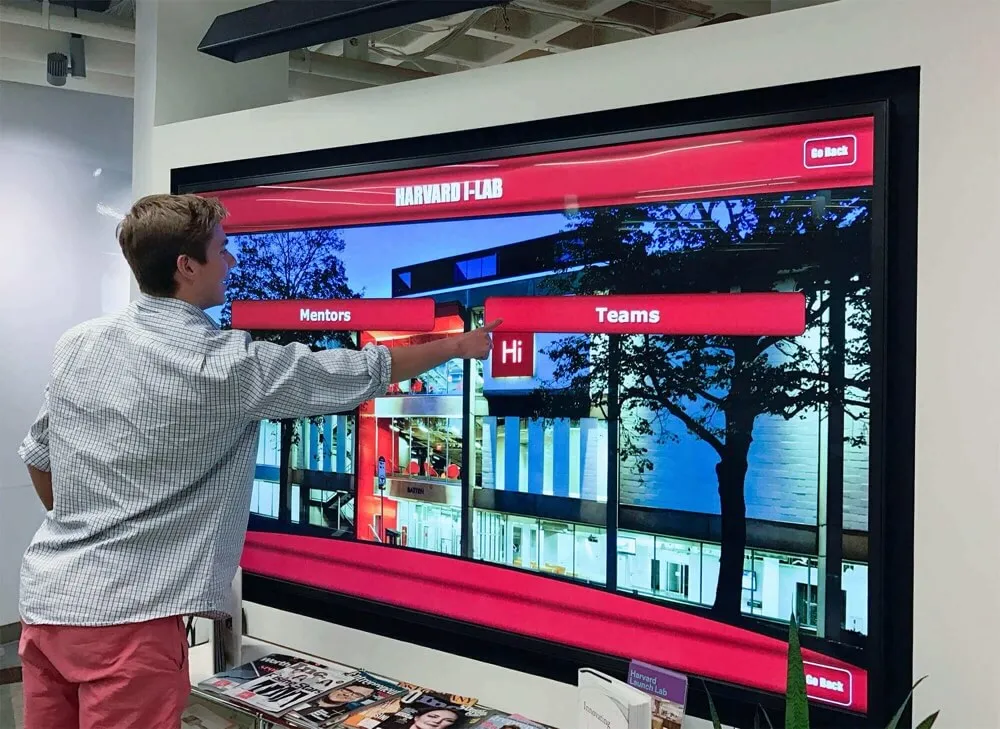
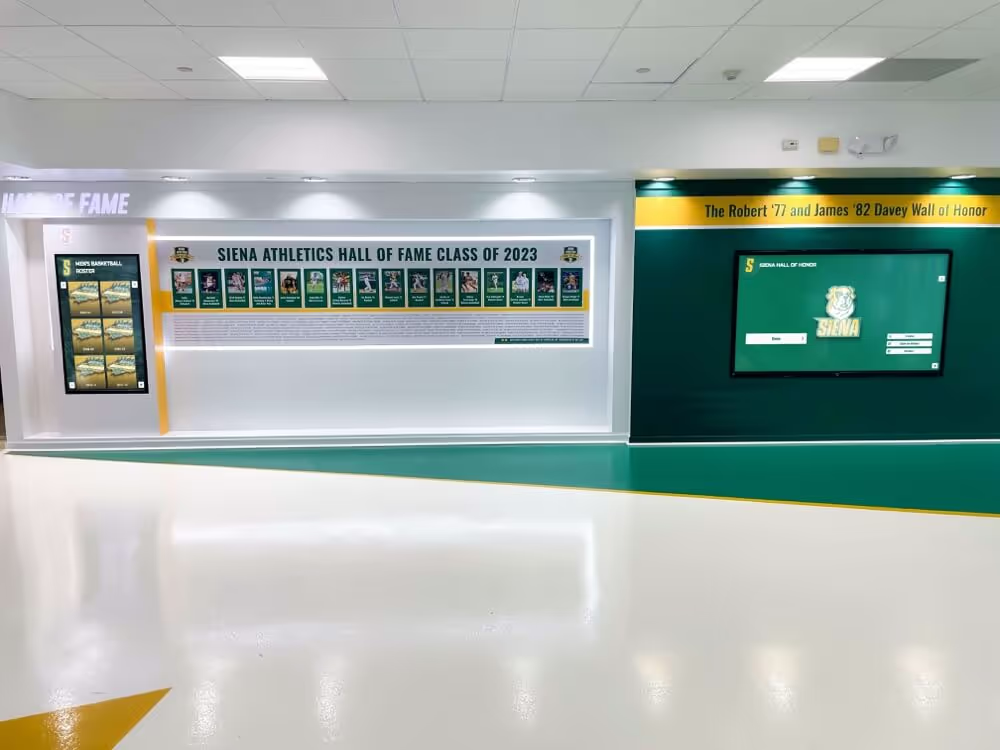
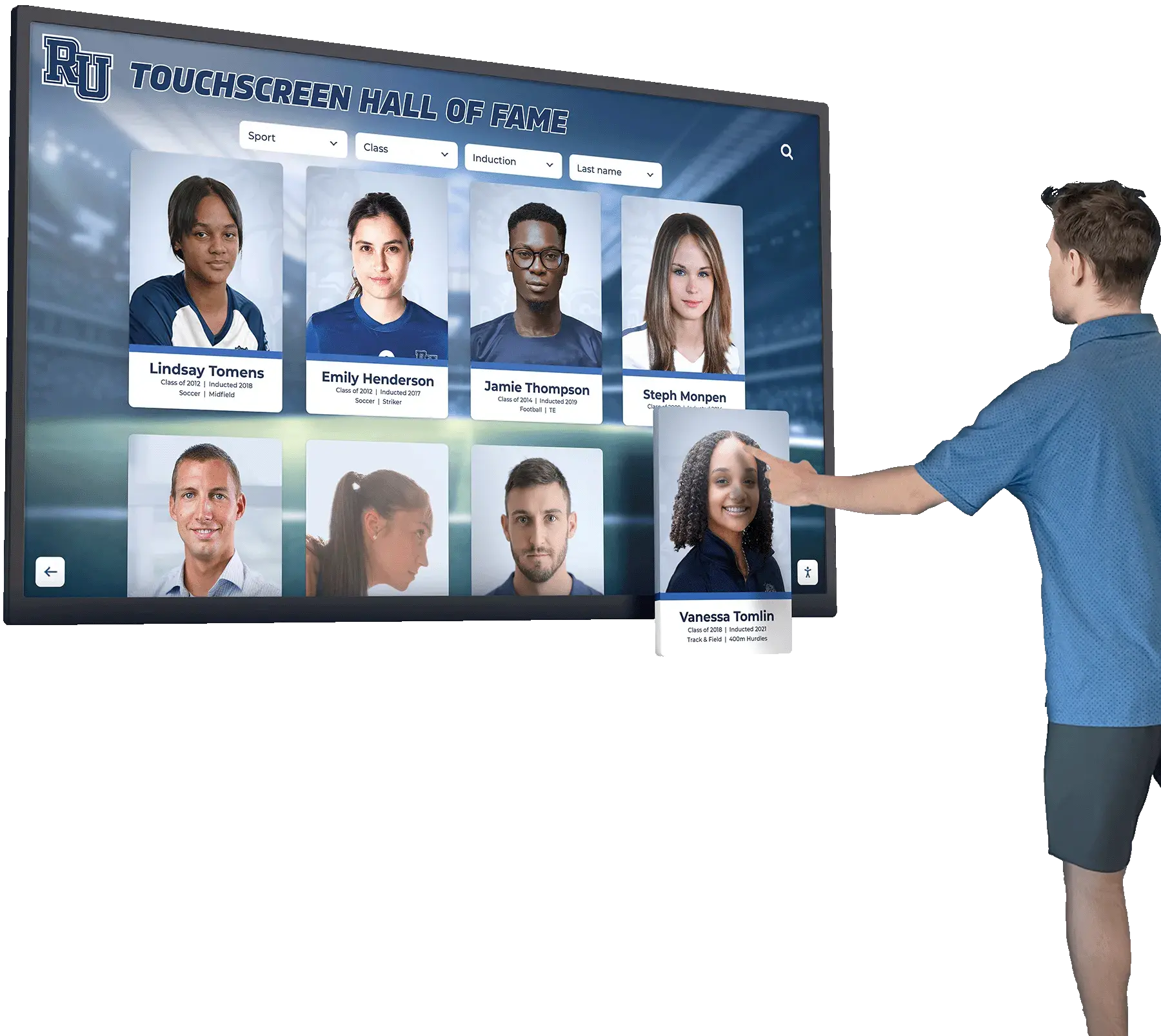
Clear categorization and intuitive navigation help visitors discover and appreciate all contributor recognition
Estimated volunteer time: 8-12 minutes per donor for complete profile with photo and enhanced information, 3-5 minutes for basic name and category recognition.
Historical donor data migration:
- Compile existing donor lists from previous years
- Standardize name formats and resolve duplicates
- Assign appropriate categories based on giving history
- Batch upload through content management import tools
- Review and correct any import errors
- Publish complete historical archive
Budget 15-25 hours volunteer time for migrating 3-5 years of historical donor data including cleanup, standardization, and import.
Technical Implementation Specifications
Understanding technical requirements enables informed vendor selection and prevents implementation problems arising from inadequate specifications.
Display Hardware Requirements
Booster club recognition displays require specific hardware characteristics ensuring reliable operation in athletic facility environments.
Display Size and Format Selection
Screen dimensions based on installation location:
Medium Format (43-50" diagonal)
- Appropriate for: Small lobbies, office areas, secondary recognition locations
- Viewing distance: 6-12 feet optimal
- Content considerations: Larger text (36pt minimum), simpler layouts
- Installation flexibility: Wall-mounted or freestanding kiosk configurations
- Budget range: $2,500-$5,000 complete system
- Best applications: Smaller booster clubs (under 100 donors), supplementary displays
Large Format (55-65" diagonal)
- Appropriate for: Main gym lobbies, facility entrances, primary recognition locations
- Viewing distance: 10-18 feet optimal
- Content considerations: Standard text (28-32pt), multi-column layouts, photo integration
- Installation options: Wall-mounted or robust freestanding kiosk
- Budget range: $4,500-$8,500 complete system
- Best applications: Most booster club primary installations, 100-300 donors
Extra-Large Format (70-85" diagonal)
- Appropriate for: Large stadium concourses, major field house lobbies, flagship installations
- Viewing distance: 15-25 feet optimal
- Content considerations: Bold headlines, dramatic visual impact, video integration
- Installation requirements: Reinforced mounting, professional installation required
- Budget range: $8,000-$15,000 complete system
- Best applications: Large programs (500+ donors), high-profile venues, major facility projects
Most booster clubs should specify 55" displays as the optimal balance between visibility, content capacity, cost, and installation flexibility for typical athletic facility applications.
Commercial-Grade vs. Consumer Display Considerations
Display quality directly impacts reliability and longevity:
Commercial Display Benefits
- 24/7 continuous operation ratings versus 8-12 hours for consumer TVs
- 50,000-60,000 hour lifespan versus 20,000-30,000 for consumer models
- Enhanced heat dissipation preventing premature failure
- Three to five year warranties versus one year consumer coverage
- Burn-in resistance when displaying static content
- Landscape or portrait orientation flexibility
Consumer Display Risks
- Unreliable operation when used beyond rated duty cycles
- Warranty voidance in commercial applications
- Smart TV operating systems creating maintenance complications
- Replacement within 18-24 months typical for continuous use
- Higher total cost despite lower initial price
Booster clubs should specify commercial-grade displays for primary recognition installations to ensure reliable operation throughout expected 6-8 year lifespan. Consumer displays may be acceptable for secondary locations with limited operating hours.
Interactive vs. Non-Interactive Options
Touch functionality adds engagement but increases complexity and cost:
Interactive Touchscreen Benefits
- Self-directed exploration enabling visitors to search for specific donors
- Enhanced engagement with average session duration of 5-8 minutes
- Detailed donor profiles revealing additional information and stories
- Modern, engaging appearance appealing to younger visitors
- Analytics showing which donors receive most attention
- Cost premium: $1,500-$3,500 over non-interactive displays
Non-Interactive Display Applications
- Lower hardware costs fitting smaller booster club budgets
- Simplified content design and maintenance
- Appropriate for locations where extended interaction isn’t practical
- Reliable operation with fewer components requiring maintenance
- Effective for rotating slideshows highlighting featured donors
Most booster clubs prioritize interactive displays for primary installations when budgets allow, as donor engagement and exploration time increase significantly with touch functionality. Non-interactive displays work well for secondary locations or budget-constrained implementations. Organizations managing touchscreen recognition systems consistently report higher donor satisfaction and engagement with interactive implementations.
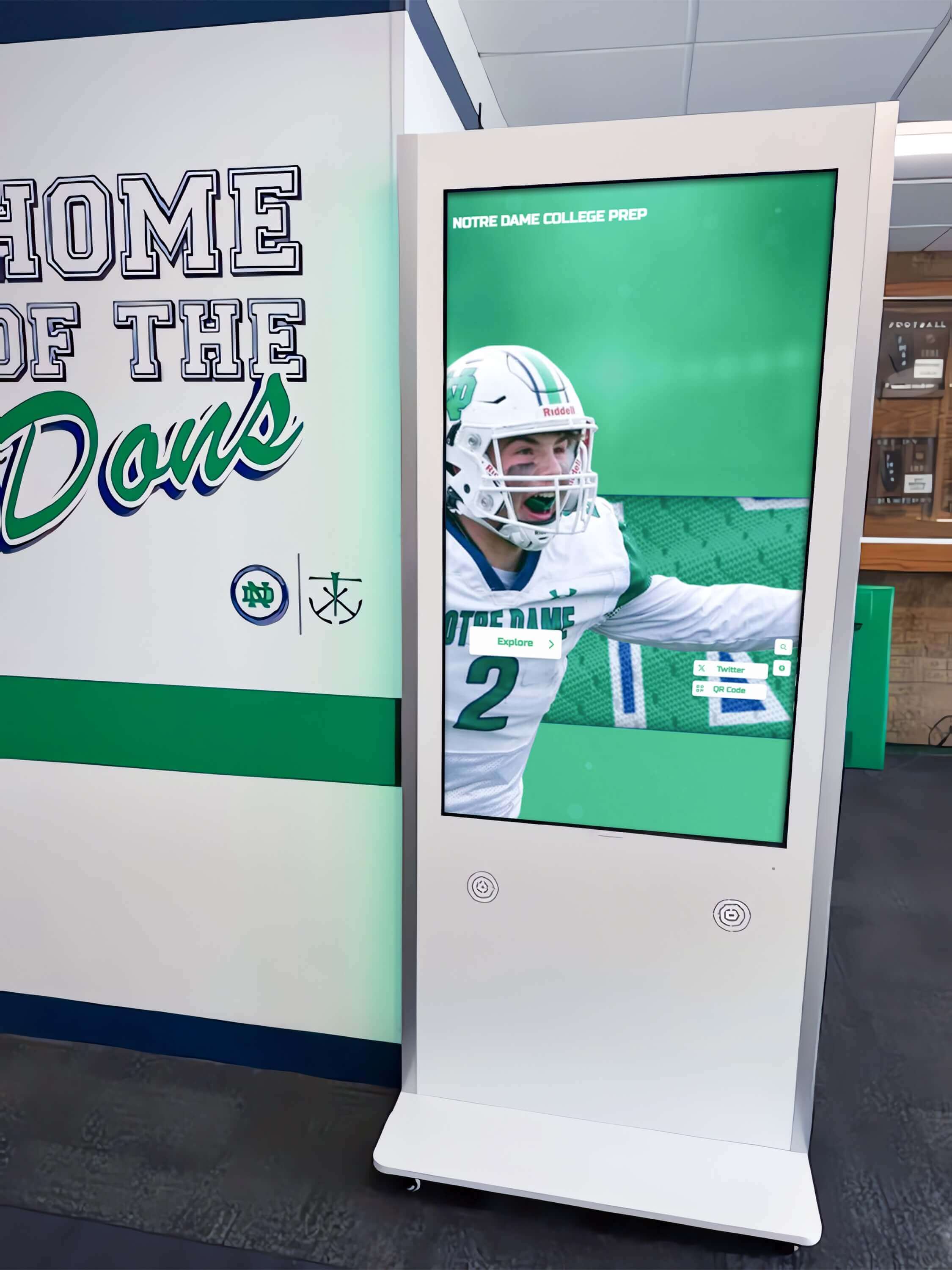
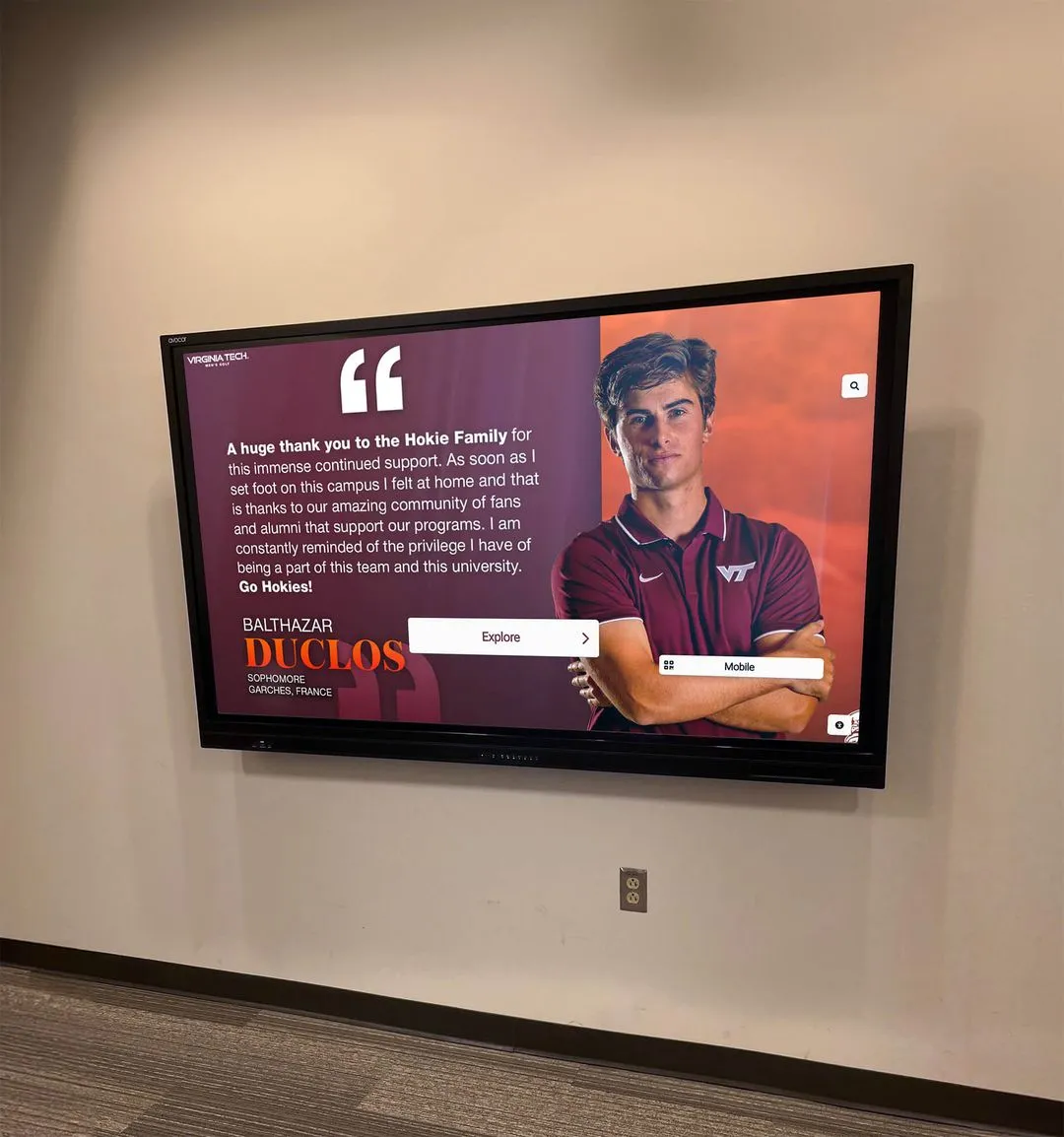
Freestanding kiosk configurations provide flexibility for spaces without suitable wall mounting locations
Content Management System Requirements
Hardware represents only half of effective recognition systems. Software capabilities determine whether volunteers can maintain current donor information or whether the system becomes outdated and neglected.
Essential Software Features for Volunteer Administration
Booster club content management systems must provide:
User-Friendly Interface
- Web-based access from any internet-connected device
- No coding, HTML, or technical knowledge required
- Intuitive forms with clear instructions and field labels
- WYSIWYG preview showing exact display appearance
- Mobile-responsive design enabling smartphone administration
- Undo functionality preventing accidental deletions or errors
Donor Database Management
- Individual donor profiles storing all recognition information
- Flexible category system organizing by giving level, year, or program
- Batch upload tools for importing existing donor lists
- Search and filter capabilities finding specific donors quickly
- Duplicate detection preventing multiple entries for same donor
- Export capabilities creating backup copies of donor data
Multi-User Access Control
- Role-based permissions allowing different access levels
- Multiple volunteers updating content simultaneously
- Activity logging tracking who made what changes
- Password security protecting donor information
- Session management preventing unauthorized access
- Training mode allowing practice without affecting live display
Scheduling and Automation
- Scheduled content publication at specific dates and times
- Automatic content rotation highlighting different donors
- Anniversary and recognition date automation
- Template-based consistency maintaining design standards
- Bulk update tools applying changes across multiple donors
- Email notifications alerting administrators to required actions
Booster clubs should prioritize systems specifically designed for recognition applications rather than generic digital signage software, as purpose-built platforms include donor-specific features that generic systems lack.
Integration Capabilities
Modern recognition systems offer integration with common booster club tools:
Membership Management Platforms
- MemberHub, TeamSnap, or similar booster club platforms
- Automatic member import syncing new donors to recognition
- Contribution level synchronization reflecting current status
- Contact information updates flowing to recognition profiles
- Reduced duplicate data entry across systems
Payment Processing Systems
- PayPal, Square, or booster club payment gateways
- Contribution notifications triggering recognition profile creation
- Gift amount synchronization ensuring accurate category placement
- Receipt generation including recognition notification
- Donor communication workflows
School District Systems
- Student information systems identifying student-athlete families
- Athletic program rosters connecting donors to specific sports
- Event calendar integration for recognition unveilings
- Website integration embedding recognition content
- Single sign-on authentication for administrative access
While comprehensive integration requires technical capabilities, even basic systems offering CSV import/export enable reasonable data synchronization with manual processes acceptable for volunteer-led organizations.
Installation and Technical Support
Professional installation and ongoing support ensure reliable long-term operation without excessive volunteer burden.
Installation Requirements and Timeline
Typical booster club recognition display project timeline:
Weeks 1-2: Planning and approval
- Present proposal to booster club board for approval
- Obtain school district or facility permission
- Conduct site survey verifying infrastructure requirements
- Finalize budget and funding sources
- Order hardware with appropriate lead times
Weeks 3-4: Infrastructure preparation
- Install or verify electrical service
- Install or verify network connectivity
- Obtain any required mounting hardware or structural reinforcement
- Schedule installation coordinating with facility access
- Prepare historical donor data for migration
Week 5: Hardware installation and configuration
- Receive and inspect hardware shipment
- Mount display and connect power/network
- Install and configure media player
- Test all hardware functions and connectivity
- Load initial content and configure system
Weeks 6-7: Content development and volunteer training
- Migrate historical donor database
- Create recognition categories and organizational structure
- Upload donor photos and information
- Design and refine display templates
- Train volunteer administrators on content management
- Document update procedures and administrative workflows
Week 8: Launch and unveiling
- Final content review and refinement
- Official unveiling event or announcement
- Donor communications about recognition availability
- Begin normal operating schedule
- Transition to routine maintenance workflows
Budget 6-8 weeks from board approval to official launch for typical installations without complex infrastructure requirements.
Support and Maintenance Planning
Long-term reliability requires planning for ongoing support:
Technical Support Resources
- Hardware vendor support for display and equipment issues
- Software vendor support for content management questions
- Local IT support for network connectivity problems
- Installation contractor support for physical installation issues
- Peer network connecting to other booster clubs using similar systems
Routine Maintenance Schedule
Monthly tasks (15-30 minutes):
- Add new donors from monthly contribution reports
- Update any changed information or corrections
- Clean display screen surface
- Verify system operating normally
Quarterly tasks (2-3 hours):
- Comprehensive donor database review
- Featured content refresh highlighting different donors
- Category structure review and refinement
- Test all interactive functions and navigation
- Review analytics identifying popular content
Annual tasks (6-8 hours):
- Complete donor database audit
- Photo updates for improved quality images
- Design template refresh maintaining contemporary appearance
- Comprehensive backup of all donor data and content
- Hardware inspection and preventive maintenance
- Volunteer administrator refresher training
Most booster clubs designate 2-3 board members as content administrators with overlapping knowledge preventing single-point-of-failure where only one volunteer understands the system. Organizations implementing nonprofit donor recognition programs find that distributed administrative knowledge ensures consistent maintenance across board transitions.
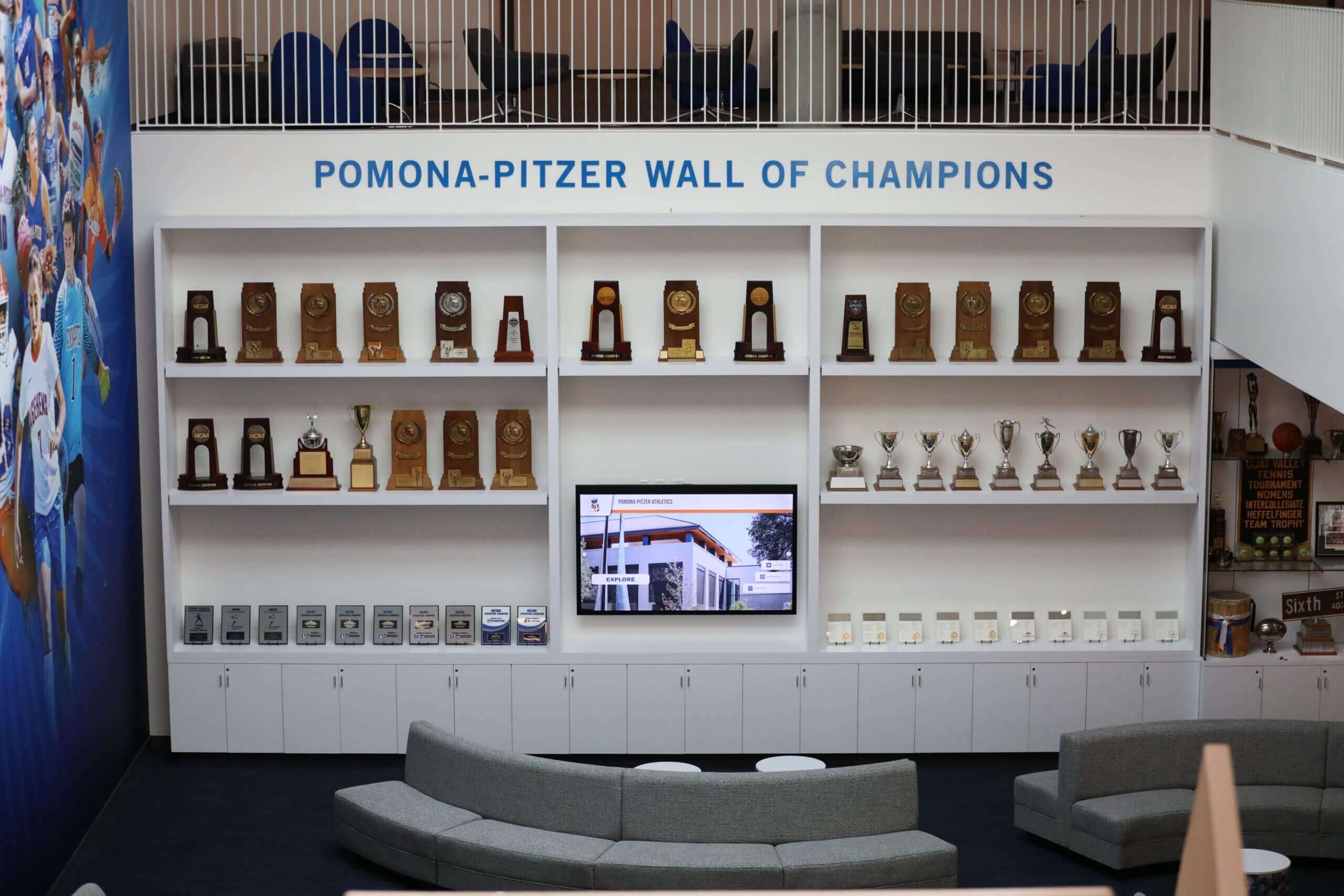
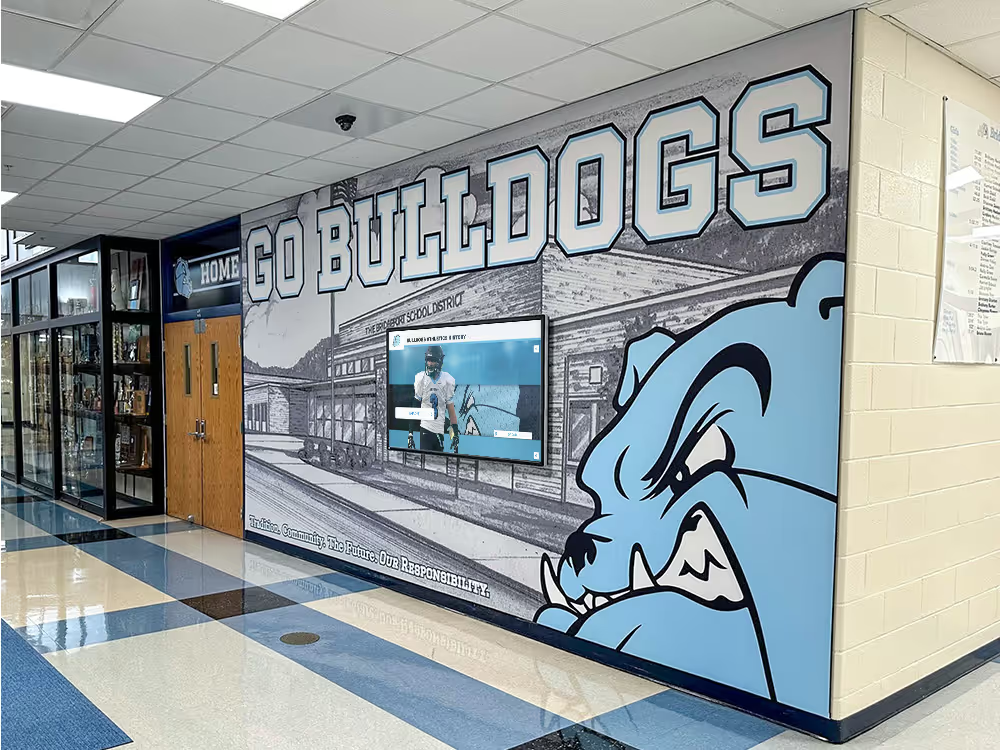
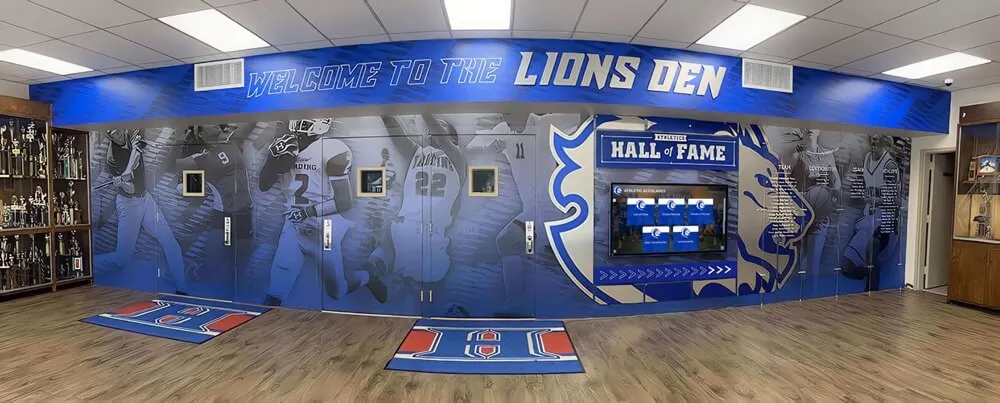
Strategic integration with existing trophy displays and athletic spaces creates cohesive recognition environments
Maximizing Donor Engagement and Recognition Impact
Technical implementation establishes the foundation, but content strategy and operational practices determine whether recognition displays effectively strengthen donor relationships.
Recognition Best Practices for Booster Clubs
Apply these proven approaches to maximize recognition effectiveness:
Comprehensive Recognition Philosophy
Recognize all donors appropriately:
- Include every contributor regardless of amount
- Differentiate giving levels without diminishing smaller contributions
- Maintain permanent recognition for historical donors
- Update current donor status annually reflecting sustained support
- Acknowledge in-kind donations and volunteer contributions
- Recognize memorial and honorary gifts prominently
Research consistently shows that any recognition increases donor retention more than the specific recognition format. Booster clubs that recognize 100% of contributors—even at modest levels—retain donors at 40-60% higher rates than organizations recognizing only major gifts.
Timely Recognition Updates
Minimize delay between contribution and recognition:
- Add new donors within 1-2 weeks of contribution
- Send personalized notification when recognition is published
- Provide direct link enabling donor to view their recognition
- Invite donors to submit photos and additional information
- Update giving levels as cumulative contributions increase
Prompt recognition demonstrates appreciation and organizational competence while contribution motivation remains fresh in donors’ minds.
Enhanced Storytelling and Donor Profiles
Move beyond names to create meaningful recognition:
- Include donor photos creating personal connections
- Feature brief testimonials about support motivations
- Highlight student-athlete connections showing family involvement
- Showcase impact stories demonstrating contribution outcomes
- Recognize consecutive giving years and sustained support
- Acknowledge special milestones and anniversaries
Enhanced profiles transform recognition from administrative acknowledgment into celebration of community commitment to student-athletes and programs supported. Organizations developing athletic recognition programs find that storytelling elements significantly increase donor engagement and recognition viewing time.
Recognition Event Integration
Connect recognition displays with booster club activities:
Annual Membership Campaigns
- Display campaign progress and participation rates
- Highlight campaign volunteer leadership
- Celebrate membership milestones as achieved
- Compare current year against historical trends
- Feature early contributors motivating additional support
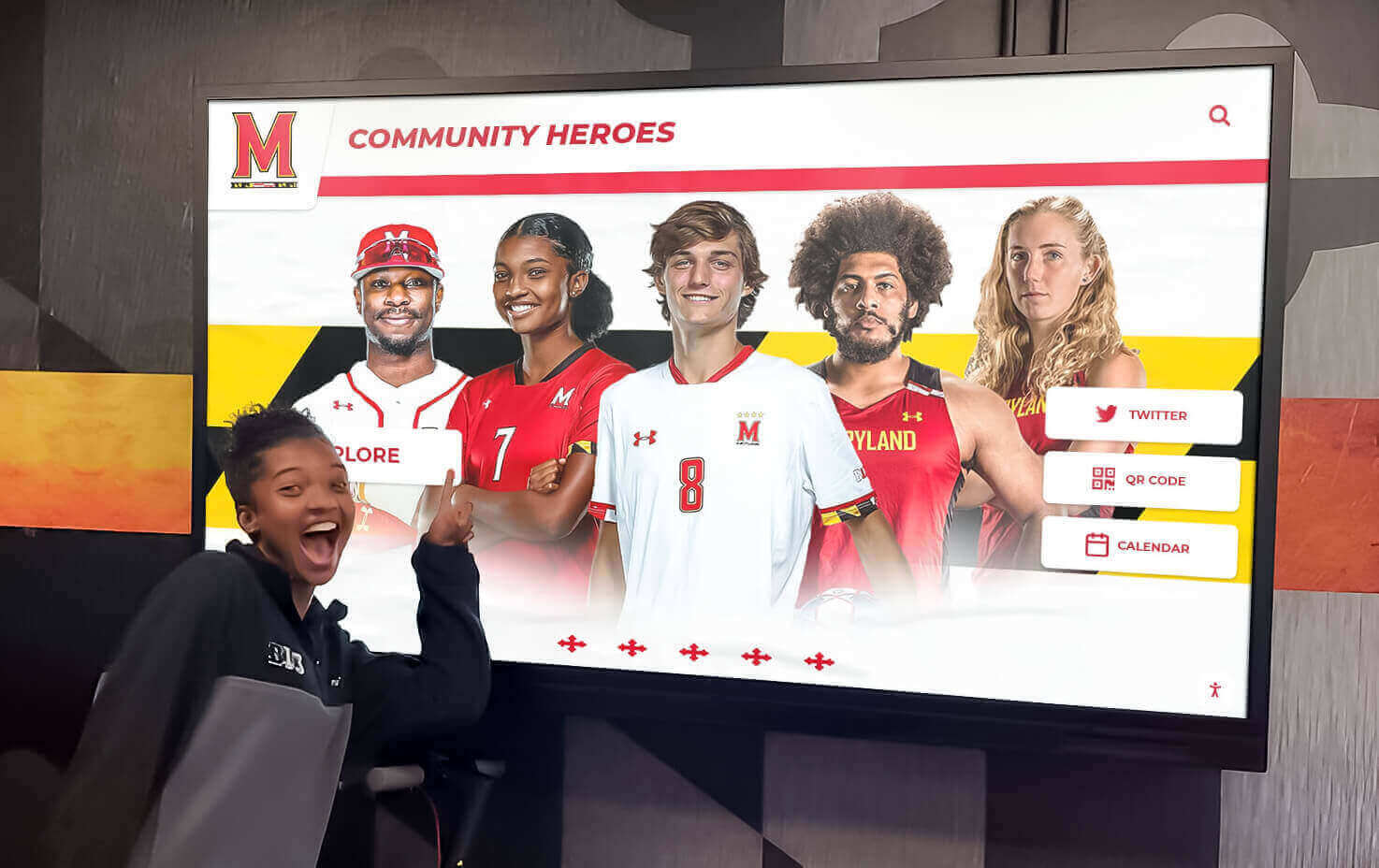
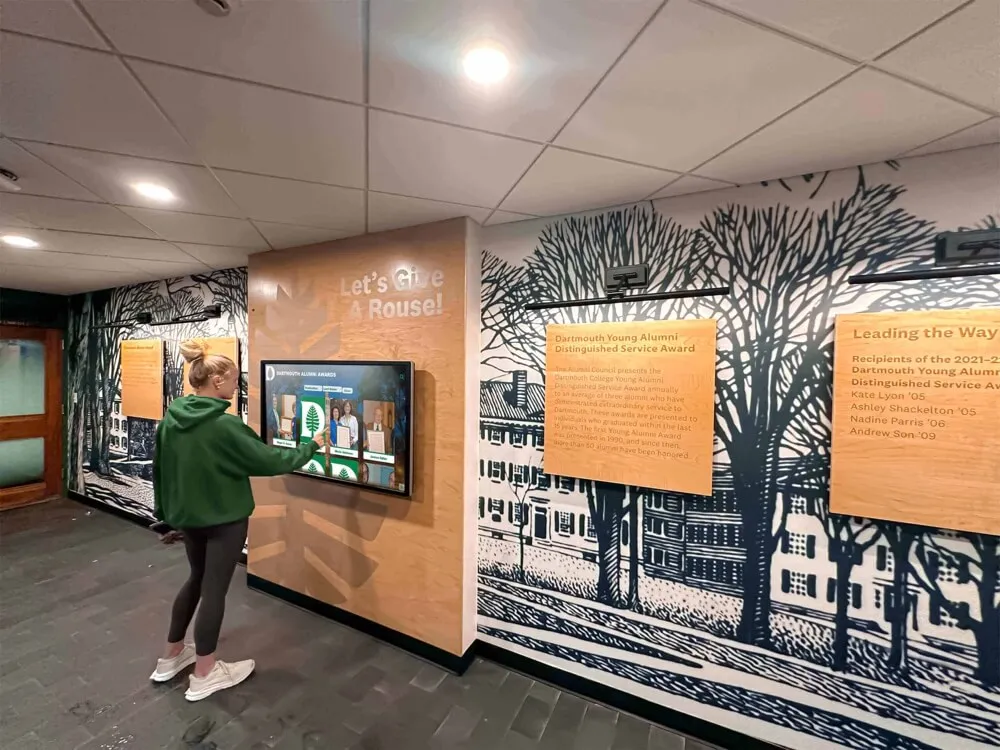
Recognition displays create opportunities for student-athletes to understand and appreciate community support
Athletic Events and Competitions
- Feature event sponsors and program supporters
- Display team rosters connecting athletes to donor support
- Showcase facility improvements funded by contributions
- Highlight booster club leadership and volunteers
- Create game-day atmosphere celebrating community involvement
Recognition Ceremonies and Events
- Schedule new donor unveiling at annual banquets or awards nights
- Display special recognition content during ceremonies
- Coordinate physical display with printed programs
- Capture event photos for permanent recognition archive
- Provide donors with shareable digital recognition certificates
Seasonal Recognition Campaigns
- Homecoming celebrations highlighting alumni donors
- Senior night recognition connecting family support to graduating athletes
- Championship celebrations acknowledging financial support enabling success
- End-of-season banquets reviewing contributions and impact
- Back-to-school promotions encouraging new membership
Event integration transforms recognition displays from static memorials into dynamic tools supporting active fundraising and community building throughout the athletic calendar.
Analytics and Continuous Improvement
Data-driven insights optimize recognition effectiveness and demonstrate program value to booster club leadership.
Engagement Metrics to Track
Monitor these key performance indicators:
Display usage patterns:
- Total visitors and session duration
- Most-viewed donor profiles and categories
- Search terms revealing navigation patterns
- Time-of-day usage informing maintenance schedules
- Touch interaction patterns showing popular features
Donor relationship indicators:
- Retention rates for donors featured in recognition
- Gift renewal patterns among recognized donors
- Contribution growth among sustained donors
- New donor referrals from existing supporters
- Planned giving inquiries following recognition
Content performance measures:
- Most popular donor categories and filters
- Profile completeness correlation with viewing duration
- Photo impact on engagement time
- Featured content effectiveness driving exploration
- Web accessibility usage versus physical display
System reliability tracking:
- Uptime percentage and service interruptions
- Content update success rates
- Technical support ticket volume
- Volunteer administrator confidence and satisfaction
- Donor feedback and suggestions
Regular metric review enables continuous refinement ensuring recognition displays deliver maximum value throughout their operational lifespan.
Recognition Program Evolution
Successful booster clubs evolve recognition programs based on experience:
Year 1 focus:
- Establish reliable technical operation
- Build comprehensive donor database
- Develop consistent update workflows
- Gather donor feedback and suggestions
- Measure baseline retention and satisfaction
Years 2-3 enhancement:
- Enrich donor profiles with photos and stories
- Expand web accessibility and mobile integration
- Implement advanced categorization and filters
- Integrate with membership management systems
- Add video content and multimedia elements
Years 4+ optimization:
- Analyze long-term retention impact
- Benchmark against comparable programs
- Expand recognition to additional locations
- Integrate recognition with recruitment and community building
- Mentor other booster clubs implementing similar programs
This evolutionary approach prevents overwhelming volunteers with complexity during initial implementation while creating pathway for continuous improvement as organizational competence and confidence develop.
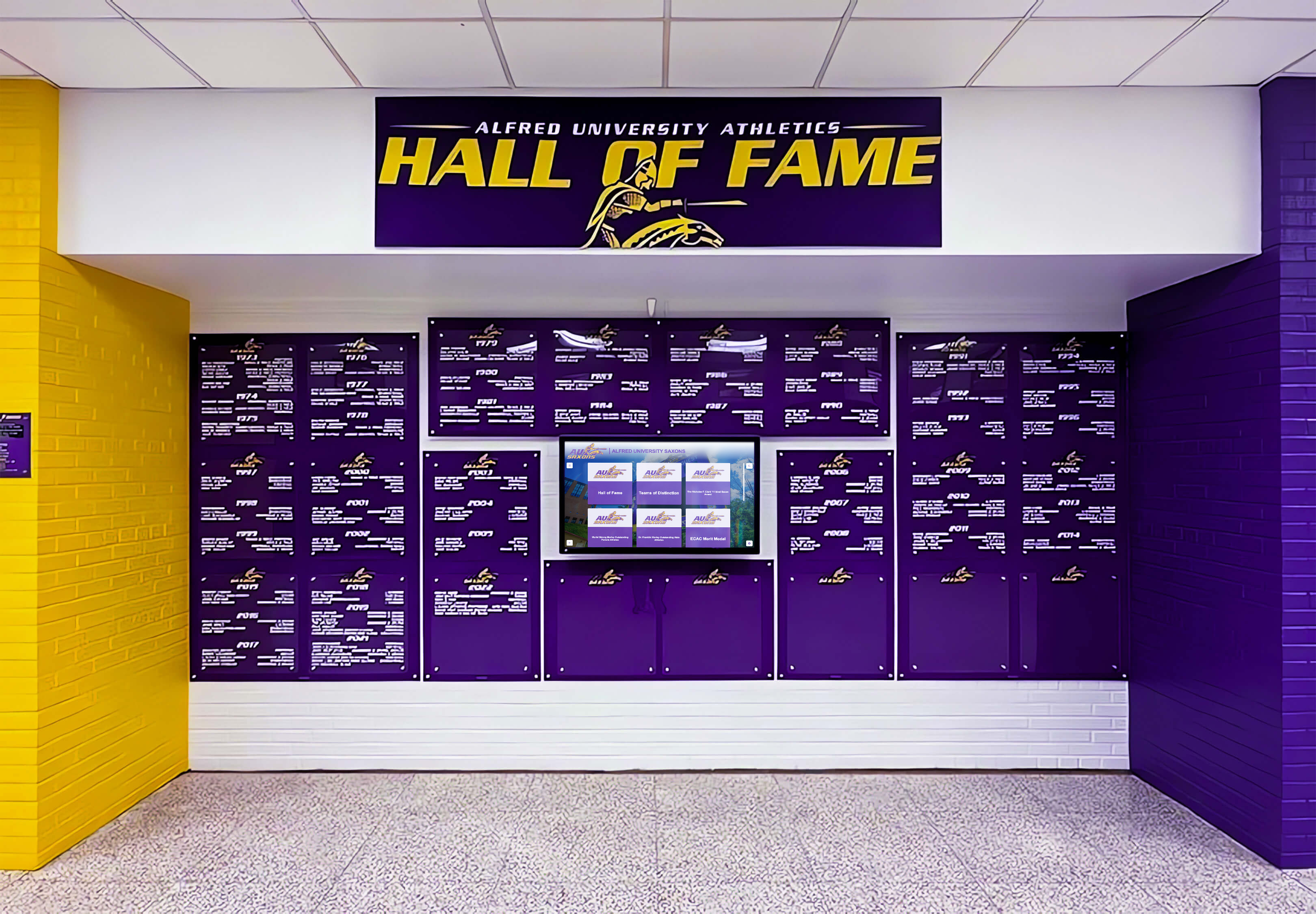
Mature recognition programs often expand to multiple displays across different facility locations and athletic programs
Vendor Selection and Implementation Partnership
Choosing the right implementation partner significantly impacts project success, long-term satisfaction, and total cost of ownership.
Evaluation Criteria for Recognition Display Vendors
Assess potential vendors using these critical factors:
Booster Club Experience and Understanding
Vendor qualifications:
- Demonstrated experience with volunteer-led organizations
- Understanding of booster club operational constraints
- References from similar booster club implementations
- Case studies showing successful installations
- Awareness of budget sensitivity and funding challenges
- Athletic facility installation experience
Request references from 3-5 booster clubs similar to your organization in size, sport programs, and budget. Contact references directly rather than relying on vendor-provided testimonials, asking specific questions about implementation experience, ongoing support quality, and volunteer administrator satisfaction.
System Integration and Completeness
Comprehensive solution components:
- Commercial-grade display hardware specifically recommended
- Purpose-built content management software designed for recognition
- Professional installation and configuration services
- Volunteer administrator training and documentation
- Ongoing technical support and maintenance
- Clear service level agreements defining response times
Integrated vendors providing complete turnkey solutions typically deliver better results than fragmented approaches requiring coordination across multiple suppliers. Single-point accountability prevents finger-pointing when issues arise and simplifies volunteer administrator experience.
Training and Support Quality
Support program evaluation:
- Initial administrator training approach and duration
- Ongoing support channels (phone, email, video conferencing)
- Support availability hours and response time commitments
- Online knowledge base and self-service resources
- User community connecting administrators across organizations
- Proactive system monitoring detecting issues before failure
Strong support programs matter more for volunteer-led organizations than professionally-staffed development offices, as booster club administrators lack fallback technical resources when problems arise. Prioritize vendors demonstrating commitment to administrator success through comprehensive training and responsive support.
Cost Structure and Value Proposition
Financial considerations:
- Transparent pricing with clear line-item breakdowns
- Inclusive pricing versus base price with hidden add-ons
- Annual maintenance and software subscription costs
- Multi-year total cost of ownership projections
- Payment plan options spreading costs across budget cycles
- Upgrade path as technology evolves or programs expand
Request complete cost proposals including all hardware, software, installation, training, and ongoing support for realistic budget comparison. Vendors offering unusually low initial prices often compensate through high annual fees, limited support, or exclusions requiring expensive additions.
Long-Term Partnership Potential
Relationship considerations:
- Vendor financial stability and longevity
- Product roadmap showing continued development
- Customer retention rates indicating satisfaction
- Upgrade options as organizational needs evolve
- Flexibility accommodating changing requirements
- Collaborative approach versus transactional vendor relationship
Donor recognition displays represent 6-8 year investments requiring sustained vendor relationships. Evaluate partnership potential beyond initial implementation, considering whether vendors demonstrate commitment to long-term customer success. Solutions like Rocket Alumni Solutions build lasting relationships with booster clubs, providing ongoing support and system enhancements ensuring recognition programs continue delivering value throughout their operational lifetime.
Implementation Project Management
Successful recognition display projects require coordinated execution across multiple stakeholders and timeline phases.
Project Team and Roles
Define clear responsibilities:
Booster club stakeholders:
- Project champion: Board member driving project completion
- Content administrator: Volunteer(s) managing donor information
- Technical liaison: Member coordinating with IT and facilities
- Treasurer: Managing budget and payment processing
- Communications lead: Donor notification and unveiling event planning
School district stakeholders:
- Athletic director: Program oversight and facility access
- Facilities director: Installation coordination and infrastructure
- IT department: Network connectivity and technical support
- Principal or superintendent: Final approval authority
- Communications: Integration with school announcements
External partners:
- Display vendor: Hardware provision and installation
- Software vendor: Content management platform and training
- Installation contractor: Mounting and electrical work
- Content consultant: Design and initial database development
Clear role definition prevents confusion, ensures accountability, and enables efficient coordination across project phases.
Risk Management and Contingency Planning
Address potential implementation obstacles:
Common risk factors:
- Hardware lead times extending beyond expected delivery
- School district approval delays or requirement changes
- Infrastructure deficiencies requiring unexpected remediation
- Budget overruns from unforeseen requirements
- Volunteer turnover affecting project continuity
- Donor data quality issues complicating migration
Mitigation strategies:
- Build 15-20% schedule contingency into timeline
- Obtain preliminary approvals before ordering equipment
- Conduct thorough site assessment identifying infrastructure gaps
- Include 10-15% budget contingency for unexpected costs
- Document processes enabling knowledge transfer
- Begin data cleanup early in project timeline
Proactive risk management prevents minor obstacles from becoming major problems threatening project success or timeline.
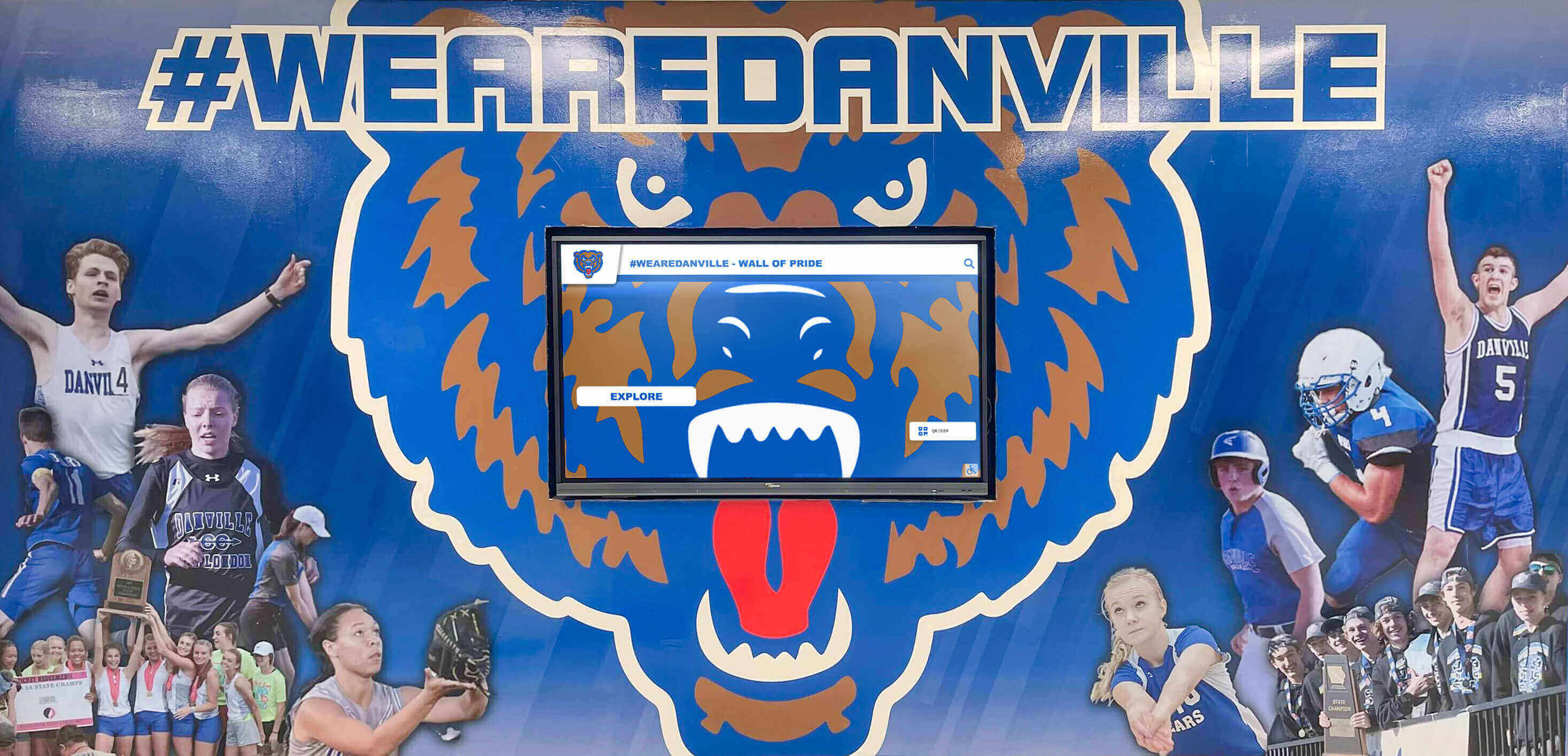
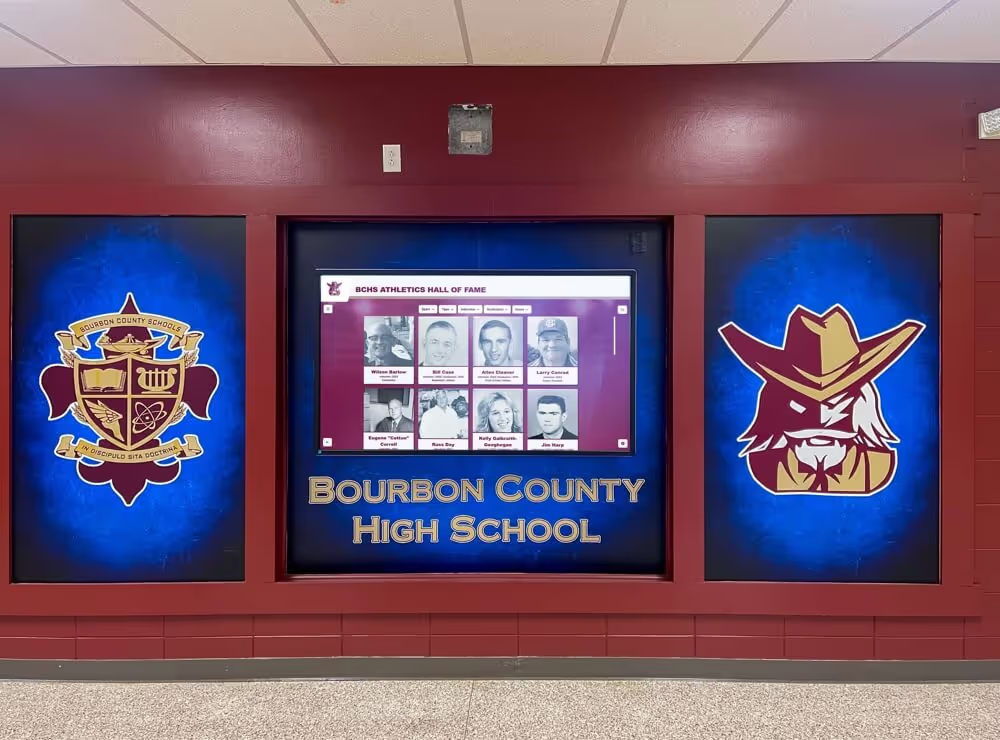
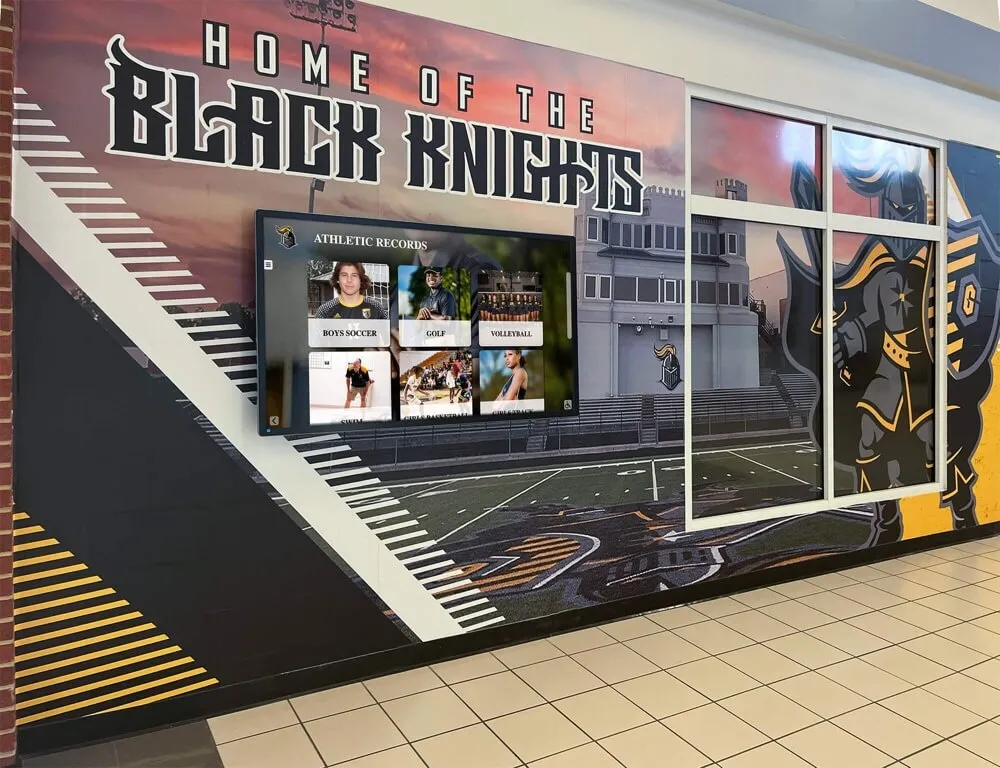
Effective recognition displays integrate seamlessly with school branding and athletic program identity
Conclusion: Building Recognition That Strengthens Your Booster Club
Donor recognition displays represent more than technology investments—they embody your booster club’s commitment to honoring every supporter who makes student-athlete success possible. The specifications, budget frameworks, and implementation approaches outlined in this guide enable booster club leaders to establish sustainable recognition programs that accommodate growing donor lists, simplify volunteer workload, and strengthen relationships with contributors who fund athletic programs.
The practical requirements explored here—from display sizing and content management capabilities to installation planning and volunteer training—provide the foundation for implementations that remain reliable, maintainable, and effective throughout their 6-8 year operational lifespans. Booster clubs that shortcut specifications through consumer-grade hardware, inadequate software, or insufficient volunteer training typically face premature failures, excessive maintenance burdens, or systems that become static and neglected as initial enthusiasm fades.
The cost analysis demonstrates that recognition displays deliver measurable value through expanded recognition capacity, reduced long-term administrative burden, and improved donor retention. When combined with qualitative benefits including enhanced storytelling, web accessibility, and professional presentation quality, these systems represent high-value investments in donor stewardship infrastructure supporting sustained fundraising success.
Ready to Honor Your Booster Club Donors?
Discover how recognition display solutions designed specifically for booster clubs can transform your donor acknowledgment while fitting volunteer capabilities and organizational budgets.
Explore Booster Club SolutionsStart your implementation by conducting the site assessment and budget planning detailed in this guide. Document your facility environment, verify infrastructure availability, and identify board members willing to champion the project and serve as content administrators. This foundational work prevents discovering obstacles late in implementation and enables accurate timeline and budget projections.
When evaluating vendors, prioritize providers demonstrating booster club experience and offering integrated solutions combining hardware, software, installation, training, and ongoing support. Fragmented solutions requiring coordination across multiple vendors typically create complexity and higher total cost of ownership compared to comprehensive offerings from experienced partners.
Establish clear success metrics before implementation enabling objective performance assessment. Track donor retention rates, contribution patterns, volunteer administrator satisfaction, and donor feedback both before and after recognition display deployment. These measurements demonstrate program value, inform continuous improvement, and justify the investment to your booster club membership and school district leadership.
Your donors’ generosity enables student-athlete opportunities, program excellence, and facility improvements that benefit entire school communities. They deserve recognition that honors their contributions appropriately while supporting your ongoing fundraising mission. Well-implemented recognition displays deliver both appreciation and utility, creating sustainable programs that strengthen donor relationships while reducing volunteer administrative burden.
Begin planning your booster club recognition display today. Review the checklists and specifications in this guide, conduct your site assessment, and explore solutions designed specifically for volunteer-led athletic support organizations. Your donors make student-athlete success possible—ensure they receive the recognition they’ve earned.
Explore related resources including state championship displays and school gala fundraiser recognition strategies that complement booster club donor recognition programs.