Nonprofits face a persistent challenge: how to honor donors in ways that feel meaningful, inspire continued generosity, and remain sustainable as your supporter community grows. Traditional donor walls—engraved plaques, brass nameplates, physical recognition spaces—have served organizations for decades, yet they present inherent limitations that increasingly conflict with modern fundraising needs.
Space constraints force difficult decisions about whose names remain visible. Physical updates require costly engraving, installation, and construction. Static displays fail to tell compelling stories about impact or create the emotional connections that inspire future giving. Meanwhile, donor retention rates continue declining, making recognition more critical than ever for sustaining philanthropic relationships.
This guide provides practical frameworks for implementing donor wall solutions that address these challenges while honoring every contribution appropriately. Whether you’re planning your first recognition display or evaluating how to modernize existing approaches, these insights will help you create donor appreciation systems that strengthen relationships and support fundraising goals.
Effective donor walls serve multiple functions beyond simple acknowledgment—they demonstrate organizational values, inspire future giving through social proof, create community among supporters, and provide tangible evidence that generosity matters. The best recognition systems accomplish these goals while remaining practical, inclusive, and aligned with nonprofit resources.
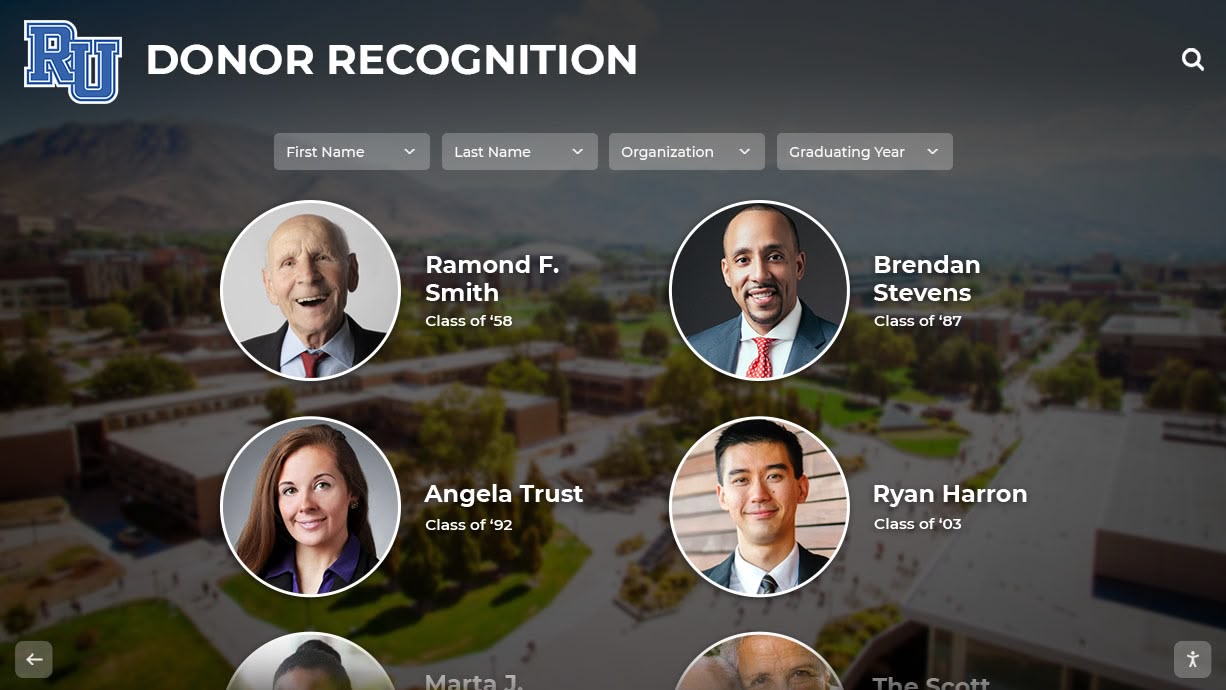
Modern donor recognition systems celebrate contributions while creating environments that inspire continued philanthropic partnership
Understanding Donor Wall Fundamentals
Before exploring specific design ideas, establishing core principles ensures your donor wall investment delivers maximum impact.
Why Donor Walls Matter for Nonprofit Success
Donor recognition directly influences fundraising sustainability through multiple mechanisms:
Retention Impact Organizations with visible, well-maintained donor recognition retain contributors at rates 40-60% higher than those with minimal or absent recognition programs. Since acquiring new donors costs 5-7 times more than retaining existing supporters, recognition represents one of the highest-ROI fundraising investments nonprofits can make.
Gift Growth Catalyst Donors who see their names prominently displayed alongside giving level designations increase average gift sizes by 25-35% in subsequent contributions. Recognition creates aspirational targets encouraging supporters to advance to higher giving tiers.
Social Proof Engine Visible donor communities demonstrate organizational credibility and broad support. Prospective donors who see extensive recognition are significantly more likely to make their first gift, often at levels matching those they observe in displayed giving societies.
Stewardship Foundation Donor walls provide natural conversation starters during facility tours, recognition events, and stewardship visits. They create tangible acknowledgment that donors can show family members, colleagues, and peers, extending recognition value beyond the initial display.
Key Considerations Before Building Your Donor Wall
Thoughtful planning prevents costly mistakes and ensures your recognition system serves organizational needs:
Budget Reality Assessment
- Determine available funds for initial installation and ongoing maintenance
- Account for content updates as donor communities grow
- Consider technology costs versus traditional approaches
- Plan for recognition program evolution over 5-10 year timeframes
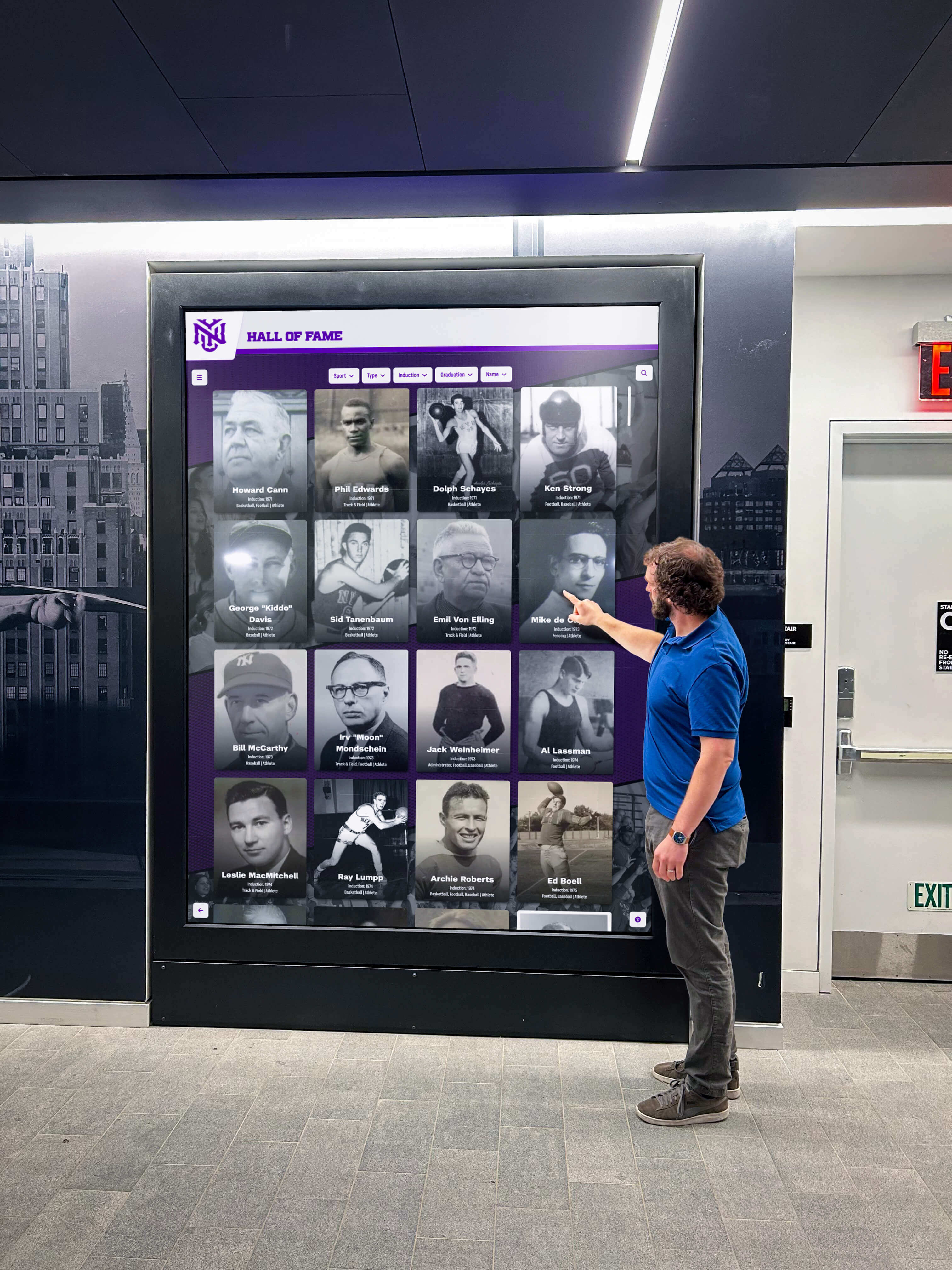
Interactive systems enable exploration and create memorable experiences for donors and visitors
Space and Location Planning
- Identify high-traffic areas where donors and visitors naturally gather
- Evaluate visibility and accessibility from multiple approach angles
- Assess lighting conditions and environmental factors affecting displays
- Consider future expansion needs as donor communities grow
- Ensure accessibility compliance for all community members
Recognition Policy Development Before designing displays, establish clear policies addressing:
- Giving thresholds for each recognition level
- Anonymous donor handling procedures
- Memorial and tribute gift acknowledgment
- Recognition duration and revision protocols
- Corporate and foundation recognition guidelines
Written policies prevent misunderstandings and ensure consistent, fair treatment across your entire donor community.
10 Top Donor Wall Ideas for Nonprofits in 2026
These proven approaches represent effective recognition strategies that nonprofits successfully implement across various organizational types, budgets, and spaces.
1. Digital Interactive Donor Displays
Modern touchscreen systems address traditional donor wall limitations while creating engaging recognition experiences:
Core Benefits
- Display unlimited donors without physical space constraints
- Update recognition instantly through cloud-based content management
- Present rich multimedia content including donor stories, photos, and impact videos
- Enable search functionality helping donors find themselves and peers
- Provide engagement analytics demonstrating recognition program effectiveness
Solutions like Rocket Alumni Solutions transform donor recognition through comprehensive platforms that eliminate the forced choices traditional walls impose. Organizations can honor every contributor at every giving level without removing historical recognition or dealing with engraving delays.
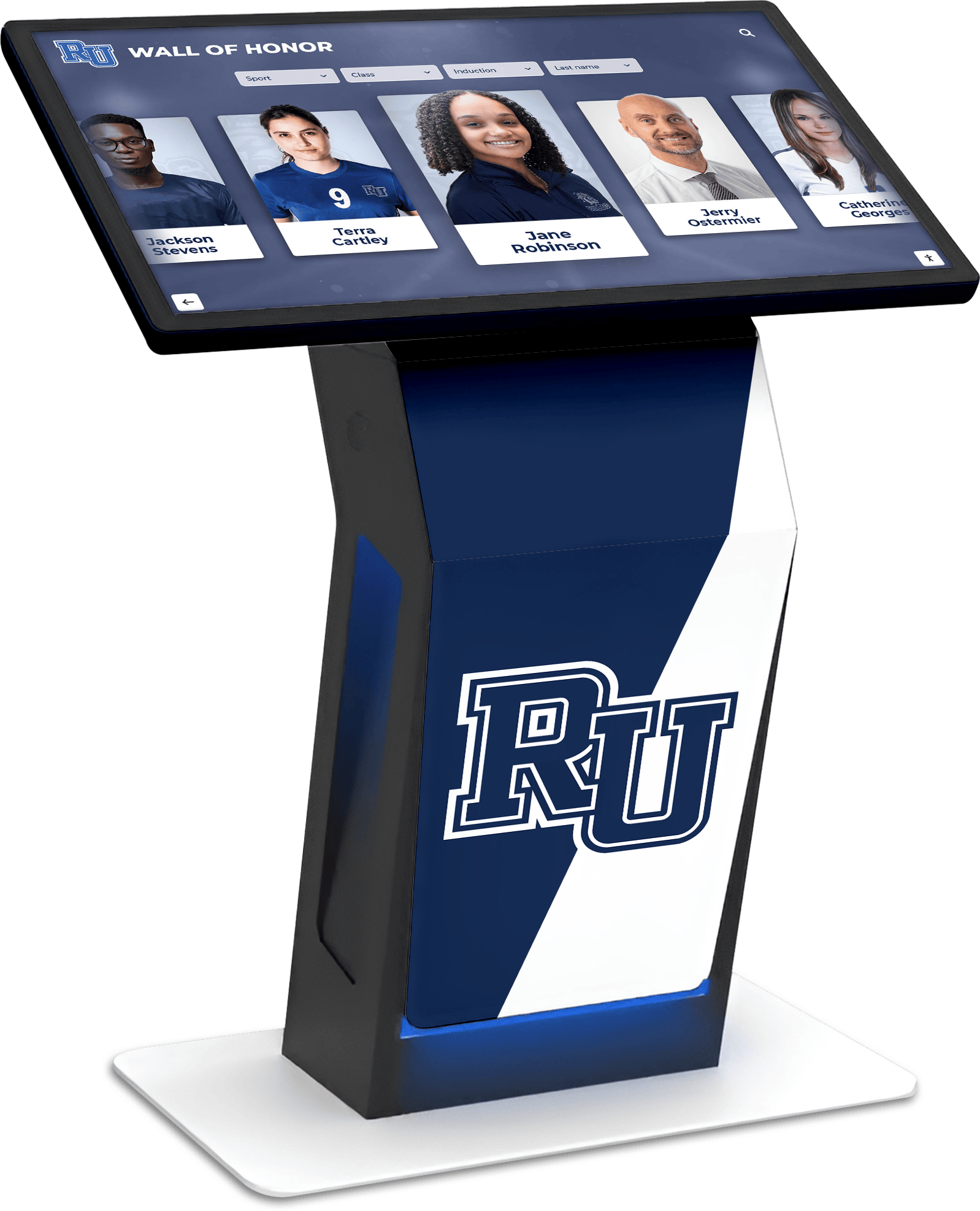
Integrated recognition systems combine hardware, software, and content management for comprehensive donor appreciation
Implementation Considerations
- Select commercial-grade touchscreen displays designed for continuous operation
- Choose content management systems non-technical staff can update easily
- Plan for integration with fundraising databases enabling automated updates
- Ensure ADA compliance in physical placement and digital accessibility
- Budget for ongoing support and content enhancement
Organizations implementing digital recognition displays report significant improvements in donor satisfaction alongside operational efficiency gains.
2. Giving Tree or Garden Displays
Nature-inspired recognition creates visually appealing metaphors for community growth:
Design Elements
- Tree trunk or branches where donor names appear as leaves, fruits, or plaques
- Garden themes with donor recognition as flowers, stones, or pathway elements
- Seasonal updates reflecting organizational growth
- Physical installations in lobbies or outdoor spaces
- Metaphorical representation of donor community as living, growing ecosystem
Advantages
- Visually engaging design that softens formal recognition atmosphere
- Natural expansion as recognition “grows” with new contributors
- Works effectively for capital campaigns with growth metaphors
- Appeals across diverse donor demographics
- Creates memorable visual impact in organizational spaces
Organizations should ensure adequate space for significant growth and establish clear policies about how recognition appears within the design structure.
3. Wall of Honor with Tiered Recognition Levels
Traditional approaches remain effective when thoughtfully designed:
Structure Components
- Clearly defined giving societies with inspiring names
- Distinct visual treatment for each recognition tier
- Historical donor archives preserving institutional memory
- Prominent placement for major gift acknowledgment
- Consistent updating protocols maintaining currency
Tier Examples
- Founders Circle ($100,000+): Largest plaques with premium placement
- Visionaries Society ($50,000-$99,999): Prominent recognition in central areas
- Leadership Council ($25,000-$49,999): Named recognition with meaningful visibility
- Benefactors Circle ($10,000-$24,999): Grouped acknowledgment by level
- Partners ($5,000-$9,999): Recognition demonstrating community breadth
- Friends ($1,000-$4,999): Entry-level giving society inclusion
Establish threshold levels appropriate to your donor base and organizational scale. Community nonprofits may set different levels than large universities or health systems.
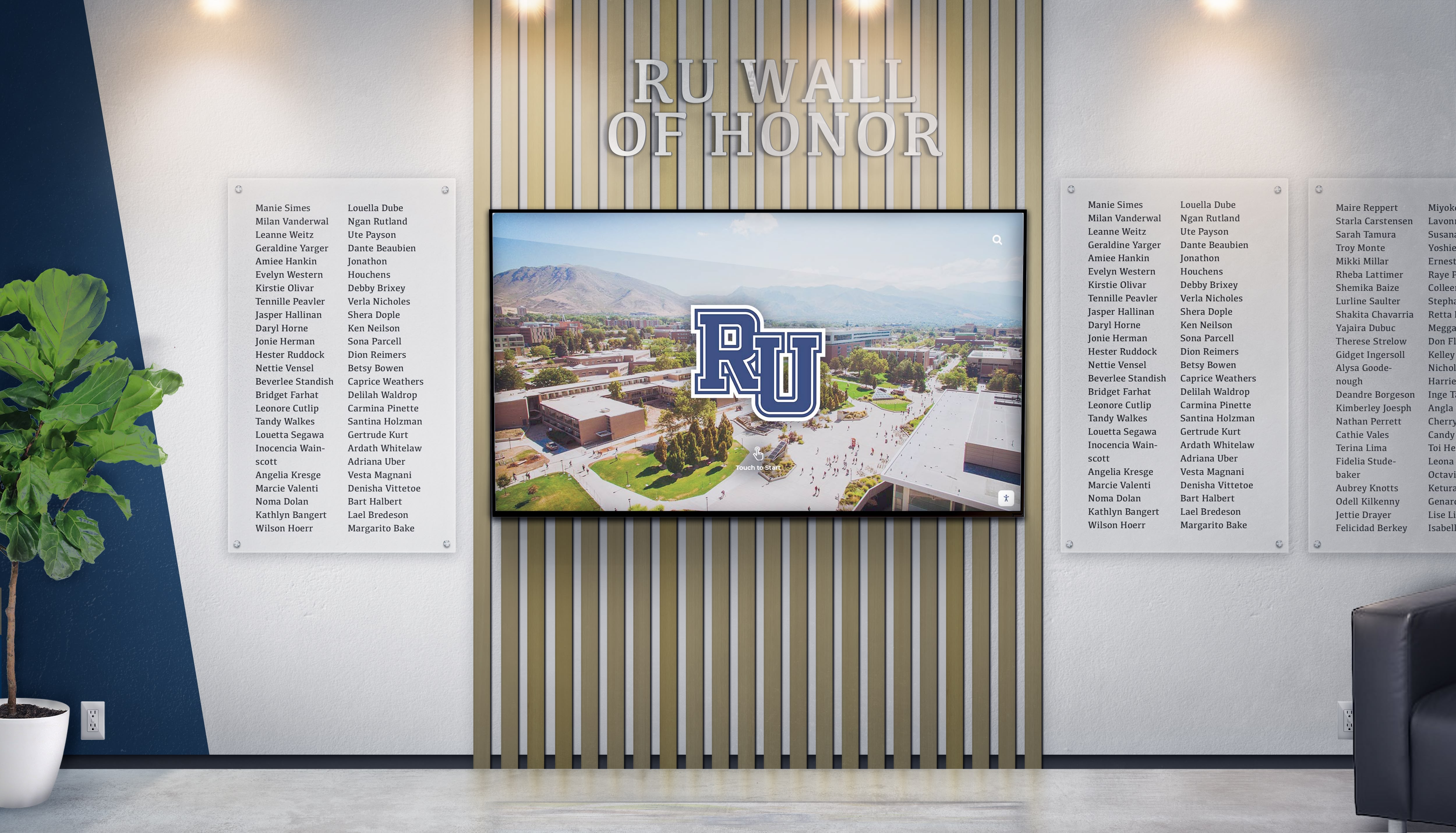
Hybrid systems combine traditional plaques with digital displays providing comprehensive recognition capacity
4. Campaign-Specific Recognition Walls
Capital campaigns and major initiatives benefit from dedicated recognition spaces:
Campaign Wall Features
- Clear connection between donor recognition and specific project
- Visual representation of campaign progress and community participation
- Before/after imagery showing impact donors enabled
- Campaign timeline connecting contributions to milestones
- Transition plan for permanent recognition post-campaign
Effective Applications
- Building campaigns with recognition in newly constructed or renovated spaces
- Program endowment campaigns connecting donors to sustained impact
- Equipment or technology campaigns showing what contributions funded
- Community challenge campaigns celebrating participation rates
- Emergency response campaigns honoring rapid mobilization support
Campaign walls work particularly well when physically located in or near the spaces, programs, or facilities donors funded.
5. Legacy and Planned Giving Recognition
Donors including nonprofits in estate plans deserve immediate visibility:
Heritage Society Elements
- Distinct recognition space or section for legacy commitments
- Equal prominence to current major gift donors
- Individual profiles sharing donor motivations and connections
- Annual recognition events exclusively for planned giving donors
- Regular stewardship maintaining engagement until gift maturity
Research from the fundraising effectiveness project demonstrates that immediate recognition for planned gifts significantly increases the likelihood of donors discussing their commitments with peers, generating additional legacy gift conversations.
Avoid treating planned giving as secondary recognition. Donors making future commitments value present acknowledgment demonstrating appreciation for their generosity now.
6. Story-Based Donor Recognition
Connect recognition to impact through narrative displays:
Storytelling Components
- Donor quotes explaining why they give
- Beneficiary testimonials describing program impact
- Photo essays showing programs in action
- Video content accessible via QR codes or digital displays
- Impact metrics connecting gifts to measurable outcomes
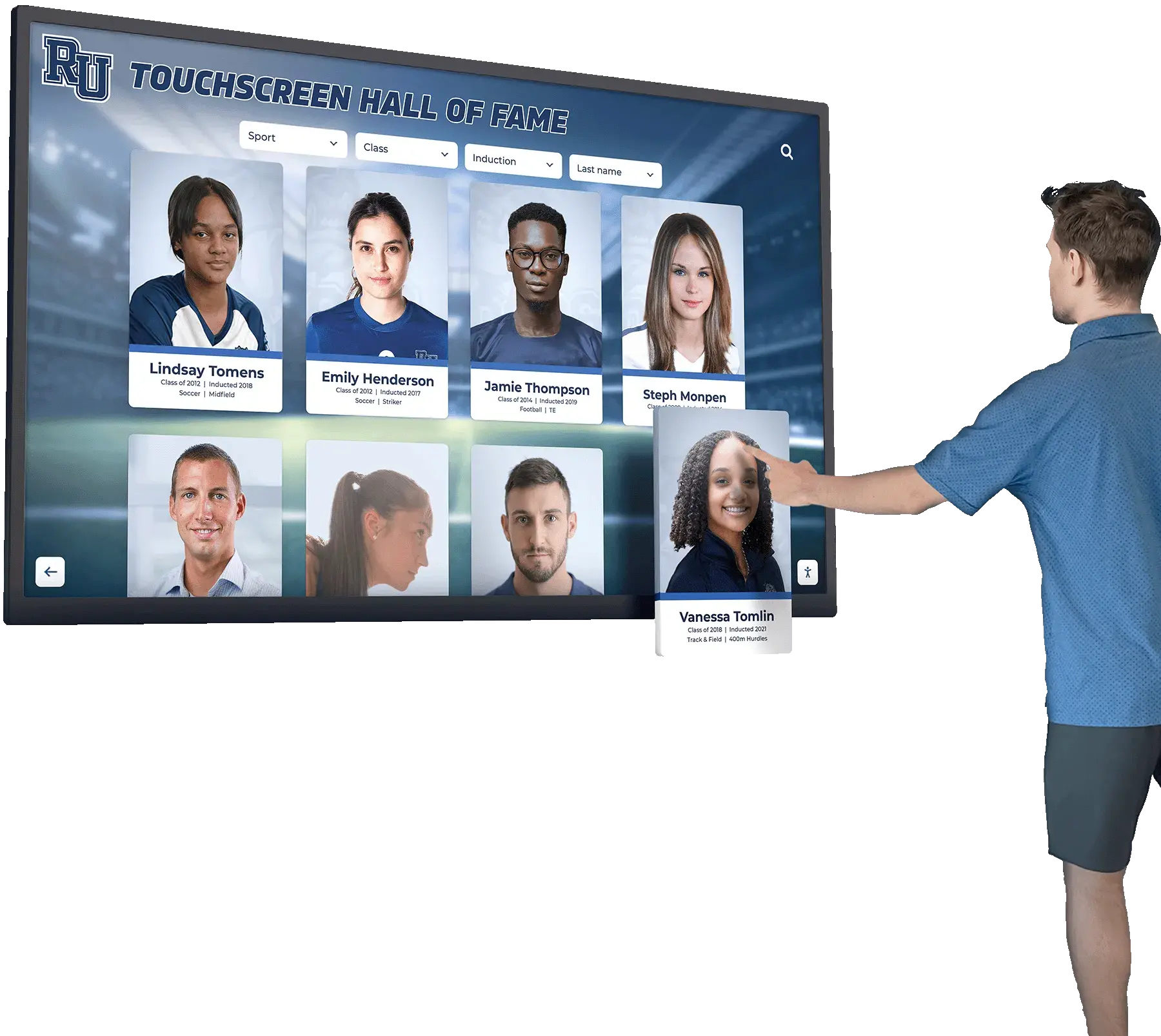
Rich storytelling creates emotional connections between donors and organizational mission
This approach transforms donor walls from name lists into compelling narratives about community impact. Visitors learn not just who supports your organization but why support matters and what generosity accomplishes.
Implementation Tips
- Secure donor permission before sharing personal stories
- Balance donor recognition with program impact information
- Update stories regularly keeping content fresh and relevant
- Consider rotating displays featuring different programs over time
- Maintain donor privacy preferences while telling impactful stories
7. Giving Level Displays with Visual Differentiation
Tiered recognition using size, color, materials, or positioning creates clear advancement paths:
Visual Hierarchy Methods
- Graduated plaque sizes increasing with giving levels
- Color coding indicating different recognition societies
- Material differentiation (bronze, silver, gold, platinum)
- Positioning hierarchy with premium locations for top donors
- Illumination or backlighting emphasizing major gift recognition
This approach creates aspirational targets encouraging donors to increase giving to achieve enhanced recognition. The key is maintaining meaningful distinction between levels while ensuring entry-level recognition feels genuinely appreciated, not diminished.
Design Guidelines
- Create enough visual differentiation that levels feel distinct
- Avoid designs where lower tiers appear as afterthoughts
- Ensure readability and visibility across all recognition levels
- Test designs at actual viewing distances
- Consider color-blind accessibility in color-coding approaches
8. Memorial and Tribute Recognition Sections
Gifts made in memory or honor of others require sensitive acknowledgment:
Dedicated Memorial Areas
- Separate section or page recognizing tribute gifts
- Acknowledgment of both donor and honored individual
- Quiet, respectful design appropriate to memorial context
- Optional additional information about honored individuals
- Integration with main donor wall while maintaining distinct treatment
Tribute Gift Recognition Memorial giving represents significant revenue for many nonprofits. Appropriate recognition honors those remembered while acknowledging donors making gifts in their names.
Management Considerations
- Establish policies for minimum memorial gift recognition thresholds
- Create processes notifying honoree families about gifts received
- Respect donor and family privacy preferences
- Provide perpetual recognition options for memorial gifts above certain levels
- Design memorial sections with adequate expansion capacity
Explore comprehensive approaches in memorial wall ideas that honor those who made differences in organizational histories.
9. Corporate and Foundation Partner Recognition
Institutional funders require distinct recognition approaches:
Business Donor Features
- Corporate logo display alongside or instead of text names
- Recognition of corporate matching gift programs
- Sponsorship acknowledgment for programs and events
- Visibility benefiting corporate community relations objectives
- Required attribution language from grant agreements
Foundation Recognition
- Foundation logos with appropriate sizing and placement
- Grant acknowledgment meeting funder requirements
- Impact reporting integration showing grant outcomes
- Multi-year support recognition for ongoing partnerships
- Stewardship supporting continued funding relationships
Always review grant agreements and sponsorship contracts for specific recognition requirements before finalizing donor wall designs. Some funders have explicit guidelines about logo usage, acknowledgment language, and recognition duration.
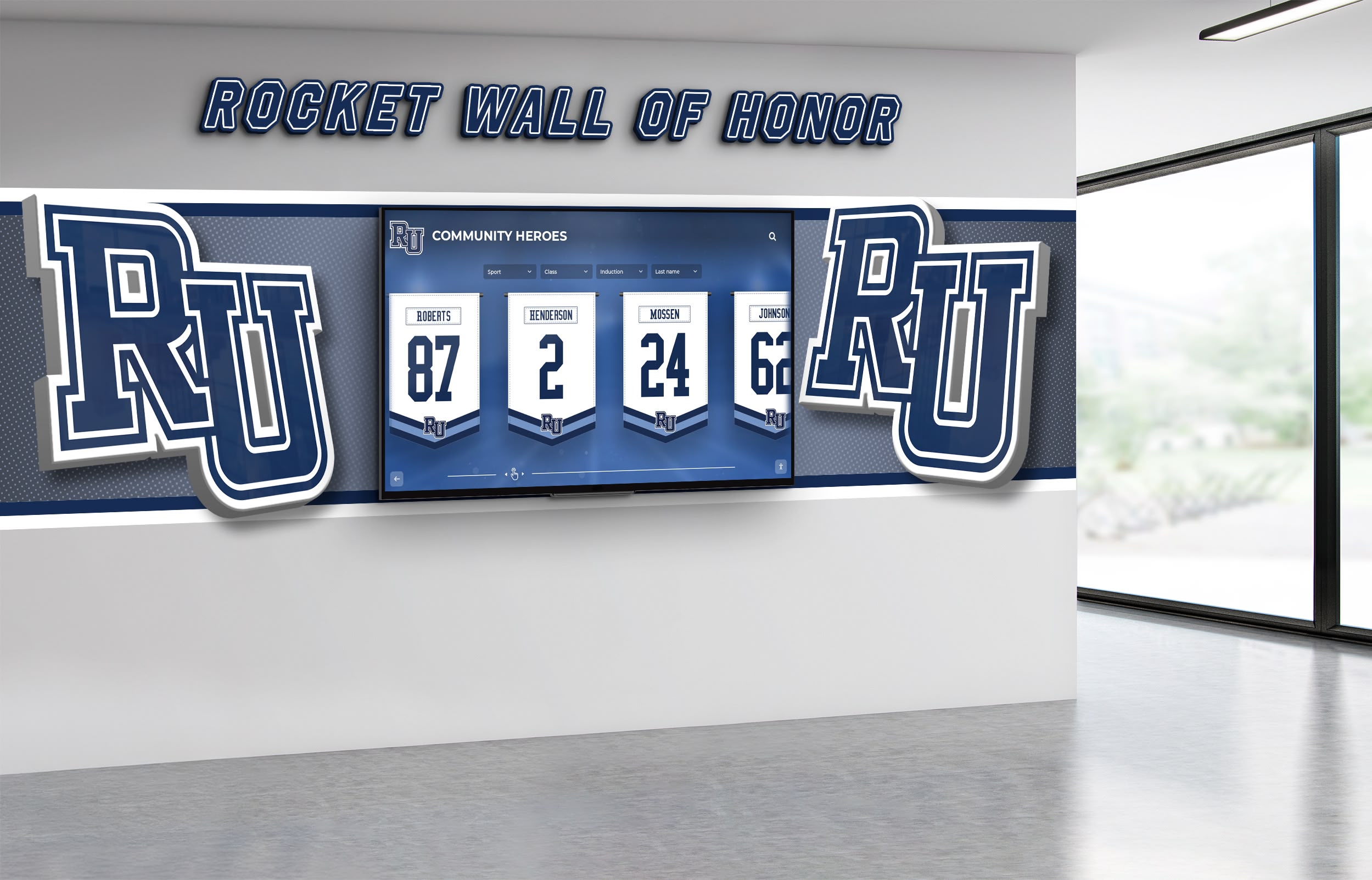
Modern recognition accommodates diverse donor types from individuals to corporations and foundations
10. Hybrid Physical-Digital Recognition Systems
Combining traditional and modern approaches delivers benefits of both:
Hybrid System Components
- Physical plaques or displays for pinnacle donors and major gifts
- Digital screens providing unlimited capacity for broader recognition
- Named spaces complemented by digital displays explaining donor impact
- Traditional recognition anchoring institutional legitimacy
- Technology enabling practical management and comprehensive inclusion
This approach honors donors who value traditional engraved recognition while providing practical solutions for ongoing donor wall management and expansion.
Strategic Implementation
- Reserve premium physical space for highest giving levels
- Use digital displays for giving societies with many members
- Create visual cohesion between physical and digital elements
- Develop content strategies maximizing digital display capabilities
- Plan maintenance protocols for both recognition components
Organizations report that hybrid approaches satisfy diverse donor preferences while providing operational flexibility traditional-only systems cannot achieve.
Best Practices for Donor Wall Implementation
Regardless of which recognition approach you select, these best practices maximize effectiveness and donor satisfaction.
Location and Placement Strategy
Where your donor wall appears significantly impacts its effectiveness:
Optimal Locations
- Main entrances where all visitors pass
- Lobbies with natural gathering and waiting areas
- Areas near elevators with captive audiences
- Program spaces donors funded
- Meeting rooms where donors see recognition during visits
Placement Considerations
- Adequate lighting ensuring visibility and readability
- Appropriate viewing distances matching display scale
- ADA-compliant mounting heights and approach clearances
- Protection from direct sunlight causing glare or fading
- Security considerations preventing vandalism or damage
Tour your facility at different times observing traffic patterns. The most effective donor wall locations combine high visibility with natural reasons for people to pause and read displayed information.
Recognition Content Guidelines
What appears on donor walls matters as much as design:
Essential Information
- Donor names (using preferred name formats)
- Giving level designations or amounts
- Recognition year or cumulative period
- Anonymous donor acknowledgments
- Organization branding and messaging
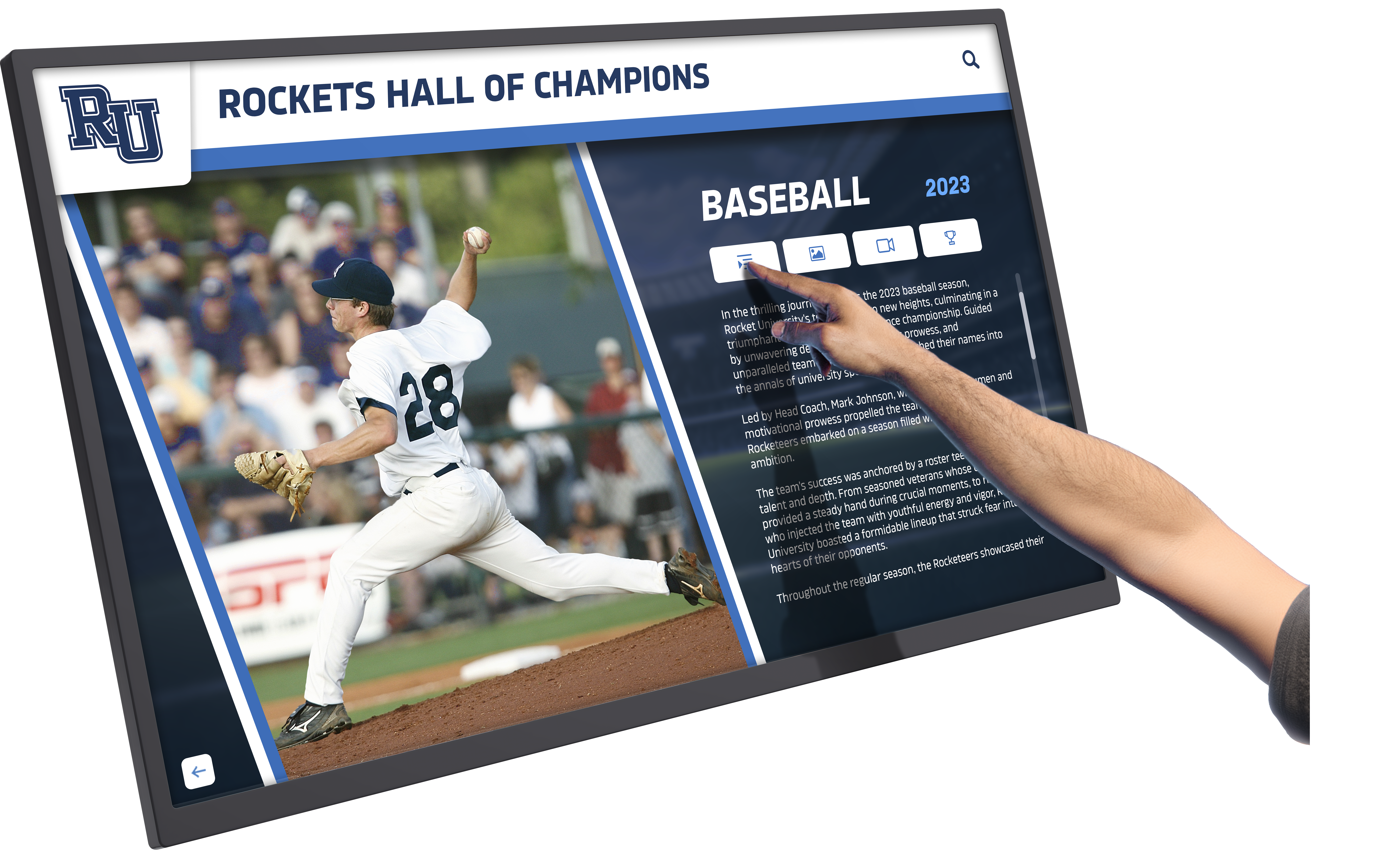
Cloud-based management enables quick updates maintaining recognition currency
Optional Enhancements
- Donor photos or portraits
- Personal statements about giving motivations
- Impact stories connected to specific gifts
- Memorial information about honored individuals
- Years of consecutive support
Content Guidelines
- Confirm name spelling and format with each donor
- Secure written permission before displaying personal information beyond names
- Proofread all content multiple times before production
- Test readability at intended viewing distances
- Establish clear approval processes preventing errors
Name spelling errors or incorrect information damage donor relationships and organizational credibility. Invest adequate time in verification before finalizing any donor wall content.
Maintenance and Update Protocols
Donor walls require systematic maintenance ensuring continued effectiveness:
Regular Update Requirements
- Add new donors promptly (quarterly or after campaign milestones)
- Recognize giving level advancements
- Update memorial information as appropriate
- Refresh impact stories and multimedia content
- Correct any identified errors immediately
Physical Maintenance
- Regular cleaning maintaining professional appearance
- Lighting inspection and bulb replacement
- Hardware inspection identifying needed repairs
- Protection from environmental damage
- Professional restoration for aging traditional displays
Outdated donor walls with missing recent contributors or visible neglect send negative messages about organizational priorities. Establish clear staff responsibilities for recognition program maintenance ensuring sustainability.
Learn about comprehensive approaches in donor recognition wall ideas that remain fresh and engaging.
Technology Advantages for Nonprofit Donor Walls
Modern digital solutions address common donor wall challenges while creating opportunities impossible with traditional approaches.
Overcoming Physical Space Limitations
The most significant traditional donor wall challenge involves finite space:
Space Constraint Problems
- Difficult decisions about whose recognition remains visible
- Removing historical donors to accommodate new contributors
- Running out of wall space limiting recognition capacity
- Expensive construction expanding physical recognition areas
- Entry-level donors receiving minimal or no visibility
Digital Solutions Digital recognition systems provide unlimited capacity. A single touchscreen display can include thousands of donors across all giving levels. Organizations never face the painful decision of removing long-time supporters’ names to make room for recent contributors.
This unlimited capacity enables comprehensive recognition philosophies honoring everyone from first-time $50 donors through major gift partners—all receiving appropriate acknowledgment regardless of total community size.
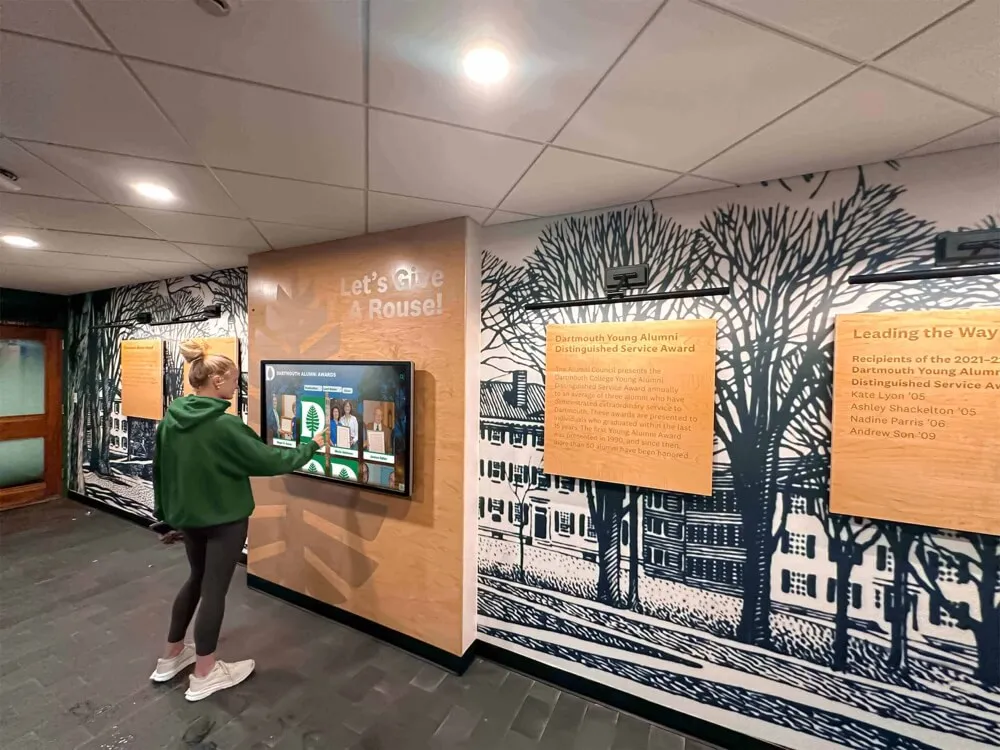
Digital systems display entire donor communities without space constraints limiting recognition
Simplified Content Management
Traditional donor wall updates require expensive, time-consuming processes:
Traditional Update Challenges
- Ordering new engraved plaques (weeks of lead time)
- Coordinating professional installation
- Significant per-donor update costs
- Layout redesigns as space fills
- Spelling error corrections requiring replacement plaques
Digital Management Advantages Cloud-based content management systems enable authorized staff to update recognition content from any internet-connected device. Add new donors, correct spelling, update giving levels, or refresh impact stories in minutes rather than waiting weeks for physical updates.
This efficiency makes frequent recognition updates practical. Organizations can acknowledge new donors quarterly or even monthly without budget concerns or logistical complexity.
Enhanced Storytelling Capabilities
Static displays limit recognition to names and amounts. Digital platforms enable rich storytelling:
Multimedia Content Options
- Donor profile pages with photos and biographical information
- Video testimonials explaining giving motivations
- Impact reports showing what specific gifts accomplished
- Program galleries depicting donor-funded initiatives
- Interactive timelines connecting donors to organizational history
These storytelling capabilities transform donor walls from acknowledgment lists into compelling narratives about community impact. Visitors don’t just learn who supports your organization—they understand why donors give and what philanthropy accomplishes.
Explore comprehensive solutions in digital donor walls that enable rich storytelling.
Accessibility and Reach Extension
Digital recognition extends beyond physical locations:
Web-Accessible Recognition Modern platforms provide web interfaces enabling donors anywhere to view their recognition. This global accessibility matters for organizations with geographically distributed supporter communities who cannot regularly visit physical locations.
Social Sharing Integration Digital systems enable donors to share recognition screenshots or links through social media, extending visibility beyond your facility. This sharing provides additional recognition value while exposing your organization to donors’ networks.
Accessibility Compliance Digital platforms can incorporate screen reader compatibility, text magnification, high-contrast modes, and other accessibility features ensuring recognition reaches all community members regardless of ability.
Budgeting for Nonprofit Donor Walls
Understanding cost factors helps nonprofits plan realistic recognition investments.
Traditional Donor Wall Cost Factors
Physical recognition displays involve multiple expense categories:
Initial Installation Costs
- Materials (metal, wood, acrylic, glass, stone)
- Custom design and fabrication
- Professional installation
- Electrical work for lighting
- Permits and approvals
Basic traditional donor walls range from $5,000 for simple plaque boards to $50,000+ for custom architectural installations. Premium materials, larger sizes, and complex designs increase costs substantially.
Ongoing Maintenance Expenses
- New plaque engraving ($50-200 per donor)
- Installation labor adding new plaques
- Periodic refinishing or restoration
- Lighting maintenance and replacement
- Cleaning and upkeep
Organizations should budget $2,000-5,000 annually for traditional donor wall maintenance depending on supporter community growth rates.
Digital Recognition System Costs
Technology solutions involve different cost structures:
Initial Technology Investment
- Commercial-grade touchscreen display
- Content management software licensing
- Installation and mounting hardware
- Network connectivity setup
- Initial content development
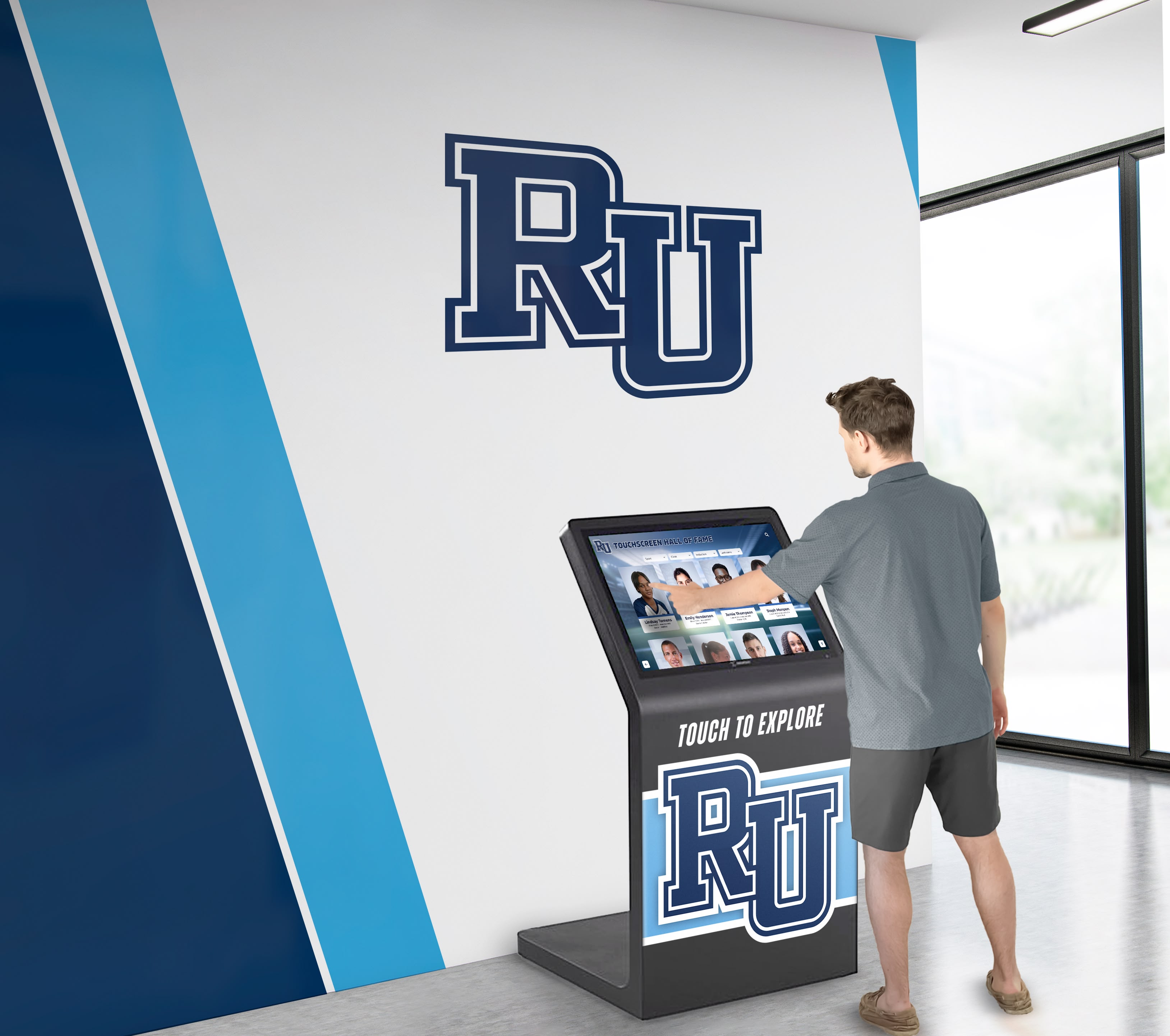
Quality technology investments deliver years of reliable recognition performance
Digital recognition systems typically range from $8,000-20,000 for comprehensive solutions including hardware, software, installation, and training. While initial costs may exceed basic traditional displays, operational advantages and unlimited capacity provide strong value.
Operating and Maintenance Costs
- Software subscription or maintenance fees
- Content hosting and management
- Technical support and assistance
- Hardware warranty or replacement planning
- Periodic content enhancement
Annual operating costs for digital systems typically run $1,000-3,000, significantly less than traditional display update expenses for growing donor communities.
Cost-Benefit Analysis Considerations
When evaluating recognition approaches, assess total cost of ownership:
Traditional Approach Long-Term Costs Over 10 years, traditional donor walls accumulating 200-300 new donors require:
- Initial installation: $15,000-30,000
- 10 years of updates: $20,000-40,000
- Maintenance and restoration: $8,000-15,000
- Total: $43,000-85,000
Plus the limitation of eventually running out of physical space requiring expensive expansion or removal of historical donors.
Digital Approach Long-Term Costs Over the same 10-year period:
- Initial system: $12,000-20,000
- 10 years of operation: $10,000-30,000
- Total: $22,000-50,000
With unlimited capacity for donor growth, rich storytelling capabilities, and simplified management requiring minimal staff time.
For nonprofits anticipating donor community growth, digital solutions often provide superior long-term value despite potentially higher initial investments.
Donor Wall Design and Aesthetic Considerations
Effective recognition balances beauty with functionality.
Aligning Design with Organizational Identity
Recognition displays should reflect institutional character:
Design Coherence
- Colors, fonts, and materials matching organizational branding
- Style appropriate to institutional personality (formal, contemporary, traditional)
- Integration with existing architectural aesthetics
- Scale proportional to space and organizational size
- Design elements reinforcing mission and values
A contemporary arts nonprofit might choose sleek digital displays with bold graphics. A traditional foundation may prefer classic materials with formal typography. Ensure your donor wall aesthetic feels authentic to organizational identity.
Professional Design Investment Value
While DIY approaches seem budget-friendly, professional design delivers superior results:
Professional Designer Benefits
- Experience with recognition display best practices
- Understanding of materials, durability, and maintenance
- Knowledge of technical requirements and installation
- Ability to create cohesive designs integrating multiple elements
- Problem-solving for challenging spaces or constraints
Budget for professional design services. The investment prevents costly mistakes and ensures recognition displays effectively serve organizations for years.
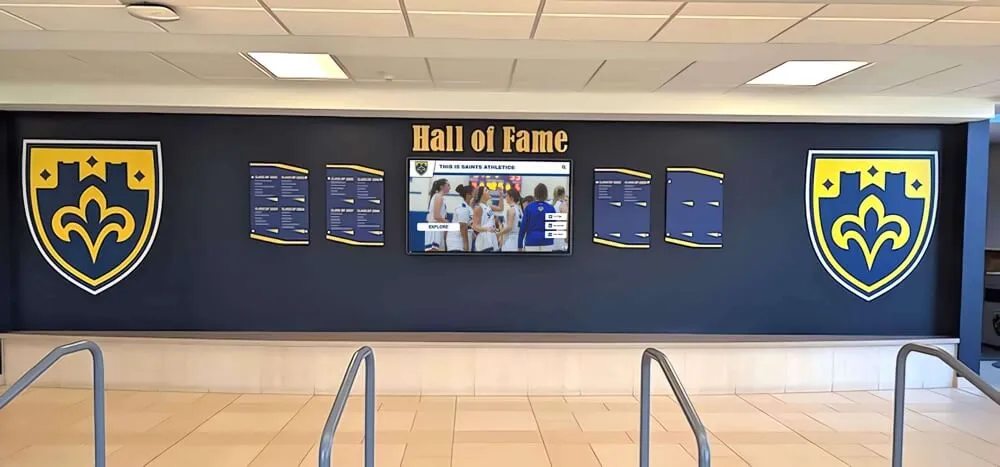
Professional design creates cohesive recognition environments integrating multiple elements
Readability and Accessibility Standards
Beautiful design must remain functional:
Readability Requirements
- Minimum text sizes ensuring visibility at intended viewing distances
- Contrast ratios meeting accessibility standards
- Font selection balancing aesthetics with legibility
- Adequate spacing preventing visual crowding
- Lighting ensuring visibility without glare
Test all design elements at actual installation locations and viewing distances. What looks perfect on a computer screen may prove illegible when installed.
Physical Accessibility
- Mounting heights allowing wheelchair users to read comfortably
- Approach clearances meeting ADA requirements
- Touchscreen interfaces reachable from seated positions
- Alternative format recognition for visually impaired community members
- Clear pathways enabling access for all visitors
Organizations serving diverse communities should prioritize inclusive design ensuring recognition reaches everyone.
Learn more about interactive display accessibility best practices.
Common Donor Wall Mistakes to Avoid
Learning from typical pitfalls helps nonprofits make better recognition decisions.
Recognition Exclusivity Problems
Limiting recognition to major donors creates missed opportunities:
The Issue Many organizations design donor walls acknowledging only contributions above certain thresholds—$1,000, $5,000, or higher. This exclusivity leaves hundreds or thousands of supporters without visible acknowledgment.
Why It Matters Research consistently shows that donors receiving recognition, regardless of gift size, demonstrate significantly higher retention and gift growth. Excluding modest contributors from visible acknowledgment limits their connection to your organization and reduces the likelihood they’ll increase giving or continue support.
The Solution Create comprehensive recognition systems honoring donors at all levels. Digital displays make this practical by providing unlimited capacity. Include entry-level giving societies for contributions as modest as $100-250 annually, ensuring pathway to recognition for all supporters.
Neglecting Anonymous Donor Preferences
Some supporters prefer privacy yet deserve acknowledgment:
Handling Anonymous Recognition
- Create “Anonymous Donor” listings maintaining display consistency
- Ensure internal stewardship continues despite public anonymity
- Offer flexible approaches (anonymous publicly but named privately)
- Respect preferences without pressuring donors toward visibility
- Train staff on appropriate anonymous donor management
Never assume all donors want public recognition. During gift processing, explicitly ask about recognition preferences providing clear options.
Outdated Information and Maintenance Neglect
Nothing undermines donor walls like visible neglect:
Maintenance Failure Impacts
- Missing recent donors suggesting organizational disinterest
- Spelling errors damaging relationships and credibility
- Physical deterioration communicating lack of care
- Broken technology sending negative capability messages
- Outdated content questioning organizational relevance
Establish clear maintenance protocols with assigned staff responsibilities. Recognition programs require ongoing management—factor this reality into planning.
Insufficient Space Planning
Underestimating future needs creates expensive problems:
Planning Failures
- Filling all available space within 2-3 years of installation
- No expansion options requiring complete redesign
- Removing historical donors to accommodate new contributors
- Abandoning traditional walls switching to digital after running out of space
When planning traditional displays, ensure capacity for 5-10 years of donor growth at projected rates. Better yet, select digital solutions eliminating space constraints entirely.
Implementation Timeline and Process
Realistic planning ensures successful donor wall projects.
Phase 1: Planning and Assessment (2-3 Months)
Foundational Work
- Conduct needs assessment and stakeholder input
- Define recognition program goals and success metrics
- Establish budget and resource allocation
- Develop recognition policies and approval processes
- Form implementation committee with appropriate representation
Research and Evaluation
- Tour existing installations at comparable organizations
- Research donor wall options and vendor capabilities
- Gather donor community feedback about recognition preferences
- Assess physical spaces and technical infrastructure
- Create preliminary design concepts for review
Adequate planning prevents expensive mid-project changes and ensures recognition systems meet organizational needs.
Phase 2: Design and Vendor Selection (1-2 Months)
Design Development
- Finalize recognition approach and design direction
- Develop detailed specifications for traditional or digital systems
- Create content structure and naming conventions
- Plan for future updates and ongoing management
- Review designs with key stakeholders securing approval
Vendor Evaluation When selecting recognition partners:
- Review portfolios and reference installations
- Assess technical capabilities and support offerings
- Evaluate content management system usability
- Discuss training, implementation support, and ongoing service
- Compare proposals considering total cost of ownership
Organizations should consider comprehensive providers like Rocket Alumni Solutions offering integrated recognition platforms with proven nonprofit experience.

Thorough testing ensures recognition systems function properly before public launch
Phase 3: Content Development (1-2 Months)
Data Collection and Verification
- Compile comprehensive donor lists from fundraising database
- Verify name spellings and recognition preferences with each donor
- Gather additional content (photos, quotes, stories) as appropriate
- Organize donors by giving level, program, campaign, or other criteria
- Develop impact messaging and organizational narrative content
Content Production
- Create donor profiles or listings matching design specifications
- Develop multimedia content for digital systems
- Photograph or source images as needed
- Write impact stories connecting recognition to mission
- Conduct multiple rounds of proofreading and verification
Content development often requires more time than anticipated. Begin early and allow adequate review cycles preventing errors.
Phase 4: Installation and Launch (1 Month)
Physical Installation
- Coordinate installation scheduling minimizing disruption
- Ensure proper technical setup for digital systems
- Conduct thorough testing of all functionality
- Train staff on content management and system operation
- Address any issues before public launch
Launch Communications
- Announce new donor wall to entire community
- Invite donors to see their recognition
- Host dedication or unveiling event if appropriate
- Generate media coverage and publicity
- Create social media content celebrating recognition
Thoughtful launch activities maximize recognition impact while celebrating your donor community.
Phase 5: Ongoing Management (Continuous)
Regular Maintenance Schedule
- Quarterly donor additions for new contributors
- Annual comprehensive reviews ensuring accuracy
- Periodic content refreshes updating stories and images
- Technical maintenance and system updates
- Assessment tracking recognition program effectiveness
Assign clear staff responsibilities with adequate time allocation ensuring sustainable recognition program management.
Measuring Donor Wall Effectiveness
Regular assessment ensures recognition investments deliver intended benefits.
Quantitative Metrics
Donor Retention Analysis
- Compare retention rates among recognized versus unrecognized donors
- Track correlation between recognition and repeat giving
- Analyze time-to-next-gift for recognized contributors
- Monitor giving level advancement among recognition program participants
Engagement Indicators For digital systems:
- Display interaction rates and session duration
- Search patterns revealing donor interests
- Web-based recognition platform usage
- Social sharing frequency and reach
Financial Impact
- Recognition program costs versus retention value gains
- Average gift increases among recognized donors
- Planned giving inquiry rates from recognition program participants
- Major gift prospect development from mid-level recognition
Qualitative Assessment
Stakeholder Feedback
- Donor surveys about recognition satisfaction
- Staff observations of donor reactions during visits
- Anecdotal feedback from recognition events
- Volunteer and board member input
- Visitor comments and responses
Organizational Culture Indicators
- Changes in donor community cohesion
- Shifts in philanthropic participation rates
- Enhanced visibility of giving culture
- Improved donor-organization relationship quality
Regular assessment enables continuous improvement ensuring recognition programs maximize donor satisfaction and retention.
Conclusion: Building Recognition Systems That Honor Every Contributor
Effective donor walls represent more than polite acknowledgment—they form strategic fundraising infrastructure that directly impacts nonprofit sustainability through improved retention, gift growth, and donor community development. The recognition approaches explored in this guide provide frameworks for creating appreciation systems that honor generosity appropriately while remaining practical, inclusive, and aligned with organizational resources.
Traditional donor walls have served nonprofits for generations, and thoughtfully designed physical recognition remains valuable for many organizations. However, technology solutions now address the inherent limitations that long plagued physical displays—space constraints forcing difficult decisions, expensive updates, static content, and inability to tell compelling stories beyond names and amounts.
Digital recognition platforms like Rocket Alumni Solutions transform what’s possible in donor appreciation. Unlimited capacity ensures every contributor receives appropriate acknowledgment regardless of community size. Cloud-based management eliminates expensive, time-consuming physical updates. Rich multimedia capabilities enable storytelling that creates emotional connections between donors and mission impact. Web accessibility extends recognition reach to supporters who cannot regularly visit physical locations.
The 10 donor wall ideas presented here—from interactive digital displays through hybrid physical-digital systems—represent proven approaches nonprofits successfully implement across various organizational types, budgets, and spaces. Select recognition strategies that align with your donor community preferences, available resources, physical spaces, and organizational culture.
Most importantly, prioritize comprehensive recognition philosophies that honor contributions at all levels. Donor retention challenges make recognition more critical than ever for fundraising sustainability. Organizations that systematically acknowledge every supporter create loyal communities generating stable funding rather than constantly replacing lapsed contributors.
Your donor wall investment—whether traditional, digital, or hybrid—should reflect core organizational values around gratitude, transparency, and community. Recognition that feels authentic, meaningful, and aligned with mission creates environments where donors want to continue philanthropic partnerships that advance causes they care about.
Start planning your donor recognition approach by assessing current programs, gathering stakeholder input, researching available options, and developing clear policies guiding recognition decisions. With thoughtful planning, appropriate technology or design choices, and consistent implementation, you can create donor appreciation systems that strengthen relationships, inspire continued generosity, and demonstrate that every contribution matters.
Ready to transform your donor recognition? Explore donor wall ideas for additional inspiration or learn about donor recognition displays that can elevate your appreciation program.
Transform Your Donor Recognition Program
Discover how modern digital recognition solutions can help you honor every donor's generosity while building lasting philanthropic relationships.
Book a demo






























