ECNL Soccer All-Stars represent the pinnacle of elite youth soccer achievement in North America. For young athletes competing in the Elite Clubs National League, earning selection to National Selection Games or achieving all-star recognition validates countless hours of training, dedication, and exceptional performance at the highest competitive levels.
The Elite Clubs National League has transformed American youth soccer by creating a premier platform where the nation’s best young players compete against one another in high-level showcases designed to maximize both athletic development and college recruiting exposure. Within this elite environment, all-star recognition programs celebrate individual excellence while motivating current players and documenting program history.
Understanding how to effectively recognize ECNL all-stars involves more than simply announcing selections. It requires implementing recognition systems that honor achievements appropriately, create lasting visibility for elite accomplishments, and demonstrate your club’s commitment to celebrating excellence at every level of your organization.
Understanding the ECNL All-Star System
The Elite Clubs National League operates several recognition programs designed to identify and celebrate exceptional performers across different age groups and competitive levels. These programs serve multiple purposes beyond simple acknowledgment—they create opportunities for exposure to college coaches, provide elite competitive experiences, and establish benchmarks for excellence within the league.
Continental Tire ECNL National Selection Games
The Continental Tire ECNL National Selection Games represent the league’s premiere all-star showcase events. These matches bring together the top players selected from each ECNL National Event for representative competition that provides exposure to college coaches and professional scouts actively seeking elite talent.
Selection for National Selection Games is competitive and based on ongoing evaluation throughout the season. ECNL Player Identification staff conduct independent scouting at league events and consider coaching recommendations when assembling rosters. These games function similarly to all-star contests in other sports, showcasing the best talent the ECNL has to offer in each age group.
College coaches recognize National Selection Games as premier recruiting opportunities where they can observe concentrated elite talent competing at the highest levels. For players, selection to these games represents significant recognition of their standing among the nation’s top youth soccer athletes.
ECNL Spotlight Games
The ECNL introduced Spotlight Games beginning in the 2025-26 season to extend all-star recognition to U14 age groups. These games follow a similar format to National Selection Games but focus specifically on showcasing emerging talent in younger divisions.
US Club Soccer and id2 Program staff assemble rosters for each U14 Spotlight Game based on scouting results combined with club recommendations. The games emphasize superior on-field play while providing large-event experiences with live-stream broadcasts and stadium setups that familiarize young athletes with high-profile competitive environments.
Spotlight Games serve developmental purposes alongside recognition functions. Players gain experience competing against the best athletes in their age group while receiving exposure that can accelerate their progression through elite soccer pathways.
Conference and Regional All-Star Recognition
Beyond league-wide programs, many ECNL conferences maintain additional all-star recognition honoring top performers within specific geographic regions. These conference-level honors acknowledge excellence within competitive subdivisions while providing pathways toward national-level recognition.
Conference all-star selections typically occur at the conclusion of regular conference competition and may include postseason showcase opportunities or recognition events where honored players receive awards and acknowledgment for their achievements.
Why ECNL All-Star Recognition Matters
Systematic recognition of ECNL all-star selections serves important purposes for clubs, players, families, and broader program development. Understanding these purposes helps clubs design recognition strategies that maximize impact and value.
Player Development and Motivation
Visible recognition of all-star achievements creates powerful motivational forces that drive player commitment and development. When young athletes see comprehensive recognition of previous all-star selections, they understand that excellence leads to lasting acknowledgment that extends beyond the immediate season.
This motivation proves particularly important in elite youth soccer environments where intensive training demands and competitive pressure can challenge sustained commitment. Recognition systems that honor achievement create tangible goals players can pursue while demonstrating that their club values and celebrates excellence appropriately.
Current players watching teammates earn all-star recognition understand what performance levels merit selection. This peer inspiration often drives improvement more effectively than abstract coaching guidance, as athletes can directly observe what distinguishes elite performers in their own environment.
College Recruiting Support
ECNL all-star recognition carries significant weight in college recruiting processes. College coaches actively monitor National Selection Game rosters and recognize that selection represents third-party validation of a player’s elite status beyond club advocacy.
Clubs that systematically document and showcase all-star achievements support their players’ recruiting processes by making accomplishments easily accessible to college coaches conducting research. Digital recognition systems enable clubs to present comprehensive achievement profiles that include all-star selections alongside statistics, video highlights, and academic information that helps coaches evaluate prospects.
The connection between all-star recognition and recruiting success creates compelling reasons for clubs to invest in sophisticated recognition systems. Solutions like Rocket Alumni Solutions provide platforms specifically designed to showcase athlete achievements in formats optimized for college coach access and engagement.
Club Culture and Brand Development
How clubs recognize achievement communicates volumes about organizational values and culture. Comprehensive all-star recognition demonstrates that clubs invest in honoring players appropriately, maintain professional standards across all operations, create environments where excellence receives celebration, and build traditions that connect current players with program history.
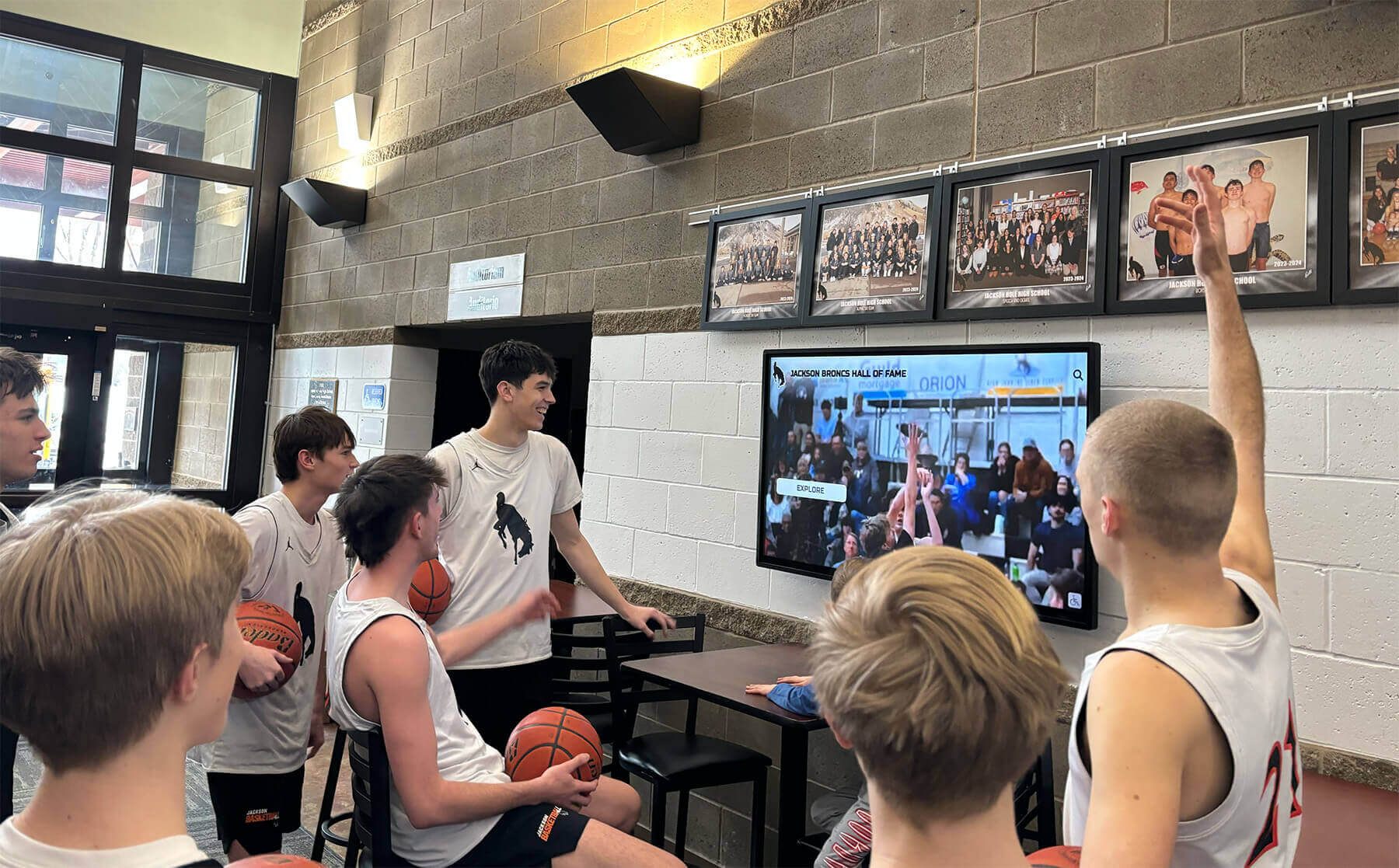
This cultural messaging influences club reputation within competitive recruiting markets where multiple elite programs compete for top talent. Families evaluating club options notice recognition systems during facility tours, and sophisticated displays signal program quality and organizational capacity.
Clubs with strong recognition traditions also benefit from enhanced alumni engagement. Former players who see their achievements honored remain connected to clubs throughout their playing careers and beyond, creating networks that support current player development through mentorship and advocacy.
Documenting Program History
ECNL all-star selections represent significant milestones in club history worthy of permanent documentation. Programs that systematically record and preserve these achievements create institutional memory that maintains visibility for accomplishments that might otherwise fade from awareness as rosters turn over and coaching staffs transition.
Historical records of all-star selections provide context for evaluating program development over time. Clubs can track whether all-star production increases or decreases, identify which age groups or positions produce the most selections, and assess whether development programs successfully prepare players for elite recognition.
This historical perspective supports strategic planning and program evaluation while creating compelling narratives about club growth and achievement that resonate with stakeholders including players, families, and sponsors.
Recognition Criteria and Selection Documentation
Credible recognition programs require clear understanding of exactly which achievements merit celebration and how clubs verify and document selections. Establishing systematic approaches ensures consistent, fair recognition across different teams and seasons.
Understanding ECNL Selection Processes
Unlike all-state programs where specific committees publish official rosters, ECNL all-star selections involve somewhat less transparent processes where league staff conduct ongoing evaluation and periodically identify players for all-star opportunities.
Clubs should educate players and families about how ECNL identification works so expectations remain realistic. Players don’t receive advance notification about National Selection Game consideration—invitations arrive based on league staff evaluation throughout the season. This ongoing assessment model rewards consistent excellence rather than single-game performances.
Factors Influencing Selection
- Performance consistency across multiple events
- Statistical achievement and measurable impact
- Team success and contribution to results
- Position-specific excellence and technical quality
- Competitive level of opposition faced
- Coaching recommendations and advocacy
Beyond League All-Stars
- US Club Soccer id2 Program selections
- US Youth Soccer National Team pools
- Regional Olympic Development Program rosters
- Conference postseason recognition
- Statistical achievement awards (leading scorers, etc.)
Understanding these factors helps clubs position players for consideration through strategic scheduling, appropriate competitive placement, and advocacy when opportunities arise for coach recommendations.
Documenting Achievements Comprehensively
Once players earn all-star recognition, clubs should systematically document achievements to ensure accurate, complete records that support both immediate recognition and long-term historical preservation.
Comprehensive documentation for each all-star selection should include the player’s full name and graduation year, specific all-star program or game (Continental Tire National Selection, Spotlight Game, etc.), date and location of selection or game, position played during all-star competition, team designation if applicable, and any statistics or highlights from all-star participation.
This information enables clubs to create detailed recognition profiles while providing evidence supporting future accolades like college athletic resumes, club hall of fame nominations, or scholarship applications where documented achievement verification proves valuable.
Digital content management systems make comprehensive documentation straightforward. Rather than maintaining scattered records across filing cabinets and coaching office files, centralized databases ensure all achievement information remains accessible and organized.
Verifying Selection Accuracy
Because ECNL all-star selections don’t always come through official published rosters, clubs should verify achievements before publicizing recognition. Contact ECNL league offices or event coordinators to confirm rosters when possible, verify through documentation players received (invitation emails, event credentials, etc.), cross-reference with other clubs whose players participated in the same events, and maintain copies of all verification documentation in permanent files.
Verification prevents embarrassing errors where clubs mistakenly recognize players for selections they didn’t actually receive. The effort required for verification proves worthwhile given the potential reputational damage from publicizing inaccurate information.
Traditional vs. Modern Recognition Approaches
Clubs employ various methods for recognizing ECNL all-stars, from traditional plaques and announcements to sophisticated digital displays that showcase comprehensive achievement histories. Understanding options helps clubs choose approaches aligned with their resources, facility capabilities, and recognition objectives.
Traditional Physical Recognition
Many clubs implement traditional recognition approaches familiar from high school and college athletics. These methods create tangible, permanent records that communicate achievement through established visual languages families and players readily understand.
Common traditional approaches include wall-mounted plaques acknowledging each all-star selection, trophy displays incorporating all-star achievement alongside team championships, recognition walls featuring framed photos of all-star participants, painted murals or vinyl graphics celebrating elite achievements, and printed materials like media guides and club publications highlighting selections.
Traditional recognition offers certain advantages including relatively low initial cost compared to technology solutions, no ongoing technical maintenance requirements, permanent visibility without depending on equipment operation, and aesthetic appeal that many find more appropriate than digital screens.
However, physical recognition faces significant limitations that become increasingly problematic as clubs grow and achievement histories accumulate. Limited space eventually requires difficult decisions about which achievements receive display, updates demand physical fabrication and installation creating delays and expenses, information density remains limited by physical constraints, and engagement opportunities stay minimal compared to interactive alternatives.

Digital Recognition Systems
Modern digital platforms address traditional limitations while adding engagement capabilities impossible with physical displays. These systems transform recognition from passive viewing into active exploration where visitors control their experience and access comprehensive achievement information.

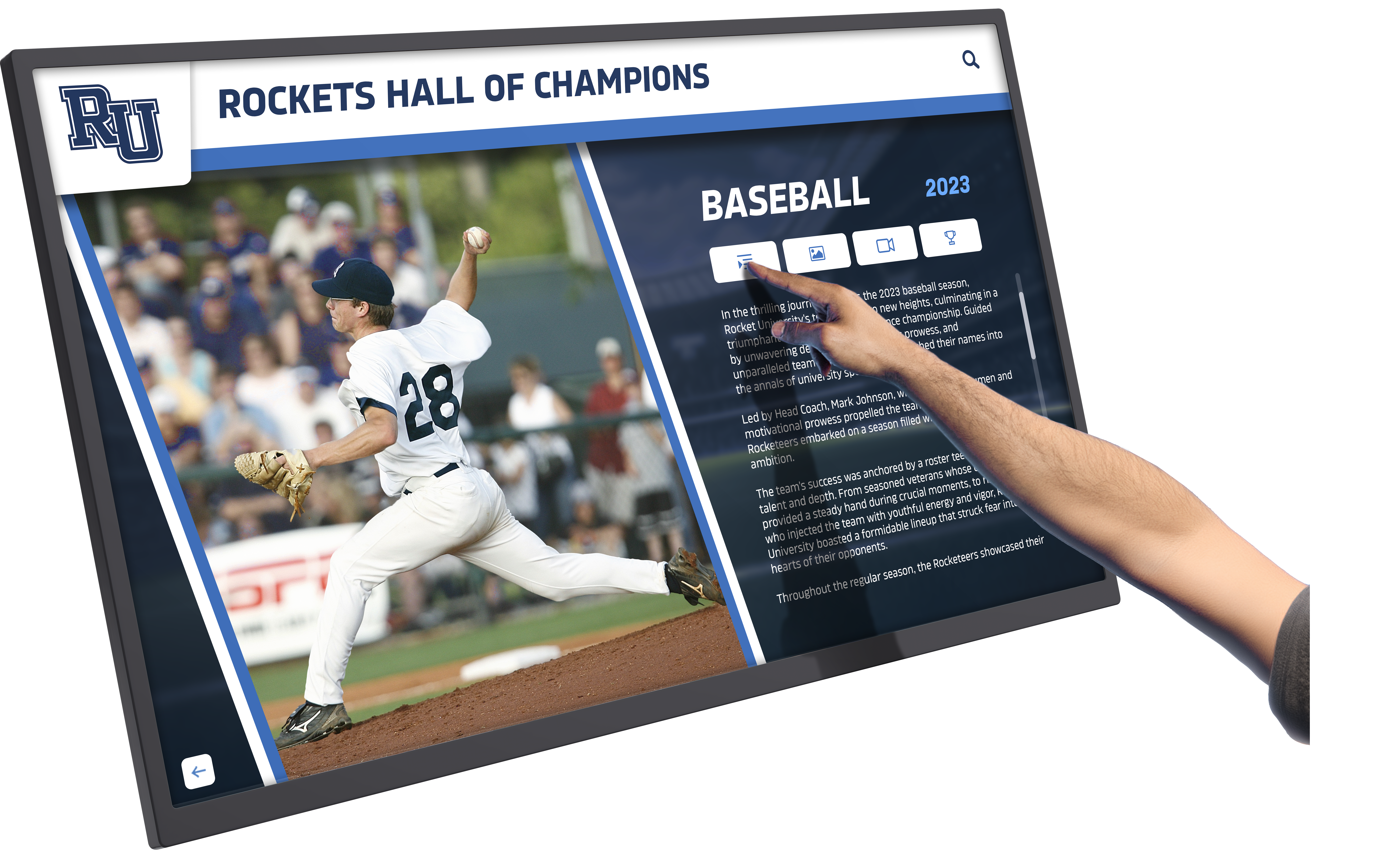
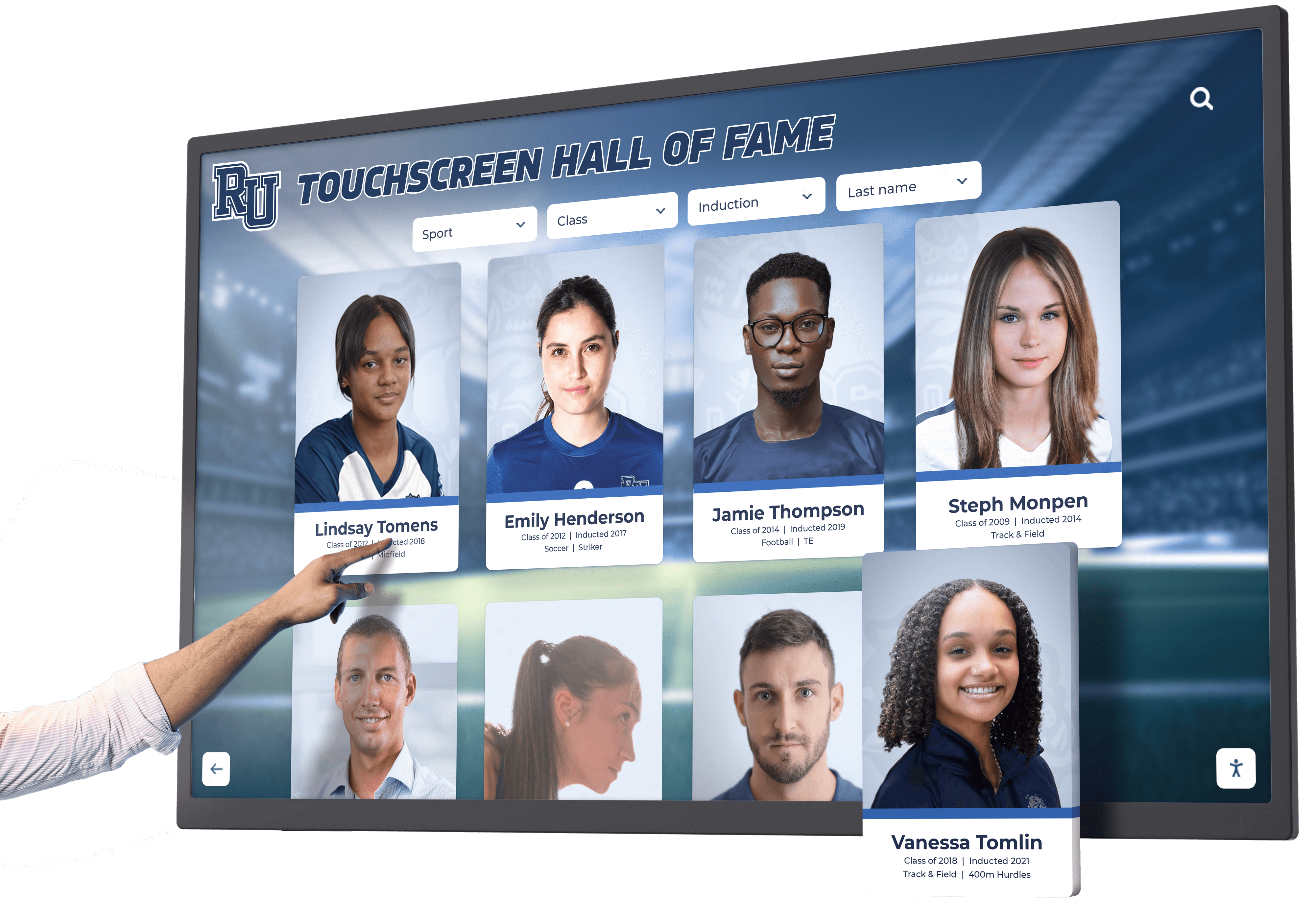
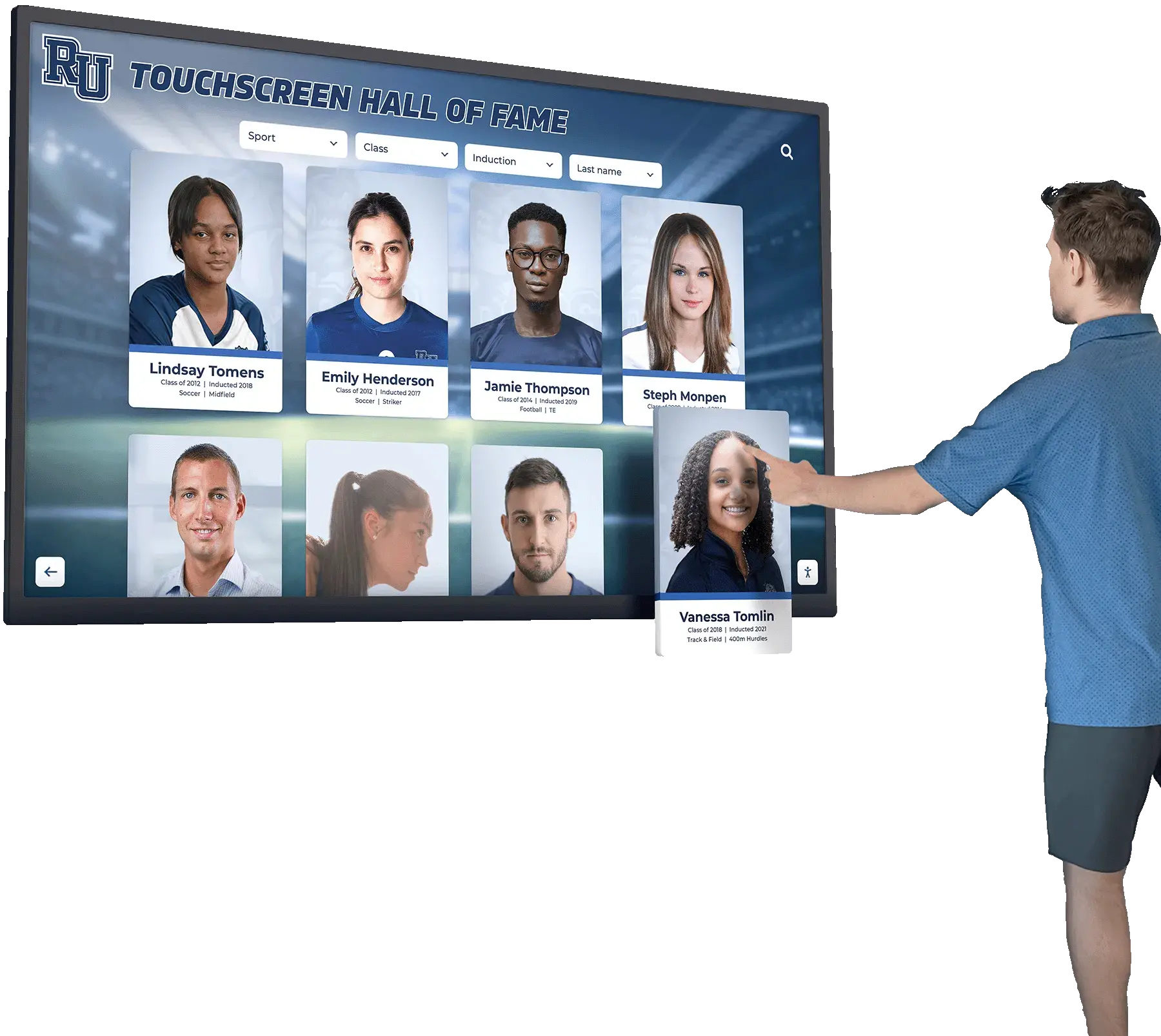
Digital recognition systems provide unlimited capacity accommodating every all-star throughout club history without space constraints, rich multimedia integration supporting photos, videos, statistics, and detailed narratives, interactive search and filtering enabling visitors to explore achievements by player, year, age group, or achievement type, instant updates allowing immediate recognition when new selections occur, and remote accessibility extending recognition beyond physical facility locations through web and mobile platforms.
Solutions like Rocket Alumni Solutions specialize in athletic recognition for clubs and schools, offering purpose-built platforms designed specifically for showcasing player achievements. These systems include intuitive content management requiring no technical expertise, cloud-based operation enabling updates from anywhere, proven reliability across thousands of installations, and comprehensive support ensuring clubs maximize recognition impact.
The investment in digital recognition systems pays dividends through administrative efficiency (significantly reduced time for updates and modifications), enhanced engagement with interactive exploration creating more meaningful experiences, unlimited scalability accommodating growth without physical expansion, and improved accessibility serving stakeholders beyond those physically present at facilities.
Hybrid Recognition Strategies
Many clubs discover that combining traditional and digital elements creates optimal recognition serving diverse preferences. Hybrid approaches might feature prominent displays highlighting recent all-star selections through traditional plaques, comprehensive digital systems providing complete historical documentation and interactive exploration, QR codes on physical plaques linking to expanded digital profiles with full achievement details, and seasonal rotations emphasizing current year selections while maintaining historical access through digital archives.
This balanced approach respects traditionalist preferences for tangible recognition while solving capacity and engagement limitations through digital supplementation. The combination often proves more effective than either approach alone, particularly for clubs with diverse stakeholder populations including both technology-oriented younger families and traditionalist community members.
Implementing an ECNL All-Star Recognition Program
Creating effective all-star recognition requires systematic planning, appropriate budgeting, and ongoing commitment to maintenance and updates. Clubs that approach recognition strategically create more impactful programs than those implementing ad hoc solutions without clear objectives.
Establishing Program Objectives
Begin by clearly defining what your club hopes to accomplish through all-star recognition. Different objectives lead toward different implementation decisions, so clarity about priorities ensures resource allocation aligns with desired outcomes.
If motivating current players is the primary goal, recognition should be prominently located where players regularly encounter it, emphasize recent achievements that feel attainable to current athletes, clearly present benchmarks and standards for earning recognition, and include messages about pathways from development programs to elite achievement.
Key Planning Questions
- Which all-star achievements will we recognize (National Selection Games, Spotlight Games, conference selections, etc.)?
- How will we verify selections and maintain accurate records?
- Who is responsible for updating recognition displays when new selections occur?
- What information will we include for each recognized player?
- Where will recognition displays be located for optimal visibility?
- How will we celebrate new all-star selections when they're announced?
- What budget is available for initial implementation and ongoing updates?
For clubs prioritizing recruiting support, recognition should integrate comprehensive achievement profiles including statistics, video highlights, and academic information, facilitate easy access by college coaches through web platforms, connect all-star recognition with college placement tracking, and enable sharing through social media and recruiting platforms.
If strengthening club culture represents the primary goal, recognition should honor achievements equitably across all age groups and teams, connect current players with club history and tradition, celebrate both team and individual achievements comprehensively, and involve families and community in recognition events and celebrations.
Clearly articulated objectives guide every subsequent decision about recognition format, content, location, and management.
Budgeting for Recognition Systems
Recognition programs require financial investment whether implementing traditional plaques or modern digital systems. Realistic budgets account for both initial installation and ongoing operational costs.
Initial expenses include recognition hardware (displays, mounting systems, equipment), professional installation labor and any construction or electrical work needed, initial content development (research, writing, photography, design), and for digital systems, software licenses and configuration services.
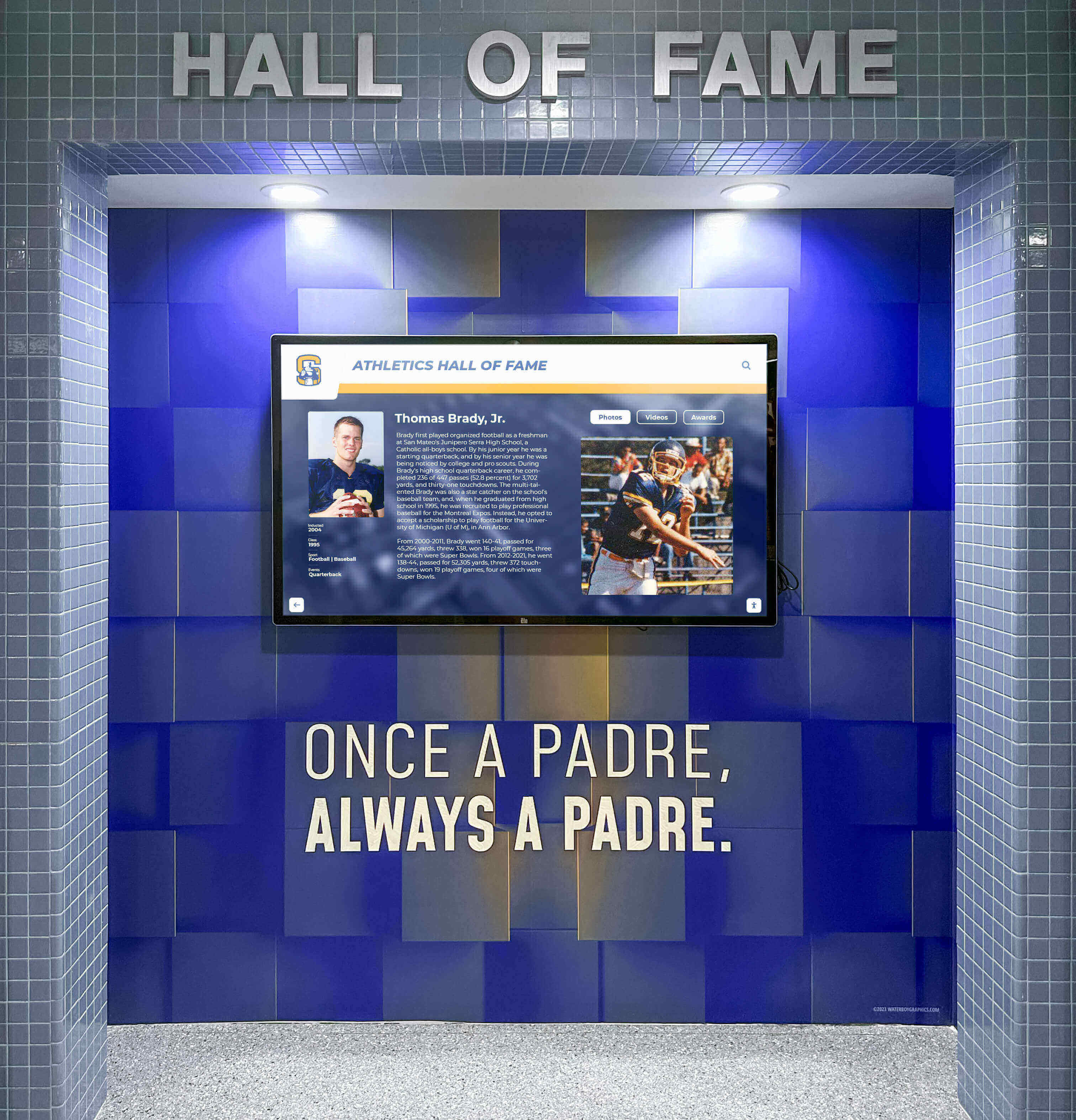
Ongoing costs include annual content updates as new all-stars earn recognition, for digital systems, software maintenance and support services, periodic cleaning and maintenance, and eventual hardware replacement or system upgrades.
Traditional systems typically have lower initial costs but higher per-update expenses as each new recognition requires fabrication and installation. Digital systems involve larger upfront investment but dramatically lower per-update costs since additions happen through software without physical modifications.
When evaluating costs, consider total cost of ownership over 5-10 years rather than just initial installation. Digital systems often prove more cost-effective despite higher upfront prices because ongoing update efficiency offsets the initial premium.
Many clubs fund recognition through dedicated fundraising campaigns, booster club support, sponsor partnerships where local businesses support recognition in exchange for modest acknowledgment, or phased implementation starting with core functionality and expanding over time as resources allow.
Creating Celebration Moments
Beyond permanent displays, clubs should create celebration moments when players earn all-star recognition. These timely acknowledgments generate excitement and ensure achievements receive appropriate immediate attention before integration into permanent recognition systems.
Effective celebration approaches include social media announcements with graphics and player photos, club newsletter features highlighting selections and player backgrounds, recognition ceremonies at training sessions or games, special apparel or awards for all-star selections, and press releases to local media covering elite youth soccer.
For club programs participating in comprehensive digital recognition like those using solutions like Rocket Alumni Solutions, integration happens seamlessly where new all-star selections are added to databases and automatically appear in recognition displays, web profiles, and mobile platforms.
Content Development for All-Star Profiles
Recognition quality depends fundamentally on content quality. Comprehensive profiles appropriately honor players while engaging audiences effectively and providing information that serves multiple purposes from recruitment to historical documentation.
Essential Profile Components
Complete all-star profiles should include several information categories documenting achievement comprehensively while celebrating individual stories.
Athletic achievement documentation forms the foundation including specific all-star honor received (Continental Tire National Selection Game, ECNL Spotlight Game, conference all-star team, etc.), date and location of selection or event, position played, age group or division, team record and achievement during the season earning recognition, and personal statistics and accomplishments (goals, assists, minutes played, etc.).
Performance Context
- Game highlights and memorable moments
- Key performances leading to selection
- Technical or tactical strengths
- Leadership contributions and team impact
- Coach testimonials about the player
Personal Background
- Years with the club
- Academic honors and achievements
- Additional sports or activities
- Soccer aspirations and goals
- College commitment information when applicable
This comprehensive approach creates engaging profiles that honor complete player identities rather than reducing achievements to statistics alone, helping stakeholders understand what makes each all-star special beyond raw performance data.
Multimedia Integration
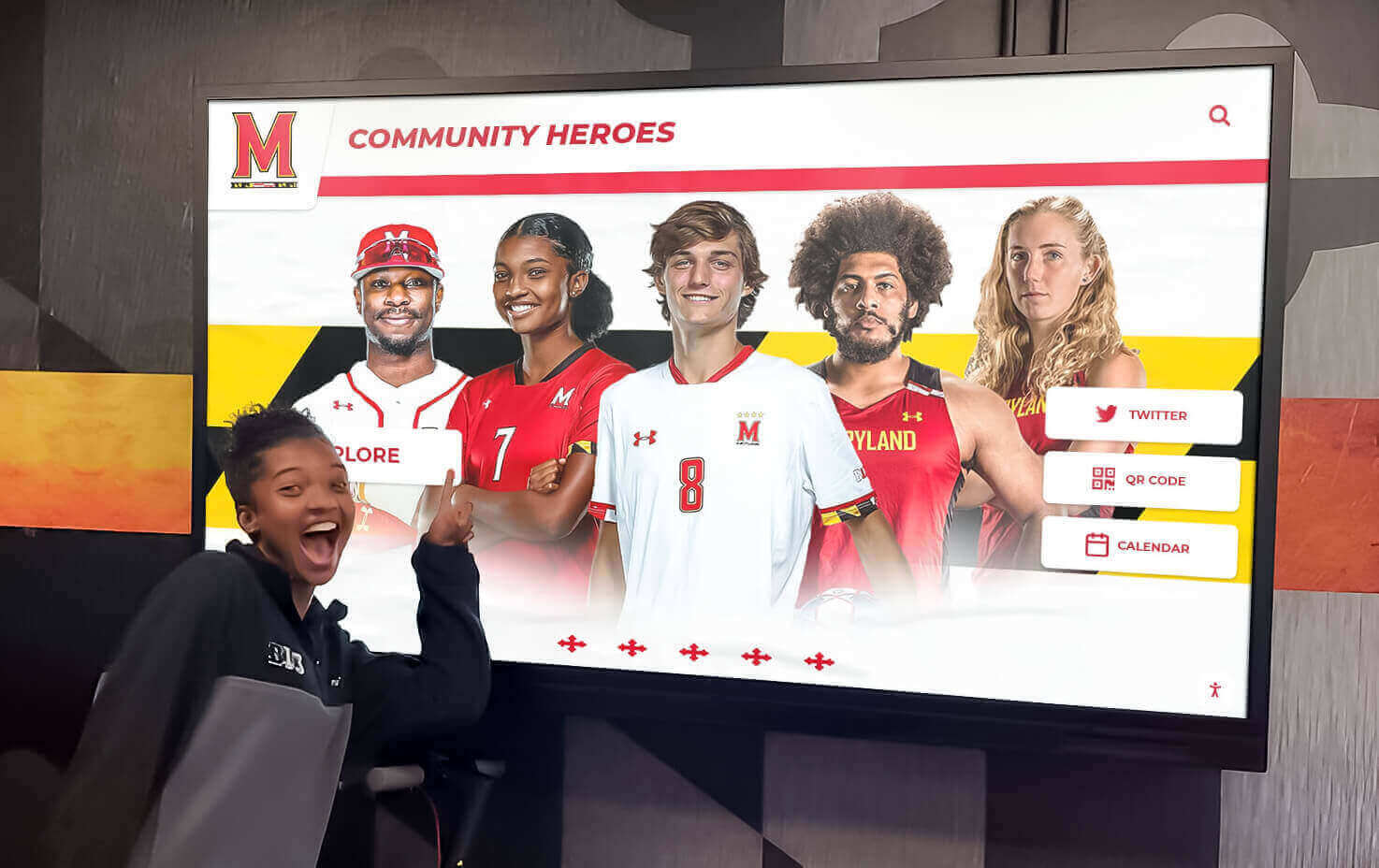
Digital recognition platforms enable multimedia content that brings profiles to life in ways traditional plaques simply cannot match. High-quality photos showing players in action during competition, all-star event participation, and team celebrations should accompany every profile.
Video content adds tremendous engagement value including game highlights showcasing signature plays and skills, all-star event footage capturing elite competition, player interviews providing personal perspectives, and skills demonstrations highlighting technical excellence.
When developing multimedia content, prioritize quality over quantity. A few excellent photos and well-edited video clips prove far more effective than numerous mediocre images or raw unedited footage. Many clubs work with parents who volunteer photography and videography skills, though professional content creation justifies investment for major recognition installations.
Historical Research and Context
For clubs implementing comprehensive recognition systems that honor historical achievements, research may be required to document all-star selections from previous years where records are incomplete or inaccessible.
Systematic information gathering approaches include reviewing club archives and coaching files for historical rosters and awards, examining old club websites and publications for achievement announcements, contacting former players and coaches to verify selections and fill information gaps, searching local media coverage for all-star event reporting, and consulting ECNL league records if accessible for historical verification.
This distributed research proves time-intensive but essential for recognition systems honoring complete club history rather than privileging only recent years where information exists readily in digital formats. Programs exploring comprehensive approaches to athletic history preservation can reference guidance on finding school sports records applicable to club environments.
Integration with Broader Club Recognition
ECNL all-star recognition achieves maximum impact when integrated thoughtfully into comprehensive recognition systems rather than existing as isolated celebration. Coordinated approaches create more coherent messaging about club values while operating more efficiently than disconnected programs.
Multi-Team Recognition Coordination
Clubs typically operate multiple teams across different age groups and competitive levels beyond just ECNL programs. Recognition systems that integrate achievements across all teams provide several advantages including shared infrastructure reducing per-team implementation costs, consistent recognition standards ensuring equity across programs, unified visitor experience rather than disconnected team-specific displays, and efficient content management through centralized administrative processes.
Digital platforms particularly enable integrated approaches through unlimited capacity accommodating all teams without space competition, filtering and navigation allowing team-specific exploration within comprehensive systems, consistent interfaces maintaining recognition quality across different programs, and role-based administration enabling team coaches to manage content for their specific groups.
This integration ensures that players competing at non-ECNL levels receive appropriate recognition while ECNL all-stars are honored within broader club contexts that demonstrate comprehensive commitment to celebrating achievement at all competitive tiers.
Academic and Character Recognition
Comprehensive player recognition extends beyond competitive achievement to acknowledge well-rounded excellence. Clubs should complement all-star athletic recognition with academic achievement programs celebrating classroom excellence, character awards recognizing sportsmanship and leadership, community service acknowledgment honoring contributions beyond competition, and player of the year recognition integrating multiple excellence dimensions.
This comprehensive recognition sends important messages that clubs value complete development rather than exclusively competitive performance—particularly important for young athletes developing identities and priorities during formative years. Studies on academic recognition programs demonstrate that integrated approaches celebrating diverse achievements strengthen organizational culture more effectively than athletics-only recognition.
College Placement Tracking
For clubs emphasizing recruiting support, integrating all-star recognition with college placement tracking creates powerful narratives about player development and program success. Recognition systems can highlight where all-star selections ultimately committed to play college soccer, track professional achievements for players who advance beyond college, document scholarship awards earned by recognized players, and showcase the connection between all-star achievement and successful recruiting outcomes.
This integration serves multiple purposes including demonstrating club effectiveness at developing college-level talent, motivating current players by showing pathways from club programs to collegiate competition, supporting recruiting efforts through documented placement success, and maintaining alumni connections as former players progress through their soccer careers.
Sustaining Recognition Programs Long-Term
Initial implementation represents just the beginning of successful recognition programs. Sustainable approaches require ongoing management, regular updates, and systematic processes ensuring recognition remains current, accurate, and impactful as clubs grow and evolve.
Establishing Update Workflows
Systematic processes prevent recognition from becoming outdated through administrative neglect. Effective clubs establish predictable annual rhythms beginning with season conclusion documentation of all-star selections immediately following announcements, content development gathering photographs, statistics, and profile information, profile creation developing comprehensive recognition entries with complete documentation, publication adding new recognition to displays within weeks of selection, announcement publicly celebrating newly recognized players through multiple channels, and archive maintenance ensuring historical recognition remains accurate and accessible.
Clear role assignments prevent assumption gaps where everyone thinks someone else handles recognition. Typical responsibility distribution includes club directors providing oversight and approval, coaching staff submitting information about all-star selections from their teams, communications or marketing staff developing content and managing displays, and technology coordinators handling digital system updates or vendor coordination as needed.
Written responsibility documentation ensures recognition receives systematic attention rather than sporadic effort when individuals happen to remember or have available time.
Technology Maintenance and Support
Digital recognition systems require technical maintenance ensuring reliable operation and professional presentation over time. Modern cloud-based platforms provide significant advantages including automatic software updates ensuring security and feature improvements, remote access enabling updates from any location without physical display access, redundant data storage protecting against information loss, vendor-provided technical support reducing internal IT burden, and device-independent management allowing staff turnover without expertise loss.
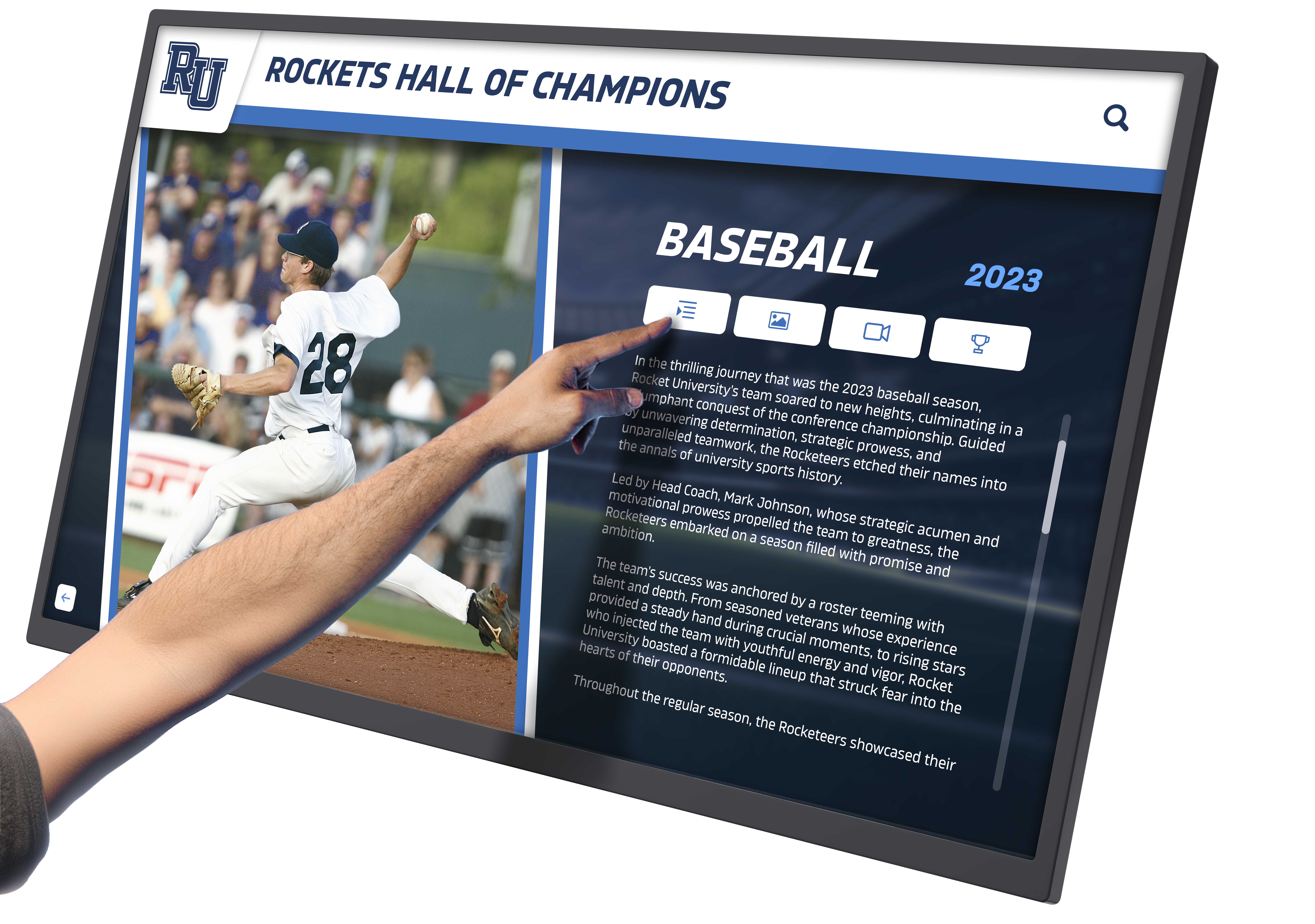
Physical display equipment requires periodic maintenance including screen cleaning maintaining professional appearance, hardware monitoring identifying failing components before complete failures, network connectivity verification ensuring displays remain online, and environmental monitoring protecting equipment from temperature or humidity extremes that could cause damage.
Establishing quarterly maintenance schedules ensures systematic attention rather than reactive responses only after visible problems emerge. Many clubs work with recognition vendors like Rocket Alumni Solutions that provide comprehensive maintenance support as part of service agreements, ensuring technical issues receive prompt professional resolution.
Measuring Recognition Impact
Effective programs evaluate performance systematically, gathering evidence that recognition delivers value justifying ongoing investment. Digital platforms provide analytics revealing how stakeholders interact with recognition including total interaction sessions showing engagement levels, average session duration indicating depth of interest, most-viewed players or achievements revealing interest patterns, search terms showing what information visitors seek, and repeat users suggesting sustained interest rather than one-time viewing.
These insights help clubs understand which content generates most interest, when displays receive heaviest usage, and how recognition systems get utilized—information that informs content strategy and display placement optimization.
Beyond digital metrics, clubs should gather qualitative feedback through player and family surveys assessing whether recognition feels meaningful, coach input on recruiting and cultural impacts, alumni perspectives on connection and engagement, and prospective family reactions during club evaluation and facility tours.
This comprehensive feedback informs continuous improvement while demonstrating program value to stakeholders who influence budget decisions and strategic priorities.
The Future of ECNL All-Star Recognition
Recognition approaches continue evolving as technology advances and clubs seek increasingly engaging ways to celebrate achievement. Understanding emerging trends helps clubs make recognition investments that remain relevant for years to come.
Enhanced Multimedia and Interactive Features
Recognition systems increasingly incorporate sophisticated multimedia including augmented reality experiences where visitors use smartphones to access additional content overlaid on displays, 360-degree video providing immersive perspectives of all-star events and competitions, interactive statistics visualizations enabling exploration of performance data, and social media integration facilitating easy sharing of achievements across digital platforms.
These advanced features transform recognition from information presentation into engaging experiences that hold attention longer and create more memorable impressions than static displays.
Artificial Intelligence and Personalization
Emerging recognition platforms leverage artificial intelligence to provide personalized experiences based on visitor interests. Systems might recognize returning visitors and highlight content relevant to their previous interactions, suggest related profiles when viewing specific players, automatically generate achievement summaries and highlights, or provide predictive insights about which current players may earn future all-star recognition based on performance patterns.
This personalization creates more relevant experiences for diverse audiences from current players researching club history to college coaches evaluating prospects to alumni reminiscing about their playing days.
Integration with Broader Player Development Systems
Forward-thinking clubs increasingly integrate recognition with comprehensive player development platforms where all-star achievements connect to longitudinal performance tracking, training records and development pathway documentation, physical development and sports science monitoring, and academic progress and college readiness preparation.
This integration creates holistic player profiles supporting development conversations between players, families, and coaching staffs while demonstrating how elite achievement results from systematic development rather than isolated talent.
Taking the Next Step
Clubs ready to implement or upgrade ECNL all-star recognition programs should begin by assessing current approaches and defining desired outcomes. Whether starting from scratch or modernizing existing systems, clear planning ensures successful implementation.
Implementation Checklist
- Assess Current State: Inventory existing recognition and identify gaps or limitations
- Define Objectives: Clarify what you want recognition to accomplish
- Research Options: Explore both traditional and digital recognition approaches
- Establish Budget: Determine available funding for initial implementation and ongoing operation
- Gather Historical Data: Compile lists of past all-star selections if implementing comprehensive systems
- Form Planning Committee: Involve coaching staff, administrators, and key stakeholders
- Select Solution: Choose recognition approach that fits your needs, objectives, and budget
- Plan Implementation: Create timeline for installation and content development
- Establish Processes: Define how you'll maintain and update recognition systems
- Launch and Celebrate: Unveil new recognition with appropriate ceremony and communication
Many clubs find value in consulting with recognition specialists who can guide them through decision processes. Companies like Rocket Alumni Solutions offer free consultations helping clubs understand options and make informed choices. These consultations clarify budgets, timelines, and technical requirements without obligation.
The investment in proper ECNL all-star recognition pays dividends for years to come. Players feel appropriately honored for elite achievements, current athletes gain role models and clear goals to pursue, college coaches access comprehensive information supporting recruiting evaluations, and club communities benefit from visible celebrations of excellence that strengthen culture and tradition.
Conclusion
ECNL all-star recognition represents more than acknowledgment of past achievements—it creates cultures where elite performance receives appropriate celebration, inspires current players toward their own all-star aspirations, demonstrates organizational values through comprehensive recognition systems, and builds lasting connections between players, families, and clubs through shared celebration of soccer excellence.
The strategies explored in this guide provide frameworks for creating recognition programs that honor ECNL all-stars comprehensively while remaining sustainable across seasons and leadership transitions. From understanding ECNL selection processes and establishing verification systems, to choosing between traditional and digital recognition approaches, to implementing systematic content development and maintenance workflows—these approaches enable clubs at all levels to celebrate elite youth soccer achievement appropriately.
Modern digital recognition solutions eliminate traditional barriers that once forced clubs to choose which players received visibility based on limited physical display space. Every all-star throughout club history can receive comprehensive recognition through systems accommodating unlimited players with rich multimedia content that traditional plaques simply cannot provide.
Whether implementing new recognition programs from scratch, upgrading outdated systems no longer serving clubs effectively, or enhancing existing approaches with advanced capabilities, the opportunity exists to create ECNL all-star recognition that genuinely honors achievement while inspiring future excellence. Your all-stars’ dedication and accomplishments deserve celebration equal to the effort they invest in reaching elite levels—with thoughtful planning, appropriate technology, and sustained commitment, clubs can create recognition systems that serve players, families, and communities for generations to come.































