Elementary school recognition boards serve as powerful tools for celebrating student achievement, building positive school culture, and motivating young learners to reach their full potential. When designed thoughtfully, these displays go far beyond simple bulletin boards—they become focal points that communicate school values, honor diverse accomplishments, and inspire students to pursue excellence in academics, character development, and community contribution.
Yet many elementary schools struggle to create recognition systems that truly resonate with young learners. Traditional approaches often focus solely on academic top performers, overlook the diverse ways students excel, or quickly become outdated and ignored. Recognition displays gather dust while students walk past without a glance, and valuable wall space fails to serve its intended purpose of motivation and celebration.
This comprehensive guide explores evidence-based strategies for designing, implementing, and maintaining elementary school recognition boards that engage young students, celebrate achievements across all domains, and create lasting positive impact on school climate and student motivation. Whether you’re creating your first recognition display or upgrading existing systems, you’ll discover practical approaches that work for elementary learners.
Elementary school recognition requires special consideration of developmental stages, attention spans, visual preferences, and the unique ways young learners engage with their environment. What works in middle or high schools often fails with elementary students who need more visual impact, clearer communication, and more frequent reinforcement to maintain engagement and motivation.
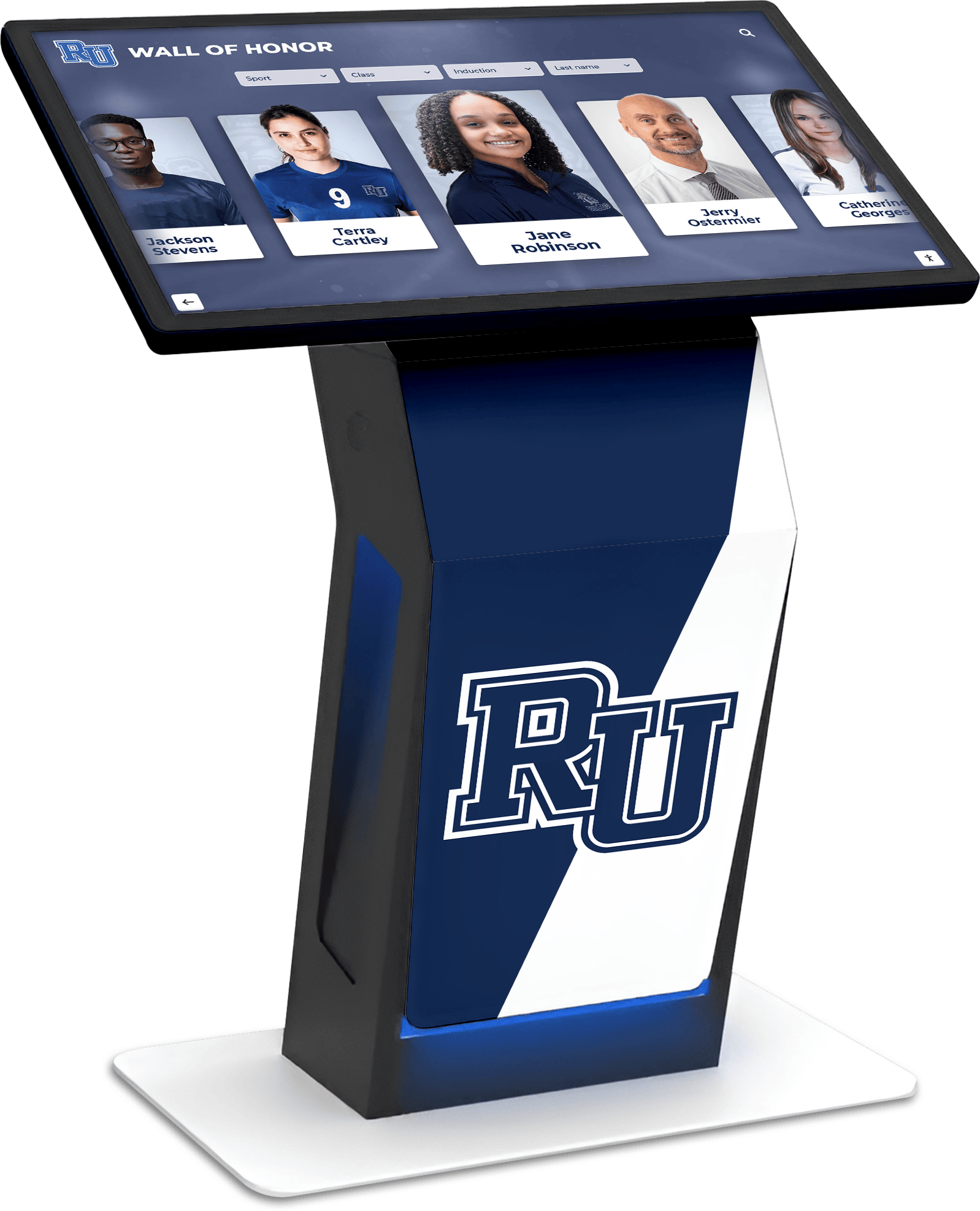
Contemporary recognition displays combine visual appeal with interactive features that capture young students' attention and imagination
Understanding Elementary School Recognition Needs
Before designing recognition displays, understanding how elementary students differ from older learners ensures age-appropriate approaches that maximize effectiveness and engagement.
Developmental Considerations for Young Learners
Elementary students progress through distinct developmental stages that affect how they understand and respond to recognition:
Early Elementary (Grades K-2)
- Concrete thinkers needing clear, visual representations of achievement
- Limited reading ability requiring image-heavy, text-light displays
- Short attention spans necessitating engaging, colorful presentations
- Strong response to immediate, frequent recognition rather than delayed honor
- Developing understanding of fairness and inclusion
Upper Elementary (Grades 3-5)
- Growing ability to understand abstract concepts and delayed rewards
- Increasing reading comprehension allowing more detailed information
- Beginning awareness of peer comparison and social status
- Emerging interest in diverse achievement domains beyond academics
- Developing capacity for goal-setting and long-term motivation
Psychology of Recognition in Elementary Years
Research in educational psychology demonstrates the profound impact of appropriate recognition during formative elementary years:
Motivation and Self-Efficacy Development
- Students who receive recognition during elementary years develop stronger beliefs in their abilities
- Early positive recognition creates achievement-oriented mindsets carrying through later education
- Diverse recognition opportunities help students discover strengths across multiple domains
- Public celebration of effort and improvement (not just outcomes) builds growth mindsets
Social-Emotional Impact
- Recognition contributes significantly to students’ sense of belonging and school connectedness
- Seeing diverse peers celebrated helps students envision themselves achieving similar success
- Appropriate recognition reduces anxiety about academic performance
- Celebration of character and kindness alongside academics promotes well-rounded development
Schools implementing comprehensive academic recognition programs report measurable improvements in student engagement, behavior, and achievement outcomes. The key lies in designing recognition that feels attainable and meaningful to young learners at all performance levels.
Core Components of Effective Elementary Recognition Boards
Successful elementary recognition displays share essential characteristics that maximize impact while remaining manageable for busy educators.
Visual Design Principles for Young Students
Elementary recognition boards must capture and maintain attention through strategic visual design:
Color and Visual Hierarchy
- Bright, age-appropriate color schemes that appeal to young students without overwhelming
- Clear visual organization making content easy to scan and understand
- Large, legible fonts readable from typical viewing distances (8-15 feet in hallways)
- High-contrast combinations ensuring visibility for all students
- Engaging graphics and images drawing attention to featured students
Height and Accessibility Considerations
- Lower mounting heights ensuring even youngest students can view comfortably
- Content placement considering typical elementary student eye levels (36-48 inches from floor)
- Interactive elements within reach ranges for small children
- Adequate space for group viewing without crowding
- Wheelchair accessible viewing angles and approaches
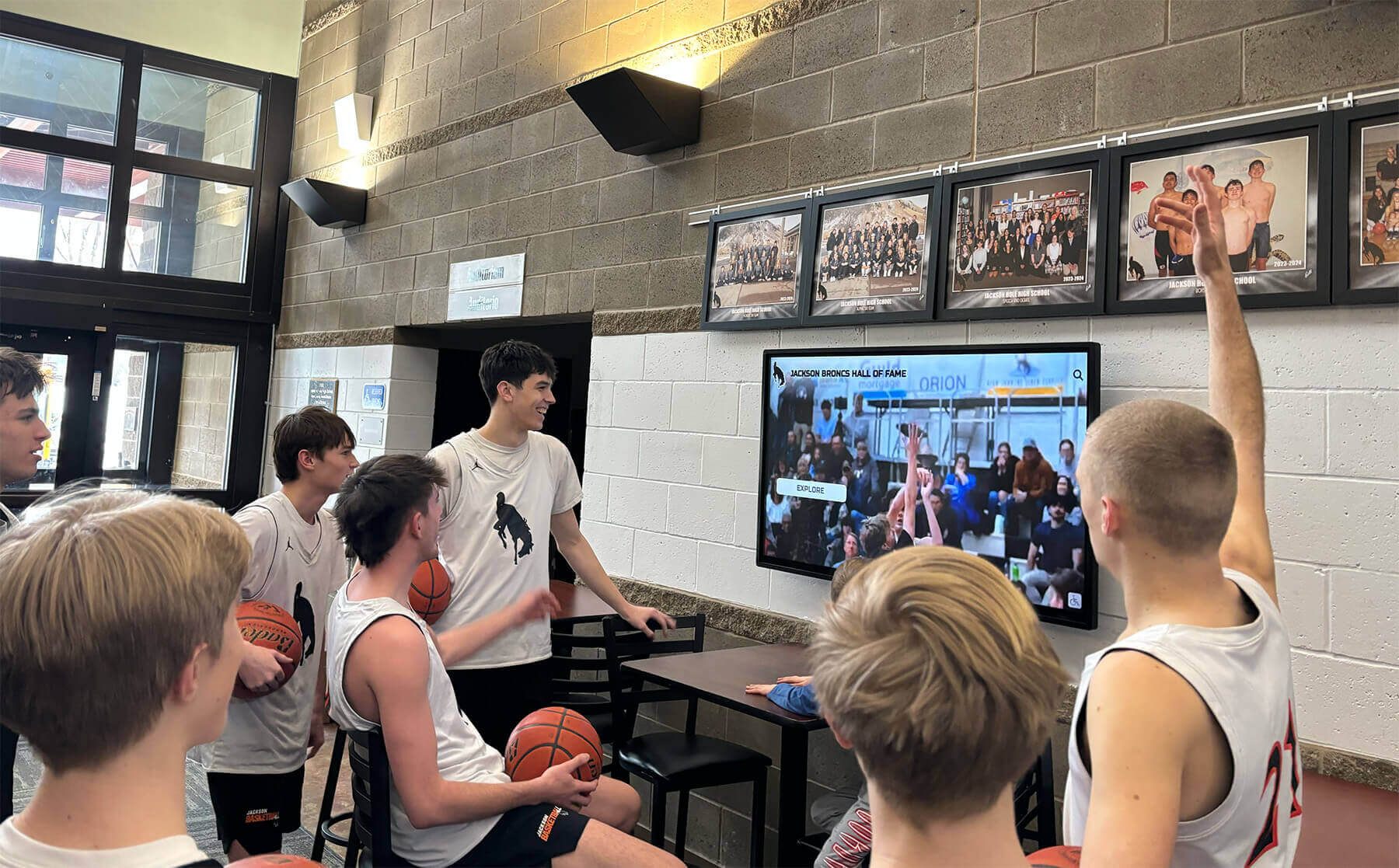
Strategic placement and appropriate mounting heights ensure all students can engage with recognition displays comfortably
Content Structure and Organization
Organizing recognition content thoughtfully ensures clarity and maximizes motivational impact:
Clear Category Definition Successful elementary recognition boards organize achievements into understandable categories:
- Academic Excellence: Honor roll, reading milestones, math achievement, subject-specific awards
- Character Development: Kindness, responsibility, respect, perseverance, citizenship
- Improvement Recognition: Most improved readers, attendance improvement, behavior growth
- Special Skills: Arts, music, athletics, technology, leadership
- Class Contributions: Helpful classmate, positive attitude, team player
Learn more about comprehensive approaches in student recognition that increases future success.
Rotation and Freshness Elementary students lose interest in static displays quickly:
- Weekly or bi-weekly rotation of featured students maintaining novelty
- Seasonal themes connecting recognition to current school events
- Monthly spotlights ensuring all students receive featured placement eventually
- Timely updates reflecting recent achievements while they’re still relevant
- Archive systems preserving historical recognition while prioritizing current celebration
Inclusivity and Equity in Elementary Recognition
Creating recognition systems ensuring all students see themselves celebrated requires intentional design:
Multiple Pathways to Recognition
Rather than recognizing only traditional academic high achievers, comprehensive systems celebrate:
- Growth from individual starting points (not just absolute performance)
- Effort and persistence alongside outcomes
- Character and social-emotional development
- Diverse talents across arts, athletics, academics, and service
- Unique contributions each student brings to classroom community
Frequency and Distribution Monitoring
Track recognition distribution to ensure equity:
- Regular analysis of which students receive recognition and how often
- Intentional identification of students who haven’t been recognized recently
- Goal of ensuring every student receives meaningful recognition at least once per semester
- Attention to patterns revealing potential bias (gender, race, socioeconomic status, ability)
- Adjustment of criteria or categories to expand recognition opportunities
Schools committed to inclusive recognition often implement honor roll recognition displays alongside character-based and improvement-focused celebration ensuring diverse students find success.
Recognition Board Types and Formats
Different recognition display formats serve different purposes and contexts within elementary schools.
Traditional Bulletin Board Approaches
Physical bulletin boards remain popular and practical options for many elementary schools:
Advantages of Bulletin Boards
- Low initial cost requiring only basic materials and supplies
- Easy teacher customization matching classroom themes and preferences
- Tactile, hands-on creation opportunities for students
- No technology requirements or electricity needs
- Simple updates requiring only basic supplies
Effective Bulletin Board Strategies
Star Student Displays
- Weekly or monthly spotlight featuring individual students
- Photos, achievements, interests, and goals
- Family involvement opportunities submitting information
- Rotating system ensuring all students featured throughout year
Achievement Trees and Growth Charts
- Visual metaphors (trees, gardens, ladders) showing progress
- Individual student branches, leaves, or growth markers
- Collective class goals with progress tracking
- Colorful, engaging designs appealing to young learners

Physical recognition boards create visual celebrations of student achievement when maintained with fresh content
Character Education Boards
- Virtues or values-based recognition systems
- Student examples demonstrating school values in action
- Peer nomination opportunities building community
- Connection between recognition and school-wide character programs
Challenges to Consider
- Time-intensive maintenance and regular updates
- Physical space limitations restricting capacity
- Fading and deterioration requiring periodic refreshing
- Accessibility only to those physically present at school
- Difficulty preserving historical recognition as new content replaces old
Digital Recognition Display Systems
Modern digital systems overcome many traditional bulletin board limitations while offering enhanced capabilities:
Digital Display Advantages for Elementary Schools
Solutions like Rocket Alumni Solutions provide purpose-built platforms specifically designed for educational recognition:
- Unlimited Capacity: Showcase every student’s achievements without space constraints forcing difficult selection decisions
- Engaging Interactivity: Touchscreen interfaces inviting students to explore achievements, search for names, and discover classmate accomplishments
- Easy Updates: Cloud-based content management enabling quick additions without physical bulletin board reconstruction
- Professional Appearance: Consistent, polished presentation maintaining quality automatically
- Multi-Location Access: Web-based platforms allowing families to view recognition from home
- Rich Multimedia: Photos, videos, and detailed achievement information telling complete stories
Elementary-Specific Digital Features
When evaluating digital hall of fame displays, elementary schools should prioritize:
- Large, colorful, engaging visual designs appealing to young students
- Simple, intuitive navigation requiring minimal reading or complex interaction
- Search functionality helping students find themselves and friends quickly
- Achievement categories matching elementary-relevant accomplishments
- Parent/family viewing options extending recognition beyond school walls
- Analytics revealing which content engages students most effectively
Implementation Considerations
- Higher upfront investment than bulletin boards (typically $15,000-$25,000 for complete system)
- Electricity and network connectivity requirements
- Staff training for content management (though modern systems require minimal technical skill)
- Ongoing software subscription or support fees
- Hardware maintenance and eventual component replacement
Many elementary schools implement hybrid approaches—maintaining some traditional bulletin boards for classroom-level recognition while installing interactive touchscreen displays in main lobbies or hallways for school-wide celebration.

Digital recognition platforms offer unlimited capacity and engaging interactivity that traditional displays cannot match
Creating Age-Appropriate Recognition Content
Content quality and presentation significantly impact recognition board effectiveness with elementary students.
Writing and Design for Young Readers
Recognition content must match elementary reading levels and attention spans:
Text Guidelines by Grade Level
- Grades K-1: Minimal text, large fonts (24pt+), simple vocabulary, heavy reliance on photos and graphics
- Grades 2-3: Brief descriptions (2-3 sentences), straightforward language, mix of text and visuals
- Grades 4-5: More detailed information (paragraph length), age-appropriate vocabulary, still image-supported
Engaging Language Choices
- Active voice (“Sarah helped five classmates learn multiplication”) rather than passive constructions
- Specific achievement descriptions (“Read 50 books this year”) rather than vague praise
- Positive, celebratory tone avoiding comparison or competition
- Student-friendly vocabulary appropriate for target age group
- Connection to school values and character education themes
Visual Content Selection and Presentation
Photos and graphics carry particular importance for elementary recognition:
Effective Student Photography
- Recent photos reflecting current appearance and grade level
- Genuine smiles and natural expressions rather than forced poses
- Individual portraits ensuring clear identification
- Action shots showing students engaged in achievements being recognized
- Inclusive representation across all student demographics
Graphic Elements and Design
- School mascots, colors, and branding creating identity connection
- Grade-level appropriate graphics (avoiding overly childish images for older elementary)
- Icons and symbols helping non-readers understand categories
- Borders, frames, and visual organization clarifying structure
- Seasonal or thematic decorations maintaining interest through variety
Celebrating Diverse Achievement Types
Comprehensive recognition extends beyond traditional academics:
Academic Recognition Categories
- Reading level advancement and book completion milestones
- Mathematics fact mastery and problem-solving growth
- Writing achievement and creative expression
- Science curiosity and exploration
- Perfect or improved attendance
Character and Social-Emotional Recognition
- Acts of kindness toward classmates or staff
- Conflict resolution and problem-solving
- Respect and responsibility demonstrations
- Perseverance through challenging situations
- Leadership and helping behaviors
Explore comprehensive approaches in celebrating academic excellence digitally to understand how schools create meaningful recognition across multiple dimensions.
Talent and Interest Recognition
- Arts and music accomplishments
- Athletic skills and sportsmanship
- Technology and maker skills
- Public speaking or performance
- Community service and citizenship
Special Recognition Opportunities
- Student of the month or week programs
- Classroom helper or job performance
- Lunch room behavior and cafeteria citizenship
- Playground sportsmanship and inclusion
- Birthday and new student welcomes
Implementation Strategies for Elementary Schools
Successfully launching recognition boards requires thoughtful planning and systematic execution.
Planning Your Recognition System
Begin with comprehensive assessment and goal-setting:
Needs Assessment Steps
- Survey teachers about current recognition practices and gaps
- Gather input from students about what recognition means to them
- Consult families about recognition priorities and values
- Analyze existing space and technical infrastructure
- Review budget availability and funding options
Goal Definition Establish clear, measurable objectives:
- Student engagement goals (e.g., “90% of students interact with recognition display monthly”)
- Coverage goals (e.g., “Every student receives recognition at least twice per year”)
- Diversity goals (e.g., “Recognition spans academic, character, arts, athletics categories equally”)
- Cultural impact goals (e.g., “Increase sense of belonging scores by 15%”)
- Implementation goals (e.g., “Launch recognition system by start of second semester”)
Budget Development
Traditional Bulletin Board Budgets
- Materials and supplies: $200-$500 per board
- Printing and laminating: $100-$300 annually
- Storage and organization: $50-$150
- Replacement and refresh: $150-$400 annually
Digital System Budgets
- Hardware (display, computer, mounting): $8,000-$15,000
- Software platform: $1,500-$3,000 annually
- Installation: $2,000-$5,000
- Content setup: $1,000-$3,000
- Training: $500-$1,500
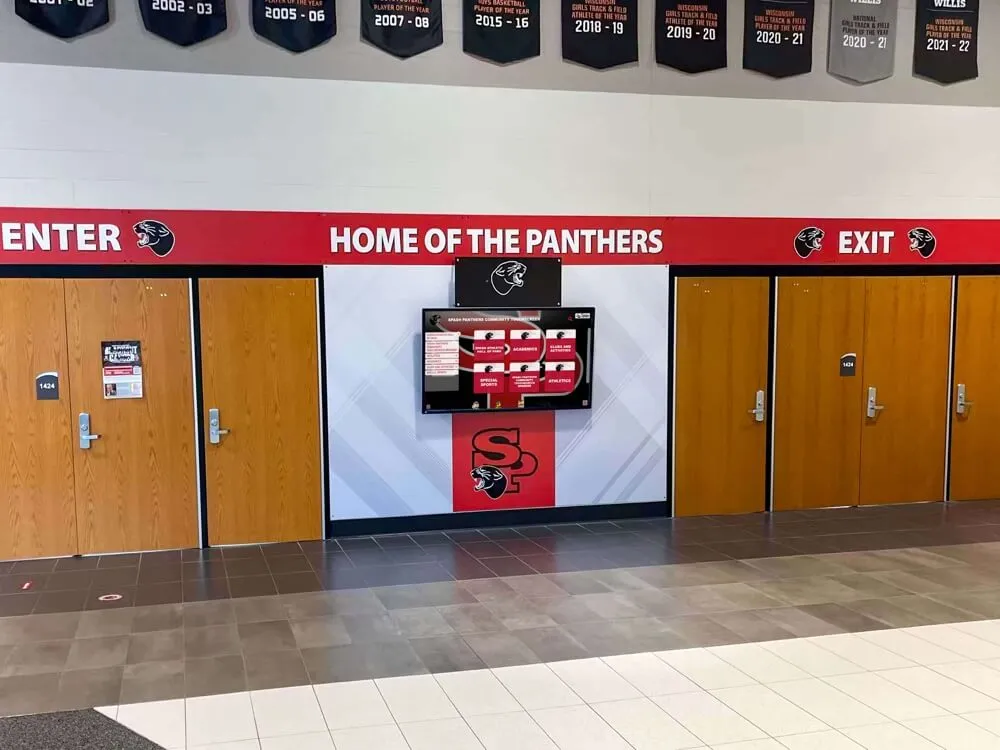
Main hallways and entrances provide ideal locations for recognition displays ensuring maximum student and family visibility
Consider funding options including PTA/PTO support, local business sponsorships, grant opportunities, and phased implementation spreading costs across multiple budget cycles.
Location and Placement Strategies
Recognition board effectiveness depends significantly on strategic placement:
High-Traffic Location Identification
- Main entrance lobbies where families arrive and depart daily
- Primary hallways connecting classrooms to cafeteria, gym, or library
- Outside principal’s office creating positive association with leadership
- Cafeteria or common areas where students gather
- Near library or media center for students seeking information
Viewing Experience Optimization
- Adequate lighting ensuring visibility throughout school day
- Space allowing small groups to view without blocking traffic flow
- Protection from weather (for outdoor or covered entrance locations)
- Clear sight lines from natural student paths
- Proximity to adult supervision preventing vandalism
Learn about strategic placement in best ways to highlight student accomplishments to maximize recognition impact.
Content Management Workflows
Sustainable recognition systems require clear processes and role assignment:
Staff Responsibility Definition Assign clear accountability for recognition board maintenance:
- Primary content manager (counselor, teacher leader, or administrator)
- Backup personnel ensuring continuity during absences
- Teacher representatives submitting classroom recognition
- Student helpers (upper elementary) assisting with updates
- Technology support for digital system troubleshooting
Recognition Nomination Process
- Teacher submission forms identifying students and achievements
- Criteria checklist ensuring consistency across classrooms
- Photo collection procedures maintaining quality standards
- Verification process confirming information accuracy
- Timeline expectations (e.g., submitted by first Friday of month)
Update Schedule and Procedures
- Weekly updates for highly visible, rotating features
- Monthly comprehensive refreshes for main recognition boards
- Quarterly deep reviews ensuring equitable distribution
- End-of-year archive and planning for following academic year
Best Practices and Common Pitfalls
Learning from successful implementations and common mistakes accelerates recognition program effectiveness.
Success Factors for Elementary Recognition
Schools with thriving recognition boards consistently implement these practices:
Regular, Predictable Updates
- Established schedules students anticipate (“New student of week posted every Monday”)
- Consistent format allowing students to quickly identify changes
- Reliability building student trust and engagement
- Never allowing recognition displays to become stale or outdated
Genuine Celebration (Not Competition)
- Language emphasizing individual achievement and growth
- Avoiding comparative statements or rankings
- Multiple students recognized simultaneously
- Focus on effort and character alongside outcomes
- Atmosphere of “we all can succeed” rather than “only few winners”
Family Engagement Integration
Extend recognition impact beyond school walls:
- Family notification when students receive recognition
- Photos and details shareable on social media
- Recognition ceremony invitations for special honors
- Parent volunteer opportunities maintaining displays
- Web access to recognition content for distant family members
Discover strategies for alumni engagement that can inspire family connection approaches.
Student Voice and Participation
- Student input on recognition categories and values
- Peer nomination processes for character-based recognition
- Student helpers maintaining and updating displays (age-appropriate)
- Student artwork and design contributions
- Celebration events where students present to peers
Common Mistakes to Avoid
Prevent these frequent recognition board pitfalls:
Recognizing Same Students Repeatedly
The “usual suspects” phenomenon—where recognition gravitates toward highest-achieving, well-behaved students—undermines motivation for others:
- Track recognition frequency by student
- Intentionally seek diverse achievers each cycle
- Expand recognition categories creating more opportunities
- Celebrate growth and improvement (not just absolute achievement)
- Ensure every student experiences recognition regularly
Letting Recognition Become Stale
Few things discourage engagement more than outdated displays:
- Assign clear responsibility and accountability
- Build recognition updates into existing meeting/planning schedules
- Use easier-to-update systems (especially digital platforms)
- Reduce scope if necessary to maintain freshness
- Remove recognition boards if unable to maintain properly
Over-Emphasis on Academic Performance
Schools focusing exclusively on grades and test scores miss opportunities to develop well-rounded students:
- Balance academic recognition with character, arts, athletics, service
- Recognize diverse intelligences and talents
- Celebrate social-emotional growth and kindness
- Honor effort and perseverance alongside achievement outcomes
- Connect recognition to complete school mission (not just academics)
Explore classroom projects recognition for ideas beyond traditional academic honors.
Ignoring Accessibility and Inclusivity
Recognition systems inadvertently excluding some students damage school culture:
- Ensure physical displays accessible to all students including those with disabilities
- Provide recognition in languages spoken by families in school community
- Consider economic equity (avoid recognition requiring family financial resources)
- Monitor demographic patterns ensuring equitable representation
- Create recognition categories where all students can achieve success
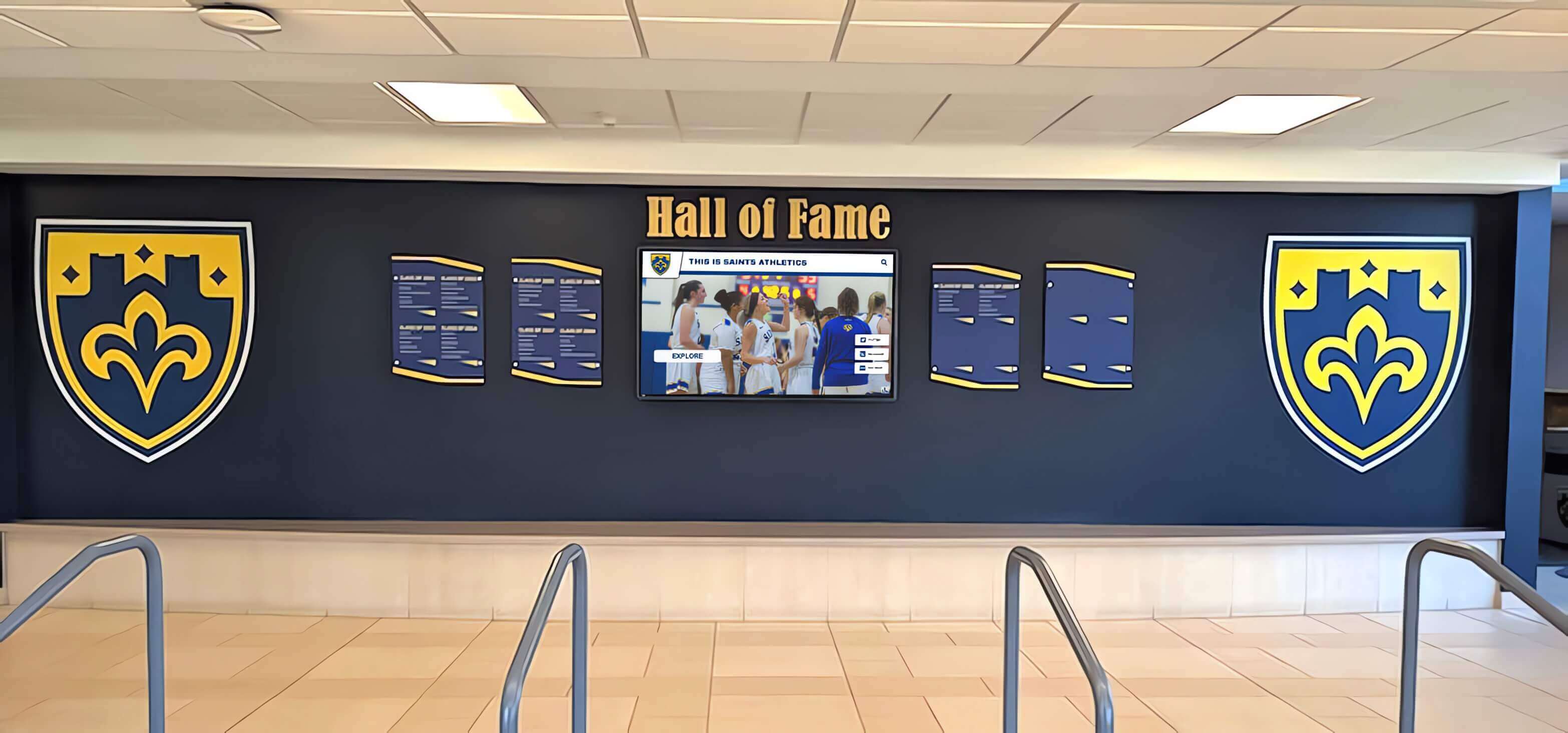
Well-designed recognition spaces combine multiple elements creating comprehensive celebration of student achievement
Measuring Recognition Program Impact
Assessing recognition board effectiveness enables continuous improvement and demonstrates value.
Quantitative Metrics
Track measurable indicators of recognition program success:
Coverage and Distribution
- Percentage of students recognized at least once per semester/year
- Recognition frequency distribution across student population
- Demographic representation in recognized students
- Coverage across different recognition categories
- Time lag between achievement and recognition display
Engagement Indicators
- Student interaction with recognition displays (observation counts)
- Family engagement with web-based recognition portals
- Social media sharing of recognition content
- Attendance at recognition ceremonies or events
- Student ability to name recently recognized peers
Academic and Behavioral Correlations
- Student achievement trends among recognized students
- Behavioral referral patterns and recognition relationships
- Attendance rates and recognition participation
- School climate survey results over time
- Parent satisfaction with school communication
Qualitative Assessment
Numbers tell only part of the story—gathering stakeholder perspectives provides deeper insight:
Student Feedback Approaches
- Age-appropriate surveys about recognition awareness and feelings
- Focus groups discussing what recognition means to students
- Observation of student behavior around recognition displays
- Analysis of student comments and reactions
- Documentation of student requests or suggestions
Teacher and Staff Perspectives
- Educator surveys about recognition system usability
- Teacher observations of recognition impact on motivation
- Staff assessment of maintenance burden and sustainability
- Faculty suggestions for recognition improvements
- Administrator evaluation of cultural impact
Family Input and Satisfaction
- Parent surveys about recognition communication and engagement
- Family attendance at recognition events
- Community feedback about school culture and values
- Analysis of family responses to recognition notifications
- Suggestions from parent organizations
Regular assessment enables recognition programs to evolve and improve continuously. Schools implementing student awards recognition programs benefit from systematic evaluation driving continuous enhancement.
Technology Solutions for Elementary Recognition
Modern technology offers powerful options for elementary school recognition boards.
Evaluating Digital Recognition Platforms
When considering digital systems, elementary schools should assess:
Essential Features for Elementary Settings
- Intuitive, visual interfaces requiring minimal reading
- Large, colorful displays capturing young student attention
- Simple search and navigation appropriate for children
- Automatic content rotation maintaining freshness
- Web accessibility for family viewing from home
- Mobile-friendly design for smartphone access
- Analytics revealing student engagement patterns
Content Management Considerations
- Cloud-based systems accessible from any device
- Simple content upload requiring minimal technical skill
- Bulk import capabilities for efficiency
- Template systems ensuring consistency
- Role-based permissions for distributed management
- Scheduling features automating content rotation
Support and Training Requirements
- Comprehensive implementation assistance
- User-friendly training for non-technical staff
- Responsive technical support when issues arise
- Regular platform updates and improvements
- Community resources and best practice sharing
Rocket Alumni Solutions for Elementary Schools
Digital recognition platforms like Rocket Alumni Solutions provide purpose-built capabilities specifically designed for educational recognition:
Elementary-Appropriate Features
- Age-appropriate visual designs engaging young learners
- Achievement categories matching elementary accomplishments
- Simple student and family search functionality
- Unlimited recognition capacity accommodating every student
- Professional templates requiring minimal design skill
- Web and mobile access extending reach beyond campus
Implementation Benefits
- Turnkey installation including design, setup, and training
- Ongoing content management support ensuring success
- White-glove customer service responsive to school needs
- Regular platform enhancements adding features
- Community of schools sharing best practices
Investment Considerations
While digital systems require higher upfront investment than bulletin boards, many elementary schools discover superior long-term value:
- Dramatic reduction in staff time spent on recognition maintenance
- Unlimited capacity recognizing every student without space constraints
- Professional, consistent appearance maintained automatically
- Extended reach to families unable to visit campus physically
- Analytics enabling data-driven recognition program improvements
Learn more about comprehensive platforms in best platforms for building virtual halls of fame to understand available options.
Hybrid Recognition Approaches
Many elementary schools implement combined strategies leveraging multiple recognition methods:
Classroom-Level Traditional Displays
- Teachers maintain bulletin boards for immediate, classroom-specific recognition
- Individual classroom decoration and personality
- Student involvement in design and maintenance
- Flexible, responsive to daily achievements
- Low-cost, easy updates by classroom teachers
School-Wide Digital Systems
- Centralized main lobby or hallway digital display for school-wide recognition
- Professional, permanent installation celebrating all students
- Reduced burden on individual teachers
- Comprehensive archives preserving recognition history
- Family access extending beyond school hours
This hybrid approach balances immediate classroom recognition with comprehensive school-wide celebration while managing costs and implementation complexity.
Building Sustainable Recognition Culture
Recognition boards represent tools supporting broader cultural goals—not ends in themselves.
Integration with School-Wide Initiatives
Connect recognition boards to existing school programs:
Character Education Programs
- Recognition categories aligned with school values and character traits
- Visual reinforcement of character education lessons
- Student examples demonstrating values in action
- Connection between recognition and school-wide expectations
- Consistency across recognition, discipline, and instruction
Positive Behavioral Interventions and Supports (PBIS)
- Recognition aligned with PBIS expectations and language
- Visual celebration of students meeting behavioral goals
- Reinforcement of positive behaviors school-wide
- Data collection supporting PBIS implementation
- Integration with other PBIS recognition strategies
Discover approaches in school pride and culture building strategies that complement recognition programs.
Reading and Literacy Initiatives
- Recognition for reading milestones and book completions
- Visual tracking of class and school reading goals
- Author studies and genre exploration recognition
- Library participation and book recommendation honors
- Connection between recognition and reading motivation programs
Professional Development and Staff Support
Recognition program success depends on educator buy-in and capability:
Teacher Training Topics
- Recognition system mechanics and procedures
- Nomination process and criteria
- Equity and inclusion in recognition decisions
- Age-appropriate recognition strategies
- Integration with classroom management and culture
Ongoing Support Structures
- Regular check-ins about recognition program effectiveness
- Troubleshooting assistance and problem-solving
- Sharing of successful recognition strategies across classrooms
- Data review identifying recognition gaps or inequities
- Celebration of recognition program successes and impact
Time and Resource Allocation
- Adequate staff time for recognition program participation
- Budget for materials, supplies, or platform subscriptions
- Technical support for digital systems
- Meeting time for recognition program planning and review
Long-Term Sustainability Planning
Recognition programs must remain viable across staff changes and budget fluctuations:
Documentation and Procedures
- Written procedures for all recognition processes
- Role descriptions and responsibility assignments
- Training materials for new staff members
- Decision-making criteria and guidelines
- Troubleshooting resources and contact information
Budget Sustainability
- Multi-year budget planning for recognition programs
- Identified funding sources (operating budget, PTO, grants)
- Contingency plans for budget reductions
- Cost-benefit analysis demonstrating recognition value
- Grant opportunities supporting recognition investments
Change Management
- Procedures surviving staff turnover and leadership changes
- Multiple trained staff members preventing single points of failure
- Annual review and refresh of recognition programs
- Evolution and adaptation as school needs change
- Institutional memory and historical documentation
Conclusion: Creating Recognition That Matters
Effective elementary school recognition boards represent far more than decorated walls or digital screens—they embody school values, celebrate diverse student achievements, and create environments where all children feel seen, valued, and motivated to grow. When designed thoughtfully with elementary learners in mind, recognition displays become powerful tools for building positive school culture and supporting student development across academic, social-emotional, and character domains.
The strategies explored in this guide provide comprehensive frameworks for creating recognition systems that honor every student’s unique strengths and achievements. From age-appropriate visual design and inclusive content strategies to modern digital platforms and sustainable implementation approaches, these practices enable elementary schools to transform recognition from occasional gestures to systematic celebration woven throughout school life.
Transform Your Elementary School Recognition Program
Discover how modern recognition solutions can help you celebrate every student's achievements and build a thriving culture where all learners feel valued and motivated to excel.
Explore Recognition SolutionsWhether implementing simple bulletin boards or comprehensive interactive digital displays, the key lies in consistent execution that ensures every student experiences meaningful recognition. Young learners thrive when they see themselves and peers celebrated for diverse achievements—not just academic performance, but character growth, creative expression, perseverance through challenges, and contributions to classroom community.
Start with recognition approaches manageable within your current resources and staff capacity, then systematically expand as success builds momentum. Every elementary student deserves to see their achievements celebrated, their growth acknowledged, and their unique contributions valued. With thoughtful planning, appropriate technology choices, and sustained commitment, your recognition boards can create lasting positive impact on students, families, and school culture.
Your students’ achievements—from learning to read, demonstrating kindness, persevering through difficult math concepts, creating beautiful artwork, or helping classmates—deserve celebration equal to any accomplishment. Begin building recognition systems that honor every achievement today, and watch as your elementary school culture transforms into an environment where all students feel inspired to reach their full potential.
Ready to get started? Explore comprehensive student recognition approaches or discover how digital recognition displays can support your elementary school’s unique recognition goals and create experiences that inspire young learners for years to come.































