The end-of-year banquet represents one of the most significant moments in the school calendar—a culminating celebration where student achievements across athletics, academics, arts, and character receive formal recognition before peers, families, and communities. Yet too many schools approach these milestone events with the same tired displays year after year: folding tables covered in trophies, hastily printed certificates, and static presentation slides that fail to capture the excitement and significance of student accomplishment.
In an era when students engage daily with dynamic digital content and interactive experiences, traditional banquet presentations often feel disconnected from how young people actually experience information and celebration. The gap between students’ expectations for engaging visual content and what schools typically deliver at recognition events creates missed opportunities for meaningful connection, inspiration, and lasting impact.
This comprehensive guide explores how modern display solutions—from strategic traditional approaches to innovative digital recognition systems—can transform end-of-year banquets from routine ceremonies into memorable celebrations that honor achievement authentically while creating experiences students and families will remember for years to come.
End-of-year banquets serve multiple critical purposes beyond simple award distribution. They provide formal acknowledgment validating months of student effort and dedication, create shared community experiences bringing together athletes, families, coaches, and supporters, establish lasting memories marking important transitions and milestones, inspire younger students by showcasing what achievement looks like, and strengthen school culture by visibly celebrating institutional values. When banquet displays effectively support these purposes, recognition transcends ceremonial obligation to become genuine celebration of excellence.
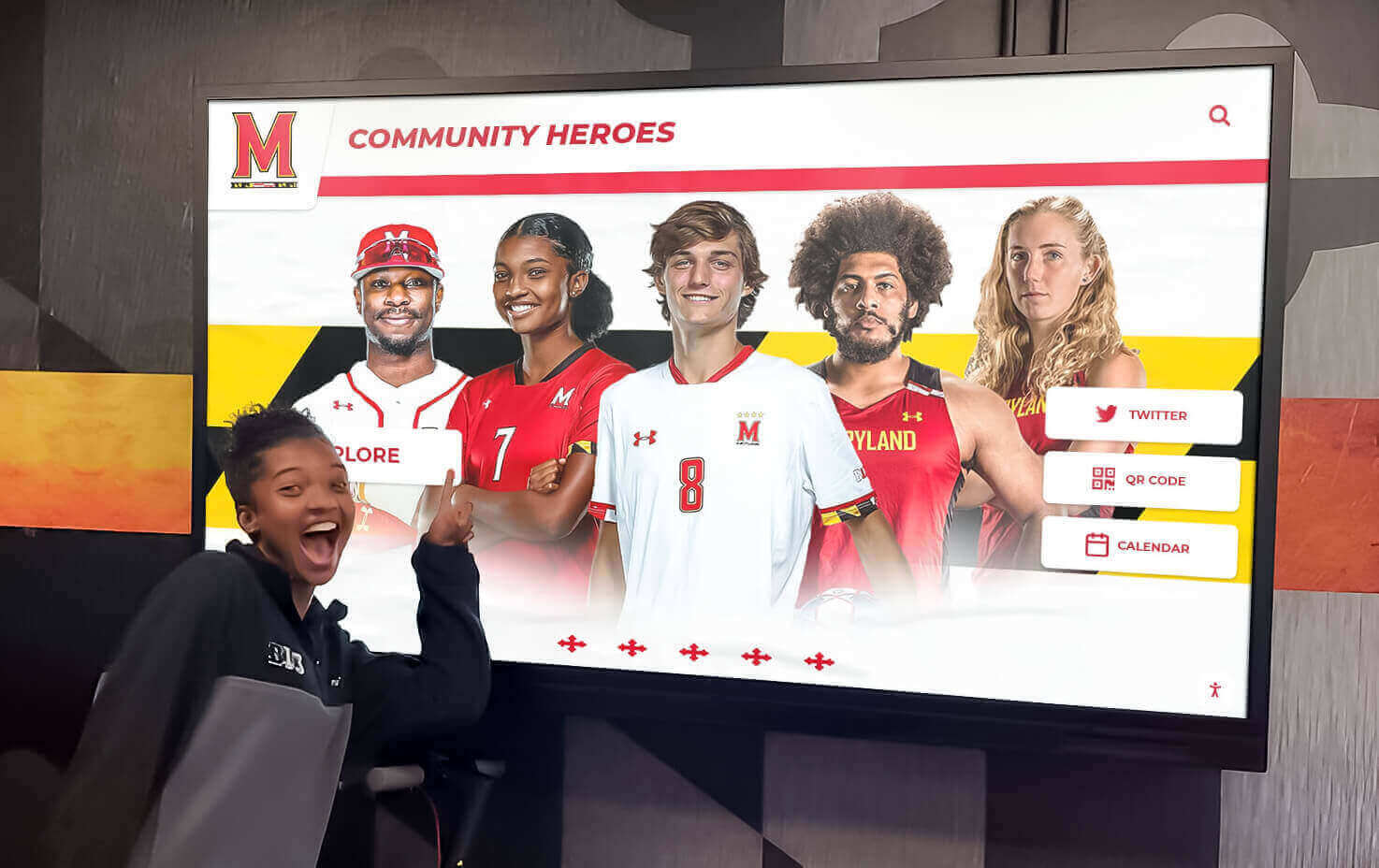
Understanding the Power of Effective Banquet Displays
Recognition environments profoundly influence how students, families, and communities experience achievement celebration. The difference between minimal effort displays and thoughtfully designed recognition spaces creates measurably different emotional responses and engagement levels.
The Psychology of Recognition Spaces
Research in environmental psychology demonstrates that physical spaces communicate values and priorities more powerfully than verbal messages alone. When schools invest in quality recognition displays for end-of-year banquets, they send clear signals that student achievement genuinely matters and deserves appropriate celebration.
Visual Impact and Memory Formation: Students remember recognition experiences through both emotional resonance and visual distinctiveness. Compelling displays create memorable moments that students recall years later, while generic presentations fade quickly from memory despite similar achievement levels being honored.
Family Pride and Institutional Connection: Parents attending banquets assess institutional quality partly through recognition presentation quality. Professional, thoughtful displays generate family pride while reinforcing enrollment decisions and encouraging continued support, whereas amateur presentations may inadvertently diminish achievement significance.
Peer Influence and Motivation: Younger students attending banquets as spectators form aspirations based on what they observe. Exciting, engaging recognition displays inspire pursuit of similar achievements, while lackluster presentations fail to generate motivational impact despite honoring identical accomplishments.
Common Banquet Display Challenges
Schools hosting end-of-year banquets typically encounter predictable obstacles that thoughtful planning and modern solutions can address effectively.
Limited Setup Time and Resources: Banquets often occur in multipurpose spaces requiring complete setup and teardown within hours. Traditional displays demand extensive manual labor for limited visual impact, while digital solutions enable impressive presentations with minimal physical setup requirements.
Space Constraints in Shared Venues: Cafeterias, gymnasiums, and community centers hosting banquets rarely provide ideal recognition display space. Awkward room layouts, poor sightlines, and competing visual elements challenge effective recognition presentation using conventional approaches.
Outdated Content and Static Presentations: Printed materials and static slideshows become outdated quickly and offer minimal engagement compared to dynamic content that captures attention and invites exploration. The effort required to update traditional displays often exceeds available resources, resulting in stale presentations using previous years’ formats.
Accessibility and Visibility Issues: Large banquet venues create visibility challenges where attendees seated distant from displays cannot adequately view recognition content. Traditional trophy tables and poster boards fail to ensure all attendees can appreciate achievements being celebrated.
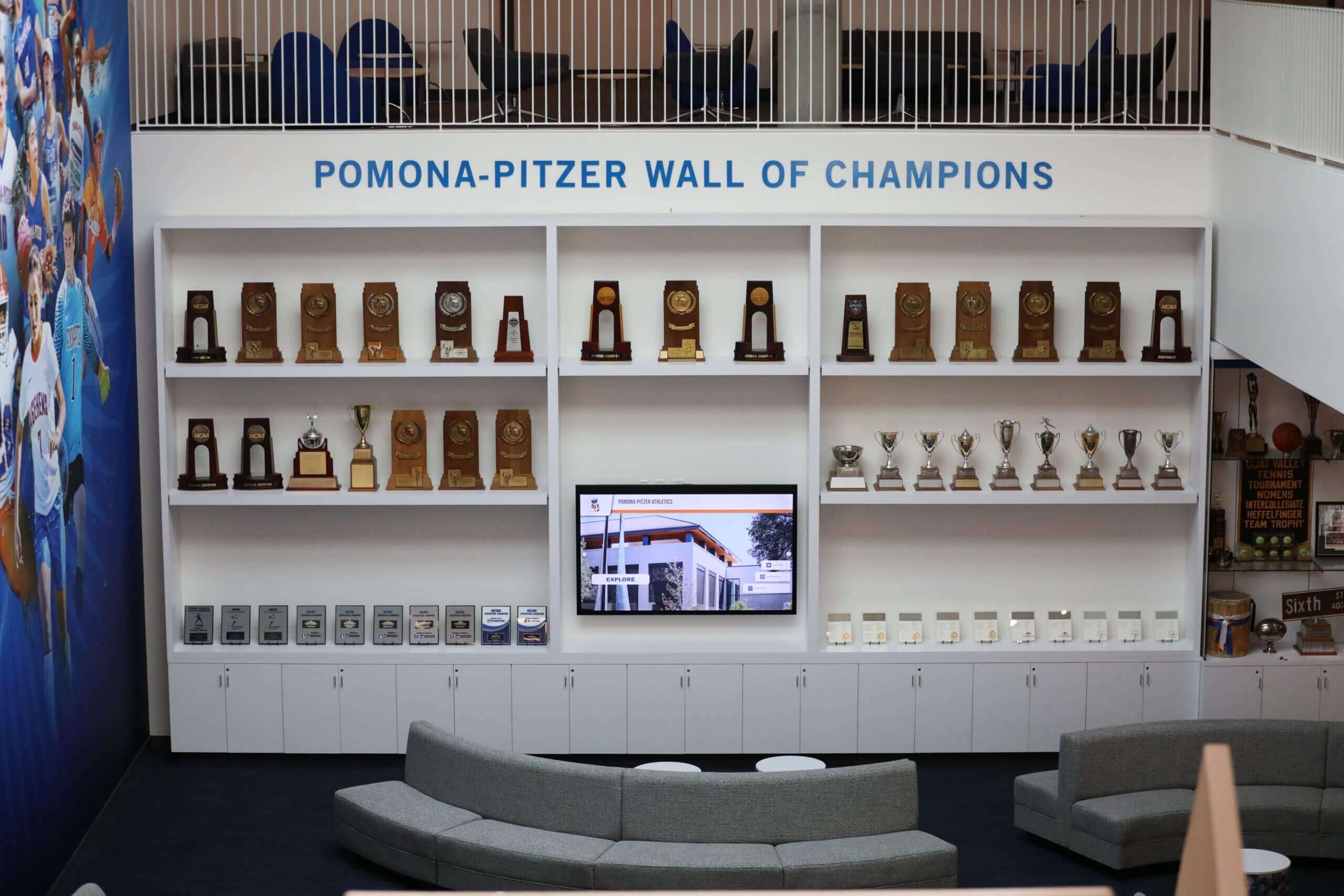
Traditional Banquet Display Elements
While digital solutions offer compelling advantages, understanding effective traditional approaches remains valuable for schools with limited technology budgets or those preferring hybrid recognition strategies combining conventional and modern elements.
Trophy and Award Table Arrangements
Physical trophies and plaques represent tangible symbols of achievement that students value receiving and displaying. Strategic arrangement enhances their presentation impact.
Tiered Display Platforms: Multi-level platforms create visual interest while ensuring awards remain visible despite crowding. Graduated heights from front to back prevent taller trophies from obscuring smaller awards while adding professional presentation quality often lacking in flat table arrangements.
Categorized Organization: Group awards by sport, achievement type, or recipient classification enabling easy identification and creating natural presentation flow during ceremonies. Clear category labels help attendees understand organization while facilitating smooth award distribution sequences.
Strategic Lighting: Simple uplighting or spotlights dramatically enhance trophy visibility and create ceremonial atmosphere in otherwise plain venues. Battery-operated LED spotlights provide affordable enhancement without complex electrical requirements.
Backdrop Enhancement: Plain tables against bare walls lack visual impact. Simple fabric backdrops in school colors, vinyl banners featuring team names or achievements, or photo collages from the season create more engaging contexts for physical award displays.
Printed Materials and Visual Elements
Professional printed materials elevate banquet presentation quality while providing keepsakes families preserve long after events conclude.
Achievement Posters and Displays: Large-format prints featuring season highlights, record-breaking performances, championship moments, or senior recognition create visually engaging elements that guests naturally gather around before ceremonies begin. These conversation starters help attendees engage with content rather than waiting passively for formal programs to commence.
Program Booklets: Well-designed programs serve multiple purposes—providing event structure clarity, recognizing all award recipients permanently, including sponsor acknowledgments, and offering keepsakes families preserve. Quality programs demonstrate that recognition matters enough to invest in professional presentation.
Table Centerpieces: Simple centerpieces incorporating school colors, sport-specific elements, or achievement themes create cohesive event atmosphere while providing photo opportunities for families documenting milestone moments. Consider incorporating small cards with inspirational quotes, season statistics, or team accomplishments at each table.
Photo Displays and Collages: Season action photography displayed prominently celebrates team experiences beyond competition results. Photo displays remind attendees of the journey leading to achievements being recognized while providing visual engagement during pre-ceremony gathering periods.
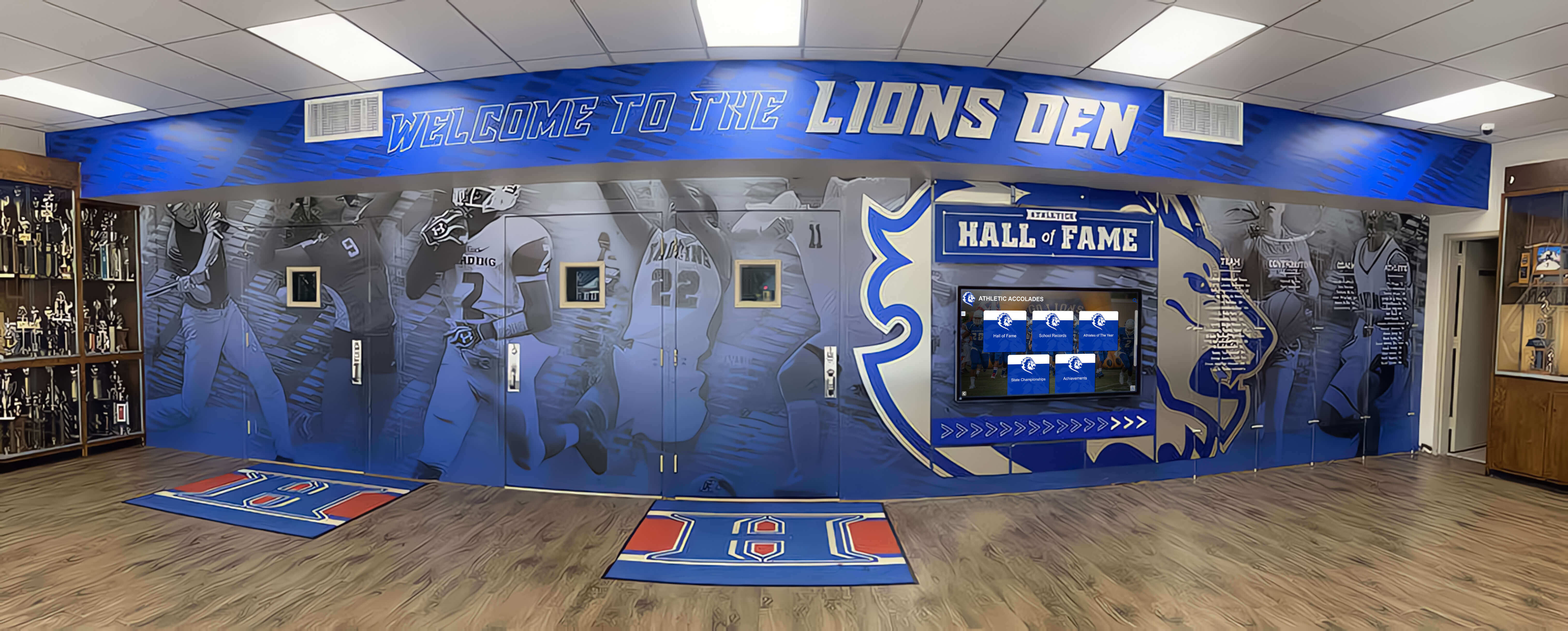
Modern Digital Display Solutions for Banquets
Technology transforms banquet recognition from static presentations into engaging, interactive experiences that resonate with digitally-native students while providing unprecedented flexibility and capability.
Interactive Touchscreen Recognition Displays
Digital recognition displays represent the most significant innovation in banquet presentation, enabling comprehensive achievement celebration impossible with traditional approaches.
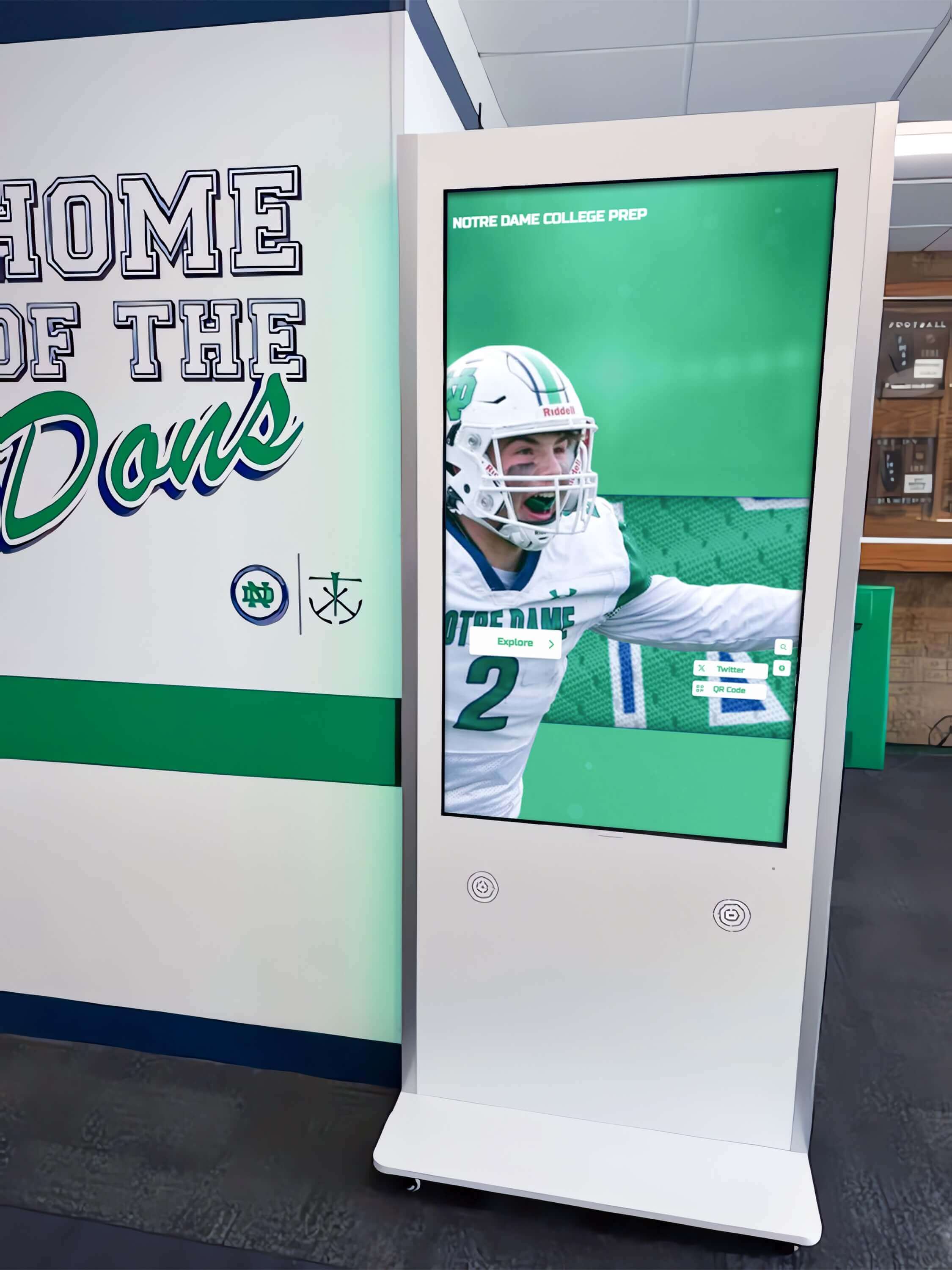
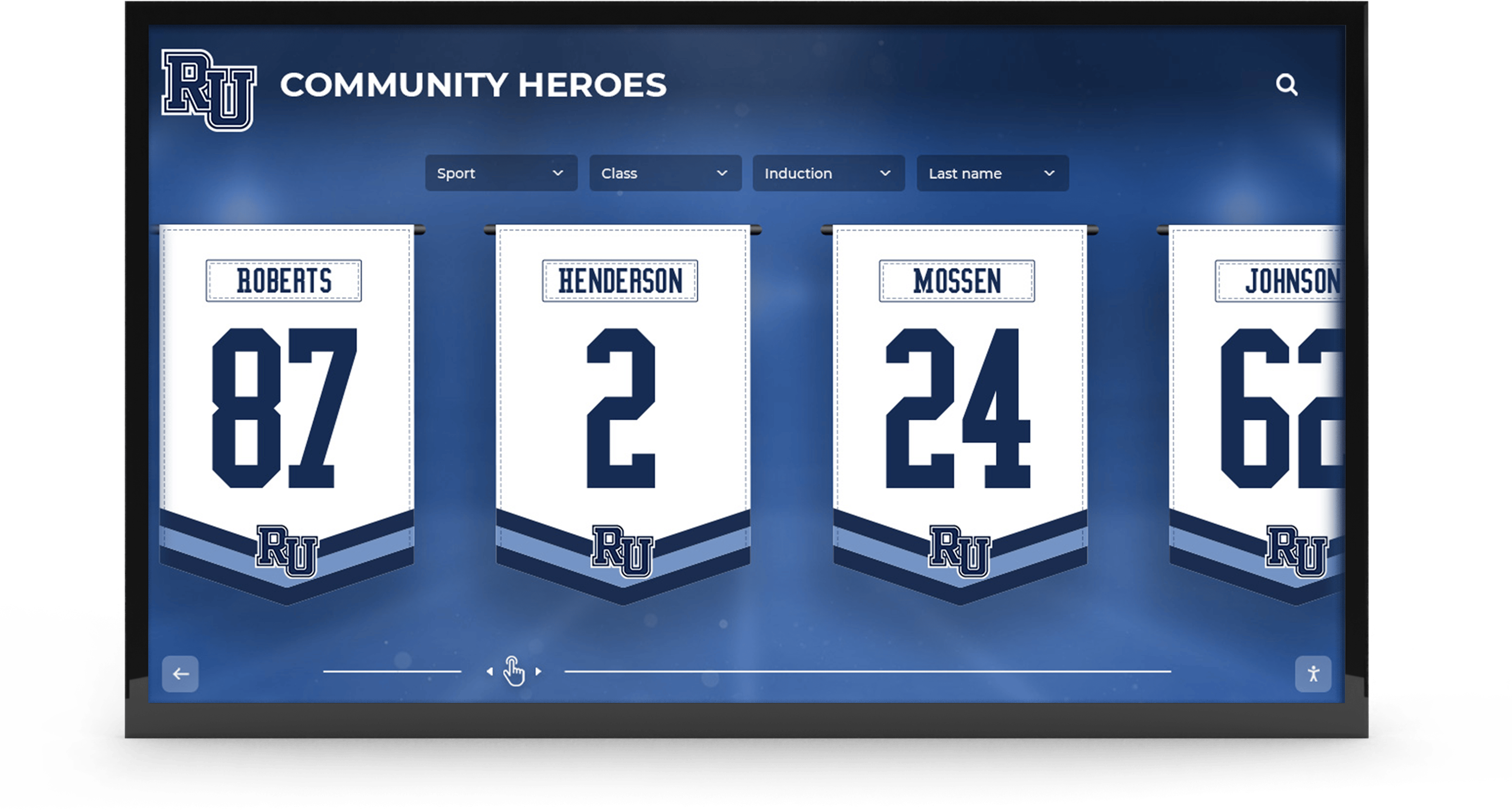
Unlimited Recognition Capacity: Unlike physical trophy cases with finite space, digital systems accommodate unlimited athlete profiles, season highlights, historical records, and achievement documentation. Schools can comprehensively celebrate every team member rather than limiting recognition to top performers due to display space constraints.
Rich Multimedia Integration: Digital platforms incorporate video highlight reels, photo galleries, individual athlete statistics, coach testimonials, and comprehensive career documentation creating emotional resonance and engagement that printed materials cannot match. These multimedia profiles enable deeper storytelling about achievement context and significance.
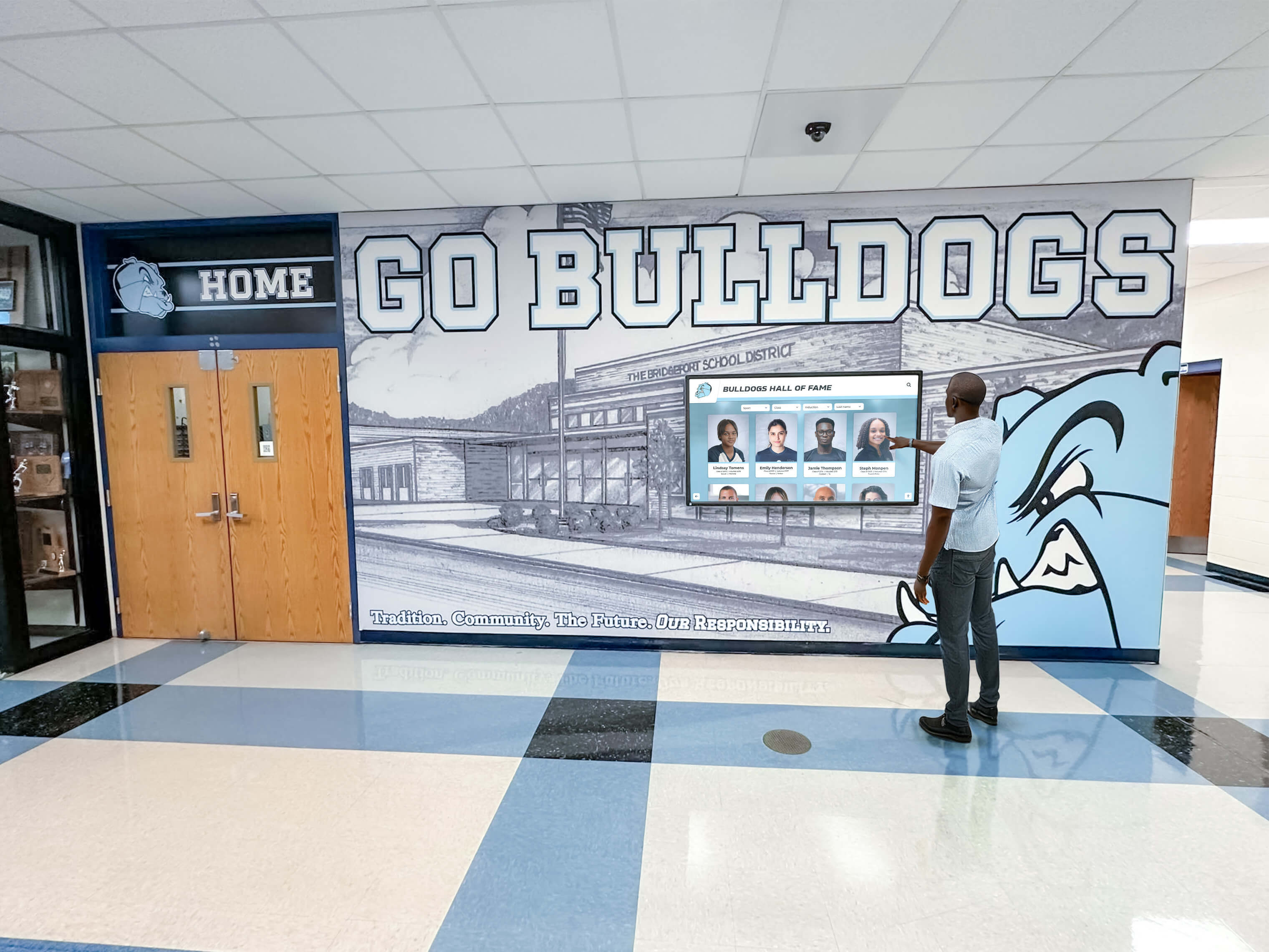
Searchable and Interactive Content: Attendees can explore recognition content according to personal interests—parents finding their children’s profiles, students discovering teammate achievements, alumni exploring how current records compare to historical performances. This self-directed exploration creates sustained engagement throughout banquet events.
Real-Time Updates and Flexibility: Digital displays enable last-minute content updates accommodating changes to award recipients, adding late-breaking achievements, or incorporating content created during banquets themselves. This flexibility proves impossible with printed materials that lock in content weeks before events occur.
Solutions like interactive digital displays from Rocket Alumni Solutions provide purpose-built platforms designed specifically for school recognition needs, combining intuitive touchscreen interfaces with comprehensive content management systems requiring no technical expertise.
Video Presentations and Highlight Reels
Video content creates emotional impact and storytelling opportunities that static displays cannot achieve, making video integration increasingly central to effective banquet recognition.
Season Highlight Compilations: Professionally edited or student-created highlight videos capturing memorable moments from seasons provide natural ceremony transitions while celebrating collective team experiences. These compilations work especially effectively when projected on large screens ensuring all attendees can view simultaneously.
Individual Senior Tributes: Personal video tributes honoring graduating athletes create touching moments families treasure. Brief interviews featuring seniors reflecting on experiences, coaches sharing appreciation, or teammates offering congratulations personalize recognition beyond generic award presentation.
Record-Breaking Moment Documentation: Video footage of specific record-breaking performances or championship-winning plays brings achievements to life more powerfully than verbal descriptions alone. Showing actual game footage as context for awards being presented creates immediate understanding of significance.
Behind-the-Scenes Content: Video showcasing team bonding, practice dedication, community service, or travel experiences provides fuller pictures of athletic programs beyond competition results. This content helps families and communities appreciate comprehensive development athletics provide.
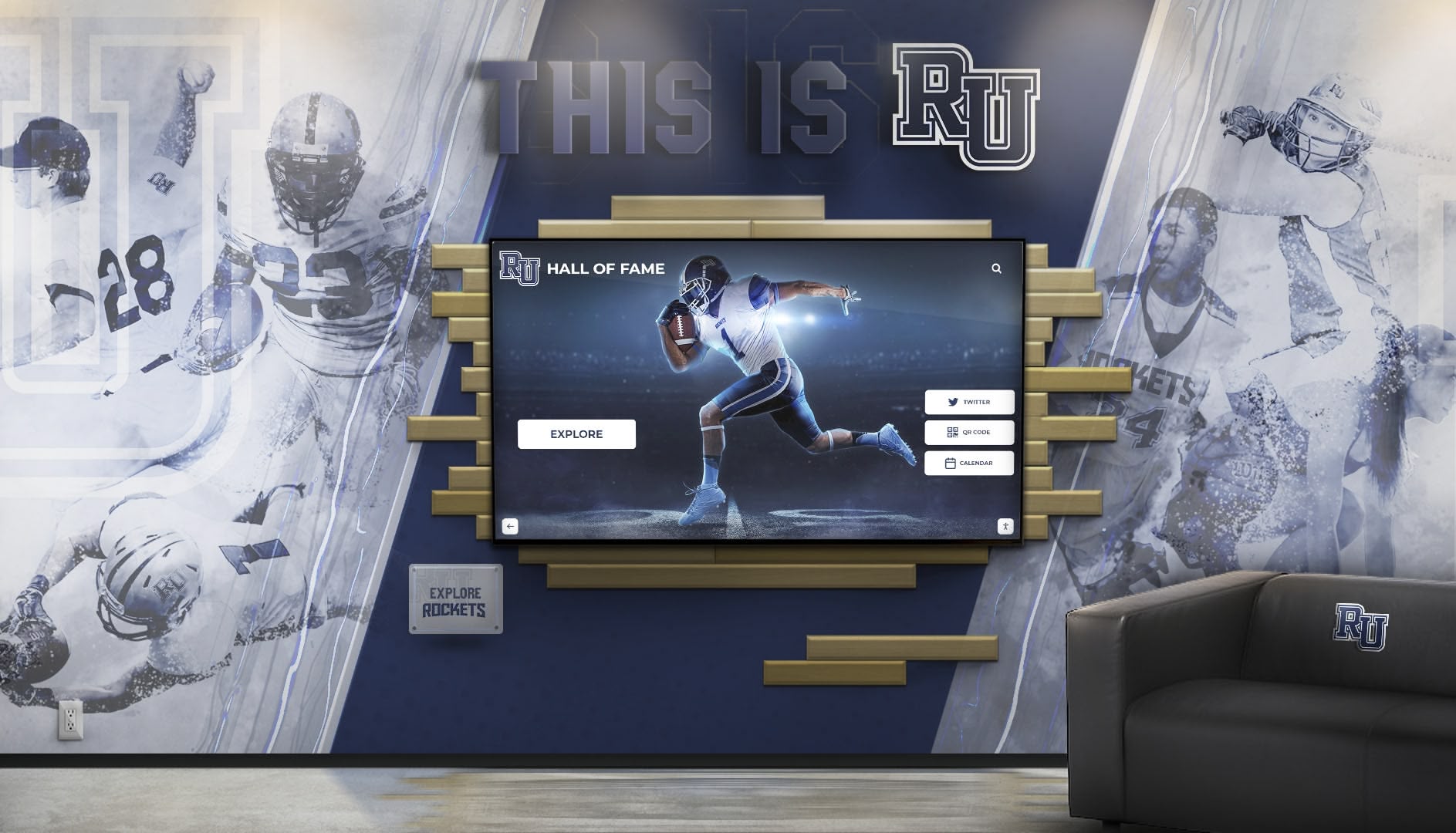
Social Media Integration and Live Displays
Real-time social media integration extends banquet reach far beyond physical attendees while creating engagement opportunities throughout events.
Live Social Feeds: Display live social media feeds showing posts using event hashtags allowing attendees to see their photos and comments appear on screens throughout banquets. This interactive element encourages engagement while extending recognition visibility to broader online communities.
Photo Booth Integration: Digital photo booth stations with props and branded templates create entertainment during pre-ceremony periods while generating shareable content families distribute through personal networks. Instant sharing capabilities ensure banquet visibility extends far beyond physical attendance.
Recognition Announcements: Share award recipient announcements via social media during ceremonies enabling those unable to attend to celebrate remotely. This real-time sharing ensures extended families, community members, and supporters can participate virtually in recognition moments.
Student-Generated Content: Encourage athletes to create and share content before, during, and after banquets using designated hashtags. Student voices celebrating peers creates authentic recognition that often resonates more powerfully than institution-created messaging.
Strategic Planning for Banquet Display Success
Effective displays require thoughtful advance planning addressing logistics, content development, and integration with overall event design.
Timeline and Content Development
Successful banquet displays begin with systematic planning well before event dates, ensuring adequate time for content creation and technical preparation.
Six to Eight Weeks Before: Establish display approach and technology requirements, begin collecting photos and video content from season, identify award categories and preliminary recipients, and secure necessary equipment rentals or purchases.
Four Weeks Before: Finalize content for printed materials and submit for production, complete athlete profiles and achievement documentation for digital displays, edit video highlights and tribute content, and confirm technical logistics for venue setup.
Two Weeks Before: Conduct final content reviews ensuring accuracy and completeness, create ceremony scripts integrating display elements smoothly, test all technology in advance identifying potential issues, and confirm volunteer support for event-day setup and operation.
Event Week: Complete final updates incorporating any last-minute changes, rehearse technology operation ensuring smooth execution, conduct venue walkthroughs finalizing display positioning, and prepare backup plans for potential technical difficulties.
Venue Considerations and Technical Requirements
Understanding venue characteristics and technical limitations ensures display plans remain feasible and effective rather than creating impossible expectations.
Electrical Access and Power Requirements: Digital displays require adequate electrical capacity and conveniently located outlets. Survey venues early identifying power access points and planning display positioning accordingly. Consider battery backup systems for critical displays in venues with limited or unreliable power access.
Network Connectivity: Interactive displays and social media integration require reliable internet connectivity. Verify venue WiFi capacity or plan cellular hotspot backup. Test connectivity at expected attendance capacity rather than assuming empty venue performance will match crowded event conditions.
Screen Visibility and Positioning: Position displays ensuring clear sightlines from all seating areas. Consider multiple smaller displays throughout venues rather than single large screens that may not be visible to all attendees. Account for ambient lighting conditions that may require higher brightness displays or strategic positioning avoiding glare.
Audio-Visual Integration: Coordinate display technology with sound system requirements ensuring video presentations include synchronized audio. Verify HDMI compatibility, adapter requirements, and cable lengths necessary for seamless technical integration.
Comprehensive Achievement Categories for Banquet Recognition
Effective banquets celebrate diverse achievement types ensuring various forms of excellence and contribution receive appropriate acknowledgment beyond competitive performance alone.
Athletic Performance Recognition
Traditional competitive achievement forms the core of most athletic banquet recognition while modern approaches expand what receives celebration.
Championship and Competition Success: Conference championships, tournament placements, state qualifications, and competitive victories represent obvious recognition categories. Document not only final results but also progression throughout seasons showing improvement and competitive growth.
Individual Performance Excellence: Most Valuable Player, all-conference selections, statistical leaders, and record-breaking performances deserve prominent celebration. Provide context showing historical significance and comparative achievement rather than merely announcing awards without explanation.
Position-Specific Awards: Recognize excellence within specific roles—best defensive player, most improved offensive performance, leadership at specific positions. Position awards ensure diverse contributions receive acknowledgment rather than only those scoring points or achieving most visible results.
Skill Development and Improvement: Celebrate athletes demonstrating remarkable improvement regardless of absolute achievement levels reached. Most improved awards acknowledge effort and growth mindset valuable beyond innate talent alone.
Comprehensive frameworks for student awards recognition programs provide schools with detailed approaches to creating balanced recognition celebrating diverse achievement types.
Character and Leadership Recognition
Athletics develop more than physical skills, and character recognition reinforces that comprehensive development represents program success.
Sportsmanship Awards: Recognize athletes demonstrating exceptional sportsmanship, respect for opponents, grace in victory and defeat, and positive representation of schools and teams. Sportsmanship recognition communicates that how athletes compete matters as much as competition results.
Team Leadership: Formal captain positions and informal leaders who inspire teammates through example, maintain positive attitudes during challenges, and strengthen team cohesion deserve explicit recognition. Leadership awards acknowledge contributions to team success that statistics cannot measure.
Academic Excellence: Academic all-conference recognition, honor roll achievement, and balance of athletic and scholarly success demonstrate commitment to well-rounded development. Academic recognition in athletic contexts reinforces that student-athlete identity requires excellence in both domains.
Community Service and Outreach: Athletes contributing to community service projects, volunteering, or representing programs positively in broader communities demonstrate citizenship and social responsibility worthy of celebration alongside competitive achievement.
Team Culture and Contribution Awards
Beyond individual excellence, recognize contributions strengthening team unity, morale, and positive culture.
Teammate Award: Selected by peers, teammate awards acknowledge athletes who support others, maintain positive attitudes, work selflessly for team success, and create welcoming environments for all team members regardless of playing time or recognition received.
Heart and Hustle: Recognize athletes demonstrating exceptional work ethic, consistent effort regardless of circumstances, and determination to improve and contribute despite facing challenges or limited natural advantages.
Unsung Hero Recognition: Celebrate contributions often overlooked—managers, statisticians, practice players who make starters better, and supportive athletes who strengthen programs despite limited playing time. These recognition categories communicate that all contributions matter and support program success.
Creating Memorable Banquet Themes and Atmospheres
While recognition remains central, overall event atmosphere significantly influences how students and families experience achievement celebration.
Popular Banquet Theme Approaches
Cohesive themes create unified visual experiences while providing creative direction for decoration, presentation, and engagement elements.
Hollywood Red Carpet: Create red carpet entrances where athletes and families pose for photos before entering venues. Use gold and black color schemes, star decorations, and “awards show” presentation formats complete with presenters announcing awards similar to major award ceremonies.
Sports Hall of Fame: Design banquets as inductions into school halls of fame with formal presentation style, historical context about program legacies, and permanent recognition positioning current achievements within institutional history.
Season Journey: Structure recognition around team’s journey through seasons—early challenges, growth periods, competitive peaks, and championship pursuits. This narrative approach helps attendees understand achievement context rather than only celebrating final results.
College Signing Celebration: For senior athletes, emphasize transition to collegiate athletics with signing day atmosphere, college color decorations, and recognition of academic and athletic achievements enabling continued participation. Resources on highlighting college signings provide frameworks for effective celebration.
Decoration and Ambiance Elements
Thoughtful decoration transforms generic venues into special environments appropriate for milestone recognition events.
Entrance Statement: Create impressive entry experiences setting appropriate tone immediately—balloon arches in school colors, photo backdrop installations, achievement timeline displays showcasing season progression, or video loops playing season highlights as guests arrive.
Table Design: Elevate standard banquet tables through coordinated tablecloths in school colors, centerpieces incorporating trophies or sport-specific elements, personalized place cards, and printed table numbers or names honoring team traditions or historical achievements.
Wall Treatments: Transform plain venue walls using fabric draping, vinyl banner installations, photo collages spanning multiple panels, or projected images creating immersive environments that plain walls cannot provide.
Lighting Enhancement: Strategic lighting dramatically improves ambiance in multipurpose venues that typically feature harsh fluorescent illumination inappropriate for celebratory events. Uplighting walls in school colors, spotlighting award displays, dimming house lights during video presentations, and using string lights or decorative elements creates atmosphere supporting recognition significance.
Engaging Families and Building Community Through Displays
Banquet displays serve broader purposes beyond individual athlete recognition, creating shared experiences strengthening institutional communities.
Pre-Ceremony Engagement Opportunities
Well-designed displays create productive engagement during the inevitable pre-ceremony gathering period when guests arrive early and wait for events to begin formally.
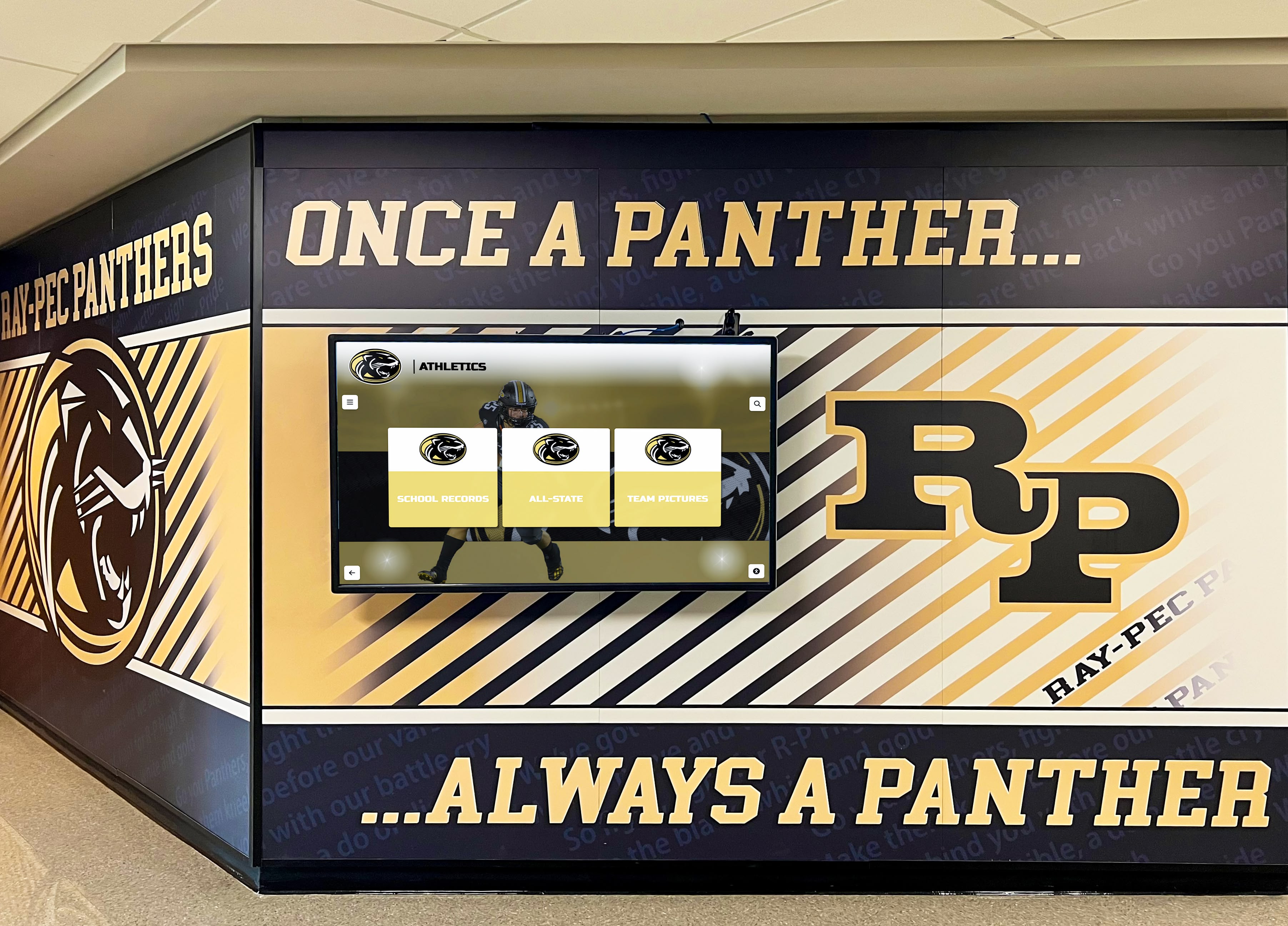
Interactive Exploration Stations: Digital displays providing self-directed exploration enable early-arriving guests to productively engage rather than waiting passively. Families naturally gather around interactive touchscreens exploring achievement content, finding their athletes’ profiles, and discovering team accomplishments.
Photo Opportunity Areas: Designated photo spaces with backdrops, props, and good lighting encourage families to document attendance while creating natural conversation opportunities. Consider incorporating achievement messaging—“Proud parent of [team name],” season records, or championship recognition—in photo backdrops creating shareable content.
Historical Context Displays: Present program history through timeline displays, retired number recognition, coaching legacy information, or notable alumni achievements. Historical context helps newer families understand program traditions while honoring contributions of those who built foundations for current success.
Season Statistics and Records: Display comprehensive season statistics, game-by-game results, record progressions, and achievement milestones providing conversation starters and enabling guests to engage meaningfully with content rather than making small talk while awaiting ceremony starts.
Resources on showcasing student achievement demonstrate comprehensive approaches to recognition that extend beyond single events to build ongoing engagement.
Family Takeaway Elements
Provide families with meaningful keepsakes extending recognition significance beyond event attendance while creating lasting memories.
Personalized Programs: Programs including individual athlete recognition, personal achievement listings, photos, and season reflections become keepsakes families preserve. Invest in quality printing and design demonstrating that recognition matters enough to create lasting documentation.
Digital Photo Access: Provide families with access to professional event photography through private online galleries. Include instructions for accessing and downloading photos ensuring families can obtain quality images without purchasing.
Recognition Certificates: Present athletes with formal recognition certificates documenting specific achievements, signed by coaches and administrators, suitable for framing and permanent display. Quality certificates reinforce achievement significance while providing tangible symbols families can preserve.
Video Memories: Make highlight reels and tribute videos available for download or viewing after events enabling families to revisit emotional moments and share with extended networks unable to attend.
Budget-Conscious Display Approaches
Schools with limited budgets can create impressive banquet displays through strategic planning and creative approaches maximizing impact while respecting financial constraints.
High-Impact Low-Cost Solutions
Effective recognition doesn’t require unlimited budgets when schools apply creativity and focus resources on highest-impact elements.
Student-Created Content: Engage students in content creation through photography, videography, graphic design, and social media management. Student involvement reduces costs while creating authentic peer-to-peer recognition often resonating more powerfully than professionally produced materials.
Volunteer Support: Recruit parent volunteers with relevant skills—photographers, graphic designers, event planners—willing to contribute expertise. Community members often gladly support recognition events when asked directly and provided clear roles.
Rental Rather Than Purchase: Rent audio-visual equipment, lighting, decorations, and display technology for single events rather than purchasing items used annually. Rental costs typically prove far lower than purchases while ensuring access to current technology without obsolescence concerns.
Digital Over Physical: While initial digital display investments may exceed traditional trophy budgets, long-term costs favor digital approaches. Traditional recognition requires ongoing plaque, printing, and physical award purchases. Digital systems accommodate unlimited recognition without per-athlete costs after initial implementation.
Phased Implementation: Begin with affordable core elements and expand over subsequent years as budgets permit. First year might include quality printed programs and simple video presentations, second year adds interactive displays, third year incorporates social media integration. Phased approach maintains financial sustainability while steadily enhancing recognition quality.
Leveraging Existing School Resources
Most schools possess underutilized resources that banquet planning can access without additional expenditure.
Technology Department Support: School technology staff often can provide audio-visual equipment, technical setup assistance, and troubleshooting support at no additional cost when planned sufficiently in advance of conflicting demands.
Marketing and Communication Tools: Utilize school social media accounts, email systems, and communication platforms for pre-event promotion and post-event celebration extending recognition reach without marketing budget requirements.
Facility Advantages: Leverage existing digital displays, sound systems, projection equipment, and other installed technology in school venues rather than renting external facilities requiring complete technology provisioning.
Existing Recognition Content: Schools implementing permanent digital recognition systems like those from Rocket Alumni Solutions can leverage existing content databases at banquets without creating separate materials. Content developed for permanent displays serves double duty supporting both ongoing recognition and special events.
Technology Implementation and Technical Considerations
Schools pursuing digital display solutions for banquets must understand technical requirements ensuring successful implementation rather than technology frustrations diminishing recognition experiences.
Equipment Selection and Specifications
Appropriate technology selection matches school needs, budgets, and technical capabilities without over-engineering solutions or creating unsustainable complexity.
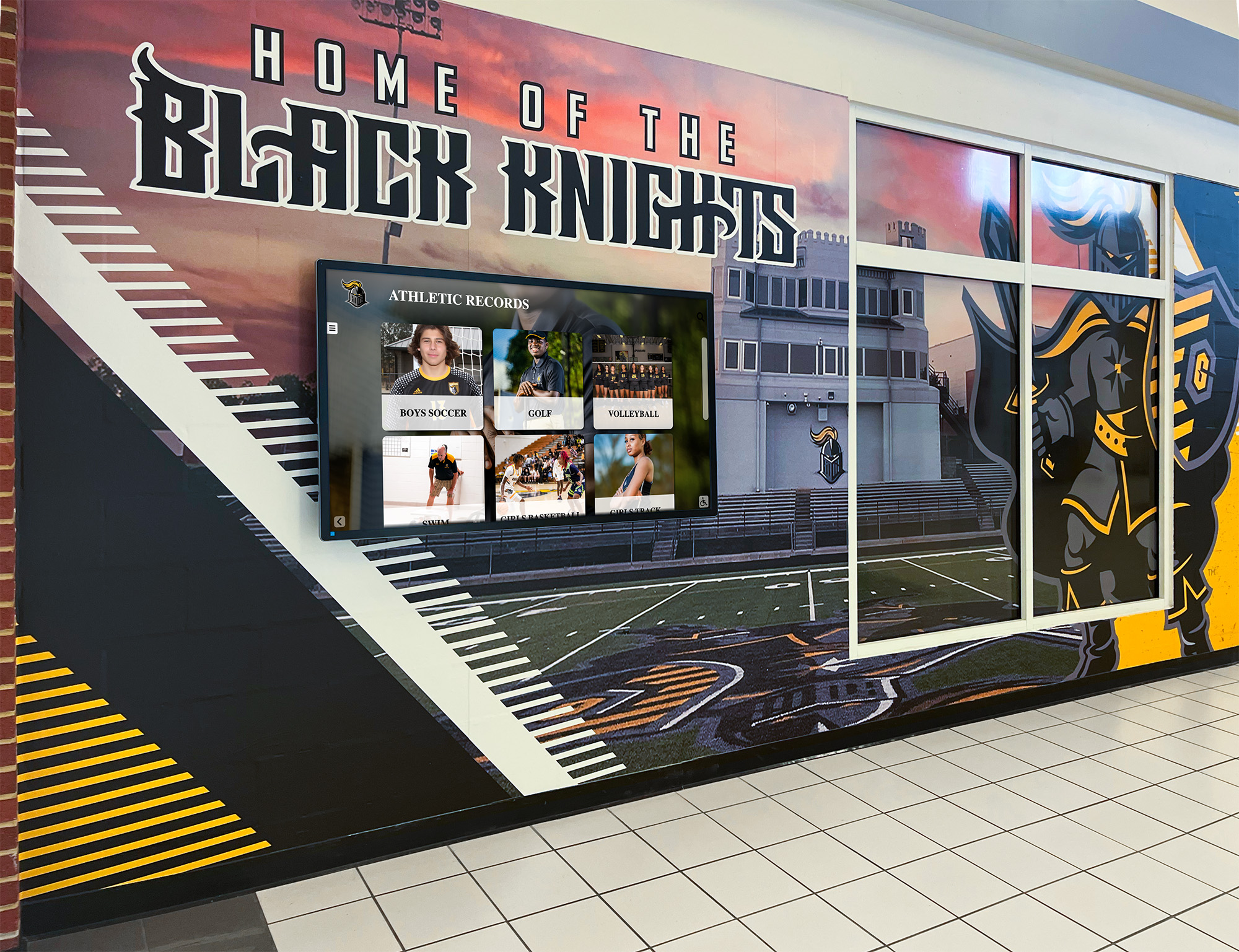
Display Size and Type: For banquet applications, 55-75 inch commercial-grade touchscreen displays provide appropriate screen size for small group interaction while remaining transportable between locations. Larger installations might utilize 80-86 inch displays or multiple screens positioned throughout venues. Commercial displays rated for continuous operation prove more reliable than consumer televisions during extended events.
Computing and Content Delivery: Purpose-built recognition platforms like Rocket Alumni Solutions provide cloud-based content management enabling updates from any internet-connected device without technical expertise. These systems eliminate local server requirements while ensuring automatic backups and seamless updates.
Mounting and Mobility: Consider whether displays remain permanently installed or transport between venues. Mobile stands with integrated screens enable flexibility using displays for both banquets and daily recognition in school hallways. Permanent installations require professional mounting ensuring appropriate wall attachment and cable management.
Network and Connectivity: Reliable internet connectivity enables social media integration, cloud content access, and real-time updates. Verify venue network capacity or plan cellular backup. Some systems offer offline modes where content downloads locally preventing connectivity issues during events.
Content Management and Updates
Intuitive content management proves essential for successful digital recognition implementation, particularly for schools without dedicated technology staff.
User-Friendly Interfaces: Effective platforms provide web-based management with drag-and-drop functionality, visual editors, and intuitive workflows requiring no coding knowledge. Staff should be able to add athlete profiles, upload photos, create pages, and update content independently without external technical support.
Mobile Content Management: Cloud-based systems enable content updates from smartphones and tablets, not only desktop computers. Mobile management proves valuable for capturing and sharing content during events—adding photos from pre-ceremony activities, posting social media updates, or making last-minute corrections.
Template and Design Systems: Pre-built templates ensure consistent professional appearance without requiring graphic design expertise. Schools should be able to customize colors, logos, and layouts while maintaining overall design quality.
Bulk Import Capabilities: For schools with many athletes to recognize, bulk import functionality enabling spreadsheet-based data upload proves essential. Manually entering hundreds of individual profiles becomes impractical whereas importing from existing athletic databases or rosters streamlines content development dramatically.
Comprehensive guides on scholarship recognition programs include detailed technical planning guidance applicable to broader recognition system implementation.
Measuring Banquet Success and Gathering Feedback
Systematic assessment ensures banquets achieve intended purposes while identifying improvement opportunities for subsequent years.
Quantitative Success Metrics
Objective measurements reveal attendance patterns, engagement levels, and program reach demonstrating value while supporting budget requests for future enhancements.
Attendance Tracking: Monitor total attendance including athletes, families, staff, and community members. Tracking attendance trends across years reveals whether programs maintain engagement or experience declining interest suggesting need for refreshed approaches.
Digital Engagement Analytics: For events incorporating digital displays, track interaction counts, average session durations, most-viewed content, and peak engagement times. Usage data demonstrates whether interactive elements successfully engage audiences or remain underutilized.
Social Media Metrics: Measure event hashtag usage, post counts, impression totals, and engagement rates showing how recognition extends beyond physical attendance. Strong social metrics demonstrate broad community interest justifying recognition investments.
Content Sharing: Track how frequently families download or share photos, videos, and other content provided. High sharing rates indicate that content resonates emotionally and holds lasting value beyond momentary event experiences.
Qualitative Feedback Collection
Numerical metrics provide valuable data but qualitative feedback reveals how recognition feels to those being celebrated and their families—ultimately the most important success measure.
Post-Event Surveys: Brief online surveys requesting athlete and family feedback about banquet experience capture immediate impressions while details remain fresh. Focus questions on recognition meaningfulness, presentation quality, event atmosphere, and improvement suggestions.
Student Athlete Input: Conduct separate athlete-only feedback sessions creating space for honest input free from parent or coach influence. Students often identify specific elements that particularly resonated or missed marks that adults may not recognize.
Coach and Staff Reflection: Gather systematic feedback from coaches and support staff about logistical smoothness, effectiveness of recognition approaches, and suggestions based on their unique perspectives observing athlete reactions throughout events.
Volunteer Debriefs: Volunteers managing displays, technology, or other event elements often identify operational challenges or improvement opportunities invisible from attendee perspectives. Their insights prove valuable for refining subsequent year planning.
Future Trends in Banquet Recognition
Understanding emerging trends helps schools make forward-looking investments while anticipating how recognition continues evolving.
Augmented Reality Integration
Emerging AR applications enable smartphone users to point devices at physical displays receiving enhanced digital content overlays—video highlights, extended statistics, 3D trophy visualization, or interactive achievement timelines. As AR technology matures and smartphone adoption continues universally, these enhanced experiences will increasingly become expected rather than novelties.
Personalized Recognition Experiences
Advanced systems may enable customized content highlighting specific athletes based on attendee interests—parents primarily seeing their children’s content, coaches viewing their team focus, alumni exploring how current achievements compare to their eras. Personalization creates more relevant experiences than one-size-fits-all presentations.
Live Streaming and Virtual Attendance
Particularly relevant following pandemic-driven virtual event adoption, streaming capabilities enable extended families, deployed military parents, or distant supporters to attend banquets virtually. Hybrid events combining in-person ceremonies with quality streaming expand who can celebrate achievement regardless of geographic constraints.
Artificial Intelligence and Automated Content
AI tools may eventually automate highlight reel creation from game footage, generate athlete profile narratives from statistics and coach input, or create personalized recognition videos reducing time-intensive manual content development currently limiting display quality.
Conclusion: Transforming Recognition Through Thoughtful Display Design
End-of-year banquets represent opportunities to celebrate achievement in ways students and families remember for lifetimes—or routine obligations checked off institutional calendars without lasting impact. The difference lies not in achievement levels being recognized but in how schools choose to present recognition, creating experiences either worthy of milestone moments or forgettable despite identical awards being distributed.
Modern display solutions—particularly interactive digital recognition platforms—fundamentally transform what’s possible in banquet recognition. Unlimited capacity ensures comprehensive celebration of all contributors rather than selective recognition constrained by physical space limitations. Rich multimedia storytelling creates emotional connections and contextual understanding impossible through trophy presentations alone. Interactive exploration enables attendees to engage meaningfully with content rather than passively viewing. And extended digital accessibility ensures recognition reaches far beyond those physically present.
Whether schools pursue traditional approaches enhanced through strategic planning and creative execution, or embrace digital recognition transforming presentation capabilities entirely, commitment to thoughtful display design demonstrates that student achievement genuinely matters and deserves appropriate celebration. The investment—whether measured in financial resources, staff time, or creative energy—communicates institutional values more powerfully than mission statements or verbal acknowledgment ever could.
For schools ready to elevate banquet recognition beyond conventional approaches, solutions like Rocket Alumni Solutions provide purpose-built platforms designed specifically for educational recognition needs. These systems combine engaging touchscreen interfaces, intuitive content management, rich multimedia capabilities, and proven reliability enabling schools to create banquet displays and permanent recognition programs that honor achievement appropriately while inspiring continued pursuit of excellence.
As schools plan upcoming end-of-year celebrations, remember that banquet displays serve purposes extending far beyond single events. Recognition presented effectively strengthens school culture, builds community connections, validates student effort, inspires younger athletes, and creates memories families treasure. These outcomes justify the investment required to transform routine award distribution into genuine celebration of achievement worthy of the effort students invest pursuing excellence throughout seasons and academic years.
Additional resources on creating comprehensive recognition programs and best practices for student recognition provide schools with detailed frameworks for developing celebration approaches that honor achievement authentically while building positive institutional cultures where excellence receives the acknowledgment it deserves.































