Strong communities don’t happen by accident—they’re built through intentional connections, meaningful recognition, and shared celebrations that bring people together. Whether you’re part of a school district, alumni association, civic organization, club, or local institution, engaging with your local community creates the social bonds that transform collections of individuals into cohesive, supportive groups united by common identity and purpose.
Yet many organizations struggle with community engagement that feels superficial, reaches only a narrow segment of members, or fails to create the lasting connections that define thriving communities. This comprehensive guide explores proven strategies for engaging with your local community in ways that build genuine relationships, strengthen collective identity, and create lasting positive impact across generations.
From neighborhood associations to educational institutions, from civic groups to cultural organizations, communities that intentionally cultivate engagement create environments where members feel valued, connected, and invested in collective success. Modern technology now enables community engagement at scales and with richness previously impossible, making authentic connections more achievable than ever before.

Meaningful community engagement brings people together in celebration of shared identity and accomplishments
Understanding Community Engagement: More Than Events and Activities
Effective community engagement extends far beyond organizing occasional events or sending newsletters. True engagement creates ongoing relationships that foster belonging, encourage participation, and build social capital that strengthens communities during both celebratory moments and challenging times.
The Core Elements of Authentic Community Engagement
Genuine community engagement requires several interconnected elements working together:
Mutual Respect and Recognition
- Valuing diverse perspectives and contributions from all community members
- Recognizing accomplishments and milestones that matter to individuals
- Acknowledging the expertise and experiences members bring
- Creating platforms where all voices can be heard and appreciated
- Demonstrating that participation and contributions are noticed and valued
Meaningful Two-Way Communication
- Listening to community needs, concerns, and aspirations
- Providing transparent information about decisions and developments
- Creating multiple channels for feedback and dialogue
- Responding to input with action or explanation
- Building trust through consistent, honest communication
Opportunities for Active Participation
- Offering diverse ways for members to contribute and engage
- Removing barriers that prevent participation from underserved segments
- Creating leadership pathways for members at all experience levels
- Recognizing that participation takes many forms beyond traditional volunteering
- Making involvement accessible, meaningful, and rewarding
Shared Identity and Purpose
- Articulating clear values and mission that unite community members
- Celebrating traditions and history that create collective memory
- Creating symbols, stories, and rituals that reinforce belonging
- Building bridges across different community segments and generations
- Demonstrating how individual participation advances common goals
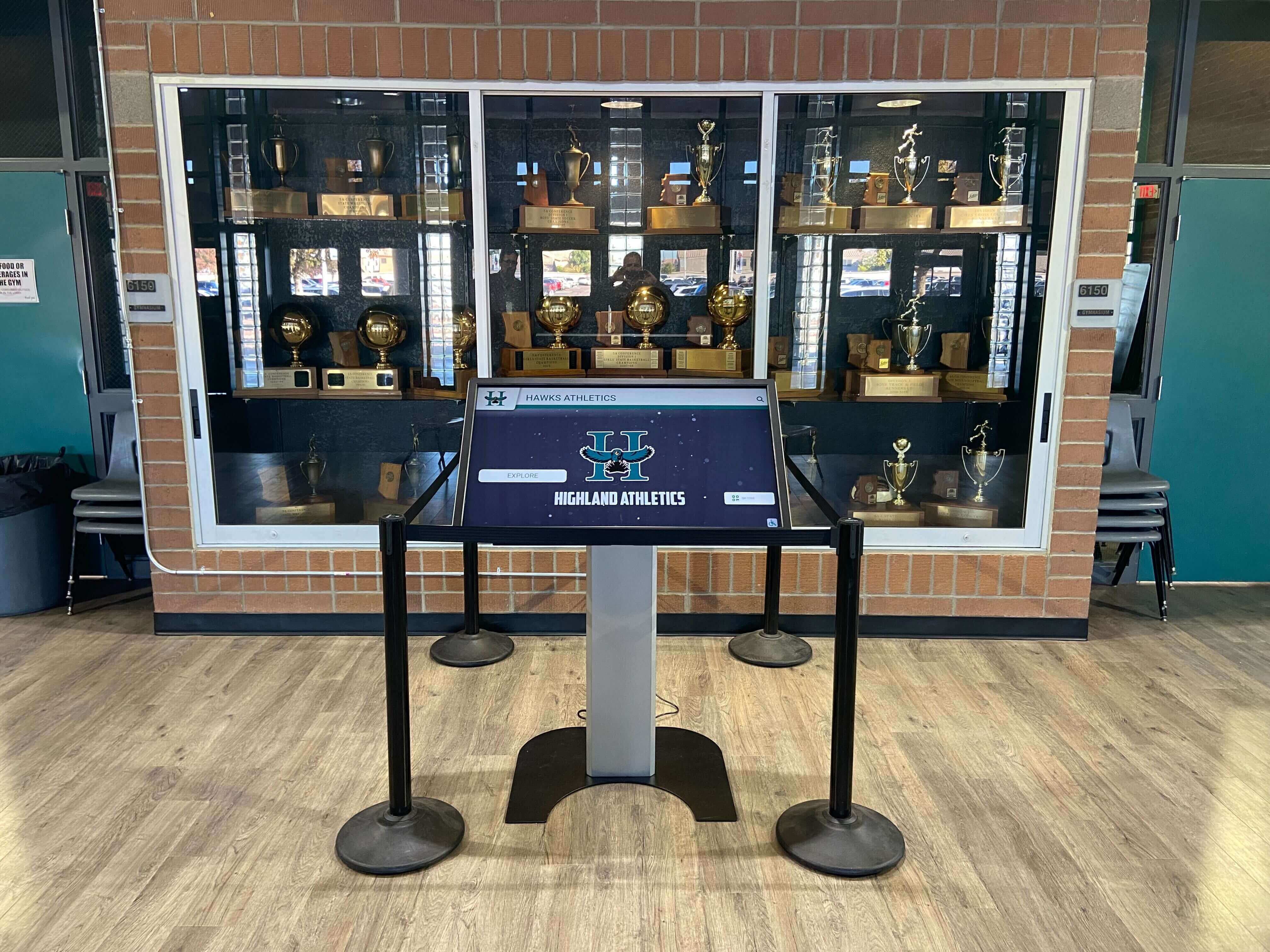
Shared identity and values create the foundation for meaningful community engagement
Why Community Engagement Matters: The Measurable Benefits
Organizations that prioritize community engagement see concrete benefits across multiple dimensions:
Increased Participation and Volunteerism
According to research from the Corporation for National and Community Service, communities with strong engagement practices see significantly higher volunteer rates and sustained participation. When people feel genuinely connected to communities, they invest time, talent, and resources more generously.
Enhanced Organizational Resilience
Communities with high engagement weather challenges more effectively. During crises or transitions, engaged communities mobilize support, maintain cohesion, and adapt more successfully than disconnected groups. This resilience proves invaluable during leadership changes, funding challenges, or external pressures.
Improved Outcomes for Programs and Initiatives
Community engagement directly correlates with program success. Studies from the Stanford Social Innovation Review show that initiatives designed with genuine community input and ongoing engagement achieve better outcomes and sustainability than top-down programs.
Stronger Financial Support and Resource Development
Engaged community members become advocates, donors, and ambassadors. Alumni who feel connected to educational institutions give at higher rates and encourage others to support. Civic organization members who feel valued contribute more generously to fundraising campaigns and capital projects.
Positive Reputation and Growth
Communities known for authentic engagement attract new members, residents, students, and supporters. Word spreads about organizations where people feel welcomed, valued, and connected, creating virtuous cycles of growth and vitality.
Strategic Approaches to Community Engagement
Effective community engagement requires thoughtful strategy that goes beyond sporadic activities to create sustained, meaningful connections.
Knowing Your Community: Assessment and Understanding
Before designing engagement strategies, successful organizations invest time understanding their communities:
Demographic Analysis
- Age distribution and generational segments within your community
- Geographic locations where community members reside
- Cultural, linguistic, and socioeconomic diversity
- Family structures and household compositions
- Educational backgrounds and professional fields
Communication Preference Research
- Which channels reach different community segments effectively
- Preferred communication frequency and timing
- Content formats that generate engagement versus those ignored
- Technology access and digital literacy across demographics
- Language preferences and accessibility needs
Interest and Motivation Mapping
- What topics, activities, and initiatives generate enthusiasm
- Barriers preventing desired community members from engaging
- Existing affinity groups and natural community clusters
- Unmet needs and expressed desires from community surveys
- Historical patterns showing what has worked or failed previously
Understanding your community's composition and preferences enables targeted engagement strategies
Creating Multiple Engagement Entry Points
Not all community members engage in identical ways. Successful community engagement offers diverse participation pathways:
In-Person Experiences
- Large-scale events bringing broad community together (festivals, reunions, celebrations)
- Small group gatherings enabling deeper connection (book clubs, interest groups, committees)
- Recognition ceremonies honoring achievements and contributions
- Educational programs and workshops providing value to attendees
- Service projects enabling hands-on community improvement
Digital Engagement Platforms
- Online communities and social media groups facilitating ongoing conversation
- Web-accessible recognition programs celebrating member achievements
- Virtual events and webinars reaching geographically dispersed members
- Email newsletters and updates maintaining regular touchpoints
- Mobile apps providing convenient access to community resources
Hybrid Approaches
- Events with both in-person and virtual participation options
- Physical displays with online extensions enabling remote access
- Crowdsourced content creation combining online contribution with public presentation
- Photo and story submissions featured in both digital and physical formats
- Interactive installations with mobile companion experiences
Solutions like Rocket Alumni Solutions specialize in creating digital recognition platforms that extend community engagement beyond physical locations, enabling members to connect regardless of geographic distance while maintaining the meaningful recognition that strengthens bonds.
Recognition as a Community Engagement Strategy
Perhaps the most powerful community engagement tool is authentic recognition of member contributions and achievements. When people see that their participation matters and their accomplishments are valued, engagement deepens dramatically.
Expanding Recognition Beyond Traditional Categories
Effective recognition programs honor diverse contributions:
- Leadership roles and formal positions
- Behind-the-scenes volunteer work and consistent support
- Professional achievements bringing pride to the community
- Personal milestones and life accomplishments
- Service to others and community improvement efforts
- Creative contributions and cultural enrichment
- Mentorship and knowledge sharing with newer members
Modern Digital Recognition Solutions
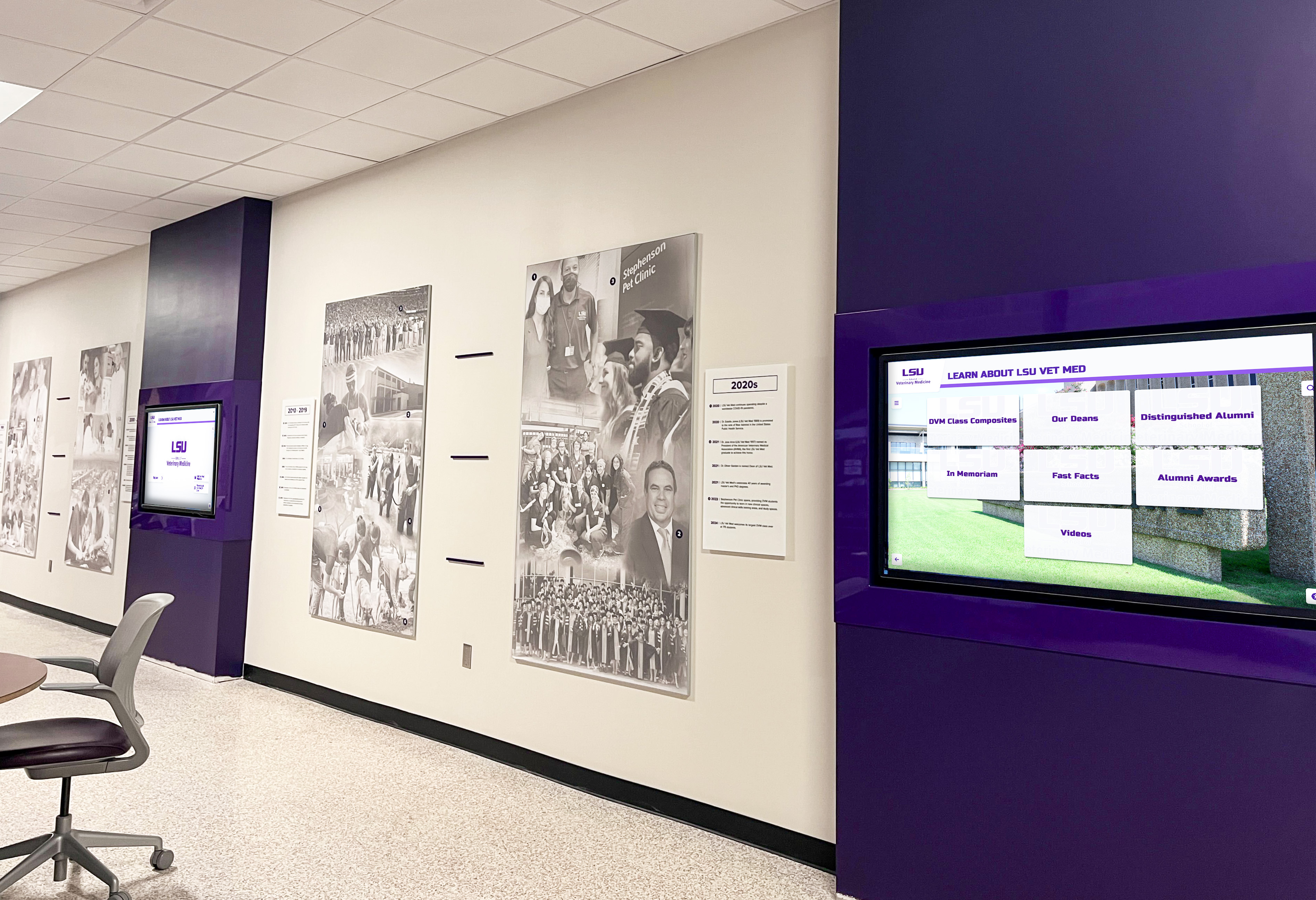
Interactive recognition displays transform how communities honor members:
- Unlimited capacity to recognize all deserving individuals without space constraints
- Rich multimedia profiles including photos, videos, and detailed accomplishments
- Search and filtering enabling visitors to explore recognition in personalized ways
- Web accessibility extending recognition beyond single physical location
- Easy updates keeping recognition current and relevant
- Social sharing capabilities amplifying recognition reach
These digital approaches complement traditional recognition methods while addressing their limitations, creating comprehensive programs that engage communities more effectively.

Digital recognition displays create engaging experiences that honor diverse community contributions
Building Engagement Through Storytelling and Shared History
Communities bond through shared narratives that create collective identity and belonging. Strategic storytelling serves as powerful engagement tool.
Preserving and Sharing Community History
Historical narratives connect current members to institutional legacy while honoring those who came before:
Creating Accessible Historical Archives
Digital platforms for preserving history make the past accessible:
- Digitized photographs documenting community evolution
- Oral history recordings from long-time members
- Historical documents and artifacts preserved digitally
- Timeline visualizations showing key milestones and developments
- Interactive maps showing geographic community connections
- Searchable databases enabling easy exploration of archives
Intergenerational Connection Programming
Bringing different generations together strengthens community bonds:
- Multi-generational recognition programs honoring family legacies
- Mentorship initiatives connecting experienced members with newcomers
- Historical documentation projects involving youth interviewing elders
- Reunion events structured to facilitate cross-generational conversation
- Legacy programs enabling older members to formalize their impact
Amplifying Member Stories and Achievements
Contemporary storytelling demonstrates community vitality and inspires participation:
Profile Series Spotlighting Members
Regular features highlighting individual community members create engagement:
- “Member Spotlight” profiles in newsletters and social media
- Video interview series exploring diverse member experiences
- Achievement announcements celebrating milestones and accomplishments
- “Day in the Life” content showing varied community participation
- Alumni success stories demonstrating long-term community impact
User-Generated Content Initiatives
Encouraging members to contribute content increases engagement and ownership:
- Photo contests with themes relevant to community identity
- Story submission opportunities for publications or displays
- Social media campaigns with branded hashtags
- Memory-sharing projects collecting favorite experiences
- Collaborative timelines where members add their personal milestones
Sharing member stories creates authentic connections and demonstrates community diversity
Engaging Specific Community Segments
Different community segments require tailored engagement approaches that respect their unique characteristics and preferences.
Young Adult and Alumni Engagement
Younger community members and recent alumni need engagement strategies matching their lifestyles and communication preferences:
Digital-First Communication
- Mobile-optimized platforms and content accessible on smartphones
- Social media presence on platforms younger demographics actually use
- Text messaging for time-sensitive announcements and reminders
- App-based communities facilitating ongoing connection
- Interactive digital experiences rather than passive content consumption
Flexible, Low-Commitment Participation Options
- Micro-volunteering opportunities requiring minimal time investment
- Virtual events accommodating busy schedules and geographic mobility
- Project-based involvement with clear beginning and ending points
- Peer-led initiatives rather than traditional hierarchical programs
- Social events and networking opportunities combining fun with connection
Career and Professional Development Value
- Networking events connecting members across industries and generations
- Mentorship programs pairing young professionals with experienced leaders
- Professional recognition programs highlighting career achievements
- Skills workshops and educational programming providing tangible value
- Job boards and career resources available to community members
Younger community members need flexible, digital-first engagement approaches
Senior and Long-Time Member Engagement
Experienced community members bring institutional knowledge, networks, and often more available time to contribute:
Honoring Legacy and Contributions
- Lifetime achievement recognition programs acknowledging sustained involvement
- Legacy initiatives enabling documentation of member impact
- Historical preservation projects tapping into personal memory and experience
- Naming opportunities for facilities, programs, or scholarships
- Emeritus positions recognizing continued value of long-time contributors
Accessible Participation Formats
- In-person events at convenient times and accessible locations
- Multiple communication channels including print alongside digital
- Assistance with technology for those less digitally comfortable
- Transportation support for members with mobility limitations
- Hybrid event options accommodating different participation preferences
Mentorship and Wisdom-Sharing Opportunities
- Formal mentorship programs pairing experienced members with newcomers
- Advisory roles leveraging institutional knowledge and perspective
- Speaking opportunities at events and programs
- Oral history documentation preserving their experiences
- Committee positions where perspective and judgment add value
Family Engagement
Communities supporting families need strategies recognizing that parents and children have different needs and participation patterns:
Multi-Generational Events and Activities
- Family-friendly programs welcoming all ages
- Childcare provision enabling parent participation
- Activities designed for joint parent-child involvement
- Recognition programs honoring entire families
- Facilities and events accommodating varied ages and abilities
Convenient Timing and Location
- Weekend and evening events accommodating work schedules
- School-year calendars respecting family commitments
- Multiple short-duration options versus single long events
- Virtual participation options for busy families
- Local venues minimizing travel requirements
Leveraging Technology for Community Engagement
Modern technology enables community engagement at unprecedented scale and depth when implemented thoughtfully.
Interactive Digital Recognition Displays
Touchscreen recognition displays serve as powerful community engagement tools:
Physical Display Features
- High-traffic placement ensuring visibility to broad audiences
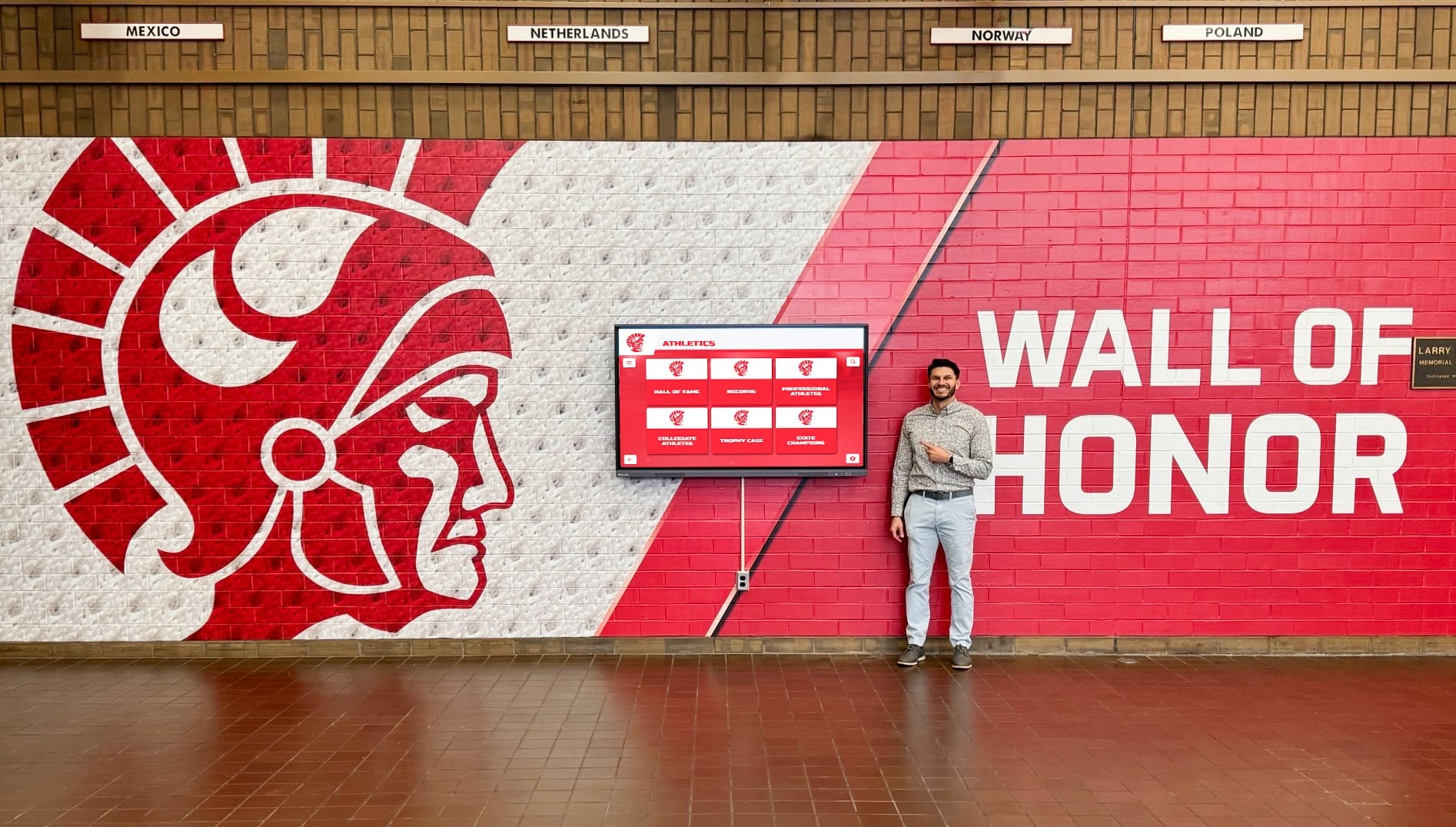
- Intuitive touchscreen interfaces inviting exploration and interaction
- Rotating content showcasing diverse community members and achievements
- Multimedia integration bringing stories to life with video and audio
- Attractive design reflecting community identity and values
Web-Accessible Extensions
- Online versions enabling access beyond physical location
- Social sharing capabilities amplifying recognition reach
- Mobile optimization for viewing on any device
- Search and filtering helping users find relevant content
- Submission portals for updates and new content from community members
Content Management Benefits
- Cloud-based systems enabling easy updates from anywhere
- Multiple administrator access with role-based permissions
- Scheduled content publishing automating seasonal updates
- Analytics showing which content generates most engagement
- Backup and archival capabilities protecting community history
Platforms like Rocket Alumni Solutions specialize in turnkey digital recognition solutions that combine physical displays with web platforms, creating comprehensive systems that engage communities both in-person and remotely.
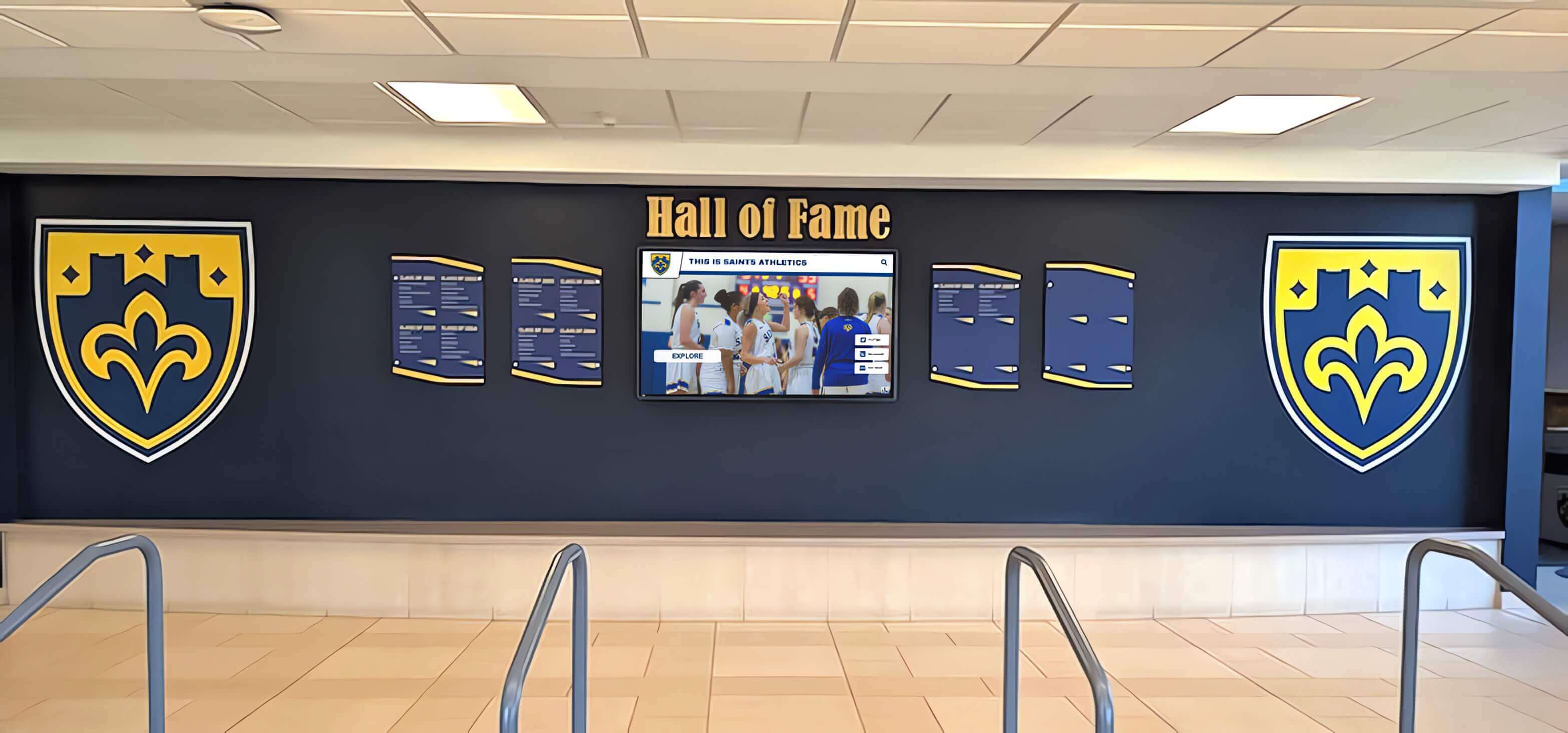
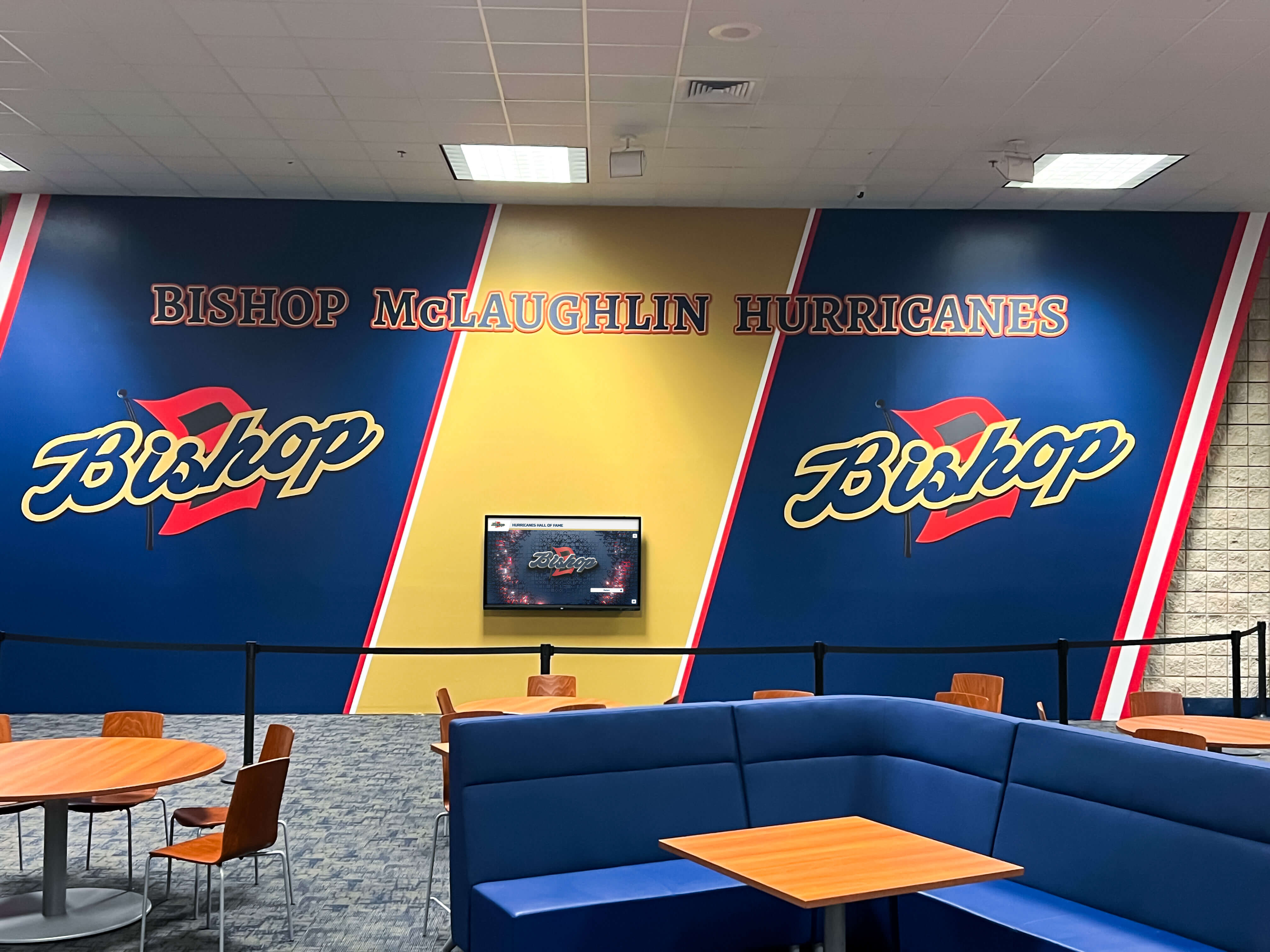
Interactive displays create engaging experiences while preserving community history and achievements
Social Media and Online Community Platforms
Strategic use of digital platforms extends community engagement beyond physical gatherings:
Platform Selection Strategy
- Choosing platforms where your community segments actually spend time
- Avoiding platform proliferation that dilutes engagement
- Matching content types to platform strengths (visual, text, video)
- Considering privacy and accessibility implications
- Evaluating resource requirements for consistent management
Content Strategy for Engagement
- Regular posting schedules maintaining presence without overwhelming
- Mix of community news, member spotlights, historical content, and interactive posts
- Questions and polls inviting participation and feedback
- User-generated content campaigns encouraging member contribution
- Behind-the-scenes content humanizing organizational leadership
Community Management Best Practices
- Responding to comments and messages promptly
- Moderating discussions to maintain respectful tone
- Recognizing active community members publicly
- Creating guidelines ensuring inclusive, welcoming environments
- Measuring engagement metrics to guide strategy refinement
Virtual Events and Hybrid Experiences
Combining in-person and virtual participation broadens engagement reach:
Effective Virtual Event Formats
- Live-streamed celebrations enabling remote viewing with chat engagement
- Webinars and presentations featuring compelling speakers
- Virtual tours of facilities or historical sites
- Online workshops providing practical skills or knowledge
- Virtual recognition ceremonies honoring members regardless of location
Hybrid Event Design Considerations
- Technology ensuring remote participants feel included, not secondary
- Interactive elements engaging both in-person and virtual attendees
- Recording availability for those unable to attend live
- Clear communication about participation options and requirements
- Technical support for less tech-savvy participants
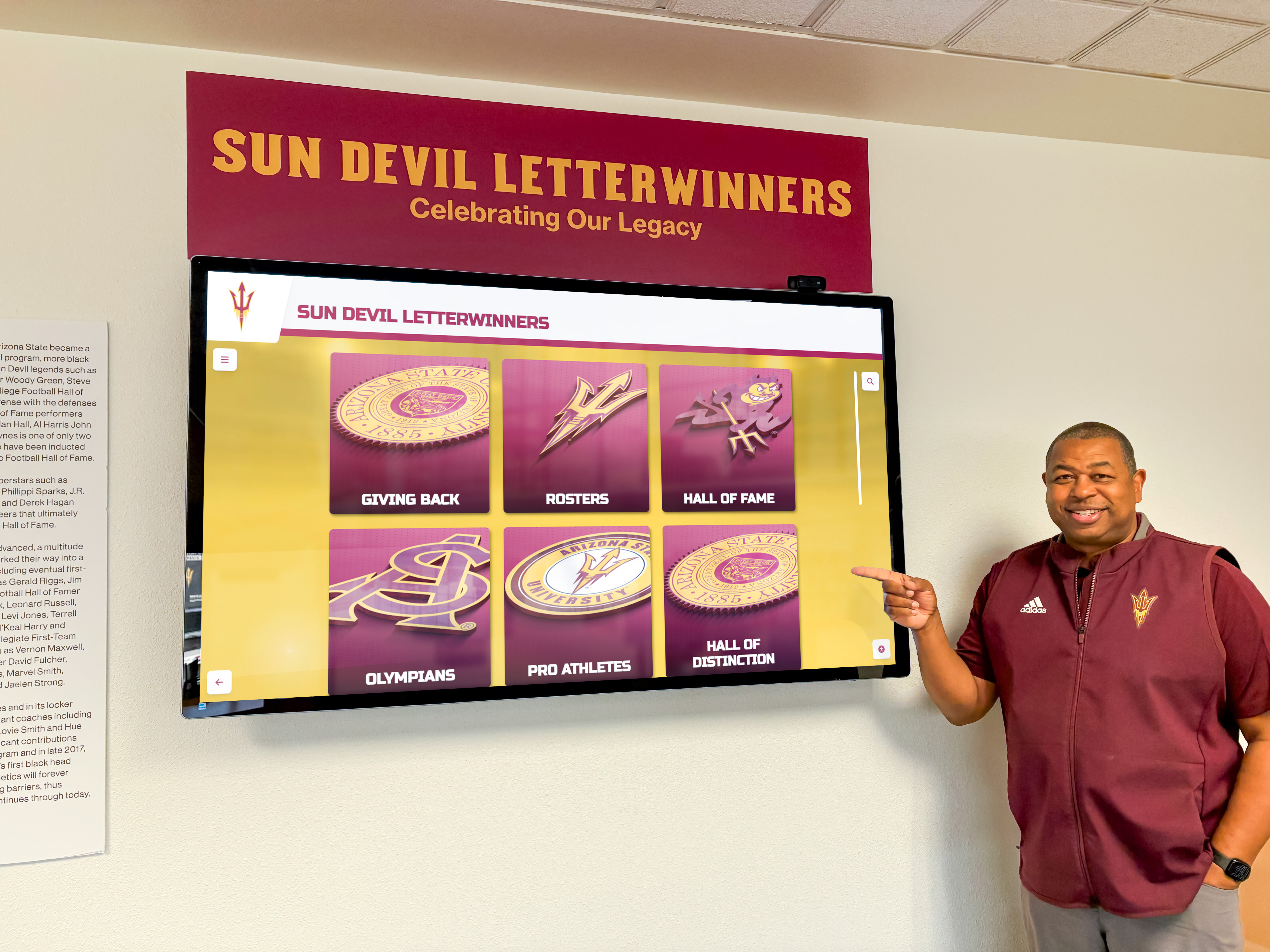
Hybrid events enable broader participation by accommodating different circumstances and preferences
Measuring Community Engagement Success
Effective community engagement requires ongoing assessment and refinement based on measurable outcomes.
Quantitative Engagement Metrics
Numerical data provides objective assessment of engagement trends:
Participation Indicators
- Event attendance rates and trends over time
- Volunteer sign-up and retention rates
- Digital platform usage statistics (website visits, social media engagement)
- Email open and click-through rates
- Member directory update frequency indicating ongoing connection
- Donation participation rates beyond amount contributed
Demographic Distribution Analysis
- Participation rates across different community segments
- Comparison of engagement patterns between demographic groups
- Geographic distribution of active versus inactive members
- Generational representation in programs and events
- New member acquisition and retention rates
Communication Effectiveness Data
- Response rates to surveys and feedback requests
- Comment and interaction levels on social posts
- Content consumption patterns showing interest areas
- Referral rates indicating word-of-mouth recommendation
- Search terms and navigation patterns on digital platforms
Qualitative Assessment Methods
Non-numerical data provides important context and insight:
Member Feedback Collection
- Regular surveys assessing satisfaction and gathering suggestions
- Focus groups exploring experiences and perceptions in depth
- Exit interviews with departing members understanding disengagement
- Suggestion boxes and open feedback channels
- One-on-one conversations during events and activities
Observation and Anecdotal Evidence
- Energy and enthusiasm level at community gatherings
- Unsolicited positive feedback and testimonials
- Spontaneous member-initiated activities and connections
- Volunteer retention and continued participation patterns
- Stories of meaningful impact from engagement initiatives
Benchmarking Against Similar Communities
- Comparison with peer organizations facing similar contexts
- Industry standards and best practices for community engagement
- Recognition of exceptional practices worth emulating
- Learning from both successes and failures in comparable settings
Creating Sustainable Community Engagement Programs
Long-term community engagement requires sustainable systems that outlast individual leaders and temporary enthusiasms.
Resource Allocation and Infrastructure
Effective engagement requires appropriate investment:
Staffing and Leadership
- Dedicated staff or volunteer leadership for engagement initiatives
- Clear accountability and responsibility for engagement outcomes
- Professional development ensuring skill development
- Succession planning preventing dependence on single individuals
- Recognition and support for engagement leaders preventing burnout
Budget Considerations
- Line-item budget allocations for engagement activities
- Technology investments in platforms enabling scaled engagement
- Event funding supporting diverse participation opportunities
- Communication tool subscriptions for professional implementation
- Contingency funding for responsive opportunistic initiatives
Physical Infrastructure
- Gathering spaces suitable for events and activities
- Recognition displays honoring member contributions
- Technology infrastructure supporting digital engagement
- Accessible facilities welcoming all community members
- Storage for historical materials and community archives
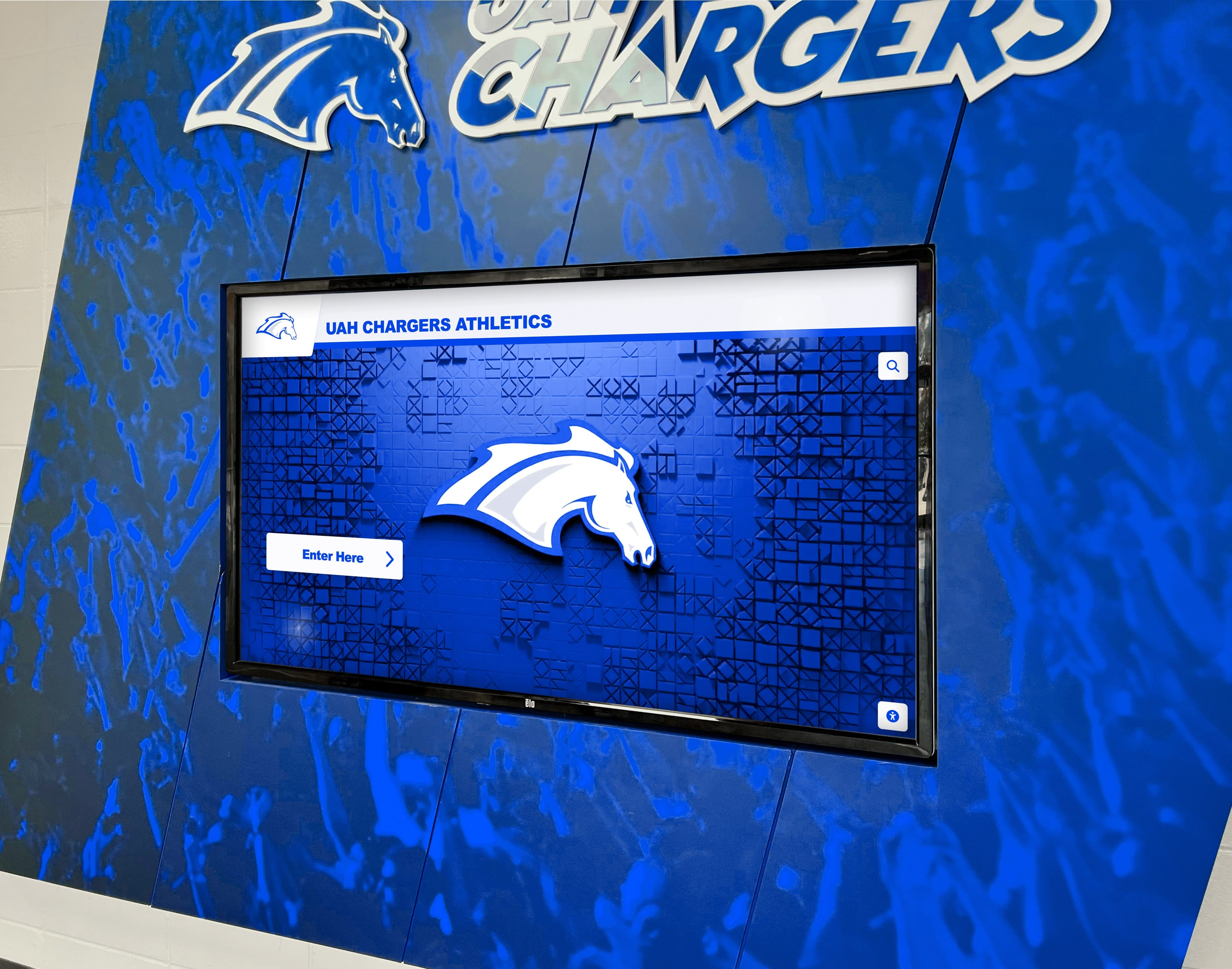
Appropriate infrastructure investment enables sustainable community engagement programs
Governance and Decision-Making Structures
Engagement thrives when community members influence organizational direction:
Participatory Governance Models
- Advisory councils with genuine authority and influence
- Member representation on boards and leadership committees
- Open meetings and transparent decision-making processes
- Regular opportunities for member input on strategic questions
- Demonstrable responsiveness to community feedback and concerns
Inclusive Leadership Development
- Intentional cultivation of diverse leadership pipeline
- Mentorship and training for emerging leaders
- Rotational leadership preventing stagnation and burnout
- Recognition pathways from participation to leadership roles
- Removing barriers that exclude potential leaders from underrepresented groups
Continuous Improvement and Adaptation
Successful engagement evolves with changing community needs and contexts:
Regular Program Assessment
- Annual reviews evaluating engagement initiative effectiveness
- Willingness to discontinue ineffective programs freeing resources
- Experimentation with new approaches and formats
- Learning from both successes and failures
- Benchmarking against evolving best practices
Responsive Adaptation to Change
- Monitoring demographic shifts and adjusting strategies accordingly
- Adopting emerging technologies and platforms as appropriate
- Responding to community feedback with visible changes
- Remaining relevant during leadership transitions and organizational evolution
- Balancing tradition with innovation and contemporary needs
Building Inclusive Community Engagement
Truly thriving communities ensure that engagement opportunities welcome all members regardless of background or circumstance.
Accessibility and Accommodation
Removing barriers to participation strengthens entire communities:
Physical Accessibility
- ADA-compliant venues and facilities for all events
- Transportation assistance for those with mobility limitations
- Childcare provision enabling parent participation
- Event timing accommodating diverse work schedules
- Multiple location options reducing travel burdens
Digital Accessibility
- Web Content Accessibility Guidelines (WCAG) compliance for digital platforms
- Multiple communication channels reaching different preferences
- Technology training and support for less tech-comfortable members
- Mobile optimization accommodating those without computers
- Multilingual content for linguistically diverse communities
Financial Accessibility
- Free and low-cost participation options alongside fundraising events
- Scholarship or assistance programs for those facing financial barriers
- Transparent communication about any costs associated with participation
- Volunteer opportunities as alternatives to financial contribution
- Recognition that not all participation requires monetary investment
Cultural Responsiveness and Inclusion
Communities strengthen when all members see themselves reflected and valued:
Diverse Representation
- Recognition programs honoring diverse contributions and achievements
- Event programming reflecting varied cultural traditions and preferences
- Leadership and committee composition representing community demographics
- Marketing and communication imagery showing community diversity
- Proactive outreach to underengaged community segments
Creating Welcoming Environments
- Orientation programs helping newcomers navigate community culture
- Buddy systems pairing new members with engaged welcomers
- Explicit statements of inclusive values and expectations
- Zero tolerance for discrimination, harassment, or exclusion
- Regular assessment of whether all members feel genuinely welcomed
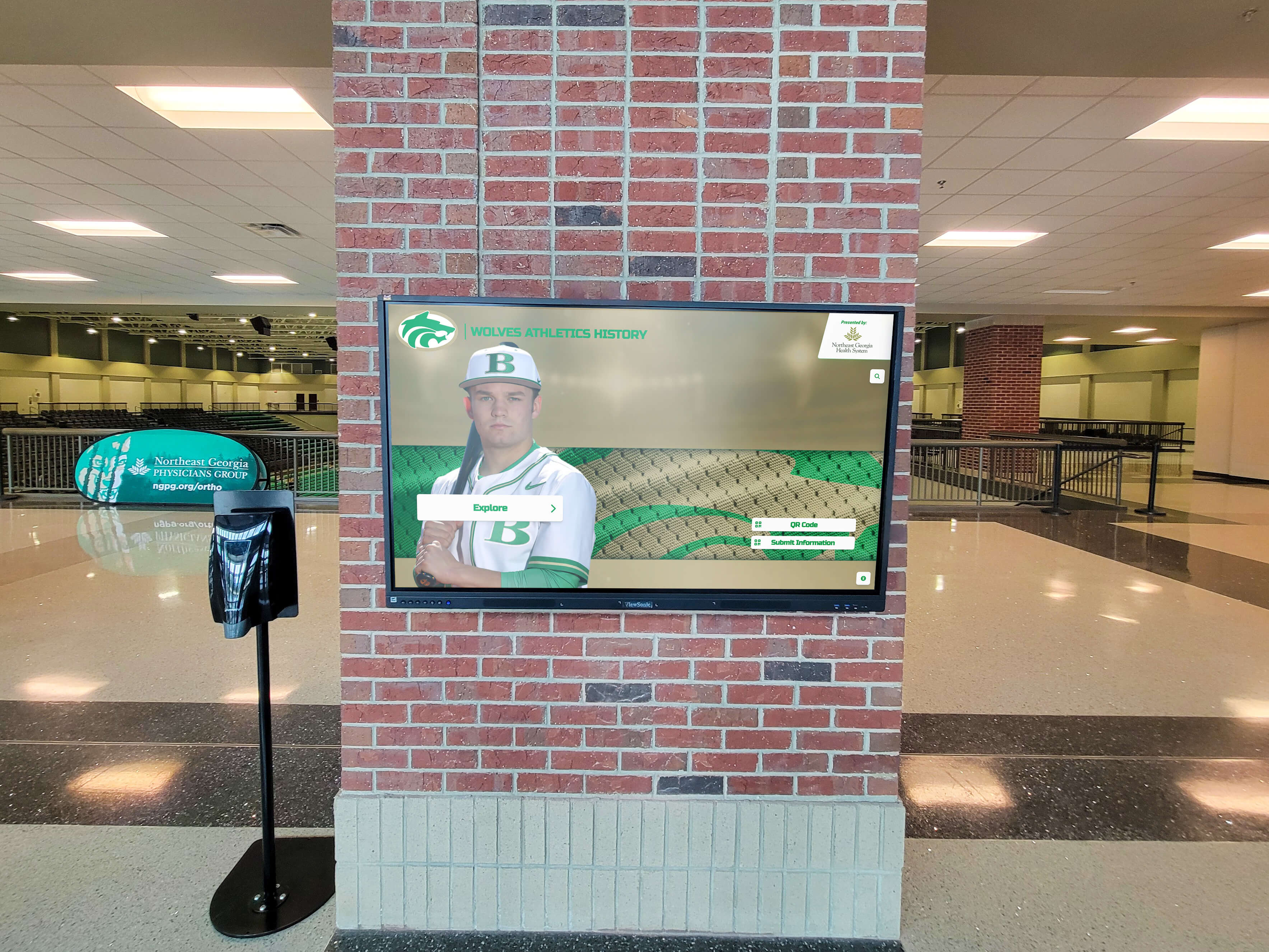
Inclusive engagement ensures all community members feel welcomed and valued
Conclusion: The Ongoing Journey of Community Engagement
Engaging with your local community represents not a destination reached but an ongoing journey requiring consistent attention, authentic commitment, and continual adaptation. Communities that prioritize genuine engagement—built on mutual respect, meaningful recognition, diverse participation opportunities, and inclusive practices—create environments where members feel valued, connected, and invested in collective success.
Ready to Transform Your Community Engagement?
Discover how modern digital recognition solutions can help you build stronger connections and more meaningful engagement with your community members.
Explore Recognition SolutionsThe evolution of community engagement from traditional methods to modern digital-enhanced approaches has expanded possibilities dramatically. Digital recognition platforms remove traditional constraints of physical space and geographic limitation, enabling communities to honor more members, share richer stories, and connect across distances. These technological capabilities complement rather than replace in-person experiences, creating hybrid engagement models that meet diverse member needs and preferences.
Whether you lead a school seeking to strengthen connections with alumni and families, a civic organization working to increase participation, a club building member engagement, or any institution committed to community vitality—the strategies outlined in this guide provide actionable frameworks for creating more meaningful engagement. Success requires understanding your specific community context, offering diverse participation pathways, recognizing contributions authentically, telling compelling stories, leveraging appropriate technology, measuring outcomes, and continuously improving based on feedback and results.
Start by assessing current engagement patterns within your community, identifying underserved segments and missed opportunities. Expand your definition of valuable participation beyond traditional volunteer roles, create recognition programs celebrating diverse contributions, and implement systems making engagement accessible and rewarding for all community members. Each incremental improvement strengthens bonds and creates momentum toward the thriving, connected community you envision.
Your community’s unique culture, history, and needs should guide your specific engagement approach. These evidence-based strategies provide proven frameworks adaptable to any community context. The essential elements remain constant across settings: authentic appreciation for member contributions, genuine commitment to inclusive participation, willingness to meet people where they are, and patient cultivation of relationships that strengthen over time.
Ready to begin enhancing your community engagement? Explore how interactive recognition displays can honor community members while creating gathering points for connection, or learn more about comprehensive engagement solutions that strengthen communities through meaningful recognition and celebration.






























