From Basement Hobby to Championship Sport
E-sports has transformed from casual gaming into a sophisticated competitive landscape with organized conferences, championship tournaments, and scholarship opportunities rivaling traditional athletics. Today's e-sports conference championships draw hundreds of student competitors, generate significant community engagement, and create achievement milestones deserving the same recognition and celebration as any varsity sport. Yet many educational institutions struggle to appropriately honor e-sports accomplishments, defaulting to announcements that fail to capture the dedication, strategy, and skill required for competitive gaming success.
The competitive gaming landscape has evolved dramatically. According to recent statistics, 39% of US school districts now have formalized e-sports programs, with students competing in organized league play through conferences like the National Esports Collegiate Conference (NECC), which serves over 315 member schools fielding more than 5,000 teams across twenty-four different games. The Collegiate Esports Commissioners Cup (CECC) welcomes 320 teams, 185 schools, and 1,500 of the nation’s best e-sports athletes competing for prestigious championships in titles like Overwatch 2, Rocket League, Valorant, Street Fighter 6, and Super Smash Bros.
These impressive participation numbers reflect e-sports’ mainstream acceptance as a legitimate competitive activity. Universities now offer over $16 million in e-sports scholarships and financial aid for student players across the United States. High schools hosting championship-caliber programs report increased student engagement, improved digital literacy, and enhanced teamwork skills among participants. The Texas Scholastic Esports Federation hosts state championships drawing Texas’s top middle and high school teams, while the Washington State Scholastic Esports Association’s 2025 Spring State Championships featured thirty-two high school teams and over 160 students competing in finals.
When e-sports conference championships produce achievements of this magnitude, recognition should match the significance of accomplishments. This comprehensive guide explores strategies for celebrating competitive gaming excellence through modern recognition systems that honor e-sports achievements with the same visibility and prestige as traditional athletic championships.
Understanding E-Sports Conference Structure and Competition
Before implementing recognition systems, understanding how e-sports conferences organize competitive play provides essential context for what achievements merit celebration.
Conference Organization and Governance
E-sports conferences provide structured competitive frameworks similar to traditional athletic conferences, organizing schools into competitive divisions, establishing rules and competition standards, coordinating regular season matches and tournaments, providing officiating and dispute resolution, and maintaining competitive integrity through anti-cheating measures.
Major Collegiate Conferences
Several established conferences govern collegiate e-sports competition. The ECAC Esports represents one of the largest organizations with over 315 member schools, providing competition opportunities across numerous game titles and skill levels. The American Collegiate Esports League (ACEL) organizes regional conferences for collegiate play, creating geographic rivalries and reducing travel requirements for in-person competitions. The Peach Belt Conference hosted their 2025 Spring Esports Championships at Kennesaw State University, demonstrating how traditional athletic conferences have expanded to include e-sports competition.
High School Conference Models
High school e-sports organization varies by region and state. Some states integrate e-sports into existing athletic association governance, treating competitive gaming like any other interscholastic activity. Others establish specialized e-sports governing bodies like the Texas Scholastic Esports Federation, which coordinates competition specifically for gaming activities. The United States Academic Esports League provides K-12 schools with structured competition frameworks, league management tools, and educational resources supporting program development.
Game Titles and Competition Formats
E-sports encompasses diverse game genres, each requiring distinct skill sets and strategic approaches.
Multiplayer Online Battle Arena (MOBA) Games
Titles like League of Legends and Dota 2 feature team-based strategic competition where players control individual characters working collaboratively to achieve objectives. These games emphasize teamwork, strategic planning, role specialization, communication under pressure, and split-second decision-making. Championships in MOBA titles typically feature best-of-three or best-of-five series determining winners.
First-Person Shooter (FPS) Games
Games including Valorant, Counter-Strike, and Overwatch focus on precision aiming, tactical positioning, and coordinated team strategies. FPS championships test reflexes and hand-eye coordination, tactical map knowledge and positioning, team coordination and communication, adaptability to opponent strategies, and consistency across multiple matches.
Fighting Games
One-on-one competition in titles like Super Smash Bros. and Street Fighter emphasizes individual skill and psychological warfare. Fighting game tournaments typically use double-elimination brackets, with players advancing through winners’ and losers’ brackets until championship matches determine victors.
Sports Simulation Games
FIFA, Madden, and NBA 2K bring traditional sports into digital competition. These titles require deep game knowledge, strategic play-calling, precise timing and execution, and understanding of real-world sports strategies translated into gaming contexts.
Battle Royale Games
Fortnite and similar titles place dozens or hundreds of players in survival competitions where strategic positioning, resource management, building and defensive skills, and long-term strategic planning determine success. Battle royale championships often involve multiple matches with cumulative scoring determining overall winners.
This diverse competitive landscape means e-sports recognition systems must accommodate varied game formats, team sizes, and championship structures rather than adopting one-size-fits-all approaches.
Season Structure and Championship Timelines
Most e-sports conferences follow seasonal competition models similar to traditional athletics.
Regular Season Competition
Conference regular seasons typically run 8-12 weeks with scheduled matches between conference members. Teams accumulate wins and losses determining playoff seeding, individual player statistics track performance across the season, and standings updates maintain competitive tension throughout regular play. Schools implementing digital storytelling for athletic programs find these same approaches translate effectively to e-sports recognition.
Playoff and Championship Formats
Conference championships typically occur at season conclusion through tournament play. Single-elimination brackets create high-stakes competition, double-elimination formats provide second chances for early-round losers, and championship finals often feature extended best-of series for definitive winners. The 2025 Peach Belt Conference Spring Esports Championships exemplified this structure with championship events April 4-5, 2025.
Multi-Season Competition Cycles
Many conferences organize both fall and spring competition seasons, allowing students year-round competitive opportunities. Fall seasons typically run September through November, spring competitions occur February through April, and some conferences add summer recreational leagues maintaining community engagement.
Understanding these competitive structures helps schools design recognition systems celebrating achievements at appropriate moments—regular season excellence, playoff advancement, and championship victories all deserve acknowledgment through systematic recognition approaches.
Building Championship-Caliber E-Sports Programs
Recognition systems work best when supporting well-structured programs producing achievements worth celebrating.
Program Development Fundamentals
Establishing competitive e-sports programs requires thoughtful planning and resource allocation.
Facility and Equipment Requirements
Championship-level e-sports demands reliable technical infrastructure. Schools need gaming PCs meeting minimum specifications for competitive titles (typically high-performance processors, dedicated graphics cards, adequate RAM, and fast storage), high-refresh-rate monitors providing competitive advantages in fast-paced games, quality gaming peripherals including mechanical keyboards and precision mice, reliable high-speed internet with sufficient bandwidth for multiple simultaneous competitors, and acoustic treatment or headsets ensuring clear communication during team play.
Initial equipment investments typically range from $1,500-$3,000 per competitive station depending on specifications and game requirements. Many schools start with 5-10 stations supporting one or two competitive teams before expanding as programs grow.
Coaching and Support Staff
Competitive programs benefit from knowledgeable leadership providing strategic guidance, coordinating practice schedules and competition logistics, analyzing gameplay and identifying improvement opportunities, teaching teamwork and communication skills, and managing team dynamics and conflict resolution.
Some schools hire dedicated e-sports coaches with competitive gaming backgrounds, while others recruit faculty sponsors with interests in gaming culture and student development. Several organizations now offer e-sports coaching certification programs providing training in competitive strategies, team management, and educational integration.
Student Recruitment and Team Development
Building competitive teams requires identifying talented players, assessing skill levels and competitive readiness, conducting tryouts similar to traditional sports, establishing team rosters with appropriate role diversity, and creating practice schedules developing skills and team coordination.
Many successful programs recruit through school gaming clubs, host casual tournaments identifying talented players, and create development programs preparing emerging players for competitive opportunities. This approach mirrors how schools implementing Division III athletics recognition systems build competitive programs across all sports.
Integration with Educational Mission
E-sports programs gain institutional support when clearly connected to educational objectives beyond entertainment.
Academic Integration Opportunities
Competitive gaming supports numerous educational outcomes including digital literacy and technology fluency, strategic thinking and problem-solving skills, teamwork and collaborative learning, communication skills under pressure, and time management balancing academics with competition.
Some schools create e-sports-focused curricula where participation connects to credit-bearing courses in game design and development, media production and content creation, data analysis and performance metrics, business management and team operations, or sports psychology and performance optimization.
Career Pathway Development
E-sports provides exposure to numerous career opportunities beyond professional play. Students develop skills applicable to game design and software development, broadcast production and content creation, event management and tournament operations, marketing and brand management, data analysis and performance coaching, and technology infrastructure and network engineering.
By emphasizing career pathways, programs demonstrate value beyond immediate competitive success, building institutional support from administrators and families who might otherwise view gaming as recreational rather than educational.
Character Development and Life Skills
Well-structured e-sports programs emphasize personal development outcomes including perseverance through challenges and losses, emotional regulation during high-pressure competition, accepting coaching and constructive feedback, supporting teammates and collaborative success, and demonstrating sportsmanship toward opponents.
These character outcomes position e-sports as complementary to traditional education rather than distraction from it, strengthening programs’ institutional standing and sustainability.
Conference Championship Recognition Strategies
E-sports achievements deserve systematic recognition comparable to traditional athletic championships.
Multi-Tiered Recognition Systems
Effective e-sports recognition acknowledges achievements at multiple competitive levels.
Conference Championship Recognition
Conference championship victories represent pinnacle achievements deserving prominent celebration through permanent digital hall of fame displays showcasing championship teams, detailed championship game statistics and highlights, individual player profiles and contributions, coaching staff and support team acknowledgment, and championship banners or visual representations.
Physical trophy presentations should mirror traditional athletic championship ceremonies, with formal recognition events celebrating championship teams before school communities. Championship victories merit the same assembly programs, community acknowledgment, and lasting visibility as any varsity sport championship.
Regular Season Excellence
Season-long achievement deserves recognition beyond championship tournaments. Schools should celebrate conference regular season championships, individual statistical leaders across game titles, all-conference team selections honoring top players, most improved player recognition, and consistent excellence across multiple seasons.
These regular season recognitions ensure students competing in highly competitive conferences receive acknowledgment even when not winning championship tournaments, similar to how schools recognize academic honor roll recipients for sustained excellence beyond single test scores.
Individual Achievement Milestones
Beyond team success, individual milestones merit celebration including career statistical achievements, skill mastery demonstrations, leadership roles and team captaincy, scholarship offers from collegiate programs, and selection for all-star competitions or showcase events.
Individual recognition ensures all contributing players receive acknowledgment for their development and achievements, not just those on championship-winning teams.
Digital Display Solutions for E-Sports Recognition
Modern digital recognition platforms overcome limitations of traditional plaques and static displays while addressing e-sports’ unique characteristics.
Dynamic Content Capabilities
Digital displays enable rich multimedia recognition impossible with physical trophies. Platforms can integrate championship match video highlights and key moments, player webcam footage capturing competitive intensity, championship bracket visualizations showing tournament progression, statistical dashboards documenting performance metrics, and victory celebration footage preserving emotional moments.
This multimedia approach tells complete championship stories rather than simply documenting outcomes, creating more engaging and meaningful recognition than names and dates alone.
Unlimited Capacity and Historical Archives
Physical space constraints no longer limit recognition. Digital systems can showcase all conference championships across program history, recognize every team member from championship rosters, maintain comprehensive statistical records across seasons, document program evolution and growth over time, and preserve coaching staff and support contributors.
Solutions like Rocket Alumni Solutions provide this unlimited capacity, ensuring comprehensive recognition unconstrained by physical space or display area limitations.
Interactive Exploration Features
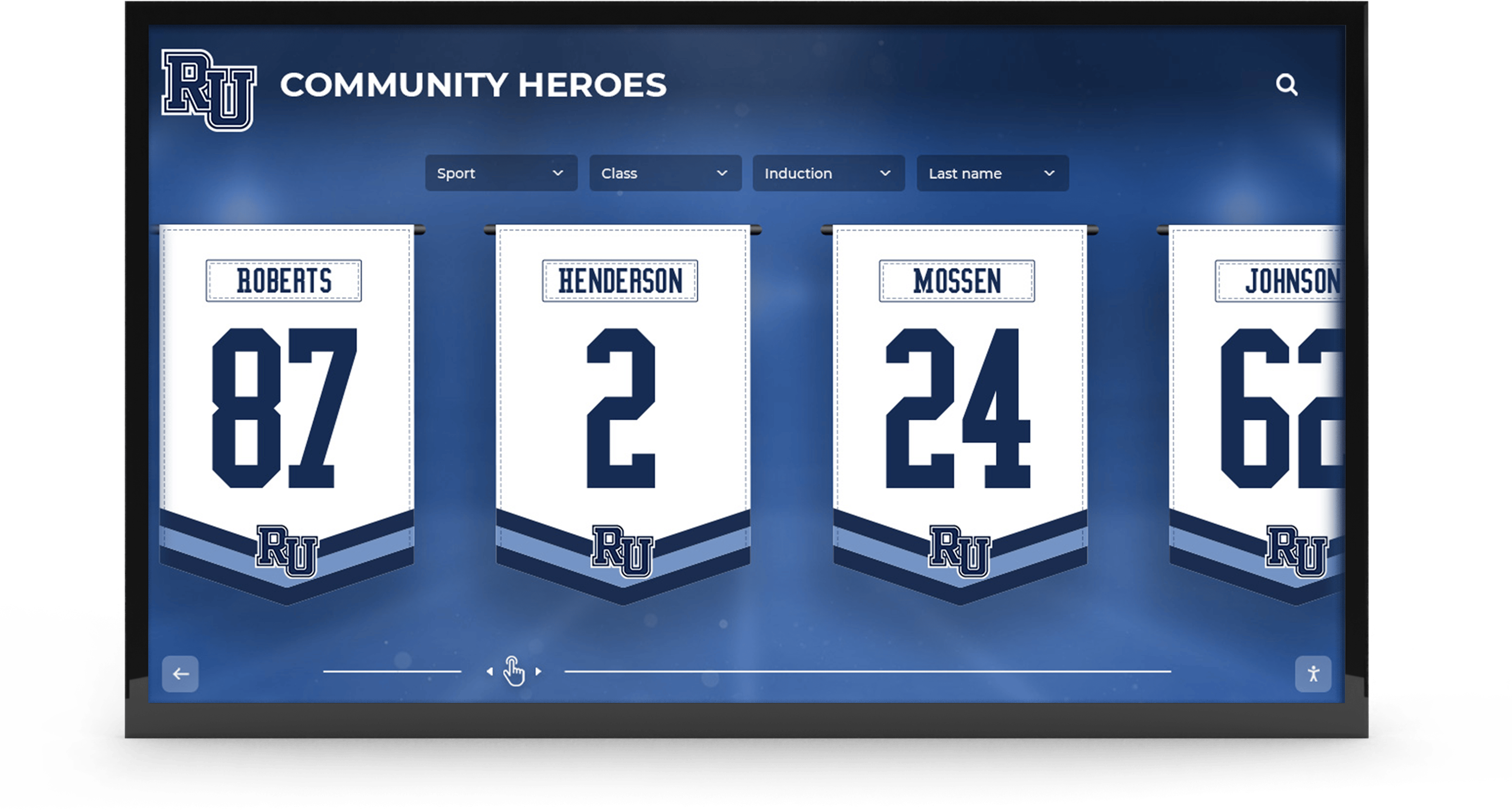
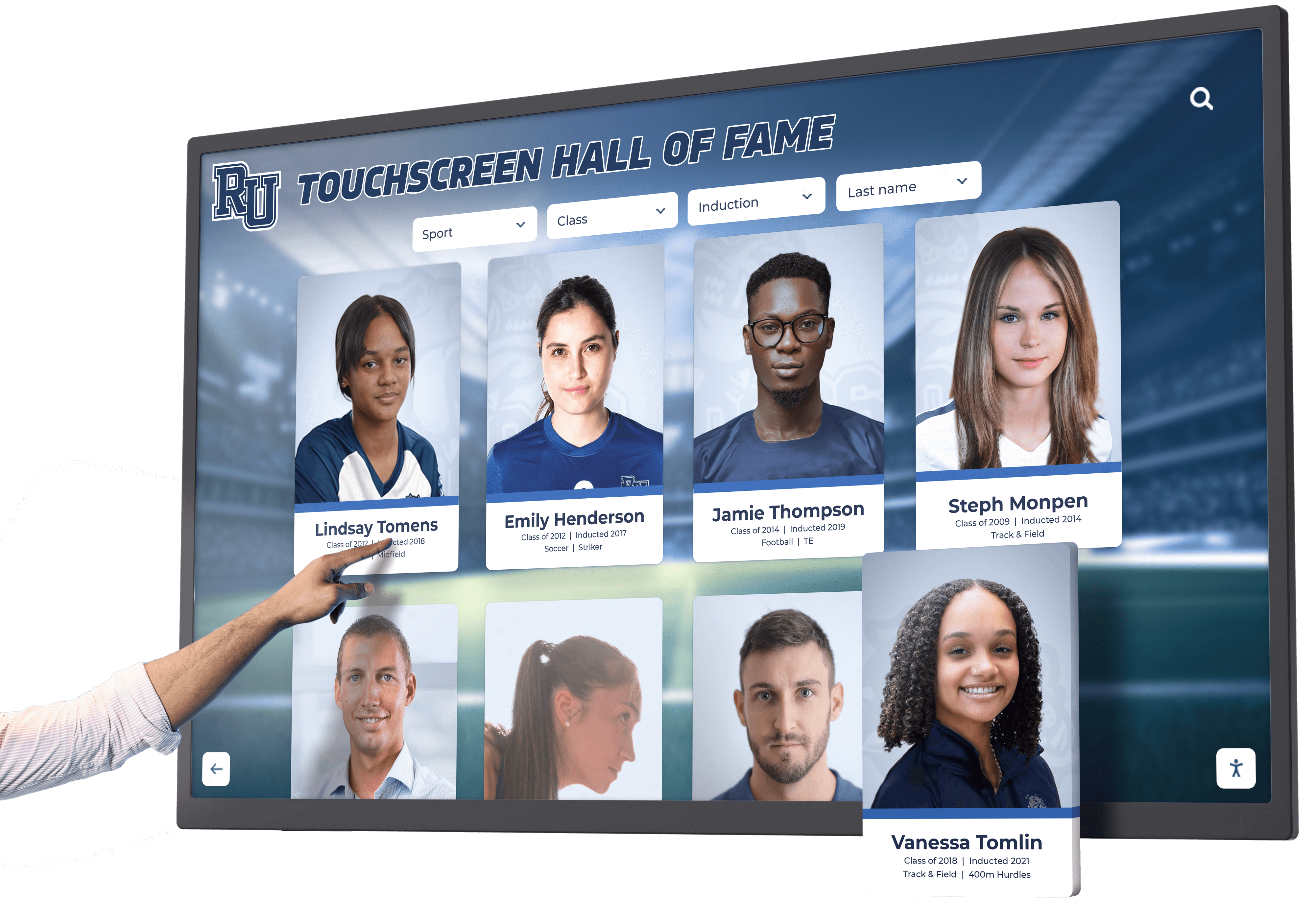
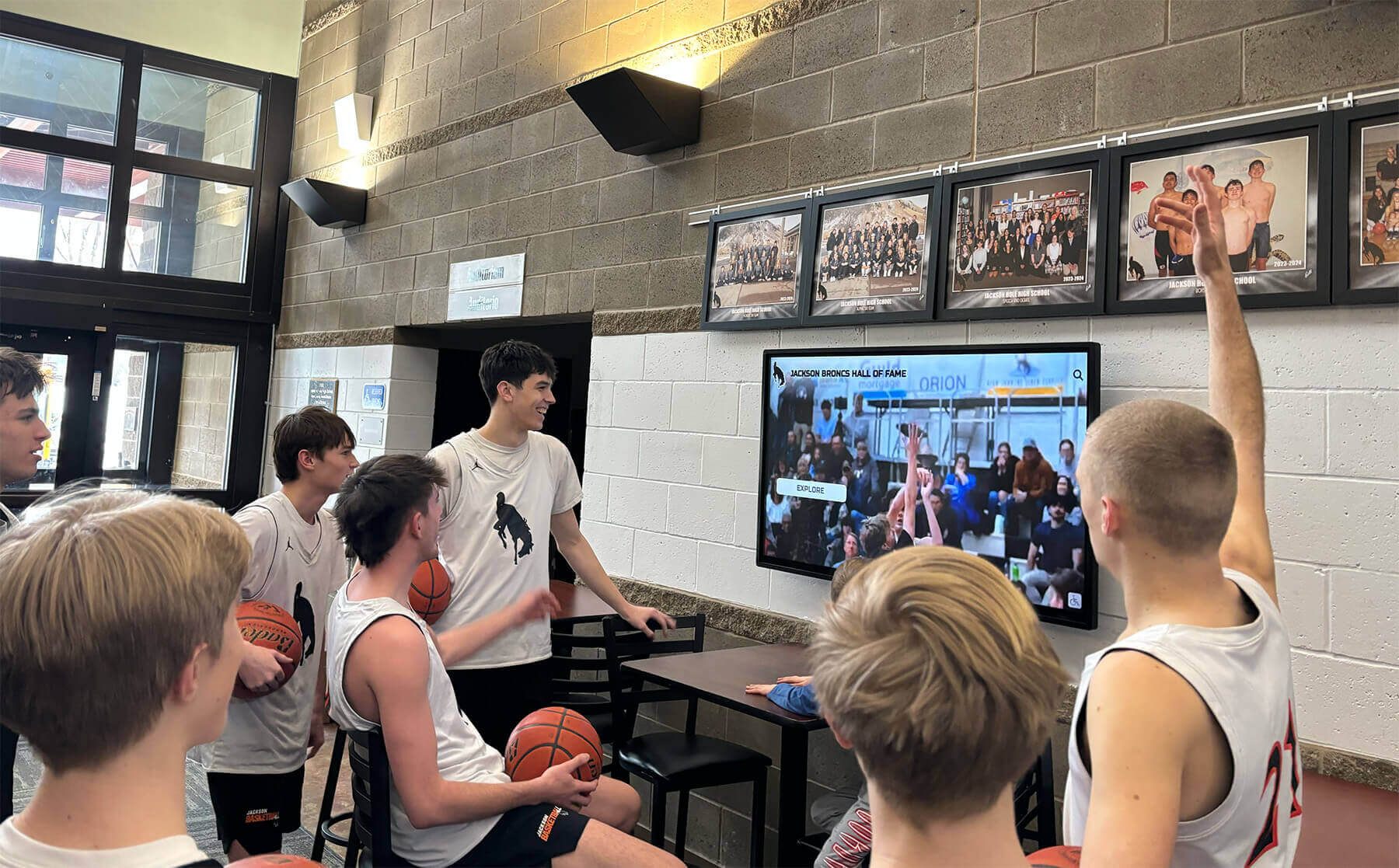
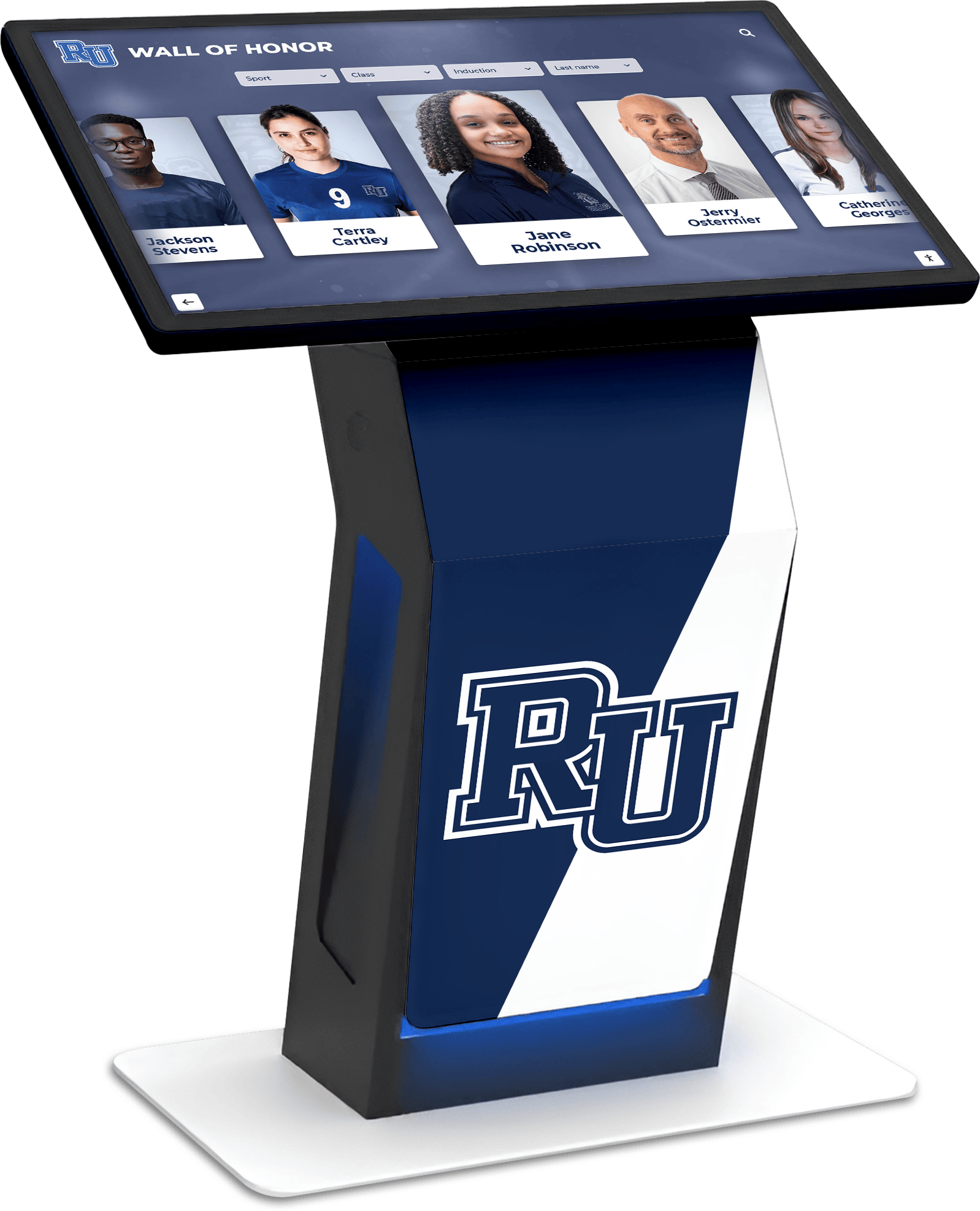
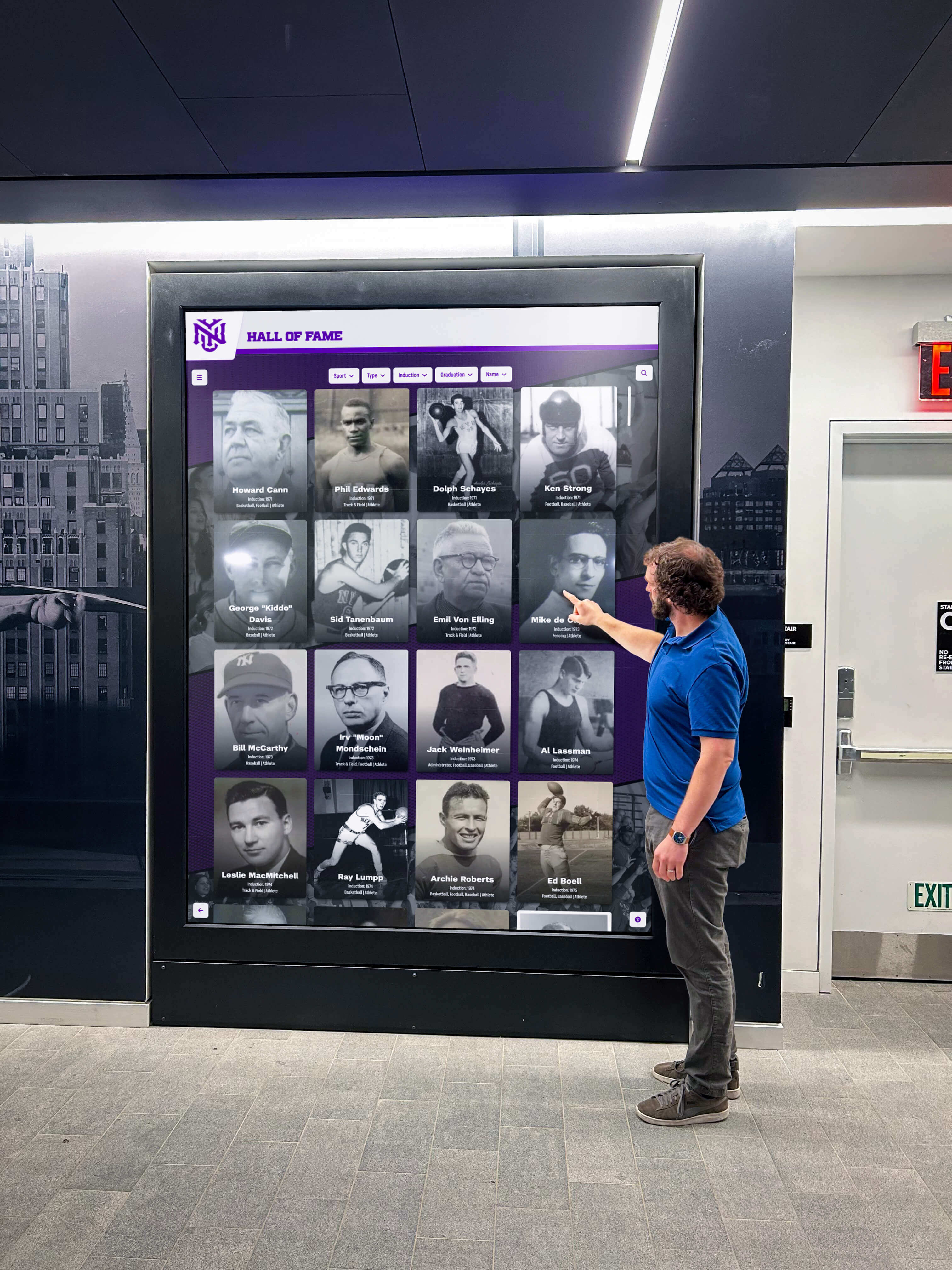
Modern touchscreen systems create engagement impossible with static displays through search functionality enabling visitors to find specific players or teams, filtering by game title, season, or achievement type, detailed profile pages telling individual player stories, comparative statistics showing performance context, and connection to current teams and active players.
This interactivity increases engagement time and recognition impact, particularly appealing to digitally-native students who expect interactive experiences.
Remote Accessibility and Sharing
Web-integrated recognition extends visibility beyond physical campus. Families can share recognition with extended relatives worldwide, alumni can explore program development since their graduation, prospective students can assess program quality and success, community members unable to attend events can celebrate achievements, and players can reference recognition in college applications and resumes.
This extended reach dramatically increases recognition value and impact compared to displays accessible only to those physically present on campus. Schools exploring interactive touchscreen displays for recognition find these web-integrated approaches particularly effective for e-sports communities often engaging digitally.
Creating Comprehensive E-Sports Recognition Displays
Effective digital recognition systems include specific content elements maximizing impact and inspiration.
Team Championship Profiles
Championship team recognition should include team roster with individual player profiles, championship match results and final standings, season record and playoff journey to championship, key statistical leaders and standout performances, coaching staff and support team members, championship photos and celebration images, and quotes from players reflecting on championship experience.
This comprehensive approach documents complete championship stories rather than reducing achievements to simple facts.
Individual Player Recognition
Player profiles within championship recognition should feature player name, graduating class, and role/position, career statistics and highlight achievements, personal reflections on competitive experience, post-graduation plans including collegiate opportunities, advice to younger players aspiring to competitive success, and action photos capturing competitive intensity.
These personal elements create inspirational content for younger students considering e-sports participation while honoring individual contributions to team success.
Conference and Competition Context
Recognition gains meaning through competitive context. Displays should include conference size and competitive strength, number of teams and schools competing, selection process or qualification requirements, championship tournament format and structure, historical championship frequency for your school, and comparison to previous championship teams.
This context helps viewers understand achievement significance—winning championships in highly competitive conferences represents greater accomplishment than victories in smaller or less competitive leagues.
Coaching and Program Recognition
Championship success reflects coaching excellence and program quality deserving acknowledgment. Recognition should celebrate coaching staff leadership and strategic contributions, program development milestones and growth, facility and technology improvements enabling success, school and community support facilitating programs, and connections to career pathways and post-graduation outcomes.
This holistic recognition demonstrates that championships result from comprehensive programs, not just talented individual players, encouraging continued institutional investment in program development.
E-Sports Scholarship Recognition and College Pathways
For many students, e-sports provides pathways to higher education through competitive scholarships deserving systematic celebration.
The Collegiate E-Sports Scholarship Landscape
E-sports scholarships have grown dramatically, now exceeding $16 million in available financial aid across United States institutions. Over 100 colleges now offer e-sports scholarships not just for competitive players but also for students pursuing production, technical support, and business roles within collegiate programs.
Scholarship Recognition Programs
When students earn e-sports scholarships, schools should provide recognition comparable to traditional athletic scholarship celebrations. College commitment day digital boards work equally well for e-sports scholarships as traditional athletic commitments, showcasing student name and photo, college or university offering scholarship, scholarship value and duration, game title and competitive role, student’s high school career achievements, intended major and career goals, and personal reflections on e-sports journey.
This recognition validates e-sports as a legitimate scholarship pathway while inspiring younger students to develop competitive skills potentially earning similar opportunities.
Championship Performance as Recruiting Portfolio
Conference championship success significantly strengthens collegiate recruitment prospects. Students can leverage championship achievements through competitive statistics demonstrating skill level, video highlights showcasing individual performance, leadership experience and team captaincy, awards and conference recognition, and recommendation letters from coaches familiar with competitive play.
Schools should help championship competitors understand how to present these achievements effectively in college applications and scholarship submissions, similar to how counselors guide traditional athletes through recruiting processes.
Post-Graduation Success Tracking
Effective recognition systems track alumni success beyond high school, celebrating when former championship players earn roster positions on collegiate teams, receive renewed scholarships for subsequent years, achieve success in collegiate conference play, transition into e-sports industry careers, or return to support high school programs as coaches or mentors.
This long-term tracking demonstrates championship success as foundation for continued achievement rather than endpoint, strengthening program value and institutional support. Similar approaches work well for schools implementing senior college decision displays that track post-graduation outcomes.
Implementing E-Sports Recognition Programs
Successfully implementing e-sports recognition requires strategic planning addressing both technical requirements and cultural considerations.
Building Institutional Support
E-sports recognition gains traction when stakeholders understand program value and alignment with educational mission.
Administrative Buy-In Strategies
Gain leadership support by emphasizing educational outcomes beyond competitive success including technology skill development, career pathway exposure, student engagement and belonging, inclusive participation opportunities for diverse students, and potential for positive community visibility.
Present e-sports using frameworks familiar to administrators—comparing program structure to traditional athletics, connecting outcomes to institutional goals, demonstrating student demand through interest surveys, and providing cost-benefit analysis showing relatively low investment compared to traditional sports.
Community Education Approaches
Many families and community members lack familiarity with competitive gaming, requiring education about e-sports legitimacy and value. Effective approaches include hosting showcase events demonstrating competitive play quality, sharing information about scholarship opportunities and career pathways, highlighting academic integration and educational benefits, profiling successful alumni leveraging e-sports experiences, and addressing common concerns about screen time and gaming culture.
This education transforms skepticism into support, particularly when recognition makes e-sports achievements visible alongside traditional accomplishments.
Technical Implementation Considerations
E-sports recognition benefits from purpose-built digital solutions addressing gaming culture and competitive characteristics.
Platform Selection Criteria
When selecting recognition platforms, prioritize systems offering multimedia integration for video highlights and streaming content, responsive web accessibility appealing to digital-native students, intuitive content management enabling frequent updates, customization supporting unique e-sports characteristics, and analytics tracking engagement and program impact.
Platforms designed specifically for educational recognition, like those offered by Rocket Alumni Solutions, typically provide better results than attempting to adapt generic digital signage systems to recognition purposes.
Content Development Workflow
Establish systematic processes for creating recognition content including responsibility assignment for content creation and updates, championship documentation procedures capturing necessary materials, photo and video quality standards ensuring professional presentation, player information collection through standardized forms, approval workflows ensuring accuracy before publication, and update schedules maintaining current, relevant content.
These workflows ensure consistent, high-quality recognition without requiring excessive time investment from already-busy staff members.
Balancing E-Sports and Traditional Athletics Recognition
Schools implementing e-sports recognition occasionally face resistance from traditional athletics stakeholders concerned about resource competition or perceived legitimacy differences.
Integrated Recognition Approaches
The most successful implementations treat e-sports as complementary to traditional athletics rather than competing with them. Strategies include unified recognition displays celebrating all competitive achievements, consistent design standards across athletic and e-sports recognition, equal visibility and prominence for all competitive programs, combined championship celebrations honoring diverse achievements, and shared language emphasizing competitive excellence regardless of format.
This integrated approach positions schools as celebrating competitive achievement broadly rather than privileging specific types of competition.
Addressing Competitive Legitimacy Concerns
Some stakeholders question whether e-sports merits recognition comparable to physical athletics. Address these concerns by highlighting comparable time commitment and practice requirements, strategic complexity and skill development demands, teamwork and communication requirements, competitive pressure and mental toughness, and scholarship opportunities and career pathways.
Emphasize that recognition celebrates achievement, dedication, and excellence—qualities demonstrated equally in e-sports and traditional athletics. Schools implementing speech and debate championship recognition face similar questions about competitive legitimacy, yet these programs receive appropriate recognition because they demand skill, preparation, and competitive excellence.
E-Sports Conference Championship Celebration Events
Beyond permanent recognition displays, formal celebration events create memorable experiences honoring championship achievements.
Championship Celebration Assemblies
School assemblies provide platforms for public championship recognition. Effective assembly programs include championship team introduction and individual player recognition, championship match highlights video presentation, coaching staff acknowledgment, principal or leadership congratulatory remarks, championship trophy or banner presentation, player speeches reflecting on championship journey, and Q&A sessions letting broader student body learn about competitive gaming.
These assemblies provide e-sports teams visibility comparable to traditional athletic championship celebrations, validating competitive gaming as legitimate school activity.
Championship Banner and Trophy Displays
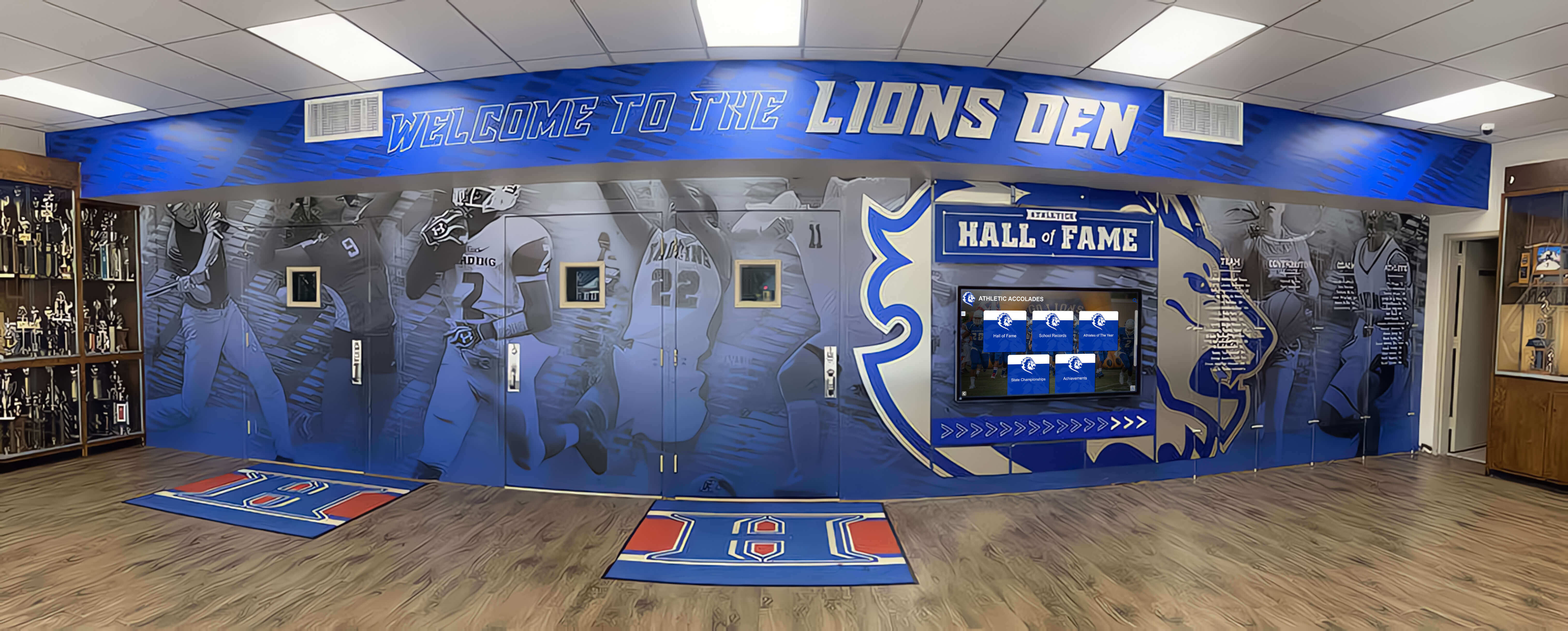
Physical championship artifacts complement digital recognition. Schools should create championship banners displaying game title, championship year, conference name, and team roster, similar to those used for traditional athletic championships. Physical trophies or championship plaques displayed in trophy cases alongside traditional athletics demonstrate equal institutional value for all competitive achievements.
These physical elements provide immediate visual recognition even for those not interacting with digital systems, while digital platforms provide the comprehensive storytelling and historical archives physical displays cannot match.
Championship Ring or Award Ceremonies
Some schools present championship rings, medals, or awards to championship team members, creating tangible personal recognition athletes can retain beyond graduation. Formal presentation ceremonies invite families to share celebration, mirror traditional athletic award nights in structure and formality, include reflections from players and coaches, acknowledge support from administration and community, and photograph recipients for recognition displays and yearbooks.
These personal awards demonstrate institutional commitment to e-sports recognition comparable to traditional competitive programs.
Measuring E-Sports Recognition Program Impact
Assess recognition program effectiveness through quantitative metrics and qualitative feedback.
Engagement and Visibility Metrics
Track recognition program reach through digital display interaction rates and session duration, web-based recognition platform analytics, social media engagement with e-sports content, assembly attendance and community event participation, and media coverage of championships and recognition programs.
These metrics demonstrate actual visibility and engagement, helping justify continued investment in recognition infrastructure and programs.
Student Outcomes and Program Growth
Evaluate recognition impact on program development through e-sports program participation trends, competitive performance and championship success rates, student scholarship offers and collegiate opportunities, student survey data about program value and school pride, and alumni engagement with program and mentorship participation.
Growing participation and improving competitive success suggest recognition programs effectively promote e-sports as valued school activity.
Cultural Integration Assessment
Assess whether e-sports recognition successfully integrates competitive gaming into school culture through stakeholder perception surveys, comparison of e-sports visibility to traditional activities, equity of resource allocation across programs, student sense of belonging and community connection, and external community awareness and support.
Successful recognition creates culture where e-sports achievements receive respect and celebration comparable to all competitive endeavors.
Common Challenges and Practical Solutions
Schools implementing e-sports recognition typically encounter predictable obstacles that strategic planning addresses effectively.
Challenge: Limited Institutional Understanding
Situation: Administrators, faculty, or community members unfamiliar with e-sports question program legitimacy or recognition appropriateness.
Solutions: Provide education about e-sports growth and scholarship opportunities. Share data about participation rates and student demand. Host demonstration events showcasing competitive play quality. Invite stakeholders to major championship events. Connect e-sports to educational outcomes and career pathways. Start with modest recognition demonstrating value before requesting major investments.
Challenge: Technical Complexity
Situation: Staff lack expertise managing video content, streaming highlights, or multimedia recognition platforms.
Solutions: Select purpose-built recognition platforms designed for non-technical users. Ensure vendor training during implementation. Create simple documentation for common tasks. Leverage student expertise—many gamers possess technical skills supporting recognition efforts. Start with basic recognition before adopting advanced features. Establish direct support channels with platform providers.
Challenge: Maintaining Content Currency
Situation: E-sports recognition requires frequent updates as new championships occur and rosters change seasonally.
Solutions: Establish clear update responsibilities. Create content templates streamlining addition of new championships. Implement workflows capturing necessary materials during competitions. Schedule regular maintenance periods. Consider student leadership roles managing content updates. Use automated features scheduling content publication. Start with current achievements before building historical archives.
Challenge: Equitable Recognition Across Activities
Situation: Traditional athletics stakeholders resist e-sports recognition or question resource allocation.
Solutions: Frame recognition as celebrating all competitive excellence. Use consistent design and visibility standards across programs. Emphasize complementary rather than competitive relationship. Highlight e-sports’ reach to students not engaged in traditional athletics. Demonstrate relatively low cost of digital recognition systems. Create combined celebrations honoring diverse achievements. Position school as forward-thinking in recognizing emerging competitive opportunities.
Challenge: Gaming Culture Misconceptions
Situation: Stakeholders associate competitive gaming with negative stereotypes about gaming culture or addiction concerns.
Solutions: Emphasize structured competition with coach oversight. Highlight time management requirements balancing academics with competition. Share research about cognitive benefits of strategic gaming. Showcase successful alumni leveraging e-sports experiences positively. Connect to educational outcomes beyond entertainment. Demonstrate program policies addressing healthy gaming habits. Compare time commitments favorably to traditional athletics.
The Future of E-Sports Conference Championships
E-sports continues evolving, creating new recognition opportunities and considerations.
Emerging Competitive Trends
Several trends will shape future e-sports championship recognition including growth of mobile e-sports expanding accessibility and participation, virtual reality competitive gaming requiring new skill sets, cross-platform competition connecting players across different systems, increasing diversity in competitive titles beyond traditional genres, and professionalization of high school competition with enhanced coaching and structure.
Recognition systems built on flexible digital platforms can adapt to these changes without requiring complete redesign.
Evolving Educational Integration
E-sports will likely integrate more deeply with educational programming through formalized curricula connecting gaming to credit-bearing courses, career and technical education pathways in e-sports industry skills, interdisciplinary projects connecting gaming to STEM, arts, and communication, research opportunities analyzing competitive performance data, and entrepreneurship programs developing e-sports event management skills.
These educational connections will further legitimize e-sports recognition as celebrating achievements with academic value beyond recreational gaming.

Technology-Enhanced Recognition
Future recognition may incorporate artificial intelligence generating highlight compilations automatically, augmented reality overlaying additional content on physical displays, performance analytics dashboards visualizing competitive metrics, alumni networking platforms connecting current and former players, and streaming integration enabling live recognition updates during championships.
Schools investing in modern digital recognition platforms now position themselves to adopt emerging capabilities as they become available.
Conclusion: Celebrating E-Sports Excellence
E-sports conference championships represent significant student achievements requiring recognition systems matching accomplishment magnitude. Students dedicating hours to strategic development, teamwork coordination, and competitive excellence deserve celebration comparable to any varsity sport championship.
Digital recognition platforms designed specifically for educational environments make comprehensive e-sports recognition achievable regardless of school size or technical expertise. These systems honor individual and team achievements through rich multimedia storytelling, maintain unlimited historical archives documenting program growth, inspire younger students through visible examples of competitive success, demonstrate institutional support for diverse competitive pathways, and extend recognition beyond physical campus through web-accessible platforms.
Whether your school celebrates conference championships in a single game title or fields competitive teams across multiple e-sports, implementing systematic recognition demonstrates that you value diverse student achievements, support emerging competitive opportunities, and commit to celebrating excellence wherever students demonstrate it.
Celebrate Your E-Sports Champions
Discover how Rocket Alumni Solutions can help you create engaging digital recognition systems that honor e-sports conference championships with the same prominence as traditional athletics, building program prestige and inspiring future competitors.
Schedule Your Free ConsultationModern digital recognition platforms provide turnkey solutions making advanced e-sports recognition accessible even for schools with limited technical resources or modest budgets. These systems combine intuitive content management, professional display options, comprehensive web accessibility, and ongoing support—delivering professional results without requiring technical expertise or extensive staff time.
Ready to ensure your e-sports champions receive the recognition they deserve? Conference championship recognition transforms competitive gaming from niche activity to celebrated school tradition, honoring today’s champions while motivating tomorrow’s competitive success. Your students demonstrate dedication, strategy, teamwork, and excellence through competitive gaming—give their achievements visibility and celebration worthy of their commitment.
The tradition of celebrating competitive achievement is timeless. The definition of competition continues evolving. By embracing comprehensive e-sports recognition, your school honors achievement in all its forms while demonstrating commitment to supporting students wherever they find opportunities to excel competitively. From conference regular season success through championship victories, every achievement deserves acknowledgment—and modern recognition technology makes comprehensive celebration more achievable than ever.































