E-Sports Hall of Fame programs represent the next frontier in athletic recognition, celebrating the skill, strategy, and dedication of competitive gamers who excel in organized tournaments and leagues. As esports transitions from underground hobby to officially sanctioned school activity—with over 5,500 K-12 schools now participating through platforms like PlayVS—the need for systematic recognition grows more urgent. These programs validate esports as legitimate competition while inspiring the next generation of players who train with the same commitment as traditional athletes.
Yet many schools and organizations struggle to implement effective esports recognition. Traditional athletic displays don’t naturally accommodate gaming achievements. Administrators uncertain about how to evaluate competitive gaming performance hesitate to create formal programs. Meanwhile, esports athletes whose tournament victories and strategic excellence merit celebration receive little institutional acknowledgment compared to their counterparts in basketball, soccer, or football.
This comprehensive guide reveals proven strategies for creating E-Sports Hall of Fame programs that deliver lasting impact and community engagement.
Whether you’re launching your school’s first esports recognition initiative or expanding an existing athletic hall of fame to include competitive gaming, these practical approaches transform esports achievements from overlooked accomplishments into celebrated institutional assets that strengthen your entire community while validating the extraordinary skill and dedication these athletes demonstrate.
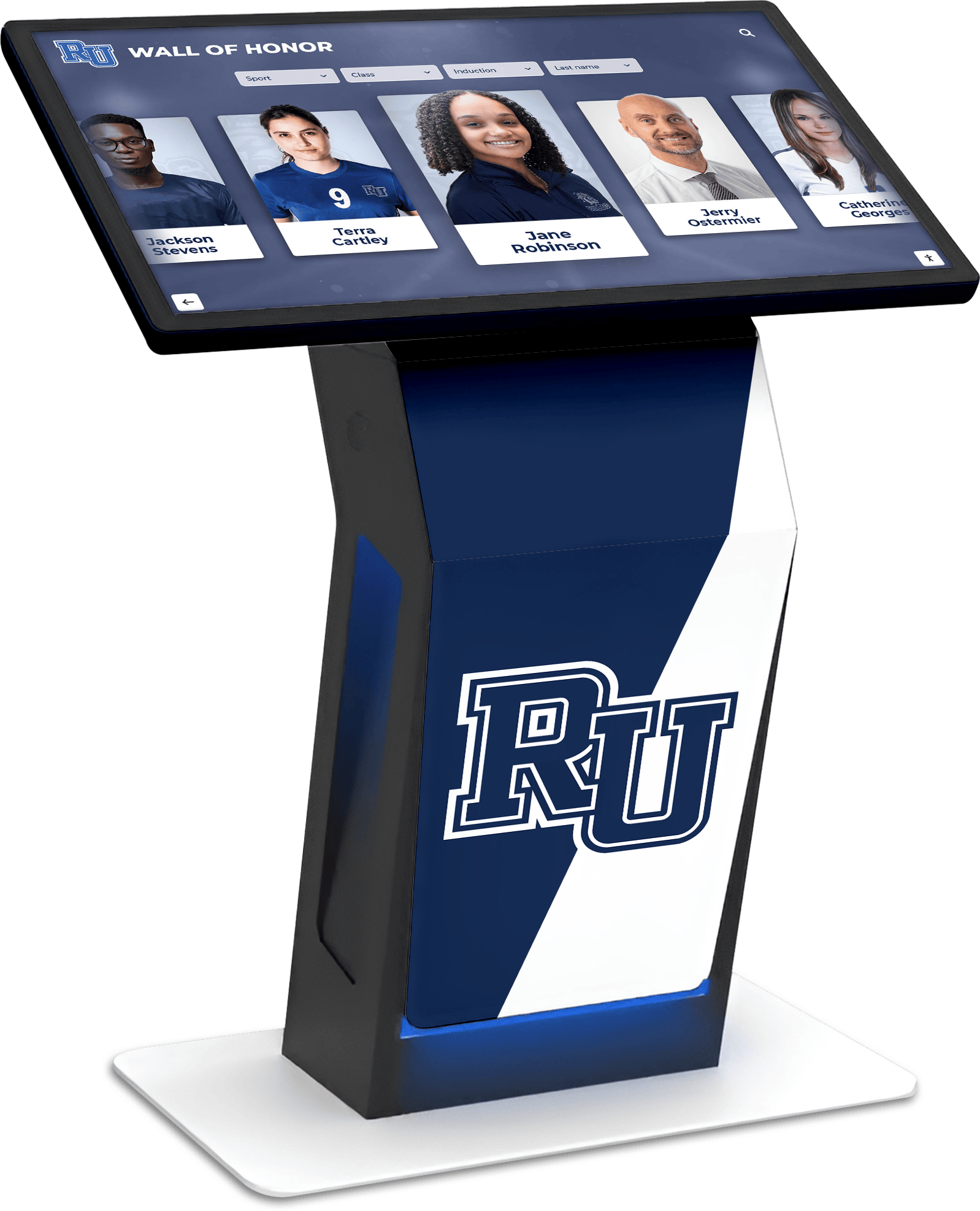
Modern recognition systems celebrate esports achievements alongside traditional athletic accomplishments
The Rise of Competitive Gaming: Why E-Sports Recognition Matters Now
Understanding the explosive growth and institutional acceptance of esports helps administrators recognize why formal recognition programs have become essential rather than optional.
Esports Becomes Officially Sanctioned School Activity
Competitive gaming has achieved remarkable legitimacy in educational settings over recent years. Esports is now officially recognized as a sanctioned high school activity through partnerships with the NFHS Network and state associations, according to the National Federation of High Schools. This recognition from the NFHS and multiple state associations across the country of esports as an officially sanctioned sport or activity fundamentally legitimizes it.
The infrastructure supporting scholastic esports mirrors traditional athletics in sophistication and scale. PlayVS has unified over 5,500 K-12 schools and 900+ colleges in one comprehensive competitive gaming pathway in North America. High school esports seasons involve daily team practices and frequent regional matches that lead to state-sanctioned tournaments with playoff structures and championship events.
Organizations like NASEF (North America Scholastic Esports Federation) provide club structure, coaching certification, plus access to esports tournaments, further professionalizing competitive gaming in educational environments. This institutional support creates the foundation for formal recognition programs celebrating player achievements.
Financial Investment and Scholarship Opportunities
The financial stakes in competitive gaming demonstrate that esports represents serious athletic pursuit worthy of institutional recognition. Nearly 200 colleges with esports teams awarded $16 million in esports scholarships last year, according to research on collegiate esports programs. Colleges across the country offer tens of millions of dollars in esports scholarship money, with more being added every year.
The first officially recognized varsity esports program was created at Robert Morris University in 2014. By 2019, there were over 130 college varsity programs, and the National Association of Collegiate Esports (NACE), founded in 2016, includes over 170 collegiate organizations as of 2021, demonstrating sustained growth.
This scholarship landscape means that high school esports achievements directly influence college opportunities and financial aid, making recognition of competitive gaming accomplishments as relevant to student futures as traditional athletic recognition. Schools that systematically celebrate esports excellence help players document achievements for college applications while signaling that institutional support extends to this emerging competitive domain.
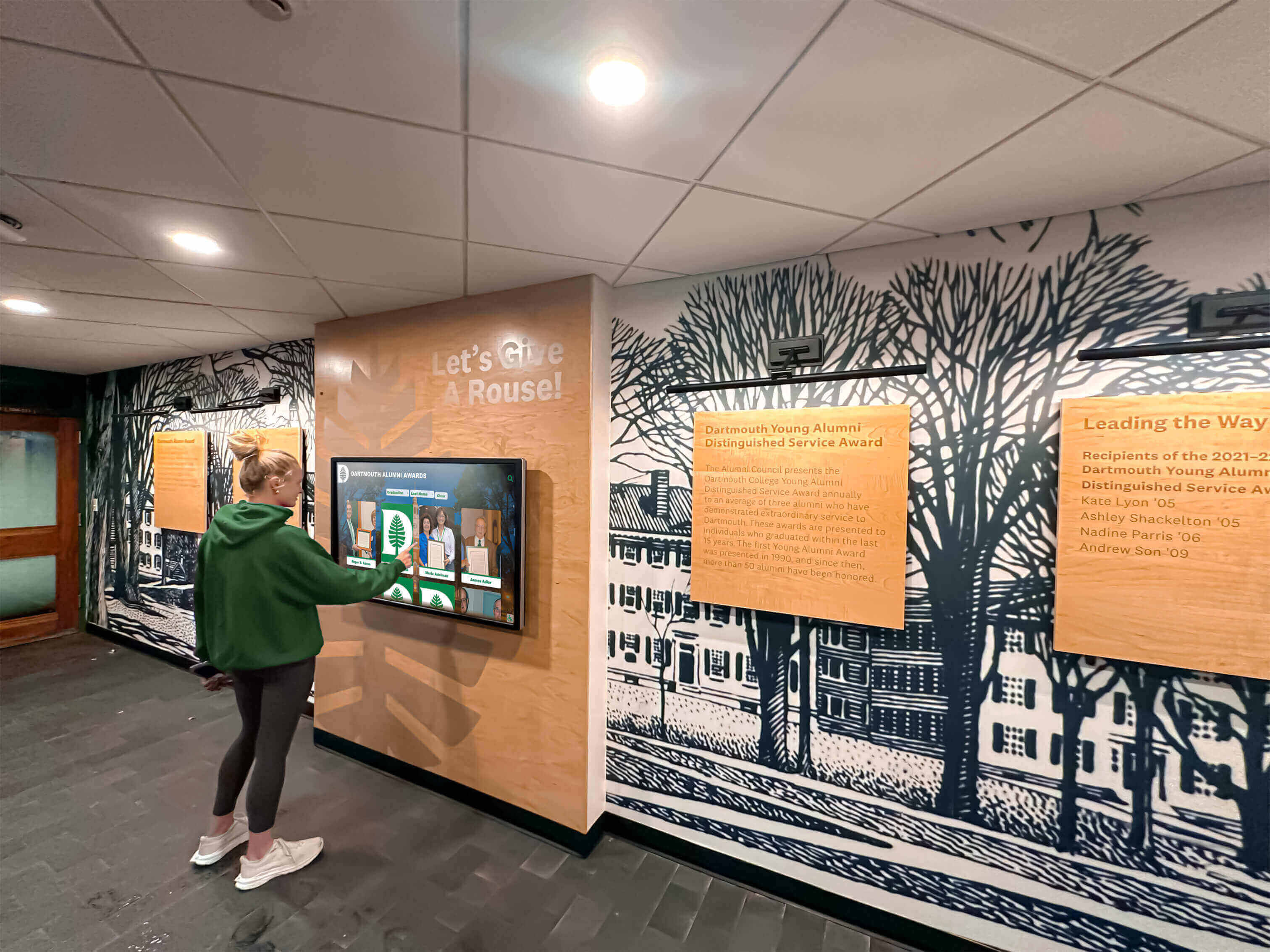
Interactive displays make exploring esports achievements engaging and accessible for the entire school community
Professional Esports and Industry Growth
Beyond scholastic competition, professional esports has matured into a multi-billion dollar global industry with established hall of fame traditions that schools can emulate. The Esports Trade Association’s Hall of Fame represents a prestigious space where those who’ve fundamentally altered the industry’s trajectory are enshrined, established to preserve esports’ rapidly evolving history and celebrate lasting legacy.
The 2025 ESTA Hall of Fame class includes notable inductees such as Kyle “Bugha” Giersdorf, who raised the Fortnite World Cup trophy in 2019 and won $3 million, demonstrating that competitive gaming can make parents across America view gaming beyond mere distraction. Industry professionals like Monica Dinsmore, Head of Esports at Electronic Arts, and Corey Dunn, Executive Director at OpTic Gaming/Esports Stadium Arlington, receive recognition alongside players, illustrating the diverse career pathways esports creates.
The Esports Decade Awards in 2025 will honor the best of the last decade at a live event in Riyadh, Saudi Arabia, on August 10, 2025, celebrating achievements with production values matching traditional sports awards. This professional infrastructure validates that esports achievements merit systematic recognition at all competitive levels, including high school and collegiate programs.
Core Components of Effective E-Sports Hall of Fame Programs
Successful esports recognition requires thoughtful design addressing multiple dimensions from selection criteria through presentation formats. These foundational elements determine whether initiatives deliver sustained value or become underutilized additions generating minimal engagement.
Establishing Clear Recognition Categories for Esports
Transparent, objective criteria ensure esports hall of fame programs maintain credibility while honoring achievements fairly across diverse gaming titles and competitive formats. Without defined standards, selection becomes arbitrary, undermining program integrity and community confidence.
Individual Player Achievement Recognition:
- Tournament Performance Excellence: Championship victories at regional, state, or national tournaments; consistent top placements across multiple competitive events; MVP or outstanding player awards at major competitions
- Statistical Achievement Milestones: Kill/death ratio leaders; accuracy percentages; objective completion rates; career statistics across seasons establishing dominance in specific metrics
- Game-Specific Excellence: Title-specific achievements like highest rank attained (Challenger, Grandmaster, Radiant); speedrun records; strategy innovation that influenced team play
- Longevity and Consistency: Multi-year performance at elite levels; sustained excellence across multiple seasons; career achievement totals demonstrating prolonged commitment
- Academic-Athletic Balance: Recognition for student-athletes maintaining strong academic performance while competing at elite esports levels, similar to academic recognition programs for traditional athletes
Team Achievement Recognition:
- Championship Victories: Conference titles; state championships; national tournament placements; undefeated seasons
- Team Records: Win-loss records; tournament performance; team statistics and collective achievements
- Roster Recognition: Complete team membership documentation ensuring all contributors receive acknowledgment
- Coaching Excellence: Strategic leadership that guides teams to exceptional performance
Sportsmanship and Leadership Recognition:
- Team Captain Honors: Leadership roles and captain designations
- Sportsmanship Awards: Exemplary conduct during competition; positive representation of the program
- Mentorship Contributions: Senior players who develop younger teammates; peer coaching and skill development
- Community Building: Players who strengthen program culture through positive engagement
This multi-dimensional approach ensures recognition opportunities exist for players across different gaming titles, competitive levels, and contribution types.
Determining What Games and Competitions to Include
Schools must establish clear policies about which esports titles and competitive formats qualify for hall of fame recognition, balancing inclusivity with maintaining program focus.
Official School Team Competitions:
Focus primarily on games where your school fields organized teams competing in sanctioned leagues. Common scholastic esports titles include:
- League of Legends (5v5 MOBA gameplay emphasizing strategy)
- Rocket League (vehicular soccer combining skill and teamwork)
- Overwatch (team-based first-person shooter with role specialization)
- Super Smash Bros. Ultimate (fighting game with individual and team formats)
- Valorant (tactical shooter requiring coordination and communication)
- Fortnite (battle royale with various competitive formats)
- Minecraft (creative and competitive modes)
Recognition should prioritize achievements in games where your institution maintains active teams, similar to how traditional athletic halls of fame focus on sports your school sponsors. The state championships display guide explores approaches for organizing multi-sport recognition that applies equally to multi-game esports programs.
Competitive Format Standards:
Establish clear standards for which competitions qualify:
- Sanctioned league play through PlayVS, NASEF, or similar organizations
- State high school athletic association esports tournaments
- Regional and national scholastic esports championships
- Invitational tournaments meeting minimum team participation thresholds
- Online qualifiers leading to major championship events
Individual recreational gaming, regardless of skill level, typically falls outside hall of fame recognition unless it leads to competitive achievements representing the school in organized tournaments. This distinction parallels traditional athletics where gym class participation differs from varsity competition.
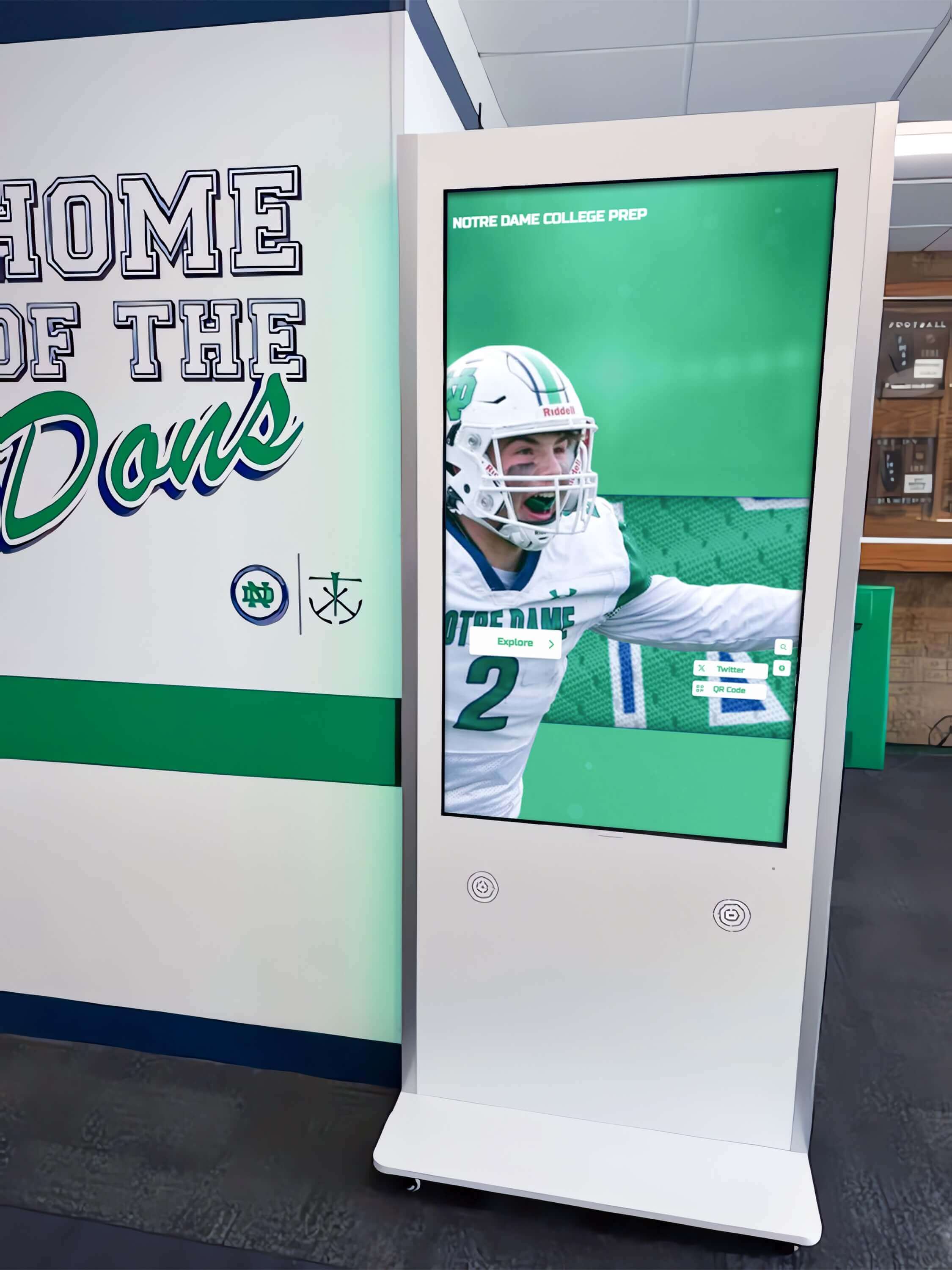
Strategic placement in high-traffic areas ensures esports achievements receive visibility equal to traditional athletic recognition
Creating Selection Processes and Committees
Democratic, committee-based selection provides multiple perspectives while distributing responsibility and maintaining credibility.
Selection Committee Composition:
Form diverse committees representing different stakeholders:
- Esports coaches bringing technical expertise and performance evaluation
- Athletic directors providing perspective on program-wide recognition standards
- Faculty advisors offering educational viewpoint and academic integration
- Student representatives ensuring player voice influences selection
- Technology coordinators understanding platform-specific achievements
- Alumni esports players providing historical perspective
Committee-based selection prevents individual bias while creating institutional investment in program success. Rotate membership periodically to maintain fresh perspectives and prevent stagnation.
Nomination and Evaluation Process:
Systematic processes ensure fair consideration:
- Clear nomination forms documenting achievements, statistics, and contributions
- Standardized evaluation rubrics ensuring consistent assessment
- Statistical verification through league platforms and tournament results
- Coach recommendations providing context beyond statistics
- Historical comparison placing achievements within program legacy
- Final committee discussion and voting with documented justification
Document selection criteria explicitly, building community confidence that processes remain fair and comprehensive. Transparency encourages broader nomination participation from those understanding what merits recognition.
Showcasing E-Sports Achievements: Presentation Strategies
Technology enables powerful esports recognition experiences that honor gaming excellence comprehensively while creating engaging displays resonating with tech-savvy student populations.
Digital Recognition Displays for Gaming Excellence
Solutions like Rocket Alumni Solutions transform esports recognition through interactive displays eliminating traditional limitations:
Multimedia Integration Showcasing Gaming Excellence:
Esports naturally produces rich multimedia content perfect for digital displays:
- Tournament highlight videos showing clutch plays and championship moments
- Player webcam footage capturing reactions during critical plays
- Game capture recordings demonstrating technical skill and strategy
- Statistics dashboards visualizing performance metrics and achievements
- Photo galleries from tournament events and team celebrations
- Audio commentary from memorable matches and reactions
Digital platforms accommodate this multimedia depth naturally, creating immersive recognition experiences impossible with static plaques. The digital storytelling for athletic programs guide explores narrative techniques equally applicable to esports recognition.
Interactive Exploration Features:
Modern touchscreen systems create engagement through:
- Search functionality enabling players to find their profiles and stats
- Filtering by game title, season, achievement type, and team
- Detailed player profiles telling complete competitive stories
- Head-to-head statistical comparisons across eras and players
- Tournament bracket visualizations showing championship paths
- Historical timelines documenting program evolution
This personalized exploration creates deeper engagement than passive displays, particularly resonating with gaming communities accustomed to interactive digital experiences.
Unlimited Capacity for Growing Programs:
Digital recognition displays overcome physical space constraints:
- Single display showcases unlimited players across all gaming titles
- No need to remove historical achievements to accommodate current players
- Comprehensive archives preserve institutional esports tradition
- All competitive games receive equal display capacity
- Seasonal updates don’t require physical space reallocation
Schools report that transitioning to digital recognition increases the number of recognized athletes by 300-500% compared to physical space-limited traditional displays.
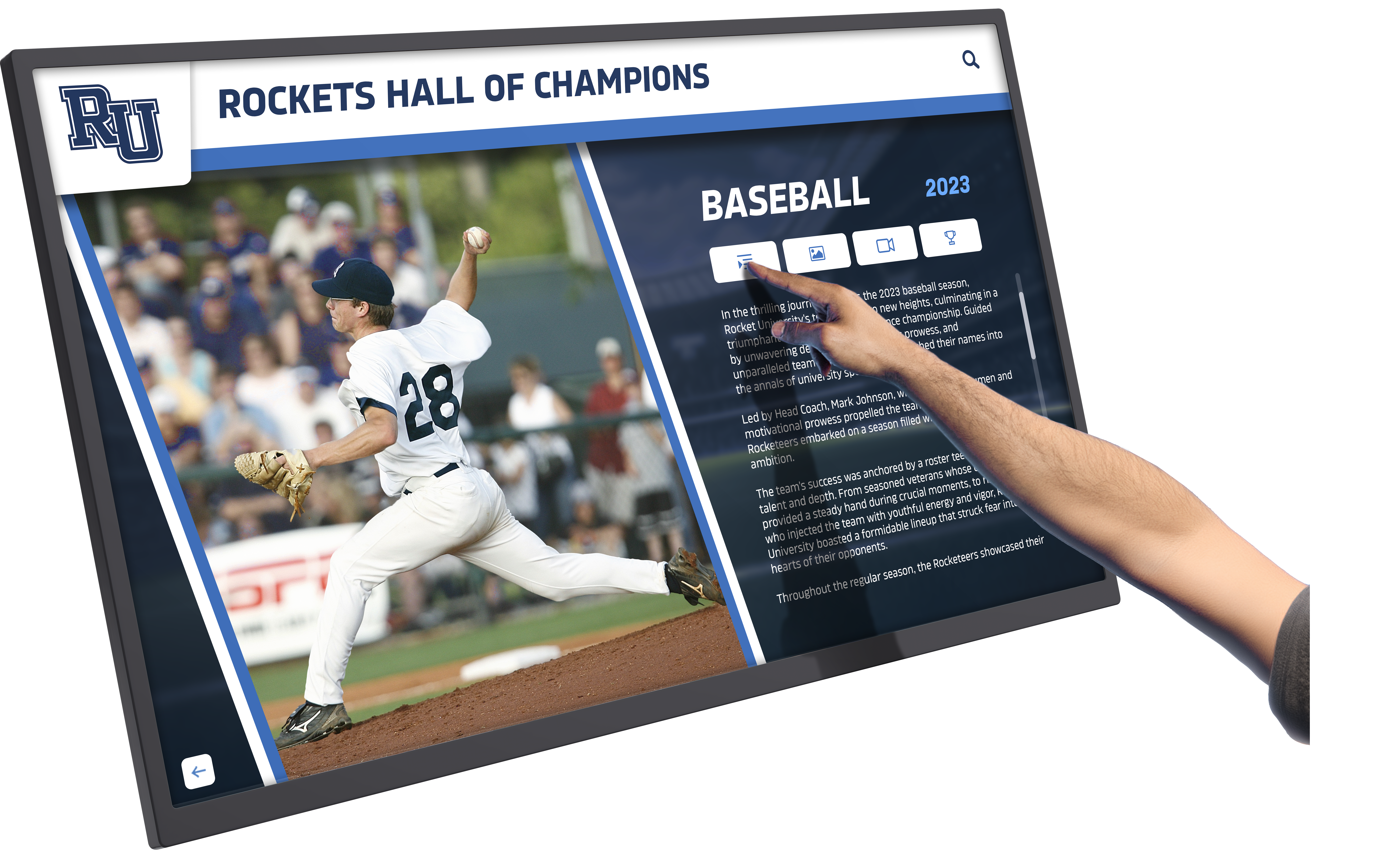
Touchscreen interfaces make exploring player statistics and achievements intuitive and engaging
Profile Content Development for Esports Athletes
Comprehensive profiles balance factual achievement documentation with engaging storytelling revealing the dedication behind gaming excellence.
Essential Player Profile Components:
- Gaming Journey Summary: How they discovered competitive gaming; early tournament experiences; development from recreational player to competitive athlete
- Major Achievements: Specific tournament victories; statistical records; MVP awards; career highlight moments
- Strategic Contributions: Role specialization; signature strategies; tactical innovations; clutch performances
- Team Collaboration: Leadership qualities; communication skills; ability to execute team strategies; contributions to team chemistry
- Training Regimen: Practice dedication; skills developed; strategies studied; improvement over time
- Advice for Aspiring Players: Wisdom for younger gamers; lessons learned; keys to improvement; balance between gaming and academics
- Post-Graduation Aspirations: College esports plans; scholarship opportunities; career interests in gaming industry
Statistical Documentation:
Esports generates extensive statistics perfect for detailed recognition:
- Career win-loss records across seasons and tournaments
- Game-specific metrics (K/D ratio, accuracy percentage, objective completion)
- MVP awards and all-tournament team selections
- Peak competitive ranking achieved (Challenger, Diamond, etc.)
- Head-to-head records against rival schools
- Tournament performance trajectories showing improvement
This statistical depth exceeds what’s possible in many traditional sports, making comprehensive digital recognition particularly valuable for esports programs. The digital record board guide explores effective statistical presentation strategies.
Integrating Esports into Existing Athletic Recognition
Many schools approach esports recognition by integrating competitive gaming into existing athletic hall of fame systems rather than creating entirely separate programs. This integration validates esports as legitimate athletic competition while leveraging established recognition infrastructure.
Unified Recognition Platforms:
Solutions like Rocket Alumni Solutions enable institutions to showcase:
- Esports achievements alongside traditional athletic accomplishments
- Unified searchability across all competitive programs
- Consistent recognition standards applied to all athletes
- Comprehensive school athletic history including emerging sports
- Student athlete recognition across all competitive domains
Integrated approaches demonstrate that institutions value diverse excellence forms equally while creating centralized destinations where stakeholders explore all achievement types rather than navigating disconnected systems.
Benefits of Integration:
- Validates esports as equal to traditional athletics
- Eliminates perception that gaming is “lesser” competition
- Leverages existing administrative processes and recognition infrastructure
- Creates comprehensive athletic legacy documentation
- Simplifies budget allocation by consolidating recognition programs
- Demonstrates institutional commitment to evolving athletic landscape
Maintaining Gaming Identity While Integrating:
Even within unified systems, maintain esports-specific elements:
- Game-specific categories and achievement types
- Gaming terminology and statistical frameworks
- Visual branding reflecting gaming culture
- Integration of streaming content and digital gameplay footage
- Recognition formats resonating with gaming community
This balance honors esports culture while establishing its place within broader athletic tradition.
Implementation Strategies for School E-Sports Recognition
Successful esports hall of fame programs require systematic planning addressing unique characteristics of competitive gaming while building on proven athletic recognition principles.
Planning Phase for E-Sports Recognition
Needs Assessment:
- Survey esports team members about recognition priorities and preferences
- Evaluate existing athletic recognition programs and integration opportunities
- Assess available budget and technology infrastructure
- Review physical spaces suitable for recognition displays
- Analyze historical esports achievements worthy of initial recognition
Program Design Decisions:
- Define recognition categories (individual achievement, team success, statistical records)
- Establish which gaming titles and competitive formats qualify
- Create tiered recognition levels (hall of fame vs. regular season honors)
- Develop nomination and selection processes with clear criteria
- Plan content development workflows for player profiles
- Design communication strategies promoting recognition program
Technology Selection for Gaming Recognition
Digital platforms prove particularly suitable for esports recognition given the tech-savvy nature of gaming communities and the multimedia-rich content competitive gaming generates.
Platform Selection Criteria:
When evaluating recognition technology:
- Multimedia support for video highlights, streaming content, and game footage
- Statistical data presentation capabilities for gaming metrics
- Interactive features enabling exploration and comparison
- Web accessibility extending recognition beyond physical displays
- Content management systems requiring no coding expertise
- Mobile optimization for smartphone access
- Integration with existing school websites and communication platforms
Schools should consider solutions like Rocket Alumni Solutions that specialize in athletic recognition and can accommodate esports alongside traditional sports within unified platforms. The digital signage for schools guide explores technology implementation considerations.
Hardware Considerations:
Physical installation requires appropriate equipment:
- Touchscreen displays sized appropriately for available space
- Commercial-grade screens built for continuous operation
- Mounting solutions meeting accessibility standards
- Network connectivity supporting multimedia content
- Protective enclosures if displays are located in high-traffic areas
- Multiple displays if showcasing both esports and traditional athletics separately
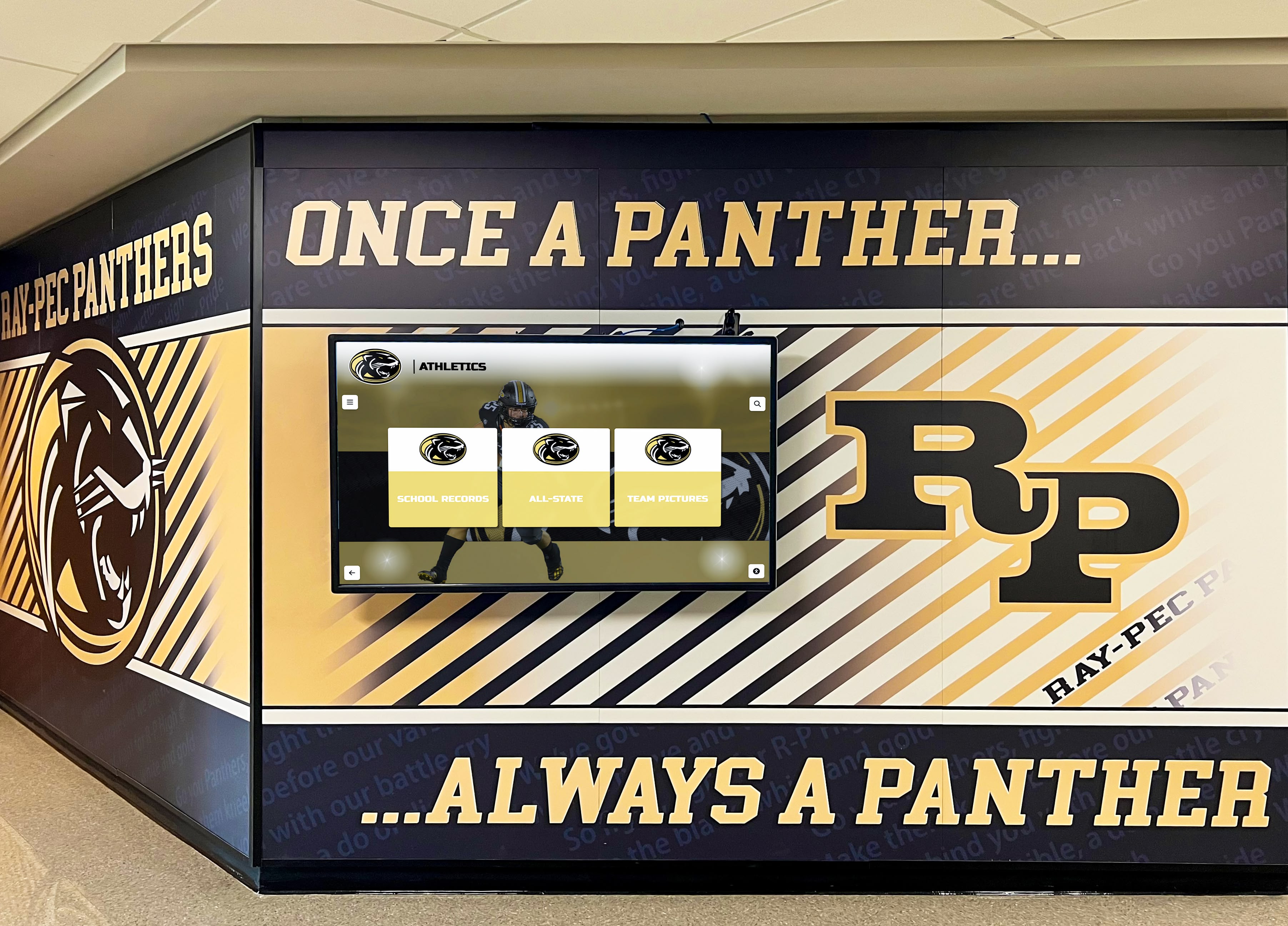
Recognition displays integrate naturally into existing school athletic areas
Content Development Workflows
Historical Documentation:
Begin by documenting existing achievements:
- Compile tournament results and final standings from all seasons
- Gather team rosters with player names and graduation years
- Collect statistical data from league platforms (PlayVS, NASEF)
- Source photographs from tournaments and team events
- Identify major achievements worthy of immediate recognition
- Interview coaches and veteran players about program history
Ongoing Content Creation:
Establish systems for continuous recognition:
- Season-end achievement review identifying hall of fame candidates
- Player interview questionnaires for profile development
- Tournament highlight compilation throughout competitive seasons
- Statistical tracking ensuring accurate performance documentation
- Photography at major events capturing celebration moments
- Coach recommendations documenting contributions beyond statistics
Engaging student workers, esports team members, or communications interns in profile development accelerates content creation while providing valuable experience. The student engagement strategies guide explores approaches for involving students in recognition programs.
Promoting E-Sports Recognition and Building Community
Even compelling recognition programs require strategic promotion ensuring target audiences discover and engage with esports achievements systematically. Comprehensive promotion plans maximize program value and community connection.
Multi-Channel Recognition Communication
Physical Campus Presence:
- Interactive touchscreen displays in esports gaming areas, student centers, or main lobbies
- Integration with existing athletic history displays in gymnasiums and fieldhouses
- Recognition features during school assemblies and celebrations
- Display integration at back-to-school events and open houses
Digital and Social Media Channels:
- Dedicated website sections with searchable esports archives
- Social media campaigns celebrating individual achievements with player highlights
- Video content featuring tournament moments and player interviews
- Streaming platform integration showcasing recognition during esports broadcasts
- Email newsletters to families highlighting esports achievements
- School app integration making recognition accessible via smartphones
Gaming Community Integration:
Leverage platforms where gaming communities naturally gather:
- Discord server announcements celebrating newly recognized players
- Twitch and YouTube content featuring hall of fame inductees
- Steam or gaming platform group integration
- Reddit and gaming forum recognition announcements
- Integration with team communication platforms
This multi-platform approach ensures esports recognition reaches audiences through channels they actively use, maximizing engagement and program impact.
Recognition Events and Ceremonies
Formal ceremonies create memorable recognition experiences validating esports achievements publicly:
Annual E-Sports Awards Ceremony:
- Year-end recognition event celebrating season achievements
- Hall of fame induction ceremony for qualified players
- Team championship recognition with trophy presentations
- Individual statistical achievement awards
- Highlight video compilations from the season
- Guest speakers from collegiate esports or gaming industry
Consider timing ceremonies to coincide with existing school recognition events, similar to homecoming festivities that celebrate multiple achievement types simultaneously. This integration ensures strong attendance while validating esports as equal to other recognized activities.
Livestreaming Recognition Events:
Gaming communities expect digital access:
- Stream recognition ceremonies on Twitch or YouTube
- Enable remote alumni and family participation regardless of location
- Create archived content showcasing recognition program quality
- Generate promotional content attracting prospective students interested in esports
- Demonstrate program professionalism to collegiate esports recruiters
Building Alumni Engagement Through E-Sports Recognition
Esports alumni represent emerging constituencies that systematic recognition helps activate:
Alumni Networking Opportunities:
- Connect recognized players with current team members for mentorship
- Facilitate introductions between alumni at collegiate esports programs
- Create alumni-current student tournament events
- Develop career networking connecting alumni in gaming industry with interested students
- Organize viewing parties for professional esports featuring alumni discussion
The alumni engagement strategies guide explores approaches equally applicable to esports programs building lasting connections with former players.
Historical Documentation Preserving Program Legacy:
Esports evolves rapidly, making historical preservation particularly valuable:
- Document early program development before details are forgotten
- Capture founding team member profiles preserving institutional memory
- Record how program grew from club activity to sanctioned sport
- Preserve game titles that were popular but may become obsolete
- Create timeline showing esports program evolution within broader school context
This archival function ensures future community members understand program heritage and evolution, building continuity across generations of competitive gamers.
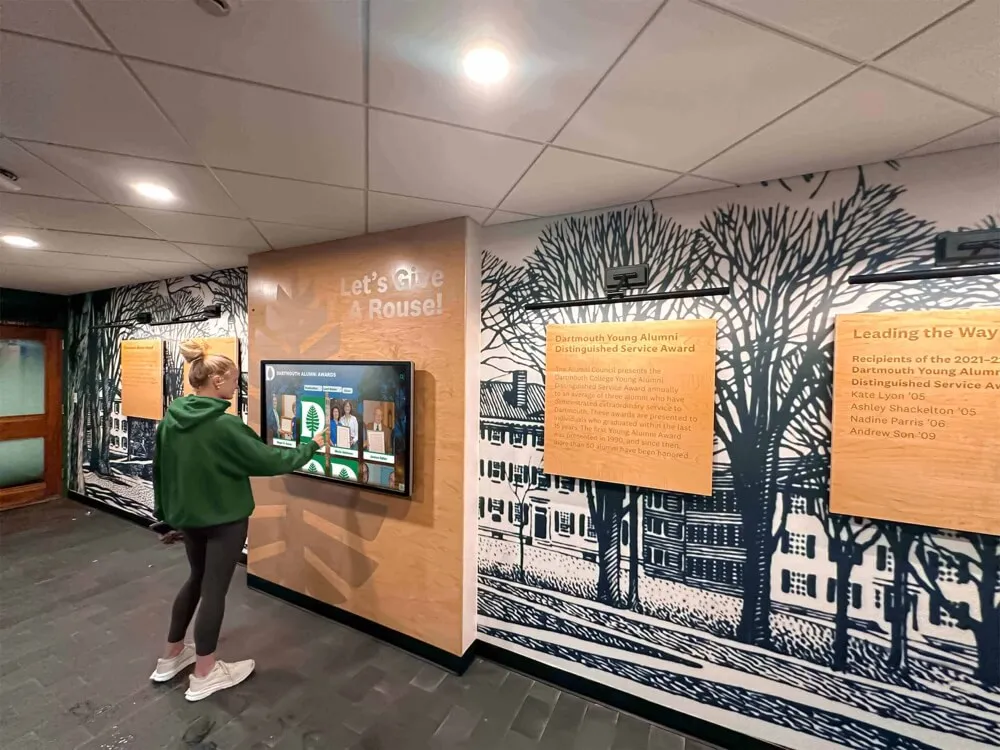
Recognition displays create engagement opportunities connecting current students with program history
Measuring E-Sports Recognition Program Success
Regular assessment demonstrates value while identifying improvement opportunities ensuring programs remain effective, relevant, and sustainable over time.
Quantitative Metrics
Participation and Coverage:
- Percentage of esports team members receiving recognition over careers
- Distribution across different gaming titles and competitive levels
- Number of hall of fame inductees annually
- Growth in recognized achievements year-over-year
- Recognition distribution across graduation classes
Engagement Indicators:
- Digital display interaction rates and session duration
- Web-based recognition platform usage statistics and page views
- Social media engagement with esports recognition content
- Recognition ceremony attendance rates (in-person and virtual)
- Alumni response to recognition communications and invitations
Program Impact Metrics:
- Esports team recruitment and interest level correlating with recognition visibility
- Player retention rates comparing before and after recognition program launch
- Academic performance of recognized esports athletes
- College esports scholarship opportunities secured by recognized players
- Parent and community support for esports program
Qualitative Assessment
Stakeholder Feedback:
- Player surveys about recognition program awareness and personal impact
- Coach assessment of how recognition influences team culture and motivation
- Family perception of institutional support for esports through recognition
- Administrator perspective on program value and community response
- Alumni reflection on how recognition influenced their school experience
Cultural Indicators:
- Changes in school perception of esports legitimacy
- Student interest in competitive gaming and team participation
- Community attendance at esports matches and events
- Media coverage of school esports program and achievements
- Integration of esports into broader school identity and culture
Regular evaluation enables continuous improvement ensuring recognition programs remain meaningful, impactful, and aligned with community values. The best ways to highlight student accomplishments guide explores comprehensive assessment approaches.
Special Considerations for E-Sports Recognition
Competitive gaming presents unique characteristics that recognition programs must address thoughtfully to maximize effectiveness and community acceptance.
Addressing Common Concerns About Gaming Recognition
Some stakeholders may question whether competitive gaming merits recognition equal to traditional athletics. Proactive communication addressing these concerns builds broader support.
Academic Performance Concerns:
Emphasize academic-athletic balance requirements:
- Maintain academic eligibility standards equal to traditional sports
- Recognize academic excellence alongside gaming achievement
- Highlight players who excel both academically and competitively
- Implement study hall requirements for esports team members
- Document strong academic performance among esports participants
Screen Time and Health Considerations:
Demonstrate responsible program management:
- Establish practice time limits aligned with traditional sport training hours
- Require physical activity and fitness programs for esports athletes
- Promote ergonomic setup and injury prevention education
- Balance competitive gaming with other activities and social engagement
- Educate families about program structure and supervision
Gaming Content Appropriateness:
Focus on age-appropriate competitive titles:
- Prioritize games with teen or everyone ESRB ratings
- Emphasize strategy-focused titles requiring teamwork and communication
- Avoid games with excessive violence or mature content themes
- Align game selection with educational institution values
- Maintain transparency about which titles your program includes
Addressing these concerns directly through program policies and recognition content builds confidence that esports programs maintain standards equal to traditional athletic recognition.
Integrating Esports with School Values and Mission
Effective recognition connects competitive gaming to broader educational goals:
STEM Education Connections:
- Highlight technology skills developed through competitive gaming
- Recognize students pursuing gaming industry careers or computer science
- Connect strategic thinking in gaming to problem-solving skills
- Emphasize career pathways in game development, esports management, streaming
- Document how esports participation enhances technical literacy
The STEM projects recognition guide explores approaches for connecting competitive activities to educational outcomes.
Teamwork and Communication Skills:
- Emphasize collaboration required in team-based competitive gaming
- Highlight communication skills developed through coordinated gameplay
- Recognize leadership development in team captain and shot-caller roles
- Document conflict resolution and constructive feedback skills
- Connect gaming teamwork to workplace collaboration readiness
Inclusive Competition Opportunities:
Esports offers unique accessibility advantages:
- Physical disability need not prevent competitive participation
- Gender-neutral competition in most gaming titles
- Geographic accessibility enabling participation regardless of location
- Lower physical injury risk compared to contact sports
- Year-round competition unaffected by weather or seasonal constraints
Recognition programs highlighting these inclusive elements demonstrate how esports expands competitive opportunities beyond traditional athletics, creating pathways for students who might not otherwise participate in team competition.
Budget Considerations and Resource Allocation
Understanding typical costs helps schools plan sustainable esports recognition programs aligned with available resources.
Initial Investment for E-Sports Recognition
Technology Platform Costs:
Digital recognition systems represent primary investment:
- Complete interactive touchscreen systems typically range from $10,000-$30,000
- Web-only recognition platforms without physical displays: $3,000-$8,000
- Enterprise content management systems with multi-sport capability: $15,000-$35,000
- Rocket Alumni Solutions provides comprehensive platforms including hardware, software, content management, and ongoing support
Content Development Resources:
- Professional photography and videography services: $500-$2,000 per season
- Student worker or intern support for profile development: $1,500-$4,000 annually
- Highlight video editing software and tools: $300-$1,200 annually
- Tournament footage capture and streaming equipment: $1,000-$5,000 initial investment
Ceremony and Event Costs:
- Annual recognition ceremony venue and production: $500-$3,000
- Awards, trophies, and recognition items: $300-$1,500 annually
- Livestreaming equipment and platform subscriptions: $500-$2,000 initial plus $200-$500 annually
Ongoing Operational Costs
Platform Maintenance:
- Software subscriptions and content management systems: $1,200-$3,000 annually
- Web hosting for recognition platforms: $100-$500 annually
- Technical support and platform updates: typically included with quality systems
- Hardware maintenance and occasional replacement planning
Content Development:
- Ongoing profile creation and updates: 5-10 hours monthly staff time
- Tournament coverage and highlight capture: 2-4 hours per major event
- Social media content creation and promotion: 3-5 hours monthly
- Annual comprehensive program updates: 20-30 hours
Most schools budget $8,000-$20,000 for comprehensive esports recognition programs including technology, content development, and promotion. However, simplified approaches focused on digital-only implementation with volunteer content development can operate at $3,000-$8,000 annually while maintaining quality.
Return on Investment
While difficult to quantify precisely, esports recognition generates value through multiple channels:
- Increased program interest and team participation
- Stronger school culture and student engagement
- Positive differentiation in competitive education marketplace
- College recruitment advantages for students seeking esports scholarships
- Alumni connection and potential philanthropic support
- Media attention and community engagement
Schools implementing comprehensive esports recognition typically see measurable increases in program participation, player retention, and community support justifying initial investment through enhanced program outcomes and institutional reputation.
Conclusion: Validating Competitive Gaming Through Systematic Recognition
E-Sports Hall of Fame programs represent more than simple acknowledgment of gaming skill—they validate competitive gaming as legitimate athletic pursuit deserving institutional support equal to traditional sports. As esports continues transitioning from recreational hobby to sanctioned scholastic activity with scholarship opportunities, career pathways, and professional infrastructure, systematic recognition becomes essential for schools preparing students for this evolving landscape.
The most successful programs share common characteristics: clear selection criteria applied consistently across gaming titles, engaging multimedia content showcasing gameplay excellence, modern technology making recognition accessible and interactive, strategic promotion ensuring visibility, meaningful measurement demonstrating impact, and integration with broader athletic recognition validating esports as equal competitive domain.
Today’s technology makes comprehensive esports recognition more achievable than ever. Digital recognition platforms eliminate traditional barriers of physical space limitations, manual content updates, and static presentation formats that would make gaming recognition impractical using traditional approaches. Solutions specifically designed for educational institutions provide purpose-built features addressing unique needs while remaining accessible to non-technical administrators.
Whether you’re launching your school’s first esports recognition initiative or expanding an existing hall of fame to include competitive gaming, the strategies outlined in this guide provide practical roadmaps for creating recognition that truly engages your gaming community. Start by identifying accomplished players whose achievements deserve celebration, develop rich multimedia content bringing their competitive excellence to life, leverage technology simplifying rather than complicating administration, and maintain consistent recognition rhythm building anticipation and beloved tradition.
Ready to Launch Your E-Sports Hall of Fame?
Discover how Rocket Alumni Solutions makes esports recognition simple and impactful through interactive displays, intuitive content management, and comprehensive platforms designed specifically for schools and organizations. From individual player profiles to complete multi-sport systems integrating esports with traditional athletics, we provide everything you need to celebrate your gaming community's achievements.
Schedule Your Free ConsultationYour esports athletes train with dedication matching any traditional sport, developing strategic thinking, teamwork, communication skills, and technical expertise preparing them for both collegiate competition and gaming industry careers. They deserve recognition reflecting their commitment—and current students aspiring to competitive gaming excellence deserve the inspiration that today’s recognition provides.
E-Sports recognition programs succeed when they combine meaningful acknowledgment with sustainable implementation, modern technology with authentic celebration of gaming culture, individual achievement with team success, and competitive excellence with educational values. The gamers who represent your institution in tournaments deserve recognition matching their accomplishments, creating the engaged, motivated esports community where everyone thrives.































