Intent: Define technical requirements and implementation steps for fallen heroes touchscreen display systems
Communities across America face the sacred responsibility of honoring fallen heroes—military service members, law enforcement officers, firefighters, and other public safety personnel who made the ultimate sacrifice protecting others. Traditional memorial approaches using static plaques and engraved stones, while meaningful, face significant limitations in capacity, detail, accessibility, and adaptability as communities continue to experience losses.
Interactive touchscreen display technology transforms how organizations can honor fallen heroes—providing unlimited capacity, comprehensive biographical storytelling, multimedia integration, remote accessibility, and perpetual updatability. These digital memorial systems create powerful recognition experiences while addressing practical limitations that constrain traditional memorial approaches.
This comprehensive implementation guide provides technical specifications, planning frameworks, content development strategies, and operational considerations for organizations deploying fallen heroes touchscreen displays in schools, military installations, public safety facilities, veterans organizations, and community spaces.
Whether you’re an athletic director planning a school memorial for fallen alumni service members, a facilities manager at a military base implementing installation recognition, a fire chief creating a department memorial, a veterans organization leader preserving community military history, or a municipal official developing public memorial spaces—this guide delivers actionable technical requirements and implementation steps for creating dignified, comprehensive fallen heroes recognition.
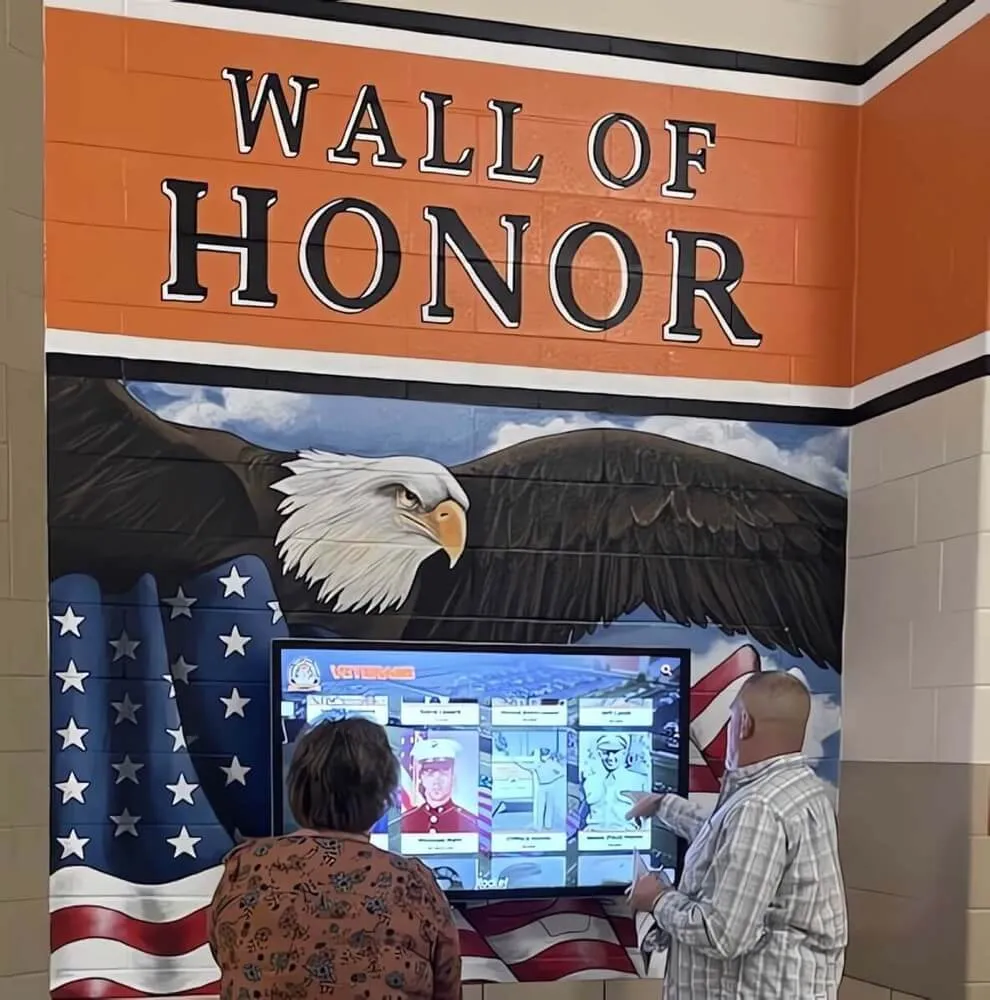
Professional fallen heroes touchscreen displays combine patriotic design elements with advanced interactive technology to create powerful memorial experiences
Understanding Fallen Heroes Touchscreen Display Applications
Before exploring technical requirements, understanding the diverse contexts where organizations implement fallen heroes displays helps frame appropriate specifications and features.
Military Installation Memorials
Military bases and defense facilities implement comprehensive recognition systems:
Base-Wide Memorial Systems
- Recognition of all installation personnel killed in action
- Unit memorial sections organized by battalion, squadron, or ship
- Conflict-based organization from historical to current operations
- Integration with base museums and historical programs
- Security-appropriate content and access control
- Support for Gold Star families visiting installations
Unit Memorial Displays
- Company, battalion, and brigade recognition
- Squadron and ship memorial traditions
- Special operations unit tributes (with security considerations)
- Support unit inclusion and representation
- Combat action documentation and commendations
- Deployment timeline visualization
According to the U.S. Army, military installations maintain responsibility for honoring fallen soldiers while providing families with accessible memorial resources. Digital systems enable comprehensive recognition regardless of when or where service members fell.
Public Safety Department Memorials
Fire departments, law enforcement agencies, and emergency medical services create memorial systems:
Fire Department Fallen Firefighter Displays
- Line-of-duty death recognition dating to department founding
- Career and volunteer firefighter inclusion
- Incident documentation and circumstances
- Commendations and bravery awards
- Station assignment history
- Training and certifications achieved
The National Fallen Firefighters Foundation reports that approximately 140 firefighters die in the line of duty annually in the United States. Digital memorial systems preserve complete records while honoring sacrifice across generations.
Law Enforcement Memorial Systems
- Officers killed in the line of duty
- Years of service and career achievements
- Department assignment history
- Commendations and valor awards
- Community impact documentation
- Training and specialized certifications
Emergency Medical Services Recognition
- EMS personnel line-of-duty deaths
- Paramedic and EMT recognition
- Emergency response documentation
- Years of service milestones
- Training achievements and certifications
- Community service contributions
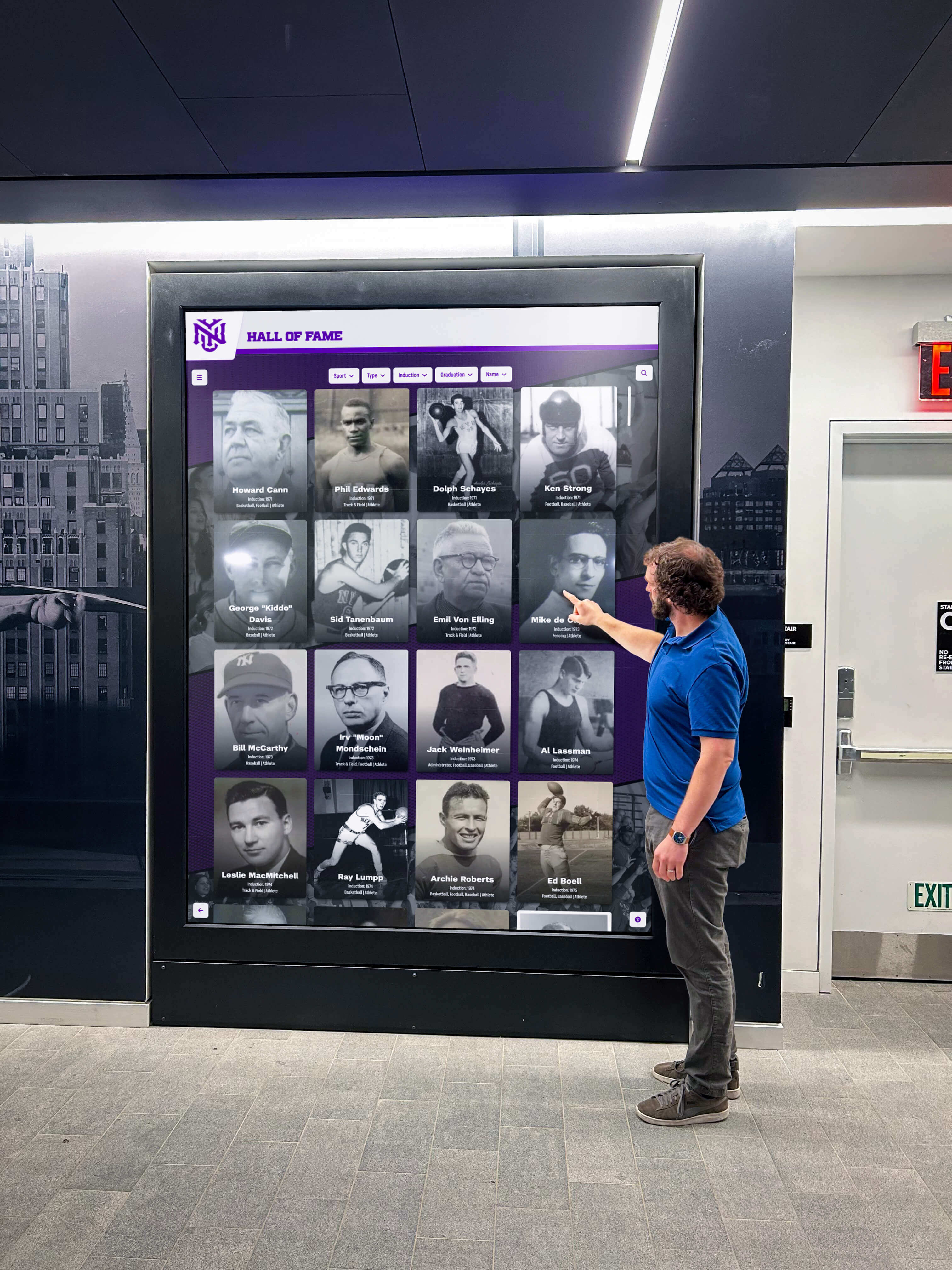
Interactive touchscreen memorial systems in high-traffic lobbies ensure daily visibility and community engagement
School and University Memorial Programs
Educational institutions honor alumni who made ultimate sacrifice:
High School Fallen Heroes Recognition
- Alumni killed in military service across all conflicts
- Biographical information about school years and activities
- Sports, academic, and extracurricular achievements
- Military service branch and specialty
- Circumstances of sacrifice and awards received
- Integration with digital yearbook systems preserving school memories
University Memorial Systems
- Undergraduate and graduate alumni recognition
- ROTC program alumni who entered service
- Faculty and staff with military service
- Historical conflicts from World War I through current operations
- Professional achievements before military service
- Legacy impact on campus community
Schools serve critical educational functions through fallen heroes recognition—connecting students to institutional history, teaching about service and sacrifice, and creating tangible examples of alumni who exemplified highest values.
Veterans Organization Recognition
American Legion posts, VFW halls, and other veterans organizations maintain community memorials:
Community Veterans Memorial Displays
- All community residents who died in military service
- Multiple conflicts represented chronologically
- Branch of service organization
- Unit-based grouping for service members who served together
- Integration with annual memorial events
- Educational outreach for schools and youth groups
Organization-Specific Recognition
- Post or chapter members who made ultimate sacrifice
- Historical documentation of organization founding and membership
- Veterans who died after service from service-connected causes
- POW/MIA recognition for unaccounted service members
- Memorial scholarship recipients and programs
- Community service and veteran advocacy activities
Learn more about comprehensive recognition systems in honoring fallen soldiers memorial displays.
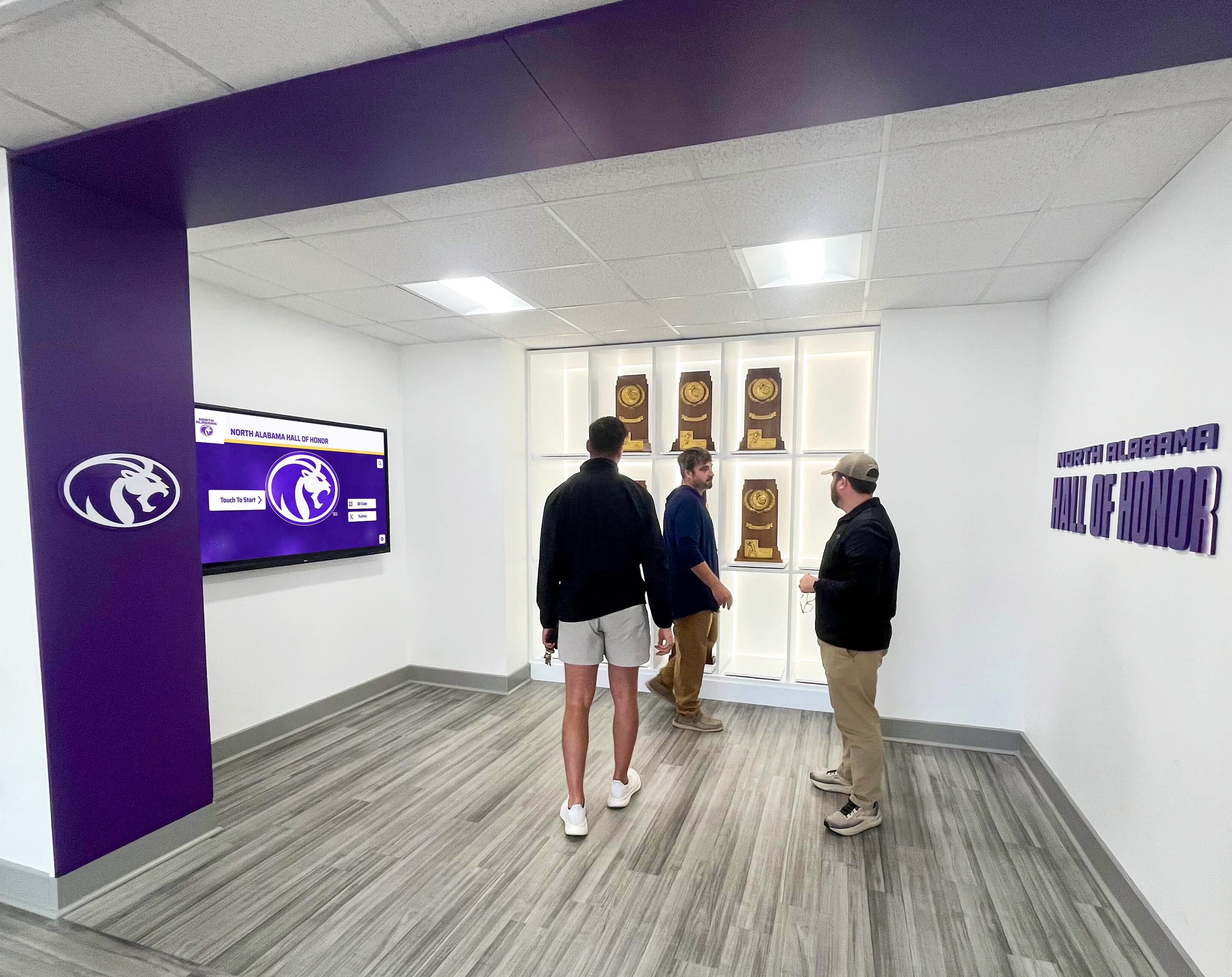
Memorial halls combine traditional displays with interactive digital systems for comprehensive recognition
Technical Requirements for Fallen Heroes Touchscreen Displays
Implementing effective memorial displays requires careful hardware selection, software configuration, and infrastructure planning.
Hardware Specifications
Fallen heroes memorial displays demand commercial-grade equipment providing reliability, durability, and appropriate presentation:
Display Screen Requirements
| Specification | Minimum Requirement | Recommended Specification |
|---|---|---|
| Screen Size | 43-inch diagonal | 55-inch to 65-inch for prominent installations |
| Resolution | 1080p (1920x1080) | 4K UHD (3840x2160) for photo clarity |
| Touch Technology | Infrared multi-touch | Capacitive multi-touch (smartphone-like response) |
| Operating Hours | 16 hours per day | 24/7 continuous operation rated |
| Glass Protection | Tempered glass | Anti-glare tempered glass with oleophobic coating |
| Brightness | 300 cd/m² | 400-500 cd/m² for well-lit environments |
| Warranty | 3 years commercial | 5 years comprehensive with on-site service |
Mounting and Installation Considerations
Wall-mounted memorial displays require proper structural support and professional installation:
- Mounting height: 48-52 inches from floor to screen center (ADA compliant)
- Wall reinforcement supporting 100-150 pounds including display and mount
- Articulating mount allowing tilt adjustment for glare reduction
- Cable management system concealing power and network connections
- Clear approach space: minimum 30x48 inches in front of display
- Adequate lighting without direct screen glare
For outdoor memorial installations or exposed environments:
- Outdoor-rated enclosures with temperature control (heating/cooling)
- Weatherproof rating appropriate for local climate (IP65 or higher)
- Vandal-resistant protective glazing
- Enhanced security mounting preventing theft
- Adequate weather protection from direct rain/snow
- Enhanced brightness (1000+ cd/m²) for sunlight visibility
Explore display types and specifications in types of screens for digital signage.
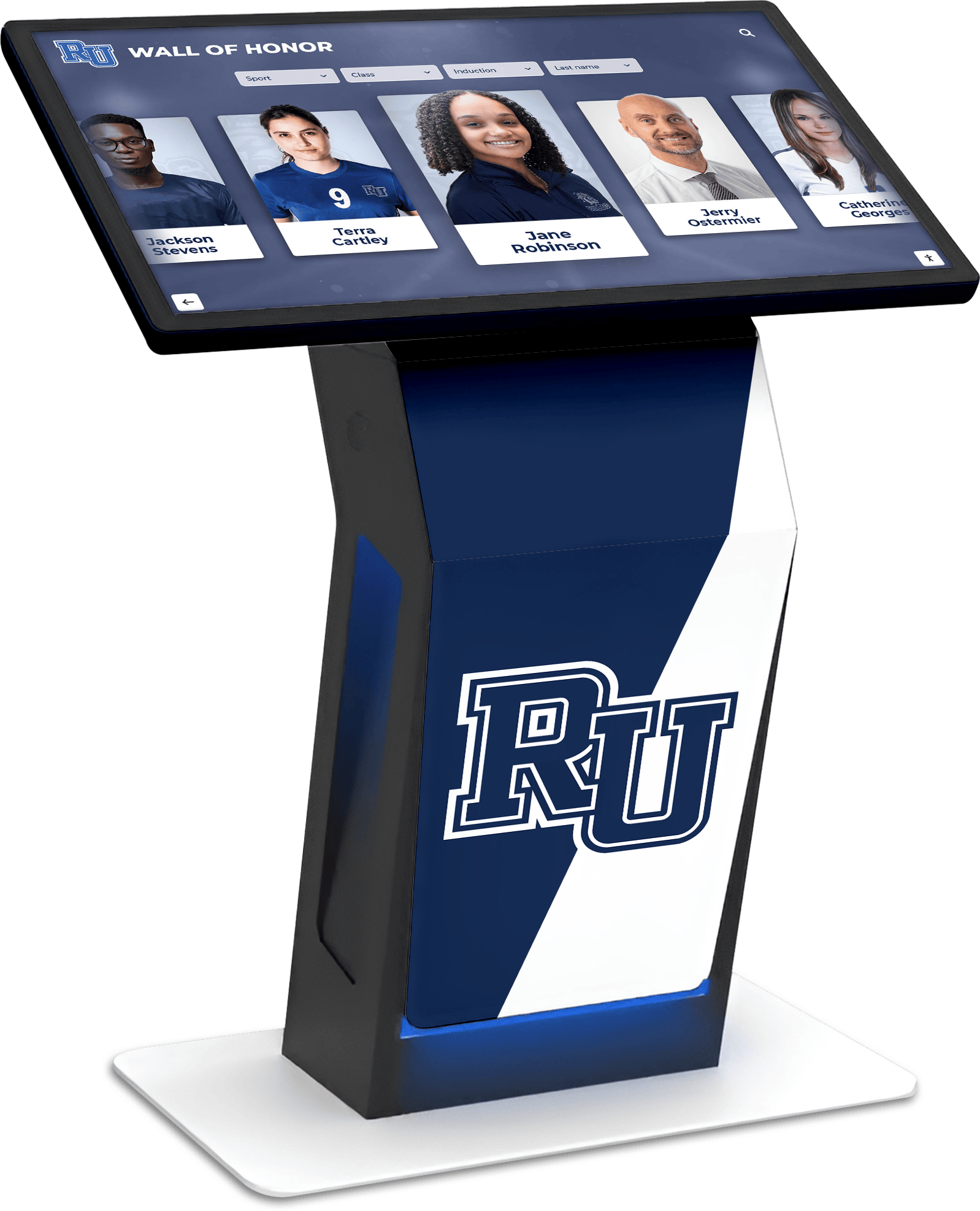
Freestanding memorial kiosks provide flexible installation options without requiring wall mounting
Computing and Processing Requirements
Memorial display computing systems must reliably deliver content:
- Commercial-grade media player or embedded computer
- Minimum 8GB RAM for smooth multimedia playback
- Solid-state drive (SSD) storage for reliability (128GB minimum)
- Dual-core processor minimum, quad-core recommended
- Graphics capability supporting 4K video playback
- Fanless or commercial-grade cooling preventing dust accumulation
- Remote management capability for troubleshooting
- Automatic startup and recovery from power interruptions
Audio Considerations
Memorial displays benefit from audio capability:
- Integrated speakers or external audio system
- Sufficient volume for public spaces (adjustable)
- Audio jack for hearing-impaired visitors using headphones
- Video interview playback capability
- Background music or patriotic themes (configurable)
- Automatic volume leveling preventing jarring changes
Network and Connectivity Requirements
Reliable network connectivity enables content updates and remote management:
Network Infrastructure
Memorial displays require stable network access:
- Wired Ethernet connection (strongly preferred over WiFi)
- Minimum 10 Mbps download speed
- Network security compliance with organizational policies
- Firewall rules permitting content management system access
- Static IP assignment (recommended) or stable DHCP reservation
- Uninterruptpted power supply (UPS) protecting against outages
- Network monitoring ensuring uptime and performance
Content Management System Access
Cloud-based memorial platforms require appropriate connectivity:
- HTTPS access to content management platform
- SSL certificate validation for security
- Automatic content synchronization on schedule or network restore
- Local content caching ensuring display during network interruptions
- Remote software updates and security patches
- Analytics transmission for engagement monitoring
- Remote diagnostic access for technical support
Offline Resilience
Memorial displays must function during network disruptions:
- Local content caching of all memorial profiles and media
- Continued operation using cached content during network outages
- Automatic synchronization when connectivity restores
- Local diagnostic logs accessible for troubleshooting
- Manual content loading option for complete network isolation
- Graceful degradation with appropriate visitor messaging
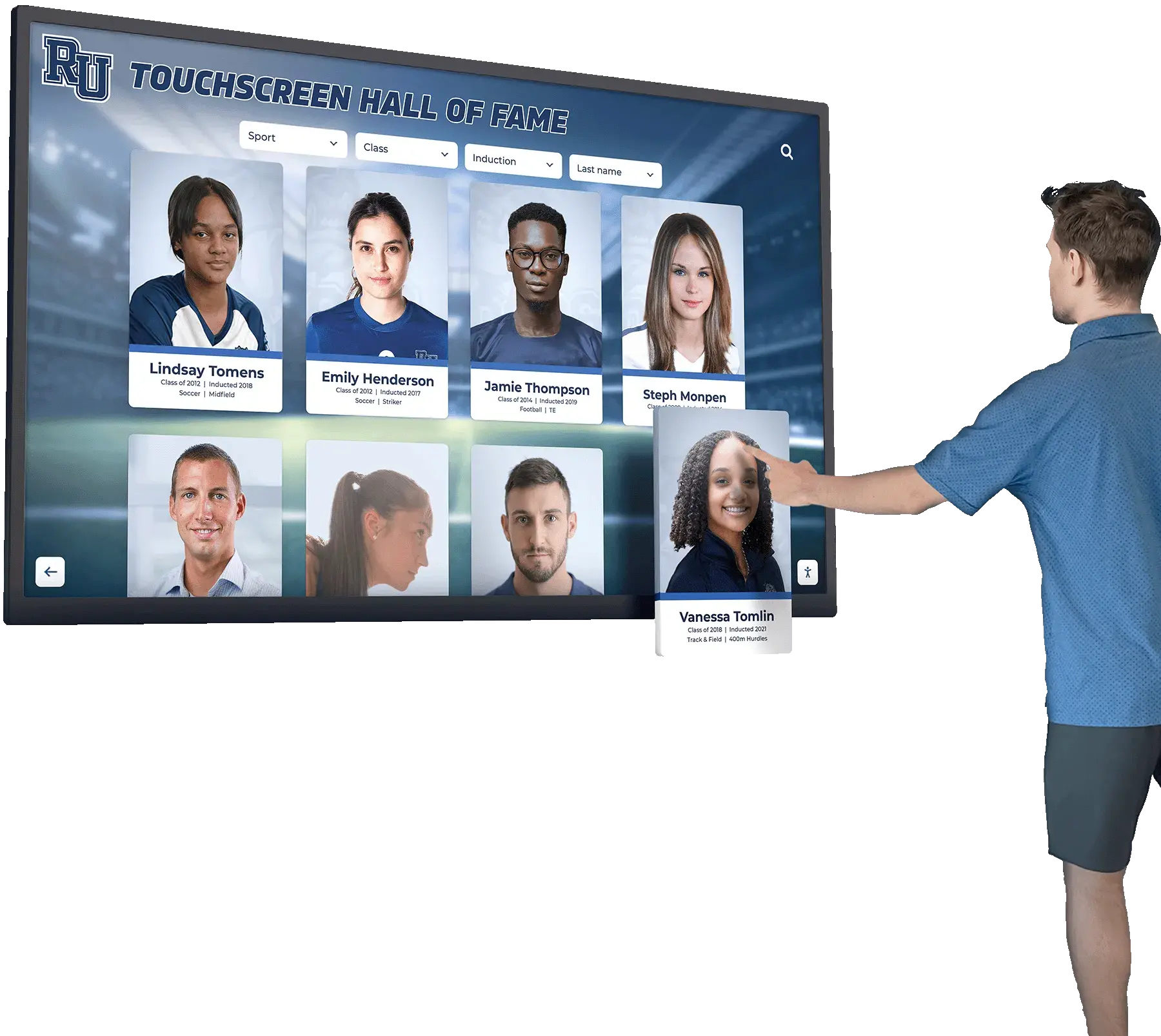
High-resolution displays enable detailed exploration of comprehensive biographical information and service records
Software Platform Selection
Memorial display effectiveness depends heavily on software capabilities:
Essential Software Features
Purpose-built memorial recognition platforms should provide:
- Unlimited individual profile capacity
- Multimedia support (photos, videos, documents, audio)
- Powerful search functionality (name, unit, conflict, date, location)
- Filtering by service branch, conflict, unit, or time period
- Interactive timeline visualizations
- Touchscreen software optimized for memorial content
- Intuitive navigation requiring no instructions
- ADA accessibility compliance (WCAG 2.1 AA minimum)
- Cloud-based content management requiring no local IT expertise
- Mobile-responsive design for web access from any device
Military-Specific Features
Memorial platforms should accommodate military recognition needs:
- Service branch identification and badging
- Rank and unit designation support
- Conflict and theater of operations fields
- Commendations and awards documentation
- POW/MIA status indicators
- Gold Star family sections
- Related service member connections
- Deployment timeline visualization
- Interactive service location mapping
- Memorial scholarship and legacy information
Content Management Capabilities
Administrative functionality determines long-term viability:
- Web-based content editor accessible from any device
- Multiple administrator accounts with permission levels
- Approval workflows for new content before publication
- Content scheduling (future activation dates for anniversaries)
- Batch operations for efficient updates
- Media library management and optimization
- Revision history and content versioning
- Export capabilities for backup and archiving
- Analytics dashboard tracking visitor engagement
- Family submission portal for content contributions
Solutions like Rocket Alumni Solutions specialize in recognition displays including military and fallen heroes memorial systems, providing purpose-built platforms rather than requiring awkward adaptation of generic digital signage software.
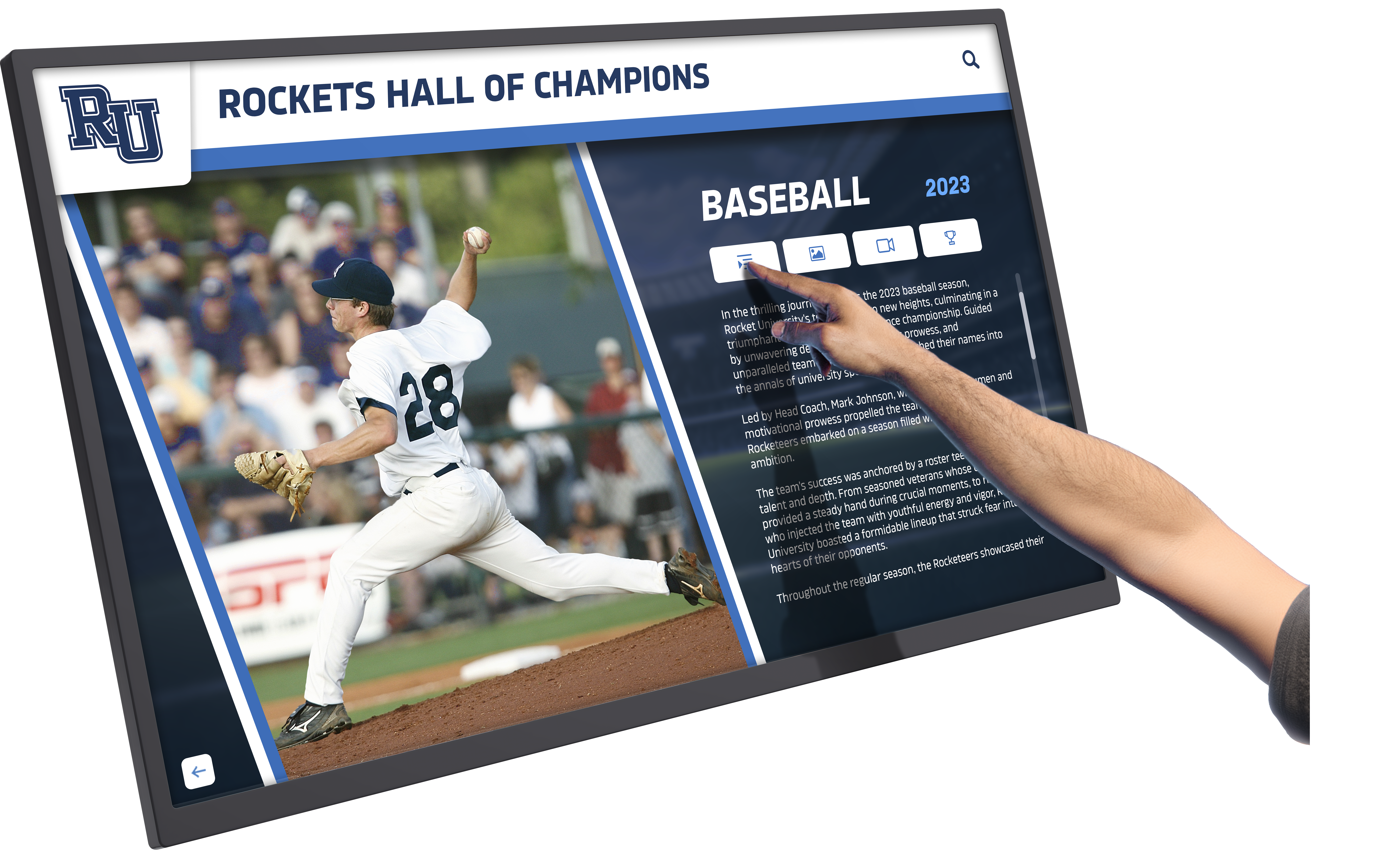
Intuitive touchscreen interfaces enable visitors to explore comprehensive memorial content without training
Planning and Design Considerations
Successful fallen heroes memorial implementations require thoughtful planning addressing multiple stakeholder needs.
Before You Start: Prerequisites
Document these critical elements before beginning installation:
Stakeholder Identification
- Gold Star families and next of kin
- Veterans organizations and military liaisons
- Facility leadership and decision-makers
- IT and facilities management personnel
- Content coordinators and researchers
- Memorial committee members
- Budget and procurement authorities
- Legal and compliance reviewers
Physical Space Assessment
- Installation location (lobby, hallway, dedicated memorial room)
- Wall construction and structural capacity
- Electrical outlet locations and circuits
- Network access point proximity
- Lighting conditions and glare sources
- Foot traffic patterns and approach space
- ADA compliance requirements
- Security considerations and visibility
Content Inventory
- Number of fallen heroes to be recognized
- Existing memorial content (plaques, displays, records)
- Available biographical information sources
- Photo and media collections
- Military service records accessibility
- Family contact information for outreach
- Historical research needs and gaps
- Ongoing content addition expectations
Memorial Eligibility and Inclusion Criteria
Establish clear criteria determining who receives recognition:
Service-Related Deaths
Most fallen heroes memorials focus on direct service-related deaths:
- Combat deaths during declared and undeclared conflicts
- Training accidents during military service
- Non-combat deaths during active service deployments
- Deaths from injuries sustained during service
- Aircraft, vehicle, and other operational accidents
- Service-related illness deaths (exposure, disease)
Expanded Inclusion Considerations
Some organizations include additional categories:
- Veterans who died from service-connected disabilities after discharge
- POW/MIA personnel whose status was never resolved
- Training or peacetime accidents at home installations
- Deaths during reserve or National Guard service
- Merchant mariners supporting military operations
- Civilian contractors killed supporting military missions
Clear Documentation Requirements
Eligibility criteria should specify:
- Required proof of service (DD-214, service records)
- Documentation of death circumstances
- Connection to community being recognized (residence, school, unit)
- Minimum service duration if applicable
- Honorable discharge requirements if applicable
- Family verification and approval processes
Understanding comprehensive recognition approaches helps inform criteria—see academic recognition programs for inclusive frameworks.
Content Development Strategy
Creating comprehensive memorial profiles requires systematic research and content collection:
Research Process and Sources
Primary Source Materials
- National Archives military service records
- DD-214 discharge documents
- Unit after-action reports and casualty documentation
- Military personnel files when accessible
- Family personal collections and documents
- Service member personal effects and correspondence
- Contemporary newspaper accounts and obituaries
Secondary Research Resources
- Veterans organization historical records
- Local historical societies and archives
- School yearbooks and records for alumni
- Military unit association historians
- Online military research databases
- Government casualty databases and lists
- Military museum collections and archives
Profile Content Components
Comprehensive memorial profiles should include:
Personal History Section
- Full name including maiden name if applicable
- Birth date and location
- Parents, siblings, spouse, and children information
- Education history (schools attended, graduation)
- Pre-service employment and activities
- Athletic, academic, or community achievements
- Character descriptions from family and friends
Military Service Documentation
- Branch of service and entry date
- Training locations and specialty schools
- Rank achieved and promotion history
- Unit assignments and deployments
- Combat actions and engagements
- Commendations, medals, and awards received
- Service specialty (infantry, pilot, medic, etc.)
Circumstances of Death
- Date and location of death
- Operational context and mission
- Combat or non-combat circumstances
- Unit status at time of death
- Fellow service members present
- Age at death
- Burial location and memorial services
Legacy and Impact
- Family statements about character and dreams
- Community impact and mourning
- Memorials, scholarships, or tributes created
- Ways sacrifice benefited others and nation
- Ongoing family remembrance activities
- Historical significance of service
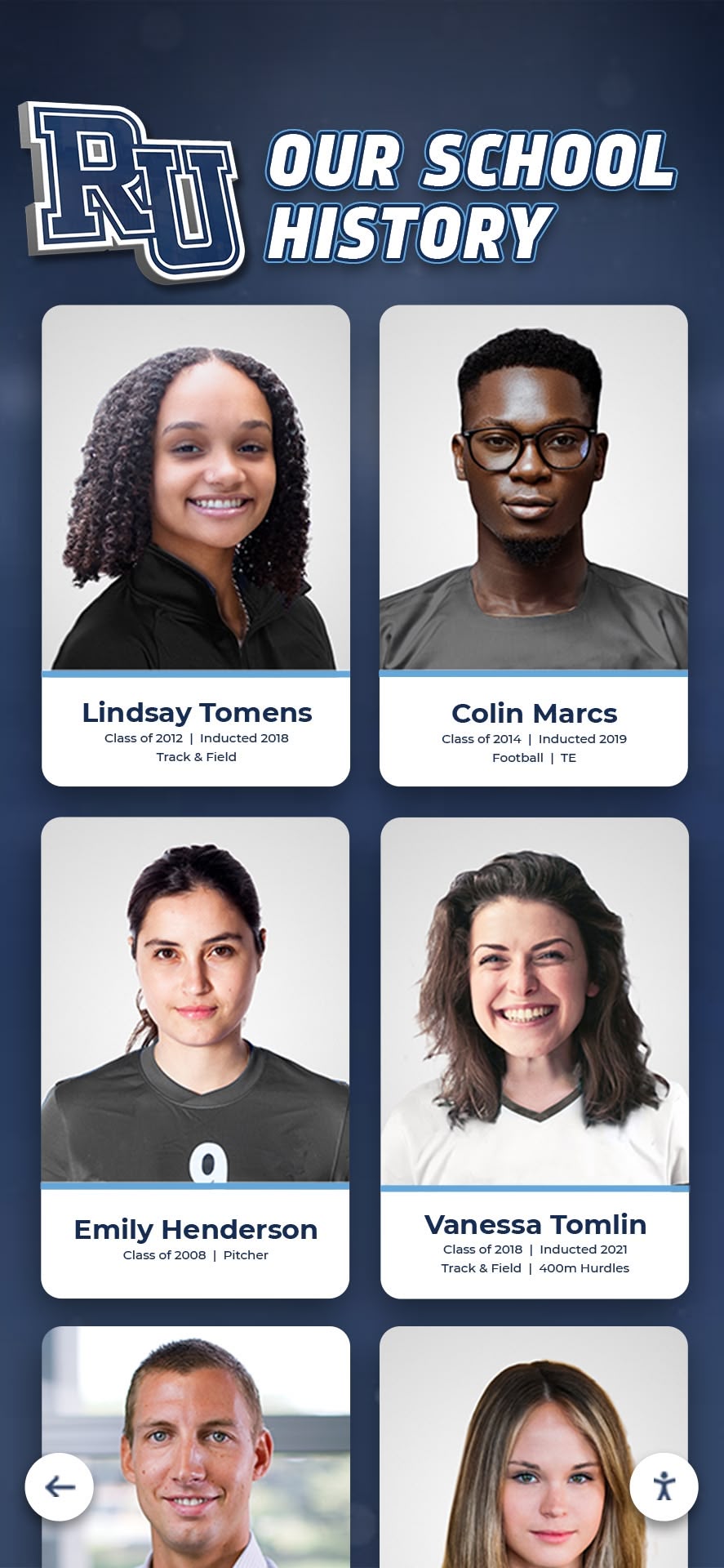
Well-organized biographical content creates engaging memorial profiles honoring complete life stories
Media Collection and Preparation
Visual content brings memorial profiles to life:
Photo Categories to Collect
- Childhood and family photos
- School photos including yearbook portraits
- Pre-service employment or activities
- Military training and basic training graduation
- In uniform formal portraits
- Deployment and unit photos
- With fellow service members and friends
- Receiving commendations or at ceremonies
- Final photo before death if available
- Memorial services and ceremonies
- Family photos showing legacy
Video Content Opportunities
- Gold Star family interview testimonials
- Fellow service members sharing memories
- Historical news footage if available
- Ceremony footage from memorial dedications
- Slideshow compilations with narration
- Training or deployment footage
- Community remembrance activities
Media Preparation Requirements
- Minimum 1200x1600 pixel resolution for portrait photos
- Landscape photos minimum 1920x1080 resolution
- Video format conversion to MP4 (H.264)
- Photo restoration for damaged historical images
- Color correction and enhancement
- Proper copyright clearance for all media
- Family permission for all photos and videos
Explore comprehensive digital preservation in historical photos archive systems.
Working with Gold Star Families
Family engagement represents the most sensitive and important aspect of memorial programs:
Initial Outreach Protocols
Respectful family communication approaches:
- Personalized contact rather than mass communications
- Clear explanation of memorial purpose and scope
- Explicit permission requests for participation
- Respect for families not ready or willing to engage
- Flexibility about participation level and timing
- Transparency about where and how information displays
- Contact through appropriate channels (not social media)
Participation Options
Provide families with flexible engagement choices:
- In-person interviews at location convenient to family
- Phone conversations recorded or transcribed
- Written submission formats families complete independently
- Photo and document scanning at family homes
- Video testimonial recording for willing families
- Email correspondence and digital file sharing
- Proxy participation through other family members
- Opt-out options maintaining privacy
Sensitivity and Respect Guidelines
Memorial programs must honor family grief:
- Acknowledge ongoing pain regardless of years passed
- Never assume what families want or how they feel
- Provide adequate time for consideration and response
- Honor requests about what should or shouldn’t be shared
- Use correct military rank and terminology
- Review all content with families before publication
- Allow families to edit or withdraw content later
- Invite families to dedication ceremonies and events
Long-Term Family Relationships
Memorial programs should maintain connections:
- Regular updates about memorial development and activities
- Invitations to annual memorial events and observances
- Engagement metrics showing how many view their hero’s profile
- Opportunities to submit additional information discovered
- Facilitation of connections with other Gold Star families
- Recognition at events and in communications
- Commemoration on death anniversaries and birthdays
Learn about sensitive recognition approaches in honoring air traffic controllers and other public safety recognition.
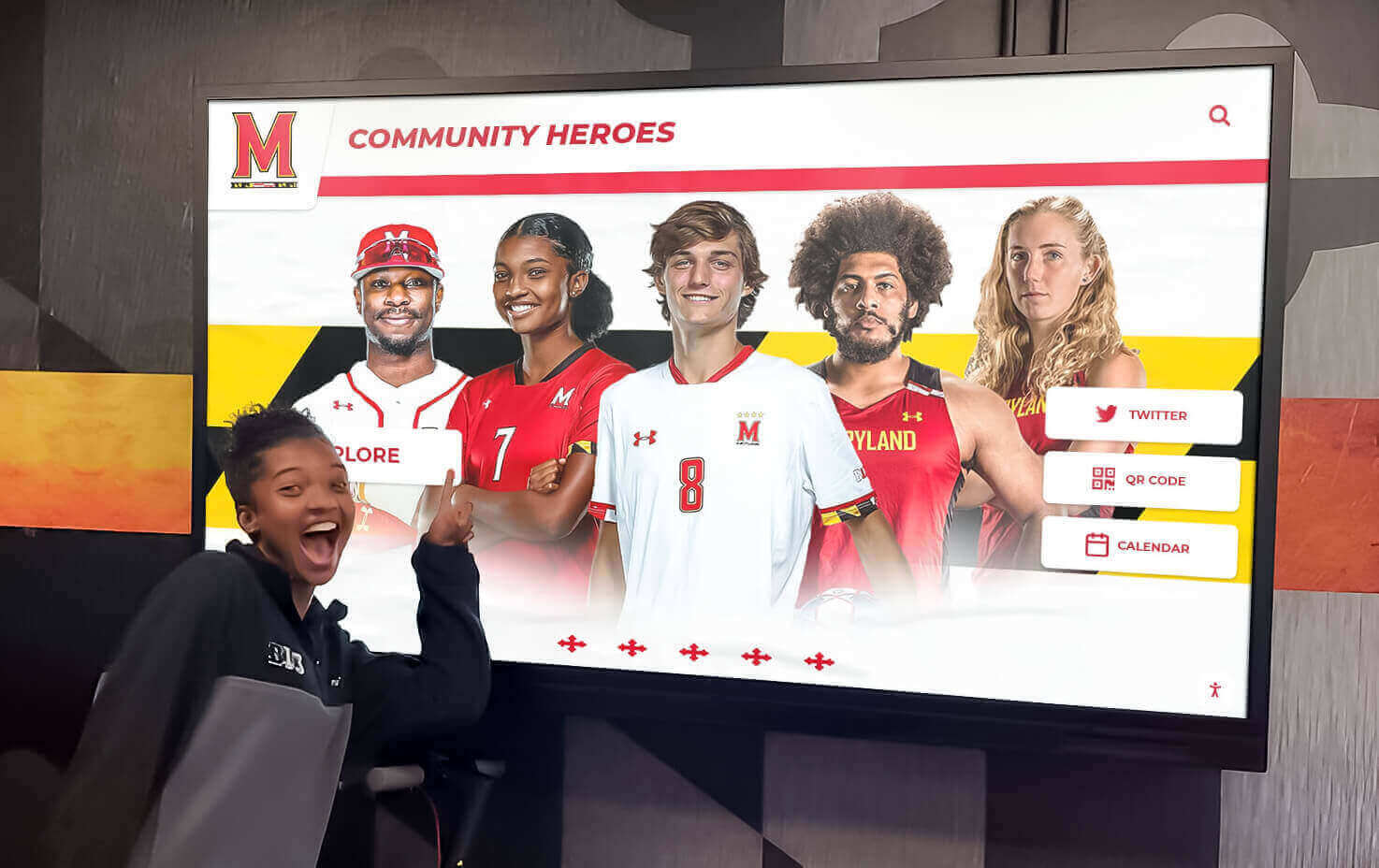
Accessible memorial displays engage younger generations in learning about service and sacrifice
Installation and Implementation Process
Systematic deployment ensures successful memorial launch and ongoing operation.
Phase 1: Planning and Design (3-6 Months)
Initial planning establishes foundation:
Memorial Committee Formation
- Recruit diverse representation including Gold Star families, veterans, leadership
- Establish committee charter and decision-making processes
- Define roles, responsibilities, and meeting schedule
- Create communication protocols and documentation standards
Scope Definition and Eligibility
- Determine which fallen heroes will be recognized
- Establish eligibility criteria and documentation requirements
- Set geographic or organizational boundaries
- Define timeline (historical conflicts included)
- Address POW/MIA inclusion decisions
Site Selection and Assessment
- Evaluate potential installation locations
- Assess structural, electrical, and network requirements
- Consider foot traffic and visibility
- Evaluate ADA compliance and accessibility
- Obtain facilities and IT approval
Budget Development and Fundraising
- Initial hardware costs: $8,000-$15,000 for quality commercial touchscreen
- Software platform: $1,500-$3,000 annual subscription typical
- Installation and mounting: $1,000-$2,500 professional installation
- Content development: staff time or $50-$150 per profile outsourced
- Annual support and hosting: included in software subscription
- Contingency budget: 10-15% for unexpected costs
Technology Platform Selection
- Evaluate memorial-specific software platforms
- Assess ease of use and content management capabilities
- Review accessibility compliance and ADA features
- Verify multimedia support and capacity
- Confirm remote management and updates
- Check analytics and engagement tracking
- Validate long-term vendor stability
Phase 2: Research and Content Development (6-12 Months)
Content creation represents the most time-intensive phase:
Fallen Heroes Identification
- Compile master list from multiple sources
- Verify service and death circumstances
- Document eligibility using established criteria
- Cross-reference multiple databases for completeness
- Identify information gaps requiring research
Military Records Research
- Submit National Archives requests for service records
- Contact unit associations and military historians
- Research casualty reports and after-action documentation
- Verify dates, ranks, units, and circumstances
- Document commendations and awards received
Family Outreach and Interviews
- Develop contact lists for Gold Star families
- Send initial outreach letters explaining project
- Schedule interview appointments
- Conduct sensitive interviews collecting memories
- Gather photos, documents, and personal effects
- Record video testimonials when families willing
Content Writing and Development
- Draft biographical narratives for each fallen hero
- Organize content into standard profile sections
- Ensure consistent voice and formatting
- Fact-check all information against sources
- Submit to families for review and approval
- Revise based on family feedback
Media Collection and Preparation
- Scan and digitize photos from family collections
- Restore damaged or degraded historical photos
- Edit and optimize media for display
- Organize media files with proper naming conventions
- Obtain written permission for all media use
- Create backup copies of all original materials
Phase 3: System Configuration and Testing (2-3 Months)
Technical implementation and quality assurance:
Hardware Procurement and Installation
- Purchase approved touchscreen display and mounting
- Coordinate professional installation
- Install and configure media player/computer
- Establish network connectivity
- Test touch functionality and calibration
- Configure audio system if included
- Implement security measures
Software Configuration
- Set up content management system account
- Configure organization branding and design
- Establish administrator accounts and permissions
- Configure navigation structure and categories
- Set up search filters and functionality
- Customize interface for memorial context
Content Upload and Organization
- Upload all biographical content and media
- Organize into appropriate categories (conflict, branch, unit)
- Configure search filters and tags
- Link related service members and units
- Create interactive timeline features
- Add memorial location maps if applicable
Testing and Quality Assurance
- Test all touchscreen functionality
- Verify search and filter operations
- Test multimedia playback (video, audio)
- Confirm navigation intuitiveness
- Test with actual users from target audience
- Verify ADA accessibility features
- Test offline functionality and recovery
- Stress test with extended operation
Phase 4: Launch and Dedication (1-2 Months)
Public unveiling and celebration:
Soft Launch Period
- Limited access testing with staff and committee
- Final content review and corrections
- System stability monitoring
- Training for staff and administrators
- Documentation of common questions
Dedication Ceremony Planning
- Schedule dedication date and time
- Invite Gold Star families, veterans, leadership
- Coordinate with local government and military units
- Plan ceremony program and speakers
- Arrange military honors if appropriate
- Organize reception or refreshments
- Prepare media coverage and publicity
Marketing and Communications
- Develop promotional materials and press releases
- Create social media content highlighting memorial
- Produce video showcasing memorial system
- Distribute to veterans organizations and media
- Create printed materials with web access information
- Design commemorative dedication programs
Official Dedication Event
- Opening ceremony with appropriate honors
- Remarks from leadership and Gold Star families
- Unveiling or ribbon cutting
- Demonstration of memorial system features
- Open access for attendees to explore
- Media coverage and photography
- Reception providing time for connection
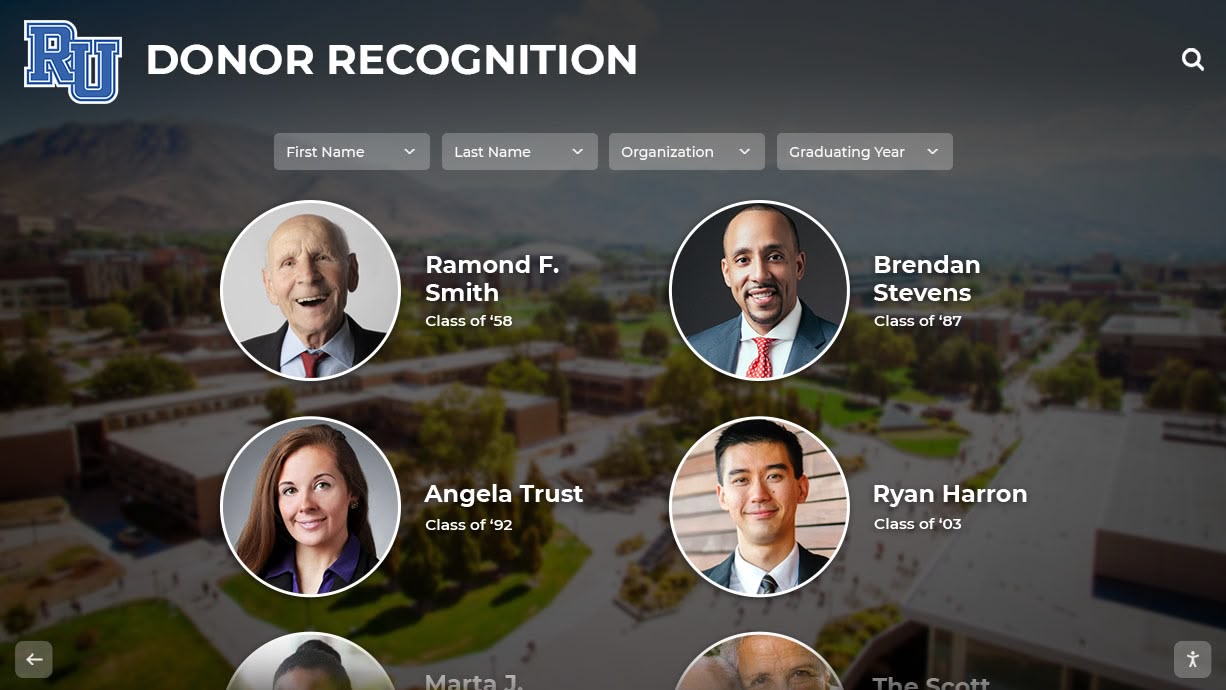
Professional memorial installations create dignified spaces for community remembrance and education
Phase 5: Ongoing Operation and Enhancement (Continuous)
Sustaining memorial relevance and effectiveness:
Regular Content Maintenance
- Add newly fallen heroes as losses occur
- Update existing profiles with new information
- Correct errors identified by visitors or families
- Enhance profiles with newly discovered photos or media
- Update Gold Star family information as it changes
- Archive and preserve all source materials
Technical Maintenance
- Monitor system uptime and performance
- Apply software updates and security patches
- Clean touchscreen and display regularly
- Verify network connectivity and performance
- Back up content management system
- Replace hardware as needed (displays typically 5-7 year life)
Annual Memorial Events
- Memorial Day and Veterans Day observances
- Gold Star Mothers Day recognition (last Sunday in September)
- National POW/MIA Recognition Day (third Friday in September)
- Organizational anniversary commemorations
- Individual anniversary recognitions
Educational Integration
- School curriculum integration and lesson plans
- Student research project facilitation
- Veterans interview programs
- Community education events and programs
- Historical preservation activities
- Youth group education and tours
Engagement Monitoring and Enhancement
- Review analytics tracking visitor engagement
- Survey visitors about memorial experience
- Gather feedback from Gold Star families
- Assess educational program effectiveness
- Identify enhancement opportunities
- Measure against program goals and metrics
Learn about comprehensive memorial systems in digital hall of fame solutions.
Best Practices and Critical Success Factors
Proven strategies ensuring memorial displays honor fallen heroes with appropriate dignity:
Accuracy and Verification
Maintain rigorous factual standards:
Multiple Source Verification
- Never publish information from single source without verification
- Cross-reference military databases and official records
- Confirm dates, ranks, units, and circumstances
- Document sources for all factual claims
- Acknowledge when information is uncertain or conflicting
- Provide correction mechanisms for errors
Family as Primary Source
- Gold Star families are expert sources on their heroes’ lives
- Prioritize family accounts over secondary sources for personal information
- Obtain family approval before publishing sensitive information
- Honor family requests about what should or shouldn’t appear
- Allow families to provide corrections or updates anytime
Respectful Presentation
Honor sacrifice through dignified design and content:
Visual Design Standards
- Professional, high-quality photo presentation
- Patriotic design elements without excessive commercialization
- Respectful color schemes appropriate for memorial context
- Consistent formatting creating cohesive experience
- Readable fonts and accessible layouts
- Balance between solemnity and celebration of lives lived
Content Tone Guidelines
- Respectful, dignified language throughout
- Focus on complete lives, not only deaths
- Avoid graphic descriptions of death circumstances
- Proper military rank and terminology
- Sensitivity to ongoing family grief decades later
- Balance honoring sacrifice with celebrating contributions
Accessibility Compliance
- ADA compliant mounting heights and approach spaces
- WCAG 2.1 AA minimum for software accessibility
- Screen reader compatibility for visually impaired
- Adjustable text size options
- High contrast mode for vision difficulties
- Audio alternatives for text content
- Wheelchair accessible installation
Inclusive Recognition
Ensure comprehensive, equitable honor:
Comprehensive Inclusion Criteria
- All service members meeting eligibility criteria, not selected subset
- Equal recognition regardless of rank, awards, or circumstances
- Combat and non-combat deaths included
- All service branches represented
- All conflicts from historical to present
- Previously overlooked heroes through research
Equitable Profile Development
- Comparable detail across all profiles
- Proactive research for heroes with limited available information
- Equal prominence in navigation and search
- Photos and multimedia for all when available
- Consistent formatting and presentation standards
Explore inclusive recognition in military appreciation programs.
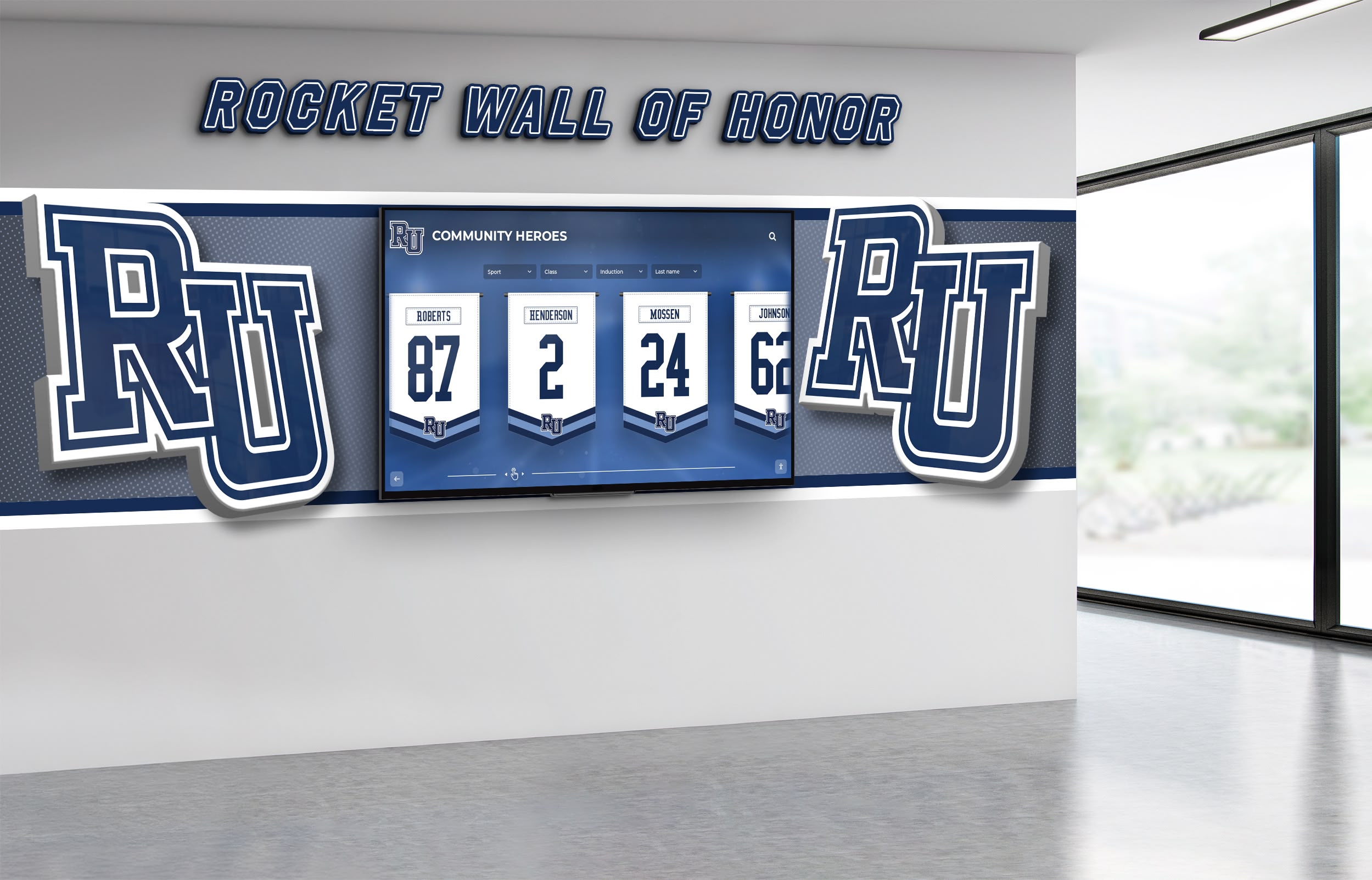
Comprehensive memorial installations honor complete histories while maintaining professional presentation standards
Integration with Broader Recognition Programs
Fallen heroes memorials often connect with other organizational recognition:
School-Based Integration
Schools implement memorial displays alongside other recognition:
Alumni Recognition Systems
- Integration with broader alumni digital displays honoring all graduates
- Connections between fallen heroes and their yearbook photos
- Athletic and academic achievement documentation before service
- Links to historical school records and archives
- Class reunion memorial sections
- Distinguished alumni recognition including military service
Educational Programming
- History curriculum integration teaching about conflicts
- English assignments writing about local fallen heroes
- Social studies projects researching service and sacrifice
- Memorial Day and Veterans Day school programs
- Student research presentations to community
- Service learning projects maintaining memorials
Military Installation Integration
Base memorials connect with broader historical preservation:
Installation History Programs
- Base museum exhibits and collections
- Unit history documentation and preservation
- Historical timeline displays showing base evolution
- Significant events and milestones documentation
- Change of command and leadership history
- Training program development and evolution
Active Duty Engagement
- New personnel orientation including memorial visits
- Professional military education integration
- Leadership development program components
- Family support programs connecting with Gold Star families
- Mentorship opportunities for junior personnel
- Unit cohesion activities honoring sacrifice
Veterans Organization Programs
Memorial displays anchor broader community engagement:
Annual Commemorative Events
- Memorial Day ceremonies and observances
- Veterans Day recognition events
- Gold Star Mothers Day programs
- POW/MIA Recognition Day activities
- Branch of service celebration days
- Individual anniversary commemorations
Community Outreach
- School education programs and presentations
- Scout troop and youth group tours
- Community history preservation projects
- Genealogy research assistance
- Media interviews and public awareness
- Legislative advocacy for veterans issues
Learn about comprehensive recognition in digital donor walls and similar memorial systems.
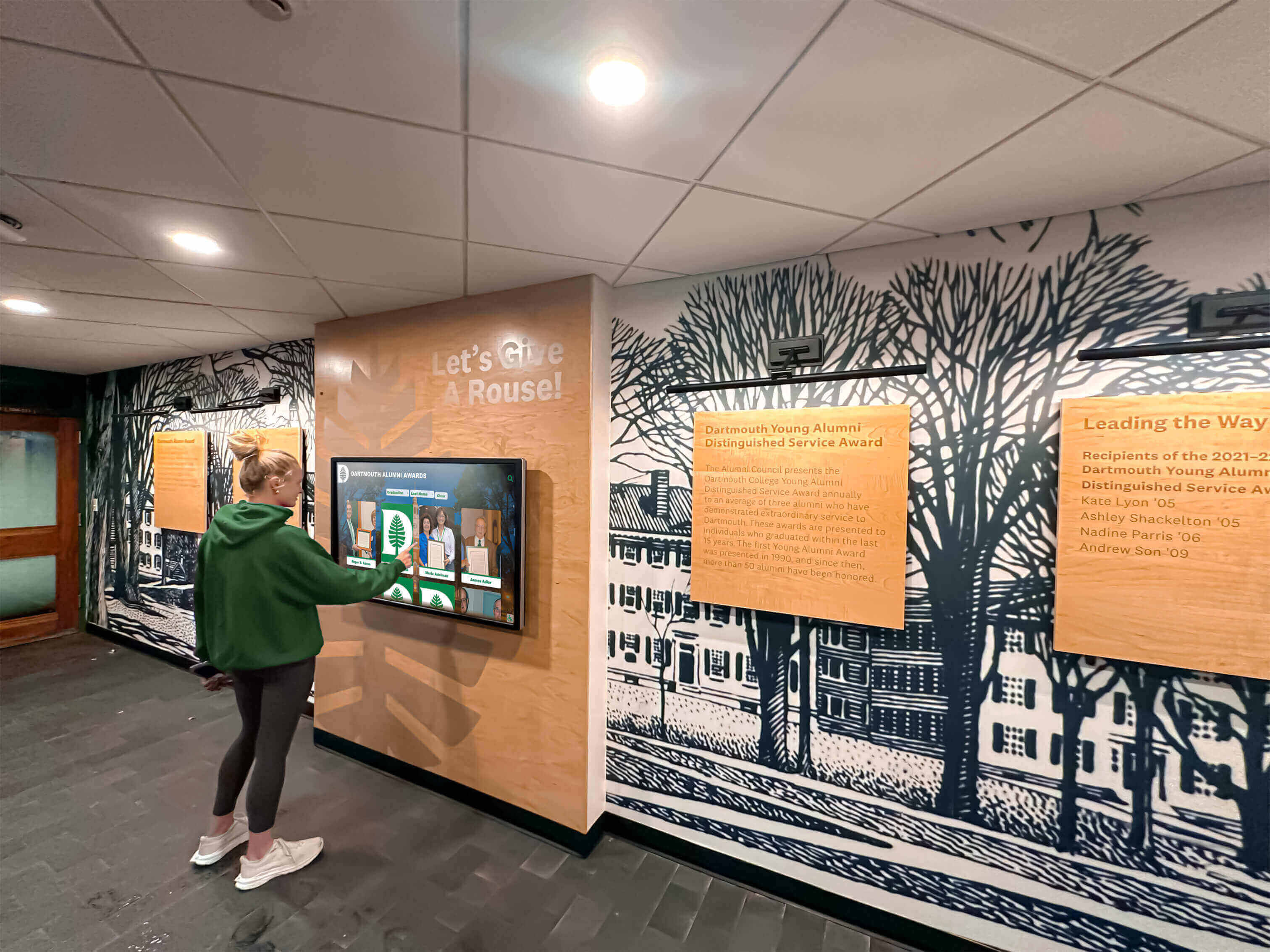
School-based memorials create daily educational opportunities connecting students to service and sacrifice
Measuring Memorial Impact
Evaluation ensures memorials achieve intended purposes:
Quantitative Metrics
Track measurable indicators:
Visitor Engagement Data
- Physical display interactions per day/week/month
- Average session duration indicating depth of engagement
- Profiles viewed per session
- Search queries revealing visitor interests
- Most-viewed heroes and profiles
- Peak usage times and patterns
- Web version visits and geographic distribution
Content Development Metrics
- Number of fallen heroes honored
- Profile completeness (photos, videos, biographical detail)
- Average profile word count and media items
- Gold Star family participation rates
- Historical gaps filled through research
- New information additions over time
- Correction and update frequency
Educational Impact Indicators
- Student assignments using memorial content
- School group visits and tours
- Teacher resource downloads
- Research project completions
- Integration in curricula
- Student survey responses about learning
Qualitative Assessment
Non-numerical evaluation:
Stakeholder Feedback
- Gold Star family testimonials about memorial meaning
- Veteran responses to recognition system
- Student reflections on what they learned
- Community member observations about impact
- Teacher feedback on educational value
- Facility leadership assessment of community benefit
Behavioral Observations
- Time visitors spend at displays
- Emotional responses during interactions
- Repeat visitor patterns
- Gold Star family return visits on anniversaries
- Community member recommendations to others
- Media coverage and public awareness
Story Collection
- Accounts of families discovering new information
- Veterans connecting with memories of fallen comrades
- Students describing changed perspectives
- Community members explaining personal significance
- Connections formed through memorial experiences
- Research discoveries and historical insights
Conclusion: Honoring Ultimate Sacrifice Through Technology
Fallen heroes—military service members, law enforcement officers, firefighters, and other public safety personnel who made the ultimate sacrifice—deserve recognition that preserves their complete stories, honors their service, and educates future generations about the price of freedom and security. Traditional memorial approaches using plaques and stone monuments, while meaningful, face significant limitations in capacity, detail, and accessibility.
Interactive touchscreen display technology transforms how communities can honor fallen heroes—providing unlimited capacity for comprehensive recognition, multimedia storytelling capabilities preserving voices and images, powerful search and discovery features, remote accessibility for distant families, and perpetual updatability as additional information surfaces or new losses occur.
Build Your TouchWall Memorial System
Discover how touchscreen memorial solutions honor fallen heroes with comprehensive digital recognition systems. Schedule a TouchWall build session to explore technical specifications, see implementation examples, and plan your memorial display.
Schedule a TouchWall WalkthroughThis comprehensive guide provided technical requirements, planning frameworks, content development strategies, and implementation steps for deploying fallen heroes touchscreen displays. From hardware specifications and network requirements through content research protocols and Gold Star family engagement, these frameworks enable organizations to create dignified, comprehensive memorial systems.
Essential Implementation Principles:
- Technical Excellence: Specify commercial-grade hardware providing reliability and appropriate presentation quality for memorial contexts
- Purpose-Built Software: Select platforms designed for memorial recognition rather than adapting generic digital signage systems
- Comprehensive Content: Develop complete biographical profiles honoring entire lives, not just circumstances of death
- Family Partnership: Work respectfully with Gold Star families who are experts on their loved ones’ stories
- Inclusive Recognition: Honor all who meet eligibility criteria without artificial capacity limitations
- Educational Mission: Design memorials serving educational purposes teaching about service and sacrifice
- Ongoing Commitment: Sustain memorials through regular updates, annual events, and community engagement
- Professional Quality: Invest in solutions honoring sacrifice with appropriate dignity and technical sophistication
Whether implementing memorials in schools honoring fallen alumni, military installations recognizing all who served, public safety departments preserving line-of-duty death records, veterans organizations maintaining community memory, or municipal facilities creating public memorial spaces—the technical specifications and implementation frameworks in this guide provide actionable starting points.
Start with clear planning—define eligibility criteria, assess installation locations, develop budgets, and select appropriate technology platforms using TouchWall specifications. Then proceed systematically through research, content development, system configuration, and launch phases. Most importantly, maintain long-term commitment to memorial preservation through ongoing updates, family engagement, annual commemorations, and educational integration.
Fallen heroes deserve comprehensive recognition preserving their complete stories for future generations. Through thoughtful implementation of touchscreen memorial displays, communities can fulfill the sacred responsibility of ensuring no sacrifice is ever forgotten and every hero’s story is permanently preserved.
Ready to begin? Review the technical requirements and planning frameworks in this guide, then book a TouchWall build session to discuss your specific memorial needs, see example implementations, and develop an implementation plan honoring your community’s fallen heroes with the comprehensive, dignified recognition their ultimate sacrifice deserves.































