
Every educational institution has graduates who’ve achieved remarkable things—alumni who became influential leaders, groundbreaking innovators, celebrated artists, championship athletes, or community changemakers. Famous alumni recognition transforms these individual success stories into powerful institutional assets that inspire current students, strengthen alumni bonds, validate educational quality, and build lasting pride across communities.
Yet many schools and organizations struggle to recognize their distinguished graduates effectively. Traditional approaches—static plaques, outdated trophy cases, or forgotten photo galleries—fail to capture the depth of alumni achievement or create meaningful engagement. Meanwhile, graduates whose accomplishments deserve celebration remain unrecognized, missed opportunities for connection slip away, and powerful stories that could motivate future generations remain untold.
This comprehensive guide reveals proven strategies for creating famous alumni recognition programs that deliver lasting value. Whether you’re starting from scratch, modernizing existing displays, or seeking to maximize recognition impact, you’ll discover practical approaches used by leading institutions to honor distinguished graduates while strengthening community bonds and advancing strategic priorities.
From identifying recognition-worthy alumni and crafting compelling achievement narratives to choosing display technologies and measuring long-term impact, we’ll explore every aspect of effective famous alumni recognition. By implementing these strategies, your institution can transform graduate success stories into engagement tools that inspire, connect, and celebrate excellence for decades to come.

Effective famous alumni recognition creates visible celebration of graduate excellence while inspiring current students and strengthening institutional pride
Why Famous Alumni Recognition Matters: Strategic Benefits Beyond Honor
Recognizing distinguished alumni delivers measurable benefits extending far beyond simple acknowledgment. Understanding these strategic advantages helps secure stakeholder support and align recognition programs with broader institutional goals.
Validating Educational Quality and Institutional Excellence
Famous alumni serve as living proof of your institution’s ability to develop successful leaders and accomplished professionals. When prospective students and families evaluate educational options, seeing graduates who’ve achieved extraordinary things provides compelling evidence of institutional quality and educational return on investment.
During campus tours, recognition displays showcasing distinguished alumni answer fundamental questions about career outcomes and graduate success. Parents particularly appreciate tangible evidence that graduates reach influential positions, earn recognition in their fields, and make meaningful contributions to society—validation that tuition investments yield real-world results.
For current students, famous alumni recognition demonstrates the possibilities education creates. When students discover that graduates from their institution became CEOs, Olympic athletes, renowned researchers, acclaimed artists, or influential public servants, abstract career aspirations transform into tangible realities backed by concrete examples. This validation proves particularly powerful during critical decision points—choosing majors, pursuing graduate school, or navigating early career challenges.
Strengthening Alumni Engagement and Philanthropic Support
Alumni who receive recognition for their achievements develop stronger emotional bonds with their alma maters. This validated connection translates into measurable increases across multiple engagement dimensions—higher event attendance, more active volunteer participation, expanded mentorship involvement, and enhanced philanthropic support.
Recognition creates natural touchpoints for ongoing dialogue with graduates who may have drifted from active institutional involvement. Induction ceremonies, profile updates, anniversary celebrations, and reunion integrations all provide meaningful reasons to re-engage. These touchpoints prove particularly valuable for advancement teams working to identify, cultivate, and steward major gift prospects.
Research consistently demonstrates that recognized donors give more frequently, in larger amounts, and with higher retention rates than unrecognized peers. Digital donor recognition displays that celebrate philanthropic support inspire additional giving while providing appropriate stewardship for existing contributors.

Recognition programs strengthen alumni engagement by celebrating achievements and demonstrating institutional appreciation
Inspiring Current Students Through Authentic Role Models
Few motivational tools compare to the power of seeing someone who walked similar paths achieve extraordinary success. Famous alumni recognition serves as perpetual career counseling, providing authentic examples of graduates working in diverse fields and industries.
Students exploring professional possibilities discover alumni in careers they’re considering, learning about educational requirements, career progressions, skills developed, and challenges overcome. These real-world examples complement formal advising while providing voices from people who faced similar decisions and uncertainties.
Professional athletes recognition displays prove particularly inspiring for student-athletes, showcasing graduates competing at elite levels and validating training programs. Academic recognition highlighting distinguished researchers, innovative entrepreneurs, or influential public servants similarly motivates students in those fields.
Building Institutional Brand and Market Differentiation
In competitive educational markets, famous alumni recognition differentiates institutions from competitors while building brand strength. Prospective students choosing between similar institutions often consider graduate success as tiebreaker, making visible recognition displays valuable recruitment tools.
Alumni themselves benefit from association with institutions that publicly celebrate excellence. When graduates see fellow alumni achieving remarkable things, their own institutional affiliation becomes more valuable professionally and personally. This collective pride generates organic word-of-mouth promotion far more credible than traditional marketing efforts.
Media coverage of famous alumni achievements creates positive public relations opportunities. Stories about distinguished graduates consistently attract local and national attention, building institutional visibility while demonstrating educational impact beyond campus boundaries.
Identifying Famous Alumni Worthy of Recognition
Effective recognition begins with systematically identifying graduates whose achievements merit celebration. Comprehensive approaches ensure deserving alumni receive acknowledgment while maintaining program credibility and community confidence.
Establishing Clear Recognition Criteria
Objective, transparent criteria ensure fair evaluation while preventing perceptions of favoritism or arbitrary selection:
Achievement Magnitude Standards:
- National Recognition: Alumni achieving prominence beyond regional boundaries through professional success, public service, or cultural impact
- Field Leadership: Graduates reaching executive positions, pioneering innovations, or establishing themselves as authorities in their industries
- Sustained Excellence: Career longevity demonstrating consistent achievement over time rather than brief moments of success
- External Validation: Awards, honors, peer recognition, or media coverage confirming accomplishment significance
- Measurable Impact: Quantifiable contributions to professions, communities, or society through work, research, or service
Additional Evaluation Factors:
- Institutional Connection: Meaningful relationship to alma mater beyond degree completion, demonstrated through engagement or advocacy
- Ethical Conduct: Professional and personal integrity with no significant controversies reflecting poorly on the institution
- Inspiration Value: Potential to motivate current students through achievement narrative and journey
- Career Stage: Typically requiring minimum years since graduation (10-15 years common) ensuring sustained success
- Representation Balance: Diversity across achievement types, graduation eras, and demographic backgrounds
Document these criteria explicitly in published materials so nominators understand evaluation standards. Transparency builds community confidence while helping potential nominators identify appropriate candidates.
Creating Inclusive Recognition Categories
Comprehensive recognition programs acknowledge diverse achievement types rather than limiting acknowledgment to traditional measures of success:
Professional Leadership and Business Excellence: C-suite executives, successful entrepreneurs, industry innovators, and corporate leaders who’ve built companies, transformed markets, or pioneered business models.
Academic and Research Achievement: Distinguished scholars, influential researchers, renowned faculty members, and educational leaders advancing knowledge through groundbreaking research, publications, or discoveries.
Public Service and Civic Leadership: Elected officials, military leaders, nonprofit executives, civil servants, and humanitarian workers serving communities through government, armed forces, or social service organizations.
Athletic Excellence and Sports Achievement: Professional athletes, Olympic competitors, championship coaches, and sports administrators reaching elite competitive levels. Many institutions maintain separate athletic recognition alongside broader alumni programs.
Arts, Culture, and Creative Achievement: Performers, visual artists, writers, musicians, filmmakers, journalists, and other creative professionals achieving distinction through artistic work or cultural contributions.
Healthcare and Medical Innovation: Physicians, researchers, healthcare administrators, and medical professionals advancing patient care, developing treatments, or improving public health outcomes.
Science, Technology, and Engineering: Scientists, engineers, technologists, and inventors making breakthrough discoveries, developing innovative technologies, or advancing technical fields.
Legal and Judicial Achievement: Attorneys, judges, legal scholars, and advocates influencing law, achieving courtroom success, or serving justice systems at high levels.
Balanced representation across categories prevents recognition from skewing toward high-profile professions while overlooking equally valuable contributions in less visible fields.

Diverse recognition categories ensure all forms of graduate excellence receive appropriate acknowledgment
Developing Systematic Discovery Processes
Many distinguished alumni remain unknown to their alma maters. Systematic discovery processes ensure deserving graduates receive consideration:
Alumni Association Networks: Leverage alumni association volunteers and regional chapters who often maintain informal networks tracking fellow graduates’ accomplishments. Long-term alumni frequently possess valuable intelligence about classmates’ career trajectories and achievements.
Development Officer Intelligence: Advancement professionals regularly research major gift prospects, uncovering achievement details useful for recognition consideration. Create communication channels ensuring development discoveries inform recognition committees.
Media Monitoring: Track news mentions, press releases, and media coverage featuring alumni. Google Alerts, social media monitoring, and news aggregation services help identify graduates achieving notable success or receiving public recognition.
Professional Association Research: Examine industry hall of fame inductees, professional award recipients, and organizational leadership rosters in various fields. Many distinguished alumni appear in field-specific recognition programs before institutional awareness.
Self-Nomination Opportunities: Enable alumni to submit their own achievements for consideration through online nomination forms. While requiring appropriate humility guidance and committee evaluation, self-nominations often surface accomplished graduates unknown to institutions.
Historical Archive Mining: Research institutional records, yearbooks, and archives to identify accomplished alumni from earlier eras who may have been overlooked. Digitizing yearbooks makes historical research more efficient while preserving institutional memory.
Creating Compelling Recognition Content
Technology and displays enable recognition, but compelling content drives meaningful engagement. Investment in content quality separates displays that become beloved assets from those that languish unused.
Crafting Achievement Narratives That Inspire
Effective alumni profiles balance factual documentation with engaging storytelling revealing the humans behind accomplishments:
Essential Profile Components:
- Professional career summary and current position details
- Significant achievements, major accomplishments, and career highlights
- Educational background including degrees, programs, and graduation years
- Awards, honors, recognitions, and external validation of excellence
- Community service, civic contributions, and volunteer leadership
- Institutional connection and formative educational experiences
- Career journey including pivotal moments, challenges overcome, and lessons learned
- Personal quotes sharing advice, reflections, or perspectives on success
- High-quality photographs from multiple life stages and contexts
Storytelling Best Practices:
Focus on transformation narratives showing how education influenced trajectories. Profiles explaining how specific courses, professors, campus experiences, or relationships shaped career directions resonate powerfully with current students evaluating institutional value.
Highlight obstacles overcome and challenges navigated. Stories of first-generation graduates succeeding despite limited resources, professionals recovering from career setbacks, or individuals pursuing unconventional paths create relatability and authenticity that purely triumphant narratives cannot match.
Use specific, concrete details rather than vague generalities. Instead of “successful businessperson,” describe the company founded, products developed, markets served, revenue achieved, employment created, or innovations introduced. Specificity makes achievement tangible and believable rather than abstract.
Include authentic voices through direct quotes. Alumni sharing advice, describing formative experiences, or reflecting on values guiding success creates personal connections that third-person descriptions cannot replicate.
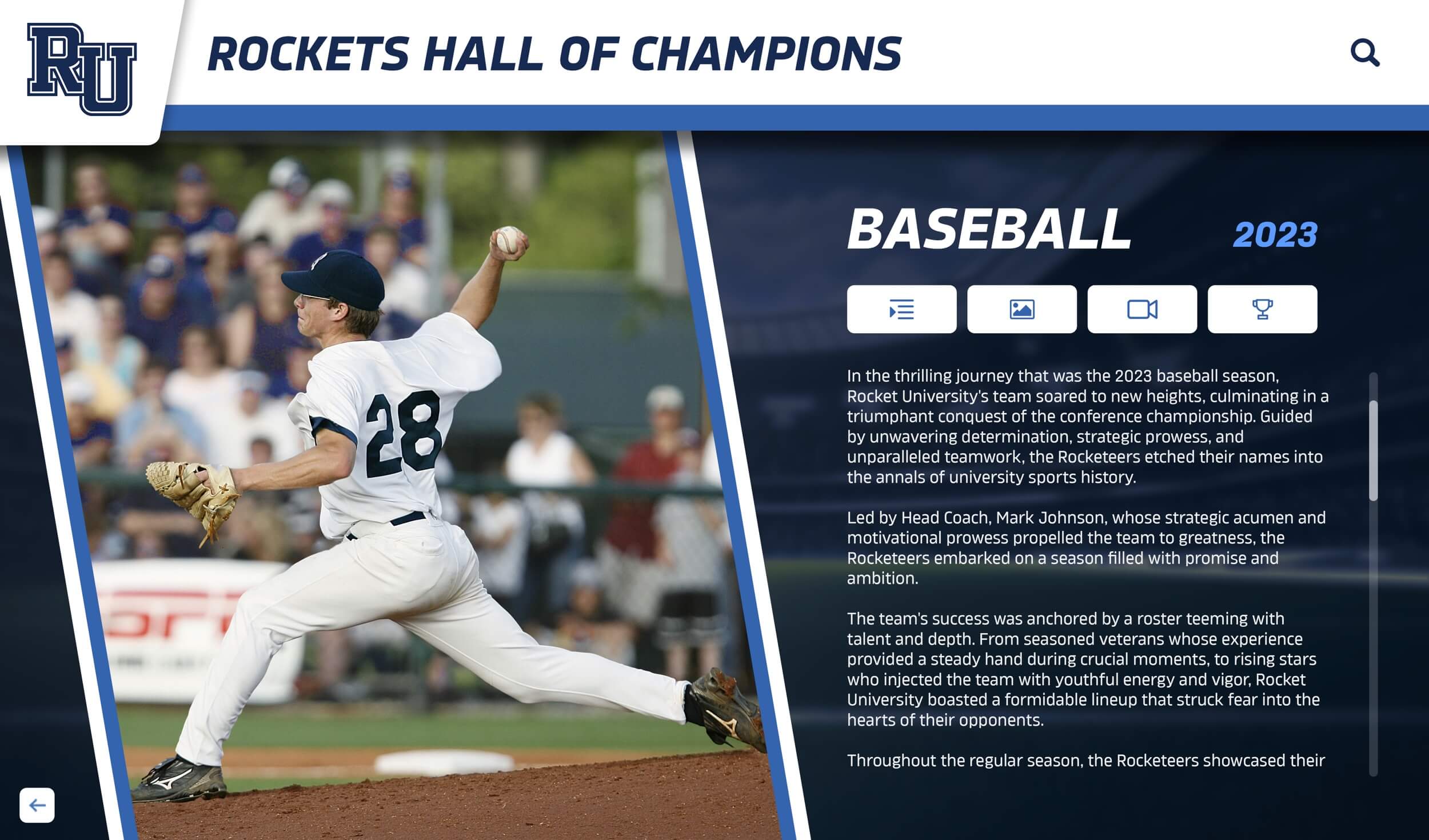
Rich profile content combines factual achievement documentation with engaging storytelling that inspires visitors
Integrating Multimedia Elements
Digital recognition platforms enable rich multimedia content significantly enhancing engagement beyond text-based profiles:
Video Content: Short clips (2-5 minutes) featuring alumni discussing careers, sharing advice for current students, or reflecting on how institutional experience influenced success create powerful personal connections. Professional production quality isn’t essential—authentic, well-lit interviews often resonate more than overly polished productions.
Photo Galleries: Multiple images showing alumni throughout different life stages—student photos, graduation images, early career pictures, and current professional headshots—create visual narratives documenting journeys from student to distinguished graduate.
Document Digitization: Scan diplomas, awards, newspaper clippings, letters, patents, or other tangible evidence of achievement. These artifacts provide authenticity while adding historical depth to profiles.
Audio Elements: Voice recordings preserve alumni stories, particularly valuable for distinguished graduates unable to participate in video interviews or those with compelling personal narratives best conveyed through their own voices.
Career Timeline Visualizations: Interactive timelines showing career progression from graduation through current position help students understand career development paths and typical timeframes for reaching achievement milestones.
Solutions like Rocket Alumni Solutions’ digital recognition platforms make incorporating multimedia straightforward through user-friendly upload interfaces requiring no technical expertise.
Gathering Content Efficiently
Comprehensive content requires systematic information collection across multiple sources:
Direct Alumni Engagement: Contact living alumni directly requesting biographical updates, photographs, career highlights, and personal reflections. Most inductees enthusiastically provide materials, appreciating opportunities to influence how achievements are presented. Provide templates or questionnaires ensuring consistency while making submissions straightforward.
Professional Research: Supplement alumni-provided information with research from professional networking sites, company websites, industry publications, news articles, and public records. Cross-reference multiple sources ensuring accuracy and completeness.
Family Connections: For deceased alumni or those unable to participate directly, engage family members who can provide biographical information, photographs, and personal stories adding depth to profiles.
Institutional Archives: Mine historical records for yearbook entries, student organization involvement, athletic participation, academic honors, or other details demonstrating institutional connection and formative experiences during enrollment.
Choosing Recognition Display Technologies
The physical or digital form your recognition takes significantly impacts long-term value, ongoing costs, and community engagement opportunities.
Traditional Physical Display Approaches
Physical recognition carries inherent permanence and tangible presence many institutions value:
Individual Plaque Systems: Wall-mounted plaques featuring inductee names, graduation years, and achievement summaries represent traditional approaches. Advantages include timeless aesthetic, familiar format, and incremental additions without complete redesign. However, plaques offer limited information capacity, consume wall space that eventually fills, require fabrication delays, and create static presentations with minimal engagement.
Photo Gallery Walls: Framed photograph arrangements create immediate visual impact while accommodating larger numbers compared to detailed plaques. Galleries excel at creating presence and recognition visibility, though they share space limitations and provide minimal achievement detail.
Display Cases: Custom cabinets showcase three-dimensional artifacts—awards, publications, memorabilia—alongside alumni information. Physical artifacts create emotional connections, though cases require substantial space, regular maintenance, and naturally limit recognition capacity.
Budget expectations for traditional displays: $100-500 per plaque or photo frame, plus initial header signage ($2,000-5,000) and annual maintenance ($300-800).

Traditional physical displays provide classic aesthetic and tangible permanence for famous alumni recognition
Modern Digital Recognition Solutions
Digital technology addresses traditional limitations while creating enhanced engagement opportunities:
Interactive Touchscreen Displays: Touchscreen hall of fame systems combine commercial-grade displays with specialized software, enabling comprehensive interactive experiences. These function like large tablets mounted on walls or integrated into kiosks, allowing visitors to explore profiles through intuitive touch interactions.
Key Advantages of Digital Recognition:
- Unlimited Capacity: Single touchscreen showcases thousands of alumni without spatial constraints or difficult decisions about removing older recognition
- Rich Multimedia Integration: Incorporate videos, photos, audio, documents, and interactive elements bringing achievement stories to life beyond what static displays allow
- Powerful Search and Filtering: Visitors instantly locate specific graduates, filter by decade or achievement category, and discover connections between alumni
- Remote Content Management: Update profiles, add inductees, and enhance content from any internet-connected device without technical expertise or vendor dependencies
- Web Accessibility: Extend recognition beyond physical campus through online platforms allowing alumni worldwide to explore famous alumni remotely
- Analytics and Measurement: Track engagement patterns, understand which profiles generate interest, and demonstrate program impact through concrete usage data
- Cost Efficiency: Eliminate per-inductee costs and reduce ongoing maintenance expenses compared to traditional approaches
- Accessibility Features: Support screen readers, text magnification, multiple languages, and accommodations ensuring inclusive access for all visitors
Solutions like digital walls of fame provide purpose-built platforms designed specifically for educational recognition, offering features generic systems cannot match.
Investment expectations: $10,000-30,000 for comprehensive systems (hardware, software, installation, training) with minimal ongoing costs ($500-1,500 annually) and zero per-inductee expenses.

Digital recognition technology offers unlimited capacity and interactive engagement impossible with traditional approaches
Hybrid Recognition Strategies
Many institutions implement combined approaches leveraging strengths of both traditional and digital recognition:
Featured Physical with Digital Depth: Showcase select most distinguished alumni through traditional displays in prominent locations while maintaining comprehensive digital database accessible via touchscreens or web platforms. This provides tangible recognition for flagship honorees while ensuring all deserving alumni receive acknowledgment.
Multi-Location Distribution: Create category-specific displays distributed throughout campus—athletic recognition in gymnasium facilities, academic achievement in libraries, professional success in student centers. Best school hall of fame walls often use strategic placement maximizing relevance and visibility.
QR Code Enhancement: Install traditional displays with QR codes linking to comprehensive digital profiles accessible via smartphones. Visitors appreciate physical presence while accessing detailed content when interested in specific alumni.
Launching and Promoting Famous Alumni Recognition
Strategic launch and sustained promotion maximize community awareness while establishing strong foundations for ongoing engagement.
Planning High-Impact Unveiling Events
Coordinate launches with high-visibility occasions maximizing attendance and media coverage:
Optimal Timing Strategies:
- Homecoming Weekends: Large alumni attendance creates built-in audiences and festive atmosphere
- Major Athletic Events: Captive crowds and school spirit context enhance celebration
- Reunion Celebrations: Natural gathering of specific class years provides targeted engagement
- Commencement Ceremonies: Powerful message to new graduates about future recognition possibilities
- Anniversary Milestones: Appropriate timing for reflection on institutional history and legacy
Event Programming Elements:
- Formal unveiling or ribbon-cutting by institutional leaders
- Individual acknowledgment of inaugural inductees present at ceremony
- Brief remarks from featured famous alumni sharing experiences and advice
- Interactive demonstrations showing visitors how to explore displays
- Reception allowing guests to explore recognition thoroughly and meet honorees
- Media availability for interviews, photography, and coverage
- Social media activation encouraging attendees to share experiences
Feature inducted famous alumni at launch events when possible. Personal appearances by distinguished graduates add significance while providing networking opportunities and strengthening institutional connections.

Strategic launch events create memorable celebrations while building awareness and institutional pride
Creating Sustained Visibility
Initial launch enthusiasm predictably wanes without sustained promotion. Establish ongoing visibility practices:
Regular Communications Integration: Feature famous alumni spotlights in newsletters, social media, and website content calendars. Rotate highlighting different honorees monthly, ensuring consistent recognition-focused communications that maintain program awareness.
Campus Tour Integration: Incorporate recognition displays prominently into prospective student tours. Train tour guides to reference specific famous alumni relevant to visitor interests, creating personalized connections between current prospects and graduate success.
Annual Induction Ceremonies: Create signature recurring events celebrating new honorees while generating fresh communications content and media coverage. Annual ceremonies provide natural engagement touchpoints and promotional opportunities.
Event Programming: Feature displays prominently during reunions with class-specific content highlighted during each cohort’s celebration. Create interactive activities like scavenger hunts encouraging attendees to locate specific classmates while familiarizing visitors with navigation.
Student Engagement: Integrate famous alumni recognition into orientation programs, career services, mentorship initiatives, and academic courses. Regular student exposure ensures current generations discover role models while building familiarity with institutional excellence.
Measuring Recognition Program Impact
Effective recognition programs demonstrate value through quantifiable metrics and qualitative feedback justifying investment and informing continuous improvement.
Key Performance Indicators
Engagement Metrics:
- Interaction volume showing total touches, sessions, and unique users over time
- Session duration measuring average time spent exploring recognition content per visit
- Content depth tracking number of profiles viewed per session indicating exploration breadth
- Return visitors measuring percentage coming back after initial visits showing sustained interest
- Search activity revealing popular terms indicating visitor interests and discovery patterns
- Feature usage showing which navigation, filtering, or sorting options receive most use
Advancement Impact Indicators:
- Alumni giving participation changes following recognition program implementation
- Average gift size shifts from recognized versus unrecognized alumni populations
- Major gift pipeline improvements in prospect identification and cultivation success
- Event attendance changes in reunion, homecoming, and alumni program participation
- Media coverage quantity and quality generating institutional visibility and positive publicity
Student and Recruitment Effects:
- Prospective student feedback and reactions during campus tours featuring recognition displays
- Application yield correlation between tour exposure and enrollment decisions
- Current student engagement with recognition for career exploration and mentorship connections
- Alumni-student relationship formation facilitated through recognition platform discovery
Operational Efficiency Measures:
- Recognition capacity comparing number honored versus traditional display limitations
- Update frequency tracking how regularly new inductees added and profiles refreshed
- Administrative time measuring staff hours required for content management and maintenance
- Cost per inductee calculating total program costs divided by number of alumni recognized
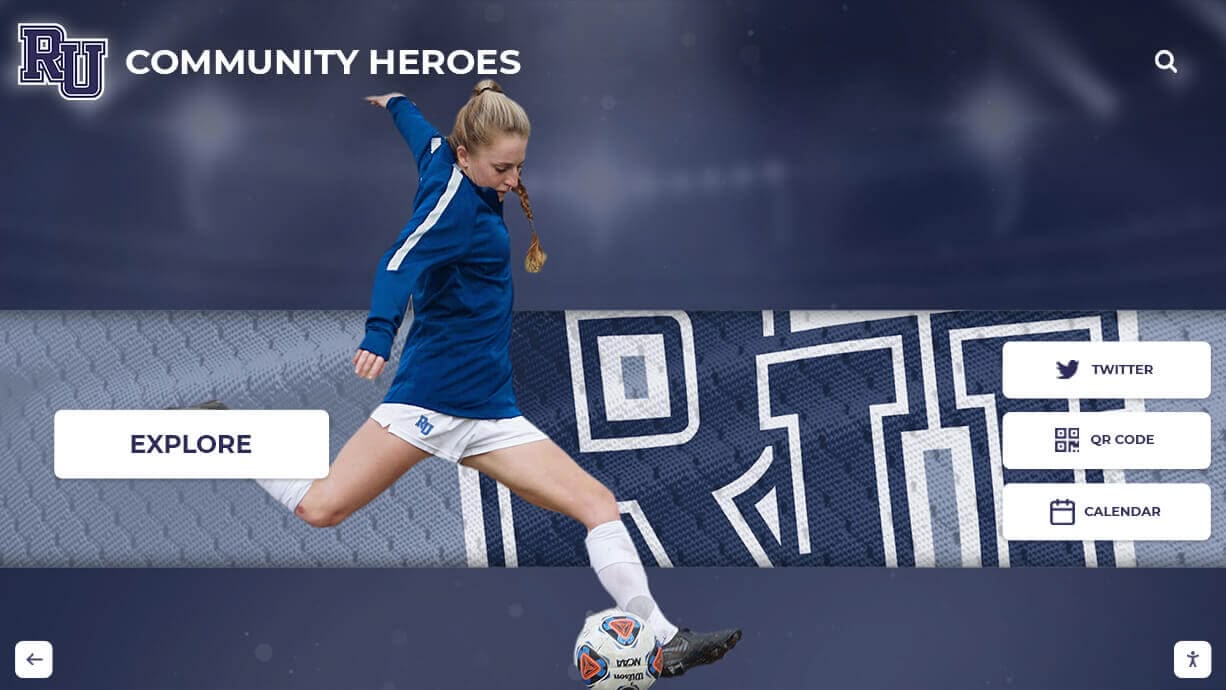
Detailed analytics provide insights for demonstrating value and optimizing recognition program effectiveness
Continuous Improvement Through Data Analysis
Regular analysis reveals opportunities for content enhancement, navigation optimization, and strategic refinement:
Content Performance Review: Identify most-viewed profiles understanding what resonates with audiences. Common patterns inform future development priorities—compelling video content, detailed career narratives, or alumni in specific fields generating highest interest.
User Experience Optimization: Study search patterns identifying discoverability issues. When visitors repeatedly search terms without successful matches, content gaps or metadata deficiencies require attention. Monitor feature usage understanding which navigation options visitors actually use versus those cluttering interfaces without value.
Strategic Refinement: Track correlation between recognition activities and advancement metrics. When new inductee announcements consistently generate giving upticks or event registrations, structure communications and ceremonies to maximize response.
Best Practices for Long-Term Success
Institutions achieving exceptional recognition results share common approaches refined through experience:
Maintaining Content Currency
Famous alumni achieve new milestones throughout careers. Regular updates ensure recognition remains current:
Profile Enhancement Schedules: Review and update profiles annually, adding career developments, recent awards, new publications, or changed contact information. Enable alumni to submit updates through self-service portals distributing maintenance workload.
Milestone Celebrations: Mark significant anniversaries—25 years since induction, career achievement milestones, retirement honors—with updated content and promotional spotlights generating renewed engagement.
Media Monitoring Integration: When famous alumni receive news coverage, awards, or public recognition, incorporate updates into profiles demonstrating ongoing institutional pride in continued success.
Building Sustainable Operations
Recognition programs require ongoing management. Sustainable approaches prevent initiatives from fading:
Distributed Responsibilities: Avoid concentrating management with single individuals. Multiple trained administrators prevent bottlenecks and ensure continuity despite staff turnover. Role-based permissions enable delegation while maintaining quality control.
Annual Operating Rhythms: Establish predictable cycles—fall nominations, winter selections, spring ceremonies—creating community anticipation and sustainable processes that don’t overwhelm staff.
Integration with Advancement: Embed recognition into alumni relations, development, and communications priorities rather than treating as standalone projects. Advancement and marketing teams particularly benefit from recognition content for campaigns and engagement.
Ensuring Inclusive Recognition
Comprehensive programs honor diverse achievement across demographics and categories:
Representation Audits: Periodically review inductee populations ensuring balanced representation across gender, ethnicity, generation, geography, and professional fields. Address systematic gaps through targeted nomination efforts.
Emerging Achievement Recognition: While requiring minimum years since graduation ensures sustained success, don’t exclusively focus on senior alumni. Younger graduates achieving early distinction inspire current students through contemporary relevance and relatability.
Non-Traditional Path Celebration: Highlight alumni whose career journeys took unconventional routes—late bloomers, career changers, entrepreneurs who tried multiple ventures before success. These narratives resonate with students facing uncertainty while demonstrating that multiple paths lead to excellence.
Ready to Transform Famous Alumni Recognition?
Discover how Rocket Alumni Solutions creates comprehensive recognition programs celebrating distinguished graduates through innovative digital technology designed specifically for educational institutions. From planning and implementation through ongoing management and optimization, we provide complete support ensuring your famous alumni receive the acknowledgment they deserve.
Schedule Your Free ConsultationConclusion: Building Legacy Through Recognition Excellence
Famous alumni recognition represents more than acknowledging individual success—it creates strategic institutional assets that validate educational quality, inspire current students, strengthen alumni bonds, and demonstrate lasting impact across generations. When designed thoughtfully and implemented effectively, recognition programs deliver measurable returns across engagement, advancement, recruitment, and institutional pride.
The most successful famous alumni recognition programs share common characteristics: clear selection criteria applied consistently, compelling content combining achievement facts with authentic storytelling, appropriate technology matching institutional needs and resources, sustained visibility maintaining community awareness, and continuous improvement informed by engagement data and stakeholder feedback.
The choice between traditional physical displays and modern digital recognition systems depends on institutional priorities, budget parameters, space availability, and long-term vision. While physical recognition offers timeless aesthetic and tangible presence, digital solutions provide unlimited capacity, rich multimedia integration, web accessibility, simplified management, and long-term cost advantages particularly compelling for growing recognition programs.
Regardless of display approach, the critical success factors remain consistent: systematically identify deserving alumni across diverse achievement types and demographics, craft compelling narratives that inspire through authentic storytelling, launch strategically and promote sustainably maintaining visibility, measure impact demonstrating value to stakeholders, and manage efficiently ensuring long-term sustainability.
For institutions ready to create or modernize famous alumni recognition, solutions from Rocket Alumni Solutions offer particularly compelling advantages through purpose-built platforms designed specifically for educational recognition needs. These specialized systems eliminate compromises required when adapting generic tools while providing comprehensive implementation support ensuring successful deployment and sustained operation.
Famous alumni have achieved extraordinary things after their institutional experiences. Effective recognition programs ensure those success stories strengthen communities for decades to come—transforming individual achievement into collective inspiration that defines organizational excellence, validates educational missions, and builds lasting institutional legacy.
























