Fan engagement has evolved from simply filling bleachers on game day to building year-round communities that support student-athletes, strengthen school pride, and create lasting connections between institutions and their supporters. Strong fan engagement doesn’t happen by accident—it requires strategic approaches that leverage modern technology, authentic storytelling, and community-building tactics that resonate with contemporary audiences.
Whether you’re an athletic director seeking to increase attendance, a coach building program culture, or a school administrator strengthening community connections, effective fan engagement strategies transform casual observers into passionate, committed supporters who champion your programs long after the final whistle blows.
The landscape of fan engagement has fundamentally shifted in recent years. Today’s fans expect personalized experiences, digital accessibility, social media integration, and authentic connections with teams and athletes. Schools and sports programs that adapt to these evolving expectations build vibrant communities of engaged supporters, while those relying solely on traditional approaches struggle to maintain interest and attendance.
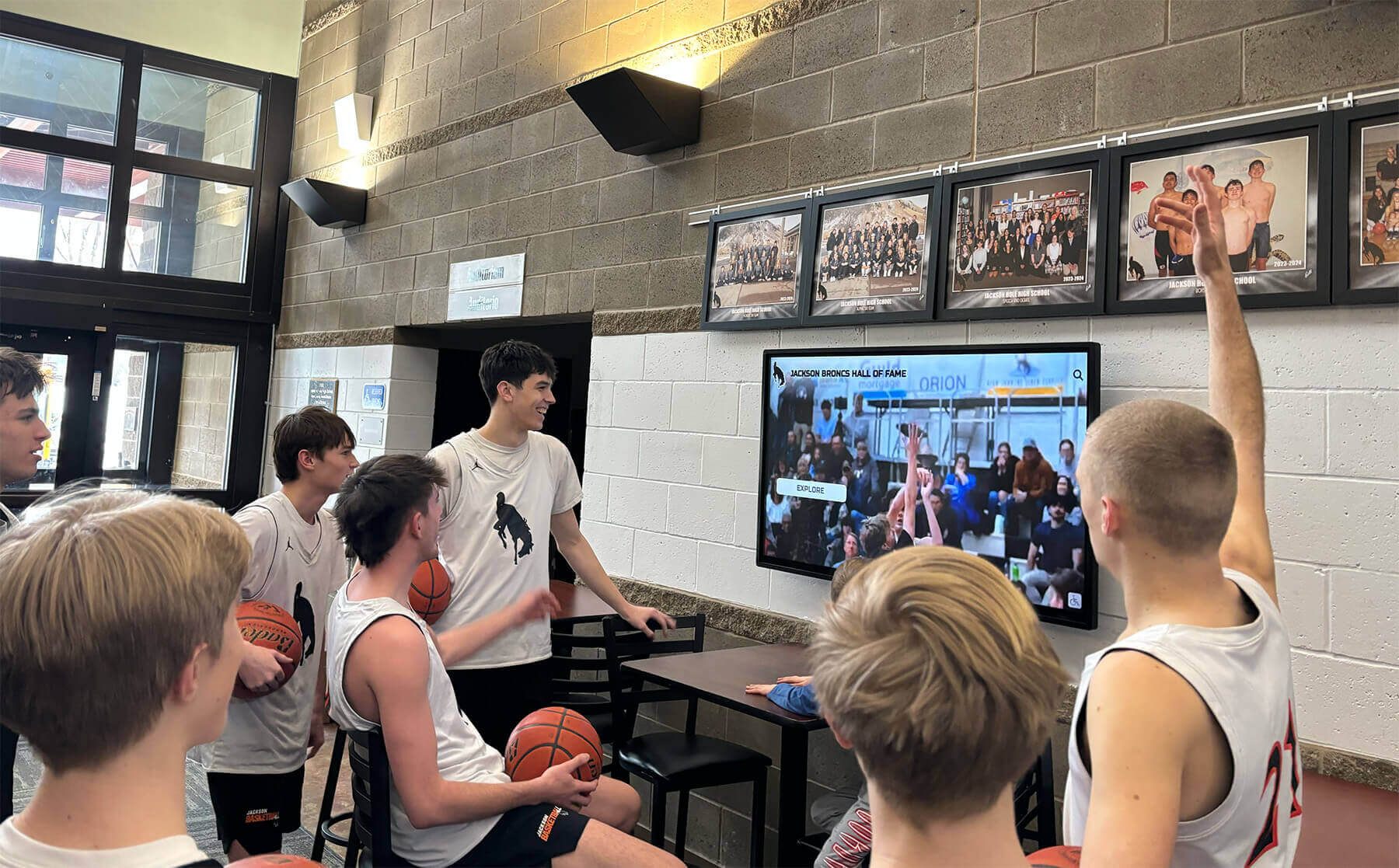
This comprehensive guide explores proven fan engagement strategies specifically designed for schools and sports programs, from leveraging digital recognition technology to building social media presence, creating memorable game-day experiences, and fostering year-round community connections that sustain programs through seasons, coaching changes, and competitive challenges.
Understanding Modern Fan Engagement
Before implementing specific tactics, understanding what fan engagement truly means in today’s educational athletics context provides essential foundation for strategic decision-making.
What Fan Engagement Actually Means
Fan engagement extends far beyond attendance numbers at games. True engagement reflects the depth and quality of relationships between your athletic programs and the communities they serve.
Engaged fans demonstrate these characteristics:
- Regular Interaction: They consistently attend events, follow social media, and seek program updates
- Emotional Investment: They experience genuine pride in program success and disappointment in setbacks
- Active Participation: They volunteer, donate, recruit others, and advocate for programs
- Multi-Channel Connection: They engage across physical attendance, digital platforms, and community networks
- Long-Term Commitment: Their support persists through winning and losing seasons
Traditional metrics like attendance and ticket sales provide incomplete pictures of engagement. A partially filled stadium where every attendee actively cheers, shares on social media, and returns consistently represents stronger engagement than a full venue of casual, one-time observers.
Why Fan Engagement Matters More Than Ever
The stakes for fan engagement have never been higher for educational athletic programs facing unprecedented challenges and opportunities.
Critical Drivers of Engagement Importance:
According to research in sports marketing, over 80% of fans may never physically visit a stadium or gymnasium, making digital engagement critical for modern programs. Schools must reach and engage supporters beyond those who can attend in person.
Program Sustainability: Strong fan engagement directly impacts program viability through consistent attendance revenue, booster support and donations, community advocacy during budget discussions, and volunteer assistance reducing operational costs.
Student-Athlete Experience: Engaged fan bases enhance the student-athlete experience through motivational support during competition, recognition of achievement and hard work, sense of representing something larger than themselves, and memories that last beyond playing careers.
Community Connection: Athletic programs serve as community anchors where people gather, creating shared experiences that strengthen social bonds, providing common ground across diverse groups, building town or neighborhood identity and pride, and offering positive youth development opportunities.
Competitive Advantage: Programs with strong fan engagement gain advantages in recruiting student-athletes attracted to supportive environments, retaining quality coaches who appreciate community backing, attracting media coverage and visibility, and building momentum that sustains through challenging seasons.
Digital Recognition Displays: The Foundation of Modern Fan Engagement
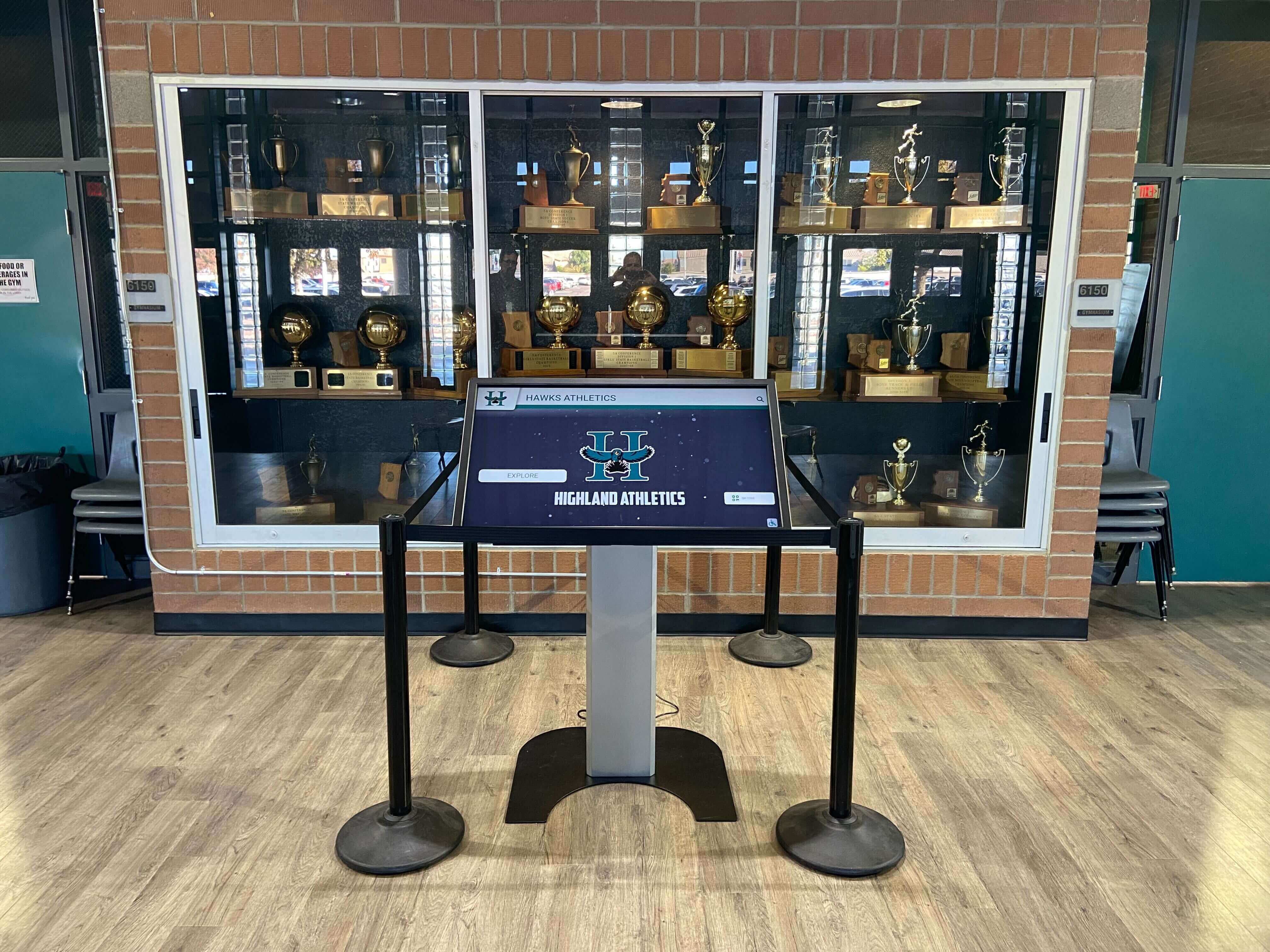
Interactive digital recognition displays represent one of the most powerful fan engagement tools available to schools and athletic programs, transforming how institutions celebrate achievement while building lasting connections with supporters.
Beyond Traditional Trophy Cases
Traditional trophy cases and static displays served recognition purposes adequately in previous eras, but they fall short of contemporary fan engagement needs and expectations.
Limitations of Traditional Recognition:
- Physical space constraints force difficult choices about what achievements to display
- Static content quickly becomes outdated and stale
- Limited information—typically just names, dates, and basic achievement details
- No interactivity or personalized exploration
- Inaccessible to remote fans, alumni, and community members
- Difficult and expensive to update with new achievements
- No analytics about what content resonates with audiences
Solutions like digital recognition displays from Rocket Alumni Solutions address these limitations through interactive touchscreen technology specifically designed for educational athletic recognition.
Key Features of Interactive Recognition Displays
Unlimited Recognition Capacity: Digital platforms document comprehensive achievement history without physical space constraints. Every record-breaking performance, championship team, distinguished athlete, and milestone receives appropriate recognition that persists indefinitely.
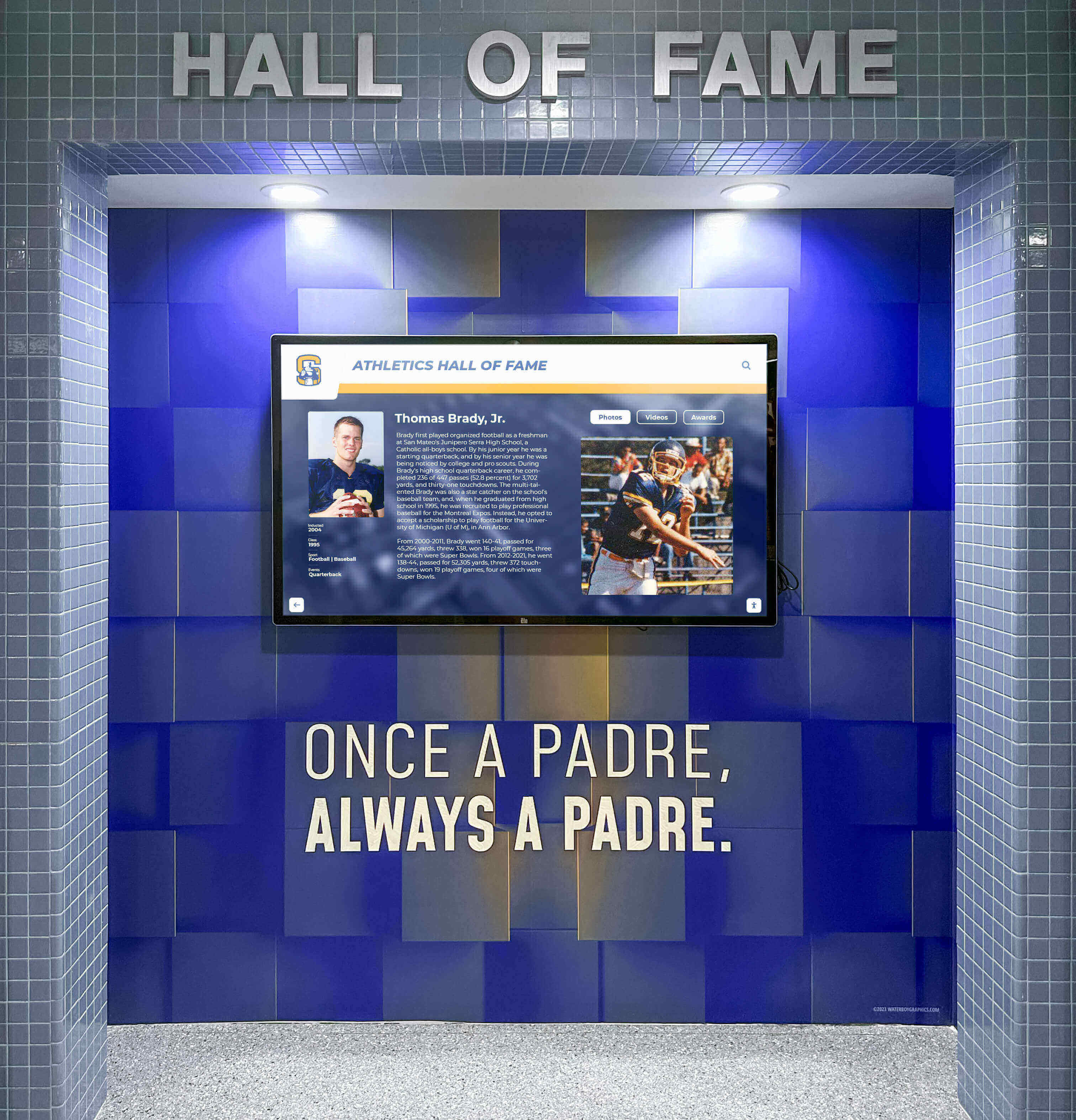
Rich Multimedia Content: Beyond names and dates, digital displays incorporate high-resolution photos capturing memorable moments, video highlights of performances and achievements, athlete biographies and personal stories, statistical records and performance data, and coach testimonials and reflections. This rich content creates emotional connections with audiences in ways static text never could.
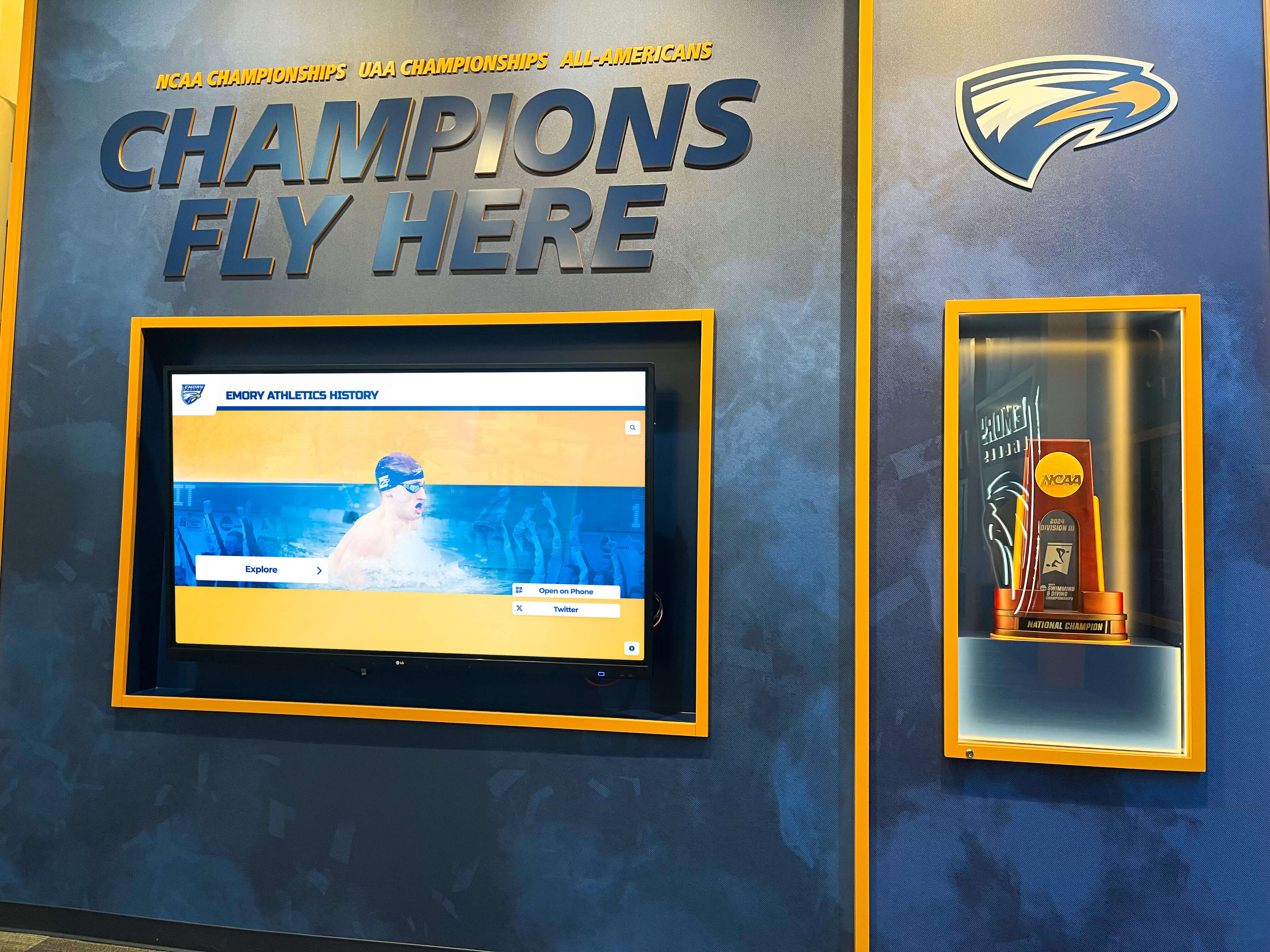
Interactive Exploration: Touchscreen interfaces invite active engagement rather than passive viewing. Fans can search for specific athletes or teams, filter by sport, year, or achievement type, explore individual athlete profiles in depth, watch video content of their choosing, and share discoveries on social media. According to data from interactive alumni displays, visitors spend an average of 6-8 minutes exploring digital recognition compared to less than one minute viewing traditional displays.
Remote Accessibility: Web-accessible platforms extend recognition beyond physical locations, allowing alumni across the country to explore their school’s athletic history, families to share athlete profiles with extended relatives, prospective students to research program traditions, and community members to stay connected with program achievements. This accessibility dramatically expands engagement reach and frequency.
Easy Content Updates: Cloud-based content management systems allow athletic directors and administrators to update recognition displays from any device without technical expertise. This ease of updating ensures recognition remains current and relevant, with new achievements added immediately after they occur.
Strategic Placement for Maximum Impact
Placement significantly affects engagement impact. Strategic location decisions ensure displays reach target audiences when they’re most receptive to engagement.
High-Impact Locations:
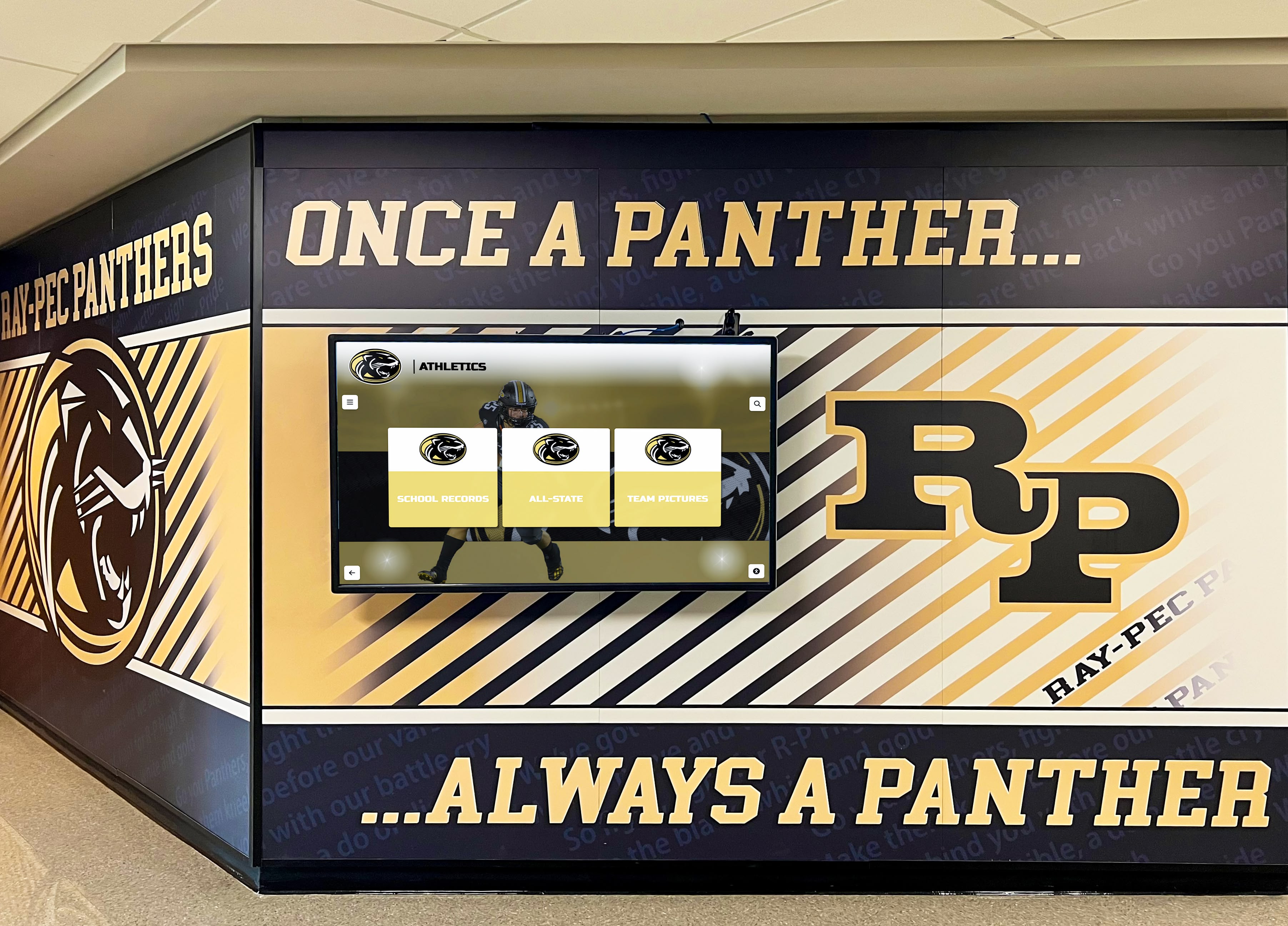
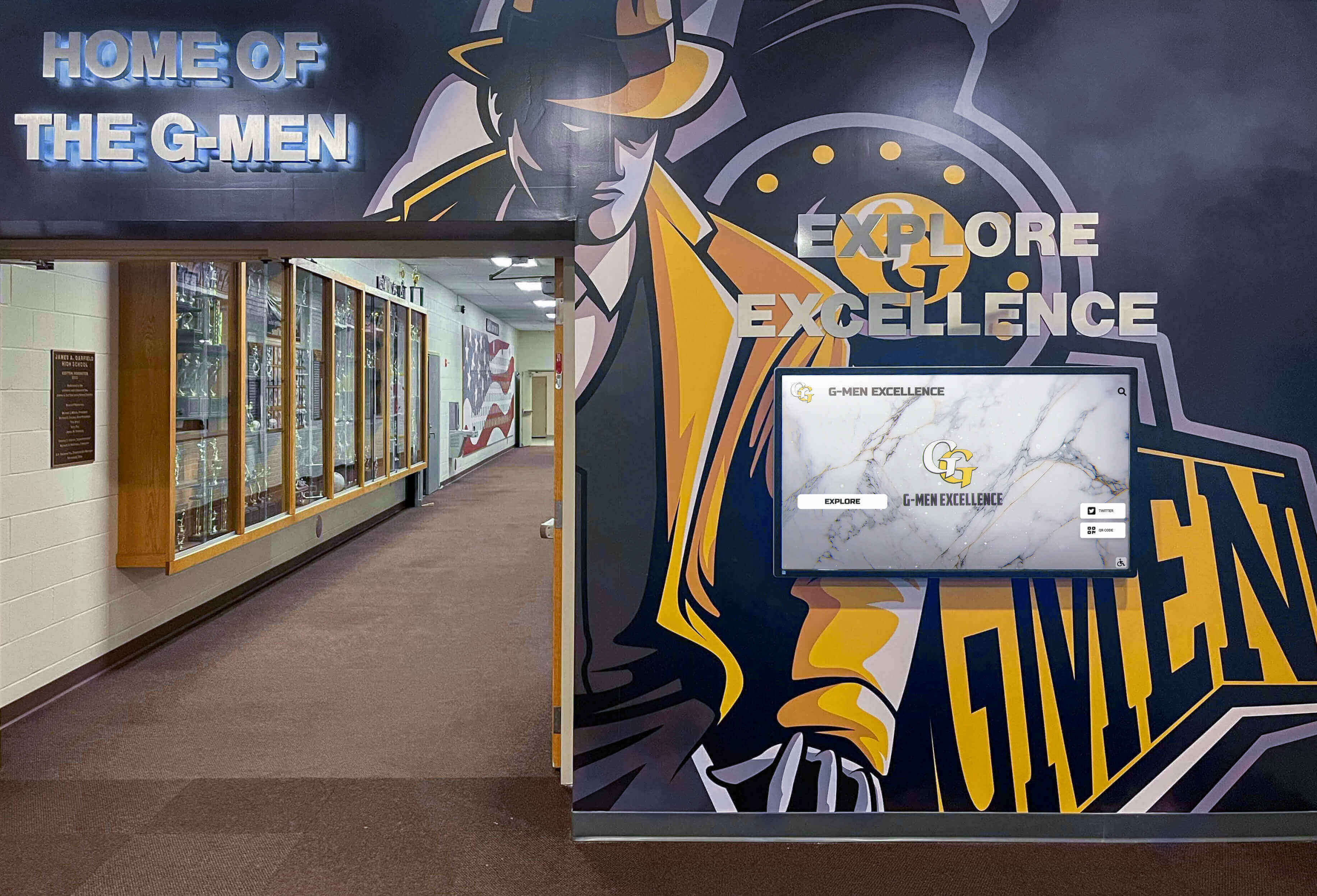
Main Athletic Facility Entrances: Positioned where all game attendees pass, recognition displays create pre-game excitement while celebrating program history and building anticipation for the coming competition.
School Main Lobbies: Prominent placement in main entrances ensures the broader school community—not just sports fans—sees athletic achievement recognition, strengthening school-wide pride.
Training Facilities: Displays in weight rooms, locker rooms, or practice facilities inspire current student-athletes daily by surrounding them with program excellence and tradition.
Community Gathering Spaces: Installation in cafeterias, student unions, or other common areas captures casual viewers during downtime when they have time for exploration.
Schools implementing comprehensive athletic recognition should consider multiple distributed displays rather than single installations, creating numerous engagement touchpoints throughout facilities and maximizing visibility across different audience segments.
Social Media Strategies That Drive Authentic Engagement
Social media has fundamentally transformed fan engagement, creating direct communication channels between programs and supporters while enabling fans to become active participants in program narratives.
Platform-Specific Strategies
Different social platforms serve distinct purposes and reach different audience segments. Effective social media strategies tailor content and approaches to each platform’s unique characteristics and user expectations.
Instagram: Visual Storytelling and Behind-the-Scenes Access
Instagram’s visual focus makes it ideal for showcasing athletic moments through action photography from games and competitions, athlete spotlights featuring personal stories, training and preparation footage, championship and milestone celebrations, and throwback content connecting to program history.
Younger fans particularly engage with Instagram Stories and Reels providing authentic, less polished content that feels personal and immediate. According to sports marketing research, streaming and social media platforms like Instagram have become primary ways younger fans follow sports, often replacing traditional news outlets.
Twitter/X: Real-Time Updates and Community Conversation
Twitter excels for live game updates with play-by-play highlights, score updates and key moments, injury reports and lineup changes, and post-game reactions and quotes. The platform’s conversational nature facilitates direct interaction between programs and fans through replies and community engagement.
Facebook: Alumni Connection and Long-Form Content
Facebook remains valuable for reaching alumni and older community members who may not use newer platforms. Content strategies should include game recaps with photos and highlights, alumni athlete features and career updates, schedule announcements and event invitations, booster club information and fundraising campaigns, and longer-form storytelling about program impact and values.
TikTok: Creative Student-Led Content
TikTok provides opportunities for authentic, student-created content showcasing team personality and culture. Student-athletes creating content about game-day routines, team traditions and rituals, challenge videos and trends, and personality-driven humor builds genuine connections with younger audiences in ways traditional marketing never could.
Content That Resonates
Successful social media engagement requires content that followers genuinely want to see and share, not just content programs want to broadcast.
High-Engagement Content Types:
Research shows several content categories consistently drive strong engagement across educational athletic programs:
Athlete Spotlights: Personal stories about individual student-athletes create emotional connections. Highlight academic achievements alongside athletic success, family backgrounds and support systems, overcoming obstacles and adversity, future goals and aspirations, and what the sport means personally. These human-interest angles resonate far more than pure athletic statistics.
Behind-the-Scenes Access: Fans crave insider perspectives they can’t get elsewhere. Share pre-game preparation and routines, locker room celebrations after victories, practice footage showing work behind performance, coach-athlete interactions and teaching moments, and team bonding activities and traditions.
User-Generated Content: Encourage and reshare fan-created content including photos from the stands, fan art and creative expressions, reactions and celebrations, and community support demonstrations. Sharing user content validates and celebrates your fan community while encouraging additional participation.
Interactive Content: Polls, questions, and calls for participation drive active engagement. Ask fans to vote on favorite moments, predict game outcomes, submit questions for coach interviews, share their own memories and experiences, and participate in challenges and competitions.
Building Consistent Presence Without Overwhelming Staff
Athletic departments often struggle with social media consistency due to limited staff bandwidth. Strategic approaches make sustained engagement achievable even with constrained resources.
Sustainable Content Strategies:
Student Social Media Teams: Recruit student managers, journalism students, or social media-savvy athletes to handle day-to-day posting. Students bring authentic voice and peer perspective while developing valuable professional skills. Many successful programs designate “social media managers” as official team positions with specific responsibilities.
Content Batching: Develop content in batches during less busy periods rather than creating daily. Photograph and write multiple athlete spotlights during pre-season, schedule posts using platform tools or third-party schedulers, maintain content calendars planning weeks ahead, and repurpose content across multiple platforms to maximize efficiency.
Template-Based Approaches: Create standard templates for recurring content types including game-day graphics with consistent formatting, result announcements following standard structures, athlete birthday recognitions, and milestone celebration formats. Templates ensure consistency while reducing creation time.
Creating Memorable Game-Day Experiences
Game-day experiences extend far beyond the competition itself. The totality of the experience—from arrival through departure—determines whether casual attendees become regular, engaged fans.
Pre-Game Atmosphere and Activation
Building excitement before competition begins primes fans for engagement throughout events.
Effective Pre-Game Elements:
Arrival Experience: First impressions matter enormously. Ensure clear wayfinding and parking, friendly greeting by staff and volunteers, music and energy-building activities, and food and concession accessibility. These operational basics create welcoming environments that encourage return visits.
Interactive Recognition Displays: Position digital athletic recognition displays in entry areas where early-arriving fans can explore while waiting for competition to begin. Interactive displays provide entertainment value while building program pride.
Student Section Organization: Organized student sections create electric atmospheres that energize entire venues. Provide designated student seating areas, student leadership coordinating chants and energy, themed dress-up or color coordination, and recognition for spirited student participation. Strong student sections influence entire crowd energy while building peer pressure for attendance.
Family-Friendly Activities: Youth activities keep families engaged and encourage attendance as family traditions. Consider face painting and temporary tattoos, inflatable games or skill challenges, photo opportunities with mascots or trophies, and programs with rosters and athlete information.
In-Game Engagement Tactics
Maintaining fan engagement throughout competition requires strategic attention to the total spectator experience beyond the athletic performance itself.
Engagement-Driving Elements:
Professional Presentation: Quality matters significantly. Invest in clear, energetic public address announcing, high-quality sound systems for music and announcements, video boards showing replays and statistics where budgets permit, proper lighting creating exciting atmospheres, and organized halftime entertainment and activities.
Recognition Moments: Integrate recognition into events creating additional engagement touchpoints. Recognize senior athletes and their families, celebrate milestone achievements and records, acknowledge community sponsors and supporters, feature youth programs and future athletes, and highlight academic achievements and character awards.
Interactive Fan Engagement: Create opportunities for fans to actively participate through contests between quarters or innings, t-shirt tosses and giveaways, fan cams and crowd shots on video boards, dance cam or other entertaining crowd features, and social media challenges with prizes for participation.
Strategic Timeout Use: Maximize engagement during natural breaks rather than allowing dead time. Plan entertainment for all timeouts, promote upcoming events and important information, show highlight videos from previous games, feature athlete or coach interviews, and maintain energy with music and crowd prompts.
Post-Game Connection Extension
Fan engagement shouldn’t end when competition concludes. Strategic post-game approaches extend connections and build momentum toward next events.
Post-Game Engagement Tactics:
Immediate Social Media Recap: Share game highlights, results, and standout performances within minutes of final whistles while fans are still emotionally invested. Quick turnaround capitalizes on peak engagement moments when fans actively seek content to share and discuss.
Photo Opportunities: Allow time for families to photograph athletes, teams to gather for group photos, fans to photograph trophies or awards, and community members to capture memories. Photos become shareable content extending program visibility.
Next Event Promotion: Announce and promote upcoming competitions immediately, capitalize on positive momentum after victories, encourage multi-game attendance commitments, and provide schedule cards or digital calendar links fans can save.
Feedback Collection: Gather input about fan experience through brief surveys on phone or tablet, social media polls about experience elements, comment cards at exits, and informal conversations with supporters. Feedback drives continuous improvement.
Building Year-Round Engagement Beyond Game Days
The most successful fan engagement programs maintain connections during off-seasons and between competitions, transforming seasonal interest into year-round community relationships.
Off-Season Content and Connection
Athletic programs don’t disappear between seasons, and fan engagement shouldn’t either. Strategic off-season approaches maintain visibility and interest during periods without competition.
Off-Season Engagement Strategies:
Training and Preparation Content: Share behind-the-scenes looks at off-season preparation including strength and conditioning progress, skill development and training, team bonding and culture building, newcomer recruitment and integration, and coaching staff planning and preparation. This content maintains interest while building appreciation for work behind performance.
Alumni and Legacy Content: Off-seasons provide opportunities for deeper storytelling about program history and legacy. Feature alumni athlete success stories and career updates, program milestone anniversaries and throwbacks, coaching legends and their lasting impact, facility improvements and evolution, and historical achievement retrospectives.
Community Service and Outreach: Highlight team involvement in community service through youth camps and clinics, volunteer activities and service projects, school and community event participation, and relationship building beyond athletics. This content positions programs as community assets beyond wins and losses.
Schedule Releases and Season Previews: Build anticipation for upcoming seasons through schedule release announcements and analysis, roster previews and newcomer introductions, coach perspectives and season goals, and early bird ticket or pass promotions.
Email Marketing and Direct Communication
While social media provides public engagement channels, email enables direct, personal communication with committed supporters delivering targeted messages to specific audience segments.
Effective Email Approaches:
Segmented Communication: Different supporter segments have different interests and engagement preferences. Create separate communications for current student-athlete families, booster club members, alumni athletes, season ticket holders, and general community supporters. Targeted messaging drives higher engagement than generic mass communications.
Newsletter Content Mix: Effective newsletters balance information types including game recaps and upcoming schedules, athlete and team spotlights, behind-the-scenes stories and insights, community impact and service updates, recognition of supporters and volunteers, and calls to action for engagement opportunities.
Personalization Elements: Even automated communications feel more personal through addressing recipients by name, referencing specific sports or teams they follow, acknowledging past attendance or support, and tailoring content to known interests and engagement history.
Mobile Optimization: Over 60% of emails are opened on mobile devices. Ensure responsive design that displays properly on phones, concise subject lines that work on small screens, scannable content with clear structure, and prominent calls to action easy to tap on mobile interfaces.
Creating Traditions and Signature Events
Traditions create recurring engagement touchpoints that fans anticipate annually while building program identity and community bonds.
Tradition-Building Opportunities:
Annual Recognition Events: Establish signature annual events like end-of-season banquets and awards, athletic hall of fame inductions, alumni games or reunions, community appreciation nights, and youth recognition events. Consistent annual events become traditions that supporters mark on calendars and plan around.
Game-Specific Traditions: Develop unique traditions for specific contests like rivalry game festivities and challenges, homecoming athletic events and celebrations, senior night recognition and ceremonies, youth sports days with special programming, and championship celebrations with community involvement.
Facility and Program Enhancements: Major improvements provide opportunities for celebratory events and donor recognition including facility naming opportunities, equipment or technology upgrades, championship banners or recognition additions, and historical marker or monument installations. These milestones create engagement moments while demonstrating program investment and progress.
Engaging Alumni Athletes: Your Most Valuable Fan Base
Alumni athletes represent uniquely valuable fan segments combining emotional program connection with often-substantial resources for support. Strategic alumni engagement builds powerful networks supporting current programs while strengthening lifelong institutional relationships.
Alumni Recognition Programs
Formal recognition programs provide frameworks for sustained alumni engagement while celebrating distinguished careers and continued connections.
Recognition Program Elements:
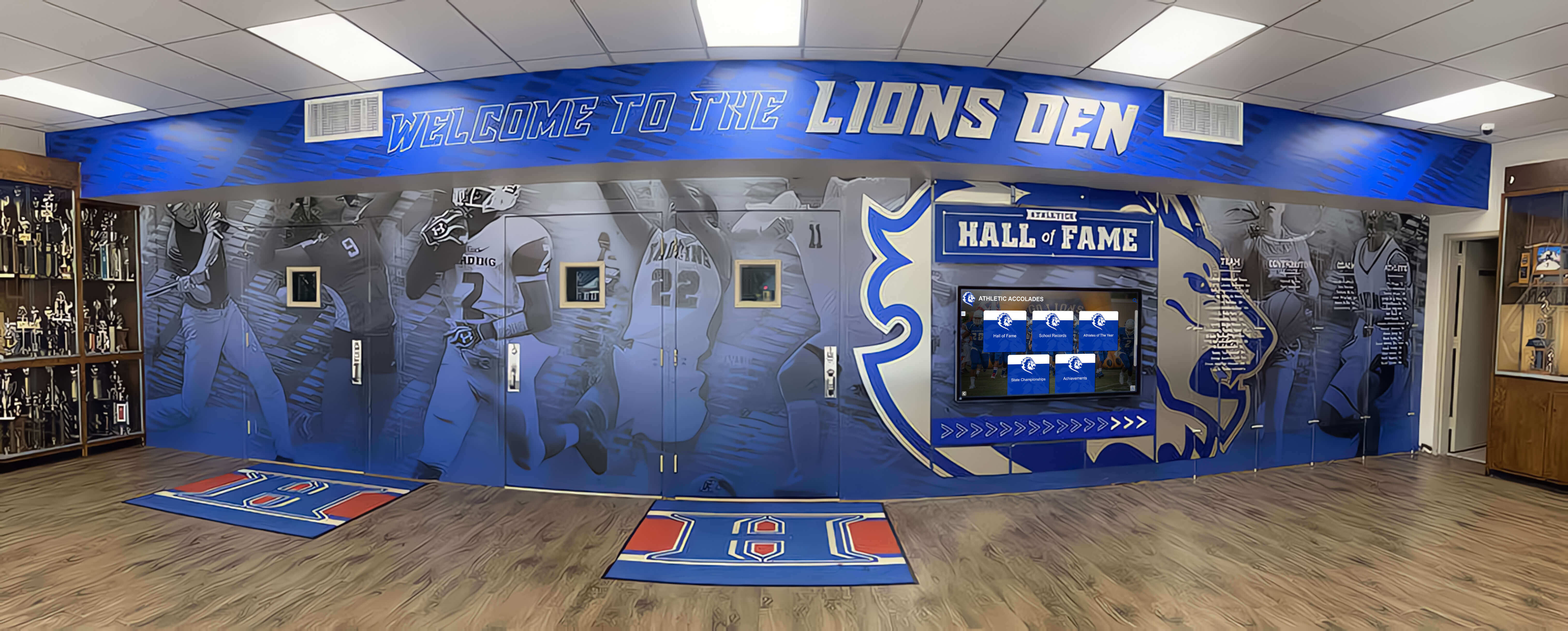
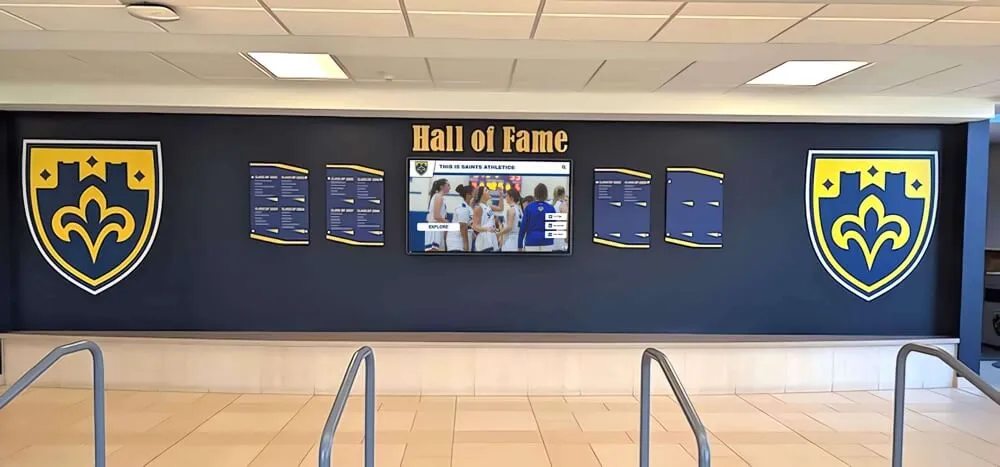
Programs like interactive digital halls of fame provide comprehensive platforms for documenting and celebrating athletic alumni across decades of program history.
Athletic Hall of Fame: Formal hall of fame inductions create prestigious recognition driving sustained engagement. Establish clear, transparent selection criteria and processes, annual or biennial induction ceremonies, permanent physical or digital recognition, profile development including career highlights and achievements, and networking opportunities during induction events.
Career Success Showcases: Celebrate alumni professional achievements beyond athletics through career pathway displays highlighting diverse post-athletic careers, business and professional achievement recognition, community leadership and service acknowledgment, and family legacy documentation. This recognition demonstrates comprehensive alumni value beyond playing careers.
Milestone Anniversary Recognition: Acknowledge significant anniversary years including 10, 25, 50-year reunion celebrations, team anniversary commemorations, facility or program milestone marking, and coaching tenure acknowledgments. Anniversary recognition creates natural outreach opportunities and reunion drivers.
Alumni Mentorship and Networking
Alumni networks provide valuable resources for current student-athletes when properly structured and facilitated.
Mentorship Program Components:
Career Guidance and Networking: Connect current athletes with alumni in career fields of interest through informational interviews and job shadowing, internship and employment opportunities, professional networking introductions, and career transition support from athletics. These connections provide practical value enhancing student-athlete experience beyond competition.
Athletic Development Mentoring: Alumni athletes offer unique perspectives on balancing academics and athletics, transitioning between competitive levels, managing setbacks and injuries, developing mental toughness and resilience, and navigating recruiting and commitment decisions.
Life Skills and Personal Development: Alumni mentors share real-world perspectives on financial literacy and management, relationship building and networking, time management and prioritization, and navigating post-athletic identity development.
Technology Integration for Enhanced Fan Engagement
Modern technology enables fan engagement approaches impossible just years ago. Strategic technology integration amplifies engagement while creating efficiency that makes sustained effort manageable.
Mobile Apps and Digital Platforms
Comprehensive mobile apps consolidate multiple engagement functions into single convenient platforms fans can access anywhere, anytime.
Essential App Features:
Schedule and Calendar Integration: Allow fans to view complete season schedules, add games to personal calendars, receive game reminders and notifications, and access directions and parking information. Convenience drives attendance and reduces friction to participation.
Live Scoring and Updates: Provide real-time game updates for fans unable to attend including live score updates and play-by-play, statistical leaders and highlights, photo galleries from games, and post-game recaps and coach comments.
Digital Ticketing: Streamline attendance through mobile ticket purchase and storage, season pass and multi-game package options, digital ticket transfer capabilities, and seat selection and upgrade options.
Team and Athlete Information: Offer comprehensive information including roster details and athlete bios, coaching staff information, historical records and achievements, and facility information and maps.
Streaming and Virtual Attendance
Streaming technology extends program reach far beyond those who can physically attend, creating new engagement opportunities with displaced alumni, families of student-athletes, and geographically distant fans.
Streaming Strategy Considerations:
Production Quality: Streaming quality significantly impacts viewer experience and perceived program professionalism. Invest in stable internet connectivity adequate for streaming, decent camera angles capturing action, clear audio for commentary and game sounds, and graphics packages showing scores and statistics.
Platform Selection: Choose streaming platforms based on audience preferences and budget constraints. Options include free platforms like YouTube Live or Facebook Live, NFHS Network serving high school athletics, conference or league streaming services, and custom platforms for larger programs.
Hybrid Engagement: Connect physical and virtual audiences through in-stream chat enabling remote fan interaction, shout-outs to virtual attendees during broadcasts, social media integration and cross-platform promotion, and post-game content available to all audiences.
Measuring Fan Engagement Success
Effective fan engagement requires measurement and assessment. Data-driven approaches identify what works, what doesn’t, and where to focus improvement efforts.
Key Performance Indicators
Attendance Metrics:
- Total attendance numbers per event
- Year-over-year attendance trends
- Sell-out or high-attendance percentages
- Student section participation rates
- Multi-event attendance and season pass adoption
Digital Engagement Metrics:
- Social media follower growth rates
- Post engagement rates (likes, comments, shares)
- Website traffic to athletic content
- App downloads and active users
- Email open and click-through rates
- Streaming viewership numbers and duration
Community Connection Indicators:
- Booster club membership numbers
- Volunteer participation rates
- Fundraising totals and donor counts
- Media coverage quantity and quality
- Community survey sentiment scores
- Alumni event attendance
Student-Athlete Impact:
- Student-athlete satisfaction scores
- Recruitment success and quality
- Retention and program completion rates
- Academic performance metrics
- Post-graduation outcomes
Continuous Improvement Process
Data collection proves valuable only when used for systematic improvement. Establish regular assessment cycles that inform strategic adjustments.
Assessment and Refinement:
Quarterly Review Process: Every three months, analyze engagement metrics across all channels, identify trends and patterns, benchmark against goals and previous periods, and adjust strategies based on performance.
Annual Strategic Planning: Conduct comprehensive annual assessment reviewing all engagement data, gathering stakeholder feedback through surveys and focus groups, assessing competitive landscape and best practices, and setting specific goals and strategies for upcoming year.
A/B Testing: Systematically test different approaches to identify most effective tactics through varied social media content types and posting times, different game-day activities and promotions, alternative communication messaging and channels, and diverse recognition program elements.
Implementation Roadmap: Building Comprehensive Fan Engagement
Schools ready to enhance fan engagement should follow systematic approaches ensuring successful implementation without overwhelming limited resources.
Phase 1: Foundation Building (Months 1-3)
Assessment and Planning:
- Conduct current state assessment of all engagement efforts
- Survey fans, students, and community about preferences
- Benchmark against comparable programs
- Identify resource constraints and opportunities
- Establish clear goals and success metrics
Quick Win Implementation:
- Improve basic game-day experience elements
- Establish consistent social media presence
- Create fan email list and initial communication
- Develop recognition for current season highlights
Phase 2: Technology and Systems (Months 4-6)
Digital Infrastructure:
- Implement digital recognition displays in strategic locations
- Enhance social media capabilities and content quality
- Develop mobile-friendly website or app
- Establish streaming for major events
Content Development:
- Create athlete and team profile library
- Document program history and achievements
- Develop alumni database and communication
- Build content calendar and production workflows
Phase 3: Community Building (Months 7-12)
Relationship Development:
- Launch formal alumni engagement programs
- Establish community partnership initiatives
- Develop booster and volunteer networks
- Create signature events and traditions
Sustained Excellence:
- Implement measurement and assessment systems
- Train staff on engagement best practices
- Develop sustainability plans and succession
- Celebrate successes and build momentum
Conclusion: Building Fan Engagement That Lasts
Fan engagement represents far more than marketing tactics or attendance strategies. Authentic engagement builds communities where people feel genuine connection to athletic programs, students athletes receive support that enhances their experiences, schools strengthen relationships with constituencies, and traditions develop that sustain through generations.
The most successful fan engagement programs share common characteristics: they leverage modern technology while maintaining personal authenticity, provide value to fans rather than simply asking for their support, create year-round connections beyond game days, measure results and continuously improve, and integrate engagement into program culture rather than treating it as separate function.
Ready to Transform Fan Engagement at Your School?
Discover how interactive digital recognition displays can anchor your fan engagement strategy while celebrating athletic achievement and building lasting connections. Rocket Alumni Solutions provides comprehensive platforms designed specifically for educational athletic programs.
Explore Recognition SolutionsWhether you’re launching initial fan engagement efforts or enhancing established programs, remember that authentic connection matters more than sophisticated tactics. Start where you are, use resources you have, and build systematically toward comprehensive engagement that serves your specific community’s needs and preferences.
The investment schools make in fan engagement pays dividends in attendance, support, program sustainability, and student-athlete experiences. Strong fan engagement creates environments where athletic programs thrive, communities gather, and traditions develop that strengthen schools and towns for generations.
Your student-athletes work too hard and achieve too much for their efforts to go unnoticed and uncelebrated. Strategic fan engagement ensures their achievements receive the recognition they deserve while building the support systems that make excellent programs possible.
Ready to begin? Explore how interactive recognition displays can provide the foundation for comprehensive fan engagement, or learn more about building student recognition programs that celebrate achievement while strengthening school communities.































