FBLA awards represent some of the most prestigious business education recognition available to high school students across America. Future Business Leaders of America (FBLA) provides comprehensive recognition systems that celebrate achievement across competitive events, individual development programs, chapter excellence, and community engagement—preparing students for college and career success while building essential business and leadership capabilities.
Yet many schools struggle to give FBLA achievements the visibility they deserve. Awards often remain confined to certificates tucked in folders, brief announcements that blend into daily routines, or annual banquets attended only by participants. Meanwhile, students who invest hundreds of hours developing business skills, competing at state and national levels, and leading community projects receive recognition that fails to match the significance of their accomplishments or inspire other students to participate.
This comprehensive guide explores the full spectrum of FBLA awards and recognition programs while providing strategies for creating systems that celebrate business leadership achievements with visibility equal to any other student accomplishment.
Effective FBLA recognition extends beyond acknowledging competition winners—it creates comprehensive approaches that celebrate individual growth through Business Achievement Awards, competitive excellence across diverse business disciplines, chapter-level accomplishments, and the complete journey from local participation to national recognition. Schools that excel at FBLA recognition build cultures where business education and leadership development receive visibility that inspires widespread student participation.
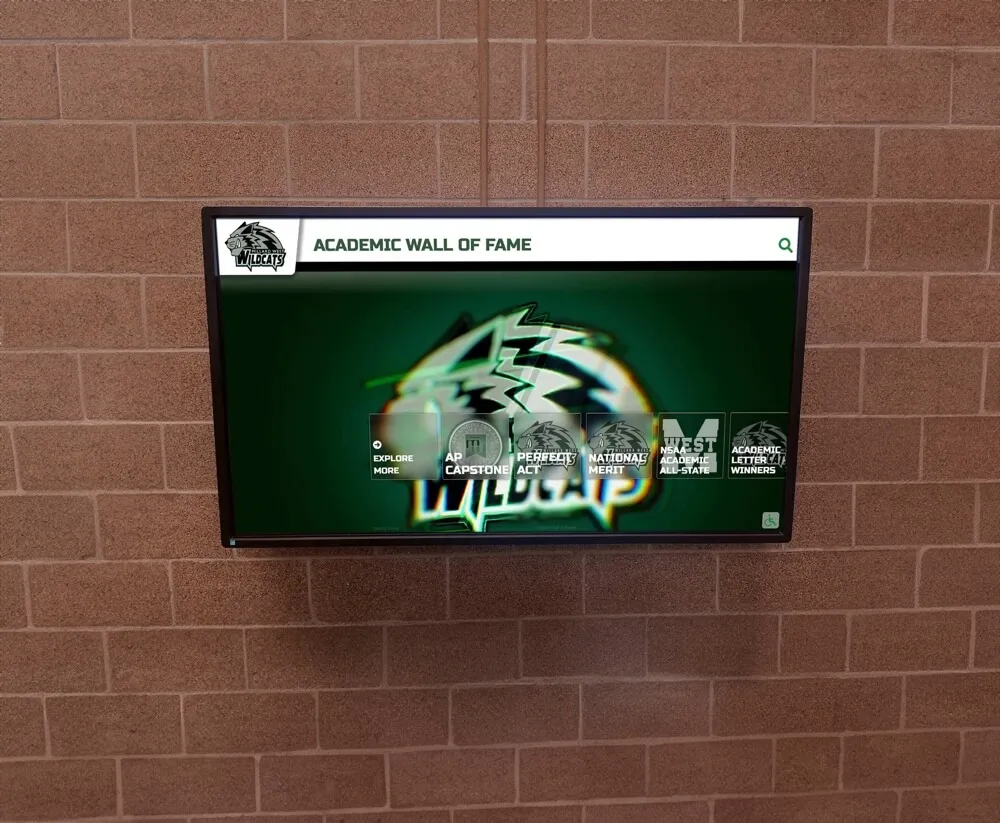
Modern recognition displays elevate FBLA achievements and make business leadership excellence visible throughout the school community
Understanding the FBLA Recognition Ecosystem
FBLA offers one of the most comprehensive student recognition systems in secondary education, spanning individual achievement, competitive excellence, chapter accomplishments, and national honors.
The Value of FBLA Awards Recognition
According to the FBLA National organization, FBLA recognition programs educate, elevate, and celebrate student learning and advancement in business education. These programs provide practical learning experiences while integrating development of business and leadership skills.
College Application Enhancement
- FBLA national recognition distinguishes college applications
- Competitive event placement demonstrates specialized business knowledge
- Business Achievement Awards document systematic skill development
- Chapter leadership positions prove organizational management capability
- Four-year FBLA participation trajectory shows sustained commitment
Career Readiness Development
- Competition preparation builds presentation and communication skills
- Business Achievement Awards develop practical business competencies
- Chapter projects create real-world problem-solving experience
- Networking opportunities connect students with business professionals
- Recognition credentials validate capabilities to employers and scholarship committees
Personal Development Impact
- Progressive achievement programs build confidence and leadership capacity
- Public recognition reinforces positive academic and professional behaviors
- Competitive success creates motivation for continued excellence
- Chapter involvement develops teamwork and organizational skills
- National convention participation expands perspectives and aspirations
The challenge lies not in FBLA’s recognition structure—which provides exceptional frameworks—but in how schools celebrate and display these achievements locally to maximize motivation and participation.
Business Achievement Awards: Individual Excellence Recognition
The Business Achievement Awards (BAA) represent FBLA’s individual leadership development and recognition program, according to the FBLA Learning Center. This four-level program provides systematic pathways for members to enhance leadership skills, expand business knowledge, contribute to communities, and earn progressive recognition.
Four-Level BAA Structure
Level One: Contributor Award The Contributor Award introduces members to FBLA foundations and helps them maximize available opportunities:
- Understanding FBLA mission, history, and organizational structure
- Learning about available programs, competitions, and recognition opportunities
- Completing foundational business education activities
- Participating in chapter meetings and local events
- Beginning to build business knowledge and leadership skills
Students completing Level One receive recognition pins typically presented at local chapter award ceremonies, establishing their commitment to business leadership development.
Level Two: Leader Award The Leader Award focuses on leadership fundamentals and personal leadership style development:
- Exploring various leadership theories and approaches
- Assessing personal leadership strengths and development areas
- Practicing leadership skills through chapter activities
- Mentoring newer FBLA members
- Demonstrating increased chapter involvement and responsibility
Level Two pins are typically presented at State Leadership Conferences, recognizing students who have progressed beyond basic participation to active leadership roles.
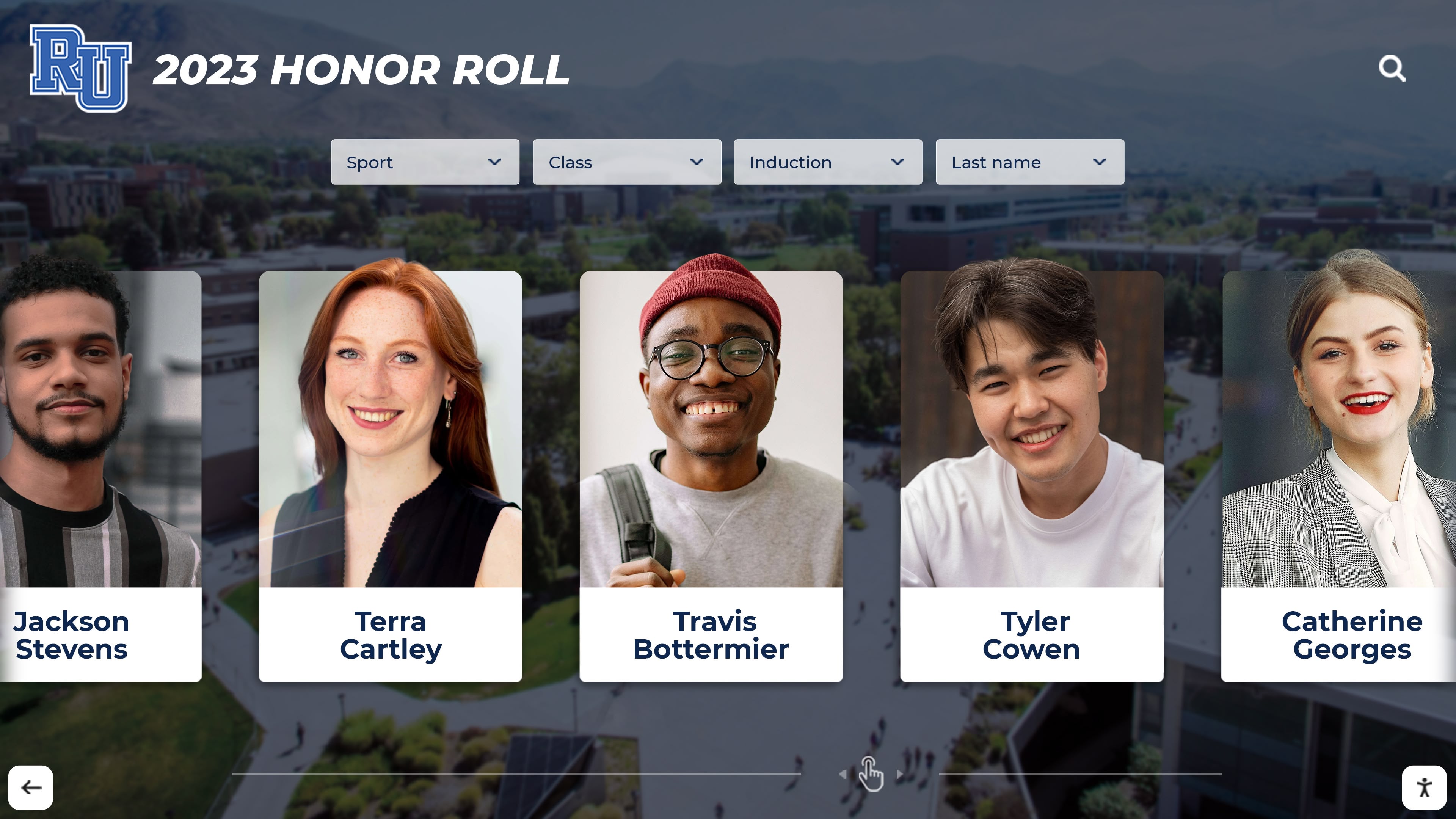
Individual achievement profiles document each student's progression through FBLA recognition levels
Level Three: Advocate Award The Advocate Award allows members to select specific business skills or content areas for deeper development:
- Choosing specialized business focus areas aligned with career interests
- Completing advanced projects demonstrating mastery
- Developing expertise in selected business disciplines
- Contributing specialized knowledge to chapter activities
- Building portfolio-worthy accomplishments for college applications
This level recognizes students who move beyond general participation to develop specialized business competencies.
Level Four: Capstone Award The Capstone Award represents the pinnacle of individual FBLA achievement, according to national BAA guidelines. Participating members design, complete, and reflect on projects solving real-world problems:
- Dedicating approximately 80 hours to comprehensive project completion
- Applying design thinking methodology to community or school challenges
- Implementing solutions that create measurable impact
- Documenting project planning, execution, and outcomes
- Reflecting on learning and demonstrating business leadership integration
Capstone pins are presented at the National Leadership Conference, recognizing exceptional commitment and achievement. These students demonstrate readiness for college-level work and professional challenges.
Maximizing BAA Recognition Impact
Schools should celebrate BAA progression systematically rather than only acknowledging final completion:
Progressive Recognition Display Solutions like Rocket Alumni Solutions enable schools to showcase students’ BAA progression through multiple levels:
- Individual student profiles documenting achievement at each level
- Timeline displays showing progression from Contributor through Capstone
- Search functionality allowing students to explore peer accomplishments
- Photo galleries documenting project work and presentations
- Integration with other academic recognition programs
Multi-Channel Communication BAA achievements deserve visibility through multiple channels:
- Announcements when students complete each level
- Social media celebration of progressive achievement
- Newsletter features highlighting Capstone projects
- Recognition ceremonies at appropriate levels (local, state, national)
- Family communication about achievement significance
This systematic approach ensures students receive recognition matching their investment while inspiring others to participate in BAA programs.
BAA Implementation Strategies
Chapter-Level Support Successful BAA participation requires intentional chapter support:
- Advisors explaining BAA structure and benefits
- Regular reminders about level requirements and deadlines
- Peer mentoring connecting experienced participants with newcomers
- Recognition of progress toward completion
- Celebration creating motivation for continued participation
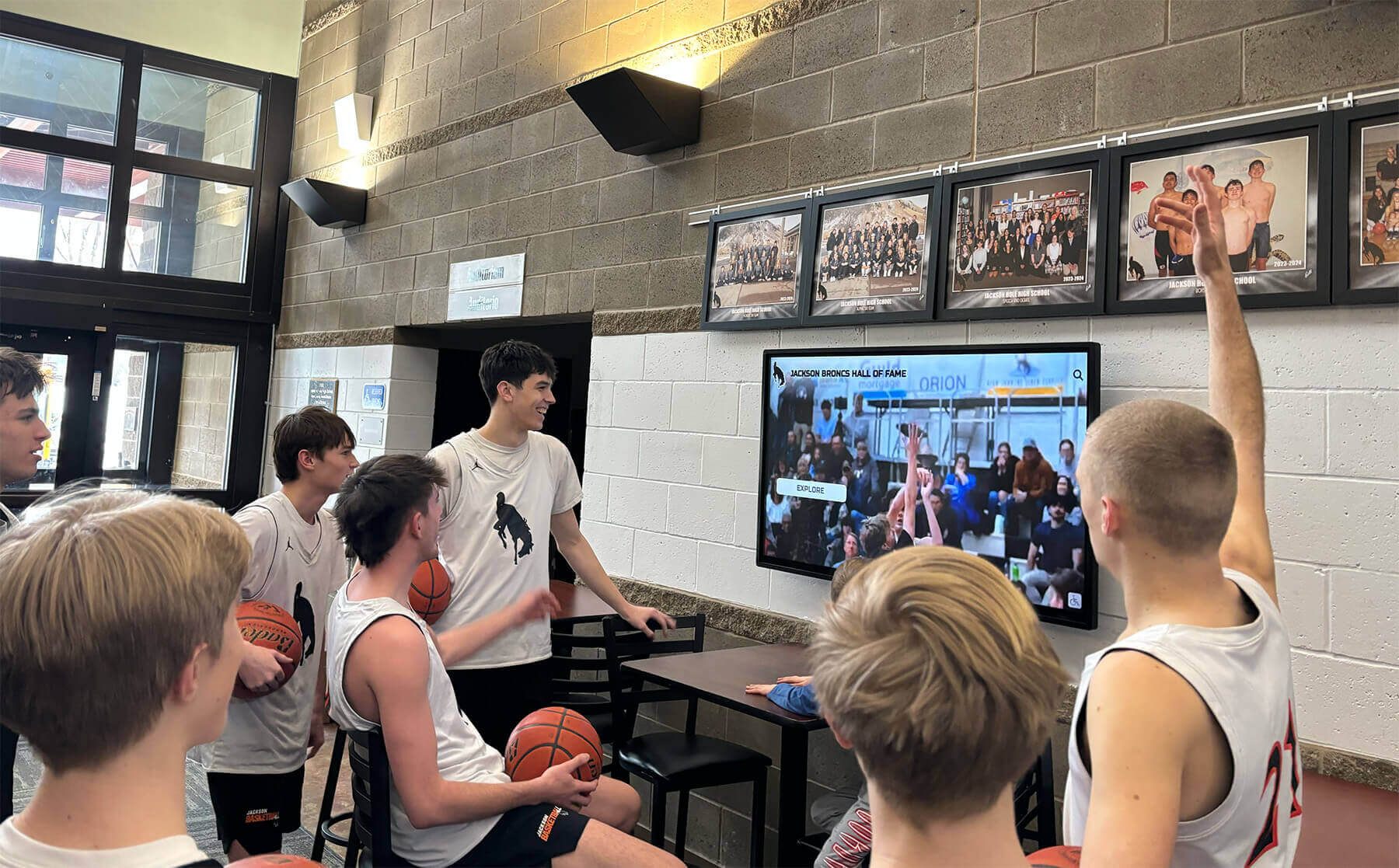
Interactive displays enable students to explore FBLA achievements and inspire participation in recognition programs
Integration with School Recognition Systems BAA achievements should integrate with broader student recognition:
- Honor roll equivalency for advanced BAA levels
- Academic excellence displays including BAA accomplishments
- Awards ceremonies featuring BAA progression
- Transcript documentation of BAA completion
- College recommendation integration highlighting BAA achievement
Schools can explore comprehensive student recognition approaches that incorporate FBLA accomplishments alongside other achievements.
Competitive Events: Excellence in Business Disciplines
FBLA’s competitive events program represents the most visible component of FBLA recognition, testing student mastery across diverse business and career-related areas.
Understanding Competitive Event Structure
According to the FBLA competitive events program, high school competitive events fall into three categories:
Individual Events Students compete independently in specialized business disciplines:
- Accounting (Principles, I, II)
- Business Communication
- Business Financial Plan
- Business Law
- Business Math
- Client Service
- Computer Problem Solving
- Cyber Security
- Economics
- Entrepreneurship
- Introduction to Business
- Introduction to Information Technology
- Introduction to Parliamentary Procedure
- Marketing
- Personal Finance
- And many additional specialized areas
Team Events Groups of 2-3 students collaborate on business challenges:
- Banking & Financial Systems
- Business Ethics
- Database Design & Applications
- Electronic Career Portfolio
- Emerging Business Issues
- Event Planning
- Global Business
- Hospitality & Event Management
- Network Design
- Publication Design
- Sports & Entertainment Management
- Website Design
- And additional collaborative competitions
Chapter Events Entire chapters compete on collective projects:
- American Enterprise Project
- Community Service Project
- Local Chapter Annual Business Report
- Partnership with Business Project
- And other chapter-level initiatives
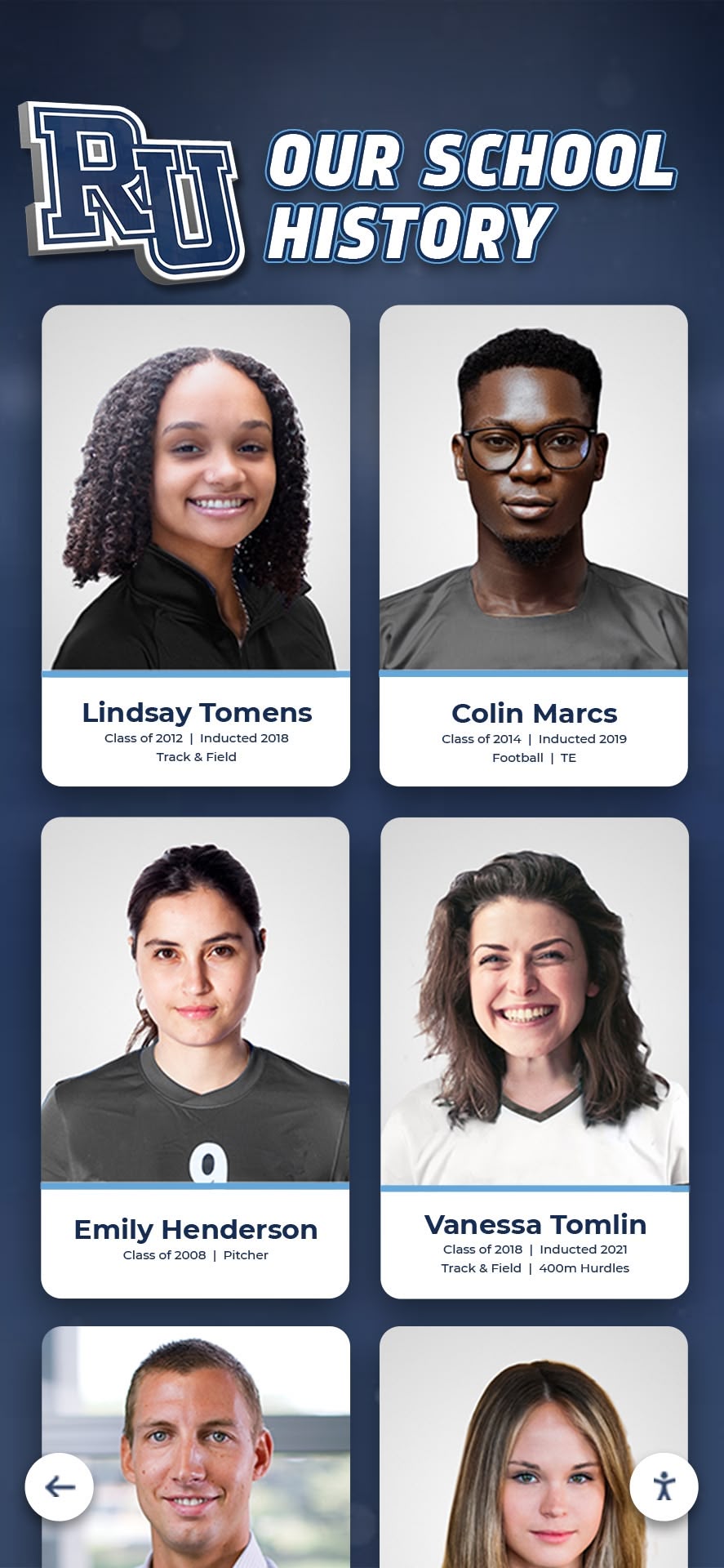
Comprehensive recognition systems document competitive achievement across multiple years and events
Competition Progression: Local to National
The competitive events progression creates escalating recognition opportunities as students advance through levels.
Regional/Local Competitions Many states begin with regional competitions where students first test skills:
- Initial competitive experience building confidence
- Regional awards recognizing top performers
- Advancement opportunities to state competition
- Lower-pressure environment for competition beginners
- Local visibility creating school and community recognition
State Leadership Conference Competition State competitions represent the first major recognition milestone:
- Top finishers advance to national competition
- State recognition establishing credibility and prestige
- Scholarships and awards from state organizations
- Networking with business leaders and college representatives
- Recognition at school and district levels
Advancement criteria vary by state; for example, North Carolina FBLA advances top three winners to nationals in events with national counterparts, while other states may advance top four or use minimum score thresholds.
National Leadership Conference Competition National competition represents the pinnacle of FBLA competitive achievement:
- Competing against the best students nationwide
- National recognition with lasting college application impact
- Substantial scholarship opportunities for top performers
- Professional networking and college recruitment opportunities
- Lifetime achievement warranting permanent recognition
Schools should create recognition displays that distinguish levels of competitive achievement while celebrating participation across all stages.
Recognizing Diverse Competitive Excellence
Effective FBLA competitive event recognition celebrates excellence across all disciplines rather than focusing only on traditional business areas.
Technology and Innovation Recognition
- Cyber Security competition achievements
- Website Design and Digital Media awards
- Database and Network Design accomplishments
- Computer Problem Solving excellence
- Emerging Business Issues innovation
Finance and Accounting Recognition
- Accounting competition levels (Principles through II)
- Business Financial Plan development
- Banking & Financial Systems team achievements
- Personal Finance mastery
- Economics competition success
Marketing and Communication Recognition
- Marketing competition placement
- Business Communication excellence
- Publication Design awards
- Sports & Entertainment Management success
- Event Planning and Hospitality achievements
Learn about comprehensive approaches in recognizing diverse student achievements.
Chapter Recognition Programs: Collective Excellence
FBLA chapter-level awards celebrate collective accomplishments and organizational excellence beyond individual achievement.
Gold Seal Chapter Award of Merit
The Hollis and Kitty Guy Gold Seal Chapter Award of Merit recognizes outstanding local chapters, according to the national FBLA scholarship programs. This prestigious program recognizes the top 15% of chapters nationally.
Gold Seal Chapter Criteria Chapters must demonstrate excellence across multiple dimensions:
- Active participation in FBLA projects and programs
- Alignment with FBLA-PBL goals and mission
- Participation in state and national projects
- Comprehensive chapter activities spanning multiple program areas
- Documented impact and accomplishments throughout the year
Recognition Significance Gold Seal designation provides substantial benefits:
- National recognition distinguishing exceptional chapters
- Scholarship opportunities for chapter members
- Enhanced reputation attracting new members
- Validation of advisor effectiveness and chapter quality
- Permanent achievement enhancing institutional reputation
Schools should prominently display Gold Seal Chapter status through digital recognition systems that communicate chapter excellence to prospective students and families.
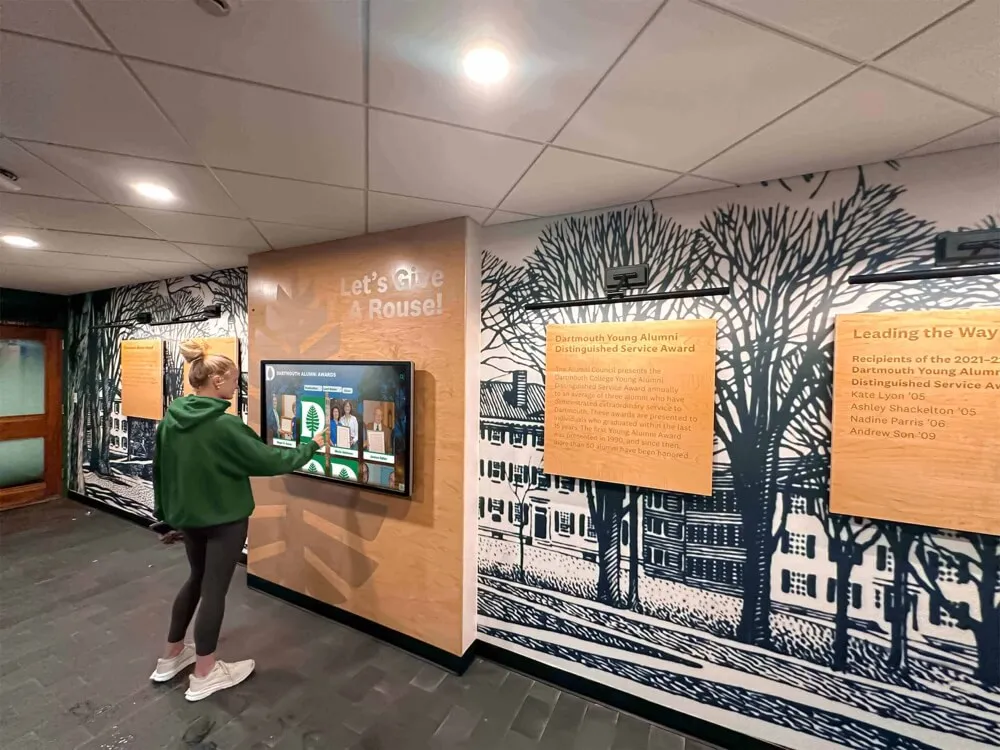
Strategic placement of chapter recognition in high-traffic areas builds program visibility and pride
Chapter Project Competitions
Beyond Gold Seal designation, FBLA offers competitive recognition for specific chapter projects.
American Enterprise Project The [American Enterprise Project](https://connect.fbla.org/headquarters/files/High School Competitive Events Resources/Individual Guidelines/Chapter Events/American-Enterprise-Project.pdf) recognizes chapters developing programs that increase understanding of the American enterprise system:
- Educational programs within schools or communities
- Promotion of free enterprise system awareness
- Projects designed for broad chapter participation
- Pre-judged report component documenting activities
- Team presentation at state competition
Activities can count toward multiple recognition programs including Business Achievement Awards and Outstanding Chapter recognition.
Community Service Project Community service recognition celebrates chapters addressing community needs:
- Identification of genuine community challenges
- Systematic project planning and implementation
- Measurable impact on community issues
- Student leadership development through service
- Documentation and presentation of outcomes
Many states offer additional community service awards beyond national competition, recognizing the importance of business students engaging civic responsibility.
Partnership with Business Project This chapter event recognizes collaborations between FBLA chapters and business partners:
- Development of meaningful business partnerships
- Projects benefiting both students and business partners
- Real-world business experience for chapter members
- Community engagement strengthening program support
- Sustainable relationships extending beyond single events
Local Chapter Annual Business Report Chapters compete on comprehensive documentation of all chapter activities:
- Systematic record-keeping and reporting
- Comprehensive chapter activity tracking
- Professional business report development
- Organizational management skill demonstration
- Foundation for Outstanding Chapter and Gold Seal applications
Outstanding Chapter Recognition
Many state FBLA organizations offer Outstanding Chapter designations recognizing comprehensive excellence across multiple criteria. These programs often serve as the basis for Gold Seal Chapter nominations.
Schools should integrate chapter-level recognition with individual achievement displays, creating comprehensive systems showing how individual excellence contributes to collective chapter success.
Special Recognition and Scholarship Programs
Beyond core award categories, FBLA offers numerous specialized recognition programs and scholarships.
Who I Am in FBLA Award
This national recognition honors exemplary FBLA members making outstanding contributions at local, state, and national levels. The award celebrates students embodying FBLA values and demonstrating exceptional commitment to organizational mission.
Young Leader Award
The Young Leader Award recognizes members with extraordinary commitment to leadership and community service. This recognition highlights students whose FBLA participation extends beyond competition to meaningful service and leadership development.
National Scholarship Programs
FBLA provides substantial scholarship opportunities through various programs:
NLC Scholarships According to Missouri FBLA recognition programs, NLC Scholarships include $500 plus complimentary National Leadership Conference registration ($195 value). Up to 50 scholarships are awarded annually.
Competitive Event Scholarships Top performers in national competitive events receive scholarship recognition beyond placement awards, creating substantial financial benefits for college-bound students.
Chapter Recognition Scholarships Gold Seal Chapter members and Outstanding Chapter representatives gain access to scholarship programs not available to all FBLA members.
Schools should track scholarship awards alongside competition placement and BAA achievement, creating comprehensive displays showing the full value of FBLA participation.
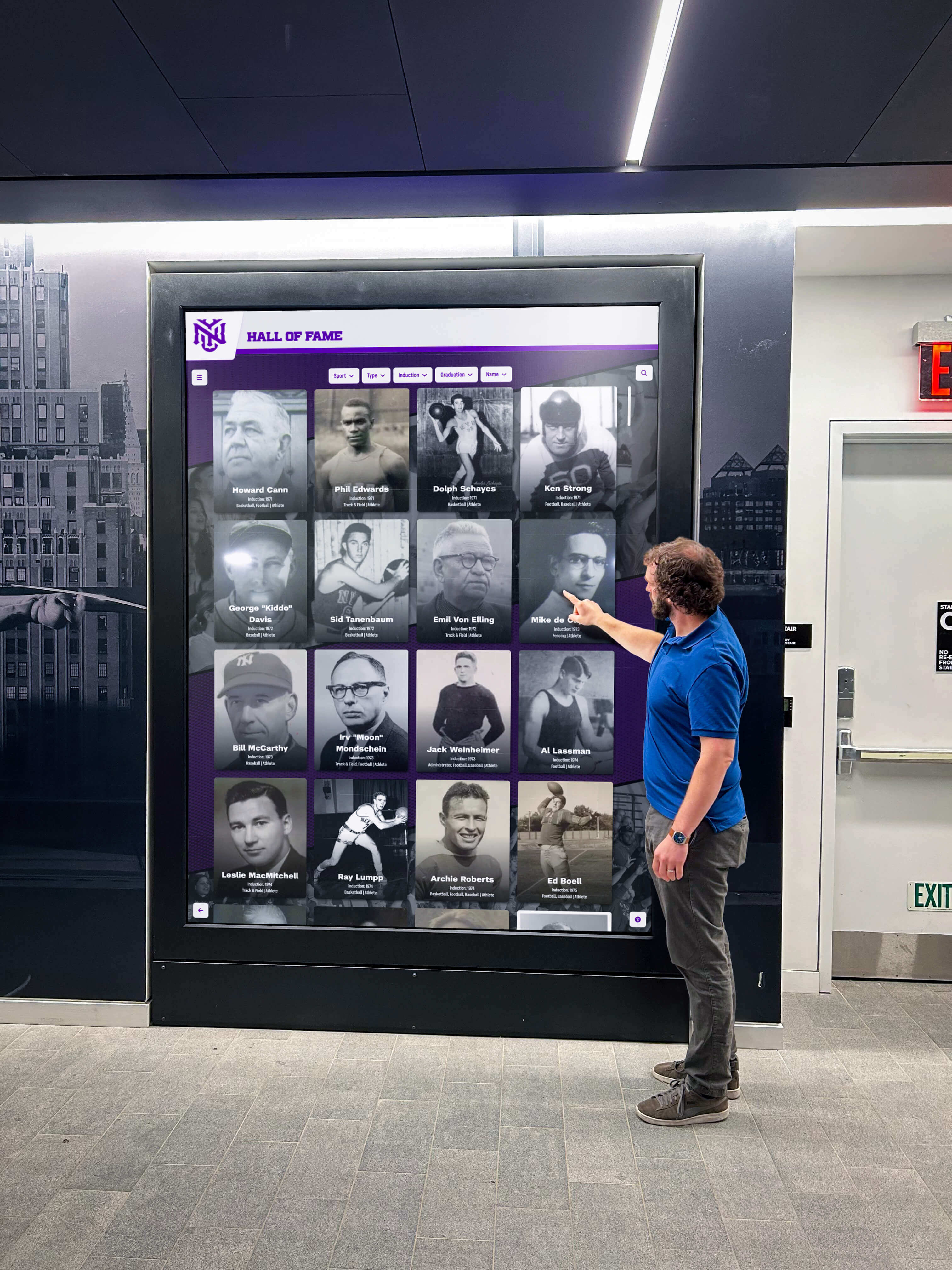
Interactive displays enable families and community members to explore comprehensive FBLA achievements and understand program value
Implementing Modern FBLA Recognition Systems
Traditional FBLA recognition approaches—certificates in folders, brief announcements, and annual banquets—fail to provide visibility matching achievement significance or motivate broader student participation.
Digital Recognition Display Solutions
Solutions like Rocket Alumni Solutions transform FBLA recognition through interactive displays that overcome traditional limitations:
Comprehensive Achievement Documentation Digital recognition displays enable schools to showcase all FBLA achievements in unified systems:
- Individual student profiles documenting BAA progression, competitive event placement, leadership positions, and years of participation
- Chapter-level recognition including Gold Seal designation, project competition results, and collective accomplishments
- Historical archives preserving FBLA tradition and inspiring current students through past achievement
- Searchable databases allowing students to explore specific events, years, or achievement types
- Integration with other student recognition programs creating comprehensive celebration of excellence
Interactive Exploration Features Modern touchscreen systems create engagement impossible with static recognition:
- Touch navigation enabling intuitive exploration of achievements
- Filtering by competition event, year, achievement level, or recognition type
- Detailed achievement pages telling complete stories beyond placement numbers
- Photo galleries documenting competition experiences and projects
- Progress tracking showing student growth across multiple years
Simple Content Management Cloud-based management eliminates administrative barriers to recognition:
- Remote updates from any internet-connected device
- No technical expertise required for content additions
- Scheduled publishing enabling timely recognition
- Bulk import tools for historical achievement data
- Role-based permissions allowing appropriate staff access
Schools report dramatic increases in FBLA participation when recognition systems provide visibility equal to athletic programs.
Web-Based Recognition Extensions
FBLA recognition should extend beyond physical campus to engage families, alumni, and community members.
Online Achievement Platforms Web-accessible recognition amplifies impact:
- Alumni can explore current FBLA achievements from anywhere
- Families track student progress and share accomplishments
- College admissions officers can verify claimed achievements
- Community business partners see program outcomes
- Mobile-optimized displays ensure accessibility across devices
Recognition Communication Strategies Systematic communication maximizes visibility:
- Email notifications when students earn recognition
- Social media celebration of competitive success
- Newsletter features highlighting BAA progression
- Website integration showcasing chapter excellence
- Community media partnerships extending recognition beyond school
This multi-channel approach ensures FBLA achievements receive visibility comparable to state championship sports teams.
Recognition Display Design Considerations
Strategic Placement Location dramatically impacts recognition effectiveness:
- Main entrance visibility welcoming all visitors
- Business education wing reinforcing program importance
- Cafeteria or common areas reaching all students
- Guidance office supporting college application conversations
- Multiple displays if facility size warrants
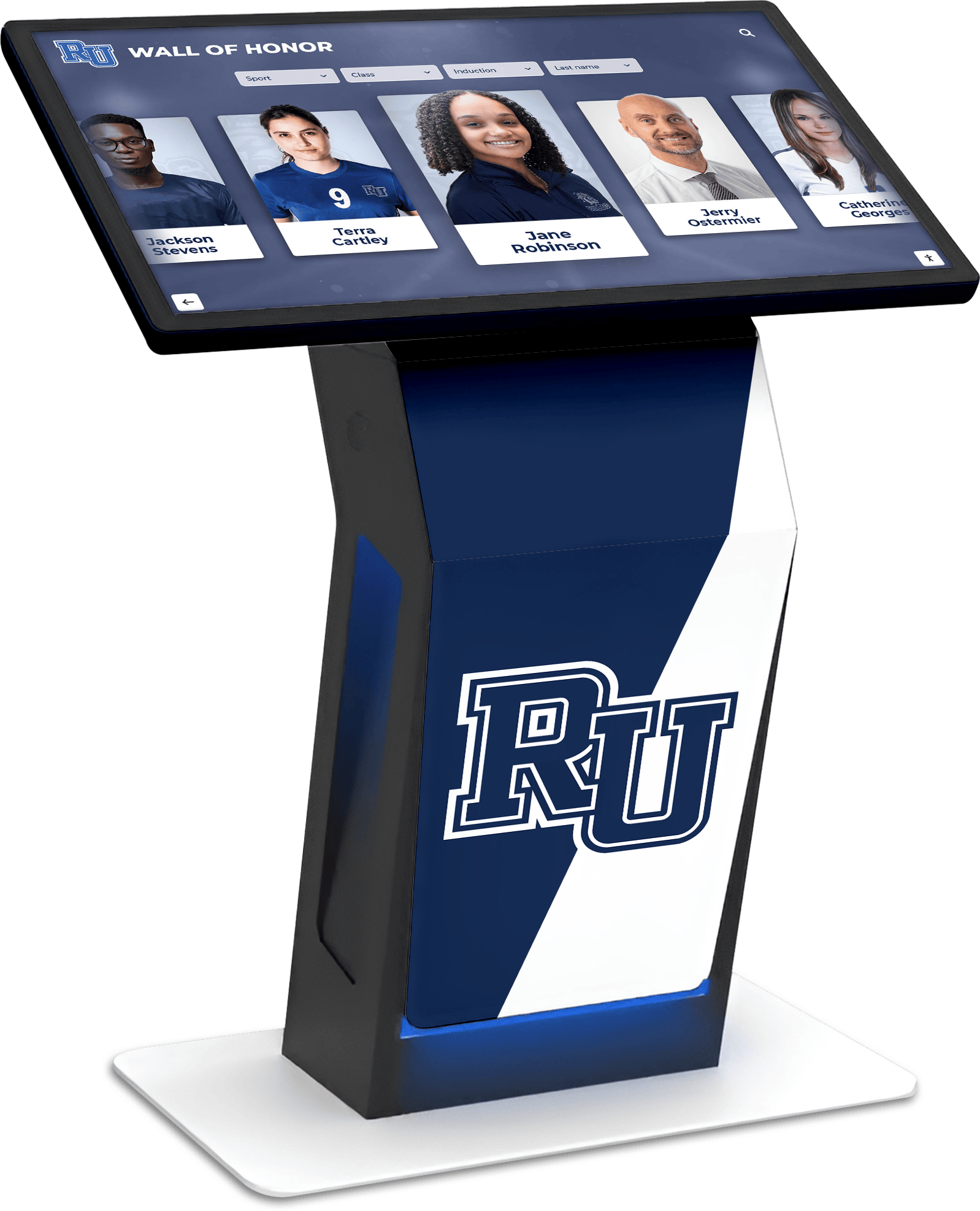
Dedicated recognition kiosks create focal points celebrating business leadership excellence
Content Organization Thoughtful structure enhances recognition impact:
- Clear navigation enabling quick achievement location
- Logical categorization by recognition type
- Chronological organization documenting program growth
- Featured content highlighting recent achievements
- Equal visibility for all achievement types
Learn about effective design in digital wall of fame implementation.
Creating Comprehensive FBLA Recognition Programs
Effective FBLA recognition requires systematic planning addressing all achievement dimensions and stakeholder needs.
Planning Phase
Needs Assessment
- Evaluate current FBLA recognition approaches and gaps
- Survey students about recognition importance and preferences
- Gather feedback from advisors about administrative requirements
- Review available budget and technology resources
- Assess physical spaces suitable for recognition displays
Program Design
- Define what FBLA achievements warrant recognition
- Establish criteria distinguishing recognition levels
- Create timeline for recognition updates throughout the year
- Develop communication strategies for multi-channel visibility
- Plan integration with broader student recognition systems
Implementation Strategies
Launch Approach
- Begin with achievable recognition creating momentum
- Train FBLA advisors on content management systems
- Communicate new recognition capabilities to students and families
- Populate systems with recent achievements demonstrating capability
- Establish regular update schedules ensuring currency
Technology Selection When implementing digital FBLA recognition:
- Choose hardware appropriate for placement locations and budget
- Select content management platforms matching staff technical capabilities
- Consider solutions like Rocket Alumni Solutions offering turnkey recognition systems
- Plan for web integration extending recognition reach
- Budget for ongoing management and content updates
Sustainability Planning
- Assign clear responsibilities for recognition maintenance
- Create efficient workflows for achievement data collection
- Establish regular update schedules and deadlines
- Train multiple staff members ensuring continuity
- Budget for system enhancements and expansion
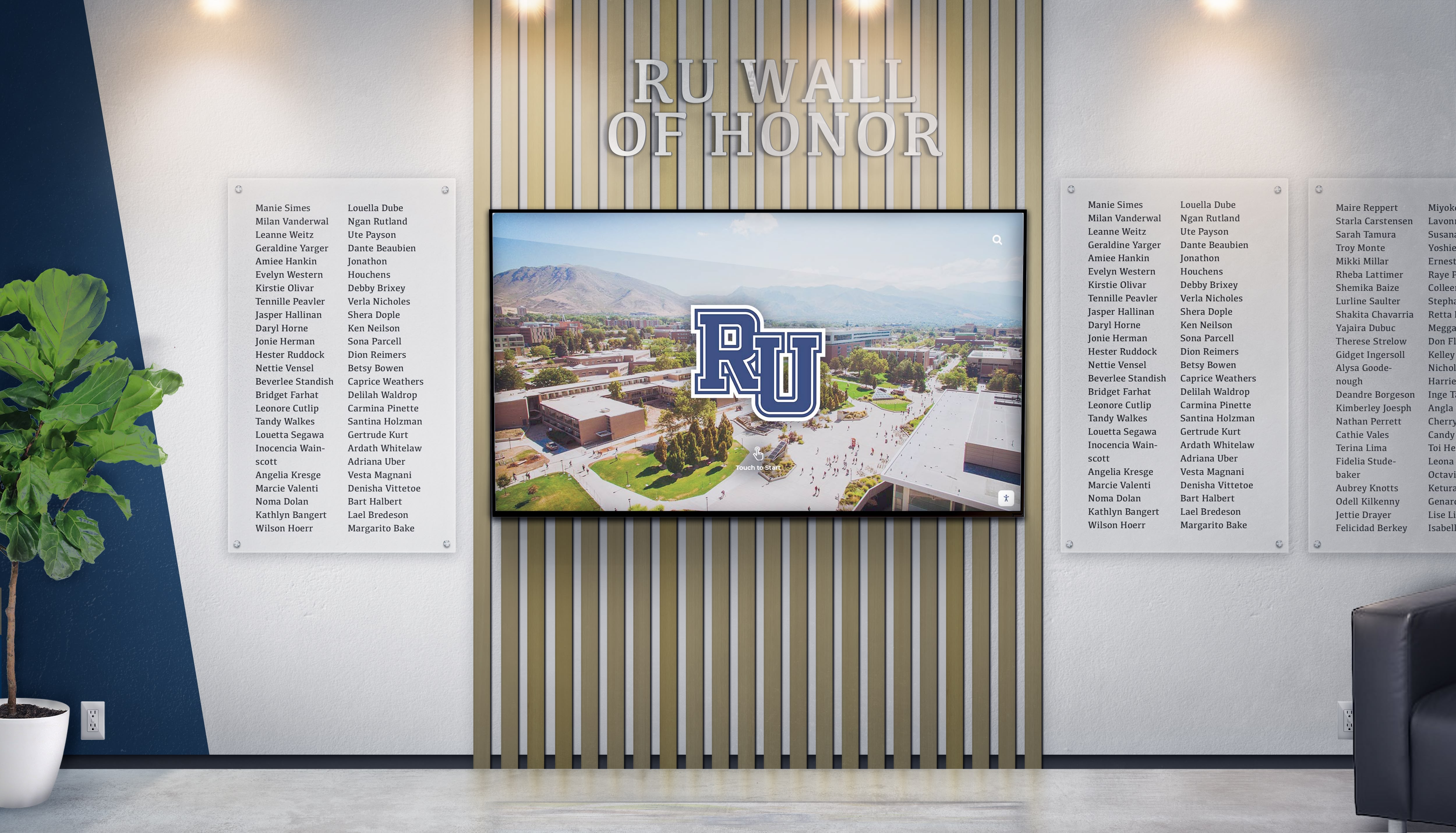
Integrated systems combine digital displays with traditional elements creating comprehensive celebration spaces
Recognition Ceremony Integration
Digital recognition complements rather than replaces ceremonial recognition:
Local Recognition Events
- Chapter award ceremonies celebrating BAA progression
- Competition send-off events recognizing participants
- Recognition of competition results upon return
- Officer installation ceremonies with historical context
- Year-end celebrations honoring comprehensive achievement
State and National Conference Recognition
- Pre-conference assemblies recognizing qualifiers
- Real-time updates during conferences via digital displays
- Post-conference celebrations honoring placement and participation
- Integration of conference photos and achievements into permanent displays
- Alumni connections showing long-term impact of conference participation
School-Wide Integration FBLA recognition should integrate with broader school culture:
- Honor roll equivalency for advanced FBLA achievement
- Awards ceremonies including FBLA alongside other accomplishments
- Morning announcements featuring FBLA success
- Website and social media parity with other program recognition
- College signing day inclusion of scholarship recipients
This comprehensive approach ensures FBLA receives recognition proportional to its impact on student development and college readiness.
Measuring FBLA Recognition Program Success
Regular assessment ensures recognition systems achieve intended goals and justify resource investment.
Quantitative Metrics
Participation Indicators
- Year-over-year FBLA membership growth
- Competition participation rates across events
- BAA program enrollment and completion rates
- Chapter project participation levels
- Officer position applications and competition
Achievement Trends
- State competition advancement rates
- National competition participation and placement
- BAA completion rates by level
- Gold Seal Chapter achievement frequency
- Scholarship award totals for FBLA members
Engagement Metrics
- Digital display interaction rates and session duration
- Web-based recognition platform usage statistics
- Social media engagement with FBLA content
- Recognition ceremony attendance rates
- Family response to FBLA communications
Qualitative Assessment
Stakeholder Feedback
- Student surveys about recognition program awareness and impact
- Alumni reflection on FBLA recognition influence
- Advisor assessment of recognition program effectiveness
- Family perception of FBLA value and visibility
- School administration view of program impact
Cultural Indicators
- Changes in business program prestige and perception
- Student motivation and engagement observations
- Diversity of students attracted to FBLA participation
- Integration of FBLA recognition with school identity
- Community awareness and support for FBLA programs
Regular evaluation enables continuous improvement ensuring recognition systems maximize participation and achievement.
Special Considerations for FBLA Recognition
FBLA recognition programs should address unique characteristics distinguishing business education from other activities.
Equity and Access in FBLA Recognition
Reducing Financial Barriers FBLA participation can involve costs that create barriers:
- Conference registration and travel expenses
- Competition materials and supplies
- Professional attire requirements for events
- Technology access for certain competitive events
- Chapter dues and activity fees
Recognition systems should celebrate achievement regardless of which events students could afford to enter. Schools should recognize chapter leadership, community service, and BAA progression equally with competition placement, ensuring students from all backgrounds receive recognition opportunities.
Career and Technical Education Integration
FBLA often serves as the Career and Technical Student Organization (CTSO) for business education programs. Recognition should integrate with broader CTE recognition:
- Connection to CTE program displays
- Industry certification recognition alongside FBLA achievement
- Work-based learning and internship integration
- Technical skill competition awards
- Career readiness credential celebration
This integration demonstrates how FBLA fits within comprehensive career preparation pathways.
Middle Level FBLA Recognition
Many schools offer Middle Level FBLA for middle school students. Recognition should address developmental appropriateness:
- Age-appropriate achievement categories
- Emphasis on participation and growth over competition
- Foundation-building recognition preparing for high school
- Celebration creating enthusiasm for continued involvement
- Bridge between middle and high school programs
Middle level recognition creates pipelines feeding robust high school FBLA programs.
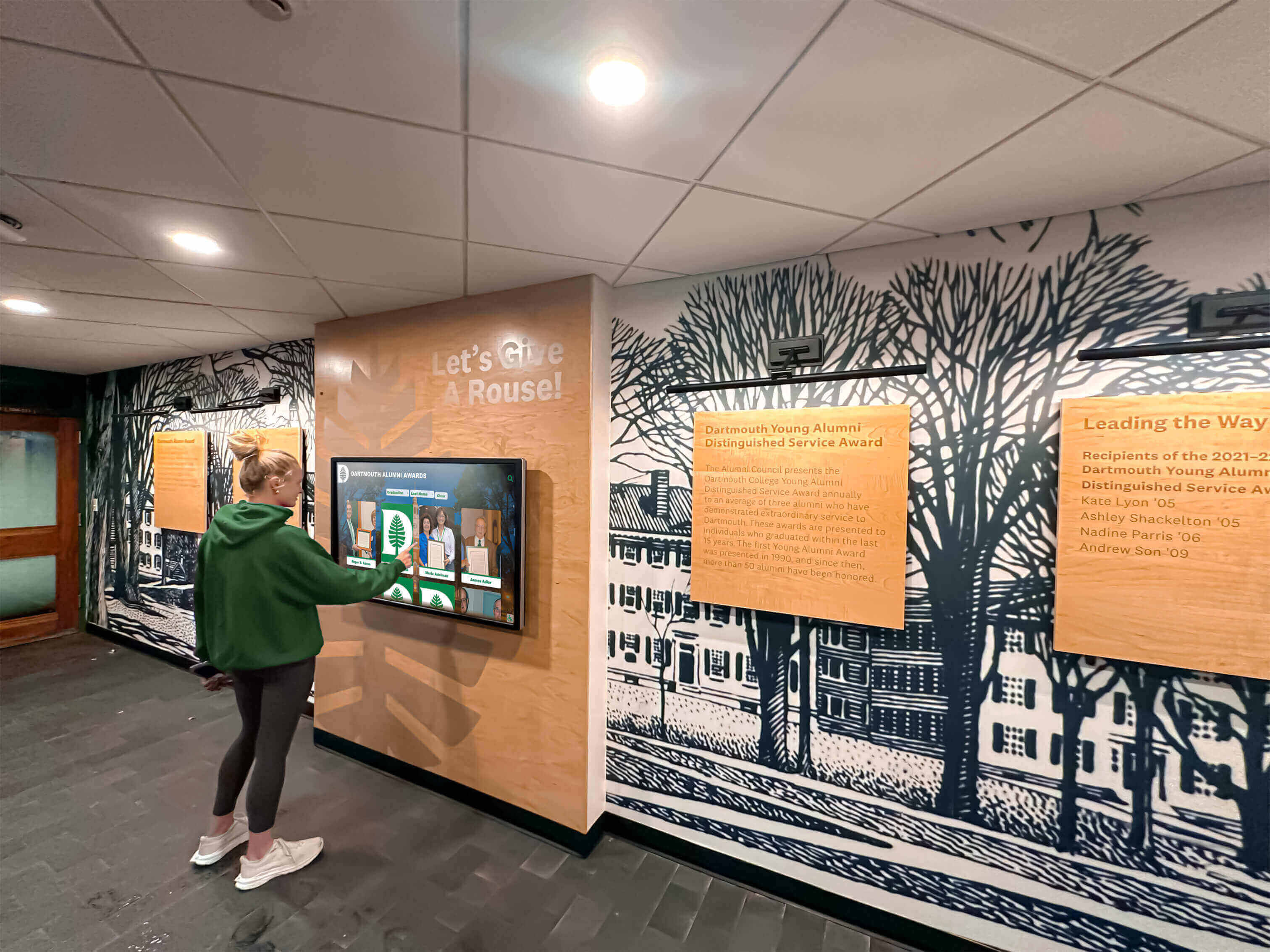
Accessible, engaging displays inspire students to explore FBLA opportunities and envision their own achievement paths
Conclusion: Elevating Business Leadership Through Comprehensive Recognition
Effective FBLA recognition represents strategic investment in student career readiness, business program visibility, and institutional commitment to preparing students for economic leadership. When schools systematically celebrate FBLA achievements across competition, individual development, chapter excellence, and community engagement, they create environments where business education becomes aspirational and central to student identity.
The strategies explored in this guide provide comprehensive frameworks for building FBLA recognition systems that honor diverse achievements while remaining sustainable, equitable, and aligned with educational and career preparation goals. From digital recognition displays that eliminate space constraints to multi-channel communication ensuring visibility equal to any school program, these approaches transform FBLA acknowledgment from occasional announcements to systematic celebration woven throughout school culture.
Transform Your FBLA Recognition Program
Discover how modern digital recognition solutions can help you celebrate every FBLA achievement and build a thriving business leadership culture that attracts participants and prepares students for success.
Explore Recognition SolutionsBuilding effective FBLA recognition requires moving beyond limiting assumptions that business education achievements receive less visibility than other programs. Digital platforms make comprehensive recognition achievable across unlimited students and achievement categories, while systematic approaches ensure consistent implementation reaching all deserving students.
Start where you are with recognition programs you can implement immediately, then systematically expand to create comprehensive approaches your FBLA students deserve. Every student who receives meaningful recognition for their business leadership accomplishments develops stronger connection to career preparation and greater motivation to continue building professional capabilities.
Your FBLA students’ achievements deserve celebration equal to any other accomplishment. With thoughtful planning, appropriate technology, and consistent implementation, you can create recognition systems that honor every achievement while building the positive, motivating business education culture where all students develop readiness for college and career success.
Ready to begin? Explore student awards recognition program approaches or learn about building community partnerships that can support comprehensive FBLA recognition programs.































