Phi Alpha Theta stands as the preeminent honor society recognizing excellence in historical scholarship, connecting over 400,000 members through 970+ chapters at colleges and universities across the United States and beyond. For history students and faculty seeking academic recognition, professional development, and networking opportunities with fellow historians, finding and joining a Phi Alpha Theta chapter represents a significant milestone in scholarly achievement.
Yet many qualified students remain unaware of whether their institution hosts a chapter, how to locate active chapters in their region, or what steps are required to establish new chapters at schools without existing organizations. Meanwhile, history departments looking to enhance student engagement and provide formal recognition for academic excellence often lack clear guidance on bringing Phi Alpha Theta to their campuses.
This comprehensive guide provides detailed strategies for locating Phi Alpha Theta chapters, understanding membership requirements, maximizing the benefits of participation, and establishing new chapters where none currently exist—ensuring every qualified history student can access this prestigious academic community.
Phi Alpha Theta membership opens doors to exclusive research funding, publication opportunities, national conferences, and professional networks that extend well beyond undergraduate years. Understanding how to find and join chapters, or create new ones, positions history students for enhanced academic and career success while fostering communities dedicated to historical scholarship.

Universities celebrate academic achievement through visible recognition systems that honor student excellence across disciplines
Understanding Phi Alpha Theta: History and Mission
Before searching for chapters, understanding the organization’s foundation, values, and purpose helps students and faculty appreciate the significance of membership and chapter establishment.
Origins and Historical Development
Phi Alpha Theta was established on March 17, 1921, at the University of Arkansas by Professor Nels Andrew N. Cleven. Cleven had become convinced during his time at the university that a fraternity of scholars—one that would accept both men and women equally—was essential for advancing the study of history.
Professor Cleven invited students to a meeting to form what was initially called the University Historical Society on March 14, 1921. In April of that year, the decision was made for the society to be known by the Greek letters Phi Alpha Theta, which represent the phrase “Philosophy Aiding Truth” or “Philosophia Aithousa Theou” (Philosophy, the Attendant of God).
Organizational Growth Milestones
- 1921: Founded at University of Arkansas with initial chapter
- 1950s-1960s: Rapid expansion across major research universities
- 1970s-1980s: Extension to comprehensive state universities and liberal arts colleges
- 1990s-2000s: International growth and digital transformation
- Present: 970+ chapters serving over 400,000 lifetime members, with approximately 9,000 new members joining annually
This remarkable growth reflects the organization’s success in creating meaningful recognition and community for history students across diverse institutional types and geographic regions.
Organizational Structure and Governance
Phi Alpha Theta operates through a coordinated structure connecting local chapters to national leadership:
National Leadership
- Executive Council overseeing organizational direction
- National headquarters at University of South Florida
- Professional staff supporting chapter operations
- Regional vice presidents facilitating local coordination
Chapter-Level Organization
- Faculty advisors from history departments
- Student officers managing chapter activities
- Chapter constitutions aligned with national policies
- Autonomous programming within organizational framework

Colleges and universities create dedicated spaces to showcase student accomplishments and organizational achievements
Mission and Core Values
The organization’s mission centers on recognizing and encouraging excellence in the study and teaching of history. Core values include:
Academic Excellence
- Celebrating distinguished scholarship in historical research
- Promoting rigorous standards for historical methodology
- Encouraging original contributions to historical knowledge
- Supporting diverse approaches to historical inquiry
Inclusivity and Access
- Welcoming students regardless of major (history focus not required)
- Accepting members from all demographic backgrounds
- Maintaining affordable membership fees
- Creating opportunities for students at various academic levels
Learn more about comprehensive approaches to academic recognition programs that celebrate diverse student achievements.
Primary Methods for Finding Phi Alpha Theta Chapters
Several reliable strategies help students and faculty locate active Phi Alpha Theta chapters at specific institutions or within geographic regions.
Official Chapter Locator Tool
The most authoritative source for finding Phi Alpha Theta chapters is the organization’s official website and chapter directory.
Using the Official Chapter Locator
Visit phialphatheta.org/chapter-locator/ to access the comprehensive searchable database of active chapters:
Search Options Available
- Institution name search: Enter your college or university name
- State/location search: Browse chapters by geographic region
- Alpha Greek designation: Reference chapters by their specific Greek letter assignments (e.g., Alpha Iota chapter)
- Active status filters: Ensure you’re viewing currently operating chapters
The official locator provides essential chapter information including:
- Official chapter name and Greek letter designation
- Host institution details and location
- Chapter contact information when available
- Installation date showing chapter history
- Current active/inactive status
Verification of Chapter Status
Chapter status can change based on institutional circumstances, so the official locator provides the most current information about which chapters are actively accepting new members versus those temporarily inactive or in reorganization.

Modern recognition displays showcase academic honor societies and student achievements throughout campus
Direct Contact with National Headquarters
When the online chapter locator doesn’t provide sufficient information, direct contact with the national office offers personalized assistance.
National Headquarters Contact Information
Phi Alpha Theta History Honor Society University of South Florida 4202 East Fowler Avenue, SOC107 Tampa, Florida 33620
- Toll-free: 1-800-394-8195
- Direct: (813) 974-8212
- Email: info@phialphatheta.org
Questions the National Office Can Answer
- Whether your institution has an active chapter
- Contact information for chapter advisors and officers
- Steps for reactivating dormant chapters
- Requirements for establishing new chapters
- Membership eligibility questions
- National event dates and locations
National staff provide authoritative answers and can facilitate connections between interested students, faculty advisors, and regional leadership.
Campus-Based Discovery Methods
Students at colleges and universities can use several on-campus strategies to locate Phi Alpha Theta chapters even before consulting external resources.
History Department Inquiry
The history department represents the primary campus connection point for Phi Alpha Theta:
Departmental Contact Approaches
- Visit department offices and ask administrative staff about honor society chapters
- Consult faculty members during office hours about Phi Alpha Theta presence
- Review department websites for student organization listings
- Check department newsletters and communications for chapter activities
- Attend department events where honor societies might be promoted
Most active chapters maintain close relationships with history department leadership, making department offices reliable information sources.
Explore strategies for highlighting famous alumni and student recognition in academic departments.
Student Affairs and Campus Life Resources
Beyond history departments, broader campus resources provide chapter information:
Institutional Resources to Consult
- Student organizations directory (online or print)
- Campus life office maintaining club/organization databases
- Honor society coordinating offices (if present)
- Campus events calendars listing chapter activities
- Student involvement fairs showcasing organizations

Digital recognition platforms extend beyond physical displays, enabling students to explore achievements on mobile devices
Current Member Networking
Connecting with existing Phi Alpha Theta members provides insider knowledge:
- Ask history professors which students are chapter members
- Look for Phi Alpha Theta honor cords at graduation ceremonies
- Connect with history club members who may overlap with the honor society
- Attend history department events and ask attendees about chapter participation
- Check academic recognition displays featuring honor society members
Current members offer firsthand insights about chapter activities, meeting schedules, and upcoming induction opportunities.
Understanding Phi Alpha Theta Membership Requirements
Before searching for chapters to join, understanding membership criteria ensures you meet eligibility requirements and can plan accordingly.
Undergraduate Student Requirements
Undergraduate membership includes specific academic thresholds distinguishing it as an honor society rather than a general student organization:
Academic Performance Criteria
- Minimum GPA: 3.0 overall grade point average on a 4.0 scale
- History GPA: At least 3.1 average in history courses specifically
- Class standing: Must rank in top 35% of their class
- History coursework: Completion of minimum 12 semester hours (typically 4 courses) in history
Important Clarifications About Requirements
Students need not major or minor in history to qualify—history interest and coursework sufficiency matter more than declared major. This inclusive approach welcomes students from diverse academic programs who excel in historical studies.
History credits can come from various sources:
- Classroom courses taken at the current institution
- Online history courses from accredited providers
- Advanced Placement (AP) exam credits for history
- Transfer credits from previous institutions
This flexibility acknowledges diverse educational pathways while maintaining academic standards.

Honor societies create formal recognition systems celebrating students who achieve distinguished academic performance
Graduate Student Requirements
Graduate student membership recognizes advanced historical scholarship:
Graduate Eligibility Standards
- Master’s and doctoral students in history programs
- Minimum 3.0 grade point average in graduate coursework
- Completion of at least 12 graduate semester hours in history
- Good academic standing at their institution
Graduate members often take leadership roles in chapters, mentor undergraduate members, and present research at chapter events and national conferences.
Faculty and Professional Membership
Phi Alpha Theta extends membership beyond students to include faculty and history professionals:
Faculty Membership Categories
- History faculty members above the rank of Instructor automatically qualify
- No additional application process beyond employment in qualifying positions
- Faculty advisors play crucial roles in chapter operations and student mentorship
- Emeritus faculty may continue association after retirement
This intergenerational membership structure creates valuable networking opportunities connecting students with established historians across career stages.
Learn about comprehensive approaches to National Honor Society digital recognition that celebrate academic achievement.
Key Benefits of Phi Alpha Theta Membership
Understanding membership advantages motivates students to locate chapters and complete the joining process.
Academic and Professional Recognition
Phi Alpha Theta membership provides formal acknowledgment of historical scholarship excellence:
Credential Enhancement
- Prestigious honor society membership enhancing academic transcripts
- Recognition credential for graduate school applications
- Distinguished achievement notation on resumes and CVs
- National recognition from established scholarly organization
- Lifetime membership with no recurring dues after initial fee
According to research on academic recognition impact, students receiving formal acknowledgment of scholarly achievement demonstrate increased engagement with their disciplines and pursue advanced study at higher rates than peers without similar recognition.
Distinction in Competitive Processes
Phi Alpha Theta membership creates differentiation in competitive academic and professional contexts:
- Graduate admissions committees recognize the society’s selectivity
- Scholarship committees value demonstrated commitment to history
- Employers in education, museums, archives, and related fields note historical expertise
- Professional schools acknowledge interdisciplinary achievement in humanities
Financial Support and Research Funding
Members gain access to exclusive financial opportunities supporting historical research and professional development:
Available Funding Programs
- Research grants supporting undergraduate and graduate historical projects
- Travel funding for conference presentations
- Awards recognizing outstanding papers and presentations
- Scholarship opportunities exclusively for members
- Book prizes and publication support
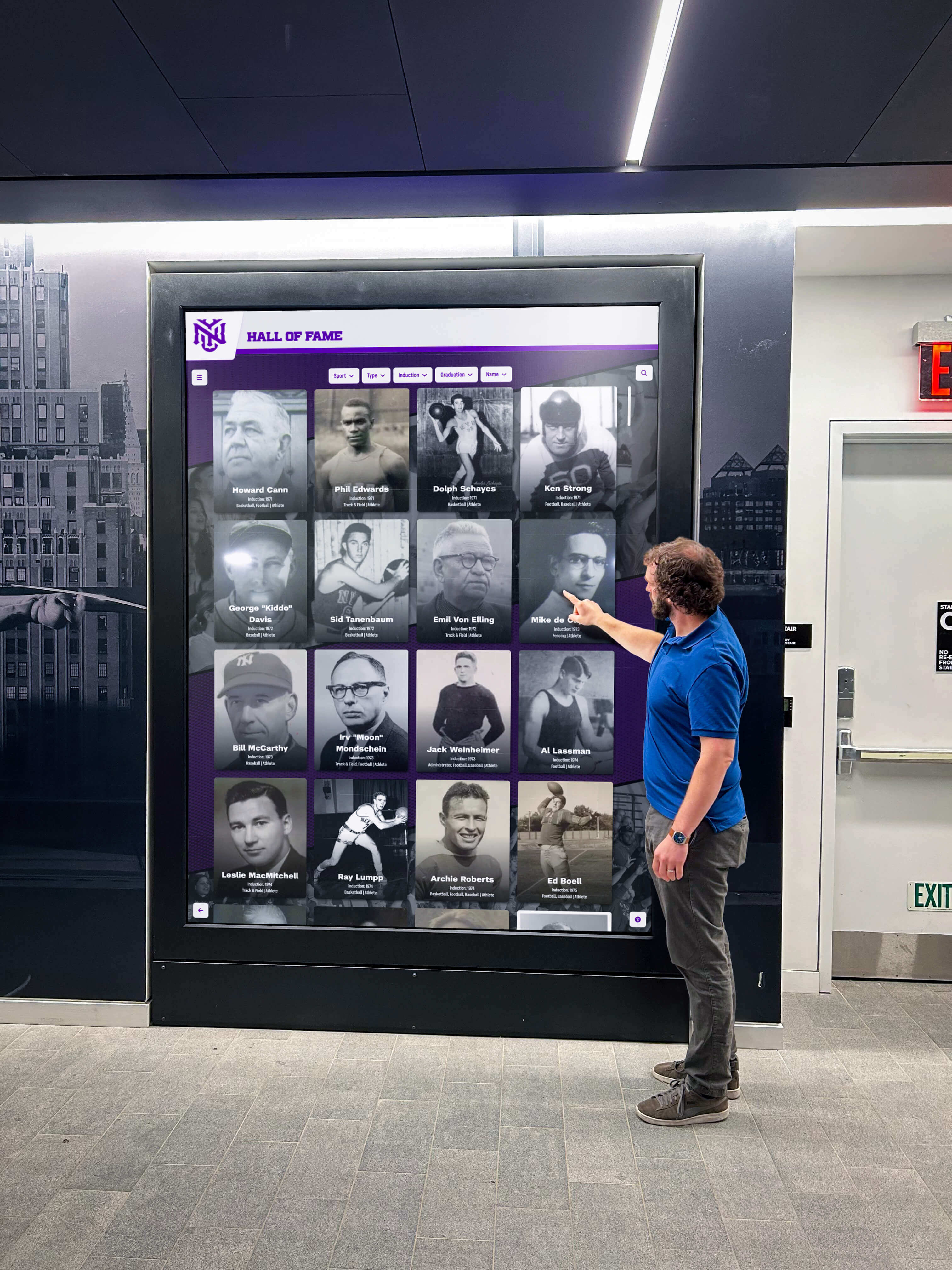
Interactive recognition systems enable exploration of student achievements and organizational accomplishments
National Awards and Competitions
Phi Alpha Theta administers numerous competitive awards recognizing outstanding historical scholarship:
- Best undergraduate paper awards by historical period and region
- Graduate student research recognition
- Best first chapter paper competitions
- Regional and national presentation awards
- Publication opportunities in society journals
These opportunities provide both financial support and resume-building accomplishments distinguishing members in academic and professional contexts.
Publication and Scholarly Opportunities
Members access exclusive platforms for disseminating historical research:
The Historian Journal
- Quarterly peer-reviewed academic journal
- One-year subscription included with membership
- Publication outlet for member research
- Exposure to current scholarship across historical fields
- Student-accessible academic writing models
Regional Publications and Presentations
- Regional conference paper presentations
- Chapter-level research showcases
- Undergraduate research symposia
- Publication in regional proceedings
- Digital scholarship platforms
These opportunities allow students to develop research skills, build publication records before graduate school, and receive feedback from professional historians.
Explore how outstanding students are recognized through honor wall programs at educational institutions.
Networking and Community Benefits
Phi Alpha Theta creates connections with historians across career stages and institutional contexts:
Chapter-Level Networking
- Relationships with distinguished history faculty advisors
- Peer connections with top history students at your institution
- Mentorship opportunities with graduate student members
- Department integration through chapter activities and events
National Conference Connections
Biennial national conferences create unparalleled networking opportunities:
- Interactions with historians from 970+ chapters nationwide
- Connections with leading scholars presenting research
- Relationships with students pursuing similar historical interests
- Professional network development for future career opportunities
- Graduate school insights from students at diverse institutions
Regional Gatherings
- State and regional conferences more accessible than national meetings
- Connections with nearby chapters for collaborative programming
- Regional officer leadership opportunities
- Localized networking within geographic areas relevant to career plans
These networking opportunities create lasting professional relationships extending well beyond undergraduate years, supporting graduate school transitions, career development, and lifelong engagement with historical scholarship.
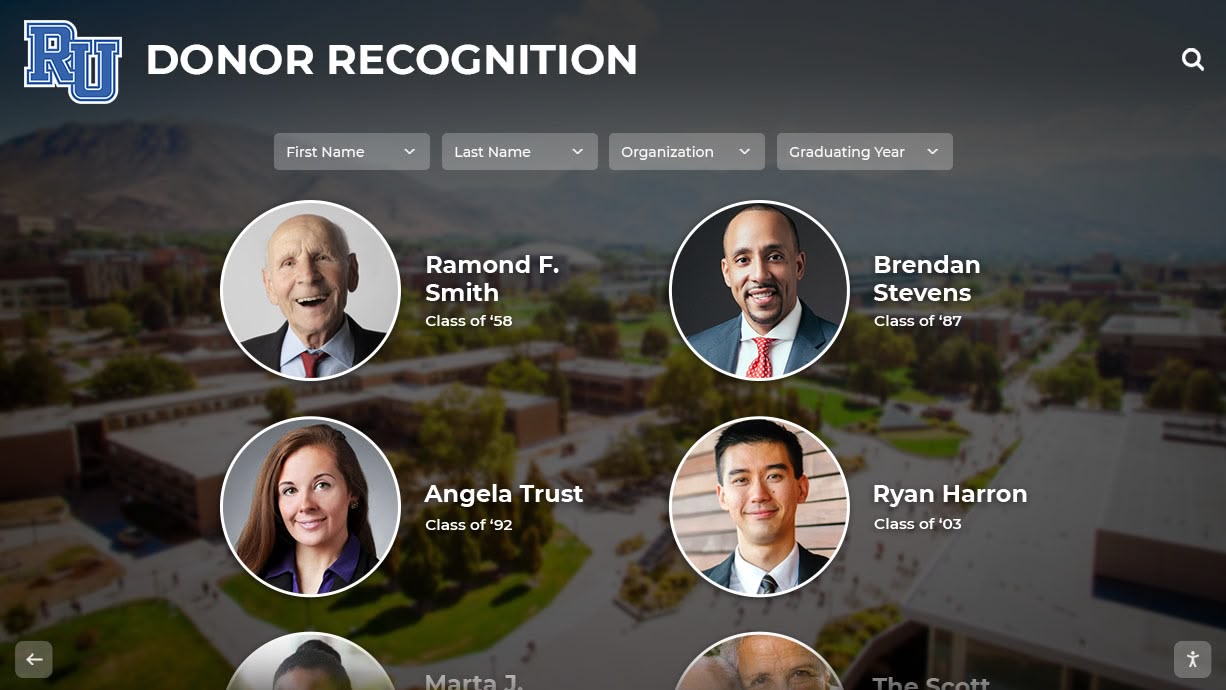
Universities create comprehensive recognition programs celebrating student and alumni achievements across academic disciplines
Leadership and Skill Development
Chapter participation develops transferable professional competencies:
Leadership Opportunities
- Chapter officer positions (president, vice president, treasurer, secretary)
- Committee leadership for events, publications, and programming
- Regional leadership roles representing multiple chapters
- National committee participation for experienced members
Professional Skill Building
- Event planning and coordination through chapter activities
- Public speaking via presentations and chapter meetings
- Writing development through papers and society publications
- Budget management in officer roles
- Collaboration skills through committee work and group projects
These experiences complement academic coursework with practical skill development valued by graduate programs and employers across sectors.
How to Join an Existing Phi Alpha Theta Chapter
Once you’ve located an active chapter at your institution, specific steps lead to membership.
Determining Your Eligibility
Before beginning the application process, verify you meet all membership requirements:
Eligibility Checklist for Undergraduates
- Have I completed at least 12 semester hours (4 courses) in history?
- Is my overall GPA at least 3.0?
- Is my history course GPA at least 3.1?
- Am I in the top 35% of my class?
- Am I enrolled at an institution with an active Phi Alpha Theta chapter?
Clarifying Ambiguous Situations
If you’re uncertain about eligibility:
- Consult with the chapter faculty advisor about borderline qualifications
- Check whether AP credits and transfer courses count toward the 12-hour minimum
- Confirm class rank calculations align with chapter interpretation
- Ask about timing—can you join after completing required courses in the current semester?
Some chapters maintain flexibility for students close to thresholds who demonstrate strong commitment to historical scholarship.

Recognition systems preserve institutional history by documenting student achievements across generations
Application and Nomination Process
Chapter procedures vary, but most follow similar frameworks:
Typical Application Components
- Completed membership application form (provided by chapter)
- Official transcript demonstrating GPA and coursework requirements
- Application essay or statement of interest (chapter-dependent)
- Faculty recommendation letter (some chapters require)
- Application fee (varies by chapter, typically $50-75 including national initiation fee)
Timeline Considerations
Most chapters conduct induction ceremonies once or twice annually:
- Fall induction: Applications typically due in September or October
- Spring induction: Applications typically due in February or March
- Processing time: Allow 4-6 weeks between application and ceremony
Contact your chapter advisor about specific deadlines and required materials to ensure timely application submission.
Self-Nomination vs. Faculty Invitation
Chapters vary in their approach:
- Some actively recruit eligible students through history department records
- Others require self-nomination and student-initiated applications
- Faculty may nominate particularly distinguished students
- Students can proactively express interest even if not formally contacted
Don’t assume you’ll be automatically notified if eligible—take initiative in expressing membership interest.
Initiation and Induction Ceremonies
Formal induction ceremonies welcome new members into Phi Alpha Theta:
Typical Ceremony Elements
- Faculty and administration participation
- Recitation of membership pledges and society values
- Presentation of membership certificates
- Introduction of new members to the chapter community
- Reception allowing networking with current members and faculty
Ceremony Significance
Induction represents more than administrative formality:
- Official recognition of academic achievement
- Entry into a community spanning 970+ chapters
- Connection to over 100 years of historical scholarship
- Beginning of access to member benefits and opportunities
- Family and friends often invited to attend
Membership Certificate and Materials
Upon induction, members receive:
- Official membership certificate suitable for framing
- One-year subscription to The Historian journal
- Member directory access for networking
- Information about awards, grants, and opportunities
- Chapter-specific materials about local activities and events
These materials formalize your membership and provide resources for immediate engagement with chapter and national opportunities.
Learn about comprehensive approaches to senior class awards and recognition displays celebrating student achievement.
Starting a New Phi Alpha Theta Chapter
When your institution lacks an active chapter, establishing one creates recognition opportunities for current and future history students.
Assessing Feasibility and Institutional Support
Before beginning the formal application process, evaluate whether chapter establishment is viable:
Institutional Prerequisites
Phi Alpha Theta establishes chapters only at fully-accredited four-year colleges and universities. Two-year institutions, community colleges, and high schools do not qualify for chapters, though students can later join chapters when they transfer to four-year institutions.
Department Support Assessment
- Does the history department support creating a chapter?
- Is at least one faculty member willing to serve as advisor?
- Are sufficient history courses offered to sustain ongoing membership?
- Does the department have resources for supporting chapter activities?
- Will administration approve adding another student organization?
Student Interest Evaluation
- Are there currently students who would qualify for membership?
- Do history majors and minors express interest in honor society participation?
- Is there existing history club that could collaborate with new chapter?
- Would enough students join to sustain active chapter programming?
Honest assessment of these factors determines whether chapter establishment will succeed or struggle due to insufficient support or interest.

Modern recognition solutions like those from Rocket Alumni Solutions create interactive platforms celebrating academic honors and organizational achievements
Chapter Application Requirements and Process
New chapter establishment follows structured procedures administered by the national organization:
Application Timing and Deadlines
Phi Alpha Theta accepts new chapter applications twice annually:
- March 1st deadline: For chapters to be installed in the fall semester
- October 1st deadline: For chapters to be installed in the spring semester
This structured timeline ensures adequate processing time for application review, approval, and installation planning.
Required Application Materials
Faculty members leading chapter establishment efforts must submit:
Core Application Documents
- Formal application letter expressing institutional interest
- History department support documentation
- List of initially qualifying students (demonstrating sufficient membership pool)
- Proposed chapter constitution aligned with national requirements
- Faculty advisor commitment letter
- Institutional accreditation verification
Preparing the Initial Member Roster
Applications require demonstration that sufficient students qualify for immediate membership:
- Typically 10-15 initially eligible students strengthen applications
- Include student names, majors, GPAs, and history coursework completed
- Confirm student interest in joining upon chapter approval
- Demonstrate ongoing pipeline of potentially eligible students
This requirement ensures new chapters launch with viable membership rather than existing only on paper.
Working with the National Organization
Successful chapter establishment requires collaboration with national leadership:
Initial Consultation
Before formal application, history faculty should contact national headquarters:
Phi Alpha Theta History Honor Society University of South Florida 4202 E. Fowler Ave, SOC107 Tampa, FL 33620-8100
Pre-Application Consultation Topics
- Confirmation of institutional eligibility
- Application requirements specific to your institution type
- Timeline from application to installation
- Costs associated with chapter establishment
- Ongoing chapter obligations and support provided

Digital recognition displays throughout campus create engaging ways for students to explore organizational achievements
Application Review Process
After submission, applications undergo review:
- National office evaluates institutional eligibility and application completeness
- Executive Council reviews applications at designated meeting times
- Applicants receive notification of approval or requests for additional information
- Approved chapters receive installation planning guidance
The multi-month timeline from application to installation allows adequate preparation for formal chapter establishment.
Installation Ceremony Planning
Approved chapters prepare for official installation:
- National representative typically attends installation ceremony
- Founding members inducted in formal ceremony
- Chapter receives official charter and designation
- Greek letter assignment signifies official organizational recognition
Installation represents the culmination of establishment efforts and launches active chapter operations.
Sustaining Newly Established Chapters
Chapter establishment success depends on planning for ongoing operations:
Initial Chapter Leadership
Founding chapters should establish core officer structure:
- President: Overall chapter leadership and coordination
- Vice President: Programming and event leadership
- Secretary: Communications and record-keeping
- Treasurer: Budget management and dues collection
- Faculty Advisor: Guidance and department liaison
Clear role definitions ensure essential functions receive attention from the outset.
First-Year Programming Goals
New chapters benefit from establishing regular activities:
- At least one induction ceremony annually (fall or spring)
- Regular meetings creating community among members
- Guest speaker or faculty presentation events
- Student research presentation opportunities
- Social gatherings building relationships among members
Sustainable programming creates value for members while maintaining reasonable volunteer workloads preventing advisor and officer burnout.
Long-Term Sustainability Planning
Successful chapters plan beyond founding leadership:
- Document procedures and best practices for future officers
- Create succession planning for officer transitions
- Build relationships with department ensuring continued support
- Maintain ongoing recruitment of eligible students
- Celebrate chapter milestones and recognize contributions
These practices ensure chapters thrive beyond founding members’ graduation and serve future generations of history students.
Explore approaches for showcasing community partnerships and organizational achievements through recognition programs.
Maximizing Your Phi Alpha Theta Membership Experience
Joining a chapter represents just the beginning—active participation amplifies membership benefits.
Engaging with Chapter Activities
Local chapter involvement creates immediate value and community:
Regular Meeting Participation
- Attend chapter meetings consistently to stay informed
- Contribute ideas for programming and activities
- Vote on chapter decisions and leadership
- Volunteer for committee work and event planning
- Build relationships with fellow members and faculty
Chapter Event Engagement
Take advantage of programming chapters organize:
- Attend guest speaker presentations by visiting historians
- Participate in member research presentation sessions
- Join field trips to historical sites and museums
- Attend social events building community
- Support fundraising activities for chapter operations
Active participation demonstrates commitment to historical scholarship while creating meaningful undergraduate experiences extending beyond coursework.
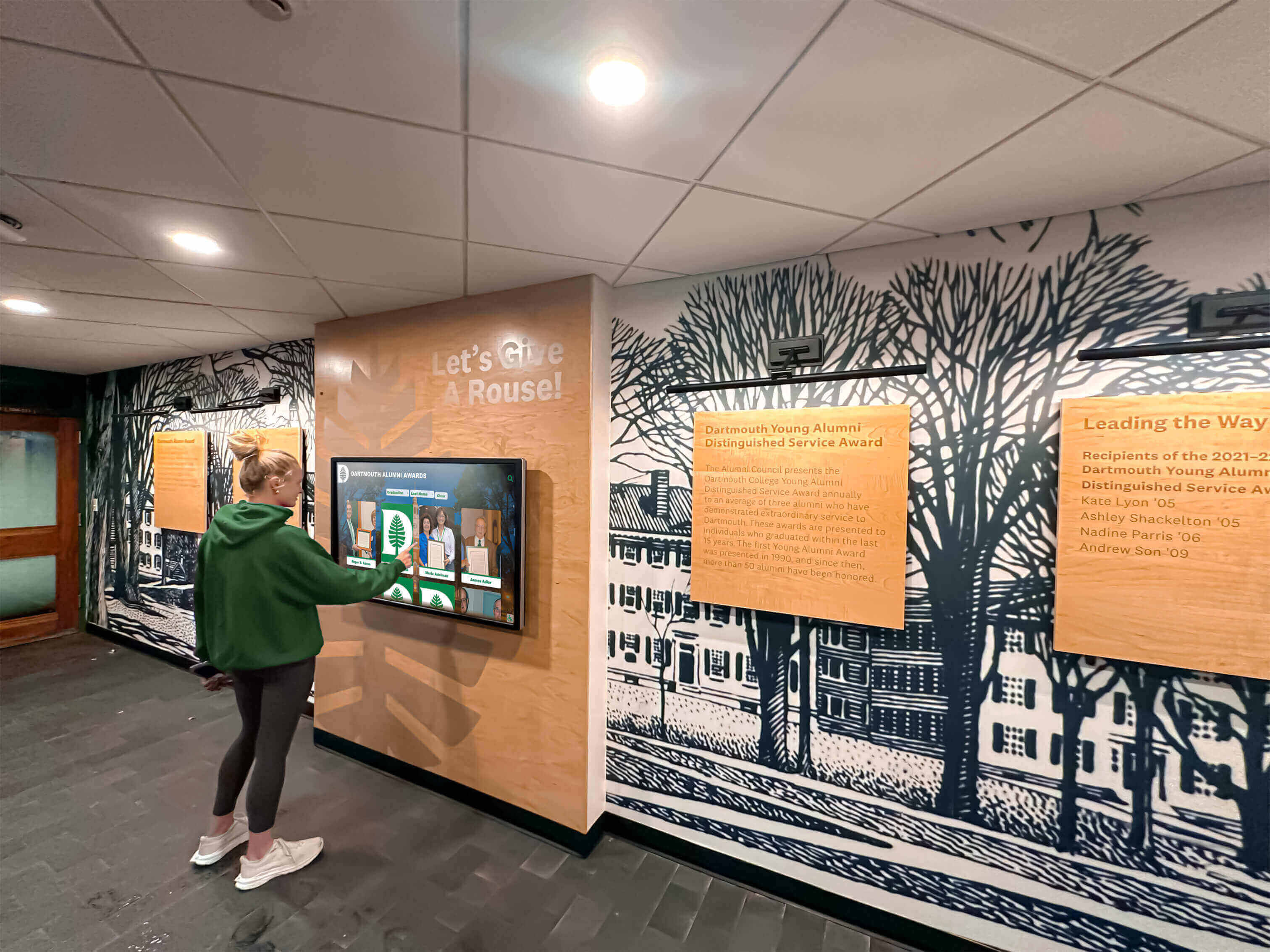
Recognition displays throughout campus enable students to explore accomplishments of alumni and current students across disciplines
Pursuing Leadership Opportunities
Chapter officer positions develop valuable skills while serving the organization:
Running for Office
Most chapters elect officers annually:
- Nominations typically occur in spring for following academic year
- Campaign by expressing vision for chapter improvement
- Emphasize relevant experience and commitment to responsibilities
- Win or lose, the process itself demonstrates leadership interest
Officer Responsibilities and Benefits
- Develop organizational, communication, and leadership skills
- Add significant leadership credential to resume and applications
- Shape chapter programming and priorities
- Build closer relationships with faculty advisors
- Gain behind-the-scenes understanding of organization operations
Officer experience provides tangible accomplishments for graduate school applications and professional opportunities while building competencies applicable across career paths.
Committee Leadership Alternatives
Students unable to commit to officer positions can contribute through committee work:
- Event planning committees for specific programs
- Publicity and recruitment committees
- Academic programming committees
- Social event coordination
- Fundraising and budget committees
Committee involvement provides leadership development with more limited time commitments.
Leveraging Research and Publication Opportunities
Phi Alpha Theta’s greatest professional benefits come through research support and publication outlets:
Preparing Competitive Applications
To maximize funding and award opportunities:
- Review all available grants and awards early in the academic year
- Carefully follow application requirements and formatting guidelines
- Seek faculty advisor feedback on proposals before submission
- Apply for multiple opportunities increasing success probability
- Don’t be discouraged by initial rejections—application itself builds skills
Presenting Research at Conferences
Chapter, regional, and national conferences provide presentation platforms:
- Submit proposals for presenting completed or ongoing research
- Practice public speaking and scholarly presentation skills
- Receive feedback from faculty and student attendees
- Network with historians sharing research interests
- Add conference presentations to CV and graduate school applications
Conference participation distinguishes undergraduate students, demonstrating scholarly seriousness and professional preparation.
Publishing in Member Outlets
Work toward publication in Phi Alpha Theta journals and proceedings:
- Submit strong seminar papers after professor review
- Revise conference presentations for publication
- Collaborate with faculty advisors on manuscript development
- Target appropriate publication venues for your research level
- Build publication record before graduate school
Undergraduate publication remains relatively rare, making even regional journal publication a distinguished accomplishment.
Learn about interactive touchscreen software solutions that universities use to showcase student research and organizational achievements.
Building Professional Networks
Strategic networking through Phi Alpha Theta creates lasting career benefits:
Faculty Advisor Relationships
Chapter advisors provide valuable mentorship:
- Seek guidance on graduate school planning and applications
- Request recommendation letters highlighting chapter involvement
- Discuss career paths in history and related fields
- Gain insights about historical profession and scholarship
- Maintain relationships after graduation for ongoing mentorship
Faculty advisors often become long-term mentors influencing career trajectories well beyond undergraduate years.
Peer Network Development
Fellow members create supportive scholarly community:
- Form study groups with high-achieving history students
- Collaborate on research projects and presentations
- Exchange graduate school application insights
- Maintain friendships with shared intellectual interests
- Build alumni network as members graduate and pursue careers
These peer relationships often prove as valuable as faculty connections, creating networks across career stages and institutional contexts.
National Conference Networking
Biennial conferences provide unmatched networking opportunities:
- Introduce yourself to presenters whose research interests you
- Exchange contact information with students at other institutions
- Attend social events creating informal conversation opportunities
- Follow up after conferences to maintain connections
- Consider collaboration opportunities with members at other chapters
Conference connections expand professional networks beyond your institution and geographic region.
Recognizing and Celebrating Phi Alpha Theta Achievement
Institutions and chapters benefit from creating visible recognition for Phi Alpha Theta membership and accomplishments.
Traditional Recognition Methods
Historical approaches to honor society recognition remain valuable:
Graduation Recognition
- Honor cords or medallions distinguishing members at commencement
- Program notations listing Phi Alpha Theta graduates
- Department ceremonies acknowledging member graduates
- Special recognition at history department gatherings
Physical Recognition Displays
- Traditional plaques listing annual inductees
- Display cases featuring chapter history and achievements
- Bulletin boards highlighting member accomplishments
- Department recognition walls including honor society members
These traditional methods create formal acknowledgment while facing limitations in capacity, flexibility, and engagement.

Traditional recognition displays honor student and organizational achievements but face space limitations as chapters grow
Modern Digital Recognition Solutions
Contemporary recognition technology overcomes traditional limitations while enhancing engagement and accessibility:
Interactive Recognition Displays
Solutions like Rocket Alumni Solutions transform how institutions celebrate Phi Alpha Theta and other academic honors:
Unlimited Recognition Capacity
- Digital platforms showcase unlimited members across all induction years
- No need to remove historical inductees to accommodate new members
- Comprehensive archives preserving complete chapter history
- Equal visibility for all members regardless of induction date
Enhanced Member Profiles
- Individual member profiles with photos and biographical information
- Academic accomplishments and awards documentation
- Research interests and publication listings
- Post-graduation updates showing career trajectories
- Video introductions or research presentations
Interactive Exploration Features
- Search functionality helping visitors find specific members
- Filtering by induction year, research interests, or other criteria
- Timeline views showing chapter history and growth
- Statistical dashboards highlighting chapter impact
- Mobile accessibility extending reach beyond physical campus
Learn about comprehensive online high school and university digital archives that preserve and showcase student achievements.
Cloud-Based Management Systems
Modern recognition platforms simplify content updates:
Administrative Benefits
- Remote updates from any internet-connected device
- Bulk import capabilities for annual induction classes
- Template-based content creation requiring no technical skills
- Scheduled publishing for coordinating with induction ceremonies
- Multi-user access enabling distributed management
These systems reduce administrative burden while ensuring recognition remains current and comprehensive.

Digital recognition platforms extend across devices, enabling exploration of achievements on desktops, tablets, and mobile phones
Web-Based Recognition Extensions
Digital recognition should extend beyond physical displays to engage broader audiences:
Online Recognition Platforms
- Web-accessible member directories viewable worldwide
- Social media integration enabling member sharing
- Family and alumni access regardless of geographic location
- Search engine visibility increasing program awareness
- Analytics tracking engagement and recognition effectiveness
These extensions ensure Phi Alpha Theta membership receives visibility comparable to athletic honors and other prominent student achievements.
Strategic Display Placement
Maximize recognition impact through thoughtful location selection:
- History department offices and main hallways
- Library entrances and study areas
- Campus centers with high student traffic
- Admissions buildings for prospective student visibility
- Alumni centers connecting past and present members
Solutions like Rocket Alumni Solutions offer comprehensive platforms for creating engaging, maintainable recognition systems that honor Phi Alpha Theta members while inspiring future students to pursue academic excellence in historical scholarship.
Explore how to design stunning digital hall of fame displays that effectively showcase student achievements.
Special Considerations for Different Institutional Contexts
Phi Alpha Theta chapter operations and member experiences vary based on institutional characteristics.
Large Research Universities
Major research institutions present unique opportunities and challenges for chapters:
Advantages at Research Universities
- Large history departments with numerous faculty advisors
- Substantial pools of eligible students supporting active chapters
- Access to distinguished visiting historians for events
- Strong research infrastructure supporting member projects
- Graduate student members providing mentorship
Challenges at Scale
- Difficulty creating intimate community among large membership
- Competition with numerous other student organizations
- Reduced individual recognition in large programs
- Communication challenges reaching all eligible students
Success Strategies
- Create smaller cohort groups within larger chapter
- Focus programming on specific historical periods or approaches
- Leverage graduate student mentorship opportunities
- Coordinate with history clubs and related organizations
- Use digital communication platforms maintaining connection
Small Liberal Arts Colleges
Small institutions create different chapter dynamics:
Liberal Arts College Advantages
- Intimate communities facilitating close member relationships
- Direct faculty mentorship with lower student-faculty ratios
- Flexibility in programming and chapter structure
- Integration with broader campus intellectual community
- Collaborative relationships with other academic honor societies
Small Campus Challenges
- Limited eligible student pools complicating sustainability
- Fewer faculty resources for chapter advising
- Budget constraints limiting programming scope
- Difficulty sustaining leadership succession
Small College Strategies
- Collaborate with history clubs sharing leadership and resources
- Create joint programming with related honor societies
- Emphasize quality over quantity in chapter activities
- Maintain flexible membership requirements when appropriate
- Build strong succession planning and documentation
Regional Comprehensive Universities
State universities and regional institutions occupy middle ground:
Comprehensive University Characteristics
- Moderate-sized history programs supporting sustainable chapters
- Mix of traditional and non-traditional students
- Balance between teaching and research missions
- Diverse student populations bringing varied perspectives
- Strong connections to regional historical communities
Optimizing at Comprehensive Institutions
- Create flexible meeting schedules accommodating diverse students
- Emphasize practical applications of historical scholarship
- Partner with regional historical societies and museums
- Focus on accessible research and presentation opportunities
- Build recognition programs celebrating diverse achievements
Understanding your institutional context helps chapters establish realistic goals and sustainable programming appropriate to their specific environments.
Learn about comprehensive approaches to academic wall of excellence programs across different institution types.
Frequently Asked Questions About Finding and Joining Phi Alpha Theta
Addressing common questions helps students and faculty navigate chapter location and membership processes.
Do I need to be a history major to join Phi Alpha Theta?
No. Phi Alpha Theta welcomes students from any major who meet the academic requirements. You must complete at least 12 semester hours (typically 4 courses) in history with a minimum 3.1 GPA in those courses, plus maintain at least a 3.0 overall GPA. Many members major in political science, education, law-related programs, or other fields while taking sufficient history courses to qualify.
This inclusive approach recognizes that historical knowledge and skills benefit students across disciplines, and that passion for history transcends formal major declarations.
How much does Phi Alpha Theta membership cost?
The one-time national initiation fee is $50.00, which includes a lifetime membership certificate and a one-year subscription to The Historian journal. Some individual chapters charge small additional local dues (typically $10-25) to support chapter programming, but many chapters operate without local fees. Importantly, Phi Alpha Theta charges no annual recurring dues—membership is lifetime after the initial fee, making it one of the most affordable academic honor societies.
Can I join Phi Alpha Theta if my school doesn’t have a chapter?
Not immediately. Phi Alpha Theta operates exclusively through institutional chapters rather than at-large membership. However, you have two options:
- Work with history faculty at your institution to establish a new chapter (see the chapter establishment section of this guide)
- Wait until you transfer to an institution with an active chapter or attend graduate school at a school with a chapter—your previous qualifying coursework will count toward eligibility
If your institution has had a chapter that became inactive, reactivation is often easier than establishing a new chapter. Contact national headquarters for guidance.
How do I find out if there’s a Phi Alpha Theta chapter at my university?
Use multiple approaches:
- Check the official chapter locator at phialphatheta.org/chapter-locator/
- Ask history department faculty or administrative staff directly
- Review your campus student organizations directory
- Contact the national office at 1-800-394-8195 or info@phialphatheta.org
- Look for chapter activities mentioned in department communications
If these searches yield no results, your institution likely doesn’t have an active chapter, and you might explore chapter establishment.
What’s the time commitment for Phi Alpha Theta membership?
Minimum participation requires only attending initiation and maintaining membership eligibility—some members participate only at this basic level. However, you maximize benefits through more active involvement:
Typical Active Member Commitment
- Monthly chapter meetings (1-2 hours)
- 2-4 chapter events per semester (speakers, field trips, socials)
- Optional research presentation preparation
- Optional conference attendance (regional or national)
Officer Time Commitments
- 5-10 hours monthly for most officer positions
- More intensive during event planning and induction periods
- Varies significantly by chapter size and programming ambition
Most members find that involvement requires less time than other campus activities while providing distinctive resume value and professional development.
Does Phi Alpha Theta membership help with graduate school applications?
Yes, significantly. Graduate admissions committees in history and related fields recognize Phi Alpha Theta as evidence of:
- Academic excellence and sustained achievement in historical scholarship
- Commitment to history beyond required coursework
- Membership in a selective scholarly community
- Engagement with the discipline through presentations and conferences
Particularly when combined with active participation, research presentations, and leadership roles, Phi Alpha Theta membership strengthens graduate applications across humanities and social science programs. The distinction matters most when backed by meaningful engagement rather than membership alone.
Can graduate students join Phi Alpha Theta?
Absolutely. Graduate students pursuing master’s or doctoral degrees in history qualify for membership by completing 12 graduate semester hours in history with at least a 3.0 GPA. Graduate members often take leadership roles in chapters, mentor undergraduate members, present research at conferences, and contribute to chapter programming. Graduate membership provides the same lifetime credential while offering networking with historians at similar career stages across institutions.
Conclusion: Connecting with History’s Premier Academic Community
Finding and joining Phi Alpha Theta chapters opens doors to the nation’s most distinguished community of historical scholars, connecting over 400,000 members through 970+ chapters spanning more than a century of academic excellence. Whether you’re locating an existing chapter at your institution, establishing a new chapter where none exists, or maximizing your membership experience, Phi Alpha Theta provides unparalleled recognition, funding, networking, and professional development opportunities for students passionate about historical scholarship.
The strategies explored throughout this guide provide comprehensive frameworks for navigating every aspect of Phi Alpha Theta engagement—from using official chapter locators and campus resources to understanding eligibility requirements, completing application processes, and leveraging membership benefits. For students meeting the academic thresholds (minimum 3.0 overall GPA, 3.1 in history courses, 12 history semester hours, and top 35% class standing), Phi Alpha Theta membership represents one of the most valuable credentials available in undergraduate education.
Celebrate Phi Alpha Theta and Academic Excellence
Discover how modern digital recognition solutions can help your institution showcase Phi Alpha Theta membership and create inspiring displays celebrating historical scholarship and academic achievement.
Explore Recognition SolutionsFor institutions with active chapters, creating visible recognition through modern digital displays like those offered by Rocket Alumni Solutions ensures Phi Alpha Theta members receive acknowledgment comparable to athletic honors and other prominent achievements. Interactive touchscreen systems overcome traditional plaque limitations, showcasing unlimited members with rich profiles, research accomplishments, and post-graduation outcomes—inspiring current students while honoring the achievements of previous generations.
For schools without chapters, the chapter establishment process requires commitment from faculty advisors and sufficient eligible students, but creates lasting value for current and future history students. With applications accepted twice annually (March 1 and October 1 deadlines), and installation occurring the following semester, new chapters can launch within a single academic year, transforming institutional recognition of historical scholarship.
Whether you’re a history student seeking distinguished academic community, a faculty member looking to enhance department offerings, or an administrator wanting to celebrate scholarly achievement, Phi Alpha Theta provides proven frameworks for recognizing excellence while fostering intellectual community and professional development in historical studies.
Begin your Phi Alpha Theta journey today by visiting phialphatheta.org/chapter-locator/, contacting your history department, or reaching out to national headquarters at 1-800-394-8195. Every journey with historical scholarship deserves recognition, community, and support—Phi Alpha Theta provides all three through a century-tested model of academic excellence.
Ready to explore comprehensive recognition solutions for your honor society? Learn more about fraternity and sorority composite displays and elementary through university recognition programs that celebrate student achievement across educational contexts.































