The first day of school sets the tone for the entire academic year. While new supplies and fresh schedules mark the practical start of learning, meaningful first day of school traditions create the emotional connections that transform buildings into communities. The best traditions generate excitement, welcome students into a culture of belonging, and establish positive momentum that carries through graduation and beyond.
Schools with strong opening-day rituals understand that these moments matter far more than logistics. Whether students are entering kindergarten or returning as seniors, first-day traditions create touchstones that define school identity and build the pride that sustains engagement throughout the year.
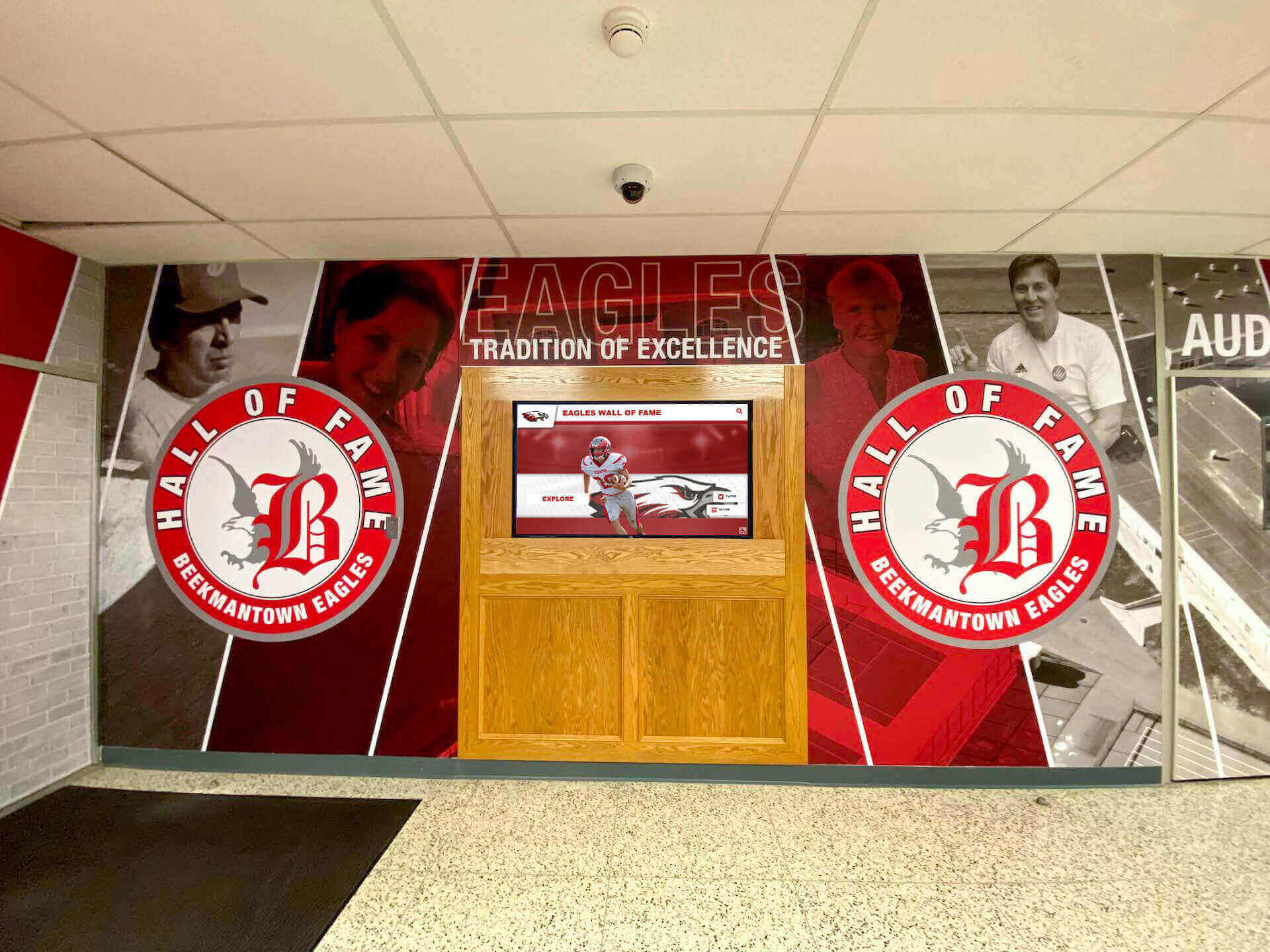
Welcoming entrances with tradition displays set positive tone for new school year
Why First Day Traditions Matter
Before exploring specific traditions, it’s important to understand their lasting impact on school culture and student experience.
Creating Sense of Belonging From Day One
The first day often brings anxiety, particularly for new students navigating unfamiliar environments. Well-designed traditions counter this anxiety by creating immediate connection points:
Psychological Benefits
- Traditions provide predictability in uncertain situations, reducing stress
- Shared experiences create instant common ground among students
- Structured rituals help students understand school values and expectations
- Recognition of returning students validates their ongoing membership in the community
Social Connection
- Traditions facilitate natural conversation starters and relationship building
- Group activities break down social barriers that prevent connection
- Inclusive traditions ensure all students—regardless of background—feel welcomed
- Multi-year traditions create bonds across grade levels and generations
Establishing School Culture and Values
First-day traditions communicate what schools value and celebrate:
Cultural Messaging
- The traditions schools prioritize reveal their true values
- How schools welcome students demonstrates commitment to inclusivity
- Recognition practices establish achievement expectations
- Celebratory tone sets standards for community interaction
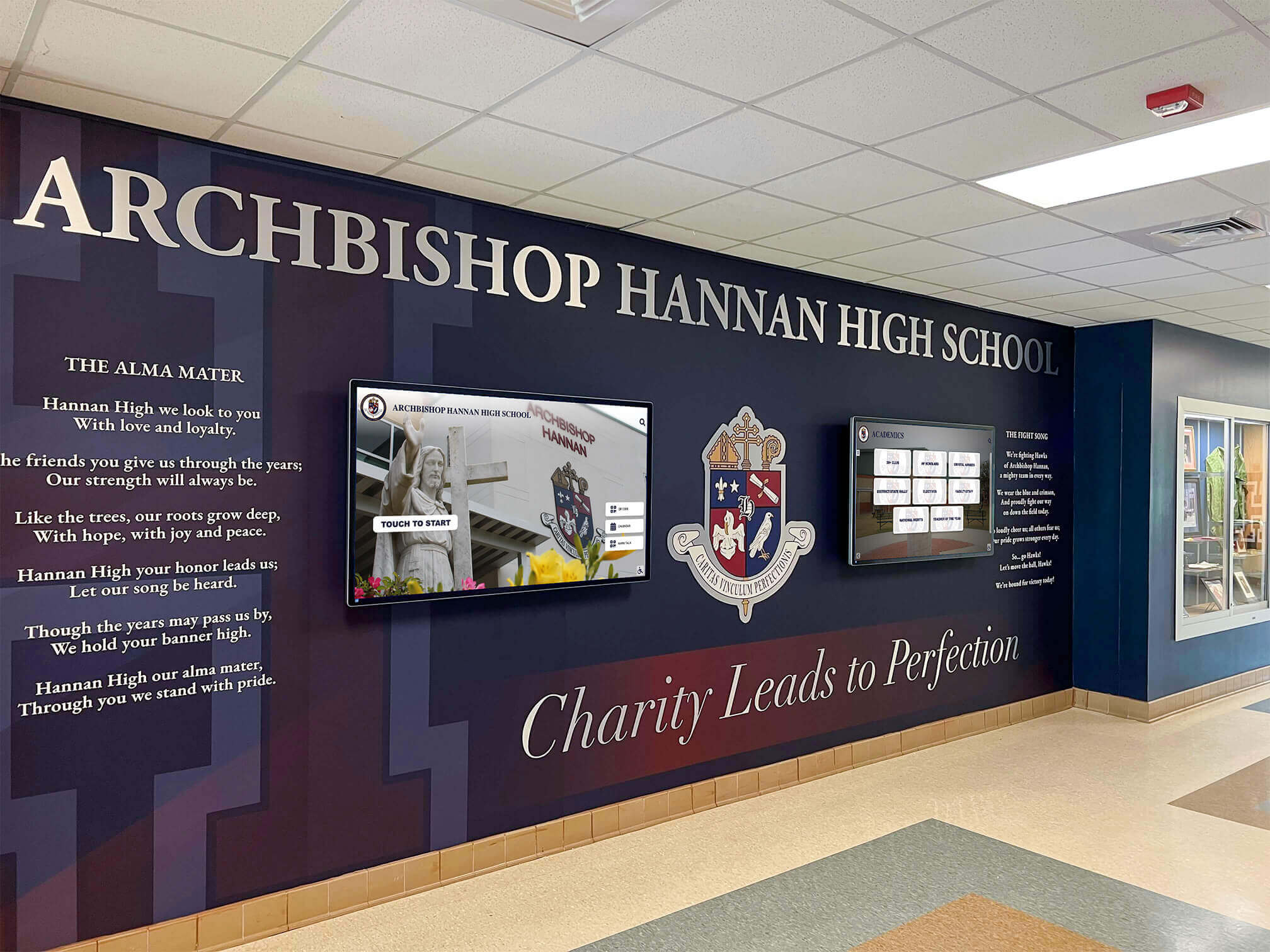
Assembly spaces featuring achievement displays reinforce school values from first day
Building Institutional Identity
- Repeated traditions create continuity across generations of students
- Unique traditions distinguish schools from other institutions
- Historic traditions connect current students to broader alumni community
- Documented traditions become part of institutional memory and pride
Traditional First Day Rituals That Build Community
Many time-tested traditions continue creating powerful first-day experiences.
1. Welcome Assemblies and Opening Ceremonies
Gathering the entire school community launches the year with shared purpose:
Effective Assembly Components
- Administrator welcome messages setting tone and expectations
- Introduction of new staff members joining the school community
- Recognition of summer achievements and returning student accomplishments
- Presentation of school traditions, values, and upcoming opportunities
- Student leadership addresses from class officers or representatives
- Inspiring speakers or alumni sharing motivational messages
Making Assemblies Memorable
- Professional production quality with sound, lighting, and visual elements
- Student participation in planning and execution
- Surprise elements that generate excitement and conversation
- Connection to school history through visual displays or presentations
- Emotional moments that create lasting memories
Schools can enhance assemblies by featuring interactive recognition displays showcasing achievements from the previous year and building anticipation for new accomplishments.
2. Class Parade or Grade-Level Processions
Physical processions through school spaces create visible transitions:
Parade Formats
- Kindergarten or freshman parades through hallways with upper-grade students cheering
- Grade-level entrances at staggered times with special recognition
- “Walk to Class” traditions where families accompany youngest students
- Senior farewell processions marking their final first day
- Athletic team or club parades introducing fall season participants
Maximizing Impact
- Clear routes that pass through high-visibility areas
- Music, cheers, and celebratory atmosphere
- Photo opportunities at designated spots
- Digital displays showing parade highlights throughout the day
- Documentation creating shareable memories
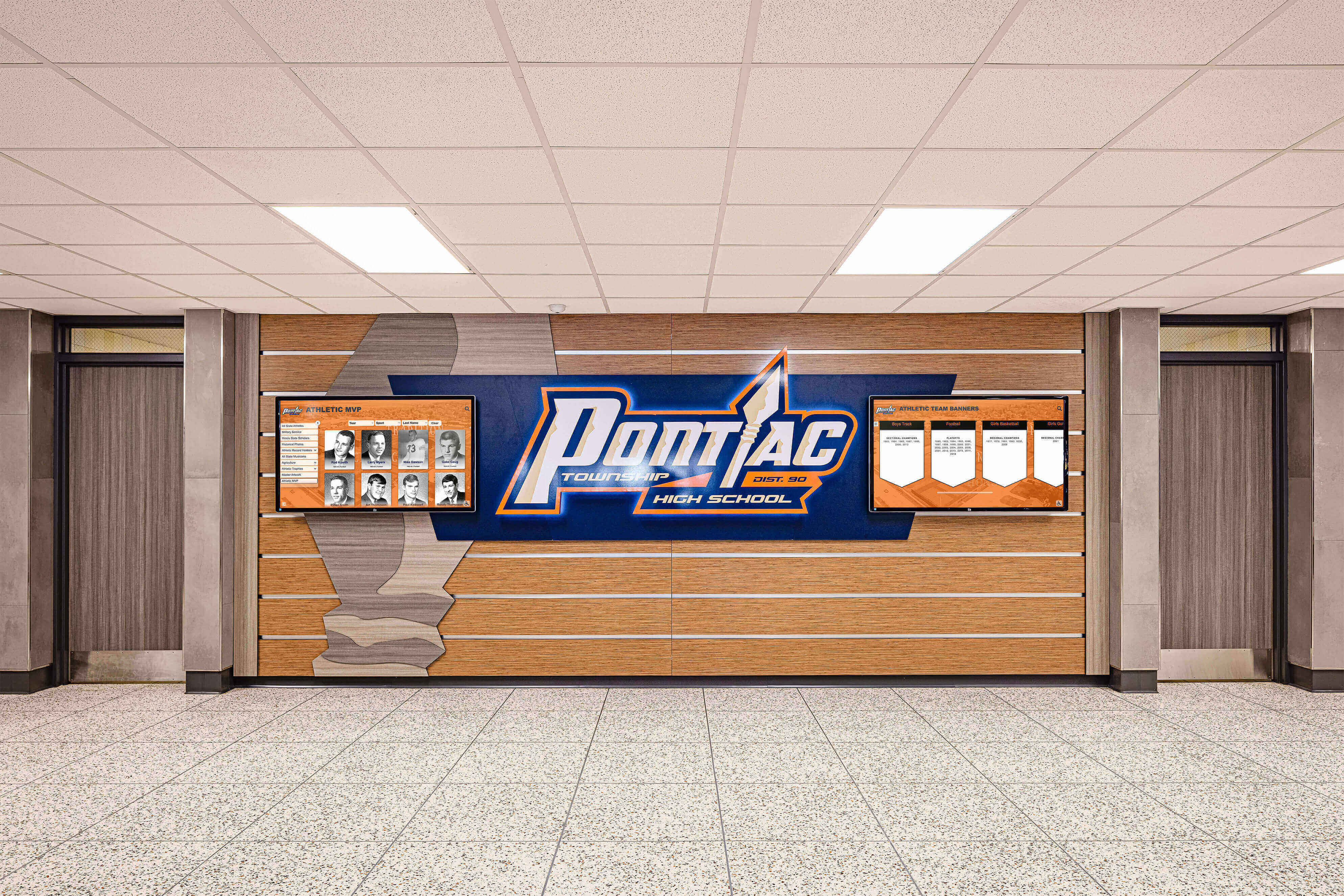
Hallways showcasing achievements welcome students into culture of excellence
3. First-Day Photo Traditions
Photo traditions create tangible memories that document educational journeys:
Photo Tradition Ideas
- Designated photo walls or backdrops in school colors
- Grade-level markers showing student progression
- “First Day / Last Day” comparison opportunities
- Class composite photo sessions for yearbook traditions
- Teacher first-day photos celebrating educator community
Digital Enhancement
- Instant sharing to school social media channels
- QR codes linking to photo galleries
- Digital displays rotating through first-day photos
- Year-end montages comparing first and last day images
- Alumni photo archives connecting current students to school history
4. Locker or Desk Decoration Surprises
Small touches make students feel individually welcomed:
Personalization Approaches
- Welcome notes from teachers addressing students by name
- Locker decorations from upper-grade student mentors
- Small treats or school supplies as welcome gifts
- Name cards demonstrating preparation and anticipation
- Messages from previous year’s teachers offering encouragement
Organized Implementation
- Student leadership or volunteer groups managing decorations
- Systematic approach ensuring all students receive equal treatment
- Age-appropriate differentiation from elementary through high school
- Inclusive messaging respecting diverse backgrounds and beliefs
- Photo documentation of the preparation process
Modern First Day Traditions for Today’s Students
Contemporary traditions leverage technology and evolving student interests.
5. Social Media Welcome Campaigns
Digital natives respond to traditions that live on their platforms:
Campaign Strategies
- Countdown posts building anticipation before school starts
- First-day hashtag campaigns encouraging student participation
- Teacher introduction videos shared on school accounts
- Behind-the-scenes preparation content showing school readiness
- Live streaming of first-day events for absent families or alumni
- Student takeovers allowing authentic peer perspectives
Engagement Tactics
- Photo contests rewarding creative first-day submissions
- Caption challenges encouraging humor and personality
- Polls and questions generating interaction and conversation
- Throwback content connecting current and past first days
- Alumni first-day memory sharing building cross-generational connection
Building school spirit through digital engagement creates year-long momentum from first-day excitement.
6. Digital Recognition Showcases
Technology enables dynamic first-day recognition impossible with static displays:
Recognition Opportunities
- Summer achievement celebrations highlighting growth
- Incoming class profiles introducing new students
- Previous year accomplishment highlights reviewing successes
- Teacher spotlight features honoring educator contributions
- Interactive touchscreen displays inviting exploration
Technology Benefits
- Unlimited capacity ensuring all deserving students receive recognition
- Easy updates allowing same-day additions of first-day moments
- Multimedia content bringing achievements to life with photos and videos
- Searchable databases helping students find friends and personal profiles
- Web accessibility extending beyond physical campus
Solutions like Rocket Alumni Solutions provide purpose-built platforms for schools to showcase diverse achievements and build community from the first day forward.
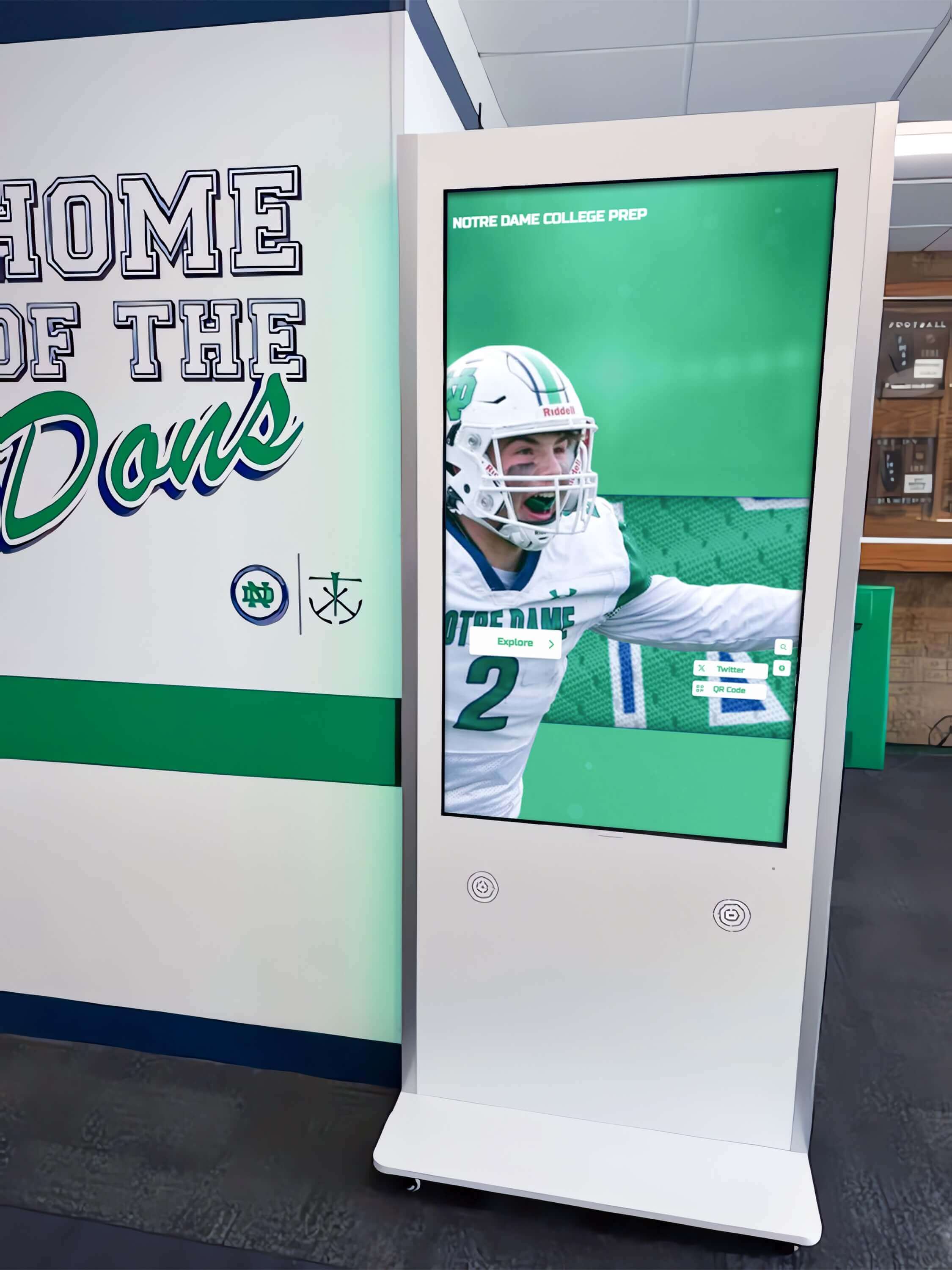
Interactive displays invite student exploration and celebrate school community
7. Virtual Welcome for Remote or Absent Students
Inclusive traditions ensure all students feel connected regardless of attendance:
Virtual Inclusion Methods
- Live streaming of assemblies and ceremonies
- Virtual tour videos for students unable to physically attend
- Recorded welcome messages from teachers and administrators
- Digital participation options for interactive traditions
- Social media engagement accessible from anywhere
- Mailed welcome packages for extended absences
Maintaining Connection
- Follow-up messages ensuring remote students receive updates
- Peer buddy assignments for one-on-one connection
- Photo sharing helping absent students feel part of community
- Makeup opportunities for missed traditions when students return
- Documentation preserving memories for later viewing
Grade-Specific First Day Traditions
Different developmental stages call for tailored approaches.
Elementary School First Day Traditions
Younger students benefit from concrete, playful traditions:
Age-Appropriate Activities
- “Find Your Classroom” scavenger hunts familiarizing students with campus
- Meet-the-teacher ice breakers with games and activities
- Buddy systems pairing older students with younger newcomers
- First-day certificates or badges celebrating school arrival
- Recess social activities helping students make friends
- Story time traditions establishing classroom routines
Parent Involvement
- Coffee and conversation gatherings while students settle
- Volunteer orientation sessions for engaged families
- Classroom observation opportunities showing daily routines
- School tour extensions for new families
- Communication workshops explaining school systems
Middle School First Day Traditions
Pre-teens need traditions acknowledging their growing independence:
Developmentally Appropriate Approaches
- Locker decoration contests encouraging personalization
- Schedule scavenger hunts building navigation confidence
- Advisory or homeroom ice breakers creating small communities
- Club and activity fairs presenting involvement opportunities
- Grade-level competitions building class identity
- Social media challenges reflecting digital native culture
Peer Connection Focus
- Structured meet-and-greet opportunities reducing social anxiety
- New student ambassador programs providing familiar faces
- Group lunch activities facilitating conversation
- Team-building challenges promoting cooperation
- Interest-based groupings connecting like-minded students
High School First Day Traditions
Teens appreciate traditions that respect their maturity while maintaining community:
Sophisticated Traditions
- Senior privileges recognizing their final first day
- Freshmen orientation experiences welcoming newest members
- Class t-shirt or spirit wear traditions building grade identity
- Academic recognition ceremonies celebrating achievement
- College commitment showcases for recruited athletes
- Leadership role announcements for student government and club officers
Creating Meaningful Moments
- Senior parking spot assignments with decorated spaces
- “Last First Day” celebrations acknowledging milestone
- Mentorship program launches connecting upper and lower grades
- Tradition explanations helping students understand significance
- Alumni guest speakers inspiring through example
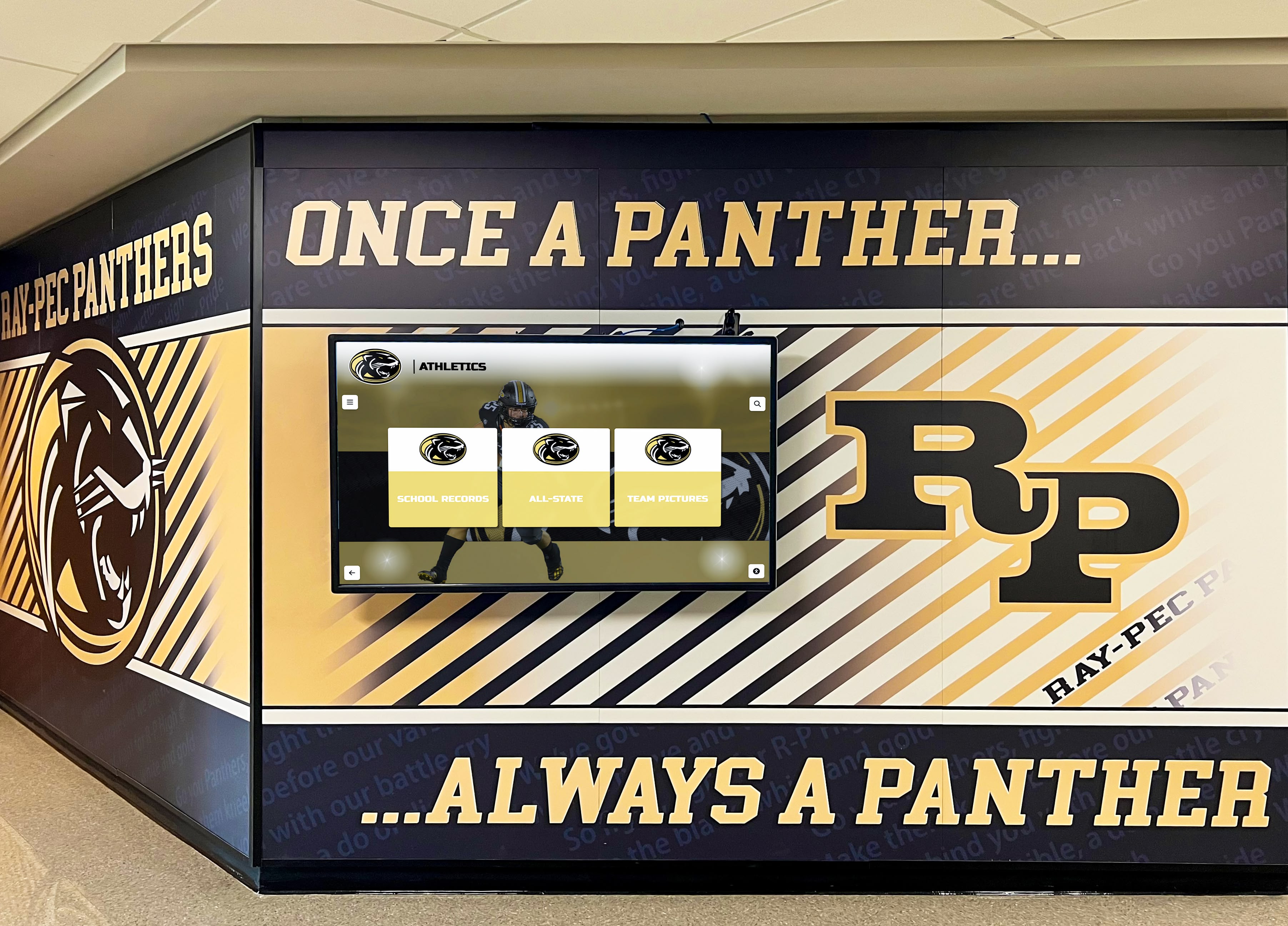
High schools blend traditional displays with modern technology for first-day impact
Creating New First Day Traditions
Schools can develop unique traditions reflecting their specific identity.
Assessing Your School’s Needs and Identity
Effective traditions align with institutional values:
Planning Process
- Survey students, staff, and families about desired traditions
- Review school mission and values for alignment
- Analyze demographic needs ensuring inclusivity
- Consider facility and resource limitations
- Research traditions from other schools for inspiration
- Pilot test new traditions with small groups before full implementation
Key Considerations
- Traditions should feel authentic rather than forced
- Sustainability requires manageable resource commitment
- Inclusive design ensures all students feel welcomed
- Flexibility allows adaptation as school culture evolves
- Documentation preserves traditions for future years
Building Buy-In and Participation
Successful traditions require broad support:
| Stakeholder Group | Engagement Strategy | Benefits |
|---|---|---|
| Students | Include in planning process; allow ownership of execution | Authentic participation; peer influence |
| Teachers/Staff | Minimize disruption; provide clear roles and support | Consistent implementation; professional guidance |
| Parents/Families | Clear communication; involvement opportunities | Home reinforcement; community enthusiasm |
| Alumni | Participation invitations; tradition documentation | Cross-generational continuity; mentorship connections |
| Administration | Budget allocation; policy alignment; visible support | Resource commitment; institutional backing |
Documenting and Preserving Traditions
Traditions require intentional preservation to survive leadership changes:
Documentation Methods
- Written tradition guides with step-by-step instructions
- Photo and video archives showing implementation
- Budget and resource requirements for planning purposes
- Timeline templates ensuring proper execution
- Digital preservation through school history archives
Institutional Memory
- Transition documentation for staff turnover
- Student leadership handbooks preserving implementation knowledge
- Administrative procedure manuals including tradition protocols
- Parent association continuity plans
- Alumni association connections maintaining long-term awareness
Inclusive First Day Traditions
The best traditions create belonging for all students.
Considering Diverse Student Populations
Traditions must work for entire school community:
Inclusion Strategies
- Cultural sensitivity review of planned activities
- Economic accessibility ensuring no cost barriers
- Language inclusion with multilingual materials
- Ability accommodations for diverse physical and learning needs
- Religious respect avoiding assumptions about beliefs
- Family structure inclusion recognizing diverse household compositions
Universal Design Principles
- Multiple participation pathways accommodating preferences
- Voluntary engagement options respecting comfort levels
- Varied activity types supporting different strengths
- Flexible timing allowing phased participation
- Clear opt-in/opt-out protocols respecting autonomy
Welcoming New Students and Families
First-time students need extra support navigating unfamiliar traditions:
Newcomer Support
- Explicit tradition explanations avoiding insider assumptions
- Buddy systems connecting new and returning students
- Parent orientation sessions explaining school culture
- Visual guides showing campus layouts and procedures
- Translation support for non-English speaking families
- Advance information sharing reducing first-day surprises
Follow-Up Support
- Week-one check-ins ensuring successful transitions
- Ongoing mentorship beyond first day
- Connection opportunities to relevant affinity groups
- Problem-solving support for emerging challenges
- Feedback collection improving future newcomer experiences
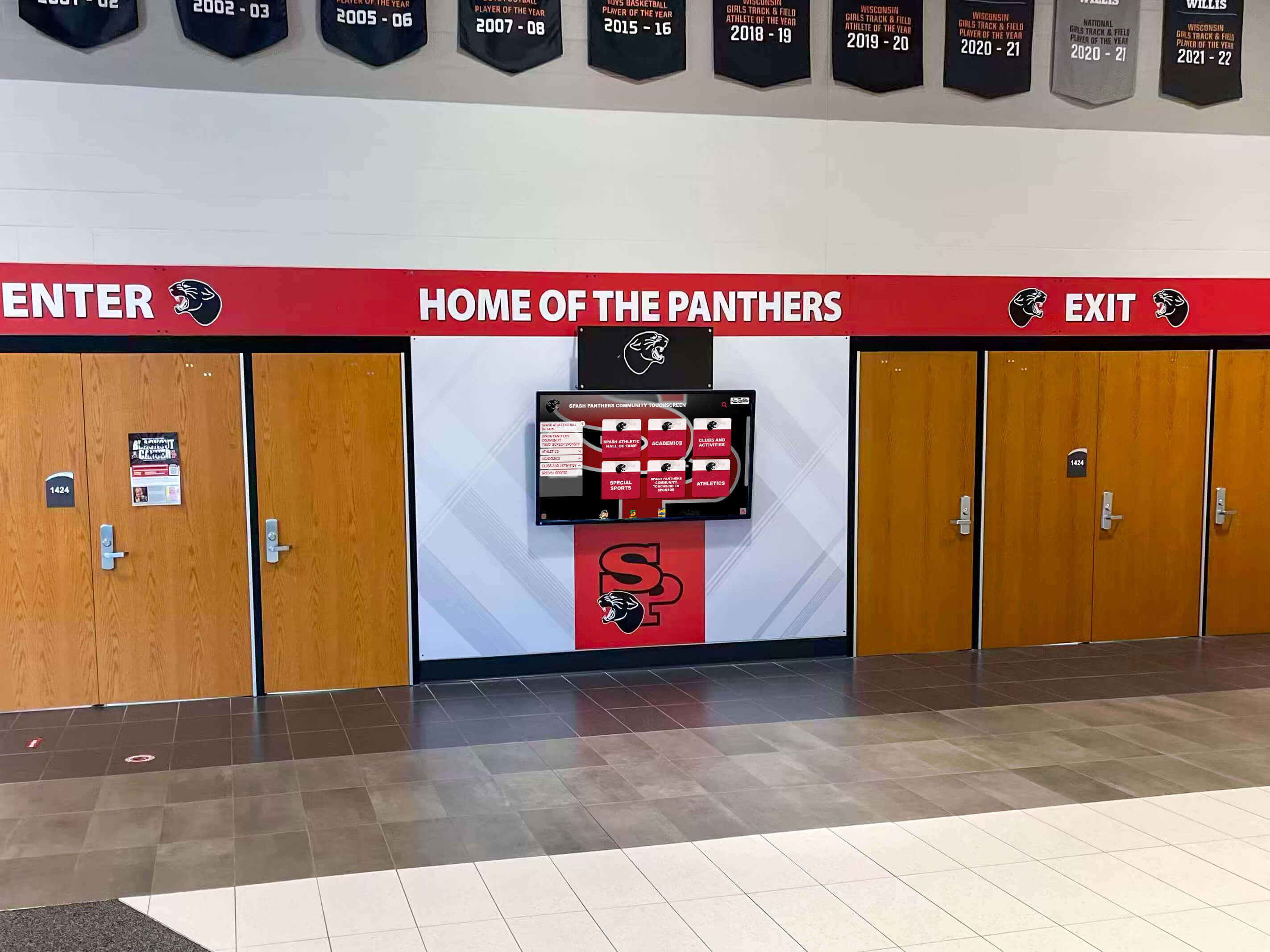
Inclusive displays welcome all students into school community
First Day Traditions for School Staff
Traditions shouldn’t only focus on students.
Teacher First Day Rituals
Educators need positive first-day experiences too:
Staff-Focused Traditions
- Welcome back breakfast or lunch before students arrive
- Motivational speaker or team-building activity
- Classroom preparation support and setup time
- New teacher mentorship pairing and welcome
- Staff recognition ceremonies honoring contributions
- First-day survival kits with supplies and treats
Creating Positive Culture
- Administrator visibility and support throughout the day
- Manageable first-day expectations and schedules
- Team collaboration opportunities building collegiality
- Celebration of summer professional development
- Appreciation messages from students or families
Supporting New Staff Members
New educators need extra welcoming support:
Onboarding Enhancement
- Detailed orientation beyond basic training
- Experienced mentor assignments providing guidance
- Welcome gifts or personalized items
- Introduction opportunities at assemblies or gatherings
- Peer lunch invitations facilitating relationship building
- Clear first-day expectations reducing anxiety
Connecting First Day to Year-Long Culture
Opening traditions should launch sustained engagement.
Establishing Momentum
First-day energy requires intentional maintenance:
Momentum Strategies
- Weekly or monthly traditions building on first-day foundation
- Regular recognition opportunities through academic programs
- Milestone celebrations throughout the year
- Consistent community-building activities
- Progress acknowledgment toward year-end goals
- Spirit week traditions sustaining engagement
Cultural Consistency
- Values reinforcement through words and actions
- Tradition preservation ensuring predictability
- Communication maintaining connection and information flow
- Recognition programming celebrating ongoing achievements
- Community gathering opportunities building relationships
Building Toward End-of-Year Traditions
First and last days bookend the school year:
Creating Symmetry
- “First Day / Last Day” comparison traditions
- Year-in-review celebrations highlighting growth
- End-of-year award programs recognizing achievement
- Reflection activities acknowledging change
- Transition rituals preparing for next year
- Documentation preserving memories for future reference
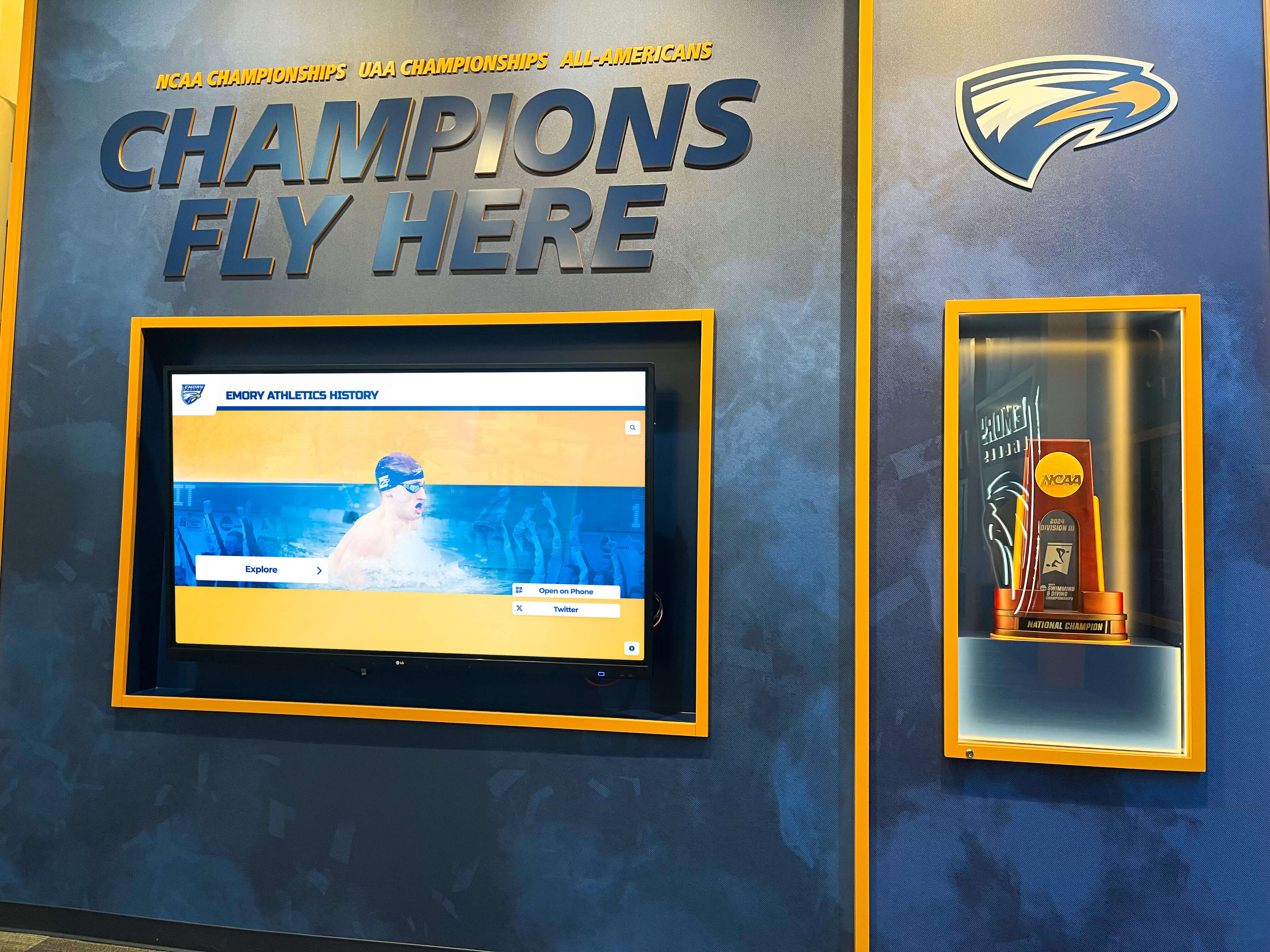
Year-round achievement displays connect first-day promises to lasting success
Measuring Tradition Impact
Assess whether traditions achieve desired outcomes.
Gathering Feedback
Regular evaluation ensures traditions remain relevant:
Assessment Methods
- Student surveys about first-day experiences
- Parent feedback on welcoming effectiveness
- Staff debriefs identifying improvement opportunities
- Social media sentiment analysis
- Attendance and participation tracking
- Comparison to previous years’ experiences
Key Questions
- Did students report feeling welcomed and valued?
- Did traditions facilitate social connections?
- Were traditions inclusive and accessible to all?
- Did traditions align with school values?
- Are traditions sustainable with available resources?
- What improvements would enhance future iterations?
Iterating and Improving
No tradition should remain static:
Continuous Improvement
- Annual review process before each school year
- Student input ensuring traditions remain relevant
- Flexibility to adapt while preserving core elements
- Technology integration enhancing tradition experience
- Resource evaluation ensuring sustainability
- Documentation of changes maintaining institutional memory
Technology Solutions for First Day Traditions
Modern tools enhance traditional approaches.
Digital Welcome Platforms
Technology extends tradition reach and impact:
Platform Capabilities
- Interactive touchscreen kiosks showcasing student profiles
- Web-accessible portals welcoming students and families
- Mobile apps providing schedules and school information
- Virtual tour options for advance familiarization
- Social media integration amplifying celebration
- Analytics tracking engagement and usage patterns
Implementation Considerations
- User-friendly interfaces requiring no technical expertise
- Privacy protection respecting student data security
- Accessibility features ensuring universal usability
- Content management systems enabling easy updates
- Integration with existing school technology infrastructure
- Support and training for staff and families
Preserving First Day Memories Digitally
Digital archives make memories accessible forever:
Archival Solutions
- Photo gallery systems organizing by year and event
- Video repositories preserving ceremony footage
- Digital yearbook platforms maintaining traditions
- Cloud storage ensuring long-term preservation
- Searchable databases helping alumni reconnect with memories
- Social sharing options extending reach to broader community
Platforms like Rocket Alumni Solutions specialize in helping schools preserve traditions and build community through comprehensive digital recognition and archival systems designed specifically for educational institutions.
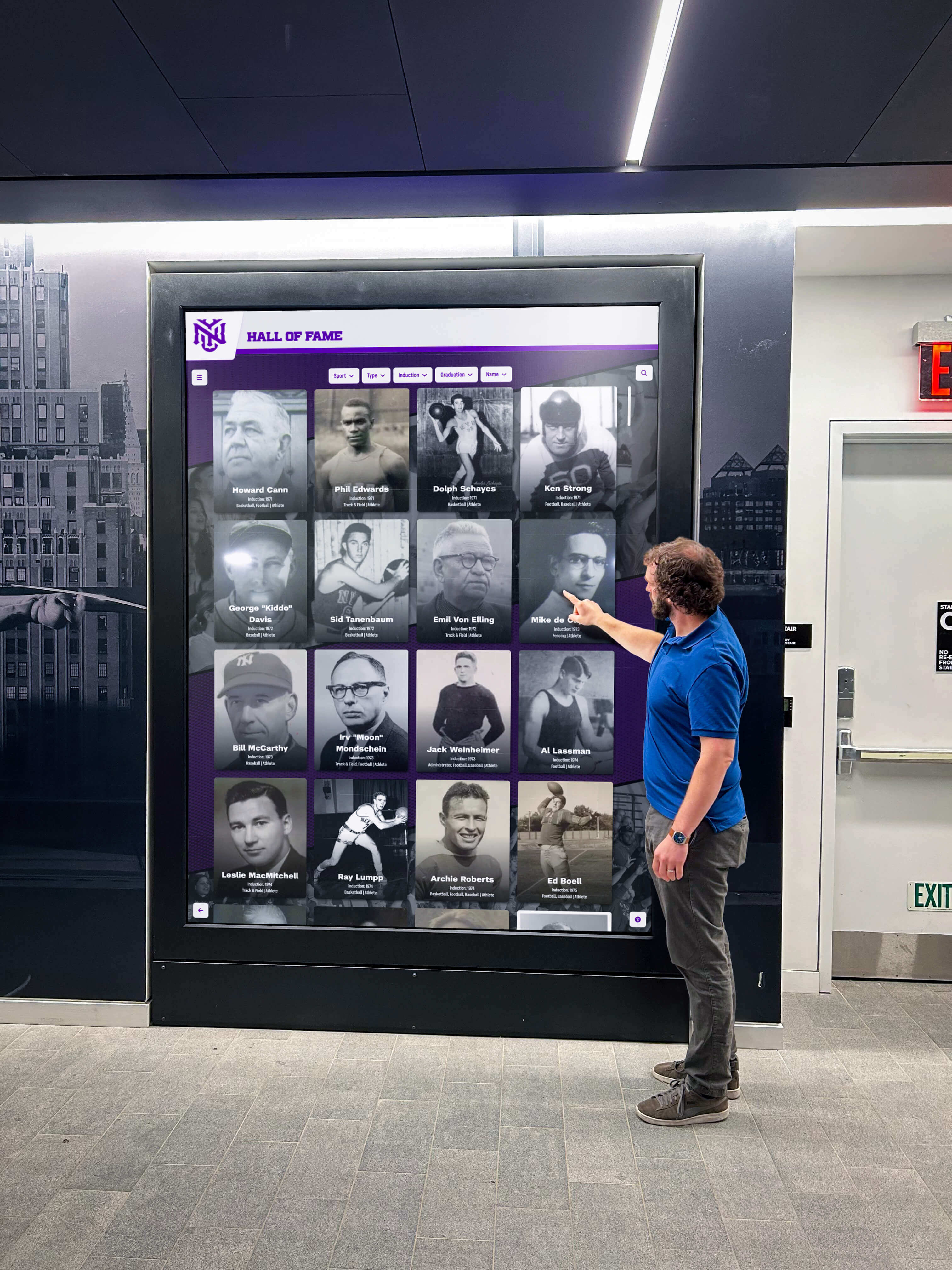
Interactive technology makes school traditions accessible and engaging
Budget Considerations for First Day Traditions
Meaningful traditions don’t require large budgets.
Low-Cost, High-Impact Traditions
Creative approaches maximize impact while minimizing costs:
Budget-Friendly Ideas
- Student-created decorations using available materials
- Volunteer-driven activities leveraging parent engagement
- Digital traditions requiring only device access
- Repurposed materials from previous years
- Peer-led activities using student talent
- Community partnership sponsorships
Resource Allocation
- Prioritize high-visibility, high-participation traditions
- Invest in reusable items providing multi-year value
- Seek donations or sponsorships for materials
- Leverage existing resources rather than purchasing new
- Calculate per-student costs to demonstrate efficiency
- Balance one-time expenses with annual recurring costs
Investing in Sustainable Systems
Some traditions justify larger investments:
Worthwhile Investments
- Digital recognition displays serving year-round purposes
- Quality photo equipment documenting memories professionally
- Durable signage or decorations lasting multiple years
- Technology infrastructure enabling various traditions
- Staff development ensuring effective implementation
- Professional planning support for major initiatives
Return on Investment
- Improved school culture and student engagement
- Enhanced community perception and reputation
- Increased student retention and satisfaction
- Stronger alumni connections and giving
- Recruitment advantages for prospective families
- Staff morale and retention benefits
Common First Day Tradition Mistakes to Avoid
Learn from schools that have struggled:
Over-Programming the Day
Too many activities create chaos rather than community:
Warning Signs
- Students feel rushed between activities with no downtime
- Logistical complexity overwhelms benefits
- Staff exhaustion from overly ambitious schedules
- Student confusion about expectations and procedures
- Quality suffers due to insufficient preparation time
Solutions
- Prioritize fewer, higher-quality traditions
- Build in transition and processing time
- Maintain balance between tradition and essential business
- Sequence activities logically throughout the day
- Gather feedback to identify sustainable levels
Excluding Segments of School Community
Traditions fail when they don’t work for everyone:
Common Exclusions
- Cost barriers preventing lower-income family participation
- Timing conflicts with work schedules or religious observances
- Physical accessibility issues for students with disabilities
- Language barriers for non-English speaking families
- Cultural insensitivity alienating diverse populations
Inclusive Alternatives
- Multiple participation options accommodating constraints
- Free or low-cost tradition components
- Advance communication allowing planning
- Thoughtful timing considering diverse needs
- Universal design benefiting all students
Lack of Sustainability Planning
First-year success often doesn’t translate to long-term viability:
Sustainability Challenges
- Key champion departure leaving tradition without leadership
- Volunteer burnout from excessive demands
- Budget cuts eliminating funding for tradition components
- Complexity making year-to-year implementation difficult
- Documentation gaps losing institutional knowledge
Building Sustainability
- Multiple leadership involvement distributing responsibility
- Manageable scope requiring reasonable time commitment
- Flexible budgets accommodating financial constraints
- Detailed documentation enabling replication
- Regular evaluation identifying improvements and efficiencies
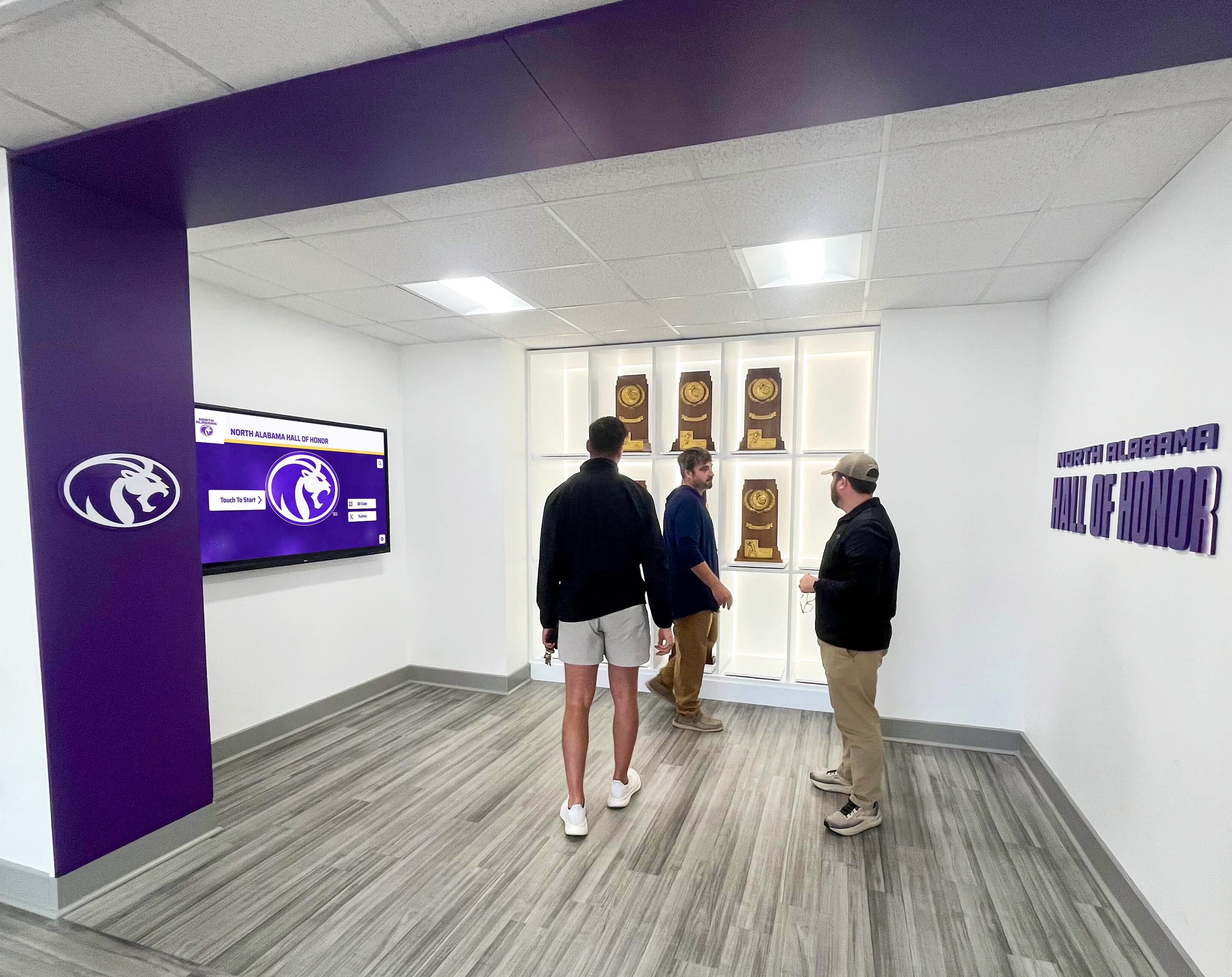
Sustainable traditions require planning, documentation, and broad leadership
Conclusion: The Lasting Power of First Day Traditions
First day of school traditions represent far more than ceremonial rituals or nostalgic customs. The most effective traditions create immediate belonging, establish cultural expectations, facilitate relationship building, and generate momentum that sustains engagement throughout the academic year.
Schools that invest in meaningful first-day experiences understand these moments shape how students, families, and staff perceive their institution. From elementary welcome parades to high school senior privilege traditions, from digital recognition showcases to simple classroom decorations, each ritual communicates values and builds the community that supports learning.
Ready to Enhance Your First Day Traditions?
Discover how digital recognition displays can welcome students, showcase achievements, and build community from the first day of school through graduation and beyond.
Explore Recognition SolutionsThe best first day traditions balance authenticity with innovation, respect tradition while embracing progress, and create experiences that work for entire school communities. Whether your institution is establishing new traditions or revitalizing existing ones, the key is intentional design focused on genuine connection rather than empty ritual.
Start by assessing your school’s unique identity, values, and needs. Engage students, staff, and families in the planning process. Pilot test new traditions before full-scale implementation. Document successful approaches for sustainability. Continuously evaluate and improve based on feedback and changing needs.
First day traditions that genuinely welcome students, celebrate community, and establish positive momentum create ripple effects extending far beyond opening day. Students who feel immediately welcomed develop stronger connections to their schools. Families who experience inclusive traditions become active partners in education. Staff members supported by positive culture remain engaged and effective throughout their careers.
Your school’s first day represents an opportunity to demonstrate values, build relationships, and create memories that last lifetimes. Invest the time, creativity, and resources necessary to make these moments matter. The culture you establish on day one shapes the entire academic year—and for many students, the trajectory of their lives.
Ready to begin creating or enhancing your first day traditions? Explore how interactive recognition technology can anchor your welcome traditions while providing year-round value for your school community.































