The Florida State Seminoles boast one of the most storied athletic traditions in college sports history, with three national championships, three Heisman Trophy winners, and a legacy of excellence spanning decades. For programs with such rich histories, traditional trophy cases and static plaques can no longer adequately showcase the depth and breadth of athletic achievement. Interactive touchscreen halls of fame represent the future of athletic recognition, providing unlimited capacity to honor every championship team, record-breaking athlete, and defining moment that has shaped the Seminole legacy.
This comprehensive guide explores how modern digital recognition systems can celebrate championship programs like Florida State while inspiring current student-athletes and strengthening connections with alumni who helped build these traditions.
College athletic programs with championship legacies face a unique challenge: how do you adequately recognize decades of excellence when wall space is finite and traditional displays become outdated? The answer lies in interactive digital technology that transforms recognition from static displays into dynamic, engaging experiences that honor the past while remaining perpetually current.
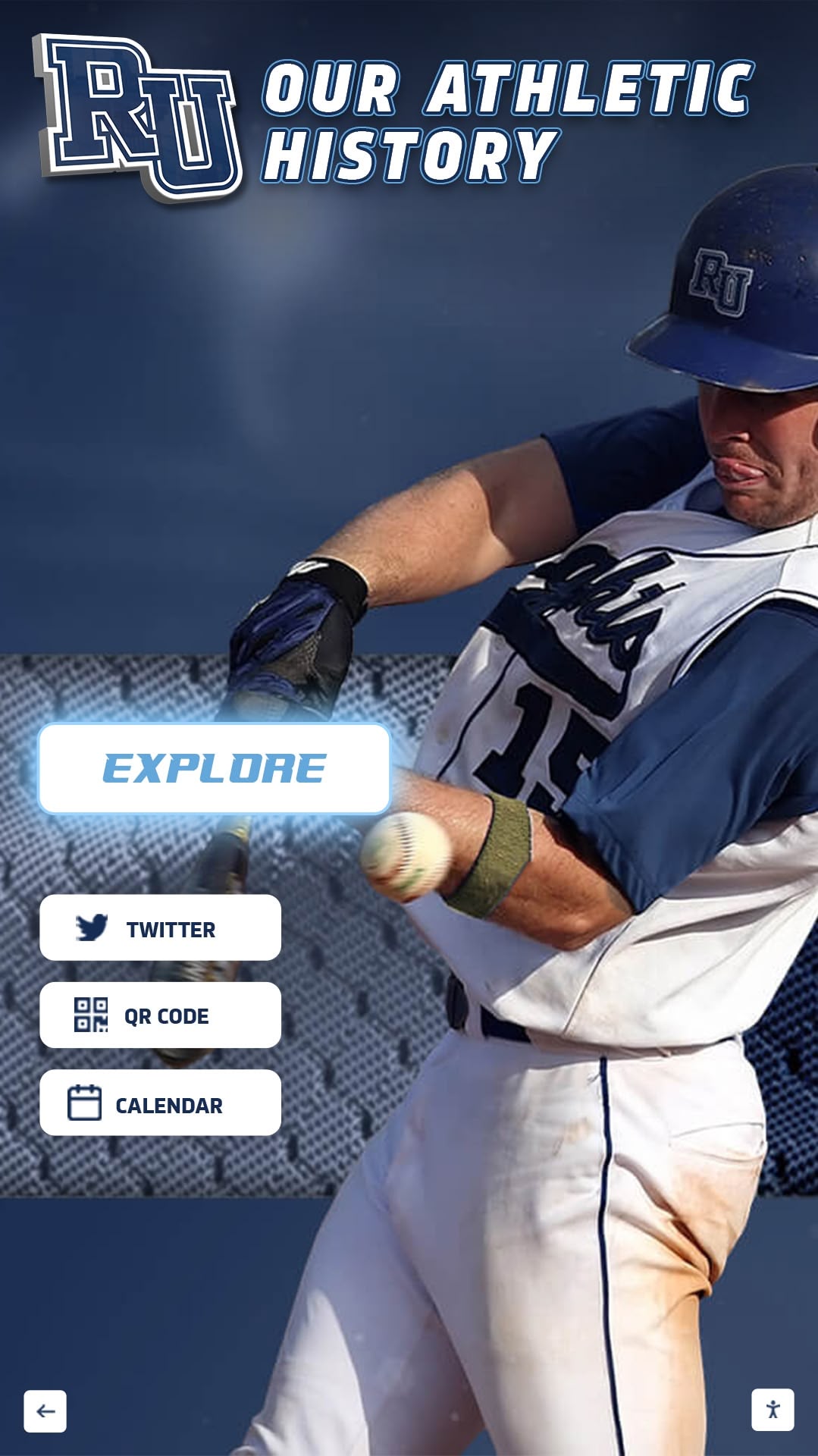
The Florida State Seminoles Athletic Legacy: A Recognition Challenge
The Florida State Seminoles have accumulated an extraordinary collection of achievements since the program’s inception. Understanding the scope of this legacy reveals why modern recognition solutions have become essential for championship programs.
Championship Excellence Across Multiple Eras
Florida State’s football program has claimed three national championships in 1993, 1999, and 2013, with each championship representing a distinct era of excellence. The 1993 team, led by Heisman Trophy winner Charlie Ward, defeated Nebraska with a dramatic field goal in the final seconds of the Orange Bowl to capture the school’s first national title. The 1999 squad achieved what no other team has accomplished—holding the number one spot in the Associated Press poll from the preseason through the national championship game. The 2013 championship team, led by Heisman winner Jameis Winston, became the highest-scoring team in FBS history with 723 points in a single season.
These championship seasons alone generated hundreds of individual achievements worthy of permanent recognition, from All-American selections to record-breaking performances. Traditional trophy cases struggle to adequately showcase even one championship season’s accomplishments, let alone three, plus the countless other achievements accumulated across decades of competitive excellence.
The Heisman Trophy Winner Legacy
The Seminoles have produced three Heisman Trophy winners—quarterbacks Charlie Ward (1993), Chris Weinke (2000), and Jameis Winston (2013). Each winner represents not just individual excellence but defining eras in program history. Comprehensive recognition should include their collegiate statistics, defining performances, career highlights, post-graduation accomplishments, and their lasting impact on the program’s competitive trajectory and national reputation.
Traditional displays typically provide only basic information about Heisman winners—perhaps a name, year, and photo. Interactive touchscreen systems can showcase video highlights of their greatest performances, detailed statistical breakdowns, interviews discussing their experiences, and connections to the broader championship teams they led.
The Unmatched Consistency of Excellence
Beyond championships and Heisman winners, Florida State’s sustained excellence created additional recognition challenges. The program finished in the top four of the AP Poll for 14 consecutive years from 1987 through 2000, completed 41 straight winning seasons from 1977 through 2017, and won 29 consecutive games from 2012 through 2014. These accomplishments generated thousands of individual achievements—All-Americans, All-ACC selections, NFL draft picks, academic all-Americans, and record-breaking performances across countless statistical categories.
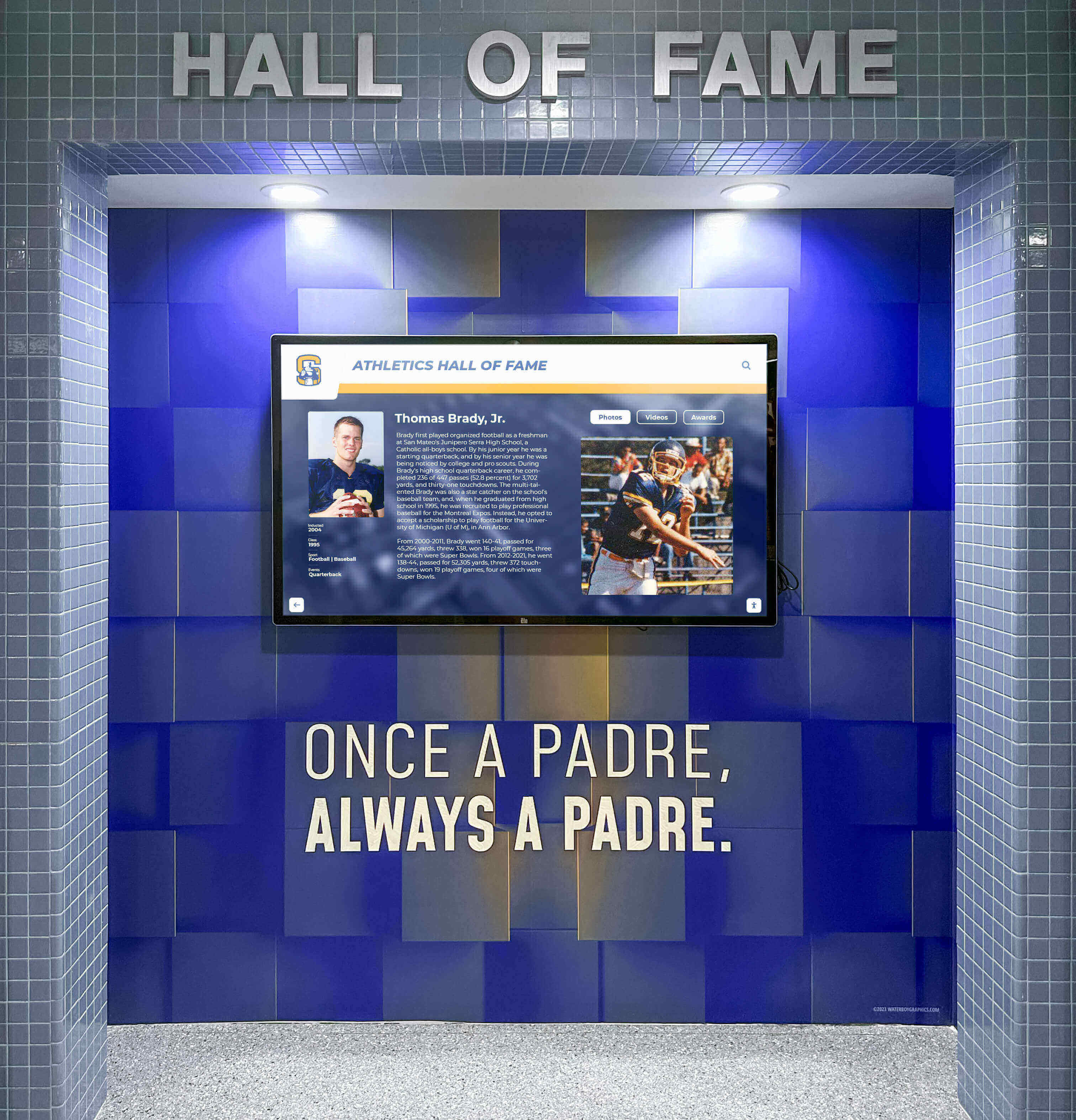
Why Interactive Touchscreen Technology Transforms Athletic Recognition
For programs with championship traditions, interactive digital displays address fundamental limitations of traditional recognition while creating new engagement opportunities that strengthen program culture and alumni connections.
Unlimited Capacity for Comprehensive Recognition

The most significant advantage of digital recognition systems is unlimited capacity. A single touchscreen display can showcase profiles for thousands of athletes, complete with photos, statistics, biographical information, and video content. This eliminates the impossible decisions traditional displays force—which achievements to feature, which to archive, and which athletes to exclude when space runs out.
For Florida State’s athletics program, comprehensive digital recognition means every letter-winner can receive appropriate acknowledgment, all-conference selections can be honored with detailed profiles, championship team rosters can include complete biographical information for every player, and coaching staff contributions can be documented across their entire tenures. Solutions like digital record boards enable athletic departments to preserve complete program histories rather than just highlighting the most elite achievements.
Rich Multimedia Storytelling Capabilities
Static plaques communicate basic facts—names, years, achievements. Interactive touchscreens enable rich storytelling through multiple media formats. Digital recognition systems can incorporate high-resolution photos from competition, training, and team activities, video highlights of championship-winning plays and record-breaking performances, audio clips from radio broadcasts of memorable moments, and statistical visualizations showing achievements within historical context.
When visitors interact with Charlie Ward’s profile in a digital hall of fame, they could watch video of the game-winning drive against Notre Dame in 1993, hear audio of the Orange Bowl championship call, review his complete season statistics compared to other program quarterbacks, and read his personal reflections about his Florida State experience. This multimedia approach creates emotional connections that simple text cannot match.
Real-Time Updates and Current Season Integration
Traditional recognition requires lengthy timelines—achievements occur, plaques are designed and fabricated, installation is scheduled. By the time recognition appears, the achievement may feel dated. Digital systems eliminate this delay through instant content updates that keep displays perpetually current.
During competition seasons, athletic departments can update records as they’re broken, add new All-American selections within days of announcement, feature current season highlights alongside historical content, and create thematic displays connecting current teams to championship predecessors. This immediacy keeps recognition relevant to current student-athletes and fans while maintaining comprehensive historical archives, as detailed in our guide on athletics walls of honor.
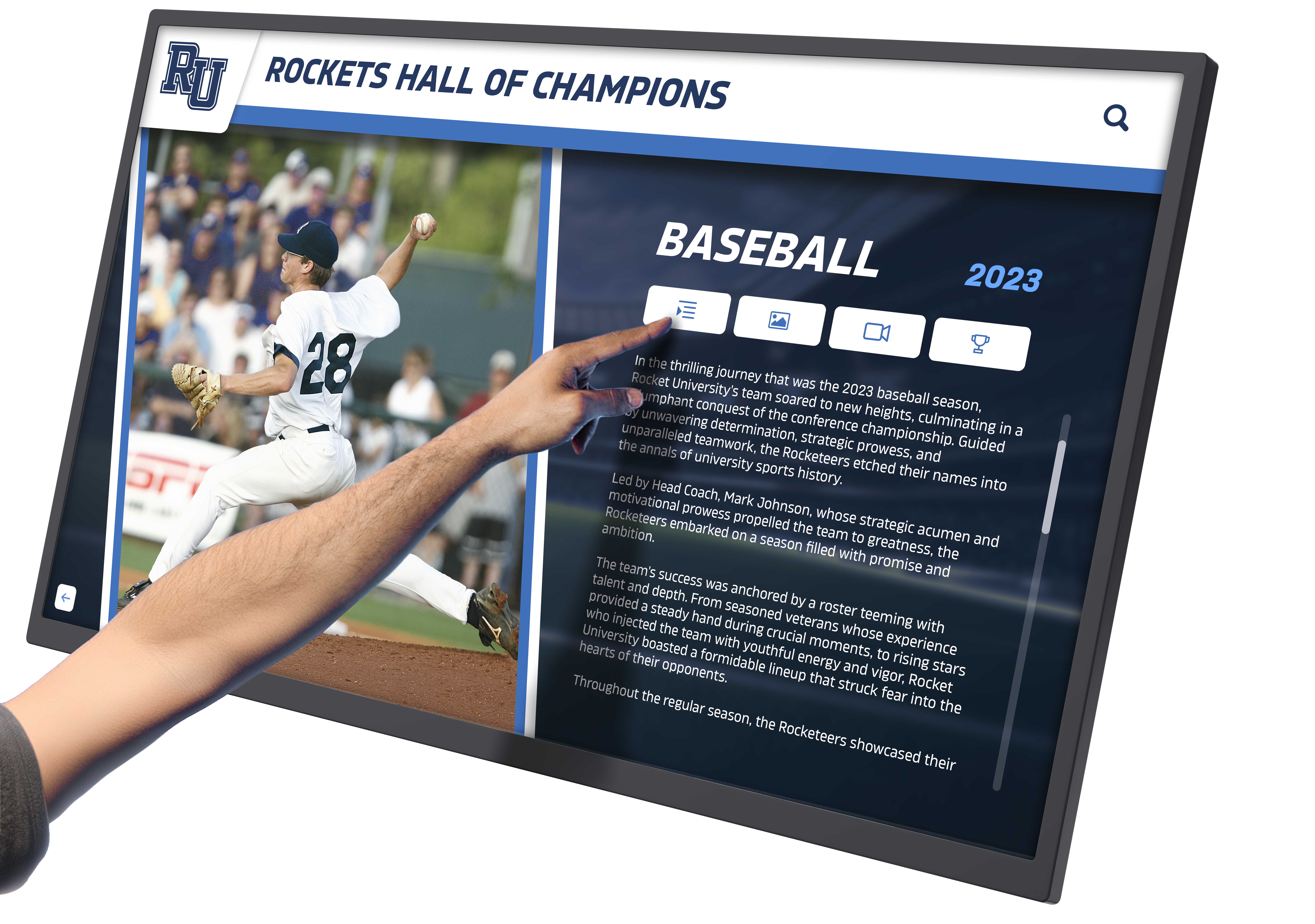
Advanced Search and Discovery Features
Traditional displays require visitors to scan walls or flip through books to find specific information. Interactive systems provide powerful discovery tools that enable visitors to search by athlete name, sport, year, or achievement type, filter championship teams by decade or sport, explore statistical leaders across categories and eras, discover connections between athletes (teammates, coaching relationships), and create personalized viewing experiences based on individual interests.
During recruiting visits, coaches can quickly showcase relevant examples for prospects. Alumni attending events can locate former teammates and relive shared experiences. Current student-athletes can explore the achievements of athletes who played their positions. These personalized discovery capabilities increase engagement time and create deeper connections with program history.
Essential Content Categories for College Athletics Halls of Fame
Comprehensive recognition programs for championship programs like Florida State should include diverse content categories that collectively tell complete athletic stories.
Individual Athlete Profiles
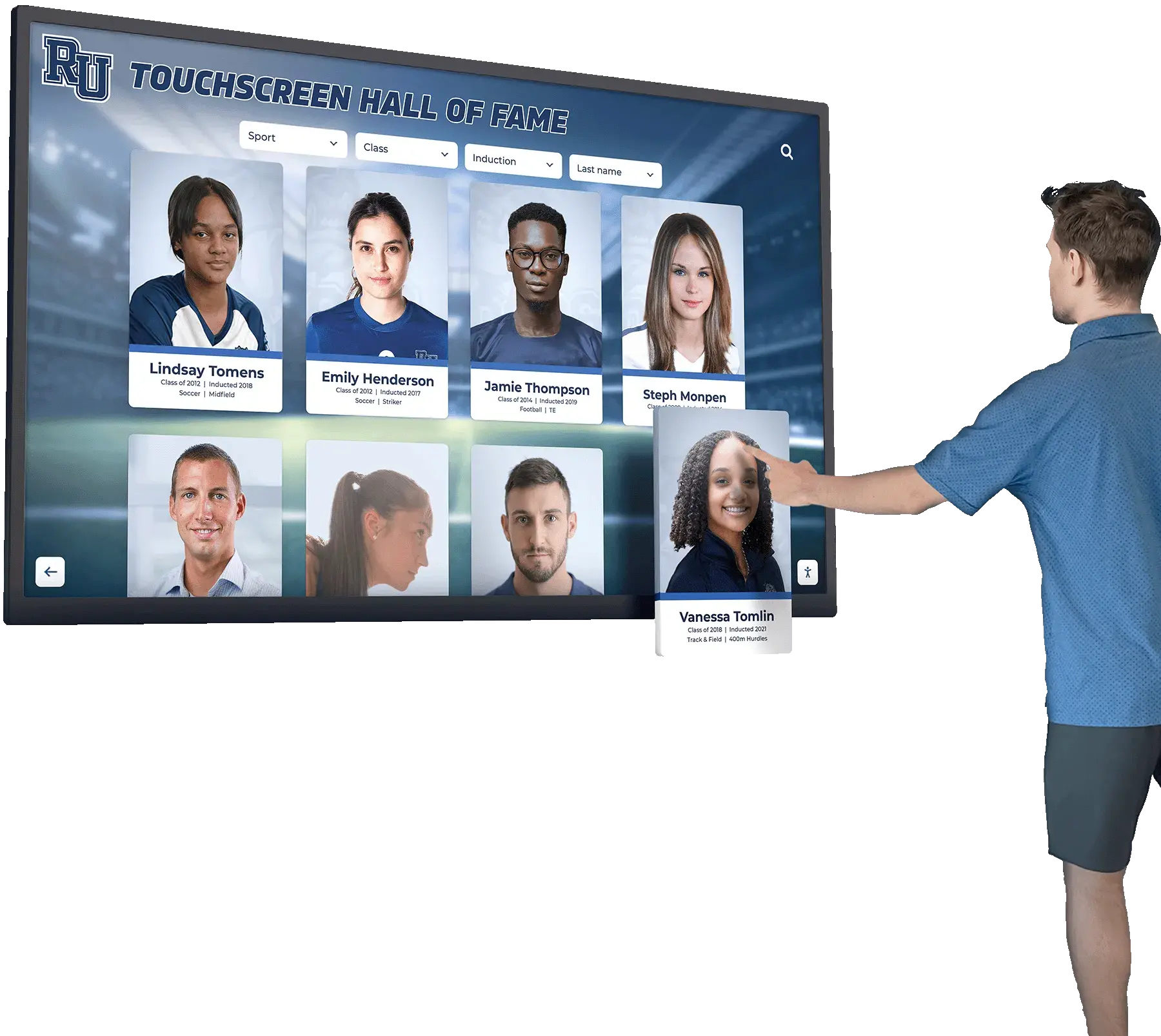
The foundation of any athletics hall of fame is individual athlete recognition. Effective digital profiles include essential biographical information such as full name, hometown, high school, years of competition, and jersey number, comprehensive statistics organized by season and career totals, major awards and honors including All-American selections and conference recognitions, memorable performances and defining moments, post-graduation athletic career (NFL, professional sports), and current career information when available.
The most engaging profiles balance statistical achievements with narrative elements revealing character, work ethic, leadership qualities, and impact on teammates and program culture. Including athletes’ own voices through quotes or video interviews adds authenticity and depth that statistics alone cannot convey.
Championship Teams and Memorable Seasons
Team achievements often resonate more powerfully than individual statistics, particularly championship seasons that united entire communities. Recognition of championship seasons should include comprehensive rosters listing every team member and their contributions, complete season records and game-by-game results, statistical leaders across categories, coaching staff information and system philosophies, memorable moments and defining games, and post-season honors earned by individual players.
For Florida State’s three national championship teams, interactive displays can create immersive experiences that allow visitors to explore the complete championship journey—from preseason expectations through the final game. Video highlights, player interviews, newspaper coverage, and statistical analysis combine to tell comprehensive championship stories that inspire current athletes and reconnect alumni with their championship experiences.
Coaching Legends and Program Builders
Coaches shape program identity and competitive success as significantly as athletes. For Florida State, coaches like Bobby Bowden defined entire eras of excellence. Comprehensive recognition for coaching legends should include career records and winning percentages, championships won and conference titles earned, notable athletes developed and their subsequent achievements, coaching philosophy and system innovations, memorable quotes and wisdom, and lasting impact on program culture and competitive positioning.
Bobby Bowden’s 34-year tenure produced 304 victories, two national championships, 12 ACC titles, and countless athletes who achieved success at the highest levels. Digital recognition enables comprehensive documentation of this legacy through statistical analysis, video clips of his coaching moments and speeches, profiles of the athletes he developed, and contextual information about how his leadership transformed Florida State into a national powerhouse. Similar recognition approaches apply to legendary coaches across all sports within the athletic program.
Record Holders and Statistical Excellence
Record-breaking performances represent pinnacle achievements in specific categories. Comprehensive recognition should document school records across all statistical categories, single-season records showing peak performance, single-game records demonstrating exceptional individual performances, and career records accumulated across multiple seasons.
Digital displays excel at presenting record information because they can show complete leaderboards rather than just current record holders. Visitors can explore the top ten performers in any category, track how records have evolved across eras, and understand achievements within appropriate historical context. For example, comparing rushing records from different eras requires context about season length, rule changes, and competition levels—information digital systems can easily incorporate.
Historic Rivalries and Defining Competitions
Rivalry competitions and historic matchups define college athletics culture. For Florida State, rivalries with Florida, Miami, and Clemson have produced legendary games that shaped program trajectory and national perceptions. Recognition should document rivalry series records and memorable games, defining victories that established program competitiveness, upset victories over ranked opponents, and competitions that determined championships or playoff positioning.
Including multimedia content brings these historic moments to life—radio calls of game-winning touchdowns, newspaper headlines from the morning after, video highlights of defining plays, and interviews with athletes and coaches reflecting on what these competitions meant to them and the program.
Implementation Strategies for College Athletic Programs
Creating effective interactive touchscreen halls of fame requires thoughtful planning and systematic execution that addresses technical, content, and operational considerations.
Strategic Location Planning
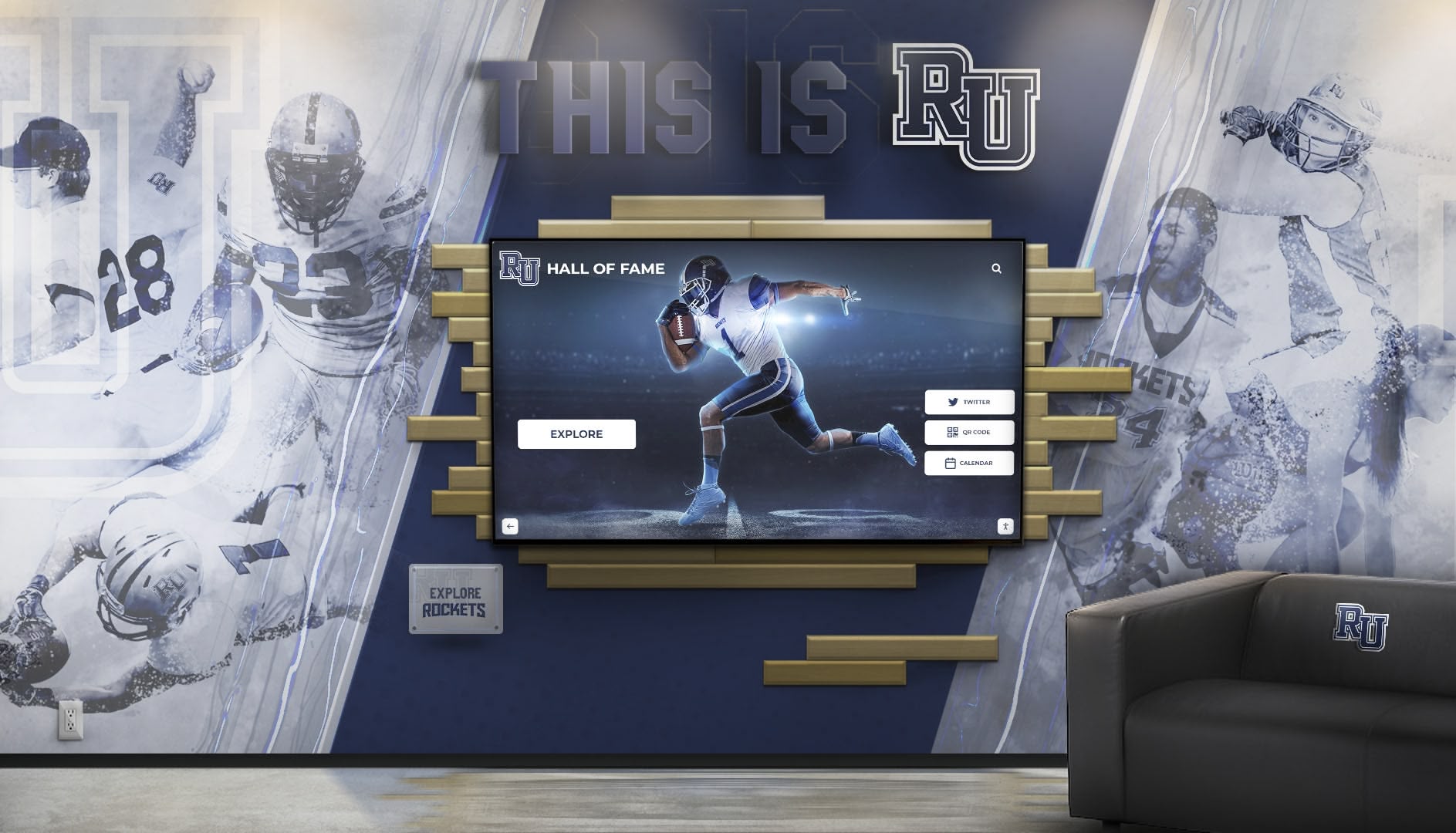
Placement significantly impacts engagement and effectiveness. For college athletic facilities, ideal locations include athletic department lobbies and main entrances where all visitors encounter displays, locker room corridors where student-athletes see recognition daily, weight room or training facility entrances where athletes spend significant time, competition venue club levels or concourses where fans gather during events, and recruiting tour routes that prospects always visit. Our guide on best school hall of fame walls explores placement strategies that maximize visibility and impact.
Some programs implement multiple displays in different locations rather than single centralized installations. Sport-specific displays near relevant facilities provide targeted recognition while comprehensive displays in central locations showcase the complete athletic program. Digital systems make this distributed approach practical since content management platforms can update multiple displays simultaneously from centralized systems.
Content Development and Historical Research
Creating compelling content requires systematic approaches to historical research and content creation. For programs with lengthy histories, this represents significant effort but creates valuable institutional assets.
Historical research to identify achievements and gather information involves reviewing archived athletic department records, media guides, and yearbooks, researching statistics and achievements from pre-digital eras, interviewing alumni athletes and former coaches for personal perspectives, digitizing photographs and documents from physical archives, and verifying facts and achievements across multiple sources to ensure accuracy. Many programs discover that this research process uncovers forgotten achievements and reveals fascinating stories about program history that even long-time supporters didn’t know.
For living athletes and coaches, outreach processes typically include questionnaires requesting biographical updates and career highlights, current photo submissions supplementing historical imagery, video interview sessions capturing personal stories and reflections, and review opportunities before publication to verify accuracy. This collaborative approach ensures content authenticity while strengthening connections with alumni who feel valued through the recognition process.
Technology Infrastructure Requirements
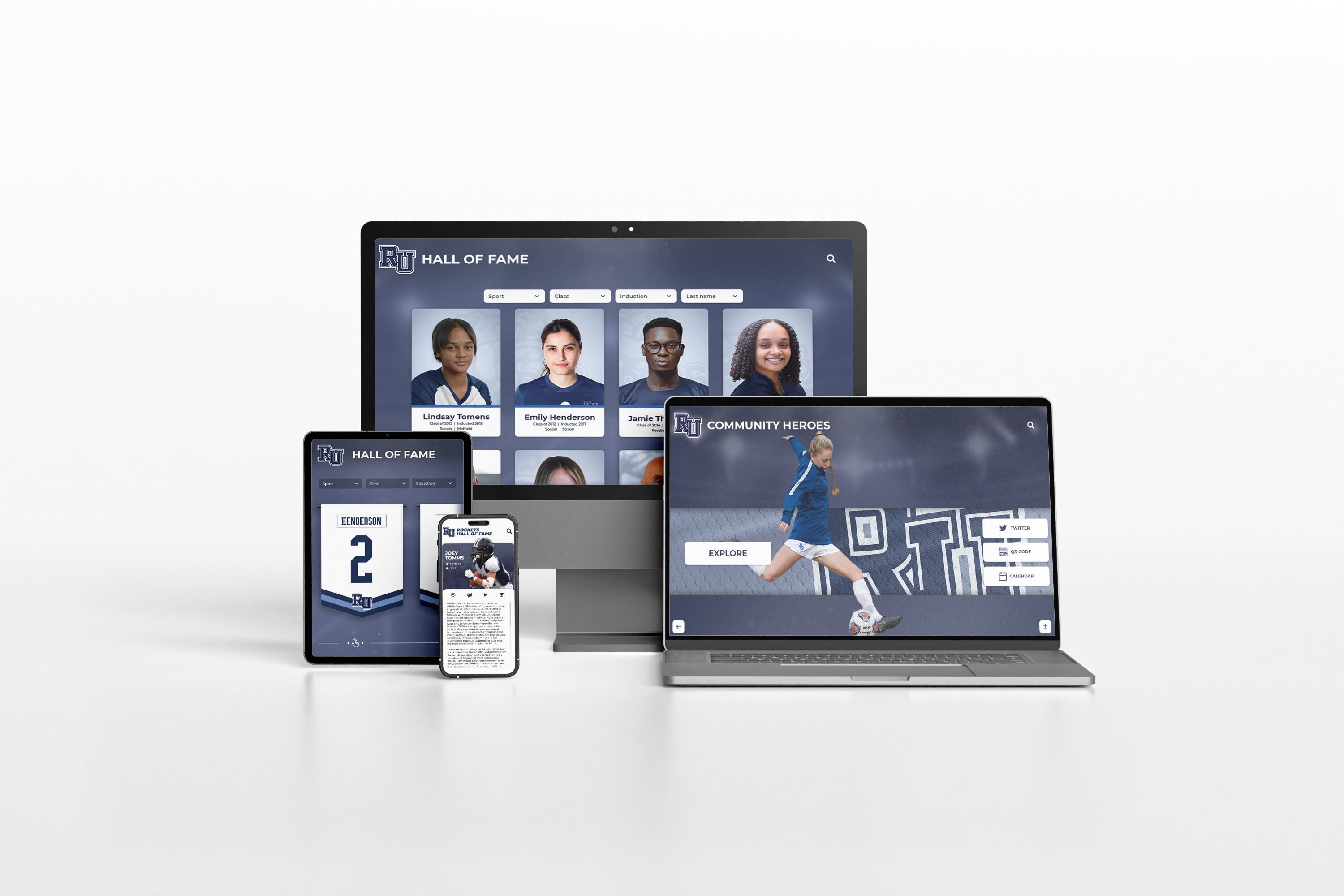
Successful digital hall of fame implementations require appropriate technical infrastructure. Key requirements include commercial-grade touchscreen displays rated for continuous operation with screen sizes of 55-75 inches for most applications, computing hardware providing adequate processing power for smooth video playback and responsive interaction, network connectivity enabling content updates and system management, appropriate electrical power capacity, and environmental considerations including protection from direct sunlight and temperature control.
Solutions like digital recognition displays from Rocket Alumni Solutions provide comprehensive systems including hardware, software, installation, and ongoing technical support designed specifically for athletic recognition applications.
Budget Planning and Funding Strategies
Hall of fame implementation costs vary based on scope and sophistication. Comprehensive digital interactive systems for major athletic programs typically range from $20,000 to $80,000 including hardware, software, installation, and initial content development. Beyond initial investment, ongoing costs include annual software licensing and maintenance, periodic content updates and additions, and eventual hardware refresh after 5-10 years of operation.
Many athletic departments fund recognition programs through combinations of general athletic budgets allocated to facilities and tradition preservation, alumni association or booster club contributions, dedicated fundraising campaigns with donor recognition opportunities, corporate sponsorships from athletic program partners, and naming opportunities for major contributors. Some programs successfully incorporate hall of fame access into annual giving society benefits, creating recurring revenue streams that support ongoing operations.
Phased implementation approaches allow athletic departments to demonstrate value before seeking additional resources. Starting with core content focused on championship teams and major award winners, then expanding over time to include comprehensive athlete profiles and additional historical content, can make initial investments more manageable while building support for continued development.
Maximizing Impact: Integration with Broader Athletic Initiatives
Interactive touchscreen halls of fame create maximum value when integrated with broader athletic department programs and initiatives rather than functioning as isolated displays.
Recruiting and Campus Visit Integration
Recognition displays provide powerful recruiting tools that demonstrate program tradition, competitive excellence, and commitment to honoring achievement. Strategic integration into recruiting includes featuring displays prominently during official and unofficial visits, creating customized tours showcasing relevant achievements for specific sports or positions, highlighting alumni who played at prospects’ high schools or regions, and demonstrating the level of recognition exceptional performers receive. Coaches frequently report that recognition displays influence recruit decision-making, particularly when comparing programs with similar competitive profiles. Solutions focused on college recruiting and campus visit displays provide detailed strategies for maximizing recruiting impact.
Alumni Relations and Development Programs
Recognition creates powerful emotional connections that translate into increased alumni engagement and philanthropic support. Strategic integration with advancement initiatives includes featuring inducted athletes at alumni events and reunions, connecting honored alumni with current student-athletes as mentors, highlighting recognition in fundraising appeals and donor communications, and creating exclusive access or preview opportunities for major donors. Athletic departments consistently report correlation between comprehensive recognition programs and increased alumni engagement metrics including event attendance, volunteer participation, and annual giving.
Current Student-Athlete Motivation and Goal Setting
Perhaps the most important impact of recognition displays is their effect on current student-athletes. When athletes encounter comprehensive documentation of program excellence, abstract goals become tangibly achievable. Integration with current team programming includes coaches referencing hall of fame displays during goal-setting sessions, featuring current season achievements alongside historical content, creating “record watch” displays as athletes approach program records, and organizing team activities around recognition displays for program orientation and tradition education.
Athletic departments implementing comprehensive digital recognition consistently report that visibility of achievement standards motivates current athletes to higher performance levels while strengthening understanding of and appreciation for program traditions.
Facility Tours and Community Engagement
Recognition displays enhance facility tour experiences for diverse audiences beyond recruits and alumni. Prospective students and families visiting campus encounter displays demonstrating institutional pride and achievement. Community groups touring facilities learn about program history and contributions. Media covering the program access comprehensive historical information easily. This broad accessibility extends recognition value across multiple institutional priorities while creating community pride in athletic program accomplishments.
Technology Evolution: The Future of Athletic Recognition
Interactive touchscreen technology continues evolving, with emerging capabilities that will further enhance athletic recognition experiences in coming years.
Enhanced Personalization and AI Integration
Artificial intelligence and machine learning will enable increasingly personalized recognition experiences including content recommendations based on viewing patterns and demonstrated interests, customized tours automatically generated for specific visitor types, predictive displays that anticipate visitor interests based on demographic or behavioral data, and natural language search allowing conversational queries. These personalized approaches will increase engagement by surfacing most relevant content for each visitor rather than requiring manual discovery through comprehensive catalogs.
Augmented Reality and Immersive Experiences
Augmented reality capabilities will add new dimensions to recognition including AR overlays that provide additional information when viewing physical artifacts, virtual reconstructions of historic competitions or venues, 3D athlete models demonstrating techniques or memorable plays, and immersive storytelling experiences that transport visitors into championship moments. These immersive technologies will create emotional connections stronger than current display capabilities while preserving and presenting historical content in engaging contemporary formats.
Social Integration and Community Participation
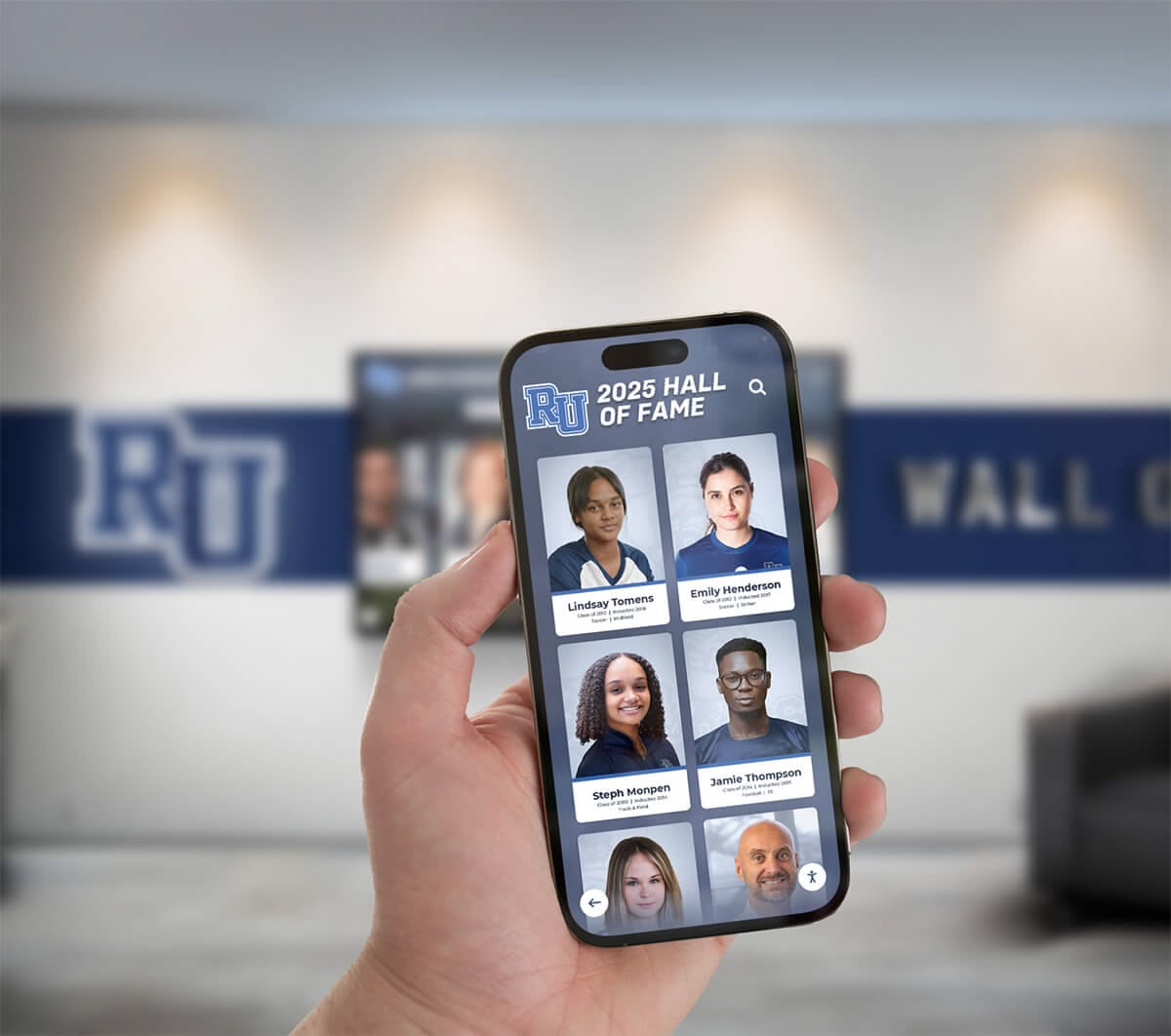
Recognition increasingly extends beyond physical displays to social and digital community platforms. Emerging trends include social media integration enabling easy content sharing and community commenting, crowdsourced contributions from alumni sharing memories and materials, interactive voting features allowing community input on greatest moments or athletes, and collaborative storytelling where supporters contribute personal connections to honorees. This participatory approach transforms recognition from one-directional tribute into community conversation that strengthens connections across stakeholder groups while generating authentic content enriching official recognition.
Measuring Success: Analytics and Impact Assessment
Evaluating recognition program effectiveness helps justify continued investment and identifies improvement opportunities.
Engagement Analytics
Digital systems provide comprehensive engagement data including total interactions and unique visitors over time, average session duration indicating depth of engagement, most-viewed content and athlete profiles revealing visitor interests, search query patterns showing what information visitors seek, and peak usage times informing content and staffing strategies. This quantitative data reveals what content resonates most strongly and informs future development priorities, as discussed in our article on athletic recognition programs.
Alumni Relations Impact
Recognition programs exist primarily to strengthen alumni connections and institutional identification. Assessment should track attendance at athletic events and alumni gatherings, participation in mentoring or volunteer opportunities, giving rates and contribution amounts to athletics, and qualitative feedback through surveys and interviews. Athletic departments consistently report correlation between comprehensive recognition initiatives and enhanced alumni engagement across multiple dimensions.
Current Student-Athlete Awareness
Perhaps most important is whether recognition inspires and motivates current student-athletes. Relevant measures include athlete awareness of program records and history, goal-setting influenced by hall of fame standards, leadership development and team culture attributes, and qualitative feedback through focus groups or coach observations. Athletic departments implementing comprehensive recognition report visible aspirational effects where student-athletes set higher standards based on documented examples of excellence.
Best Practices from Championship Programs
Learning from established recognition programs at championship-caliber institutions helps avoid common pitfalls and implement effective strategies from the start.
Prioritizing Comprehensive Inclusion
The most successful halls of fame balance honoring elite achievement with recognizing broader contributions. While Heisman Trophy winners and All-Americans deserve prominent features, programs that include recognition for all lettermen create stronger alumni connections and more inclusive cultures. Digital platforms make this tiered approach practical—comprehensive multimedia profiles for exceptional achievers, standard recognition for significant contributors, and basic listing for all participants. This structure honors excellence while acknowledging that championship programs require contributions from entire rosters.
Maintaining Content Currency
Recognition programs lose impact when they become static or outdated. Successful programs establish sustainable rhythms including annual induction classes creating natural cycles for content additions, regular updates to existing profiles with career developments, seasonal featured content connecting current competitions to historical context, and periodic design refreshes maintaining contemporary aesthetics. The advantages of digital walls of fame include straightforward content management enabling consistent updates without physical modifications.
Creating Layered Content Depth
Recognition serves diverse audiences with varying interests and available time. Effective systems provide multiple content layers including summary views showing names and basic achievements, intermediate detail with statistics and biographical highlights, and comprehensive profiles with multimedia elements for deep exploration. This layered approach allows casual viewers to quickly scan highlights while providing depth for detailed exploration. Navigation should make moving between layers intuitive and effortless.
Conclusion: Honoring Championship Traditions for Future Generations
Programs like the Florida State Seminoles, with multiple national championships, Heisman Trophy winners, and decades of competitive excellence, face unique recognition challenges. Traditional trophy cases and static plaques cannot adequately showcase the depth and breadth of these achievements while remaining current with ongoing success. Interactive touchscreen halls of fame represent purpose-built solutions that honor championship legacies comprehensively while inspiring current athletes and strengthening alumni connections.
The transformation from space-constrained physical displays to unlimited-capacity digital systems fundamentally changes what’s possible in recognizing athletic achievement. Programs no longer must choose which accomplishments deserve display or which inductees to archive when space runs out. Digital platforms enable comprehensive recognition of complete athletic program histories while creating engaging, personalized experiences that connect past excellence with present aspiration.
For athletic directors, development officers, and university administrators seeking to honor championship traditions while building for the future, interactive touchscreen recognition systems deliver measurable returns across multiple institutional priorities. Enhanced recruiting competitiveness, increased alumni engagement and giving, strengthened institutional pride, and motivated student-athletes pursuing their own excellence all flow from comprehensive recognition that demonstrates genuine commitment to celebrating achievement.
Championship programs deserve recognition solutions that match the excellence they celebrate. Interactive digital technology provides the tools to honor legacy athletes appropriately while remaining perpetually current with ongoing achievements—ensuring that today’s champions receive the same comprehensive recognition as legends from previous eras.
Transform Your Athletic Recognition Program
Discover how Rocket Alumni Solutions creates interactive touchscreen halls of fame specifically designed for championship athletic programs. Our comprehensive systems honor your tradition while inspiring future excellence.
Schedule Your ConsultationReady to celebrate your athletic legacy with modern recognition technology? Explore how college athletics halls of fame and interactive touchscreen systems preserve excellence while creating engaging experiences for current athletes, alumni, and the entire university community. Learn more about showcasing school NFL alumni and other specialized recognition strategies that strengthen athletic programs and institutional pride across generations.































