Football programs accumulate an impressive collection of achievements over the years—championship trophies, game balls, retired jerseys, signed helmets, and countless other items representing hard-fought victories and individual excellence. Yet many athletic directors and facilities managers struggle with the challenge of displaying these treasured items in ways that properly honor their significance while remaining accessible, secure, and visually compelling for players, families, and the entire school community.
Traditional glass trophy cases have served football programs for decades, but they come with significant limitations. Physical space constraints force difficult decisions about what to display and what to store away. Dust accumulation requires constant maintenance. Limited visibility means only people who physically visit the display location can appreciate the achievements. And static arrangements lack the storytelling capability to convey the full context and significance behind each item.
As we move through 2026, football programs have access to innovative display solutions that address these limitations while preserving the tradition and prestige that championship recognition deserves. From thoughtfully designed physical trophy cases to cutting-edge digital recognition systems, modern approaches enable programs to showcase football memorabilia comprehensively while creating engaging experiences that inspire current athletes and connect alumni to program legacy.
This comprehensive guide explores practical football display case ideas ranging from traditional physical installations to interactive digital platforms. Whether you’re designing a new athletic facility, renovating an existing trophy room, or seeking ways to maximize limited display space, you’ll discover proven strategies that help football programs celebrate excellence effectively while honoring the athletes, coaches, and supporters who made those achievements possible.
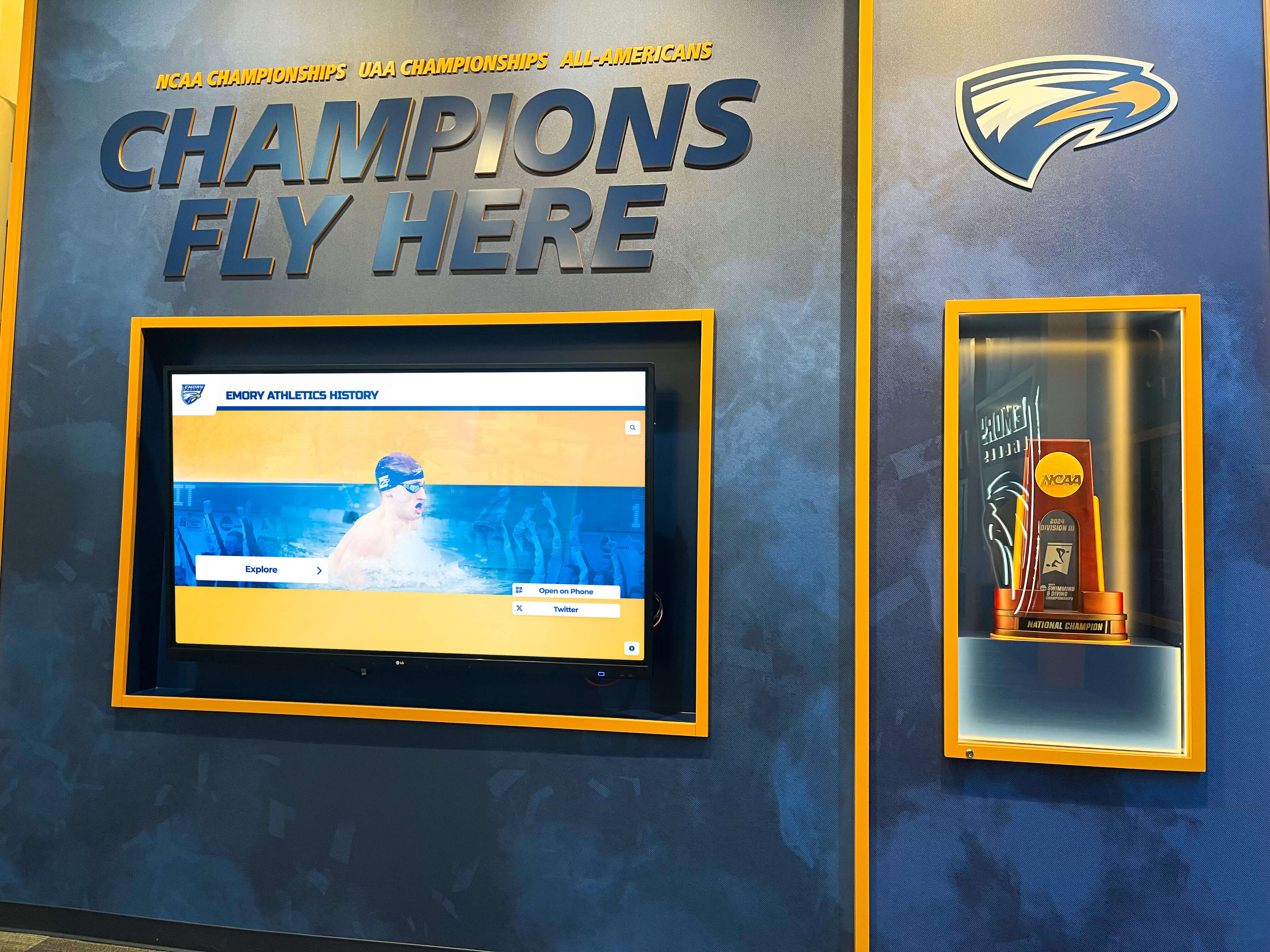
Professional championship displays create focal points that celebrate program excellence and inspire future success
Understanding the Challenges of Football Memorabilia Display
Before exploring specific display solutions, it’s important to understand the unique challenges that football programs face when showcasing achievements and memorabilia. Football presents distinct display considerations compared to other sports due to the size of equipment, the variety of recognizable items, and the emotional significance that programs attach to specific pieces.
Physical Space Limitations and Growth Constraints
Successful football programs accumulate memorabilia faster than available display space can accommodate. Each season brings new championship trophies, conference titles, playoff recognition, individual awards, and sentimental items coaches and players want preserved. Over decades, this accumulation creates serious space challenges that force athletic directors into difficult choices about what receives prominent display versus what gets stored in boxes where no one sees it.
Traditional trophy cases offer finite space that becomes exhausted as programs grow and achievements multiply. Should you prioritize recent championships over historical ones? Display team achievements prominently while individual recognition gets less visibility? Remove older items to make room for current success? These decisions often feel impossible because every item represents significant accomplishment and holds meaning for specific individuals or eras in program history.
Many football programs find their display cases representing only 15-20 percent of actual memorabilia they’ve collected—meaning 80-85 percent of recognition-worthy items remain invisible in storage. This limitation undermines the entire purpose of preserving memorabilia if the vast majority never gets seen or appreciated. Modern trophy display case solutions address these space constraints through innovative approaches that accommodate unlimited content growth.
Security and Preservation Concerns
Football memorabilia often includes valuable items—championship rings, signed helmets from notable alumni, game-used equipment, and historical artifacts that hold both monetary and sentimental value. Display solutions must balance accessibility for viewing with security against theft or damage. Glass cases with locks provide basic security but can create barriers that diminish engagement, especially when key holders aren’t readily available to open cases when visitors want closer examination.
Environmental preservation presents additional challenges. Jerseys and fabric items require protection from sunlight that causes fading. Helmets and leather equipment need appropriate humidity levels to prevent deterioration. Signed items require UV protection to preserve autographs. These preservation requirements often conflict with display visibility, forcing compromises that either protect items in dim, enclosed spaces or display them prominently at risk of gradual damage.
Limited Storytelling and Context
Perhaps the most significant limitation of traditional football display cases is their inability to tell complete stories. A trophy sitting in a case with a small plaque provides minimal context about the championship season it represents. Who were the key players? What obstacles did the team overcome? What made that season significant in program history? A retired jersey tells visitors little about the athlete who wore it or why their contribution warranted this honor.
Football achievements gain meaning through their stories—the context that transforms objects into meaningful symbols of excellence, perseverance, and program identity. Static displays cannot convey these narratives effectively, reducing powerful program milestones to objects that gradually lose their significance as the people who remember firsthand context retire or graduate.
Accessibility and Audience Reach Limitations
Physical display cases benefit only people who physically visit them—a small fraction of the total football community that includes current players, alumni living far from campus, prospective recruits evaluating programs, boosters considering support, and families following their athletes’ careers. This limited accessibility means the investment programs make in collecting, preserving, and displaying memorabilia reaches minimal audiences while missing opportunities to build program pride, strengthen alumni connections, and demonstrate excellence to stakeholders who never visit the physical display location.
During facility tours for recruits, physical displays prove valuable, but between visits, these same achievements remain invisible to prospects researching programs online. Alumni who graduated decades ago and moved across the country have no way to engage with program history or see how traditions they helped establish continue evolving. This accessibility limitation particularly affects football programs seeking to showcase achievement awards digitally to broader audiences.
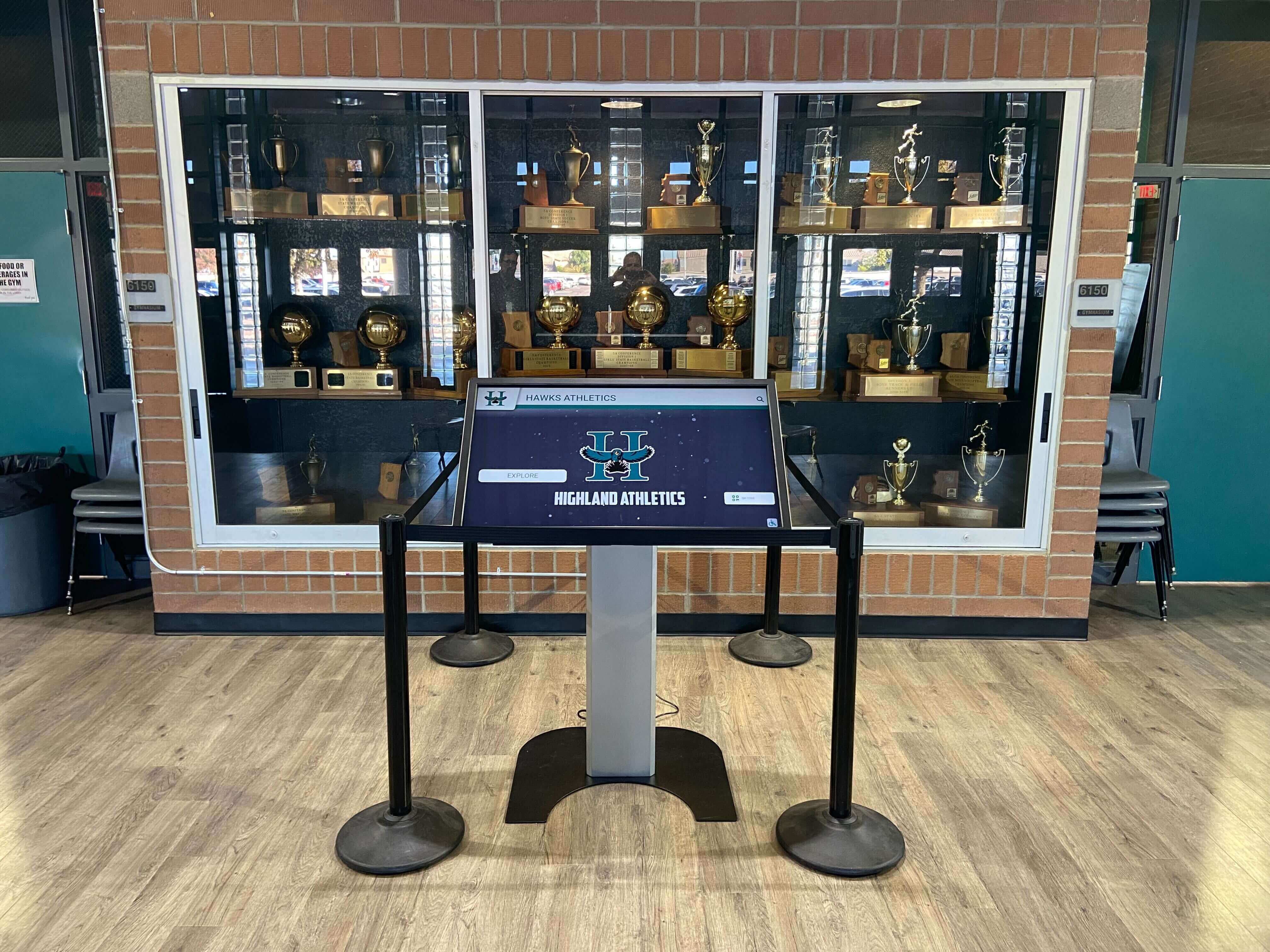
Modern touchscreen displays can complement traditional trophy cases while expanding display capacity and accessibility
Traditional Physical Football Display Case Ideas
Despite their limitations, well-designed physical display cases remain valuable components of comprehensive football recognition strategies. Physical displays provide tangible connection to memorabilia that digital alternatives cannot fully replicate. When thoughtfully designed and strategically placed, traditional cases effectively showcase significant items while creating focal points that anchor athletic facility identity.
Wall-Mounted Glass Display Cases
Wall-mounted glass cases represent the most common football display solution, offering secure enclosed display with good visibility from multiple angles. These cases range from small individual units showcasing specific items to expansive wall-spanning installations accommodating comprehensive collections.
Design Considerations for effective wall-mounted displays include appropriate depth accommodating football helmets and equipment that require more space than flat trophies, adjustable shelving enabling reconfiguration as display needs evolve, integrated lighting highlighting displayed items while minimizing glare on glass, secure locking mechanisms protecting valuable memorabilia, and backing materials (painted walls, fabric, team colors) that enhance rather than distract from displayed items.
The most successful wall-mounted displays group related items thematically—dedicating specific cases or sections to championship seasons, individual award winners, retired jerseys, or historical eras. This organization helps visitors understand relationships between items while enabling focused appreciation rather than overwhelming them with undifferentiated collections.
Strategic placement significantly affects wall-mounted display effectiveness. Position cases in high-traffic areas where players, students, and visitors naturally pass rather than in isolated locations requiring specific trips. Common effective locations include main athletic facility entrances, hallways connecting locker rooms to practice fields, cafeteria areas where athletes gather, and lobby spaces where visitors congregate before events. Placement in areas with natural supervision (near coaching offices or frequently staffed locations) provides passive security monitoring discouraging theft or vandalism.
Freestanding Trophy Display Cases
Freestanding display cases offer flexibility that wall-mounted units cannot match, enabling placement in facility centers as focal points rather than along perimeters. These cases typically feature glass on multiple sides providing 360-degree visibility, making them ideal for showcasing championship trophies or significant centerpiece items from multiple viewing angles.
Advantages of Freestanding Cases include positioning flexibility as facilities evolve, multi-angle visibility creating more engaging displays, ability to serve as room dividers or space definers within larger areas, and prominent centerpiece positioning emphasizing featured items’ significance. However, freestanding cases require more floor space than wall-mounted alternatives and present greater accessibility risk since they’re not secured against walls.
Freestanding cases work particularly well in dedicated trophy rooms or halls of fame where football memorabilia receives focused space rather than competing for attention with other activities. These dedicated spaces allow comprehensive displays that tell program history chronologically or thematically without spatial compromises required when integrating displays into multipurpose areas.
Rotating Display Cases for Seasonal Recognition
Many football programs implement rotating display strategies that showcase different memorabilia throughout the year based on seasonal relevance, anniversaries, or program milestones. This approach addresses space limitations while keeping displays fresh and maintaining ongoing interest from regular viewers who might otherwise become desensitized to static arrangements they pass daily.
Rotating Display Strategies include featuring championship memorabilia during football season when interest peaks, highlighting specific historical seasons during anniversary years, showcasing individual award winners corresponding with when recognition was earned, rotating senior class achievements during graduation periods, and featuring specific position groups or aspects of program history for educational purposes.
Rotating displays require organized storage systems ensuring items not currently displayed remain preserved and accessible for future rotation. Clear inventory systems tracking what exists, where it’s stored, and rotation schedules prevent items from becoming lost or forgotten. Some programs digitize complete inventories including photos and descriptions, making it easy to plan future rotations while maintaining comprehensive records of all memorabilia regardless of current display status.
Helmet Display Walls and Uniform Showcases
Football helmets present unique display opportunities given their instantly recognizable association with the sport and their aesthetic appeal as design objects. Dedicated helmet walls—either physical shelves or mounting systems—create striking visual displays while accommodating the three-dimensional nature of helmets that doesn’t work well in standard flat trophy cases.
Effective Helmet Display Approaches include chronological arrangements showing helmet design evolution across program history, individual recognition mounting game-worn helmets from significant athletes or championship seasons, autographed helmet collections featuring alumni signatures, and opponent helmet displays showing rivals faced throughout program history. Some programs combine helmet displays with retired jersey recognition creating comprehensive uniform tribute walls.
Uniform showcases displaying complete game-worn jerseys, pants, and equipment create powerful visual statements about program history. Shadow boxes or full-body mannequins wearing complete uniforms provide context that individual pieces cannot convey. These displays work particularly well when accompanied by plaques or digital screens providing context about the athlete, season, or significance warranting this prominent recognition.
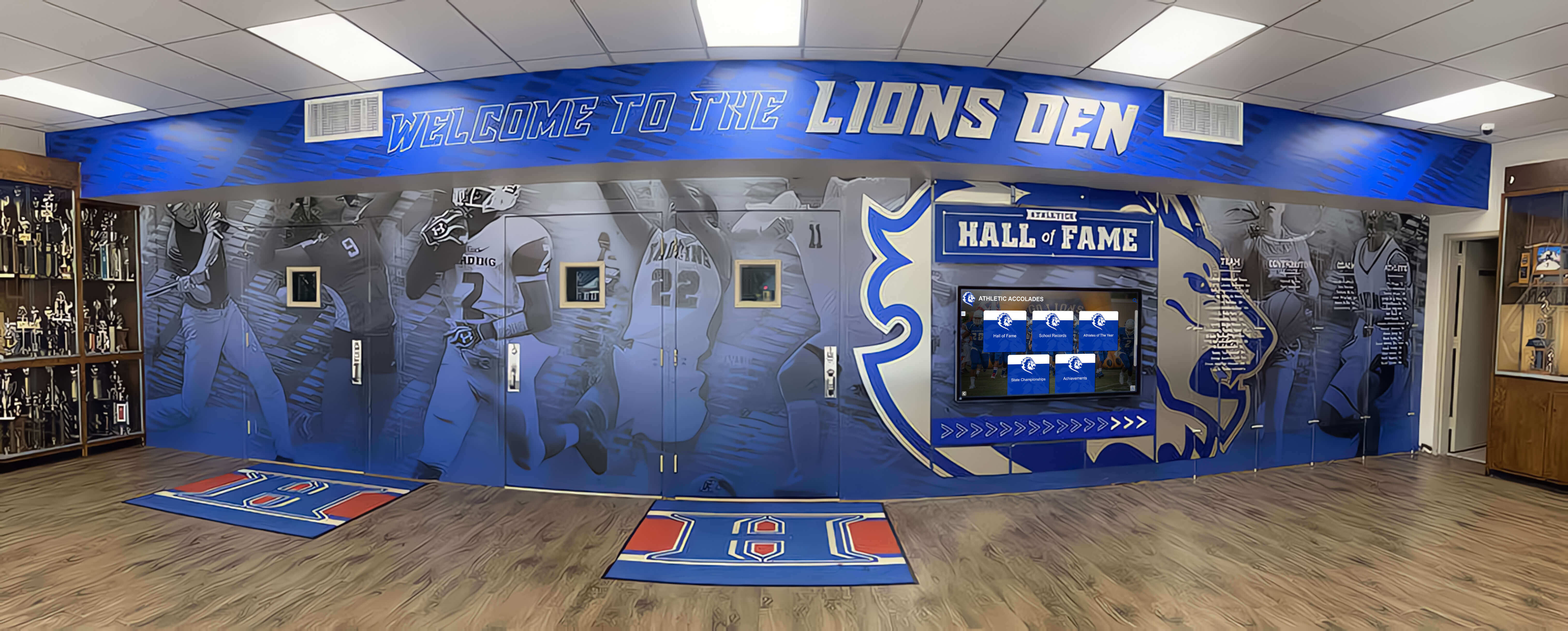
Dedicated athletic hall of fame spaces enable comprehensive recognition that honors program traditions and achievements
Digital Football Display Case Solutions
While physical trophy cases maintain traditional appeal, digital recognition platforms address fundamental limitations regarding space constraints, storytelling capability, accessibility, and long-term scalability. Digital solutions don’t necessarily replace physical displays but rather complement them by extending reach, providing context, and accommodating unlimited growth as football programs continue accumulating achievements.
Interactive Touchscreen Recognition Systems
The most comprehensive digital approach involves purpose-built interactive touchscreen systems specifically designed for athletic recognition rather than generic digital signage. These specialized platforms combine large-format displays (typically 55-75 inches) with intuitive software enabling visitors to explore football program history, individual achievements, championship seasons, and memorabilia through searchable, interactive interfaces.
Core Capabilities of professional football recognition touchscreens include searchable databases enabling instant discovery of specific players, seasons, or achievements; unlimited content capacity accommodating decades of recognition without space constraints; multimedia integration supporting photos, videos, statistics, and detailed narratives; intuitive navigation requiring no instructions for first-time users; and cloud-based content management enabling remote updates from any device. Solutions like Rocket Alumni Solutions provide turnkey platforms specifically designed for schools seeking comprehensive athletic recognition.
The user experience centers on discovery and exploration. Visitors approach displays showing attractive welcome screens featuring rotating highlights from football history. Touch activates interactive interfaces offering multiple exploration pathways: searching by player name, filtering by championship years, browsing by achievement type (All-State athletes, 1,000-yard rushers, etc.), or exploring chronologically by decade or season.
Each profile combines professional photos, comprehensive biographical information, detailed statistics, video highlights when available, achievement context explaining significance, and related recommendations suggesting similar profiles. This rich multimedia approach tells complete stories rather than reducing careers to basic facts on plaques.
Strategic Placement significantly affects touchscreen display effectiveness. Position displays in high-traffic areas where players, families, and visitors naturally congregate—main athletic facility entrances, lobbies near gymnasiums, hallways connecting locker rooms to fields, or community spaces where people naturally gather before games. Placement near traditional trophy cases creates effective hybrid environments where physical memorabilia provides tangible connection while digital displays offer unlimited context and storytelling.
Web-Accessible Football Recognition Databases
While physical touchscreens create compelling on-site experiences, web-accessible recognition databases extend reach exponentially by enabling access from anywhere globally. Web platforms allow alumni, families, recruits, and supporters to explore football program history from their own devices regardless of location—dramatically increasing accessibility compared to physical displays requiring in-person visits.
Essential Web Platform Features include responsive design ensuring optimal display on all device types from desktop computers to smartphones, powerful search capabilities enabling instant discovery, advanced filtering allowing narrowing results by multiple criteria simultaneously, rich media support displaying high-resolution photos and embedded videos, social sharing features enabling visitors to share specific profiles through email or social platforms, and comprehensive analytics revealing engagement patterns and popular content.
Effective web-based football recognition integrates with broader athletic department digital presence rather than functioning as isolated destinations. Prominent navigation links from main athletics pages to recognition portals, direct links from current roster pages to alumni from the same position, embedded recognition widgets showcasing recent inductees on homepage areas, and coordinated social media content generation ensure recognition reaches maximum audiences by meeting people where they already engage with football content.
Many programs supplement web access with QR codes displayed near physical memorabilia or in facility locations. Visitors scan codes with smartphones to instantly access comprehensive digital content about specific items, seasons, or athletes—enabling extended exploration beyond what physical displays provide while facilitating easy sharing with family and friends not present.
Digital Display Screens for Championship Recognition
Large-format digital screens displaying rotating content about football championships, record holders, and program milestones provide dynamic recognition that evolves continuously rather than remaining static. Unlike interactive touchscreens requiring visitor engagement, these passive displays automatically cycle through curated content, ensuring visibility even for visitors not inclined toward active exploration.
Effective Content Strategies for passive digital displays include championship season highlights cycling through photos and key moments from title-winning campaigns, record holder showcases featuring current holders of significant statistical records, this-day-in-history content highlighting significant games or achievements from past seasons occurring on current dates, senior recognition during graduation periods featuring departing players, and upcoming schedule information integrating recognition with current season promotion.
The most engaging passive displays balance recognition content with real-time information creating ongoing reasons for regular viewing. Integrating game day highlights and schedule information with historical recognition creates displays that remain perpetually relevant rather than becoming background elements people ignore after initial viewing.
Mobile App Recognition Platforms
Mobile applications represent the most sophisticated digital recognition approach, providing dedicated platforms optimized for football program exploration while enabling push notifications that bring recognition directly to users rather than requiring them to seek content actively. Progressive web apps (PWAs) that function through browsers while offering app-like experiences provide optimal balance—delivering sophisticated capability without requiring app store installations.
Mobile Platform Capabilities include comprehensive searchable player databases, personalized content feeds showing recognition relevant to user interests, push notifications alerting users to new recognition or achievements, offline access enabling content exploration without internet connectivity, social features allowing commenting and sharing, media galleries organizing photos and videos by season, and integration with schedules, rosters, and other football program information.
Push notifications provide powerful mechanisms for ensuring recognition reaches audiences at optimal moments: achievement announcements sent immediately after significant accomplishments occur during games, new inductee alerts when hall of fame selections are announced, game-day recognition highlighting featured player backstories before kickoffs, anniversary notifications celebrating historical achievements on significant dates, and personalized updates tailored to users’ indicated interests or graduating class affiliations.
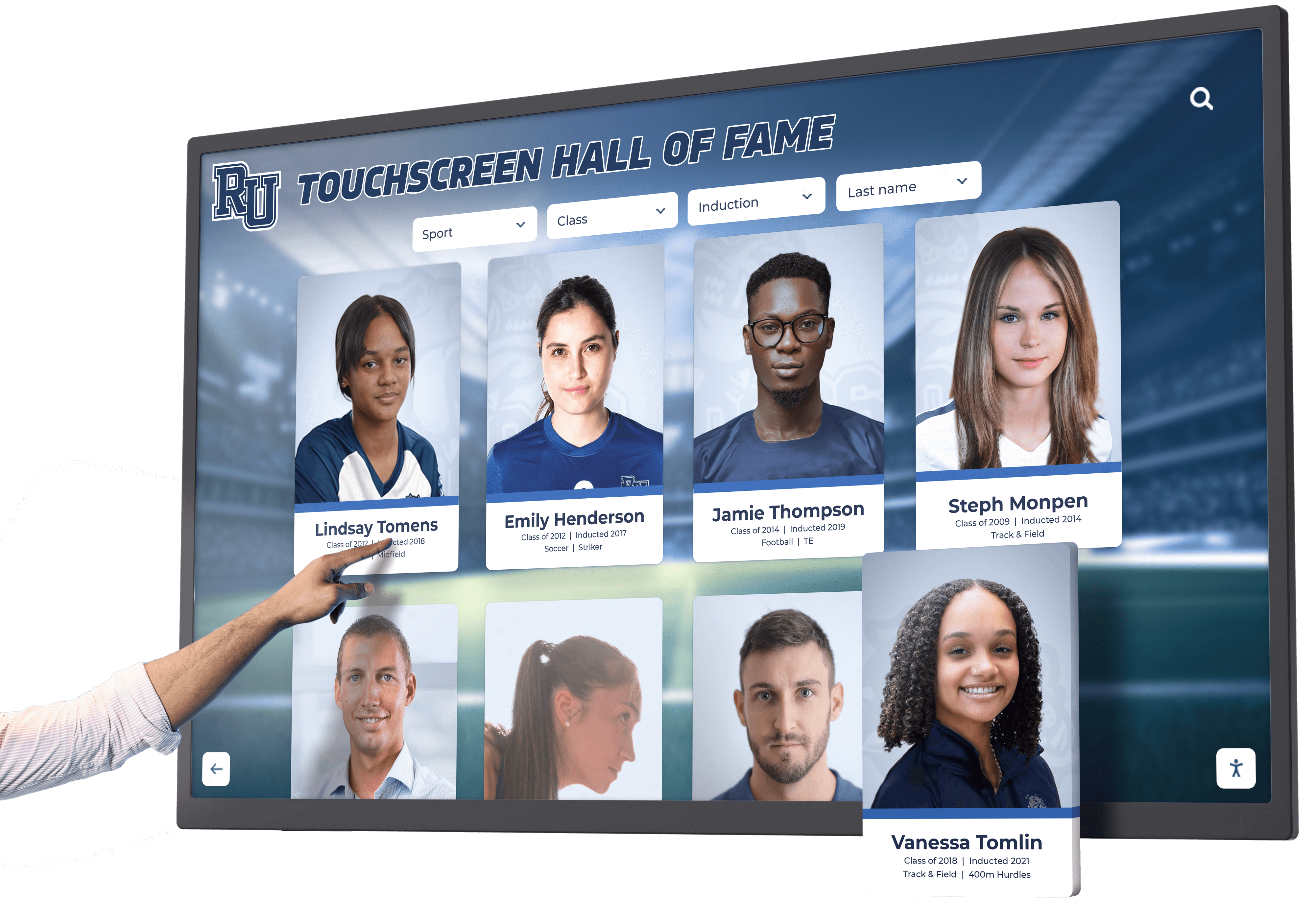
Touchscreen displays enable intuitive exploration of player profiles, statistics, and program history
Creating Effective Football Memorabilia Display Content
Regardless of whether you implement physical cases, digital platforms, or hybrid approaches, content quality fundamentally determines recognition effectiveness. Even the most sophisticated display technology fails to engage audiences when content proves superficial, inaccurate, or uninspiring. Football programs should invest as much effort in content development as in display selection to ensure recognition achieves its full potential.
Writing Compelling Player and Team Profiles
Effective football recognition profiles balance factual achievement documentation with storytelling that reveals personality, growth, and impact beyond statistics. Comprehensive profiles typically include full name with proper spelling and any relevant nicknames, position and years of participation, specific achievements and honors with context explaining significance, statistical highlights showing career progression and notable performances, coach quotes or testimonials about player impact, memorable moments or defining characteristics, challenges overcome or character growth demonstrated through football, team contributions beyond individual statistics, post-graduation plans or current life updates for alumni, and ideally, player reflections on what participation meant personally.
The most compelling profiles move beyond reciting achievements to reveal the person behind accomplishments. Include anecdotes illustrating character, describe relationships with teammates and coaches, explain what motivated excellence, acknowledge setbacks overcome, and connect football participation to broader life development. These human dimensions transform recognition from impersonal documentation into meaningful celebration that players and families deeply value.
For team recognition covering championship seasons, effective content includes season records and playoff progression, roster listings with starting lineups, coaching staff recognition, game-by-game results highlighting significant victories, statistical leaders across key categories, defining moments or turning points in the season, challenges overcome (injuries, adversity, unexpected obstacles), community context showing why the championship mattered locally, and media coverage excerpts capturing contemporary reactions.
Capturing and Organizing Visual Content
Football recognition depends heavily on strong visual content, yet many programs struggle with photo quality and availability. Establish systematic processes for gathering images including designating specific people responsible for photographing games, practices, and recognition ceremonies; collecting images from parents, professional photographers, and local media covering football; establishing quality standards regarding resolution, composition, and appropriateness; organizing photo libraries with clear naming conventions and metadata enabling easy retrieval; and obtaining necessary permissions for photo usage in public recognition.
Action photos showing players during games prove most compelling for recognition displays. These images convey the intensity, athleticism, and competitive spirit that static formal portraits cannot capture. When possible, include multiple photos per player showing variety—action shots, team photos, individual portraits, and candid moments capturing personality. For championship team recognition, include celebratory photos from victory moments, team gathering photos showing collective unity, action shots from significant games, and context photos showing community support or celebration.
Video content adds tremendous value when platforms support multimedia integration. Game highlights, championship celebration footage, player interviews, and historical recordings create engagement that still images alone cannot achieve. Even brief video clips significantly increase time visitors spend exploring recognition content. Programs implementing comprehensive football trophies and awards displays find that multimedia integration dramatically enhances visitor engagement.
Ensuring Accuracy and Historical Credibility
Recognition credibility depends entirely on accuracy. Errors undermine trust while dishonoring those being recognized. Implement verification processes ensuring name spellings are confirmed with players or families, statistics are checked against official records, achievement descriptions accurately represent what occurred, photo captions correctly identify individuals shown, and quotes are verified with attributed sources before publication.
When historical recognition involves incomplete records or uncertain details, acknowledge limitations honestly rather than presenting speculation as fact. Phrases like “records indicate,” “according to available information,” or “believed to be” communicate appropriate uncertainty while avoiding definitive claims that might prove inaccurate upon later research. Some football programs have incomplete statistical records from decades past—acknowledging these gaps while recognizing achievements based on available documentation demonstrates appropriate historical methodology.
Consider implementing multi-person review processes where content creators differ from final approvers. Fresh eyes catch errors that creators overlook after extensive work with materials. This review step prevents embarrassing mistakes requiring correction after publication—particularly important when recognition becomes public through digital platforms reaching broad audiences.
Organizing Recognition for Intuitive Discovery
How you organize football recognition significantly impacts whether visitors can find content effectively. The best systems enable multiple discovery pathways accommodating different user goals and preferences: chronological organization by year or decade serves users exploring specific eras, position-specific grouping enables focus on particular roles (quarterbacks, linemen, etc.), achievement-type categorization allows browsing specific recognition categories like All-State selections or 1,000-yard rushers, alphabetical listing by last name supports direct searches for known individuals, and championship season grouping connects individual athletes to collective achievements.
Consider creating curated collections highlighting thematic connections—multi-sport athletes, family legacy players (brothers, cousins, parent-child), record holders across different eras, players who continued competing collegially, or coaches spanning multiple successful seasons. These collections help visitors discover connections and patterns they might miss through standard organizational structures. Programs can learn from school lobby design best practices when integrating recognition into broader facility planning.
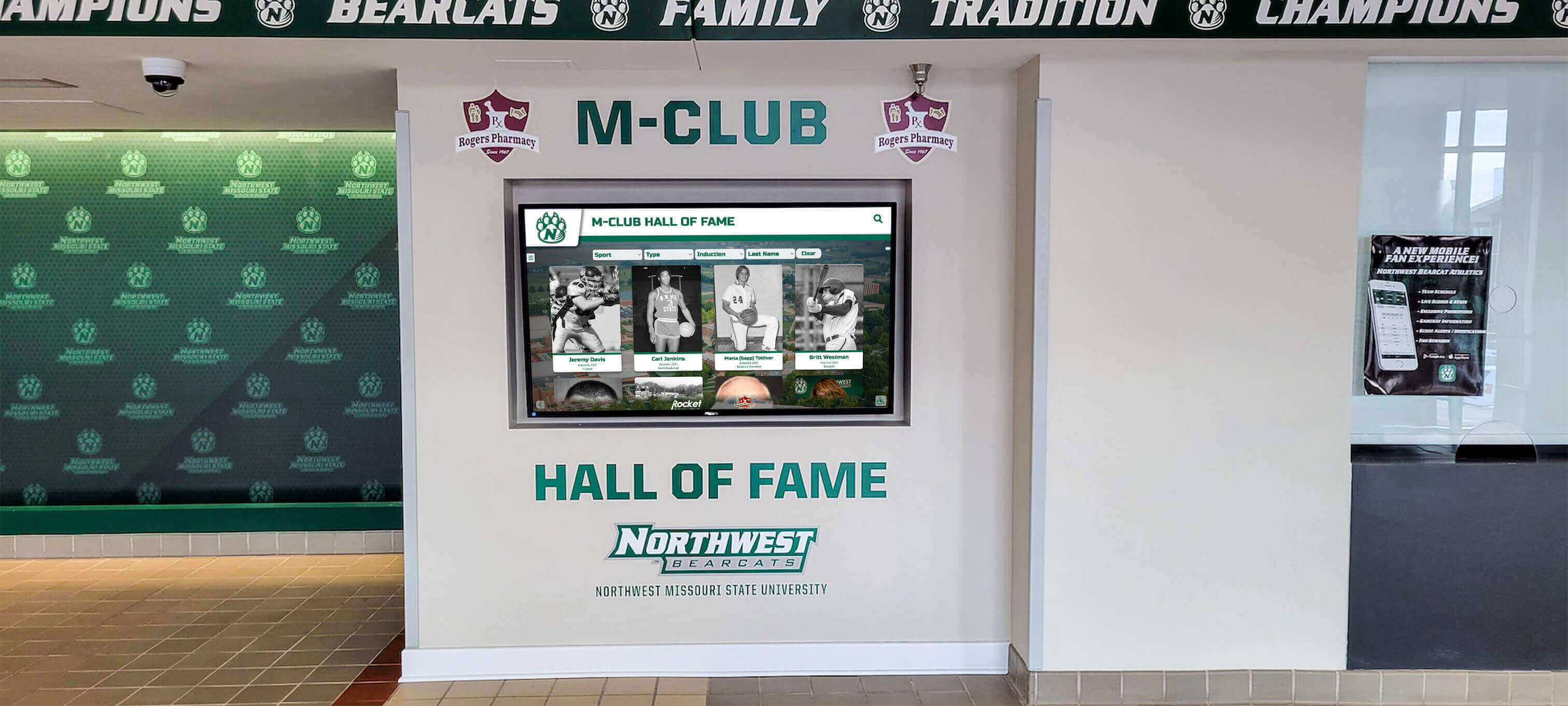
Comprehensive hall of fame displays combine traditional aesthetics with modern technology for maximum impact
Hybrid Display Approaches Combining Physical and Digital
Rather than viewing physical trophy cases and digital recognition as mutually exclusive alternatives, many football programs find that hybrid approaches combining both create optimal results. This strategy preserves traditional elements that hold symbolic importance while adding digital capabilities that expand reach, engagement, and storytelling beyond what physical displays alone can achieve.
Integrating Touchscreens with Traditional Trophy Cases
Digital touchscreens positioned adjacent to traditional trophy cases provide complementary functionality that enhances rather than replaces physical displays. Physical trophies, helmets, and jerseys offer tangible connection and visual impact, while adjacent touchscreens deliver comprehensive context, searchable access to complete program history, and multimedia storytelling that static cases cannot provide.
This integration creates layered experiences where casual visitors appreciate traditional trophy case displays at a glance, while interested individuals access deeper information through digital enhancements. The physical memorabilia provides gravitas and traditional appeal, while digital content delivers comprehensiveness and detailed narratives explaining significance.
Implementation Strategies include positioning touchscreen displays on walls adjacent to or across from traditional cases creating natural visual connections, programming touchscreen content that specifically references and provides context for physical items visible in nearby cases, using QR codes attached to trophy case displays linking to specific digital content about featured items, and designing coordinated aesthetics where touchscreen displays complement rather than clash with traditional case styling.
Some programs create explicit connections by featuring “spotlight” content on touchscreens that rotates to match items currently displayed in adjacent physical cases. This coordination ensures visitors understand relationships between physical and digital content rather than perceiving them as disconnected recognition methods competing for attention.
Creating Digital Archives of Physical Memorabilia
Many football programs possess extensive collections of memorabilia—jerseys, equipment, photos, newspaper clippings, programs, and various artifacts—stored in boxes where limited people see them due to physical display space constraints. Systematic digitization preserves this content while making it accessible through digital recognition platforms that accommodate unlimited capacity.
Digitization Project Approaches include photographing items from multiple angles with appropriate lighting and backgrounds, scanning historical documents, newspaper clippings, and printed materials at sufficient resolution for legibility, capturing metadata about dates, individuals, context, and significance, organizing digital archives with clear categorization enabling easy retrieval, and publishing selected materials through recognition platforms with appropriate context explaining what items are and why they matter.
This work creates invaluable historical content while preventing physical deterioration of irreplaceable materials. Original physical items can be preserved in climate-controlled storage while high-quality digital reproductions enable public access and appreciation without risking damage to originals. Programs can explore best practices for capturing school history when undertaking digitization initiatives.
Consider involving booster organizations, parent volunteers, or student service learning groups in digitization projects. These collaborative efforts distribute work while creating engagement opportunities as participants reconnect with football program history. Alumni often possess personal collections of photos, programs, or memorabilia they’re willing to share for digitization, dramatically expanding content availability beyond what programs officially collected.
Using Physical Displays to Drive Digital Engagement
Physical trophy cases and displays can serve as entry points driving visitors toward more comprehensive digital recognition platforms. Strategic signage, QR codes, and promotional materials positioned near physical displays invite visitors to explore extended content through web platforms or mobile apps.
Effective Bridge Strategies include prominent QR codes positioned near trophy cases with clear instructions like “Scan to explore complete football program history,” signage highlighting that physical displays represent only a small selection of total recognition available digitally, directional prompts encouraging visitors to find specific kiosks or screens for interactive exploration, printed materials distributed during facility tours highlighting digital recognition access, and visual design elements connecting physical and digital recognition through consistent branding, colors, and styling.
This approach positions physical displays as highlights rather than comprehensive recognition, managing expectations while inviting deeper engagement from interested visitors. Athletic directors can honestly communicate that physical space limitations prevent displaying everything, while digital platforms ensure all achievements receive appropriate recognition regardless of physical display capacity.
Maintaining Both Physical and Digital Recognition Currency
Hybrid approaches combining physical and digital recognition create operational efficiencies when properly structured. Digital platforms enable immediate recognition of new achievements without waiting for physical plaque fabrication or case modifications. This rapid digital recognition satisfies immediate acknowledgment needs while physical recognition can follow during natural update cycles without urgency pressure.
Sustainable Maintenance Workflows include immediately adding new achievements to digital platforms as they occur, batching physical recognition updates quarterly or annually when efficient, rotating physical displays seasonally to feature different aspects of digital content, and using analytics from digital platforms to identify which content generates strongest engagement, informing decisions about what deserves featured physical display during limited available space.
This two-tiered approach enables programs to maintain recognition currency through digital immediacy while managing physical display modification costs and complexity through deliberate batching. Current players receive immediate digital recognition satisfying their desire for prompt acknowledgment, while selected achievements transition to physical display during planned update cycles.
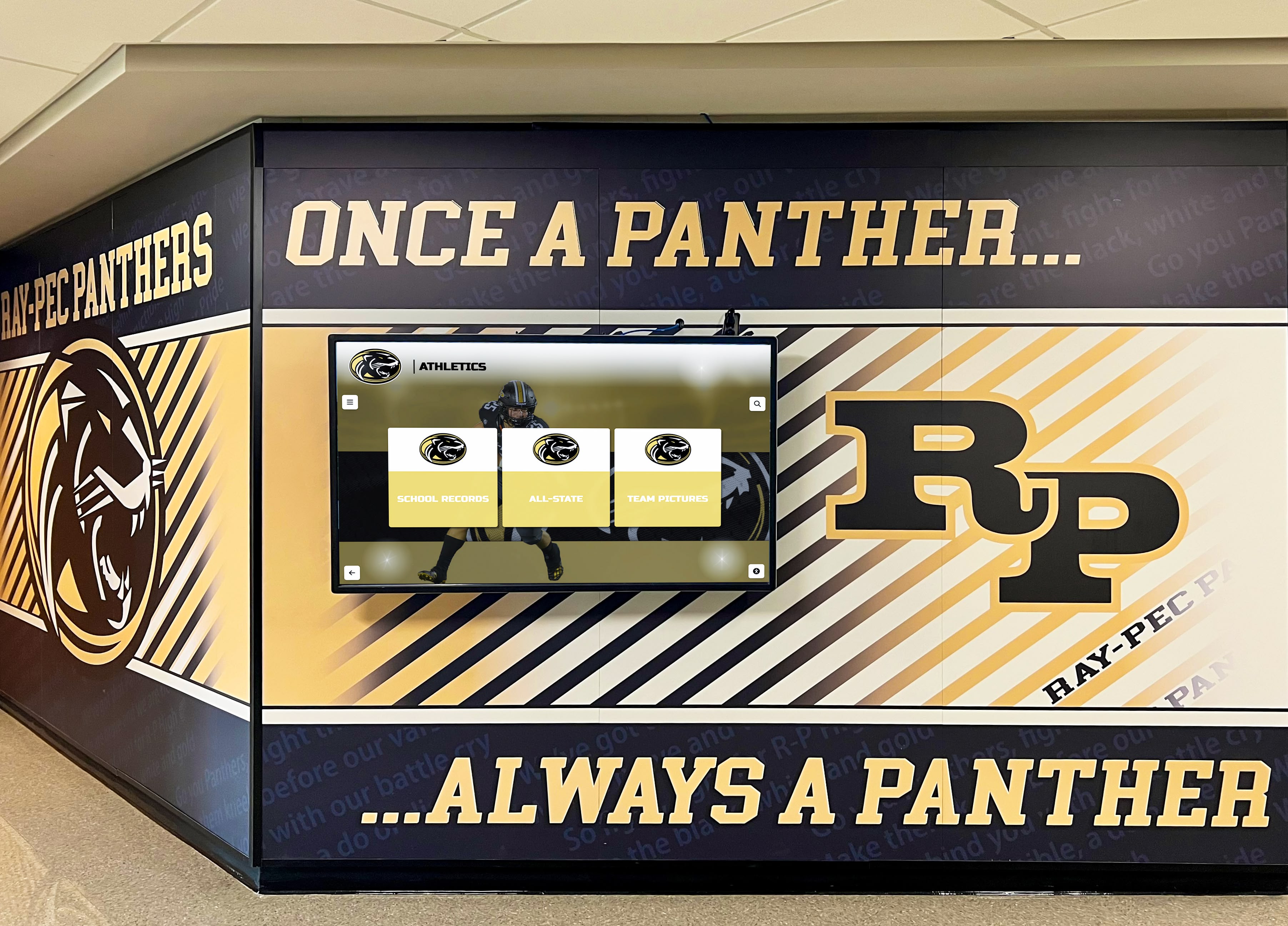
Strategic placement of digital displays in high-traffic areas maximizes visibility and engagement
Budget Considerations for Football Display Cases
Football display projects require meaningful investment, making budget planning and cost management essential for successful implementation. Understanding cost factors for different approaches enables realistic planning and appropriate resource allocation ensuring projects achieve intended outcomes without unexpected financial surprises.
Physical Trophy Case Costs and Considerations
Physical display case expenses vary dramatically based on size, materials, features, and customization. Basic wall-mounted glass cases with standard dimensions might cost $500-$2,000 per unit, custom-designed cases tailored to specific spaces or requirements typically range $2,000-$10,000+ depending on complexity, freestanding display cases suitable for significant trophy or memorabilia centerpieces run $3,000-$15,000, and comprehensive custom trophy room buildouts including multiple integrated cases, lighting, and environmental systems can easily exceed $50,000-$100,000 for premier installations.
Ongoing Physical Display Costs include periodic cleaning and maintenance, replacement of worn components or hardware, lighting upgrades or bulb replacements, security system monitoring if integrated, and modification expenses when display needs evolve. Physical cases also require staff time for arranging items, updating displays, and maintaining organization—soft costs that compound over years.
Long-term, physical displays face fundamental capacity limitations. Once cases fill, programs must either purchase additional cases (if space permits) or make difficult decisions about removing existing items to accommodate new recognition. This ongoing capacity constraint creates perpetual costs and operational challenges that digital solutions avoid through unlimited scalability.
Digital Recognition Platform Investment
Digital recognition systems involve different cost structures with higher initial technology investment but greater long-term scalability. Comprehensive touchscreen recognition systems including hardware, software, installation, and initial content development typically range $8,000-$25,000 depending on display size, feature sophistication, content quantity, and customization requirements. Solutions from providers like Rocket Alumni Solutions offer subscription-based pricing models spreading costs over time while including ongoing platform enhancements and support.
Web-based recognition platforms without physical touchscreen displays prove more affordable, with setup costs typically ranging $2,000-$8,000 depending on content quantity and customization needs, followed by monthly or annual subscription fees of $50-$300 based on features and usage. These platforms provide unlimited scalability accommodating decades of content without additional hardware costs, remote content management enabling updates from any device without requiring physical access, automatic backup and disaster recovery protecting against data loss, and continuous platform improvements without requiring local software updates or maintenance.
Digital solutions create marginal cost advantages over time as content grows. Adding 100 new player profiles to digital platforms costs essentially the same as adding 10 profiles—the incremental cost approaches zero. Conversely, physical recognition of 100 additional players requires 100 individual plaques, each with fabrication and installation expenses. This economic scaling makes digital approaches increasingly cost-effective as programs continue accumulating achievements year after year.
Funding Strategies for Display Projects
Football display projects often benefit from dedicated fundraising rather than competing for scarce operating budget resources. Effective Funding Approaches include designated gifts from interested boosters, alumni, or families specifically for recognition projects often attract donor interest more readily than general operating appeals; naming opportunities where major donors receive recognition for funding specific display components; memorial gifts honoring deceased community members through dedicated recognition displays; booster club fundraising campaigns focused specifically on facility improvements including recognition displays; grants from foundations supporting youth development, education, or community initiatives; and capital campaign integration when timing aligns with broader facility improvement initiatives.
Some programs explore creative booster club fundraising ideas specifically targeting recognition and facility enhancement projects that generate donor enthusiasm beyond general operating support.
Present display projects as investments in program culture and athlete recognition rather than mere facility aesthetics. Emphasize how proper recognition motivates current players, connects alumni, attracts recruits, builds community pride, and honors sacrifice and achievement that made program success possible. These value propositions resonate with potential donors more effectively than purely functional project descriptions.
Phased Implementation for Budget Management
Programs with limited budgets can implement recognition in phases, starting with core displays and expanding as resources permit. Phased Approaches include starting with digital web-based recognition providing immediate comprehensive capability at lowest cost, adding physical touchscreen displays later when budget allows creating on-site engagement, preserving existing traditional trophy cases while supplementing with digital extensions rather than complete replacement, beginning with current era recognition (recent 5-10 years) and gradually building historical depth through ongoing digitization projects, and implementing in high-priority locations first (main athletic facility) before expanding to secondary spaces.
Phased implementation spreads costs over multiple budget cycles while demonstrating value that builds support for continued investment. Initial phases prove concept effectiveness and community reception, making subsequent phase funding easier to justify through demonstrated engagement and appreciation from stakeholders.

User-friendly interfaces enable visitors of all ages to explore football program history independently
Best Practices for Football Display Implementation
Successful football recognition displays result from thoughtful planning, appropriate stakeholder involvement, clear governance, and sustainable long-term maintenance. Following proven best practices prevents common implementation pitfalls while maximizing recognition impact and longevity.
Engaging Stakeholders Throughout Planning
Football display projects affect multiple stakeholders who should contribute input during planning: current athletes benefit from recognition seeing their achievements honored; coaching staff understand program culture and priorities; athletic directors balance recognition with broader facility needs; facilities managers address practical implementation and maintenance considerations; alumni associations represent former players’ interests and historical perspectives; booster organizations often provide funding support warranting input on priorities; and school administration ensures alignment with institutional values and policies.
Effective Engagement Strategies include forming recognition planning committees with diverse stakeholder representation, conducting surveys gathering input from players, families, and alumni about recognition priorities, hosting focus groups exploring what types of recognition matter most to different constituencies, sharing preliminary concepts seeking feedback before finalizing plans, and communicating transparently about decision rationale when competing preferences require compromise.
Broad stakeholder engagement builds support for implementations while preventing situations where completed displays fail to resonate because they reflect narrow perspectives disconnected from community preferences. Investment in upfront engagement consistently pays dividends through stronger community ownership of final results.
Establishing Clear Governance and Selection Criteria
Football programs need explicit governance structures determining who gets recognized, according to what criteria, and through what selection processes. Ambiguous recognition standards create perceived favoritism, inconsistent quality, and political complications undermining recognition credibility and value.
Governance Considerations include establishing selection committees with defined membership and terms preventing unilateral recognition decisions, documenting explicit criteria for different recognition categories (All-State athletes, 1,000-yard rushers, team MVPs, etc.), defining nomination and review processes ensuring consistent evaluation, setting recognition timelines establishing when annual selections occur, creating appeals processes addressing concerns about omissions or errors, and balancing objective achievement standards (statistics, honors) with subjective recognition (character, leadership, impact) through clear guidance.
Many programs model governance after college or professional hall of fame selection processes adapted to high school contexts. Written policies prevent situations where transitions in athletic leadership create recognition inconsistencies or where deserving individuals get overlooked because informal institutional memory proves unreliable. Programs developing athletic hall of fame policies benefit from clear documentation preventing future conflicts.
Planning for Long-Term Content Maintenance
Initial implementation often generates energy ensuring displays launch with quality content, but sustaining updates over years as recognition becomes routine proves challenging. Recognition gradually becomes outdated when new achievements go unrecognized because maintenance falls through organizational cracks.
Sustainable Maintenance Strategies include assigning specific individuals with defined content maintenance responsibility rather than diffuse accountability everyone assumes someone else handles, creating annual recognition calendars identifying when updates should occur aligned with season conclusions, integrating content updates into program wrap-up activities when achievements are fresh and information readily available, building recognition review into regular staff meetings maintaining ongoing awareness, making recognition maintenance part of formal position descriptions rather than treating it as extra responsibility, and celebrating content milestones publicly (profile counts, visitor engagement) maintaining awareness and appreciation.
Digital platforms with intuitive cloud-based content management prove easier to maintain long-term compared to physical displays requiring fabrication and installation for each update. Lowering maintenance barriers through technology choice increases likelihood that recognition remains current despite competing demands on staff time and attention.
Measuring Success and Demonstrating Value
Football display investments should generate measurable benefits justifying costs and demonstrating value to stakeholders. Unlike physical trophy cases with nearly impossible-to-assess impact, digital platforms provide comprehensive analytics revealing engagement patterns, audience reach, and community response.
Key Success Metrics include visitor engagement measuring how many people interact with recognition and how long they spend exploring content, geographic reach showing where recognition audiences live locally, regionally, or nationally, content popularity identifying which players, seasons, or achievements resonate strongest, return visitor rates indicating whether recognition drives sustained rather than one-time engagement, social sharing metrics tracking how often users share recognition through social platforms, survey feedback assessing satisfaction from players, families, and alumni, and anecdotal testimonials capturing meaningful personal impacts.
These metrics enable data-informed improvement decisions identifying which content types generate strongest engagement, what organizational structures best facilitate discovery, how recognition influences program pride and alumni connection, and whether investment produces returns justifying continued resource allocation. Regular evaluation reviews analyzing metrics and gathering qualitative feedback create continuous improvement cycles ensuring recognition remains effective and valued rather than becoming stagnant after initial implementation.
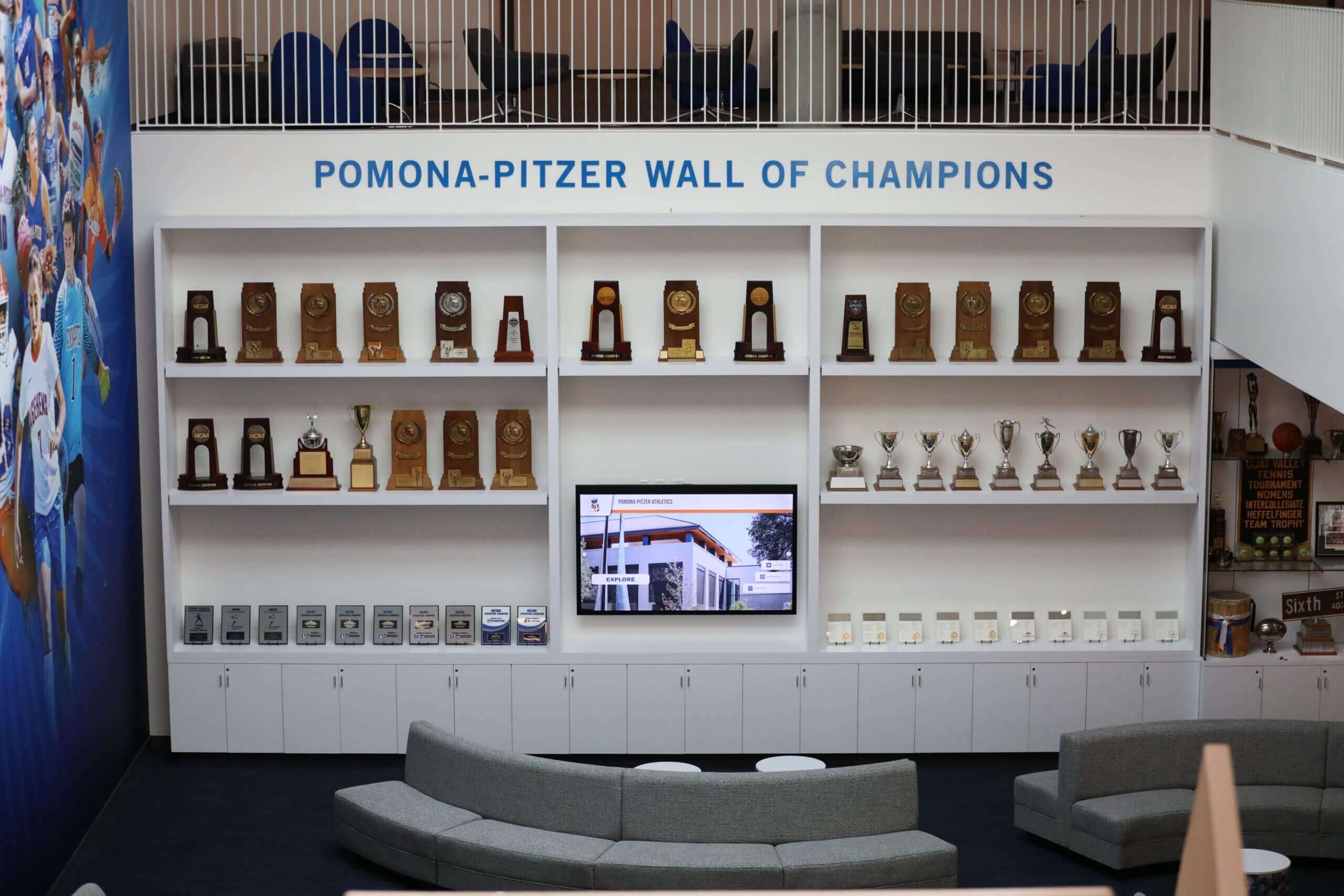
Dedicated recognition spaces create environments that celebrate excellence while building program identity
Future Trends in Football Recognition and Display
Football recognition continues evolving as technology advances create new capabilities and audience expectations shift. Programs implementing display systems today should consider emerging trends that may influence future enhancements while ensuring current investments remain relevant as capabilities develop.
Artificial Intelligence for Enhanced Content
AI technologies increasingly enable automated content enhancement reducing manual work required for comprehensive recognition. Emerging AI capabilities include automated photo enhancement improving historical image quality without manual editing, intelligent content recommendations suggesting related profiles based on browsing patterns, natural language generation creating draft profile narratives from structured statistical data, automated tagging and categorization organizing content without manual classification, and voice interaction enabling hands-free navigation and search.
While AI promises efficiency, football programs should ensure human oversight remains central to recognition. AI-generated content may lack personal touches and contextual understanding that make recognition meaningful to athletes and families. Use AI as productivity tool augmenting human judgment rather than replacement for genuine storytelling and community knowledge.
Virtual and Augmented Reality Experiences
As VR and AR technologies mature and become more accessible, recognition applications will expand beyond traditional displays. Future capabilities might include virtual tours of historical championship seasons allowing immersive experience of significant games, augmented reality overlays showing additional content when viewing physical trophies or memorabilia through smartphones, 360-degree experiences of championship celebrations or rivalry games, and virtual reality alumni reunions in digital recreations of football facilities and memorable moments.
While these technologies remain somewhat futuristic currently, football programs should consider whether recognition platforms offer extensibility supporting future integration as VR/AR becomes mainstream in coming years.
Enhanced Social Integration and Community Features
Recognition systems will increasingly emphasize community interaction rather than merely displaying static content. Emerging social features include commenting and discussion on recognition profiles enabling alumni reconnection and storytelling, teammate networking connecting former players for reunions or career networking, crowdsourced content contribution allowing community members to share photos and memories, event coordination for reunions or celebrations, and seamless social media integration for effortless sharing.
These community features transform recognition from one-directional information provision into dynamic platforms facilitating ongoing relationships and engagement among football community members across distance and time. Programs can learn from successful alumni engagement strategies when implementing social features.
Predictive Analytics and Personalization
Sophisticated recognition platforms will offer increasingly powerful analytics while enabling personalized experiences tailored to individual interests. Advanced capabilities include predictive suggestions for content users likely to find interesting based on browsing history, personalized recognition feeds customized to graduating class or position interest, cohort analysis revealing how different audience segments interact with content, and machine learning optimization automatically improving content presentation based on engagement patterns.
These capabilities enable recognition that feels individually relevant rather than generic, increasing engagement while providing accountability metrics demonstrating value that justify continued investment in recognition platforms and content development.
Conclusion: Creating Meaningful Football Recognition
Football programs invest tremendous effort, resources, and emotional energy into competitive excellence. The championships, records, and individual achievements earned through this dedication deserve recognition approaches equal to their significance—celebration methods that honor excellence comprehensively while inspiring current athletes, connecting alumni, engaging families, and building program pride throughout communities.
Traditional physical trophy cases have served admirably for generations, but physical space constraints, limited engagement capability, maintenance burdens, restricted storytelling, and accessibility limitations reveal that static displays alone no longer suffice for modern football programs seeking comprehensive, sustainable recognition.
Modern display solutions ranging from well-designed traditional cases to sophisticated digital platforms enable programs to address these limitations while preserving the tradition and prestige that football recognition deserves. Hybrid approaches combining physical displays’ tangible appeal with digital platforms’ unlimited capacity, rich storytelling, and broad accessibility create optimal recognition environments serving multiple stakeholder needs simultaneously.
Successful implementation requires thoughtful planning addressing stakeholder engagement, clear governance, appropriate technology selection, quality content development, sustainable maintenance processes, and continuous evaluation ensuring recognition remains effective and valued. Programs that invest as much attention in these operational considerations as in technology selection achieve lasting recognition success that continues benefiting communities for decades.
Whether your football program operates with modest resources in a small community or comprehensive facilities in a large district, thoughtful recognition can amplify achievement visibility, strengthen community connections, and honor the athletes, coaches, and supporters who make program excellence possible. Solutions like Rocket Alumni Solutions provide football-specific platforms combining sophisticated technology with intuitive management, enabling resource-limited programs to maintain professional recognition celebrating past achievement while honoring present excellence and inspiring future generations.
Your football program’s championships, record-breaking performances, and individual excellence deserve recognition approaches reflecting their significance. Modern display solutions provide the tools ensuring celebration honors the dedication, sacrifice, and remarkable accomplishments that define your program’s legacy.
Transform Your Football Recognition Today
Discover how comprehensive recognition systems can help your football program celebrate achievements while inspiring current athletes and connecting alumni throughout your community.































