High school football coaches face a unique challenge: developing young athletes while competing successfully within limited practice time and varying talent levels. The difference between winning and losing programs often comes down to mastery of fundamental football plays—offensive schemes that exploit defensive weaknesses, defensive formations that neutralize opposing strengths, and strategic adjustments that respond to game situations effectively.
Building a comprehensive playbook requires understanding which football plays translate most successfully to the high school level. The schemes that dominate college and professional football often prove too complex for teenage athletes managing academics, limited practice schedules, and developmental learning curves. The most successful high school programs focus on executing core plays exceptionally well rather than installing elaborate systems their players can’t master.
This guide explores the essential offensive and defensive football plays every high school coach should know, explaining how each scheme works, when to deploy it strategically, and how to teach it effectively to developing athletes. Whether you’re a first-year head coach building your initial playbook or an experienced coordinator seeking new concepts, these foundational plays provide the building blocks for competitive high school football programs.
Effective football strategy begins with recognizing that high school athletes typically have 10-12 weeks from summer practice through season’s end to learn, internalize, and execute plays against increasingly sophisticated competition. Unlike college and professional programs with year-round training and unlimited practice time, high school coaches must prioritize simplicity, fundamentals, and plays that work across multiple formations while minimizing mental mistakes that lead to penalties and turnovers.
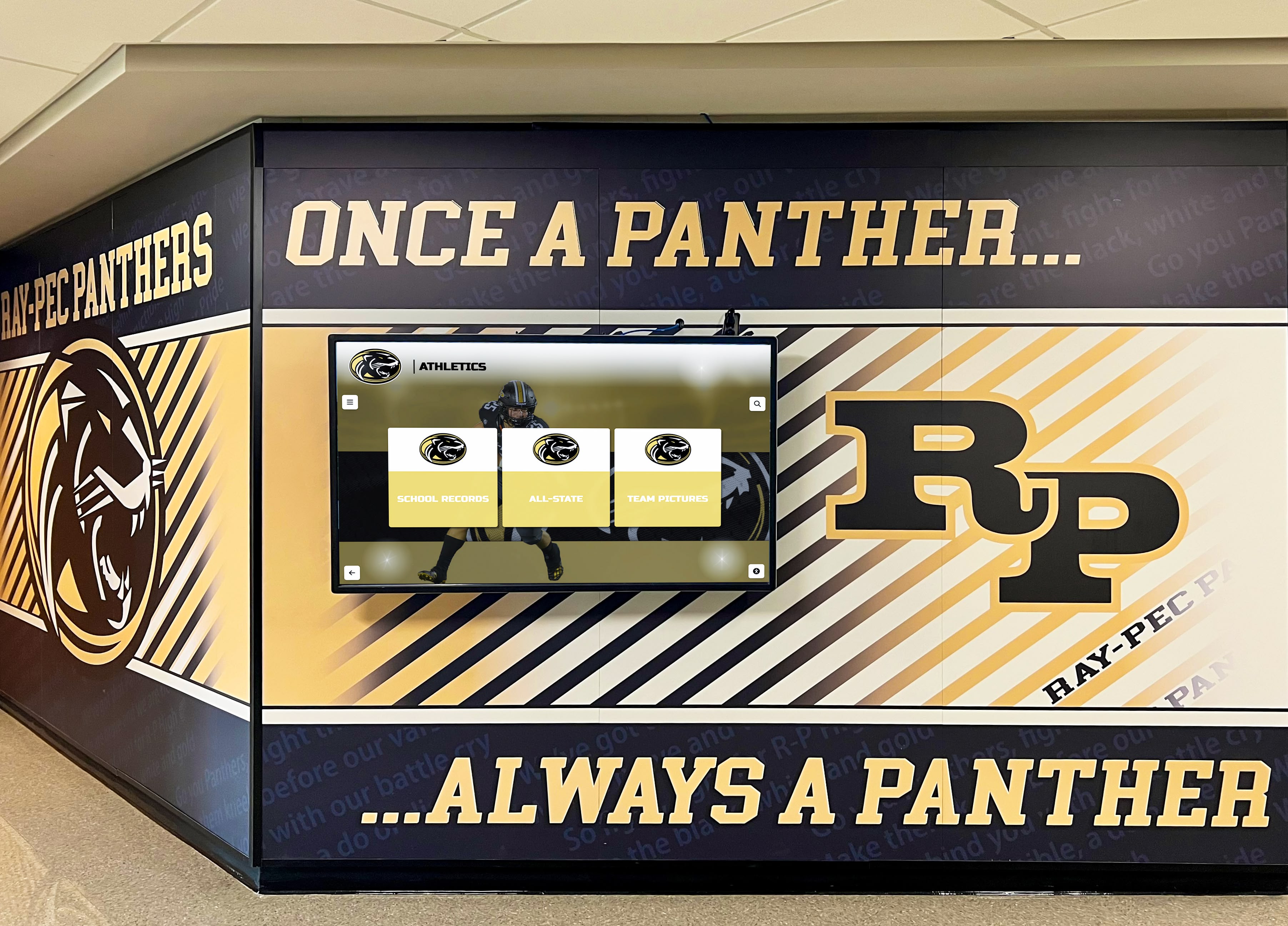
Successful football programs build tradition through consistent execution of fundamental plays and recognition of program achievements
Building Your Offensive Playbook: Core Running Game Concepts
The foundation of any successful high school football offense starts with establishing a credible running game that controls tempo, wears down defenses, and creates play-action opportunities. The following running concepts form the backbone of winning high school offenses across multiple formations.
Power Running Plays
Power Play Fundamentals:
The power running play represents perhaps the most fundamental concept in football. This scheme attacks defensive fronts with numerical superiority at the point of attack, pulling an offensive lineman (typically the backside guard) to lead block through the hole while a fullback or H-back serves as an additional blocker.
The power play works from multiple formations including I-formation, singleback, and pistol alignments. The play-side offensive line blocks down while the pulling guard “kicks out” the defensive end, creating a clear running lane for the ballcarrier following the fullback through the B-gap (between guard and tackle).
Teaching Points:
Start with walk-throughs emphasizing the pulling guard’s path—the most critical element of power plays. The guard must gain depth initially before turning upfield, avoiding collisions with the center and creating proper blocking angles on the defensive end. The running back’s aiming point is the outside hip of the pulling guard, allowing him to “press the hole” before breaking into space.
Practice power plays against multiple defensive fronts including 4-3, 3-4, and even-front formations, teaching linemen to identify and block their assignments regardless of defensive alignment. This versatility makes power one of the most reliable short-yardage and goal-line plays in high school football.
Strategic Applications:
Deploy power plays in short-yardage situations (3rd and 2, 4th and 1), inside the opponent’s 10-yard line, and when you need to establish physical dominance. The power play also sets up play-action passing effectively, as aggressive defensive pursuit opens vertical passing lanes.
Zone Running Schemes
Inside Zone Concepts:
Inside zone blocking represents the most widely used running scheme in modern football at all levels. Unlike gap schemes that assign specific defenders to each blocker, zone blocking creates horizontal movement at the line of scrimmage with offensive linemen working in tandem to reach their designated “zone” before identifying which linebacker to block at the second level.
The inside zone play reads the first defensive lineman outside the center (typically the 3-technique defensive tackle). The running back aims for this defender initially, then makes his final cut based on how blockers control defensive movement—bouncing outside if defenders squeeze down, cutting back if defenders flow laterally, or pressing straight ahead if the primary hole opens cleanly.
Teaching Zone Principles:
Zone blocking requires offensive linemen to work together, stepping laterally in unison while maintaining proper spacing. Emphasize “covered” and “uncovered” concepts—covered linemen (facing a defender directly) work combinations with adjacent linemen to reach linebackers, while uncovered linemen (without a defender directly over them) immediately climb to the second level.
Practice zone plays with running backs making correct reads based on defensive movement. Set up cards or cones representing defensive linemen, moving them to simulate different defensive reactions, teaching running backs to find cutback lanes, bounce outside, or press forward based on blocking development.
Strategic Applications:
Inside zone works exceptionally well against aggressive, gap-shooting defensive tackles and linebackers who overcommit to stopping power plays. The horizontal movement of zone blocking creates natural cutback lanes when defenders flow too hard to the play side, often resulting in explosive runs against overpursuit.
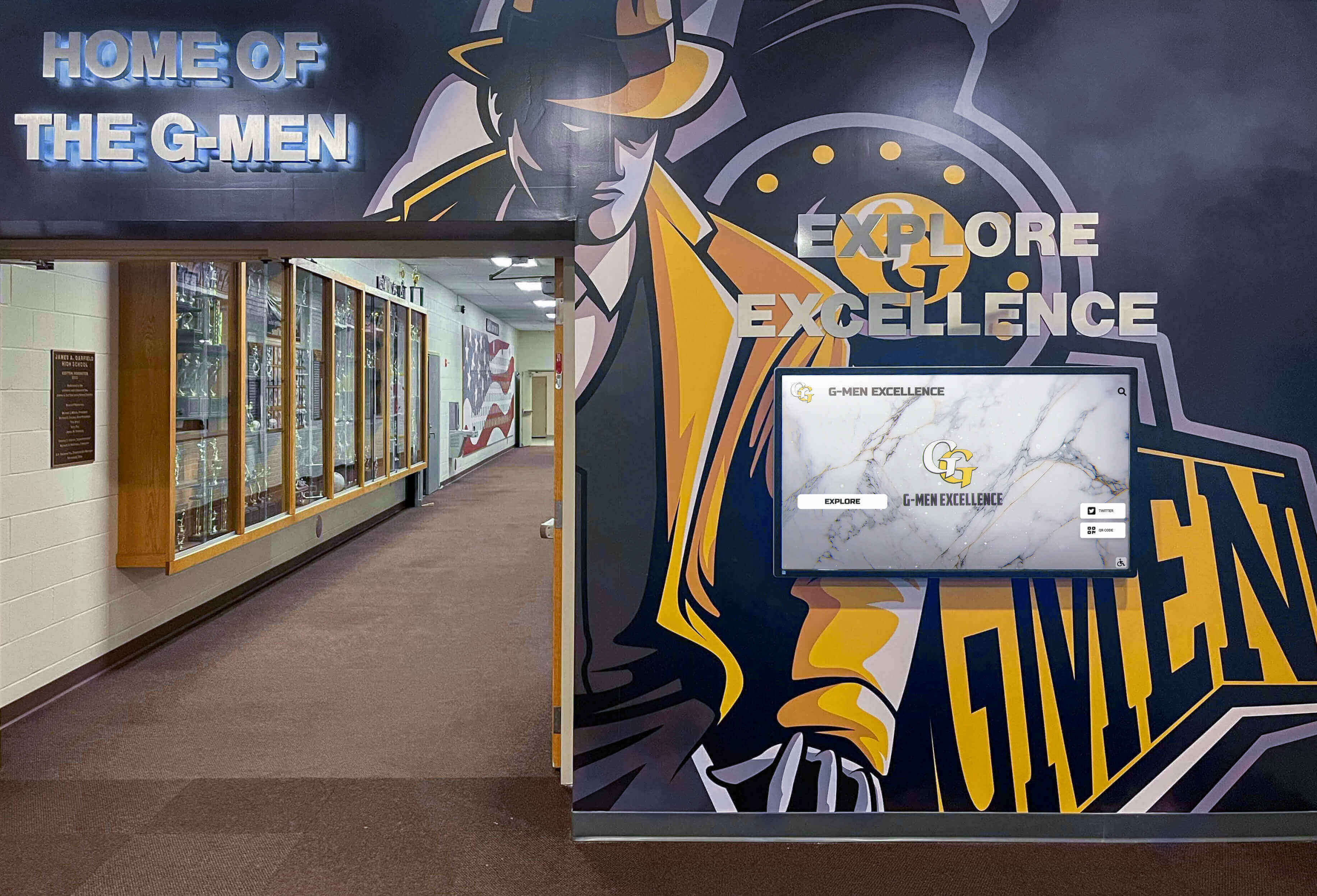
Championship programs document their success through permanent recognition systems that celebrate tactical excellence and player achievement
Counter Running Plays
Counter Scheme Design:
Counter plays create explosive running opportunities by attacking defensive flow—defenders pursuing aggressively away from the formation strength suddenly face blockers and ballcarriers cutting back against their momentum. The classic counter scheme features a running back taking an initial step away from the play direction (selling outside zone or sweep action) before receiving a handoff and cutting back behind pulling linemen.
Typical counter plays pull two offensive linemen (guard and tackle or both guards depending on scheme) who kick out the backside defensive end and lead through the opposite gap. The misdirection and pulling blockers create natural blocking angles against defenders flowing with initial backside action.
Teaching Counter Timing:
Counter plays demand precise timing between pulling linemen, the running back’s steps, and the quarterback’s mesh point. Begin teaching counters in individual position drills—offensive linemen practicing pull paths without defenders, running backs working footwork and ball security in handoff drills, quarterbacks perfecting mesh point depth and handoff timing.
Progress to skeleton drills with offense versus defensive front seven (no secondary), allowing players to execute at realistic speed without the chaos of full-team drills. Only after achieving consistent execution in controlled environments should you run counters in team periods against full defenses.
Programs that track which varsity sports athletes master advanced concepts like counter plays can recognize offensive skill position players who demonstrate football intelligence and technical refinement.
Strategic Applications:
Counter plays work brilliantly against fast-flowing defenses that over-pursue outside zone and sweep plays. Call counters after establishing outside running threats, when defenses begin cheating their alignment toward formation strength, or against inexperienced linebackers who take false steps reading backfield action.
Essential Passing Concepts for High School Offenses
While running games establish physicality and control tempo, passing attacks create explosive plays and force defenses to defend the entire field. High school passing games should emphasize high-percentage concepts that protect young quarterbacks while creating separation for receivers.
Three-Level Passing Concepts
Flood Concept:
The flood concept attacks zone coverages by overloading one side of the field with three receivers at different depths (flat, intermediate, deep), forcing one defender into an impossible coverage situation. A typical flood route combination includes a running back or slot receiver releasing to the flat (4-5 yards), a slot or tight end running a shallow cross or corner route (12-15 yards), and an outside receiver running a vertical route (20+ yards).
The quarterback reads high to low—looking first at the deep route to hold the deep safety, then working to the intermediate route if covered, finally checking to the flat if both primary options are defended. Against two-high safety looks, the corner route typically comes open against the flat defender who must respect the quick flat release.
Teaching Flood Progressions:
Start by having quarterbacks work stationary dropback timing without defenders, establishing rhythm throws to each level. Add defensive backs gradually—first just a deep safety, then adding the flat defender, finally including the underneath coverage defender—so quarterbacks learn to identify which defender is “taking away” options and where the ball should go.
Use skeleton passing drills (no offensive line or defensive line) at half speed initially, allowing quarterbacks to see coverage development without pressure. As comfort increases, add full defense in 7-on-7 settings before incorporating pass rush in team periods.
Strategic Applications:
Flood concepts work exceptionally well on third-and-medium situations (3rd and 5-8 yards) where you need reliable completions with yards-after-catch potential. They’re particularly effective against Cover 2 and Cover 3 zone defenses that struggle defending multiple levels in the same zone.
Vertical Passing Attacks
Four Verticals Concept:
Four verticals represents the ultimate “stress test” for defensive secondaries, sending four receivers downfield on vertical routes that force defenders to cover specific grass areas rather than individual receivers. Against single-high safety looks (Cover 1, Cover 3), four verticals creates natural throwing windows between vertical defenders. Against two-high looks (Cover 2, Cover 4), the middle of the field opens naturally between safeties.
The concept works from multiple formations—trips formations stress one side of the field, balanced formations distribute routes evenly, empty formations eliminate run threat and force defenses into pass coverage. Route depths typically break at 12-15 yards for slot receivers and 18-20 yards for outside receivers, with running backs releasing to depth as checkdowns.
Teaching Four Verticals:
Emphasize proper route spacing—outside receivers must threaten the sideline forcing cornerbacks wide, creating room for slot receivers to work inside. Slot receivers should aim to “split the defense,” attacking seams between corner/safety responsibility zones. The quarterback identifies coverage pre-snap (one high or two high) which determines his primary read.
Against single high, the quarterback works to the trips side or formation strength, reading the safety’s leverage. If the safety cheats toward the outside receiver, the slot is open in the seam. If the safety sits middle, the outside receiver should create separation on the corner. Against two-high looks, the quarterback looks middle between safeties immediately.
Many programs showcase their quarterback achievements and record-breaking performances through digital athletic displays that document passing touchdowns, completion percentages, and all-state recognition earned through mastering complex passing concepts.
Strategic Applications:
Four verticals works brilliantly on third-and-long (3rd and 10+), backed-up situations where defenses play soft coverage, and when you need explosive plays to overcome deficits. The concept also serves as an excellent constraint play when opponents load the box against your run game, punishing aggressive run defense with deep shots.
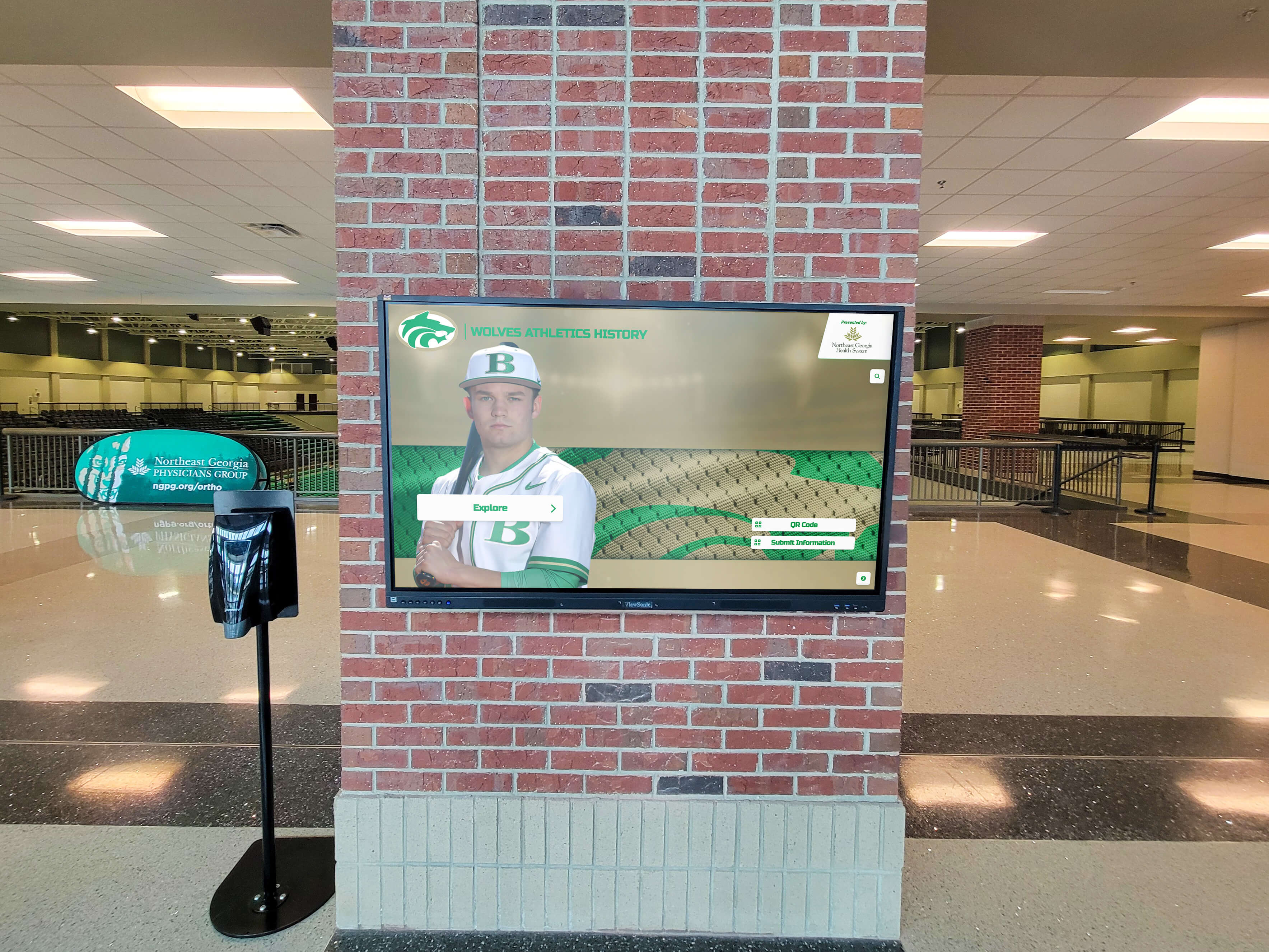
Modern athletic programs preserve football program history and individual achievements through interactive displays that showcase play-calling excellence and strategic innovation
Quick Game and Play-Action Concepts
Quick Game Fundamentals:
Quick passing attacks get the ball out rapidly (under 2.5 seconds), protecting quarterbacks behind developing offensive lines while creating rhythm completions that sustain drives. Essential quick game concepts include slants, hitches, quick outs, and now screens—all designed for three-step drops and immediate releases.
The slant route represents the highest-percentage quick throw, featuring receivers taking inside releases and breaking at 45-degree angles after 5-6 yards. Against off-coverage corners or zone defenses, slants create immediate separation. The route works from various formations and can be packaged with now screens or bubble screens for built-in answers against different defensive alignments.
Play-Action Strategy:
Play-action passes leverage the defense’s run-stopping aggression, faking running plays to freeze linebackers and safeties before attacking downfield. The most effective high school play-action schemes mirror your base running plays—power play-action, inside zone play-action, and counter play-action all sell authentic run action because defenders have seen the real plays repeatedly.
The critical teaching point for play-action effectiveness is that offensive linemen must block run schemes initially (zone steps, down blocks, pull action) to sell the fake completely. Quarterbacks must execute realistic fakes with proper mesh point timing and selling the handoff through their eyes and body language.
Programs that effectively blend sports banquet recognition with season-long achievement tracking often honor offensive coordinators and quarterbacks who master play-action timing and quick-game efficiency.
Strategic Applications:
Quick game excels on third-and-short situations, against heavy pressure defenses, and with young or inexperienced offensive lines who struggle in pass protection. Play-action works best after establishing run credibility, particularly inside the opponent’s 30-yard line where aggressive run defense opens explosive vertical opportunities.
Defensive Schemes: Stopping Modern High School Offenses
Defensive football presents unique challenges at the high school level—defending spread formations with limited practice time, developing young players who understand assignment football, and adjusting to opponent tendencies within game situations. The following defensive schemes provide foundational approaches that work regardless of opponent offensive philosophy.
4-3 Defense Base Concepts
Four-Down Front Principles:
The 4-3 defense features four defensive linemen and three linebackers, offering balance against run and pass while maintaining simplicity in assignments. The front typically aligns with two defensive tackles over or near offensive guards, two defensive ends outside the tackles, and three linebackers at various depths behind the line of scrimmage.
The 4-3 excels against traditional pro-style offenses featuring tight ends and fullbacks, providing an extra defensive lineman to control line of scrimmage compared to 3-4 defenses. The scheme allows aggressive defensive end play, multiple blitz packages from linebackers, and straightforward gap responsibilities that reduce mental errors.
Teaching 4-3 Assignments:
Begin with gap responsibility drills—each defender understanding which gap they’re responsible for against run plays. In basic 4-3, defensive ends take C gaps (outside tackles), defensive tackles take A and B gaps (inside/outside guards), linebackers fill remaining gaps based on offensive formation and play direction.
Progress to flow drills where offensive backs carry footballs (no line play) and defenders react, filling proper gaps and maintaining outside-in pursuit angles. These skeleton drills build pattern recognition and assignment discipline before adding full blockers in team periods.
Strategic Adjustments:
The 4-3 adapts to spread formations by reducing one linebacker to the line of scrimmage (nickel package) or replacing both outside linebackers with defensive backs (dime package). These sub-packages maintain front four pressure while adding coverage defenders against multiple receiver sets.
Cover 2 and Cover 3 Zone Concepts
Cover 2 Zone Structure:
Cover 2 divides deep field responsibility between two safeties, each protecting half the field against vertical routes. Underneath coverage features five defenders (two corners in flat zones, three underneath linebackers or nickel defenders in hook/curl zones) reading routes and breaking on throws.
Cover 2 works exceptionally well against four-receiver vertical attacks, ensuring both safeties stay deep while corners reroute outside receivers and force them toward the sideline. The scheme struggles defending corner routes that attack the space between flat corners and deep safeties—a natural weakness offenses exploit specifically against Cover 2.
Teaching Cover 2 Principles:
Emphasize that safeties must gain depth (12-15 yards) immediately at the snap, never allowing receivers to run past them vertically. Corners play physical press coverage or bail technique (turning and running at the snap) to force vertical releases outside while maintaining flat responsibility underneath.
The key coaching point for Cover 2 success is communication between safeties and corners on route combinations. When corners see inside-breaking routes by outside receivers, they must alert safeties who now carry vertical threats. When safeties see flat routes, they communicate to corners who have expanding flat zones.
Many championship-caliber defenses preserve their statistical achievements through digital recognition boards that track interceptions, sacks, and defensive touchdowns across program history.
Cover 3 Zone Structure:
Cover 3 deploys three deep defenders (free safety and two corners) each responsible for one-third of the deep field, with four underneath defenders (two outside linebackers or nickel backs in flat/curl zones, two inside linebackers in hook zones) reading routes and pattern-matching receivers.
The strength of Cover 3 lies in defending the sidelines—corners maintain outside leverage on vertical routes, safeties help over the top, and flat defenders take away quick outs and screen passes. Cover 3 struggles defending flood concepts (three receivers to one side) and four verticals attacks up the middle seam.
Teaching Cover 3 Principles:
Corners must understand their dual responsibility—defending deep thirds prevents vertical completions, but they must also reroute inside receivers and support run fits from outside-in positions. The free safety reads quarterback eyes and triangulates between the two deepest threats, always maintaining middle-third depth.
Underneath defenders in Cover 3 must collision receivers at the line of scrimmage when possible, disrupting timing routes while funneling receivers toward deep help. Flat defenders in particular must recognize three-receiver patterns to their side and alert the corner about potential overload situations.
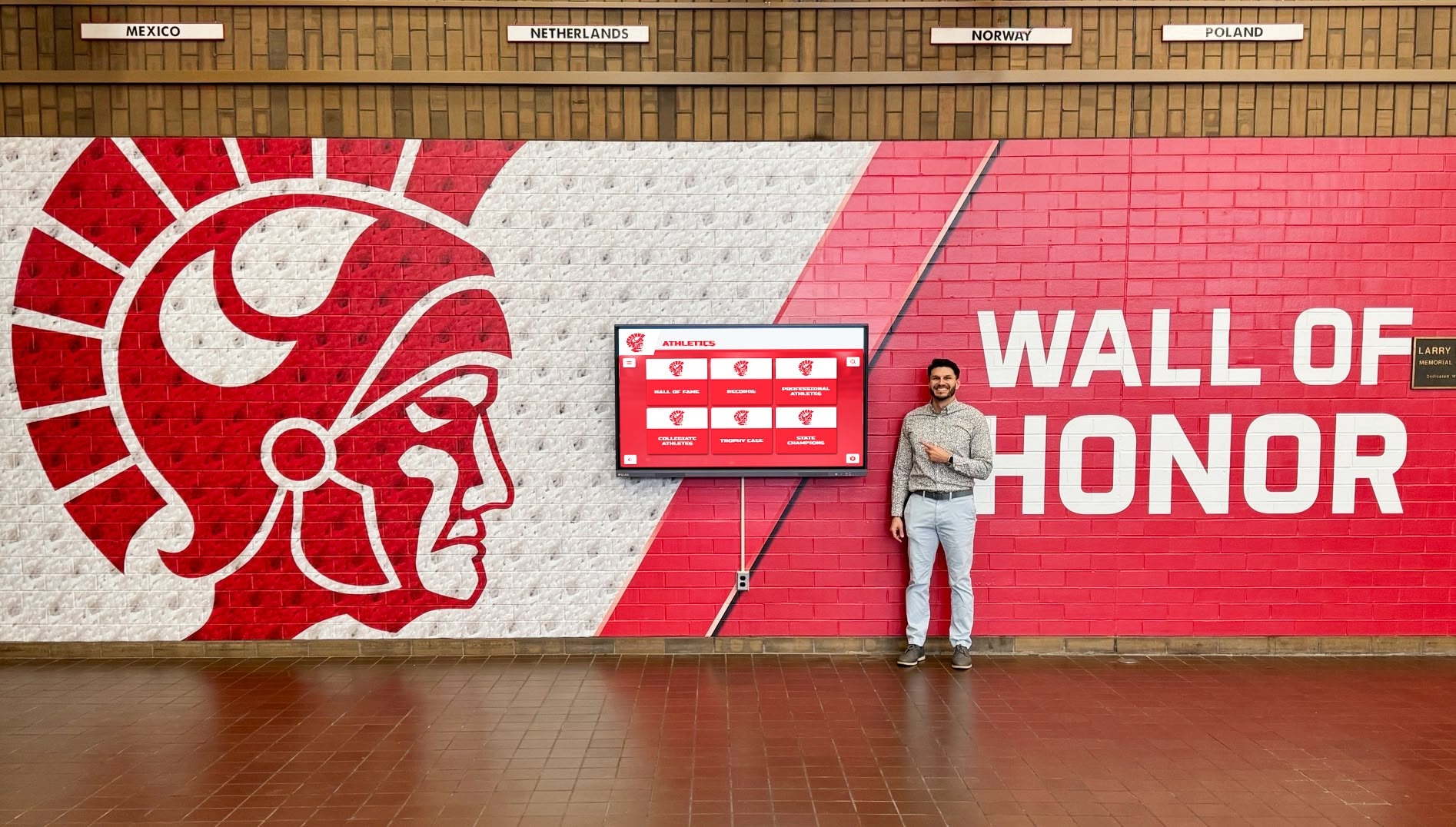
Successful defensive programs document their tactical achievements and player development through permanent recognition displays
Pressure Packages and Blitz Schemes
Five-Man Pressure Concepts:
Five-man pressures send five defenders on pass rush while six defenders provide coverage—a balanced approach that creates numerical pressure advantages while maintaining adequate coverage. These schemes typically feature four defensive linemen plus one linebacker or safety blitzing from various angles.
The most effective five-man pressures for high school defenses include A-gap pressures (both interior linebackers blitzing between center and guards), edge pressures (outside linebacker or safety blitzing from the edge), and twist/stunt combinations (defensive linemen crossing paths to create blocking confusion).
Teaching Pressure Discipline:
The critical element of successful pressure packages is that rushers must reach the quarterback—nothing undermines pressure defense like rushing five defenders and generating no pressure while leaving only six in coverage. Emphasize finishing rush lanes rather than freelancing, maintaining pass rush leverage, and staying in designated lanes to prevent quarterback scrambles.
Secondary defenders must understand that pressure coverage requires more aggressive, pattern-matching techniques since they have one fewer defender in coverage. This means press coverage when possible, tighter cushions on receivers, and trusting that pressure will force quick, inaccurate throws.
Strategic Applications:
Deploy five-man pressures on obvious passing downs (2nd and 10+, 3rd and 6+), against inexperienced quarterbacks who struggle reading blitzes, and when you need to disrupt opponent rhythm after sustained drives. Vary pressure looks and blitz angles so offenses can’t predict which defender is coming or from where.
Special Situations and Game-Winning Play Calling
Beyond base offensive and defensive schemes, high school coaches must master play-calling in crucial game situations where execution directly determines outcomes. These special circumstances demand specific play selections and strategic approaches.
Red Zone Offense (Inside the 20-Yard Line)
Compressed Field Strategies:
Once offenses reach the opponent’s 20-yard line, reduced field space fundamentally changes play selection and defensive leverage. Defenses no longer fear vertical routes (limited space behind them) and can load the box more aggressively against run plays. Successful red zone offenses account for these adjustments through specific play concepts and formations.
Power running plays become more effective in the red zone because defenses can’t defend sideline-to-sideline as effectively in compressed space. Goal-line formations with extra tight ends and fullbacks create overwhelming numbers at the point of attack for short-yardage situations inside the 5-yard line.
Red Zone Passing Strategies:
Red zone passing emphasizes high-percentage throws with minimal risk—fade routes to outside receivers against single coverage, slant routes breaking across middle of end zone, and designed rollout passes giving quarterbacks escape options while reducing the field to half-width decisions.
Avoid deep shots and complicated progressions in the red zone. The reduced field helps defenders and eliminates natural throwing windows that exist at midfield. Instead, emphasize timing routes, pick plays (legal rub routes creating natural picks), and play-action schemes off your best running plays.
Programs celebrating football achievements often highlight red zone efficiency statistics and touchdown-scoring proficiency through season-ending recognition events and permanent displays.
Two-Minute Offense Execution
Clock Management Principles:
Two-minute offense situations (end of half, end of game) require specific play-calling approaches emphasizing clock management, sideline completions, and strategic timeout usage. Understanding when to spike the ball, when to run plays without timeouts, and how to maximize remaining time separates winning programs from those that squander opportunities.
Key two-minute plays include sideline routes (hitches, outs, corners) that allow receivers to step out of bounds stopping the clock, middle-of-field routes (digs, crossers) with receivers coached to get down inbounds immediately, and quarterback scrambles where quarterbacks understand clock implications of running out of bounds versus going down inbounds.
Two-Minute Play Selection:
The optimal two-minute drive combines a few high-percentage completions advancing the ball 10-15 yards quickly with strategic incompletions (throwing away pressure) stopping the clock without wasting timeouts. Avoid plays with interception risk (crossing routes in traffic, forcing deep balls) unless absolutely necessary for touchdown requirements.
Practice two-minute situations weekly with realistic scenarios—starting field position, time remaining, timeouts available, and points needed. Players must internalize clock awareness and situational understanding so they execute correctly in pressure moments without requiring coaching guidance between each play.
Goal-Line Defense
Stopping Opponents Inside the Five:
Goal-line defense represents the ultimate test of physicality and assignment discipline. Defenses typically employ goal-line packages featuring extra defensive linemen (6-7 linemen), reduced spacing, and all-out commitment to stopping run plays while defending quick throws.
The fundamental goal-line defensive approach features gap-integrity principles—every defender assigned a specific gap, filling it aggressively at the snap regardless of flow or misdirection. This disciplined gap defense prevents running plays while forcing offenses to beat defenders with perfect execution rather than defensive mistakes.
Goal-Line Coverage Principles:
When defending pass plays near the goal line, defenders must understand limited route tree options—fade routes, slants, quick outs, back-shoulder throws, and occasionally tight end seam routes comprise the majority of throws. Corners should play physical press coverage, disrupting receiver releases while trusting safety help over the top on fade routes.
The critical teaching point for goal-line pass defense is that interceptions end scoring threats permanently. Defenders should break aggressively on visible throws rather than playing passive coverage, as turnovers outweigh touchdowns allowed by misreading routes.
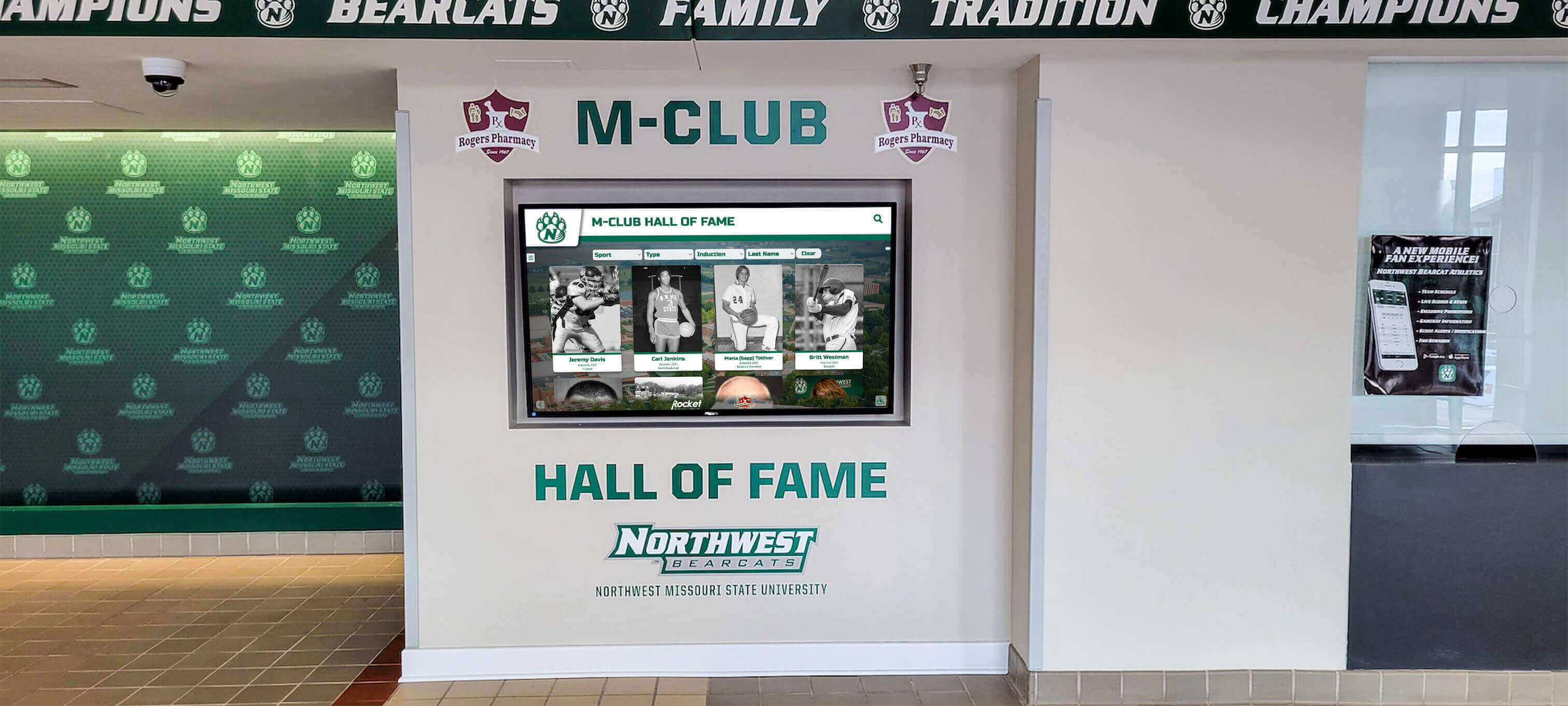
Championship defenses preserve their goal-line stands and crucial stops through permanent digital recognition systems
Installing Plays and Building Player Understanding
Understanding football plays conceptually differs significantly from executing them effectively under game pressure. High school coaches must employ progressive teaching methods that build player comprehension while developing muscle memory and decision-making under realistic conditions.
Progressive Installation Methods
Classroom Instruction:
Begin play installation in classroom settings where players can learn without physical distractions. Use whiteboards or video software to diagram plays, explaining each position’s assignment, key coaching points, and adjustments versus different defensive looks. Provide players with written playbooks or digital playbooks they can study outside practice.
Modern programs leverage video breakdown showing successful execution from previous games or practice film. Players learn faster when seeing plays work successfully rather than just viewing diagrams on paper.
Walk-Through Practice:
Progress from classroom to field walk-throughs where players physically move through plays at walking speed without defenders. This stage emphasizes proper alignment, assignment clarity, and identifying landmarks (aiming points, blocking angles, route depths) without execution pressure.
Walk-throughs should include coaching corrections for alignment errors, assignment confusion, and technical mistakes before progressing to full speed. Many installation problems stem from rushing to full-speed execution before players understand foundational assignment details.
Tempo Progression:
Move gradually from walk-throughs to half-speed (bags or dummies as defenders), then three-quarter speed (skeleton periods with some defenders), finally full-speed execution against full defense. This graduated progression builds confidence and muscle memory while reducing mental errors from overwhelming players.
The tendency to rush installation—particularly early in the season—creates confusion that persists through the year. Successful programs prioritize fundamental understanding over volume, mastering core plays thoroughly rather than installing marginal concepts players never fully grasp.
Recognizing Player Development and Achievement
Beyond wins and losses, high school football develops young people through discipline, teamwork, and competitive challenge. Recognizing player achievement—both individual excellence and team success—reinforces program values while creating lasting memories of the football experience.
Many championship programs preserve their football heritage through interactive digital displays that document offensive and defensive achievements, highlight landmark plays from championship seasons, and celebrate the coaches and players who mastered the strategic elements of football.
Academic recognition for scholar-athletes who balance football excellence with classroom achievement demonstrates that successful programs value both athletic and academic development. Digital displays can showcase all-conference academic teams, players earning academic honors, and student-athletes advancing to college football opportunities.
Team celebration ideas that extend beyond immediate post-game moments help programs build culture and tradition around strategic excellence and player development. Recognizing players who master complex schemes, demonstrate football intelligence, and execute critical plays in pressure moments reinforces the intellectual dimension of football success.
Building Championship Culture Through Recognition
The football plays and schemes outlined above provide tactical frameworks for competitive high school programs, but championship cultures extend beyond X’s and O’s. Programs that sustain success combine strategic competence with traditions, values, and recognition systems that honor player achievement across multiple dimensions.
Documenting Program Excellence
Championship football programs preserve their history through permanent recognition systems that document tactical innovation, strategic excellence, and the coaches and players who executed winning schemes. These systems serve multiple purposes: inspiring current players by showcasing program tradition, recognizing past achievements that built program foundation, and creating visible evidence of the excellence expected within championship cultures.
Modern recognition approaches have evolved beyond static plaques and trophy cases. Interactive digital displays allow programs to showcase unlimited achievements without physical space constraints, update content to reflect current season success, and present multimedia content including video highlights, statistical breakdowns, and historical context that bring program history to life.
Solutions like Rocket Alumni Solutions provide high school athletic departments with digital recognition systems specifically designed for football programs. These platforms enable coaches to highlight offensive and defensive achievements, showcase players who mastered essential schemes, and preserve the tactical legacy that defines program identity.
Connecting Strategy to Recognition
The most effective athletic recognition systems don’t just celebrate wins and losses—they highlight the strategic elements and player development that create sustainable success. Football programs can showcase:
Strategic Achievement Recognition: Highlighting seasons where offensive or defensive schemes dominated competition, recognizing innovative play-calling that defined championship runs, and preserving the tactical elements that separate elite programs from average competitors.
Positional Excellence Tracking: Documenting position-specific achievements like offensive line cohorts that enabled successful running games, defensive backs who mastered coverage schemes, and quarterbacks who executed complex passing concepts effectively.
Coaching Innovation Display: Recognizing offensive and defensive coordinators who developed scheme innovations, built comprehensive playbooks, and taught fundamental concepts that produced winning results across multiple seasons.
Player Development Progression: Showcasing athletes who progressed from learning basic assignments as underclassmen to mastering advanced schemes and earning all-conference recognition through technical refinement and football intelligence.
These recognition approaches connect tactical excellence—the plays, schemes, and strategic decisions covered throughout this guide—to the lasting legacy that defines championship programs. They demonstrate that football success stems from systematic development, strategic competence, and commitment to excellence at every level of program operation.
Conclusion: From Plays to Championships
Mastering essential football plays represents just one element of building successful high school programs. The offensive schemes, defensive formations, and strategic concepts explored in this guide provide tactical foundations, but championship programs combine scheme competence with player development, culture building, and recognition systems that honor achievement comprehensively.
The football plays outlined here—power running schemes, zone blocking concepts, vertical passing attacks, 4-3 defensive fronts, and zone coverage principles—work because they balance effectiveness with teaching simplicity. High school coaches don’t have unlimited practice time or elite talent at every position. Success requires selecting plays that maximize your personnel strengths while remaining executable within realistic developmental constraints.
As you install these schemes and develop your playbook, remember that the most successful programs master fundamentals rather than chasing scheme complexity. Executing core plays with precision, discipline, and physical dominance produces more wins than installing elaborate systems players never fully internalize.
Finally, preserve your program’s tactical legacy by documenting the schemes, plays, and strategic innovations that define your football tradition. Digital recognition systems provide modern solutions for showcasing your program’s strategic excellence while inspiring future generations to build upon the foundation you establish through systematic development and commitment to tactical mastery.































