Earning the Gatorade Player of the Year award represents the pinnacle of high school athletic achievement—a distinction that recognizes not just exceptional athletic performance, but also academic excellence and exemplary character. Since 1985, this prestigious program has honored the nation’s most elite high school student-athletes, creating a legacy that includes sports legends like Peyton Manning, LeBron James, Kobe Bryant, and Allyson Felix.
For schools, a Gatorade Player of the Year winner represents an extraordinary achievement worthy of prominent, permanent recognition. Yet many institutions struggle to create displays that adequately honor this rare distinction and its multi-dimensional significance. Traditional recognition approaches—a mention in morning announcements, a trophy added to an already-crowded case, or a name on a static plaque—fail to capture the full story behind this achievement or leverage its motivational potential for current and future student-athletes.
This comprehensive guide explores effective strategies for recognizing Gatorade Player of the Year award winners through modern display solutions that celebrate athletic excellence while inspiring the next generation of student-athletes to pursue similar heights of achievement both on and off the field.
The Gatorade Player of the Year award stands apart from other athletic recognitions through its comprehensive evaluation criteria and national prestige. Schools that create thoughtful, prominent recognition for these exceptional student-athletes honor individual achievement while reinforcing institutional values around athletics, academics, and character development.
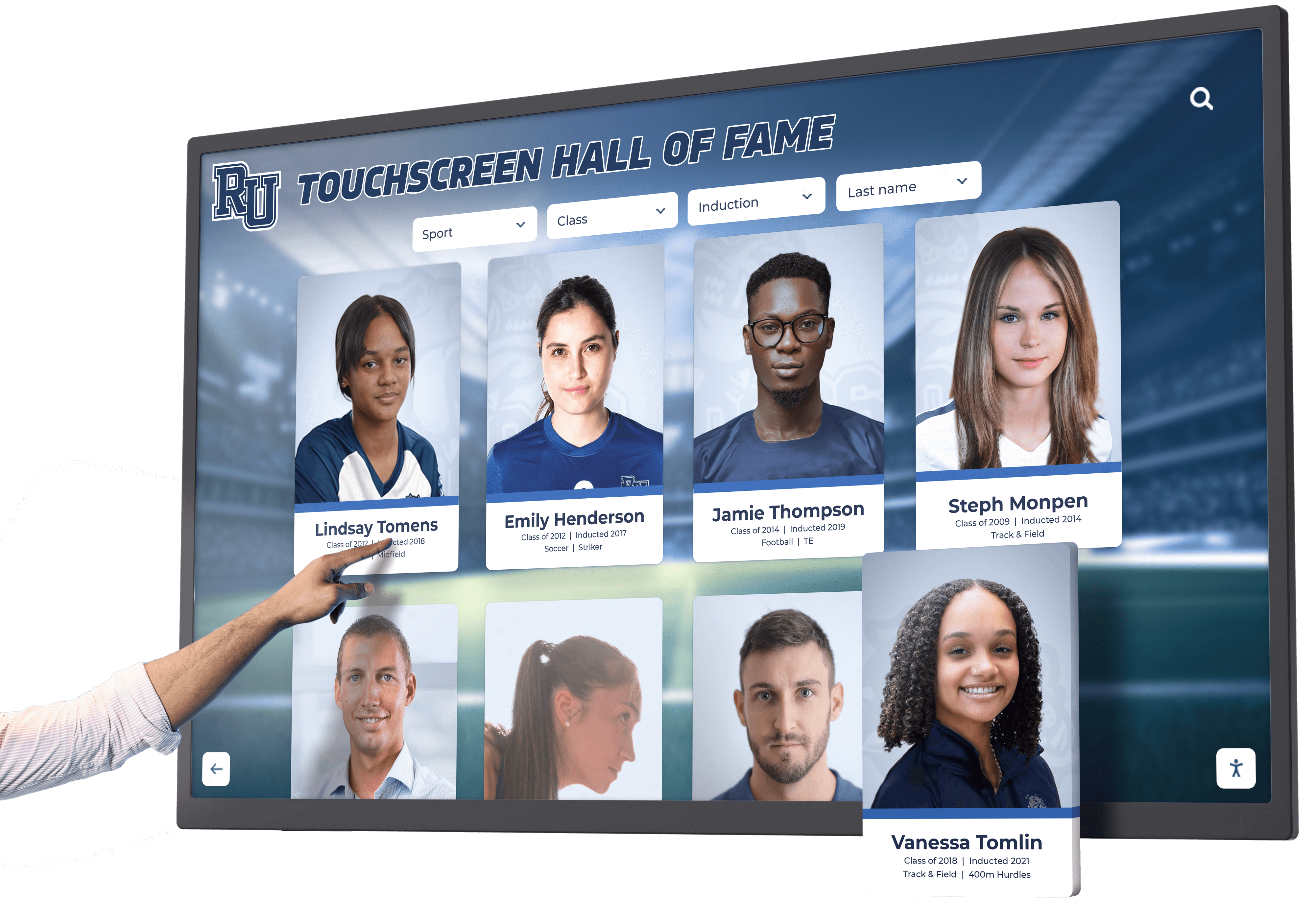
Modern interactive displays provide comprehensive platforms for celebrating Gatorade Player of the Year achievements with the prominence this rare distinction deserves
Understanding the Gatorade Player of the Year Award
Before designing recognition programs, schools should understand the significance, structure, and selection criteria of this prestigious award.
History and Significance
The Gatorade Player of the Year program began in the 1985-1986 school year and has since become the most prestigious award in high school sports. According to Gatorade’s official program history, the awards celebrate the nation’s best student-athletes for their success on and off the field, creating an all-star group of alumni that transcends sport.
Historical Impact The award’s prestige is demonstrated through its notable alumni, who have gone on to extraordinary professional careers:
- Football: Peyton Manning, Emmitt Smith
- Basketball: LeBron James, Kobe Bryant, Jayson Tatum, Paige Bueckers
- Track and Field: Allyson Felix
- Volleyball: Kerri Walsh
- Soccer: Mallory Swanson
This legacy demonstrates that Gatorade Player of the Year recognition frequently identifies future professional stars and Olympic athletes, making it a reliable predictor of elite athletic potential.
Award Structure and Sports Covered
The program operates on a two-tiered system that creates widespread recognition opportunities:
State-Level Recognition In each of the 50 states and the District of Columbia, one Gatorade State Player of the Year is awarded annually in 12 different sports:
- Boys’ baseball
- Boys’ and girls’ basketball
- Boys’ and girls’ cross country
- Boys’ football
- Boys’ and girls’ soccer
- Boys’ and girls’ track and field
- Girls’ softball
- Girls’ volleyball
This structure means that 612 state-level awards (51 states/territories × 12 sports) are distributed annually, making state-level recognition a significant achievement in itself.
National-Level Recognition From the pool of state winners, 12 Gatorade National Players of the Year are selected—one for each sport. These national winners represent the absolute pinnacle of high school athletic achievement in their respective sports.
Explore related athletic achievement recognition approaches in state championships display programs that celebrate peak athletic performance.
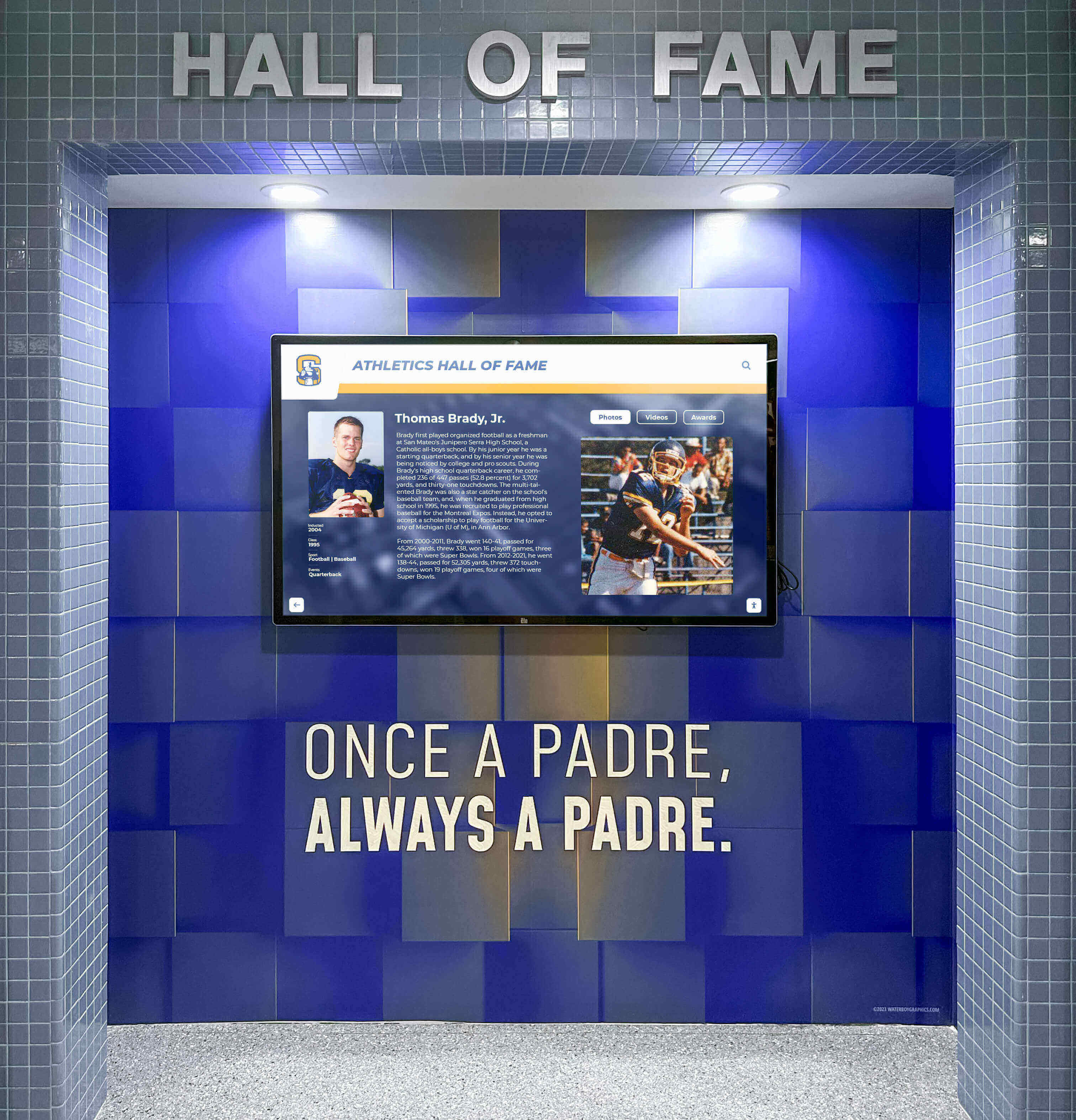
Dedicated athletic recognition displays ensure student-athlete achievements receive appropriate visibility and celebration
Selection Criteria: The Three Pillars
What distinguishes the Gatorade Player of the Year from purely athletic awards is its comprehensive evaluation across three distinct dimensions:
1. Athletic Excellence Standout performance at the high school, club, national, or international levels of competition, including:
- Statistical performance throughout the season
- Championship success and team leadership
- Competition against elite opponents
- Performance in high-pressure situations
- Technical skill mastery and athletic innovation
2. Academic Achievement Review of academic credentials demonstrating intellectual excellence:
- Grade point average and class rank
- SAT and ACT test scores
- Academic honors and distinctions
- Advanced coursework participation
- Academic scholarship consideration
3. Exemplary Character Commitment to sportsmanship, character, and community:
- Sportsmanship demonstrated during competition
- Leadership within school and team environments
- Community service and volunteer engagement
- Positive influence on peers and younger athletes
- Character demonstrated through challenges and adversity
This three-pillar approach means Gatorade Players of the Year represent complete student-athletes who excel across all dimensions of high school experience, not just athletic performance.
The College Recruiting Impact of Gatorade Recognition
Schools should understand how Gatorade Player of the Year recognition influences college recruitment and why this matters for recognition programs.
Recruiting Significance
College coaches and recruiters view Gatorade Player of the Year awards as highly credible indicators of elite talent. The award’s comprehensive selection criteria—evaluating athletics, academics, and character—align perfectly with what college programs seek in recruits.
Recruiting Benchmarks College programs actively track Gatorade award winners as recruiting priorities. As demonstrated in recruiting analysis, major programs consider securing state and especially national Gatorade Players of the Year as benchmarks for successful recruiting classes, particularly for in-state prospects.
Verified Excellence The award provides third-party validation that combines:
- Athletic performance verified through season-long evaluation
- Academic credentials documented through official transcripts
- Character references from coaches and community members
- Statewide or national peer comparison
This comprehensive verification makes Gatorade recognition particularly valuable in college recruitment materials and athletic profiles.
Learn about supporting recruitment through college signing wall displays that celebrate athletic commitments.
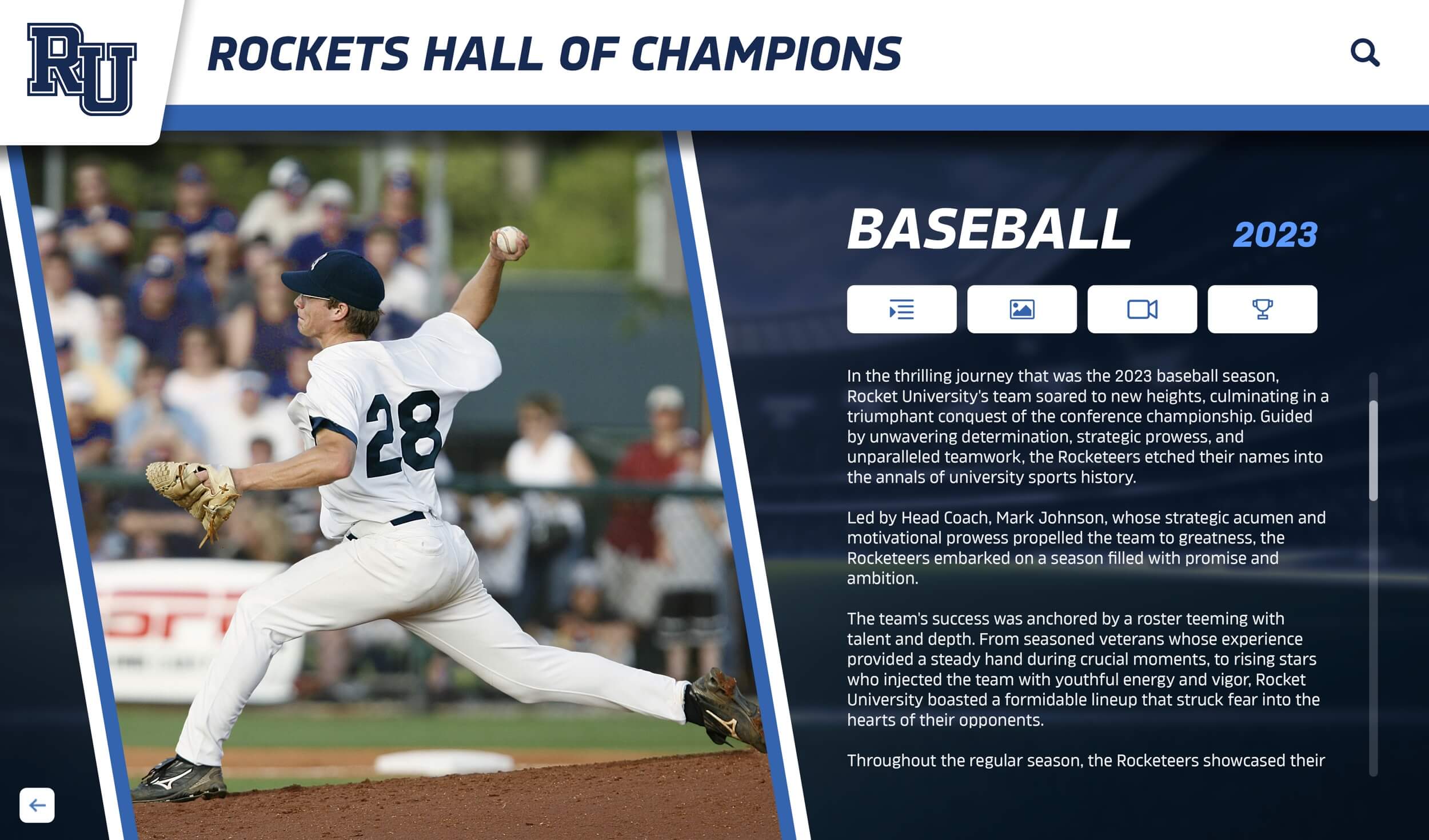
Individual athlete profiles allow schools to tell complete stories behind Gatorade Player of the Year achievements
Supporting College Aspirations
Schools that prominently display Gatorade Player of the Year recognition support their student-athletes’ college aspirations in multiple ways:
Visibility for Recruiters When college coaches visit campuses to evaluate prospects, visible Gatorade recognition:
- Immediately signals the program’s ability to develop elite talent
- Provides conversation starters about program excellence
- Demonstrates the school’s commitment to recognizing complete student-athletes
- Creates positive impressions of the overall athletic program culture
Motivational Modeling Current underclassmen who see Gatorade award winners prominently recognized:
- Understand the comprehensive nature of elite achievement
- Recognize that excellence requires attention to athletics, academics, and character
- Gain concrete role models demonstrating paths to college athletic opportunities
- Receive motivation to pursue well-rounded development
Alumni Connections Displaying historical Gatorade winners creates networking opportunities between current athletes and successful alumni who have navigated college recruitment, supporting current students through this process.
Traditional vs. Modern Recognition Display Approaches
Schools face important decisions about how to recognize Gatorade Player of the Year winners in ways that match the achievement’s significance.
Traditional Recognition Methods
Conventional approaches typically include several options:
Physical Trophies and Display Cases Schools traditionally honor Gatorade winners by:
- Displaying the official award trophy in main trophy cases
- Creating dedicated spaces for major award recognition
- Adding engraved plaques to existing recognition boards
- Mounting championship banners in gymnasiums
- Installing permanent wall plaques in athletic facilities
Ceremony and Announcement Recognition Traditional celebration typically includes:
- Special recognition at athletic awards ceremonies
- Assembly announcements celebrating the achievement
- Media coverage through press releases
- Social media posts at time of award announcement
- Yearbook features highlighting the distinction
These traditional methods provide important immediate recognition but often face limitations in creating lasting, comprehensive celebration of the achievement.
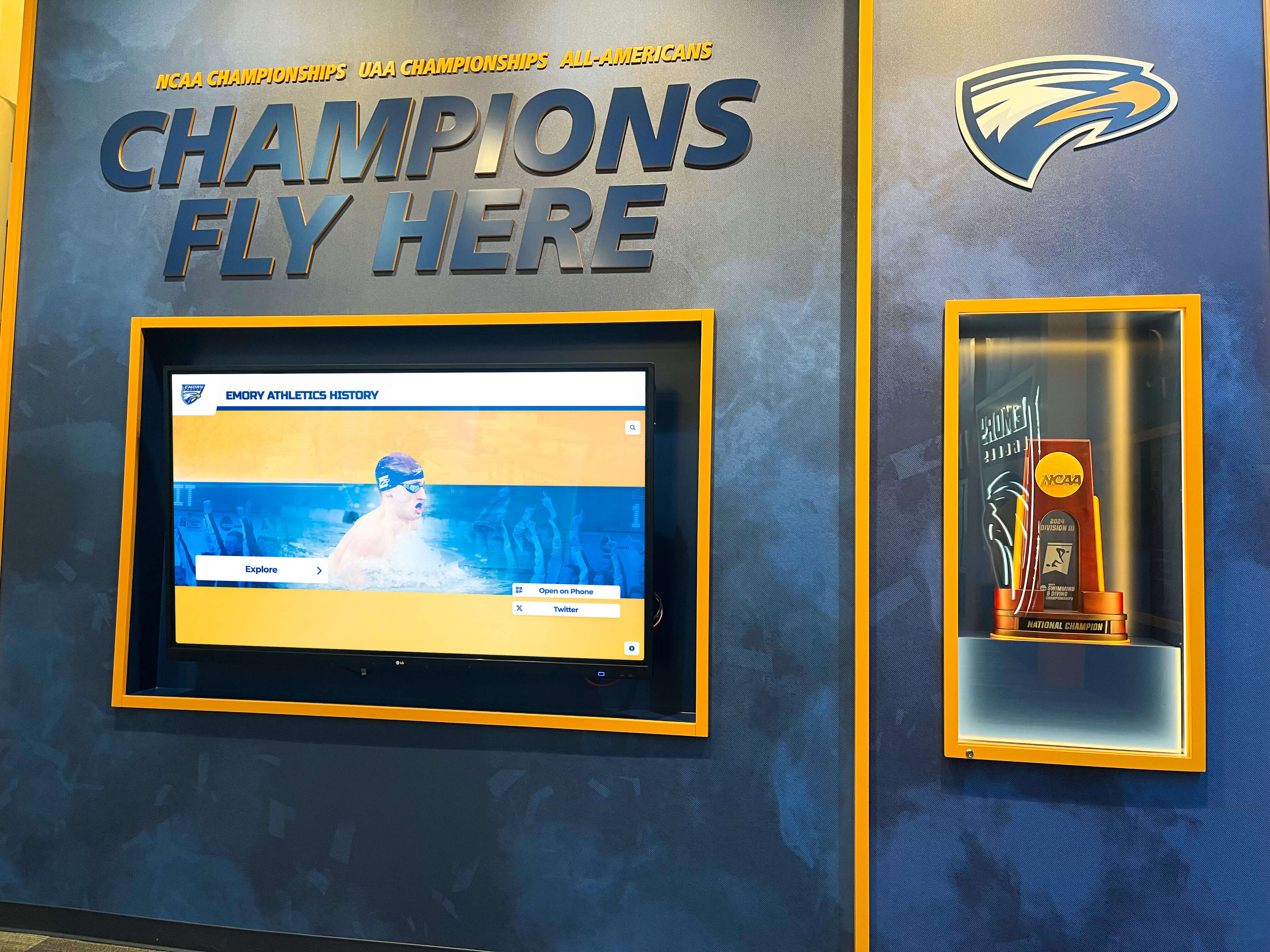
Trophy cases remain important elements of athletic recognition but face space limitations and static presentation constraints
Limitations of Traditional Static Displays
Physical recognition approaches encounter several inherent constraints:
Space Limitations
- Trophy cases fill quickly with multiple years of awards
- Wall space for plaques becomes constrained over time
- Adding new recognition requires removing older displays
- Prominent locations become overcrowded and cluttered
- Multiple sport recognitions compete for limited space
Information Constraints
- Static plaques provide minimal context about achievements
- No space for statistics, season highlights, or accomplishments
- Photographs become dated or are omitted entirely
- Academic and character components receive little recognition
- Stories behind achievements remain untold
Maintenance Challenges
- Engraving is expensive and permanent, making corrections difficult
- Physical displays deteriorate over time requiring restoration
- Cleaning and upkeep become ongoing responsibilities
- Damage from weather, vandalism, or age requires costly repair
- Updating static displays requires physical modification and expense
Modern Digital Recognition Solutions
Digital display systems offer transformative advantages for Gatorade Player of the Year recognition:
Comprehensive Achievement Profiles Solutions like Rocket Alumni Solutions enable schools to create rich multimedia profiles including:
- High-resolution photographs showing athletes in action
- Complete season statistics and performance highlights
- Academic credentials and GPA recognition
- Character and community service documentation
- Video highlights from championship performances
- Coach and teacher testimonials about character
- College commitment information and athletic future
Unlimited Recognition Capacity Digital platforms eliminate physical space constraints:
- Single display showcases unlimited award winners across all years
- Historical Gatorade winners receive equal prominence with recent recipients
- Multiple sports and recognition types coexist without space competition
- Easy expansion as new winners are added annually
- Integration with other athletic achievement recognition
Learn about comprehensive digital approaches in digital hall of fame touchscreen displays that transform athletic recognition.
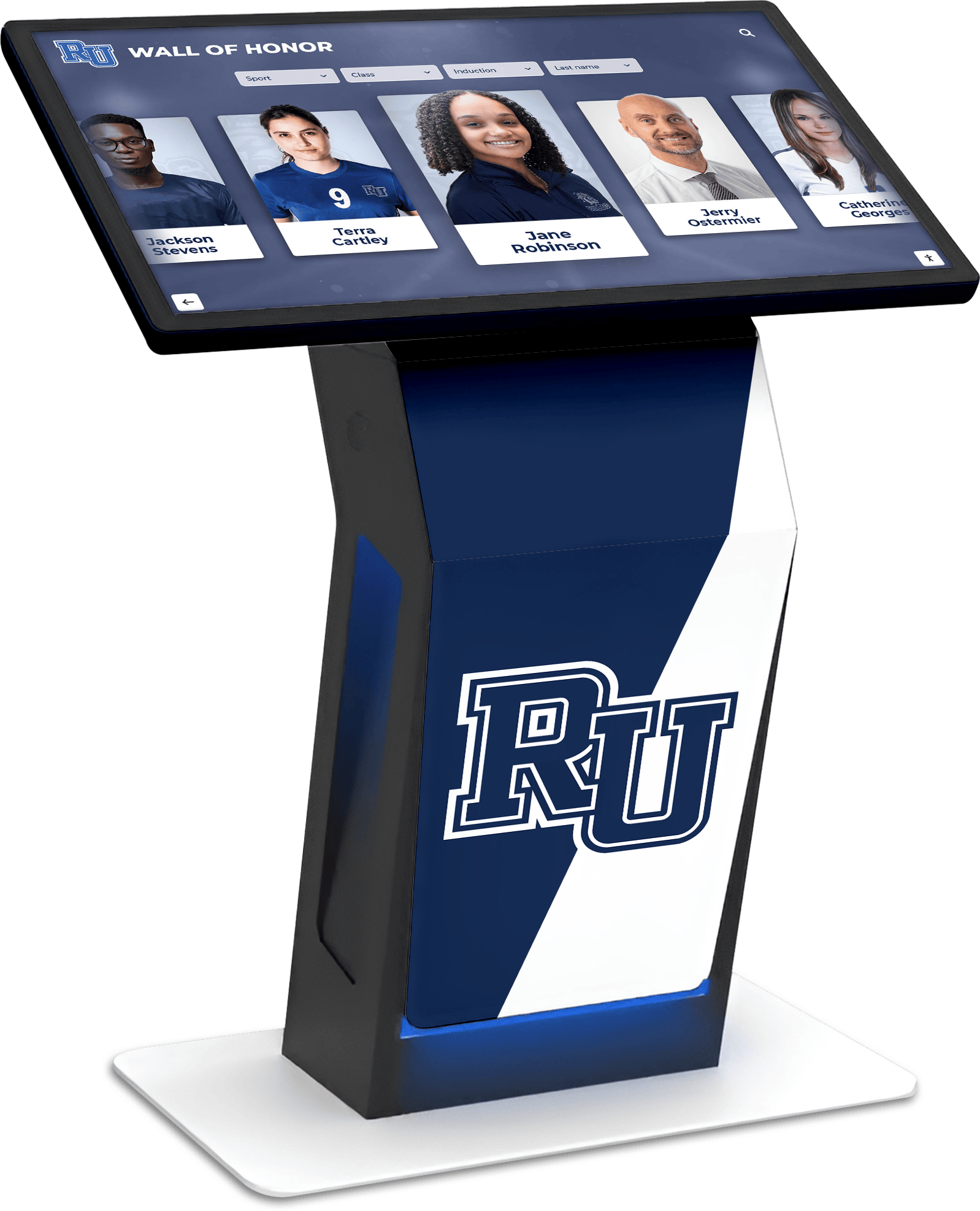
Freestanding interactive kiosks provide prominent visibility for Gatorade Player of the Year recognition with unlimited content capacity
Simple Content Management Cloud-based systems simplify recognition program administration:
- Remote updates from any internet-connected device
- Form-based interfaces requiring no technical expertise
- Batch import capabilities for historical award winners
- Scheduled publishing for automatic recognition updates
- Error correction capabilities without physical modification
- Multiple administrator access with appropriate permissions
Enhanced Engagement Features Modern displays create interactive experiences:
- Touchscreen exploration enabling visitors to discover achievement details
- Search functionality locating specific athletes or years
- Filter options by sport, year, or recognition level
- Social media integration for sharing accomplishments
- Web accessibility extending recognition beyond physical campus
- Mobile optimization for viewing on smartphones and tablets
Creating Comprehensive Gatorade Recognition Profiles
The depth and quality of recognition content significantly impacts motivational effectiveness and honoring appropriateness.
Essential Profile Elements
Comprehensive recognition profiles should include multiple information layers:
Basic Achievement Information
- Student-athlete name and graduation year
- Sport in which award was earned
- Gatorade State Player of the Year or National Player of the Year designation
- Award year and season
- School enrollment period during achievement
Athletic Performance Details Create complete pictures of athletic excellence:
- Season statistics and performance metrics
- Championship achievements and team success
- Significant game performances and career highlights
- Athletic records set or tied
- All-Conference, All-State, and other concurrent honors
- Competition level and strength of opponents faced
Academic Excellence Documentation Honor the academic dimension of achievement:
- Cumulative GPA and class rank
- SAT/ACT scores if appropriate
- Academic honors and distinctions
- Advanced coursework and AP class participation
- Academic scholarship offers
- Intended college major and academic interests
Character and Community Recognition Celebrate the complete student-athlete:
- Community service activities and volunteer hours
- Leadership positions in school and community
- Character awards and citizenship recognition
- Mentorship of younger athletes
- Positive influence stories and testimonials
- Participation in school activities beyond athletics
Explore related comprehensive recognition in athletic wall of honor programs celebrating complete student-athlete achievements.
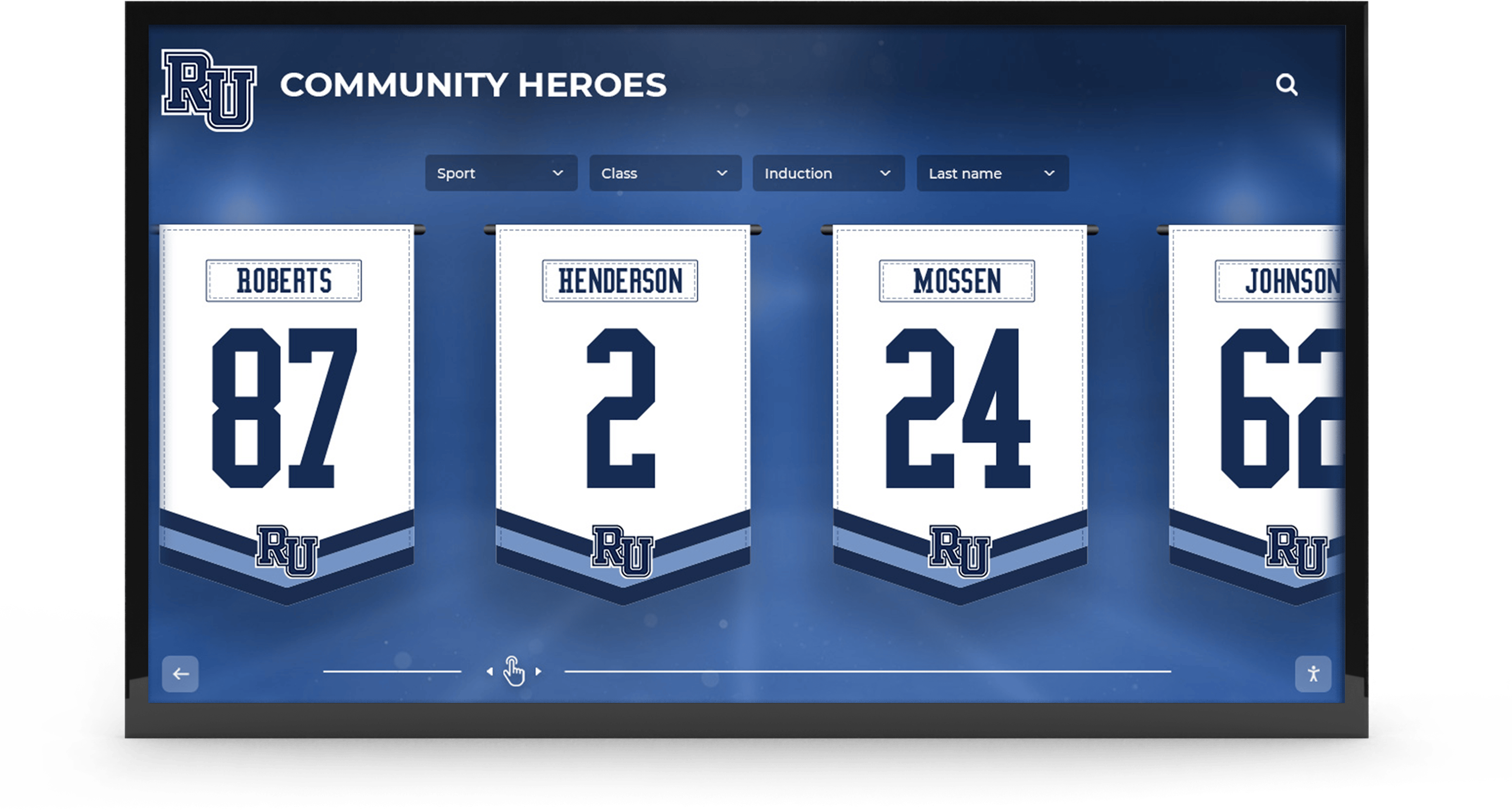
Grid-style displays enable schools to showcase multiple Gatorade award winners while maintaining individual athlete prominence
Storytelling Elements That Inspire
The most impactful recognition extends beyond statistics to tell meaningful achievement stories:
Journey Narratives Profiles should capture:
- Athletic development from freshman year through award-winning season
- Challenges overcome and obstacles navigated
- Training regimens and dedication required
- Balance between athletics, academics, and character development
- Team contributions and leadership growth
- Coaching and mentorship relationships
Multimedia Content Digital platforms enable rich content integration:
- Video highlights from championship performances
- Coach testimonials about character and work ethic
- Teacher perspectives on academic excellence
- Community member stories about service impact
- Teammates sharing leadership experiences
- Family reflections on commitment and sacrifice
Legacy and Future Connections Complete profiles document ongoing achievement:
- College athletic commitment and scholarship details
- Post-high school athletic achievements
- Professional career accomplishments for alumni
- Continued community involvement
- Mentorship of current student-athletes
- Updates demonstrating long-term impact of foundation built during high school
This comprehensive storytelling transforms recognition from simple acknowledgment to inspirational educational resource that motivates current and future student-athletes.
Integrating Gatorade Recognition Into Broader Athletic Programs
Gatorade Player of the Year recognition should fit within comprehensive athletic recognition frameworks.
Multi-Tiered Athletic Recognition Systems
Create recognition hierarchies acknowledging achievements at multiple levels:
Pinnacle Athletic Recognition Reserve highest prominence for rarest achievements:
- Gatorade National Player of the Year awards
- State championship team recognition
- Individual state championship titles
- National competition achievements
- Olympic or international competition participation
Elite Athletic Recognition Second-tier recognition for exceptional accomplishments:
- Gatorade State Player of the Year awards
- All-State First Team selections
- Conference Player of the Year honors
- Regional championship recognition
- College athletic scholarship recipients
Learn about comprehensive state-level recognition in state championship display programs celebrating peak athletic team and individual performance.
Broad Athletic Achievement Recognition Wider recognition ensuring multiple achievement opportunities:
- All-Conference selections across all levels
- Team MVP and special awards
- Academic All-Conference recognition
- Sportsmanship and character awards
- Career milestone achievements
- Improvement and dedication awards
This tiered approach maintains special significance for Gatorade recognition while ensuring achievement opportunities exist across all athletic participation levels.
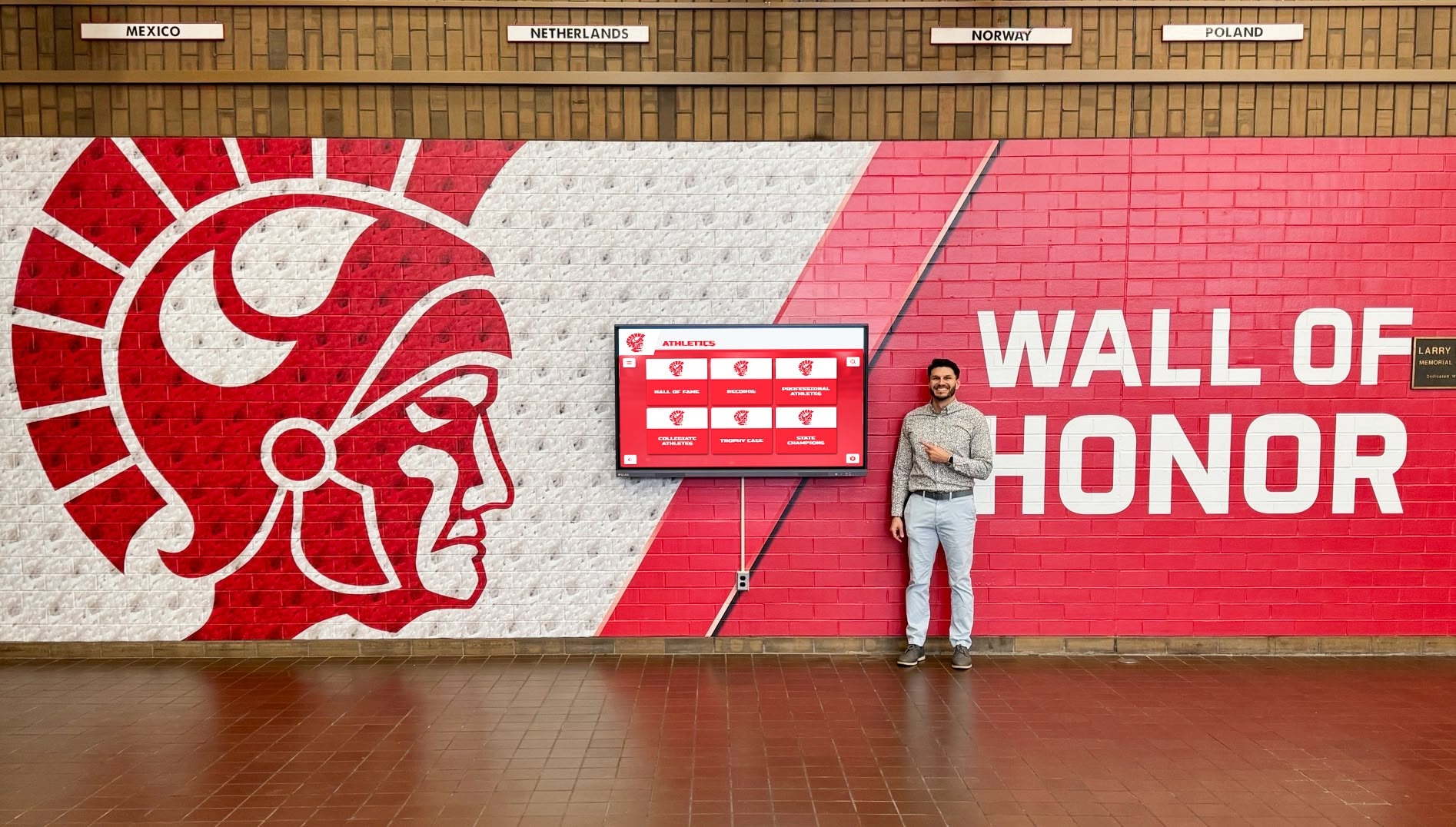
Integrated recognition systems celebrate diverse athletic achievements while maintaining appropriate prominence for pinnacle honors
Connecting Recognition to School Culture
Gatorade Player of the Year recognition should reinforce broader athletic program values:
Excellence Across Dimensions The award’s three-pillar structure provides opportunities to emphasize:
- Athletic excellence requires technical skill, competitive performance, and championship mentality
- Academic achievement matters as much as athletic performance
- Character, sportsmanship, and community service define complete student-athletes
- Balance and comprehensive development lead to highest achievements
- Excellence in one dimension supports excellence in others
Mentorship and Role Modeling Leverage Gatorade award winners as program resources:
- Peer mentorship programs pairing winners with younger athletes
- Leadership development opportunities for award recipients
- Team captain and program ambassador roles
- Youth camp and clinic leadership
- Alumni connections supporting current athlete development
Traditional Development Build institutional culture through:
- Annual recognition ceremonies highlighting Gatorade winners
- Permanent displays in prominent athletic facility locations
- Program materials and recruiting presentations featuring award winners
- Social media and community engagement celebrating achievements
- Alumni networking events reconnecting historical winners with current programs
Implementation Strategies for Gatorade Recognition Displays
Successfully launching recognition programs requires careful planning and strategic execution.
Display Selection and Placement
Strategic hardware and location decisions maximize recognition visibility and impact:
Display Hardware Considerations
- Commercial-grade touchscreen displays (43"-65" typical)
- Displays rated for continuous operation in high-traffic areas
- High resolution supporting detailed photographs and video content
- Mounting options: wall-mounted, freestanding kiosk, or integrated architectural
- Protective screens or enclosures for high-traffic youth environments
Optimal Placement Locations Position displays ensuring maximum visibility to multiple audiences:
- Main athletic facility entrances and lobbies
- Gymnasium and arena main concourses
- Athletic hallways connecting multiple sports facilities
- Locker room areas where athletes gather daily
- Areas frequented by prospective student-athletes and families during campus visits
- Locations visible during community events and competitions
Integration With Existing Recognition Ensure Gatorade displays complement broader athletic recognition:
- Proximity to team championship recognition
- Connection with all-state and all-conference displays
- Integration with academic achievement recognition
- Relationship to school hall of fame programs
- Coordination with donor recognition if athletic facilities funded philanthropically
Explore comprehensive athletic facility recognition in digital trophy touch wall displays that showcase multiple achievement types.
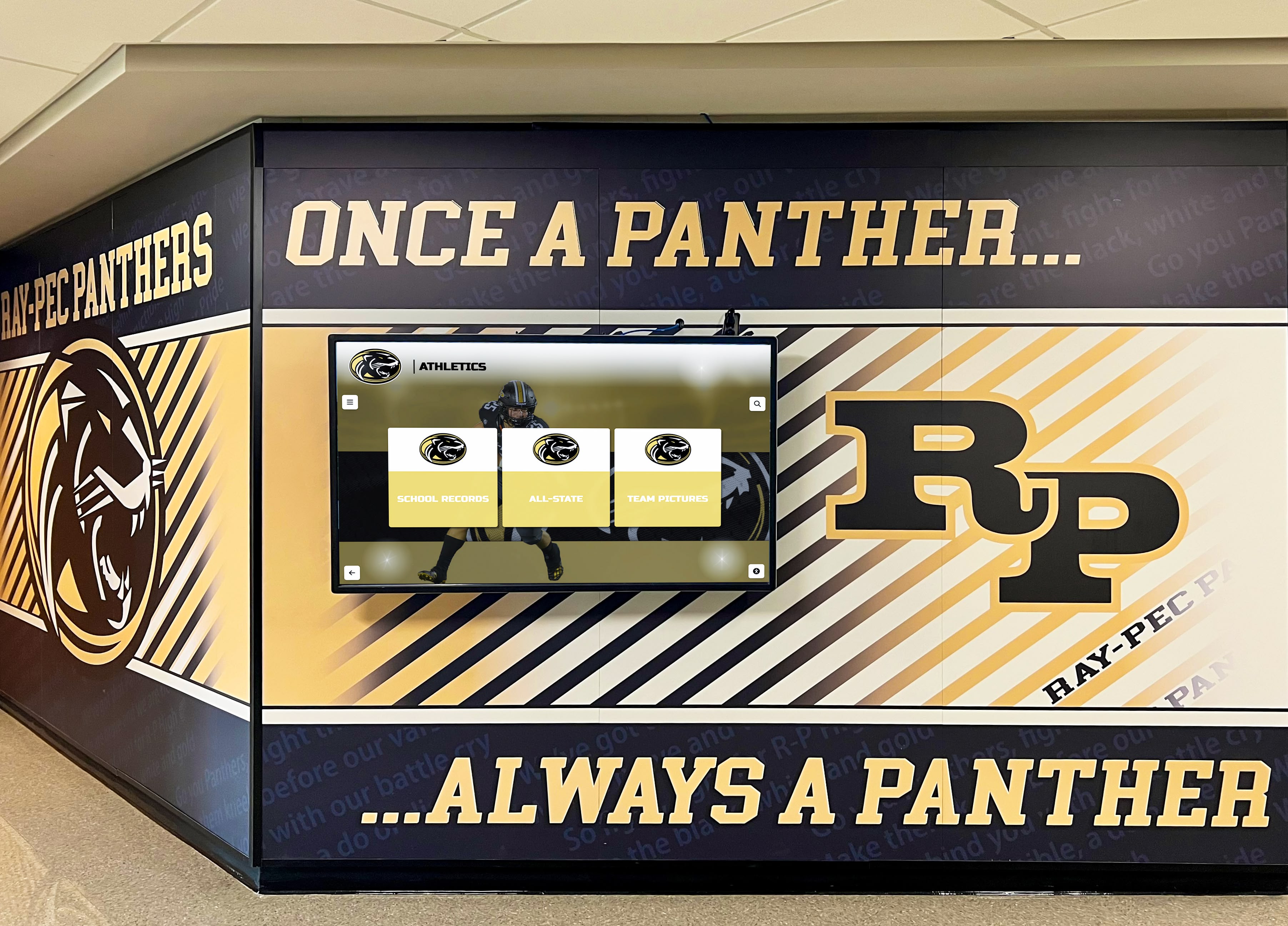
Strategic placement integrates Gatorade recognition into daily athletic facility experience rather than isolated trophy room viewing
Content Development and Organization
Thoughtful content structure creates effective, engaging recognition experiences:
Chronological Organization Primary navigation typically follows timeline structure:
- Reverse chronological order placing most recent winners first
- Decade-by-decade grouping for historical perspective
- Sport-specific timelines showing progression within single sports
- All-time lists showcasing complete institutional history
Sport-Specific Categorization Secondary organization by athletic program:
- Individual sport galleries for programs with multiple winners
- Team sport vs. individual sport distinctions
- Season-based organization (fall, winter, spring sports)
- Gender-specific or combined displays depending on preference
Search and Discovery Features Enable multiple exploration pathways:
- Text search by athlete name
- Filter by sport, year, state vs. national recognition
- Browse all-time lists of winners
- Featured athlete rotation highlighting different winners regularly
- “Did you know” facts and achievements showcasing notable details
Launch and Promotion Strategies
Maximize recognition program impact through strategic unveiling and ongoing communication:
Launch Event Planning
- Ceremony unveiling new display system
- Invitation to all historical Gatorade award winners
- Current student-athlete attendance and celebration
- Media coverage of recognition program launch
- School board, administration, and community partner participation
- Booster club and athletic foundation engagement
Ongoing Communication Sustain awareness and engagement through multiple channels:
- Social media features when new winners announced
- Website integration providing remote access
- Email notifications when displays updated
- Athletic program newsletters highlighting recognition
- Game program features celebrating award winners
- Community media partnerships extending reach
Annual Recognition Traditions Create sustainable celebration patterns:
- Athletic awards ceremonies spotlighting Gatorade winners
- Homecoming and hall of fame events honoring historical recipients
- Alumni gatherings reconnecting former award winners
- Recognition at games when winners present for competition
- Senior night celebrations for graduating Gatorade honorees
Balancing Athletic and Academic Recognition
Schools should ensure student-athletes receive recognition that honors all dimensions of Gatorade award criteria, not just athletic performance.
Academic Excellence Display Integration
The Gatorade award explicitly evaluates academic achievement, making integrated recognition appropriate:
Combined Athletic-Academic Displays Consider recognition approaches that:
- Display GPA, test scores, and academic honors alongside athletic statistics
- Feature academic achievements with equivalent prominence to athletic accomplishments
- Include testimonials from academic teachers alongside coach perspectives
- Recognize academic scholarship offers received
- Document intended major and academic career aspirations
Parallel Academic Recognition Programs Schools with Gatorade winners often have exceptional students in other areas:
- Perfect SAT/ACT score achievers
- National Merit Scholars
- Academic competition champions
- Valedictorians and top-ranked students
- AP Scholar distinction recipients
Creating visual parallels between athletic and academic recognition reinforces that excellence across all dimensions receives institutional celebration.
Learn about comprehensive academic recognition in academic recognition programs that celebrate intellectual achievement.
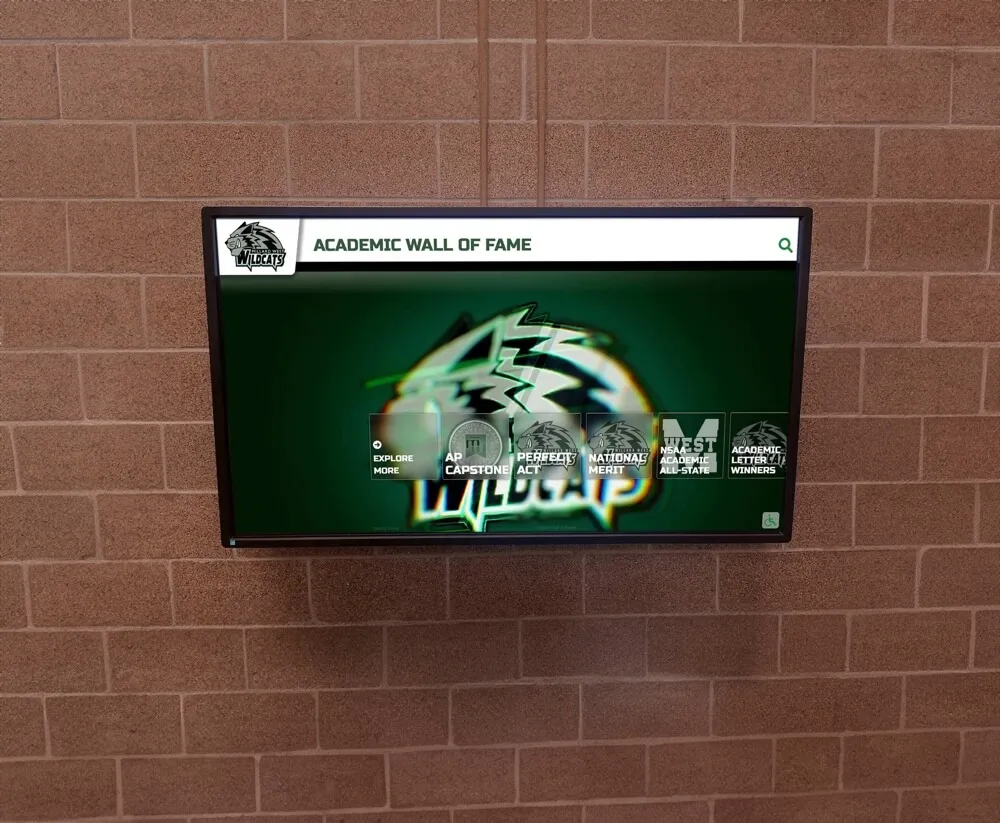
Schools can create parallel recognition systems for academic and athletic excellence, reinforcing comprehensive student development values
Character and Service Recognition
The third pillar of Gatorade selection—exemplary character—deserves visibility in recognition programs:
Community Service Documentation Include specific details about character dimensions:
- Volunteer organizations and service hours
- Community impact of service activities
- Leadership in service organizations
- Mentorship of younger students
- Character award citations from school and community
Sportsmanship and Leadership Recognition Document on-field character demonstrations:
- Sportsmanship awards and nominations
- Team captain and leadership roles
- Positive influence on team culture
- Response to adversity and challenges
- Support and encouragement of teammates
This comprehensive recognition communicates to current students that achieving Gatorade recognition requires excellence across athletics, academics, and character—not just one dimension.
Cost Considerations and Return on Investment
Schools should understand financial implications and value of Gatorade recognition investments.
Implementation Investment
Digital Recognition System Costs Typical investment ranges for modern displays:
- Display hardware (commercial touchscreen): $3,000-$8,000
- Content management software licensing: $1,500-$3,500 annually
- Professional installation and integration: $500-$2,000
- Initial content development: $1,000-$3,000
- Network infrastructure if required: $500-$1,500
- Training and implementation support: $500-$1,000
Total initial investment typically ranges from $7,000-$19,000 depending on display size, features, and installation complexity.
Ongoing Operational Costs
- Annual software licensing and support: $1,500-$3,500
- Content updates and new winner additions: minimal with cloud-based systems
- Occasional hardware maintenance: $200-$500 annually
- Electricity costs: approximately $50-$100 annually
- Photography and video production: variable based on in-house vs. contracted
Compare this to traditional approaches requiring $200-$500 per engraved plaque, physical mounting expenses, and limited information capacity.
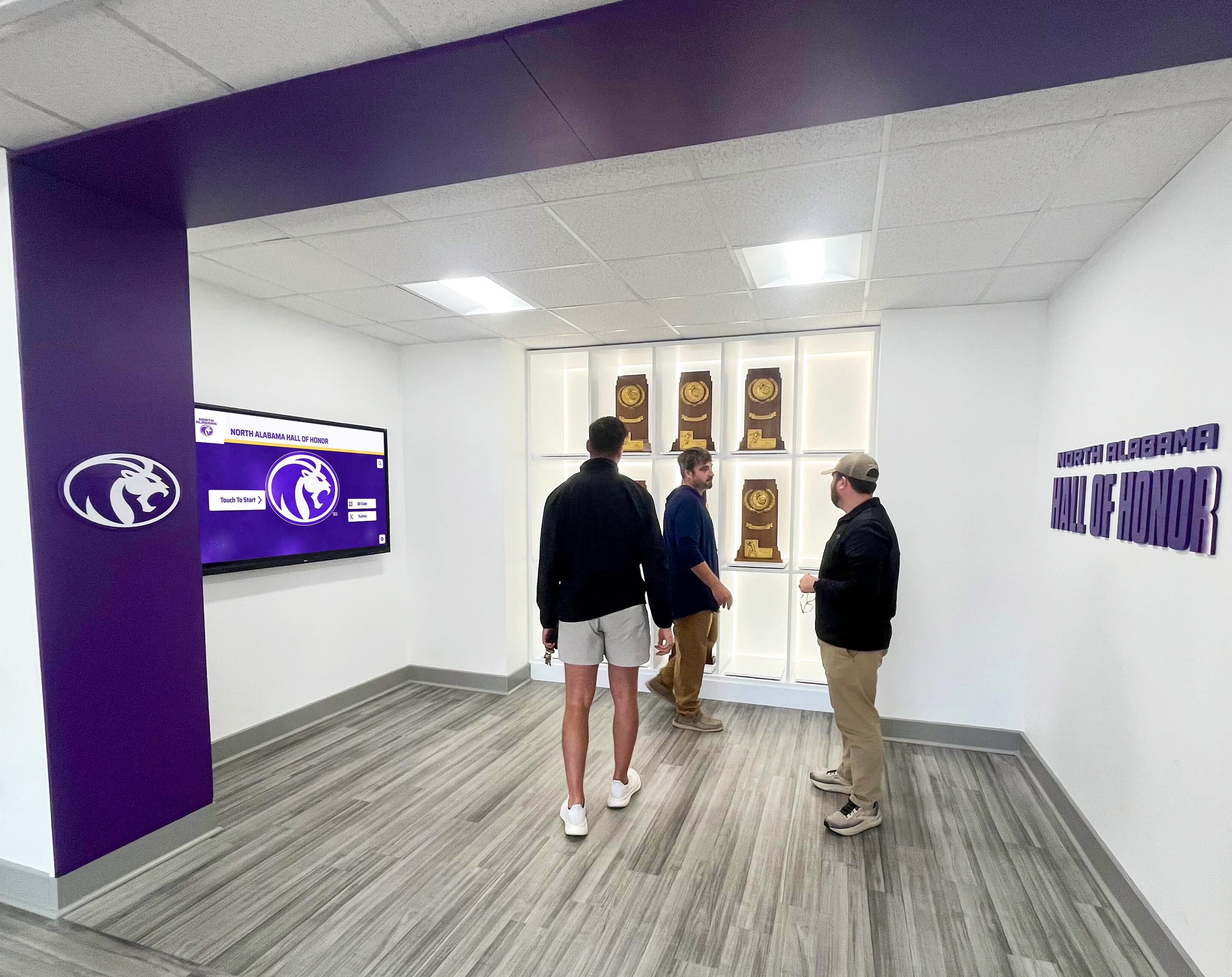
Dedicated recognition spaces create prominent visibility for Gatorade and other major athletic achievements
Return on Investment
Digital recognition systems deliver value across multiple dimensions:
Intangible Benefits
- Enhanced athletic program reputation and recruiting appeal
- Increased student-athlete motivation toward comprehensive excellence
- Improved community perception of program quality
- Alumni engagement through historical recognition
- Reinforcement of institutional values around athletics, academics, and character
Measurable Outcomes Schools implementing prominent athletic recognition report:
- Increased athletic program enrollment and participation
- Enhanced college recruiting success for student-athletes
- Greater booster club engagement and financial support
- Improved community attendance at athletic events
- Increased social media engagement and athletic program visibility
Administrative Efficiency Digital systems create significant time savings:
- 80-90% reduction in recognition update time versus traditional methods
- Elimination of engraving coordination and physical installation
- Simplified error correction and information updates
- Reduced space management and physical display maintenance
- Streamlined recognition program administration
The value of proper Gatorade recognition extends far beyond immediate costs, creating lasting benefits for student-athletes, athletic programs, and school communities.
Best Practices for Gatorade Player of the Year Recognition
Successful programs share common characteristics that maximize impact and honor achievement appropriately.
Recognition Timing and Announcement
Immediate Acknowledgement When Gatorade awards announced:
- Same-day social media posts celebrating achievement
- Morning announcements sharing news with school community
- Email communications to families and community
- Press releases to local and regional media
- Website updates featuring achievement prominently
Formal Recognition Events Create memorable celebration moments:
- Special recognition at next athletic competition
- Dedicated ceremony acknowledging achievement
- Assembly presentation to entire school community
- Athletic awards banquet feature presentation
- School board meeting recognition
- Senior night or graduation ceremony acknowledgment
Permanent Display Addition Most lasting recognition comes through permanent display systems showcasing Gatorade winners alongside other athletic achievements in high-traffic locations.
Privacy and Consent Considerations
Respect student-athlete preferences regarding public recognition:
Informed Consent
- Obtain signed permission before displaying personal information
- Clearly communicate what information will be publicly displayed
- Provide opt-out options for students preferring privacy
- Respect family photography preferences and limitations
- Discuss social media sharing and website accessibility with families
Appropriate Information Sharing Balance comprehensive recognition with privacy considerations:
- Display only information relevant to achievement celebration
- Avoid including addresses, personal contact information, or private details
- Be thoughtful about academic information sharing
- Consider varying comfort levels with public recognition
- Allow students to review profile content before publication
Accuracy Verification and Maintenance
Maintain recognition program credibility through careful attention to detail:
Initial Verification
- Confirm award announcement from official Gatorade sources
- Verify correct spelling of student-athlete names
- Confirm graduation year and sport details
- Validate statistics and achievements cited
- Review testimonials and quotes for accuracy
- Proofread all content before publication
Ongoing Maintenance
- Regular audits of historical achievement information
- Prompt correction processes for discovered errors
- Updates adding college and post-high school achievements
- Photo refreshes as higher-quality images become available
- Content enhancement as additional information becomes available
Extending Recognition Beyond Campus
Modern recognition extends impact beyond physical school boundaries through digital accessibility.
Web-Based Recognition Platforms
Digital recognition should integrate online accessibility:
Website Integration Connect physical displays with school online presence:
- Embedded web versions of physical display content
- Mobile-responsive design ensuring smartphone accessibility
- Search engine optimization making achievements discoverable
- Social sharing capabilities for students and families
- Alumni directories connecting historical winners with current students
Social Media Amplification Maximize recognition visibility through digital channels:
- Dedicated posts celebrating each Gatorade winner
- Video highlights shared across multiple platforms
- Instagram stories and Facebook features with athlete content
- Twitter announcements reaching broader athletic communities
- LinkedIn recognition supporting professional networking for alumni
Explore comprehensive online approaches in online hall of fame website platforms extending campus recognition globally.

Web accessibility ensures Gatorade recognition reaches families, alumni, and community members worldwide
Alumni Engagement Opportunities
Gatorade Player of the Year recognition creates powerful alumni connection opportunities:
Historical Winner Engagement Maintain ongoing relationships with award recipients:
- Periodic updates on college athletic careers
- Professional career achievement documentation
- “Where are they now” feature profiles
- Alumni speaker programs for current student-athletes
- Mentorship connections between alumni winners and current athletes
Networking and Mentorship Leverage successful alumni as program resources:
- One-on-one mentoring pairing alumni with current athletes
- Virtual advising sessions on balancing athletics and academics
- College selection and recruitment guidance
- Career pathway insights from professionally successful alumni
- Alumni panels at athletic recognition events
Philanthropic Partnerships Gatorade award winners represent potential supporters:
- Athletic program donations and facility enhancements
- Scholarship endowments for student-athletes
- Equipment and training resource contributions
- Funding for recognition displays and programs
- Support for athletic program operating expenses
Learn about comprehensive alumni strategies in alumni recognition programs leveraging athletic achievement for lasting connections.
Future Trends in Athletic Recognition
Understanding emerging trends helps schools make recognition investments remaining relevant for years to come.
Enhanced Multimedia Integration
Recognition systems increasingly incorporate rich media:
Video Content
- Championship game highlights and season recap videos
- Athlete interviews discussing achievement journeys
- Coach testimonials about character and development
- Community member perspectives on service impact
- “Day in the life” content showing training and preparation
Interactive Timelines
- Visual progression from freshman year through award-winning season
- Statistical development across high school career
- Achievement milestone mapping
- Team success correlation with individual recognition
- Post-high school achievement updates
Social and Community Integration
Modern recognition systems connect with broader digital ecosystems:
Social Media Connectivity
- Automatic post generation when new winners added
- Social sharing buttons enabling easy distribution
- User-generated content integration
- Hashtag tracking and social listening
- Influencer and community engagement
Community Recognition Extensions
- Local business partnerships celebrating hometown achievers
- Municipal recognition through city and county channels
- Regional media coverage coordination
- Youth program connections inspiring younger athletes
- Community event integration and celebration
Personalization and Engagement
Advanced systems create tailored experiences:
Visitor Personalization
- Interest-based content highlighting relevant sports
- Alumni year-based displays featuring era-specific winners
- Sport-specific deep dives for interested viewers
- Related athlete suggestions based on viewing patterns
- Customized sharing and bookmark capabilities
This personalization makes large recognition databases more navigable while creating relevant experiences for diverse audiences.
Conclusion: Honoring Complete Excellence Through Recognition
Gatorade Player of the Year recognition represents more than acknowledging athletic achievement—it celebrates the rare combination of athletic excellence, academic achievement, and exemplary character that defines complete student-athletes. Schools that create prominent, comprehensive recognition for these extraordinary individuals honor exceptional achievement while communicating powerful messages about institutional values and the qualities worthy of highest celebration.
The strategies explored in this guide provide frameworks for creating recognition programs matching the significance of Gatorade awards. From digital recognition displays eliminating space constraints to comprehensive profiles documenting athletic, academic, and character dimensions, these approaches transform recognition from brief ceremonial acknowledgment to permanent institutional celebration.
Transform Your Athletic Recognition Program
Discover how modern digital recognition solutions can help you celebrate Gatorade Player of the Year winners and all forms of athletic achievement while building a thriving culture of excellence.
Explore Recognition SolutionsModern recognition technology makes comprehensive athletic celebration achievable without the space constraints, update burdens, and visibility limitations of traditional displays. Solutions like Rocket Alumni Solutions provide schools with platforms that honor unlimited achievements through interactive touchscreen displays, cloud-based management systems requiring no technical expertise, and web accessibility extending recognition beyond physical campus to engage families and alumni worldwide.
Start by recognizing your current and historical Gatorade award winners through whatever means immediately available, then systematically develop recognition programs matching the rarity and significance of this exceptional achievement. Consider how permanent displays can showcase not just names and awards but complete achievement stories—athletic excellence, academic accomplishment, and exemplary character—that inspire current student-athletes while honoring individual excellence.
Gatorade Player of the Year awards represent the pinnacle of comprehensive high school achievement—recognition programs should reflect this significance through prominence, permanence, and inspiration that motivates future student-athletes while celebrating current accomplishment. With thoughtful planning, appropriate technology, and sustained commitment, schools can create recognition traditions that honor complete excellence while building athletic program cultures where success across all dimensions becomes genuinely celebrated.
Ready to begin? Explore all-state athlete recognition approaches or learn about college recruitment recognition displays that can incorporate Gatorade achievements alongside other athletic honors.































