Intent: Define and demonstrate how to create meaningful, lasting recognition for retiring teachers that honors their careers while inspiring current students and preserving institutional memory.
When a beloved teacher retires after decades of shaping young minds, the occasion deserves recognition that matches the magnitude of their contribution. Yet many schools struggle to move beyond generic plaques and predictable gift cards—missing opportunities to create tributes that truly honor educators’ legacies while building stronger school communities.
The best retirement recognition does more than acknowledge service. It celebrates specific impact, preserves institutional memory, inspires current students by showcasing teaching excellence, and creates visible reminders that dedication matters. This guide provides practical frameworks for honoring retiring teachers through gifts that resonate personally while establishing permanent tributes that benefit your entire school community for generations.
Retiring teachers represent living bridges between past and present—educators who witnessed school evolution, taught multiple generations of families, and shaped countless lives through daily interactions that rarely receive public acclaim. When schools thoughtfully recognize these contributions, they affirm institutional values that prioritize people over processes while demonstrating to current faculty that dedication earns lasting appreciation.
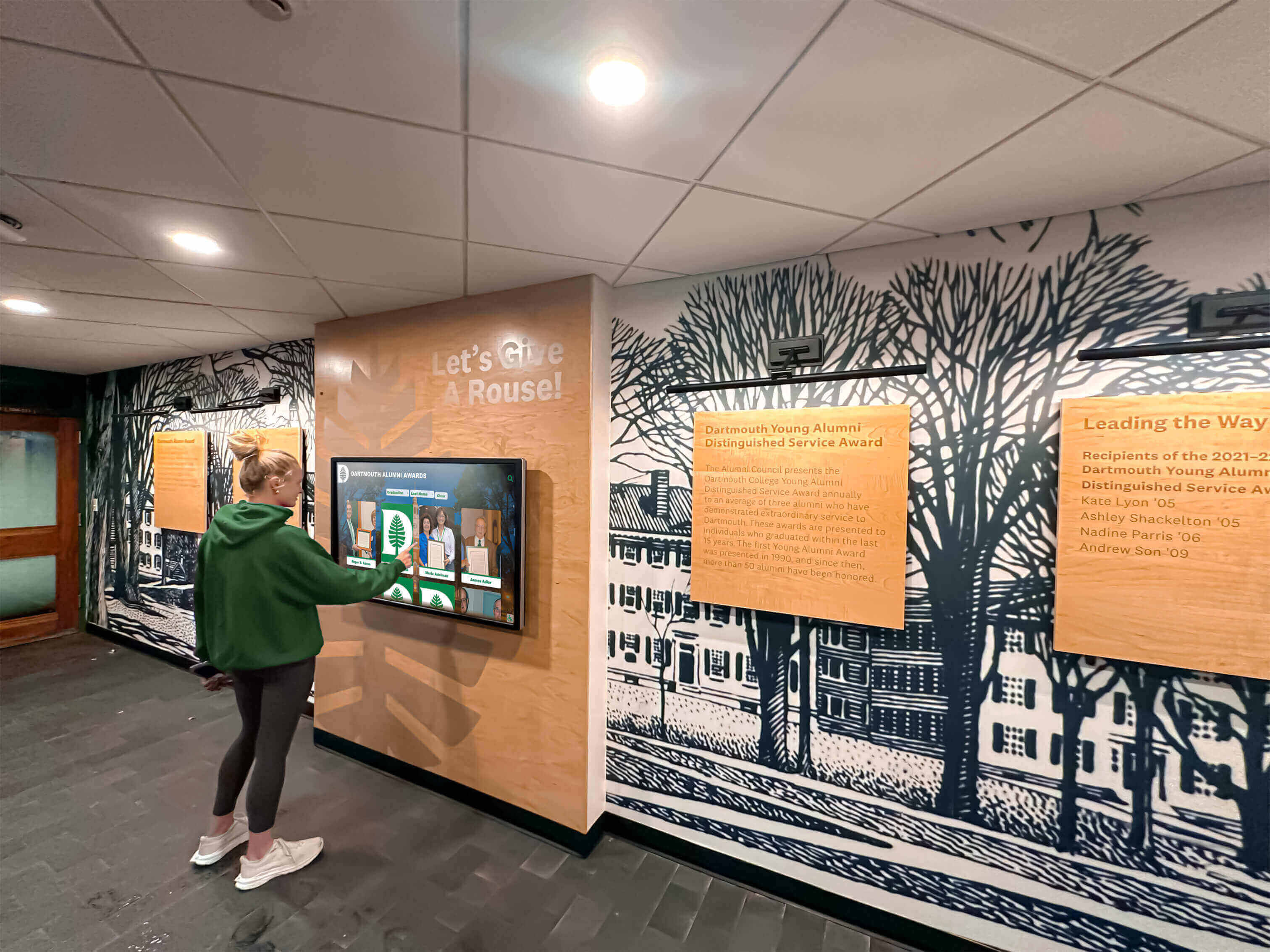
Digital recognition displays create interactive tributes that students can explore to learn about educators who shaped their school
Understanding What Makes Teacher Retirement Recognition Meaningful
Effective retirement recognition balances personal touches that acknowledge individual impact with institutional tributes that preserve legacy beyond the ceremony. The most meaningful approaches incorporate multiple dimensions that address different aspects of teaching careers and their influence on school communities.
The Emotional Dimensions of Teacher Retirement
Teaching represents more than employment—it’s a calling that consumes enormous emotional energy, personal time, and psychological investment. After 25, 30, or 40 years of lesson planning, parent conferences, curriculum development, extracurricular advising, and student mentorship, retirement triggers complex emotions. Teachers experience relief and excitement about newfound freedom, but also grief over losing daily purpose, worry about being forgotten, and concern that decades of effort might disappear without meaningful acknowledgment.
Recognition that addresses these emotional dimensions provides profound comfort. Retired teachers want assurance that their work mattered, that specific students and colleagues remember their contributions, and that institutions value teaching excellence enough to commemorate it permanently. Generic recognition that treats retirement as administrative transition rather than career culmination misses opportunities to honor educators appropriately while reinforcing messages to current faculty that dedication earns genuine appreciation.
What Retiring Teachers Value Most
Research into teacher satisfaction and interviews with retired educators reveal consistent themes about meaningful recognition:
Specific Impact Stories: Teachers treasure concrete examples of how their work influenced specific students, classes, or colleagues. Vague praise about “making a difference” pales compared to detailed stories demonstrating measurable impact—the student who discovered passion for science through their class, the struggling learner who gained confidence through patient support, or the innovative curriculum that became school standard.
Student Voice and Participation: Recognition feels most authentic when students lead or meaningfully participate. Student testimonials, creative tributes, reunion attendance by former students, and contributions from alumni carry emotional weight that administrator speeches cannot replicate. Teachers who devoted careers to students naturally prioritize student-generated recognition above all else.
Permanent Institutional Memory: Temporary ceremony recognition, while appreciated, cannot compare to permanent tributes that ensure legacy persists. Teachers want assurance that future students will know their names, learn about their contributions, and understand that teaching excellence receives lasting honor. Permanent recognition transforms individual retirement into institutional tradition while creating visible standards of excellence for current faculty.
Personalized Acknowledgment: One-size-fits-all recognition feels hollow. Meaningful tributes reflect unique teaching styles, subject expertise, personality quirks, memorable quotes, signature lessons, or distinctive contributions that made each educator irreplaceable. Personalization demonstrates that recognition committees invested time understanding what made this teacher special rather than applying generic templates.
Peer Recognition: Acknowledgment from respected colleagues—especially fellow teachers who understand the work’s challenges—provides validation that differs from administrator appreciation. Tributes highlighting how retiring teachers mentored newer colleagues, influenced department culture, or set professional standards demonstrate impact extending beyond classroom walls.
Meaningful retirement recognition brings together students, colleagues, and community members to celebrate educational impact
Traditional Gift Ideas: Personal Keepsakes That Honor Teaching Careers
While permanent institutional recognition provides lasting legacy, personal gifts offer immediate, tangible expressions of appreciation that retiring teachers take into their next life chapter. The most thoughtful gifts balance personalization with utility, creating keepsakes that evoke fond memories while serving practical purposes.
Personalized Classroom Memorabilia
Custom Memory Books and Scrapbooks: Student-created memory books featuring handwritten notes, favorite classroom memories, photos from various years, and personal tributes provide treasured keepsakes that retiring teachers revisit repeatedly. Enhanced versions might include contributions from alumni spanning decades, creating chronological narratives of teaching evolution and impact across generations.
Digital scrapbook services enable remote alumni participation through online platforms where former students submit photos, videos, and written memories. These contributions compile into professionally printed books combining traditional sentiment with modern reach enabling participation from geographically dispersed alumni who cannot attend in-person ceremonies.
Engraved Items Commemorating Specific Achievements: Traditional engraved gifts gain significance when personalization reflects unique accomplishments rather than generic service acknowledgment. Instead of standard “Thank you for 30 years,” consider engravings referencing memorable moments: “For inspiring 1,247 students to love Shakespeare,” “Champion of hands-on science,” or “Builder of championship debate programs—15 state titles.”
Popular engraved items include:
- Crystal or glass awards displaying teaching philosophy quotes
- Desk nameplates featuring career timeline highlights
- Custom bookends reflecting subject expertise (DNA helixes for biology, geometric shapes for math, literary quotes for English)
- Retirement clocks or watches with meaningful inscriptions
- Personalized teacher stamps or seals for their home library
Framed Collections of Student Work: Selecting representative student projects, essays, artwork, or assignments from across career decades creates visual narratives of teaching impact. Thoughtful curation might showcase improvement examples demonstrating how patient instruction helped struggling students succeed, innovation reflecting curriculum evolution, or exceptional work highlighting excellence achieved under their mentorship.
Professional framing with descriptive plaques explaining each piece’s significance transforms student work collections into meaningful art that decorates home offices while providing tangible evidence of classroom magic that statistics cannot capture.
Experience-Based Retirement Gifts
Educational Travel Opportunities: Many educators dream of travel they postponed during teaching careers. Group-funded travel gifts might include:
- Educational tours related to subject expertise (historical sites for history teachers, art museum trips for art educators, theater experiences for drama teachers)
- Cruises or guided tours to destinations teachers mentioned over the years
- Travel vouchers or gift certificates providing flexibility in destination and timing
- National park passes for nature-loving science or PE teachers
Professional Development or Learning Experiences: Lifelong learners often appreciate opportunities to continue growth in retirement. Consider gifts like:
- Master class access in hobbies or interests (cooking, photography, writing, music)
- Online course subscriptions enabling exploration of new subjects
- Museum or cultural institution memberships supporting continued learning
- Workshop or conference attendance in areas of personal interest
Wellness and Relaxation Experiences: After decades of demanding schedules, many teachers welcome gifts promoting rest and self-care:
- Spa day packages or massage therapy gift certificates
- Yoga or fitness class memberships
- Meditation app subscriptions or mindfulness retreat experiences
- Garden center gift cards for those interested in horticultural hobbies
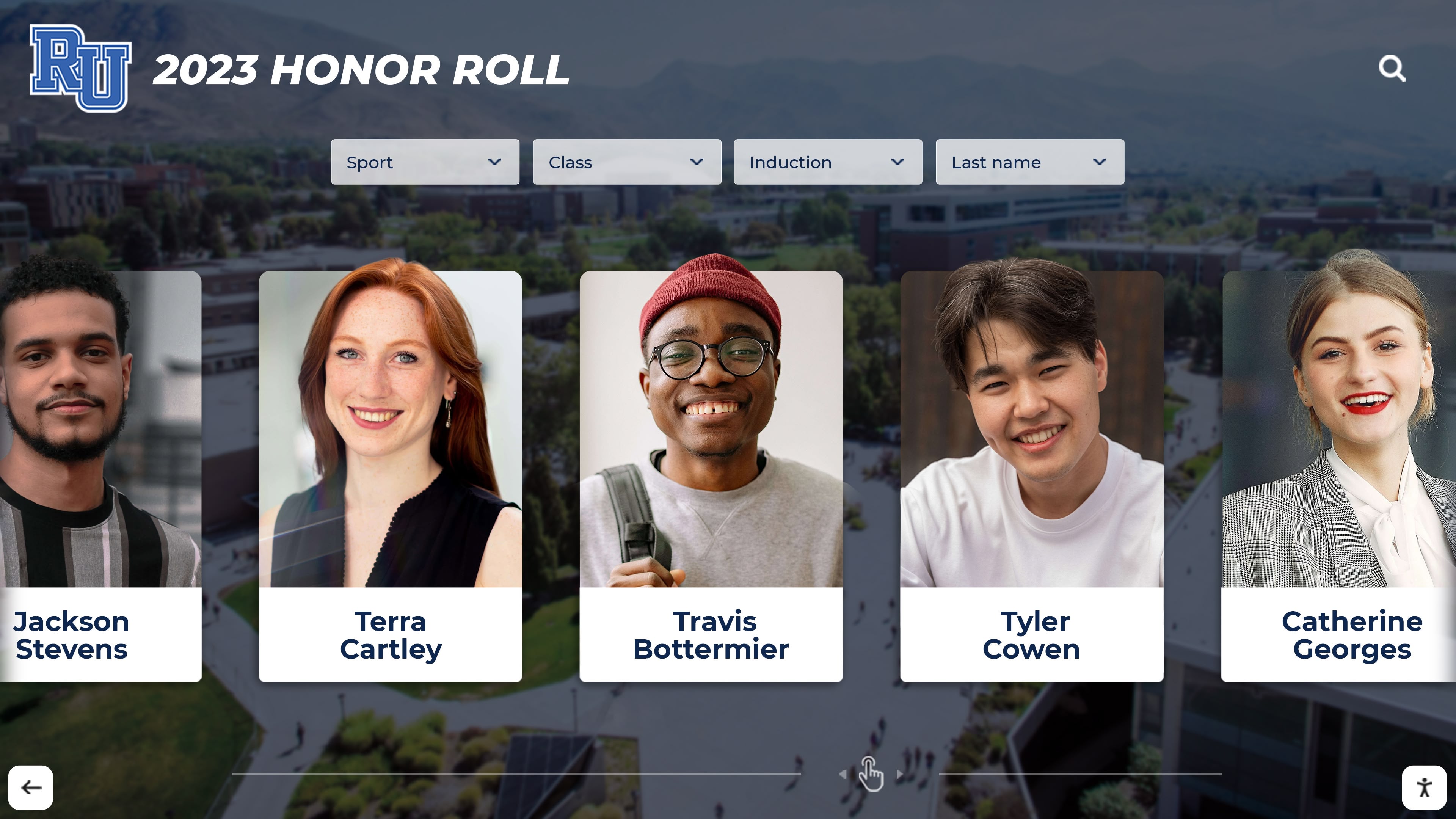
Recognition programs that showcase individual stories create personal connections that make tributes meaningful
Subject-Specific and Hobby-Related Gifts
Books and Resources Aligned with Teaching Passions: Curated book collections related to subjects teachers taught demonstrate understanding of their intellectual interests:
- First edition or collectible books in their subject area
- Recently published works by authors they introduced to students
- Beautiful coffee table books related to teaching specialties
- Subscriptions to subject-specific magazines or journals
Tools and Equipment for Retirement Hobbies: Gifts supporting hobbies teachers plan pursuing in retirement show awareness of their lives beyond teaching:
- Art supplies for creative pursuits
- Gardening tools and equipment
- Golf clubs or tennis equipment for athletic interests
- Crafting materials for DIY enthusiasts
- Musical instruments or lessons for music lovers
Technology Supporting Continued Engagement: Many retiring teachers want maintaining connections with former colleagues and students:
- Tablets or e-readers preloaded with recommended books
- Digital photo frames featuring school memories
- Social media coaching sessions helping them connect with alumni
- Video calling equipment enabling virtual reunions
Creating Lasting Institutional Recognition: Beyond the Ceremony
While personal gifts provide immediate gratification, permanent institutional recognition ensures retiring teachers’ legacies endure long after ceremonies conclude. Schools that combine ceremony celebration with lasting tributes create comprehensive recognition that honors individuals while strengthening institutional culture around excellence.
Traditional Permanent Recognition Methods
Named Spaces and Facilities: Naming classrooms, labs, libraries, or outdoor spaces after distinguished retiring teachers creates highly visible, permanent honors that future students encounter daily. Named spaces work particularly well when coupled with plaques explaining the honoree’s contributions, teaching philosophy, or notable achievements.
Smaller-scale naming opportunities might include:
- Classroom libraries or reading nooks
- Science lab equipment or special collections
- Athletic facilities or practice areas
- Garden spaces or outdoor learning environments
- Scholarship programs funded in the teacher’s name
Recognition Walls and Hallway Displays: Dedicated recognition walls featuring photos, career highlights, and biographical information create visible tributes in high-traffic areas. Traditional approaches include:
- Photo galleries showing teachers throughout career decades
- Timeline displays illustrating teaching evolution and school changes witnessed
- Quote walls featuring memorable sayings or teaching philosophies
- Achievement boards documenting awards, innovations, or special recognitions
Dedication Ceremonies and Special Events: Beyond standard retirement parties, consider special events that provide appropriate recognition scale:
- Alumni reunion gatherings where former students share testimonials
- Dedication ceremonies unveiling named spaces or permanent displays
- Special assemblies where students, colleagues, and community members participate
- Legacy lectures where retiring teachers share wisdom with next-generation educators

Strategic hallway placement ensures daily visibility for recognition displays honoring exceptional educators
Modern Digital Recognition Platforms
Digital technology transforms permanent recognition possibilities through interactive platforms that overcome traditional display limitations while providing engaging experiences that static plaques cannot match.
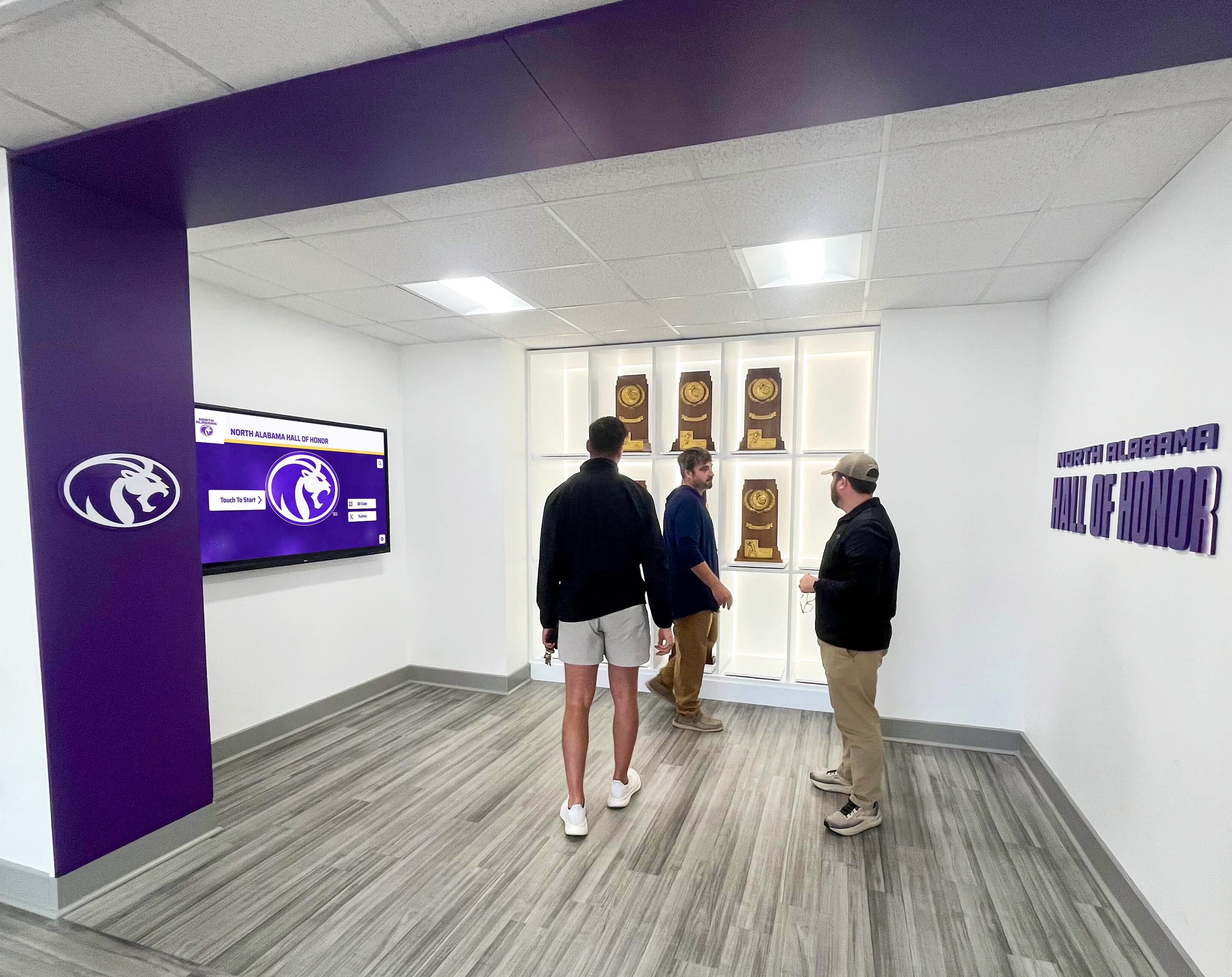
Interactive Digital Hall of Honor Displays: Solutions like digital teacher recognition displays enable schools to create comprehensive, searchable tribute systems featuring rich multimedia content about retiring and distinguished teachers. These interactive touchscreen installations provide capabilities impossible with traditional approaches:
Unlimited Recognition Capacity: Unlike wall space constraints limiting traditional displays, digital platforms accommodate unlimited teacher profiles without requiring additional physical space or expensive renovations.
Rich Multimedia Storytelling: Digital tributes include high-quality photos from various career stages, video testimonials from students and colleagues, audio recordings of memorable lessons or speeches, and detailed career timelines showing teaching evolution and impact.
Interactive Exploration: Students, families, and visitors explore teacher profiles through intuitive search and filtering—by name, subject taught, years of service, or special recognition received. This interactivity transforms passive viewing into active engagement that creates deeper appreciation for educational excellence.
Easy Updates and Enhancements: Cloud-based platforms enable staff to add new teacher profiles, update existing content, incorporate alumni testimonials, and enhance tributes over time without requiring technical expertise or IT support.
Integration with Broader Recognition Systems: Comprehensive solutions connect teacher recognition with student achievement displays, athletic honors, and alumni celebrations, creating unified recognition ecosystems that celebrate excellence across all school community dimensions.
Online Recognition Portals: Companion websites extend recognition beyond campus, enabling global access for alumni, remote family members, and prospective families researching school culture. Web-based platforms provide:
- Shareable profiles that retiring teachers post to social media or include in personal correspondence
- Alumni comment features enabling former students worldwide to add testimonials and memories
- Search engine visibility that surfaces teacher tributes when people search their names
- Mobile-optimized experiences ensuring excellent function on smartphones and tablets
- Analytics showing engagement levels and most-viewed profiles

Touchscreen interaction makes exploring educator tributes engaging and accessible for all visitors
Combining Traditional and Digital Recognition
The most effective approaches blend traditional recognition’s ceremonial gravitas with digital platforms’ flexibility and reach. Consider hybrid strategies like:
Physical-Digital Integration: Mount traditional commemorative plaques or photo displays alongside QR codes linking to comprehensive digital profiles. This approach honors conventional recognition preferences while providing access to rich multimedia content impossible in physical formats.
Ceremonial Unveiling of Digital Tributes: During retirement ceremonies, unveil newly created digital profiles featuring videos, photos, and testimonials. Live demonstrations of interactive features create memorable moments while familiarizing attendees with ongoing recognition access.
Print-on-Demand Keepsakes: Generate beautifully designed print materials from digital content—career retrospective books, photo collections, or quote compilations—providing tangible keepsakes that complement permanent digital recognition.
Building Comprehensive Teacher Retirement Recognition Programs
Schools achieving exceptional teacher recognition results implement systematic approaches rather than treating each retirement reactively. Establishing programs with clear criteria, timelines, and responsibilities ensures consistent, high-quality recognition for all retiring teachers regardless of when retirement occurs or which administrator coordinates celebration.
Program Structure and Planning Timeline
12-18 Months Before Retirement: Comprehensive recognition requires substantial lead time for content development, alumni outreach, and coordination.
- Identify upcoming retirements through HR coordination and teacher announcements
- Form recognition committees including administrators, colleagues, student representatives, and parents
- Establish budget and secure funding from school resources, PTA/PTO support, or departmental contributions
- Begin compiling biographical information, career highlights, and photo archives
- Reach out to alumni networks seeking testimonials and reunion attendance
6-12 Months Before Retirement: Focus shifts to content creation and recognition preparation.
- Conduct interviews with retiring teachers capturing career reflections and teaching philosophies
- Collect student testimonials through written submissions, video recordings, or art projects
- Develop digital content for interactive displays or online tributes
- Plan retirement ceremony details including venue, program, speakers, and special guests
- Coordinate with media for coverage ensuring community awareness
- Begin construction or installation of physical recognition elements (named spaces, dedication plaques)
3-6 Months Before Retirement: Finalize details and intensify promotion.
- Complete all recognition content including profiles, videos, and printed materials
- Conduct final review ensuring accuracy and appropriate tone
- Finalize ceremony program and confirm participant availability
- Promote ceremony and invite broader school community, alumni, and families
- Prepare presentation materials, speeches, and multimedia for ceremony
- Test digital recognition systems ensuring flawless operation during unveiling
1-3 Months Before Retirement: Execute final preparations and communications.
- Send formal invitations to ceremony attendees
- Finalize and order personal gifts
- Conduct rehearsals for ceremony presentations
- Brief speakers and student participants on roles and expectations
- Prepare media materials for press coverage
- Install physical recognition elements in time for ceremony unveiling
Retirement Day Through First Year Post-Retirement: Continue engagement beyond ceremony.
- Host memorable ceremony celebrating career and unveiling permanent recognition
- Present personal gifts with explanation of symbolic significance
- Capture professional photography and video documentation
- Follow up with thank-you communications to participants and volunteers
- Share ceremony highlights through school communications and social media
- Monitor and respond to digital tribute engagement and alumni comments
- Maintain relationship through periodic updates, event invitations, and continued engagement opportunities
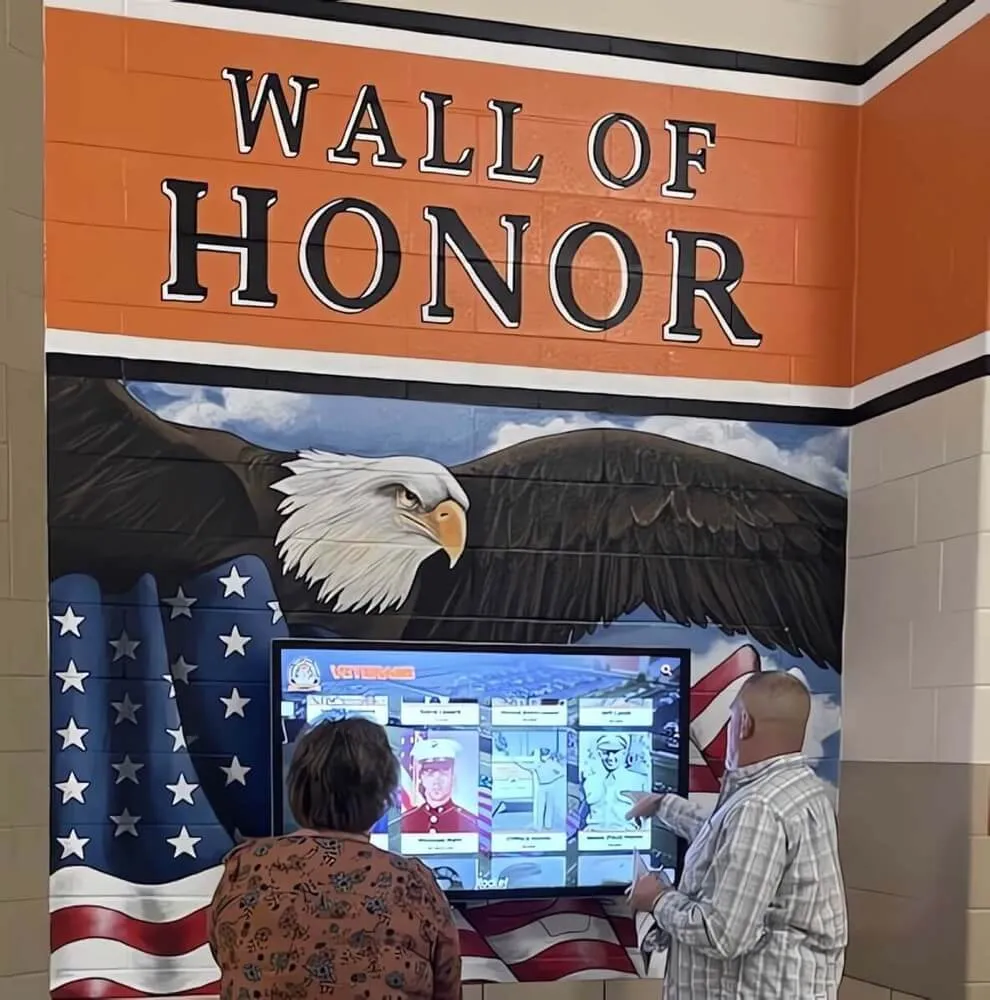
Comprehensive recognition walls create gathering spaces that honor legacy while building school community pride
Funding Teacher Recognition Programs
School Budget Allocations: Advocate for dedicated recognition budget lines treating teacher honor as operational priority rather than discretionary expense. Budget proposals should emphasize:
- Recruiting and retention benefits of visible appreciation culture
- Alumni engagement opportunities created through recognition events
- Student inspiration value of celebrating teaching excellence
- Community relations advantages of public educator honor
PTA/PTO Partnership: Parent organizations often enthusiastically support teacher recognition initiatives, particularly for beloved educators who taught their children. Partnership approaches include:
- Designated recognition fundraising events or campaigns
- Gift-matching programs where PTA matches staff contributions
- Volunteer support for event planning, content development, or historical research
- In-kind donations of photography, video production, or printing services
Alumni Contributions: Former students frequently welcome opportunities supporting teacher recognition:
- Class reunion giving designated for honoring influential teachers
- Individual alumni gifts commemorating teachers who changed their lives
- Crowdfunding campaigns promoted through alumni networks
- Memorial contributions honoring deceased teachers through living colleague recognition
Corporate and Community Sponsorships: Local businesses and community organizations may sponsor recognition programs in exchange for visibility and goodwill:
- “Presented by” recognition on digital displays or ceremony materials
- Named sponsorship of specific recognition program elements
- In-kind donations of goods or services (venues, catering, printing, technology)
Committee Structure and Responsibilities
Administrative Leadership: Principals or assistant principals provide executive direction, budget oversight, and institutional authority ensuring recognition receives appropriate priority and resources.
Faculty Representatives: Teacher colleagues bring insider perspective about retiring educators’ impact, teaching style, memorable contributions, and appropriate recognition approaches. Their participation also demonstrates peer respect and solidarity.
Student Representatives: Current students and student government leaders provide authentic youth perspective while generating content and participation that makes recognition meaningful to honorees. Student involvement demonstrates that recognition isn’t purely administrative formality but genuine community celebration.
Alumni Coordinators: Staff or volunteers managing alumni relations facilitate outreach to former students seeking testimonials, reunion attendance, or financial contributions. Their network access enables participation by geographically dispersed alumni who might not otherwise learn about retirement recognition.
Parent Representatives: Active parents or PTA/PTO leaders coordinate family involvement, fundraising support, and community promotion while ensuring recognition resonates with broader school community beyond faculty and students.
Technology Coordinators: IT staff or media specialists manage technical aspects of digital recognition including content management, display installation, website development, and multimedia production. Their expertise ensures professional-quality results while training others in ongoing platform management.

Rich multimedia content transforms recognition from simple acknowledgment into engaging storytelling that preserves teaching impact
Special Considerations for Different Career Milestones
Not all teacher retirements represent identical situations—recognition approaches should adapt to different circumstances, career lengths, and teaching contexts.
Early Retirement Recognition
Teachers retiring before standard career lengths (25-30+ years) may leave for health reasons, family circumstances, career changes, or other personal factors. Recognition should:
- Focus on quality of contribution rather than service length
- Avoid language suggesting premature departure or disappointment
- Celebrate specific achievements and memorable moments
- Provide warm wishes for next chapter without implying school loss exceeds personal gain
- Offer continued connection opportunities if teacher desires ongoing relationship
Long-Career Teachers (30+ Years)
Educators who devoted three or more decades to single institutions merit special recognition reflecting extraordinary commitment:
- Emphasize institutional evolution witnessed and influenced
- Highlight multiple student generations taught including family connections
- Document technological, pedagogical, and cultural changes navigated
- Gather extensive alumni testimonials spanning decades
- Create comprehensive multimedia tributes doing justice to career scope
- Consider highest honors like named facilities or endowed scholarships
Legendary or Distinguished Educators
Some retiring teachers achieved such remarkable impact that standard recognition feels insufficient. For these exceptional cases:
- Establish distinguished teaching awards or halls of honor where they’re inaugural inductees
- Plan major community events with extensive alumni reunion components
- Pursue media coverage including feature articles or broadcast segments
- Create documentary-style videos capturing career retrospective
- Establish permanent scholarships, fellowships, or awards in their name
- Partner with professional associations for state or national recognition nominations
Department or Program Founders
Teachers who established departments, pioneered programs, or built traditions deserve recognition emphasizing legacy preservation and continuation:
- Document program history and growth under their leadership
- Recognize former students who became professionals in fields they taught
- Highlight curriculum innovations adopted by other schools
- Emphasize program sustainability and current success demonstrating lasting impact
- Name programs or awards after them ensuring ongoing memorial

Responsive platforms ensure excellent recognition experiences across all devices from smartphones to large displays
Making Student Participation Meaningful and Authentic
Student involvement transforms teacher recognition from adult-centered ceremony into community celebration that honors what matters most to educators—their impact on young people. However, student participation must feel genuine rather than tokenistic or forced.
Student-Led Recognition Initiatives
Memory Jar or Wall Projects: Invite students to contribute written memories, favorite lessons, personal impacts, or funny anecdotes on cards collected in decorative jars or posted on dedicated walls. These organic, unscripted contributions often prove more touching than formal testimonials because their authenticity shines through.
Video Tribute Compilations: Student-produced videos featuring:
- Short testimonial clips from current students and recent graduates
- Reenactments of famous teacher catchphrases or signature moments
- Before-and-after learning demonstrations showing growth under their instruction
- Thank-you messages from students who might struggle expressing gratitude verbally
Creative Arts Tributes: Channel student talents into recognition through:
- Musical performances of teacher’s favorite songs or original compositions
- Visual art pieces reflecting teaching impact or classroom memories
- Poetry or creative writing honoring influence and inspiration
- Drama sketches celebrating memorable teaching moments
Surprise Recognition Flash Mobs: Coordinated gatherings where students surprise retiring teachers with:
- School-wide standing ovations during passing periods
- Hallway gatherings greeting them with applause and signs
- Coordinated thank-you messages or songs during lunch
- Classroom takeovers where students teach lessons honoring their style
Balancing Participation with Academic Priorities
Integrated Curriculum Connections: Transform recognition into learning opportunities:
- English classes write biographical essays or conduct interviews
- Art classes create commemorative pieces or recognition display elements
- History classes research school history and the teacher’s role in evolution
- Technology classes produce multimedia tributes developing digital skills
- Speech classes prepare and deliver ceremony presentations
Optional Participation with Genuine Choice: Avoid mandating involvement which creates resentment and inauthenticity:
- Offer multiple contribution options matching different comfort levels and skills
- Allow anonymous submissions for students uncomfortable with public recognition
- Respect students who cannot or choose not to participate without penalty
- Create low-barrier participation methods requiring minimal time commitment
Alumni Engagement Through Social Media: Enable former students to participate remotely through:
- Facebook event pages where alumni post memories and photos
- Instagram hashtag campaigns collecting tribute posts
- Video submission platforms accepting testimonials from anywhere
- Online sign-up for reunion attendance at retirement ceremony
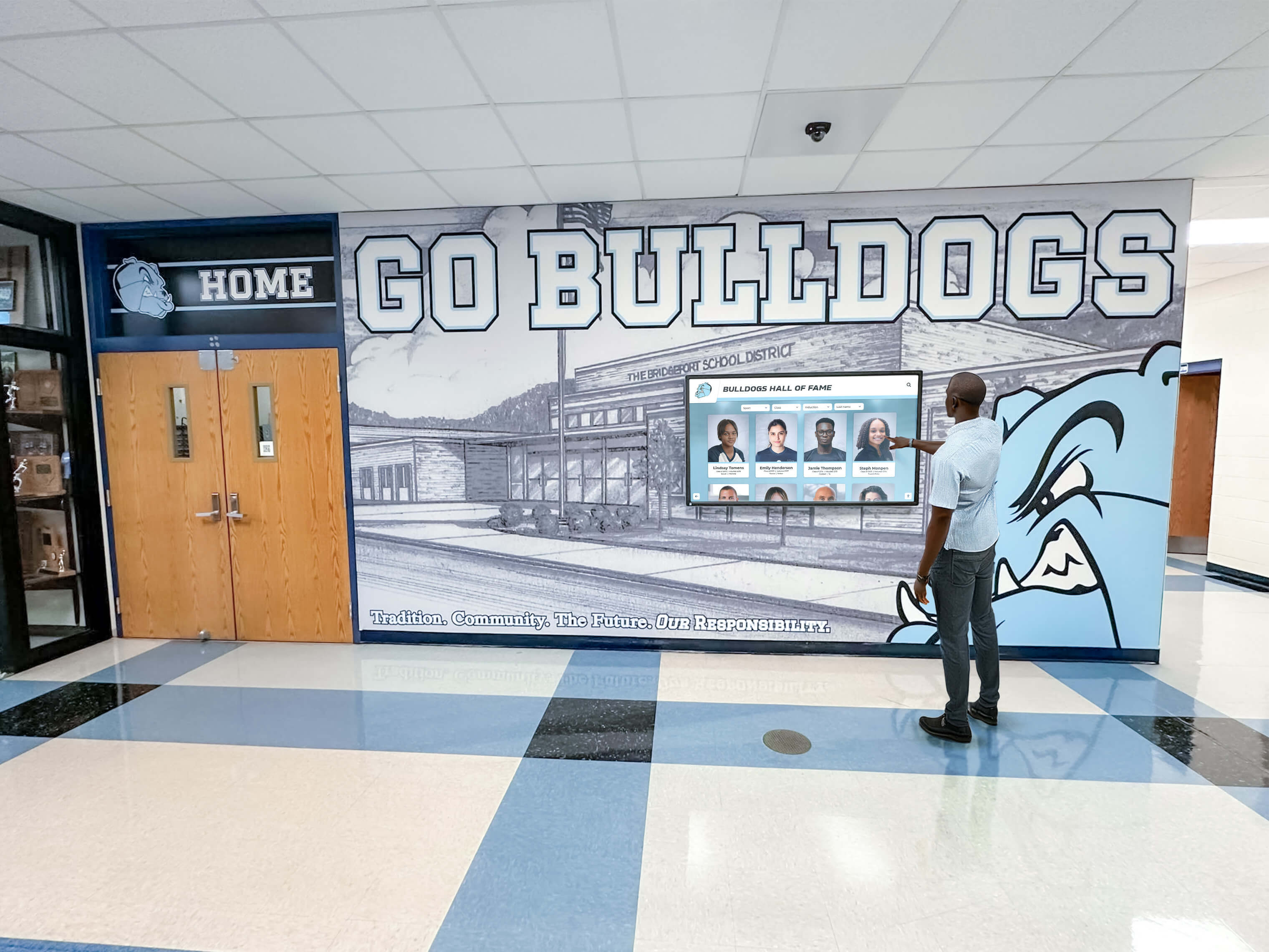
Interactive displays create engaging experiences where students actively explore and learn from educator legacies
Addressing Common Teacher Recognition Challenges
Even well-intentioned recognition efforts encounter predictable obstacles. Proactive strategies address these challenges before they undermine program quality or teacher satisfaction.
Limited Budget Resources
Prioritize Meaningful Over Expensive: Teachers value thoughtfulness more than monetary expenditure. Lower-cost, high-impact approaches include:
- Student-created gifts and tributes costing little but carrying enormous sentimental value
- Digital recognition platforms requiring modest initial investment but providing unlimited ongoing capacity
- Crowd-sourced funding from colleagues, families, and alumni enabling larger collective gifts
- Volunteer time and talents replacing professional services (photography, video, graphic design)
Tiered Recognition Approaches: Establish baseline recognition all retiring teachers receive, with enhanced levels for longer service or distinguished careers:
- Basic tier: Ceremony acknowledgment, modest gift, digital tribute profile
- Standard tier: Enhanced ceremony, named recognition element, comprehensive digital content
- Distinguished tier: Major event, named facility, endowed scholarship, extensive multimedia tribute
Multiple Simultaneous Retirements
When several teachers retire in single years, schools face resource strain and risk of insufficient individual recognition:
Combined Ceremony with Individual Spotlights: Host unified retirement celebration honoring all retirees while ensuring each receives significant individual recognition:
- Dedicate 10-15 minutes per retiree for biographical presentation and testimonials
- Create individual tribute videos played during ceremony
- Provide separate personal gift presentations acknowledging unique contributions
- Develop comprehensive digital profiles for each teacher with distinct content
Staggered Recognition Timeline: If practical, spread retirement ceremonies across the year:
- Honor teachers retiring mid-year with separate winter recognition
- Host end-of-year ceremony for spring/summer retirees
- Schedule special events during periods matching teacher availability and preference
Difficult or Unpopular Teachers
Occasionally, retiring teachers weren’t universally beloved or created controversy during careers. Schools must balance honest recognition with appropriate respect:
Focus on Objective Contributions: Emphasize quantifiable achievements resistant to personal opinion:
- Years of service demonstrating commitment
- Curriculum developed or programs established
- Student outcomes and academic achievements
- Professional development leadership or mentorship
- Specific innovations or improvements implemented
Selective Testimony Curation: Choose speakers who can authentically honor the teacher without forcing insincere praise:
- Colleagues who appreciated their expertise if students struggled
- Students who benefited from rigorous standards if seen as too strict
- Administrators recognizing dedication if interpersonal style challenged some
Dignified Recognition Without Excessive Praise: Provide appropriate respect without false elevation:
- Acknowledge career length and dedication
- Thank specific contributions to institutional improvement
- Wish them well in retirement without exaggerated claims about irreplaceability
- Maintain courtesy and professionalism throughout process

Comprehensive profile displays showcase careers through multiple dimensions revealing impact and legacy
Post-Retirement Engagement and Continued Connection
The best teacher recognition doesn’t end with retirement ceremony—it establishes frameworks for ongoing relationship and continued engagement benefiting both retirees and institutions.
Emeritus Programs and Continued Involvement
Emeritus Faculty Status: Formal programs designating retired teachers as emeritus faculty maintain official connections:
- Campus access and facility usage privileges
- Email account and directory listing continuation
- Invitations to faculty meetings, professional development, or social events
- Option to serve on committees or advisory groups
- Guest teaching or special presentation opportunities
Substitute Teaching and Temporary Coverage: Many retired teachers appreciate occasional classroom return without full-time commitment:
- Pre-arranged substitute teaching during planned absences
- Coverage for colleagues attending conferences or professional development
- Guest lectures in their specialty areas
- Supervision of student teachers or new faculty mentoring
Mentorship and Advisory Roles: Leverage retired teachers’ expertise and institutional knowledge:
- New teacher mentorship programs pairing beginners with retired veterans
- Curriculum development consultation for departments they formerly led
- Strategic planning input drawing on historical perspective and experience
- Advisory committees for recognition programs, traditions, or institutional initiatives
Alumni Networking and Reunion Facilitation
Retired Teacher Alumni Networks: Connect retired educators with extensive alumni networks they influenced:
- Dedicated social media groups enabling ongoing interaction
- Alumni newsletter features profiling retired teachers and updating on their activities
- Reunion coordination where retired teachers reconnect with former students across decades
- Mentorship matching connecting retired teachers with alumni seeking career guidance
Class Reunion Participation: Facilitate meaningful reunion attendance:
- Advance notification when classes they taught hold reunions
- Honored guest status with meal coverage and special recognition
- Transportation assistance if mobility issues create barriers
- Virtual participation options for distant or health-limited retirees
Ongoing Digital Tribute Updates
Living Legacy Profiles: Treat digital recognition profiles as evolving tributes rather than static memorials:
- Add alumni testimonials submitted after retirement
- Update profiles with post-retirement accomplishments or activities
- Include reunion photos and videos from return visits
- Incorporate milestone celebrations (significant birthdays, anniversaries)
Commentary and Interaction Features: Enable retired teachers to engage with their own tributes:
- Comment systems where they respond to alumni testimonials
- Q&A features where current students ask questions they answer asynchronously
- Blog or journal entries they contribute sharing reflections on teaching or retirement
- Video updates posted periodically maintaining connection with school community

Prominent lobby installations ensure recognition reaches broad audiences while creating welcoming community spaces
Leveraging Technology for Modern Teacher Recognition
Digital platforms transform teacher recognition from space-constrained physical displays into unlimited, interactive systems that engage current students while preserving legacy for future generations. Understanding available technology helps schools select solutions matching goals, budgets, and technical capacity.
Interactive Touchscreen Recognition Systems
Commercial-grade touchscreen displays provide intuitive interfaces for exploring teacher tributes through familiar touch gestures similar to smartphones and tablets.
Display Hardware Considerations: Screen size, resolution, touch technology, and installation options significantly impact user experience:
- Commercial displays rated for continuous operation far exceed consumer products in reliability and longevity
- Capacitive touch technology provides responsive, precise interaction users expect
- 4K resolution ensures crisp text and high-quality photos at close viewing distances
- Mounting flexibility accommodates various locations—wall-mounted in hallways, freestanding kiosks in lobbies, integrated into existing recognition walls
Software Capabilities: Purpose-built recognition software offers advantages over generic content management systems:
- Intuitive search and filtering by name, department, years of service, or special recognition
- Rich multimedia support including photos, videos, documents, and audio recordings
- Cloud-based administration enabling remote content management without IT support
- Automatic synchronization across multiple displays maintaining consistency
- Analytics tracking showing engagement levels and most-viewed profiles
- Accessibility compliance ensuring inclusive experiences for visitors with disabilities
Content Management Requirements: Non-technical staff should independently manage recognition content:
- Drag-and-drop editing requiring no coding knowledge
- Bulk import tools for efficiently adding multiple teacher profiles
- Media libraries organizing photos and videos for easy retrieval
- Scheduled publishing enabling timed unveilings during ceremonies
- Role-based permissions allowing distributed content responsibilities
- Version control tracking changes and enabling rollback if needed
Solutions like Rocket Alumni Solutions provide these capabilities through platforms specifically designed for educational institutions, refined across hundreds of implementations at schools nationwide.
Installation Flexibility and Integration: Recognition displays accommodate various contexts:
- Wall-mounted installations providing sleek, space-efficient options
- Freestanding kiosks offering portability without wall mounting requirements
- Custom architectural integration blending displays into existing spaces
- Multi-display arrays creating immersive recognition environments
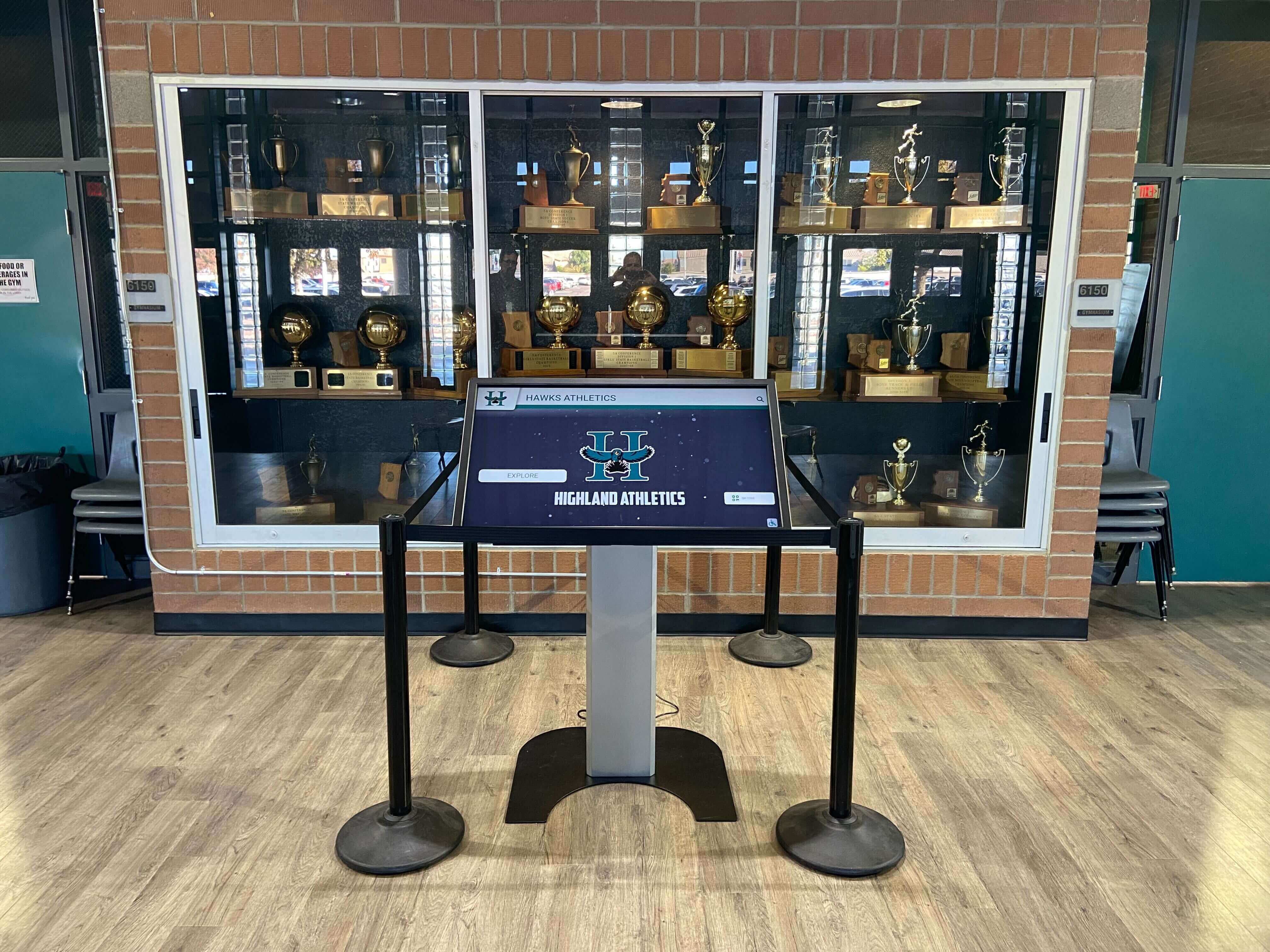
Kiosk installations integrate recognition into existing trophy cases and display areas
Web-Based Recognition Platforms
Companion websites extend recognition beyond campus, enabling global access for alumni, remote family members, and prospective families:
Responsive Design: Recognition websites must function excellently across devices—desktop computers, tablets, and smartphones—through responsive layouts that automatically adapt based on screen size.
Social Media Integration: Enable one-click sharing of teacher profiles to social platforms with attractive preview images and descriptions. When alumni share recognition with personal networks, school visibility expands exponentially.
Search Engine Optimization: Well-structured recognition websites attract organic traffic when people search teacher names or school information. Proper SEO practices help recognition content surface in relevant searches, extending visibility beyond institutional audiences.
Alumni Engagement Features: Online platforms can include:
- Comment systems where former students add testimonials and memories
- Photo submission tools enabling alumni to contribute historical images
- Email notifications alerting interested parties when new teachers are recognized
- Virtual reunion spaces connecting alumni with shared teachers
- Integration with digital archives preserving institutional history
Creating Comprehensive Teacher Recognition Content
Technology enables recognition, but compelling content drives engagement. Profiles that tell authentic stories create emotional connections that honor teachers appropriately while inspiring visitors.
Biographical Narratives: Move beyond basic credentials to share teaching journeys, pivotal moments, challenges overcome, and lessons learned. Profiles that describe how teachers influenced school culture, pioneered innovations, or mentored colleagues resonate powerfully with current faculty evaluating career impact.
Visual Storytelling: Professional photography showing teachers at various career stages, in classroom environments, or with student groups brings profiles to life. Video interviews where teachers share reflections, offer advice, or describe formative moments create authentic connections that static text cannot match.
Career Timeline Development: Chronological presentations showing teaching evolution provide context for understanding impact:
- Early career positions and initial assignments
- Curriculum developments or program launches
- Leadership roles and administrative responsibilities
- Awards, recognitions, and special achievements
- Memorable students or classes making lasting impressions
- Transitions navigated including school changes or educational reforms
Student and Alumni Testimonials: First-person accounts from those who experienced teachers’ instruction carry unique credibility:
- Written testimonials highlighting specific influential moments
- Video testimonials where alumni share career connections to teaching they received
- Photo collections showing teachers with students across decades
- Reunion recordings capturing spontaneous appreciation and fondness
Teaching Philosophy and Wisdom: Capture what made educators exceptional:
- Favorite teaching quotes or classroom sayings
- Educational philosophy statements explaining their approach
- Advice for future teachers entering the profession
- Reflections on teaching’s rewards and challenges
- Signature lessons or units students remember decades later
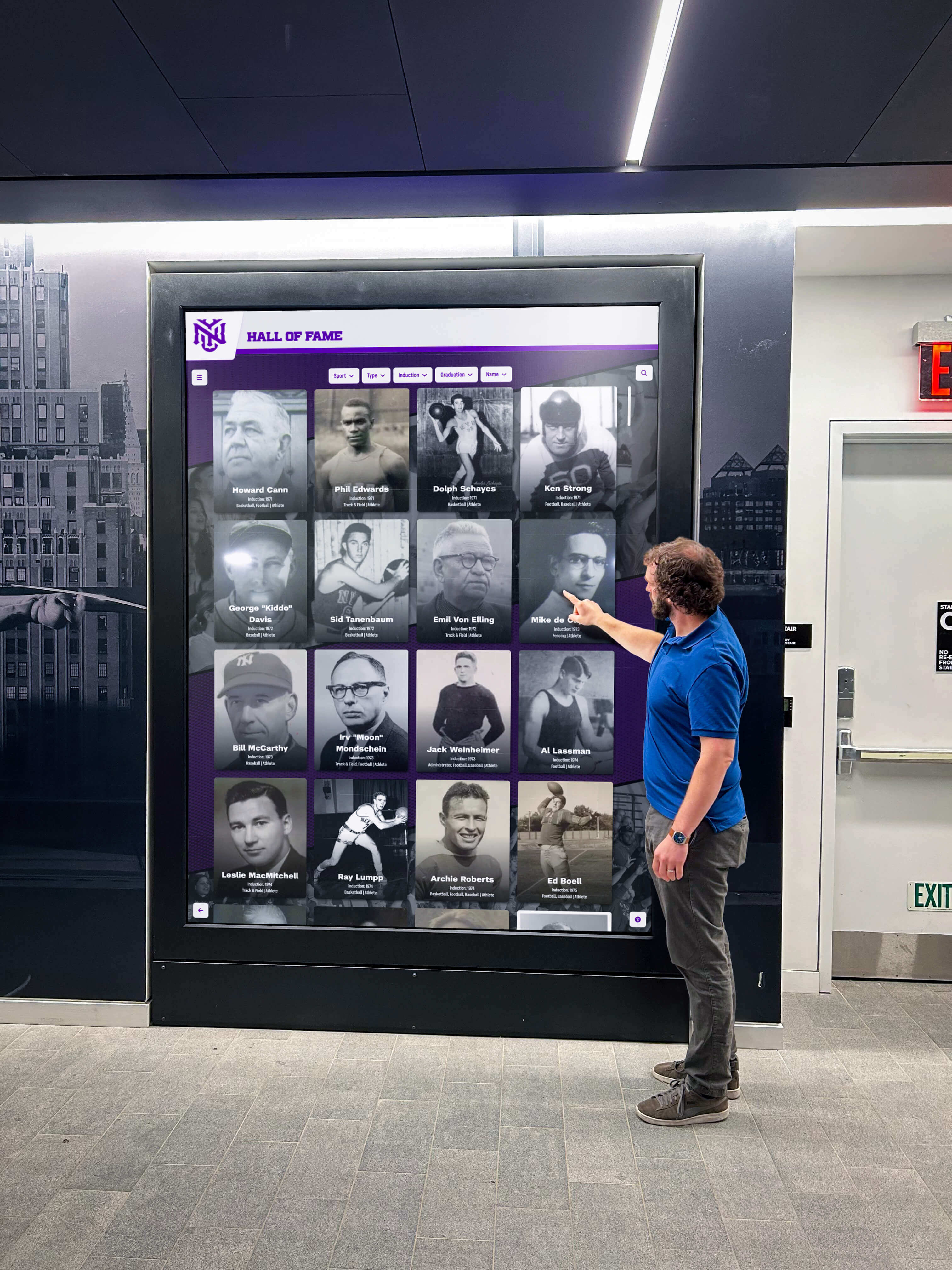
Interactive features make teacher recognition engaging for visitors of all ages
Building a Culture of Teacher Recognition Beyond Retirement
While retirement recognition represents appropriate career culmination, schools that only honor teachers upon departure miss opportunities for sustained appreciation that impacts retention, satisfaction, and institutional culture. The most effective recognition strategies combine ongoing acknowledgment with retirement celebration.
Annual Teacher Recognition Programs
Teacher of the Year Awards: Formal annual recognition identifying exceptional teaching provides role models while creating aspiration:
- Clear criteria balancing teaching excellence, innovation, student impact, and professional contribution
- Nomination processes including student, parent, and colleague input
- Selection committees representing diverse stakeholders
- Meaningful awards including recognition display inclusion, monetary prizes, or professional development funding
- Ceremony presentations during school events ensuring community visibility
Milestone Service Recognition: Acknowledge career progression through systematic recognition at intervals (5, 10, 15, 20+ years):
- Personalized gifts reflecting teaching subject or interests
- Public acknowledgment during faculty meetings or school assemblies
- Addition to faculty recognition displays with updated profiles
- Special privileges like priority scheduling, professional development funding, or parking
Innovation and Excellence Awards: Recognize specific contributions beyond general teaching quality:
- Curriculum development creating new courses or program improvements
- Technology integration enhancing learning experiences
- Professional learning community leadership supporting colleague growth
- Student mentorship beyond classroom responsibilities
- Community engagement connecting schools with broader resources
Day-to-Day Recognition Practices
Administrative Visibility and Appreciation: Leadership attention signals institutional values:
- Regular classroom visits with specific positive feedback
- Handwritten notes highlighting observed excellence or student impact
- Public praise during faculty meetings specifying what impressed
- Social media shoutouts celebrating teacher achievements
- Budget prioritization supporting teacher needs and requests
Peer Recognition Systems: Colleague acknowledgment carries unique weight:
- Staff appreciation boards where teachers post notes for each other
- Faculty meeting segments for peer shoutouts
- Collaborative award systems where teachers nominate colleagues
- Team celebration of departmental or grade-level successes
Student-Driven Appreciation: Enable students to express gratitude regularly:
- Thank-you note campaigns during teacher appreciation week
- Student council recognition initiatives throughout the year
- Elementary school recognition programs teaching gratitude from young ages
- Senior tributes honoring influential teachers during graduation season
Family and Community Recognition: Expand appreciation beyond school:
- Parent testimonials shared through newsletters or social media
- Community partner acknowledgment of teacher collaboration
- Local media features profiling exceptional educators
- School board recognition during public meetings
Conclusion: Recognition That Honors Legacy While Building Future
When teachers retire after decades of service, they leave behind more than empty classrooms—they leave legacies measured in lives changed, minds opened, and futures shaped. The recognition these educators receive speaks volumes about institutional values and priorities. Schools that honor retiring teachers thoughtfully demonstrate that dedication earns lasting appreciation while inspiring current faculty to pursue similar excellence knowing their contributions will be remembered.
The most effective teacher retirement recognition combines personal gifts acknowledging individual impact with permanent institutional tributes preserving legacy for future generations. Personal keepsakes—whether memory books, engraved items, or experience gifts—provide immediate, tangible expressions of appreciation that retiring teachers treasure. Yet these gifts gain deeper meaning when coupled with lasting recognition ensuring educators’ names, stories, and contributions remain visible long after retirement.
Modern recognition technology transforms what’s possible. Digital platforms eliminate the space constraints that historically limited recognition to small elite groups, enabling comprehensive celebration of all retiring teachers while providing interactive experiences that engage current students. Solutions like Rocket Alumni Solutions’ touchscreen displays and web-based platforms create dynamic recognition ecosystems where teacher tributes include rich multimedia content, student testimonials, career timelines, and ongoing alumni engagement opportunities impossible with traditional plaques.
Yet technology alone doesn’t guarantee meaningful recognition. Effective tributes require student involvement bringing authentic youth perspective, comprehensive content development that tells compelling stories rather than listing credentials, thoughtful ceremony planning creating memorable celebration, and sustained engagement frameworks maintaining connections beyond retirement. Most critically, recognition demands institutional commitment—viewing educator honor as strategic investment rather than optional courtesy, allocating appropriate resources, and establishing systematic programs ensuring consistent excellence regardless of which administrator oversees implementation.
The schools achieving exceptional results treat teacher recognition as cultural cornerstone rather than administrative task. They establish recognition committees with clear responsibilities, implement systematic planning timelines ensuring adequate preparation, leverage both traditional and digital recognition methods appropriately, facilitate meaningful student participation, address common challenges proactively, and maintain post-retirement connections that honor ongoing relationships.
Ready to Create Lasting Recognition for Your Retiring Teachers?
Discover how digital recognition displays can help you honor educators with interactive tributes that preserve their legacies while inspiring current and future students. Build permanent recognition that celebrates teaching excellence for generations.
Schedule a Recognition System DemoFor institutions ready to implement or revitalize teacher recognition programs, comprehensive solutions combining sophisticated technology with intuitive management transform recognition from administrative burden into engagement opportunity. The right platform celebrates individual retirement while building positive culture where all educators know dedication earns lasting appreciation.
Retiring teachers devoted careers to students and institutions. They invested countless hours beyond contract requirements, embraced curriculum changes requiring constant adaptation, maintained patience through challenging years, and found fulfillment in small victories when standardized measures couldn’t capture their impact. When retirement arrives, these educators deserve recognition matching their contribution—gifts that acknowledge personal impact combined with permanent tributes preserving legacy and inspiring excellence for generations ahead.
Begin with what you can manage—perhaps simple ceremony recognition and basic digital profiles—then systematically expand toward comprehensive systems providing lasting, dynamic celebration. Every retiring teacher who receives meaningful recognition develops stronger emotional connection while current faculty observe that dedication earns genuine institutional appreciation. Your teachers’ careers deserve celebration equal to their contribution, and with thoughtful planning, appropriate technology, and sustained commitment, you can create recognition programs that honor exceptional educators while strengthening school community and culture for decades to come.
Explore interactive recognition display solutions that accommodate diverse recognition needs or discover how digital hall of honor systems transform educator appreciation from temporary ceremony into permanent institutional tribute. Your next retiring teacher deserves recognition that matches their extraordinary contribution to students, colleagues, and your entire school community.































