Senior night stands as one of the most emotionally significant moments in any student-athlete’s career. After years of early morning practices, demanding conditioning sessions, competitive games, and countless hours building team chemistry, graduating athletes deserve recognition that honors their dedication, celebrates their achievements, and creates lasting memories of their athletic journey.
Selecting meaningful senior night gifts requires thoughtful consideration of what will genuinely resonate with athletes transitioning away from competitive sports. The best gifts balance sentimental value with practical usefulness, reflect personal achievements, and demonstrate authentic appreciation for the commitment these student-athletes have made to their programs.
Whether you’re a coach coordinating senior night presentations, a parent seeking the perfect recognition gift, a booster club member organizing team tributes, or an athletic director overseeing multiple sport celebrations, this comprehensive guide provides creative gift ideas ensuring your graduating athletes receive recognition that truly matters.
Senior night ceremonies have evolved from simple pre-game announcements into elaborate recognition events celebrating graduating athletes’ contributions, achievements, and character. The gifts presented during these ceremonies serve as tangible reminders of athletic experiences that shaped these young adults, making thoughtful gift selection crucial to creating memorable recognition moments that athletes treasure long after their final games conclude.
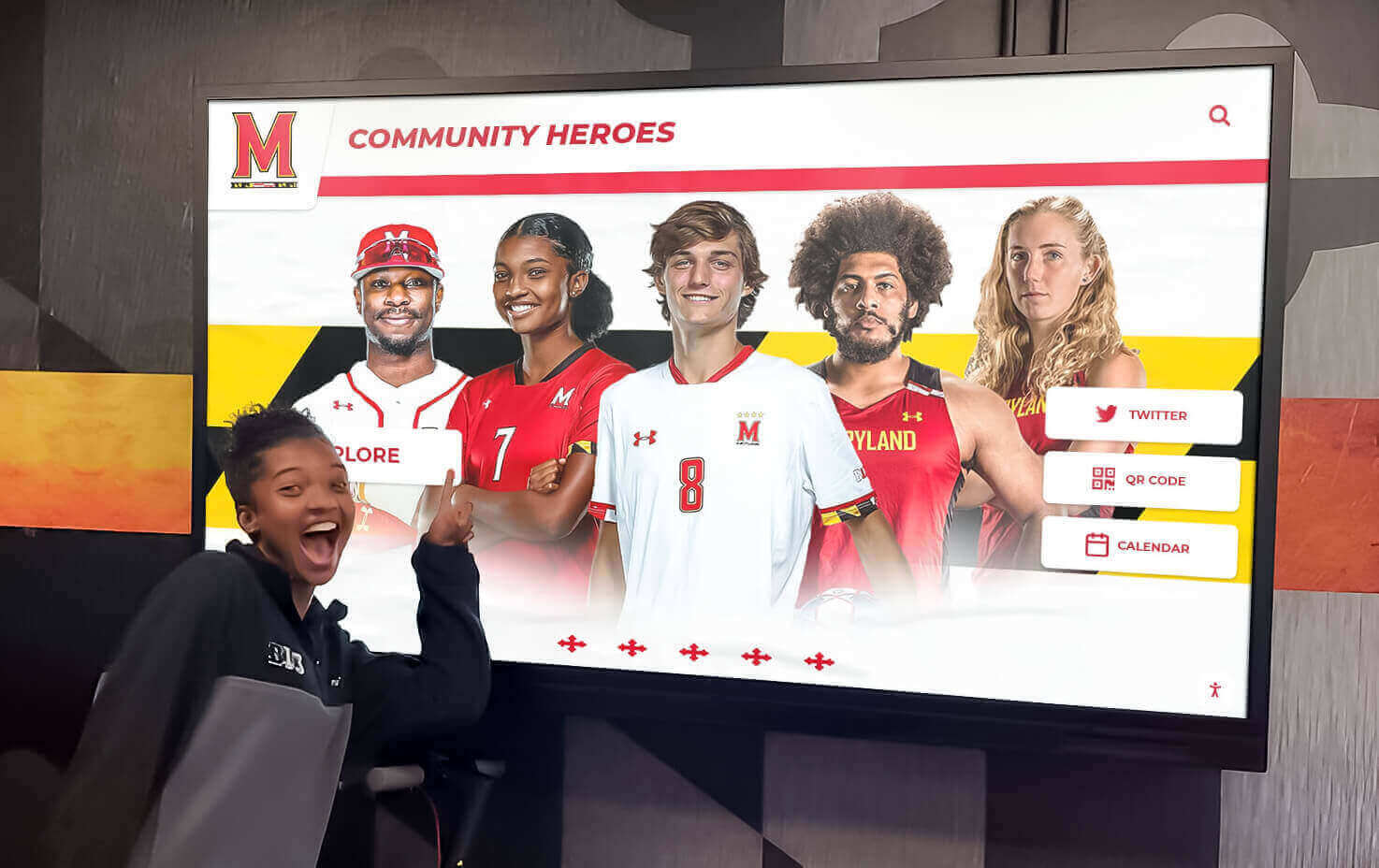
Modern recognition displays celebrate student-athletes' achievements and create permanent tributes to their dedication and accomplishments
Understanding What Makes Senior Night Gifts Meaningful
Before exploring specific gift ideas, understanding the core elements that transform ordinary presents into truly meaningful recognition helps guide thoughtful selection.
Personalization Creates Emotional Connection
Generic gifts, regardless of their monetary value, rarely create the emotional impact that personalized items deliver. Student-athletes receiving recognition gifts featuring their names, jersey numbers, specific achievements, or customized details recognizing their unique contributions experience deeper connection to these keepsakes.
Personalization demonstrates that gift selection involved thought, attention to individual identity, and genuine recognition of what made each athlete’s journey special. Whether through custom engraving, individualized messages, or athlete-specific design elements, personalization elevates gifts from standard team recognition to individual tribute.
Balance Sentimental Value with Practical Usefulness
The most cherished senior night gifts often combine emotional significance with practical functionality. While purely sentimental items hold value, gifts athletes can actually use, display, or incorporate into their daily lives maintain ongoing connection to their athletic experiences rather than ending up stored in boxes.
Consider how gifts might fit into athletes’ post-graduation lives—whether heading to college, entering workforce, or pursuing other opportunities. Gifts serving dual purposes as both meaningful keepsakes and functional items often prove most appreciated long-term.
Quality Over Quantity
Budget constraints naturally influence gift selection, but prioritizing quality over quantity typically produces more meaningful recognition. One well-crafted, thoughtful gift creates greater impact than multiple generic items. Student-athletes appreciate gifts reflecting genuine investment in celebrating their achievements rather than checkbox recognition meeting minimal expectations.
Many programs explore creative recognition ideas that balance meaningful acknowledgment with budget realities.
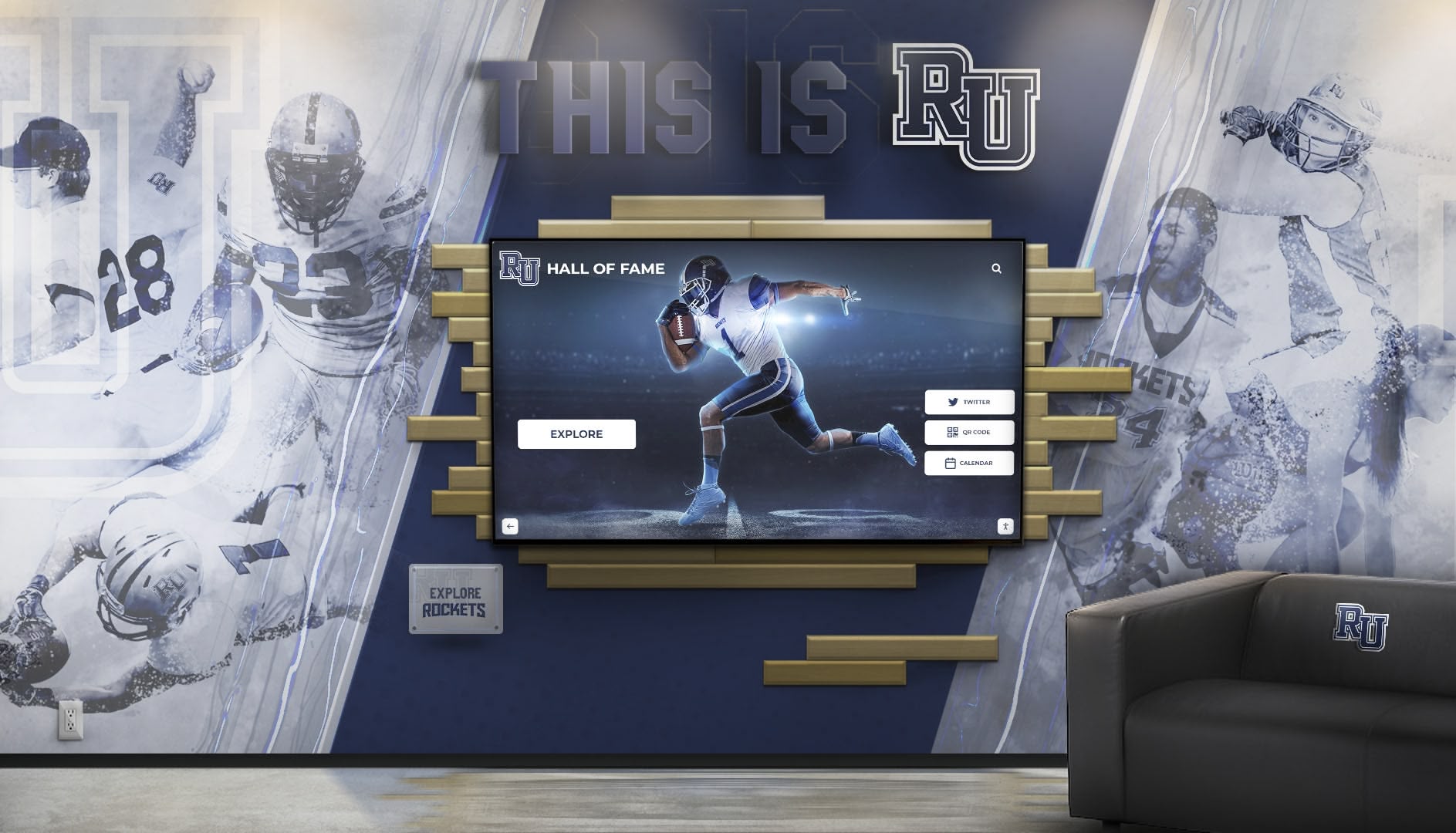
Permanent recognition installations honor senior athletes throughout their careers and preserve their legacy for future generations
Traditional Senior Night Gift Ideas That Endure
Certain senior night gifts have become classics because they consistently resonate with graduating athletes, providing tangible reminders of their competitive experiences while honoring team traditions.
Framed Jerseys and Uniforms
Perhaps the most iconic senior night gift, professionally framed jerseys transform the uniforms athletes wore during countless practices and competitions into displayable art pieces preserving athletic identity.
Why Framed Jerseys Remain Popular:
Jerseys represent more than fabric—they symbolize the team identity athletes proudly wore while competing for their schools. Framing preserves these meaningful garments as permanent displays athletes can hang in dorm rooms, apartments, and eventually family homes, maintaining visible connection to high school athletic experiences.
Enhancing Standard Jersey Framing:
- Custom matting in school colors adds visual appeal while protecting fabric
- Engraved nameplates documenting athlete names, years played, and positions
- Shadow box depth accommodating jersey thickness and potentially including small additional elements like team patches or captain pins
- Professional mounting preventing fabric damage and ensuring long-term preservation
- Career statistics displays alongside jerseys recognizing quantifiable achievements
Budget Considerations:
Professional jersey framing typically costs $150-400 depending on quality and customization level. Programs with limited budgets might consider DIY framing using standard shadow boxes from craft retailers (approximately $40-80) while maintaining personal touches through creative presentation elements.
Personalized Team Basketballs, Footballs, and Sport Equipment
Sport-specific equipment customized as senior gifts creates highly personal keepsakes connecting athletes directly to their competitive experiences.
Signed Team Balls:
Basketballs, footballs, soccer balls, volleyballs, or sport-specific equipment signed by entire teams, coaching staffs, and support personnel create tangible representations of team bonds. These signatures capture specific moment in time, preserving names and handwriting of teammates athletes shared their athletic journeys with.
Enhancement Options:
- Leather game quality equipment rather than standard practice balls
- Protected display cases preventing signature fading while allowing viewing
- Engraved stands providing stable display platforms with athlete names and senior year
- Coach messages written prominently alongside teammate signatures
- Custom printing adding “Senior Night 2026” or specific game details
Quality signed equipment typically costs $40-100 depending on sport and display case quality, making this accessible option for most program budgets.
Engraved Awards, Plaques, and Trophies
Traditional engraved recognition provides formal commemoration of athletic achievements while serving as displayable keepsakes suitable for shelves, desks, or office spaces.
Effective Engraved Award Elements:
Well-designed plaques and trophies include athlete full names, graduation years, school names and mascots, sport-specific imagery, career highlights or statistics, and personalized messages from coaches. Quality materials like wood, crystal, acrylic, or metal create professional appearance enhancing perceived value.
Many schools implement comprehensive academic recognition programs alongside athletic tributes, ensuring students receive acknowledgment across achievement dimensions.
Beyond Standard Plaques:
- Custom-shaped awards reflecting sport-specific equipment or symbols
- Crystal or glass recognition providing elegant presentation
- Multi-tier bases allowing annual achievement documentation
- Photo integration combining visual elements with engraved text
- Achievement medallions offering alternative to traditional plaque formats
Engraved awards typically range from $25-150 depending on materials, size, and customization complexity, providing options for various budget levels.
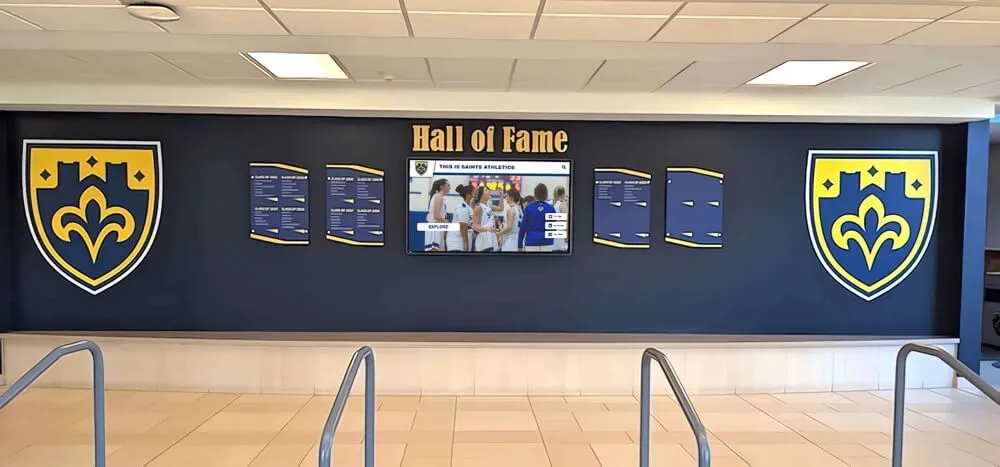
Comprehensive recognition walls showcase the full history of athletic achievement while inspiring current and future student-athletes
Creative and Personalized Gift Ideas
While traditional gifts provide proven recognition value, creative personalized options often create distinctive senior night moments that stand out in athletes’ memories.
Custom Photo Collages and Memory Books
Visual compilations documenting athletic journeys provide highly personal gifts athletes frequently revisit, triggering memories and nostalgia for their competitive years.
Professional Photo Collages:
Large-format prints (24x36 inches or larger) featuring curated collections of photos spanning athletes’ careers create impressive visual displays. Include youth sports photos showing progression, memorable game action shots, team celebrations, candid practice moments, and senior year highlights.
Professional design services or talented parent volunteers can arrange photos artistically with school colors, athlete names, inspiring quotes, and achievement callouts creating cohesive visual presentations.
Memory Books and Scrapbooks:
More comprehensive than single collages, memory books compile extensive photo collections, season schedules, newspaper clippings, statistics, teammate messages, coach reflections, and personal memorabilia creating detailed documentations of athletic experiences.
Digital printing services enable high-quality hardbound books at reasonable costs, while handmade scrapbooks crafted by parents, coaches, or team managers add personal touches reflecting genuine care investment.
Personalized Athletic Apparel and Accessories
Customized clothing and accessories extending beyond standard team gear provide functional gifts athletes actually wear while maintaining connection to their programs.
Enhanced Apparel Options:
- Custom letter jackets with athlete names, years, and achievement patches
- Embroidered blankets featuring school colors, athlete names, and jersey numbers
- Personalized team hoodies with “Senior 2026” or individual names
- Custom backpacks or duffel bags with embroidered names and mascots
- Engraved watches commemorating athletic achievements
- Personalized slides or sandals with athlete names and numbers
These functional items serve dual purposes as both useful accessories and meaningful reminders of athletic identities, often seeing regular use in college and beyond.
Schools implementing spring sports programs particularly benefit from coordinating senior night gifts across multiple teams with consistent recognition standards.
Video Tributes and Digital Memories
Technology enables creation of powerful multimedia tributes preserving athletic memories in dynamic formats athletes can replay throughout their lives.
Professional Video Compilations:
1-3 minute videos featuring game highlights, practice footage, coach testimonials, teammate messages, family reflections, and personal milestone celebrations create emotional tributes often becoming treasured keepsakes families watch repeatedly.
Video Production Tips:
- High-quality source footage from game recordings and practice sessions
- Background music reflecting athlete personality or team traditions
- Text overlays highlighting achievements, quotes, and milestones
- Multiple copies distributed via USB drives, cloud sharing, and physical media
- Screening during ceremonies maximizing emotional impact
Many programs extend their recognition through baseball awards systems and other sport-specific frameworks celebrating diverse achievements.
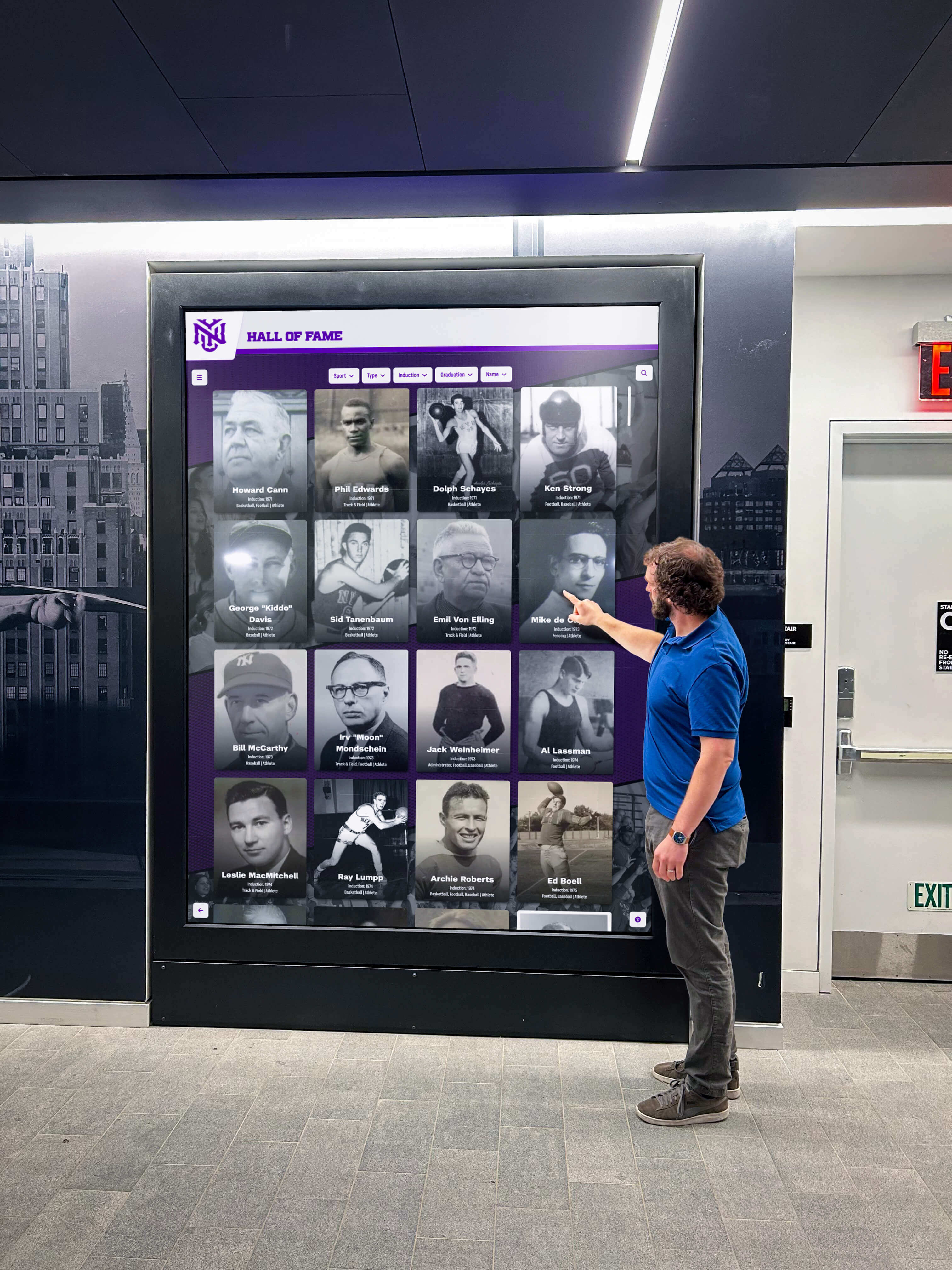
Interactive recognition systems allow athletes, families, and visitors to explore achievements and relive memorable moments year-round
Experience-Based Gifts for Senior Athletes
Sometimes the most meaningful gifts aren’t physical items but rather experiences creating additional positive memories during athletes’ final seasons.
Team Celebration Events
Organized celebrations bringing entire teams together for special experiences strengthen team bonds while creating positive final memories.
Popular Team Experience Options:
- Team dinners at restaurants allowing relaxed social bonding
- Professional sporting event attendance as complete teams
- Recreational activities like bowling, laser tag, or escape rooms
- Service projects creating meaningful community impact together
- Team retreat weekends for overnight bonding experiences
While these experiences don’t provide physical keepsakes, they often create stories and memories athletes reference for years during reunions and reminiscing conversations.
Individual Recognition Experiences
For smaller senior classes or well-funded programs, individual experiences tailored to specific athletes’ interests demonstrate genuine understanding of who these young people are beyond their athletic identities.
Personalized Experience Ideas:
- Gift cards to favorite restaurants with handwritten notes from coaches
- Tickets to college games in sports they’ll continue following
- Lesson packages for skills they want to develop
- Scholarship contributions toward continued education
- Professional mentorship connections in fields they’re pursuing
These individualized gestures, particularly when reflecting specific knowledge about athletes’ goals and interests, often create deeper emotional impact than generic group gifts.
Organizations implement comprehensive recognition programs that can inform athletic department approaches across multiple dimensions.
Budget-Friendly Senior Night Gift Ideas
Meaningful recognition doesn’t require substantial financial investment—creativity, personalization, and genuine thought often matter more than monetary value.
Handwritten Letters from Coaches
Perhaps the most underutilized yet deeply meaningful senior gift, personalized handwritten letters from head coaches and assistant coaches cost nothing monetarily but frequently become treasured keepsakes athletes save for decades.
Effective Coach Letter Elements:
- Specific memories unique to each athlete’s journey
- Character observations beyond athletic performance
- Lessons the coach learned from working with specific athletes
- Hopes and predictions for athletes’ futures
- Genuine gratitude for their contributions to programs
These letters often prove more emotionally impactful than expensive gifts because they demonstrate personal investment of time and thought rather than financial resources alone.
Teammate Messages and Memory Jars
Collecting written messages, favorite memories, and personal notes from teammates creates deeply personal gifts celebrating relationships formed through shared athletic experiences.
Implementation Options:
- Memory jars filled with folded papers containing individual teammate messages
- Bound notebooks with pages completed by different team members
- Poster boards with collective messages and signatures
- Digital compilations of video messages from teammates
These collaborative gifts from fellow athletes often resonate powerfully because they acknowledge that team relationships represent core value of athletic participation for many students.
DIY Recognition Projects
Creative parent volunteers or athletic department staff can create meaningful personalized gifts through DIY projects demonstrating genuine care investment.
DIY Gift Project Ideas:
- Hand-painted rocks with athlete names and inspirational messages
- Customized picture frames decorated with team colors and elements
- Handmade quilts or blankets incorporating team jerseys or fabrics
- Decorated shadow boxes containing small memorabilia collections
- Scrapbook pages compiled into complete memory books
While these projects require time investment rather than substantial financial expenditure, the handmade nature often adds perceived value because recipients recognize genuine effort behind creation.
Comprehensive staff appreciation approaches can inform athletic recognition strategies across school communities.
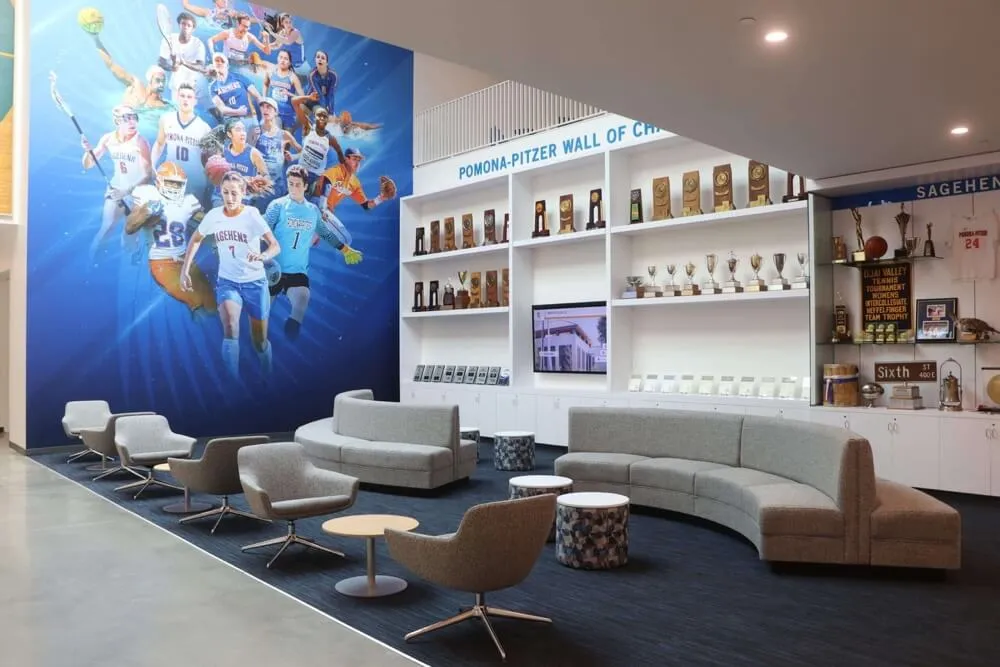
Dedicated athletic spaces combining traditional trophy displays with modern recognition create inspiring environments celebrating program history
Sport-Specific Senior Night Gift Ideas
Different sports cultures and traditions often suggest particular gift approaches that resonate specifically within those athletic contexts.
Football Senior Night Gifts
Football programs typically feature larger senior classes and strong tradition elements influencing gift selection.
Football-Appropriate Gifts:
- Game-worn helmet displays with custom stands
- Team captain patches framed with achievement documentation
- Personalized football cleats signed by teammates
- Engraved dog tags with player numbers and years
- Custom wall art featuring action photography
Football’s physical nature and equipment intensity create unique memorabilia opportunities reflecting sport-specific experiences. Schools organizing football banquets often coordinate gift presentations across multiple recognition events.
Basketball Senior Night Gifts
Basketball’s year-round culture and smaller roster sizes enable more personalized individual recognition approaches.
Basketball-Specific Options:
- Autographed team basketballs in display cases
- Framed action photos from memorable games
- Custom high-top slides featuring player numbers
- Engraved shooting shirt frames preserving warm-up jerseys
- Personalized basketball shoes customized by teammates
Many programs coordinate basketball recognition with broader senior night planning ensuring comprehensive celebration of graduating athletes.
Baseball and Softball Senior Night Gifts
Spring sports often conclude athletic careers for many students, making senior night gifts particularly meaningful as final team recognition moments.
Baseball/Softball Gift Ideas:
- Custom bats engraved with names and statistics
- Shadow-boxed gloves athletes used throughout careers
- Team-signed baseballs/softballs in display cubes
- Framed dirt from home plate commemorating final games
- Personalized batting helmet displays with achievement plaques
Programs implementing baseball senior night traditions often develop sport-specific recognition elements reflecting baseball culture.
Additional Sports Recognition
Soccer:
- Signed team balls with display stands
- Custom scarves in school colors
- Framed goalkeeper gloves for keepers
- Engraved captain armbands
Volleyball:
- Team-signed volleyballs with cases
- Framed knee pads from senior seasons
- Custom warm-up jackets
- Personalized net sections commemorating final matches
Track and Field:
- Mounted starting blocks with plaques
- Framed race bibs from competitions
- Custom relay batons
- Engraved medals documenting PRs
Wrestling:
- Custom headgear displays
- Framed singlets with achievement documentation
- Weight class championship plaques
- Tournament bracket displays
Permanent Recognition: Gifts That Honor Beyond Senior Night
While individual senior night gifts create personal connections to athletic experiences, permanent recognition installations ensure graduating athletes’ achievements remain visible inspirations for future generations.
Digital Recognition Displays
Modern recognition technology enables comprehensive celebration of athletic achievements through interactive digital systems that showcase senior classes alongside program history.
Benefits of Digital Athletic Recognition:
Permanent displays installed in athletic facilities, school lobbies, or gym entrances create ongoing visibility for graduating athletes while enabling easy updates accommodating new senior classes each year. These systems can feature individual athlete profiles with photos, statistics, and achievements, team photos and rosters from each season, career highlights and memorable moments, college commitments and post-graduation updates, and historical context connecting current athletes to program legacy.
Unlike static plaques with limited space, digital recognition grows alongside programs, accommodating expanding achievement documentation without physical space constraints or costly additions.
Schools implementing National Honor Society recognition often apply similar approaches to athletic contexts, ensuring comprehensive student celebration across achievement dimensions.
Traditional Wall of Fame Installations
Physical recognition walls featuring plaques, photos, and achievement documentation create tangible permanent tributes inspiring current athletes while honoring graduating seniors.
Effective Wall of Fame Elements:
- Consistent design standards across multiple years
- High-quality photography capturing athletes professionally
- Achievement documentation beyond just names and years
- Accessible locations with high visibility and traffic
- Regular maintenance preventing deterioration and ensuring dignity
Traditional walls provide timeless elegance but require careful planning to accommodate growth as programs add senior classes annually. Organizations managing basketball senior night celebrations frequently integrate permanent recognition alongside annual ceremonies.

Comprehensive recognition systems combine individual athlete profiles with program history, creating permanent tributes that honor graduating seniors while inspiring future athletes
Combining Individual Gifts with Permanent Recognition
The most comprehensive senior night approaches balance personal gifts athletes take with them alongside permanent installations ensuring their achievements remain visible long after graduation.
This dual approach provides immediate tangible recognition through physical gifts while simultaneously establishing lasting program legacy. Senior athletes receive both personal keepsakes and knowledge their accomplishments will continue inspiring younger athletes for years to come.
Implementing Your Senior Night Gift Strategy
Selecting gifts represents just one component of creating meaningful senior night recognition—successful implementation requires careful planning, coordination, and execution.
Start Planning Early
Begin senior night gift discussions 6-8 weeks before ceremonies, allowing time for personalization, ordering, potential delays, and backup planning. Early start timelines prevent rushed decisions compromising gift quality or forcing generic selections when personalized options become unavailable due to time constraints.
Establish Clear Budget Parameters
Determine available funding through athletic department allocations, booster club contributions, parent collections, fundraising initiatives, or school foundation support. Transparent budget communication prevents misunderstandings about financial expectations while ensuring gift selections align with realistic resource availability.
Balance Consistency with Personalization
While maintaining consistent gift quality across all senior athletes ensures fairness, allowing personalization reflecting individual achievements, personalities, or sport-specific elements adds meaningful distinction. The goal balances equitable treatment with individual recognition acknowledging unique contributions.
Coordinate Across Multiple Sports
Schools with multiple sports seasons and senior night events benefit from coordinated approaches ensuring gift consistency across different teams while potentially leveraging bulk ordering for cost efficiency. Athletic directors overseeing multiple programs should establish guidelines maintaining quality standards across all sports.
Document and Build on Tradition
Photograph senior night gifts, document athlete reactions, and maintain records of what approaches proved most meaningful. This documentation builds institutional knowledge informing future senior night planning while establishing positive traditions new coaching staffs can continue.
Making Senior Night Gifts Truly Memorable
The most meaningful senior night gifts share common characteristics transcending specific items or price points—they demonstrate genuine appreciation, reflect authentic understanding of individual athletes, connect to specific achievements and memories, balance sentimentality with usefulness, and create lasting reminders of athletic experiences.
Ultimately, the thought, care, and personalization invested in gift selection matter more than monetary value. Student-athletes recognize when recognition gifts reflect genuine appreciation versus perfunctory obligation, and this distinction determines whether gifts become treasured keepsakes or forgotten items stored in boxes.
By combining thoughtful individual gifts with comprehensive permanent recognition, athletic programs create layered celebration honoring graduating seniors both immediately and long-term. This approach ensures student-athletes feel genuinely valued for their dedication while establishing visible program legacy inspiring future generations.
When schools invest in meaningful recognition—whether through carefully selected senior night gifts or permanent installations celebrating athletic achievement—they communicate powerful messages about the value they place on student-athletes’ contributions beyond wins and losses. This holistic approach to recognition shapes school culture, strengthens athletic program pride, and creates lasting positive memories for students who dedicated significant portions of their youth to competitive sports.
Ready to create permanent recognition celebrating your graduating senior athletes? Rocket Alumni Solutions provides interactive touchscreen displays that showcase athlete achievements, preserve program history, and inspire future generations while honoring the dedication of every senior who contributed to your athletic tradition.































