Giving Tuesday represents one of the most important fundraising moments of the year for schools, colleges, churches, and nonprofit organizations. As billions of dollars flow to charitable causes on this global day of generosity, organizations face a critical challenge: how do you not only acknowledge current donors but also inspire others to give? The answer increasingly lies in creating a centralized digital hub that showcases donor recognition while driving action through strategic visibility and engagement.
Digital donor recognition displays have emerged as powerful tools for Giving Tuesday campaigns, transforming traditional static acknowledgment into dynamic engagement experiences. These solutions create year-round visibility for supporters while providing the perfect focal point for Giving Tuesday initiatives—showing prospective donors who has already given, demonstrating community participation, and creating social proof that motivates others to contribute.
According to the Giving Tuesday Data Commons, the movement generated $3.1 billion in donations in 2023, with over 34 million adults participating across the United States. This represents tremendous opportunity for organizations that can effectively capture attention, demonstrate impact, and make giving easy through well-executed campaigns centered around visible donor recognition.
This comprehensive guide explores how to build successful Giving Tuesday campaigns using digital donor recognition as your central hub. You’ll discover practical strategies for implementation, content approaches that drive results, technical requirements for seamless execution, and measurement frameworks that demonstrate impact and inform future campaigns.
Understanding Digital Donor Recognition as Campaign Infrastructure
Digital donor recognition displays serve as more than acknowledgment systems—they function as strategic fundraising infrastructure supporting campaigns throughout the year while providing exceptional value during high-stakes moments like Giving Tuesday.
The Central Hub Concept
Traditional Giving Tuesday campaigns often scatter recognition across multiple platforms—social media posts here, email acknowledgments there, website updates somewhere else. This fragmented approach creates disjointed experiences that fail to build momentum or demonstrate collective impact.
A centralized digital recognition hub changes this dynamic by creating a single destination where:
- All donors receive immediate, visible recognition regardless of gift size
- Real-time updates show campaign momentum building throughout the day
- Prospective donors see who has already given, creating powerful social proof
- Multiple access points (physical displays, web platforms, mobile apps) ensure broad visibility
- Integration with donation pages creates seamless giving-to-recognition workflows
- Year-round engagement maintains relationships between annual campaigns
This centralization transforms donor recognition from scattered acknowledgment into coordinated campaign infrastructure that works continuously to inspire giving while honoring supporters appropriately.
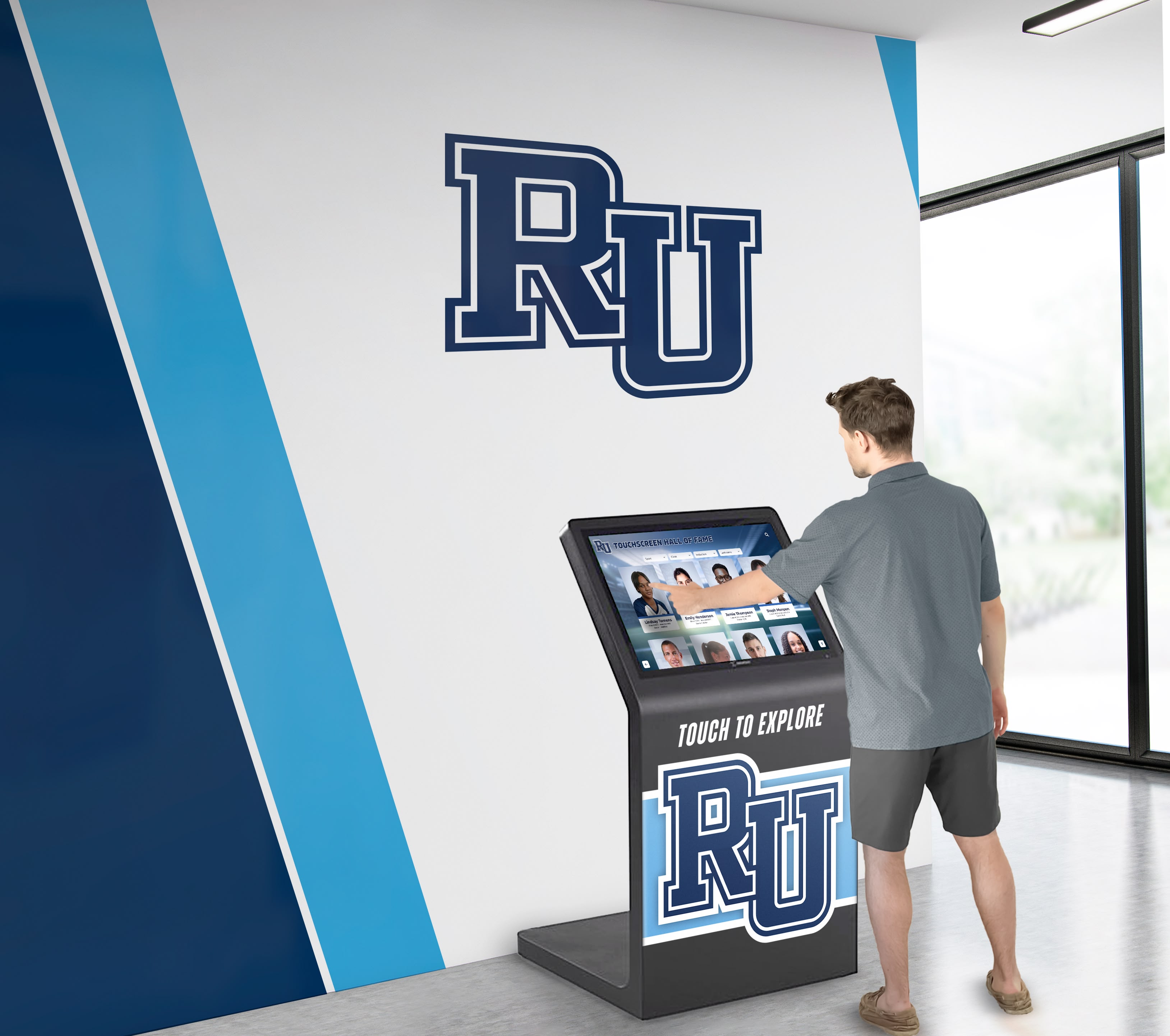
Why Digital Recognition Drives Giving Tuesday Success
Research consistently demonstrates that donor recognition influences giving behavior in measurable ways. Understanding these psychological and social dynamics helps organizations leverage recognition strategically during campaigns:
Social Proof and Peer Influence: When prospective donors see classmates, colleagues, community members, or fellow parishioners supporting causes, they’re significantly more likely to give themselves. Digital displays showcasing current Giving Tuesday participants create powerful peer influence that traditional recognition methods cannot match in real-time.
Transparency and Trust: Visible donor lists demonstrate that real people support your organization, building credibility and trust. During Giving Tuesday when competition for donor attention intensifies, this transparency differentiates authentic community support from generic fundraising appeals.
Community Identity and Belonging: Recognition creates visible evidence of community participation. When members see others contributing, they want to be part of that collective effort, strengthening institutional identity and increasing participation rates across demographics.
Immediate Gratification: Digital systems provide instant recognition, satisfying donors’ desires for prompt acknowledgment while maintaining campaign momentum. This immediacy proves particularly important during 24-hour initiatives when delayed recognition means missed opportunities to showcase participation. Solutions detailed in best digital hall of fame software enable this real-time recognition capability.
Multi-Level Participation: By recognizing all donors regardless of gift size, digital platforms encourage broad participation rather than elite giving circles. This inclusive approach proves essential for Giving Tuesday’s democratic ethos where every gift matters.
Integration with Giving Platforms
The most effective Giving Tuesday campaigns seamlessly connect donor recognition with giving mechanisms, creating frictionless experiences from inspiration through contribution to acknowledgment:
Modern solutions integrate with donation platforms through APIs and webhooks, automatically updating recognition displays as gifts process. This technical integration enables:
- Real-time donor additions as contributions complete during campaign hours
- Automated data synchronization eliminating manual entry and reducing errors
- Gift level assignment based on contribution amounts with appropriate recognition tiers
- Thank-you messaging triggered immediately after donations process
- Campaign progress tracking showing total raised, participation rates, and momentum indicators
- Leaderboard functionality for class years, departments, or constituent groups when appropriate
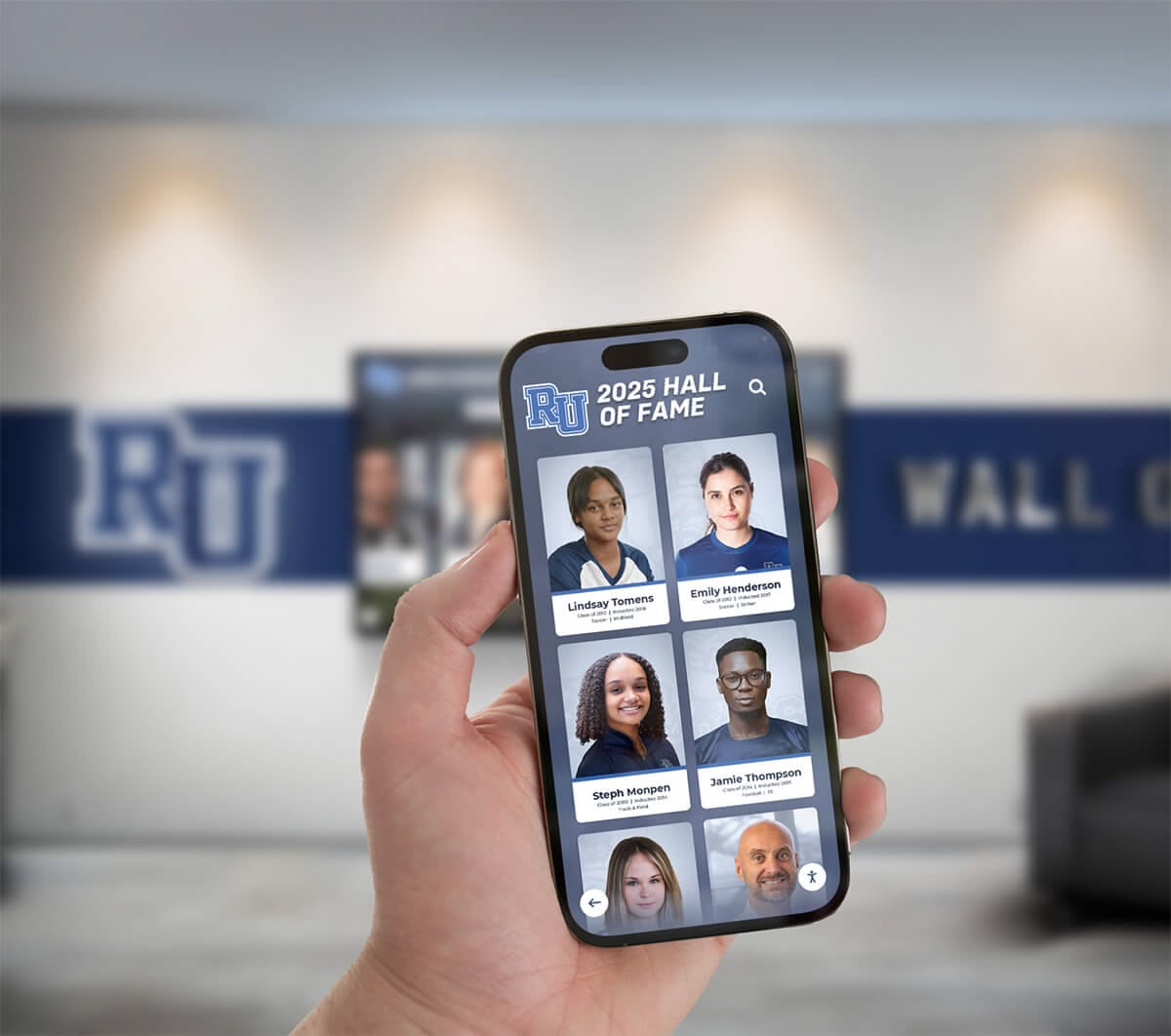
Solutions like digital recognition displays from Rocket Alumni Solutions provide these integration capabilities out-of-the-box, connecting with common fundraising platforms used by educational institutions and nonprofits while offering customization for unique campaign requirements.
Planning Your Giving Tuesday Recognition Campaign
Successful campaigns require thoughtful planning that addresses technical infrastructure, content strategy, promotional approaches, and measurement frameworks well before Giving Tuesday arrives.
Setting Clear Campaign Objectives
Define specific, measurable goals that extend beyond simple dollar targets to include participation and engagement metrics:
Quantitative Goals:
- Total dollars raised during the 24-hour period
- Number of individual donors participating regardless of gift size
- First-time donor acquisition targets for expanding the donor base
- Donor retention rates compared to previous year’s participants
- Average gift size benchmarks for different constituent segments
- Social media engagement metrics (shares, comments, reach)
- Recognition platform interaction volume (views, searches, profile engagement)
Qualitative Objectives:
- Strengthen institutional identity and community pride
- Build awareness of specific programs or capital campaign needs
- Increase alumni engagement beyond financial contributions
- Create content assets for future stewardship and marketing
- Test new recognition features or integration capabilities
- Gather testimonials and impact stories from campaign participants
Clear objectives inform every subsequent planning decision from technical requirements through promotional messaging to post-campaign analysis.
Technical Requirements and Timeline
Implement recognition infrastructure well before campaign dates to ensure stability, test functionality, and build awareness:
60+ Days Before Campaign:
- Finalize recognition platform selection and vendor contracts
- Complete hardware installation for physical displays in strategic locations
- Configure integration between donation platforms and recognition systems
- Establish database protocols for donor information management
- Test data flow from gift processing through recognition display
- Set up web-based recognition access points and mobile compatibility
- Create admin training materials and backup procedures
30-45 Days Before Campaign:
- Populate recognition platform with historical donors if appropriate
- Configure Giving Tuesday-specific features (leaderboards, thermometers, countdown timers)
- Test campaign scenarios including high-volume simultaneous donations
- Create backup plans for technical failures or platform issues
- Establish monitoring protocols for campaign day oversight
- Train multiple administrators on system management and troubleshooting
- Develop communication templates for technical issues if they arise
1-2 Weeks Before Campaign:
- Conduct final systems testing under simulated campaign loads
- Brief campus or facility staff on what to expect and how to direct questions
- Position displays prominently with signage directing attention to campaign
- Pre-launch promotional content showcasing the recognition platform
- Send preview communications to prospective donors explaining how recognition works
- Finalize staffing for campaign day monitoring and response
This timeline ensures technical stability while providing sufficient preparation time for promotional activities and stakeholder engagement that drive participation.
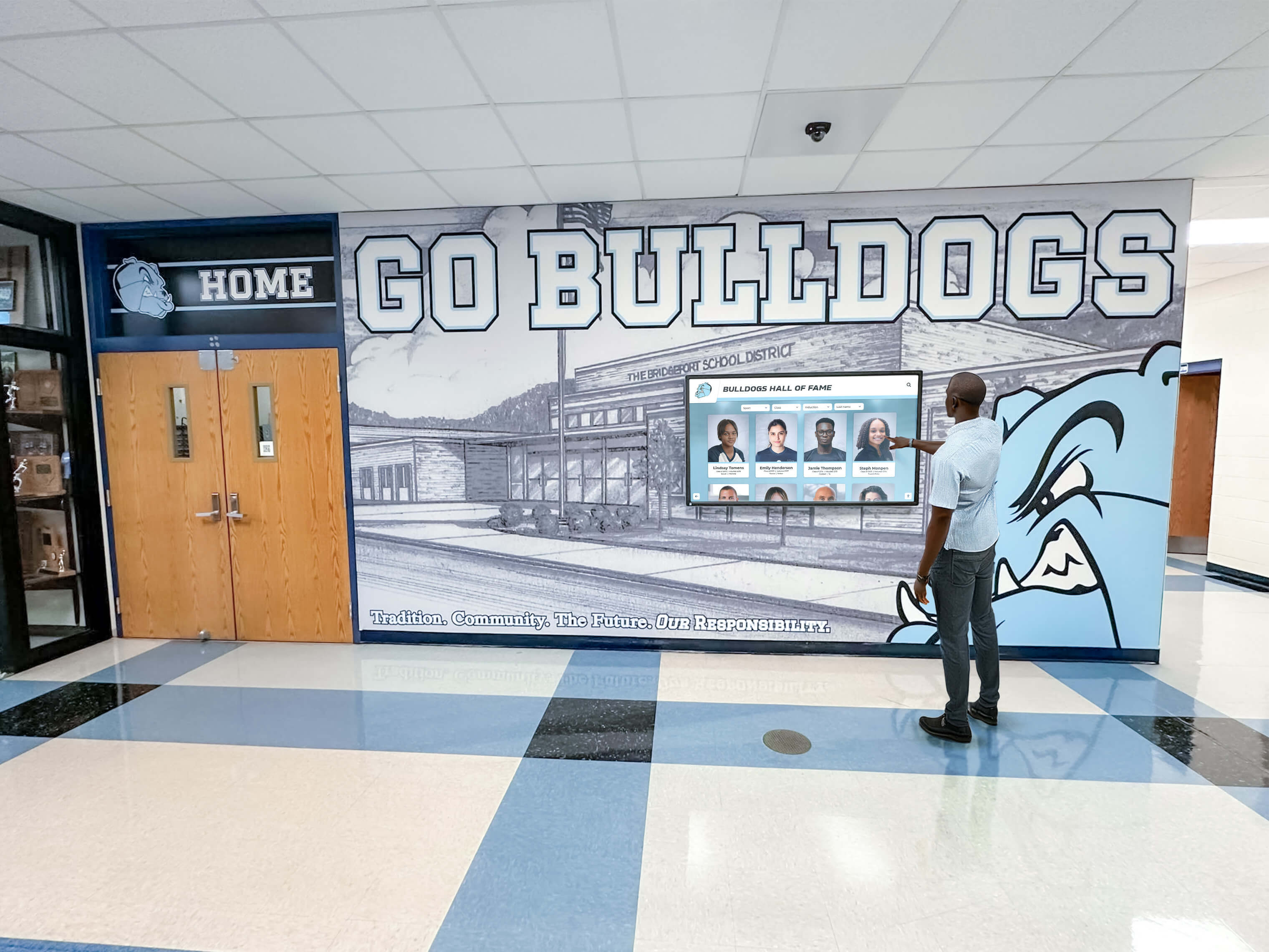
Content Strategy for Maximum Impact
Effective recognition content balances donor acknowledgment with campaign messaging that inspires action:
Donor Profile Elements:
- Full names (with privacy preferences respected for those requesting limited visibility)
- Class year, department affiliation, or constituent group identification
- Gift level or recognition society membership when appropriate
- Cumulative giving history when celebrating long-term supporters
- Personal testimonials or giving motivations when donors provide them
- Profile photos when available and donors consent to inclusion
- Connection to specific programs or scholarships supported by gifts
Campaign-Specific Enhancements:
- “Giving Tuesday 2025” designation highlighting current campaign participation
- Real-time timestamps showing recent gift activity and building momentum
- Featured donor spotlights rotating throughout the day with stories and motivations
- Progress indicators toward campaign goals with visual thermometers or counters
- Challenge gift status showing matching opportunities and funds remaining
- Leaderboard elements if competition suits your institutional culture
- Impact statements connecting donations to specific programs or outcomes
Call-to-Action Integration:
- Prominent QR codes linking directly to donation pages from physical displays
- “Join Them” messaging encouraging visitors to become donors themselves
- Social sharing functionality allowing donors to amplify recognition through networks
- Instructions for including giving in recognition display messaging
- Contact information for questions about giving options or recognition
- Links to campaign impact stories and program information for context
This multi-layered content approach honors current donors while actively recruiting new participants throughout the campaign period.
Implementation Strategies for Different Organization Types
While core principles remain consistent, effective Giving Tuesday campaigns adapt to organizational contexts and constituent characteristics.
Educational Institutions (Colleges and Universities)
Higher education institutions benefit from natural segmentation by class year, school, department, and affinity groups:
Strategic Approaches:
- Class year competitions creating friendly rivalry that drives participation across alumni demographics
- Academic program support highlighting scholarships, facilities, or initiatives funded by gifts
- Student participation challenges encouraging current students to contribute at accessible levels
- Alumni board or volunteer leader challenge gifts that match broader participation
- Athletics recognition for student-athletes, coaches, and sports program supporters
- Geographic leaderboards for regional alumni chapters competing for participation bragging rights
Position digital recognition displays in high-traffic campus locations including alumni centers, student unions, athletics facilities, and administration buildings. Ensure web-based access enables geographically distributed alumni to participate and view recognition remotely.
The strategies detailed in alumni engagement through digital recognition provide comprehensive frameworks for higher education contexts, including technical considerations and promotional approaches proven effective across diverse institutional sizes and cultures.
K-12 Schools and Private Schools
Primary and secondary schools face different dynamics with parent communities, alumni networks, and local constituencies:
Strategic Approaches:
- Parent participation recognition by grade level or graduation year
- Alumni networks from graduating classes giving back to their alma mater
- Faculty and staff giving campaigns demonstrating institutional commitment
- Local business sponsor recognition for community partners supporting the school
- Reunion year spotlights encouraging milestone classes to give collectively
- Grandparent and legacy family recognition celebrating multi-generational connections
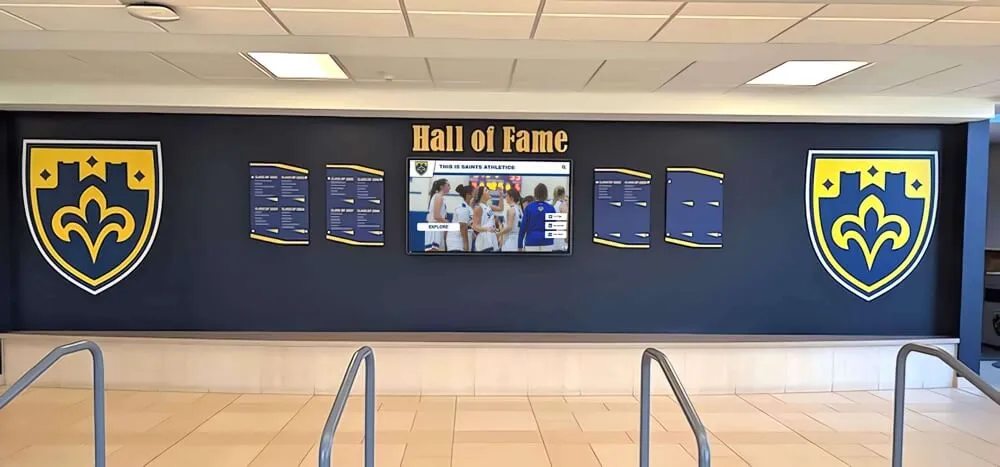
Install displays in locations frequented by both parents and students—main lobbies, athletic facilities, performing arts centers, and administration areas. Consider portable displays that move between locations during the campaign week to maximize visibility across different constituency events. Learn more about school donor recognition strategies for primary and secondary education contexts.
Churches and Religious Organizations
Faith communities approach Giving Tuesday through distinctive theological and community lenses:
Strategic Approaches:
- Ministry area designation allowing donors to direct gifts toward specific programs
- Memorial and honor gift recognition acknowledging loved ones through charitable giving
- Multi-generational family recognition celebrating household giving traditions
- Small group or ministry team participation challenges within congregational structures
- Mission trip or outreach project support with direct connection to specific initiatives
- Stewardship testimony integration sharing faith motivations behind giving decisions
Position displays in fellowship halls, lobbies, or gathering spaces where members naturally congregate before and after services. Ensure messaging emphasizes stewardship and gratitude over wealth, maintaining theological appropriateness. Resources on church interactive donor recognition provide faith-specific guidance for recognition approaches that honor donors while maintaining spiritual focus.
Community Organizations and Nonprofits
Mission-driven organizations leverage Giving Tuesday to expand donor bases and demonstrate community impact:
Strategic Approaches:
- Corporate sponsor recognition highlighting business community support
- Board member challenge gifts with matching provisions that multiply impact
- Volunteer leadership acknowledgment recognizing time and talent alongside financial gifts
- Beneficiary testimonials connecting donors to mission impact through real stories
- Geographic recognition showing community-wide participation across neighborhoods
- First-time donor celebration welcoming new supporters into the organizational family
Display recognition at organizational headquarters, community events, and partner locations with significant public traffic. Maximize web and mobile access since nonprofit donors often lack regular physical access to organizational facilities. Explore virtual hall of fame platforms that extend recognition reach to distributed supporter bases.
Advanced Integration Features That Multiply Impact
Beyond basic donor recognition, sophisticated implementations leverage advanced features that significantly enhance campaign effectiveness.
Real-Time Campaign Dashboards
Dynamic dashboards transform static recognition into engaging campaign experiences:
Dashboard Components:
- Total raised counters updating automatically as gifts process throughout the day
- Participation metrics showing donor counts by constituent type or giving level
- Goal progress visualization with thermometers, progress bars, or percentage indicators
- Recent activity feeds displaying latest donors and creating urgency through visible momentum
- Time remaining countdowns maintaining focus on campaign deadline
- Challenge gift status showing matching opportunity utilization and funds remaining
- Geographic participation maps for organizations with distributed constituencies
- Historical comparison data showing progress versus previous campaigns
These dashboard elements create excitement and urgency while providing transparency that builds donor trust and confidence in organizational stewardship.
Social Media Integration and Amplification
Extend recognition reach far beyond physical displays and organizational websites through strategic social integration:
Social Features:
- One-click sharing enabling donors to broadcast their participation across personal networks
- Custom graphics automatically generated with donor names and campaign hashtags
- Social media feeds aggregating and displaying donor posts using campaign hashtags
- Thank-you message automation posting acknowledgments to donors’ social profiles with permission
- Instagram story and Facebook post templates making social sharing frictionless
- LinkedIn recognition for professional networks and corporate giving programs
- TikTok and emerging platform content leveraging short-form video for younger demographics
This social amplification multiplies campaign visibility exponentially, reaching hundreds or thousands beyond organizational direct communications through organic peer networks. The approaches outlined in digital engagement strategies detail social integration tactics proven effective across diverse organizational contexts.
Gamification and Competition Elements
When appropriate for organizational culture, gamification increases participation and gift sizes through friendly competition:
Gamification Strategies:
- Leaderboards showing top constituent groups, class years, departments, or geographic regions
- Achievement badges for milestones like “First Donor of the Day” or “Triple Digit Club”
- Participation percentage goals with celebrations when thresholds exceed targets
- Streak tracking for consecutive year donors maintaining giving traditions
- Challenge unlocks where participation milestones trigger additional challenge gifts
- Mystery donor reveals where anonymous benefactors match specific participation achievements
- Hour-by-hour goals creating mini-campaigns throughout the 24-hour period
Implement gamification thoughtfully, ensuring competitive elements inspire participation without creating negative feelings among constituents who cannot give at higher levels. The goal remains inclusive community engagement, not exclusionary elite competitions.
Promotional Strategy for Maximum Participation
Even the most sophisticated recognition infrastructure requires strategic promotion to drive awareness and participation during campaign windows.
Pre-Campaign Awareness Building (30-60 Days Out)
Generate anticipation and educate constituencies about campaign mechanics:
Communication Channels and Messaging:
- Email campaigns introducing Giving Tuesday date, goals, and recognition approach
- Social media teaser content building awareness and showcasing recognition platform
- Website homepage takeover highlighting campaign countdown and participation opportunities
- Physical signage at facilities directing attention to recognition displays
- Newsletter features explaining campaign mechanics and how recognition works
- Video content demonstrating platform functionality and showcasing previous donors
- Ambassador recruitment engaging key influencers to spread awareness through networks
Frame early communications around the recognition opportunity rather than solely fundraising asks. Position the campaign as a celebration of community where supporters receive meaningful, lasting acknowledgment for participation. Review best practices for donor recognition walls to inform your messaging strategy.
Campaign Week Acceleration (7 Days Before Through Campaign Day)
Increase communication frequency and urgency as Giving Tuesday approaches:
Tactical Approaches:
- Daily countdown emails or texts maintaining campaign awareness
- Social media intensification with multiple daily posts showcasing donors and progress
- Ambassador activation with personal outreach to networks and friends
- Phone calls or personalized messages to high-priority prospects from leadership
- Event programming on campus or at facilities creating campaign-related activities
- Live updates throughout campaign day showing real-time progress and momentum
- Matching gift announcements and deadline reminders creating urgency
- Challenge reveals as participation thresholds trigger additional matching opportunities
Position physical displays prominently with directional signage and staff prepared to answer questions about participation and recognition. Ensure web-based recognition platforms receive homepage placement and navigation priority throughout campaign period.
Post-Campaign Stewardship and Gratitude
Campaign success depends not just on gift collection but on proper stewardship that retains donors for future support:
Follow-Up Priorities:
- Immediate thank-you emails or texts acknowledging gifts within hours of processing
- Recognition platform updates ensuring all campaign donors appear within 24-48 hours
- Social media gratitude posts celebrating community participation and final results
- Impact reports within 2-4 weeks showing how campaign funds will be utilized
- Donor spotlights continuing through the year featuring Giving Tuesday participants
- Campaign retrospective communications sharing participation statistics and donor demographics
- Planning communications inviting feedback on campaign experiences and recognition preferences
- Next engagement opportunities connecting Giving Tuesday donors to additional involvement
This sustained engagement transforms one-day participants into year-round community members through consistent recognition and communication demonstrating that organizations value supporters beyond their financial capacity.
Technical Specifications and Requirements
Understanding technical requirements ensures smooth implementation and reliable campaign day performance.
Hardware Considerations for Physical Displays
Select commercial-grade equipment appropriate for intended environments and usage patterns:
Display Requirements:
- Screen size: 55-86 inches depending on viewing distance and location traffic volume
- Touch technology: Capacitive multi-touch supporting intuitive interaction patterns
- Brightness: 400+ nits for locations with ambient light or window proximity
- Resolution: Minimum 4K (3840×2160) ensuring clear text readability at all sizes
- Orientation: Vertical (portrait) or horizontal (landscape) based on content and space
- Durability: Commercial-grade construction rated for 16+ hours daily operation
- Mounting: Professional-grade wall mounts, floor stands, or kiosk enclosures as appropriate
Infrastructure Needs:
- Network connectivity: Hardwired ethernet preferred, enterprise WiFi acceptable with strong signal
- Power: Dedicated circuits preventing overload from other equipment on shared circuits
- Physical security: Tamper-resistant mounting and enclosures in public areas
- Accessibility: ADA-compliant height positioning (15-48 inches from floor to operable controls)
- Environmental protection: Climate-controlled environments protecting electronics from temperature extremes
Work with facilities teams early in planning to ensure proper installation addressing electrical, network, and physical mounting requirements specific to your locations. Reference touchscreen hardware selection guides for detailed specifications and vendor comparisons.
Software Platform Requirements
Recognition software should provide robust functionality supporting campaign needs while remaining manageable for non-technical administrators:
Essential Platform Features:
- Intuitive content management system requiring minimal technical expertise
- Real-time data synchronization ensuring immediate recognition updates
- Multi-device compatibility serving physical displays, web browsers, and mobile devices

- Search and filtering functionality enabling visitors to find specific donors easily
- Privacy controls respecting donor preferences for visibility and information display
- Integration capabilities connecting with common fundraising platforms via APIs
- Analytics dashboards tracking engagement, usage patterns, and campaign metrics
- Backup and disaster recovery ensuring data protection and system availability
Campaign-Specific Functionality:
- Custom campaign designations and date ranges for Giving Tuesday initiatives
- Progress tracking toward goals with visual indicators and milestone celebrations
- Leaderboard configuration when competition elements suit organizational culture
- Social sharing integration enabling one-click broadcasting to donor networks
- Admin notification systems alerting staff to technical issues requiring attention
- Scheduled content publishing for time-sensitive campaign messaging
- Multi-language support when serving diverse constituencies with different preferences
Solutions like Rocket Alumni Solutions’ touchscreen platforms provide comprehensive feature sets purpose-built for recognition contexts, eliminating the limitations of generic digital signage software repurposed for donor acknowledgment.
Integration Architecture and Data Flow
Seamless integration between fundraising and recognition systems creates frictionless experiences while reducing administrative burden:
Integration Methods:
- API connections: Real-time data exchange between systems using modern web standards
- Webhook triggers: Event-based automation firing recognition updates when donations process
- File imports: Scheduled data transfers for platforms lacking API capabilities
- Manual entry interfaces: Streamlined forms for gifts processed outside primary systems
Data Synchronization Protocols:
- Field mapping ensuring fundraising platform data populates correct recognition fields
- De-duplication logic preventing duplicate recognition for multi-gift donors
- Privacy flag respect honoring donor preferences for anonymous or limited recognition
- Error handling procedures addressing failed transfers or data inconsistencies
- Audit trails tracking all recognition additions for compliance and reconciliation
Work with technology vendors early to understand integration capabilities, required credentials, and testing procedures that validate proper data flow before campaign launch.

Measuring Success and Optimizing Future Campaigns
Comprehensive measurement frameworks transform campaign data into strategic intelligence informing future improvements.
Key Performance Indicators for Giving Tuesday
Track metrics across multiple dimensions assessing campaign effectiveness:
Fundraising Metrics:
- Total dollars raised during campaign period
- Number of individual donors participating
- Average gift size by constituent type and recognition level
- First-time donor acquisition numbers and conversion rates
- Donor retention comparing current to previous campaign participants
- Participation rate as percentage of total constituency eligible to give
- Gift upgrade rates among donors increasing support versus previous years
Engagement Metrics:
- Recognition platform interaction volume (total views, searches, profile clicks)
- Average session duration indicating content engagement quality
- Return visitor rates showing multiple platform visits throughout campaign
- Social sharing volume from recognition platform to personal networks
- Geographic distribution of recognition access for distributed constituencies
- Device type breakdown (physical display vs. web vs. mobile access)
- Peak usage times informing optimal promotional timing for future campaigns
Operational Metrics:
- Technical reliability and system uptime throughout campaign period
- Data synchronization accuracy between fundraising and recognition systems
- Administrative time required for campaign management and monitoring
- Staff response times to technical issues or donor inquiries
- Integration failure rates and resolution procedures
- Content update frequency maintaining currency throughout campaign day
Donor Satisfaction and Feedback Collection
Quantitative metrics reveal behavior patterns but qualitative feedback explains experiences and guides improvements:
Feedback Mechanisms:
- Post-campaign surveys sent to all participants asking about recognition experiences
- Open-ended questions about what motivated giving and recognition value
- Net Promoter Score measuring likelihood to recommend participation to peers
- Focus groups or listening sessions with representative donor segments
- Social media monitoring tracking organic mentions and sentiment
- Direct conversations with major gift officers gathering qualitative donor reactions
- Admin team debriefs documenting operational challenges and improvement opportunities
Critical Feedback Topics:
- Recognition visibility and prominence throughout campaign
- Ease of finding personal recognition after making gifts
- Accuracy of information displayed in donor profiles
- Technical issues or difficulties accessing recognition platforms
- Privacy concerns or preferences for different visibility levels
- Suggestions for content enhancements or additional features
- Overall satisfaction with campaign experience and acknowledgment appropriateness
This feedback directly informs planning for subsequent campaigns, addressing pain points while reinforcing approaches that resonate strongly with constituents.
Comparative Analysis and Benchmarking
Understand performance in context through comparison with historical data and peer institutions:
Longitudinal Comparison:
- Year-over-year growth rates in participation and dollars raised
- Retention rates showing same donors participating across multiple years
- First-time donor trends indicating new constituent acquisition effectiveness
- Engagement metric improvements showing increasing recognition platform value
- Operational efficiency gains reducing administrative burden over time
- Technology reliability improvements as systems mature and workflows optimize
Peer Benchmarking:
- Industry averages for Giving Tuesday participation rates by organization type
- Comparable institution performance in similar campaigns
- Recognition platform engagement metrics across peer users
- Average gift sizes and participation demographics relative to similar constituencies
- Technical reliability standards and system uptime expectations
Use comparative data to set realistic improvement targets for future campaigns while celebrating successes that exceed benchmarks or demonstrate significant year-over-year growth.
Common Challenges and Practical Solutions
Organizations implementing Giving Tuesday campaigns with digital recognition encounter predictable obstacles. Understanding challenges and proven solutions ensures successful outcomes.
Challenge: Limited Technology Budget
Many organizations operate with constrained budgets making significant technology investments challenging to justify or fund.
Solutions:
- Phased Implementation: Start with web-based recognition accessible via existing computers and add physical displays as budgets allow
- Campaign Expense Allocation: Include recognition infrastructure as campaign expense funded by initiative proceeds
- Donor-Funded Technology: Secure specific donors interested in funding technological infrastructure as their philanthropic contribution
- Multi-Purpose Justification: Emphasize that displays serve year-round purposes beyond single campaigns—announcements, event promotion, directory functions
- Long-Term Cost Modeling: Calculate total cost over 5-10 years comparing digital systems to ongoing manual recognition expenses
- Volunteer Technology Support: Engage tech-savvy board members or constituents to reduce installation and configuration costs
Challenge: Staff Technical Capacity
Organizations may lack staff with technical expertise to manage digital platforms, creating resistance to adoption.
Solutions:
- Platform Selection Criteria: Prioritize user-friendly systems with intuitive interfaces requiring minimal technical knowledge
- Comprehensive Training: Ensure vendors provide hands-on training with actual system use and practice scenarios
- Documentation Resources: Create quick-reference guides and video tutorials for common tasks and troubleshooting
- Multi-Administrator Training: Train several staff members ensuring backup coverage and shared knowledge
- Vendor Support Access: Verify responsive technical support availability via phone, email, and chat during campaign periods
- Volunteer Technology Coordinators: Assign tech-comfortable community members as volunteer system coordinators providing peer support
Challenge: Donor Privacy Concerns
Some supporters prefer anonymous giving or have concerns about public recognition display.
Solutions:
- Granular Privacy Controls: Provide detailed preference options enabling donors to specify exactly what information appears publicly
- Default Privacy Settings: Configure systems with minimal information display by default, requiring donors to opt-in for enhanced recognition
- Anonymous Giving Options: Prominently feature anonymous participation options throughout donation processes
- Privacy Policy Transparency: Clearly communicate how donor information is used, stored, and displayed
- Donor Self-Service: Enable supporters to update their own profiles and privacy settings through secure portals
- Regular Preference Verification: Periodically confirm donor comfort levels especially as circumstances change over time
Challenge: Integration Complexity
Connecting fundraising platforms with recognition systems can prove technically complex without proper expertise.
Solutions:
- Pre-Built Integration: Select recognition platforms offering native integrations with common fundraising systems
- Vendor Technical Services: Utilize vendor professional services for initial integration configuration and testing
- Phased Data Migration: Start with manual processes and gradually implement automation as comfort increases
- Backup Manual Processes: Maintain manual entry capabilities for edge cases and integration failures
- Testing Protocols: Thoroughly test integrations with sample data before campaign launch
- Technical Documentation: Ensure vendors provide detailed integration documentation for IT staff reference
The technical guidance provided in touchscreen software implementation addresses these integration challenges comprehensively with practical solutions applicable across diverse organizational contexts and technical environments.
Future Trends in Campaign Recognition
Understanding emerging technologies and evolving donor expectations helps organizations plan recognition infrastructure that remains relevant for years while supporting future enhancements.
Artificial Intelligence and Personalization
AI capabilities will enable increasingly personalized recognition experiences:
- Automated content recommendations suggesting donors with similar interests or backgrounds to explore
- Smart search understanding natural language queries and context rather than requiring exact matches
- Predictive analytics identifying likely donors based on engagement patterns and historical giving
- Personalized thank-you messaging at scale maintaining authentic tone while automating delivery
- Impact storytelling connecting individual gifts to specific outcomes based on donation designations
- Sentiment analysis monitoring social media and feedback identifying opportunities for improvement
Enhanced Mobile Experiences
Smartphone-first design will dominate as mobile devices become primary access points:
- Progressive web applications providing app-like experiences without download friction
- Push notification capabilities alerting donors to campaign milestones and match opportunities
- Mobile wallet integration enabling one-tap giving through Apple Pay, Google Pay, and similar services
- Augmented reality features overlaying digital recognition onto physical spaces through smartphone cameras
- Location-based prompts encouraging giving when alumni visit campus or attend events
- Biometric authentication streamlining secure access to donor portals and recognition updates
Blockchain and Cryptocurrency Integration
Emerging financial technologies will influence fundraising and recognition approaches:
- Cryptocurrency donation acceptance for tech-savvy donors preferring digital assets
- NFT recognition elements providing unique digital artifacts commemorating major gifts
- Blockchain-verified impact tracking creating transparent chains from donation through outcomes
- Smart contract automation enabling conditional giving based on participation thresholds or milestones
- Decentralized identity verification protecting privacy while enabling recognition
Virtual and Hybrid Event Integration
As institutions maintain hybrid models serving both in-person and remote constituents:
- Virtual recognition ceremonies celebrating donors through online gatherings
- Live streaming recognition display updates during campaign watch parties
- Hybrid event integration showing physical displays to remote participants via video feeds
- Metaverse experiences creating immersive virtual recognition environments
- Gamified virtual spaces where donors explore recognition through interactive environments
Learn more about virtual tours and remote access for distributed constituencies in digital recognition systems.
Organizations planning recognition infrastructure should prioritize flexible platforms supporting these emerging capabilities through updates rather than requiring complete replacement as technologies mature.
Conclusion: Building Sustainable Giving Through Strategic Recognition
Giving Tuesday represents far more than a single fundraising date—it serves as a catalyst for building year-round giving cultures sustained through strategic donor recognition and engagement. Organizations that approach Giving Tuesday campaigns thoughtfully, leveraging digital recognition as centralized infrastructure rather than isolated acknowledgment, create lasting value that compounds across campaigns and builds communities of committed supporters.
Digital donor recognition transforms traditional static acknowledgment into dynamic engagement experiences that inspire action while honoring supporters appropriately. By creating visible, accessible platforms showcasing community participation, organizations generate powerful social proof motivating prospective donors while strengthening relationships with existing supporters through meaningful recognition.
Successful implementation requires viewing recognition as strategic advancement infrastructure rather than one-time campaign elements. Thoughtful planning addressing technical requirements, content approaches, promotional strategies, and measurement frameworks ensures programs deliver lasting value supporting fundraising goals across campaigns, pastoral transitions, and leadership changes.
The most effective campaigns understand that recognition is merely the beginning—true value emerges through strengthened connections, increased giving participation, enhanced community pride, and sustainable cultures of philanthropy built around visible acknowledgment celebrating supporters at all levels.
For organizations ready to transform Giving Tuesday campaigns through strategic donor recognition, comprehensive solutions like those from Rocket Alumni Solutions provide proven platforms combining sophisticated technology with intuitive management, dedicated support, and deep understanding of institutional advancement needs. From initial strategic planning through years of sustained engagement growth, the right partner makes the difference between campaigns and transformative recognition experiences building stronger communities while advancing organizational missions.
When supporters receive recognition genuinely honoring their generosity while demonstrating tangible impact and community participation, they become ambassadors inspiring others to join movements making meaningful differences. This transformation from donors to advocates represents the ultimate success of effective Giving Tuesday campaigns—creating self-perpetuating cultures of giving that sustain organizations and advance missions for generations to come.
Digital recognition infrastructure properly implemented serves campaigns throughout the year while providing exceptional value during high-stakes moments like Giving Tuesday. By centralizing recognition, integrating seamlessly with giving platforms, and creating experiences that inspire action while honoring supporters, organizations build sustainable fundraising programs that thrive long after trending hashtags fade and campaign dates pass.































