As graduating students process across the stage in their caps and gowns, colorful cords draped over their shoulders tell immediate visual stories of academic achievement, leadership commitment, and organizational excellence. The graduation honor cord has become one of the most recognizable symbols of student accomplishment—a tradition transforming individual recognition into visible celebration that families photograph, communities applaud, and students wear with deserved pride.
Yet behind each cord lies important institutional decisions about recognition criteria, equity in access, meaningful differentiation between achievement levels, and how schools extend honor beyond single ceremony moments. Schools struggle to balance inclusive recognition with maintaining honor prestige, to communicate what different cord colors represent, and to ensure worthy achievements receive appropriate acknowledgment while preventing credential inflation that diminishes recognition meaning.
This comprehensive guide explores everything educational institutions need to know about graduation honor cord programs—from understanding color symbolism and establishing fair award criteria to implementing permanent recognition systems that celebrate honor cord recipients long after commencement ceremonies conclude.
Graduation honor cords serve dual purposes within educational recognition systems. They provide immediate visual acknowledgment during ceremonies where hundreds of students receive diplomas in rapid succession, enabling families to quickly identify their graduates’ specific achievements. Simultaneously, cords create lasting documentation through ceremony photographs preserving these accomplishments for decades.
Effective honor cord programs extend beyond purchasing colored ropes—they require thoughtful criteria development, transparent communication about qualification requirements, equitable access ensuring all deserving students receive recognition, and integration with comprehensive recognition systems that honor achievements year-round.
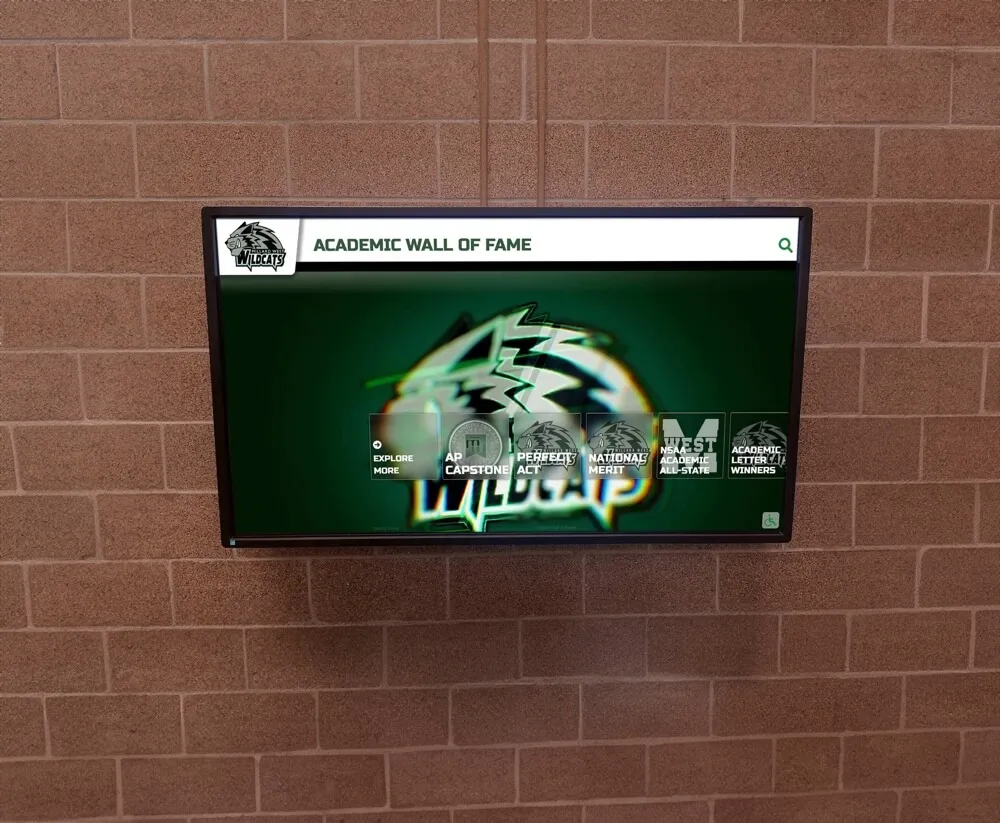
Modern schools complement graduation honor cord programs with permanent digital displays that celebrate academic excellence throughout the year
Understanding Graduation Honor Cord History and Significance
Honor cords represent a relatively modern addition to academic regalia, though they draw from centuries-old academic tradition.
The Origins of Academic Regalia
Academic dress traditions date to medieval European universities where scholars wore distinctive robes identifying institutional affiliation and academic rank. The American academic regalia system evolved from these European precedents, with the Intercollegiate Code of Academic Costume standardized in 1895 establishing conventions for gowns, hoods, and caps that most institutions still follow.
Honor cords emerged later as American educational institutions sought additional methods for distinguishing achievement during increasingly large commencement ceremonies. While exact origins remain debated, honor cords gained widespread adoption throughout the 20th century as graduation class sizes expanded beyond the intimate gatherings where individual recognition was easily visible.
What Honor Cords Signify
Unlike hoods denoting specific academic degrees or fields, honor cords represent achievements earned during educational journeys rather than credentials conferred at graduation:
Academic Excellence Recognition
- Grade point average thresholds and cumulative achievement
- Honor society membership and academic organization participation
- Subject-specific excellence and departmental honors
- Latin honors designations (cum laude, magna cum laude, summa cum laude)
- Academic competition success and scholarly achievement
Leadership and Service Recognition
- Student government participation and elected leadership
- Community service hour accomplishments
- Peer mentoring and tutoring contributions
- Club and organization leadership positions
- Character and citizenship recognition
Specialized Program Completion
- Advanced Placement and International Baccalaureate program achievement
- Career and technical education certification
- Specialized academic pathway completion
- Dual enrollment and early college programs
- International study and cultural exchange participation
This multi-dimensional recognition approach ensures honor cords celebrate diverse accomplishments rather than singular achievement types.

Individual recognition profiles help schools document which students earned specific honor cords and the achievements they represent
Graduation Honor Cord Colors and Their Meanings
Color symbolism creates immediate visual communication about specific achievements, though exact meanings can vary between institutions.
Standard Honor Cord Color Conventions
While no universal governing body dictates honor cord colors, common conventions have emerged across American educational institutions:
Gold Honor Cords Gold represents the most prestigious and widely recognized honor cord color, typically awarded for:
- Cumulative GPA achievements (commonly 3.5 or higher)
- National Honor Society membership
- Valedictorian and salutatorian designations
- Phi Theta Kappa membership at community colleges
- Overall academic excellence recognition
Many schools use gold as their primary academic achievement cord due to its traditional association with excellence and value.
Silver and White Honor Cords Silver and white cords often recognize secondary academic achievements:
- Second-tier GPA thresholds (commonly 3.25-3.49)
- Specific honor roll designations
- Literacy and reading achievement
- Writing excellence and publication
- Community service hour thresholds
Red Honor Cords Red commonly denotes:
- Journalism and communication honors
- Theater and performing arts achievement
- Leadership program completion
- Athletic academic excellence
- School spirit and involvement recognition
Blue Honor Cords Blue represents various achievements including:
- Education pathway program completion
- Environmental science and sustainability
- Technology and computer science honors
- Social studies and history excellence
- Law enforcement and public safety programs
Green Honor Cords Green typically signifies:
- Environmental and agricultural program achievement
- Medical science and healthcare pathway completion
- Growth and improvement recognition
- First-generation college student identification
- Money management and financial literacy
Schools should document their specific color meanings in graduation materials, ensuring families and community members understand what each cord represents. Many institutions reference comprehensive academic recognition program frameworks when establishing honor cord systems.
Dual and Multiple Cord Recognition
Students qualifying for multiple honors often wear several cords simultaneously, creating layered recognition:
Cord Braiding and Combinations
- Single cords in multiple colors for different achievements
- Braided two-color cords representing specific dual achievements
- Thick vs. thin cord variations distinguishing achievement levels
- Metallic accent threads adding prestige to standard colors
Schools must establish clear policies about cord accumulation—some institutions allow unlimited cord display while others limit total cords to prevent excessive regalia that overshadows the ceremony.
Stoles vs. Cords Distinction Honor cords differ from graduation stoles (sashes), though both provide visual achievement recognition:
- Cords: Rope-style with tassel ends, typically representing institutional honors
- Stoles: Fabric sashes, often representing cultural organizations, religious affiliations, or external group memberships
Understanding this distinction helps schools communicate recognition system components clearly.
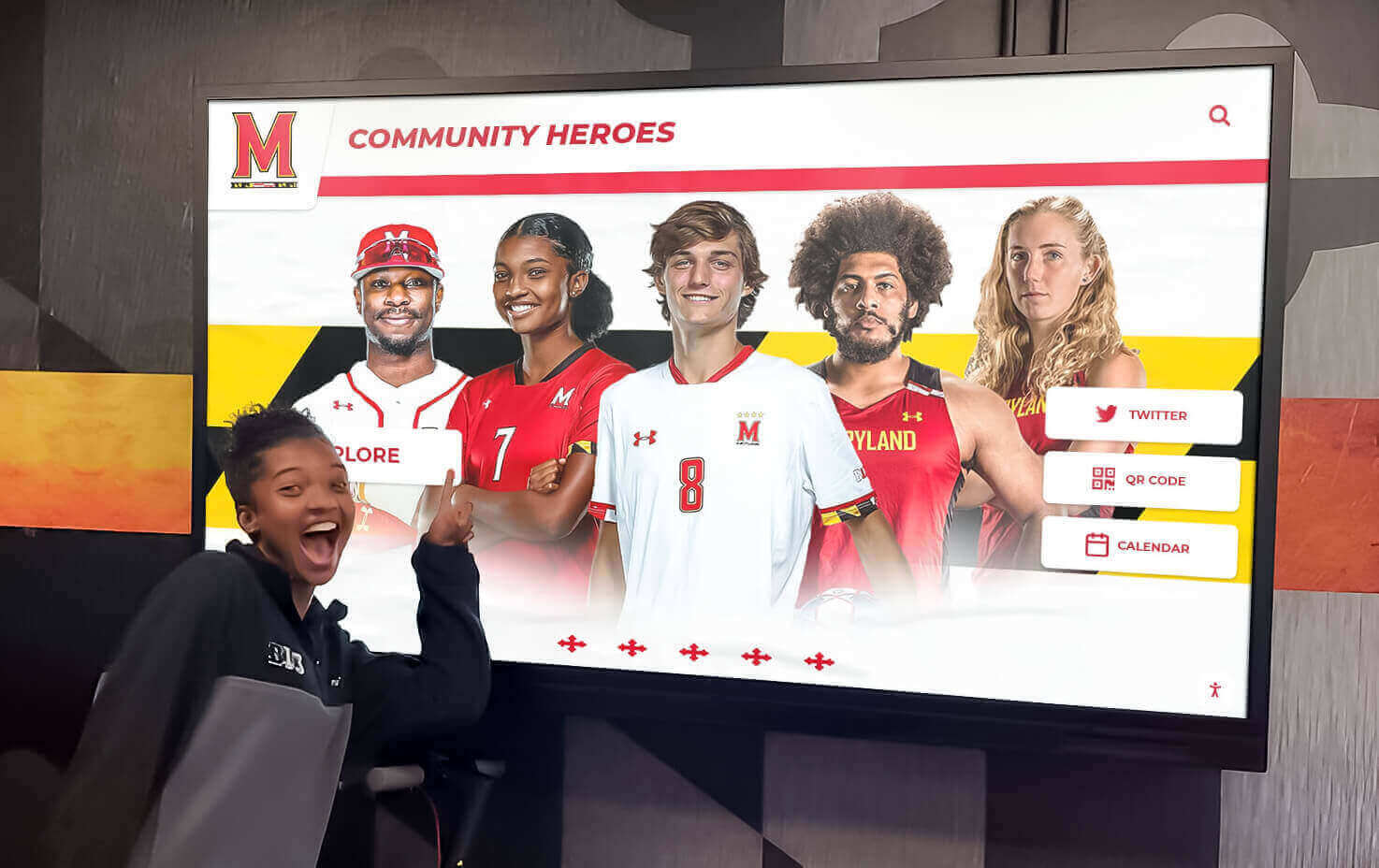
Interactive displays help students understand qualification criteria for various honor cords throughout their academic careers
Establishing Fair and Meaningful Honor Cord Criteria
Effective honor cord programs balance inclusive recognition with maintaining achievement significance through carefully designed criteria.
Academic Honor Cord Qualification Standards
GPA-Based Recognition Tiers
Most schools establish cumulative grade point average thresholds determining honor cord eligibility:
- Summa Cum Laude / Highest Honors: Typically 3.9+ GPA, gold honor cord
- Magna Cum Laude / High Honors: Typically 3.7-3.89 GPA, gold or silver cord
- Cum Laude / Honors: Typically 3.5-3.69 GPA, silver or white cord
- Merit Recognition: Some schools add 3.25-3.49 tier for broader recognition
These thresholds should align with historical achievement distributions ensuring appropriate selectivity—if 60% of graduates receive honors, recognition may lose meaning, while overly restrictive criteria (under 10% qualification) miss deserving students.
Calculate GPA thresholds based on:
- Historical achievement data from previous graduating classes
- Comparison with peer institutions of similar size and demographics
- Balance between selectivity and inclusivity
- Clear communication about weighted vs. unweighted GPA calculation
Honor Society Membership Recognition
National and discipline-specific honor societies maintain established membership criteria that schools can leverage:
- National Honor Society (NHS): Requires GPA minimums, leadership demonstration, service hours, and character evaluation
- Phi Theta Kappa: Community college honor society with standardized membership requirements
- Subject-Specific Societies: National Spanish Honor Society, Science National Honor Society, and similar organizations with defined criteria
Schools should clearly communicate whether honor society membership automatically qualifies students for honor cords or if additional requirements apply.
Course Rigor and Advanced Achievement
Some institutions award honor cords recognizing challenging coursework completion beyond GPA alone:
- Advanced Placement exam score thresholds (commonly 3+ on multiple AP exams)
- International Baccalaureate diploma completion
- Dual enrollment credit hour accumulation
- Honors course completion percentages
- Career and technical education industry certification achievement
This approach acknowledges that a 3.5 GPA in all honors and AP courses represents greater achievement than the same GPA in standard-level coursework.
Non-Academic Honor Cord Categories
Comprehensive recognition systems extend beyond traditional academics to celebrate diverse contributions:
Leadership and Service Recognition
- Student government officer positions for specified terms
- Community service hour thresholds (commonly 100+ documented hours)
- Peer tutoring and mentoring program participation
- School ambassador and tour guide service
- Committee and council leadership contributions
Special Program Completion
- STEM pathway program graduation
- Arts academy or specialized magnet program completion
- World language immersion program achievement
- Career and technical education pathway certification
- Early college and dual enrollment program completion
Many schools implement structured student achievement recognition frameworks ensuring diverse accomplishments receive appropriate acknowledgment.

Comprehensive recognition systems document honor cord recipients across multiple graduating classes, preserving institutional achievement history
Honor Cord Award Process and Timeline
Systematic processes ensure all qualifying students receive appropriate recognition while preventing last-minute scrambling.
Academic Year Recognition Planning
Fall Semester: Criteria Communication
At the beginning of senior year, clearly communicate:
- All available honor cord categories and color meanings
- Specific qualification criteria with exact GPA thresholds
- Documentation requirements for service hours or special programs
- Application deadlines for cords requiring submission or nomination
- Expected timeline for eligibility notification
Proactive communication enables students to pursue specific honors intentionally rather than discovering opportunities too late.
Winter Semester: Preliminary Qualification Review
Mid-year checkpoints help identify potential issues:
- Preliminary eligibility assessment based on current transcripts
- Communication with borderline students about final semester impact
- Reminder announcements about application-required honors
- Verification of honor society membership status
- Collection of documentation for service and leadership cords
Spring Semester: Final Determination
Six to eight weeks before graduation:
- Calculate final GPAs after grade submission
- Finalize qualification lists for all honor cord categories
- Conduct verification review checking for calculation errors or missing documentation
- Communicate individual honor cord awards to qualifying students
- Order physical cords with adequate delivery time (typically 3-4 weeks minimum)
Notification and Distribution Procedures
Individual Student Notification
Provide personalized communication specifying:
- Exact honor cords earned with color identification
- Achievement criteria met qualifying for each cord
- Instructions for picking up physical cords before ceremony
- Guidance on proper cord wearing during graduation
- Information about permanent recognition beyond ceremony day
Family and Community Communication
Publicly celebrate honor cord recipients through:
- Graduation program listings identifying cord categories and recipients
- School website honor roll announcements
- Local newspaper graduation recognition submissions
- Social media celebration posts
- Senior award ceremony presentations
Schools implementing honor roll display systems can showcase honor cord recipients through permanent recognition extending well beyond graduation day.
Physical Cord Distribution
Organize systematic distribution:
- Scheduled pickup times during final weeks before graduation
- Clear labeling systems preventing cord mix-ups
- Written instructions for proper cord wearing
- Backup cords available on graduation day for emergencies
- Verification checklists ensuring all eligible students receive their cords
Addressing Honor Cord Equity and Access Challenges
Well-designed honor cord programs promote achievement while avoiding barriers that prevent deserving recognition.
Financial Accessibility Considerations
Honor cord programs must never create financial barriers:
School-Provided Recognition
- All honor cords purchased and distributed by schools, not students
- No fees charged to students for earned recognition
- Equal quality cords regardless of achievement category
- Inclusive approach preventing socioeconomic discrimination
Some institutions struggle when honor societies or external organizations charge membership fees that indirectly gate honor cord access. Schools should either subsidize these costs for qualifying low-income students or establish parallel internal recognition not requiring paid membership.
Inclusive Criteria Design
Recognition systems should acknowledge diverse pathways to excellence:
Multiple Achievement Dimensions
- GPA-based recognition for traditional academic excellence
- Growth and improvement recognition for students starting from different baselines
- Effort and persistence recognition valuing work ethic regardless of outcomes
- Specialized talent recognition beyond conventional academics
- Character and citizenship recognition for non-quantifiable contributions
Accessibility Accommodations
- Modified criteria for students with documented learning differences when appropriate
- Recognition of achievement within context of individual circumstances
- Validation of diverse learning profiles and strength areas
- Transparent exception processes for unusual situations
Preventing Recognition Inflation
While pursuing inclusive recognition, schools must maintain honor meaning:
Regular Criteria Evaluation
- Annual review of qualification percentages from each graduating class
- Adjustment of thresholds if recognition becomes too common or too rare
- Comparison with peer institutions maintaining appropriate selectivity
- Stakeholder input from faculty, students, and families
Clear Tier Differentiation
- Meaningful distinction between achievement levels
- Visual differentiation through colors or cord styles
- Communication emphasizing that honor represents genuine accomplishment
- Celebration that validates achievement without excessive participation trophy concerns
The goal is recognition that students feel genuinely proud earning while remaining accessible to all who meet clearly defined standards.
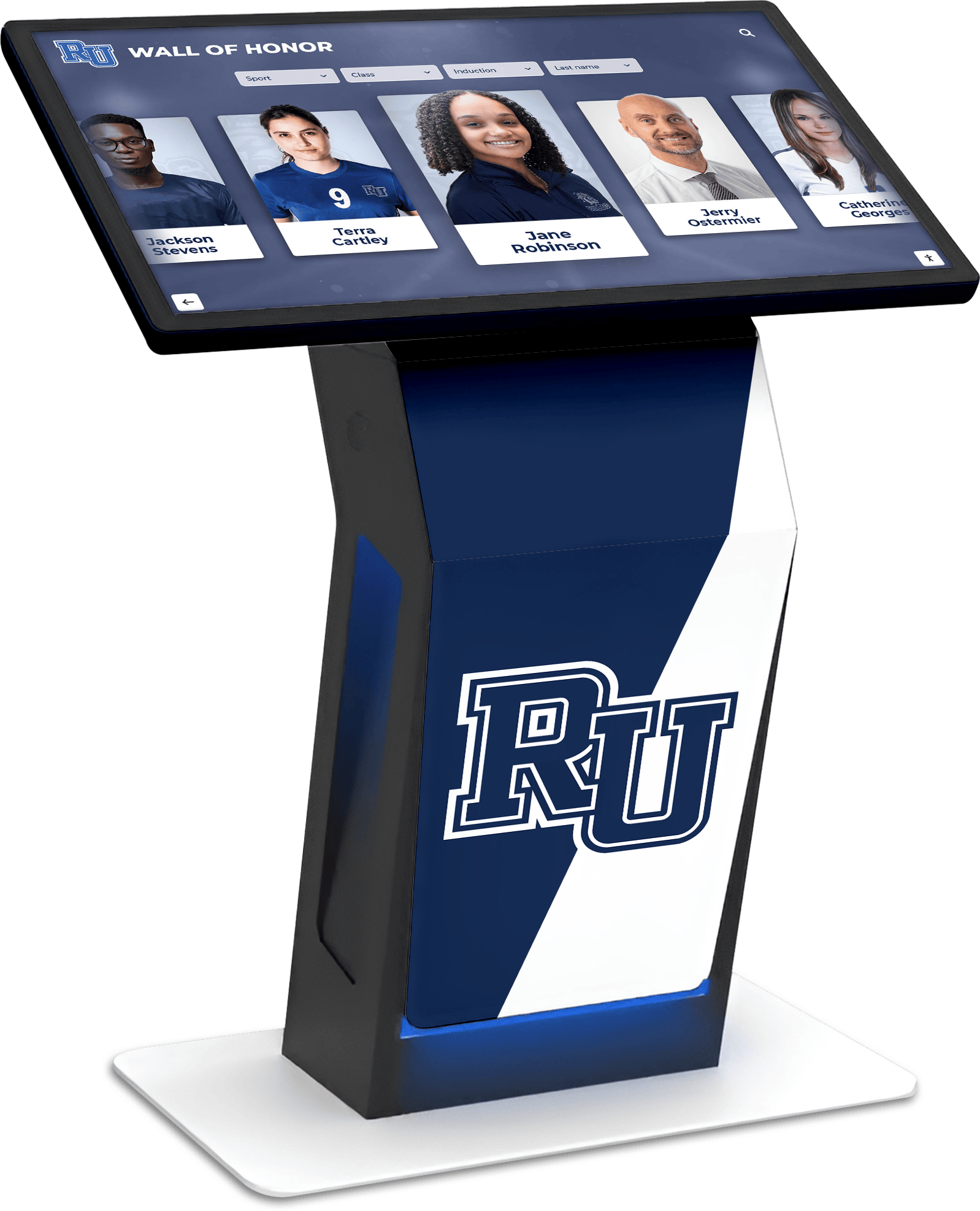
Modern recognition kiosks enable students to explore honor cord qualification criteria and track progress toward achievement goals
Permanent Recognition Beyond Graduation Day
Honor cord achievements deserve acknowledgment extending beyond single ceremony moments.
Digital Recognition Display Integration
Solutions like Rocket Alumni Solutions transform one-day honor cord recognition into year-round celebration:
Unlimited Achievement Documentation Digital displays overcome physical space limitations that plague traditional recognition:
- Showcase all honor cord recipients across unlimited graduating classes
- Document specific achievements qualifying each student for their cords
- Filter views by graduation year, honor type, or achievement category
- Preserve institutional recognition history creating permanent archives
- Enable current students to see what alumni before them achieved
Interactive Exploration Features Modern touchscreen systems create engagement impossible with static plaques:
- Search functionality enabling families to find specific graduates
- Detailed profiles explaining exact achievements each cord represents
- Photo galleries documenting graduation ceremonies
- Progress tracking showing students their current standing toward honor qualification
- Social sharing enabling graduates to celebrate achievements digitally
Simple Content Management Cloud-based platforms eliminate update burdens:
- Remote management from any internet-connected device
- Bulk import tools for historical honor roll data
- Automated publication when new honor cord recipients are determined
- Role-based permissions enabling appropriate staff access
- Mobile-friendly interfaces requiring no technical expertise
Schools report that comprehensive digital recognition systems significantly increase student motivation toward honor qualification when achievements receive year-round visibility rather than single-ceremony acknowledgment.
Graduation Ceremony Presentation Strategies
Even with permanent digital recognition, ceremony-day acknowledgment remains important:
Honor Cord Recognition Approaches
- Group recognition moment during ceremony for all cord recipients to stand
- Listing of honor cord categories and meanings in printed programs
- Special seating sections grouping honor recipients for family photography
- Individual announcement of highest achievement levels during diploma distribution
- Post-ceremony reception exclusively for honor cord recipients and families
Photography and Documentation
- Designated photographer capturing honor cord recipients
- Family photo opportunity stations highlighting honor achievements
- Video documentation of recognition moments
- Social media sharing with appropriate student permission
- Yearbook sections dedicated to honor cord recipients
Web-Based Honor Recognition
Extend acknowledgment beyond physical campus through online platforms:
Honor Roll Websites
- Searchable databases of all honor cord recipients by year
- Individual graduate profiles with achievement details
- Photo galleries from graduation ceremonies
- Social sharing capabilities enabling broader celebration
- Mobile optimization for family access from anywhere
Communication Integration
- Email notifications to families when honor cord determination occurs
- Newsletter features celebrating honor recipients
- Social media announcement series throughout graduation season
- Community media partnerships extending recognition reach
- Alumni network integration connecting honor graduates across generations
Many institutions implement comprehensive National Merit Scholar recognition approaches that can extend to all honor cord categories.
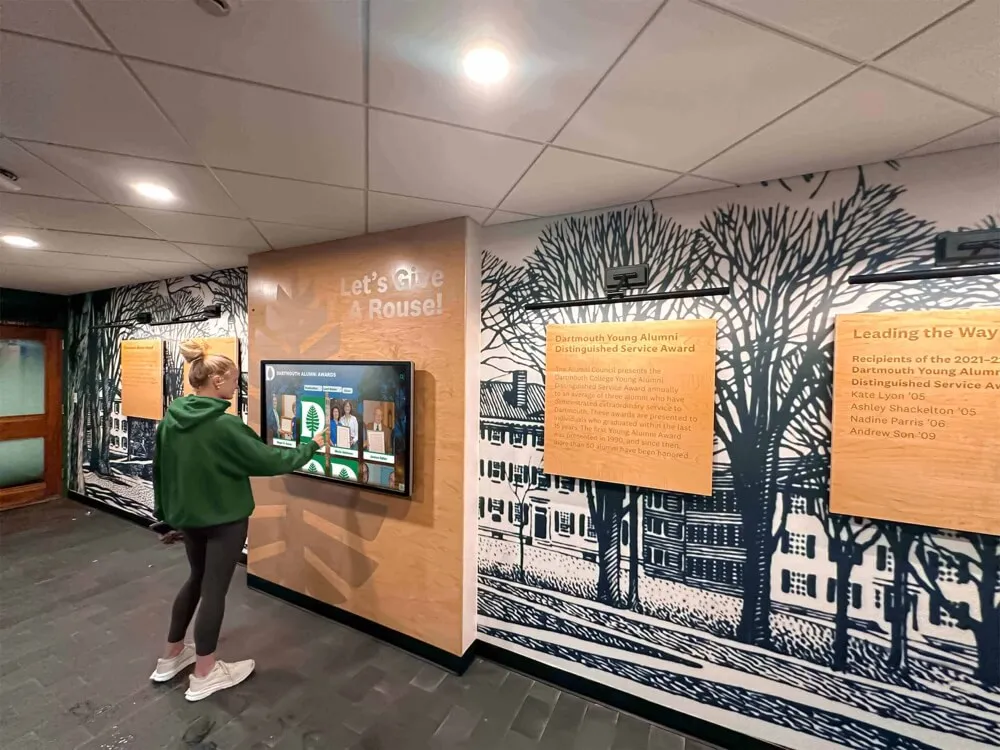
Strategic placement of recognition displays in high-traffic areas ensures honor cord achievements remain visible to current students and returning alumni
Special Considerations for Different Educational Levels
Honor cord programs adapt to institutional contexts and student developmental levels.
High School Honor Cord Programs
Secondary schools implement the most comprehensive honor cord systems:
Academic Differentiation
- Clear GPA tier recognition (honors, high honors, highest honors)
- Latin honor designation alignment with college preparation
- Advanced coursework completion recognition
- College preparedness indicator value for families
- Connection to scholarship qualification and college admissions
Comprehensive Category Range High schools typically award the widest variety of honor cords:
- Multiple academic achievement levels
- Honor society membership recognition
- Leadership and service cords
- Special program completion acknowledgment
- Athletic academic excellence
Four-Year Achievement Tracking Recognition systems should document cumulative accomplishment:
- Tracking from freshman year establishing early honor qualification awareness
- Progress monitoring enabling students to see developing achievement
- Four-year cumulative GPA calculation determining final honors
- Historical recognition of achievements throughout high school careers
Middle School Recognition Adaptations
Eighth grade promotion ceremonies increasingly incorporate honor cord elements:
Age-Appropriate Recognition
- Simplified cord categories matching developmental levels
- Emphasis on growth and improvement alongside absolute achievement
- Inclusive criteria ensuring broader qualification opportunities
- Foundation building for high school honor pursuit
- Celebration that motivates without overwhelming young adolescents
Transitional Preparation Middle school honor cords introduce students to recognition systems they’ll encounter in high school while maintaining appropriate expectations for 13- and 14-year-old achievement levels.
College and University Honor Cord Programs
Higher education institutions typically use more specialized honor recognition:
Discipline-Specific Honors
- Academic department honor cords for major-specific excellence
- Research achievement recognition
- Thesis and capstone project distinction
- Graduate program admission acknowledgment
Latin Honors Alignment College honor cords closely align with Latin honor designations:
- Summa cum laude (typically 3.9+ GPA)
- Magna cum laude (typically 3.7-3.89 GPA)
- Cum laude (typically 3.5-3.69 GPA)
Honor Society Integration Universities leverage established honor societies with national criteria:
- Phi Beta Kappa for liberal arts excellence
- Discipline-specific honor societies with standardized requirements
- Graduate honor societies like Phi Kappa Phi
- Professional organization recognition
Many colleges implement sophisticated graduation recognition systems that extend beyond honor cords to comprehensive achievement celebration.
Common Honor Cord Program Challenges and Solutions
Even well-designed programs encounter implementation obstacles requiring thoughtful solutions.
Challenge: Late-Qualifying Students
Problem: Students whose final semester grades push them into honor qualification after cord ordering deadlines.
Solutions:
- Order extra cords in each color anticipating some late qualifications
- Establish express ordering relationship with vendor for emergency additions
- Create clear policy about qualification cutoff dates communicated early
- Consider preliminary notification based on projected final grades
- Provide post-ceremony recognition for truly last-minute qualifications
Challenge: Lost or Damaged Cords
Problem: Students lose cords before graduation or cords arrive damaged.
Solutions:
- Order 10-15% extra cords beyond exact recipient count
- Maintain backup cord inventory for graduation day emergencies
- Assign specific staff member as graduation day cord coordinator
- Create clear communication about cord pickup responsibility
- Develop replacement policy balancing student accountability with recognition access
Challenge: Unclear or Inconsistent Criteria
Problem: Confusion about exact qualification requirements or inconsistent application of standards.
Solutions:
- Document all criteria in writing with specific numerical thresholds
- Create FAQ document addressing common questions
- Train counselors and administrators on consistent criteria interpretation
- Implement verification review process checking calculations
- Communicate criteria changes with adequate advance notice
Challenge: Perceived Favoritism or Unfairness
Problem: Students or families questioning why specific individuals received or didn’t receive particular honors.
Solutions:
- Establish objective, quantifiable criteria wherever possible
- Create transparent appeals process for disputed decisions
- Maintain careful documentation of all qualification determinations
- Communicate criteria broadly and repeatedly throughout academic year
- Form honor determination committees rather than single-person decisions
Challenge: External Organization Conflicts
Problem: National honor societies or other organizations with different qualification standards than school preferences.
Solutions:
- Clearly distinguish between institution-awarded and organization-awarded cords
- Create parallel internal recognition when external criteria seem inappropriate
- Negotiate with organizations about adapted criteria fitting local contexts
- Communicate that schools honor organization standards for their specific cords
- Offer institution-based alternatives ensuring broad recognition access
Implementing New or Revised Honor Cord Programs
Schools establishing or significantly changing honor cord systems require careful planning ensuring smooth transitions.
Needs Assessment and Planning
Stakeholder Input Collection
- Survey students about recognition priorities and desired categories
- Gather faculty input about appropriate academic standards
- Solicit family perspectives about recognition value and meaning
- Review current honor cord distribution if programs already exist
- Analyze peer institution programs for comparison and ideas
Current State Analysis
- Evaluate existing recognition systems identifying gaps
- Review historical achievement data establishing appropriate thresholds
- Assess budget availability for cord purchases and program administration
- Examine graduation ceremony logistics and time constraints
- Consider technological infrastructure for permanent recognition systems
Program Design and Documentation
Criteria Development Create comprehensive written documentation including:
- Exact qualification requirements with numerical thresholds
- Calculation methodology (weighted vs. unweighted GPA, etc.)
- Documentation requirements for non-automatic qualifications
- Timeline for determination and notification
- Appeals and exception processes
Communication Strategy Develop multi-channel communication plan:
- Student handbook inclusion with full criteria documentation
- Parent information sessions during registration or orientation
- School website dedicated honor cord information page
- Counselor training ensuring consistent guidance
- Annual reminder communications to students and families
Launch and Continuous Improvement
Phased Implementation Consider gradual rollout rather than complete program overhaul:
- Begin with core academic achievement cords
- Add additional categories in subsequent years
- Test processes with initial graduating class
- Refine based on experience before full expansion
Assessment and Refinement Regular evaluation ensures continued program effectiveness:
- Track qualification percentages across demographics
- Gather stakeholder feedback after each graduation
- Monitor cord meaning perception among students and community
- Adjust criteria based on achievement distributions
- Document lessons learned for future improvement
Schools implementing recognition system changes can reference comprehensive student recognition program frameworks that address common implementation challenges.
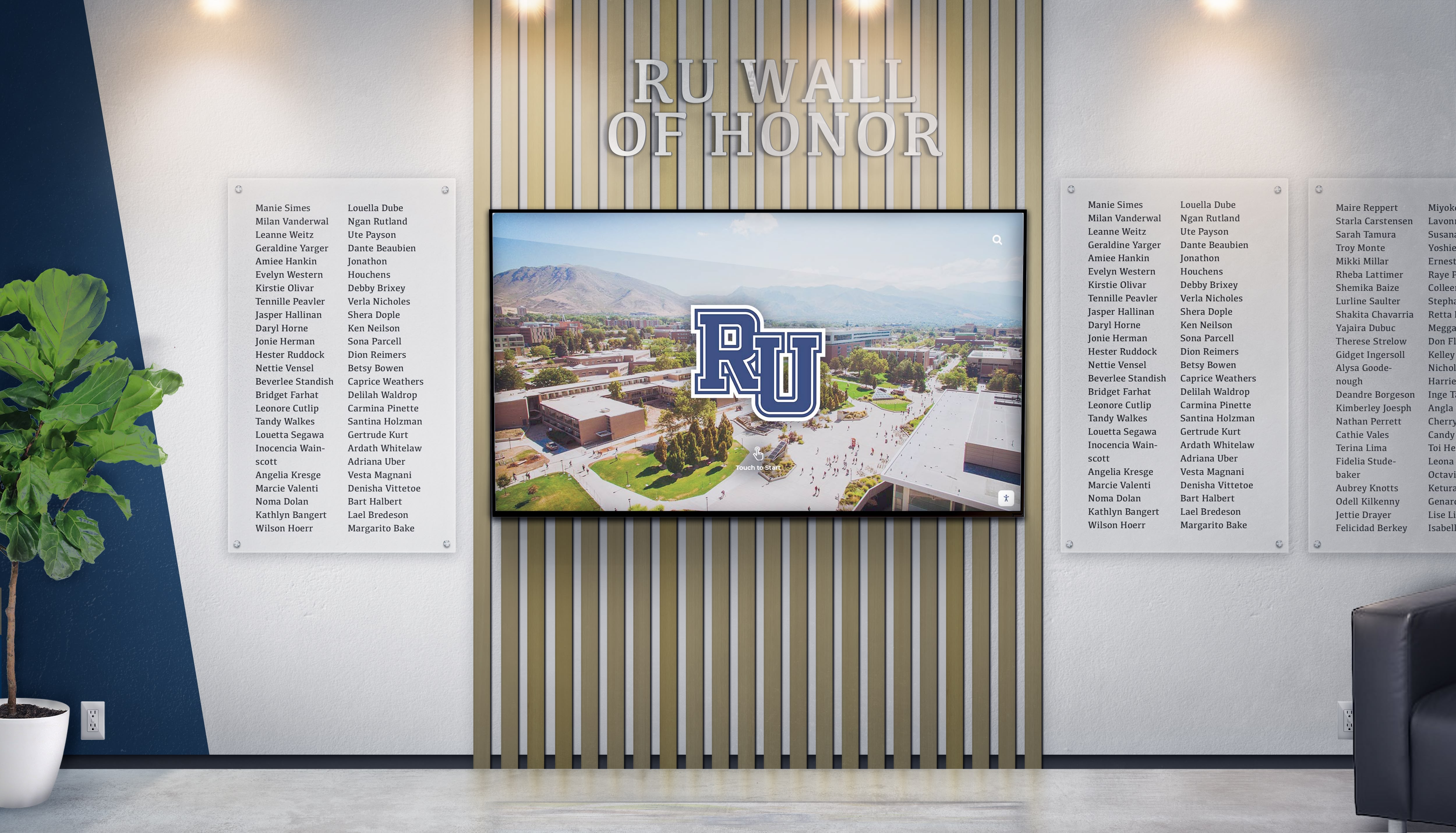
Integrated recognition systems combine honor cord ceremony acknowledgment with permanent displays that celebrate achievement year-round
Beyond Honor Cords: Comprehensive Graduation Recognition
While honor cords provide valuable visible recognition, effective schools implement broader celebration systems.
Multi-Format Recognition Approaches
Physical Recognition Elements
- Honor cords for graduation ceremony visibility
- Certificates documenting specific achievements
- Medallions or pins for particularly prestigious honors
- Diploma covers or frames noting honor status
- Special designation on official transcripts
Digital and Permanent Recognition
- Interactive touchscreen displays showcasing all honor recipients
- Web-based searchable honor roll databases
- Social media celebration campaigns
- Email communications to families
- Newsletter and publication features
Ceremony Recognition Integration
- Dedicated honor recipient acknowledgment segments
- Printed program listings with achievement explanations
- Special seating or processional designation
- Post-ceremony receptions for honor recipients
- Photography specifically documenting honored graduates
Creating Recognition Culture
The most effective honor cord programs exist within broader cultures celebrating achievement:
Year-Round Achievement Visibility
- Quarterly honor roll announcements and displays
- Monthly student achievement spotlights
- Real-time digital display updates showing current honors
- Classroom and hallway recognition features
- Morning announcements celebrating academic excellence
Motivational Impact Well-implemented recognition systems create positive achievement cycles:
- Current students see honored alumni and aspire to similar recognition
- Clear criteria enable intentional pursuit of specific honors
- Regular acknowledgment reinforces that achievement matters
- Comprehensive categories ensure diverse students find recognition opportunities
- Permanent displays communicate long-term value of academic excellence
Alumni Connection Recognition extending beyond graduation maintains institutional relationships:
- Honor cord recipient alumni networks
- Mentorship connections between honored graduates and current students
- Homecoming and reunion recognition of historical honor recipients
- Distinguished alumni highlighting their honor cord foundations
- Continued engagement through permanent recognition system access
Many schools leverage interactive student recognition displays that connect graduation honor cord programs with comprehensive year-round achievement celebration.
Vendor Selection and Cord Procurement
Practical considerations ensure high-quality cords arrive on time without budget overruns.
Honor Cord Quality Considerations
Material and Construction
- Rayon vs. polyester construction affecting drape and appearance
- Tassel quality and attachment security
- Color vibrancy and fade resistance
- Appropriate length (typically 60-70 inches for standard cords)
- Professional finish and presentation
Customization Options
- School-specific color combinations
- Custom metallic accents or threading
- Braided dual-color options
- Logo charms or medallion attachments
- Specialty packaging for premium presentation
Procurement Timeline and Process
Vendor Research (8-12 weeks before graduation)
- Request samples from multiple suppliers
- Compare pricing including shipping and rush fees
- Review delivery guarantee policies
- Check minimum order requirements
- Verify customization capabilities if desired
Order Placement (6-8 weeks before graduation)
- Calculate exact quantities with 10-15% buffer
- Confirm delivery date with adequate margin before ceremony
- Document all specifications in writing
- Obtain invoice showing exact costs
- Establish communication protocol for order status updates
Quality Control (upon delivery)
- Inspect sample from shipment before distribution
- Verify color accuracy matching specifications
- Check quantity received against order
- Examine cord quality and construction
- Test tassel security and overall appearance
Budget Management
Cost Factors Graduation honor cord expenses vary based on:
- Quantity ordered (bulk pricing for larger orders)
- Customization requirements
- Material quality and construction
- Rush fees if ordering near deadlines
- Shipping method and timeline
Budget Planning Typical per-cord costs range from $2-8 depending on specifications. Schools graduating 200 students with 40% honor cord qualification should budget approximately $500-1,500 for cord procurement including buffer inventory.
Funding sources include:
- General academic department budgets
- Student activity fee allocations
- Booster club or parent organization support
- Graduation ceremony budget line items
- Alumni association contributions
Conclusion: Honor Cords as Visible Achievement Celebration
Graduation honor cords transform abstract academic achievement into tangible recognition that students wear with pride, families photograph with joy, and communities celebrate with genuine admiration. These simple colored ropes create powerful visual testimony to dedication, intellectual curiosity, leadership development, and the countless hours students invest pursuing excellence.
Effective honor cord programs extend far beyond purchasing colored cords—they require thoughtful criteria establishing fair qualification standards, transparent communication ensuring students understand recognition opportunities, equitable access preventing socioeconomic barriers, and comprehensive celebration systems that honor achievement beyond single ceremony moments.
The strategies explored in this guide provide frameworks for building honor cord programs that maintain meaningful selectivity while offering recognition opportunities across diverse achievement dimensions. From establishing appropriate GPA thresholds and creating multi-tiered recognition systems to implementing permanent digital displays that celebrate honor recipients year-round, these approaches ensure worthy accomplishments receive appropriate acknowledgment.
Celebrate Honor Cord Recipients Year-Round
Discover how modern digital recognition solutions help schools honor graduation excellence beyond ceremony day, creating permanent celebration systems that inspire current students while preserving institutional achievement history.
Explore Recognition SolutionsWhen students cross graduation stages wearing honor cords representing years of dedicated effort, those colored ropes symbolize more than individual achievement—they demonstrate institutional commitment to recognizing excellence, celebrating diverse accomplishments, and inspiring future students who will pursue similar recognition.
Schools that implement comprehensive honor cord programs supported by permanent recognition systems create achievement cultures where intellectual excellence receives visibility equal to athletic accomplishment, where diverse pathways to honor ensure all students find recognition opportunities, and where celebration extends from ceremony day throughout academic careers and into alumni connections.
Your students’ achievements deserve recognition that honors the significance of what they’ve accomplished. With thoughtful planning, equitable criteria, and appropriate technology like solutions from Rocket Alumni Solutions, you can create honor cord programs that provide meaningful ceremony-day recognition while extending celebration through comprehensive systems that inspire excellence for years to come.
Ready to enhance your academic recognition approach? Explore strategies for digital hall of fame displays or learn about comprehensive teacher recognition programs that complement student achievement celebration.































