School gymnasiums serve as the heart of athletic programs, hosting everything from varsity competitions to physical education classes, community events, and school assemblies. When these facilities show their age through worn flooring, outdated lighting, cramped locker rooms, or inadequate recognition spaces, they fail to meet the needs of modern athletic programs and the communities they serve.
Gym renovation projects offer opportunities to transform these essential spaces into facilities that inspire student-athletes, impress recruits, engage communities, and support competitive excellence. Whether working with limited budgets focused on essential upgrades or comprehensive funding allowing complete transformations, strategic renovation planning ensures investments deliver maximum impact. This comprehensive guide explores practical gym renovation ideas across all budget levels, from cost-effective improvements to aspirational additions that position programs for long-term success.
Assessing Your Gym Renovation Needs
Before selecting specific renovation projects, systematic assessment identifies which improvements will deliver the greatest value for your particular facility and community.
Conducting a Comprehensive Facility Audit
Begin renovation planning with a thorough evaluation of current conditions. Walk through all spaces—main gymnasium, auxiliary gyms, locker rooms, training areas, storage spaces, and common areas—documenting deficiencies, safety concerns, and improvement opportunities.
Evaluate structural elements including roof condition and potential leak sources, HVAC systems and climate control effectiveness, electrical capacity and outlet distribution, plumbing fixtures and water pressure, and accessibility compliance with ADA requirements. Document all observations with photos and detailed notes that will inform prioritization decisions.
Assess athletic-specific elements such as playing surface condition and safety, scoreboard and timing system functionality, spectator seating comfort and capacity, equipment storage adequacy, and recognition display quality and relevance.
Involve multiple stakeholders in the assessment process. Athletic directors understand operational needs and program priorities. Facilities managers identify maintenance concerns and infrastructure limitations. Coaches provide sport-specific insights about training and competition requirements. Student-athletes offer user perspectives about what works and what doesn’t.
Establishing Clear Renovation Priorities
Facility assessments typically reveal more needs than available budgets can address simultaneously. Prioritization frameworks help allocate resources strategically.
Safety and compliance issues demand immediate attention. Address any conditions that pose injury risks to users or fail to meet building codes, accessibility requirements, or safety regulations. These non-negotiable items move to the top of renovation lists regardless of other preferences.
High-impact improvements that affect daily experiences for large numbers of users deserve priority over specialized additions serving narrow purposes. Gymnasium flooring used by hundreds of students weekly justifies investment ahead of specialized training equipment used by select teams.
Competitive and recruitment advantages matter for programs seeking to attract talent and achieve success. Facilities that lag significantly behind peer institutions create competitive disadvantages that renovations can address.
Budget availability determines what’s possible within current funding while identifying which aspirational projects require future fundraising or phased implementation.
Setting Realistic Budget Parameters
Gym renovation costs vary tremendously based on facility size, project scope, and local construction costs. Understanding typical cost ranges helps establish realistic expectations.
Minor cosmetic improvements including painting, cleaning, and basic equipment updates might cost $5,000-$25,000 for typical school gyms. Mid-level renovations addressing flooring, lighting, or specific system upgrades typically range from $50,000-$200,000. Major comprehensive renovations involving multiple systems and spaces often require $250,000-$1,000,000 or more depending on facility size and project scope.
Most schools implement gym renovations through phased approaches that spread costs over multiple budget cycles. Year one might address critical flooring replacement and lighting upgrades. Year two could focus on locker room improvements. Subsequent phases tackle recognition systems, technology integration, or facility expansion.
Funding sources for gym renovations typically combine institutional capital budgets, bond measures approved by voters or boards, fundraising campaigns targeting donors and alumni, grants from athletic associations or foundations, and revenue from facility naming rights or major gifts.
Essential Gym Renovation Ideas for Every Budget
Certain renovation projects deliver significant impact regardless of overall budget constraints. These foundational improvements should be evaluated by every program planning facility updates.
Gymnasium Flooring Replacement and Refinishing
Flooring represents perhaps the most critical element of any gymnasium. Quality surfaces protect athlete safety, optimize performance, and create professional appearances that reflect program quality.
Hardwood gymnasium floors typically require refinishing every 5-10 years depending on usage intensity. The refinishing process involves sanding away surface wear, repairing minor damage, applying fresh finish coatings, and repainting court lines and logos. Professional refinishing costs approximately $2-$4 per square foot for standard gymnasiums, making it one of the most cost-effective ways to dramatically improve facility appearance.
Complete floor replacement becomes necessary when structural damage, excessive wear, or moisture issues compromise floor integrity. Modern hardwood systems incorporate shock-absorbing subfloor structures that reduce impact forces and enhance athlete safety. Expect replacement costs of $8-$15 per square foot installed, with total project costs for typical high school gymnasiums ranging from $60,000-$150,000.
Synthetic flooring alternatives suit multi-purpose facilities requiring versatility. Modern polyurethane sports surfaces provide durability, easy maintenance, and performance characteristics approaching hardwood while accommodating diverse activities from basketball to indoor soccer, volleyball to gym class activities. These surfaces particularly benefit elementary and middle schools where facilities serve varied programming.
When planning flooring projects, coordinate work during summer breaks to minimize disruption. Most projects require 2-4 weeks from start to completion, during which facilities remain unusable. Factor temporary facility arrangements into project planning timelines.
LED Lighting System Upgrades
Gymnasium lighting directly impacts playability, spectator experience, energy costs, and overall facility atmosphere. Modern LED lighting systems deliver dramatic improvements across all these dimensions.
Traditional metal halide or fluorescent gymnasium lighting creates uneven illumination, requires lengthy warm-up periods, generates excessive heat, and consumes substantial energy. LED upgrades provide instant-on capability eliminating warm-up delays, uniform illumination across playing surfaces improving visibility and reducing shadows, reduced heat generation lowering cooling costs, and energy consumption reductions of 50-75% compared to legacy systems.
LED lighting costs typically range from $15,000-$60,000 for complete gymnasium retrofits depending on ceiling height, fixture count, and control system sophistication. Many schools see energy savings that offset installation costs within 3-5 years, making lighting upgrades among the most financially justifiable renovation projects.
Advanced lighting control systems add versatility to LED installations. Dimming capabilities allow different lighting levels for competitions versus practices or classes. Programmable scenes create appropriate atmospheres for various events. Some systems integrate with scoreboards and sound systems for coordinated multimedia presentations during games.
Beyond energy savings and performance benefits, quality lighting creates psychological impacts. Bright, uniform lighting makes facilities feel newer, cleaner, and more professional—transforming the overall environment without structural changes.
Climate Control and Ventilation Improvements
Comfortable temperature and air quality significantly affect user experience and facility usability across seasons. Many older gymnasiums lack adequate climate control, limiting use during hot summer months or creating uncomfortable conditions during winter activities.
HVAC system upgrades vary in scope and cost. Basic improvements might include adding circulation fans to distribute air more effectively, installing economizers that use outside air when temperatures permit, upgrading thermostats to programmable models optimizing energy use, and improving insulation to reduce heating and cooling losses.
More comprehensive HVAC renovations involve installing new high-efficiency heating and cooling equipment, adding or upgrading air handling systems, implementing zone controls allowing different temperatures in various spaces, and incorporating air filtration improvements enhancing indoor air quality.
HVAC projects represent substantial investments, typically $50,000-$200,000+ for comprehensive gymnasium upgrades. However, they extend facility usability into previously uncomfortable seasons, reduce energy costs through efficiency improvements, and create more pleasant environments for athletes, students, and spectators.
When evaluating HVAC improvements, consider total cost of ownership including installation, energy consumption, maintenance requirements, and expected equipment lifespan. Systems with higher initial costs but superior efficiency often deliver better long-term value than cheaper alternatives.
Locker Room and Team Space Renovations
Locker rooms serve as athlete home bases within facilities. Dated, cramped, or poorly maintained locker rooms create negative impressions that affect recruitment and daily team experiences.
Modern Locker Room Design Principles
Contemporary locker room renovations emphasize functionality, durability, and creating environments that communicate program quality and respect for athletes.
Individual locker stations should provide adequate space for equipment and belongings. Modern installations allocate 12-18 inches of width per athlete compared to 8-12 inches in older facilities. This additional space dramatically improves usability. Include ventilated compartments that allow wet or used equipment to dry properly, reducing odor issues common in cramped locker rooms.
Seating areas between locker rows need sufficient width—minimum 4-5 feet—allowing athletes to dress comfortably without crowding. Benches should be sturdy, cleanable, and properly anchored. Many modern designs incorporate individual seating at each locker station rather than continuous benches.
Shower and restroom facilities require adequate capacity, privacy options, and quality finishes. Plan for one shower head per 8-10 athletes as a general guideline. Individual shower stalls with privacy dividers meet modern expectations better than older open gang showers. Quality tile, proper ventilation, and commercial-grade fixtures ensure durability and maintainability.
Team meeting areas within or adjacent to locker rooms support coaching effectiveness. These spaces need adequate seating, AV capabilities for video review, and appropriate acoustics for communication. Meeting spaces serve multiple functions from pre-game preparation to individual coaching conversations.
Cost-Effective Locker Room Improvements
Major locker room renovations involving layout changes, plumbing modifications, and complete finish replacements typically cost $150-$400 per square foot. However, targeted improvements can dramatically enhance existing spaces at lower investment levels.
Fresh paint in team colors with coordinated graphics transforms appearance inexpensively. Professional painting including proper surface preparation typically costs $2-$5 per square foot. Adding team branding, motivational quotes, or recognition elements celebrating program achievements creates more engaging environments.
Locker replacement updates appearance and functionality without requiring structural changes. Modern metal or laminate lockers with ventilation features, secure locks, and cleanable surfaces cost approximately $150-$400 per unit installed. Replacing 30-40 lockers costs $6,000-$16,000—substantial but far less than complete renovations.
Lighting upgrades brighten locker rooms noticeably. Many older facilities have inadequate illumination creating dingy atmospheres. LED fixture retrofits improve brightness while reducing energy consumption, typically costing $100-$300 per fixture installed.
Flooring replacement addresses wear and improves cleanability. Commercial-grade vinyl or tile appropriate for wet environments costs $4-$10 per square foot installed. A 1,000-square-foot locker room floor replacement might cost $5,000-$12,000.

Digital Recognition and Display Systems
Modern recognition technology represents one of the most transformative gym renovation additions available today. Digital systems revolutionize how schools celebrate achievements, preserve history, and engage communities.
Interactive Touchscreen Displays
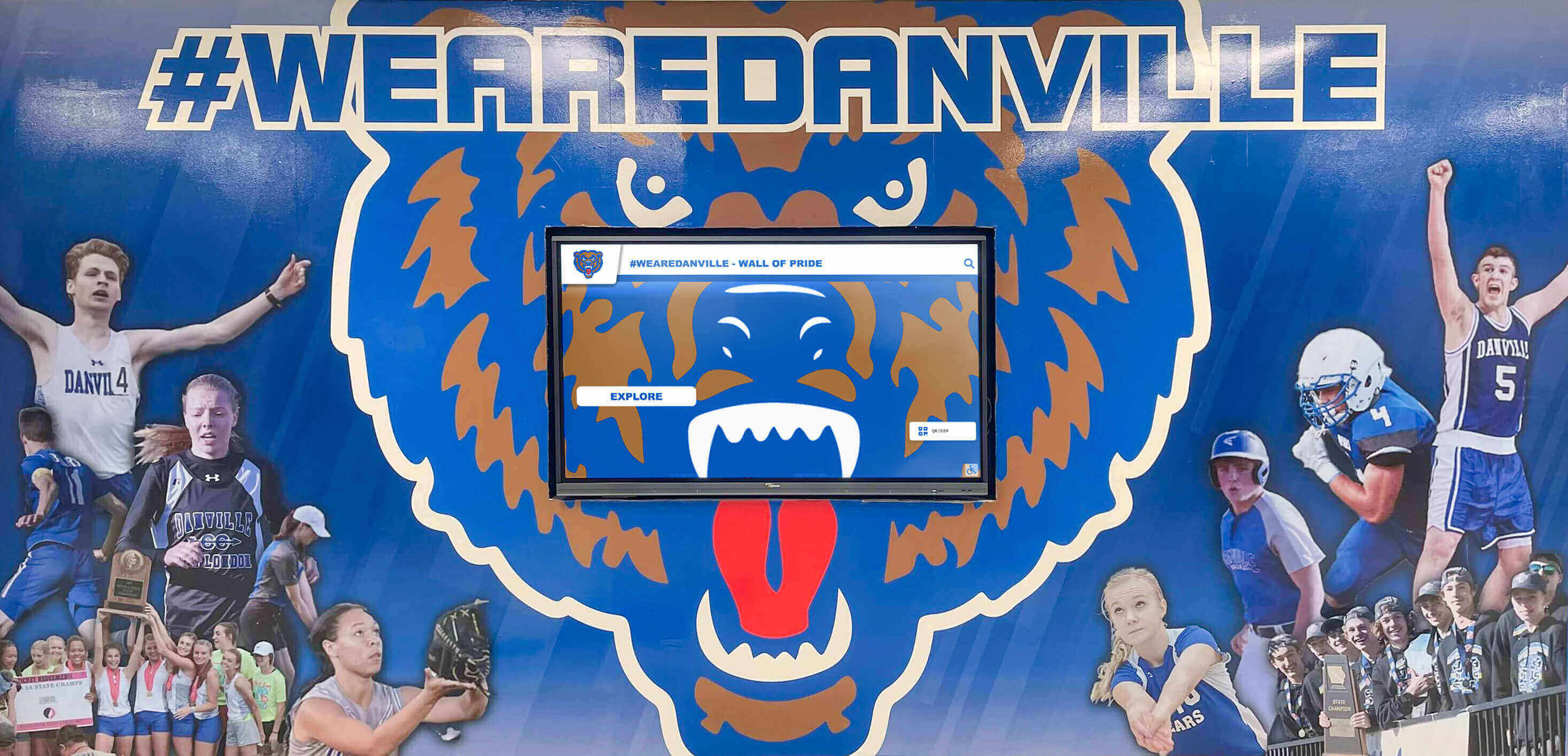
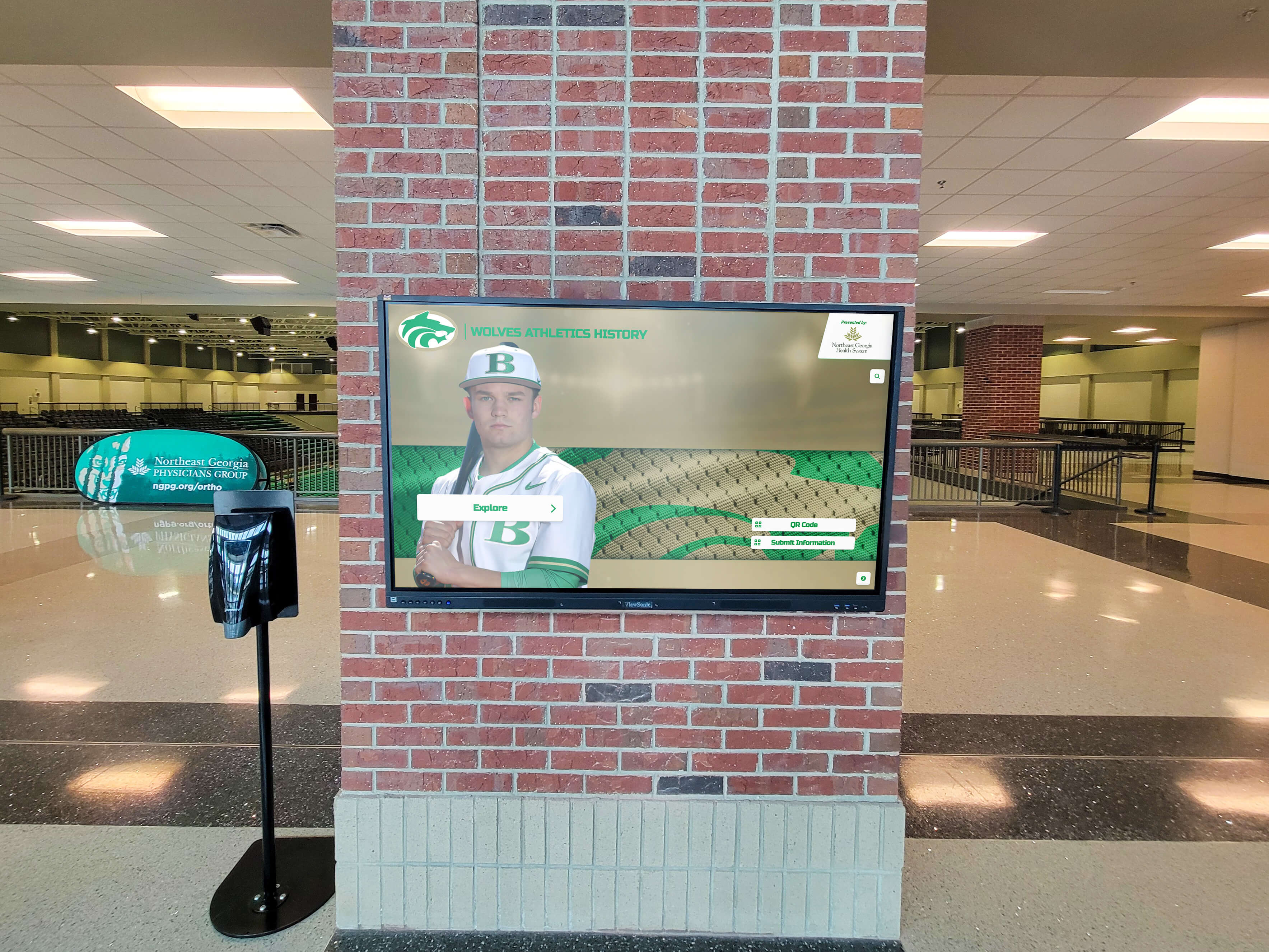
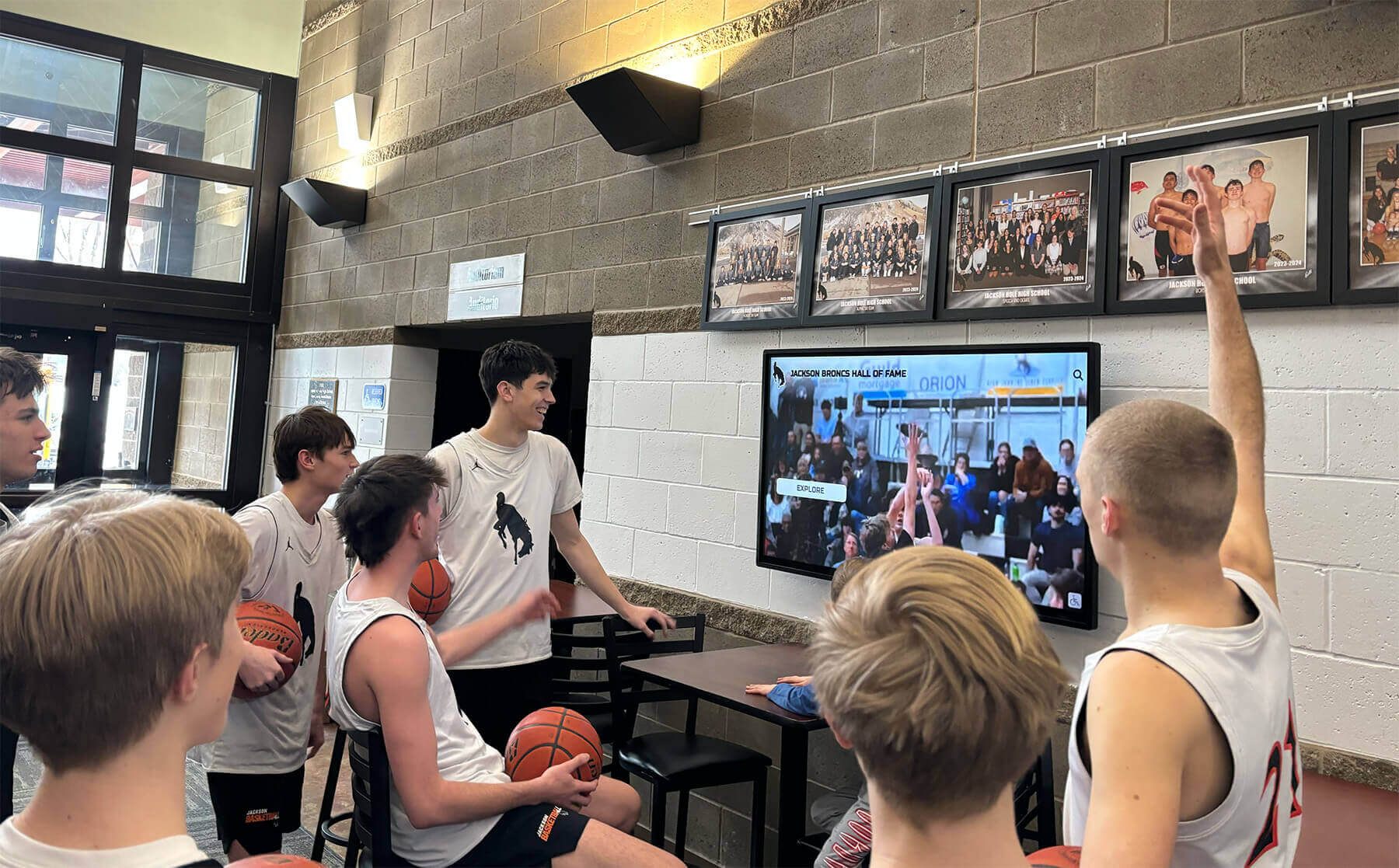
Touchscreen recognition systems installed in gymnasium lobbies, hallways, or common areas provide unlimited capacity to showcase athletic achievements without physical space constraints. Unlike traditional trophy cases that fill and force difficult decisions about what to display, digital platforms can present comprehensive recognition across all sports and eras.
These systems allow visitors to explore championship histories, individual records, all-conference selections, and scholar-athlete honors through intuitive interfaces. Searchable databases let athletes, families, and alumni find specific individuals or teams instantly. Multimedia integration includes photos, videos, statistics, and detailed achievement narratives.
Content updates happen remotely through web-based management systems, eliminating the need for physical modifications when new achievements occur. This real-time update capability ensures recognition remains current and relevant rather than becoming outdated displays gathering dust.
Solutions like those from Rocket Alumni Solutions provide purpose-built platforms designed specifically for athletic recognition, with content management systems that make updates simple for non-technical staff while creating professional displays that impress recruits and engage communities.
Installation costs for touchscreen recognition systems typically range from $8,000-$25,000 depending on screen size, mounting requirements, and software features. While representing meaningful investment, these systems provide indefinite expansion capacity and eliminate ongoing costs for engraving, plaque production, or physical display modifications.
Video Walls and Dynamic Displays
Large-format LED video walls create impressive focal points in renovated gymnasiums. These displays showcase game highlights, real-time statistics, recruitment videos, and recognition content on massive screens visible throughout facilities.
Modern LED technology offers versatility impossible with static signage. Content changes instantly for different events—morning practices might display motivational content and training videos, afternoon classes show educational materials, evening games feature live action and instant replays. This multi-purpose functionality maximizes facility investment.
Video walls also generate revenue opportunities. Sponsorship placements on high-quality LED systems command premium pricing from local businesses, helping offset installation costs while providing visibility sponsors value.
Professional video wall installations range from $25,000-$150,000+ depending on screen size, resolution, and mounting complexity. While substantial investments, these systems transform facility atmospheres and create professional environments comparable to collegiate or professional venues.
Digital Scoreboard and Timing System Upgrades
Modern scoreboards do far more than display scores and time. Contemporary systems integrate video replay capabilities, sponsor messaging rotation, statistical overlays and graphics, synchronized sound system integration, and wireless control from tablets or courtside stations.
Scoreboard replacement costs vary widely based on size and features. Basic LED scoreboards suitable for high school gymnasiums start around $15,000-$30,000. More sophisticated systems with video capabilities and advanced features range from $40,000-$100,000+.
When planning scoreboard upgrades, verify electrical capacity and mounting structure adequacy. Many older gymnasiums require electrical upgrades to support modern scoreboard power requirements. Structural mounting points must safely support equipment weight, particularly for ceiling-mounted installations.
Spectator Experience Enhancements
Gymnasium renovations should consider the communities these facilities serve. Spectator-focused improvements build support, increase attendance, and create more enjoyable event experiences.
Seating Upgrades and Expansion
Uncomfortable or inadequate seating deters attendance and creates poor impressions during events. Seating improvements range from basic refurbishment to complete replacements or capacity expansion.
Existing bleacher refurbishment might include structural inspection and repair, fresh paint and refinishing, adding seatbacks to bench seating, installing safety railings and padding, and improving aisle lighting and signage. Refurbishment projects typically cost $10-$30 per seat depending on work scope.
Complete bleacher replacement with modern systems featuring comfortable individual seats, proper aisle spacing, ADA-compliant accessible seating areas, and quality structural design costs approximately $75-$150 per seat installed. A 500-seat replacement project might range from $40,000-$75,000.
Capacity expansion requires adequate floor space and structural mounting points. Retractable bleacher systems maximize flexibility, allowing seating to be stored when full floor space is needed for other activities. Power-operated retractable systems cost more than manual versions but ease setup and storage.
Concession and Restroom Facility Improvements
Adequate concessions and restrooms directly impact event experiences. Long lines, inadequate facilities, or dated amenities frustrate spectators and reduce enjoyment of otherwise excellent competitions.
Restroom renovations should address capacity (ensuring sufficient fixtures for peak attendance), accessibility (meeting ADA requirements throughout), finishes (durable, cleanable materials appropriate for high-traffic use), lighting (bright LED systems improving safety and appearance), and ventilation (proper air handling preventing odors).
Concession area improvements might include modernizing equipment for efficiency and food quality, expanding service windows to reduce wait times, improving queue management and customer flow, upgrading point-of-sale systems with modern payment options, and enhancing lighting and finishes creating more appealing spaces.
These “support” spaces often receive insufficient attention during renovations despite significantly impacting user satisfaction. Allocating 15-20% of renovation budgets to restroom and concession improvements typically delivers high return on investment through improved experiences.
Sound System Upgrades
Quality sound systems enhance atmospheres during competitions while supporting multiple facility uses from assemblies to graduations. Many older gymnasiums have inadequate or outdated sound systems creating poor intelligibility and uneven coverage.
Modern gymnasium sound systems incorporate distributed speaker arrays providing even coverage throughout seating areas, wireless microphone systems eliminating cable management issues, mixer systems allowing multiple audio sources and zones, and integration with scoreboards and video displays for coordinated presentations.
Professional sound system installations designed specifically for gymnasium acoustics typically cost $15,000-$50,000 depending on facility size and system sophistication. Work with experienced installers who understand gymnasium acoustics—these challenging environments require expertise beyond standard commercial audio installation.
Athletic Branding and Visual Identity
Renovated gymnasiums provide opportunities to strengthen visual identity and create environments that reinforce program culture and tradition.
Wall Murals and Graphics
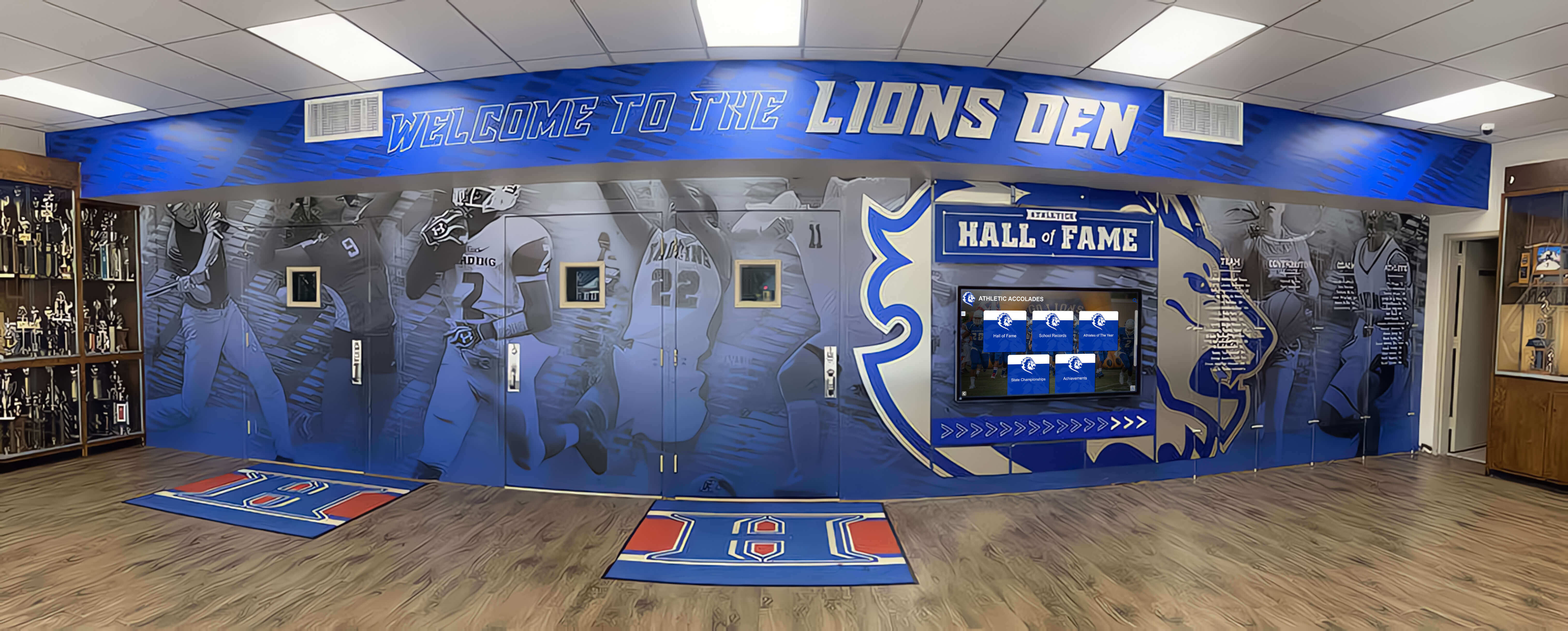
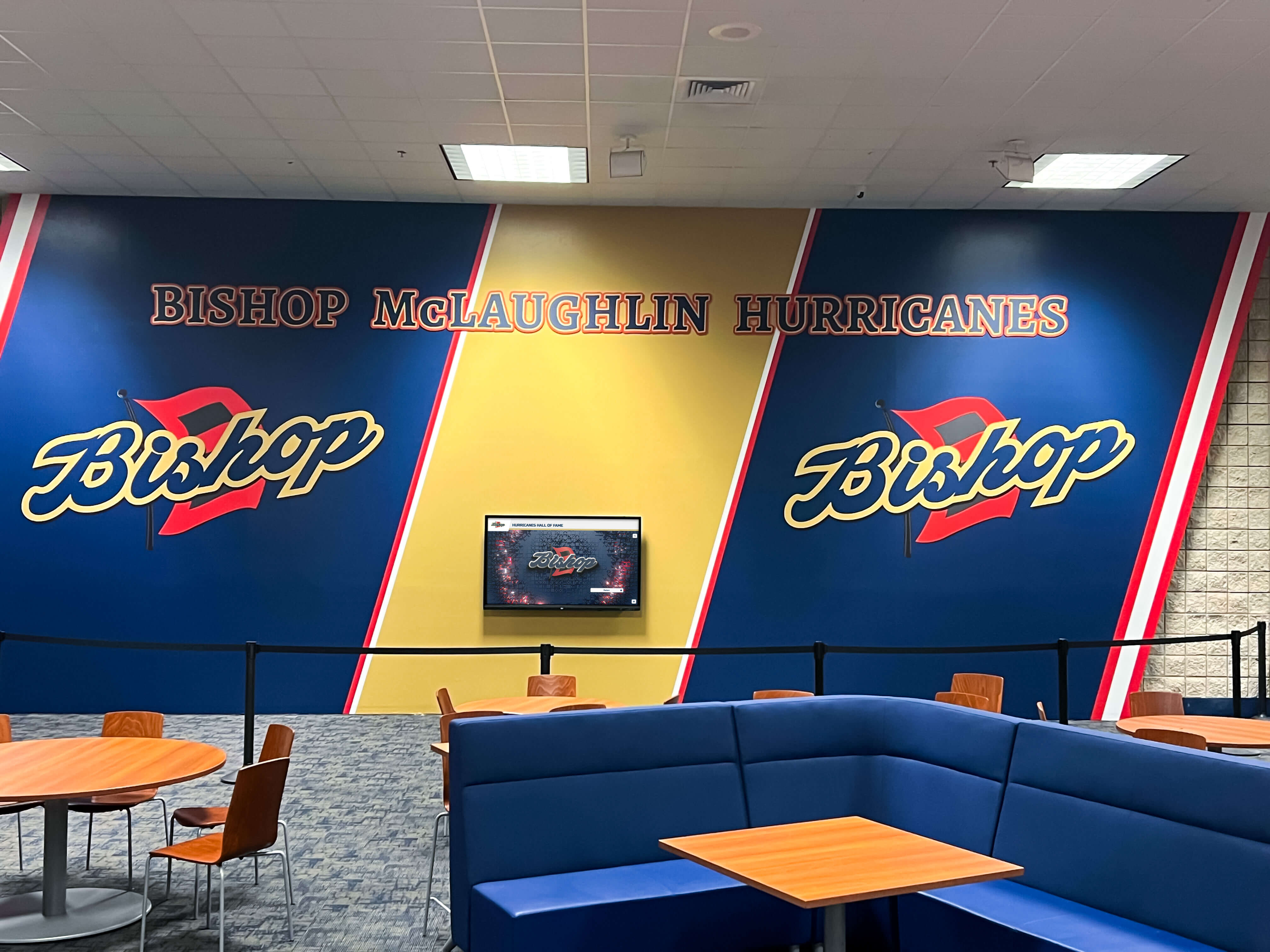
Large-scale wall graphics transform plain gymnasium walls into engaging visual environments. Custom murals might feature school mascots and logos prominently displayed, team values and mission statements, inspirational quotes from coaches or notable alumni, historical timeline graphics showing program evolution, or action photography celebrating championship moments.
Professional design and installation of gymnasium wall graphics typically costs $3,000-$15,000 depending on size, complexity, and wall preparation requirements. Quality vinyl graphics properly installed can last 7-10 years before requiring replacement.
Graphics should be strategically located where they’re visible to athletes during competition (creating home-court advantage), prominent for spectators entering facilities, and featured in areas used for recruitment tours. Creating a collegiate experience helps high school programs compete for talent.
Floor Graphics and Court Markings
Gymnasium floors offer prime real estate for branding beyond standard court markings. Center court logos create focal points visible in photos and videos. Sideline and baseline graphics showcase school identity. End zone or court area graphics might recognize major donors or celebrate championships.
Custom floor graphics are incorporated during refinishing or installation projects. Professional graphics add approximately $2,000-$8,000 to flooring projects depending on complexity. Ensure designs don’t interfere with regulation court dimensions or create visual distractions affecting play.
Championship Banner Programs
Championship banners hanging from gymnasium rafters create impressive visual celebrations of program success. Well-designed banner programs recognize conference championships, regional titles, state championships, and individual honors in consistent formats creating cohesive displays.
Quality championship banners cost $200-$600 each depending on size and production method. Installation hardware and hanging systems add $100-$300 per banner. A comprehensive program recognizing 20-30 championships might cost $8,000-$20,000 total.
Establish clear criteria determining which achievements merit banners, ensuring consistency and prestige. Some programs reserve banners exclusively for state championships. Others recognize all conference titles. Define standards that align with your program’s competitive level and achievement frequency.
Training and Performance Spaces
Comprehensive gym renovations often include dedicated training areas supporting athlete development beyond main gymnasium competition spaces.
Strength and Conditioning Areas
Weight room facilities enable systematic strength development essential for competitive athletics. Renovations might convert underutilized storage areas, auxiliary gyms, or adjacent spaces into dedicated strength training facilities.
Effective strength training spaces require appropriate flooring (rubber or turf surfaces handling dropped weights), adequate ceiling height (minimum 10-12 feet for overhead exercises), proper ventilation and climate control, sufficient electrical capacity for equipment and lighting, and storage for equipment and accessories.
Equipment budgets for comprehensive strength facilities typically range from $30,000-$100,000+ depending on program size and equipment quality. Prioritize versatile equipment serving multiple sports over highly specialized pieces with limited applications. Academic recognition programs can also be integrated into training facilities to celebrate well-rounded student-athletes.
Sport-Specific Training Zones
Specialized training areas benefit programs emphasizing particular sports. Basketball programs might add shooting machine areas and ball-handling training zones. Volleyball programs need hitting and serving practice spaces. Wrestling programs require dedicated mat rooms.
These specialized areas don’t necessarily require large spaces—even 800-1,200 square feet allows meaningful skill development opportunities. Creativity in utilizing auxiliary gyms, storage areas, or underutilized spaces often identifies renovation opportunities without major construction.
Athletic Training and Recovery Areas
Modern athletic programs recognize recovery quality determines adaptation and long-term athlete health. Dedicated athletic training spaces serve medical and recovery functions.
Athletic training room renovations should include treatment areas with appropriate tables and equipment, rehabilitation spaces with specialized equipment, ice bath or recovery modality areas, secure storage for medical supplies and records, and private office space for athletic training staff.
Basic athletic training room buildouts cost approximately $50-$150 per square foot depending on equipment and finish specifications. A 400-500 square foot athletic training facility might cost $25,000-$60,000 to establish.
Technology Integration and Infrastructure
Modern facilities require robust technology infrastructure supporting athletic operations, communication, and multimedia capabilities.
Network Infrastructure and WiFi
Reliable network connectivity enables digital displays, streaming capabilities, administrative functions, and spectator services. Gymnasium renovations should include network infrastructure planning ensuring adequate capacity and coverage.
Professional network installations include structured cabling to critical locations, commercial-grade WiFi access points providing full facility coverage, network switches and routing equipment, and secure segmentation separating operational systems from guest access.
Comprehensive gymnasium network buildouts typically cost $8,000-$25,000 depending on facility size and complexity. This infrastructure investment supports current technology needs while enabling future capabilities.
Video Capture and Streaming Systems
Game and practice video serves multiple purposes—coaching analysis, recruitment content, fan engagement, and archival preservation. Automated video systems capture athletics without requiring dedicated camera operators.
Modern solutions include fixed cameras positioned for optimal viewing angles, automated tracking systems following action, cloud storage making footage accessible anywhere, and streaming capabilities broadcasting events to remote audiences.
Basic fixed-camera video systems cost $3,000-$8,000 per court. More sophisticated automated tracking systems range from $10,000-$30,000+. Many programs find even basic systems deliver substantial value for coaching, recruitment, and community engagement.
Digital Signage and Communication Systems
Beyond recognition displays, digital signage throughout facilities supports communication and creates modern atmospheres. Displays might show schedule information and event calendars, emergency notifications and important announcements, sponsor recognition and messaging, and directional wayfinding in larger facilities.
Digital signage systems including screens, mounting, content management software, and network integration typically cost $2,000-$5,000 per display location installed. Strategic placement of 3-5 displays throughout larger facilities costs $8,000-$20,000 total.
Budget-Specific Renovation Strategies
Different budget levels enable different scopes of renovation. Understanding what’s achievable at various investment levels helps set realistic expectations.
Under $25,000: High-Impact Cosmetic Improvements
Limited budgets should focus on visible improvements affecting daily experiences for the most users. Priority projects might include fresh paint throughout in updated team colors, gymnasium floor refinishing if structurally sound, LED lighting retrofits in specific areas, locker room improvements (paint, lockers, or lighting), and athletic branding graphics in key locations.
This budget level typically doesn’t allow comprehensive transformations but can address specific pain points and create noticeably improved environments. Focus on projects visible to recruits, athletes, and spectators rather than behind-the-scenes improvements.
$25,000-$100,000: Targeted System Upgrades
Mid-range budgets enable addressing complete systems or multiple targeted improvements. Projects might include complete gymnasium LED lighting upgrades, new digital scoreboard with basic video capabilities, locker room renovation for one team, complete floor refinishing with updated graphics, or initial touchscreen recognition display installation.
At this budget level, prioritization becomes critical. Attempting too many small projects dilutes impact. Focus on one or two substantial improvements that transform specific aspects of facilities rather than spreading funds across numerous minor updates.
Strategic approaches might combine high-visibility improvements with essential infrastructure. Allocate 60-70% of budget to visible improvements (flooring, lighting, displays) that create immediate impact, with 30-40% addressing infrastructure (HVAC, electrical, plumbing) preventing future problems.
$100,000-$500,000: Comprehensive Single-Area Renovations
Larger budgets enable complete renovation of major facility areas or comprehensive upgrades across multiple systems. Projects might include complete locker room renovation for multiple teams, gymnasium floor replacement with LED lighting and scoreboard upgrades, comprehensive recognition display system with multiple touchscreens, new training facility buildout with equipment, or spectator seating replacement with restroom and concession improvements.
This budget level allows meaningful transformation of facility functionality and appearance. Phased implementation remains valuable—rather than attempting total facility renovation simultaneously, focus comprehensive budgets on highest-priority areas, completing work to high standards before moving to subsequent phases.
$500,000+: Transformational Facility Renovations
Major budgets enable comprehensive renovations addressing multiple facility systems simultaneously or significant expansion adding new spaces. Such projects might include complete gymnasium renovation (flooring, lighting, seating, finishes, technology), comprehensive locker room and training facility construction, facility expansion adding auxiliary gyms or specialized training areas, or complete building envelope and infrastructure modernization.
Projects at this scale typically require professional project management, architectural services, and general contractor coordination. Engage experienced professionals familiar with athletic facility design ensuring renovations meet sport-specific needs and current standards.
Planning and Implementation Best Practices
Successful gym renovations require systematic planning, stakeholder engagement, and careful project management.
Assembling Your Renovation Team
Complex renovation projects benefit from diverse expertise. Effective teams typically include the athletic director providing programmatic vision, facilities director ensuring operational feasibility, school administration maintaining alignment with institutional priorities, architect or designer translating needs into plans, and construction manager or general contractor executing implementation.
For smaller projects, simplified teams might combine roles. Regardless of team size, clearly define responsibilities, decision-making authority, and communication protocols at project outset.
Developing Detailed Project Specifications
Vague project scopes lead to cost overruns, delays, and disappointing results. Develop detailed specifications documenting exactly what work includes, materials and quality standards, expected timelines and milestones, budget allocations by project component, and acceptance criteria defining satisfactory completion.
Detailed specifications enable accurate contractor bidding and provide frameworks for managing project execution. Invest time in thorough planning—changes during construction cost significantly more than comprehensive upfront planning.
Bidding and Contractor Selection
Competitive bidding ensures fair pricing while revealing contractor qualifications. Develop request for proposal (RFP) documents including detailed scope specifications, required completion timelines, insurance and bonding requirements, reference and qualification requirements, and evaluation criteria beyond price alone.
Evaluate bids considering total cost including all fees and potential changes, contractor qualifications and relevant experience, project timeline and crew availability, warranty and post-completion service, and reference feedback from previous similar projects.
Lowest bid doesn’t necessarily represent best value. Contractors with relevant athletic facility experience often complete work more efficiently and deliver superior results despite potentially higher initial quotes.
Managing Construction Timelines
Athletic facility renovations should be scheduled to minimize disruption to programs and activities. Summer breaks offer ideal construction windows when facilities see reduced use.
Develop detailed timelines including design and planning completion, bidding and contractor selection, material procurement and delivery, actual construction execution, inspection and acceptance, and facility preparation for reopening.
Build contingency time into schedules accounting for potential delays from weather, material availability, or unforeseen conditions. Projects running into season start create enormous disruption—conservative timelines reduce this risk.
Coordinating with Athletic Schedules
Renovation projects affecting practice or competition facilities require careful coordination with athletic schedules. Identify alternative practice locations during construction, communicate timelines clearly with coaches and athletes, schedule contractor work hours minimizing conflicts with adjacent spaces, and plan completion buffer time before critical events or season starts.
Regular communication with athletic staff throughout construction prevents surprises and allows proactive problem-solving when issues arise.
Funding Your Gym Renovation Project
Comprehensive gym renovations typically require substantial investment beyond single-year operating budgets. Strategic funding approaches combine multiple sources.
Capital Budget Allocations
Many school districts maintain capital improvement budgets funding major facility projects. Compete for these allocations by clearly articulating renovation benefits, demonstrating community support, aligning requests with district facility plans, and providing comprehensive cost documentation.
Multi-year capital planning allows phased implementation of larger visions. Even if full renovation funding isn’t available immediately, securing partial funding for priority phases enables progress while building cases for future allocations.
Fundraising Campaigns
Booster clubs, alumni associations, and community supporters often rally around tangible facility improvement projects. Successful fundraising campaigns clearly communicate project vision and benefits, provide multiple giving levels encouraging broad participation, offer recognition opportunities for major donors, maintain transparent financial reporting, and celebrate progress milestones publicly.
Consider naming opportunities for major facility components—renovated locker rooms, training facilities, or recognition displays—providing meaningful recognition for transformational gifts.
Grant Opportunities
Various organizations provide grant funding for athletic facility improvements. Potential sources include state athletic associations, national governing bodies for specific sports, equipment manufacturers’ foundation programs, and community health or youth development foundations.
Grant applications require substantial effort but can provide significant funding. Assign dedicated staff or volunteers to research opportunities and manage application processes.
Revenue Generation Strategies
Some renovation projects can generate revenue offsetting costs over time. Opportunities include facility naming rights sold to sponsors, permanent sponsorship placements on digital displays, enhanced rental fees for improved facilities, and increased ticket revenue from improved spectator experiences.
While revenue strategies rarely cover complete renovation costs, they demonstrate financial sustainability and can offset ongoing operational expenses.
Measuring Renovation Success
Post-renovation assessment determines whether projects achieved intended objectives and informs future planning.
Defining Success Metrics
Establish specific, measurable goals before renovation begins. Metrics might include recruitment outcomes (quality and quantity of athlete prospects), competitive performance (win-loss records, championships), facility usage (hours of use, rental income, program participation), stakeholder satisfaction (surveys of athletes, coaches, spectators), and operational efficiency (energy consumption, maintenance costs).
Compare post-renovation performance against pre-renovation baselines documenting improvement attributable to facility investments.
Gathering Stakeholder Feedback
Systematic feedback collection provides qualitative insights complementing quantitative metrics. Survey athletes about training facility functionality, ask coaches whether renovations improved program effectiveness, assess community member impressions of upgraded facilities, and monitor recruit feedback during facility tours.
This feedback informs both immediate adjustments and long-term planning for future renovation phases.
Documenting Lessons Learned
Every renovation project generates insights valuable for future planning. Document what worked well and should be repeated, what challenges arose and how they were addressed, which contractors and vendors delivered excellent service, and what would be done differently if repeating the project.
These institutional lessons become valuable resources for subsequent renovation phases or other district facilities planning similar improvements.
Maintaining Your Renovated Facility
Renovation investments deserve protection through systematic maintenance ensuring facilities remain in excellent condition.
Developing Maintenance Protocols
Establish clear maintenance procedures for all renovated systems and spaces. Documentation should specify daily cleaning and inspection routines, weekly and monthly preventive maintenance, seasonal major maintenance activities, and annual professional inspections and service.
Assign clear responsibility for each maintenance task preventing oversights that degrade facilities over time.
Protecting Investment Through Proper Use
User education helps protect renovated facilities. Communicate expectations for appropriate use, establish consequences for misuse or damage, provide necessary supervision during activities, and maintain visible standards reflecting facility quality. When facilities serve multiple purposes—from athletics to recognition for student organizations like FBLA and FFA—clear usage guidelines become even more important.
Quality facilities inspire care. When renovations create professional environments, users typically rise to meet expectations for respectful treatment.
Budgeting for Ongoing Upkeep
Include maintenance costs in operational budgets. Reserve funds for periodic refinishing, equipment replacement, software subscriptions for digital systems, and professional servicing of specialized equipment.
Deferred maintenance undermines renovation investments. Systematic upkeep preserves facility quality and extends useful life of improvements.
Transform Your Gym with Modern Recognition Displays
Digital recognition systems represent one of the highest-impact gym renovation additions available. Celebrate athletic achievements, preserve program history, and create engaging experiences that inspire current athletes and impress recruits—all while eliminating space constraints of traditional trophy cases.
Explore Recognition SolutionsConclusion: Strategic Renovation for Lasting Impact
Gym renovation projects offer opportunities to transform athletic facilities into spaces that serve programs and communities more effectively for decades to come. Whether addressing essential maintenance, upgrading specific systems, or implementing comprehensive transformations, strategic planning ensures renovation investments deliver maximum value.
Success depends on systematic needs assessment identifying priorities, clear objective definition guiding project decisions, realistic budgeting matching ambitions with resources, stakeholder engagement building support and gathering insights, quality execution through experienced professionals, and long-term maintenance protecting investments.
The gymnasium renovations you implement today will shape athletic program success, student-athlete experiences, and community engagement for years ahead. Start planning your improvements now—your athletes, programs, and community deserve facilities that support excellence, inspire achievement, and strengthen the bonds that athletics create.
From cost-effective display solutions for varsity letterman awards to comprehensive athletic storytelling platforms, modern technology enables recognition programs that traditional approaches cannot match. Whether your renovation focuses on infrastructure, training spaces, spectator amenities, or recognition systems, each improvement contributes to creating facilities where athletic programs thrive and communities gather in celebration of achievement and tradition.































