Walk into most high schools during fall, and you’ll see football banners prominently displayed, championship trophies gleaming in main hallways, and social media feeds filled with game highlights. Now ask yourself: when was the last time you saw equal visibility for cross country, volleyball, or swimming? The uncomfortable truth is that despite serving students across dozens of sports, most athletic departments struggle with recognition equity—some sports get the spotlight while others compete in relative obscurity.
This visibility gap isn’t just about fairness. Research shows that recognition directly impacts student motivation, parent engagement, community support, and even college recruitment opportunities. When athletes in “non-revenue” sports feel undervalued, programs suffer lower participation, reduced funding, and missed opportunities to celebrate excellence across the entire athletic department.
This comprehensive guide provides athletic directors, school administrators, and coaches with practical frameworks, actionable checklists, and modern solutions to ensure every sport receives the visibility and recognition it deserves. Whether you’re addressing Title IX compliance, seeking to improve program culture, or simply want to celebrate all your student-athletes fairly, this resource offers the roadmap you need.
Understanding Athletics Equity vs. Equality
Before diving into implementation strategies, it’s essential to understand what athletics equity actually means and why it matters more than simple equality.
Defining True Equity in Athletic Programs
Equality means providing every sport with identical resources—the same budget, same facilities, same recognition space. Equity, by contrast, means ensuring every sport has what it needs to succeed and every athlete has fair opportunity to pursue excellence and receive recognition for achievements.
Equity acknowledges that different sports have legitimately different needs. Football programs require more equipment than tennis teams. Basketball may draw larger crowds than wrestling. Pool maintenance costs exceed track resurfacing expenses. These operational differences are reasonable and expected.
The equity concern arises when these practical differences extend into visibility, recognition, and institutional support in ways that communicate certain sports—and their athletes—matter more than others. When championship volleyball teams receive fraction of the recognition that playoff football teams do, despite comparable achievement levels, that’s an equity problem.
Why Visibility Equity Matters
Recognition visibility affects student-athletes in multiple measurable ways. Psychologically, visible recognition validates effort and achievement. Athletes who see their accomplishments celebrated prominently develop stronger connections to their programs and schools. Research in educational psychology consistently demonstrates that recognition serves as a powerful motivator, influencing continued participation, increased effort, and long-term engagement.
Practically, visibility impacts college recruitment opportunities. When programs consistently showcase athlete achievements through digital platforms and recognition displays, college coaches have better access to recruit information. Athletes in well-publicized programs benefit from increased exposure that athletes in less-visible sports often miss.
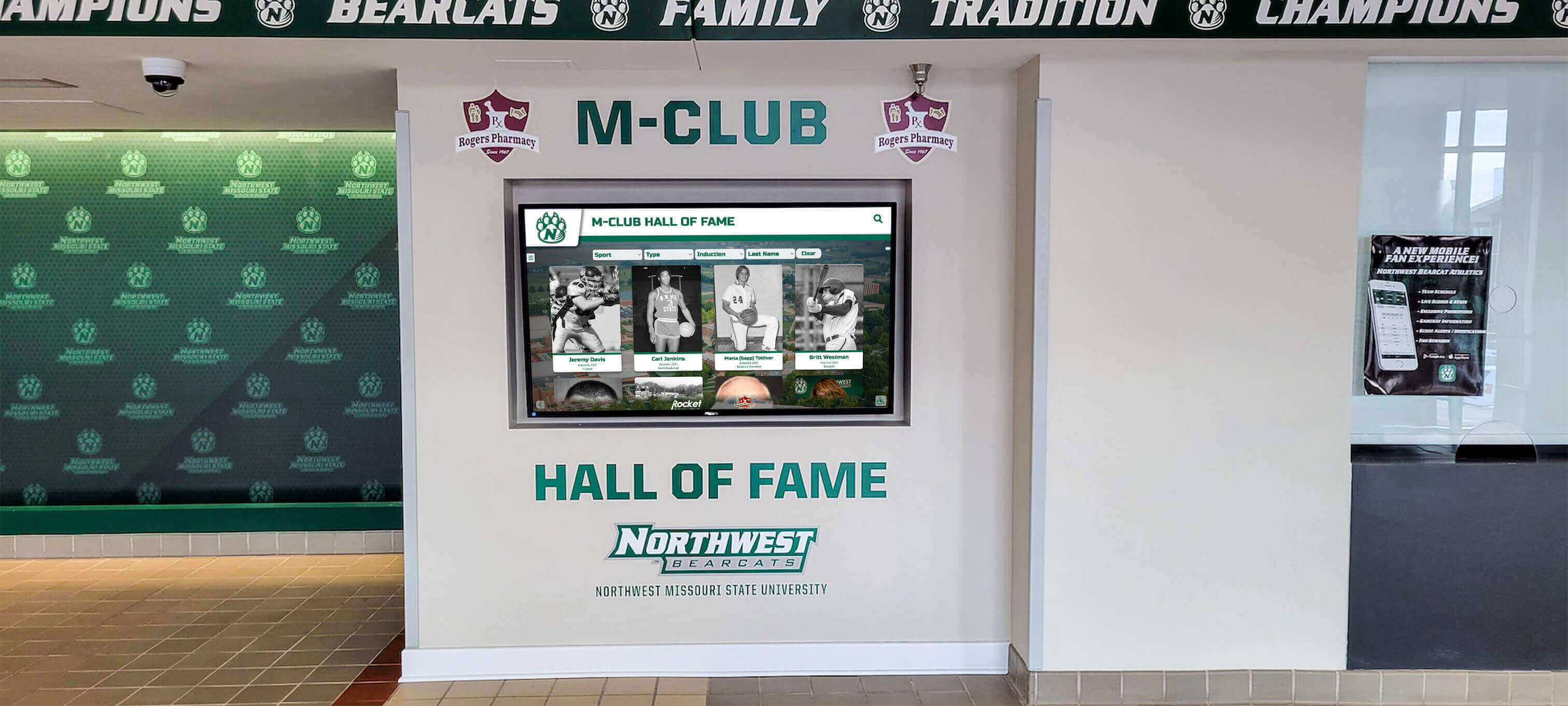
From a community engagement perspective, visible recognition builds parent and community support. Families want to see their student-athletes celebrated. When only select sports receive prominent recognition, families of athletes in other sports feel undervalued, affecting their engagement with booster clubs, attendance at events, and overall program support.
Institutionally, recognition patterns communicate organizational values. Athletic departments that prominently celebrate only revenue-generating sports send clear messages about which athletes and programs truly matter. This perception affects student participation decisions, program culture, and long-term athletic department reputation.
The Legal Dimension: Title IX and Beyond
Title IX of the Education Amendments of 1972 prohibits sex-based discrimination in education programs receiving federal funding, including athletics. While often associated primarily with participation opportunities, Title IX’s scope extends to eleven specific program areas including equipment and supplies, scheduling of games and practice times, travel and per diem allowances, coaching, locker rooms and facilities, medical and training services, housing and dining facilities, publicity and awards, recruitment, and support services.
The publicity component specifically addresses the equity concerns central to this guide. Schools must provide equal publicity opportunities for male and female sports. This doesn’t mean identical publicity for every event, but rather equitable access to publicity resources and comparable overall publicity levels.
According to data from various state education departments, many schools still struggle with Title IX compliance. Roughly 51% of athletic administrators report being unaware of their Title IX coordinator or receiving inadequate support for compliance efforts. This gap between legal requirements and actual implementation creates both compliance risks and missed opportunities to serve student-athletes fairly.
Beyond gender equity, schools should consider broader equity frameworks addressing sport-to-sport disparities, socioeconomic participation barriers, and recognition systems that celebrate diverse types of excellence. While Title IX provides essential legal minimums, comprehensive equity approaches ensure all students receive fair opportunities regardless of which sport they choose.
The Comprehensive Athletics Equity Audit
Achieving equity begins with honest assessment of current conditions. This section provides structured audit frameworks to identify gaps in your athletic department’s recognition and visibility practices.
The Recognition Equity Walk
Adapted from equity walks used in Title IX compliance, the recognition equity walk involves systematically touring your facilities to document what gets celebrated, where, and for whom.
Conduct your walk with diverse stakeholders including athletic directors and administrators, representatives from multiple sports (revenue and non-revenue), student-athletes from various programs, parents and booster club members, and coaches from different sports. Multiple perspectives reveal patterns that any single viewpoint might miss.
Document every recognition touchpoint throughout your facilities. In main hallways and entrances, note what sports appear in displays, whether recognition is current or historical, the prominence and quality of displays, and how space is allocated among sports. In gymnasiums and competition venues, examine record boards and championship banners, trophy cases and their contents, wall-mounted recognition, and any sport-specific displays.
Evaluate your digital presence including school website athletic pages, social media accounts and post frequency per sport, email newsletters and featured content, and any digital displays or screens. In locker room areas, assess whether all sports have comparable facilities, recognition within team spaces, and quality of amenities.
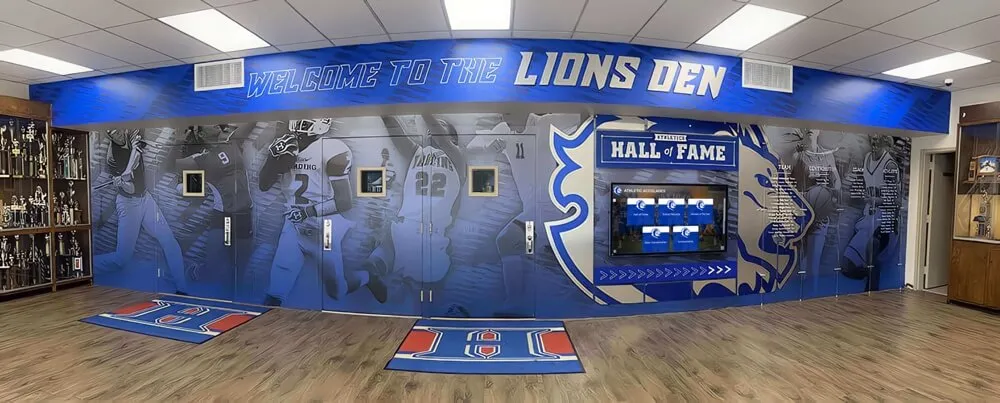
Key questions to ask during your walk: Which sports dominate physical recognition spaces? How current is the recognition—does it include recent achievements across all sports? What sports are absent or minimally represented? How visible is the recognition—is it in high-traffic areas or tucked away? What’s the quality difference between recognition for different sports? If you’re a student-athlete in a “non-featured” sport, how would this environment make you feel?
The 50-Point Athletics Equity Audit Checklist
This comprehensive checklist evaluates equity across multiple dimensions. Rate each item on a 0-2 scale: 0 = Significant inequity exists, 1 = Some inequity but improvement observed, 2 = Equitable across sports.
Physical Recognition (10 points possible)
- Trophy cases include championships from all sports proportionally (0-2)
- Record boards exist and are updated for all sports that track records (0-2)
- Team photos are displayed for all sports, not just select programs (0-2)
- Championship banners are displayed for all sports that have won championships (0-2)
- Main hallway recognition spaces feature diverse sports regularly (0-2)
Digital Recognition (10 points possible)
- School website features all sports with comparable depth of coverage (0-2)
- Social media posts distribute roughly equally across sports (0-2)
- Digital displays showcase achievements from all programs (0-2)
- Online archives preserve history of all sports, not just select programs (0-2)
- Digital recognition displays are accessible and include all sports (0-2)
Media and Publicity (8 points possible)
- Game announcements and promotions are distributed equitably (0-2)
- Photography and video coverage extends to all sports (0-2)
- Local media outreach occurs for all sports (0-2)
- Email newsletters feature diverse sports regularly (0-2)
Awards and Ceremonies (8 points possible)
- End-of-season recognition events occur for all sports (0-2)
- School-wide athletic awards include diverse categories (0-2)
- Individual achievement recognition (all-state, records) is celebrated regardless of sport (0-2)
- Scholar-athlete recognition includes participants from all programs (0-2)
Budget and Resources (6 points possible)
- Per-athlete budget allocation is equitable adjusted for legitimate cost differences (0-2)
- Coaching compensation is comparable across sports (0-2)
- Equipment replacement schedules are equitable across programs (0-2)
Facilities and Scheduling (8 points possible)
- Prime practice times rotate fairly among sports (0-2)
- Competition scheduling considers optimal times across sports (0-2)
- Locker room quality is comparable across sports (0-2)
- Facility maintenance and upgrades are distributed equitably (0-2)
Scoring interpretation:
- 40-50 points: Strong equity foundations with room for refinement
- 30-39 points: Moderate equity with significant improvement areas identified
- 20-29 points: Substantial equity gaps requiring systematic intervention
- Below 20 points: Critical equity issues requiring immediate comprehensive action
Analyzing Your Audit Results
Once you’ve completed your assessment, analyze patterns in the data. Group your findings by identifying which sports consistently score well in recognition and which are systematically underrepresented, determining whether gaps correlate with gender, revenue generation, season, or tradition, assessing whether inequities are concentrated in specific areas or systemic across all categories, and evaluating whether your current approach violates Title IX requirements or just falls short of best practices.
Consider creating a visual map of your findings. Simple charts showing recognition distribution by sport, budget allocation comparisons, or social media post frequency can powerfully illustrate equity gaps that numbers alone might not convey.
Share audit findings transparently with stakeholders. Coaches, athletes, parents, and administrators all benefit from understanding current conditions. Transparency builds trust and creates shared commitment to improvement.
Digital Recognition: The Equity Game-Changer
One of the most significant challenges in recognition equity involves physical space constraints. Traditional trophy cases fill up. Wall space runs out. Every new championship or record creates difficult decisions about what to display and what to store away.
Digital recognition systems fundamentally solve this problem by providing virtually unlimited capacity to celebrate achievements across all sports simultaneously.
Why Digital Displays Enable Equity
Traditional recognition systems force schools into zero-sum decisions. Adding recognition for one sport often means removing or reducing recognition for another. Limited trophy case space means choosing which championships to display. Finite wall space means selecting which records to paint. These physical constraints inevitably result in difficult choices that typically favor the same sports repeatedly.
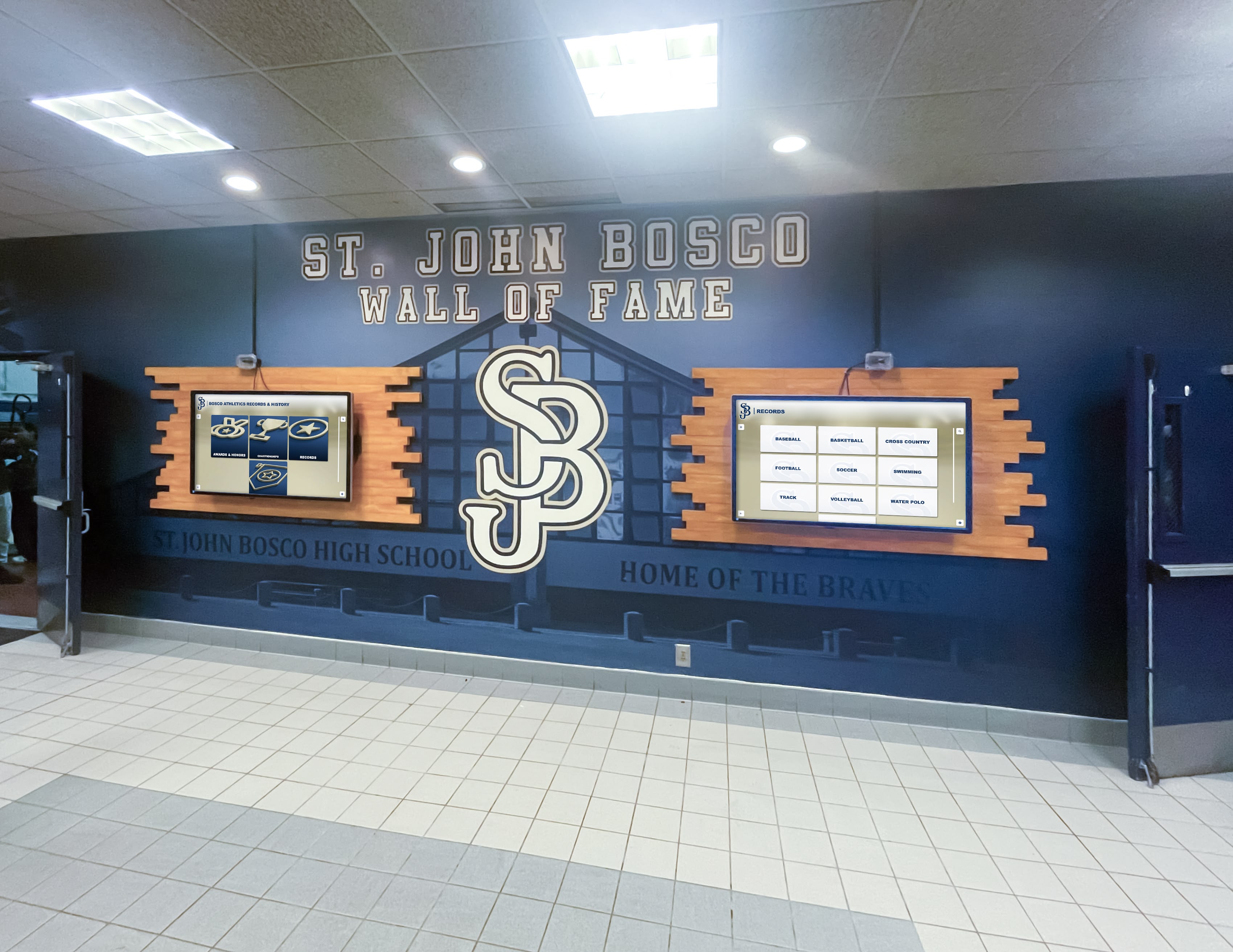
Digital recognition displays eliminate capacity constraints. A single touchscreen can showcase thousands of athlete profiles, complete team rosters across decades, comprehensive records for every sport, championship celebrations from all programs, and detailed statistics and achievement narratives. Content additions never require removing existing recognition.
This unlimited capacity transforms recognition from a competitive resource where sports compete for limited space into an abundant resource where every achievement can be celebrated properly. The psychological and cultural implications of this shift are profound—athletes no longer feel their recognition comes at the expense of others.
Implementing Equitable Digital Recognition
Solutions like Rocket Alumni Solutions provide purpose-built platforms designed specifically for athletic recognition that inherently support equity. These systems feature content management interfaces allowing non-technical staff to add recognition for any sport instantly, searchable databases enabling visitors to find athletes, teams, or sports quickly, and automated organization that can display content by sport, year, achievement type, or custom categories.
Multi-sport recognition capabilities ensure every program receives comparable presentation quality. Template-based content entry ensures consistency—a state championship in swimming receives the same professional presentation as one in football. Scheduled content can highlight different sports on rotating schedules, ensuring visibility distributes fairly over time.
Remote accessibility extends recognition beyond physical locations. The same content displayed on school screens becomes simultaneously available via web browsers and mobile apps. This dual presence means an athlete’s grandmother across the country can explore her grandchild’s achievements with the same ease as visitors walking school hallways.
From a practical implementation perspective, start with comprehensive data collection across all sports. Gather historical achievements, records, championship rosters, and individual honors. Digital record boards can track statistics and achievements across all athletics systematically.
Establish content standards ensuring every sport receives comparable recognition quality. Define what information accompanies championships, how athlete profiles are structured, and what media (photos, videos, statistics) is included. Apply these standards consistently regardless of sport popularity or program size.
Create a sustainable update process. Designate who’s responsible for adding new achievements, establish timelines for updates after seasons conclude, and ensure coaches from all sports understand how to submit information. The equity advantage of digital systems only materializes if all sports actually use them.
Cost-Effectiveness of Digital Equity
A common concern about digital recognition involves initial investment. Quality commercial displays and software platforms represent significant upfront costs. However, the long-term economics often favor digital approaches, particularly when evaluated through an equity lens.
Traditional recognition incurs ongoing costs for every update. New championship plaques require engraving and installation. Record board changes need professional painting. Trophy case expansion requires construction. These per-update costs accumulate over years while physical space limitations persist.
Digital systems have higher initial costs but dramatically lower marginal costs for recognition additions. Once installed, adding one more championship, athlete profile, or record costs essentially nothing beyond staff time for data entry. This economic model makes comprehensive recognition across all sports financially feasible where traditional approaches make it prohibitively expensive.
Consider a school with twenty-five sports each celebrating multiple annual achievements. Traditional recognition at $50-200 per plaque or painted update results in thousands of dollars of annual costs with increasing space constraints. The same comprehensive recognition through digital displays requires only initial installation investment plus modest annual software maintenance, typically achieving cost parity within 3-5 years while providing unlimited capacity and superior capabilities.
Building Comprehensive Recognition Programs
Equity extends beyond ensuring all sports receive recognition—it involves recognizing diverse types of excellence that create celebration opportunities for every program and athlete.
Expanding Recognition Categories
Traditional athletic recognition focuses heavily on championships and records. While these achievements certainly deserve celebration, exclusive focus on competitive outcomes creates recognition scarcity. Not every team wins championships. Not every athlete breaks records. Programs competing in highly competitive conferences may excel without achieving top finishes.
Comprehensive recognition systems celebrate multiple dimensions of athletic excellence. Competitive achievement includes championships at all levels, tournament qualification and advancement, winning seasons and improvement, and individual records and statistical leaders.
Academic excellence recognizes scholar-athlete honors, academic all-state selections, team GPAs and improvement, and athletes combining high achievement in both athletics and academics. This category provides recognition opportunities that don’t depend on competitive outcomes while reinforcing the student-athlete model.
Character and leadership celebrates team captains and leadership positions, sportsmanship awards and recognition, community service and volunteer work, and peer leadership and mentoring contributions. These categories recognize athletes who positively impact team culture and community regardless of statistical performance.
Participation milestones honor multi-sport athletes, career participation (four-year athletes), athletes overcoming adversity or injury, and programs with high retention and low attrition. Celebrating commitment and perseverance validates athletes whose contributions might not appear in record books but significantly impact program success.
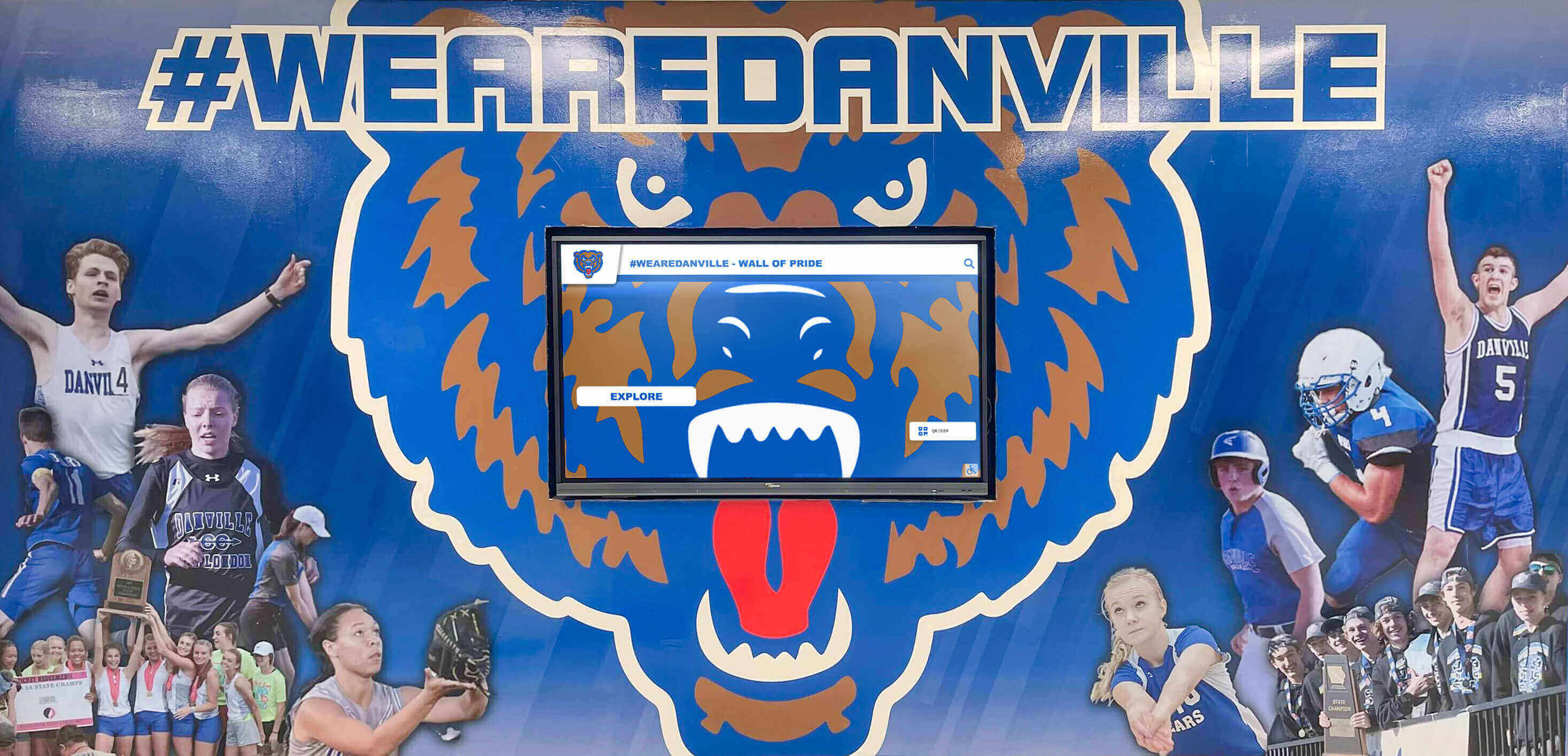
Improvement and development recognizes most improved athletes, breakthrough performances and personal bests, athletes who significantly exceeded expectations, and programs showing substantial year-over-year improvement. This category acknowledges that progress matters as much as absolute achievement levels.
Program milestones celebrates coaching longevity and career achievements, program anniversaries and historical markers, facility improvements and new resources, and community engagement and attendance growth.
By recognizing these diverse categories, schools create meaningful celebration opportunities for every sport every season. Even teams with losing records can celebrate academic achievements, individual improvement, or leadership development. This comprehensive approach transforms recognition from scarce resource into abundant opportunity.
The All-Sport Recognition Calendar
Systematic recognition requires intentional planning. An all-sport recognition calendar ensures consistent attention throughout the school year rather than ad hoc celebration of select achievements.
Monthly recognition themes can rotate focus across different dimensions. September might emphasize participation and commitment as seasons begin. October celebrates competitive excellence from fall sports. November focuses on academic achievement as semester concludes. December recognizes leadership and community service. This rotating focus ensures diverse achievement types receive attention.
Weekly recognition practices maintain consistent visibility. Feature an “Athlete of the Week” from different sports on rotation. Highlight team achievements in weekly newsletters. Update digital displays with recent accomplishments. Share accomplishments on social media using consistent hashtags for each sport. These regular practices establish rhythm that distributes visibility equitably.
Seasonal celebration events ensure every sport receives end-of-season recognition. Rather than one massive awards banquet favoring select sports, consider sport-specific or season-specific celebrations where every athlete receives appropriate recognition. These focused events allow deeper celebration of each program’s achievements.
Annual comprehensive recognition might include an all-sport awards ceremony celebrating cross-cutting achievements like scholar-athletes, most improved programs, or special honors. Publishing an annual athletics magazine or digital yearbook preserves each season’s achievements permanently. An annual equity report documenting recognition distribution can ensure accountability.
Template-Based Recognition Systems
Consistency ensures equity. When different sports receive dramatically different recognition treatment, inequity often reflects lack of standardization rather than intentional favoritism.
Develop recognition templates defining exactly what information accompanies each category. For team championships, include year and sport, final record and playoff results, coaching staff, complete roster, championship game or tournament results, and team photograph. For individual records, document athlete name and graduating year, sport and specific event, previous record and record holder, date record was set, and context about the achievement.
For all-state or all-conference honors, record athlete name and year, sport and position, specific honor (first team, second team, etc.), and selection organization. For scholar-athlete recognition, include name and graduating year, sport and participation details, academic achievement (GPA, honors), and any additional context about balancing athletics and academics.
These templates ensure that when a volleyball player earns all-state honors, she receives identical recognition treatment to a football player earning comparable honors. The templates remove subjective decision-making that can inadvertently create inequitable recognition patterns.
Addressing Budget and Resource Equity
While this guide emphasizes recognition and visibility, comprehensive equity requires addressing underlying resource allocation that affects program quality and athlete experience.
Equitable Budget Allocation Frameworks
Designing truly equitable athletic budgets involves complex decisions balancing legitimate cost differences against fairness principles. Simple per-sport or per-athlete equal distribution ignores that football equipment genuinely costs more than cross-country equipment, and pool maintenance exceeds track resurfacing expenses.
Equitable budget models typically employ tiered allocation that assigns sports to cost categories based on legitimate equipment, facility, and operational needs. High-cost sports (football, hockey, baseball/softball with facility needs) receive larger base allocations. Medium-cost sports (basketball, volleyball, soccer) receive moderate base allocations. Lower-cost sports (cross country, track, swimming, tennis, golf) receive base allocations reflecting their genuine cost structures.
Within tiers, per-athlete adjustments ensure fairness. A football program with sixty athletes should receive more total funding than a golf program with eight athletes, but not sixty times as much. Per-athlete calculations within cost tiers balance team size differences while respecting cost variations.
Minimum quality standards establish floors ensuring all programs receive adequate resources regardless of size or cost tier. Every sport should have appropriately fitting equipment replaced on reasonable cycles, qualified coaching staff with fair compensation, adequate practice and competition facilities, necessary travel support for competitions, and appropriate training and safety equipment.
Transparent documentation of budget allocation formulas and the rationale behind them helps stakeholders understand that different funding levels reflect legitimate cost differences, not favoritism. When communities understand why football receives more funding than tennis, while simultaneously seeing that per-athlete investment or quality standards remain equitable, concerns about favoritism often diminish.
Managing Booster Club Equity
Booster clubs present unique equity challenges. Well-organized, affluent boosters supporting popular sports can dramatically outspend fundraising efforts for less-popular programs, creating resource gaps that exacerbate existing inequities.
Schools should consider implementing all-sport booster club models where fundraising supports the entire athletic department rather than individual sports. Funds raised collectively can be distributed according to equitable formulas, preventing situations where some sports enjoy extensive additional resources while others struggle with basic needs.
Alternatively, booster contribution guidelines can establish parameters for sport-specific boosters. Set per-sport maximum contribution levels, require that boosters fund enhancement items rather than basic necessities, mandate that a percentage of sport-specific booster fundraising goes into an all-sport fund, and provide transparency about total spending per sport including booster contributions.
The goal isn’t eliminating the positive impact of engaged booster communities but ensuring their enthusiasm enhances rather than undermines equity. When boosters fund stadium scoreboards while the swim team lacks proper timing equipment, equity concerns are valid and should be addressed through policy.
Creating Cross-Sport Culture and Community
Equity flourishes in environments where all sports are valued as components of a unified athletic department rather than independent programs competing for resources and recognition.
Building Unified Athletic Department Identity
Many schools inadvertently create silos where individual sports operate as separate entities with minimal connection. This fragmentation makes equity difficult—each program advocates for itself rather than supporting collective success.
Unified branding and messaging helps create cohesion. Develop athletic department identity that all sports share through common visual elements, consistent messaging emphasizing collective success, and recognition displays that celebrate the entire department rather than individual sports in isolation. Interactive recognition displays can showcase how diverse programs contribute to overall athletic excellence.
Cross-sport leadership structures bring athletes together across program boundaries. Student-athlete advisory councils with representatives from all sports can provide input on policy decisions, plan cross-sport events and activities, advocate for equity and serve as department voice, and facilitate communication between athletic administration and athletes.
All-sport events and traditions create shared experiences. Opening and closing ceremonies celebrating entire athletic programs, cross-sport pep rallies and spirit events, all-sport community service projects, and social events bringing athletes together across programs build relationships and shared identity.
Shared resources and facilities used by multiple sports create natural opportunities for interaction and mutual respect. When programs share training facilities, weight rooms, or meeting spaces, athletes observe firsthand the dedication and work ethic of peers in other sports, building appreciation across programs.

Developing Cross-Sport Fan Engagement
One challenge in visibility equity involves building attendance and community support for all sports, not just traditional crowd-drawers. Deliberate strategies can broaden engagement across programs.
Cross-sport promotional partnerships leverage existing fan bases to build new ones. Announce upcoming volleyball matches at football games and vice versa. Create ticket packages combining events across sports. Offer incentives for families attending multiple different sports. Use teams’ social media to promote each other’s events.
Student engagement programs build peer support. Student sections or spirit groups that attend all sports, not just select popular ones, create atmosphere at any event. Leadership classes or clubs earning credit for supporting diverse athletic events. Recognition programs celebrating students who attend events across multiple sports.
Community spotlight series raises awareness about all sports. Feature spotlight articles or video profiles of different sports on rotating basis, highlighting unique aspects, dedicated athletes, and interesting stories. Host “Sport 101” sessions where community members learn about less-familiar sports. Create content showing training, preparation, and dedication across all programs.
Digital engagement strategies extend participation beyond physical attendance. Live streaming all home competitions, not just select sports, allows broader viewing. Social media coverage distributed equitably across programs ensures every sport receives promotion. Highlight reels and recognition content shared consistently regardless of sport.
Implementation: From Assessment to Action
Understanding equity principles and identifying gaps is valuable only if followed by systematic implementation that creates lasting change.
The 30-60-90 Day Equity Action Plan
Achieving comprehensive equity requires time, but quick wins maintain momentum while longer-term initiatives develop.
Days 1-30: Assessment and Quick Wins
Complete your comprehensive equity audit using frameworks provided earlier. Document findings with data and visual evidence. Share assessment results transparently with stakeholders including coaches, athletic advisory committees, and school administration.
Implement immediate visibility improvements. Update websites to feature all sports with equal prominence. Post social media content from underrepresented sports. Add recent achievements to any existing digital displays. Feature diverse sports in newsletters and announcements.
Address the most egregious gaps. If championship teams from certain sports receive no recognition while others dominate displays, immediately add missing recognition. If certain sports receive no social media coverage, start posting regularly. These visible quick wins demonstrate commitment to equity.
Begin planning larger initiatives. Form an equity implementation committee with diverse representation. Develop timeline for budget analysis and potential reallocation. Research digital recognition system options if current systems create capacity constraints.
Days 31-60: Systemic Changes Begin
Implement standardized recognition protocols. Develop and distribute recognition templates ensuring consistent treatment across sports. Establish social media posting schedules ensuring equitable distribution. Create procedures for updating digital and physical recognition when new achievements occur.
Address budget and resource gaps identified in assessment. Review budget allocation formulas and identify adjustments needed. Develop plans for addressing facility or equipment gaps. Establish booster club guidelines if fundraising inequities exist.
Launch pilot programs for new recognition initiatives. If implementing expanded recognition categories (leadership, academic, improvement), begin with pilot season. If considering new digital systems, explore options and begin procurement. Test cross-sport engagement strategies.
Communicate progress transparently. Share what’s changed since initial assessment. Acknowledge remaining gaps and plans to address them. Celebrate early successes and recognize stakeholders contributing to improvements.
Days 61-90: Sustaining Momentum
Fully implement new recognition systems and practices. If installing digital displays, complete installation and content population. Roll out comprehensive recognition categories across all sports. Establish permanent update procedures ensuring sustainability.
Conduct follow-up assessment. Measure changes since initial audit. Document improvements and remaining gaps. Gather stakeholder feedback about changes implemented. Use data to refine approaches and identify next priorities.
Establish accountability mechanisms ensuring equity remains priority beyond initial implementation. Quarterly equity reviews examining recognition distribution, resource allocation, and stakeholder satisfaction. Annual comprehensive audits tracking long-term progress. Designated equity coordinator or committee maintaining focus.
Plan next phase addressing remaining gaps and new opportunities identified during initial implementation.
Overcoming Resistance and Obstacles
Equity initiatives often face resistance from stakeholders invested in status quo, particularly those benefiting from existing inequitable distributions.
Addressing concerns about “taking away” from successful programs: Frame equity as expanding recognition capacity rather than redistribution. Digital recognition systems particularly support this message—adding recognition for underserved sports doesn’t require removing recognition from traditional powers. Emphasize that equity strengthens the entire athletic department, benefiting all programs through improved culture, increased participation, and enhanced reputation.
Managing budget constraints: When resources truly are limited, focus on recognition and visibility improvements that cost primarily time rather than money. Social media equity, website improvements, and recognition calendar implementation require dedication more than dollars. Pursue grants, fundraising, or phased implementation for larger investments like digital display systems. Demonstrate that equity often improves efficiency by creating systematic approaches replacing ad hoc practices.
Navigating Title IX concerns: Ensure that gender equity remains prioritized even while addressing broader equity dimensions. Title IX compliance isn’t optional, so any equity initiatives must maintain or improve gender equity metrics. Often the frameworks developed for comprehensive equity benefit Title IX compliance by creating systematic approaches to resource allocation, recognition, and publicity distribution.
Building buy-in among traditionalists: Some stakeholders resist change based on tradition—“we’ve always done it this way.” Acknowledge traditions’ value while articulating why equity matters. Share research about recognition’s impact on student motivation, participation, and development. Emphasize that equity strengthens rather than diminishes competitive tradition by building deeper, broader athletic culture.
Sustaining attention over time: Initial enthusiasm for equity often wanes as competing priorities emerge. Build sustainability through formal policies rather than relying on individual commitment, designated roles with explicit equity responsibilities, regular assessment creating accountability, and transparent reporting maintaining visibility.
Technology Infrastructure for Equity
Modern technology provides powerful tools for achieving and maintaining recognition equity efficiently and sustainably.
Digital Display Systems
Commercial-grade touchscreen displays offer the foundation for unlimited-capacity recognition. These systems feature professional hardware designed for continuous operation in high-traffic areas, intuitive content management allowing non-technical staff to maintain current content, searchable interfaces enabling visitors to find specific athletes or sports easily, and remote web access extending recognition beyond physical location.
Solutions like Rocket Alumni Solutions provide purpose-built platforms designed specifically for athletic recognition. These systems ensure equitable presentation across all sports through template-based content entry, automated organization supporting multiple viewing options, and scheduled content rotation ensuring visibility distributes fairly over time.
Implementation considerations include selecting appropriate screen sizes for intended locations (typical installations range from 43" to 75" displays), ensuring reliable power and network connectivity, installing in high-traffic areas with good visibility, and planning content migration from existing records and archives.
Web and Social Media Management
Systematic approaches to digital presence ensure equitable visibility across platforms. Content management systems with approval workflows ensure appropriate content from all sports reaches publication. Social media scheduling tools enable planned, equitable distribution of posts across sports. Analytics tracking engagement by sport helps identify opportunities to build audience for underserved programs.
Establish content standards for digital platforms specifying minimum posting frequency per sport, consistent content types (game recaps, athlete spotlights, achievement recognition), common hashtags and branding maintaining athletic department identity, and photography standards ensuring professional presentation across all sports.
Streaming and Photography
Making all competitions accessible through live streaming or recorded video provides visibility equity while serving families unable to attend in person. Cost-effective streaming solutions include automated camera systems requiring no operator, cloud-based platforms accessible from any device, and subscription models making per-event costs minimal.
Systematic photography coverage ensures all sports receive comparable documentation. Rotating photography assignments across sports, establishing minimum coverage standards (specific moments, key athletes), and organizing digital asset management making photos accessible for recognition purposes all contribute to equitable visual documentation.
Measuring Success: Equity Metrics and Accountability
Equity initiatives require ongoing measurement to ensure implementation succeeds and improvements sustain over time.
Key Equity Indicators
Develop dashboards tracking critical metrics across dimensions. Recognition visibility: Count of featured achievements by sport on displays and website, social media posts per sport per season, square footage or screen time dedicated to each sport’s recognition, and recency of recognition (ensuring all sports have current, not just historical, celebration).
Resource allocation: Per-athlete budget by sport adjusted for legitimate cost differences, coaching compensation comparisons, equipment replacement cycles across sports, and facility access and prime-time scheduling distribution.
Participation and satisfaction: Participation rates and retention by sport, student-athlete satisfaction survey results, parent engagement metrics, and athlete transfer or dropout reasons.
Compliance measures: Title IX participation proportionality metrics, gender equity across 11 Title IX program areas, accessibility and inclusion indicators, and external audit results.
Track these metrics quarterly or annually depending on change frequency. Visualize trends over time to demonstrate progress and identify emerging concerns before they become serious problems.
Transparent Reporting
Share equity metrics openly with stakeholders. Annual equity reports documenting current status, progress since previous year, and priorities for upcoming year maintain accountability. Dashboard visualizations make complex data accessible to non-technical audiences. Community presentations ensure transparency beyond those actively seeking information.
Celebrate improvements while acknowledging remaining gaps. Equity is an ongoing journey rather than destination reached. Transparent reporting about both successes and challenges builds trust and maintains commitment.
Conclusion: Building Athletic Excellence Through Equity
Athletics equity isn’t about diminishing excellence or lowering competitive standards. It’s about expanding opportunity, broadening recognition, and strengthening entire athletic programs by valuing all sports and athletes appropriately.
When schools commit to equity, they discover that celebration isn’t zero-sum. Digital recognition systems eliminate capacity constraints that historically forced difficult choices about whose achievements to honor. Expanded recognition categories create opportunities to celebrate diverse forms of excellence, ensuring every athlete and program can pursue meaningful recognition. Systematic approaches to visibility, resources, and support strengthen programs comprehensively rather than privileging select sports at others’ expense.
The students participating in your athletic programs deserve to see their dedication, improvement, and achievements celebrated regardless of which sport they choose. The families supporting your programs deserve to see their children recognized fairly. Your athletic department deserves a culture where excellence is expected and celebrated across all sports, not just traditional powers.
The frameworks, checklists, and strategies in this guide provide the roadmap. The commitment to implementation must come from athletic leadership, school administration, and broader communities. But the benefits—improved participation, stronger program culture, enhanced community support, and most importantly, equitable experiences for all student-athletes—make the investment worthwhile.
Transform Recognition Equity with Digital Solutions
Rocket Alumni Solutions specializes in digital recognition systems that make athletics equity practical and affordable. Our touchscreen displays provide unlimited capacity to celebrate all your sports without space constraints, eliminate ongoing costs for adding new recognition, ensure consistent professional presentation across all programs, and offer remote web access extending recognition beyond campus.
Whether you're addressing Title IX compliance, building stronger program culture, or simply want to celebrate all your student-athletes fairly, we'll help you create recognition systems that honor your complete athletic tradition.
Ready to explore how digital recognition enables true equity? Schedule a Consultation
Start with your equity audit. Assess honestly where your athletic department stands today. Identify the gaps between current reality and the equitable program you want to build. Then begin implementation—quick wins that demonstrate commitment, followed by systematic changes that create lasting equity.
Your athletes across every sport work hard, develop skills, build character, and represent your school with pride. They all deserve to see their achievements celebrated prominently and professionally. With intentional commitment to equity, supported by modern technology that makes comprehensive recognition feasible, your athletic department can honor every athlete appropriately while building the strongest possible program culture.
The question isn’t whether you can afford to invest in athletics equity. The question is whether you can afford not to. Student motivation, parent satisfaction, program reputation, and institutional values all depend on creating environments where every sport and athlete receives fair opportunity and appropriate recognition. Begin your equity journey today—your entire athletic community will benefit.































