AAU (Amateur Athletic Union) basketball has become the premier pathway for elite high school players pursuing college scholarships and professional careers. The legendary rosters that have competed in AAU tournaments—featuring future NBA stars like Kobe Bryant, LeBron James, and Carmelo Anthony—represent the highest level of youth basketball competition in America. For high school programs, celebrating students who earned positions on prestigious AAU rosters honors exceptional achievement while inspiring current players to pursue excellence at the highest levels.
This comprehensive guide explores AAU basketball hall of fame recognition, from understanding the significance of elite AAU rosters to implementing professional recognition programs that celebrate high school players who competed at basketball’s most competitive youth levels. Whether your school has produced AAU All-Americans, national championship team members, or athletes who earned spots on top-ranked travel teams, modern digital recognition solutions make it possible to honor these achievements comprehensively while preserving your basketball program’s connection to elite youth basketball traditions.
AAU basketball serves as the proving ground where America’s best high school players compete against elite competition nationwide, develop their skills under intense pressure, and gain exposure to college coaches recruiting the next generation of collegiate and professional stars. High schools that celebrate students who earned positions on competitive AAU rosters acknowledge achievement at basketball’s highest youth levels while demonstrating institutional pride in students who represented their schools in elite competition.
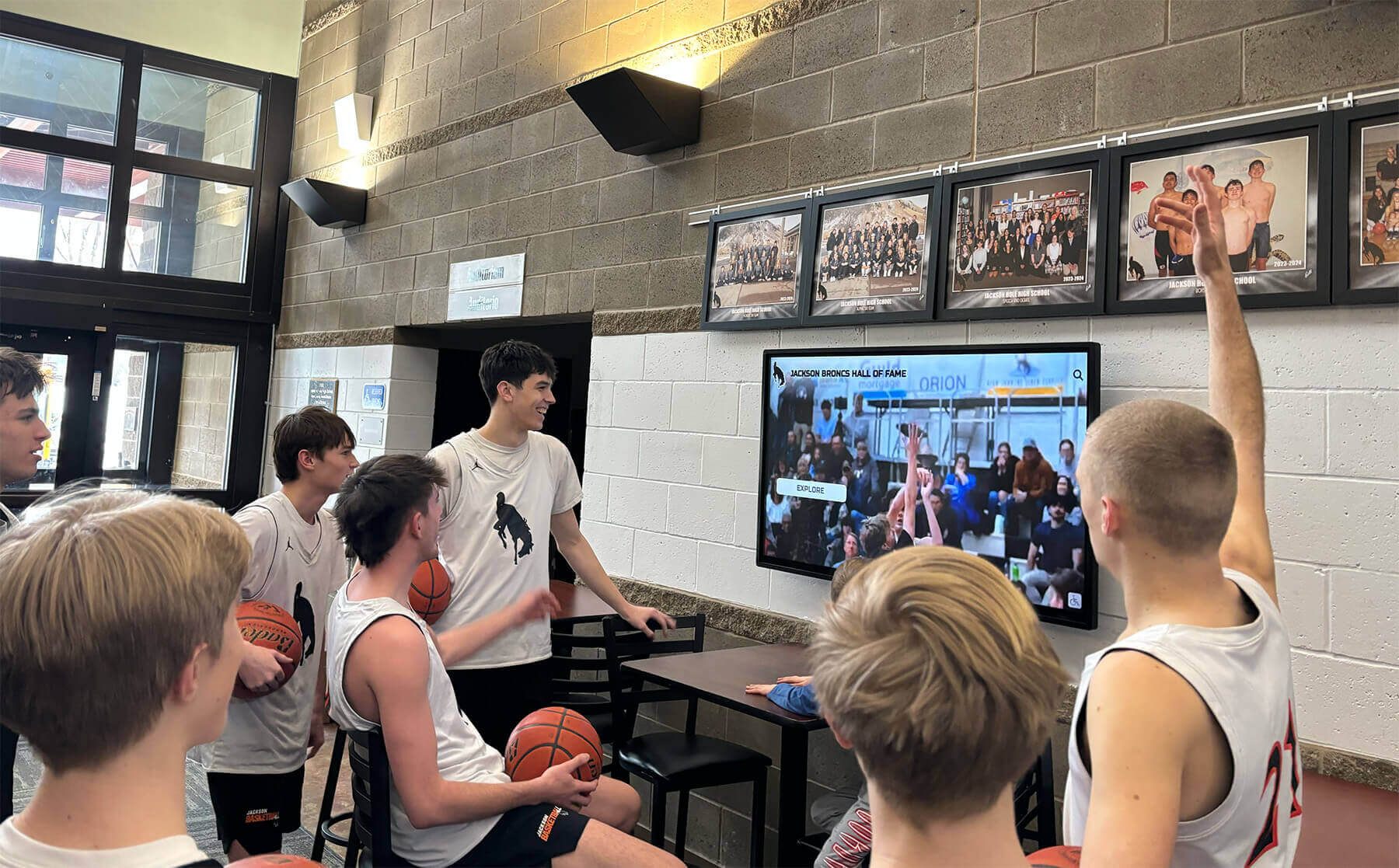
Understanding AAU Basketball and Its Significance
Before implementing AAU-focused recognition programs, understanding AAU basketball’s role in youth sports development and college recruitment helps schools appropriately acknowledge students who competed at these elite levels.
What is AAU Basketball?
The Amateur Athletic Union (AAU) was founded in 1888 to establish standards and uniformity in amateur sports. AAU basketball emerged as one of the organization’s most prominent programs, providing structured competition for youth players outside their high school seasons.
Modern AAU Basketball Structure:
AAU basketball operates primarily during spring and summer months when high school seasons conclude. The program features:
- Age-Based Divisions: Teams organized by graduation year (17U, 16U, 15U, etc.) ensure age-appropriate competition
- Regional and National Tournaments: Competition ranging from local qualifiers to prestigious national championships
- College Coach Exposure: Major AAU events attract hundreds of college coaches recruiting future players
- Skill Development: Elite coaching and intense competition accelerate player development
- Team Selection: Competitive tryouts determine roster spots on teams ranging from local organizations to nationally-ranked programs
AAU basketball has evolved into a multi-billion dollar youth sports industry featuring corporate sponsorships, professional coaching staffs, and media coverage rivaling many college programs.
The AAU to Professional Basketball Pipeline
AAU basketball’s influence on professional basketball cannot be overstated. According to basketball development experts, the vast majority of current NBA players competed in AAU basketball during their youth development years.
Historical Impact:
The pathway from AAU basketball to professional success includes numerous legendary examples:
- Michael Jordan played AAU basketball in North Carolina before his high school and college stardom
- Kobe Bryant dominated AAU competition in the Philadelphia area, showcasing skills that would later revolutionize the NBA
- LeBron James competed with the Oakland Soldiers AAU program, facing elite competition that prepared him for NBA greatness
- Kevin Durant developed his versatility through AAU basketball in the Washington D.C. metropolitan area
- Steph Curry refined his shooting skills competing in AAU tournaments throughout North Carolina
These success stories demonstrate how AAU competition prepares elite players for basketball’s highest levels while providing exposure crucial for college recruitment and professional development.
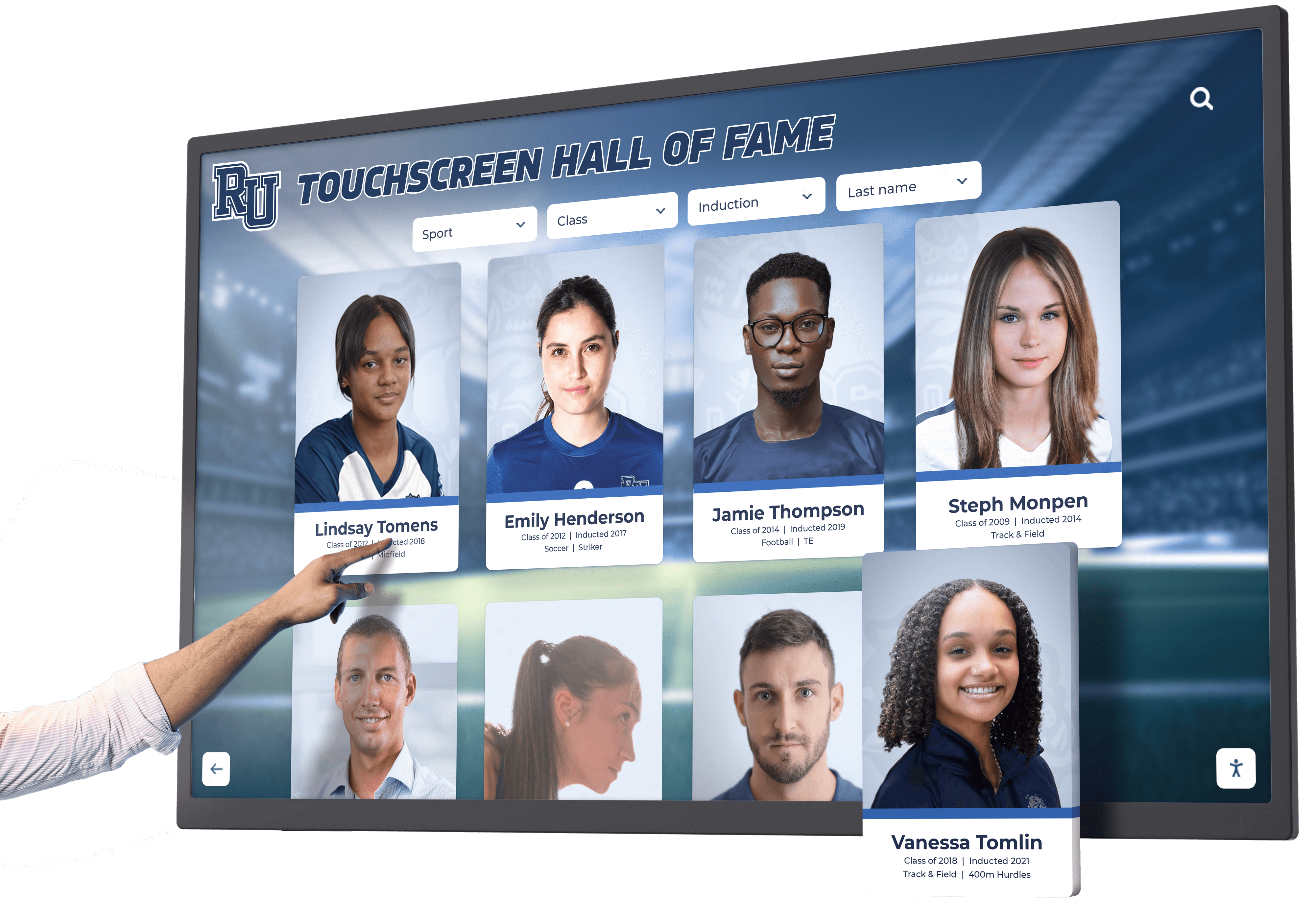
Legendary AAU Basketball Rosters in History
Understanding AAU basketball’s most celebrated rosters provides context for recognizing high school students who earned positions on elite travel teams.
The 1996 New Jersey Patterson Playaz
Perhaps the most legendary AAU roster in basketball history, the 1996 New Jersey Patterson Playaz featured four future NBA stars competing together on a single team.
Historic Roster:
This unprecedented collection of talent included:
- Kobe Bryant: Future 5-time NBA champion and 18-time All-Star who revolutionized shooting guard play
- Vince Carter: 8-time NBA All-Star known for revolutionary dunking and athletic excellence
- Tim Thomas: NBA first-round draft pick who played 13 professional seasons
- Rip Hamilton: 3-time NBA All-Star and NBA champion known for mid-range mastery
The team dominated AAU competition, winning two AAU national championships and compiling an extraordinary record against elite competition. Many basketball historians consider this roster the greatest AAU team ever assembled, as it featured multiple players who would each become NBA stars rather than a single dominant player surrounded by supporting talent.
Legacy and Recognition:
The 1996 Patterson Playaz roster demonstrated that AAU competition could attract and develop multiple elite talents simultaneously. High schools that produced players earning spots on such legendary teams can take immense pride in their students competing at basketball’s absolute highest youth levels.
The 2001 Baltimore Gaters
Another legendary AAU roster, the 2001 Baltimore Gaters featured future NBA stars and reportedly compiled a perfect 72-0 record during their dominant season.
Notable Roster Members:
- Carmelo Anthony: Future NBA champion, 10-time All-Star, and Olympic gold medalist
- Raymond Felton: NBA point guard who enjoyed a 14-year professional career
- Rashad McCants: High school and college star who played in the NBA
- PJ Tucker: NBA championship contributor known for defensive excellence
- David Noel: College basketball standout at North Carolina
This roster combined future professional players with elite college athletes, demonstrating the competitive level of top-tier AAU basketball where even players who don’t reach the NBA still excel at Division I college programs.
The Riverside Church Teams (1990s-2000s)
Based in New York City, Riverside Church AAU programs produced numerous legendary rosters throughout the 1990s and 2000s, establishing themselves as a basketball powerhouse developing NBA talent.
Notable Alumni:
Riverside Church programs featured future NBA players including:
- Lamar Odom: Two-time NBA champion and Sixth Man of the Year
- Elton Brand: NBA All-Star and first overall draft pick
- Ron Artest (Metta World Peace): NBA Defensive Player of the Year and champion
- Eric Barkley: Elite high school talent who played collegiately
The consistency with which Riverside Church programs identified, developed, and showcased elite talent demonstrated that AAU organizations with strong coaching, competitive rosters, and professional operations could establish sustained excellence across multiple generations of players.
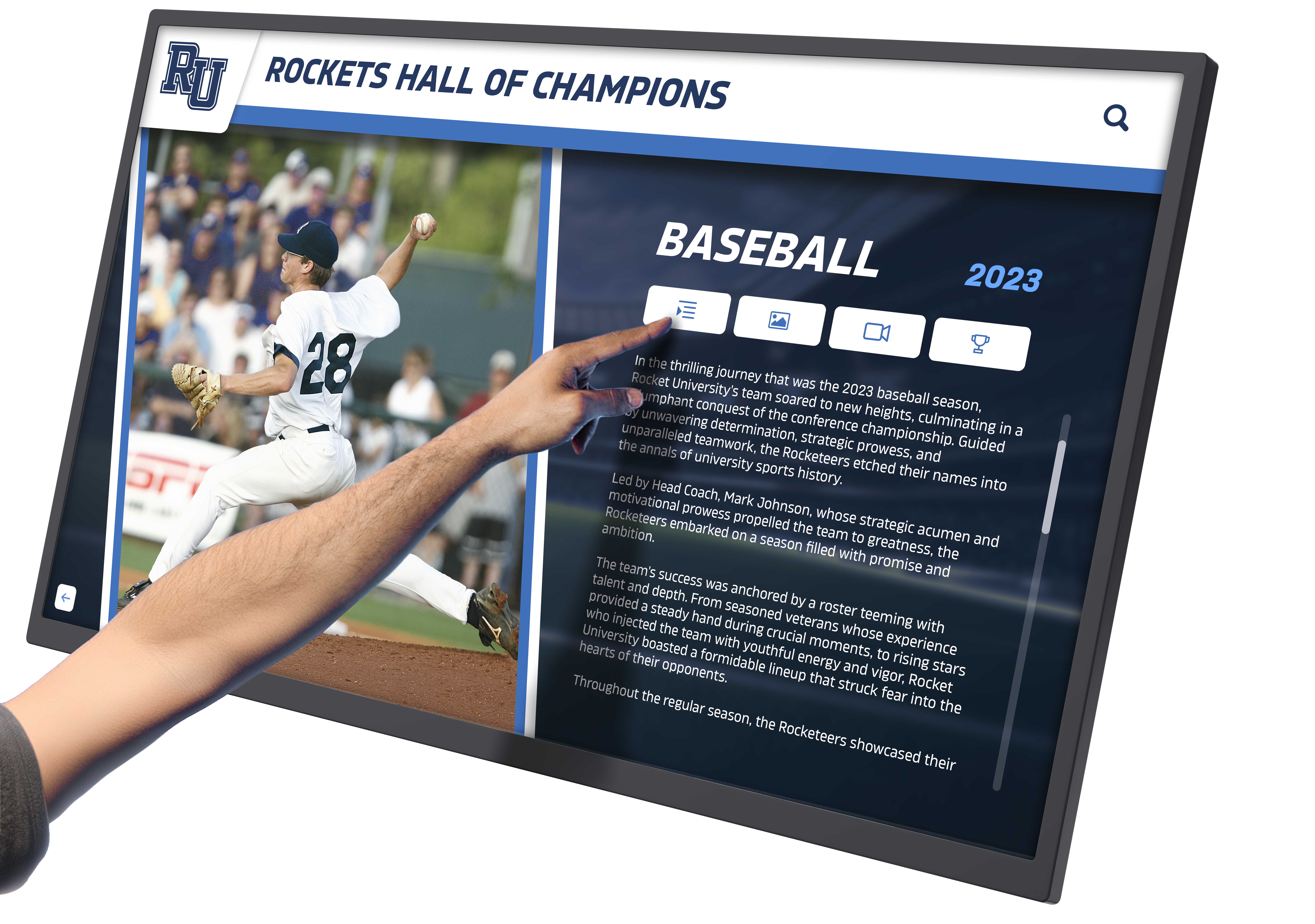
AAU Hall of Fame Recognition Programs
Beyond individual team rosters, formal AAU Hall of Fame programs honor individuals who made outstanding contributions to AAU basketball through exceptional performance, coaching, or organizational leadership.
National and Regional AAU Halls of Fame
Several AAU districts and the national organization have established Hall of Fame programs recognizing distinguished contributions to AAU basketball.
Southern AAU Boys’ Basketball Hall of Fame:
The Southern AAU (SAAU) created its Hall of Fame to honor those who achieved excellence both on and off the court while helping build SAAU into one of the nation’s finest AAU districts. SAAU has a storied history including hosting the first AAU Boys’ Basketball National Championship in 1980 in Metairie, Louisiana.
The SAAU Hall of Fame recognizes outstanding players, influential coaches, and dedicated administrators who shaped basketball development across the southern United States. This regional recognition ensures that contributors who may not achieve national recognition still receive appropriate acknowledgment for their impact on youth basketball in their geographic areas.
North Carolina AAU Hall of Fame:
Established to honor athletes, volunteers, and contributing organizations that made outstanding contributions to North Carolina AAU sports, this Hall of Fame recognizes excellence across multiple sports including basketball. Recent basketball-focused inductees have included legendary coaches who developed countless players and athletes who excelled in AAU competition before achieving college and professional success.
New England AAU Hall of Fame:
Created in 2009, the New England AAU Hall of Fame has inducted leaders across multiple sports, recognizing the region’s rich AAU basketball tradition that has produced numerous college and professional players over decades of competition.
AAU All-Americans in the Naismith Hall of Fame
The highest honor for AAU basketball alumni comes through induction into the Naismith Memorial Basketball Hall of Fame in Springfield, Massachusetts. According to Hall of Fame records, eleven AAU Men’s Basketball All-Americans have been enshrined in the Naismith Hall of Fame as players, including:
- Roger Brown: Legendary player who dominated amateur and professional basketball
- K.C. Jones: Boston Celtics champion and Hall of Fame player and coach
- Bob Kurland: Basketball pioneer who revolutionized post play
- Hank Luisetti: Stanford star who revolutionized shooting technique
- Andy Phillip: Multi-sport star and basketball innovator
- Jim Pollard: Pioneering professional player known for athletic excellence
- George Yardley: NBA scoring champion and Hall of Fame forward
These connections between AAU basketball and the sport’s highest honors demonstrate that AAU competition has consistently identified and developed players who would achieve basketball immortality.
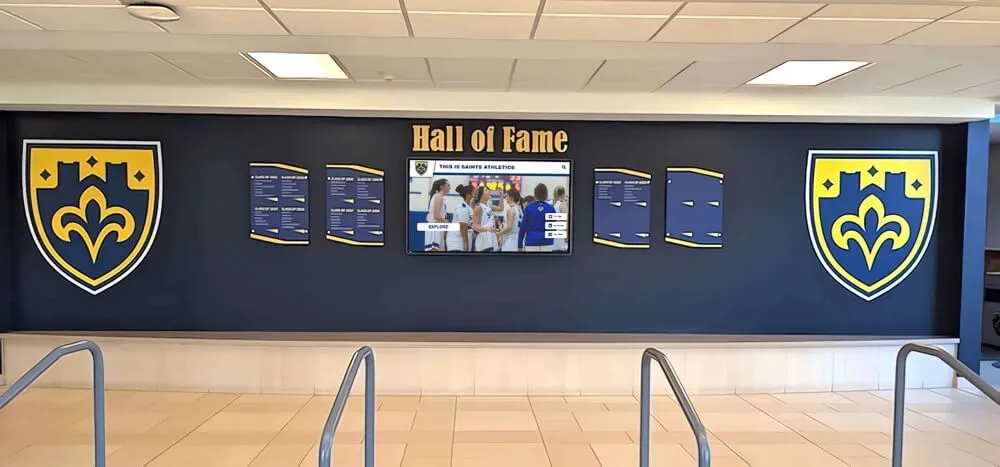
High School Programs Celebrating AAU Achievement
High schools whose students earn positions on competitive AAU rosters should implement recognition programs honoring these achievements alongside traditional high school basketball accomplishments.
Why Schools Should Recognize AAU Participation
AAU basketball achievement deserves school recognition for multiple important reasons:
Represents Elite Competition:
Earning roster spots on competitive AAU teams requires exceptional talent, dedication, and skill development. Students selected for AAU rosters demonstrate abilities that distinguish them from typical high school players, warranting recognition of this achievement level.
Players competing in AAU basketball face opponents from across regions and nationwide rather than just local competition. This elevated competition tests and develops skills that benefit high school programs when players return for their school seasons.
Demonstrates Year-Round Commitment:
AAU participation requires significant commitment beyond high school seasons. Students who compete in AAU basketball dedicate spring and summer months—time many teenagers use for rest or other activities—to intensive basketball training and competition.
This year-round dedication develops work ethic, time management, and commitment that benefits students throughout their lives beyond basketball. Recognizing student achievement across multiple dimensions demonstrates school support for comprehensive excellence.
Enhances College Recruitment:
AAU basketball provides crucial exposure to college coaches recruiting future players. Strong AAU performance often determines which players receive scholarship opportunities, making AAU success directly relevant to students’ educational futures.
Schools celebrating AAU achievement acknowledge its importance in students’ college recruitment process while demonstrating institutional support for students pursuing higher education through athletic scholarships.
Builds School Basketball Pride:
When schools celebrate students competing at AAU basketball’s highest levels, they communicate that their basketball programs develop talent capable of elite competition. This recognition attracts talented players to schools, strengthens program culture, and builds community pride around basketball excellence.
Prospective students and families researching schools appreciate visible evidence that basketball programs have produced players competing successfully at prestigious AAU levels. This recognition serves as powerful recruiting evidence demonstrating program quality.
Types of AAU Achievement Worth Recognizing
Schools should consider recognizing various AAU-related achievements that demonstrate different aspects of basketball excellence:
AAU National Championship Teams:
Students who competed on AAU teams winning national championships achieved the pinnacle of youth basketball success. These accomplishments parallel winning state championships at the high school level and deserve equivalent recognition.
National championship recognition should include:
- Team roster documentation with all players’ names and positions
- Tournament bracket results showing the championship path
- Statistics and highlights from championship games
- Photos and video from championship celebrations
- Coach and player reflections about the championship experience
Top-Ranked AAU Rosters:
Several organizations rank AAU teams nationally based on tournament performance and roster talent. Students earning positions on top-ranked teams competed at basketball’s highest youth levels even if they didn’t win national championships.
Recognition categories might include:
- Top 10 nationally-ranked team members
- Regional championship teams
- Major tournament finalists
- Elite showcase event participants
AAU All-Tournament and All-American Honors:
Individual recognition through All-Tournament selections or AAU All-American honors demonstrates exceptional personal achievement within elite competition. These individual honors deserve dedicated recognition celebrating personal excellence.
College Commitment Through AAU Exposure:
Many students earn college scholarship offers primarily through AAU competition exposure rather than high school games. Recognition connecting AAU performance to college commitments validates AAU basketball’s role in students’ educational futures.
Multi-Year AAU Excellence:
Students competing on competitive AAU rosters across multiple years demonstrate sustained commitment and consistent elite-level performance. Multi-year participation deserves special recognition acknowledging sustained excellence over abbreviated single-season achievement.
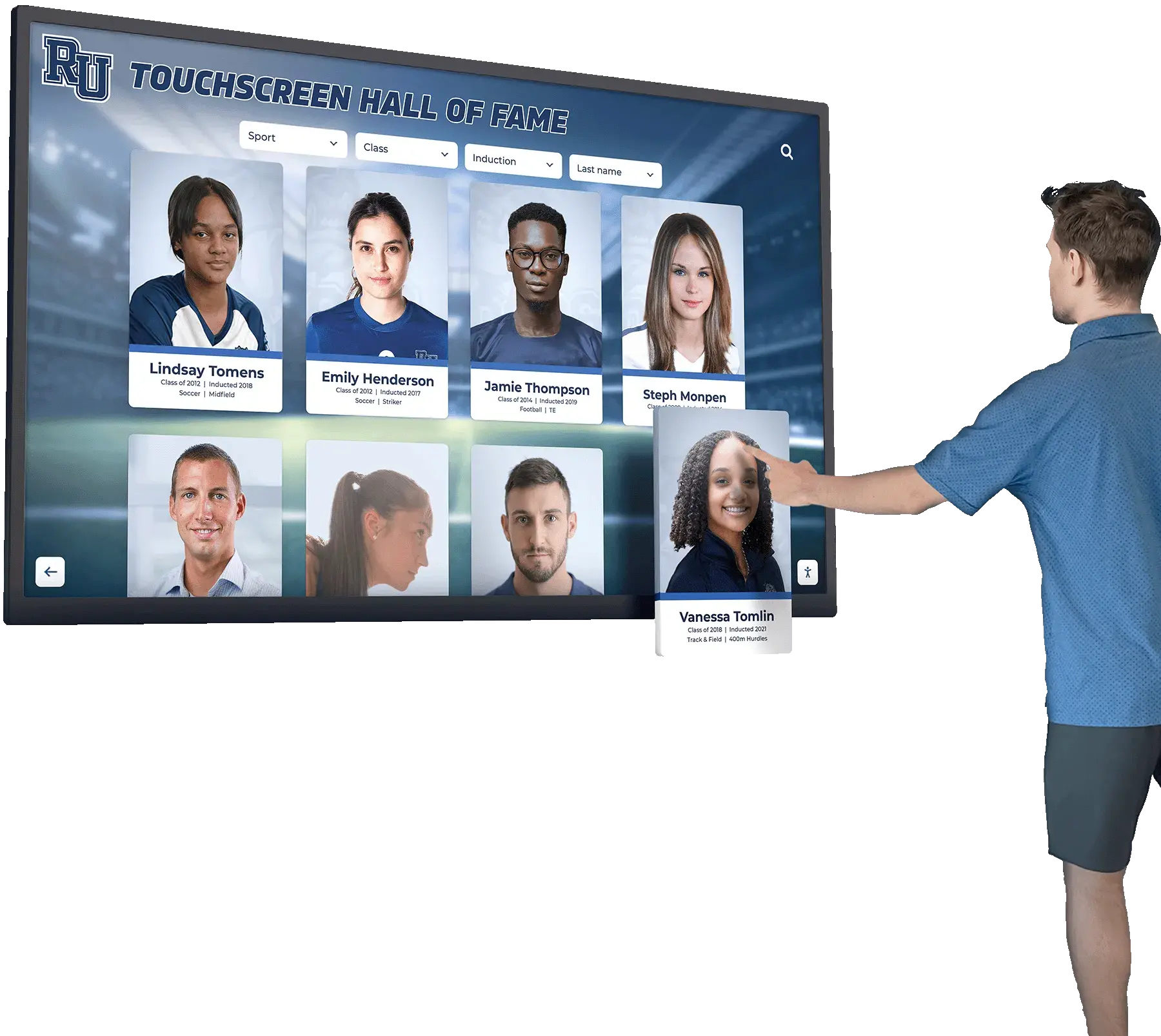
Implementing AAU Basketball Recognition in High Schools
Schools ready to celebrate students’ AAU basketball achievements should follow systematic approaches ensuring comprehensive, professional recognition.
Gathering AAU Achievement Information
Effective recognition requires complete, accurate information about students’ AAU basketball careers.
Information Collection Methods:
Systematic data collection ensures comprehensive documentation:
Student-Athlete Questionnaires: Create detailed questionnaires requesting students provide information about:
- AAU team names and sponsoring organizations
- Seasons competed and age divisions
- Team records and tournament results
- Individual honors and recognition received
- Notable games and personal achievements
- College recruitment connections to AAU performance
- Teammates who attended different high schools
- Coach names and contact information
Parent and Family Input: Families often maintain detailed records, photos, and memorabilia from AAU basketball experiences. Solicit family contributions providing:
- Tournament programs and brackets
- Action photos from AAU games
- Video highlights from competitive games
- Newspaper or media coverage
- Social media content from AAU seasons
- Uniform photos showing different team affiliations
Coach Verification: Contact AAU coaches requesting:
- Official roster confirmations
- Player statistics and performance summaries
- Tournament results documentation
- Observations about player development and contributions
- Context about team competitive levels and achievement significance
AAU Organization Records: Many AAU organizations maintain historical records accessible through:
- Organization websites with team histories
- Social media pages with season documentation
- Tournament result databases
- Historical roster archives
- Media coverage and press releases
Creating Comprehensive AAU Recognition Profiles
High-quality profiles celebrate AAU achievements thoroughly while providing context helping audiences understand accomplishment significance.
Essential Profile Components:
Effective AAU recognition profiles should include:
Team Context and Achievement Level: Explain the AAU team’s competitive level and significance:
- National ranking or regional prominence
- Tournament championships or major accomplishments
- Notable teammates (especially those who achieved college/professional success)
- Competition level faced throughout the season
- Team record and win-loss documentation
Individual Contributions: Document the student’s specific role and performance:
- Primary position and role on the team
- Statistical achievements (points, assists, rebounds per game)
- All-Tournament or individual honors received
- Notable performances in crucial games
- Development across the AAU season
- Coach evaluations of their contributions
High School Connection: Connect AAU achievement to school basketball:
- How AAU competition improved high school performance
- Skills developed through AAU competition
- Leadership lessons applied to school teams
- Balancing AAU and high school commitments
- School coach perspectives on AAU impact
College Recruitment Impact: Explain AAU basketball’s role in college opportunities:
- College coaches who recruited through AAU events
- Scholarship offers resulting from AAU exposure
- College commitment connections to AAU performance
- Recruiting rankings influenced by AAU competition
Personal Reflections: Include athlete perspectives about:
- Memorable moments from AAU competition
- Lessons learned through elite competition
- Gratitude for AAU opportunities
- Advice for younger players pursuing AAU basketball
- Balancing AAU demands with academic and personal life
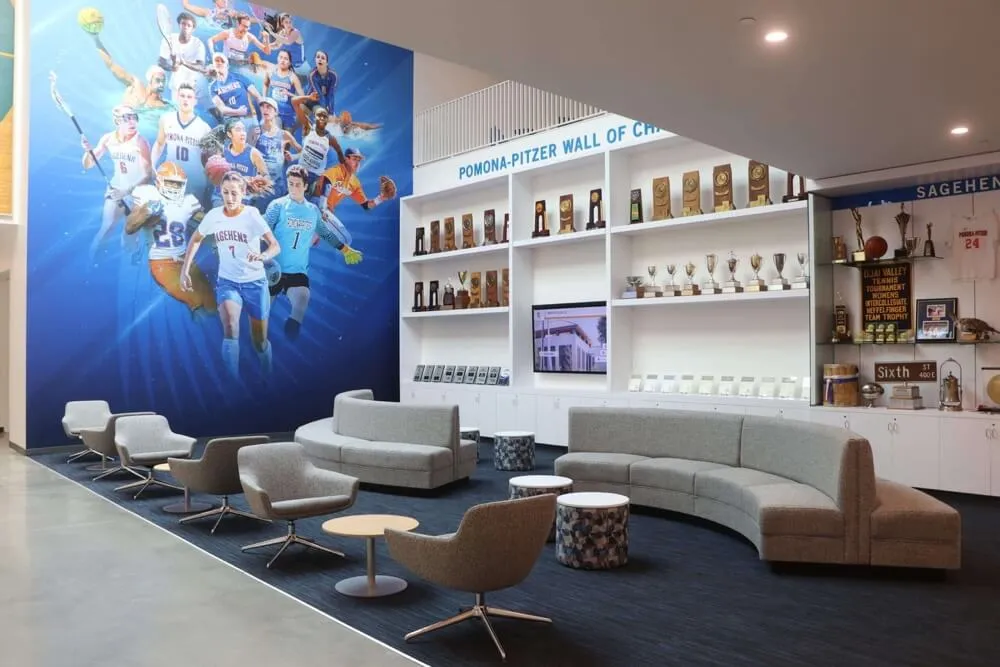
Modern Digital Recognition for AAU Basketball Excellence

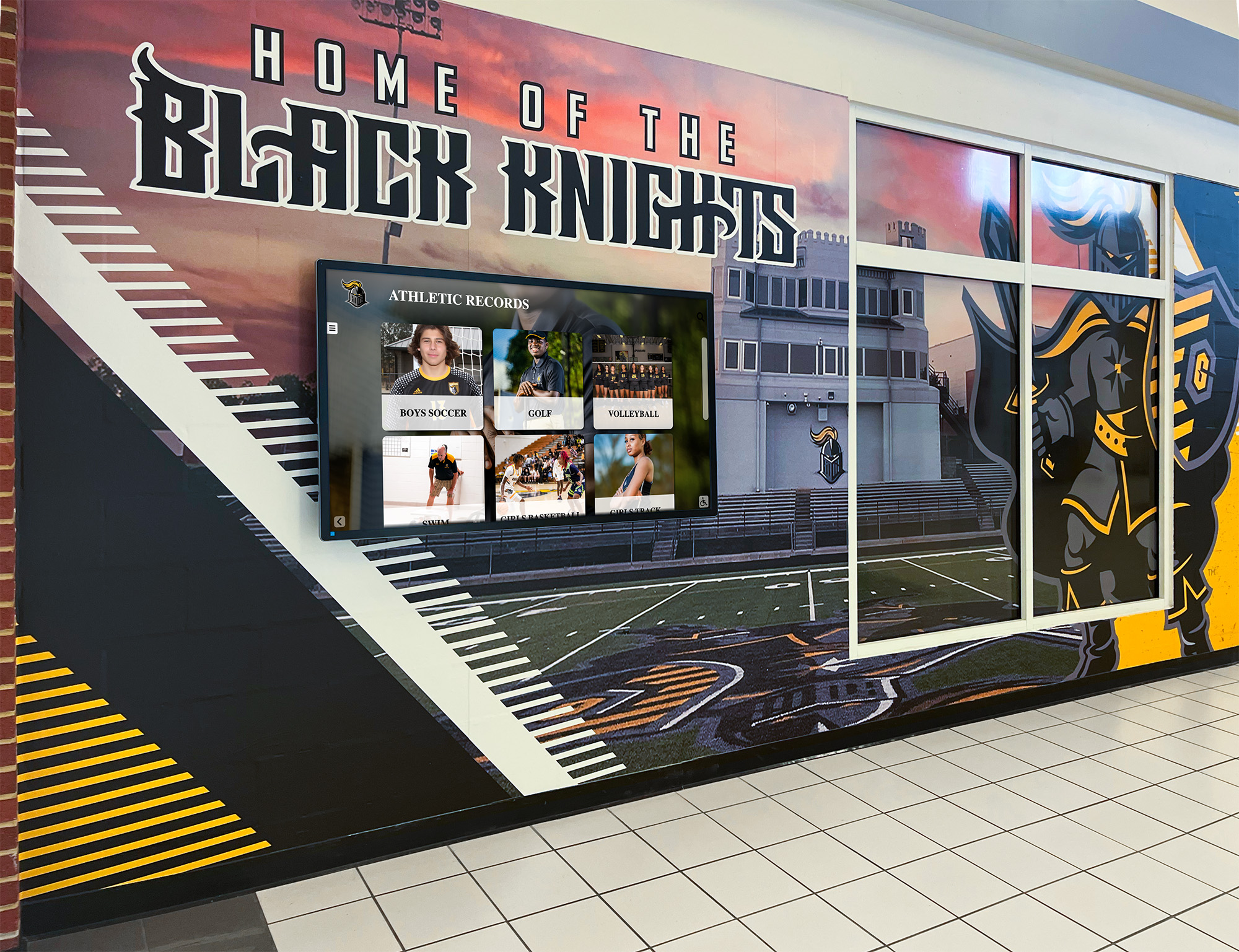
Traditional recognition methods—plaques listing names or photos in display cases—struggle to accommodate the comprehensive information required to properly celebrate AAU basketball achievements. Digital recognition solutions offer superior approaches for honoring elite youth basketball accomplishments.
Advantages of Digital AAU Recognition
Modern digital platforms deliver multiple benefits impossible with traditional physical displays:
Unlimited Recognition Capacity:
Digital systems accommodate unlimited athletes without space constraints. Schools can recognize every student who competed in AAU basketball regardless of when they played, which teams they joined, or how many total athletes achieve this distinction.
Traditional trophy cases fill quickly and force difficult decisions about removing older recognition to accommodate new achievements. Digital displays grow infinitely, ensuring every deserving athlete receives permanent recognition.
Rich Multimedia Storytelling:
AAU basketball achievements deserve more than name plaques. Digital profiles can include:
- Multiple photos showing game action, team celebrations, and tournament moments
- Video highlights from competitive AAU games
- Complete statistics across multiple seasons
- Tournament bracket visualizations showing championship paths
- Testimonials from AAU coaches about player development
- Links to college recruitment profiles or media coverage
- Updates about college and post-graduation achievements
This multimedia approach brings AAU careers to life in ways impossible with static displays, creating engaging tributes that honor achievements comprehensively.
Easy Updates and Corrections:
Cloud-based content management enables instant updates when:
- Students join new AAU teams for upcoming seasons
- Teams win tournaments or achieve new accomplishments
- Athletes earn All-Tournament or All-American honors
- College commitments occur through AAU recruitment
- Information needs correction or enhancement
- Alumni achieve college or professional success
Updates take minutes through web interfaces rather than requiring expensive physical modifications that take weeks to implement.
Remote Accessibility:
Web-based recognition extends beyond campus, allowing:
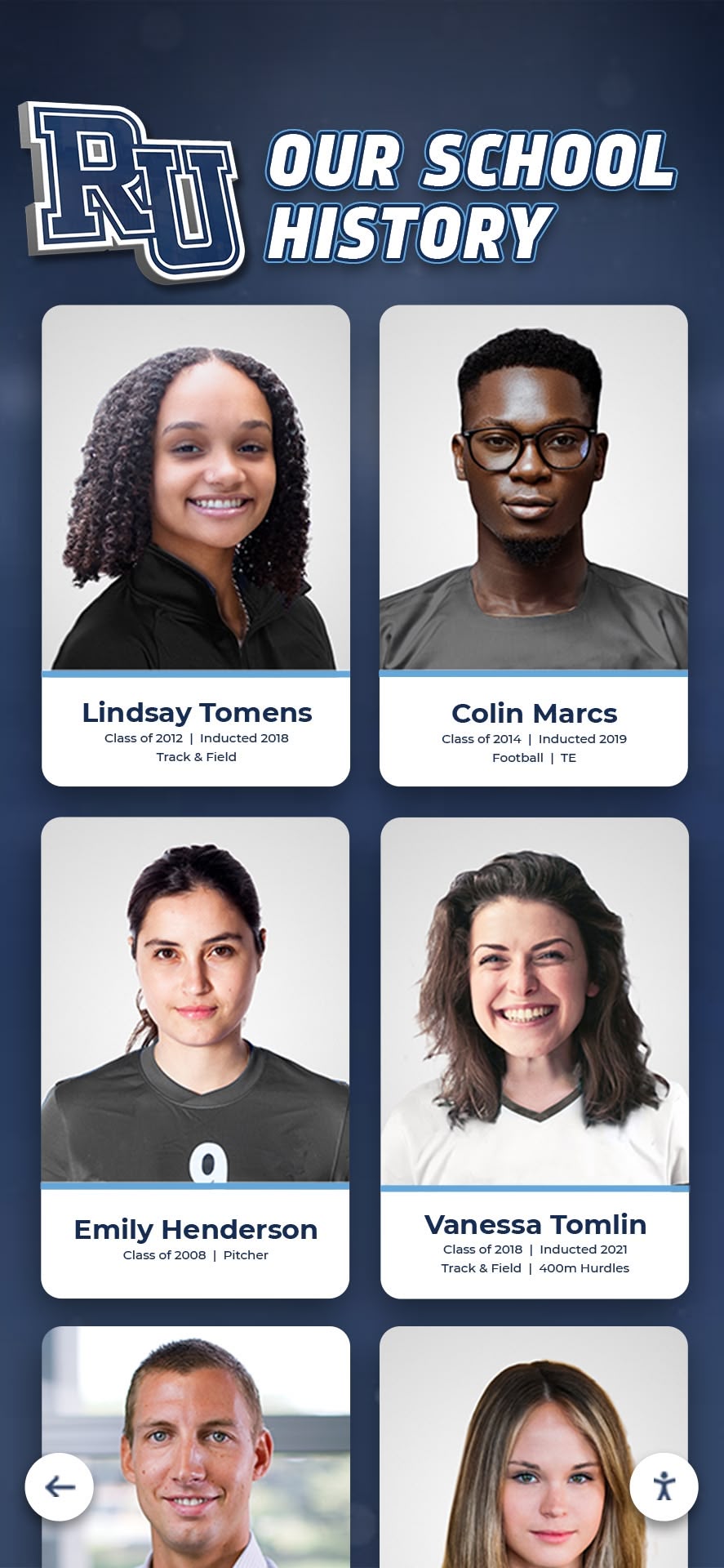
- Alumni to explore AAU basketball history from anywhere worldwide
- Current students to access inspiration remotely
- Families to share achievements across social networks
- College coaches to research school basketball traditions
- Prospective students to learn about basketball excellence during recruitment
This expanded reach amplifies recognition impact while strengthening connections with geographically dispersed stakeholders.
Sport-Specific Features for Basketball Recognition
Purpose-built digital recognition platforms include features optimized for basketball achievement celebration:
Statistical Integration: Comprehensive basketball statistics including:
- Career and season scoring, rebounding, and assists totals
- Shooting percentages and efficiency metrics
- Tournament performance documentation
- All-time records and milestone achievements
Team Documentation: Complete team achievement records featuring:
- Season rosters with all players
- Tournament brackets and results
- Team photos and action photography
- Coaching staff and organizational information
Timeline Formats: Chronological presentations showing:
- Year-by-year AAU participation history
- Progression of school students through AAU programs
- Connections between different AAU team generations
- Evolution from AAU to college to professional basketball
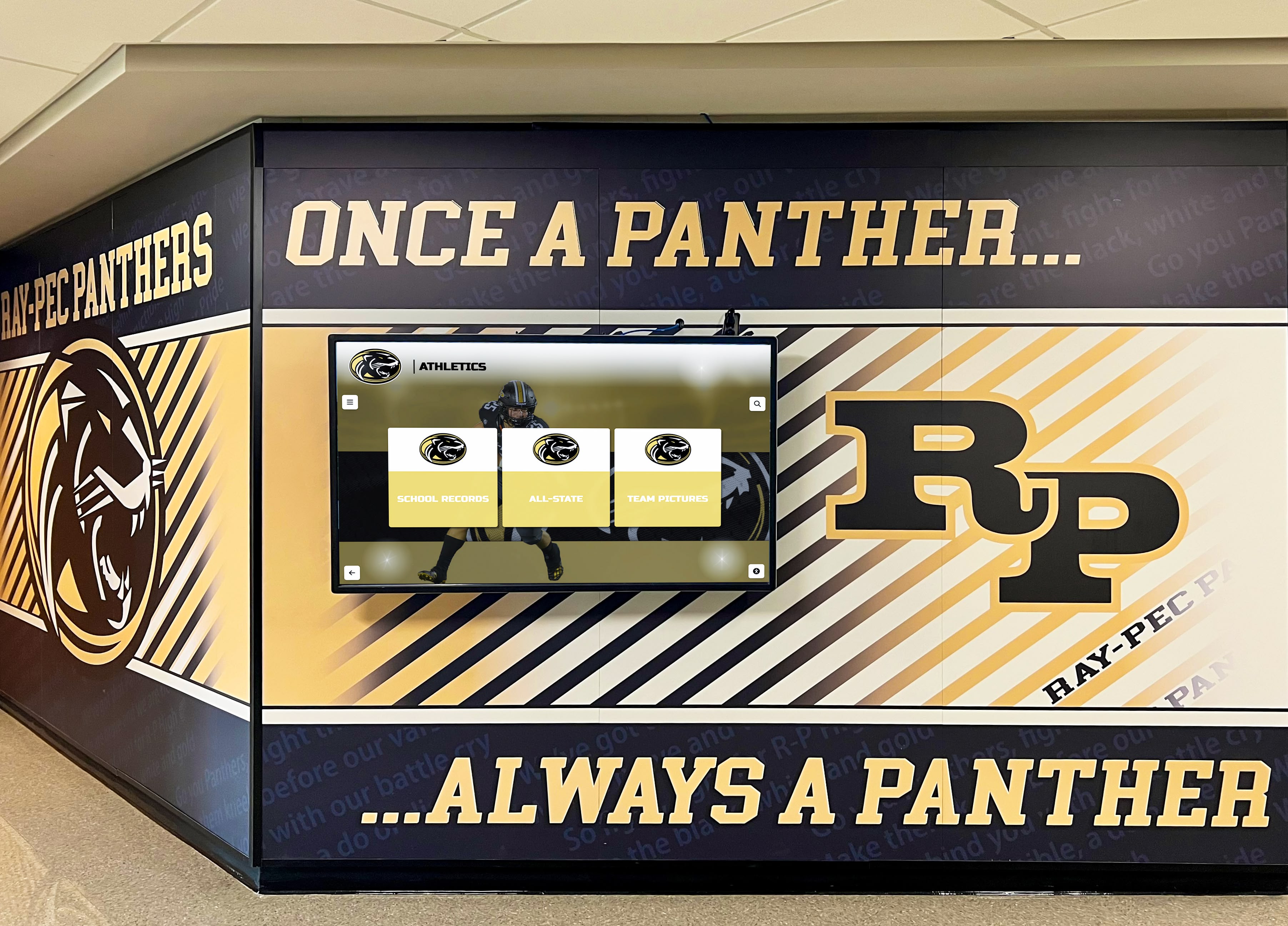
Rocket Alumni Solutions for AAU Basketball Recognition
Schools implementing AAU basketball recognition programs benefit from partnering with experienced technology providers offering comprehensive, education-focused solutions.
Comprehensive Recognition Platform
Rocket Alumni Solutions provides purpose-built platforms designed specifically for school athletic recognition rather than generic digital signage requiring extensive customization.
Key Platform Capabilities:
Turnkey Implementation: Complete packages include:
- Commercial-grade touchscreen hardware for continuous operation
- Cloud-based content management requiring no local servers
- Professional installation and setup service
- Comprehensive staff training
- Ongoing technical support and platform updates
Schools receive fully functional systems without managing complex technology implementation independently.
Basketball-Optimized Templates: Sport-specific templates streamline content creation:
- Player profile formats showcasing statistics and achievements
- Team documentation pages for AAU rosters
- Tournament bracket visualizations
- Statistical record boards
- Historical timeline presentations
Templates ensure professional appearance while saving significant content development time.
Intuitive Content Management: User-friendly systems enable athletic directors and coaches to manage recognition easily:
- Simple web-based interfaces requiring no technical skills
- Drag-and-drop photo organization
- Pre-formatted entry fields for statistics
- Bulk import capabilities for historical data
- Mobile access enabling smartphone updates
- Scheduled publishing for automatic content updates
Systems designed for educational users reduce IT burden while empowering athletic staff to maintain current, comprehensive recognition.
Engagement Analytics: Built-in metrics reveal how visitors interact with recognition:
- Daily interaction counts and usage trends
- Most-viewed athletes and content
- Search query patterns
- Peak engagement times
- Visitor navigation paths
Analytics demonstrate program value through concrete usage data while identifying optimization opportunities.
Proven Track Record
Rocket Alumni Solutions has implemented recognition systems across 1,000+ high schools, colleges, and organizations nationwide. This extensive experience provides:
- Proven templates and best practices
- Reliable technology tested across diverse environments
- Responsive support familiar with educational contexts
- Continuous platform improvements based on user feedback
Schools benefit from partner expertise rather than pioneering implementation challenges independently.
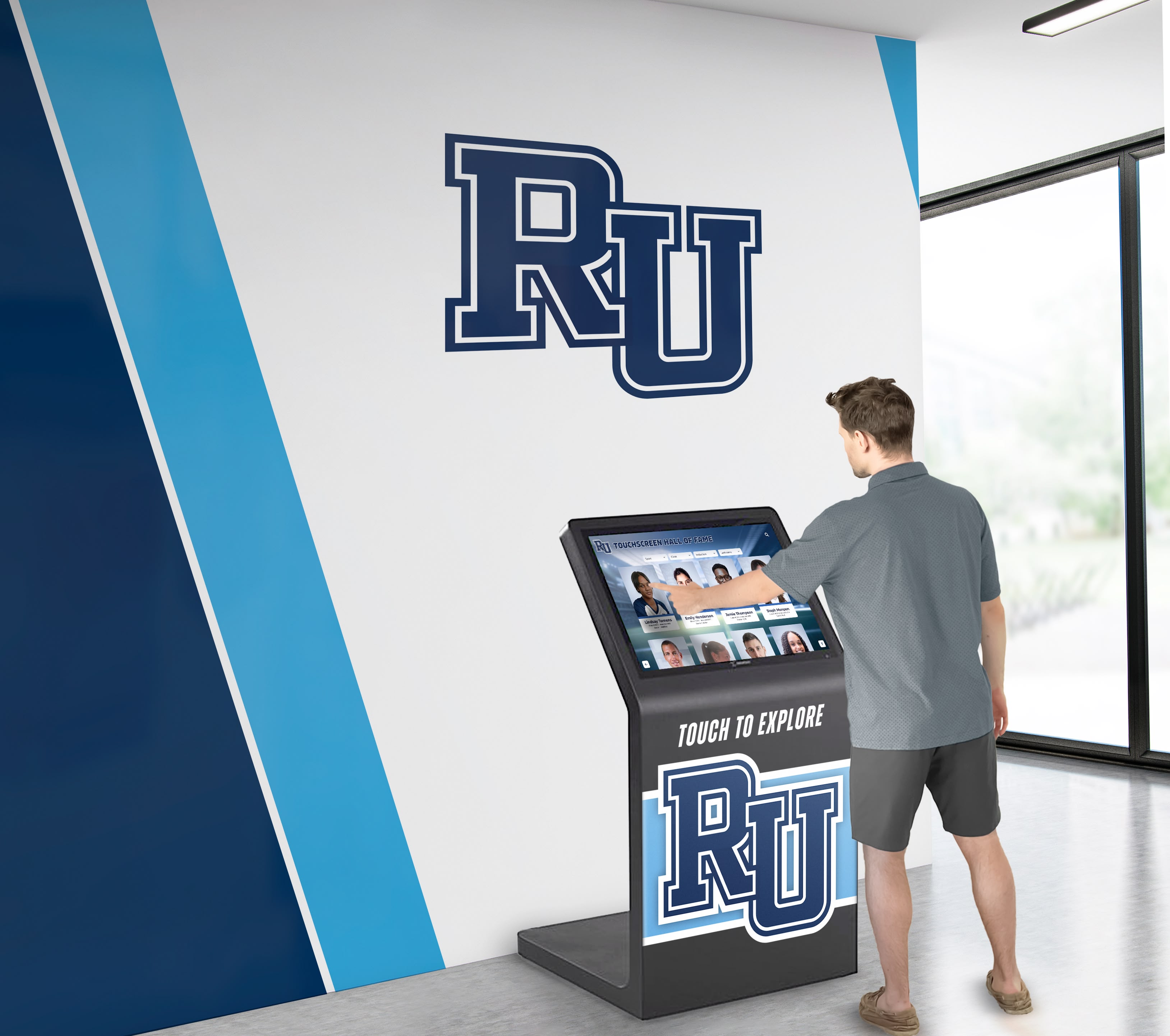
Best Practices for Sustainable AAU Recognition Programs
Long-term recognition program success requires thoughtful approaches ensuring programs remain vibrant across years and staff transitions.
Establishing Clear Recognition Standards
Transparent criteria prevent confusion while ensuring fair, consistent recognition decisions.
Eligibility Guidelines:
Define which AAU achievements warrant recognition:
- Minimum team competitive level (regional, national ranking thresholds)
- Tournament achievement standards (championship, finalist, top finishes)
- Individual honor requirements (All-Tournament, All-American selections)
- Participation duration minimums (single season vs. multi-year)
- Character and conduct standards ensuring recognized students represent school values appropriately
Published standards help students understand what achievements earn recognition while maintaining program credibility through objective criteria.
Documentation Requirements:
Specify information required for recognition:
- Official team rosters from AAU organizations
- Tournament brackets and results verification
- Statistics from reliable sources
- Coach confirmations of participation and achievements
- Photos and media coverage where available
Documentation standards ensure recognition accuracy while preventing unverified claims.
Integrating AAU Recognition with School Basketball Programs
AAU recognition should complement rather than overshadow high school basketball achievement.
Balanced Recognition Approach:
Ensure recognition programs celebrate both:
- High school team achievements and individual excellence
- AAU basketball participation and accomplishments
- Academic success alongside athletic achievement
- Leadership and character development
Comprehensive recognition demonstrates schools value well-rounded excellence rather than prioritizing single achievement types.
Coach Collaboration:
Involve high school coaches in AAU recognition:
- Solicit coach input about how AAU competition benefits programs
- Request coach testimonials about player development through AAU participation
- Ensure coaches feel AAU recognition complements rather than competes with school program emphasis
- Feature coach perspectives on balancing AAU and school basketball commitments
Coach support ensures AAU recognition enhances rather than undermines school basketball program culture.
Maintaining Historical Documentation
Preserve complete records ensuring AAU recognition remains accessible to current and future generations.
Comprehensive Archives:
Systematically document:
- All students who competed in AAU basketball
- Complete AAU team rosters and achievements
- Tournament results and championship documentation
- Individual honors and recognition received
- College recruitment outcomes connected to AAU participation
- Alumni updates about post-graduation basketball involvement
Complete archives ensure AAU basketball history remains part of permanent institutional memory rather than being gradually forgotten.
Regular Content Enhancement:
Continuously improve recognition through:
- Adding newly discovered historical information
- Incorporating additional photos and videos as they become available
- Updating alumni profiles with post-graduation achievements
- Connecting current students to historical AAU participants
- Featuring anniversary celebrations of historic AAU accomplishments
Ongoing enhancement maintains engagement while demonstrating sustained commitment to recognition.
Connecting AAU Recognition to Recruiting and Program Development
AAU basketball recognition serves multiple strategic purposes beyond simply honoring past achievements.
Recruiting Benefits
Visible AAU recognition creates recruiting advantages for high school basketball programs.
Demonstrating Program Quality:
When prospective students and families research schools, AAU recognition provides evidence that:
- The school develops players capable of elite competition
- Students have opportunities to pursue AAU basketball while attending
- The basketball program values and celebrates year-round development
- Alumni achieved college recruitment success through AAU exposure
This recognition differentiates programs from competitors who may not emphasize comprehensive basketball development.
Attracting Elite Talent:
Talented middle school players considering high schools for athletic development notice which programs celebrate comprehensive basketball achievement. AAU recognition signals that schools support students pursuing basketball excellence at all competitive levels.
Building Basketball Culture:
Recognition creates visible evidence of basketball program excellence that:
- Strengthens current player pride in program traditions
- Motivates players to pursue elite competition opportunities
- Demonstrates institutional commitment to basketball development
- Creates aspiration for younger players entering programs
Strong basketball culture attracts committed athletes while retaining talented players who might otherwise transfer to perceived stronger programs.
Inspiring Current Players
Strategic recognition motivates current players by showing clear pathways to achievement.
Creating Visible Standards:
When young players see specific, documented examples of recent alumni who competed in AAU basketball, abstract aspirations become concrete, achievable goals. Recognition answers the question every player asks: “What’s possible for someone like me?”
Demonstrating Multiple Pathways:
AAU recognition spanning different competitive levels—from regional teams to nationally-ranked programs—shows that players don’t need to be superstars to compete in AAU basketball. Various achievement levels validate different player capabilities while encouraging maximum development.
Connecting Past and Present:
Featuring alumni who competed in AAU basketball and subsequently achieved college or professional success demonstrates long-term benefits of elite competition. Current players see clear evidence that AAU participation creates opportunities beyond high school.
Measuring AAU Recognition Program Success
Effective programs track both quantitative metrics and qualitative impacts demonstrating value while identifying improvement opportunities.
Engagement Metrics
Digital platforms provide detailed usage data revealing how stakeholders interact with AAU recognition.
Quantitative Indicators:
Track concrete engagement measures:
- Daily, weekly, and monthly interaction counts
- Average session duration showing depth of engagement
- Most-viewed athlete profiles and content
- Search query patterns revealing visitor interests
- Peak usage times and seasonal patterns
- Return visitor rates indicating sustained interest
- Social media sharing and reach
These metrics demonstrate actual program usage justifying investment while revealing which content types resonate most strongly.
Community Impact
Beyond numbers, evaluate broader influence on stakeholders and school culture.
Student-Athlete Perspectives:
Gather feedback from:
- Recognized athletes about how acknowledgment affects their school connection
- Current players about whether AAU recognition inspires their development goals
- AAU participants about program awareness and support for their youth basketball participation
- Students generally about basketball program perception
Student input reveals whether recognition achieves intended motivational and cultural impacts.
Family and Alumni Engagement:
Assess external stakeholder responses:
- Family appreciation for celebrating comprehensive basketball achievement
- Alumni satisfaction with recognition of their AAU accomplishments
- Alumni involvement in mentoring current AAU participants
- Community perception of school basketball program excellence
Strong external engagement validates recognition program value beyond internal metrics.
Recruitment Impact:
Monitor whether AAU recognition influences program recruitment:
- Prospective student-athlete interest during campus visits
- Families’ responses to AAU recognition during recruitment conversations
- Transfer student decisions citing basketball program recognition
- Coach feedback about recruitment advantages from comprehensive recognition
Recruitment benefits provide tangible return on recognition program investment.
Creating Ceremonies and Events for AAU Recognition
Formal celebrations create memorable experiences honoring AAU achievements while building traditions strengthening basketball program culture.
Annual AAU Recognition Events
Dedicated events provide focused attention on AAU basketball achievements.
Off-Season Recognition Programs:
Schedule AAU recognition events during spring or summer when AAU seasons conclude:
- Host ceremonies celebrating students’ recent AAU accomplishments
- Present certificates or awards honoring AAU participation
- Feature presentations about AAU basketball’s role in college recruitment
- Invite AAU coaches to speak about player development
- Showcase highlights from the completed AAU season
Timing recognition when AAU seasons end ensures freshness while avoiding conflicts with high school season emphasis.
Integration with High School Events:
Incorporate AAU recognition into existing school basketball events:
- Feature AAU accomplishments during basketball banquets
- Acknowledge AAU participation during senior night celebrations
- Include AAU achievement in athletic award programs
- Highlight AAU success in athletic department communications
- Present AAU recognition alongside other athletic achievements
Integration ensures AAU recognition complements rather than competes with school basketball celebration.
Digital Recognition Unveiling
When implementing new AAU recognition displays, create ceremonial unveilings building excitement and engagement.
Launch Event Elements:
Effective unveiling ceremonies include:
- Formal dedication by school administration
- Recognition of initial inductees in attendance
- Interactive demonstrations showing digital platform features
- Media coverage amplifying recognition program visibility
- Receptions enabling networking among athletes and families
- Social media promotion extending event reach
Launch events demonstrate institutional commitment while creating momentum for ongoing recognition program success.
Conclusion: Honoring Elite Youth Basketball Achievement
High school students who earn positions on competitive AAU basketball rosters achieve distinction at youth basketball’s highest levels. They compete against elite opponents from across regions and nationwide, face intense pressure under college coach scrutiny, develop skills and mental toughness that benefit them throughout their lives, and often earn college scholarship opportunities through AAU exposure that change their educational trajectories.
These achievements deserve recognition matching their significance—comprehensive, engaging, permanent acknowledgment that validates students’ dedication while inspiring future players to pursue excellence at basketball’s most competitive youth levels.
Modern digital recognition solutions transform how schools celebrate AAU basketball achievements. Unlike traditional plaques providing minimal information, digital platforms enable rich multimedia profiles documenting complete AAU careers through statistics, photos, videos, and narratives that bring achievements to life. Unlimited capacity ensures every deserving athlete receives recognition regardless of era, while instant updates enable timely celebration when students earn new AAU honors.
From legendary rosters like the 1996 Patterson Playaz featuring Kobe Bryant and Vince Carter to regional championship teams developing local talent, AAU basketball represents excellence across multiple competitive levels. Schools that celebrate students competing at these elite levels communicate powerful messages about institutional values, basketball program quality, and commitment to comprehensive student development beyond just high school season performance.
Celebrate AAU Basketball Excellence
Discover how Rocket Alumni Solutions can help you create comprehensive AAU basketball recognition that honors elite youth basketball achievement while inspiring future generations of players.
Schedule Your Free DemoWhether your school has produced AAU All-Americans, national championship team members, or athletes who earned spots on competitive travel teams, purpose-built recognition platforms celebrate these accomplishments professionally while preserving connections to elite youth basketball traditions. The question isn’t whether AAU achievement deserves recognition, but whether your program will lead this recognition revolution or continue relying on limited traditional approaches that fail to honor these achievements comprehensively.
Ready to transform how your school celebrates AAU basketball excellence? Explore how modern recognition platforms enable schools to honor elite youth basketball achievement while building basketball program pride, strengthening recruiting, and inspiring current players to pursue excellence at basketball’s highest competitive levels.































