High school basketball programs build legacies that span decades—from legendary coaches who shaped generations of players to championship teams that brought entire communities together to individual athletes whose dedication and skill set standards future players aspire to reach. Yet too often, these achievements fade from memory, relegated to dusty trophy cases or forgotten in storage when wall space runs out.
A well-designed high school basketball alumni display transforms how programs honor their history while creating powerful connections between past excellence and future aspirations. Modern digital recognition solutions enable schools to celebrate every significant achievement—from 1,000-point scorers to championship teams to coaching legends—in engaging, accessible formats that inspire current players and strengthen alumni connections.
Whether your program has been competing for 30 years or 100, whether you’ve won multiple state championships or built consistent conference success, your basketball legacy deserves recognition that matches its significance. This comprehensive guide explores how to create basketball alumni displays that honor tradition, inspire excellence, and build lasting pride in your program’s achievements.
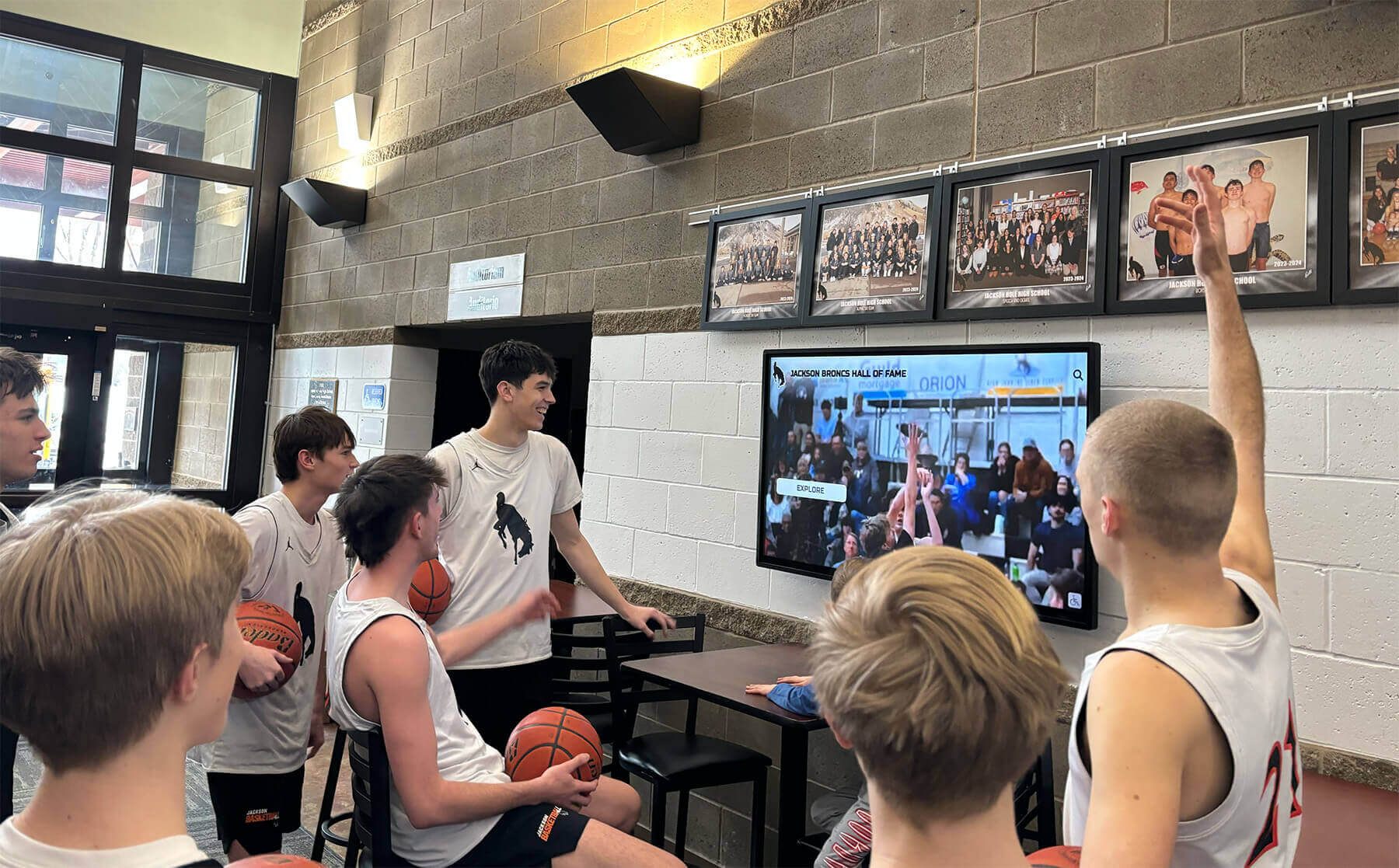
Why High School Basketball Alumni Displays Matter
Basketball alumni displays serve purposes that extend far beyond simple decoration or nostalgia. When implemented effectively, they become powerful tools that shape program culture, strengthen community bonds, and drive athletic excellence.
Inspiring Current Players Through Visible Excellence
Walking into a gym and seeing the names, photos, and achievements of those who came before creates immediate impact. Current players understand that excellence in your program isn’t abstract—it’s real, documented, and attainable.
Establishing Concrete Goals:
When a sophomore sees that the program’s 1,000-point scorers typically averaged 12-15 points per game across four seasons, that milestone transforms from impossible dream to achievable target. Visible displays showing statistical progressions help players understand pathways to recognition, creating motivation grounded in realistic planning rather than vague aspirations.
Demonstrating Program Standards:
Alumni displays communicate what excellence means in your specific program culture. Schools that recognize diverse achievements—scoring leaders alongside defensive specialists, championship teams with academic All-State honorees—demonstrate values beyond just winning. This comprehensive recognition shapes how current athletes define success and guides their personal development priorities.
Creating Aspirational Identity:
Players who grow up attending games in gyms featuring impressive alumni recognition develop identity connections to program tradition before they ever suit up. By the time they reach high school, they’re not just joining a basketball team—they’re becoming part of a legacy they’ve admired for years.
Strengthening Alumni Engagement and Community Pride
Basketball programs create bonds that last lifetimes. Alumni displays acknowledge these connections while providing natural touchpoints for ongoing engagement.
Honoring Contributions Across Decades:
Digital recognition displays enable programs to honor every significant contributor from throughout their history—not just recent stars. When a 1970s player visits during a reunion and sees their achievements properly recognized alongside contemporary athletes, that acknowledgment strengthens emotional connections and demonstrates that the program values all who contributed to its legacy.
Creating Reunion and Homecoming Focal Points:
Alumni displays provide natural gathering spaces during reunions, homecoming weekends, and other events. Former teammates reconnect while reminiscing about shared experiences, alumni introduce their families to their high school achievements, and multi-generational program participants discover connections between different eras of basketball excellence.
Supporting Development and Fundraising:
Alumni who feel genuinely valued and connected to their programs become natural supporters. Recognition displays that honor past contributions often catalyze renewed engagement—attending games, mentoring current players, or providing financial support for program initiatives. The return on investment from effective recognition extends far beyond the initial implementation cost.
Recruiting Advantage Through Demonstrated Tradition
High school basketball recruiting grows increasingly competitive. Visible program tradition provides tangible differentiation when prospects and their families evaluate options.
Showcasing Development Pathways:
Detailed alumni profiles showing progression from freshman contributors to senior stars demonstrate that your program develops players rather than simply collecting talent. When prospects see concrete examples of athletes who improved significantly through your coaching and program culture, it creates confidence about their own potential development.
Demonstrating Commitment to Recognition:
Programs that invest in professional, comprehensive alumni recognition send clear messages: we value our players, we honor achievements, and your contributions will be remembered long after graduation. This commitment to recognition reflects broader program values that resonate with prospects and families evaluating where to invest four years of athletic development.
Building Immediate Connection:
Interactive displays that prospects can explore during visits create engagement opportunities impossible with static plaques. Searching for players from their home region, exploring championship teams, or discovering alumni who played their position helps prospects envision themselves as future program contributors.
Traditional Basketball Alumni Recognition Challenges
For decades, high school basketball programs have celebrated their legacy through familiar recognition approaches. While these traditional methods demonstrate good intentions, they face significant limitations that constrain comprehensive recognition.
Space Constraints and Prioritization Dilemmas
Every program accumulates achievements faster than wall space expands. Physical displays inevitably force difficult decisions about what receives recognition and what gets relegated to storage.
The Impossible Mathematics of Physical Space:
Consider a program with 60 years of history. Even conservative estimates suggest dozens of 1,000-point scorers, hundreds of All-Conference athletes, multiple championship teams, legendary coaches, and countless other worthy achievements. Honoring all of these contributors through individual plaques or banners would require extensive wall space that simply doesn’t exist in most facilities.
This space scarcity creates zero-sum competition between equally worthy achievements. Recognizing a new 1,000-point scorer might mean removing an older plaque. Honoring current champions might displace recognition of teams from decades past. These choices feel unfair to those whose achievements get minimized or removed, yet limited space leaves no alternatives.
Unintentional Bias Toward Recent Achievement:
Space constraints typically result in displays emphasizing recent accomplishments while older achievements disappear from view. The 1,000-point scorer from 1985 gets removed to accommodate one from 2023. This pattern sends unfortunate messages about whose contributions matter and creates perception that program history only extends back a decade or two rather than across its full legacy.
Maintenance Burdens and Update Delays
Keeping traditional displays current requires ongoing investment of time, money, and effort that many programs struggle to sustain.
Production Timelines That Diminish Impact:
When a player reaches 1,000 career points in February, that achievement deserves immediate recognition while excitement peaks. Traditional approaches require ordering custom plaques (2-4 weeks), professional engraving, installation scheduling, and physical mounting. By the time recognition finally appears, momentum has dissipated and the achievement feels like old news rather than current celebration.
This delay particularly affects current players who witness teammate achievements but see no corresponding recognition. The motivational power of visible acknowledgment diminishes significantly when weeks or months separate achievement from display.
Ongoing Financial Investment:
Each new achievement requires material production—plaques, banners, frames, or other physical items—creating recurring expenses. A program adding 3-5 significant achievements annually spends hundreds or thousands of dollars on recognition materials alone, before accounting for installation labor. Over decades, these seemingly modest per-item costs accumulate to substantial sums.
Physical Deterioration and Damage:
Gymnasiums present harsh environments for displayed materials. Temperature fluctuations, humidity, sunlight exposure, and occasional equipment impact gradually degrade physical recognition. Faded banners, yellowed photos, and damaged plaques require eventual replacement, creating additional costs and maintenance burdens.
Limited Storytelling and Context
Perhaps the most significant limitation of traditional displays is their inability to tell complete stories about the achievements they recognize.
Names and Dates Without Narratives:
A plaque listing “Sarah Johnson - 1,247 Career Points - Class of 2019” documents an achievement but provides no context. What was Sarah’s journey? How did she develop from freshman to record-setter? What memorable games defined her career? What lessons did basketball teach her? Where is she now?
These questions matter because complete stories inspire more powerfully than statistics alone. Current players benefit more from understanding how excellence was achieved than simply knowing it occurred. Yet traditional displays lack space for this contextual storytelling.
Inability to Show Progression and Development:
The most inspiring aspect of athletic achievement is often the journey rather than the destination. Players who improve dramatically through dedication demonstrate lessons about work ethic and growth mindset that pure talent cannot teach. Traditional displays cannot show these developmental arcs—they capture final statistics but miss the progression that made them meaningful.
Modern Digital Basketball Alumni Display Solutions
Digital recognition technology has revolutionized how high school basketball programs can honor their legacy while addressing every limitation of traditional approaches.
Unlimited Recognition Capacity
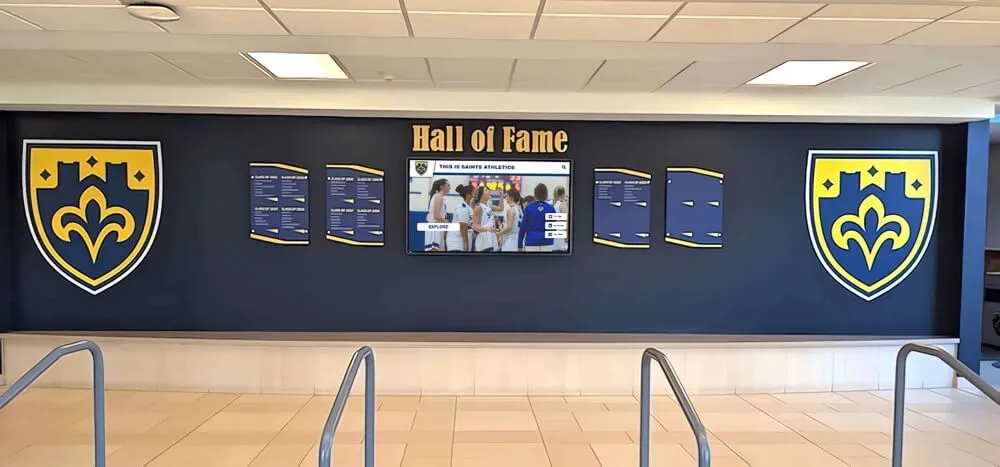
Digital platforms eliminate physical space constraints entirely, enabling truly comprehensive recognition across complete program history.
Every Achievement Deserves Acknowledgment:
A single digital display can showcase unlimited profiles—every 1,000-point scorer from 1960 onward, every All-State athlete, every championship team, every coaching milestone. Programs never face decisions about removing older recognition to accommodate new achievements. All contributors receive appropriate acknowledgment regardless of when they played.
This comprehensive approach particularly benefits programs with long traditions. Schools celebrating 50, 75, or 100 years of basketball can honor their complete legacy rather than just recent decades. This historical depth demonstrates institutional commitment to remembering all who contributed to program excellence.
Multi-Category Recognition Systems:
Digital platforms accommodate diverse achievement categories simultaneously—individual scoring leaders and defensive specialists, championship teams and academic honors, coaching milestones and supportive contributors. This flexibility enables programs to recognize that basketball excellence takes many forms and that everyone who contributes to program success deserves acknowledgment.
Resources like basketball records recognition guides demonstrate comprehensive frameworks for celebrating diverse achievements within single platforms.
Real-Time Updates and Instant Recognition
Perhaps the most powerful advantage of digital displays is the ability to update recognition immediately when achievements occur.
Celebrate Achievements While Excitement Peaks:
When a player scores their 1,000th career point during Friday night’s game, digital recognition can be updated before fans leave the building. This immediate acknowledgment capitalizes on emotional momentum and demonstrates that the program values achievements enough to recognize them instantly rather than eventually.
The contrast with traditional approaches is dramatic. Instead of waiting weeks for plaque production, recognition appears while the accomplishment remains the talk of the school and community. This timeliness dramatically amplifies motivational impact for current players who see that achievement receives immediate, visible acknowledgment.
Cloud-Based Management From Anywhere:
Modern digital recognition platforms enable authorized staff to update content from any internet-connected device—office computers, home laptops, or even smartphones. An athletic director can add new recognition from the gym lobby using their phone, a coach can update statistics during away games, and administrative staff can schedule content to publish at specific times.
This accessibility removes technical and logistical barriers that often delayed traditional updates. Recognition maintenance fits naturally into existing workflows rather than requiring special coordination, vendor management, and physical installation.
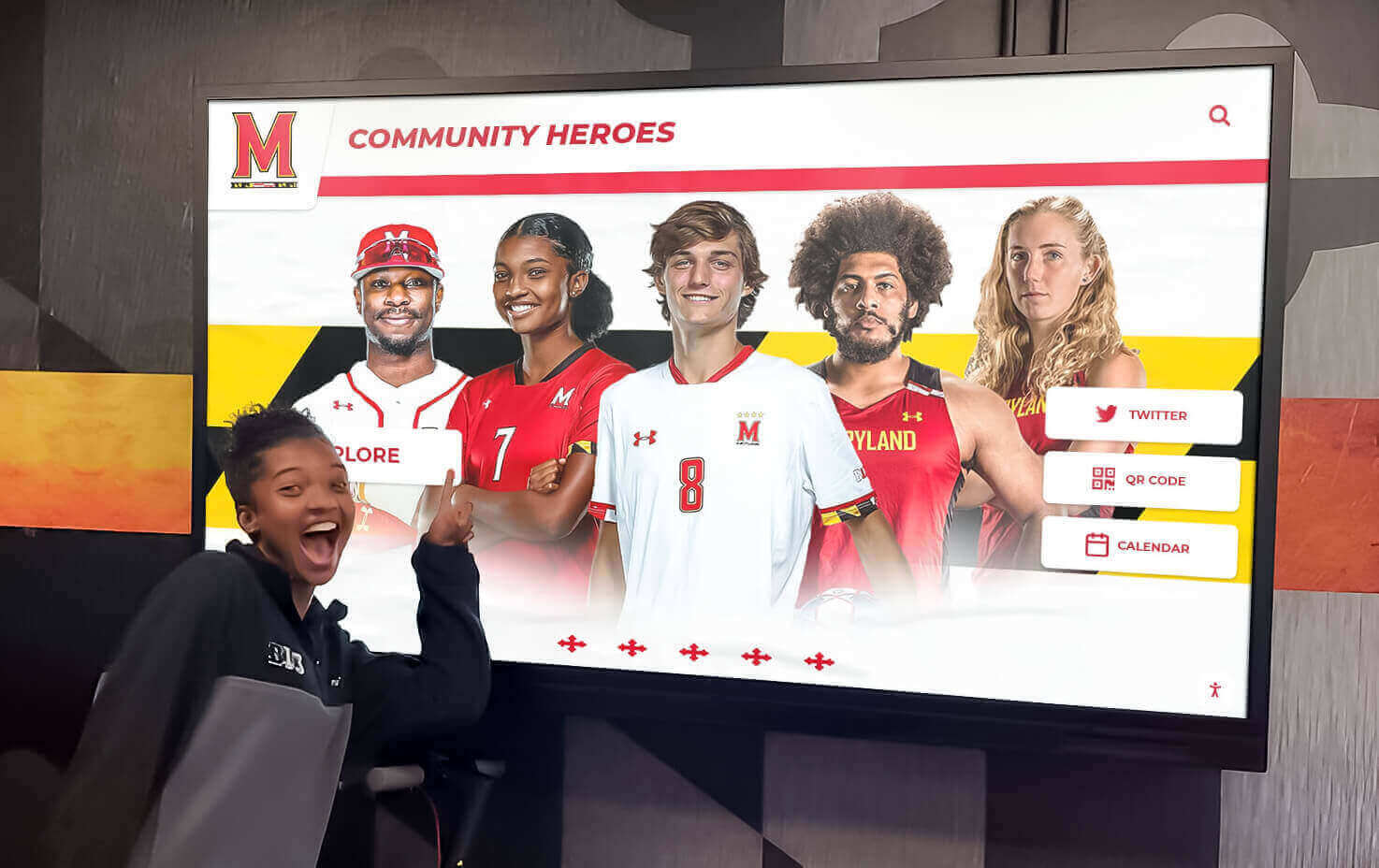
Rich Multimedia Storytelling
Digital platforms enable recognition that honors complete careers through comprehensive multimedia content rather than reducing achievements to basic statistics.
Complete Player Profiles With Context:
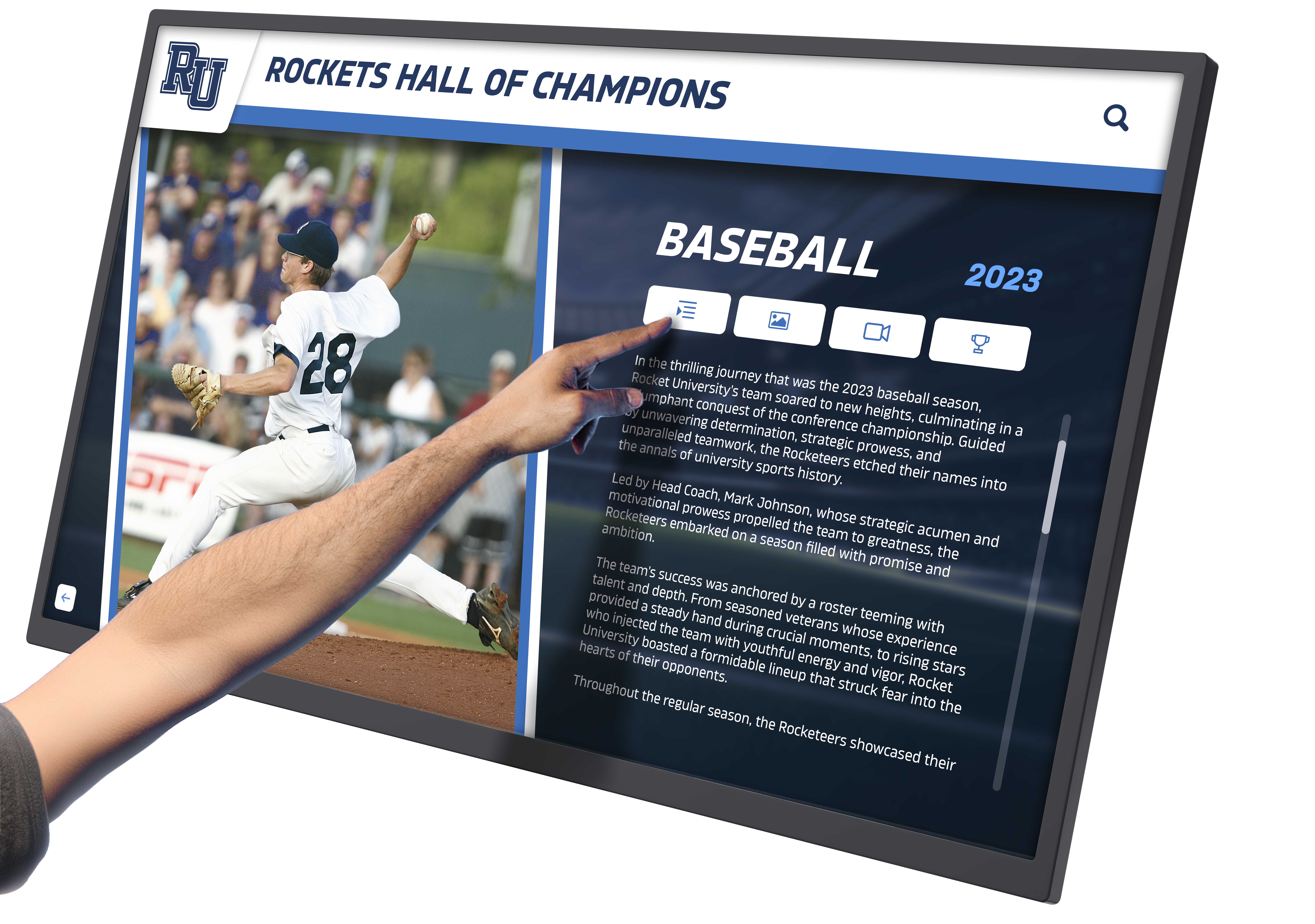
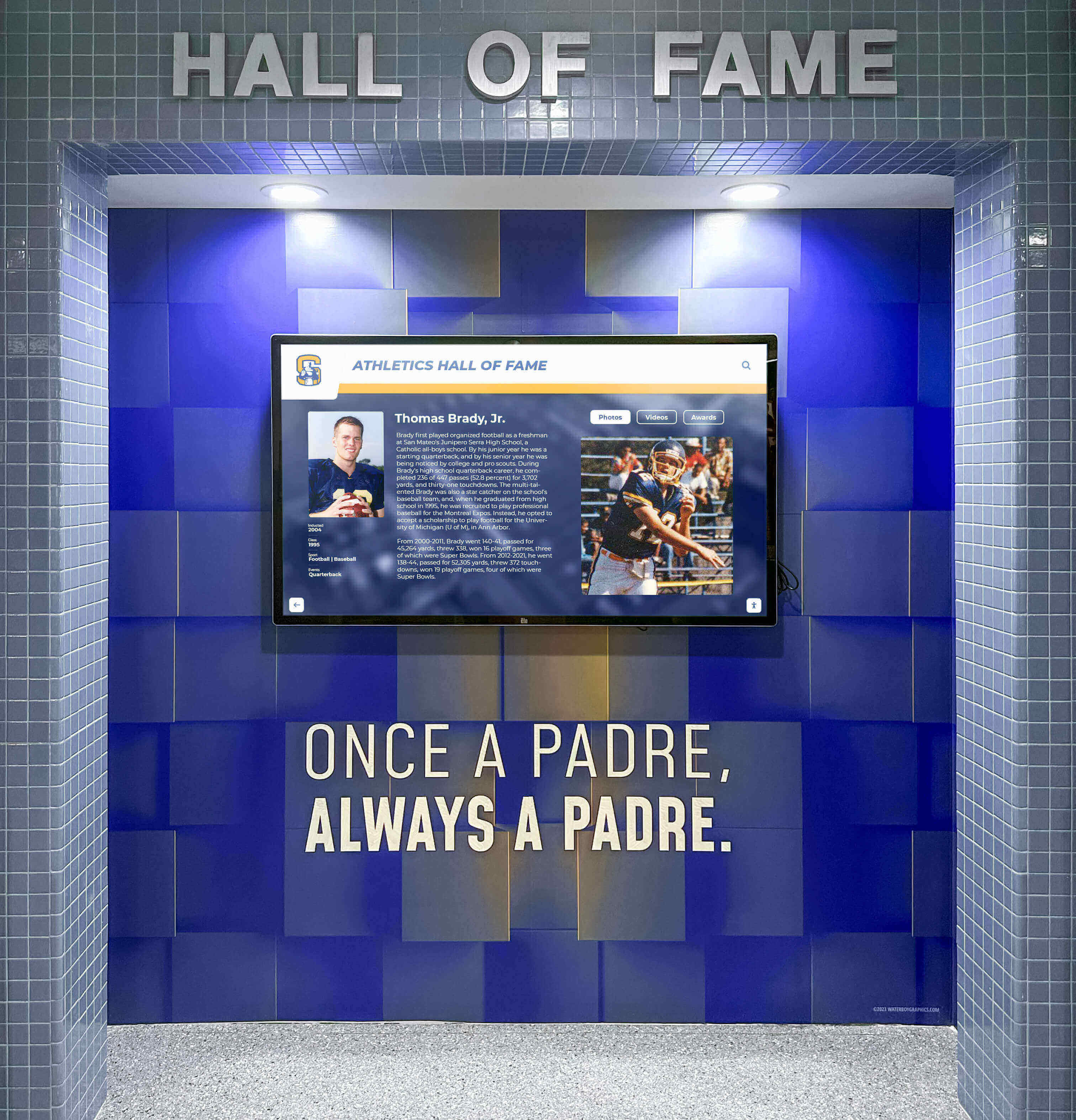
Effective digital profiles combine statistical documentation with compelling narratives including:
- Career statistical progression showing development across seasons
- Multiple photos capturing different moments and achievements
- Video highlights of signature performances and memorable games
- Personal reflections about basketball experiences and lessons learned
- Coach testimonials explaining what made players special beyond statistics
- Post-graduation updates about college careers and life success
- Team context showing how individual achievement contributed to collective success
This comprehensive approach transforms recognition from data lists into engaging stories that honor complete individuals while creating emotional connections impossible with traditional plaques.
Championship Team Documentation:
Digital systems enable thorough championship recognition including complete rosters acknowledging every contributor, season narratives telling the journey to championships, game-by-game results showing the path to titles, coaching staff recognition, video highlights of championship moments, and multi-year comparisons for programs winning multiple consecutive titles.
These detailed team tributes ensure championships receive celebration befitting their significance while honoring every player who contributed rather than only stars or starters.
Visual Timelines and Historical Context:
Programs can present their history through visual timelines showing coaching eras and their distinctive characteristics, decade-by-decade program evolution, championship clusters and periods of sustained excellence, facility and uniform evolution, and connections between different generations of players and traditions.
Timeline presentations help viewers understand program development over time while identifying patterns and traditions that define program identity across eras.
Interactive Exploration and Powerful Search
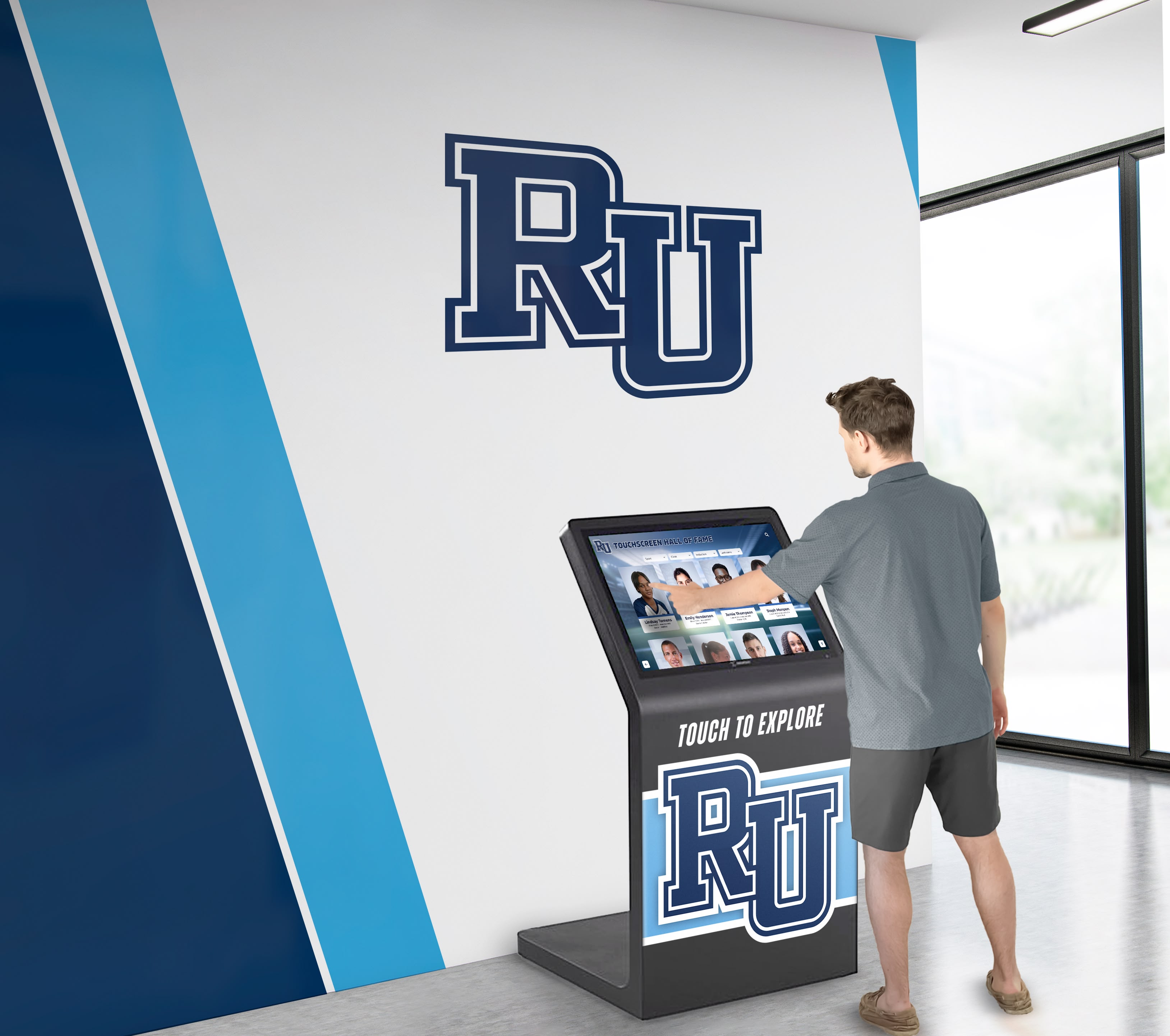
Touchscreen interfaces transform recognition from passive viewing into active exploration that invites discovery and extended engagement.
Finding Specific Athletes and Achievements:
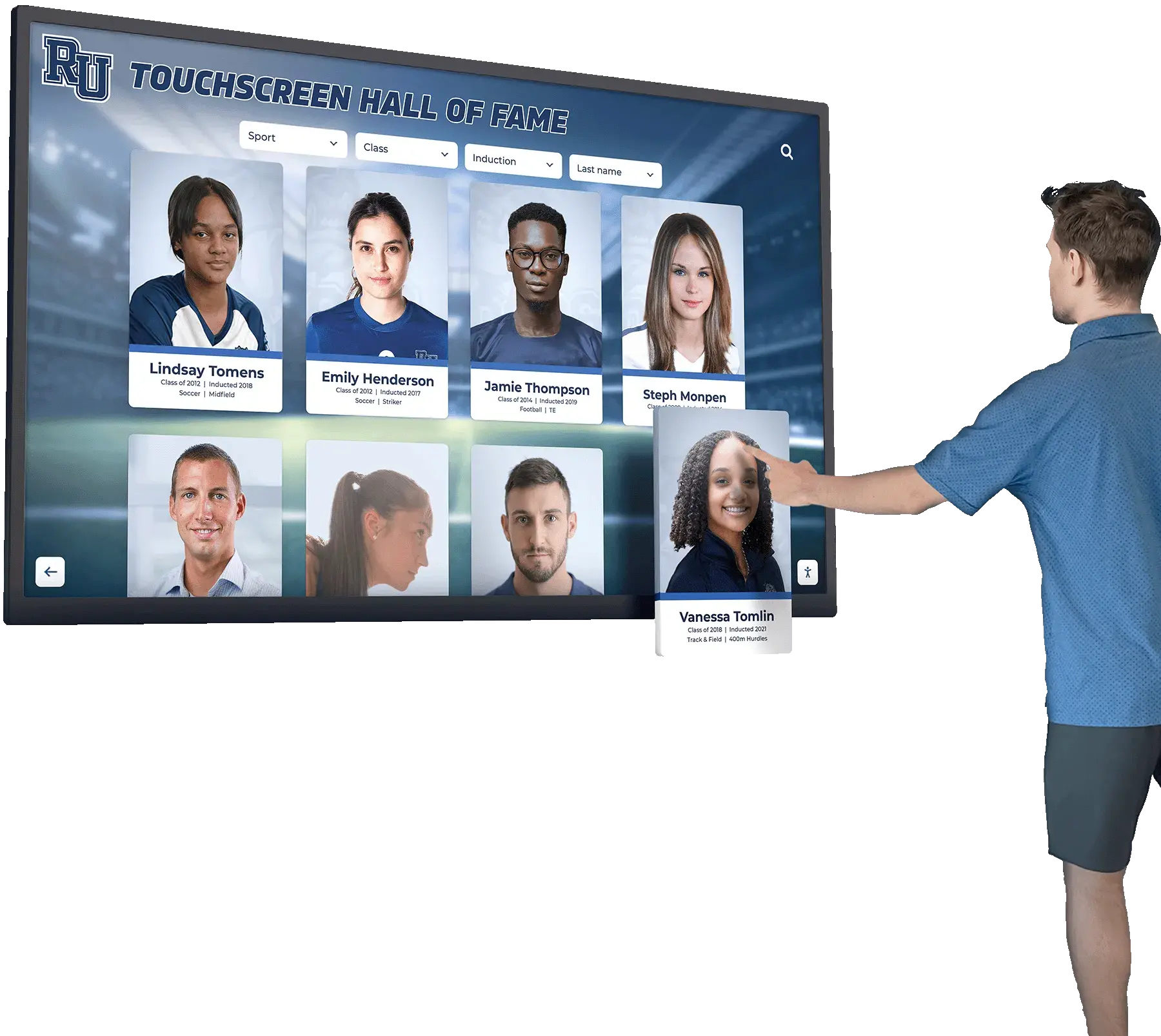
Interactive displays provide powerful search and filtering enabling visitors to:
- Search by name to instantly locate specific individuals
- Filter by graduation year or era to explore specific periods
- Browse by position to see all guards, forwards, or centers
- Sort by achievement type—scoring leaders, championship players, academic honors
- View statistical leaderboards across various categories
- Track family legacies of multi-generational program participants
This searchability ensures recognition remains discoverable rather than buried in overwhelming lists. Alumni attending reunions can quickly find themselves and teammates. Prospects on recruiting visits can explore position-specific examples. Community members can discover connections to program history.
Engagement Analytics and Usage Insights:
Digital platforms provide analytics impossible with traditional displays including total interaction counts showing utilization levels, session duration revealing depth of engagement, most-viewed profiles indicating audience interests, search query patterns, and peak usage times revealing visitor behavior patterns.
These metrics help programs understand how recognition is actually used while providing concrete evidence of value that justifies investment to administrators and stakeholders.
Creating Effective Basketball Alumni Display Content
Technology provides the platform, but compelling content determines whether displays genuinely honor achievements and inspire audiences.
Comprehensive Player Profile Development
Effective profiles balance statistical documentation with storytelling that reveals character and impact.
Essential Profile Components:
Well-developed basketball alumni profiles typically include:
Statistical Achievement:
- Career and season scoring averages
- Total points, rebounds, assists, and other relevant statistics
- Shooting percentages and efficiency metrics
- All-Conference, All-State, and other honors
- School records held or approached
- Comparison to historical program leaders
Personal Narrative:
- Player background and journey to the program
- Memorable games and defining performances
- Development arc from freshman to senior seasons
- Leadership roles and team contributions
- Lessons learned through basketball
- Influence of coaches, teammates, and family
Post-High School Context:
- College basketball career details
- Academic achievements and educational path
- Professional career and life success
- Continued program involvement
- Family and personal milestones
- Current location and contact information (with permission)
This comprehensive approach honors complete individuals rather than reducing careers to statistics alone.
Historical Content Research and Development
Programs implementing comprehensive displays often face challenges gathering information about athletes from decades past. Systematic research approaches transform content gaps into alumni engagement opportunities.
Primary Source Research:
Develop historical content through:
- Yearbook and media guide review for statistics and photos
- Newspaper archive searches documenting games and achievements
- School record books and coaching files
- Athletic department historical documents
- State association archives for championship documentation
Alumni Outreach and Engagement:
Contact former athletes directly requesting:
- Biographical information and career updates
- Personal photos from playing days
- Favorite memories and stories
- Advice for current players
- Post-graduation success and achievements
Most alumni enthusiastically contribute to recognition projects, particularly when outreach demonstrates genuine appreciation for their contributions. This engagement often rekindles program connections that benefit current athletes through mentorship and support.
Student Research Projects:
Engaging students in historical research creates experiential learning opportunities while developing content:
- Journalism students write athlete profiles and feature stories
- Communications students conduct video interviews
- History students research historical eras and context
- Digital media students edit photos and videos
These collaborations benefit both recognition programs and student educational experiences.
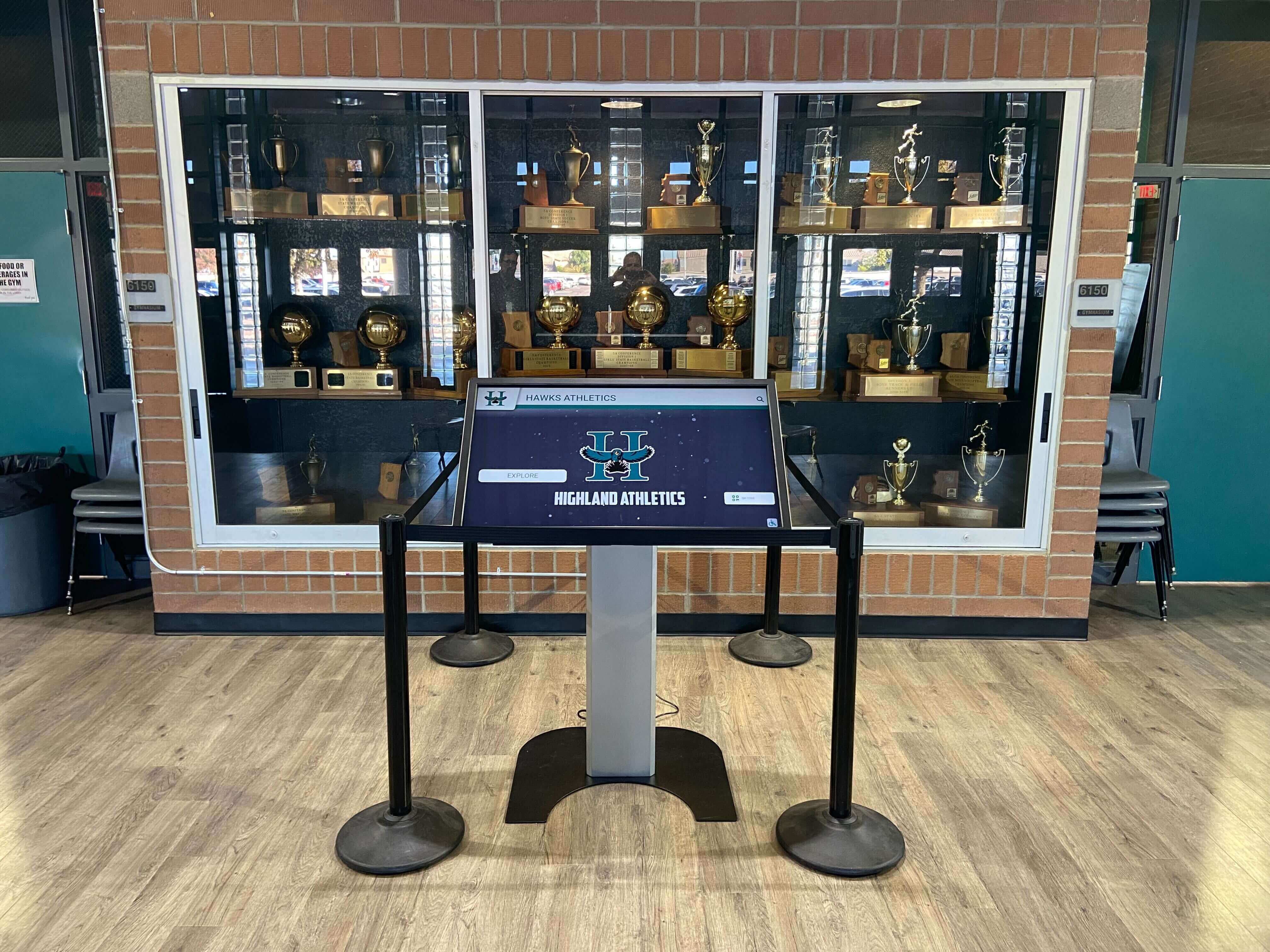
Implementing Digital Basketball Alumni Displays: Step-by-Step Guide
Schools transitioning to digital recognition should follow structured implementation approaches ensuring successful long-term programs.
Phase 1: Planning and Stakeholder Engagement
Successful implementation begins with thorough planning involving key constituencies.
Forming Implementation Teams:
Assemble cross-functional teams including:
- Athletic director providing leadership and budget authority
- Basketball coaches offering program knowledge and priorities
- IT staff ensuring technical infrastructure compatibility
- Facilities management coordinating installation logistics
- Communications staff planning promotion and launch
- Alumni representatives providing historical perspective
Diverse stakeholder involvement ensures recognition meets multiple constituency needs while building broad support.
Defining Recognition Scope and Priorities:
Establish clear parameters about what your display will recognize:
- Historical depth—how far back will you document achievements?
- Achievement categories—which accomplishments merit inclusion?
- Inclusion criteria—what standards determine recognition?
- Update responsibilities—who maintains ongoing content?
- Expansion planning—how will the program grow over time?
Clear scope definition prevents recognition programs from becoming unwieldy while ensuring systematic, consistent acknowledgment.
Budget Development and Funding:
Comprehensive budgets account for hardware costs including commercial-grade touchscreen displays, mounting equipment and installation, and network infrastructure if needed. Software platform costs include annual subscriptions or licensing, cloud storage and hosting, and training and support. Content development includes initial historical research and digitization, professional photography and videography, and ongoing content creation resources.
Many programs fund digital recognition through athletic booster support, alumni fundraising campaigns, capital improvement budgets, phased implementation spreading costs, or partnerships with corporate sponsors.
Phase 2: Platform Selection and Hardware Installation
Choosing appropriate technology ensures long-term success and satisfaction.
Evaluating Digital Recognition Platforms:
When assessing platforms, prioritize:
- User-friendly content management requiring no technical expertise
- Basketball-specific templates and features
- Unlimited capacity for growth
- Multimedia support for photos, videos, and documents
- Powerful search and filtering functionality
- Mobile-responsive design for web accessibility
- Analytics tracking engagement and usage
- Reliable technical support and customer service
Solutions like Rocket Alumni Solutions provide purpose-built platforms designed specifically for school athletic recognition, offering features, support, and ease-of-use that generic digital signage systems cannot match.
Strategic Display Placement:
Location dramatically impacts recognition effectiveness. Optimal placements include:
- Main gymnasium entrances where all visitors pass
- Athletic facility lobbies creating first impressions
- Hallways connecting locker rooms to gymnasiums
- Practice facility areas motivating daily training
- School main entrances showcasing athletics prominently
- Community spaces where alumni gather during events
Consider sight lines, traffic patterns, ambient lighting, power and network access, and ADA compliance when finalizing placement.
Professional Installation:
Work with experienced installers who ensure proper mounting height and angle, secure attachment meeting safety standards, concealed cable management, appropriate network connectivity, and professional finishing that reflects program quality.
Quality installation protects technology investment while creating polished appearance worthy of the achievements being recognized.
Phase 3: Content Development and Migration
Developing initial content represents the most time-intensive implementation phase but creates foundation for long-term success.
Prioritizing Content Creation:
Successful programs typically implement content in phases:
Phase 1 - Current Recognition (Months 1-2):
- Document current season comprehensively
- Create profiles for recent graduates
- Establish templates and standards
- Build staff familiarity with systems
- Generate early enthusiasm and buy-in
Phase 2 - Recent History (Months 3-6):
- Add previous 5-10 years where records are accessible
- Contact recent alumni for photos and information
- Document recent championship teams
- Create momentum through visible progress
Phase 3 - Complete History (Months 6-12+):
- Work backward systematically through decades
- Conduct alumni outreach for older eras
- Research newspaper archives and school records
- Digitize historical photos and materials
- Document coaching eras and program evolution
This phased approach provides immediate value while building comprehensive historical depth progressively rather than delaying launch until attempting impossible complete historical development.
Establishing Content Standards:
Consistent quality across profiles requires clear standards for writing style and tone, statistical formatting and presentation, photo resolution and specifications, video length and technical requirements, and biographical information depth.
Document standards in style guides ensuring consistency as multiple people contribute content over time.
Phase 4: Launch, Promotion, and Sustained Engagement
Strategic launch and ongoing promotion maximize recognition impact and utilization.
Creating Launch Events:
Generate excitement through ceremonial unveiling during high-profile games, special events featuring inducted alumni, media coverage and press releases, social media campaigns building anticipation, and student assembly demonstrations showing capabilities.
Launch events communicate that digital recognition represents significant institutional investment worthy of attention and celebration.
Ongoing Promotion Strategies:
Sustain awareness and engagement through regular social media features highlighting profiles, alumni newsletter content drawing traffic to displays, reunion event integration showcasing recognition, recruitment materials featuring tradition and legacy, and community media coverage of new additions.
Consistent promotion ensures recognition remains visible and relevant rather than becoming static background features.
Maintenance and Update Protocols:
Long-term success requires systematic maintenance including weekly updates during basketball season adding game results, monthly historical content additions building depth, seasonal achievement recognition for milestones, annual content audits ensuring accuracy, and technology updates maintaining performance.
Assign clear responsibilities and establish regular schedules preventing recognition from becoming outdated through neglect.
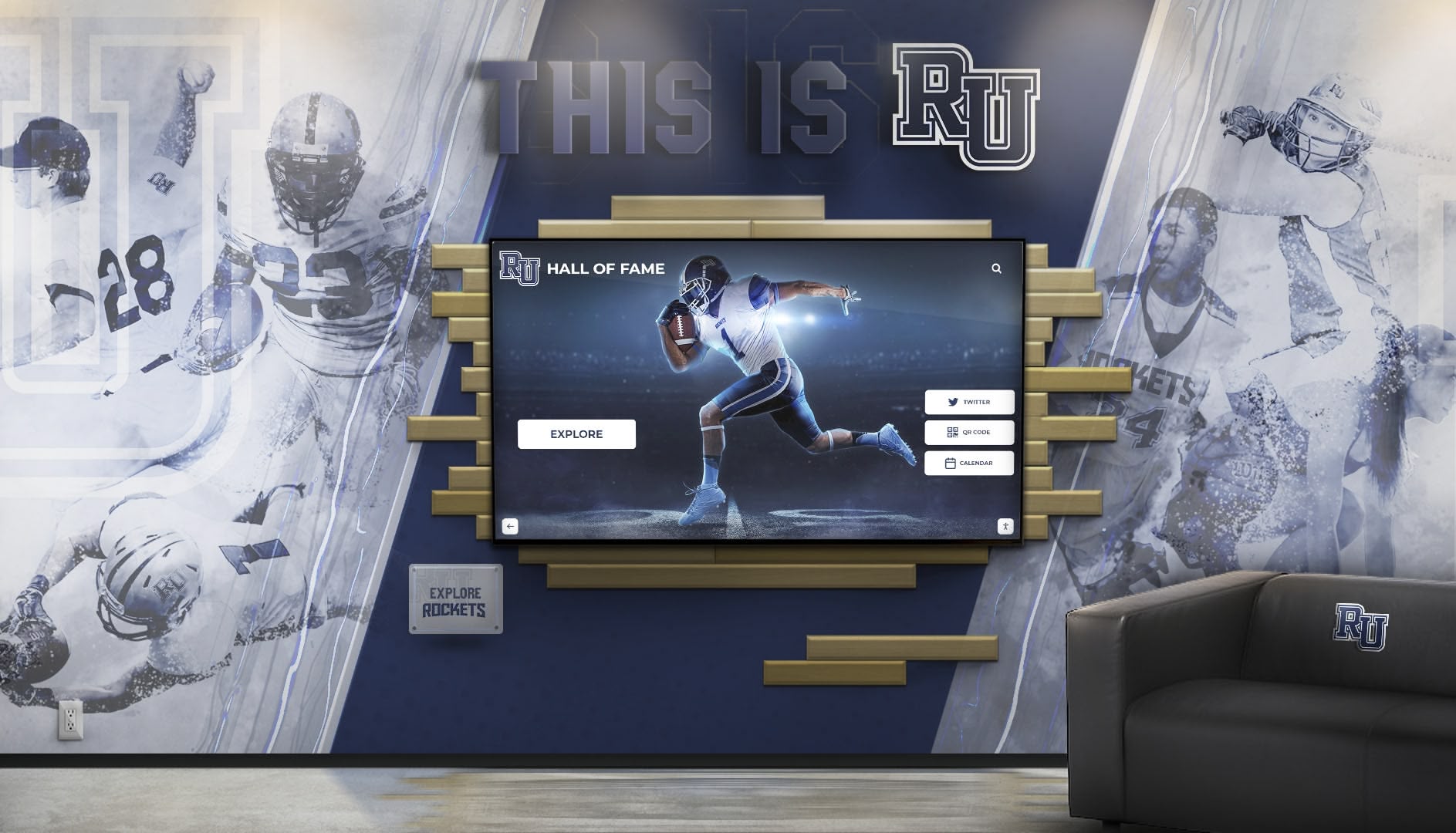
Rocket Alumni Solutions: Purpose-Built Platform for Basketball Recognition
While generic digital signage systems can be adapted for recognition purposes, purpose-built platforms designed specifically for athletic halls of fame provide superior experiences and capabilities.
Designed Specifically for School Athletics
Rocket Alumni Solutions understands high school basketball recognition needs because we’ve implemented systems for hundreds of programs nationwide.
Basketball-Optimized Templates:
Rather than starting from scratch, programs access professional templates specifically designed for basketball player profiles with statistical displays, championship team documentation, coaching career summaries, record boards and leaderboards, and historical timeline presentations.
These templates ensure professional appearance while dramatically reducing content development time.
Intuitive Content Management:
Non-technical staff can confidently update recognition through simple web-based interfaces requiring no coding, drag-and-drop photo uploads, pre-formatted statistical entry fields, bulk import capabilities for historical data, and scheduled publishing for automatic updates.
Systems designed for educational users reduce IT department burden while empowering athletic staff to maintain current recognition independently.
Unlimited Capacity and Scalability:
As programs add achievements over years and decades, Rocket Alumni Solutions accommodates growth without limitations or upgrade costs. Whether you’re documenting 50 years or 100 years of history, a single system handles comprehensive recognition without constraint.
Comprehensive Support and Training
Technology implementation succeeds when schools receive ongoing support ensuring effective utilization.
Implementation Assistance:
Rocket Alumni Solutions provides comprehensive onboarding including system configuration and customization, initial content upload support, staff training on content management, best practices guidance, and launch planning and promotion strategies.
This hands-on support ensures successful implementation rather than abandoning schools to figure things out independently.
Ongoing Technical Support:
Responsive support teams familiar with school athletics environments provide regular platform updates and improvements, prompt issue resolution, usage optimization recommendations, and content strategy guidance.
Access to knowledgeable support prevents technical challenges from undermining recognition effectiveness.
Educational Resources and Community:
Schools implementing Rocket Alumni Solutions benefit from extensive knowledge base documentation, video tutorials and training materials, best practices from successful implementations, user community forums and networking, and regular webinars on advanced features.
These resources support continuous improvement and help schools maximize value from their recognition investments.
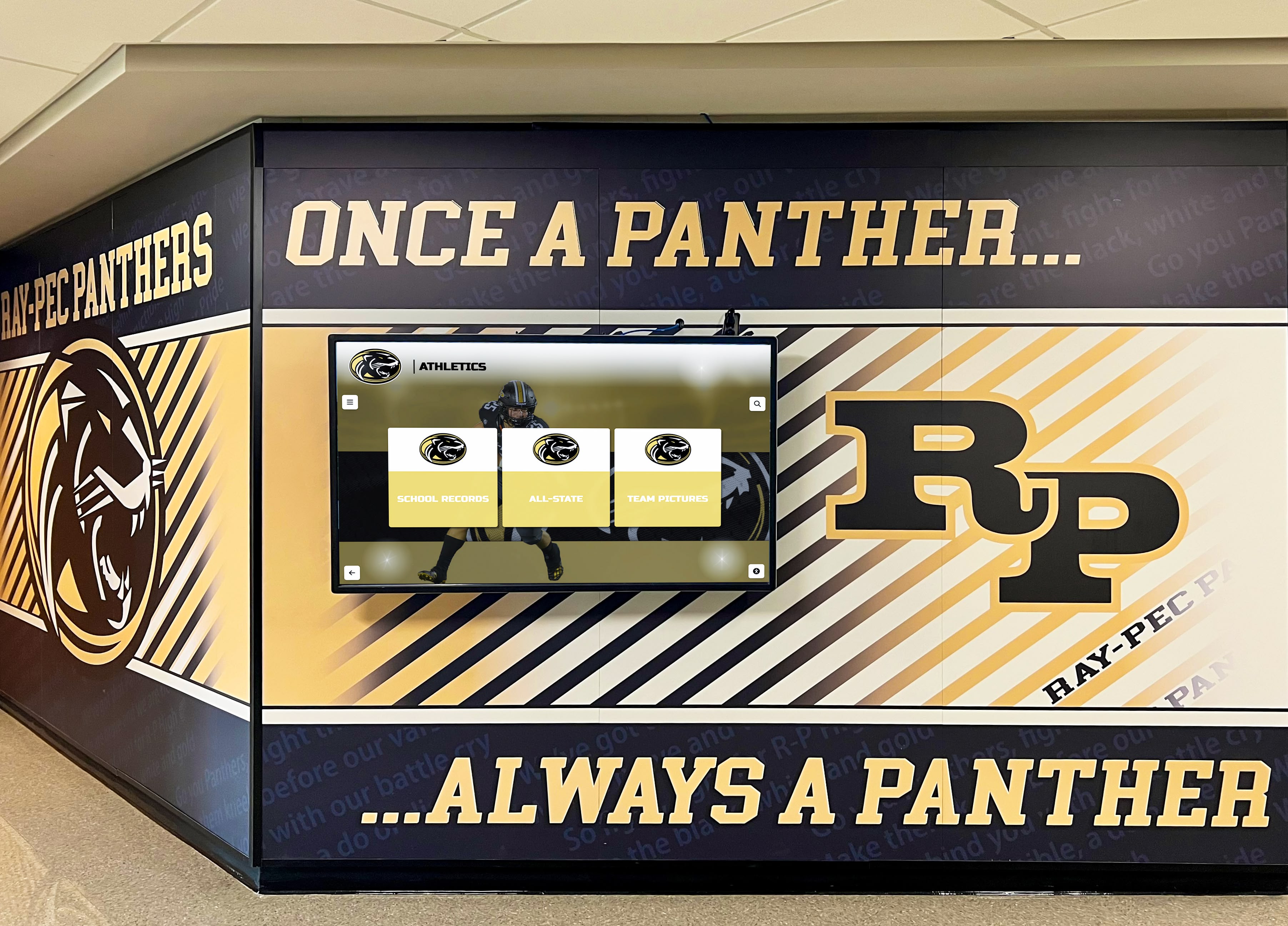
Measuring Success and Demonstrating Value
Effective programs track both quantitative metrics and qualitative impacts demonstrating recognition value while identifying improvement opportunities.
Engagement Metrics and Analytics
Digital recognition platforms provide analytics impossible with traditional displays:
Usage Statistics:
Track concrete indicators including daily interaction counts and trends, average session duration showing engagement depth, unique versus returning visitors, most-viewed profiles revealing interests, search query patterns, and peak usage times indicating traffic patterns.
These quantitative metrics provide objective evidence of recognition utilization justifying continued investment while revealing optimization opportunities.
Content Performance Analysis:
Understand what resonates with audiences through identifying most popular profiles and categories, comparing engagement across different content types, analyzing search behavior revealing discovery patterns, tracking seasonal variations in usage, and measuring web versus on-site display engagement.
Performance data informs content development priorities ensuring ongoing efforts focus on what audiences value most.
Qualitative Impact Assessment
Beyond numbers, evaluate recognition’s broader influence on key constituencies:
Player Motivation and Program Culture:
Gather feedback from current athletes about whether recognition inspires motivation toward achievement, provides role models and standards worth emulating, strengthens understanding of program traditions, and creates pride in representing program legacy.
Player perspectives reveal whether recognition achieves intended motivational impacts.
Alumni Engagement and Satisfaction:
Survey former athletes about recognition accuracy and appropriateness, feelings of appreciation and value, likelihood to attend events or support programs, and willingness to engage with current players.
Alumni responses indicate whether recognition successfully strengthens these critical relationships.
Recruiting Influence:
Collect observations from coaches about recognition impact during visits, prospect and family reactions, whether displays differentiate program from competitors, and role in commitment decisions.
Recruiting feedback demonstrates recognition’s contribution to program competitiveness beyond existing players and alumni.
Community Response:
Monitor visitor engagement during events, social media reactions to recognition content, media coverage mentioning traditions, and parent satisfaction with how programs honor athletes.
Community feedback reveals recognition’s broader impact on program reputation and support.
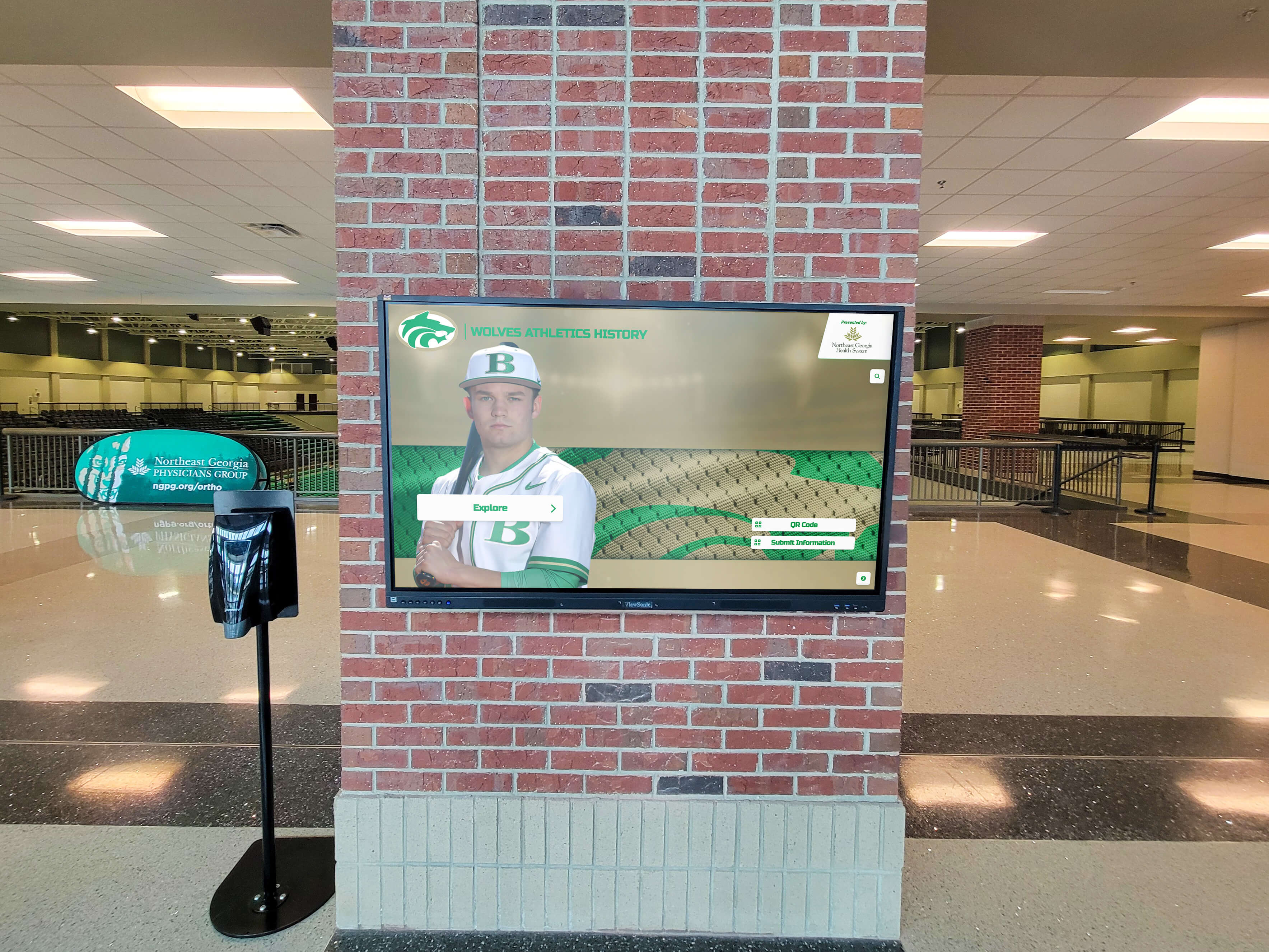
Best Practices for Sustainable Basketball Alumni Recognition
Learning from successful implementations helps ensure long-term program effectiveness.
Maintaining Comprehensive and Balanced Recognition
Effective programs celebrate diverse excellence rather than narrow achievement types.
Multi-Dimensional Achievement Categories:
Recognize various accomplishments including individual statistical leaders in scoring, rebounds, assists, and other categories, championship teams and their complete rosters, All-Conference and All-State honorees, academic All-Americans and scholar-athletes, coaching milestones and career achievements, program service from managers, trainers, and statisticians, and character awards and sportsmanship recognition.
This comprehensive approach demonstrates that basketball excellence takes many forms and that programs value all contributions to success.
Era and Gender Balance:
Monitor recognition distribution ensuring appropriate representation across time periods from throughout history, between boys’ and girls’ programs, across different achievement levels, and among various contributor types.
Balanced recognition prevents perceptions of favoritism while demonstrating institutional commitment to honoring all who contributed to basketball legacy.
Clear Selection Criteria and Transparent Processes
Published standards prevent perceptions of arbitrary recognition while helping current athletes understand pathways to acknowledgment.
Objective Recognition Thresholds:
Establish clear criteria such as 1,000 career points for scoring recognition, All-State or All-Conference honors, championship team membership, statistical records or program top-10 performances, longevity milestones like four-year varsity participation, and character/sportsmanship standards.
Transparent thresholds enable current players to understand what achievements merit recognition and plan accordingly.
Nomination and Review Processes:
For subjective categories like coaching recognition or special contributions, implement structured processes including nomination procedures and timelines, review committee composition and authority, evaluation criteria and evidence requirements, approval workflows, and public announcement approaches.
Documented processes maintain credibility and fairness while ensuring recognition remains special through selectivity.
Documentation and Historical Preservation
Comprehensive record-keeping protects program history while facilitating ongoing recognition maintenance.
Centralized Information Repository:
Maintain complete records including all statistical data and performance records, biographical information and career details, achievement documentation and verification, photo and video archives, coaching records and team rosters, and program milestone documentation.
Centralized archives ensure information remains accessible and preserved as personnel change over time.
Backup and Redundancy Systems:
Protect historical records through cloud storage with automatic backup, local backup copies maintained separately, physical document preservation when applicable, and version history tracking changes.
Recognition represents institutional history deserving protection against loss.
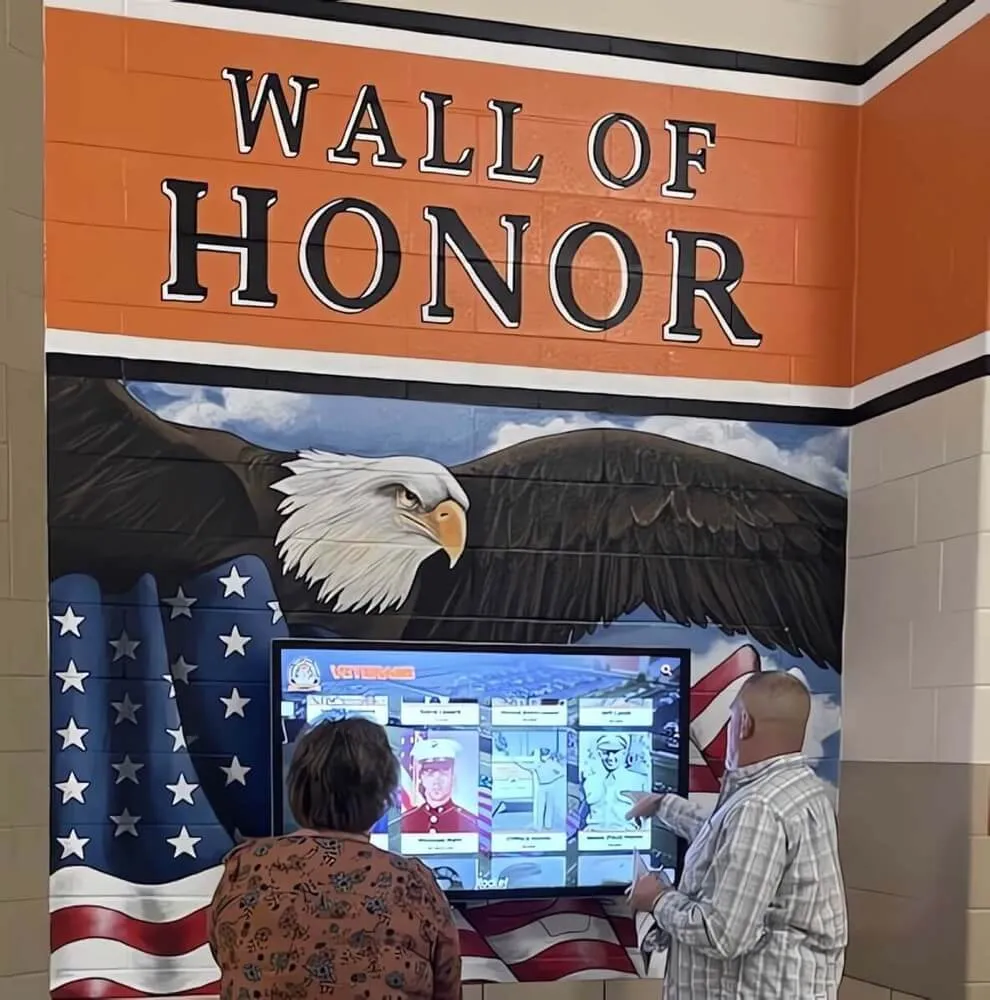
Beyond Recognition: Building Complete Program Culture
While displays honor past achievement, truly effective recognition integrates with broader efforts building complete program culture.
Connecting Alumni Mentors With Current Players
Recognition creates natural opportunities for meaningful connections across generations.
Structured Mentorship Programs:
Leverage recognition to facilitate pairing record holders with current players approaching milestones, connecting alumni with current athletes at their positions, facilitating career guidance from alumni in desired fields, organizing alumni speaker series at practices or banquets, and creating group mentorship during alumni events.
These connections provide current players with guidance while giving alumni meaningful ways to contribute to program success.
Event Integration:
Incorporate recognition into program events including alumni game recognition ceremonies, reunion weekend display tours and celebrations, senior night honoring graduating players, awards banquet alignment with hall of fame inductions, and youth camp appearances by recognized alumni.
Event integration ensures recognition remains dynamic and relevant rather than static background features.
Supporting Comprehensive Student-Athlete Development
Recognition programs should celebrate holistic development beyond purely athletic achievement.
Academic Excellence Integration:
Honor scholar-athletes through academic All-State and All-American recognition, graduation rate celebrations, academic scholarship acknowledgment, college academic success updates, and post-graduation professional achievement.
Academic recognition reinforces that education remains the primary purpose of school athletics and that programs develop complete individuals.
Character and Leadership Recognition:
Celebrate qualities beyond statistics including sportsmanship and character awards, team captain and leadership roles, community service contributions, overcoming adversity and challenges, and growth mindset and improvement.
Character recognition demonstrates that programs value who athletes become at least as much as what they achieve statistically.
Integrating With Broader School Recognition
College athletics hall of fame programs demonstrate comprehensive approaches to athletic recognition. High school programs benefit from connecting basketball recognition to broader institutional celebration of excellence across multiple domains including other athletic programs and sports, performing arts and fine arts achievement, academic excellence and scholarship, community service and civic engagement, and career and technical education accomplishments.
Integrated recognition systems demonstrate that institutions value diverse forms of student excellence while maximizing technology investment efficiency.
Conclusion: Honoring Basketball Legacy While Inspiring Future Excellence
High school basketball programs build traditions that span decades, creating communities bound by shared passion for the game and pride in program achievements. These legacies deserve recognition that matches their significance—celebration that honors every contributor, tells complete stories, remains accessible to current and future generations, and inspires ongoing excellence.
Traditional recognition approaches served programs admirably for generations, but their inherent limitations—finite physical space, maintenance burdens, delayed updates, and minimal storytelling capacity—prevent them from fully honoring program legacies or maximizing motivational impact. Modern digital recognition solutions eliminate these constraints while providing capabilities impossible with physical displays.
Digital basketball alumni displays enable truly comprehensive recognition across complete program history, instant updates celebrating achievements while excitement peaks, rich multimedia storytelling honoring complete careers and journeys, interactive exploration inviting discovery and engagement, and web accessibility extending recognition worldwide to alumni anywhere.
Honor Your Basketball Legacy With Modern Recognition
Discover how Rocket Alumni Solutions can help you create a basketball alumni display that celebrates your program's complete history while inspiring future champions.
Schedule Your Free DemoPrograms implementing effective basketball alumni recognition discover benefits extending far beyond simple display aesthetics. Recognition strengthens program culture by establishing visible standards and celebrating tradition. It motivates current athletes by demonstrating that excellence receives lasting acknowledgment. It engages alumni by honoring their contributions and maintaining program connections. And it differentiates programs during recruitment by showcasing development pathways and institutional values.
Whether your program has been competing for decades or centuries, whether you’ve won state championships or built consistent excellence, whether you’re honoring just basketball or comprehensive athletics, your legacy deserves recognition befitting its significance. The question isn’t whether your achievements merit celebration—it’s whether your recognition approach honors them appropriately while inspiring those who will carry tradition forward.
Ready to transform how your program celebrates basketball excellence? Explore how solutions like digital record boards preserve legacy while motivating current and future athletes. Discover comprehensive approaches to best ways to honor school history through recognition that engages audiences and strengthens communities.
Your basketball program’s legacy deserves recognition as impressive as the achievements it celebrates. Modern digital displays enable you to honor every contributor from throughout your history while creating experiences that inspire current players toward their own pursuit of excellence. The champions you recognize today become the role models who inspire the champions of tomorrow—creating cycles of achievement that define great programs for generations.































