Team captains in high school basketball serve as the vital bridge between coaches and players, leading by example on the court while fostering unity, accountability, and excellence within their teams. These student-athletes shoulder responsibilities extending far beyond scoring points or making assists—they set tone during practices, mentor younger teammates, communicate coaching strategies, and represent their programs with character both on and off the court.
Yet despite the critical role basketball captains play in team success and program culture, many schools struggle to provide recognition that matches the significance of captain leadership. A brief announcement at a season-ending banquet or a title in the program often represents the extent of formal acknowledgment, failing to capture the depth of commitment, sacrifice, and influence that defines exceptional captain leadership in high school basketball.
This comprehensive guide explores how schools can create meaningful basketball captain recognition programs that celebrate leadership alongside athletic achievement, implement systematic approaches to captain selection and development, and leverage modern digital displays to preserve captain legacies while inspiring future team leaders.
Being named basketball team captain represents one of the highest honors in high school athletics—recognition from coaches and teammates that a player possesses not just skill and competitive drive, but the character, work ethic, and interpersonal abilities to lead others toward collective success. Schools that thoughtfully recognize captain leadership create cultures where these essential qualities receive appropriate celebration while demonstrating that basketball programs value complete student-athletes who elevate everyone around them.
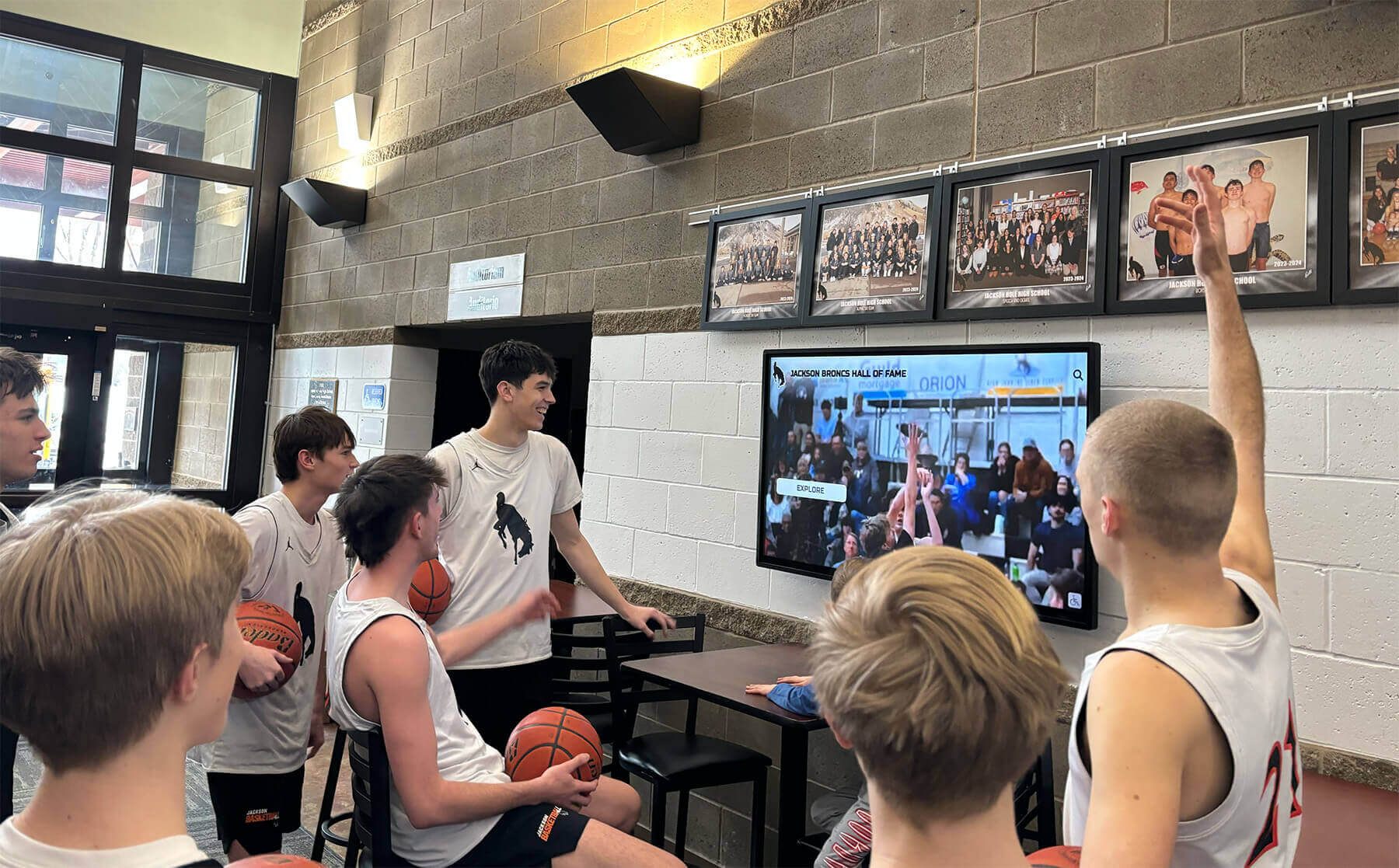
Modern recognition displays celebrate basketball captain leadership alongside competitive achievements
Understanding the Basketball Team Captain Role
Before designing recognition programs, schools must clearly define what basketball team captain leadership entails and why this role proves so essential to team and program success.
What Makes a Basketball Captain
The basketball captain role encompasses multiple dimensions that collectively require exceptional maturity, commitment, and character.
On-Court Leadership Responsibilities
During games and practices, captains fulfill specific tactical and strategic functions:
- Serving as primary communicator with officials and opposing team captains
- Leading pre-game and halftime huddles with motivational messaging
- Making on-court adjustments and communicating defensive assignments
- Maintaining team focus and composure during challenging moments
- Demonstrating proper technique, effort, and competitive intensity
- Setting defensive tone through positioning and communication
- Taking responsibility for crucial possessions in critical situations
Effective captains lead through action as much as words, showing teammates what championship-level commitment looks like in every practice and game situation.
Off-Court Leadership Influence
Captain responsibilities extend well beyond the lines of the basketball court:
- Mentoring younger players and helping them acclimate to program expectations
- Holding teammates accountable to academic and behavioral standards
- Representing the team professionally in school and community settings
- Mediating conflicts and maintaining positive team chemistry
- Serving as liaison between players and coaching staff
- Organizing team bonding activities and community service
- Setting cultural tone for work ethic, attitude, and sportsmanship
The best basketball captains understand that their influence shapes program culture in ways that persist long after their playing careers conclude.
Essential Captain Qualities
Successful basketball team captains consistently demonstrate:
- Vocal Leadership: Clear communication during intense competitive situations
- Emotional Intelligence: Reading teammates’ mental states and providing appropriate support
- Accountability: Taking responsibility for mistakes and learning from failures
- Consistency: Maintaining high standards regardless of circumstances
- Respectfulness: Treating everyone—coaches, teammates, officials, opponents—with dignity
- Work Ethic: Modeling commitment through preparation and practice intensity
- Basketball IQ: Understanding strategy, opponents, and in-game adjustments
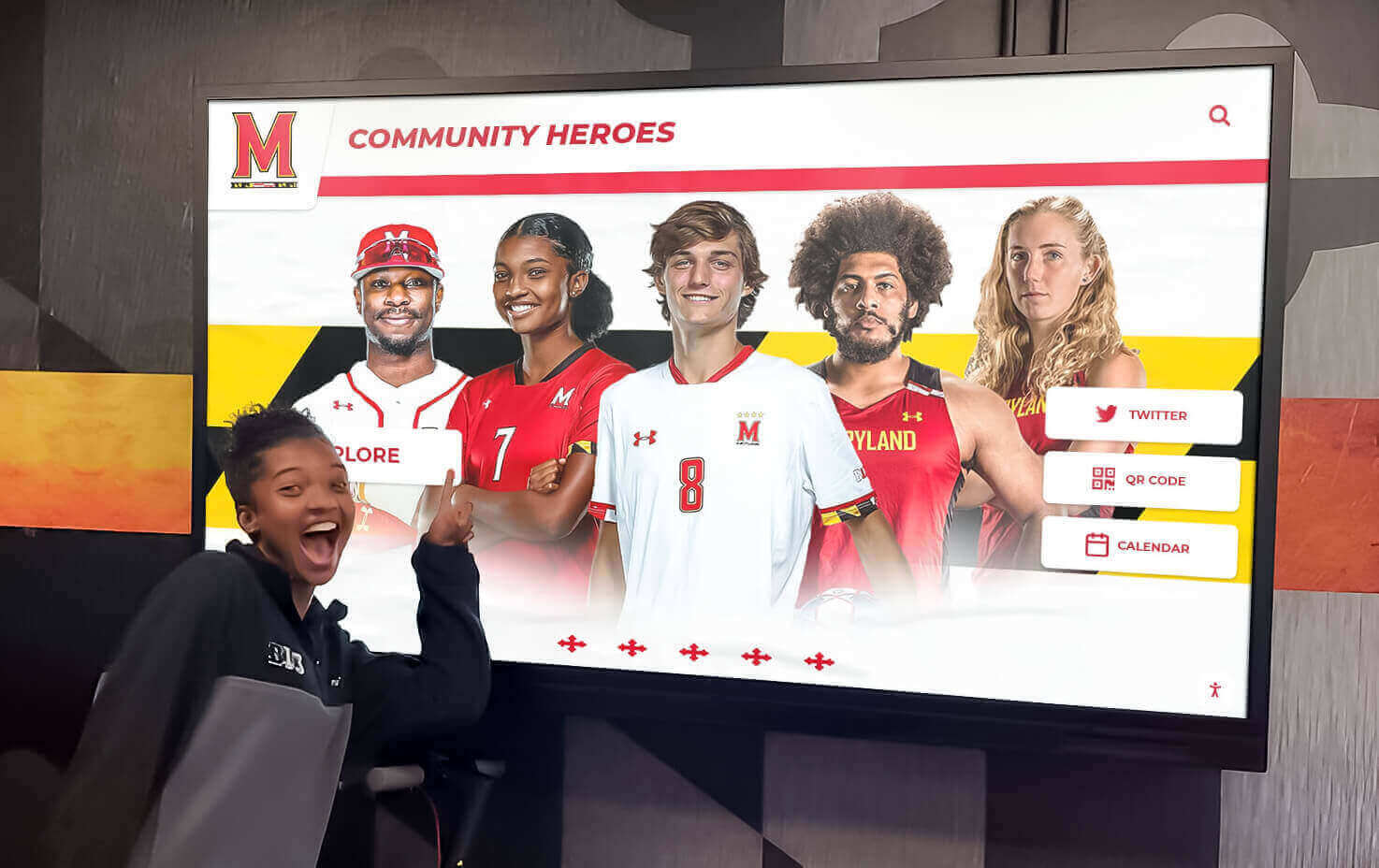
Captain recognition profiles can highlight specific leadership qualities and contributions
The Impact of Effective Captain Leadership
Research and coaching experience consistently demonstrate that strong team captain leadership correlates with both competitive success and positive program culture.
Competitive Performance Benefits
Teams with excellent captain leadership show measurable advantages:
- Improved in-game communication leading to fewer defensive breakdowns
- Enhanced ability to respond to adversity and maintain composure
- Stronger player accountability resulting in better practice intensity
- More effective implementation of coaching strategies and adjustments
- Reduced disciplinary issues and off-court distractions
- Greater team cohesion translating to unselfish play and ball movement
Many championship coaches emphasize that while talent determines ceiling, captain leadership often determines whether teams reach their potential.
Program Culture Development
Captain influence shapes basketball program culture across seasons and generations:
- Establishing work ethic expectations that become program norms
- Creating accountability systems where players hold each other to standards
- Building positive relationships with younger players who model observed behaviors
- Representing programs in ways that enhance community perception and support
- Contributing to coaching staff effectiveness through player perspective and communication
Strong captain leadership creates self-sustaining cultures where expectations pass from senior leaders to younger players, maintaining standards even as individual players graduate.
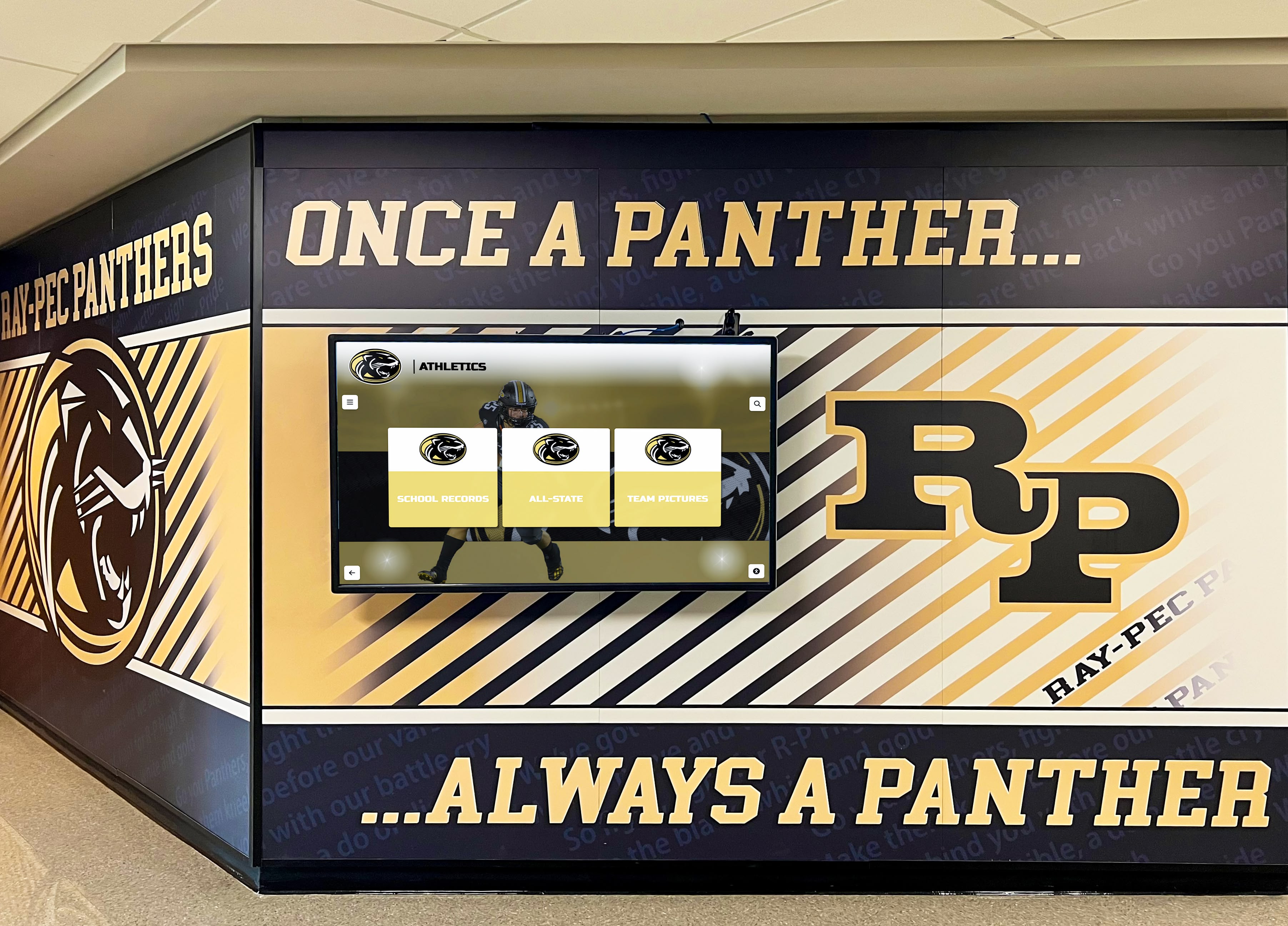
Comprehensive athletic displays can showcase captain leadership within broader team recognition
Traditional Basketball Captain Recognition Approaches
Understanding conventional recognition methods helps schools identify both effective practices and opportunities for improvement through modern approaches.
End-of-Season Captain Acknowledgment
Most basketball programs provide some form of captain recognition during season-ending events and ceremonies.
Team Banquet Recognition
Season-ending banquets typically include captain acknowledgment through:
- Coach remarks highlighting specific captain contributions and leadership moments
- Presentation of captain certificates or plaques
- Photo opportunities with families, coaches, and teammates
- Brief captain speeches thanking teammates, coaches, and supporters
- Social media posts celebrating captain leadership
While meaningful in the moment, banquet recognition often represents the only formal acknowledgment captains receive, with no lasting visible recognition in athletic facilities or program materials.
Program and Roster Designations
Game programs and rosters identify team captains through:
- Captain notation next to names in printed programs
- Announcement of captains during starting lineup introductions
- Special captain designation on team photos and yearbook pages
- Captain armbands or special uniform elements during games
These designations provide important in-season recognition but typically don’t preserve captain leadership in ways that inspire future players years later.
Physical Captain Recognition Displays
Some basketball programs create permanent recognition for team captains within athletic facilities.
Captain Recognition Plaques
Traditional approaches include:
- Individual plaques listing captain names and years
- Composite displays showing all captains in program history
- Special plaques for particularly impactful captain leadership
- Integration within broader athletic recognition walls
Physical plaques provide lasting acknowledgment but face practical limitations—limited space forces difficult decisions about what receives recognition, minimal information beyond names and years, no ability to update or enhance content as former captains achieve post-graduation success, and maintenance challenges as materials age or display areas fill.
Trophy Case Inclusion
Athletic trophy cases sometimes include captain recognition alongside team championships and individual awards, though space constraints often limit how comprehensively captain leadership receives acknowledgment.
Systematic Approaches to Basketball Captain Selection
Recognition credibility depends on fair, transparent processes that ensure captain designations reflect genuine leadership qualities rather than favoritism or popularity.
Coach-Led Selection with Clear Criteria
Many successful programs empower coaching staffs to select captains based on explicit leadership criteria.
Established Leadership Standards
Coaches evaluate candidates against documented standards:
- Demonstrated commitment through attendance, punctuality, and preparation
- Positive attitude and coachability during individual and team instruction
- Academic responsibility and appropriate classroom behavior
- Respectful treatment of teammates, opponents, and officials
- Leadership initiative during practices and competitive situations
- Character representation of program values in school and community settings
Published criteria communicate what programs value while ensuring consistent, defensible selection processes.
Multi-Year Observation
The most informed captain selections consider long-term patterns:
- Junior varsity and freshman team leadership emergence
- Progression and growth in leadership capacity across high school years
- Consistency of character across different situations and circumstances
- Response to adversity, reduced playing time, or coaching criticism
- Relationships with teammates across different class levels and social groups
Extended observation reveals authentic character more reliably than single-season assessments.
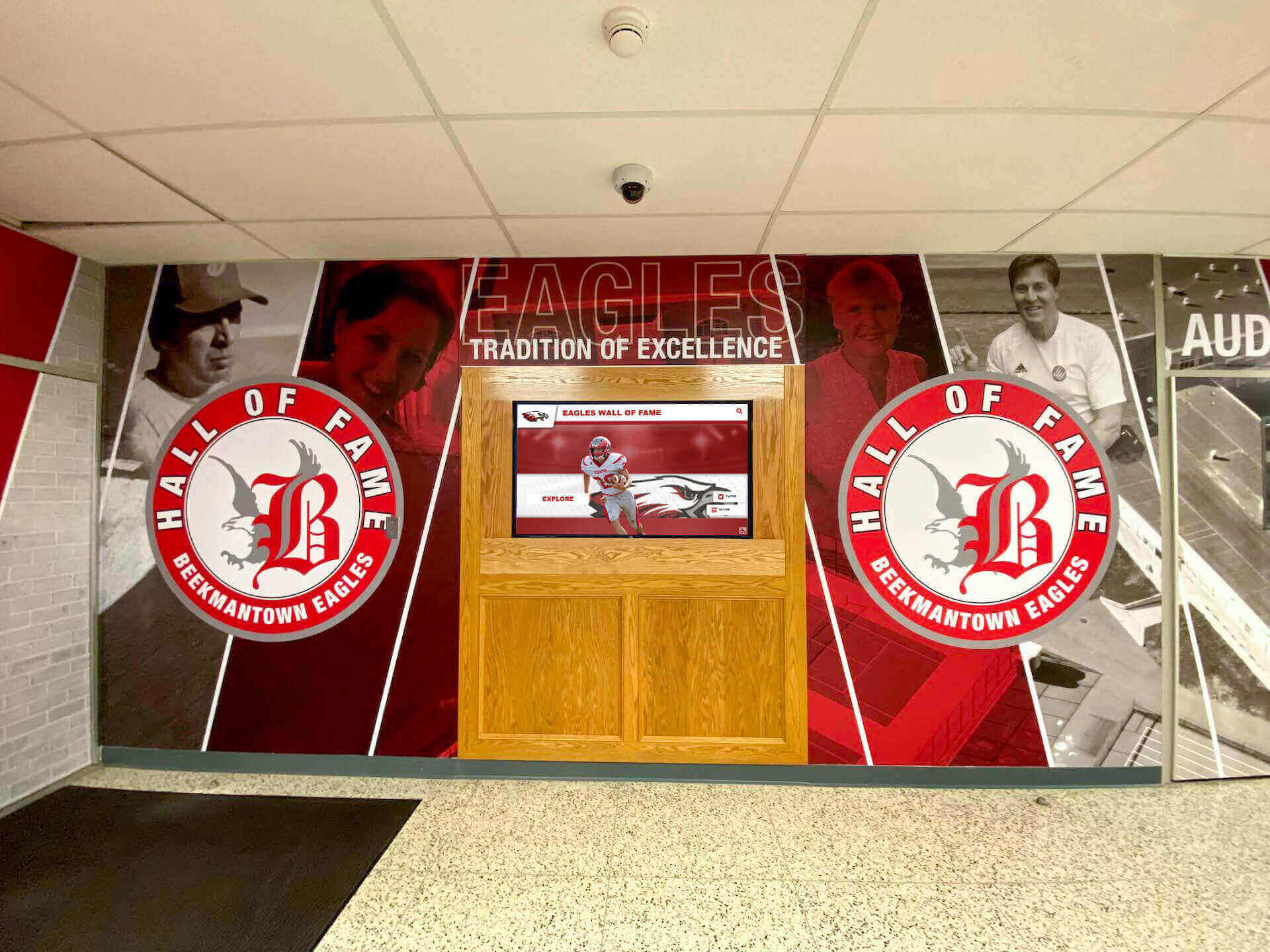
Comprehensive recognition programs preserve captain leadership as part of program history
Player Input and Voting Processes
Many programs incorporate teammate perspectives into captain selection, recognizing that peers often identify leadership qualities coaches may not observe in all contexts.
Confidential Teammate Voting
Structured peer input includes:
- Confidential ballots where players nominate and rank leadership candidates
- Specific prompts directing attention to observable leadership behaviors
- Equal weighting across all team members regardless of playing time or seniority
- Final decisions remaining with coaching staff to maintain appropriate authority
Peer input validates that captain designations reflect actual influence among teammates while protecting coaches’ ability to make final determinations considering factors beyond popularity.
Leadership Council Approaches
Some programs establish leadership councils where multiple upperclassmen share responsibility, with formal captains selected from within these groups based on demonstrated leadership excellence. This approach recognizes that leadership capacity exists among multiple players while distinguishing those who most exemplify program values.
Earned vs. Appointed Captain Systems
Programs must decide whether captain status is earned through demonstrated leadership or appointed based on seniority and anticipated leadership potential.
Merit-Based Captain Designation
Earned systems require:
- Clear demonstration of leadership qualities and positive influence
- Standards applied consistently regardless of athletic ability or playing time
- Willingness to name no captains when standards aren’t met
- Recognition that captain designation represents earned honor, not automatic senior privilege
Merit approaches maintain recognition credibility while communicating that leadership represents achievement requiring genuine commitment and growth.
Rotating or Multiple Captain Models
Some programs implement rotating captains for different games or designate multiple captains sharing responsibilities. While providing more leadership opportunities, these approaches can dilute recognition significance if not implemented thoughtfully with clear role definitions.
Creating Captains Clubs and Leadership Development Programs
The most progressive basketball programs extend beyond captain selection to implement systematic leadership development preparing players for captain roles while supporting those serving in leadership positions.
Basketball Captains Club Structure
Inspired by successful programs at schools nationwide, captains clubs create formal structures for leadership development and recognition.
Membership and Participation
Captains clubs typically include:
- Current varsity team captains from basketball and potentially other sports
- Regular meetings before school, during lunch, or after practices
- Structured curriculum covering leadership skills and character development
- Guest speakers from coaching, business, and community leadership backgrounds
- Service projects and community engagement activities
- Social events building relationships among student leaders
These clubs formalize leadership development while creating visible platforms recognizing captain importance within school athletic cultures.
Leadership Curriculum Topics
Effective programs address practical leadership challenges:
- Communicating effectively with different personality types
- Providing constructive accountability to teammates
- Managing conflict and mediating disagreements
- Leading during adversity, losses, and disappointing outcomes
- Balancing friendship and leadership responsibility
- Representing programs positively in all contexts
- Time management across athletic, academic, and social commitments
Systematic instruction develops leadership capacity rather than assuming captains naturally possess all necessary skills.
Pre-Season Captain Training
Many successful coaches implement dedicated captain training before seasons begin:
Summer Leadership Sessions
Pre-season preparation includes:
- Team-building activities establishing captain relationships
- Review of program expectations and captain responsibilities
- Discussion of team strengths, concerns, and goals
- Development of season plans and team commitments
- Practice of specific leadership situations and responses
This preparation ensures captains understand their roles clearly before regular team activities begin.
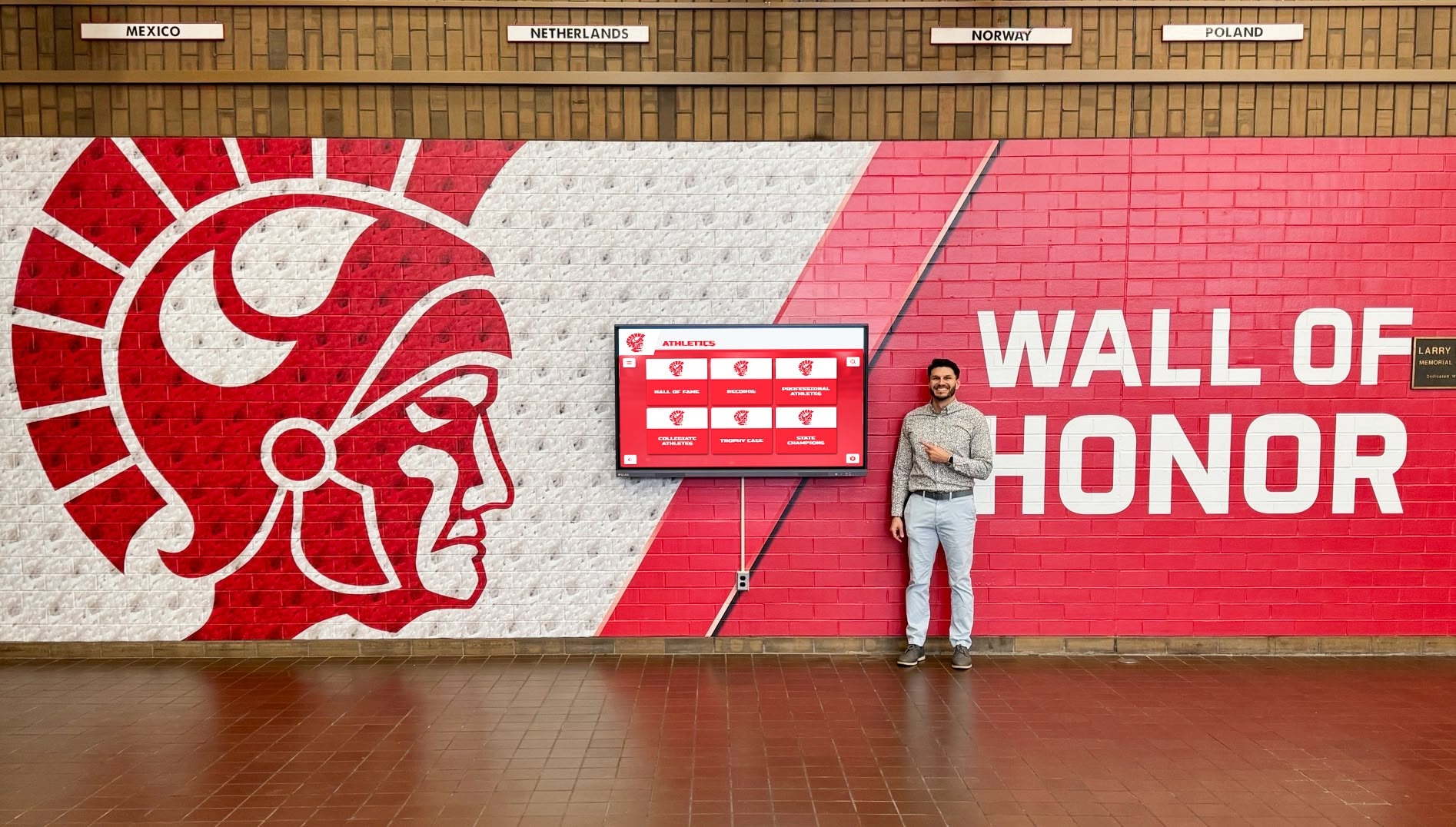
Recognition displays preserve captain leadership within program tradition and culture
Season-Long Support and Mentorship
Ongoing captain development includes:
- Regular check-ins between coaches and captains discussing team dynamics
- Feedback sessions evaluating captain effectiveness and addressing challenges
- Problem-solving collaboration when issues emerge
- Recognition and reinforcement when captains handle situations effectively
- Connection with former captains and program alumni for perspective and mentoring
Sustained support acknowledges that captain leadership requires growth and development throughout seasons rather than assuming immediate excellence.
Connecting with Former Captains
Alumni engagement strategies enable programs to leverage former captain experience and wisdom:
- Inviting graduated captains to speak at captain training sessions
- Creating mentorship connections between current and former captains
- Documenting captain stories and lessons learned for future leaders
- Recognizing former captains during alumni events and homecoming celebrations
- Building networks connecting captains across different graduation years
These connections demonstrate that captain leadership creates lasting bonds and community extending well beyond high school basketball.
Modern Digital Recognition for Basketball Captains
While traditional recognition approaches have merit, digital platforms transform what’s possible in comprehensively honoring basketball captain leadership.
Interactive Touchscreen Captain Recognition
Solutions like Rocket Alumni Solutions enable schools to create engaging, comprehensive captain recognition impossible with physical plaques.
Comprehensive Captain Profiles
Digital systems showcase captain leadership through:
- Detailed biographies highlighting leadership journey and development
- Coach testimonials explaining what made each captain effective
- Teammate quotes describing captain influence and memorable moments
- Statistical summaries of on-court performance during captain years
- Photo galleries showing captains in game action and team activities
- Video content including highlights, interviews, and leadership examples
- Post-graduation updates tracking captain success in college, careers, and life
This depth transforms captain recognition from simple name listings into inspiring narratives teaching younger players what exceptional leadership looks like.
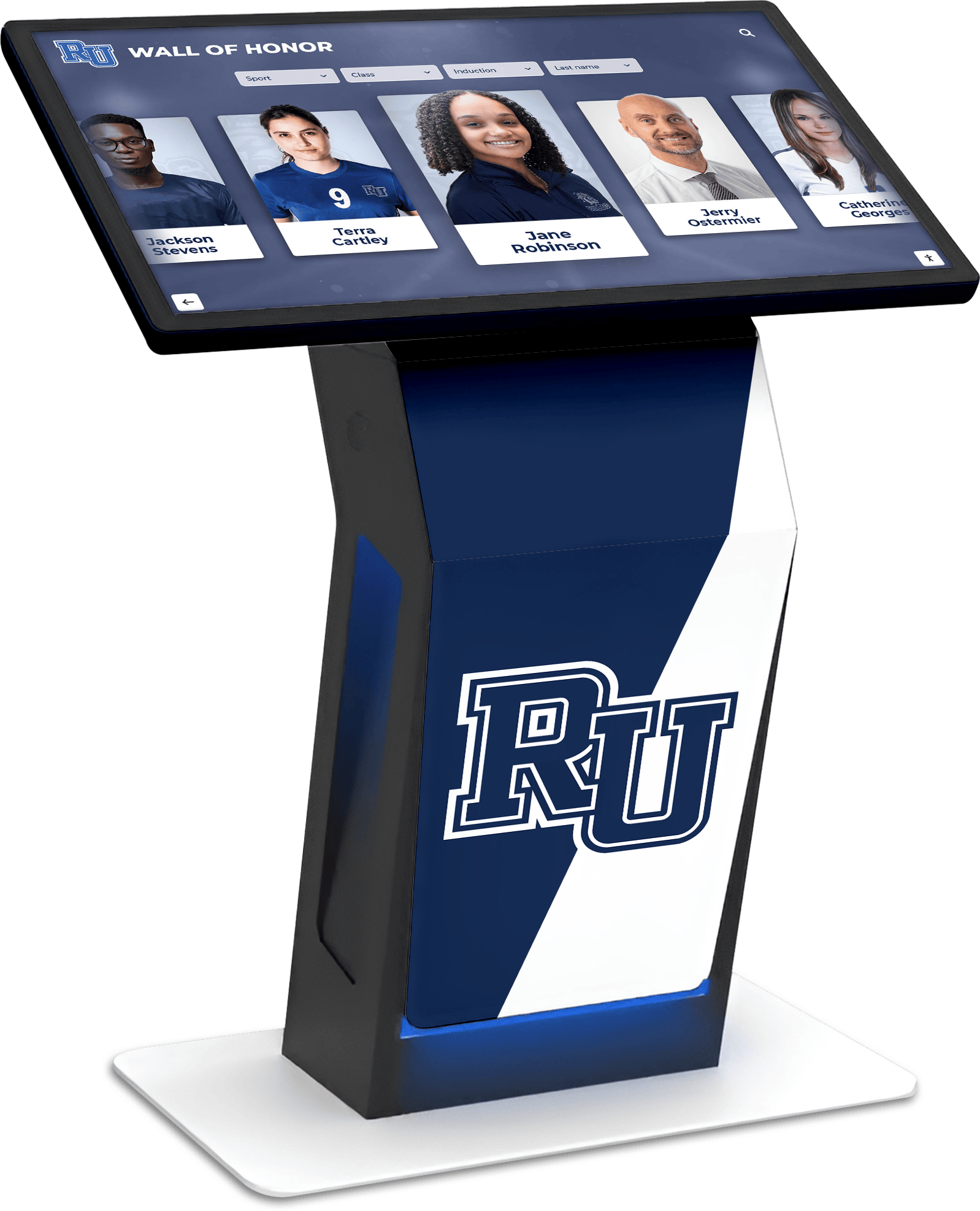
Modern touchscreen displays enable unlimited captain recognition with rich multimedia content
Unlimited Historical Recognition
Unlike physical displays constrained by wall space, digital platforms preserve complete captain history:
- Every team captain across entire program history receives comprehensive recognition
- No need to remove older captains to accommodate recent leaders
- Searchable databases enabling visitors to find specific captains quickly
- Filtering options showing captains by decade, graduation year, or team achievement
- Historical context showing how captain leadership contributed to program development
This comprehensive preservation demonstrates that all captain leadership matters and deserves lasting acknowledgment.
Easy Content Management and Updates
Digital platforms eliminate the complexity and expense of traditional recognition updates:
- Intuitive cloud-based management systems requiring no technical expertise
- Instant content publication from any internet-connected device
- Ability to enhance profiles as former captains achieve new milestones
- Correction of any errors immediately without physical production costs
- Bulk import capabilities for efficiently adding historical captain information
Athletic directors and coaches manage captain recognition directly rather than depending on vendors, timelines, and expensive production processes.
Integrating Captain Recognition with Broader Athletic Achievement
The most effective digital recognition systems celebrate captain leadership within comprehensive displays showcasing all forms of athletic excellence.
Connected Recognition Experiences
Digital platforms link related achievements:
- Captain profiles connected to team championship pages showing collective success
- Statistical achievements alongside leadership recognition
- College athletics recruitment successes documented as program outcomes
- Multi-sport athletes’ complete leadership contributions across different programs
- Family legacies showing relatives who also served as team captains
These connections reveal complete athlete stories while demonstrating how individual leadership contributes to broader program success.
Searchable Leadership Recognition
Visitors explore captain leadership through:
- Name searches finding specific former captains instantly
- Year filters showing captain leadership during particular eras
- Achievement filters revealing captains who also earned all-state honors
- Sport filters for multi-sport facilities recognizing various program captains
- Championship team connections showing leadership during successful seasons
Powerful search and discovery tools ensure captain recognition remains accessible and engaging rather than becoming static displays visitors pass without interaction.
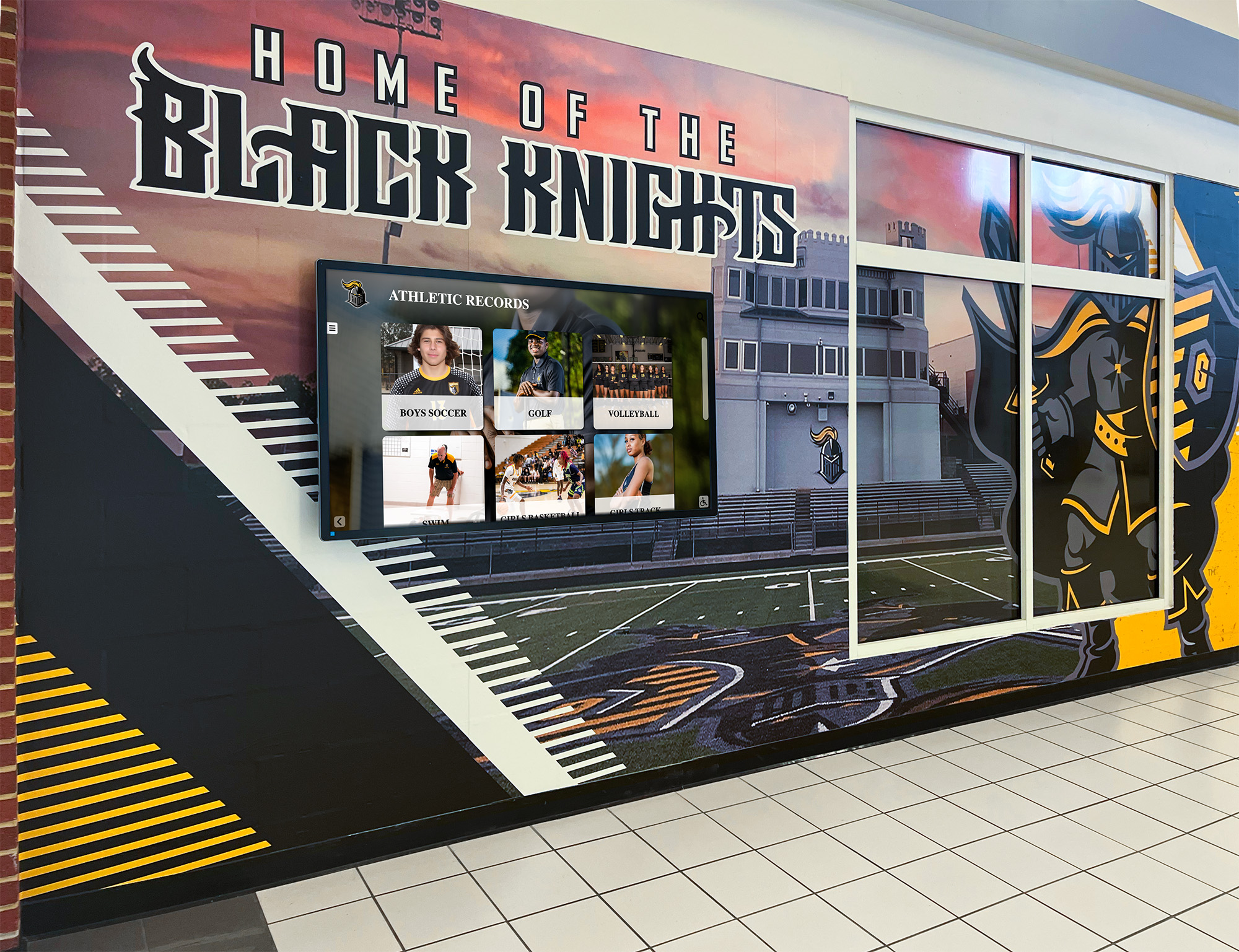
Digital displays integrate captain leadership recognition with team achievements and program history
Web-Based Captain Recognition Extensions
Physical touchscreen displays in athletic facilities gain additional reach through web-accessible platforms enabling worldwide engagement.
Remote Access for Alumni and Families
Online captain recognition allows:
- Alumni viewing their captain profiles from anywhere in the world
- Families sharing recognition with relatives unable to visit campus
- Prospective recruits exploring program leadership culture during research
- Community members engaging with program tradition remotely
- Social media integration amplifying recognition reach and visibility
This extended accessibility dramatically increases captain recognition’s impact beyond individuals who physically visit athletic facilities.
Alumni Engagement and Storytelling
Web platforms enable ongoing captain connection:
- Former captains submitting updated career and life accomplishments
- Alumni contributing stories and reflections about captain experiences
- Connection between captains across different generations
- Recruiting testimonials from former captains describing program impact
- Fundraising integration highlighting captain alumni supporting programs
Athletics wall of honor approaches demonstrate how comprehensive recognition strengthens alumni engagement across all achievement categories.
Basketball Captain Awards and Special Recognition
Beyond ongoing recognition displays, thoughtful award programs celebrate exceptional captain leadership through formal acknowledgment and celebration.
Season-End Captain Leadership Awards
Many programs present special captain awards recognizing leadership excellence alongside competitive achievement.
Captain of Captains Awards
When multiple captains serve, special recognition can acknowledge:
- Most outstanding overall captain leadership across the season
- Most improved leadership development during captain tenure
- Unsung hero captain who led primarily through example and work ethic
- Captain who most effectively mentored younger teammates
These awards create aspirational recognition even among captain peers, reinforcing that leadership excellence comes in multiple forms worthy of celebration.
External Captain Recognition
Schools can nominate basketball captains for:
- Conference captain of the year awards recognizing regional leadership
- Sportsmanship award programs honoring character and values
- State athletic association leadership awards and recognition
- Local media captain recognition features and profiles
- Community organization awards honoring student leadership
External recognition validates captain excellence through independent assessment while raising program profile in broader athletic communities.
Special Captain Honors and Privileges
Beyond awards, programs can provide meaningful recognition through:
Captain Legacy Projects
Outgoing captains contribute to program tradition through:
- Selecting motivational quotes or themes displayed in locker rooms
- Creating video messages for future teams about leadership and tradition
- Establishing captain standards or expectations documents for successors
- Organizing service projects or fundraising initiatives in program name
- Contributing items to program time capsules or historical archives
Legacy projects transform captain recognition from passive acknowledgment into active contribution that outlasts individual tenures.
Priority Recognition in Athletic Facilities
Physical prominence demonstrates captain importance:
- Featured captain photos in prominent athletic facility locations
- Captain quotes or statements displayed in locker rooms and gyms
- Retired captain numbers or special jersey recognition for legendary leaders
- Captain memorial spaces or areas honoring exceptional leadership
- Integration into facility naming or dedication opportunities
Strategic placement ensures captain leadership receives visibility matching its significance to program success.
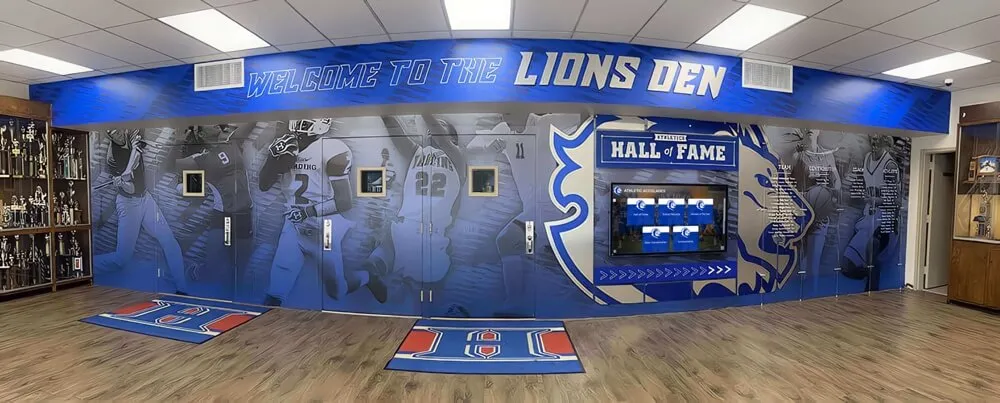
Trophy displays and recognition walls preserve captain leadership alongside competitive achievements
Celebrating Captain Leadership During Games and Events
Game-day and special event recognition amplifies captain acknowledgment while creating memorable moments for players, families, and communities.
In-Game Captain Recognition
Strategic in-season recognition maintains focus on captain leadership:
Senior Night Captain Tributes
End-of-regular-season celebrations honor graduating captains through:
- Extended pre-game ceremonies recognizing senior captain contributions
- Video tributes showcasing captain highlights and leadership moments
- Coach and teammate speeches describing captain impact
- Presentation of commemorative items for captains and families
- Social media features and program communications celebrating leadership
These ceremonies create emotional capstone moments recognizing captain commitment while demonstrating program appreciation to families and communities.
Captain Recognition During Starting Lineups
Every home game provides captain acknowledgment opportunities:
- Special captain introduction during starting lineup announcements
- PA announcer highlighting captain leadership roles and responsibilities
- Scoreboard graphics featuring captain profiles and backgrounds
- Program materials explaining captain selection and leadership philosophy
- Captain-led team traditions like pre-game huddles and rituals
Regular recognition reinforces captain importance throughout seasons rather than limiting acknowledgment to single ceremonies.
Championship and Tournament Captain Celebration
Captain leadership during successful seasons deserves special recognition:
Championship Team Captain Profiles
When teams win championships, comprehensive captain recognition includes:
- Detailed documentation of captain leadership during championship runs
- Media interviews focusing on captain contributions to team success
- Special captain recognition during championship celebrations
- Enhanced digital profiles connecting captain leadership to championships
- Championship memorabilia including captain-specific items and artifacts
These connections ensure captain leadership receives appropriate credit for team achievements rather than focusing exclusively on statistical contributors.
Captain Reunions and Alumni Events
Many programs create captain-specific events:
- Annual captain gatherings bringing together leaders across different eras
- Homecoming recognition honoring captains from milestone graduation years
- Captain panels sharing leadership advice with current teams
- Special captain networking events supporting career and life connections
- Fundraising campaigns where former captains contribute to program resources
Captain-specific programming builds community among former leaders while demonstrating that captain designation creates lasting bonds and responsibilities.
Integration with Academic and Character Recognition
The most comprehensive recognition acknowledges that basketball captain leadership develops skills and character benefiting students throughout their lives, not just during athletic careers.
Academic-Athletic Captain Excellence
Many captains demonstrate leadership in both basketball and classroom contexts, deserving integrated recognition:
Scholar-Athlete Captain Recognition
Celebrate captains achieving academic excellence through:
- Combined athletic and academic recognition programs highlighting complete achievement
- Academic all-conference and all-state honors alongside captain designation
- National Honor Society membership and academic awards integration
- College scholarship success acknowledged alongside athletic achievement
- Career accomplishments demonstrating leadership skill transferability
This comprehensive recognition demonstrates that programs develop complete student-athletes excelling in multiple important domains.
Leadership Awards Beyond Athletics
Recognize captains who lead in various contexts:
- Student government and school leadership positions
- Community service leadership and volunteer engagement
- Peer mentorship and academic tutoring contributions
- Club and organization leadership beyond athletics
- Character awards recognizing integrity, service, and citizenship
Broad recognition validates that captain leadership skills translate across different contexts and that programs develop leaders who contribute to schools and communities in multiple ways.
Character Development Focus
Captain recognition can emphasize character alongside competitive achievement:
Values-Based Recognition
Highlight specific character dimensions:
- Integrity in academic and social contexts
- Perseverance through challenges and adversity
- Selflessness and commitment to team before individual
- Respect for all people regardless of status or circumstance
- Responsibility for choices and their consequences

Recognition walls celebrate character and leadership alongside athletic achievement
Values-based recognition demonstrates that basketball programs prioritize character development alongside skill acquisition, preparing students for life beyond athletics.
Post-Graduation Captain Success Tracking
Following former captains’ life trajectories validates leadership development effectiveness:
- College and career success stories demonstrating leadership skill application
- Community leadership roles and civic engagement
- Professional achievements in diverse fields
- Family and personal development testimonials
- Alumni reflections on how captain experience shaped growth
This long-term perspective demonstrates that captain recognition celebrates skill development with enduring value far beyond high school basketball seasons.
Measuring Captain Recognition Program Impact
Evaluating whether captain recognition achieves intended goals helps schools continuously improve approaches and demonstrate program value.
Quantitative Program Metrics
Track measurable indicators of program effectiveness:
Recognition Coverage and Equity
Monitor whether recognition reaches all deserving captains:
- Percentage of identified historical captains receiving comprehensive recognition
- Timeline from captain selection to formal recognition implementation
- Equity across different eras ensuring older captains receive acknowledgment
- Comparison with other athletic program recognition comprehensiveness
- Resource allocation demonstrating captain recognition priority
Comprehensive coverage metrics reveal whether programs systematically honor all captain leadership or inadvertently emphasize certain periods or teams over others.
Engagement and Visibility
For digital recognition systems, analytics reveal actual impact:
- Digital display interaction frequency and duration
- Most-viewed captain profiles indicating engagement patterns
- Search queries revealing what visitors seek in captain content
- Social media sharing rates amplifying recognition reach
- Website traffic to online captain recognition pages
These engagement metrics demonstrate whether recognition creates actual interest and connection rather than existing as ignored displays.
Recruitment and Program Culture
Assess whether recognition influences key program outcomes:
- Prospective athlete responses to captain recognition during recruiting
- Current athlete awareness of program captain tradition and expectations
- Alumni engagement levels among former captains versus non-captains
- Team culture metrics including accountability and leadership quality
- Community perception of program character and values emphasis
These strategic metrics connect recognition to broader program goals including recruitment, culture development, and community reputation.
Qualitative Program Assessment
Beyond numbers, gather stakeholder perspectives on recognition effectiveness:
Captain Perspectives
Survey current and former captains about:
- Whether recognition felt meaningful and appropriate
- How captain experience influenced personal development
- What aspects of recognition proved most impactful
- How captain role shaped college, career, and life choices
- Recommendations for improving future captain recognition and support
Captain feedback provides essential perspective on whether recognition honors leadership in ways that feel authentic and significant to those being acknowledged.
Coach and Administrator Input
Gather program leadership perspectives on:
- Whether recognition supports culture and leadership development goals
- How recognition impacts recruiting and program reputation
- Resource requirements and sustainability considerations
- Integration effectiveness with broader athletic recognition
- Observed impacts on current player attitudes toward captain roles
Leadership assessment ensures recognition aligns with program priorities while remaining practical and sustainable long-term.

Comprehensive athletic recognition preserves captain leadership within program history and tradition
Community and Family Feedback
Understand broader stakeholder perspectives through:
- Family satisfaction with how captain leadership received recognition
- Community member awareness of captain recognition and program values
- Prospective family responses to captain tradition during recruiting
- Media coverage and external recognition of program leadership culture
- Alumni engagement patterns showing ongoing connection to programs
External perspectives reveal whether captain recognition successfully communicates program priorities and values to broader communities.
Best Practices for Sustainable Captain Recognition
Creating lasting captain recognition programs requires systematic approaches ensuring sustained quality and impact across coaching changes, resource fluctuations, and program evolution.
Clear Program Documentation
Sustainability begins with comprehensive documentation:
Recognition Standards and Criteria
Document explicitly:
- Captain selection criteria and evaluation processes
- Recognition eligibility requirements and standards
- Content requirements for captain profiles and materials
- Update schedules and ongoing maintenance responsibilities
- Budget allocations and resource requirements
Written standards prevent program drift and ensure consistent implementation across leadership transitions.
Roles and Responsibilities
Assign clear accountability:
- Primary responsibility for captain recognition program management
- Backup administrators ensuring continuity during absences
- Coach responsibilities for captain selection and content contribution
- Athletic director oversight ensuring program priority and resource allocation
- Technical support contacts for digital systems and platforms
Defined roles prevent recognition from becoming neglected when key individuals depart or face competing priorities.
Dedicated Budget Allocation
Sustainable programs require appropriate ongoing funding:
Initial Implementation Costs
Budget for program launch including:
- Digital display hardware for physical recognition installations
- Software platform fees and setup costs
- Content development and historical research expenses
- Professional design and branding integration
- Launch events and promotional materials
Adequate initial investment establishes quality foundations supporting long-term program success.
Annual Operating Expenses
Ongoing costs include:
- Software licensing and technical support fees
- Annual content updates and profile additions
- Recognition materials and awards for current captains
- Program events and captain gatherings
- Marketing and communication about captain recognition
Consistent funding ensures programs maintain quality rather than deteriorating due to resource neglect.
Integration with Broader Recognition
Captain recognition gains sustainability through connection to comprehensive athletic acknowledgment:
Unified Recognition Platforms
Implement systems acknowledging:
- College athletics hall of fame inductees and achievements
- Championship team recognition and historical success
- Individual record-holders and statistical achievements
- Coaching excellence and milestone victories
- Captain leadership and program culture contribution
Unified platforms create economies of scale while ensuring captain recognition receives attention proportional to other program priorities.
Consistent Recognition Philosophy
Develop program-wide approaches to:
- What types of achievement and contribution deserve formal recognition
- How different recognition categories relate and integrate
- Content quality standards across all recognition types
- Update schedules and maintenance responsibilities
- Celebration and communication approaches
Consistent philosophy ensures captain recognition aligns with broader program values and priorities rather than existing as disconnected initiative vulnerable to discontinuation.
Conclusion: Celebrating Leadership That Shapes Programs and Lives
Basketball team captains shoulder responsibilities extending far beyond statistics and win-loss records. They set cultural tone, hold teammates accountable, communicate coaching vision, and represent programs with character in countless visible and invisible ways. When a senior captain successfully navigates the complex challenges of leading peers through competitive seasons while maintaining academic excellence and demonstrating positive character, they’ve achieved something truly remarkable deserving of comprehensive recognition and celebration.
Modern digital recognition solutions like Rocket Alumni Solutions transform what’s possible in honoring basketball captain leadership. Interactive touchscreen displays preserve complete captain history across decades without physical space limitations, tell rich multimedia stories showcasing leadership development and impact, integrate captain recognition with broader athletic achievement celebration, provide searchable access enabling visitors to explore captain tradition, and require minimal ongoing management through intuitive cloud-based platforms.
Honor Basketball Captain Leadership
Discover how modern recognition solutions can help you celebrate captain leadership alongside competitive achievement, creating inspiring displays that preserve tradition while motivating future leaders.
Explore Recognition SolutionsBeyond formal recognition, thoughtful captain programs develop leadership skills benefiting students throughout their lives. The communication abilities, emotional intelligence, accountability mindset, and resilience captains develop through basketball leadership transfer directly to college success, career achievement, and personal relationships. Schools that invest in comprehensive captain recognition and development demonstrate understanding that basketball programs serve educational missions extending far beyond court boundaries—they develop complete individuals prepared for leadership challenges they’ll face long after final buzzers sound.
Your basketball team captains demonstrate remarkable leadership throughout every season—they deserve recognition matching their commitment to excellence, character, and team success. Whether implementing traditional approaches or adopting modern digital platforms, creating systematic captain recognition demonstrates that your program values complete student-athletes who elevate everyone around them while building cultures of accountability, excellence, and shared commitment.
Ready to create basketball captain recognition worthy of the leadership your student-athletes demonstrate? Modern solutions provide comprehensive platforms celebrating captain excellence while inspiring future generations to pursue leadership opportunities. Your captains lead every day—ensure their leadership receives the lasting recognition it deserves.































