When a high school basketball player sinks that final free throw to break a long-standing scoring record, something special happens. The crowd erupts, teammates storm the court, and cameras flash capturing the moment. But what happens after the celebration ends? How do schools properly preserve and honor these extraordinary achievements so future generations can appreciate the dedication, skill, and perseverance required to reach such milestones?
High school basketball scoring records represent more than statistics—they document athletic excellence, inspire current players, and connect generations of athletes who wore the same uniform. From career point totals that require years of consistency to single-game explosions that create unforgettable memories, these records deserve recognition that matches their significance.
This comprehensive guide explores everything schools need to know about basketball scoring records: what records matter most, how to track and verify achievements accurately, why traditional recognition methods fall short, and how modern digital recognition systems transform how schools celebrate and preserve basketball excellence for generations to come.
Whether your school is updating outdated record boards, implementing a new recognition system, or simply looking to honor your basketball program’s rich history more effectively, understanding how to properly recognize scoring records ensures these achievements receive the lasting celebration they deserve.
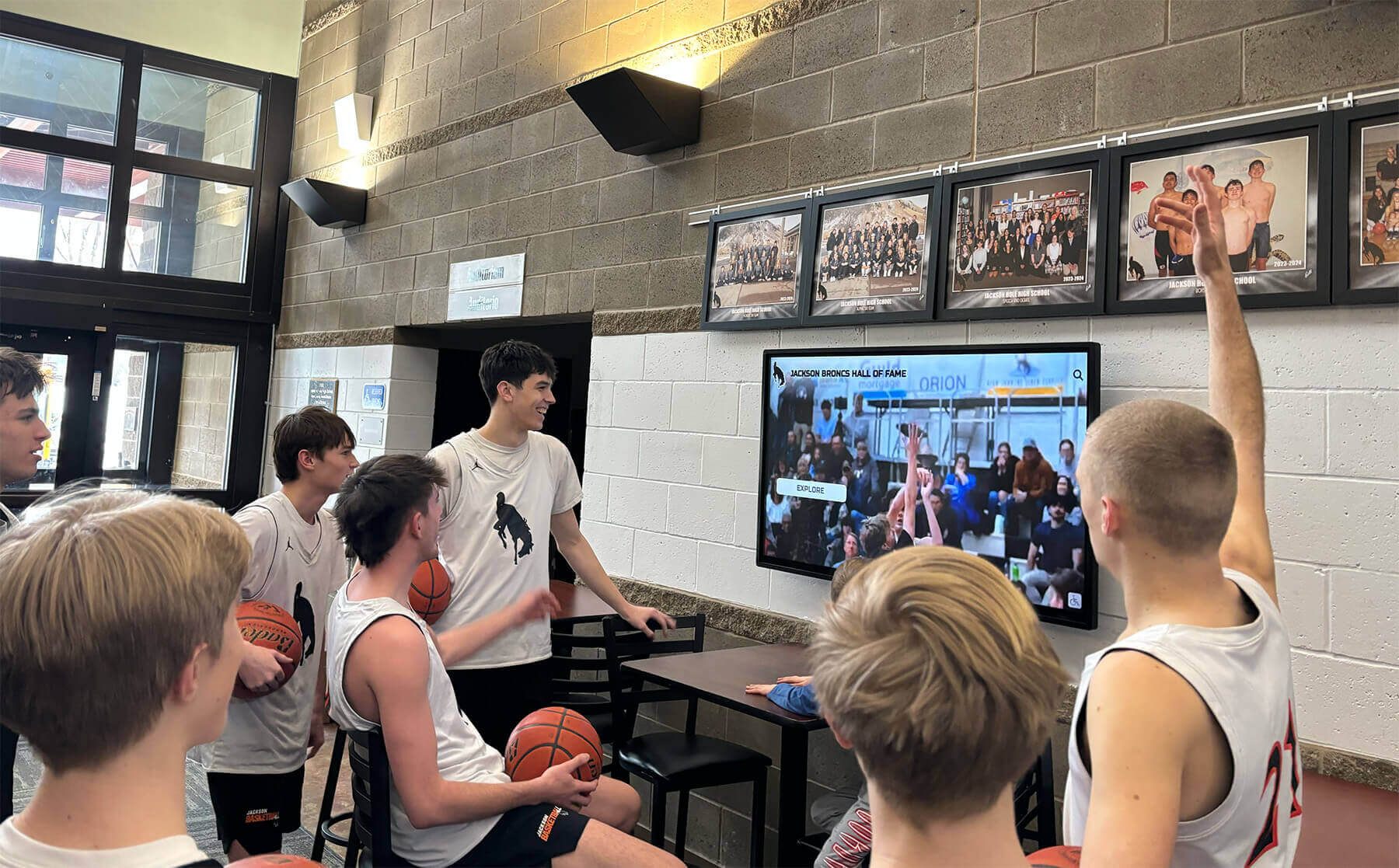
Modern digital displays enable students to explore basketball scoring records and program history interactively
Understanding High School Basketball Scoring Records
Basketball scoring records come in several categories, each highlighting different aspects of athletic excellence and providing motivation for current and future players.
Career Scoring Records: The Ultimate Consistency Measure
Career scoring records represent the pinnacle of sustained excellence in high school basketball. Accumulating thousands of points over multiple seasons requires not only exceptional talent but also remarkable durability, consistency, and dedication.
What Makes Career Records Special
According to MaxPreps, which maintains comprehensive national high school basketball statistics, all players in the top 100 career scoring leaders scored at least 3,000 points during their high school careers. These achievements typically span three to four varsity seasons and require averaging between 20-30 points per game consistently across an entire high school career.
Consider the mathematical reality: To reach 3,000 career points over four seasons with approximately 25 games per season equals 100 games, requiring an average of 30 points per game. This level of sustained excellence demonstrates not just scoring ability but also physical durability, mental toughness, and the capacity to perform at elite levels consistently regardless of opponent, pressure, or circumstances.
Career scoring leaders often become the faces of their programs, setting standards that inspire teammates and future athletes to pursue excellence over the long term rather than seeking only individual highlight moments.
Key Career Scoring Milestones
High school basketball programs typically recognize several career scoring thresholds:
- 1,000-Point Club: The most common milestone celebrated across programs nationwide, representing significant sustained excellence
- 1,500-Point Achievers: Demonstrates elite scoring ability and multi-year excellence
- 2,000-Point Scorers: Rare achievement requiring exceptional talent, opportunity, and longevity
- 2,500+ Points: Elite national-level achievement placing athletes among all-time greats
- 3,000+ Points: Extraordinary accomplishment achieved by fewer than 100 athletes nationally in recorded history
Schools can use 1000 points scorer recognition programs to celebrate these milestone achievements effectively.
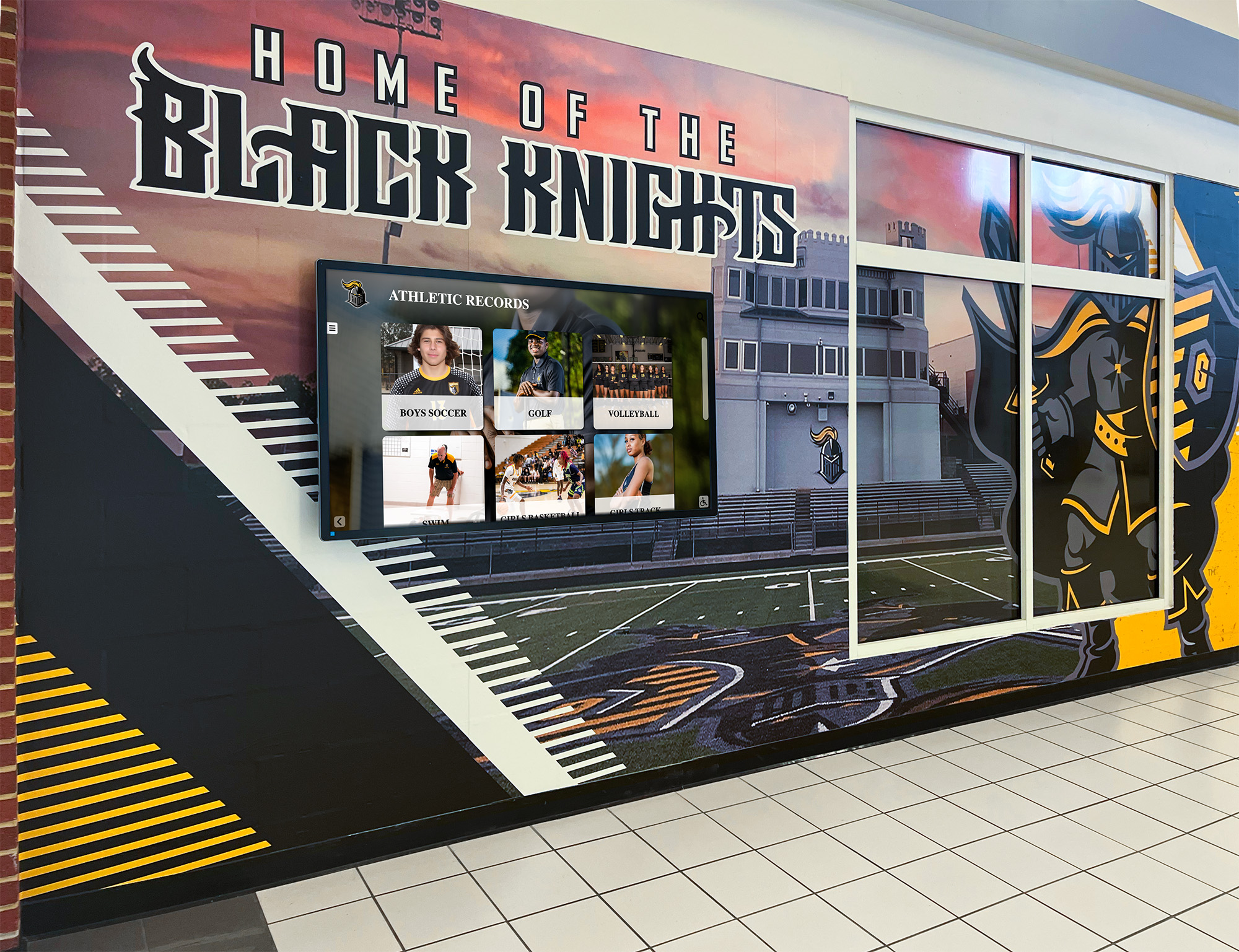
Record boards prominently display career scoring achievements that inspire future athletes
Single-Season Scoring Records: Peak Performance Documentation
Single-season records capture peak performance when all factors align—player development, team chemistry, coaching strategy, and opportunity—creating extraordinary statistical achievements.
The Significance of Season Records
Season records often represent the absolute ceiling of what athletes can achieve during their high school careers. Unlike career records that reward longevity and consistency, season records celebrate peak performance regardless of whether athletes maintained that level across multiple years.
These records provide different types of motivation and celebration opportunities. An athlete might not reach career milestone totals but could still establish single-season excellence that earns rightful recognition and program distinction. This balanced recognition philosophy ensures schools celebrate diverse forms of excellence rather than only honoring those who played multiple varsity seasons.
Common Season Record Categories
Schools typically track several single-season scoring categories:
- Total points scored in a season
- Points per game average
- Field goal percentage for high-volume scorers
- Three-point field goals made in a season
- Free throw percentage and total free throws made
- 20-point games, 30-point games, and 40+ point games in a season
Single-Game Scoring Records: Unforgettable Individual Performances
Single-game scoring records capture those magical nights when everything falls perfectly for individual athletes—games that become legendary stories passed down through generations of players and fans.
Historic Single-Game Achievements
The highest-scoring performance in high school basketball history belongs to Danny Heater, who scored 135 points playing for Burnsville High School (West Virginia) against Widen High School. Heater made 53 of 70 field goals and 29 of 41 free throws in this legendary 1960 performance that still stands as the national high school record.
While few athletes approach Heater’s extraordinary achievement, single-game records vary significantly by state and program. Most programs celebrate single-game scoring achievements above 40-50 points as exceptional performances worthy of permanent recognition.
These remarkable individual games often occur during crucial moments—conference championships, tournament contests, or rivalry matchups—adding contextual significance beyond pure statistics. The stories surrounding these performances—teammates feeding the hot hand, defensive adjustments opponents attempted, how the athlete responded to pressure—become integral parts of program folklore.
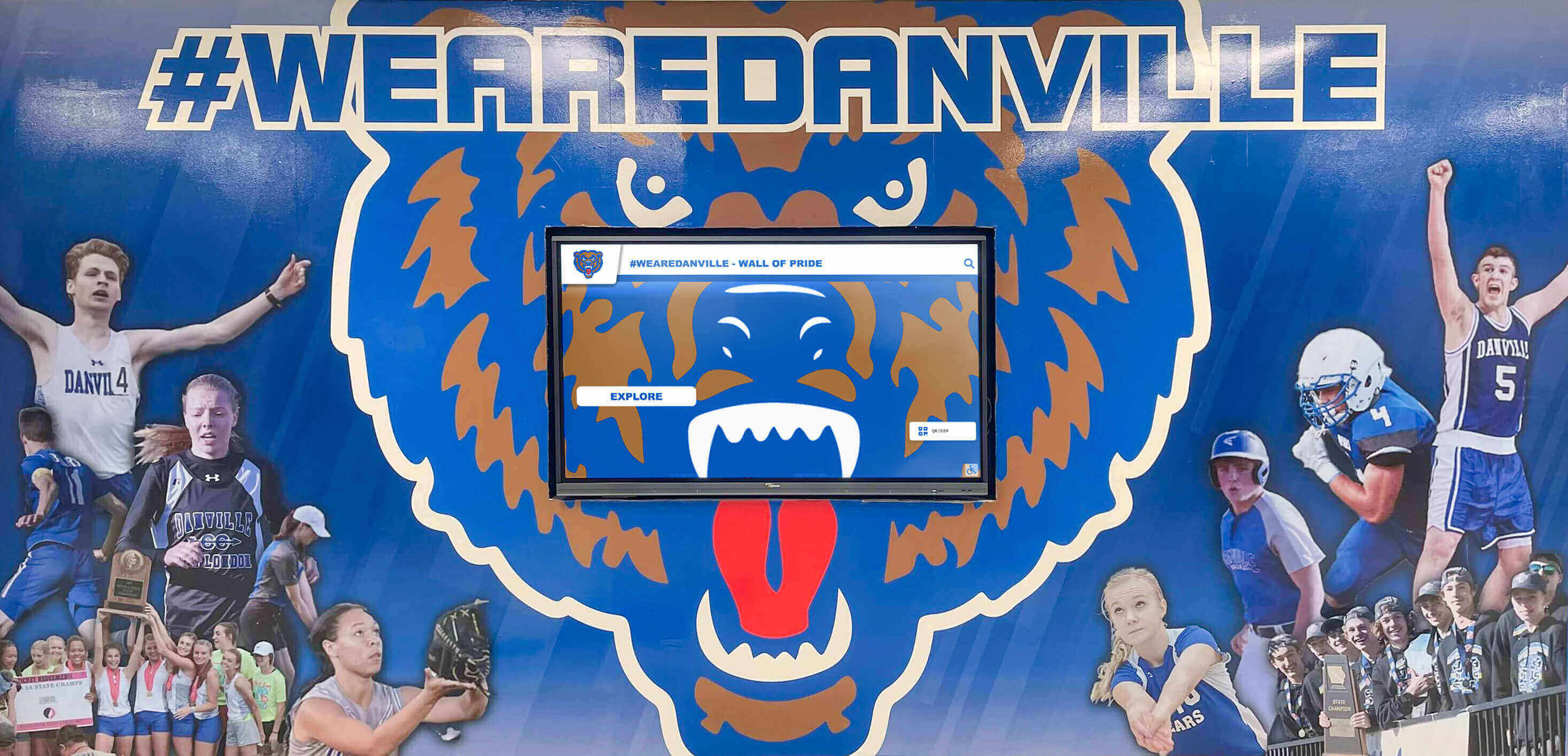
Integrated displays combine traditional program branding with modern digital recognition capabilities
Tracking and Verifying Basketball Scoring Records
Accurate record-keeping forms the foundation of credible recognition programs. Schools must establish systematic processes for tracking statistics, verifying achievements, and maintaining historical records.
Establishing Official Record-Keeping Systems
The responsibility for maintaining official basketball statistics typically falls to athletic directors, coaches, or designated team statisticians. However, processes vary significantly across programs, sometimes leading to inconsistencies or disputes about record accuracy.
Best Practices for Statistical Tracking
Implement these practices to ensure record accuracy and credibility:
Official Scorebook Maintenance: Maintain detailed scorebooks documenting every game with individual player statistics verified and signed by officials Digital Backup Systems: Record statistics in digital systems providing backup documentation and easier compilation across seasons Third-Party Verification: Cross-reference critical records against opposing team scorebooks, newspaper reports, or state association records Clear Documentation Standards: Establish specific criteria for what counts as “official” games (varsity only versus combined varsity/JV, regular season versus tournaments) Historical Record Audits: Periodically review and verify historical records, especially when current athletes approach long-standing marks
Schools seeking to track athletic records more effectively can reference comprehensive guides on finding school sports records that outline systematic approaches to documentation.
Addressing Historical Record Gaps and Verification Challenges
Many schools discover gaps when compiling comprehensive historical records, particularly for programs with decades of history predating modern statistical tracking systems.
Common Historical Challenges
Schools frequently encounter these record-keeping obstacles:
- Incomplete scorebooks or missing documentation from older eras
- Conflicting statistics between school records and newspaper archives
- Uncertainty about whether certain games or seasons “count” toward official records
- Different statistical categories tracked in different eras
- Lost or destroyed records due to facility changes, fires, or administrative transitions
Resolution Strategies
When facing historical record questions, schools should implement transparent processes including establishing clear criteria for accepting disputed records, acknowledging uncertainty where documentation is incomplete rather than inventing numbers, conducting research through newspaper archives, yearbooks, and alumni outreach, creating “modern era” categories when historical records cannot be verified, and documenting methodology so future administrators understand how records were determined.
Honesty and transparency about record verification limitations maintain credibility. Schools should avoid fabricating statistics or accepting unverifiable claims even when compelling anecdotal evidence suggests records existed.
Why Traditional Recognition Methods Fall Short
For decades, schools recognized basketball scoring records through painted wall displays, vinyl lettering, engraved plaques, and trophy cases. While these traditional approaches served adequately in simpler times, they struggle to meet modern recognition needs effectively.
Space Constraints and Capacity Limitations
Physical displays face hard limits that become increasingly problematic as programs accumulate achievements across decades.
The Inevitable Space Problem
Traditional record boards allocate specific physical space for each category—career leaders, season records, single-game marks. When athletes break existing records or additional achievers merit recognition, schools face difficult choices:
- Remove older records to accommodate new achievements, effectively erasing history
- Leave displays unchanged, failing to recognize current accomplishments
- Expand physical displays at significant expense requiring construction or facility modification
- Create unofficial “overflow” recognition in less prominent locations, creating unintended recognition hierarchies
This zero-sum dynamic forces schools to choose which achievements receive visibility rather than comprehensively celebrating all worthy accomplishments. Programs with particularly successful basketball traditions find space constraints especially challenging as record boards fill with deserving honorees across multiple decades.
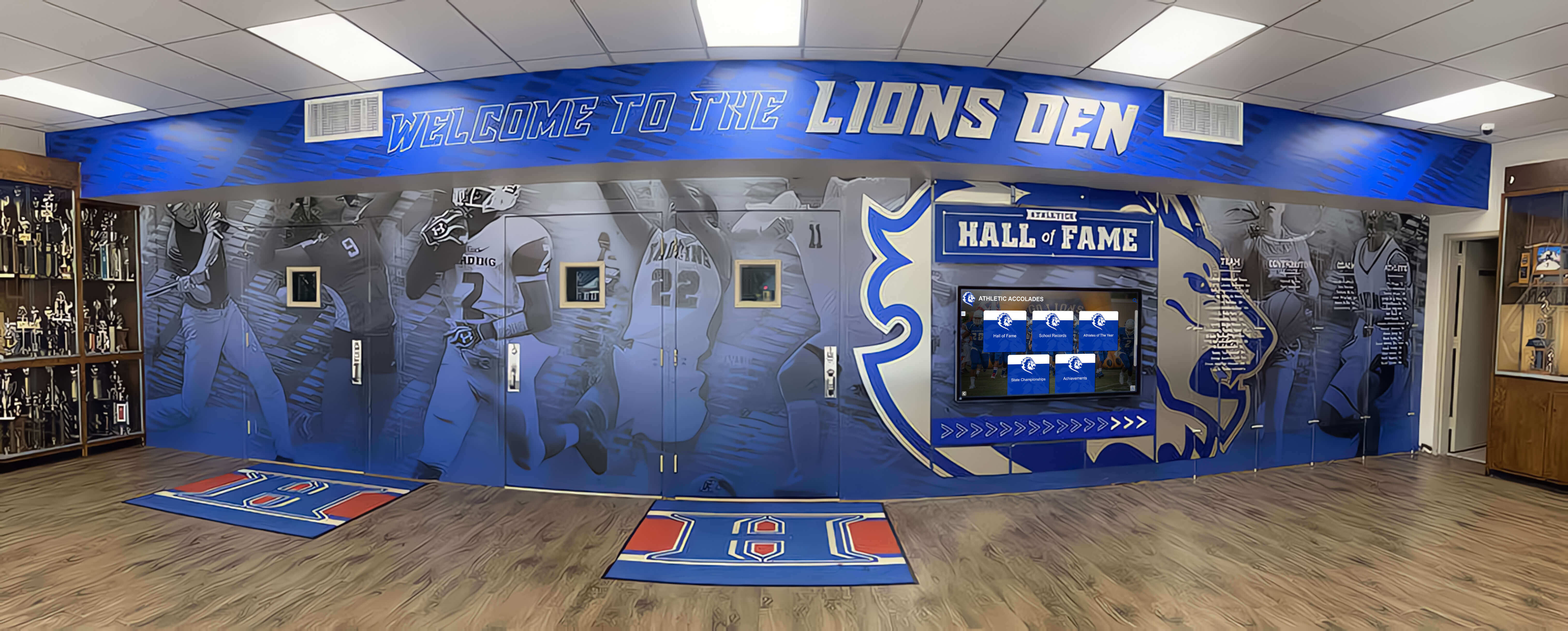
Traditional trophy cases and wall displays struggle with capacity constraints as achievements accumulate
Recognition Inequity
Space limitations often create unintended inequities in recognition. High-profile sports might receive disproportionate display space simply because their records filled available areas first, leaving equally impressive accomplishments in other sports or later eras with insufficient recognition opportunities.
Digital recognition systems eliminate these space constraints entirely, enabling unlimited recognition capacity without physical expansion or difficult decisions about whose achievements deserve visibility.
Maintenance Challenges and Update Costs
Beyond space constraints, traditional displays require ongoing physical maintenance creating both financial and logistical burdens.
The True Cost of Updates
Each time a student-athlete breaks a record or achieves milestone recognition, traditional boards require physical modification:
- Custom Vinyl Production: Professional vinyl lettering costs $3-8 per character depending on size and complexity
- Engraved Plaques: Individual engraved plaques run $75-250 depending on material, size, and detail
- Professional Installation: Installation services charge $150-400 per visit for updates requiring precision
- Design and Layout: Reworking display designs to accommodate additions requires design time and expense
- Rush Service Premiums: Mid-season updates requiring expedited production carry additional costs
A single basketball season might generate 3-5 record updates between career milestones, season records, and notable single-game performances. At $200-500 per update, annual costs easily reach $1,000-2,500 for active programs—expenses that recur indefinitely without delivering enhanced functionality.
Time-Consuming Update Processes
Beyond direct costs, traditional displays consume valuable staff time through coordination with vendors, facility management for installation access, quality control ensuring accuracy and appearance, and budget management for unplanned mid-season record-breaking achievements.
Athletic directors report spending 10-20 hours annually managing traditional record board updates—time diverted from coaching, athlete development, program planning, and other priorities. Solutions like digital record boards eliminate these recurring time commitments and update costs entirely.
Static Content and Limited Storytelling
Perhaps the most significant limitation of traditional displays involves their inability to tell complete stories beyond basic statistics and names.
Missing Context and Narrative
Traditional record boards reduce complex athletic achievements to minimal information:
- Player name and graduation year
- Statistical achievement (e.g., “2,847 Career Points”)
- Perhaps the years when records were set
This bare-bones presentation fails to capture the compelling narratives that make records meaningful. What circumstances surrounded the achievement? How did the athlete develop across their career? What obstacles did they overcome? What became of them after graduation? How did their achievements contribute to team success?
These stories create emotional connections inspiring current athletes and building program traditions, but traditional displays lack capacity to present contextual information effectively.
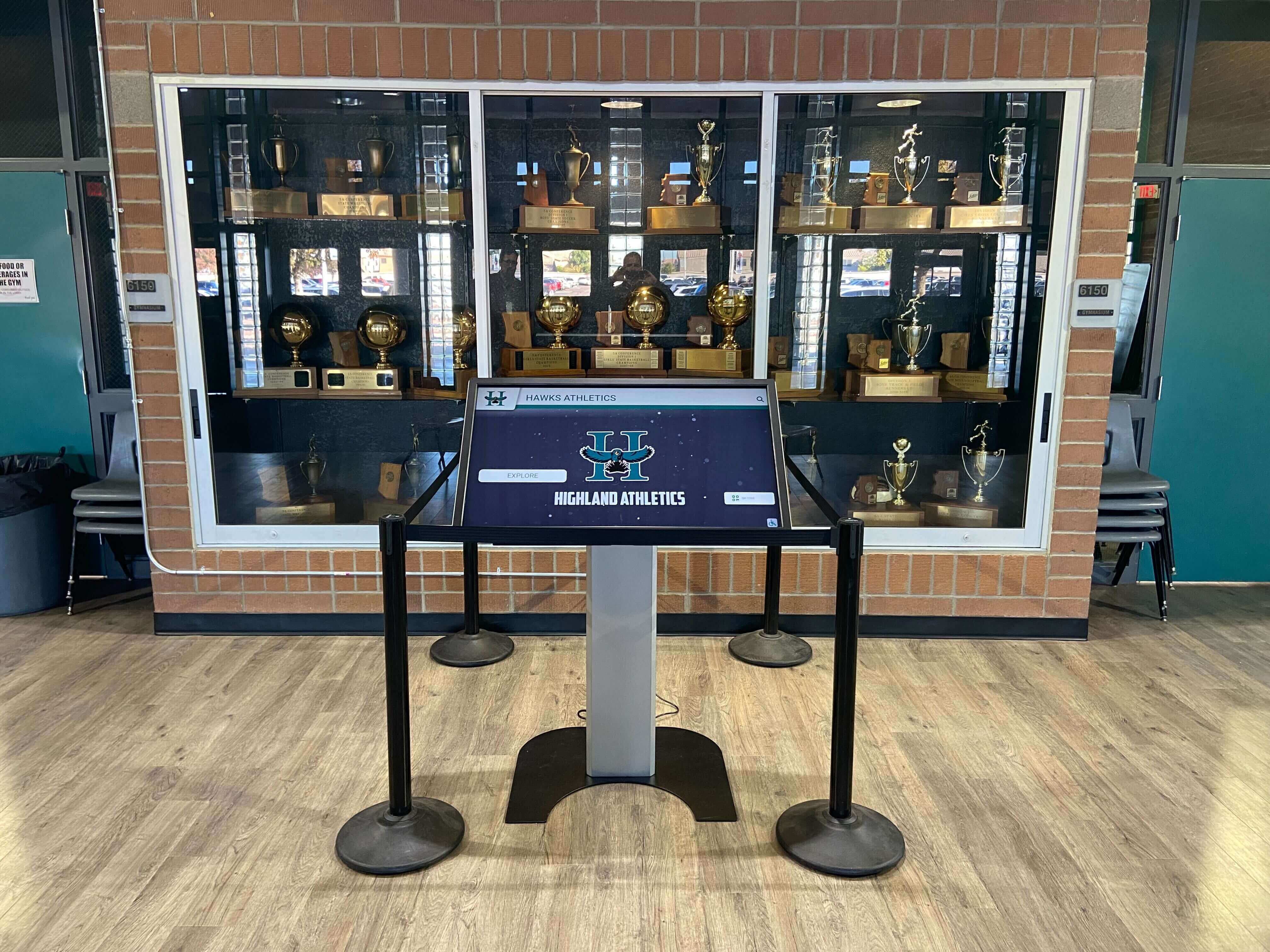
Modern touchscreen displays enable comprehensive storytelling impossible with traditional static boards
Engagement Limitations
Static displays offer only passive viewing—students and visitors can read what’s presented but cannot explore, search, or interact with content beyond visual observation. This passive experience results in brief glances rather than meaningful engagement with basketball program history.
Interactive digital displays transform passive viewing into active exploration, enabling visitors to search for specific athletes, filter by era or achievement type, watch video highlights, view photo galleries, and discover stories that create lasting impressions and genuine connections to program tradition.
Digital Recognition Solutions for Basketball Records
Modern technology transforms how schools can recognize, celebrate, and preserve basketball scoring records through comprehensive digital recognition systems that eliminate traditional limitations while creating engaging experiences.
Unlimited Recognition Capacity Without Space Constraints
Digital systems fundamentally solve the space problem by providing virtually unlimited recognition capacity within the same physical footprint as traditional displays.
Comprehensive Historical Archives
A single touchscreen display can showcase:
- Complete career scoring leaders from program history—not just top 10 but potentially top 50 or 100
- Single-season records across multiple statistical categories and decades
- Single-game scoring performances for every notable achievement
- Supporting statistics, biographical information, photos, and video content
- Team accomplishments and championship histories
- Academic achievements of student-athletes
- Post-graduation updates about collegiate and professional careers
This comprehensive approach ensures every worthy achievement receives appropriate recognition regardless of how many others came before or after. Students competing today can pursue records set decades ago, creating connections across generations impossible when historical achievements get removed to accommodate recent additions.
Real-Time Updates and Instant Recognition
Cloud-based content management enables immediate updates appearing across all displays and web platforms instantly—no waiting weeks or months for vendor production and installation.
Same-Day Recognition
When a student-athlete breaks a record during Friday’s game, athletic staff can update digital recognition systems before Saturday morning practice. This real-time capability delivers recognition when emotional impact peaks—while teammates, coaches, and school communities can reference specific competitive moments fresh in memory.
The motivational value of timely recognition dramatically exceeds delayed celebration. Current athletes see their accomplishments honored immediately rather than waiting months for physical plaques, reinforcing that their achievements matter and receive genuine institutional appreciation.
Simplified Update Processes
Rocket Alumni Solutions and similar platforms designed specifically for school athletic recognition enable content updates through:
- Intuitive web-based interfaces requiring no technical expertise
- Form-based data entry with fields for names, statistics, photos, and context
- Mobile-accessible content management enabling updates from smartphones
- Scheduled publishing allowing pre-prepared content to appear automatically on specific dates
- Bulk import capabilities for historical records from spreadsheets
Athletic directors report that after brief initial training, routine record updates take 5-10 minutes compared to hours required coordinating traditional vendor updates. This efficiency enables more frequent recognition updates while reducing staff workload.
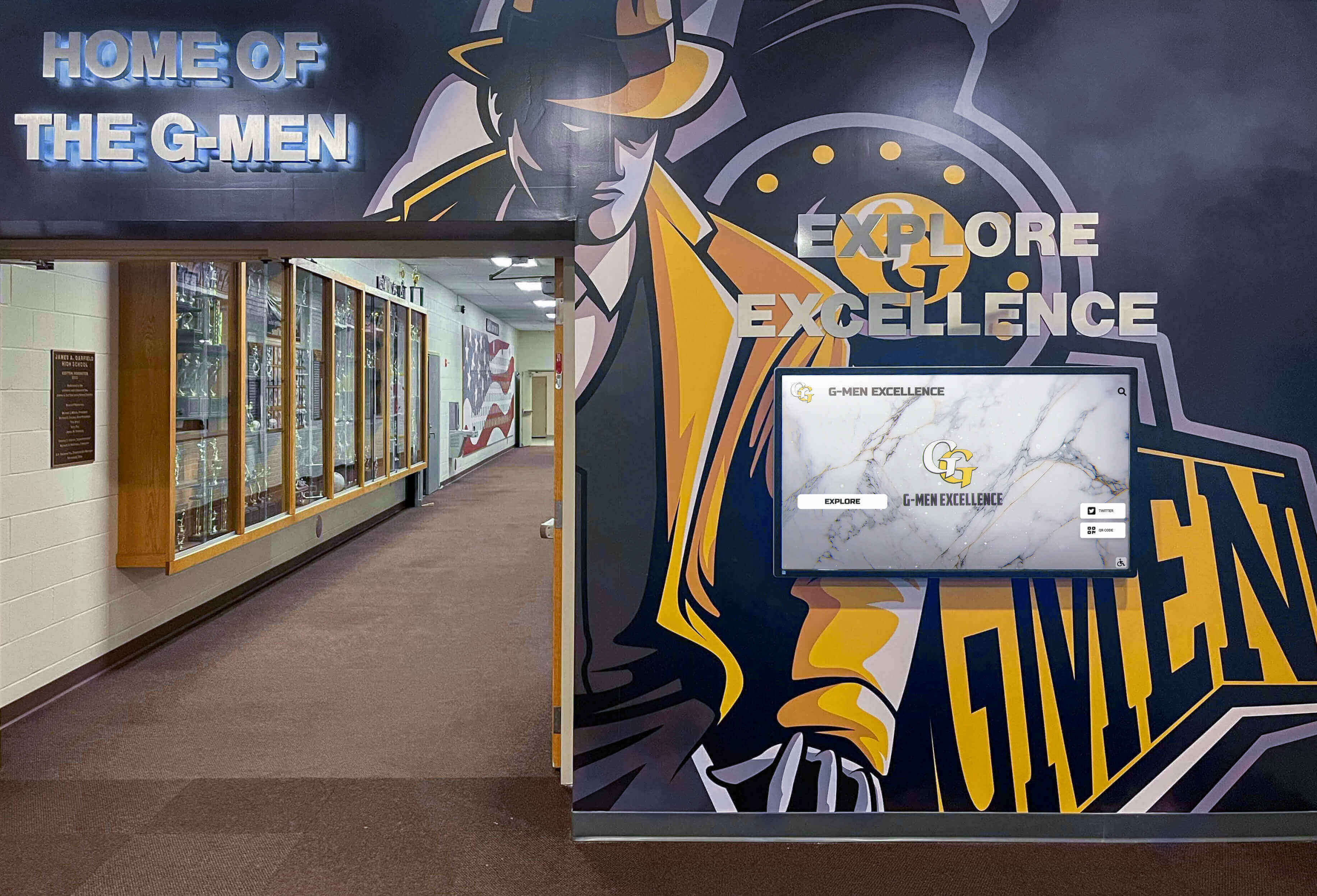
Digital displays complement traditional trophy cases while providing unlimited additional recognition capacity
Cost Elimination
Digital systems eliminate recurring costs for vinyl production, plaque engraving, professional installation, and design modifications. While initial implementation requires investment, schools avoid perpetual update expenses that accumulate significantly over years.
Most schools achieve return on investment within 3-5 years purely from eliminated update costs, with additional value from improved engagement, enhanced recruiting impact, and expanded recognition capacity delivering benefits traditional approaches simply cannot provide.
Rich Multimedia Storytelling and Enhanced Engagement
Digital platforms enable storytelling impossible with static displays through high-resolution photography, video highlights of record-breaking performances, statistical visualizations showing career progression, audio interviews preserving athlete perspectives, and comprehensive biographical information providing context.
Complete Athlete Profiles
Rather than reducing achievements to single-line entries, digital systems can present comprehensive profiles including:
- Complete career statistics across all relevant categories
- Season-by-season progression showing development arc
- Memorable game performances and highlights
- Personal background and path to achievement
- Academic accomplishments and honors
- Post-graduation updates about college, careers, and life achievements
- Connections to family members who also played in the program
- Quotes from athletes, coaches, and teammates
These rich profiles create emotional connections that inspire current athletes far more effectively than names and numbers alone. When students can watch video of record-breaking performances, read firsthand accounts of what achievements meant to those who accomplished them, and see complete career arcs rather than isolated statistics, recognition becomes genuinely inspirational rather than merely informational.
Interactive Exploration and Personalized Navigation
Touchscreen interfaces transform passive viewing into active exploration enabling personalized discovery:
Search and Filter Capabilities
Visitors can navigate recognition through multiple pathways:
- Search by athlete name to find specific individuals instantly
- Filter by decade or era to explore different program periods
- Sort by record type (career, season, single-game)
- Browse by statistical category (scoring, rebounds, assists, steals)
- View by team accomplishments alongside individual records
- Track family legacies when multiple generations competed
This flexibility allows each visitor to explore what matters most personally—current players might focus on recent records they could pursue, alumni might seek their own accomplishments or former teammates, prospective families might investigate program tradition and excellence standards.
Extended Reach Through Web Access
Leading recognition platforms extend beyond physical displays to provide web-accessible versions visible anywhere with internet connectivity. This dual presence—physical displays in facilities and web access globally—dramatically expands recognition reach.
Alumni living across the country or internationally can explore their achievements and program developments remotely. Prospective families can thoroughly research program traditions during recruitment processes. Parents can easily share their student-athlete’s accomplishments with extended family through social media integration.
Schools implementing comprehensive athletic recognition programs report 5-7x higher engagement with digital systems compared to traditional displays, with web access extending recognition to audiences traditional displays could never reach.
Implementing Comprehensive Basketball Recognition Programs
Successfully implementing digital basketball record recognition requires thoughtful planning, content development, and sustainable management processes.
Planning Your Recognition Program
Begin with clear vision about what your recognition program should accomplish and who it should serve.
Define Recognition Objectives
Establish specific goals guiding implementation decisions:
- Primary Purpose: Celebrating achievements, motivating current athletes, recruiting tool, alumni engagement, community pride
- Scope Decisions: Recent years only versus complete historical archives
- Recognition Categories: Which records and achievements will be included
- Update Frequency: How often will content be refreshed and expanded
- Budget Parameters: Available funding and potential sources
Stakeholder Engagement
Involve key constituencies in planning to build support and gather diverse perspectives:
- Athletic Staff: Coaches and athletic directors understand program needs and priorities
- School Administration: Leadership support ensures institutional commitment
- Booster Organizations: Potential funding sources and volunteer support
- Alumni: Historical knowledge and interest in comprehensive archives
- Current Athletes: End-user perspectives about what motivates and inspires them
Broad engagement creates ownership and identifies potential obstacles before they become implementation problems. Solutions like digital trophy walls can be tailored to meet the specific needs identified through stakeholder input.
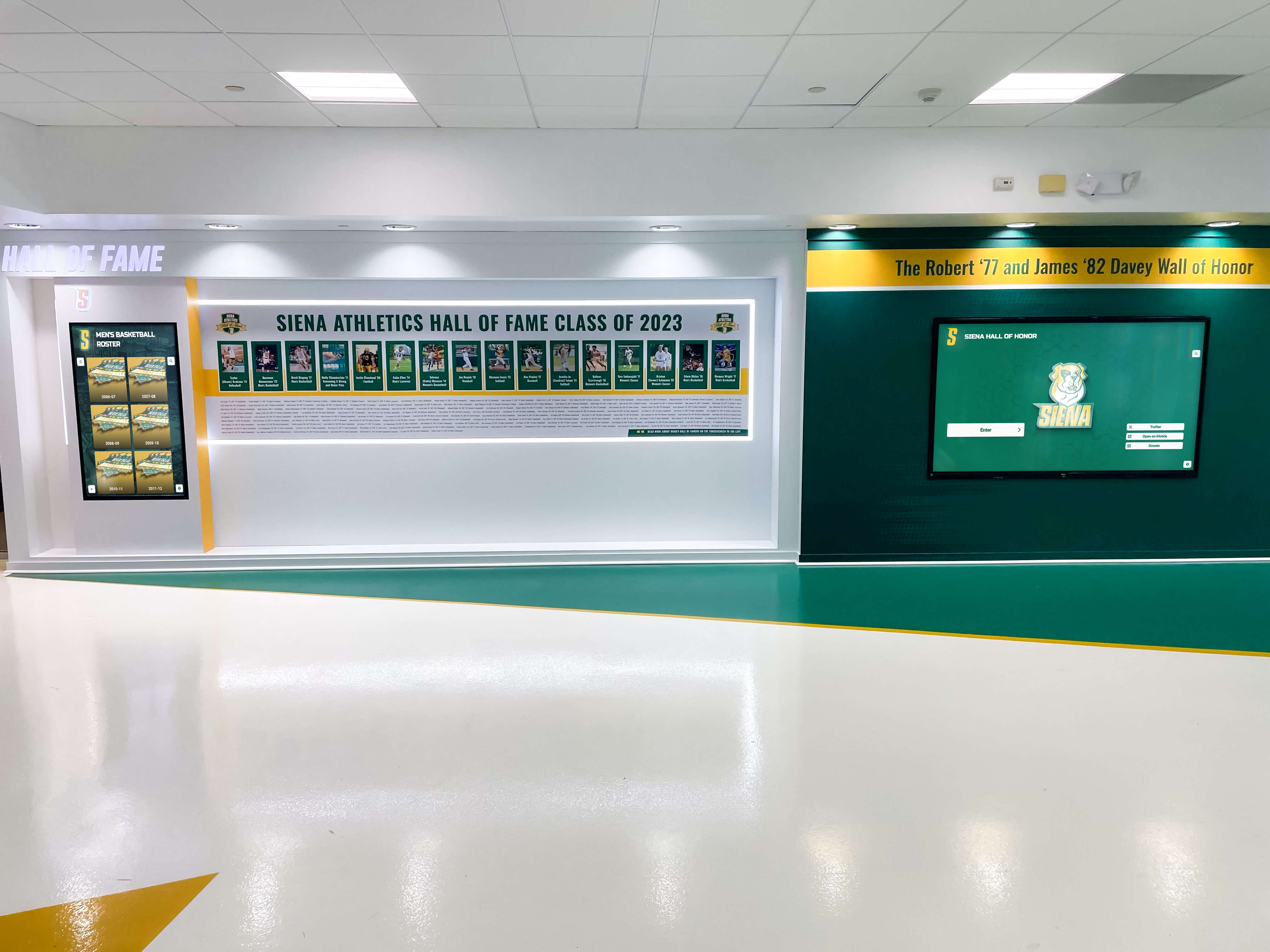
Professional installations integrate seamlessly with school branding and facility aesthetics
Content Development and Historical Research
The quality of recognition content determines whether systems become valued resources or disappointing installations.
Systematic Content Collection
Develop organized approaches to gathering:
- Achievement Information: Statistics, dates, circumstances, and verification sources
- Biographical Details: Background information, personal stories, and post-graduation updates
- Photography: Action shots, portraits, team photos, and celebration moments
- Video Content: Game highlights, interviews, and documentary-style profiles
- Supporting Context: Team records, coaching eras, facility history, and program evolution
Historical Record Research
Programs with decades of history require systematic research identifying and documenting achievements from pre-digital eras:
- Athletic Department Archives: Old scorebooks, record books, and statistical compilations
- Yearbooks: Team photos, rosters, and season summaries
- Newspaper Archives: Game coverage, season recaps, and feature stories
- Alumni Outreach: Interviews with former players, coaches, and administrators
- State Association Records: Official records maintained by state athletic associations
Verify historical information across multiple sources when possible before publication. For incomplete records, acknowledge gaps honestly rather than fabricating details. Transparency about verification limitations maintains credibility essential for trusted program resources.
Technology Selection and Implementation
Choose systems specifically designed for athletic recognition rather than generic digital signage adapted for schools.
Hardware Considerations
Select displays appropriate for school environments:
- Commercial-Grade Durability: Displays rated for continuous operation in high-traffic areas
- Appropriate Sizing: 55-65 inch screens work well for most school applications
- Touchscreen Capability: Interactive displays enable exploration versus passive viewing
- Professional Installation: Proper mounting, electrical connections, and network integration
- Strategic Placement: High-visibility locations along recruiting routes and daily student traffic
Software Platform Features
Prioritize platforms designed specifically for athletic recognition with sport-specific templates, intuitive content management for non-technical staff, comprehensive multimedia support, powerful search and filtering, web and mobile accessibility, and dedicated support from athletic recognition specialists.
Rocket Alumni Solutions provides purpose-built platforms specifically for school athletic recognition, eliminating the complexity and limitations of generic digital signage systems while enabling confident content management by athletic staff without requiring technical expertise.
Sustainable Management and Ongoing Success
Long-term recognition value requires sustainable processes ensuring content remains current and systems stay utilized.
Establish Clear Responsibilities
Assign specific ownership and accountability:
- Primary content administrator with ultimate responsibility
- Backup administrators providing coverage during absences
- Sport-specific contributors (coaches or team managers)
- Technical support contacts for platform issues
- Quality control processes ensuring accuracy
Create Update Schedules
Establish predictable rhythms for content maintenance:
- Real-Time Updates: Immediate recognition when records are broken during season
- Weekly Updates: Regular season statistics and performance highlights
- End-of-Season Reviews: Comprehensive statistical compilations and final records
- Off-Season Enhancements: Historical content additions and profile improvements
- Annual Audits: Quality review ensuring accuracy and completeness
Promote Continuous Engagement
Sustain awareness and utilization beyond initial launch:
- Integrate displays into facility tours for recruits and visitors
- Feature different records and athletes periodically on social media
- Conduct annual recognition ceremonies celebrating new additions
- Share engagement metrics with stakeholders demonstrating value
- Gather feedback from athletes about motivational impact
Schools that maintain active promotion and management report sustained high engagement, while those treating recognition as “set and forget” projects see declining utilization after initial interest wanes.
Measuring Success and Demonstrating Value
Effective programs track both quantitative metrics and qualitative impacts to demonstrate recognition value and identify improvement opportunities.
Engagement Analytics and Usage Metrics
Digital platforms provide concrete data revealing recognition impact:
Quantitative Indicators
Track measurable engagement patterns:
- Total Interactions: Overall usage volume and trends over time
- Session Duration: Average time spent exploring recognition indicating engagement depth
- Most-Viewed Content: Popular athletes and records revealing audience interests
- Search Queries: What information visitors seek most frequently
- Peak Usage Times: When engagement is highest informing promotional timing
- Return Visitors: Percentage of users engaging multiple times showing sustained interest
- Web Access Metrics: Remote engagement extending beyond physical displays
Growing metrics demonstrate increasing value and impact. Declining patterns signal need for content refresh, promotional campaigns, or feature enhancements.
Qualitative Impact Assessment
Beyond numbers, recognition success manifests through stakeholder feedback and behavioral changes:
Student-Athlete Perspectives
Survey current athletes about recognition program impact:
- Awareness of program records and historical achievements
- Motivation derived from seeing records and pursuing their own recognition
- Sense of connection to program tradition and former athletes
- Pride in representing programs with visible excellence standards
- Specific goals set based on record awareness
Recruiting Advantages
Assess recognition impact on talent acquisition:
- Feedback from recruits about recognition program impressions
- Coach observations about recognition as talking points during recruitment
- Competitive advantages when programs showcase tradition effectively
- Family responses during campus visits and facility tours
Alumni Engagement Outcomes
Measure how recognition influences graduate connections:
- Alumni attendance at athletic events and recognition ceremonies
- Social media engagement and content sharing
- Financial giving patterns to athletic programs
- Participation in alumni programs and reunions
- Testimonials about seeing their achievements properly honored
These qualitative indicators reveal whether recognition achieves intended purposes beyond simply generating usage statistics. The most important success measure remains whether current student-athletes feel genuinely inspired and motivated by seeing achievement examples and aspiring toward earning their own recognition.
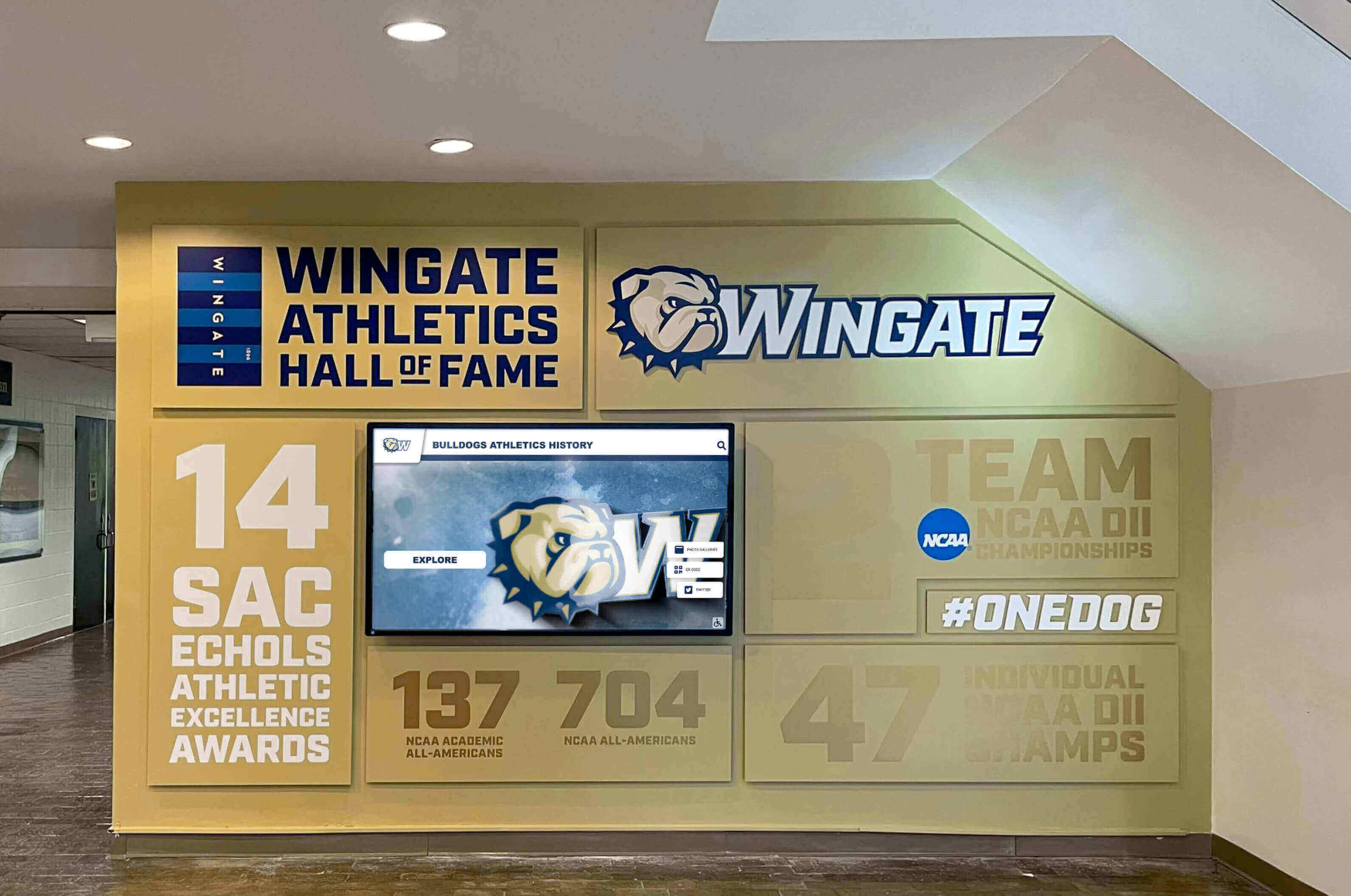
Comprehensive recognition programs celebrate multiple achievement categories and sports creating inclusive celebration of excellence
Best Practices for Basketball Record Recognition
Learning from successful implementations helps schools maximize recognition impact while avoiding common pitfalls:
Accuracy and Verification Standards
Maintain rigorous accuracy to preserve credibility:
- Multiple Source Verification: Cross-reference statistics against scorebooks, newspapers, and state records
- Clear Documentation: Maintain supporting evidence for all recognized achievements
- Transparent Corrections: Address errors promptly when identified with clear communication about changes
- Verification Acknowledgment: Credit sources and cite documentation supporting record claims
- Uncertainty Honesty: Acknowledge gaps or questions about historical records rather than presenting uncertain information as verified fact
Inclusive Recognition Philosophy
Celebrate diverse forms of excellence:
- Multiple Categories: Recognize career, season, and single-game achievements across various statistical categories
- Milestone Achievements: Honor significant thresholds (1,000-point scorers) alongside absolute record holders
- Team Success Recognition: Balance individual records with team accomplishments and championships
- Academic Excellence: Integrate academic honors with athletic achievements for complete student-athlete recognition
- Role Diversity: Acknowledge contributions beyond star scorers including defensive specialists and leadership
Programs implementing comprehensive student recognition report improved team morale and culture when diverse forms of excellence receive appropriate celebration.
Historical Context and Storytelling
Provide depth beyond bare statistics:
- Era Context: Explain how competitive conditions evolved across decades
- Personal Narratives: Share athlete perspectives about what achievements meant to them
- Career Arcs: Show development progressions rather than isolated statistical outcomes
- Team Relationships: Connect individual achievements to team success and collaborative efforts
- Post-Graduation Updates: Follow athletes beyond high school showing complete success stories
Rich storytelling creates emotional connections that inspire current athletes far more effectively than statistics alone. When students understand the dedication, obstacles overcome, and complete stories behind records, recognition becomes genuinely motivational rather than merely informational.
Regular Content Refreshment
Keep recognition current and engaging:
- Timely Updates: Add new records and achievements promptly when they occur
- Historical Additions: Continuously expand archives as new information is discovered
- Featured Content Rotation: Regularly highlight different athletes and eras preventing recognition from feeling static
- Multimedia Enhancement: Add video content, photos, and interviews as they become available
- Seasonal Relevance: Feature basketball recognition prominently during basketball season
Programs treating recognition as ongoing living resources rather than static displays maintain significantly higher engagement and impact over time. Schools can reference best practices from state championship recognition programs for maintaining long-term relevance.
Conclusion: Preserving Basketball Excellence for Future Generations
High school basketball scoring records represent remarkable achievements requiring years of dedication, countless hours of practice, exceptional talent, and sustained excellence under competitive pressure. These accomplishments deserve recognition matching their significance—celebration that’s comprehensive, accessible, engaging, and permanent.
Traditional recognition approaches—vinyl boards, static plaques, limited trophy cases—served schools adequately in simpler times but now struggle with fundamental limitations. Space constraints force impossible choices about whose achievements receive visibility. Update costs and time requirements burden athletic staff and budgets. Static presentations reduce complex athletic excellence to minimal information without context or storytelling.
Transform Your Basketball Record Recognition
Discover how Rocket Alumni Solutions enables comprehensive digital recognition honoring every achievement, inspiring current athletes, and preserving basketball excellence for generations. Update records in minutes, celebrate immediately, and tell complete stories that static displays simply cannot deliver.
Schedule Your Free ConsultationDigital recognition solutions like Rocket Alumni Solutions transform how schools celebrate basketball achievements. Unlimited capacity ensures every worthy accomplishment receives appropriate recognition without space constraints or difficult decisions about whose achievements matter most. Real-time updates enable immediate celebration when motivational impact peaks. Rich multimedia storytelling presents complete athlete narratives rather than reducing excellence to names and numbers. Interactive exploration engages visitors in personalized discovery rather than passive viewing.
Perhaps most importantly, digital systems democratize recognition by ensuring all achievements across all eras receive equitable celebration rather than creating inadvertent hierarchies based on display space availability or update timing. When schools implement comprehensive recognition programs, they build traditions connecting generations of athletes, inspire current players pursuing their own excellence, and demonstrate genuine institutional appreciation for those who represent their programs with distinction.
The question facing basketball programs isn’t whether digital recognition offers advantages—evidence overwhelmingly confirms it does across engagement metrics, update efficiency, capacity limitations, and storytelling capabilities. The question is whether your program will lead this transformation or continue managing the limitations and frustrations of traditional approaches while peer institutions forge ahead with comprehensive recognition that properly honors their basketball excellence.
Ready to transform how your school recognizes basketball scoring records and athletic achievements? Explore how basketball record recognition programs preserve excellence comprehensively, discover comprehensive athletic recognition solutions celebrating sports traditions, or learn about digital recognition systems that inspire current athletes while honoring past achievements. Contact Rocket Alumni Solutions to schedule a free consultation about implementing recognition solutions matching the excellence your basketball program produces.































