The final weeks of the school year represent a critical opportunity to celebrate student achievement, reinforce your school’s values, and create lasting memories. End of year awards programs serve multiple purposes beyond simple recognition—they motivate continued excellence, validate student effort, and strengthen school culture.
This comprehensive guide provides athletic directors, counselors, and administrators with the frameworks, categories, and implementation strategies needed to create an effective end-of-year awards program. From traditional academic honors to character-based recognition and modern digital displays, you’ll discover how to build a system that celebrates the full spectrum of student accomplishment.
Whether you’re refining an existing program or building one from scratch, this guide delivers the practical tools needed to ensure every deserving student receives meaningful recognition before summer break.
Why End of Year Awards Matter
Recognition programs significantly impact student motivation and school culture. Research from educational psychology journals indicates that public recognition of achievement correlates with increased student engagement, improved retention of positive behaviors, and stronger connections to school community.
End of year awards serve multiple strategic purposes:
Academic Reinforcement: Awards validate the thousands of hours students invest in coursework, projects, and academic competitions. Students who receive recognition for academic effort demonstrate 15-20% higher engagement in subsequent courses, according to studies on educational motivation.
Behavior Modeling: When schools publicly celebrate character traits like perseverance, kindness, or leadership, they communicate institutional values. Awards ceremonies become teaching moments that define what your school community values most.
College Applications: Many awards—particularly those recognizing academic achievement, leadership, or specialized skills—strengthen college applications and scholarship submissions. Students value recognition they can document in their official records.
Alumni Connection: Award recipients often maintain stronger connections to their schools years after graduation. Digital recognition systems allow alumni to revisit their achievements and maintain engagement with current programs.
Community Building: Awards ceremonies unite students, families, and staff around shared celebration. These events strengthen the bonds that define school culture and create memories that extend beyond individual achievement.
Core Award Categories
Effective recognition programs balance multiple achievement areas. Most comprehensive programs include awards across these major categories:
Academic Excellence Awards
Academic recognition forms the foundation of most end-of-year programs. These awards acknowledge intellectual achievement and scholarly dedication:
Subject-Specific Achievement Awards: Present awards in each major subject area (mathematics, English, science, social studies, world languages, arts, and career-technical education). Selection criteria typically emphasize highest GPA within the subject, demonstrated growth, or exceptional project work.
Honor Roll Recognition: Many schools present certificates or medallions for students maintaining specific GPA thresholds throughout the year. Consider creating multiple tiers (Honor Roll, High Honor Roll, Principal’s List) to recognize different achievement levels.
Academic Improvement Awards: These awards celebrate students who demonstrated the most significant academic growth regardless of absolute achievement level. Improvement awards send a message that effort and progress matter as much as final performance.
Advanced Placement (AP) and Honors Recognition: Students completing multiple AP courses or achieving high AP exam scores deserve specific recognition. Some schools present special cords or medals for students completing designated numbers of advanced courses.
Perfect Attendance: While debated by some educators, attendance awards remain popular at many schools. If included, consider adding flexibility for excused absences related to medical needs or family circumstances.
Digital displays can showcase academic award recipients year-round, creating a permanent record that reinforces the importance your school places on scholarly achievement. Solutions like digital academic recognition walls provide space to highlight hundreds of students across multiple award categories without physical space limitations.
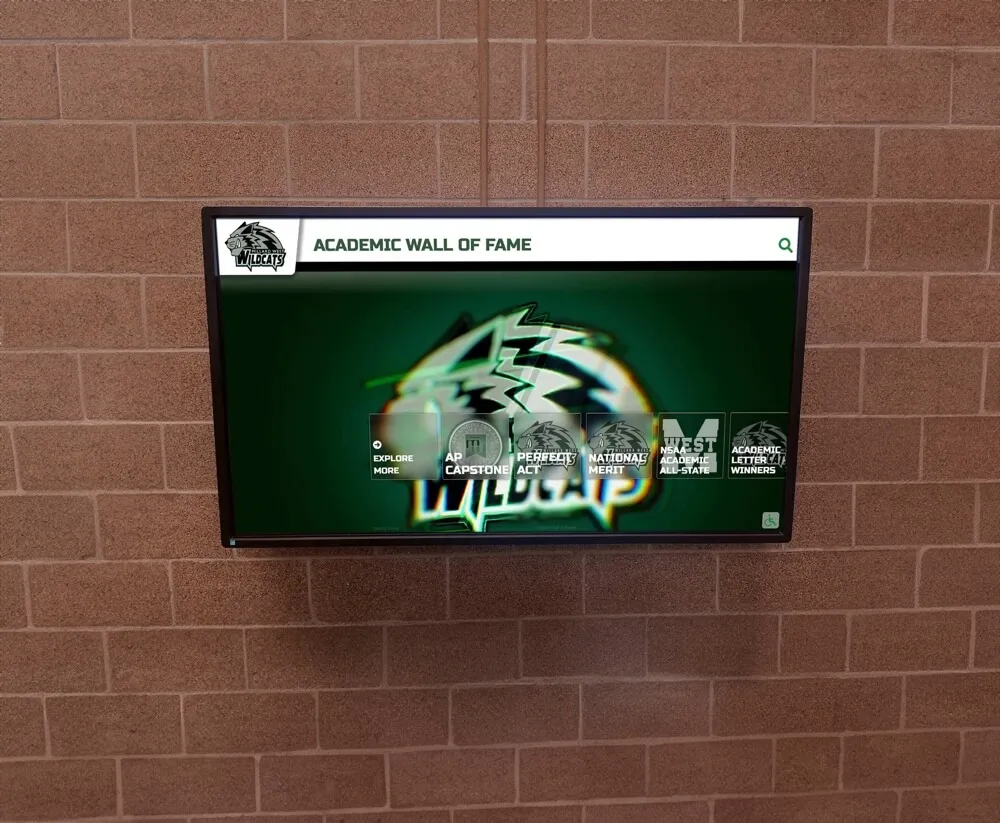
Modern digital recognition displays create permanent records of academic excellence accessible to students, families, and visitors throughout the year.
Athletic and Activity Awards
Recognition beyond academics acknowledges the diverse talents within your student body:
Varsity Letters: Traditional athletic letters remain meaningful symbols of commitment and achievement. Establish clear criteria (games played, practice attendance, skill development) that recognize both starting athletes and dedicated team members.
Coach’s Awards: Allow coaches to recognize one or two athletes per team who exemplify dedication, improvement, leadership, or team spirit. Coach’s awards provide flexibility to celebrate intangible contributions that statistics don’t capture.
Most Valuable Player (MVP) Awards: MVPs typically recognize the highest-performing athlete on each team based on objective performance metrics combined with coach evaluation.
Sportsmanship Awards: These awards celebrate athletes who demonstrate respect, fair play, and positive representation of school values during competition. Selection often involves input from opposing coaches or officials.
Academic All-American Recognition: Students maintaining high GPAs while participating in athletics earn this distinction. Many state athletic associations provide official designation programs.
Activity Participation Awards: Recognize students involved in band, choir, theater, debate, student government, and other co-curricular programs using similar frameworks to athletic recognition.
Schools with robust athletic programs often struggle with physical trophy case capacity. Digital athletic recognition systems solve this limitation while creating searchable databases that allow students to explore historical achievement across decades of competition.
Character and Leadership Awards
Character recognition celebrates the values that define school culture:
Principal’s Award: Typically presented to one or a small number of graduating seniors who exemplify the complete package—academic achievement, leadership, character, and service. Selection often involves administrative committee review.
Citizenship Awards: These recognize students who consistently demonstrate respect, responsibility, and positive contribution to school culture. Selection criteria might include teacher nominations, peer feedback, and administrative observation.
Service Awards: Celebrate students who contribute significant volunteer hours to school or community organizations. Establish clear hour thresholds (50, 100, 200+ hours) with verification requirements.
Leadership Recognition: Honor students serving in student government, club officer positions, team captain roles, or other formal leadership positions. Consider recognizing both official positions and demonstrated informal leadership.
Overcoming Adversity Awards: Some schools present special recognition to students who persevered through significant personal challenges. These awards require sensitivity and often involve counselor nomination and student consent.
Teacher’s Choice Awards: Allow each teacher to nominate one student who made their year memorable through attitude, effort, or positive class contribution. These highly personal recognitions often mean the most to recipients.
Character awards communicate your school’s values more clearly than any mission statement. When schools consistently celebrate specific traits, students internalize those expectations and model recognized behaviors.
Department and Specialized Awards
Many departments and programs present specific recognitions aligned with their disciplines:
Career and Technical Education (CTE) Awards: Recognize achievement in CTE pathways, industry certification attainment, internship completion, or competition success in organizations like SkillsUSA or FBLA.
Fine Arts Excellence: Present awards for outstanding achievement in visual arts, music, theater, dance, or other creative disciplines. Consider including portfolio quality, performance excellence, or creative innovation as criteria.
STEM Recognition: Celebrate students excelling in science fairs, math competitions, robotics challenges, coding competitions, or engineering projects. Many schools partner with local businesses to sponsor STEM awards.
World Languages Proficiency: Recognize students achieving high proficiency levels on standardized language assessments or completing exchange programs. The Seal of Biliteracy provides formal state recognition in many jurisdictions.
Journalism and Media Awards: Honor students contributing to school newspapers, yearbooks, broadcast programs, or digital media outlets. Awards might recognize writing excellence, design quality, or leadership roles.
Creating Selection Criteria
Clear, transparent selection criteria ensure fair recognition and prevent controversy. Effective criteria share several characteristics:
Objective Components
Whenever possible, ground awards in measurable data:
- GPA Thresholds: Academic awards should specify minimum GPA requirements or relative class ranking criteria
- Participation Metrics: Athletic and activity awards can reference games played, performances completed, or hours contributed
- Quantifiable Achievement: Test scores, competition placements, portfolio pieces, and similar concrete measures provide defensible selection bases
Objective criteria reduce disputes, simplify selection processes, and communicate clear expectations to students pursuing future recognition.
Subjective Evaluation Frameworks
Some qualities resist quantification but still merit recognition. For character and leadership awards, create structured evaluation rubrics:
- Multiple Evaluator Input: Collect nominations or ratings from 3-5 staff members to reduce individual bias
- Defined Trait Descriptions: Rather than asking “who shows leadership,” provide specific behavioral indicators like “takes initiative on group projects” or “mentors younger students”
- Comparative Ranking: When selecting among nominees, use forced-choice ranking rather than independent rating scales to ensure differentiation
Eligibility Requirements
Define clear eligibility boundaries:
- Grade Level Restrictions: Some awards may be senior-only, while others remain open to all grades
- Participation Requirements: Activity awards should specify minimum participation thresholds (seasons completed, performances attended, practices missed)
- Academic Standing: Consider requiring minimum GPA or good disciplinary standing for character and leadership awards
- Non-Duplication Rules: Decide whether students can win multiple awards in the same category or ceremony
Document all criteria in writing before the selection process begins. Share criteria with staff, students, and families early in the year so expectations remain transparent.
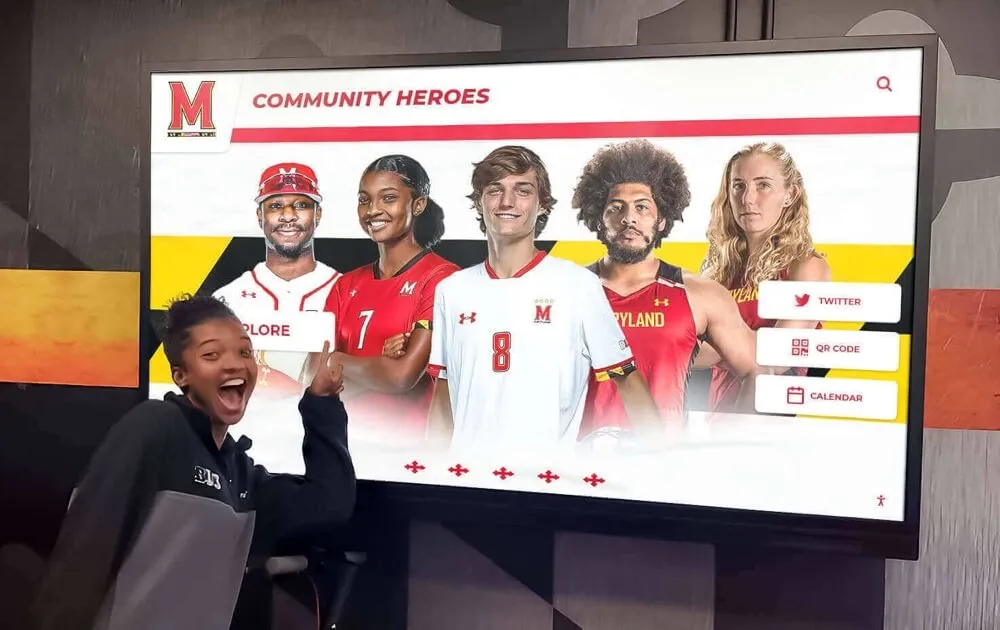
Digital recognition systems can include award criteria descriptions, helping students understand what behaviors and achievements lead to recognition.
Selection Process and Timeline
Organized selection processes ensure fairness and completeness. This timeline provides a framework for end-of-year awards:
Early Spring (March-April)
Distribute Selection Guidelines: Share award descriptions, criteria, and selection processes with all relevant staff members. Provide nomination forms or evaluation rubrics with clear submission deadlines.
Department Meetings: Department chairs should facilitate discussions about subject-specific awards, ensuring consistent application of criteria across different course sections and teachers.
Collect Nominations: For character and leadership awards, collect nominations from staff, students, or both. Create simple online forms that capture nominee names, nominator identity, and specific examples supporting the nomination.
Pull Objective Data: Extract GPA reports, attendance records, participation rosters, and other objective data from your student information system to support academic and participation-based awards.
Late Spring (Early May)
Selection Committee Meetings: Convene committees to review nominations and data for awards requiring subjective evaluation. Document selection rationale for potential future questions.
Verify Eligibility: Confirm that selected students meet all eligibility requirements, including academic standing, participation thresholds, and disciplinary standards.
Principal Review: School leadership should review the complete awards list to ensure fairness, check for errors, and verify alignment with school values and policies.
Notify Recipients: Inform award recipients 2-3 weeks before any public ceremony. This advance notice allows students to invite family members and provides time to prepare remarks if recipients will speak.
Order Materials: Purchase or create certificates, medals, plaques, or other physical recognition items. Allow sufficient production time for engraved or customized items.
Late Spring (Mid-Late May)
Plan Ceremony: Finalize ceremony logistics including venue, seating, audio/visual needs, photographer arrangements, and reception details if applicable.
Prepare Presentations: Draft remarks for each award including selection criteria and recipient accomplishments. Brief presenters on pronunciation of recipient names and ceremony flow.
Communicate with Families: Send formal invitations to families of award recipients. Include ceremony details, parking information, and any reception logistics.
Conduct Ceremony: Execute the awards ceremony, ensuring all recipients receive appropriate recognition and ceremony maintains engagement throughout.
Post-Ceremony Recognition: Update any physical recognition displays (trophy cases, hall of fame walls) and digital systems with current year recipients.
Planning Effective Awards Ceremonies
The presentation matters as much as the recognition itself. Effective ceremonies share several characteristics:
Format Decisions
Schools use various ceremony formats based on program size and tradition:
All-School Assembly: Some schools present major awards during a final assembly attended by the entire student body. This format provides maximum visibility but requires careful pacing to maintain attention.
Evening Program: Many schools hold evening awards ceremonies for families. These events typically focus on seniors or major awards across all grades. Evening programs accommodate working parents and create a special occasion atmosphere.
Department-Specific Events: Larger schools may host separate ceremonies for different departments (athletics, fine arts, academics). This approach allows for more personalized recognition and detailed remarks about recipients.
Virtual or Hybrid Options: Recent years have normalized virtual attendance options. Consider livestreaming ceremonies for relatives who cannot attend in person or creating recorded presentations for later viewing.
Program Elements
Effective ceremonies typically include:
Opening Remarks: Principal or ceremony host welcomes attendees and explains the evening’s purpose and flow.
Award Presentations: Present awards by category, allowing 1-2 minutes per recipient including name, award, and brief accomplishment summary.
Guest Speakers: Consider inviting notable alumni, community partners, or student speakers to provide perspective on recognition’s meaning.
Musical Interludes: Brief performances from school music groups provide transitions between award categories and maintain program pacing.
Closing Reflections: Conclude with inspirational remarks about the year’s achievements and upcoming opportunities.
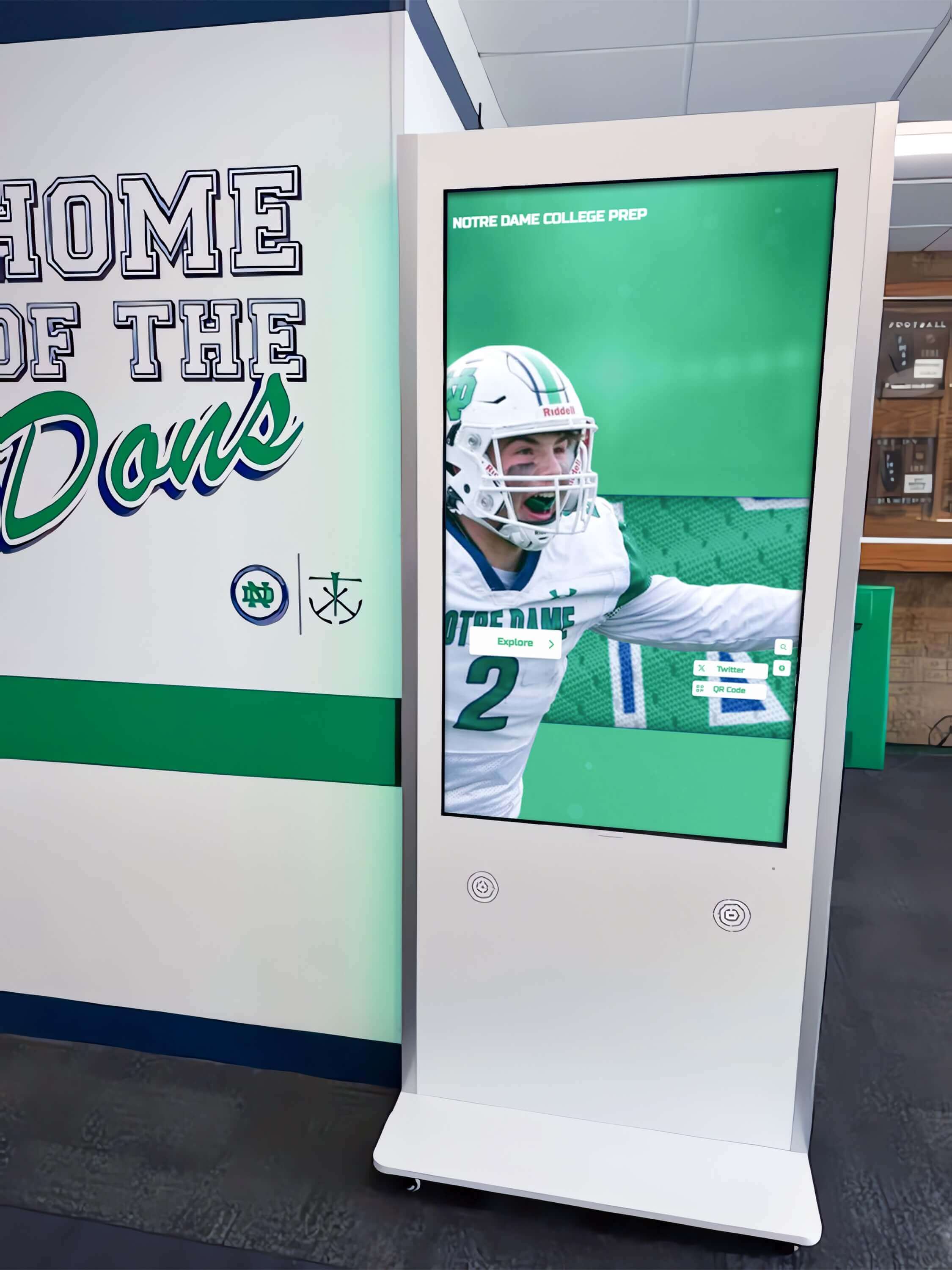
Recognition shouldn't end when ceremonies conclude—permanent displays maintain visibility year-round.
Ceremony Management Tips
Create a professional, engaging experience:
- Name Pronunciation: Practice pronouncing all recipient names before the ceremony. Mark phonetic spellings on presenter notes.
- Photo Opportunities: Designate photographers and establish where recipients should stand for award photos. Consider creating a backdrop with school branding.
- Program Flow: Vary presentation style across award categories to maintain audience engagement. Alternate between individual and group recognition.
- Time Management: Limit ceremonies to 90 minutes maximum. Audiences lose engagement during longer programs, diminishing recognition impact.
- Technical Preparation: Test all audio/visual equipment the day before. Prepare printed backup slides if presenting digital content.
- Reception Planning: If hosting a reception, arrange refreshments, seating areas, and spaces where families can congratulate recipients.
Digital Recognition Systems
Traditional recognition methods—plaques, trophy cases, certificates—face inherent limitations. Physical displays run out of space, certificates get lost, and printed programs quickly become outdated. Digital recognition systems address these challenges while creating new engagement opportunities.
Advantages of Digital Recognition
Modern digital displays offer several benefits over traditional approaches:
Unlimited Capacity: Digital systems can showcase hundreds or thousands of award recipients without physical space constraints. Schools never need to remove past recipients to add new ones.
Searchable Databases: Students and families can search recognition databases by name, year, award type, or other filters. This searchability helps students discover their own achievements or explore historical recipients.
Multimedia Integration: Digital displays can include photos, video clips, achievement descriptions, and links to related content. This richness provides context that static plaques cannot match.
Real-Time Updates: Adding new recipients requires simple content management rather than physical installation. Schools can update displays immediately following awards ceremonies.
Remote Access: Many digital systems provide web access, allowing alumni to revisit their recognition years after graduation. This feature strengthens alumni engagement and fundraising connections.
Cost Effectiveness: While initial digital display investment exceeds individual plaques, per-student recognition costs decrease dramatically over time. Schools eliminate ongoing engraving and installation expenses.
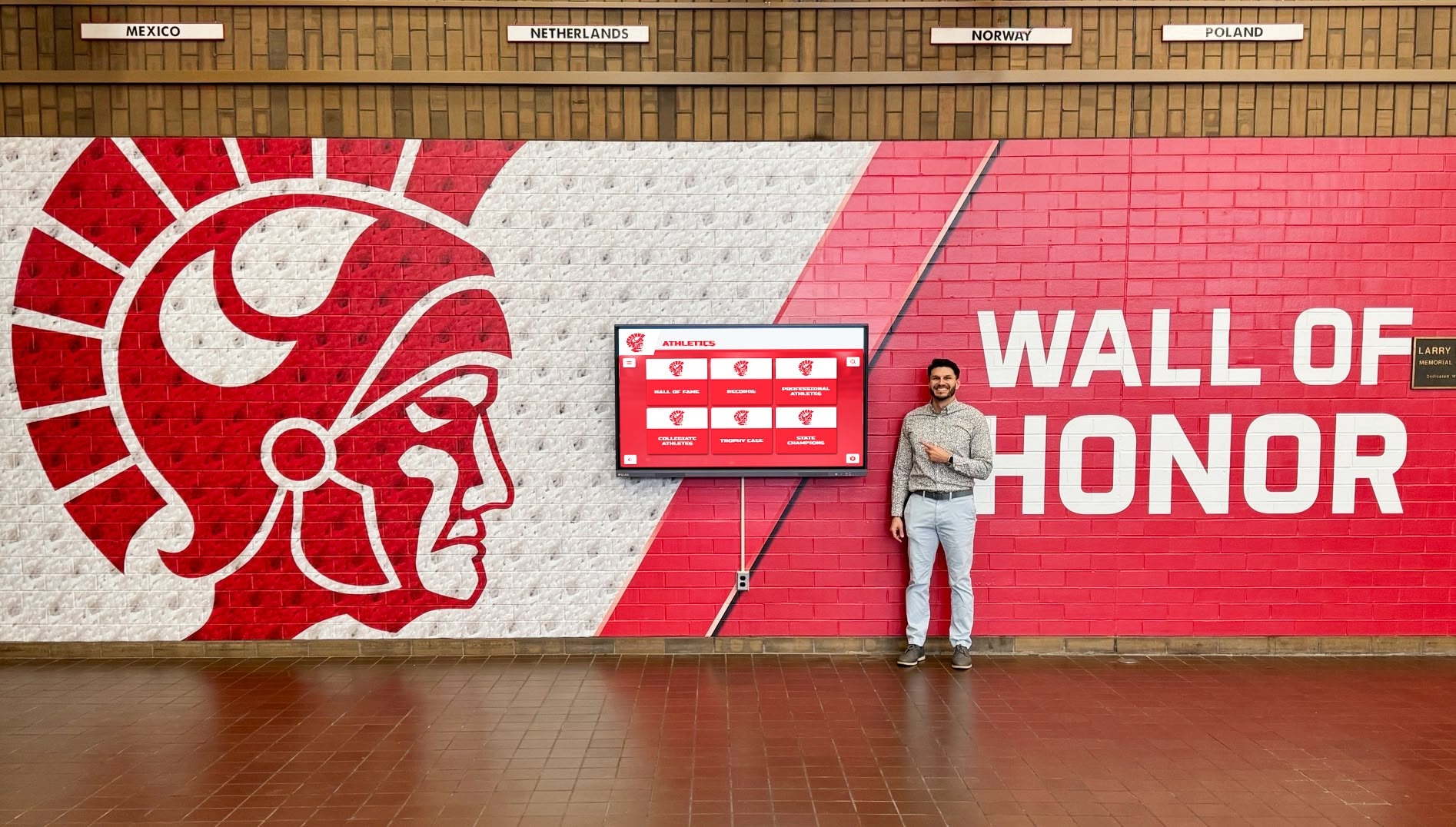
Digital recognition displays can accommodate unlimited award recipients while maintaining visual appeal and easy navigation.
Implementation Considerations
Schools considering digital recognition should evaluate several factors:
Display Location: High-traffic areas like main lobbies, cafeterias, or athletic facilities provide maximum visibility. Consider placing displays where students naturally gather or pass frequently.
Content Management: Who will add new recipients, update photos, and maintain the system? Establish clear workflows and backup personnel to ensure consistent updates.
Historical Data Migration: Many schools want to include historical award recipients, not just current year. Plan for data collection, photo scanning, and database population of past recipients.
Integration with Existing Systems: Can the recognition system pull data from your student information system, athletic management software, or activities databases? Integration reduces duplicate data entry.
Long-Term Support: Evaluate vendor support offerings, software update policies, and hardware warranty coverage. Recognition displays should function reliably for 7-10 years minimum.
Solutions like those provided by Rocket Alumni Solutions transform end-of-year recognition from one-time ceremonies into permanent, searchable archives accessible to current students, families, and alumni. These platforms combine the emotional impact of public recognition with the practical benefits of organized data management.
Schools interested in modernizing recognition programs can explore how digital hall of fame systems create lasting value beyond traditional approaches.
Inclusive Recognition Strategies
Effective awards programs celebrate diverse forms of achievement and ensure all students see pathways to recognition:
Multiple Intelligence Recognition
Students demonstrate excellence in different ways. Programs should recognize:
- Academic scholars (traditional intelligence)
- Creative artists (spatial and creative intelligence)
- Athletic achievers (bodily-kinesthetic intelligence)
- Social leaders (interpersonal intelligence)
- Individual improvers (intrapersonal intelligence)
Schools that only celebrate traditional academic achievement signal that other forms of excellence matter less. Balanced programs communicate that your school values the full range of human capability.
Growth-Oriented Awards
Not all students enter high school with equal advantages. Recognition programs should include awards based on improvement and effort, not just absolute achievement:
- Most Improved Student Awards: Celebrate students showing the greatest GPA increase or skill development
- Effort and Perseverance Recognition: Honor students who consistently demonstrate hard work regardless of outcome
- Comeback Awards: Recognize students who overcame setbacks, returned from absence, or rebuilt academic standing
Growth-oriented awards communicate that where students end matters more than where they began.
Accessibility Considerations
Ensure recognition programs accommodate all students:
- Modified Participation Criteria: Adjust participation thresholds for students with disabilities or medical conditions that limit attendance
- Ceremony Accessibility: Host ceremonies in wheelchair-accessible venues with assistive listening systems
- Alternative Formats: Provide certificates and programs in large print or digital formats for students with visual impairments
- Inclusive Presentation: Use person-first language and avoid definitions of achievement that inadvertently exclude students with disabilities
Common Challenges and Solutions
Even well-planned recognition programs encounter predictable challenges:
Challenge: Too Many Awards Dilute Recognition Value
Solution: Establish award limits per student (perhaps 3-4 maximum) and create tiered recognition levels. Not every acknowledgment requires a formal ceremony presentation.
Challenge: Limited Ceremony Time
Solution: Present major awards at ceremonies while listing additional recipients in printed programs or digital displays. Consider category-based group recognition for awards with many recipients (honor roll, perfect attendance).
Challenge: Staff Nomination Fatigue
Solution: Simplify nomination processes using online forms with auto-populated student lists. Limit required written explanations and provide suggested criteria language staff can adapt.
Challenge: Controversial Selections
Solution: Document clear criteria before selection begins and retain selection committee notes. When questioned, refer to established criteria and objective data supporting decisions.
Challenge: Budget Constraints
Solution: Prioritize recognition over expensive awards. Students value public acknowledgment more than elaborate plaques. Consider digital recognition that eliminates per-award costs.
Challenge: Keeping Recognition Displays Current
Solution: Implement digital systems that simplify updates and eliminate physical installation requirements. Assign specific staff members responsibility for regular content updates.

Digital displays eliminate the physical labor and expense of updating traditional recognition walls while providing enhanced interactivity.
Integrating Awards into School Culture
End-of-year recognition should reinforce year-round messaging about achievement and values:
Regular Recognition Touchpoints
Rather than concentrating all recognition at year-end, create regular acknowledgment opportunities:
- Monthly Recognition Assemblies: Brief monthly assemblies can highlight recent achievements, creating continuous celebration throughout the year
- Digital Displays: Lobby displays showcasing recent achievements create constant visibility for student accomplishments
- Social Media Features: Regular social media posts celebrating student achievement extend recognition beyond school walls
- Morning Announcements: Brief acknowledgments during morning announcements maintain focus on achievement and effort
End-of-year awards then become culminating recognition within a culture of continuous acknowledgment.
Connecting Awards to School Values
Align award categories directly with stated school values or portrait of a graduate competencies. If your school values collaboration, present collaboration awards. If critical thinking appears in your mission, recognize students who demonstrate analytical excellence.
This alignment reinforces that awards represent more than individual achievement—they model behaviors the school community collectively values.
Student Voice in Recognition
Consider involving students in recognition decisions:
- Peer Nomination: Allow students to nominate classmates for character and leadership awards
- Student Selection Committees: Include student representatives on award selection committees
- Student-Created Awards: Let student government create and present awards recognizing peer contributions
Student involvement increases program buy-in and helps ensure recognition reflects actual student culture rather than just adult perspectives.
Documenting and Archiving Recognition
Comprehensive documentation preserves recognition history and creates resources for future student use:
Official Records
Maintain official documentation of all awards:
- Student Records: Record major awards in official transcripts or permanent records
- Award Databases: Maintain searchable databases of all awards presented each year
- Historical Archives: Preserve ceremony programs, recipient lists, and photos in organized digital archives
Formal documentation supports college applications, scholarship submissions, and future reference requests.
Public Recognition
Beyond official records, create public-facing recognition:
- School Website: Publish annual award recipient lists with photos when appropriate and permitted
- Yearbook Coverage: Ensure yearbooks document major awards and ceremony highlights
- Digital Displays: Update permanent recognition displays located in high-visibility school areas
- Social Media: Share ceremony photos and recipient acknowledgments through school social media channels (with appropriate privacy considerations)
Many schools implement comprehensive digital recognition platforms that serve both archival and public recognition functions. These systems create permanent, searchable records while providing the visual impact of traditional trophy cases.
Privacy and Consent
Balance recognition visibility with student privacy rights:
- Photo Permissions: Verify media release permissions before publishing student photos
- FERPA Compliance: Understand which information qualifies as directory information under FERPA and can be shared publicly
- Opt-Out Options: Provide families the ability to opt out of public recognition if they have safety or privacy concerns
- Sensitive Awards: Exercise particular care with awards related to overcoming adversity or personal challenges, requiring explicit student consent before public recognition
Year-Round Content for Recognition Displays
Digital recognition systems deliver maximum value when they display dynamic, relevant content throughout the school year, not just static lists of past award recipients. Schools that implement interactive displays should plan varied content that maintains student engagement:
Monthly Rotating Features
Successful digital recognition programs incorporate regularly changing content:
September-October: Showcase previous year’s award recipients to reinforce achievement expectations for the new school year. Feature senior award recipients prominently as role models.
November-December: Highlight first-quarter honor roll students, fall athletic achievements, and early-year academic competitions. This mid-year recognition maintains momentum and motivation.
January-February: Feature winter sports teams, mid-year academic competitions, and students who achieved notable accomplishments during the first semester. Consider spotlighting students who improved significantly.
March-April: Showcase spring activity participants, upcoming graduating seniors who have earned recognition throughout their careers, and students accepted to competitive colleges or programs.
May-June: Feature end-of-year award recipients immediately following ceremonies, creating continuity between ceremony recognition and ongoing visibility.
Summer Months: Display historical achievement content, notable alumni success stories, or highlight incoming class achievements to build excitement for the upcoming year.
Interactive Features That Engage Students
Modern recognition displays should offer more than passive viewing:
Search Functionality: Students should be able to search for specific names, years, or award types. This feature encourages exploration and helps students discover achievements they didn’t know about.
Achievement Filters: Allow users to filter displays by sport, academic subject, award category, or year. Filtering capabilities make large databases navigable and personally relevant.
Multi-Year Comparison: Show how award recipients progress across multiple years, demonstrating growth and sustained achievement. Multi-year views tell richer stories than single-year snapshots.
Statistical Summaries: Display interesting statistics about recognition programs—most awards earned by single students, subject areas with most achievement, year-over-year participation trends.
Interactive features transform recognition displays from static monuments into engaging educational tools that students voluntarily explore and revisit throughout their high school careers.
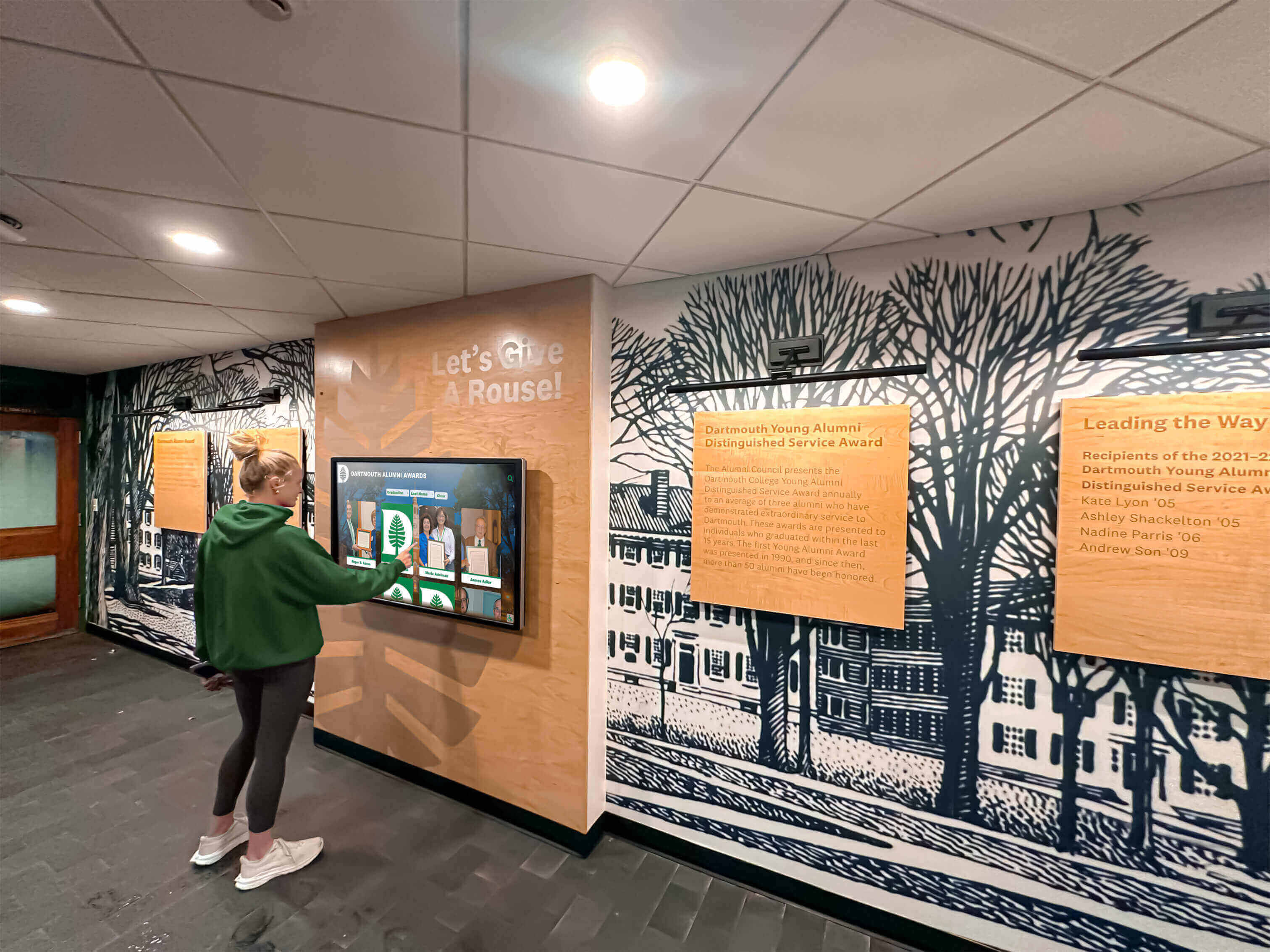
Touchscreen interactivity transforms recognition from passive viewing into active exploration that engages students beyond the initial ceremony.
Measuring Program Impact
Effective recognition programs should be evaluated and refined over time:
Quantitative Metrics
Track measurable indicators of program health:
- Participation Rates: What percentage of students receive some form of recognition? Programs should aim for 40-60% participation across all recognition opportunities.
- Award Distribution: How evenly are awards distributed across student demographics? Significant disparities may indicate selection bias or program gaps.
- Ceremony Attendance: How many families attend recognition ceremonies? Attendance reflects community engagement and perceived value.
- Website/Display Engagement: For digital recognition systems, track page views, search queries, and time spent viewing content.
Qualitative Feedback
Collect stakeholder perspectives:
- Student Surveys: Ask students whether recognition programs motivate effort and whether they perceive selection processes as fair
- Family Feedback: Gather parent perspectives on ceremony quality and communication about their students’ recognition
- Staff Input: Teachers and coaches can evaluate whether recognition criteria align with actual achievement and whether processes create unreasonable workload
Program Refinement
Use collected data to improve programs:
- Add Underrepresented Categories: If certain student groups receive limited recognition, create award categories that celebrate their contributions
- Adjust Selection Criteria: When criteria produce consistently questionable results, revise the objective measures or evaluation frameworks
- Improve Ceremonies: Address specific ceremony weaknesses identified in feedback—length, pacing, venue, timing
- Expand Recognition Channels: If students value recognition but ceremony attendance is low, increase alternative recognition methods like digital displays or social media
Recognition programs should evolve based on evidence about what works, not just tradition or assumption.
Beyond Senior Year: Sustained Recognition
While end-of-year awards traditionally focus on graduating seniors, comprehensive programs recognize achievement across all grade levels and create systems that extend beyond graduation:
Underclassman Recognition
Freshmen, sophomores, and juniors deserve acknowledgment:
- Grade-Level Awards: Present achievement awards within each grade level, not just senior class
- Progressive Recognition: Create award pathways that students can pursue across multiple years (cumulative GPA, sustained participation)
- Freshman Celebration: Specifically acknowledge freshman achievement to reinforce positive behaviors early in high school careers
Alumni Engagement
Recognition systems can strengthen alumni connections:
- Alumni Access: Digital recognition platforms that provide alumni access allow graduates to revisit their achievements and maintain connection to school
- Alumni Achievement Updates: Create pathways for alumni to submit post-graduation accomplishments that extend their recognition profiles
- Historical Recognition: Include alumni from past decades in digital systems, creating comprehensive institutional achievement histories
Schools exploring sustained recognition approaches can learn from alumni engagement programs that maintain connections long after graduation.
Budget Planning for Recognition Programs
Effective recognition programs require investment, but thoughtful planning maximizes impact within available resources:
Ceremony Costs
Venue: School auditoriums eliminate rental costs. Evening programs may require custodial overtime or security personnel.
Programs: Printed programs typically cost $1-3 per copy. Digital programs distributed via email or QR codes eliminate printing costs.
Awards: Certificate costs range from $0.50-5.00 depending on paper quality and customization. Medals cost $2-8 each. Plaques range from $10-50 depending on size and engraving.
Reception: Light refreshments (cookies, punch) typically cost $2-4 per attendee. Many schools partner with parent organizations to provide reception support.
Photography: Professional photographers may charge $200-500 for ceremony coverage. Student photographers or volunteer parents can reduce costs.
Budget Range: Most schools spend $1,000-5,000 annually on end-of-year recognition ceremonies depending on program scope and school size.
Physical Recognition Systems
Traditional trophy cases and plaques require ongoing investment:
Trophy Cases: New trophy cases cost $1,500-8,000 depending on size and quality. Most schools already have cases but face capacity limitations.
Plaques: Engraved plaques cost $15-75 depending on size, material, and design complexity. Schools with large programs may spend $2,000-5,000 annually on new plaques.
Installation: Mounting new plaques typically costs $25-100 per installation for professional work. Accumulated installation costs become significant over years.
Maintenance: Trophy cases require regular cleaning and lighting replacement. Older plaques need refinishing as metal tarnishes or text becomes illegible.
Digital Recognition Systems
Digital displays require different investment structures:
Initial Investment: Professional touchscreen recognition systems from providers like Rocket Alumni Solutions typically cost $8,000-25,000 depending on screen size, installation complexity, and feature requirements. This initial investment replaces years of future plaque purchases.
Content Management: Many systems include cloud-based content management platforms with annual subscription fees of $500-2,000. These platforms provide ongoing updates, support, and feature enhancements.
Long-Term Value: Digital systems eliminate per-student recognition costs. After initial investment, schools can add unlimited new recipients without additional hardware costs.
ROI Calculation: Schools spending $3,000 annually on traditional plaques break even on digital systems in 3-5 years while gaining significantly enhanced functionality.
Resource Allocation Recommendations
For schools with limited budgets:
Prioritize Recognition Over Awards: Public acknowledgment matters more than expensive physical awards. Printed certificates provide meaningful recognition at minimal cost.
Phase Digital Implementation: Start with one high-visibility digital display (main lobby) rather than multiple locations. Expand as budget allows.
Partner with Parent Organizations: Work with booster clubs, parent-teacher organizations, or alumni associations to sponsor recognition programs or contribute to digital system costs.
Seek Community Sponsors: Local businesses may sponsor awards or contribute to recognition system costs in exchange for acknowledgment in programs or displays.
Apply for Grants: Educational technology grants may fund digital recognition systems, particularly when positioned as tools for student motivation and school culture enhancement.
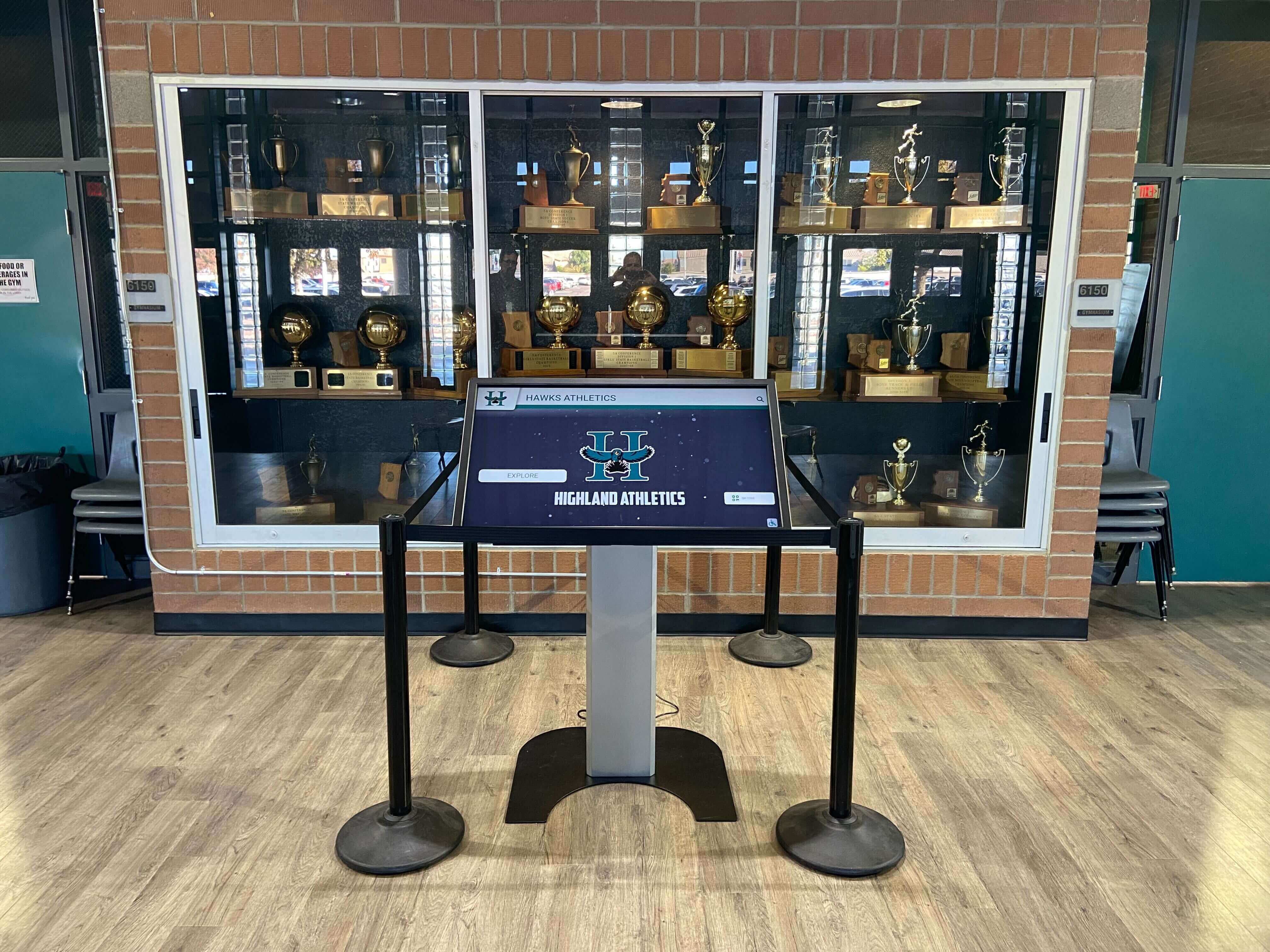
Modern digital displays can be integrated into existing trophy case areas, preserving traditional aesthetics while adding enhanced capability.
Implementation Checklist
Schools planning or refining end-of-year recognition programs should address these essential elements:
Planning Phase (January-February)
- Review previous year’s awards feedback and ceremony evaluations
- Confirm budget allocation for current year recognition program
- Update award categories, criteria, and selection processes based on prior year lessons
- Document all award descriptions and selection criteria in writing
- Schedule selection committee meetings and ceremony dates
- Reserve ceremony venue and arrange necessary technical equipment
- Communicate award timelines and processes to all staff members
Selection Phase (March-April)
- Distribute nomination forms and selection guidelines to staff
- Extract objective data (GPA, attendance, participation records) from student information systems
- Convene selection committees to review nominations for subjective awards
- Complete preliminary award selections across all categories
- Conduct administrative review to verify selections and ensure fairness
- Notify award recipients with sufficient advance notice for ceremony planning
- Order certificates, medals, plaques, or other physical recognition items
Ceremony Phase (May)
- Finalize ceremony program and prepare presenter remarks
- Print programs or prepare digital distribution
- Send formal invitations to families of award recipients
- Conduct final technical rehearsal of audio/visual equipment
- Brief all presenters on program flow and name pronunciations
- Arrange photography coverage for ceremony
- Execute awards ceremony
- Collect post-ceremony feedback from attendees
Post-Ceremony Phase (May-June)
- Update student records with award documentation
- Distribute certificates and other physical awards to recipients
- Update trophy cases, hall of fame displays, and digital recognition systems
- Publish ceremony photos and recipient lists (with appropriate permissions)
- Archive ceremony materials, programs, and documentation
- Conduct program evaluation and document improvements for next year
- Thank volunteers, presenters, and contributors who supported ceremony
Real-World Success Factors
Schools with highly effective recognition programs consistently demonstrate these characteristics:
Clear Values Alignment: Awards directly reflect stated school values and priorities. Students understand what behaviors and achievements lead to recognition.
Balanced Recognition: Multiple achievement areas receive equivalent celebration. Academic, athletic, artistic, and character achievement all matter visibly.
Transparent Processes: Selection criteria are documented and shared. Staff, students, and families understand how recipients are chosen.
Inclusive Participation: Recognition opportunities exist for students across the achievement spectrum. Programs celebrate both absolute achievement and individual growth.
Quality Presentation: Ceremonies are well-organized, appropriately paced, and professionally executed. Recognition feels meaningful and important.
Permanent Documentation: Awards are recorded in multiple systems—student records, public displays, archived databases—preserving recognition long-term.
Regular Evaluation: Programs collect feedback, track metrics, and make refinements based on evidence rather than tradition alone.
Schools exemplifying these characteristics create recognition cultures that motivate effort, reinforce values, and strengthen student connection to school community.
Conclusion
High school end-of-year awards represent far more than ceremonies or certificates. Effective recognition programs communicate institutional values, motivate continued excellence, strengthen school culture, and create lasting connections between students and their schools.
The most successful programs balance multiple forms of achievement, implement transparent selection processes, present recognition through well-organized ceremonies, and extend acknowledgment beyond single events through permanent documentation systems.
As schools consider program refinements, digital recognition systems offer compelling advantages over traditional approaches—unlimited capacity, searchable archives, multimedia integration, and cost-effectiveness that accumulates over years. Solutions like Rocket Alumni Solutions provide comprehensive platforms that transform one-time recognition into permanent, engaging displays accessible to current students, families, and alumni.
Whether refining existing programs or building new recognition systems, the frameworks and strategies outlined in this guide provide practical tools for celebrating the full spectrum of student achievement. Recognition done well creates memories that students carry for decades and reinforces the values that define exceptional school communities.
Transform Your School's Recognition Program
Discover how digital recognition displays can celebrate unlimited student achievement while eliminating the space and cost limitations of traditional trophy cases. Rocket Alumni Solutions provides comprehensive platforms designed specifically for schools seeking modern, scalable recognition systems.
Schedule a Recognition System Demo






























