As autumn leaves turn golden and crisp air fills stadiums across America, high school fall sports championships represent the culmination of months of dedication, sacrifice, and teamwork. From Friday night lights illuminating championship football games to cross country runners battling for state titles, fall sports championships create defining moments that athletes, coaches, families, and communities remember for lifetimes. These championship pursuits unite schools in shared purpose, test character under pressure, and create legacies that inspire future generations of student athletes.
This comprehensive guide explores the complete landscape of high school fall sports championships—from understanding what makes these competitions meaningful to celebrating champions appropriately and preserving achievements through modern digital recognition solutions that honor athletic excellence permanently.
High school fall sports championships hold a special place in American educational athletics. Whether competing for conference titles, district crowns, regional championships, or ultimate state supremacy, these autumn competitions create emotional crescendos where seasons of preparation meet moments of truth. Understanding how to support athletes through championship pursuits, celebrate victories appropriately, honor runners-up respectfully, and preserve all achievements permanently helps schools build athletic traditions that strengthen communities for generations.

Championship moments deserve permanent recognition that honors athlete dedication and preserves program legacies
The Complete Landscape of High School Fall Sports Championships
Fall sports seasons across America feature diverse championship structures and competition formats that vary by sport, state, and classification system. Understanding this landscape helps schools, athletes, and communities navigate championship pursuits effectively.
Major Fall Championship Sports
High school fall athletic seasons typically include multiple sports competing simultaneously for various championship honors:
Football Championships
Football dominates fall athletic attention with championship structures typically including conference championships determining league supremacy, playoff systems advancing top teams through elimination rounds, state championships representing ultimate achievement, and various classification divisions based on school enrollment sizes.
According to the National Federation of State High School Associations, over 1 million students participate in high school football annually, making fall football championships the most widely followed high school athletic events. The traditional Friday night championship games under stadium lights create community gathering moments that transcend sport itself.
Programs seeking to preserve their football championship traditions benefit from comprehensive recognition systems documenting team achievements across decades.
Soccer Championships
Both boys and girls soccer feature fall championship competitions (though girls soccer competes in spring in some states) with tournament-style state playoffs, regional and sectional qualifying rounds, conference championships and league titles, and increasingly common invitational tournament competitions.
Soccer championships often feature dramatic penalty kick shootouts and sudden-death overtime periods that create intense emotional moments testing athlete composure under extreme pressure.
Volleyball Championships
Girls volleyball (and increasingly boys programs in some states) compete through pool play and bracket tournaments, multi-day championship events, regional and state tournament systems, and conference championships preceding state competitions.
The rally scoring format and best-of-five match structures create exciting championship atmospheres where momentum shifts rapidly and every point carries championship implications.
Cross Country Championships
Cross country running features unique championship formats including invitational meets throughout season building toward championship events, district and regional qualifying meets, state championship meets crowning individual and team champions, and increasingly common national championship opportunities for top performers.
Unlike team sports with head-to-head competition, cross country championships feature mass start races where dozens or hundreds of competitors run simultaneously, creating visually spectacular and strategically complex competitions.
Cross country championships test endurance, strategy, and mental toughness across challenging courses
Other Fall Championship Sports
Additional fall sports feature their own championship structures including:
- Field Hockey: Regional and state tournaments primarily in northeastern and mid-Atlantic states
- Tennis: Individual and team championship formats with district and state tournaments
- Golf: Individual and team competitions at district, regional, and state levels
- Swimming and Diving: Fall season in some states with sectional and state championship meets
- Competitive Cheerleading and Dance: Championships recognizing these athletic programs increasingly
Each sport creates unique championship experiences with distinct traditions, competitive formats, and defining moments that shape athlete memories and program legacies.
Championship Classification and Division Systems
Most states organize championships across multiple classifications ensuring competitive equity based on school sizes and resources:
Enrollment-Based Classifications
States typically group schools into divisions or classes based on student enrollment including Class 6A/7A for largest schools often exceeding 2,000 students, Class 5A/4A for large schools typically 1,000-2,000 students, Class 3A/2A for mid-sized schools generally 400-1,000 students, and Class 1A/A for smallest schools often under 400 students.
Classification systems allow schools to compete for championships against similarly-sized institutions rather than requiring small rural schools to compete directly against large suburban programs with vastly greater athlete pools and resources.
Public vs. Private School Divisions
Some states create separate public and private school divisions or apply enrollment multipliers to private schools, acknowledging potential competitive advantages from broader geographic recruitment and resource differences. These policies remain contentious with supporters arguing they ensure competitive equity while critics contend they stigmatize private education.
Geographic Conferences and Regions
Many championship structures flow through geographic conferences where schools compete for league championships before advancing to state tournaments organized by regions, districts, or sectional qualifiers that narrow state championship fields.
Conference championships often carry particular significance given long-standing rivalries and annual competition creating familiar opponents and historical narratives.

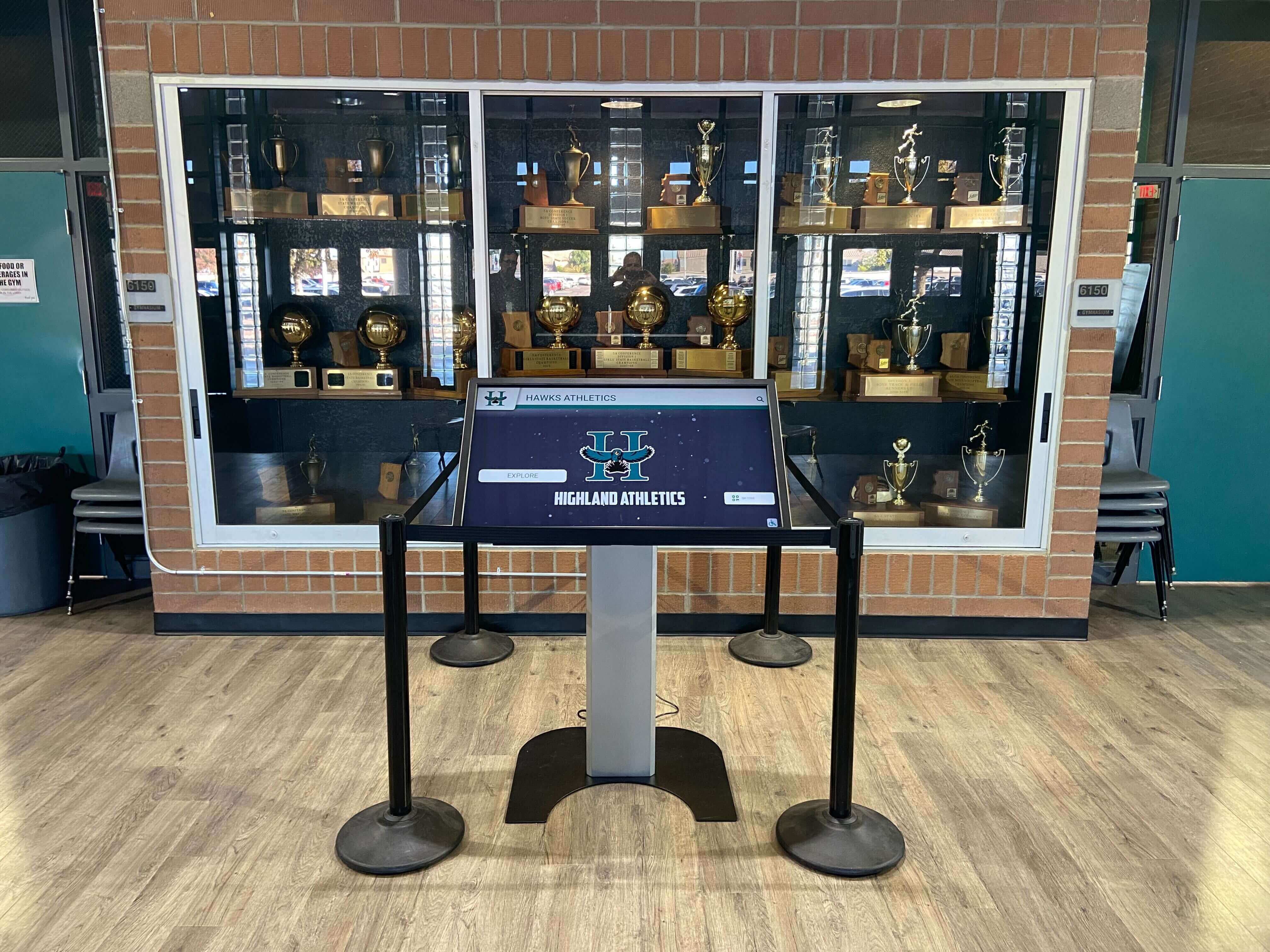
Traditional championship recognition quickly fills limited trophy case space, creating preservation challenges
The Road to Championships: Season-Long Journeys
Championship pursuits begin long before tournament games, developing through entire seasons of preparation, competition, and growth:
Preseason Preparation and Goal Setting
Championship seasons start with summer training, conditioning programs, team-building activities, establishing season goals and championship aspirations, and creating cultures emphasizing both process and outcomes. Programs that set championship goals publicly create accountability and motivation while risking disappointment if aspirations exceed outcomes.
Regular Season Competition and Ranking
Fall regular seasons typically span 8-12 weeks with competitions directly impacting playoff seeding, power rankings affecting tournament placement, strength of schedule calculations, and momentum building toward postseason play.
Teams must balance winning games for playoff positioning while developing athletes, testing strategies, and managing injury risks throughout long seasons. The psychological challenge of maintaining championship focus across months of competition tests program culture and leadership.
Playoff Qualification and Seeding
Championship tournaments feature various qualification systems including automatic bids for conference champions, at-large selections based on record and rankings, play-in games for final tournament positions, and seeding determining bracket positions and home-field advantages.
Understanding specific qualification criteria helps programs schedule strategically, target key victories, and position themselves optimally for championship runs.
Postseason Tournament Competition
Championship tournaments create elevated pressure environments with single-elimination formats where seasons end immediately with losses, multi-day tournaments requiring physical and emotional stamina, neutral site championships removing home-field advantages, and expanded media coverage creating additional attention.
Athletes must perform optimally precisely when stakes reach their highest—a mental and emotional challenge as significant as physical competition itself.
Building Championship-Caliber Programs: Culture, Preparation, and Support
Schools that consistently compete for fall sports championships share common characteristics in program culture, preparation approaches, and institutional support that separate championship contenders from occasional competitors.
Establishing Championship Culture and Expectations
Winning championships requires more than talented athletes—it demands program-wide cultures that emphasize excellence, accountability, and sustained commitment to high standards.
Clear Performance Standards and Accountability
Championship programs establish explicit expectations for practice attendance and effort intensity, academic performance and eligibility maintenance, conduct representing programs and schools appropriately, commitment to strength training and conditioning, and leadership from veterans guiding younger athletes.
When these standards apply consistently to all athletes regardless of talent level or playing time, programs develop cultures where championship-level commitment becomes the norm rather than the exception.
Process-Oriented Mindset Alongside Outcome Goals
While championship aspirations motivate athletes, programs fixated exclusively on outcome goals often create anxiety and pressure that undermines performance. Effective programs balance championship goals with focus on daily process commitments including practice execution and continuous improvement, preparation quality regardless of opponent strength, team culture and supportive relationships, and controllable factors rather than outcomes beyond direct influence.
This process orientation, advocated by prominent sports psychologists, helps athletes perform optimally under championship pressure by focusing attention on actions within their control rather than fixating on results that generate anxiety.

Championship success builds through daily commitment to excellence in preparation and practice
Leadership Development and Peer Accountability
Championship teams develop strong leadership structures where senior captains and veterans model commitment and hold teammates accountable, peer pressure reinforces positive behaviors and standards, athletes feel empowered to address issues rather than relying exclusively on coaches, and distributed leadership creates resilient cultures surviving individual personnel changes.
Formal leadership development initiatives including captain training, leadership councils, and peer mentoring programs help cultivate these qualities systematically rather than hoping they emerge organically.
Resilience Through Adversity
Championship seasons inevitably include adversity—injuries to key players, unexpected losses, controversial calls, internal conflicts, and pressure mounting as stakes increase. Programs that develop resilience through adversity prepare athletes for championship pressure including teaching coping strategies for setbacks, maintaining perspective during difficulties, emphasizing response to adversity over circumstances themselves, and celebrating examples of perseverance and mental toughness.
Athletes who develop resilience through season-long challenges often perform best in championship pressure situations where mental fortitude matters as much as physical skill.
Strategic Preparation and Tactical Excellence
Championship success requires not just talented athletes but strategic preparation, tactical sophistication, and ability to adjust based on opponents and circumstances.
Comprehensive Opponent Analysis and Game Planning
Programs competing for championships invest heavily in understanding opponents through film study analyzing tendencies and weaknesses, statistical analysis identifying key factors and matchups, scouting reports documenting opponent characteristics, and game-specific practice preparations.
Modern technology makes comprehensive opponent analysis accessible to all programs through video exchange networks, online statistics databases, and affordable film editing software that once required professional resources.
Depth Development and Roster Management
Championship runs require roster depth as injuries, fatigue, and foul trouble affect key players. Successful programs develop depth through meaningful practice competition pushing starters, systematic rotation giving younger players experience, position flexibility allowing athletes to fill multiple roles, and recognition programs honoring reserve contributions equally with starters.
Comprehensive athlete recognition celebrating all team members regardless of playing time builds depth and maintains engagement throughout rosters.
Physical and Mental Peak Performance Timing
Programs that peak at optimal times reach championships playing their best when it matters most through periodized training programs building toward championship timing, rest and recovery strategies preventing overtraining and burnout, mental preparation including visualization and pressure management, and strategic schedule construction allowing championship preparation.
Coaches must resist pressure to push hardest during regular seasons, instead building systematically toward peak performance during championship windows when performance matters most.
Institutional and Community Support Systems
Individual program efforts alone rarely produce championships—sustained success requires comprehensive institutional and community support:
Administrative Support and Resource Allocation
School administrations support championship pursuits through adequate coaching compensation attracting quality staff, facility investments creating competitive environments, budget allocations providing necessary equipment and resources, schedule accommodations balancing academics and athletics, and recognition of athletic success and program contributions.
Administrative support signals that athletics matter to institutions, motivating coaches and athletes while demonstrating values extending beyond academics alone.
Community Engagement and Booster Support
Active booster organizations and community support provides fundraising for equipment and facilities beyond school budgets, volunteer assistance with events and logistics, attendance creating home-field advantages and motivation, and local business partnerships and sponsorships.
Communities that rally around athletic programs create competitive advantages while strengthening school-community bonds that benefit institutions broadly beyond athletics.
Athletic Training and Sports Medicine
Championship programs require comprehensive sports medicine support including certified athletic trainers preventing and managing injuries, strength and conditioning specialists optimizing performance, sports psychology support for mental preparation, and nutrition guidance supporting optimal fueling and recovery.
According to research from the National Athletic Trainers’ Association, schools with full-time athletic trainers experience significantly fewer serious injuries and faster recovery times—critical advantages during championship competitions where health determines success.

Modern athletic facilities integrate recognition displays celebrating program achievements and championship traditions
Celebrating Fall Sports Championships: Recognition, Traditions, and Community Connection
When programs achieve championship success, thoughtful celebration and recognition create lasting memories while building traditions that inspire future athletes and strengthen community bonds.
Immediate Championship Celebration and Recognition
Championship moments deserve immediate celebration creating emotional release and joy validating months of sacrifice and dedication:
Post-Game Championship Ceremonies
Immediate recognition at championship venues includes trophy presentations and championship celebrations, team photographs capturing championship moments, media interviews with coaches and key athletes, championship shirt distribution and celebration, and school contingent celebrations with traveling fans.
These immediate ceremonies create core memories that athletes and communities treasure for lifetimes while providing media content for broader community sharing.
Championship Return Celebrations
Schools often organize return celebrations as teams bring championships home including fire truck escorts through communities, pep rallies honoring championship teams, community gatherings and receptions, and media coverage in local newspapers and broadcasts.
Return celebrations allow broader community participation beyond those attending championship events, creating shared experiences that strengthen school-community connections.
Social Media and Digital Celebration
Modern championship celebrations unfold simultaneously in digital spaces through social media posts featuring photos and highlights, live streaming allowing distant supporters to participate, hashtag campaigns aggregating community celebration content, and digital recognition displays updated immediately with championship achievements.
Digital celebration extends reach exponentially beyond physical audiences while creating permanent documentation accessible to current and future community members.
Creating Championship Recognition Programs and Displays
Beyond immediate celebrations, championships deserve permanent recognition honoring achievements and inspiring future athletes:
Traditional Championship Recognition
Conventional recognition approaches include championship banners displayed in gymnasiums, trophy cases featuring championship hardware, engraved plaques listing championship team members, and team photographs in hallways and facilities.
While time-honored, traditional recognition faces significant limitations including physical space constraints limiting what schools can display, static information providing minimal context or detail, maintenance challenges keeping displays current and clean, and deterioration over time as materials age and fade.
Many championship achievements end up relegated to storage rather than celebrated prominently simply because schools lack physical space for comprehensive historical recognition.
Modern Digital Championship Recognition
Digital recognition platforms transform championship celebration by eliminating space constraints through unlimited capacity for all achievements across all sports and decades, rich multimedia integration featuring photos, videos, statistics, and detailed narratives, searchable databases enabling discovery of specific teams, athletes, or years, real-time updates adding new championships immediately without physical modifications, and web accessibility extending reach beyond physical school locations.
Solutions like Rocket Alumni Solutions provide specialized platforms designed specifically for athletic achievement recognition, offering intuitive content management, engaging displays, and proven approaches helping schools celebrate championships comprehensively.
Comprehensive Championship Content
Effective championship recognition includes complete team rosters listing every athlete and coach, season statistics and highlight achievements, championship game or meet summaries, individual awards and post-season honors, photographs from throughout championship seasons and tournaments, video highlights capturing defining moments, and coach reflections about team character and memorable experiences.
Comprehensive content tells complete championship stories rather than reducing complex achievements to brief lists or single photographs.

Digital recognition displays provide unlimited space for comprehensive championship celebration
Championship Team Reunions and Anniversary Celebrations
Recognition programs should facilitate ongoing connection through milestone anniversary celebrations for notable championship teams, reunion events connecting former teammates, updates about alumni achievements and life after athletics, and opportunities for championship alumni to mentor current athletes.
Ongoing engagement transforms single-season championships into lifelong connections benefiting individuals and programs mutually through maintained relationships, fundraising support, and tradition continuity.
Honoring Runners-Up and Participation Beyond Championships
While championship celebration focuses appropriately on ultimate achievement, comprehensive recognition systems honor all participants appropriately:
Recognizing Excellence Without Championships
Many outstanding teams and athletes never win championships due to injury, unfortunate timing, or simply facing better opponents. These contributions deserve recognition through conference championships and league titles, playoff participation and tournament qualifications, individual all-conference and all-state honors, season records and notable achievements, and character awards recognizing leadership and development.
Programs that recognize only ultimate championships communicate that runner-up seasons lack value—a message that ignores the reality that most seasons, even successful ones, end without championships. Comprehensive recognition systems celebrate excellence at all levels while placing championships appropriately as pinnacle achievements.
Multi-Sport Recognition and Seasonal Achievement
Fall sports championships often coincide, requiring recognition systems accommodating simultaneous success across multiple programs including coordinated celebration of multiple championships, equitable recognition regardless of sport profile or attendance, shared facilities for recognition display, and integrated digital platforms organizing achievements across all programs.
Equitable recognition demonstrates that schools value all athletic programs rather than focusing exclusively on revenue sports or traditional marquee programs.
Individual Achievement Within Team Contexts
Team championships represent collective success, but recognition should honor individual contributions including championship team MVP and leadership awards, all-tournament or all-state selections, statistical leaders and record-breakers, student athletes balancing academic and athletic excellence, and character recognition for sportsmanship and positive influence.
Balanced individual and team recognition ensures all athletes receive appropriate appreciation for unique contributions to championship pursuits.

Effective recognition honors both team championships and individual contributions appropriately
The Psychology of Championship Competition: Pressure, Performance, and Mental Preparation
Understanding the psychological dimensions of championship competition helps programs support athletes effectively through high-pressure situations where mental preparation often determines outcomes as much as physical skill.
Understanding Performance Pressure in Championship Contexts
Championship environments create unique psychological challenges that affect athlete performance:
The Paradox of Championship Pressure
Athletes describe championship competition as simultaneously seeking and fearing—they train for championship opportunities yet feel anxiety when finally arriving. This paradox stems from multiple factors including increased stakes making mistakes more consequential, external expectations from coaches, families, and communities, self-imposed pressure to validate season-long preparation, and awareness that seasons end immediately with losses in elimination formats.
Sports psychologists note that moderate pressure often enhances performance through increased arousal and focus, but excessive pressure impairs performance through anxiety, muscle tension, and cognitive interference disrupting execution of skills automated through practice.
Choking Under Pressure: Causes and Prevention
“Choking”—performing significantly worse than expected despite high motivation—commonly occurs in championship contexts when athletes overthink automated skills due to pressure, experience anxiety interfering with physical execution, focus on outcome fears rather than process execution, and become paralyzed by trying too hard to avoid mistakes.
Research published in the Journal of Applied Sport Psychology suggests that choking prevention requires practice under pressure conditions simulating championships, pre-performance routines maintaining consistency regardless of stakes, focus on process execution rather than outcome thoughts, and reframing pressure as exciting opportunity rather than threatening danger.
Championship Momentum and Confidence
Teams entering championship tournaments with winning streaks often perform better than records alone might predict due to collective confidence and belief, established winning habits and behaviors, positive team dynamics and chemistry, and reduced anxiety from recent success validation.
Coaches cultivate championship momentum through strategic end-of-season scheduling, recognition of positive trends and improvement, and confidence-building rhetoric emphasizing preparedness and capability.
Mental Preparation Strategies for Championship Success
Programs that systematically prepare athletes mentally for championship pressure gain competitive advantages:
Visualization and Mental Rehearsal
Guided visualization helps athletes prepare for championship environments by mentally rehearsing optimal performance, visualizing successful execution under pressure, familiarizing themselves with championship venues and atmospheres, and building confidence through mental success experiences.
Research from the International Journal of Sport Psychology demonstrates that mental practice combined with physical practice produces superior performance compared to physical practice alone, particularly in high-pressure situations.
Pre-Performance Routines and Consistency
Established pre-performance routines reduce anxiety and maintain focus including consistent warm-up sequences regardless of opponent or stakes, ritualized preparation calming nerves through familiar patterns, focus on controllable elements rather than uncontrollable outcomes, and deliberate breathing and relaxation techniques.
Observable in elite athletes across all sports, consistent routines create psychological anchors helping athletes perform optimally regardless of external pressure or circumstances.

Mental preparation and pre-performance routines help athletes perform optimally under championship pressure
Reframing Pressure as Opportunity
Athletes who view championship pressure as exciting opportunity rather than threatening danger typically perform better through embracing rather than resisting pressure sensations, interpreting physical arousal as readiness rather than anxiety, focusing on opportunity to showcase skills rather than fear of failure, and maintaining perspective that sports exist for enjoyment and growth.
Cognitive reframing techniques taught by sports psychologists help athletes develop these productive interpretations of pressure situations.
Team Support and Collective Confidence
Championship success often reflects team-level psychological factors beyond individual mental preparation including collective belief in shared capability, supportive team dynamics reducing individual pressure, distributed leadership with multiple athletes stepping forward, and positive communication maintaining focus and confidence.
Programs that build strong team cultures throughout seasons develop psychological resilience serving athletes particularly well during championship pressure situations.
Leveraging Championships for Program Growth and Development
Beyond immediate celebration, championship success creates opportunities for program development, recruiting advantage, fundraising support, and community engagement when leveraged strategically:
Championship Success in Athlete Recruitment
Championship achievements provide powerful recruiting advantages attracting talented prospective athletes:
Demonstrating Program Excellence and Tradition
Championship recognition creates compelling evidence of program quality including proven track record of competitive success, coaching expertise developing champions, supportive institutional environment and resources, and tradition of excellence attracting ambitious athletes.
Digital recognition displays showcasing championship history provide impressive visual demonstrations of program tradition during recruiting visits, offering evidence beyond verbal claims about program quality.
Peer Effects and Talented Teammate Attraction
Talented athletes prefer joining programs with other elite athletes creating competitive practice environments, higher collective skill levels improving individual development, championship contention opportunities, and prestige from joining recognized programs.
Championship success creates virtuous cycles where success attracts talent that produces further success—advantages particularly valuable in competitive recruiting environments.
Media Coverage and Visibility
Championship competitions generate media attention beyond regular season games including local television and newspaper coverage, social media engagement and viral moments, state and regional recognition, and occasionally national attention for exceptional achievements.
Increased visibility attracts prospective athletes who might otherwise remain unaware of programs, expanding recruiting reach significantly.
Fundraising and Resource Development
Championship success creates fundraising opportunities supporting program sustainability and growth:
Alumni Engagement and Giving
Championship seasons often inspire increased alumni engagement including reunion attendance around championship celebrations, fundraising campaigns tied to championship commemorations, facility naming opportunities honoring championship teams or coaches, and annual giving increases from nostalgia and pride.
Research on educational fundraising suggests that positive emotional experiences with institutions—such as championship participation—strongly predict future philanthropic support, making athletic success valuable to broader institutional advancement.
Community and Booster Support
Local communities rally around championship programs through increased booster club membership and giving, business sponsorships and partnership opportunities, volunteer support and community engagement, and attendance increases generating gate revenue.
Programs should leverage championship momentum by launching strategic initiatives when community enthusiasm peaks, maximizing support for long-term program investments.
Facility Improvements and Equipment Upgrades
Championship credibility helps justify resource requests including facility renovation and improvement projects, equipment and technology upgrades, additional coaching positions or support staff, and enhanced training and sports medicine resources.
Administrators more readily allocate resources to programs demonstrating championship success than to those requesting support without proven results—though this creates equity challenges for emerging programs needing resources to become competitive.

Championship recognition integrated into facilities demonstrates program pride and tradition to recruits and supporters
Building Sustainable Championship Programs
Single championships, while celebrated, provide less institutional value than sustained excellence across multiple seasons:
Championship Culture Development
Programs that win championships occasionally versus those winning consistently differ in systematic development approaches rather than occasional talent advantages, institutional support treating excellence as expected standard, coaching continuity maintaining program philosophy and culture, and alumni networks supporting programs across generations.
Building championship cultures requires patient, systematic development across years rather than short-term approaches focused exclusively on immediate success.
Coaching Development and Retention
Championship success often leads to coaching turnover as successful coaches receive offers from larger programs or higher competitive levels. Retaining championship coaches requires competitive compensation reflecting market value, professional development opportunities and career growth, recognition and appreciation of contributions, and quality of life factors beyond compensation alone.
Programs that systematically lose successful coaches to competitors struggle to maintain championship consistency, requiring renewed building periods after each transition.
Balancing Present Success and Future Development
Programs fixated exclusively on immediate championships sometimes sacrifice long-term success through burnout of young athletes from overuse, neglect of program development beyond current seniors, unrealistic community expectations creating unsustainable pressure, and ethical compromises pursuing victory at inappropriate costs.
Sustainable programs balance championship pursuit with athlete development, inclusive participation, academic integrity, and values-driven coaching that produces both competitive success and positive life outcomes for all participants.
State-Specific Championship Structures and Notable Competitions
Championship structures vary significantly across states, with some featuring particularly notable traditions and formats worth understanding:
High-Profile State Championship Traditions
Certain state championship competitions achieve regional or national prominence:
Texas High School Football
Texas high school football championships represent the gold standard of high school competition including massive state championship games in professional stadiums, extensive media coverage including television broadcasts, community investment and attendance rivaling college football, and historical traditions extending decades.
The University Interscholastic League (UIL) organizes Texas championships across multiple classifications, with title games held at AT&T Stadium (home of the Dallas Cowboys) attracting crowds exceeding 40,000 spectators for individual games.
Resources like our guide to Texas high school football traditions explore this unique athletic culture in depth.
California State Championships
California’s massive population and competitive depth make its state championships particularly prestigious across multiple fall sports including football championships featuring the nation’s top recruits, highly competitive soccer tournaments, and volleyball competitions among the nation’s strongest programs.
The California Interscholastic Federation (CIF) organizes regional championships across sections before state championship bowls, creating extensive playoff systems requiring weeks of competition.
Midwest Cross Country Championships
States like Wisconsin, Minnesota, and Michigan feature nationally prominent cross country programs with championship meets attracting college recruiting attention, traditional championship courses with decades of history, and competitive depth producing multiple nationally-ranked teams and athletes.
These championship traditions benefit from strong youth running cultures, favorable geography and weather for distance running, and institutional support treating cross country as major fall sport rather than secondary activity.
Northeast Soccer Traditions
States in the Northeast, Mid-Atlantic, and Pacific Northwest feature particularly strong soccer championship traditions given those regions’ high participation rates and competitive depth, producing numerous college scholarship athletes and professional players, with tournament systems often more extensive than other regions.
Unique State Championship Formats and Innovations
Some states feature distinctive championship formats offering lessons for others:
Year-Round Championship Systems
Several states organize athletics across multiple “seasons” within traditional fall period, allowing athletes to participate in multiple sports sequentially, reducing sport specialization pressures, and creating flexibility for athlete development across sports.
Combined Classification Championships
Some smaller states combine multiple classifications for championship competitions, creating unified state championship events, reducing travel and logistical burdens, though potentially creating competitive equity concerns.
Regional Bowl Games and Championship Series
States with large geographic areas sometimes organize regional championships before state finals, creating multiple tiers of championship achievement, reducing travel requirements for distant schools, and extending championship opportunities to more programs.
Addressing Challenges in Championship Pursuit
Championship pursuits, while rewarding, present challenges requiring thoughtful management and ethical leadership:
Managing Championship Pressure and Athlete Wellbeing
Intense championship focus can sometimes compromise athlete welfare:
Overuse Injuries and Burnout
Championship pressure tempts coaches to overuse key athletes despite injury risks, prioritize immediate winning over long-term athlete health, and maintain intensive training schedules without adequate recovery.
Research from the American Academy of Pediatrics warns that sports specialization and year-round intensive training significantly increase injury risk and burnout, particularly for adolescent athletes whose bodies remain developing. Responsible programs balance championship pursuit with athlete wellbeing as non-negotiable priority.
Academic Neglect During Championship Seasons
Championship runs sometimes create academic challenges through extensive travel and practice commitments, mental energy focused on competition rather than coursework, missed class time during tournament weeks, and pressure to prioritize athletics over academics.
Schools committed to student-athlete development maintain academic support systems, communicate with teachers about missed work, and enforce academic eligibility standards ensuring athletics enhance rather than compromise education.
Mental Health and Performance Anxiety
Championship pressure can trigger mental health challenges including performance anxiety interfering with competition and enjoyment, depression from feeling pressure and expectations, social isolation from single-minded athletic focus, and eating disorders linked to weight and performance pressure.
Comprehensive athletic programs include mental health resources, reduce stigma around seeking support, recognize warning signs of distress, and emphasize that athlete value transcends athletic performance.
Maintaining Perspective and Values
Championship pursuit should never compromise fundamental educational and ethical values:
Sportsmanship and Ethical Competition
The intensity of championship competition sometimes tempts ethical compromises through unsportsmanlike conduct toward opponents or officials, teaching athletes that winning justifies inappropriate behavior, recruiting violations or eligibility misconduct, and placing excessive pressure on student officials and administrators.
Championship success achieved through ethical violations carries hollow legacy damaging institutions and failing to teach character lessons that should define educational athletics.
Inclusive Participation vs. Elite Performance
Schools face tension between inclusive participation philosophies ensuring all students can participate regardless of ability versus competitive excellence requiring selective participation and playing time distribution favoring top performers.
Thoughtful programs maintain inclusive participation opportunities through multiple team levels accommodating varying skill levels, practice squad roles recognizing all contributors, and recognition systems honoring all participants appropriately regardless of playing time or championships.
Financial Equity and Resource Distribution
Championship-caliber programs require significant resources that must be balanced against broader institutional needs including equitable resource distribution across sports programs, appropriate allocation between athletics and academics, accommodation of families unable to afford participation costs, and ensuring championship pursuit doesn’t create financial barriers excluding students.
According to research from the Aspen Institute’s Project Play, family costs for youth sports participation increasingly exclude lower-income students from competitive athletics—an equity challenge requiring thoughtful institutional policies ensuring access regardless of family financial circumstances.
Conclusion: Championships as Catalysts for Excellence and Community
High school fall sports championships represent far more than athletic competitions—they serve as catalysts for excellence, character development, community connection, and institutional tradition-building that extends far beyond individual seasons or trophy cases. Whether programs achieve ultimate championship success or fall short despite valiant efforts, the championship pursuit creates defining experiences teaching lessons about dedication, resilience, teamwork, and grace in both victory and defeat.
Schools and athletic programs that approach championships thoughtfully—supporting athletes appropriately, celebrating success generously, honoring all achievements fairly, and preserving legacies permanently—transform championship pursuits into powerful educational experiences that strengthen communities and inspire generations. Modern recognition solutions eliminate historical constraints limiting how schools celebrate championships, enabling unlimited capacity for honoring achievements, rich multimedia storytelling about championship journeys, permanent accessibility extending beyond physical locations, and real-time updates maintaining current relevance.
Celebrate Your Championship Achievements Permanently
Discover how Rocket Alumni Solutions helps schools honor fall sports championships with comprehensive digital recognition celebrating team achievements, individual excellence, and program traditions for generations to come.
Schedule Your Free ConsultationWhether your program pursues its first championship or seeks to extend long championship tradition, thoughtful preparation, athlete-centered values, and comprehensive recognition ensure that championship experiences deliver their full educational and community-building potential. This fall, as athletes across America compete for championships in football, soccer, volleyball, cross country, and numerous other sports, may communities support these pursuits with enthusiasm, perspective, and commitment to celebrating excellence while maintaining educational athletics’ fundamental values and purposes.
Ready to transform how your school celebrates athletic championships? Contact Rocket Alumni Solutions to explore interactive recognition platforms honoring championship achievements, or learn more about digital trophy cases and athletic recognition solutions celebrating your unique program culture and championship traditions.























