Celebrating Achievement Through Meaningful Recognition
High school graduation represents one of life's most significant milestones—the culmination of years of academic work, personal growth, and preparation for the next chapter. Whether you're a parent planning a graduation party, a school administrator developing recognition programs, or an educator looking to honor seniors, creating meaningful high school graduate displays transforms this achievement into visible, lasting celebration. From temporary photo boards that delight party guests to permanent digital recognition walls that inspire future students, graduate displays serve as powerful tributes that honor accomplishment while building pride, motivation, and community connection.
Graduation marks a threshold moment where childhood transitions to adulthood, where academic preparation yields to real-world application, and where institutional identity begins its transformation into alumni connection. The ways we recognize and celebrate this passage matter profoundly—not just to graduates receiving acknowledgment, but to families honoring their investment, to younger students envisioning their own futures, and to communities validating the importance of educational achievement.
This comprehensive guide explores the full spectrum of high school graduate displays, from intimate family celebrations to institutional recognition programs. You’ll discover creative ideas for graduation party displays that create memorable photo opportunities and tell graduate stories, practical implementation strategies for schools developing comprehensive senior recognition systems, innovative digital solutions that transform temporary acknowledgment into permanent inspiration, and best practices ensuring your recognition efforts deliver maximum impact while remaining sustainable over time.
Whether you’re creating a single display for your graduate’s party or implementing a school-wide recognition program celebrating an entire senior class, you’ll find actionable frameworks, creative inspiration, and proven strategies for honoring achievement in ways that resonate with today’s graduates and communities.
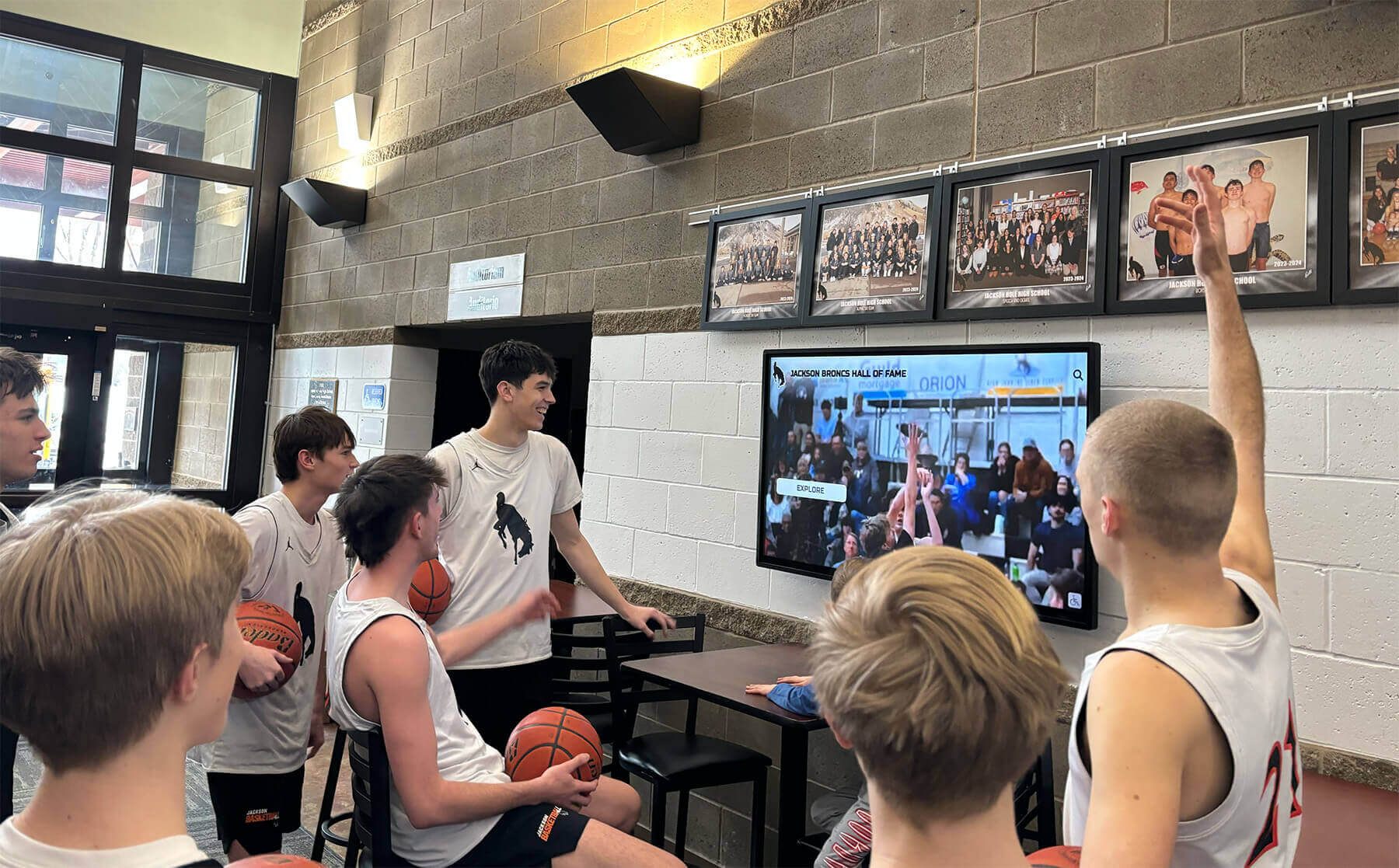
Understanding High School Graduate Displays: More Than Decoration
Graduate displays serve multiple purposes that extend far beyond simple decoration. At their core, these displays answer fundamental human needs for recognition, belonging, and legacy. For graduates, seeing their achievements publicly acknowledged validates years of effort while marking their passage from one life stage to another. For families, displays celebrate not just the graduate but the entire support system—parents, siblings, grandparents, teachers, coaches, and mentors—who contributed to success.
The Psychology Behind Recognition
Recognition profoundly affects human motivation and self-concept. When students see their achievements publicly acknowledged, several psychological mechanisms activate simultaneously. Social recognition from valued communities reinforces positive self-identity and affirms that accomplishments merit celebration. This validation strengthens self-efficacy—the belief that effort leads to success—which becomes particularly important as graduates face new challenges in college, careers, or other post-secondary paths.
For younger students observing graduate recognition, these displays create aspirational models. Seeing graduates from their own school honored for achievement makes future success feel tangible and achievable rather than abstract or distant. This modeling effect helps build what educators call “college-going culture” or “achievement culture”—shared expectations that educational success is normal, expected, and celebrated.
Public recognition also creates reciprocal social obligations. Graduates honored by their schools often feel stronger ongoing connections and greater willingness to give back through volunteering, mentorship, or eventual financial support. This reciprocity explains why thoughtful recognition programs generate returns far exceeding their costs in sustained alumni engagement and community support.
Temporary vs. Permanent Recognition
Graduate displays generally fall into two categories, each serving distinct purposes.
Temporary Displays for Celebrations
Graduation party displays, senior night decorations, and end-of-year celebrations create temporary recognition designed for specific events. These displays typically feature extensive photo collections showcasing the graduate’s journey from childhood through senior year, memorabilia like awards, medals, jerseys, and achievement certificates, creative presentations using poster boards, photo collages, or digital slideshows, and personalized elements reflecting individual interests, accomplishments, and personality.
Temporary displays excel at storytelling and personalization. A parent creating a graduation party display can include baby photos, elementary school artwork, middle school awkwardness, and high school achievements in ways that celebrate the complete journey. These intimate displays resonate emotionally with family and friends who’ve witnessed the graduate’s growth firsthand.
However, temporary displays by definition lack permanence. Once the party ends, displays come down, photos return to albums, and visible recognition largely disappears. While memories persist, the physical acknowledgment becomes ephemeral.
Permanent Institutional Recognition
Schools implementing permanent graduate recognition create lasting visibility that extends far beyond graduation day. Permanent displays might include engraved plaques listing valedictorians, honor graduates, or scholarship recipients, trophy cases featuring academic awards, college acceptances, or achievement milestones, interactive digital displays showcasing comprehensive graduate profiles with photos and information, and dedicated spaces like senior walls, graduate galleries, or alumni recognition areas.
Permanent recognition serves institutional purposes beyond individual acknowledgment. These displays demonstrate educational quality through graduate outcomes, inspire current students with examples of achievable success, strengthen school culture around achievement and excellence, preserve institutional history and tradition across generations, and create pride among families, alumni, and communities.
The most effective recognition strategies combine both approaches—celebrating graduates individually during their senior year while incorporating them into permanent institutional recognition that maintains visibility for years to come.
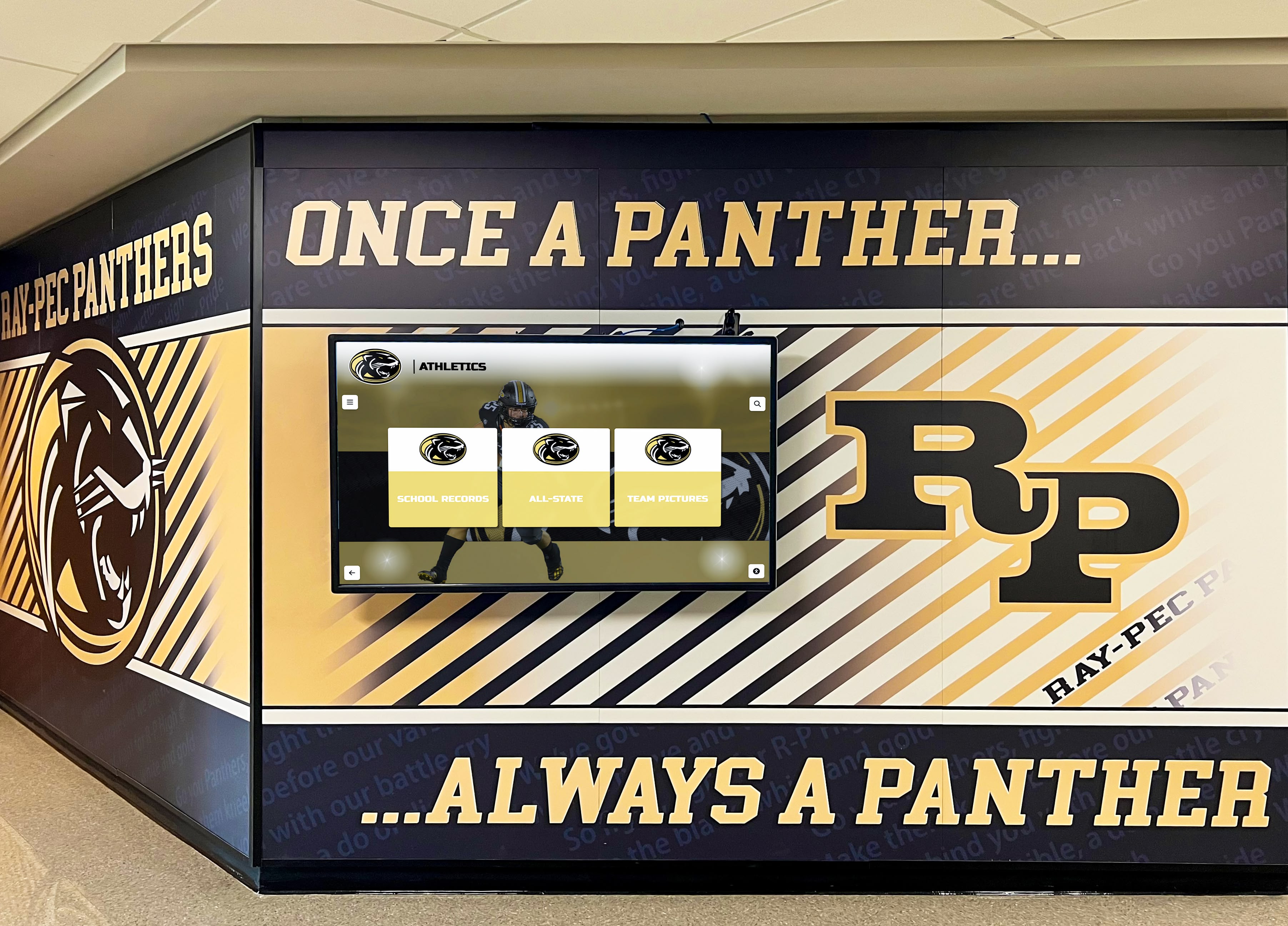
Creative Graduation Party Display Ideas: Celebrating Individual Graduates
For families planning graduation parties, creative displays transform celebrations from simple gatherings into memorable tributes honoring the graduate’s unique journey, accomplishments, and personality.
Classic Photo Display Methods
Traditional photo displays remain popular because they work beautifully when executed thoughtfully. These time-tested approaches provide frameworks for organizing and presenting photos in visually appealing ways.
Senior Board Displays
Tri-fold poster boards create portable, freestanding displays perfect for graduation parties. The classic approach features chronological photo arrangements showcasing the graduate from infancy through senior year, a center panel highlighting the graduate’s name, school, and future plans, side panels organized by theme—academic achievements, athletic accomplishments, extracurricular activities, family moments, and friend groups—and decorative elements using school colors, metallic accents, or themed embellishments.
When creating senior boards, select photos representing different life stages and experiences rather than concentrating exclusively on senior year. The contrast between adorable kindergarten photos and confident senior portraits visually demonstrates growth in ways that resonate emotionally with viewers.
Photo Timeline Displays
Chronicle the graduate’s educational journey through photo timelines arranged sequentially. Effective timeline displays use string, ribbon, or wire stretched between walls or across designated display areas, with photos attached using decorative clips, clothespins, or small binder clips. Label each photo with grade levels or ages to create narrative flow, and consider adding milestone cards noting significant achievements—made honor roll, won spelling bee, scored winning goal, elected class president—between photos.
Timeline displays work particularly well in spaces where guests circulate, encouraging viewing as people move through party areas. The sequential arrangement naturally draws viewers along the display, creating engagement through storytelling rather than overwhelming them with random photo collections.
Balloon Photo Displays
Add dimensional interest by attaching photos to helium balloons grouped as dramatic focal points. This playful approach appeals to younger guests while creating Instagram-worthy party aesthetics. Select balloons in school colors or metallics like gold and silver, attach photos using double-sided tape or photo corners, and arrange balloon clusters at varying heights for visual interest.
Balloon displays work best for outdoor parties or venues with high ceilings where balloons won’t interfere with lighting fixtures or cause ceiling damage.
Creative Photo Presentation Ideas
Move beyond traditional frames and boards with innovative presentation methods that add personality and style to graduation displays.
Repurposed Materials
Sustainability-minded families appreciate displays using repurposed materials that add rustic charm or vintage appeal. Consider painted wooden pallets leaning against walls with photos clipped to horizontal slats using wooden clothespins, vintage wooden ladders with twine or ribbon stretched between rungs for hanging photos, old window frames with photos replacing glass panes, or salvaged barn wood boards with photos mounted using washi tape or decorative clips.
These repurposed approaches work particularly well for outdoor celebrations, casual family gatherings, or graduates with artistic or environmentally conscious interests.
Tech-Enhanced Displays
Incorporate technology for dynamic presentations that traditional static displays cannot match. Digital slideshow displays using large screens or projectors can cycle through hundreds of photos set to the graduate’s favorite music, including video clips of memorable moments, showing social media posts and messages from friends, and featuring thank-you messages or advice from the graduate.
Digital displays accommodate far more content than physical boards while enabling multimedia integration impossible with printed photos. Additionally, digital presentations create ready-made keepsakes—the slideshow itself becomes a gift the graduate keeps forever.
Interactive Display Elements
Transform passive viewing into engaging experiences through interactive display components that invite guest participation.
Advice and Memory Stations
Set up stations where party guests contribute written memories, advice, or well-wishes. Provide decorative cards where guests write advice for college, career, or adult life, a guest book where attendees share favorite memories with the graduate, a prediction book where guests forecast where the graduate will be in 5, 10, or 20 years, or a blessing jar where people contribute encouraging words or prayers.
These interactive elements serve dual purposes—they engage guests during the party while creating meaningful keepsakes the graduate treasures long after the celebration ends. Many graduates report rereading advice and memories during challenging college moments, finding encouragement and connection in words written years earlier.
Photo Opportunity Backgrounds
Create dedicated photo opportunity areas where guests take pictures with the graduate against themed backboards. Effective photo backgrounds feature the graduate’s name, school, graduation year, and future plans, incorporate school colors, mascots, or logos, use balloon walls, flower walls, or fabric backdrops, and include props like graduation caps, diploma props, or fun signs.
These photo areas generate social media content that extends party visibility beyond attendees while creating shareable celebration of the graduate’s achievement. Provide a unique hashtag guests use when posting photos, creating aggregated digital records of the celebration.
School-Based Senior Recognition Displays: Honoring Entire Classes
While individual families create graduation party displays, schools face the challenge of recognizing entire senior classes in ways that honor individual achievements while remaining practical and sustainable.
Traditional School Recognition Approaches
Many schools maintain established recognition traditions that celebrate graduates through physical displays and ceremonial acknowledgment.
Senior Hallway Walls
Dedicating specific hallways or display areas to graduating seniors creates concentrated recognition zones. Traditional senior walls typically feature individual senior photos arranged in grid layouts or creative patterns, names and future post-secondary plans listed beneath or beside photos, honor designations identifying valedictorians, salutatorians, or honor graduates, and special callouts for scholarship recipients, college acceptances, or other achievements.
Senior walls work well in high-traffic areas near main entrances, cafeterias, or administrative offices where students, staff, and visitors pass daily. However, space limitations often force difficult decisions about what information to include, and updates or corrections prove challenging once physical displays are installed.
Trophy Case Recognition
Athletic trophy cases in school lobbies often expand to include academic achievement recognition during graduation season. Schools might display honor graduate certificates or academic award plaques, create college acceptance maps showing where graduates will attend, showcase scholarship totals awarded to the senior class, or highlight special achievements like National Merit Scholars, AP Scholars with Distinction, or perfect attendance honorees.
Trophy case displays leverage existing infrastructure while connecting academic achievement with athletic accomplishment, reinforcing that both deserve equal recognition and celebration. Many students implementing academic recognition programs find that trophy case integration increases visibility and impact.
Graduation Ceremony Recognition
Commencement ceremonies provide formal contexts for recognizing graduate achievements through special cords, stoles, or medals identifying honor students, academic achievements, or special designations, program inserts listing graduate names, honors, and post-secondary plans, special announcements or awards during the ceremony, and recognition of scholarship amounts, college acceptances, or other notable achievements.
Ceremony recognition ensures every family hears their graduate’s name and sees them honored publicly, creating memorable moments that justify years of academic investment and family sacrifice.
Modern Digital Recognition Solutions for Schools
Digital technology dramatically expands what’s possible for school-based graduate recognition while addressing limitations inherent in traditional physical displays. Solutions like Rocket Alumni Solutions’ digital recognition platforms transform how schools celebrate graduating classes.
Interactive Touchscreen Displays
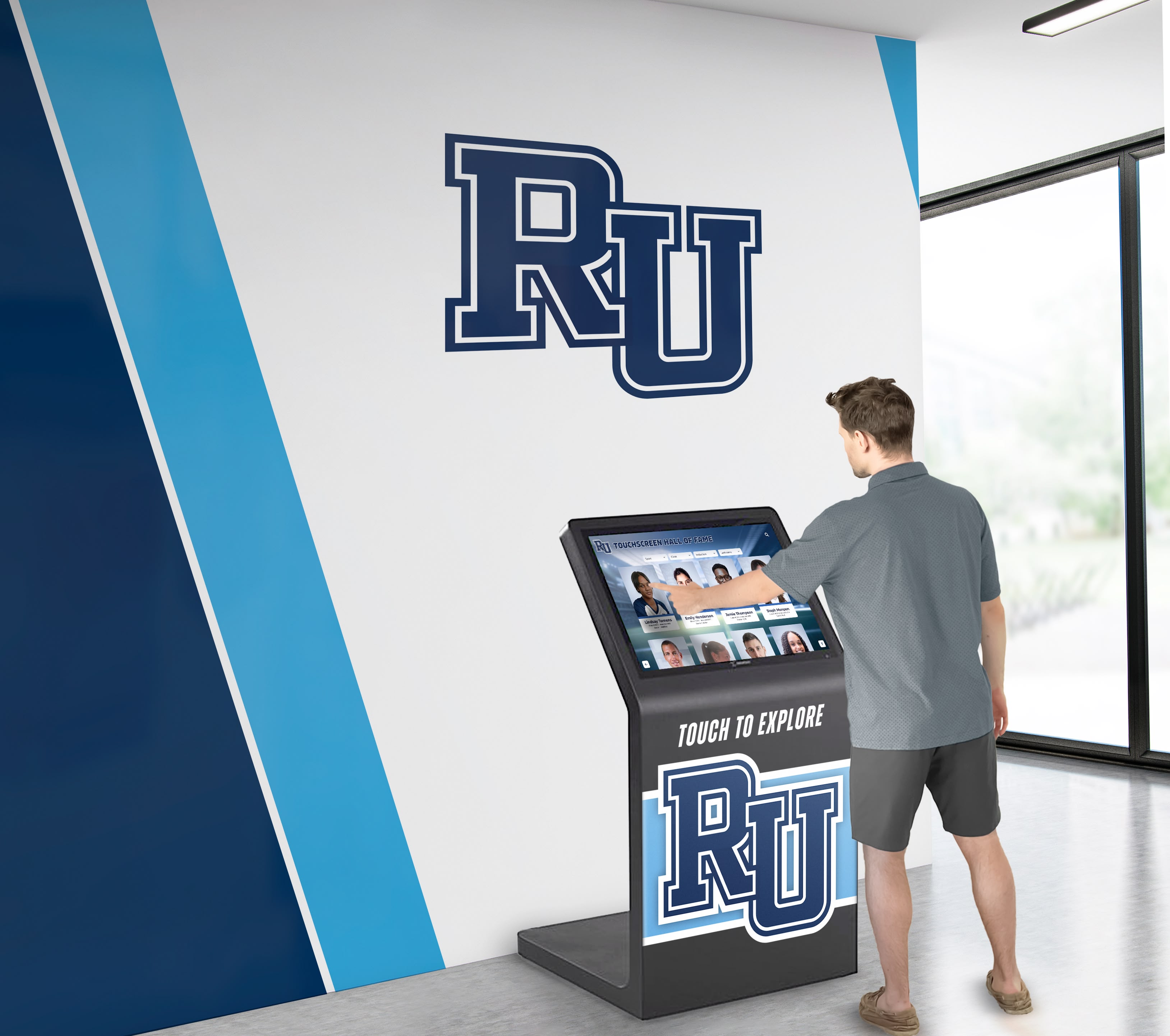
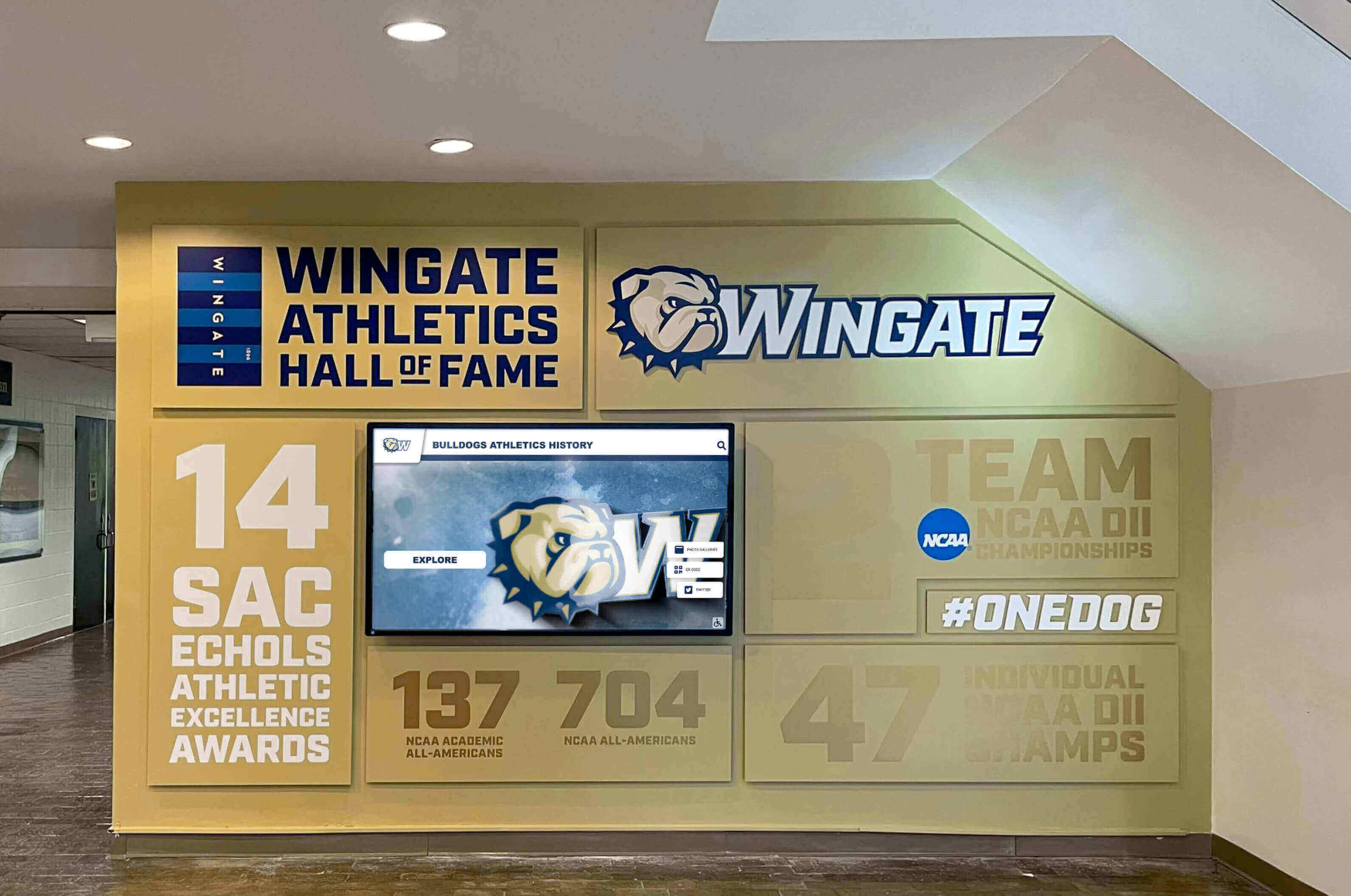
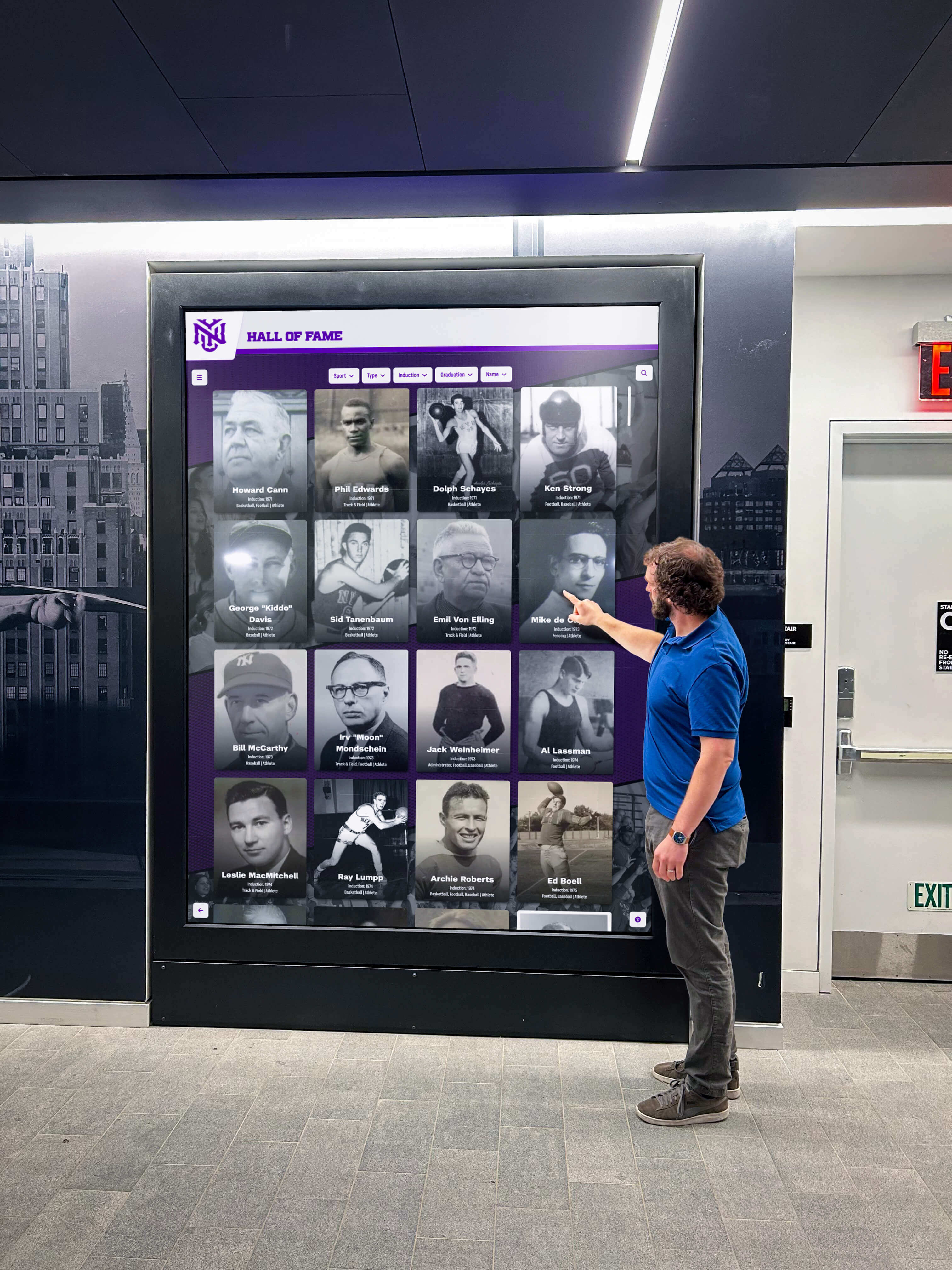

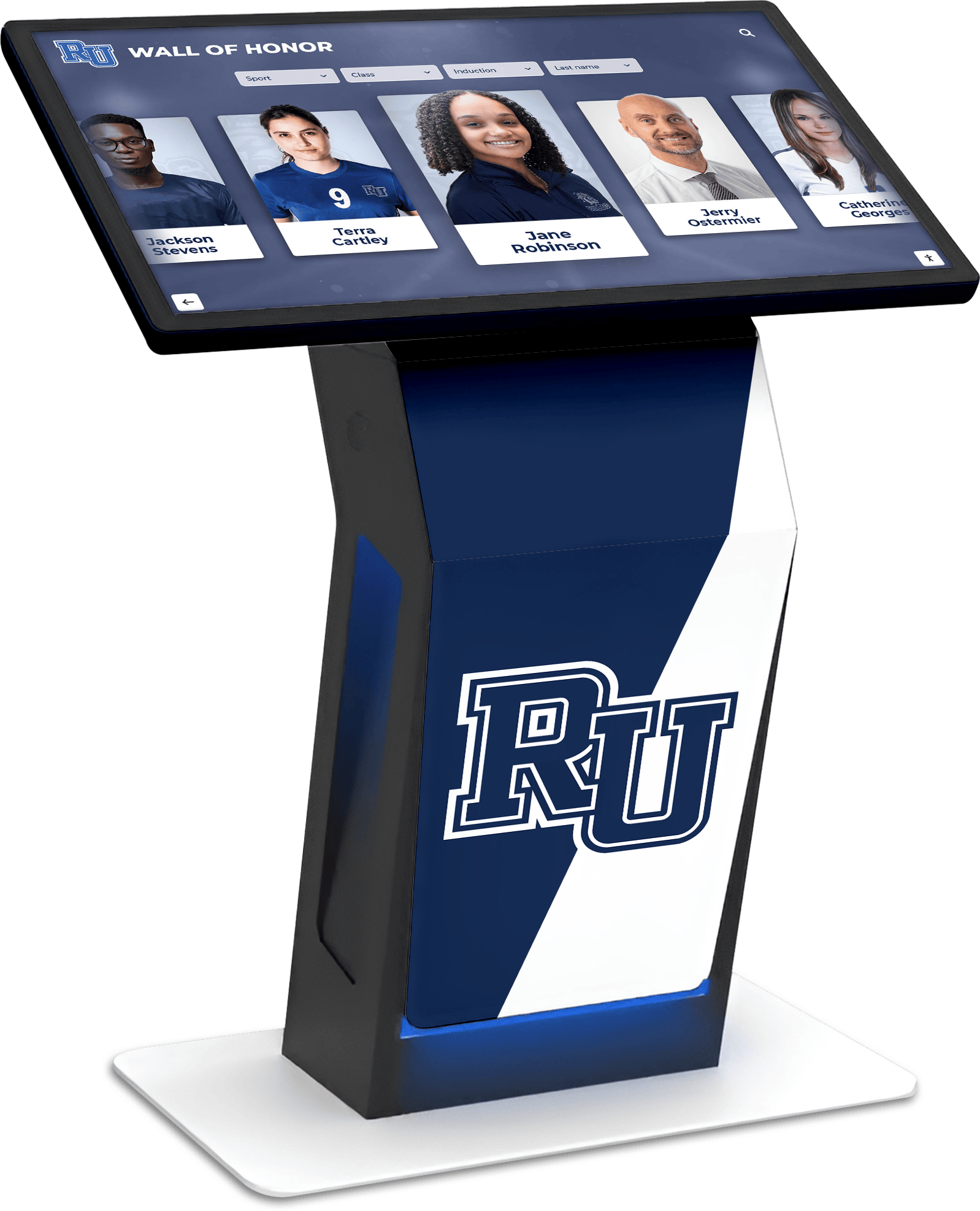
Commercial-grade touchscreen displays installed in school lobbies, hallways, or commons areas provide unlimited recognition capacity through searchable databases. These systems showcase comprehensive graduate profiles including professional photographs, academic honors and achievements, college or post-secondary plans, scholarship information when publicly shared, personal statements or advice to younger students, and video messages from graduates reflecting on their experiences.
Unlike physical displays limited by available wall space, digital systems accommodate every graduate in the senior class regardless of size. Schools graduating 50 students or 500 students implement identical technology, with content capacity expanding as needed without requiring additional physical space or hardware.
Interactive displays invite exploration rather than passive viewing. Students spend significantly more time engaging with touchscreen recognition than viewing traditional bulletin boards, searching for friends, exploring intended colleges, and discovering what prior classes achieved. This increased engagement creates stronger inspirational impact while demonstrating program value through measurable usage metrics.
Cloud-Based Content Management
Modern digital recognition platforms provide web-based management interfaces allowing non-technical staff to easily add graduates, upload photos and information, update content as plans change or evolve, enhance profiles with additional details over time, and publish content on specified schedules.
This management simplicity proves crucial for sustainability. Recognition programs requiring specialized technical expertise often languish when key personnel leave or when technical challenges exceed staff capabilities. Purpose-built platforms designed specifically for schools ensure guidance counselors, administrators, or designated staff manage content independently without IT intervention.
Web Accessibility for Remote Viewing
The most effective digital recognition systems extend beyond physical campus displays through companion websites providing global access. Web platforms enable families to share recognition with distant relatives, allow alumni to explore current graduate profiles from anywhere, provide college counselors at feeder schools with examples of student pathways, and support prospective families researching school culture during admissions processes.
This extended accessibility dramatically increases recognition reach and impact. Rather than limiting visibility to those physically present on campus, web-integrated recognition celebrates graduates across communities, states, and even internationally. Schools implementing digital recognition displays consistently report that web accessibility generates more total engagement than physical displays alone.
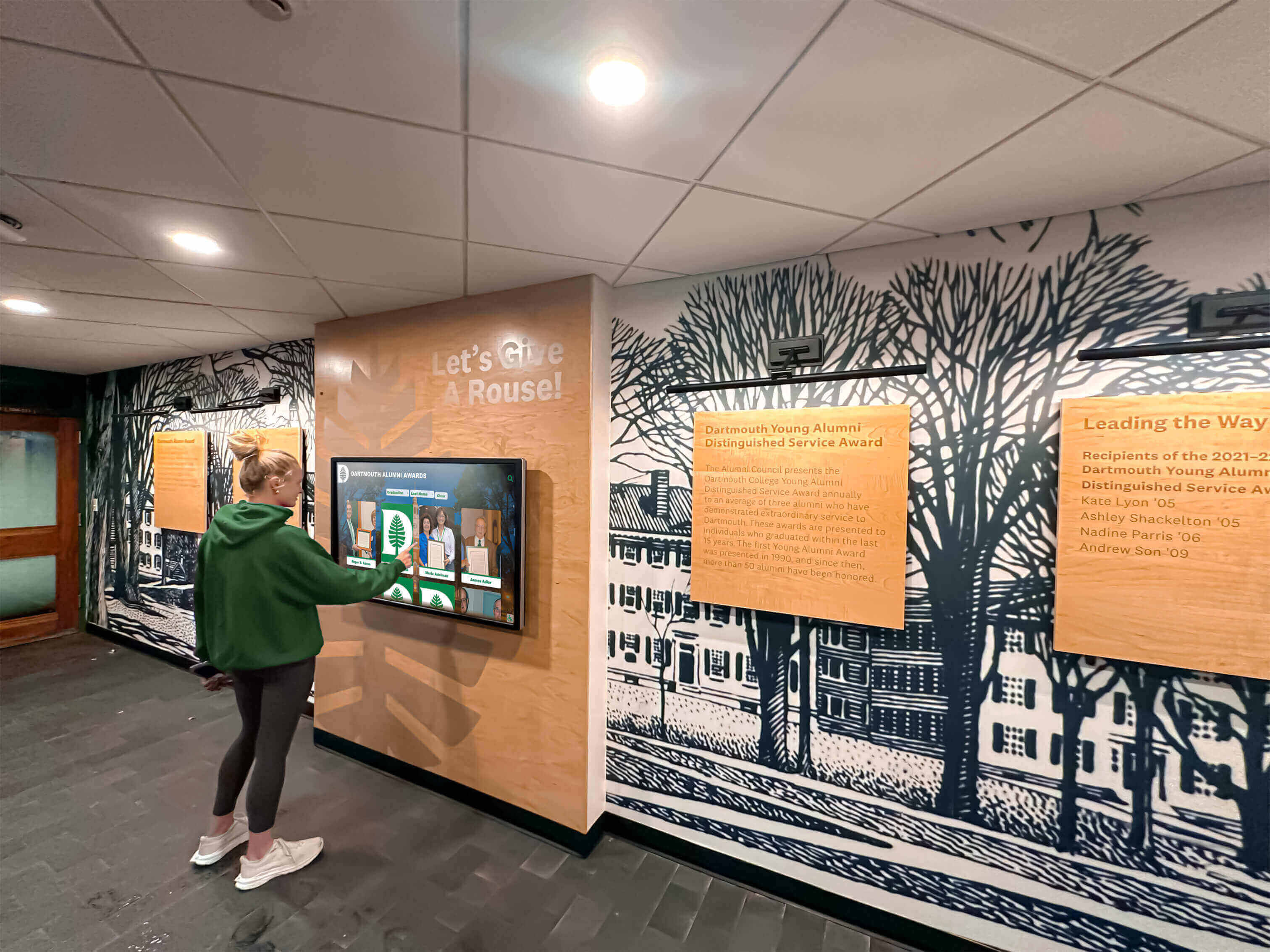
Inclusive Recognition Practices
Effective graduate recognition celebrates diverse achievements and pathways rather than privileging specific destination types or traditional definitions of success.
Celebrating All Post-Secondary Pathways
Ensure recognition programs honor graduates pursuing all post-secondary directions including four-year colleges and universities, community college enrollment, technical and trade school programs, military service commitments, gap year programs focused on service or work, and direct workforce entry with continuing education plans.
Inclusive recognition communicates that what matters is intentionality and continued growth—not specific institutional types or traditional paths. This approach particularly benefits first-generation college students, students from diverse socioeconomic backgrounds, and those pursuing non-traditional pathways who deserve equal celebration for their decisions and achievements.
Academic and Non-Academic Achievement Balance
While academic honors like valedictorians and honor graduates merit recognition, comprehensive programs also celebrate students who excelled in arts, athletics, leadership, service, technical skills, or vocational programs, demonstrated exceptional personal growth or overcame significant challenges, contributed positively to school culture through citizenship and character, or achieved distinction in less traditionally recognized areas.
Balanced recognition ensures that all students—not just those with highest GPAs—see themselves reflected in school honor systems, strengthening belongingness and validating diverse forms of excellence.
First-Generation and Milestone Recognition
Some schools create special recognition for first-generation college students—those whose parents did not complete four-year college degrees. This acknowledgment honors unique challenges first-generation students often navigate while building college-going culture that normalizes higher education across all family backgrounds. Similarly, recognizing students who are the first in their families to graduate high school validates achievement regardless of post-secondary plans.
Programs like peer leadership recognition demonstrate how schools can highlight diverse forms of student contribution beyond traditional academic metrics.
Implementing Effective Graduate Recognition: Practical Strategies
Creating impactful graduate displays—whether for individual parties or school-wide programs—requires thoughtful planning, systematic execution, and attention to details that separate memorable recognition from forgettable attempts.
Planning Your Graduate Display
Successful displays begin with clear planning that defines scope, audience, and desired outcomes.
Define Your Purpose and Audience
Before selecting specific display methods, clarify what you want to accomplish and who will experience the recognition. For graduation parties, purposes might include celebrating the graduate’s complete journey from childhood through graduation, creating photo opportunities for family and friends, providing entertainment and conversation starters during the party, or generating social media content extending celebration visibility.
For school-based recognition, purposes typically include inspiring younger students with examples of achievable success, demonstrating educational quality through graduate outcomes, building school pride and community connection, or preserving institutional history and tradition.
Different purposes suggest different display approaches, content emphases, and implementation strategies. A party display telling intimate personal stories differs significantly from institutional recognition focusing on achievements and future plans.
Establish Your Budget and Resources
Recognition quality depends less on budget size than on thoughtful allocation of available resources. DIY graduation party displays created with creativity and care often surpass expensive professional designs lacking personal touches. Similarly, schools implementing comprehensive digital recognition need not invest six figures—scalable solutions exist for institutions of all sizes and resource levels.
Identify what you can reasonably invest in time, money, and materials. For parties, budget considerations include display materials like poster boards, frames, or repurposed items, photo printing or digital display equipment, decorative elements and embellishments, and possibly professional design services. For schools, budget items typically include technology hardware like touchscreen displays or projection systems, software licenses or platform subscriptions, content development time or contracted services, and installation, mounting, or facilities requirements.
Create Content Collection Systems
High-quality displays require excellent content—primarily photos, but also biographical information, achievement details, and personal reflections. Systematic collection prevents last-minute scrambling.
For graduation parties, start collecting content months in advance by digitizing old printed photos from albums and boxes, gathering photos from extended family members who may have unique pictures, soliciting photos from friends and their parents, requesting school photos from every grade, and asking the graduate to identify favorite photos from their phone and social media.
For school recognition programs, create simple submission systems where seniors provide their own content through online forms collecting standardized information, photo upload portals with format specifications, optional video message submission, and confirmation communications acknowledging received content.
Make participation voluntary but encouraged. While most students enthusiastically participate, respect privacy preferences by offering opt-out options for those who prefer not to be featured publicly.
Creating Compelling Recognition Content
Content quality determines recognition impact more than display technology or presentation format. Thoughtful content development transforms basic acknowledgment into inspiring celebration.
Visual Content Best Practices
Photos carry recognition displays, making visual quality crucial for professional appearance and engagement. For printed displays, ensure photos meet minimum resolution requirements—ideally 300 DPI at printed size—to prevent pixelation or blurriness. For digital displays, aim for 1920x1080 resolution or higher, particularly for screens viewed at close distances.
Select photos showing genuine emotion and personality rather than stiff poses. Candid moments during activities, authentic smiles, action shots from sports or performances, and natural interactions with friends often resonate more powerfully than formal portraits. Include variety in settings, expressions, groups, and contexts to tell complete stories rather than showing repetitive similar images.
Consistency in photo editing creates cohesive presentations. Choose whether to use color photos throughout, create vintage effects with sepia or black-and-white treatments, or mix styles intentionally. Avoid random inconsistency that appears accidental rather than purposeful.
Written Content Guidelines
While photos attract attention, written content provides context, meaning, and personal voice. For graduation party displays, include graduate name, school, and graduation year at minimum, future plans for college, career, military service, or other paths, favorite high school memories or accomplishments when space allows, and thank-you messages to parents, family, teachers, or mentors.
For school-based recognition, capture information like full name and any preferred names, academic honors or distinctions earned, post-secondary institution or plans, intended major, field of study, or career direction, scholarship information when publicly shared, significant extracurricular achievements or leadership roles, and personal statements or advice to younger students when available.
Write content in the graduate’s authentic voice when possible. First-person statements like “I chose State University because of their marine biology program and hands-on research opportunities” connect more personally than third-person descriptions. For students comfortable sharing reflections, prompt them with questions like “What factors influenced your post-secondary decision?”, “What advice would you give younger students?”, “What high school experiences most prepared you for your next steps?”, or “What are you most looking forward to in your future?”
Multimedia Integration
Digital platforms enable rich multimedia content impossible with traditional displays. Consider incorporating brief video messages where graduates discuss their plans or offer advice to underclassmen, audio clips of memorable moments like music performances or speech excerpts, scanned documents showing acceptance letters, scholarship awards, or achievement certificates, and social media content like memorable posts, team photos, or event highlights when appropriately permissioned.
Multimedia variety increases engagement time as visitors explore different content types rather than simply reading text and viewing photos. Schools implementing solutions like Class of 2026 digital showcases find that video content generates particularly strong engagement and emotional response.
Display Placement and Presentation
Even excellent content fails to achieve impact if poorly positioned or presented. Strategic placement ensures maximum visibility and engagement.
Location Selection for Maximum Visibility
For graduation parties, position displays where guests naturally gather or circulate—near entrance areas where guests arrive and can immediately see recognition, in main party spaces where people congregate, along pathways between key areas where traffic flows naturally, or near food and refreshment stations where guests linger.
Avoid placing displays in isolated corners, dark areas with poor lighting, or locations where guests wouldn’t naturally walk. If using multiple displays, distribute them throughout party spaces rather than concentrating everything in one location, encouraging circulation and ensuring all guests encounter recognition regardless of where they spend time.
For school-based displays, optimal locations include main entrance lobbies where all students, staff, and visitors pass daily, guidance counseling areas where students discuss college and career planning, cafeterias or commons areas with sustained high traffic, and near administrative offices where families frequently visit.
Consider visibility from natural traffic patterns, adequate space for multiple simultaneous viewers, appropriate lighting without glare or shadows, accessibility for all visitors including wheelchair users, and security appropriate to valuable display equipment or materials.
Lighting Considerations
Proper lighting dramatically affects display visibility and visual appeal. For photo displays, ensure even lighting that doesn’t create glare on glossy photos, avoid backlighting that makes displays difficult to see, and consider adding accent lighting to highlight key elements.
For digital displays, position screens away from windows or bright lights that create glare, adjust screen brightness appropriate to ambient lighting conditions, and ensure adequate contrast for comfortable viewing without eyestrain.
Natural lighting works beautifully for daytime party displays but becomes problematic for evening events. If hosting celebrations during hours when natural light diminishes, supplement with strategic artificial lighting.
Technology Solutions for Graduate Recognition
Modern technology expands recognition possibilities while addressing limitations inherent in traditional approaches. Understanding available solutions helps families and schools select appropriate options for their needs, budgets, and technical capabilities.
Digital Slideshow Displays
Among the simplest technology solutions, digital slideshows provide straightforward ways to display extensive photo collections without printing costs or physical space requirements.
Equipment and Setup
Basic slideshow displays require only a digital screen—television, computer monitor, or projector—and a device playing the slideshow content like a laptop, tablet, or USB drive with slideshow files. Most modern televisions include USB ports enabling direct playback without additional equipment.
Free or low-cost slideshow software enables easy creation with user-friendly interfaces, transitions and effects, music integration, video clip support, and export in formats compatible with display devices.
Slideshows work particularly well for graduation parties where you want to include hundreds of photos without printing expense or display space requirements. They also accommodate last-minute additions or changes impossible with printed displays already assembled.
Content Optimization
Effective slideshow creation requires attention to technical details that prevent common problems. Ensure all photos share similar resolution for consistent quality, standardize photo orientation and aspect ratios to prevent awkward cropping, limit each photo’s display duration to 3-5 seconds—long enough to see but short enough to maintain interest, and select background music that complements without overwhelming or distracting.
Consider creating themed slideshow sections rather than random chronological arrangements. Segments focused on family, friends, athletics, academics, or other themes create narrative structure that engages viewers more effectively than arbitrary photo sequences.
Commercial Digital Recognition Platforms
Schools implementing permanent graduate recognition benefit from purpose-built platforms designed specifically for educational institutions. These specialized solutions provide capabilities far exceeding what’s possible with generic digital signage or DIY approaches.
Rocket Alumni Solutions Platform Features
Solutions like Rocket Alumni Solutions offer comprehensive systems combining physical touchscreen displays, cloud-based content management, web accessibility, and ongoing support. Key capabilities include intuitive content management requiring no technical expertise, pre-built templates optimized for graduate recognition, unlimited content capacity accommodating any class size, search and filtering enabling visitors to find specific graduates or information, multimedia support for photos, videos, and documents, automated synchronization between physical displays and web platforms, usage analytics revealing engagement patterns and popular content, responsive design ensuring excellent experiences across all devices, and dedicated customer support assisting with implementation and ongoing operation.
These purpose-built platforms deliver professional results with minimal technical burden, making sophisticated recognition accessible even for schools with limited technology resources. Schools exploring digital recognition solutions find that specialized platforms significantly outperform repurposed generic systems in both functionality and ease of use.
Hardware Considerations
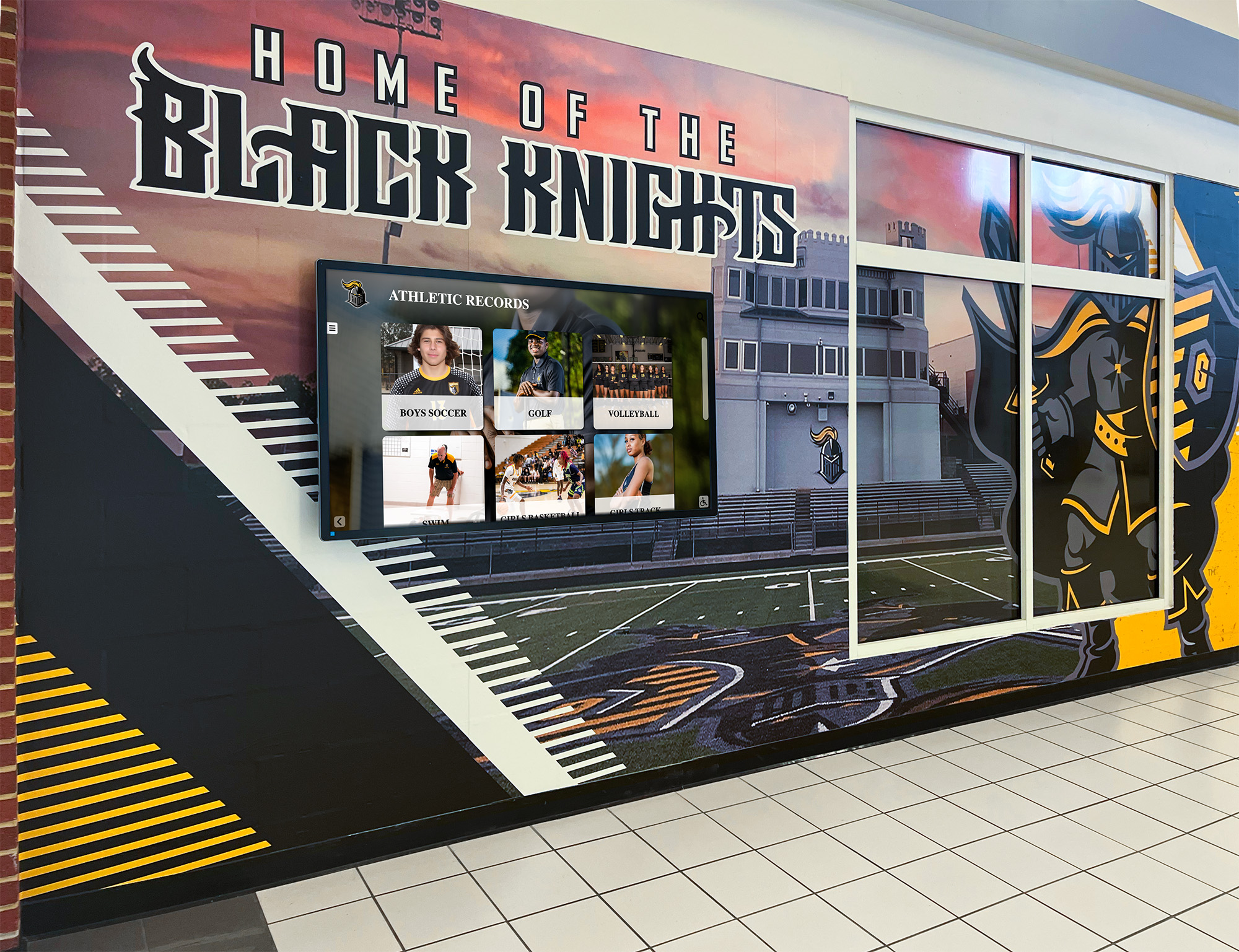
Physical touchscreen installations require appropriate hardware selections ensuring reliability, professional appearance, and excellent user experience. Key considerations include screen size appropriate to viewing distance and space constraints—typically 55-75 inches for hallway or lobby installations, commercial-grade displays rated for continuous operation rather than consumer televisions, capacitive touch technology providing responsive, accurate interaction, 4K resolution ensuring crisp text and images at close viewing distances, and reliable mounting hardware appropriate for installation locations.
Quality hardware investments ensure dependable long-term operation and professional appearance appropriate for prominent school locations. While initial costs exceed consumer options, commercial equipment delivers reliability and longevity that prevents expensive premature replacements.
Implementation and Support
Successful technology implementations require more than purchasing equipment—they demand thoughtful planning, professional installation, comprehensive training, and ongoing support. Evaluate potential vendors on their implementation process including needs assessment and planning consultation, hardware specification and procurement assistance, professional installation and mounting services, comprehensive training for content management staff, and responsive ongoing technical support via multiple channels.
The right technology partner transforms recognition from IT project to sustainable program by handling technical complexities while enabling non-technical staff to manage content independently. Schools evaluating touchscreen software options should prioritize vendors offering this comprehensive support model.
Measuring Graduate Display Impact
Whether creating party displays or implementing school programs, assessing effectiveness helps optimize efforts while demonstrating value to stakeholders who provide support and resources.
Engagement Metrics for School Programs
Digital recognition platforms provide objective usage data revealing actual engagement patterns.
Quantitative Measures
Track daily interaction counts and unique visitor numbers, average session duration measuring how long visitors explore content, profiles viewed per visit indicating content breadth explored, popular search terms revealing what information visitors seek, and peak usage patterns identifying optimal times for updates or promotions.
These metrics demonstrate program value objectively while identifying opportunities for enhancement. For example, if average session duration remains low, content may need enrichment or presentation improvements. If certain graduates receive disproportionate views, consider featuring them prominently or understanding what makes their profiles particularly engaging.
Comparative Analysis
Compare engagement metrics across different graduate classes, recognition categories, or time periods. Patterns might reveal that certain graduation years attract more interest, particular types of achievements generate greater engagement, or specific content elements like video or personal statements increase viewing duration.
Use insights to refine content development priorities, adjust recognition strategies, and optimize presentation formats for maximum impact.
Qualitative Feedback Collection
Complement quantitative data with stakeholder perspectives revealing subjective impacts difficult to measure numerically.
Senior Satisfaction Surveys
Survey graduating seniors about satisfaction with how they were recognized, whether they felt recognition was meaningful and appropriate, what they appreciated most about recognition efforts, what improvements they’d suggest, and whether recognition influenced their ongoing connection to the school.
This direct feedback from recognized graduates ensures programs serve their intended audience appropriately while identifying enhancement opportunities.
Younger Student Impact Assessment
The ultimate test of graduate recognition is whether it inspires younger students toward achievement. Survey freshmen, sophomores, and juniors about awareness of graduate recognition programs, whether displays influenced their perception of what’s possible, specific insights gained from exploring graduate profiles, and how recognition affected their own goal-setting or planning.
Positive responses indicate recognition achieves aspirational purposes beyond simple acknowledgment. Schools implementing effective academic recognition programs consistently find that visible graduate success stories motivate underclassmen while building achievement culture.
Family and Community Input
Collect feedback from parents, family members, and community visitors about satisfaction with recognition quality and visibility, ease of accessing content both on-campus and remotely, impact on perception of school culture and values, and suggestions for recognition enhancement.
Family satisfaction particularly matters since parents are key stakeholders in recognition programs and often instrumental in building community support for school initiatives.
Return on Investment Evaluation
For schools, recognition programs represent investments that should demonstrate tangible returns justifying costs.
Direct Benefits
Quantifiable returns might include reduced annual costs for temporary graduation decorations, staff time savings through streamlined content management compared to manual display creation, enhanced student recruitment through demonstrated graduate success, and increased alumni engagement measurable through giving rates, event attendance, or volunteer participation.
Most schools find that comprehensive recognition platforms generate positive ROI within 2-3 years when considering both direct savings and broader program benefits.
Intangible Value
Beyond measurable returns, recognition delivers intangible benefits that contribute to institutional excellence including strengthened school culture around achievement and excellence, enhanced community pride and identification with the institution, improved staff morale through visible celebration of their educational impact, and preserved institutional memory documenting history across generations.
While difficult to quantify precisely, these cultural and historical benefits often exceed direct financial returns in long-term institutional value.
Best Practices and Common Mistakes
Learning from others’ successes and failures accelerates your own recognition effectiveness while avoiding predictable pitfalls.
Best Practices for Graduation Party Displays
Start Early
Begin planning and collecting content months before graduation. Last-minute scrambling produces stress and compromises quality. Create timelines working backward from the party date including content collection deadlines, design and assembly schedules, material procurement timeframes, and buffer periods for unexpected delays.
Personalize Thoughtfully
The most memorable displays reflect the graduate’s authentic personality, interests, and journey. Avoid generic templates that could represent anyone. Include details that make recognition uniquely theirs like inside jokes that close friends recognize, references to favorite activities, hobbies, or interests, personal style reflecting their aesthetic preferences, and authentic voice in any written content.
Quality Over Quantity
Fifty well-selected, high-quality photos create stronger impact than two hundred mediocre snapshots. Curate content deliberately, choosing images that tell stories, show personality, represent important people and experiences, and maintain visual quality standards.
Best Practices for School Recognition Programs
Inclusive Recognition
Ensure recognition celebrates diverse achievements and pathways rather than privileging traditional academic metrics or specific destination types. Feature students attending community colleges alongside those at prestigious universities, honor technical and trade school commitments equally with four-year colleges, celebrate military service, gap years, and workforce entry with educational plans, and recognize first-generation college students overcoming unique challenges.
Inclusive approaches strengthen culture by communicating that all intentional post-secondary pathways merit celebration. Programs implementing outstanding student recognition find that breadth of honorees matters as much as quality of presentation.
Sustainable Management
Recognition programs only deliver value if maintained consistently over time. Design systems you can realistically sustain long-term through simplified content management appropriate to available staff time, standardized templates ensuring quality without requiring custom design for each profile, volunteer engagement extending capacity without proportional budget increases, and clear accountability assigning specific responsibilities to designated individuals.
Programs becoming burdensome inevitably languish, undermining their purpose and wasting invested resources.
Regular Promotion
Even excellent recognition fails if communities remain unaware. Promote consistently through email newsletters and social media, morning announcements and campus communication channels, parent communications and community newsletters, event integration featuring displays at gatherings, and signage directing visitors to recognition areas.
Sustained visibility ensures recognition becomes embedded in institutional culture rather than overlooked program few people use despite its availability.
Common Mistakes to Avoid
Incomplete or Outdated Content
Nothing undermines recognition credibility faster than incomplete profiles, outdated information, or obvious errors. Implement review processes catching problems before publication, establish update cycles ensuring content currency, correct errors promptly when discovered, and maintain consistent minimum standards preventing sparse profiles from appearing alongside comprehensive ones.
Poor Photo Quality
Low-resolution images, poor lighting, awkward cropping, or unflattering photos detract from recognition regardless of content quality. Set minimum photo standards and provide guidance to content contributors, offer photo capture opportunities for students lacking quality images, and consider basic editing improving consistency without major manipulation.
Technology Without Training
Purchasing sophisticated digital recognition systems without adequate staff training creates expensive dust collectors. Ensure comprehensive training during implementation, maintain accessible reference materials for future reference, provide responsive ongoing support when questions arise, and select platforms designed for non-technical users rather than requiring specialized expertise.
Neglecting Mobile Accessibility
Many people primarily access content through smartphones. Recognition websites failing to function excellently on mobile devices exclude significant portions of potential audiences. Ensure responsive design working seamlessly across all devices, test mobile functionality before launch, and optimize loading speeds for mobile networks.
Schools evaluating digital display solutions should verify mobile accessibility as fundamental requirement rather than optional enhancement.
The Future of Graduate Recognition
Recognition practices continue evolving as technology advances and generational expectations shift. Understanding emerging trends helps ensure investments remain relevant as practices mature.
Artificial Intelligence and Personalization
AI capabilities increasingly enable personalized recognition experiences tailored to individual interests and relationships. Machine learning might analyze viewing patterns to recommend relevant profiles based on connections, suggest graduates from similar hometowns, majors, or interests, automatically enhance photos through intelligent editing and restoration, and generate natural language descriptions from basic biographical data.
These capabilities make comprehensive recognition more accessible for time-constrained families and schools while improving visitor experiences through more intuitive, personalized content discovery.
Social Media Integration
Recognition increasingly extends beyond physical spaces into social platforms where students naturally congregate. Future systems might enable direct social sharing from recognition displays, integrate social media feeds showing graduate updates automatically, facilitate alumni-to-student mentorship connections through messaging, and aggregate community congratulations and messages digitally.
This integration meets families and students where they already exist online rather than expecting them to visit separate platforms exclusively for recognition purposes.
Augmented Reality Experiences
Emerging AR capabilities create novel recognition possibilities. Students might point smartphones at physical displays to reveal additional digital content like video messages or extended profiles, explore three-dimensional timelines showing graduate journeys, or access gamified scavenger hunts discovering hidden facts about graduates.
These immersive experiences particularly appeal to younger generations comfortable with AR through social media filters and gaming applications.
Blockchain Credentials
Distributed ledger technology may eventually enable verifiable digital credentials documenting achievements in tamper-proof permanent records. Graduates could own portable credentials sharing with employers, professional networks, or other institutions while maintaining cryptographic proof of authenticity.
This technology addresses credential verification challenges while giving graduates permanent ownership of achievement records transcending specific institutions.
Conclusion: Recognition That Honors Achievement and Inspires Excellence
High school graduation represents pivotal transitions deserving recognition that honors accomplishment while inspiring continued excellence. Whether you’re creating intimate graduation party displays celebrating individual graduates or implementing comprehensive school programs recognizing entire classes, thoughtful recognition transforms temporary acknowledgment into lasting celebration that builds pride, strengthens community, and motivates achievement.
For families, graduation displays create memorable party experiences while producing keepsakes graduates treasure lifelong. The effort invested in collecting photos, crafting presentations, and creating engaging displays pays dividends in emotional impact far exceeding monetary costs. These displays honor not just graduates but entire support systems who contributed to success.
For schools, permanent graduate recognition serves strategic purposes beyond courtesy. Comprehensive programs demonstrate educational quality through graduate outcomes, inspire younger students with achievable success examples, strengthen institutional culture around achievement, preserve history across generations, and build alumni connections supporting long-term sustainability.
Modern technology transforms what’s possible for graduate recognition. Digital platforms eliminate space constraints limiting traditional displays, interactive touchscreens create engaging experiences passive plaques cannot match, web integration extends recognition globally, and cloud-based management enables sustainable administration by non-technical staff.
Yet technology alone doesn’t guarantee success. Effective recognition requires strategic thinking ensuring fairness and inclusivity, compelling content telling authentic stories, sustained promotion preventing awareness gaps, and institutional commitment providing resources and accountability.
Transform Your Graduate Recognition Program
Discover how Rocket Alumni Solutions can help you create engaging digital displays that celebrate graduating classes year after year, inspire younger students, and build lasting traditions around educational excellence.
Schedule Your Free ConsultationFor schools ready to implement or revitalize graduate recognition programs, comprehensive solutions like those from Rocket Alumni Solutions provide proven platforms combining sophisticated technology with intuitive management and dedicated support. From strategic planning through ongoing optimization, the right partner transforms recognition from administrative burden into engagement engine celebrating achievement while advancing institutional priorities.
Recognition honors the remarkable students who validate educational missions through their accomplishments and contributions. When recognition programs combine meaningful acknowledgment with strategic engagement capabilities, they create value extending far beyond simple displays—building pride, strengthening bonds, inspiring students, and demonstrating education’s lasting impact across generations. The investment in comprehensive recognition returns dividends in community strength, institutional reputation, and sustained excellence for years to come.
Your graduates worked years to reach this milestone. Give their achievements the visibility, celebration, and inspiration they deserve through recognition that honors today’s success while motivating tomorrow’s excellence.































